
News
OPPO Watch Free levels up sleep monitoring
Featuring Osleep

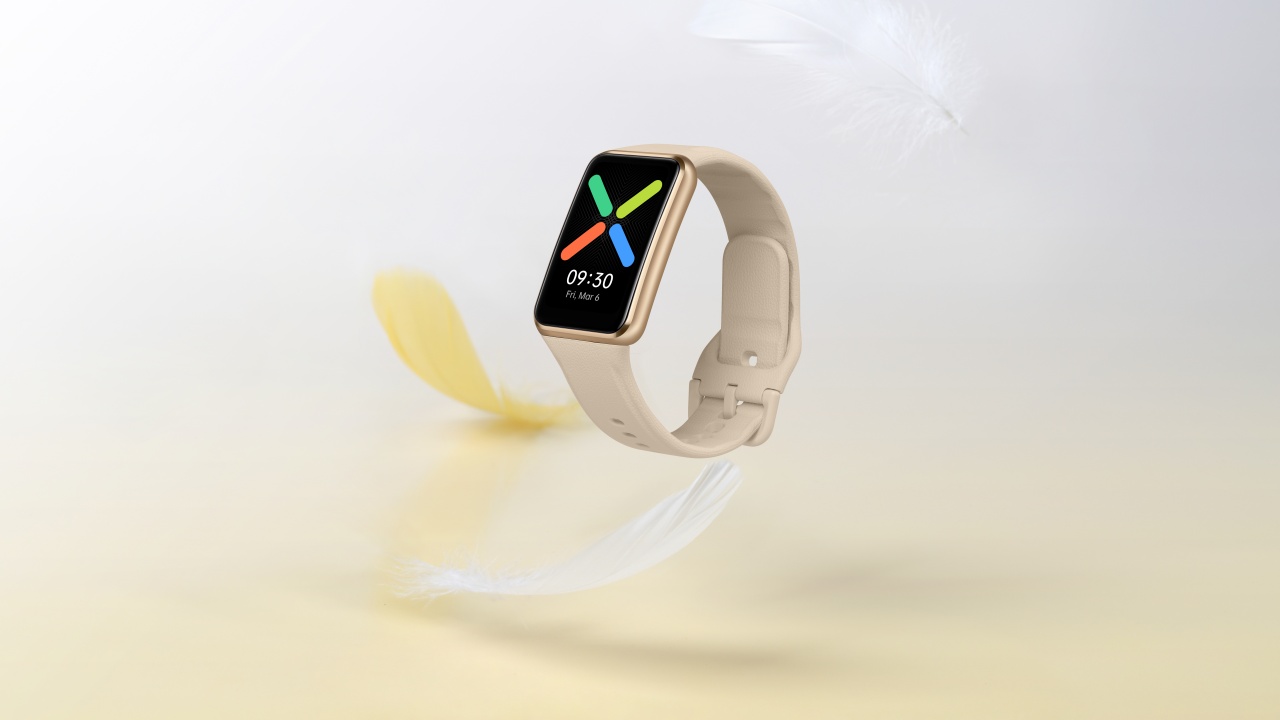
OPPO announced their latest OPPO Watch Free — a brand-new watch with all-scenario sleep monitoring.
The watch aims to be the entry-level smartwatch of choice for all, as it comes with Osleep for better sleep monitoring, as well as professional sport modes and other health functions.
Sleep well with OSleep

Osleep comes with professional, comprehensive, and personalized sleep monitoring and analysis throughout the sleep cycle.
This includes an exclusive snoring risk assessment monitored by sensors and advanced algorithms to detect sleep problems and come up with accurate suggestions.
OPPO’s latest smart watch uses a continuous second-level SpO2 monitoring through an optical SpO2 sensor, as well as an optical heart rate sensor to record snores, while other indicators like blood oxygen level is also tallied.
The OPPO Watch Free also analyzes users’ sleep latency, duration, and phases using its advanced features like deep and light sleep analysis and rapid eye movement (REM) monitoring to aid in better sleep.
OPPO and Tsinghua University partnered in establishing the Joint Research Center for Future Terminal Technology, conducting a number of joint research projects in the field of sleep to further explore sleep tracking technology.
Over 100 sport modes, pro health monitoring

When it comes to staying fit, the OPPO Watch Free has a built-in 6-axis motion sensor along with its optical heart rate sensor that supports over 100 sport modes.
The sensors automatically identify and record the sport modes using algorithms, making it easier for users to exercise and stay fit.
All activities may be checked through Daily Activity, which also features built-in professional running courses to help in one’s fitness goals.
Additionally, the OPPO Watch Free supports 24-hour heart rate monitoring, which records users’ heart rate around the clock.
A warning vibrate will automatically prompt users when heart rate becomes too high or if there are irregular heartbeats.
Even just simple stand-up reminders and 5-minute stand-up relaxation videos come with the product, which are best suited for office workers to be able to sneak in being fit and relaxed.
Multiple convenience features
OPPO Watch Free can ideally be used as an extension of users’ phones, as it has a range of convenience features such as Message Notifications, Incoming Call Notifications, Call Rejection, Find My Phone, and Music Playback Control.
OPPO Watch Free also has a long battery life of up to 14 days. A quick 5-minute charge is already good for a day’s worth of usage.
Lightweight, stylish design
The likewise fashionable OPPO Watch Free weighs only 33 grams and comes with a 1.64-inch AMOLED HD display.
The watch also features a smooth leather-like strap which offers a breathable fit that stays comfortable and offers over 40 stylish watch faces and AI Outfit watch Face 2.0.
This allows users to create personalised watch faces that match the style of their outfit on any given day.
Pricing and availability
The OPPO Watch Free will be available in two colors — Vanilla and Black — from January 15, 2022 at a retail price of SG$ 129 at OPPO Concept Stores, OPPO’s Shopee and Lazada flagship stores, and authorized sellers.
From January 15 until March 4, 2022, the OPPO Watch Free can also be purchased at a discounted price of SG$ 99 alongside the OPPO Reno7 Pro, only at OPPO Concept Stores, OPPO’s Shopee and Lazada Flagship Stores.




The POVA 8 Pro 5G was unveiled not too long ago. This time, TECNO is giving it a different kind of makeover.
Stealthy makeover
TECNO officially launches the all-new POVA 8 Pro 5G Tonino Lamborghini Limited Edition as a consumer-ready smartphone.
ICYMI, this collaboration was first teased and introduced at MWC 2026 last March as a multi-year partnership between the two brands.
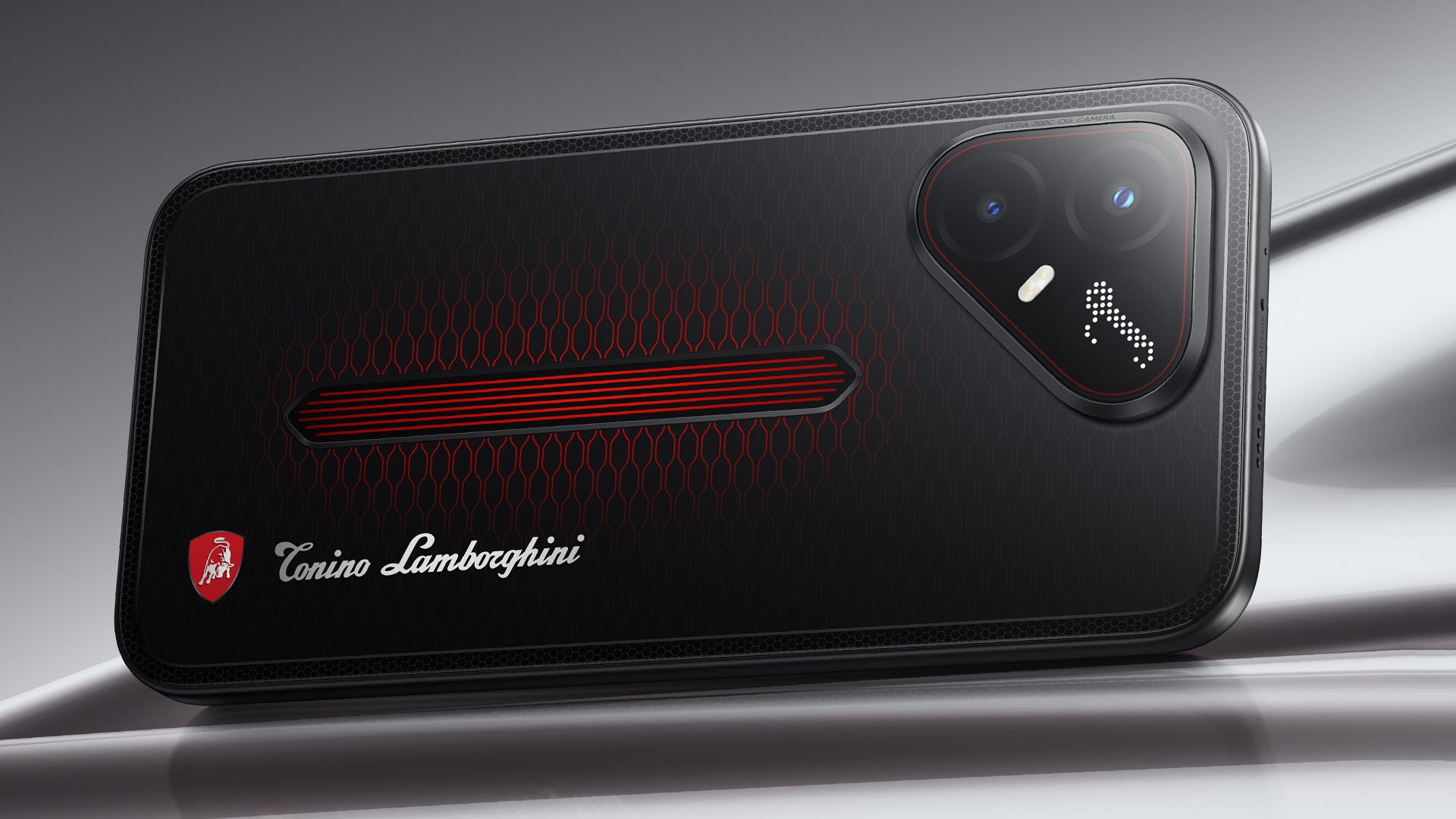
This limited edition model uses a black-and-red color scheme inspired by Tonino Lamborghini. The rear panel has an incorporated hexagonal pattern and uses a dual-layer construction with internal mirror structures that reflect light as the phone moves.
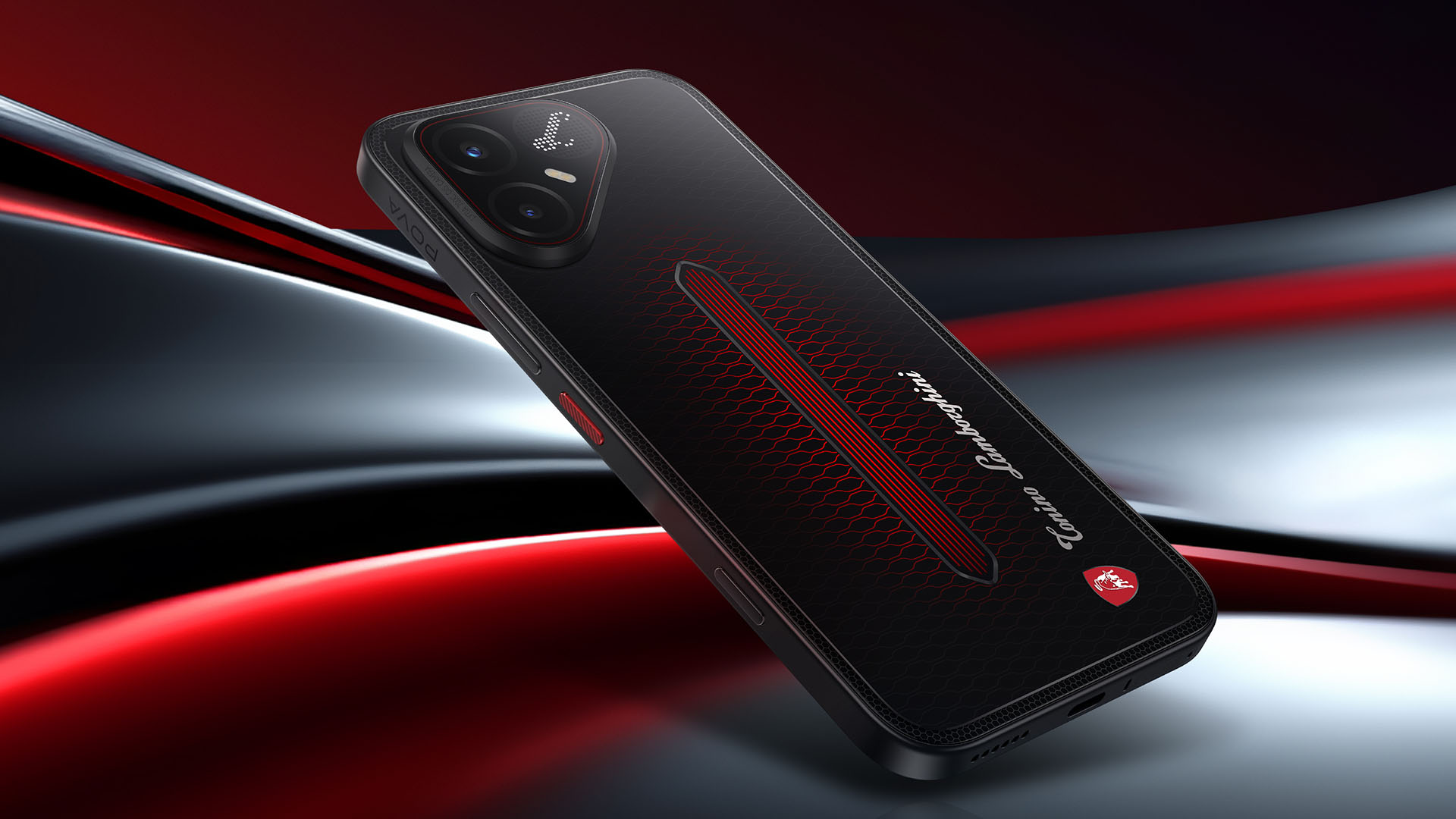
At the center is what TECNO calls the Pulse Line that’s surrounded by a Signature Shield pattern. A metallic Tonino Lamborghini logo completes the design.
The design extends to the software too with its customized black-and-red interface, redesigned icons, a dedicated boot animation, as well as a bespoke ringtone. There’s even a customized “L” signature for the Alive Matrix Display.
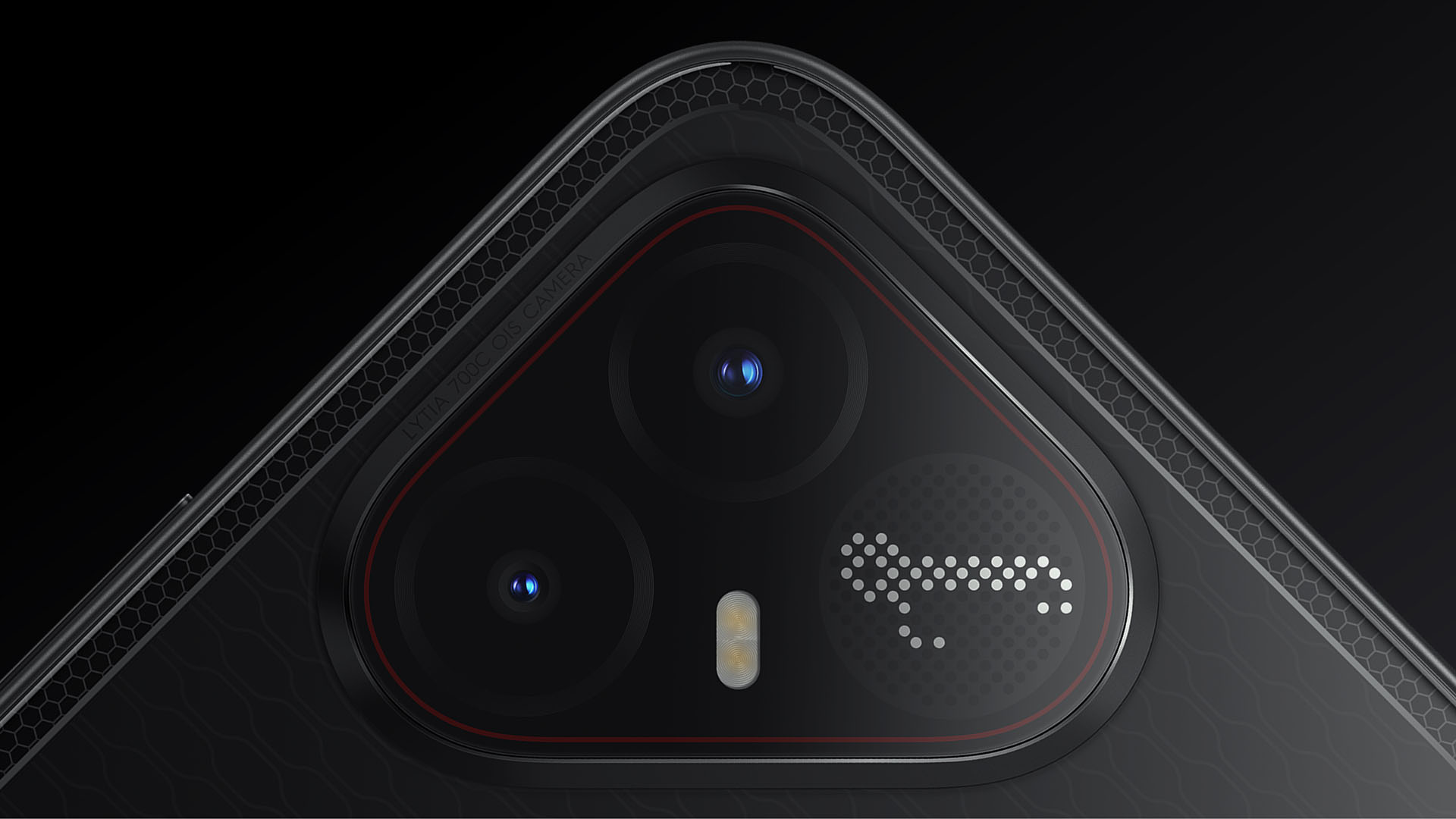
Despite the redesign, it remains recognizable as a POVA device, including its trinity camera module and side-mounted One-Tap Button for launching any specific apps, gaming actions, and shortcuts.
Undoubtedly POVA
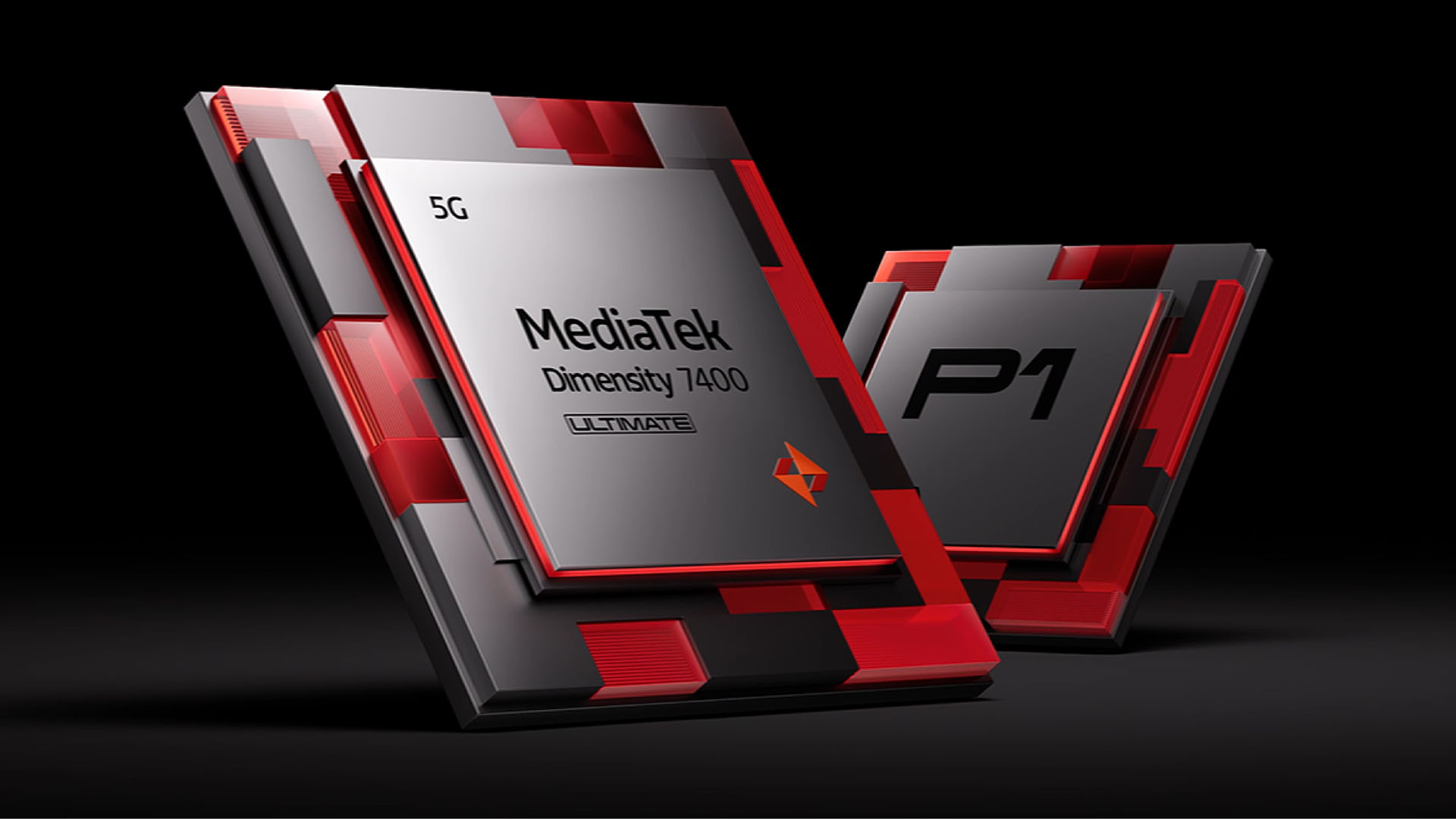
Just like the regular TECNO POVA 8 Pro 5G model, the Limited Edition Tonino Lamborghini also rocks a MediaTek Dimensity 7400 Ultimate 5G SoC paired with TECNO’s own P1 Graphic Chip.
The latter handles some of the GPU workload — with TECNO claiming up to 144fps in supported games such as MLBB (Mobile Legends: Bang Bang), PUBG, CoDM (Call of Duty: Mobile), and HOK (Honor of Kings).
For heavier games like Genshin Impact, Honkai: Star Rail, and Wuthering Waves, TECNO says the phone can reach up a frame rate of 90fps.
Speaking of, the display is neither a slouch.
It features a 6.78-inch HyperLux 144Hz AMOLED display with DCI-P3 wide color gamut and up to 4500 nits of peak brightness.

The phone also supports 1.5K resolution across more than 30 games, with HDR available where supported.
It’s truly gaming-friendly with its 240Hz touch sampling rate and instantaneous touch sampling of up to 2800Hz.
TECNO has even added Wet & Oily Finger Touch Recognition 2.0. This is designed to keep the screen responsive even when your fingers are wet, sweaty, or oily.
That front display is protected by the Corning Gorilla Glass 7i backed by quadruple IP69/69K/68/66 ratings plus an SGS 5-Star Drop Resistance certification.
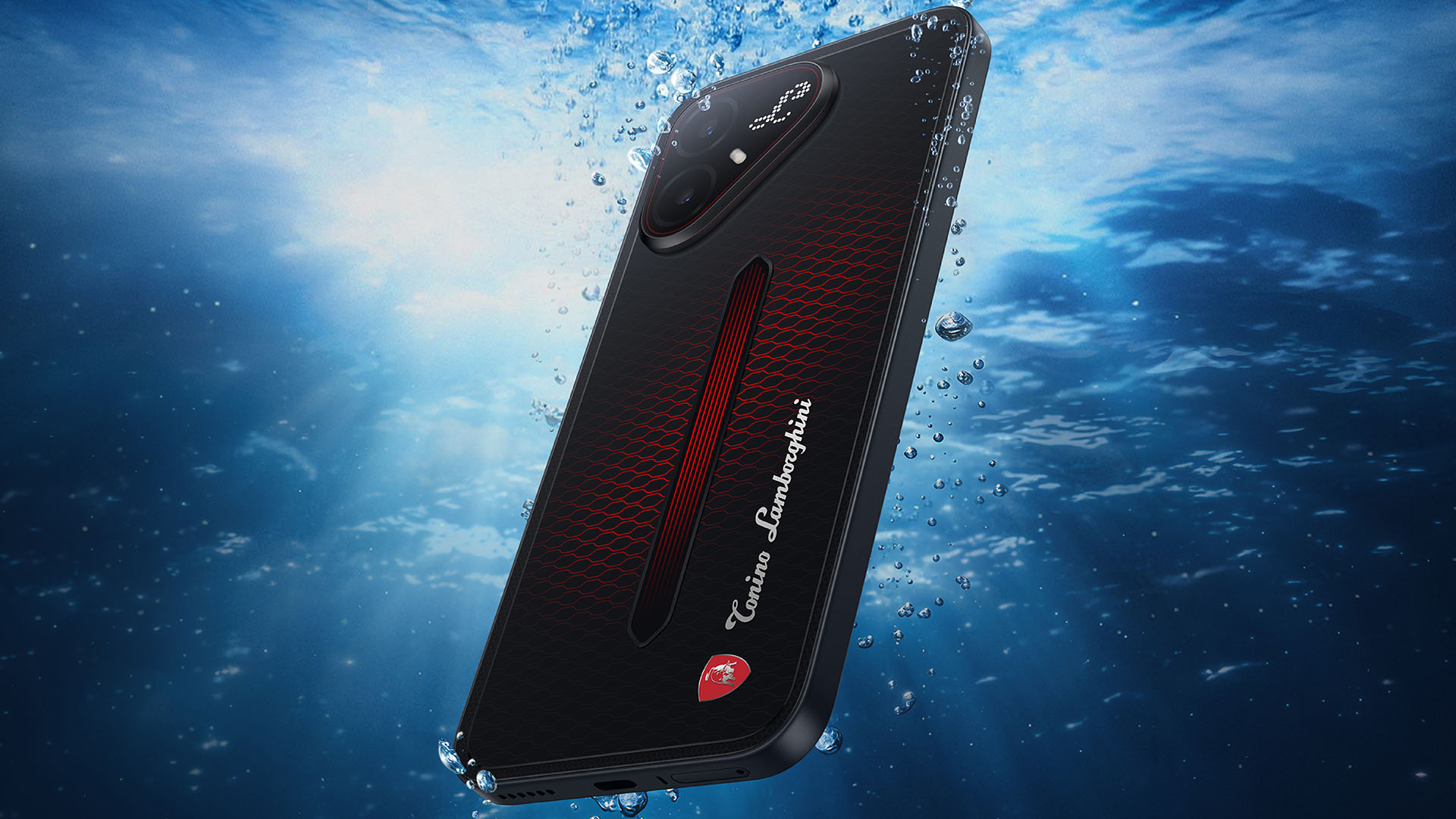
Keeping all that hardware from getting too hot is a 5,000mm² vapor chamber and nine-layer thermal architecture. The brand says the entire cooling system provides more than 22,000mm² of heat dissipation area.
For photo shooting, the main camera uses Sony’s 1/1.56-inch LYTIA 700C (LYT-700C) sensor with OIS. This particular sensor was chosen for better light capture and autofocus performance, particularly in difficult lighting conditions.
The camera setup also supports 2× lossless zoom and a dedicated 50MP mode. An 8MP ultra-wide and 13MP selfie camera complete the setup.
With a slim form factor of just 7.39mm, this phone was still able to pack a 6500mAh battery. They say the battery can operate normally between -20°C and 60°C and retain more than 80 percent of its capacity after 2000 full charge cycles.
More than just hardware
The POVA 8 Pro Tonino Lamborghini Edition runs the latest HiOS 16 based on Android 16 with AI features baked in such as
- AI YouTube Summary
- All-Scenario Noise Cancellation
- AI Lightmaster 2.0
- AI Writing
- AI Theme Generator
In select markets, TECNO is also offering AI Health. This can estimate metrics like blood pressure, blood oxygen, heart rate, and respiration just with a face scan. Though it’s worth noting that this feature is only for reference and isn’t a medical device.
Lastly, TECNO promises two major Android OS upgrades as well as three years worth of security updates.
Pricing and Availability
The POVA 8 Pro 5G Tonino Lamborghini Limited Edition only comes in this lone exclusive colorway.
TECNO didn’t announce specific pricing as of writing although it will be available in three configurations:
- 8+256GB
- 12+256GB
- 12+512GB
When you purchase this device though, it comes with three years of free 256GB cloud storage. Select markets also get a three-month Google AI Plus trial with 2TB of cloud storage.
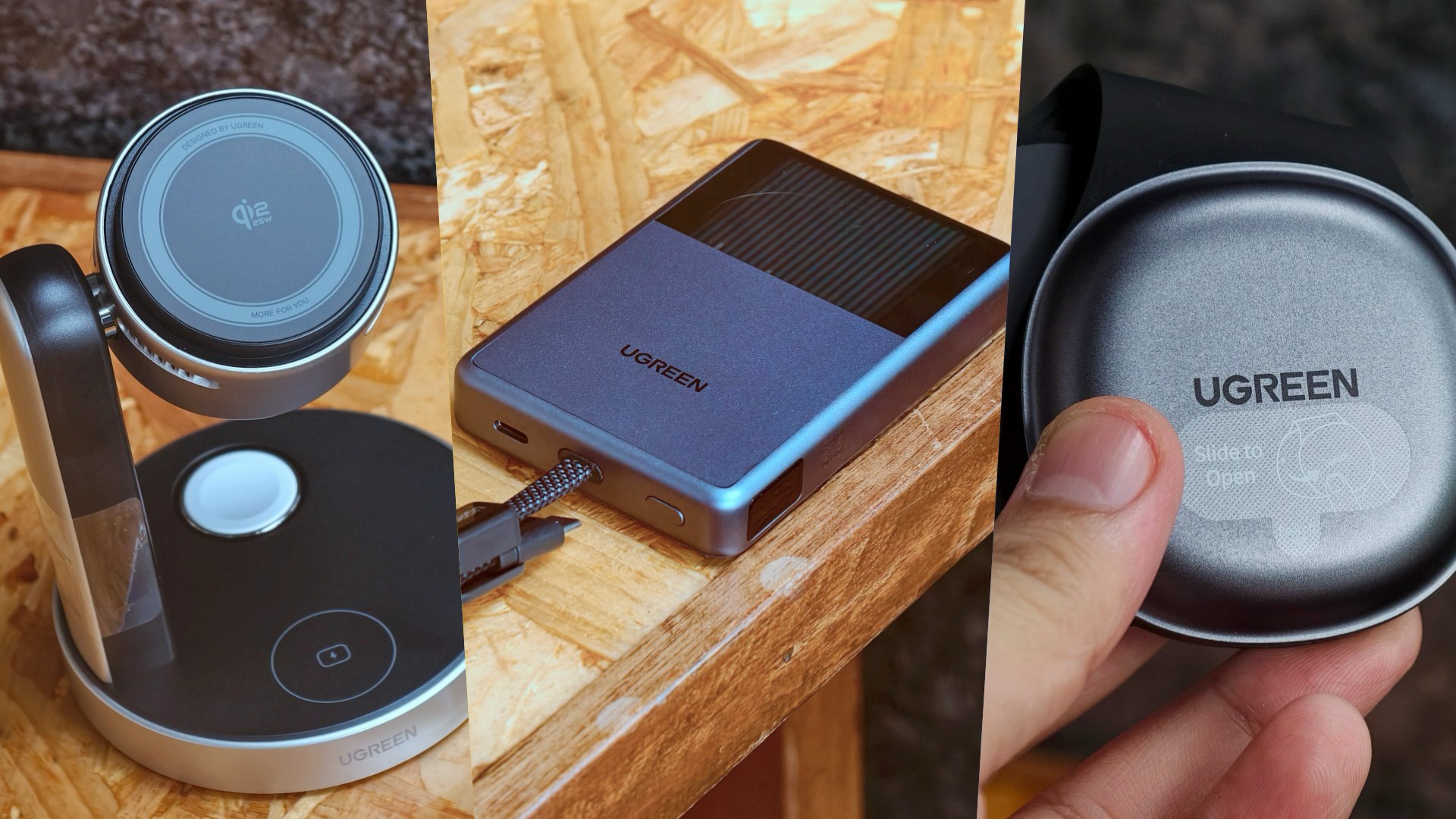
UGREEN has expanded its MagFlow lineup with three new wireless charging products. The range now covers portable power, desktop charging, and travel.
All three support Qi2 25W charging. UGREEN also focuses on thermal management to keep charging cooler and more consistent.
A cooler power bank
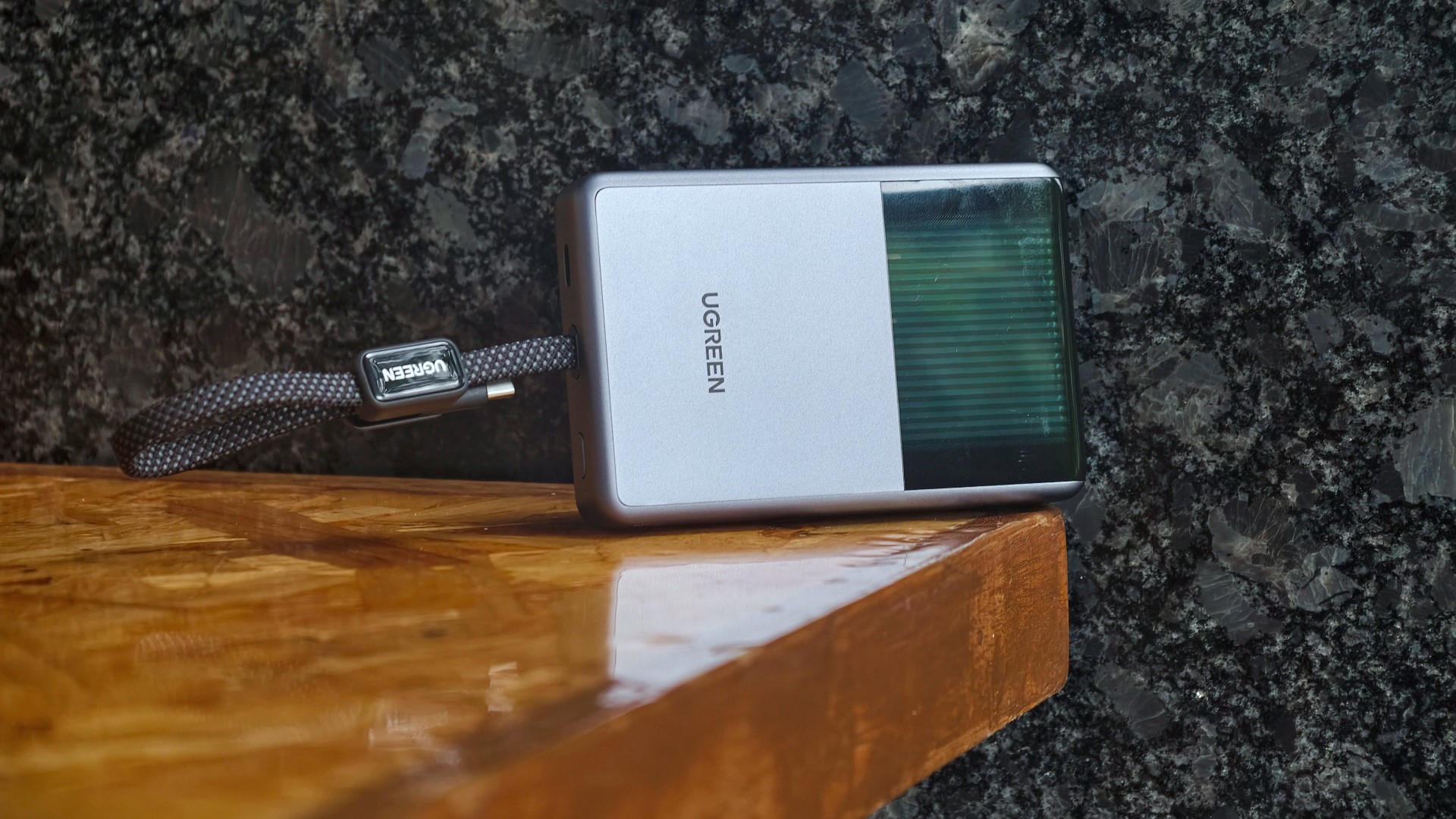
The highlight is the UGREEN MagFlow Pro Magnetic Power Bank 10000mAh 25W. UGREEN calls it the world’s first liquid-cooled Qi2 25W magnetic power bank.
It uses UGREEN’s CryoPulse technology. A micro-pump circulates coolant around key components to draw away heat. A Cyber Window also lets users see the cooling process in real time.
UGREEN says the system can keep peak temperatures up to 18°F below the industry benchmark. The power bank also uses Dymondcell 2.0 high-density ATL cells.
A built-in smart display shows charging power, battery level, cycle count, and cooling status. UGREEN says the power bank can charge an iPhone 17 Pro Max to 50 percent in 40 minutes.
Charging three devices at once
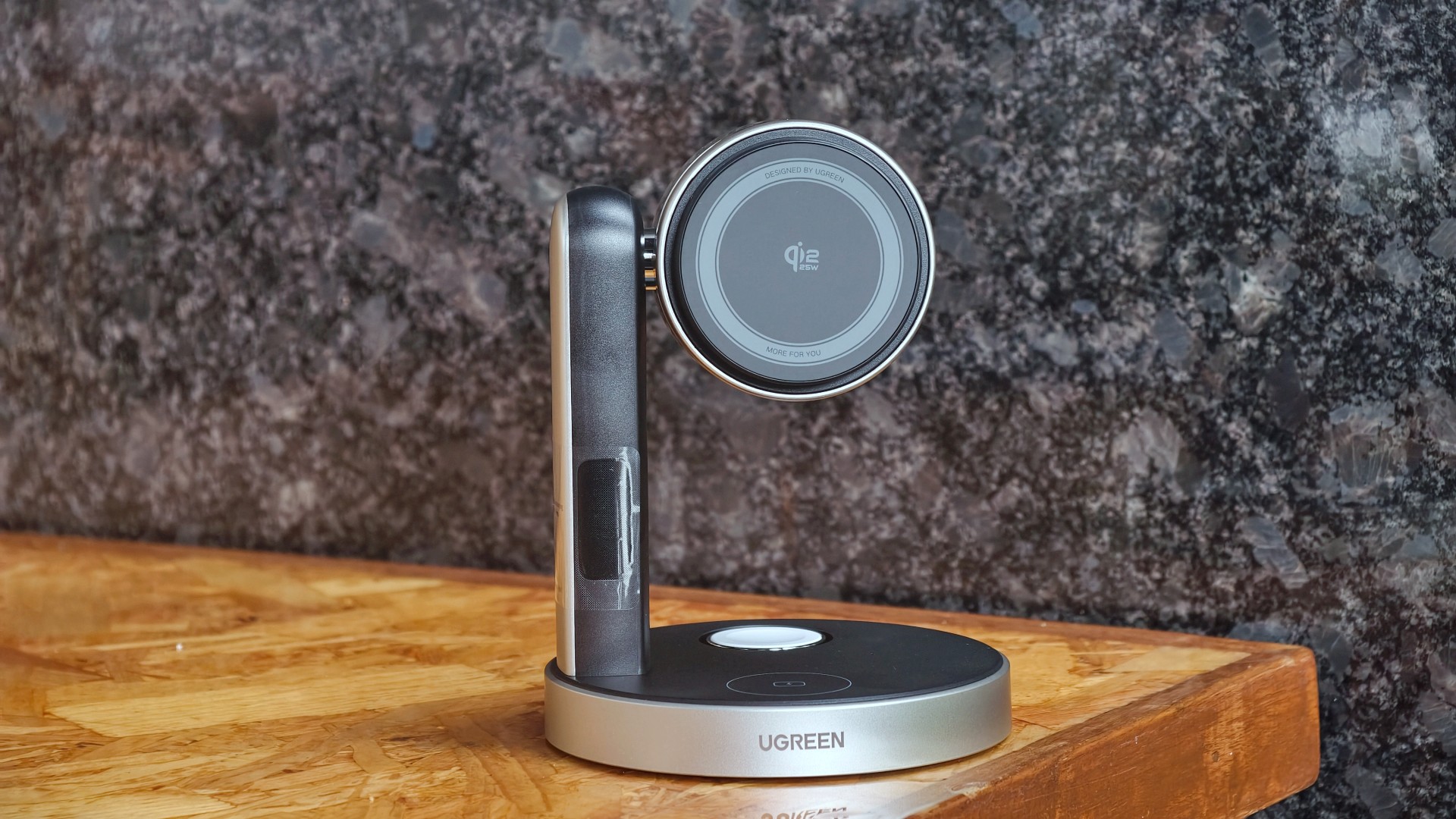
The UGREEN MagFlow Pro 3-in-1 Magnetic Wireless Charging Stand 25W targets desktop setups. It can charge an iPhone, Apple Watch, and AirPods at the same time.
The stand uses CryoPulse TEC active cooling and an ultra-quiet 15dB fan. Its thermoelectric cooling system draws heat away from the charging surface.
UGREEN says the center of the charging surface can reach temperatures as low as 51.8°F. It can also charge an iPhone 17 Pro Max to 50 percent in 26 minutes under its internal testing conditions.
The stand has an adjustable design for easier viewing. A smart display shows charging power and temperature.
A foldable charger for travel

The UGREEN MagFlow 2-in-1 Foldable Magnetic Wireless Charger 25W offers dual-device charging in a compact design.
It can also work as a magnetic phone stand. Users can set it up on a desk or bedside table, or bring it along while traveling.
When folded, the charger takes on a palm-sized clamshell design that fits into a pocket or bag.
All three MagFlow products are available now.
- The MagFlow Pro Magnetic Power Bank 10000mAh 25W costs USD 149.99.
- The MagFlow Pro 3-in-1 Magnetic Wireless Charging Stand 25W costs USD 159.99.
- The MagFlow 2-in-1 Foldable Magnetic Wireless Charger 25W is priced at USD 59.99.
UGREEN sells all three through its official store and Amazon.
TECNO is making its MEGABOOK lineup a little more flexible.
At IFA ShowStoppers 2026, the uprising tech brand unveils the MEGABOOK T15 360 with two more laptops and three phones tagging along.
One laptop, four modes
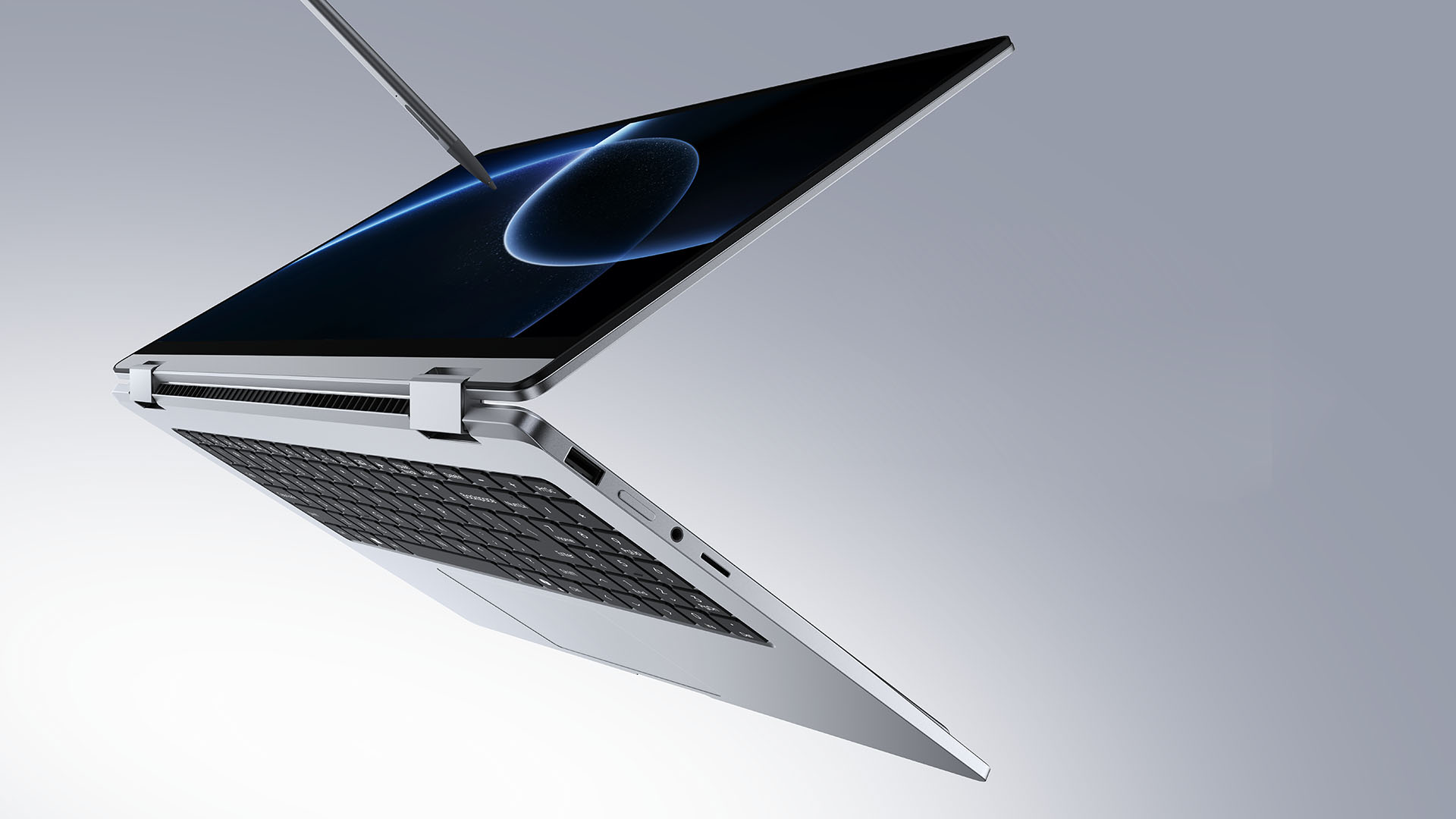
The MEGABOOK T15 360 series is the brand’s first laptop lineup with a 360-degree hinge and touchscreen display.
By that, it’s more than just a conventional laptop. It can also be a tablet or a portable display via Tent mode or Stand mode. This added feat makes everything more versatile as TECNO’s existing laptops are only limited to the clamshell form factor.
Both models feature a 15.6-inch screen with the standard 16:9 aspect ratio. As alluded earlier, it’s a touchscreen laptop consisting of 10-point multitouch points. There’s also optional MPP 2.0 active pen support if you want to write or draw directly on the display.
So what’s the difference?
Well, the regular T15 360 gets a Full HD 60Hz panel with 320 nits brightness.
Meanwhile, the Pro version takes it up a notch with a faster 120Hz refresh rate, sharper 2.5K display resolution, full 100% sRGB coverage, and higher 350 nits brightness.
Both laptops come in an all-metal chassis made using CNC machining. The convertible design doesn’t come at the expense of a more conventional laptop build.
Performance uncompromised
TECNO isn’t treating the T15 360 as a lightweight convertible that has to compromise on performance.
You can get up to an Intel Core Ultra 9 185H processor, paired with an LPDDR5X RAM. The storage is based from PCIe M.2 2280 SSD — with select models having a secondary M.2 slot for utmost expansion.
There’s also a 70Wh battery plus support for a speedy 65W PD GaN charger. Connectivity includes up to Wi-Fi 6E and Bluetooth 5.4, alongside seven built-in ports.
Practical stuff were neither forgotten. There’s a backlit keyboard with a dedicated number pad, a fingerprint reader underneath its power button, dual speakers with DTS Ultra, a webcam, and dual digital microphones.
TECNO’s OneLeap feature also rounds things out by letting the MEGABOOK work with other TECNO’s smartphones, tablets, and other PCs for cross-device collaboration.
Two more MEGABOOKs
TECNO also brought two other MEGABOOKs to IFA.
The MEGABOOK K15S WCL is the more straightforward option. It uses Intel’s newer Wildcat Lake platform with a 16:10 display, a 70Wh battery, and 65W GaN charging — all in a premium, all-metal body.
Then there’s the MEGABOOK T17 Ultra. Ultra by its name, it goes big with a massive 17.3-inch 16:9 display. It can be configured with up to an Intel Core Ultra 9 processor and LPDDR5X memory. It also features a massive 99.99Wh battery and speedy 100W GaN PD fast charging.
Wait! There’s even more…
Beyond laptops, TECNO reveals the true form of its Next-Gen Bezelless Concept Phone at IFA 2026.
As announced more than a month ago, this concept uses a redesigned display architecture, internal stacking, structural engineering, and screen packaging to eliminate the physical black border around the display, resulting in what TECNO calls a true 0mm display border.
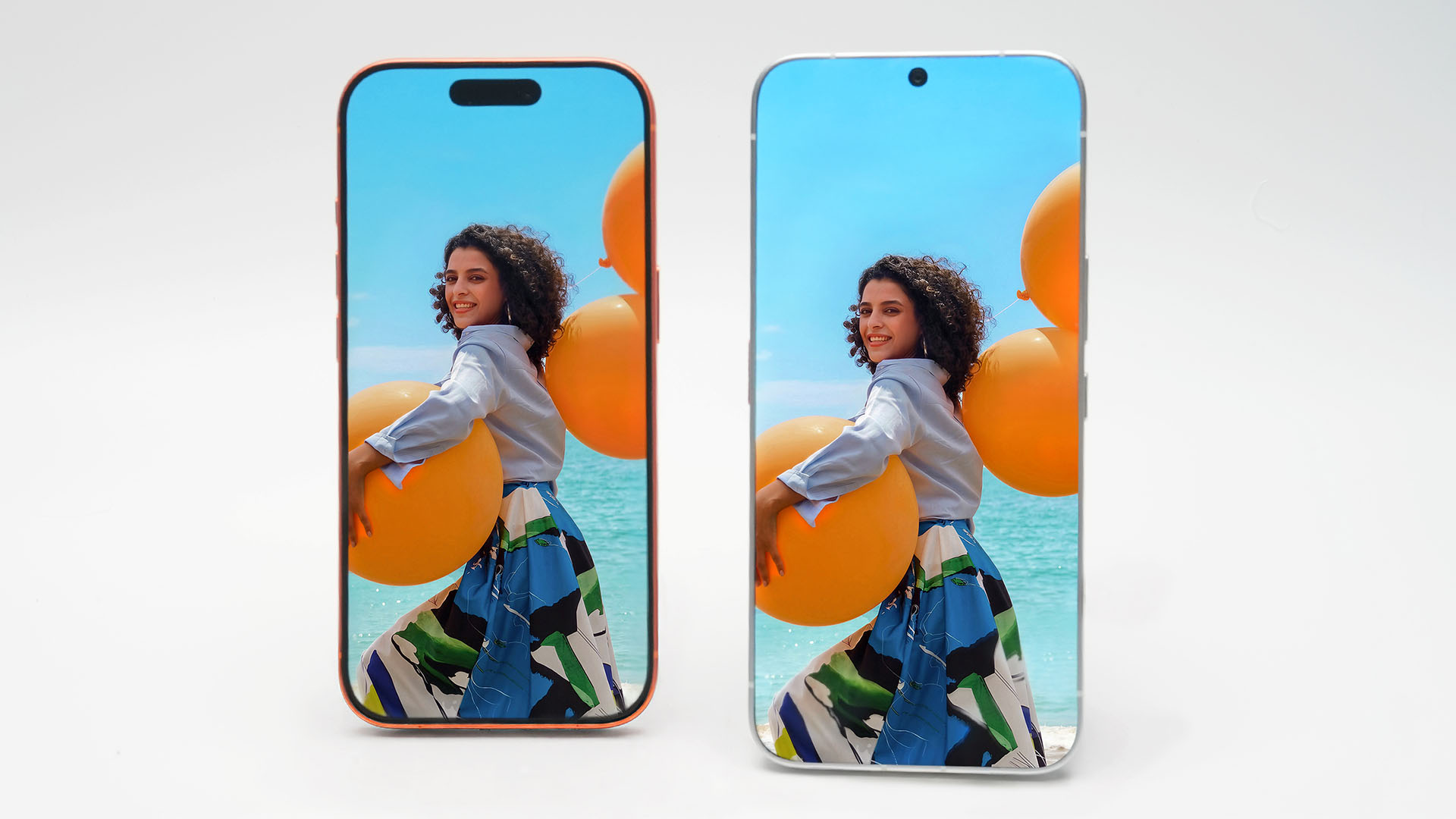
Beside a phone prototype, there are two consumer-ready products as well.
The POVA 8 Pro 5G Tonino Lamborghini Limited Edition combines the POVA series’ performance-focused approach with Tonino Lamborghini’s design language.
It uses a MediaTek Dimensity 7400 Ultimate 5G chipset alongside TECNO’s custom-made P1 Graphic Chip and a 5K IceShield vapor chamber cooling system. Specific details will be announced on September 4, 2026.
Meanwhile, the CAMON Slim 5G focuses on a thinner form factor, measuring just 6.39mm thick.
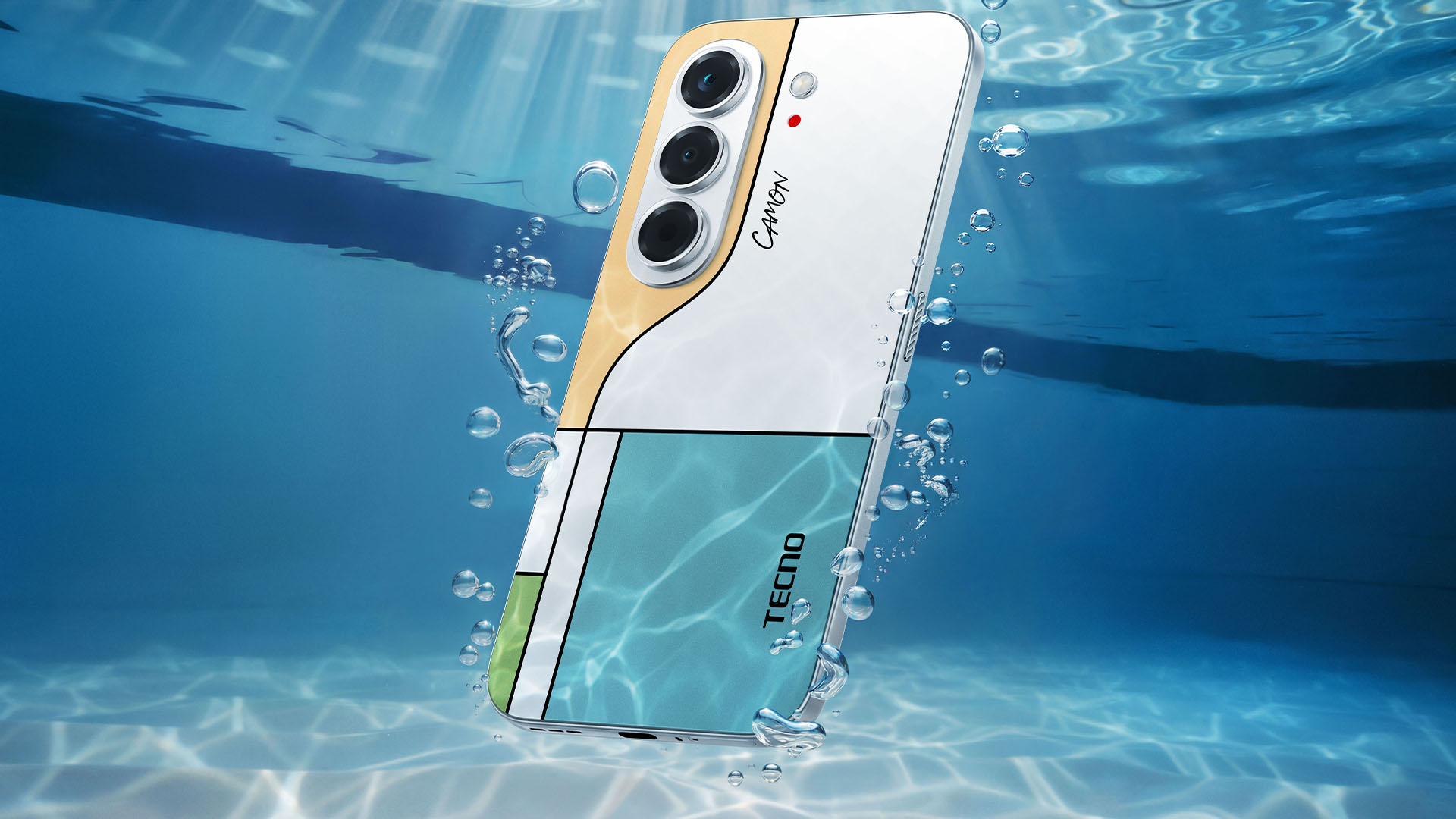
TECNO says it combines the CAMON line’s imaging features with AI capabilities and artistic colorways. More specifications will be revealed on September 7.
Pricing and Availability
The MEGABOOK T15 360 Series is expected to arrive in Europe by Q4 2026.
Depending on the configuration choice, the MEGABOOK T15 360 will start between EUR 899 ~ EUR 999. The MEGABOOK T15 360 Pro will cost as much as EUR 1099.
No pricing info were announced for the other MEGABOOKs and two phones as of writing.





Disney+ is moving to a global app experience

Now Playing: Elden Ring Tarnished Edition

TECNO’s POVA 8 Pro gets a stealthy makeover

The original PlayStation gets the LEGO treatment

NBA 2K’s MyCAREER needs to play the long game

TECNO MEGAPAD 2 review: Eyes on the size

realme 16T 5G with 8000mAh battery, IP69 Pro rating launches in PH

REDMI Note 17 Series focuses on long-term reliability

realme 16T to come with 8,000mAh battery, 7-year battery health guarantee

HUAWEI Pura X View is 2026’s first WIDE slab-type smartphone


-
 Reviews2 weeks ago
TECNO MEGAPAD 2 review: Eyes on the size
-
 News7 days ago
realme 16T 5G with 8000mAh battery, IP69 Pro rating launches in PH
-

 Singapore1 week ago
REDMI Note 17 Series: Price, availability in Singapore
-
 News1 week ago
REDMI reveals the refreshed Note 17 and Note 17 Pro series
-

 Cameras1 week ago
Insta360 Luna Ultra review: My new solo coverage camera
-
 Reviews1 week ago
REDMI Note 17 Pro review: What a rollercoaster ride!
-
 News2 weeks ago
HONOR Magic V6: Price, availability in the Philippines
-

 Features6 days ago
The designated photographer’s new favorite phone: OPPO Reno16 Series 5G