
Smartphones
POCO F7 Series now available in the Philippines
Pricing, availability details of POCO’s latest powerful mid-rangers


The POCO F7 Series, comprised of the POCO F7 Ultra and POCO F7 Pro, is now available in the Philippines. Customers in the country can avail of the devices at Early Bird Prices from March 27 to April 3.
Both devices come with two storage configurations each. The pricing details are as follows:
POCO F7 Ultra (Yellow, Black) — Exclusively available on Lazada
- 16GB+512GB: PhP 37,999 (from PhP 39,999)
- 12GB+256GB: PhP 34,999 (from PhP 36,999)
Customers can also get an additional PhP 1,500 discount from the online shopping platform.
POCO F7 Pro (Black, Silver, Blue) — Exclusively available on Shopee
- 12GB+512GB: PhP 25,999 (from PhP 29,999)
- 12GB+256GB: PhP 24,099 (from PhP 27,999)
Pushing the limits of power, performance

The POCO F7 Ultra is powered by a Snapdragon 8 Elite mobile platform. Built on the 3nm process, the platform delivers 45% CPU and 44% GPU performance boosts, respectively, while also reducing power consumption significantly.
This processor is complemented by an F7 Ultra-exclusive VisionBoost D7 chipset to take visual effects to a whole new level. Gameplay feels incredibly immersive with Smart Frame Drop, 2K Super Resolution, and GameHDR.
Meanwhile, Dual-core Visuals technology enhances resolution, frame rates, and HDR quality across video content, like YouTube and Netflix, to bring every scene to life.
The hardware is paired with Xiaomi HyperOS 2 which features HyperCore, HyperConnect, and HyperAI for further optimizations, cross-platform connectivity, and Google Gemini.
On the other hand, the POCO F7 Pro is powered by a Snapdragon 8 Gen 3 chipset. It has the same HyperOS 2, WildBoost Optimization 4.0, and Smart Frame Rate features.
Furthermore, LiquidCool Technology 4.0 on both devices keeps them cool. This features a 3D dual-channel IceLoop system with an extra-large loop heat pipe to allow extended gaming, video editing, and multitasking without sacrificing performance.
On the battery end, the Ultra has a 5,300mAh battery with support for 120W HyperCharge and 50W wireless HyperCharge. The Pro has a 6,000mAh counterpart with support or 90W HyperCharge.
Premium, durable design
Onto its display, the POCO F7 Series touts 6.67-inch 2K Flow AMOLED displays with 3200 nits peak brightness and 1800 nits HBM brightness. The panels are likewise certified for eye care.
The phones are also rated IP68 for dust and water resistance. That’s thanks to the POCO Shield Glass on the Ultra and the Corning Gorilla Glass 7i on the Pro. The gloss-matte design on the glass back covers also add to the premium yet durable aesthetic.
Advanced imaging systems
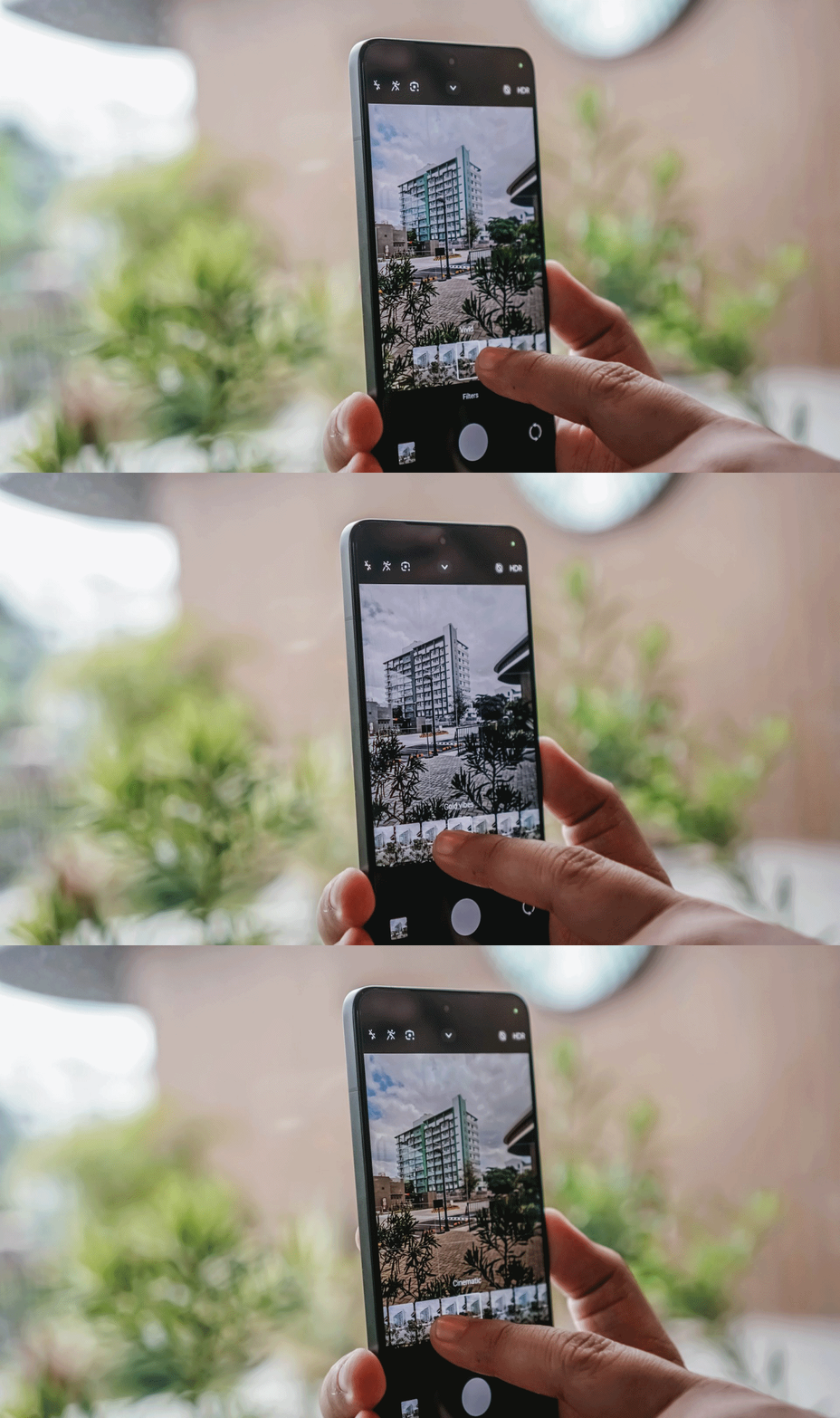
Lastly, the POCO F7 lineup also boasts of the brand’s most advanced imaging system yet. Particularly, the triple lens setup on the F7 Ultra combines a strong HDR main camera, a flagship-level floating telephoto lens, and a high-pixel ultra-wide camera.
The F7 Ultra has the following shooters:
- 1/1.55-inch 50MP Light Fusion 800 f/1.6 main camera 6P lens OIS (four focal lengths, including 35mm and 48mm)
- 50MP f/2.0 floating camera OIS (2.5X to 5X in-sensor zoom)
- 32MP 120° FOV ultra-wide camera
- 32MP front camera
The F7 Pro, meanwhile, has these for its camera package:
- 1/1.55-inch 50MP Light Fusion 800 f/1.6 main camera 6P lens OIS
- 8MP ultra-wide camera
- 20MP front camera
These hardware are backed by POCO AISP – POCO’s first-ever AI LM computational photography platform. This integrates the computational power of the CPU, GPU, NPU, and ISP through Xiaomi HyperOS.
Camera features on both phones include 20X UltraZoom Beta, Dynamic Shots, UltraSnap, and more.





Hands-On
Apple iPhone 18 Pro Series Hands-on
And everything announced during Apple’s September 2026 Event
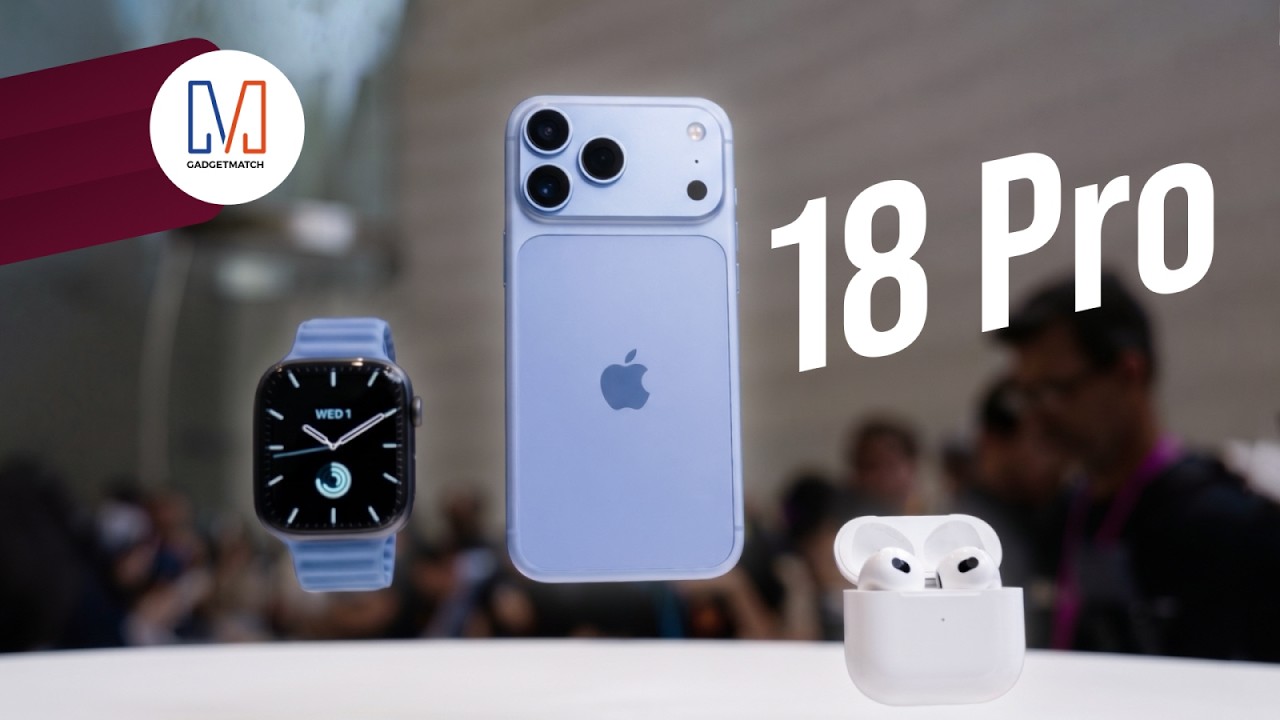
The latest Apple event isn’t just about the shiny new Apple Duo. There’s a lot to talk about!
In this video, we break down everything Apple has announced during their September 2026 keynote.
First, there’s the updated iPhone 18 Pro and 18 Pro Max. That’s alongside their design and color changes, battery and performance improvements. Even that massive camera upgrade.
There’s even the ANC-infused AirPods 5 alongside the newer Apple Watch Series 12 and Apple Watch Ultra 4. Plus, the latest software updates coming to both these wearables.
So, are these worth the upgrade?

Apple’s first ever foldable is finally here! Say hello to the iPhone Duo.
In this video, THE Michael Josh shares his first impressions.
Those include the design, display, cameras, performance, and what it’s actually like to use Apple’s latest iPhone.
Is the iPhone Duo the future of the iPhone or just an interesting experiment?
We take a closer look and share everything that stood out during our hands-on experience.
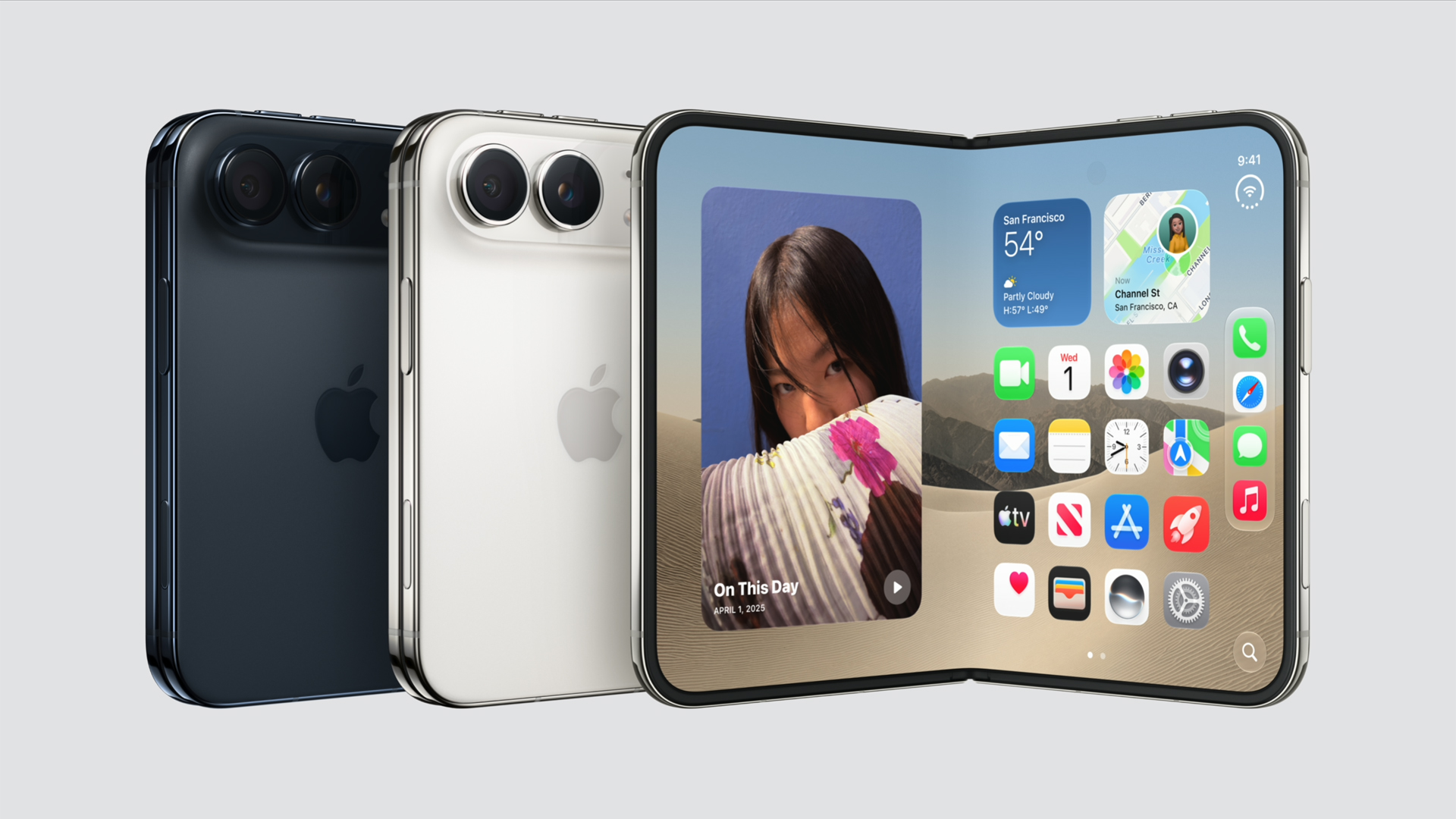
Apple has officially entered the foldable smartphone market with the iPhone Duo, its first foldable iPhone. It uses a passport-style design that opens into a larger display while retaining a more conventional smartphone experience when folded.
Price and availability
The iPhone Duo starts at PhP 159,990 in the Philippines for the 256GB model as listed on the Apple website.
Here’s the full local pricing:
- 256GB — PhP 159,990
- 512GB — PhP 175,990
- 1TB — PhP 207,990
- 2TB — PhP 254,990
The iPhone Duo comes in Star White and Night Sky.
Actual availability in the Philippines has yet to be officially announced.
A foldable design with two displays
The iPhone Duo has a 5.4-inch outer display when folded and expands to a 7.6-inch main display when opened. Both orientations use the same aspect ratio, allowing iOS to transition between them seamlessly.
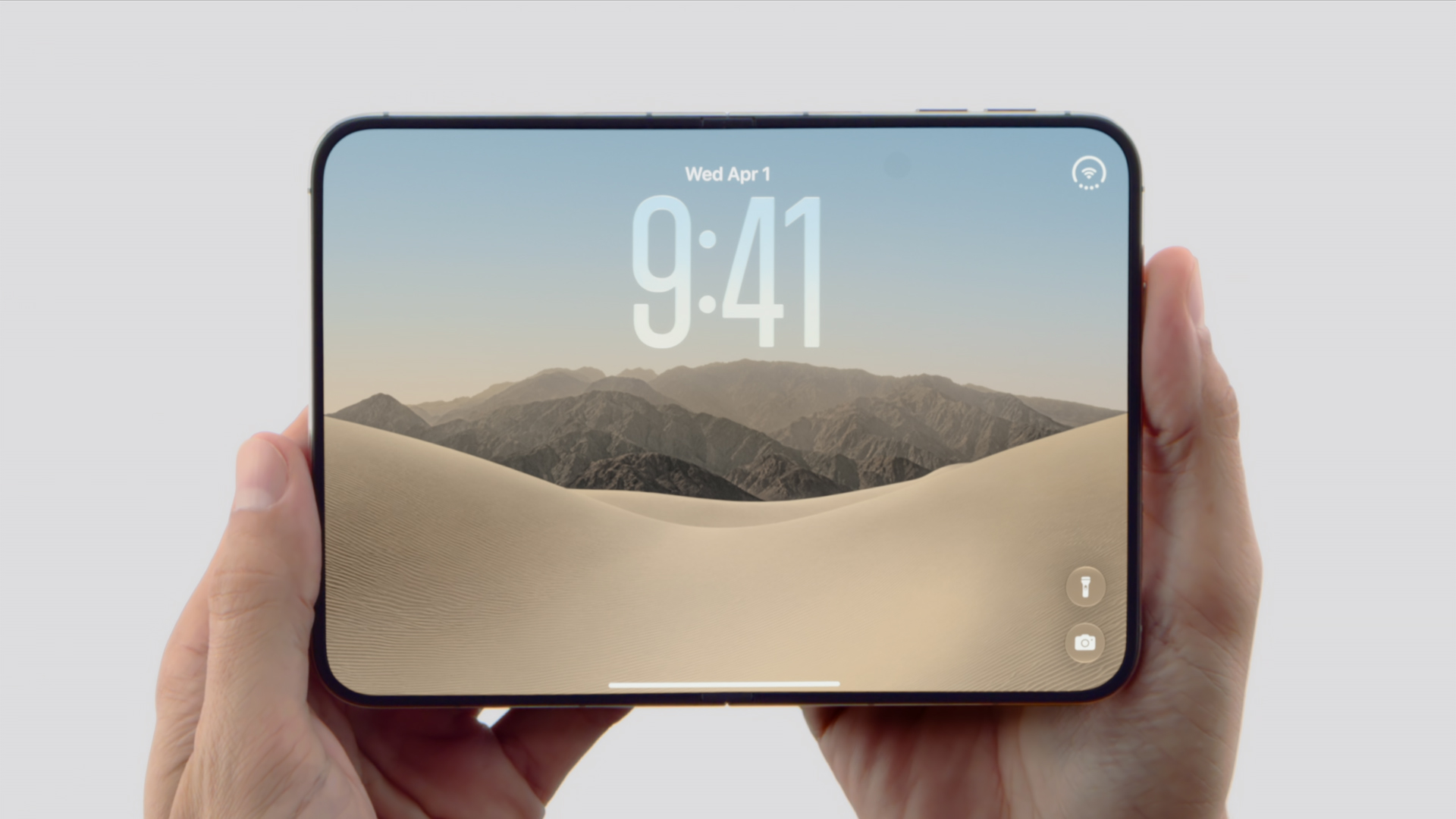
The rear chassis uses Ceramic Shield, while the front display gets Ceramic Shield 2. The device is also IP68-rated for dust and water resistance.
Its hinge uses carbon fiber supports and magnets that produce an audible click when the phone is folded.
A20 Pro brings flagship performance
The iPhone Duo is powered by the A20 Pro, the same chip found in the iPhone 18 Pro series. Apple says the chip delivers 35 percent better sustained performance than the iPhone 17 Pro.
It also comes with the new C2 cellular modem, which provides up to 50 percent faster uploads. Like other foldables, the Duo can be used in different configurations, including tent mode and a partially folded book-like position.
48-megapixel camera system
The iPhone Duo gets a 48-megapixel Fusion Main camera alongside a 12-megapixel 2x telephoto camera.
For selfies and video calls, it has a 12-megapixel Center Stage camera. The inner display also uses an under-screen camera for a cleaner look.
Battery life goes beyond a day
The iPhone Duo offers up to 31 hours of video playback using the inner display and up to 44 hours using the outer display.
Charging is also quick. Apple says a 20-minute charge can replenish half the battery, while a five-minute charge can provide up to five hours of video playback.
For the complete specifications and first-look details, check out our main iPhone Duo launch coverage.


Marvel’s Wolverine review: When the claws come out
A brutal, cinematic superhero adventure

Setting your bedsheets ablaze with the Lovense Solace Pro
The closest proxy I could find where I'm guilty as sin


Now Playing: Elden Ring Tarnished Edition
Is the Switch 2 port worth the price?

Apple iPhone 18 Pro Series Hands-on

Spotlight: Hisense UR8 + RGB MiniLED Explained

First Look: Apple iPhone Duo

Xbox saves Kojima’s PHYSINT after PlayStation drops support
Marvel’s Wolverine review: When the claws come out

TECNO MEGAPAD 2 review: Eyes on the size

realme 16T 5G with 8000mAh battery, IP69 Pro rating launches in PH

HUAWEI Pura X View is 2026’s first WIDE slab-type smartphone

REDMI reveals the refreshed Note 17 and Note 17 Pro series

REDMI Note 17 Series focuses on long-term reliability


-
 News6 days ago
HUAWEI Pura X View is 2026’s first WIDE slab-type smartphone
-

 News6 days ago
The CAMON Slim 5G is TECNO’s latest ultra-slim smartphone
-
 Cameras2 weeks ago
DJI Osmo 360 II review: Going all-in on the ecosystem
-

 IFA 20261 week ago
TECNO MEGABOOK T15 360 unveiled at IFA 2026
-

 Gaming1 week ago
NBA 2K27 review: A two-way All-Star
-
 Reviews2 weeks ago
Samsung Galaxy Z Fold8 Ultra review: It’s time to get a foldable
-

 News4 days ago
iPhone 18 Pro series: Price, availability in the Philippines
-

 IFA 20261 week ago
TECNO’s POVA 8 Pro gets a stealthy makeover