
Accessories
Sony brings back the Walkman
There are two new models


What is a Sony Walkman? For those who don’t know, ‘Walkman’ is essentially Sony’s branding for their line of portable music players. It had versions that played cassette tapes, CDs, and mp3 files. Now, in the era of streaming, the Walkman is making a comeback.
Two new models

Sony Walkman NW-ZX707
Sony is adding two models to the lineup. These are the NW-ZX707, and the NW-A306. Yes, Sony’s robotic nomenclature is alive in well even in the Walkman line.
The NW-ZX707 has a 5-inch display, enhanced battery life, balanced connection, and Wi-Fi compatibility for downloading and streaming. Updated components from high-ends models were used on the device. This is to make sure it delivers high sound quality.
It integrates a DSD Remastering Engine where PCM (Pulse Code Modulation) audio is resampled into an 11.2 MHz DSD (Direct Stream Digital).
Then, there’s the NW-A306. It’s a much more compact modern Walkman. It has a 3.6-inch touch screen as well tactile physical music controls for those who like to feel them buttons.
This new walkman is made with premium aluminium milled frame and weighs only 7oz.
High quality sound

Sony Walkman NW-A306
Naturally, high quality sound is the name of the game for this pair of devices. Walkman’s independently developed S-Master HX digital amp technology was used to make it compatible with native DSD format.
What it does is reduce distortion and noise across a wide range of frequencies. This results in a rich and full-bodied sound, further enhanced by a new high-quality sound lead-free solder.
The NW-ZX707 and the NW-A306 both use Edge-AI (Artificial Intelligence), and DSEE Ultimate™ (Digital Sound Enhancement Engine) which upscales compressed digital music files in real-time. The evolving algorithm now delivers even greater benefits for CD-quality (16-bit 44.1/48kHz) lossless codec audio.
This restores subtleties and dynamic range providing a richer and more complete listening experience.
Battery life
The NW-ZX707 has a battery life of up to 25 hours of 44.1kHz FLAC playback, up to 23 hours1 of 96 kHz FLAC High-Resolution Audio playback, or up to 22 hours2 even when streaming.
The NW-A306 has a battery life of up to 36 hours1 of 44.1kHz FLAC playback, up to 32 hours1 of 96kHz FLAC high-resolution audio playback, or even up to 26 hours with streaming service apps.
Price and availability
The NW-ZX707 retails for PhP 44,999 while the NW-A306 is priced at PhP 19,999. They will be available in select Sony Authorized Dealers nationwide starting February 10, 2023.


Accessories
CASETiFY relaunches Evangelion collab for 30th anniversary
Fans can now customize their own NERV-ready cases

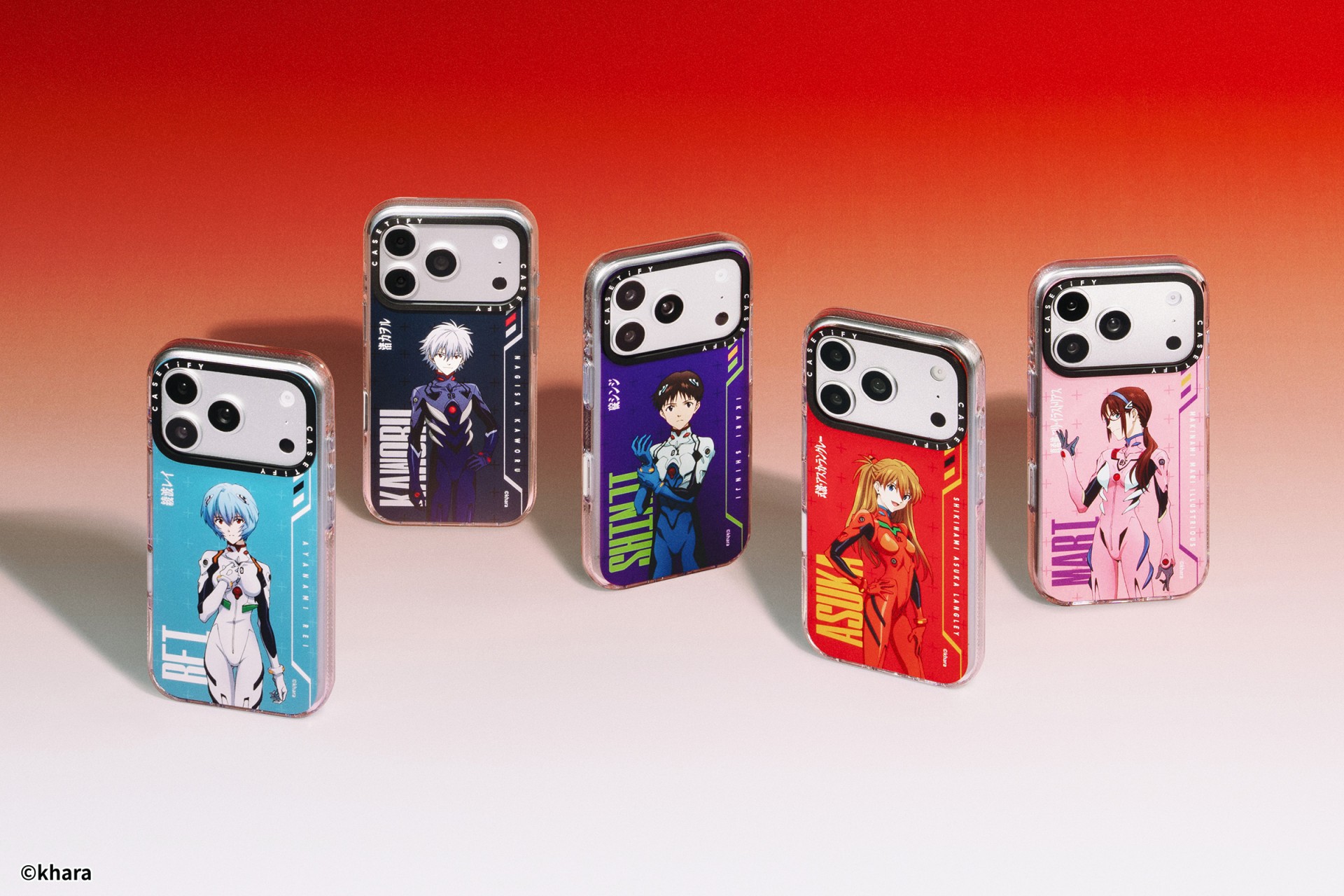
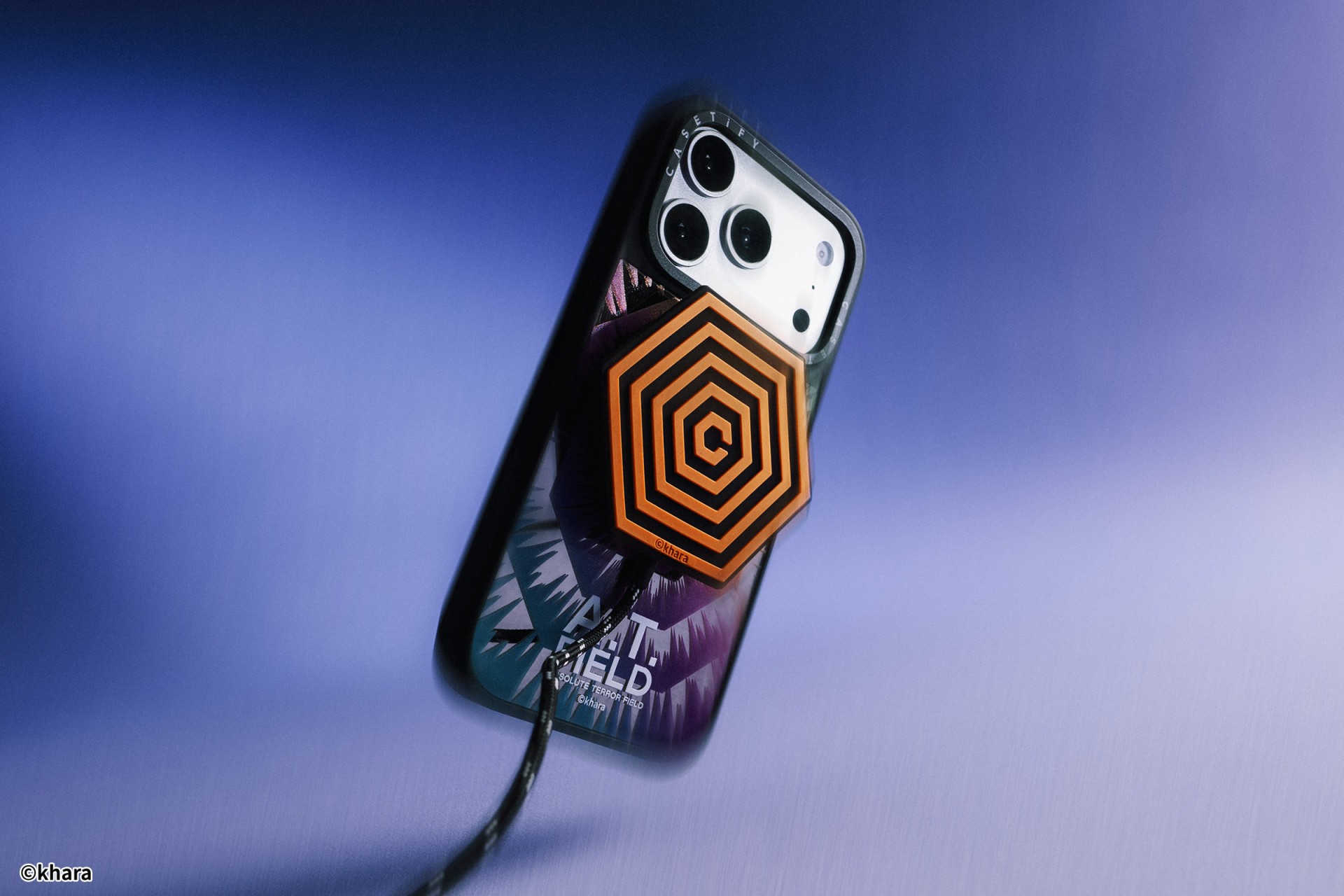
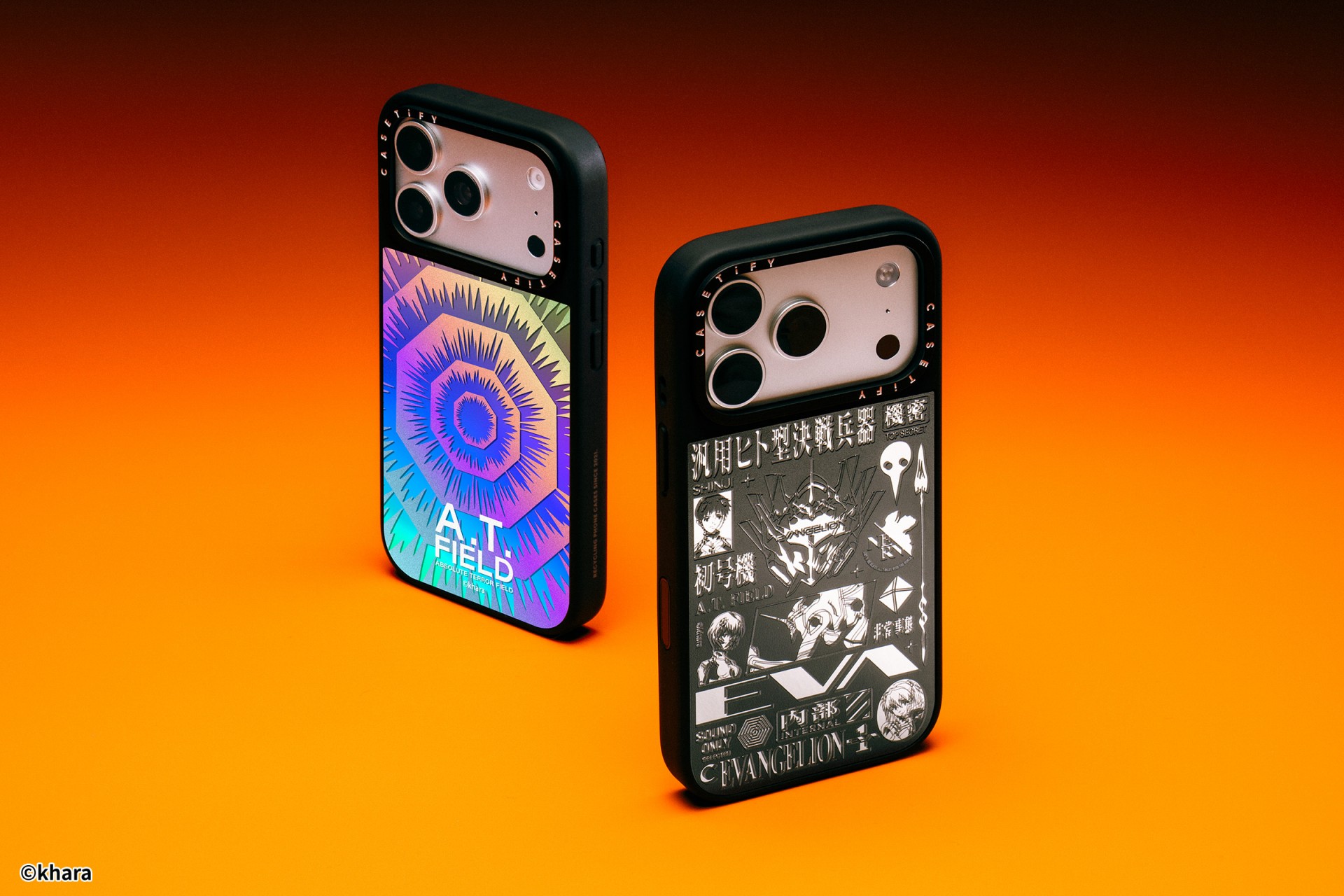
The A.T. Field is activated. To mark 30 years of Neon Genesis Evangelion, CASETiFY has relaunched its highly popular Evangelion collaboration. This time, fans control the sync rate.
For the first time, buyers can fully customize their Evangelion cases. The drop lets fans mix and match NERV logos, the 4th Angel, character art featuring Shinji Ikari and Rei Ayanami, and bold background graphics. The result is a case that feels like a personal unit build, straight out of the series’ control room.
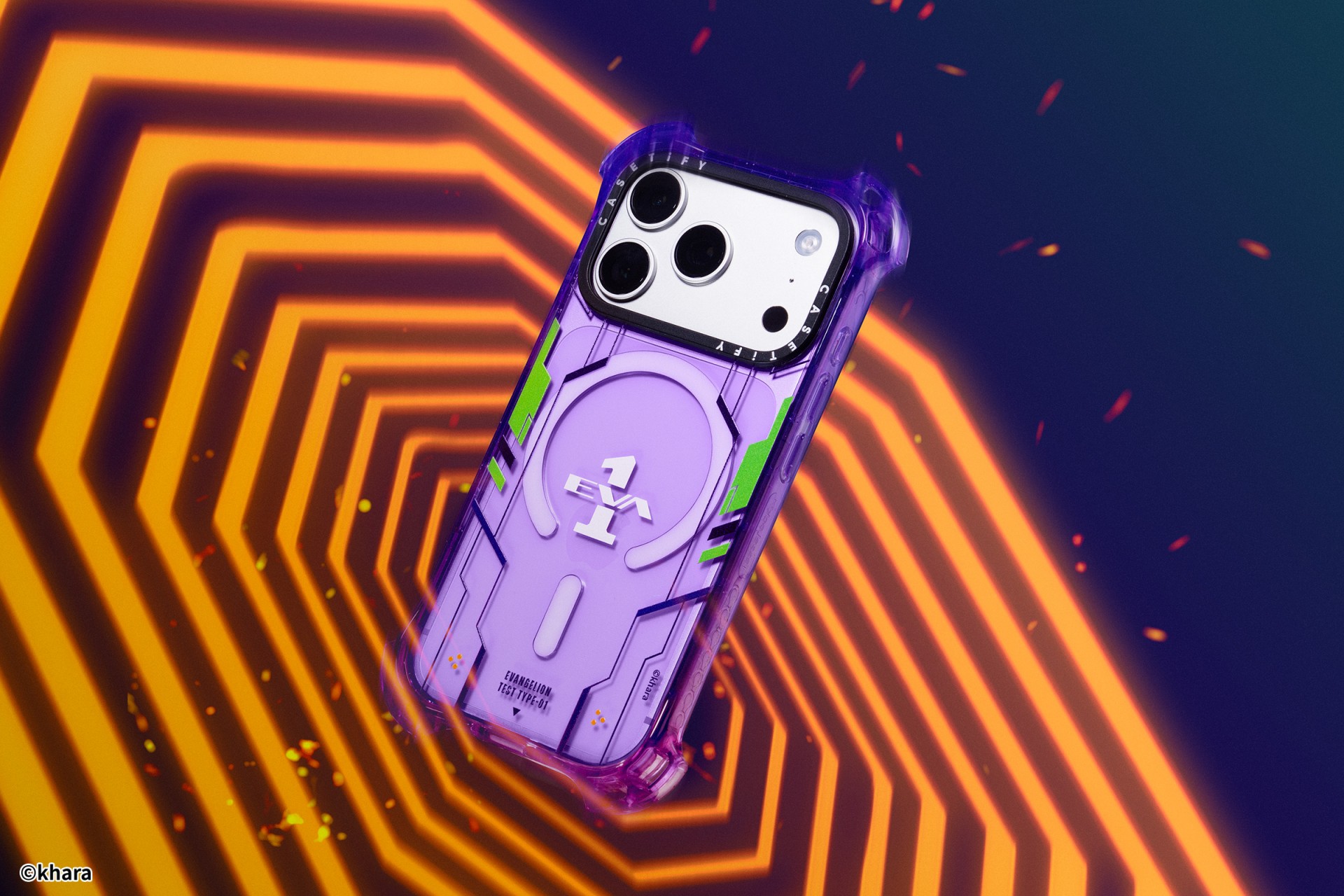
The lineup pulls directly from Evangelion iconography. Designs include classic NERV insignias, holographic “A.T. Field” defense graphics, “Active Time Limit” warnings, and the official 30th Anniversary emblem. Each case uses CASETiFY’s signature impact protection, turning your device into a pocket-sized defensive barrier.
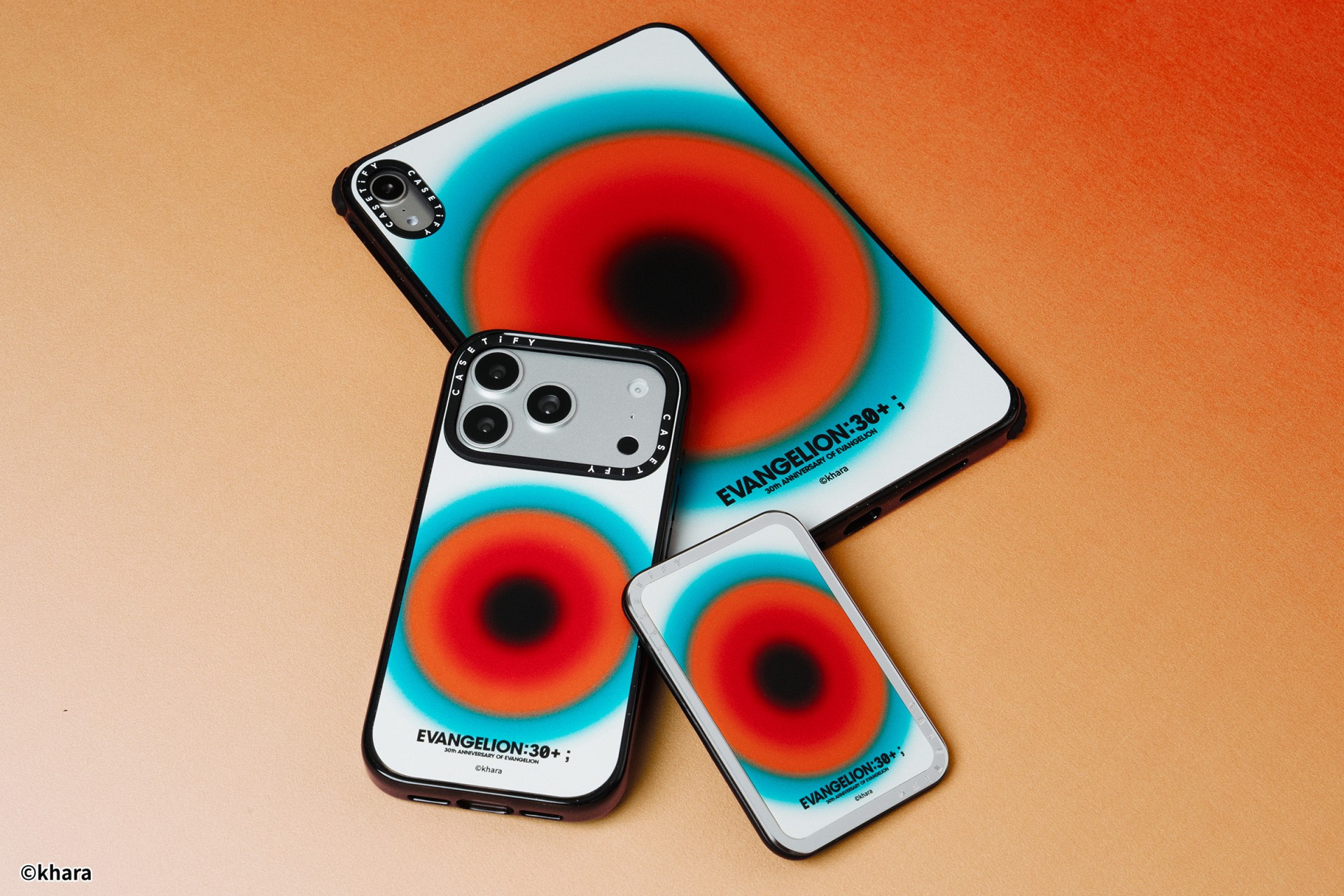
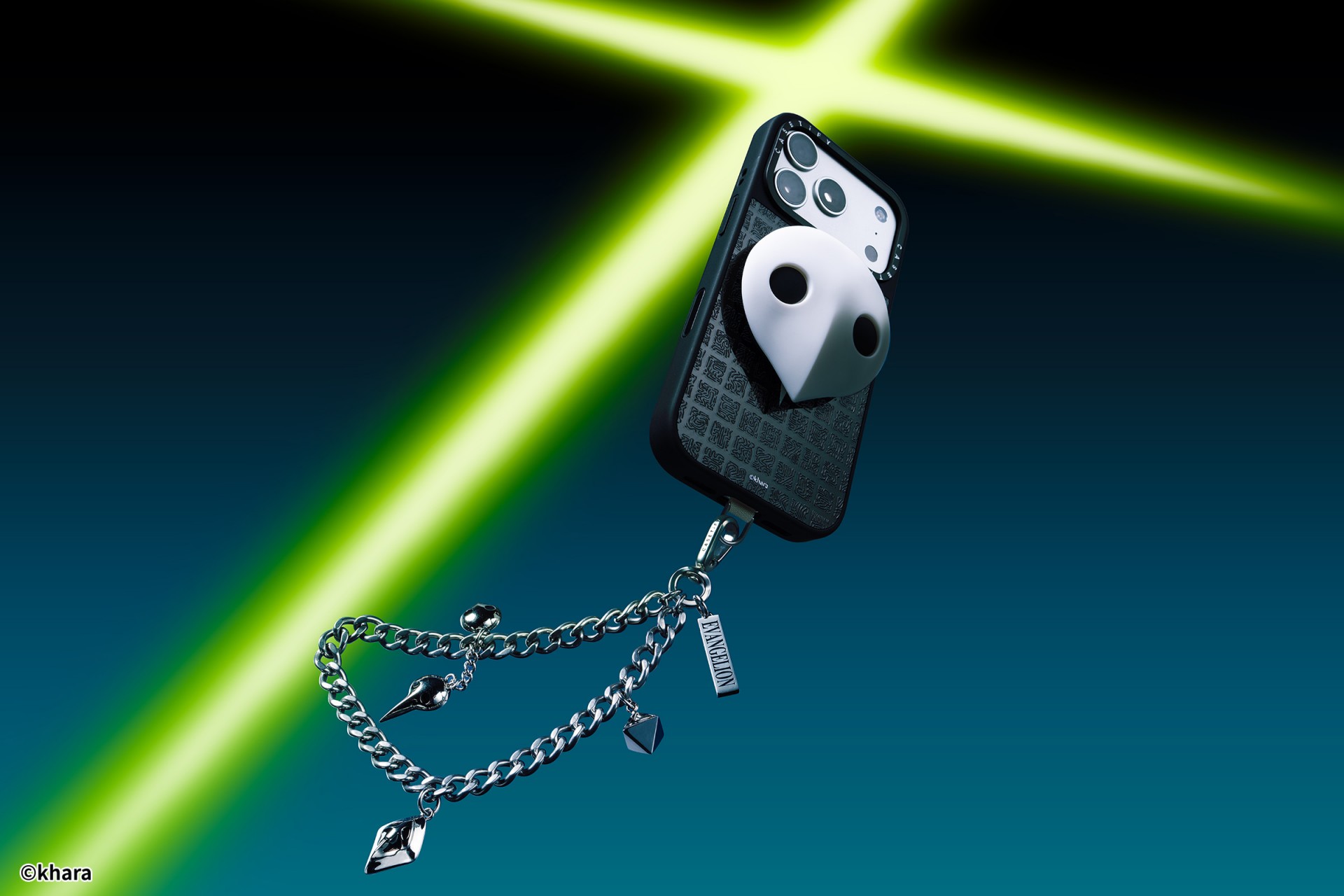
The collection goes beyond phone cases. Fans can also pick up matching AirPods cases, MagSafe wallets, watch bands, and laptop and tablet sleeves to complete their everyday tech setup.
Android users are included in the rollout. The collection supports devices like the newly released Samsung Galaxy S26 series, making it a timely drop for those looking to suit up their latest flagship.
The Evangelion collection is now available via the official CASETiFY website.

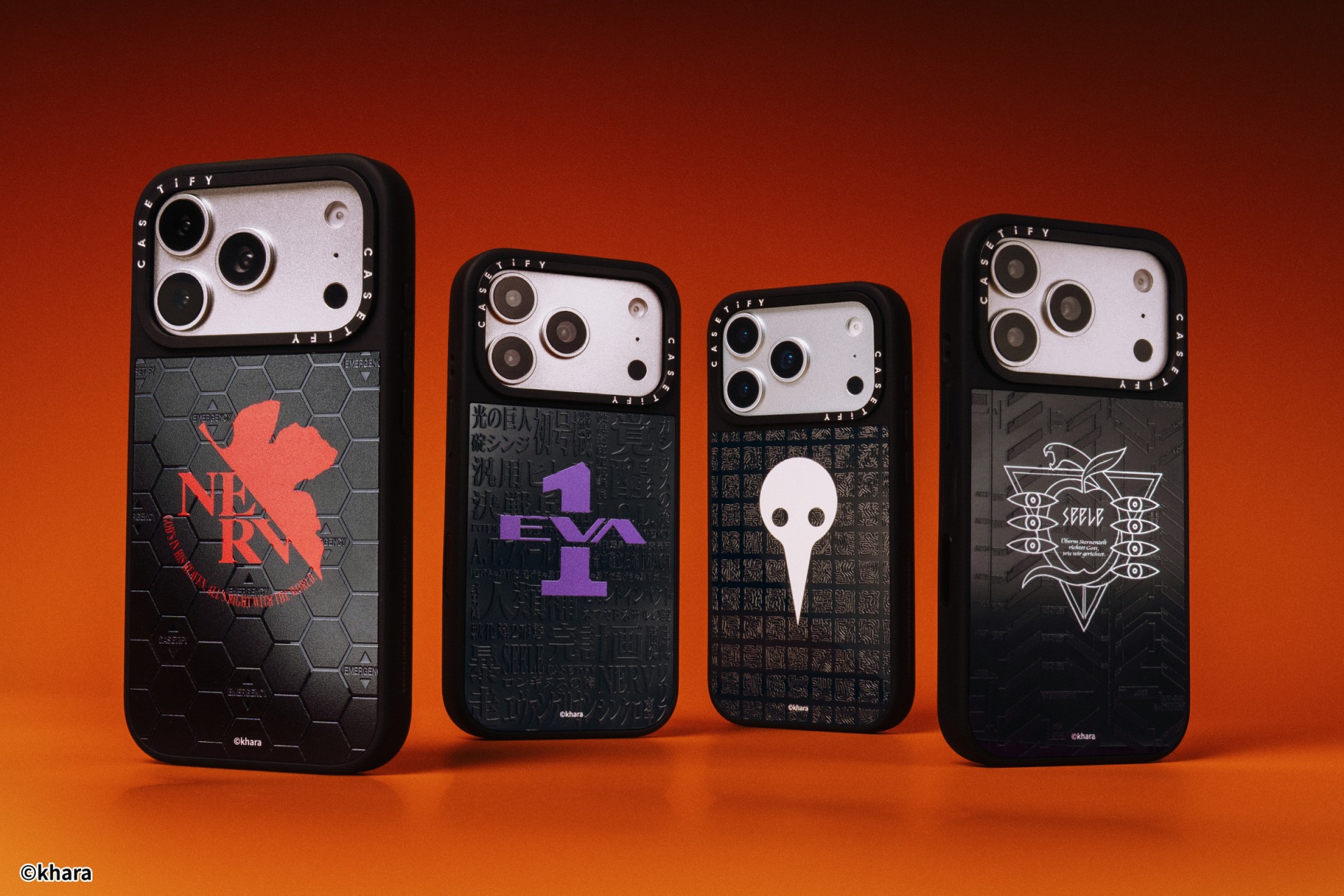
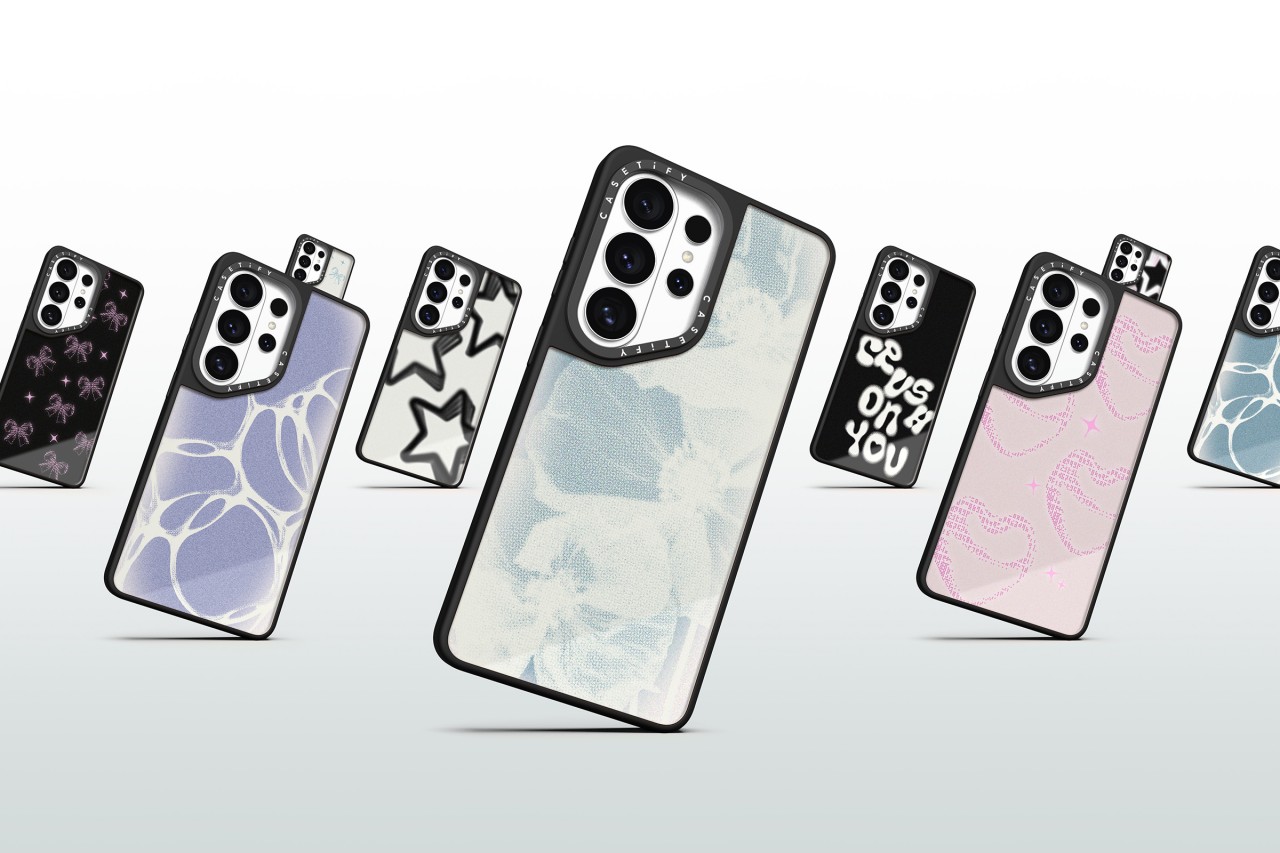
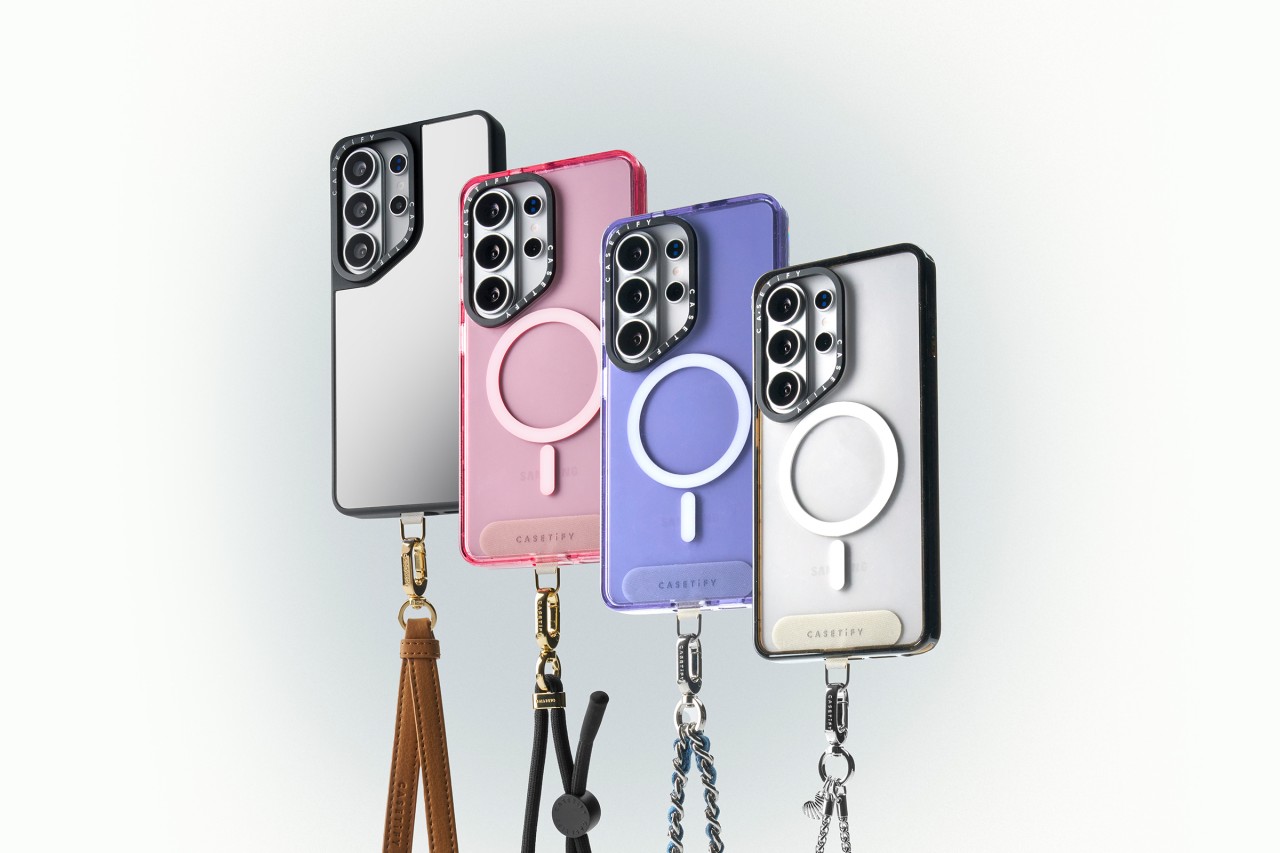
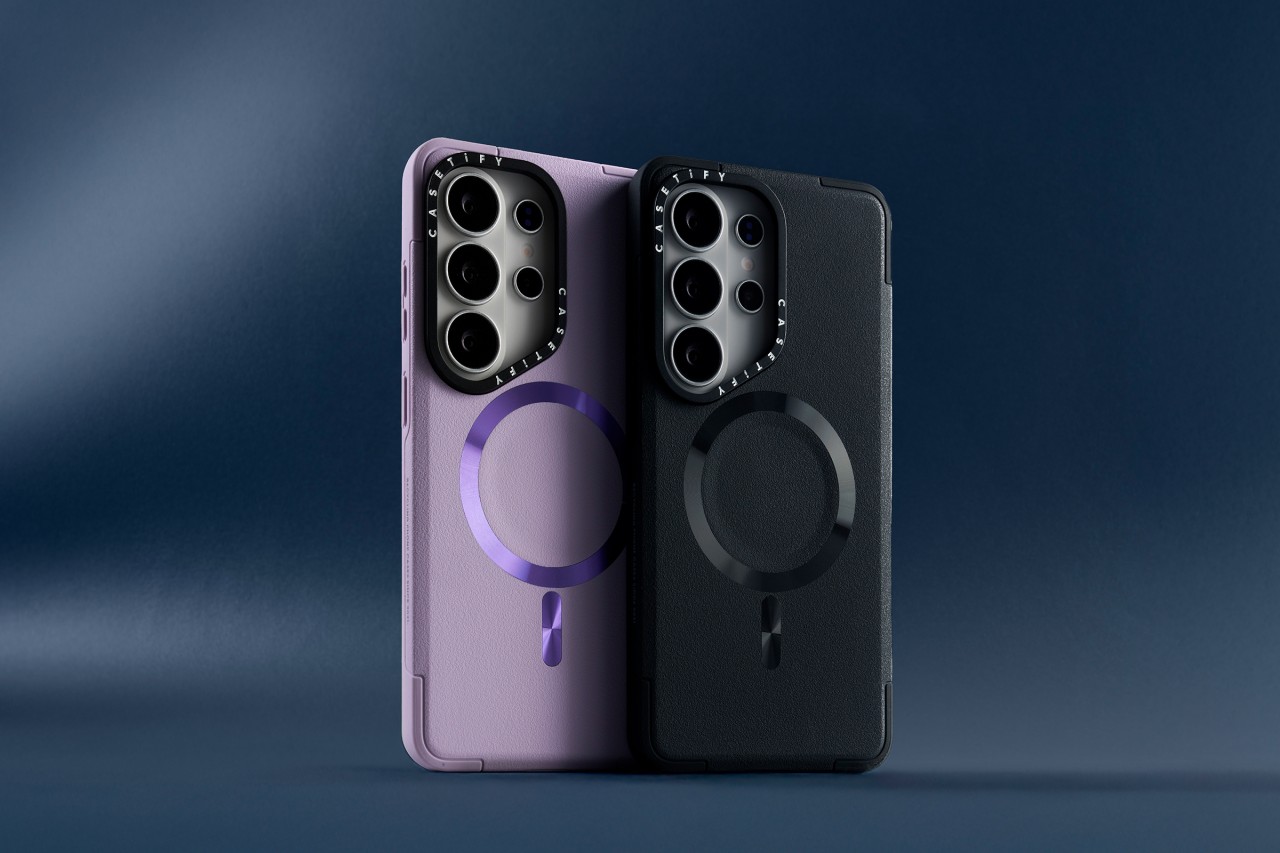
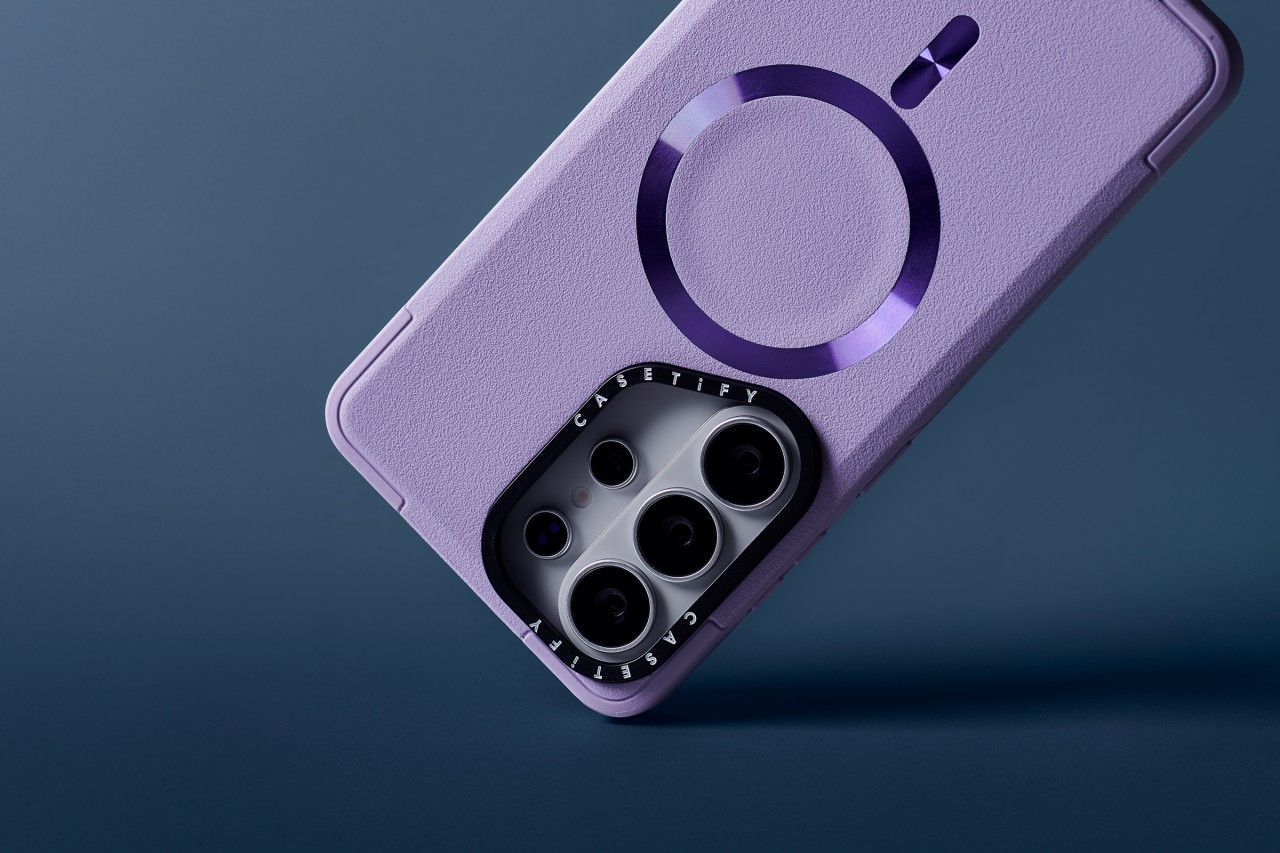
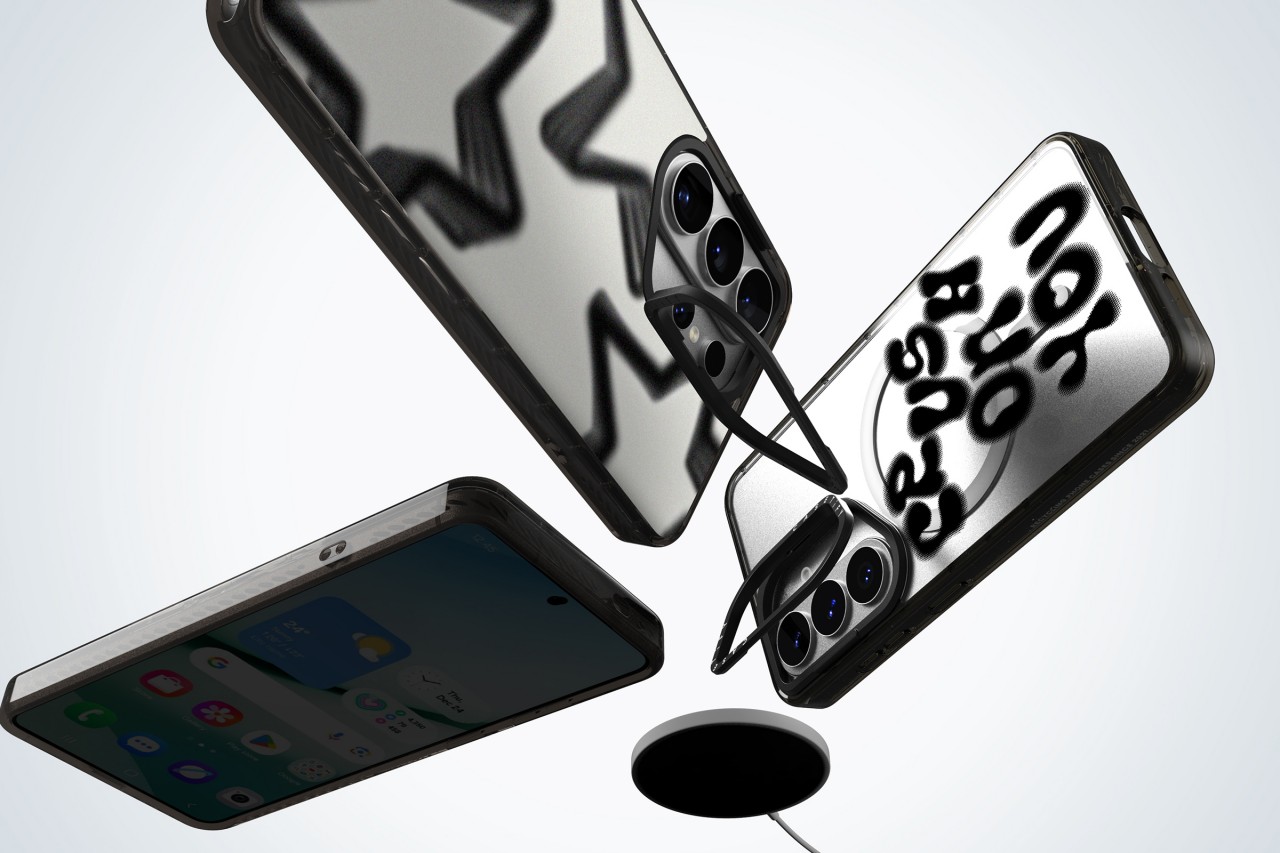
CASETiFY has unveiled its full lineup of cases and accessories for the Samsung Galaxy S26, timed with the flagship’s global debut.
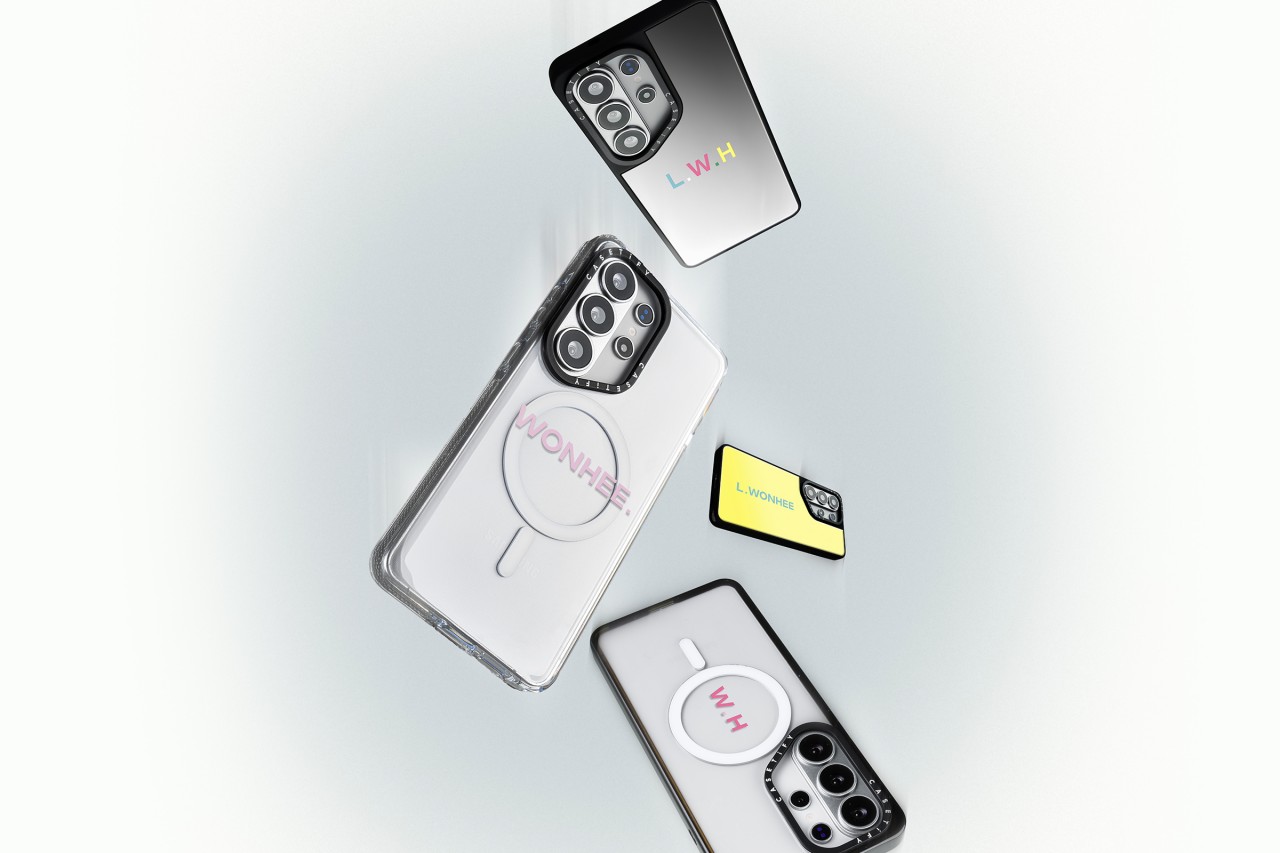
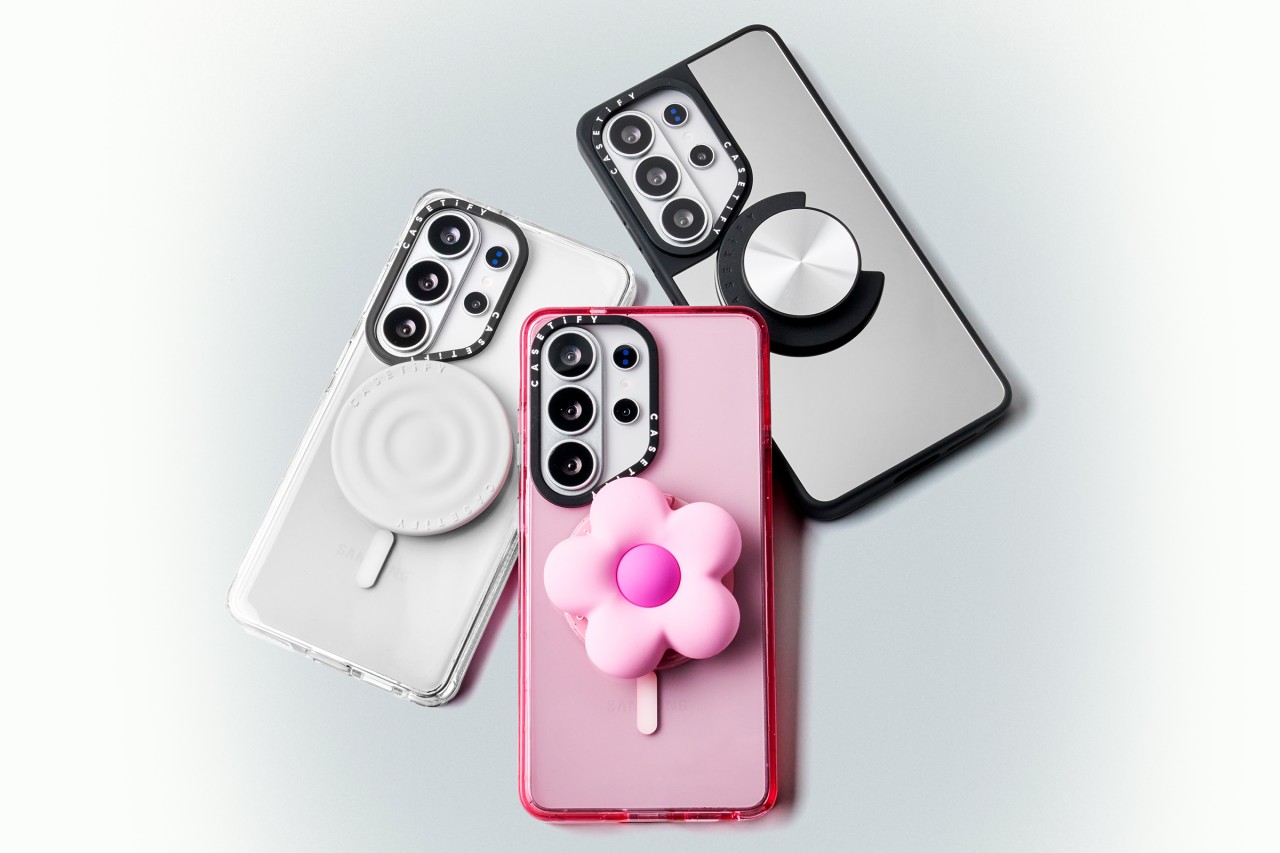
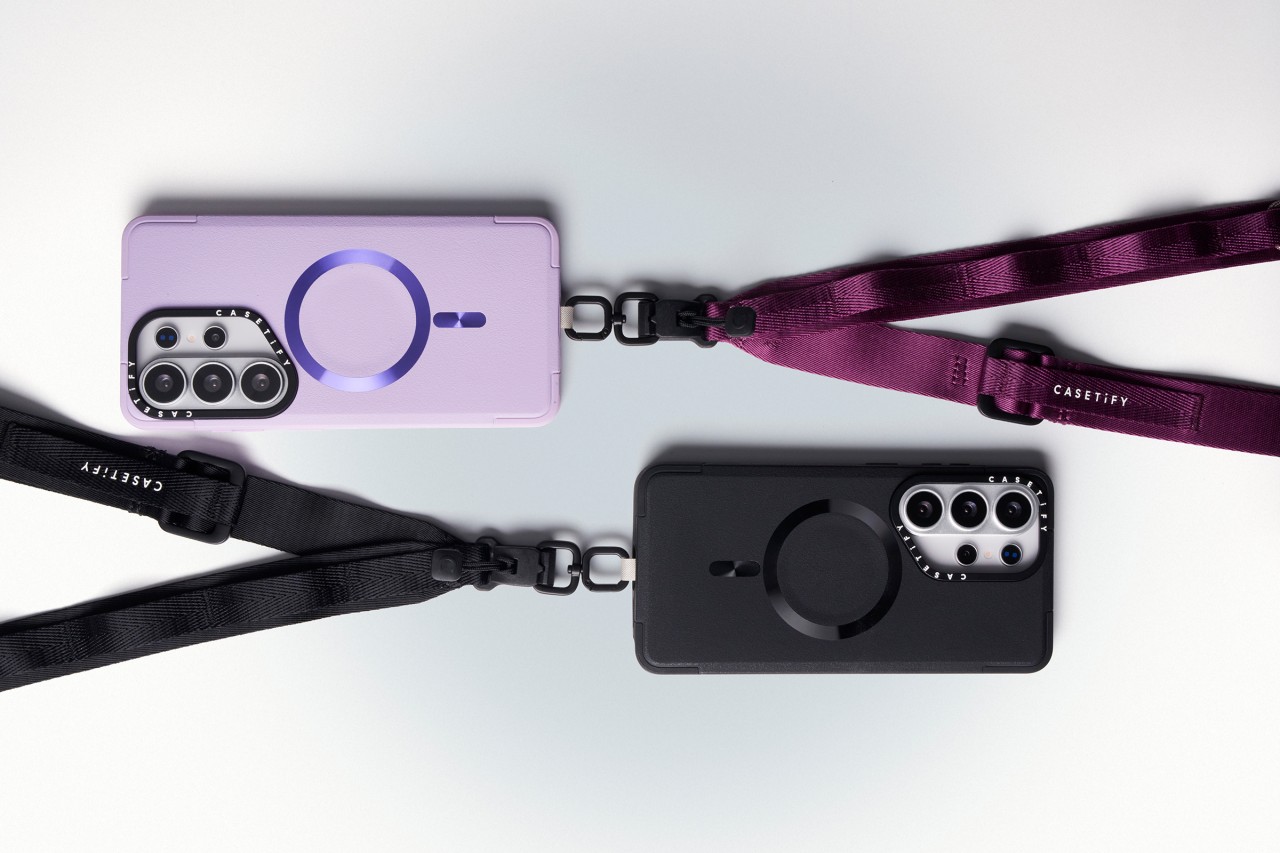
The new collection blends protection with personalization. Users can customize cases with photos and text or choose from bold, artistic prints across multiple case styles. The lineup also includes phone charms, body straps, magnetic accessories, screen protectors, and camera lens covers built specifically for the Galaxy S26.
Orders opened on February 25, 2026 via CASETiFY’s website.
Built for protection and everyday use
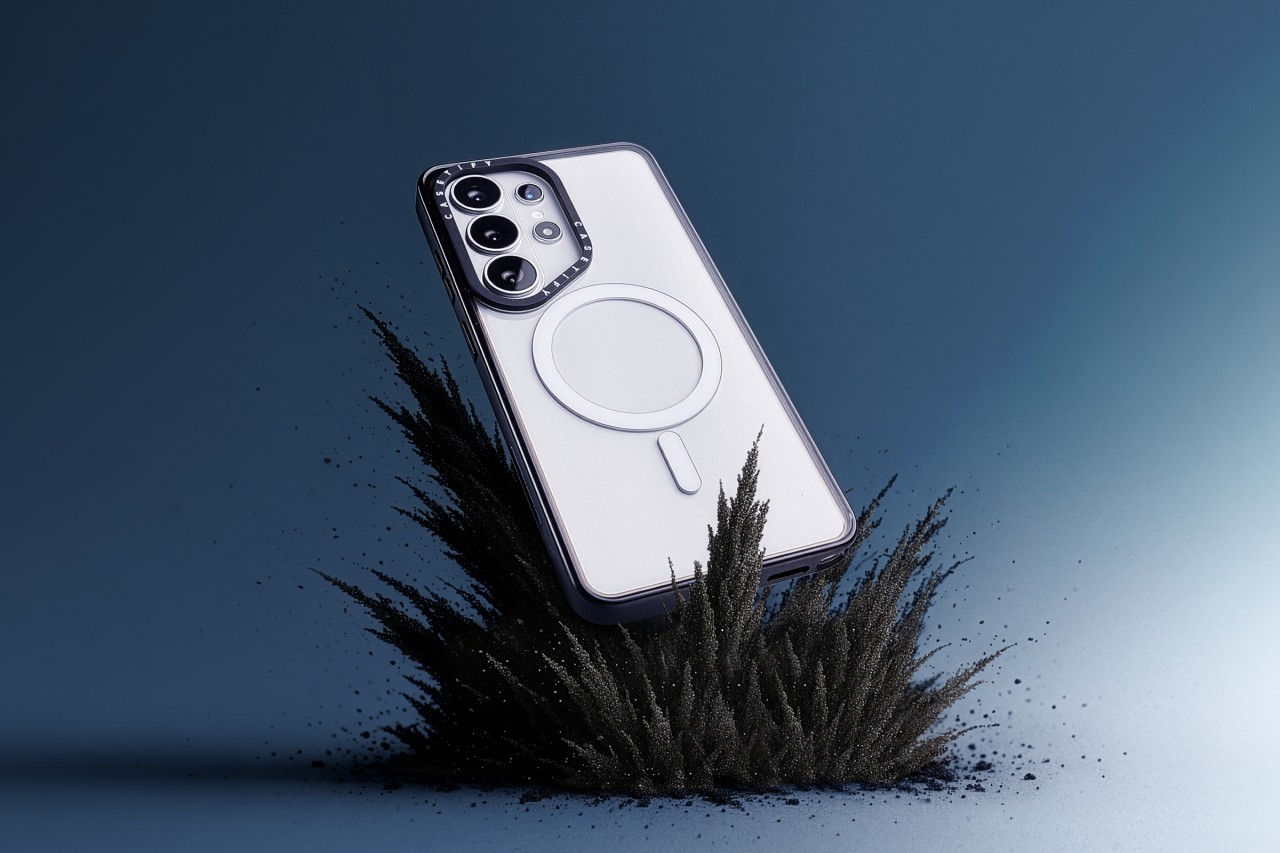
Leading the lineup is the Impact Ring Stand Magnetic Case ($85). It features a lifted camera ring with a built-in stand that adjusts from 0 to 150 degrees for hands-free viewing. The case carries 6.6-foot drop protection, 3x MIL-STD-810G certification, EcoShock cushioning, and CASETiFY’s Duo-Lock bonding system. It also supports wireless charging and magnetic accessories.
The Impact Magnetic Case ($70) increases drop protection to 8.2 feet with 4x MIL-STD-810G certification. It adds side sockets for charms and a raised bezel for screen protection.
For those who prefer a transparent look, the Impact Clear Magnetic Case ($70) focuses on long-lasting clarity and anti-yellowing materials. It offers 6.6-foot drop protection and 3x MIL-STD-810G certification.
Slim, glossy, and grip-focused options
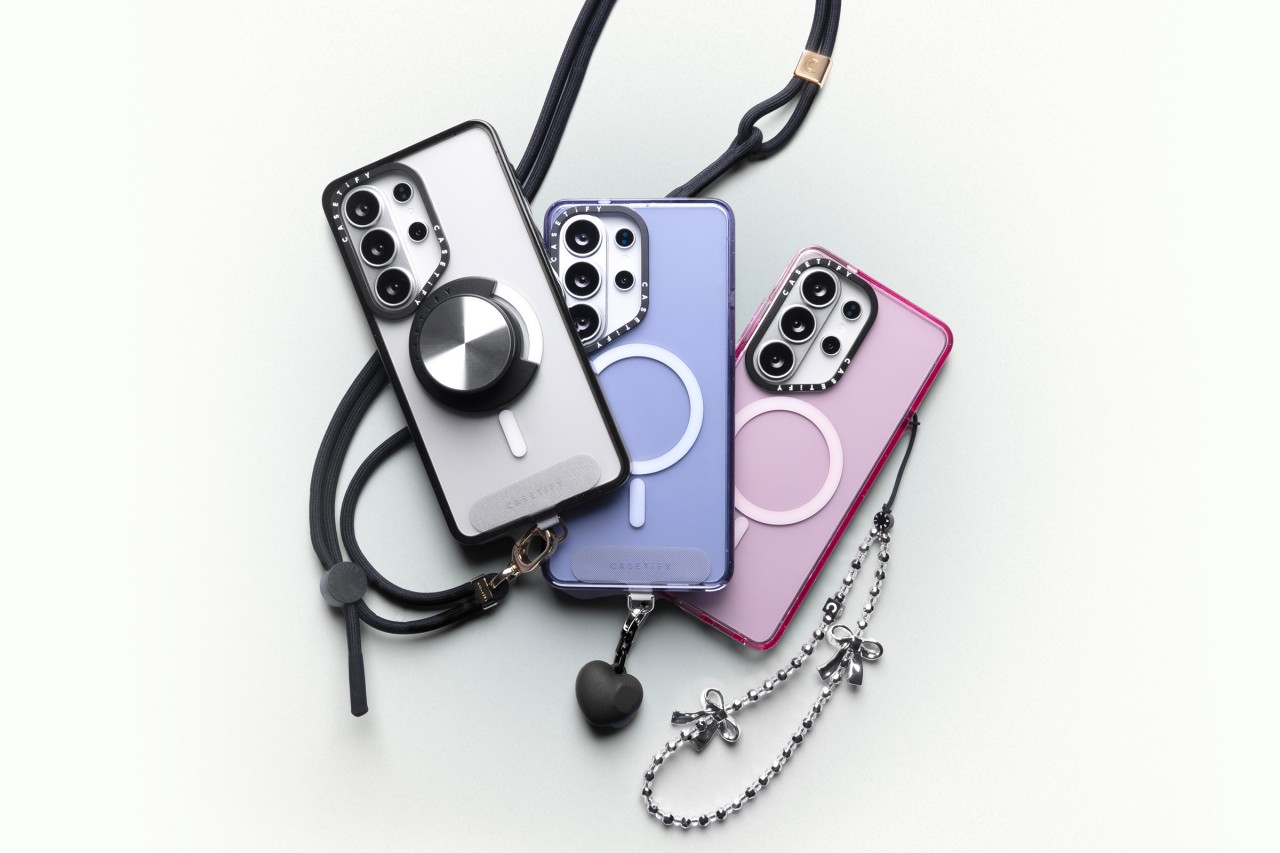
The Mirror Magnetic Case ($70) adds reflective functionality with 4.9-foot drop protection, while the Compact Magnetic Case ($55) targets users who want a lightweight, slim profile with 4-foot drop protection.
The Glaze Magnetic Case ($70) stands out with a scratch-resistant glossy finish and anti-print peel-off technology, paired with mirror functionality and magnetic compatibility.
Rounding out the collection is the Force Case by CASETiFY ($55), designed for enhanced grip and durability. It delivers 6.6-foot drop protection, 3x MIL-STD-810G certification, Duo-Lock bonding, and full wireless charging support.
With multiple case styles and accessory options, CASETiFY’s Galaxy S26 collection gives users room to match their device to their personality without compromising protection.
Accessories
Xiaomi launches latest ecosystem devices: Watch 5, Redmi Buds 8 Pro, more
Smart, on-the-go products debut
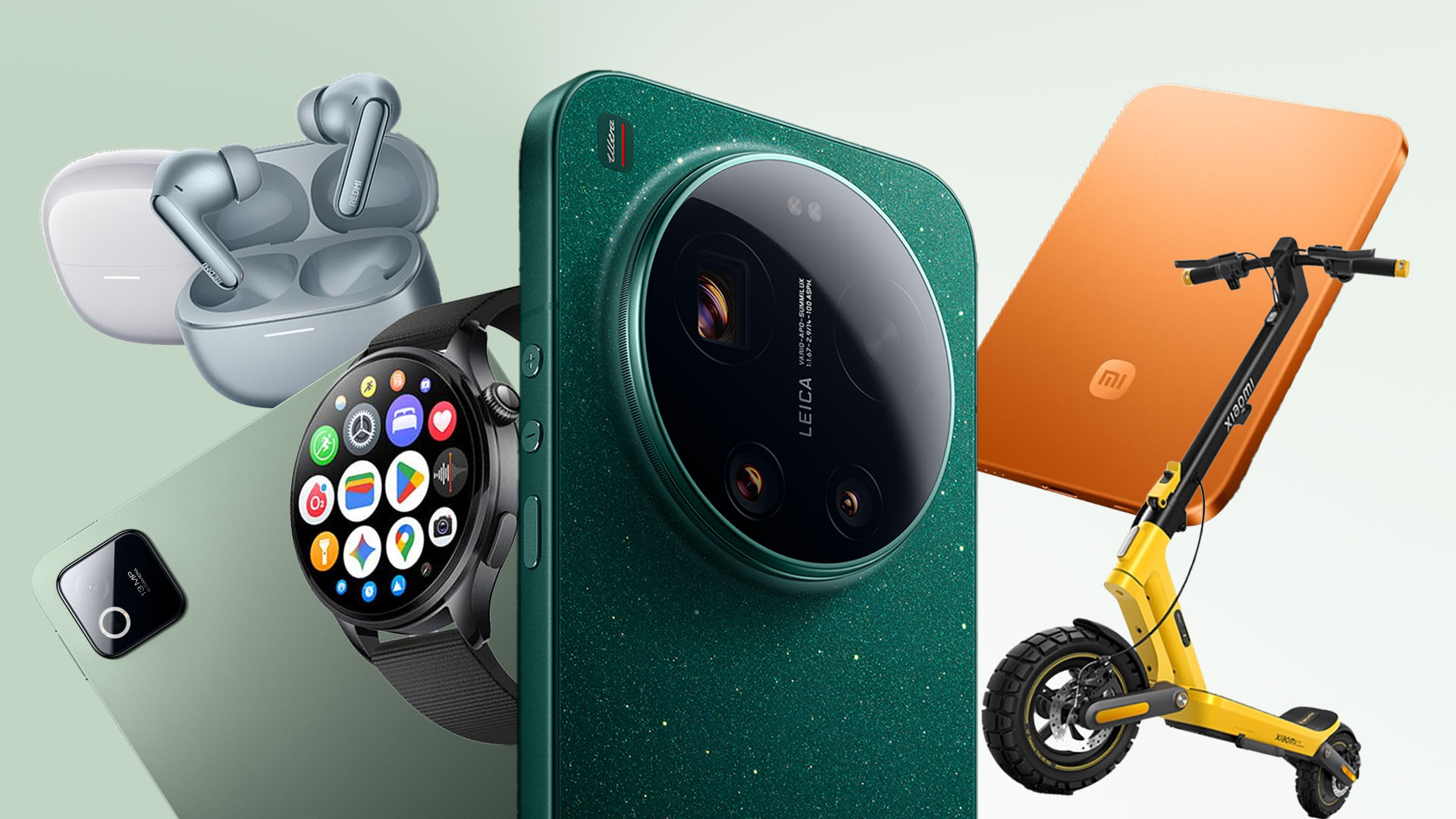
Xiaomi has launched an entire slate of smart, on-the-go devices as part of their major first quarter ecosystem release.
These products, ranging from smartwatches to earbuds to smart home devices and electric scooters, were introduced alongside the flagship Xiaomi 17 series smartphones and Xiaomi Pad 8 series tablets.
All are now available in the Philippines. Here’s a quick rundown.
Xiaomi Watch 5
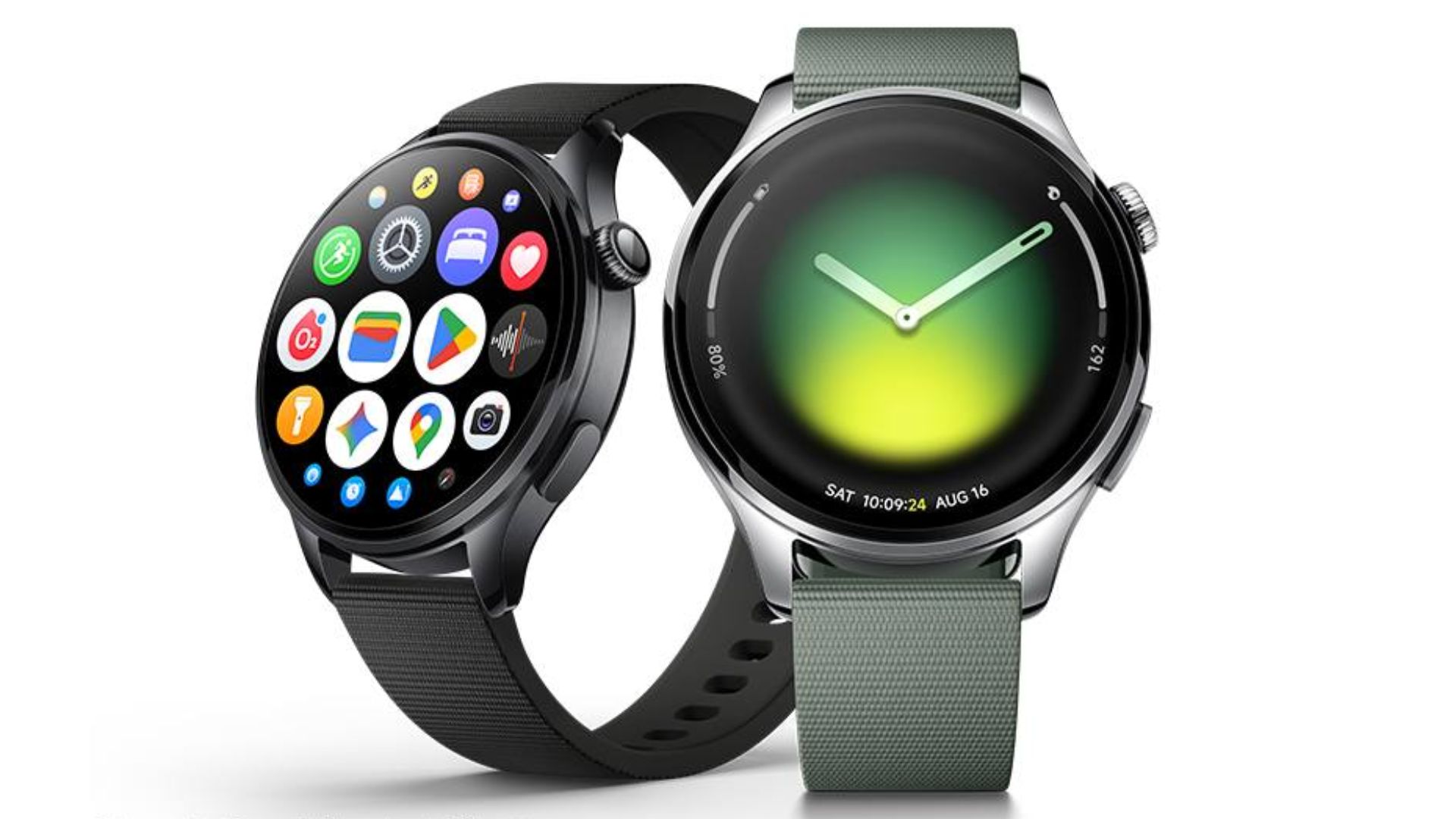
Price: PhP 18,999
The Xiaomi Watch 5 runs on Wear OS by Google. It has a large 1.54-inch display reinforced by strong sapphire glass.
The watch has a stainless steel middle frame, and a flagship dual-chipset design. Inside are the Snapdragon W5 Gen 1 and BES2800 low-power processor.
Users can leverage quick gestures with EMG, IMU, and PPG sensors for essential actions. Such can execute tasks like dismissing calls, silencing alarms, launching workouts, and more.
As usual, there are several sport modes, and advanced health monitoring features, which have been refined to deliver a better experience.
Redmi Buds 8 Pro

Price: PhP 3,999
The wearable leverages a 3-mic system with up to 12 m/s wind noise cancellation and up to 55dB ANC.
Inside are coaxial triple drivers for rich sound complemented by Dolby Audio. There are three color options: Obsidian Black, Cloud White, and Glacier Blue.
Users can enjoy up to 33 hours of playback along with its charging case.
As a quick addition, a Xiaomi Tag is available for PhP 899 for a single piece or PhP 2,799 for the four-pack.
This tool is compatible with Apple Find My or Google Android Find Hub, working within a user’s chosen OS ecosystem.
Xiaomi UltraThin Magnetic Power Bank 5000
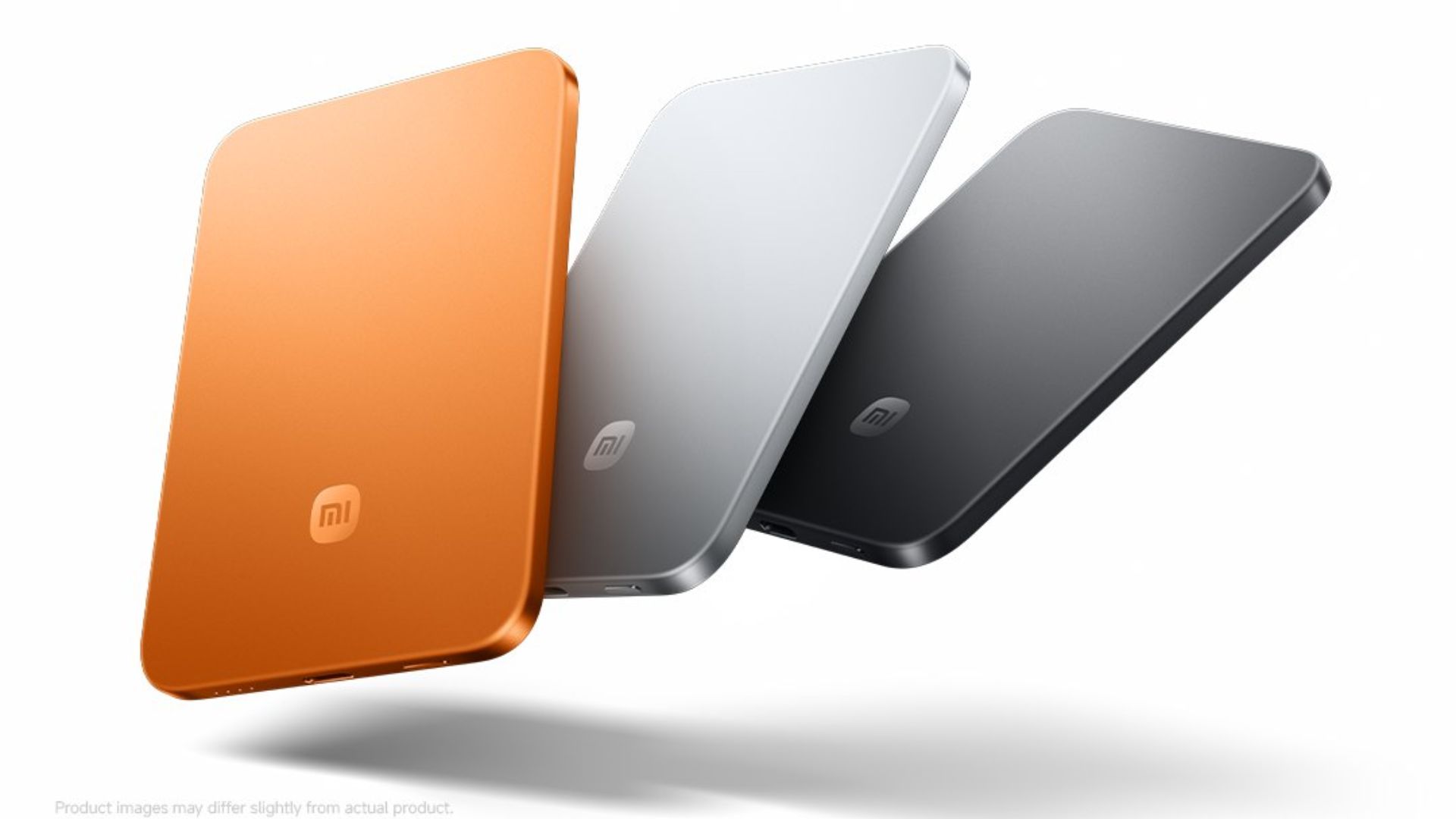
Price: Php 3,699 (Black and Silver) | PhP 3,899 (Radiant Orange)
Furthermore, Xiaomi’s latest power bank supports simultaneous charging of two devices while sporting a slim and portable look.
It is capable of up to 15W of wireless charging, and 22.5W of USB-C fast charging.
Xiaomi Smart Dehumidifier
Price: PhP 14,999 | PhP 9,499 (Lite)
For smart home devices, the company’s latest dehumidifier has 5 noise-reduction designs for as low as just a 35.8dB ambient noise.
It features smart dehumidification, an external drainage, and three modes, including a clothes drying mode.
Xiaomi Electric Scooter 6 Ultra
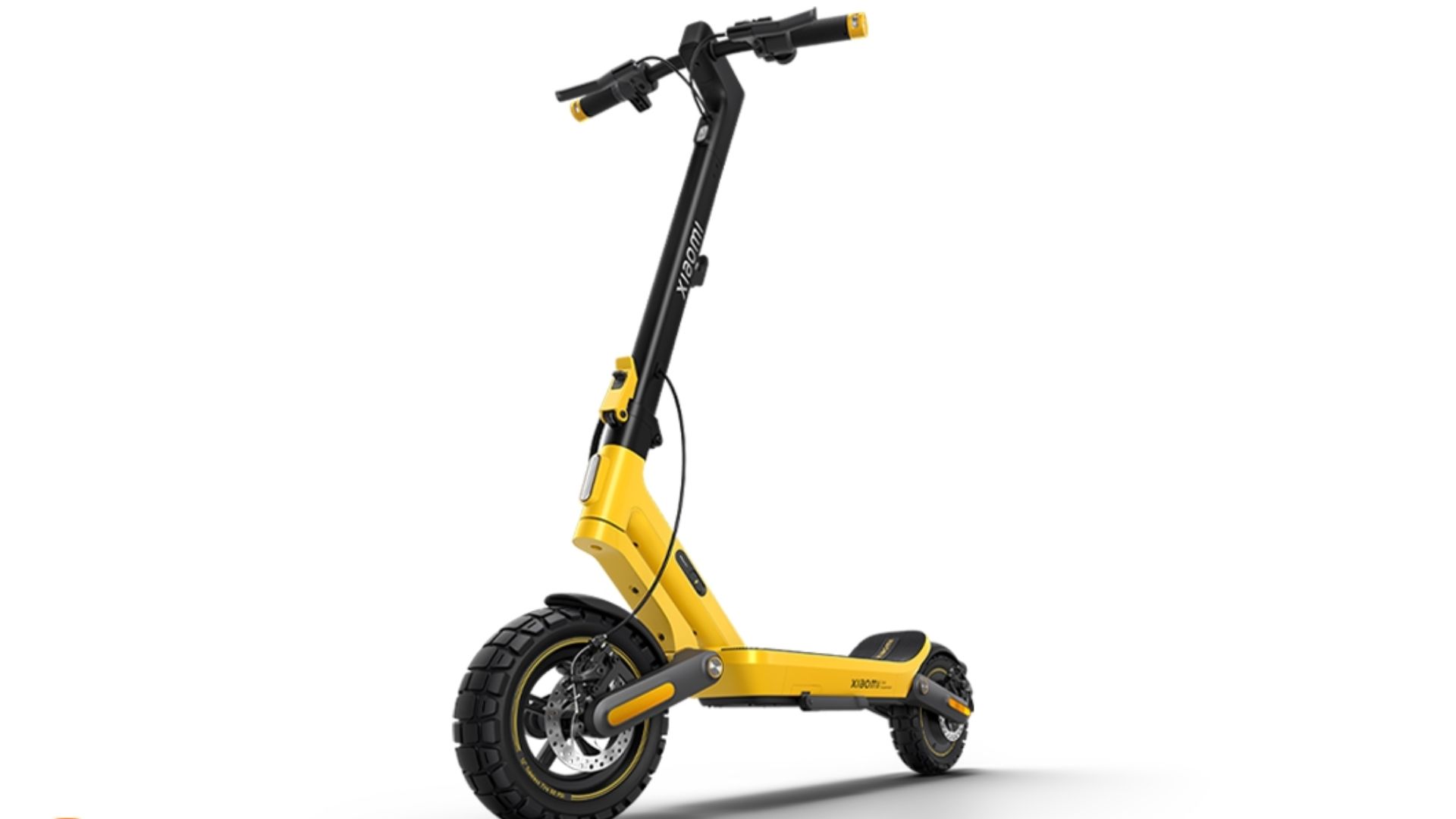
Price: PhP 46,999
Lastly, Xiaomi’s latest electric scooter is all about upgrades. It has improved front and rear disc brakes, as well as 12-inch tires.
The e-scooter comes with dual swing-arm suspension for better support, an ergonomic design, and a 3-inch display for the rider.
It also has a 1200W peak power with Boost mode, which is vital for uphill climbs or quick acceleration.
On a full charge, the ridable is capable of a 75-kilometer range, making it fit for casual commutes around the city and quick trips.
Other variants include the Electric Scooter 6 Lite and Electric Scooter 6 to suit
All the aforementioned Xiaomi AIoT devices are available at Xiaomi Authorized Stores nationwide, as well as Lazada and Shopee.



Nothing adds color to its wearables with the Headphone (a)

Nothing launches the Phone (4a) series

HMD is developing an AI assistant for the elderly

OPPO is finally getting AirDrop support

Ubisoft confirms Assassin’s Creed: Black Flag remake

Xiaomi 17 Ultra is now available outside China

TECNO will showcase the CAMON 50 and POVA 8 series at MWC 2026

The art of being in and behind the frame

HUAWEI MatePad 11.5 S 2026: The better-than-ever 4-in-1 productivity tablet

TECNO MEGABOOK K16s 13th review: No-frills beneath those grills


-
 News5 days ago
Xiaomi 17 Ultra is now available outside China
-
 Camera Walkthrough2 weeks ago
OPPO Reno15 Pro: Camera Review
-

 MWC 20261 week ago
TECNO resurrects modular phones with this new concept
-

 News2 weeks ago
HUAWEI launches Mate X7, MatePad 11.5 S 2026, FreeClip 2
-

 Events2 weeks ago
Capcom to hold Resident Evil Requiem launch event in Jakarta
-

 Reviews5 days ago
Xiaomi Pad 8 review: Slab that slaps!
-
 MWC 20263 days ago
TECNO showcases cool concepts at MWC 2026
-
 Gaming2 weeks ago
Pokémon FireRed and LeafGreen are coming to the Switch