
News
The Xperia PRO-I is Sony’s first smartphone with a 1-inch camera sensor
The same camera sensor from the Sony RX100 VII

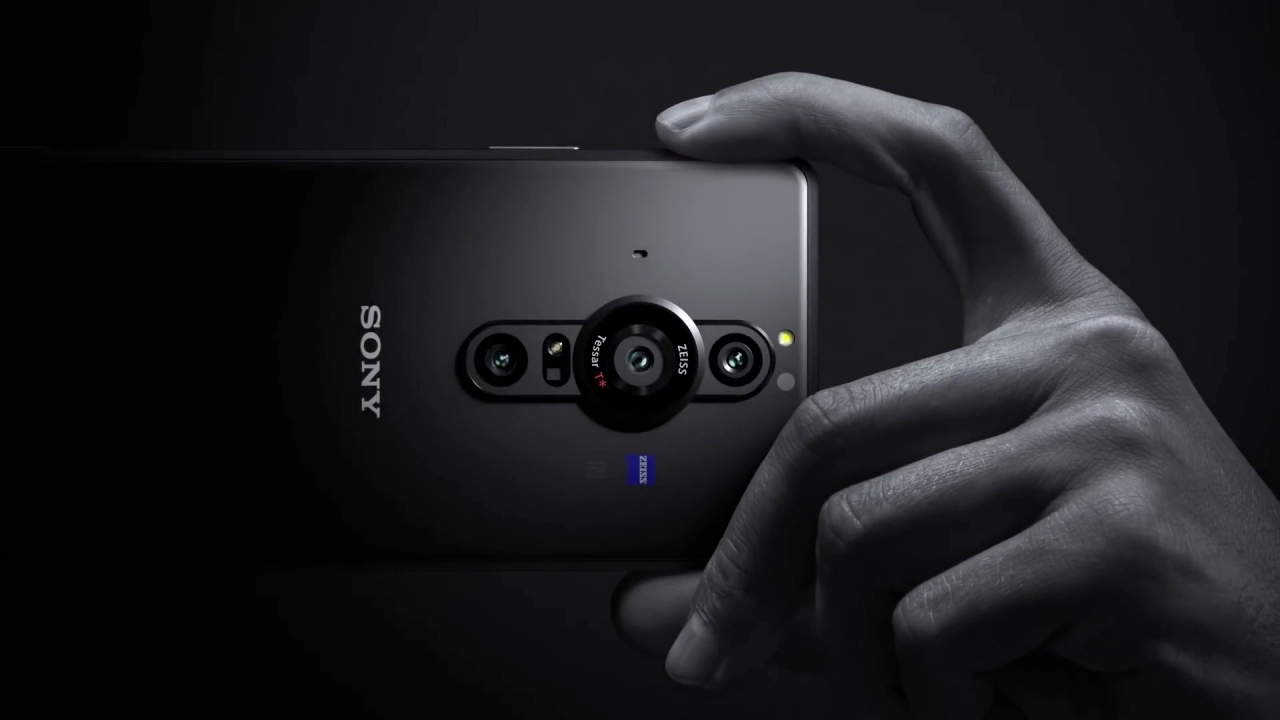
Remember when Sharp launched the first 1.0-inch camera sensor in a smartphone? Well, Sony has finally entered the scene.
If you’ve recently picked up a Sony Xperia PRO, you might not be too thrilled about this news. This isn’t a new smartphone line from Sony, rather the successor to the Xperia PRO announced in MWC 2020.
Xperia 1 III with the PRO treatment
Just like the Xperia 1 III, the Xperia PRO-I has a 6.5-inch 4K HDR OLED display. While not the same 240Hz panel found on its Sharp counterpart, its 120Hz refresh rate is still smooth and capable in today’s needs. Other than the screen, it also has other similarities like a microSDXC card slot, Gorilla Glass 6 and Victus protection, IP65/68 water and dust resistance, among others.

Under the hood, it’s packed with the latest Snapdragon 888 5G chipset — a leap ahead from Xperia PRO’s Snapdragon 865 that was also launched this year. It also has a 4500mAh battery with support for 30W fast wired charging and a sole 512GB + 12GB configuration.
Alpha-grade cameras
What sets the Xperia PRO-I apart from its cousin and sibling are the new set of cameras — particularly that large 1-inch Exmor RS camera sensor you barely find on smartphones nowadays. Rather, it’s found on capable compact cameras like the Sony RX100 VII.

On paper, it still has triple 12MP cameras like the Xperia 1 III. The difference is that the 12MP wide camera has a dual variable aperture of f/2.0 and f/4.0 for that seamless bokeh transitioning like a real point-and-shoot. Ultra-wide is the same at 12MP f/2.2 with 124-degree FoV (Field of View) but the telephoto lens is a downgrade from 3-4.4x optical zoom to just 2x. There’s also a 0.3MP 3D iToF camera for depth-sensing.

On a greater note, the cameras have high-index optical glass spherical lenses that were fit in such slim form. They’re also coated with ZEISS T* coating to avoid pesky reflections — which can also be seen in our vivo X70 Pro+ camera shootout.
For photography

For mobile photographers, the Xperia PRO-I is a true gift from gods. It has Phase Detection AF as well as OIS for less blurry photos even in the dimmest situations. It even supports 12-bit RAW support for flexible color grading especially in pro-grade monitors.
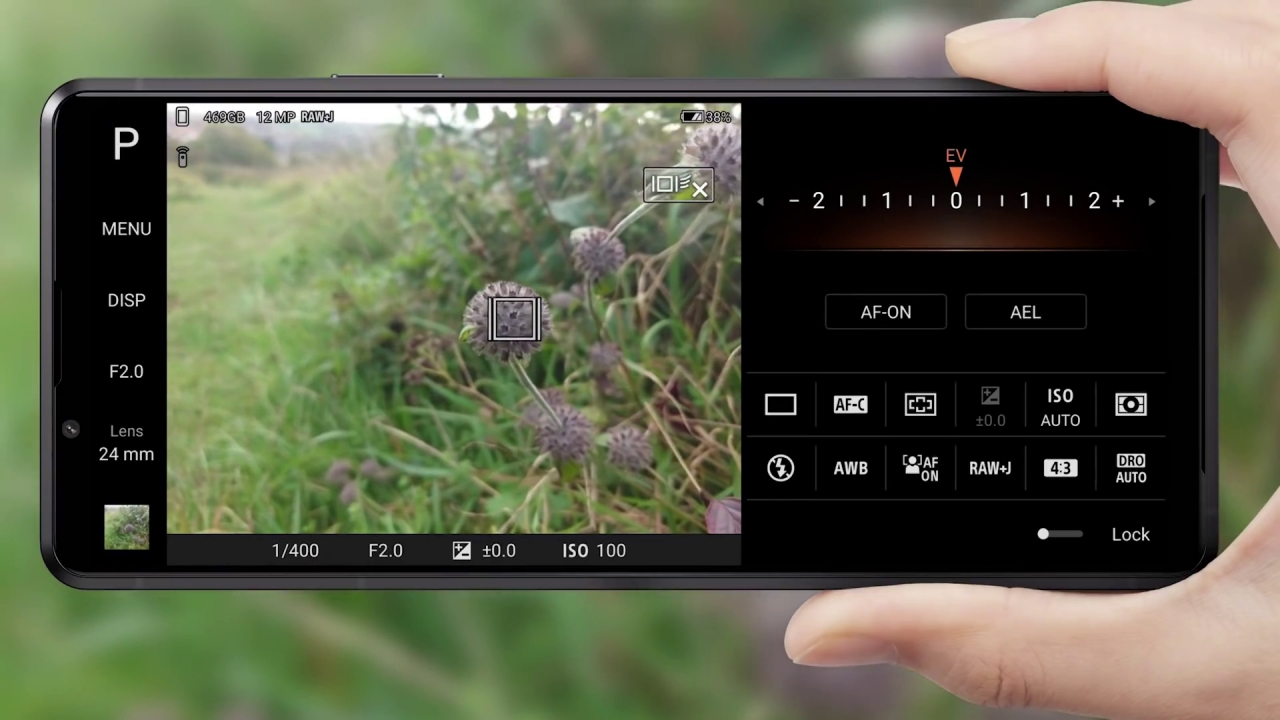
The Xperia PRO-I boasts 315 AF (Autofocus) points, Real-time Eye AF plus Real-time tracking and object tracking for precise tracking and shooting. The wide lens can shoot up to 20fps continuous shooting while the ultra-wide and telephoto lenses are restricted to 10fps. The wide lens also has an anti-distortion shutter to reduce that rolling shutter effect.
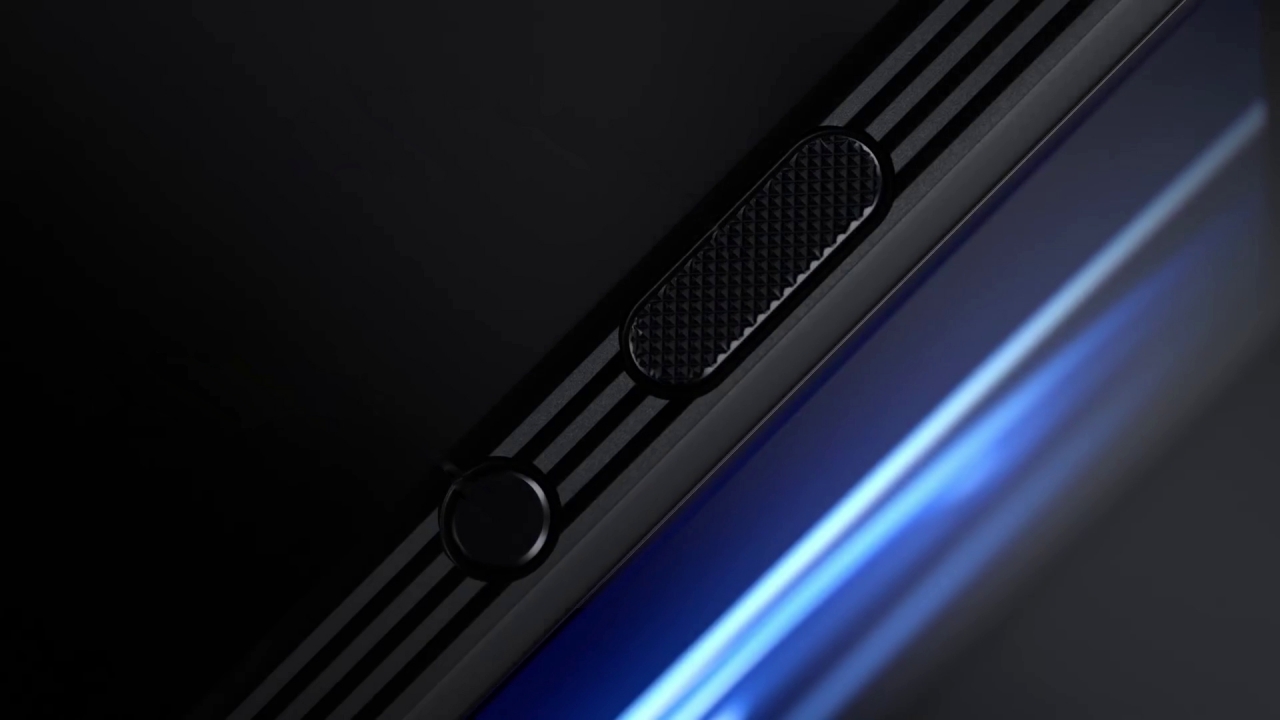
To make any Xperia PRO-I user feel at home, there’s a dedicated shutter button as well as a single shortcut key just like on any Sony camera. This ensures better focusing and shooting especially when you always shoot photos in a hurry.
For videography
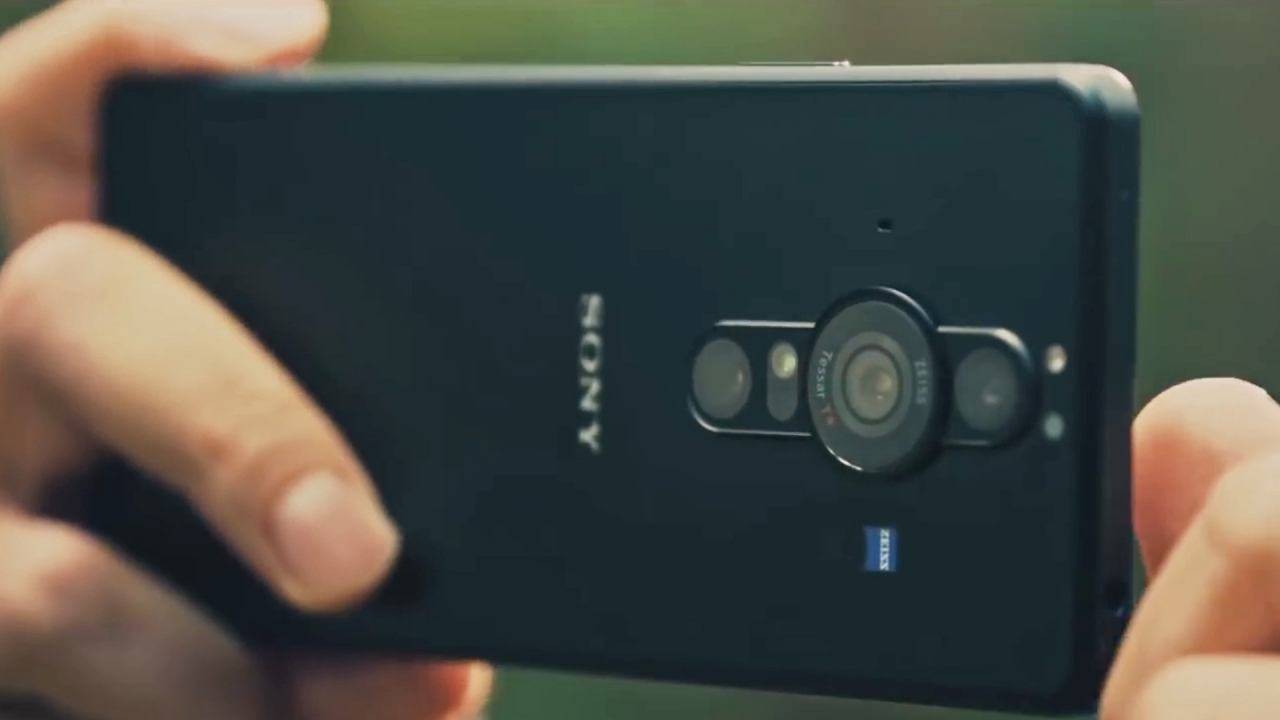
4K HDR 120fps video recording is what makes this more pro of smartphone. There’s also an Optical SteadyShot with FlawlessEye for shake-free videos when panning and roaming around. You should take note though that these features are only accessible to the 24mm wide lens.
Object tracking are also supported in video mode so you can continuously record footage with one subject in focus.
For vlogging
The Xperia PRO-I is advertised as a great compact vlogging camera, too. It has Eye AF in video so the subject is still focused even when recording one’s self. Other than that, there are also stereo mics, one of which is a mono mic found on the rear side to record crystal clear audio. It even has an Intelligent Wind Filter to avoid muffled recordings outdoors.

Image by GadgetMatch
There are also vlogger-centric accessories like the 3.5-inch Vlog Monitor a la professional cinema camera monitor. This is for you to see yourself while using the great rear camera setup since the Xperia PRO-1 doesn’t have a flip screen like the RX100 VII.
Other than that, there’s also the Shooting Grip which is a common vlogging accessory you see from Sony users. This serves as both a handling grip and a mini tripod and a mount for an external mic.
For cinematography

With Xperia PRO-I’s cinematic 21:9 display, shooting 21:9 content also makes a whole lot sense. As mentioned earlier, 4K HDR 120fps recording is included to capture crisp and clear footages.
There are also eight (8) color styles perfected by Sony for you to capture cinema-grade content even with a device that fits in the palm of your hands.
For multimedia needs
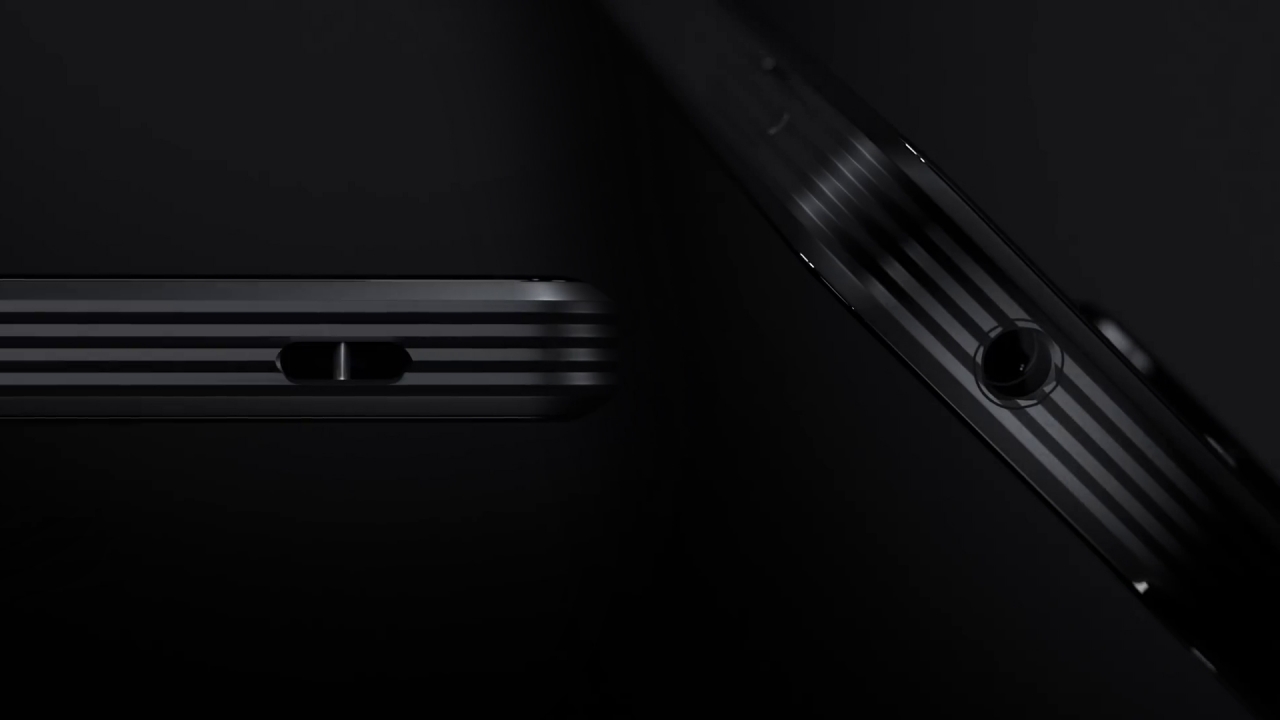
Other than the inclusion of microSDXC card slot for people who need it on the go, the Sony Xperia PRO-I also has a strap hole to attach straps like a typical camera. At the same time, they’re still keeping the 3.5mm audio jack in 2021! This is to make sure that audiophiles can still enjoy LDAC and Hi-Res audio that works mostly in Sony’s wired headphones.
Pricing and availability
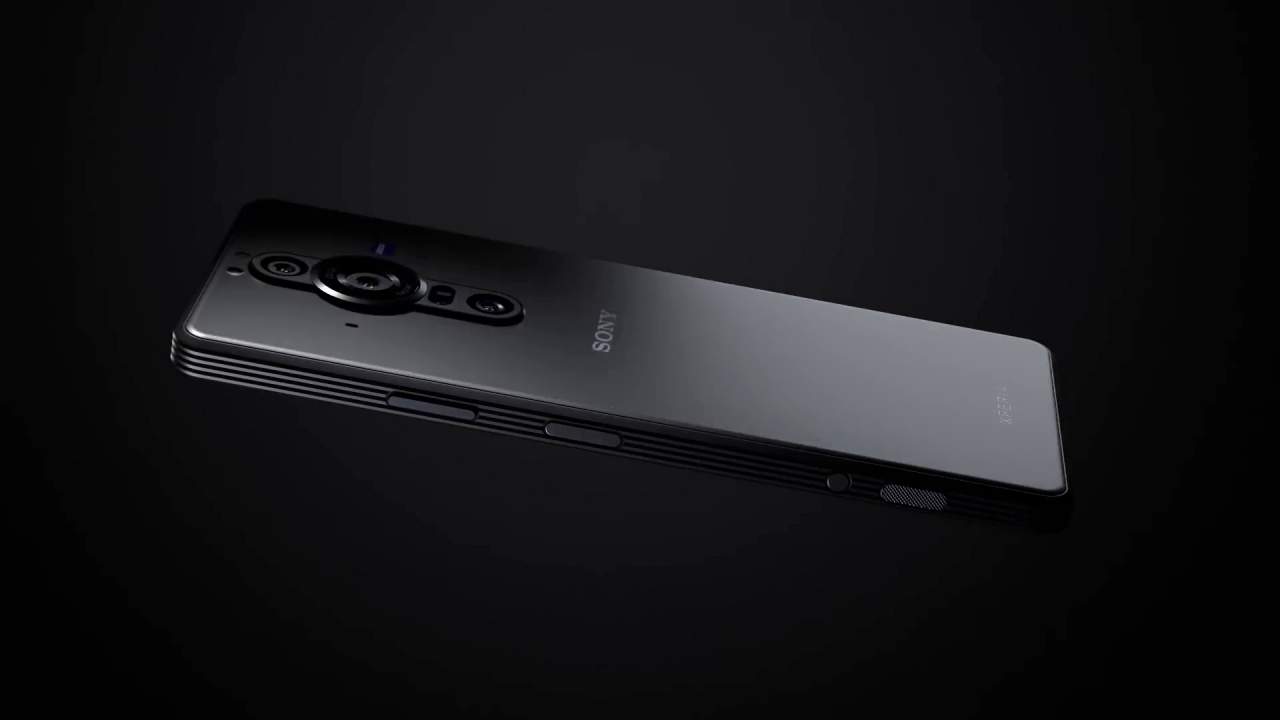
Sony sells the Xperia PRO-I in a single Frosted Black colorway at a whopping retail tag of EUR 1799 (US$ 2078) — that’s almost US$ 500 less than the original Xperia PRO. The Vlog Monitor gives you an additional EUR 199 (US$ 230) and the needed back cover attachment is an added EUR 89.99 (US$ 104) in the cart.
It will be available starting on December in the UK, France, Germany, the Netherlands and other European regions. Availability in other countries will follow in 2022.




News
Nothing adds color to its wearables with the Headphone (a)
The Pink and Yellow colors look great!


Last year, the Nothing Headphone (1) added a sense of fashion to the drab headphone market. Today, Nothing is adding a splash of color to its stylish lineup of headphones through the newly launched Headphone (a).
As with the (a) series of phones, the Headphone (a) melds fashion with affordability and performance. For quality, the wearable will have intelligent noise cancellation and sharper voice pick-ups with a 3-microphone Environmental Noise Cancellation system. It will also deliver rich immersive sound through Static Spatial Audio.
It’s only 310g light for easy use throughout the day.
For convenience, the Headphone (a) will have tactile gestures, such as a Button, Roller, and Paddle, to easily control the device without need of a phone. Users can integrate features like Channel Hop and Camera Shutter mode straight into the controls.
The headphones are designed for up to five days of battery life. Plus, a five-minute charge time can already provide five hours of playback. Finally, for durability, it is rated for IP52 resistance.
The Headphone (a) is available for preorders now. Starting March 13, it will be available in White, Black, and Pink. It will sell for EUR 159. Meanwhile, a limited-edition Yellow pair will be available starting April 6.
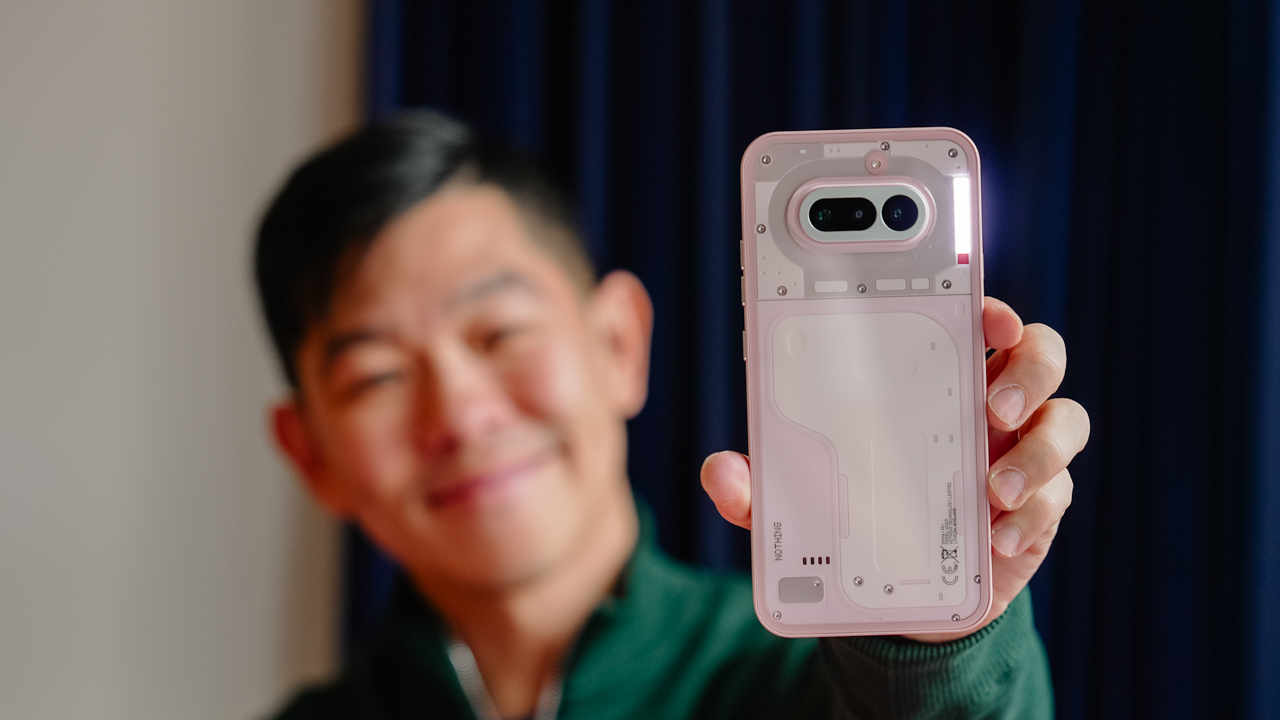
Nothing is not launching the Phone (4) this year. Though the lack of a flagship is certainly disappointing, the brand is still launching the Phone (4a) series, and now that it’s official, there really is no reason to feel like we’re missing out.
Nothing Phone (4a)
The base Nothing Phone (4a) carries over the circular camera island design of the previous Phone (3a). However, this generation will feature the new Glyph Bar, a subtler and more functional take on the brand’s iconic lighting system. It has 63 mini-LEDs in seven square light zones. It provides 3500 nits of brightness, which is 40 percent brighter than the Phone (3a)’s Glyph Interface.
The 6.78-inch AMOLED screen delivers images at 1.5K resolution,120Hz refresh rate, and 440 pixels per inch.
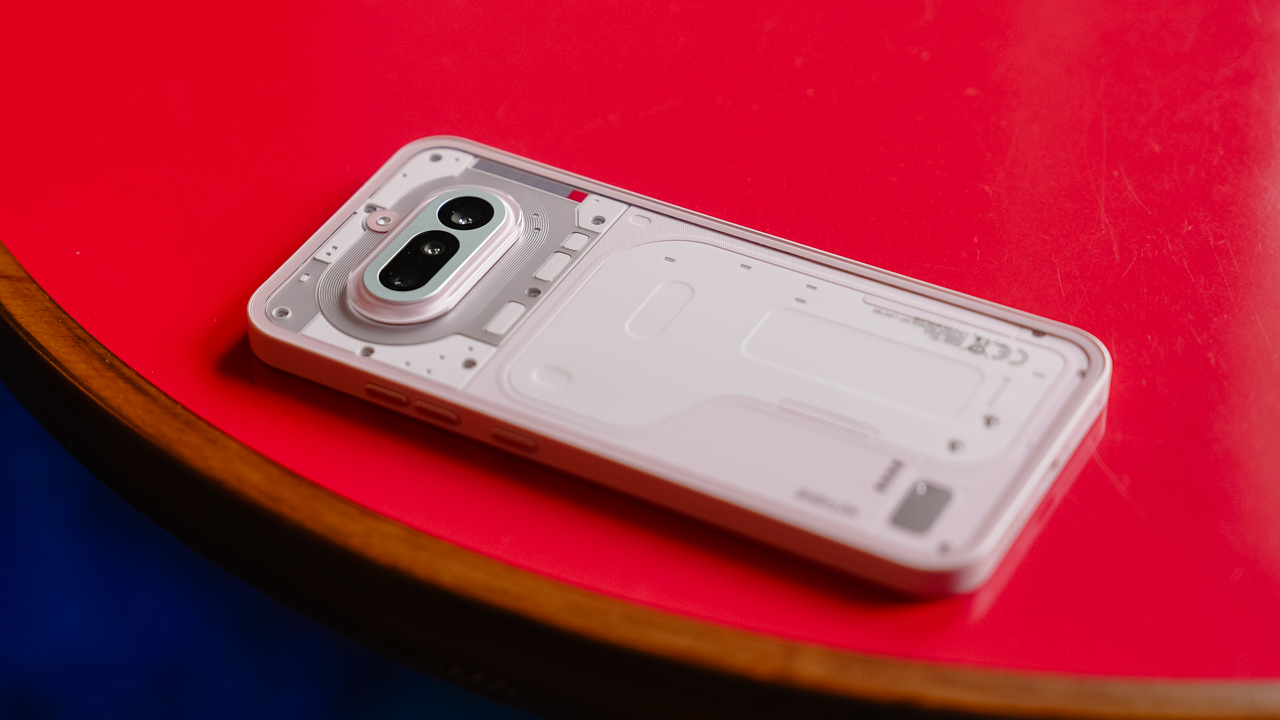
Inside, the Phone (4a) is powered by the Snapdragon 7s Gen 4. This is paired with up to 12GB of RAM and 256GB of internal storage. It can reportedly play Call of Duty: Mobile at up to 90fps.
For cameras, the model carries a Samsung GN9 50-megapixel main camera. It can take in more light and offer a wider field of view. Plus, the camera can zoom by up to 3.5 times using an optical zoom. There’s also 7x lossless zoom and 70x ultra zoom.
Using Qualcomm’s triple Image Signal Processor, the camera can shoot 4K video at 30 frames per second. It can also shoot Full HD videos at 120 frames per second.
Finally, the Phone (4a) has a large 5080mAh battery, capable of charging up to 60 percent in just 30 minutes.
Nothing Phone (4a) Pro
Meanwhile, the Nothing Phone (4a) Pro takes the best parts of the Phone (3) and brings it to life in the (a) series.
For one, the bolder camera island revives the Glyph Matrix of the flagship series and packs in more shooters inside. The three-camera system consists of a Sony LYT-700C 50-megapixel main shooter, a Samsung J5 50-megapixel periscope lens, and a Sony IMX355 ultrawide camera.

The 6.83-inch LTPS AMOLED screen is protected by Gorilla Glass 7i. It can deliver images at 1.5K resolution, 144Hz refresh rate, and 5,000nits peak brightness.
Inside, the Pro model sports the Snapdragon 7 Gen 4. Plus, the RAM Booster can increase the up to 12GB of RAM to 20GB. It will also have 256GB of internal storage.
It still has the large 5080mAh battery of its regular sibling and all the power that promises.
Price, availability
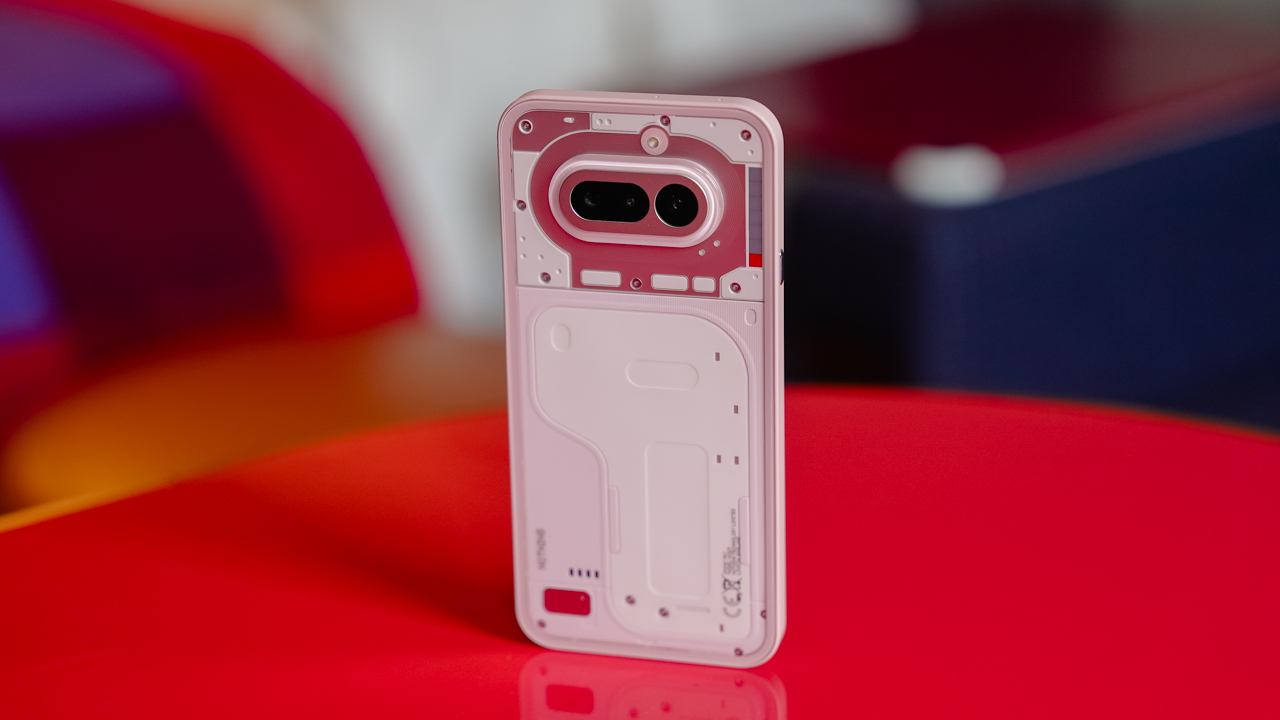
The Nothing Phone (4a) will be available in black, white, blue, and pink. It starts at EUR 349 for the 8+128GB configuration, topping off at EUR 429 for the 12+256GB model.
The Nothing Phone (4a) Pro will be available in black, silver, and pink. It starts at EUR 479 for the 8+128GB model, with the 12+256GB version selling for EUR 549.
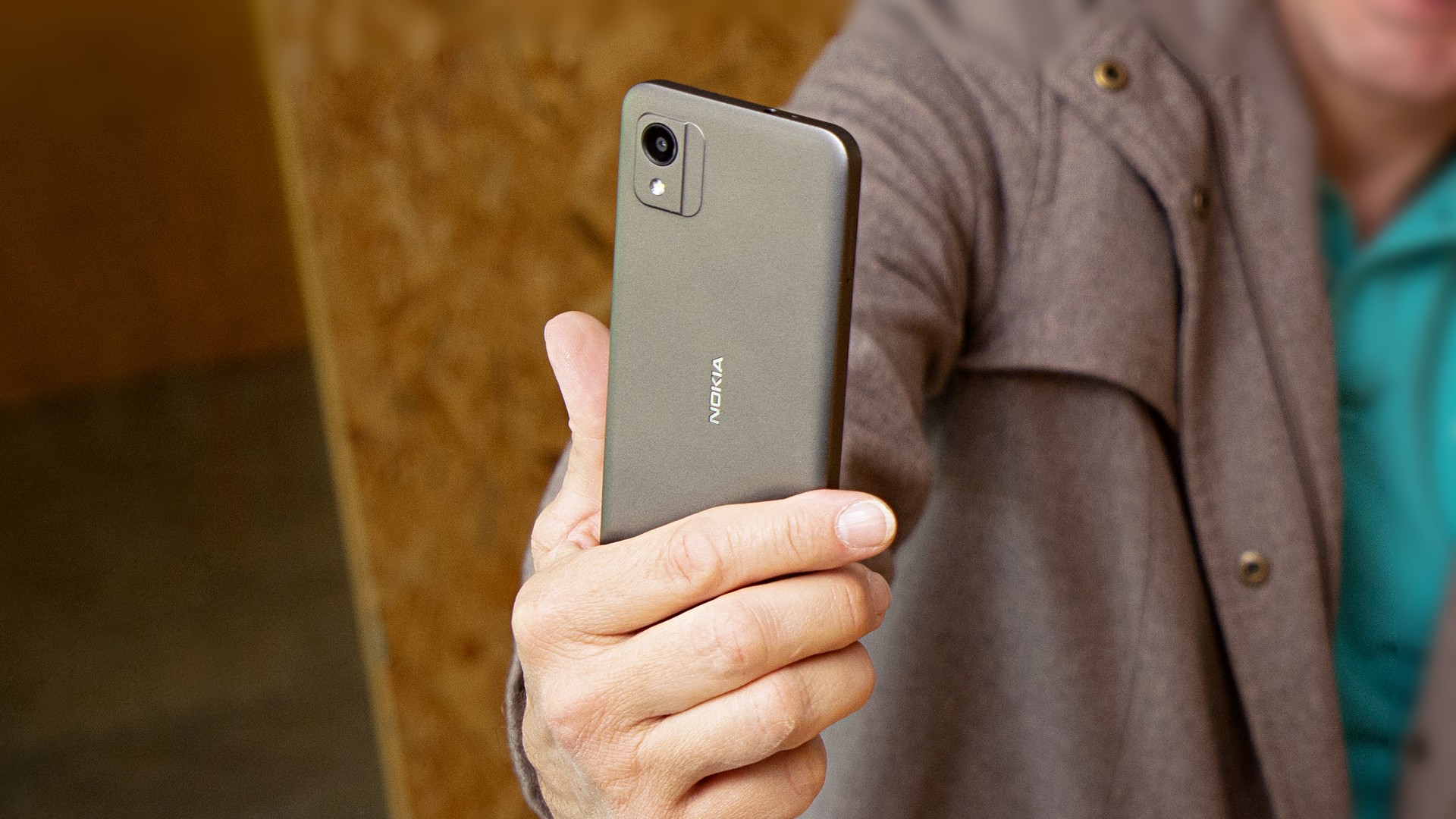
In the past, the only way to escape the constant influx of technology is to purposely go for older or “dumber” phones. For example, if you wanted to prevent your elder loved ones from fussing over features they’d never use, you’d give them feature phones. Now, there’s no escape. HMD, one of the biggest names in the feature phone segment, is bringing AI to its devices.
For years, HMD, especially through Nokia, has provided low-tech phones for everyone’s grandma. From merely keeping the Nokia brand of phones alive, the company has now embraced its reputation as the feature phone king, building its own branded phones.
Now, announced during MWC 2026 (via Tom’s Guide), HMD will start infusing its phones with AI, video calling, and a digital wallet.
Of these, video calling is the easiest to digest. Rather than just being simple front-facing selfie shooters, HMD’s phones can also use the camera for video calls.
Secondly, the company is also packing in its own digital wallet into its phones. As with other wallets, HMD’s version can receive, store, and send funds to other users. It’s set to launch in India first.
Now, the AI assistant is the more controversial one among the three. The first rollout is India’s Sarvam AI, which will do the basic tasks you’d expect from an AI assistant. Naturally, this rolls out in India first.
However, HMD is also developing its own AI assistant alongside InTouch. The feature will supposedly provide companionship for elder users. The company will test the assistant in Europe first but aims to launch it globally.



Nothing adds color to its wearables with the Headphone (a)

Nothing launches the Phone (4a) series

HMD is developing an AI assistant for the elderly

OPPO is finally getting AirDrop support

Ubisoft confirms Assassin’s Creed: Black Flag remake

Xiaomi 17 Ultra is now available outside China

TECNO will showcase the CAMON 50 and POVA 8 series at MWC 2026

The art of being in and behind the frame

HUAWEI MatePad 11.5 S 2026: The better-than-ever 4-in-1 productivity tablet

TECNO MEGABOOK K16s 13th review: No-frills beneath those grills


-
 News5 days ago
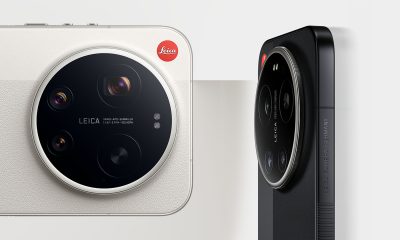
Xiaomi 17 Ultra is now available outside China
-
 Camera Walkthrough2 weeks ago
OPPO Reno15 Pro: Camera Review
-

 MWC 20261 week ago
TECNO resurrects modular phones with this new concept
-

 News2 weeks ago
HUAWEI launches Mate X7, MatePad 11.5 S 2026, FreeClip 2
-

 Reviews5 days ago
Xiaomi Pad 8 review: Slab that slaps!
-
 MWC 20264 days ago
TECNO showcases cool concepts at MWC 2026
-

 Events2 weeks ago
Capcom to hold Resident Evil Requiem launch event in Jakarta
-
 Gaming2 weeks ago
Pokémon FireRed and LeafGreen are coming to the Switch