


In a modern world dominated by flagships and midrangers, budget smartphones are often undervalued just because of the mere value they bring to the table.
But, let’s be real. Not everyone chases specs. There are users who simply need a phone they can afford without all the best-in-class bells and whistles often glorified but spec-obsessed nerds.
Well, the TECNO SPARK 50 5G might just be that handy-dandy everyday companion you need.
First Look
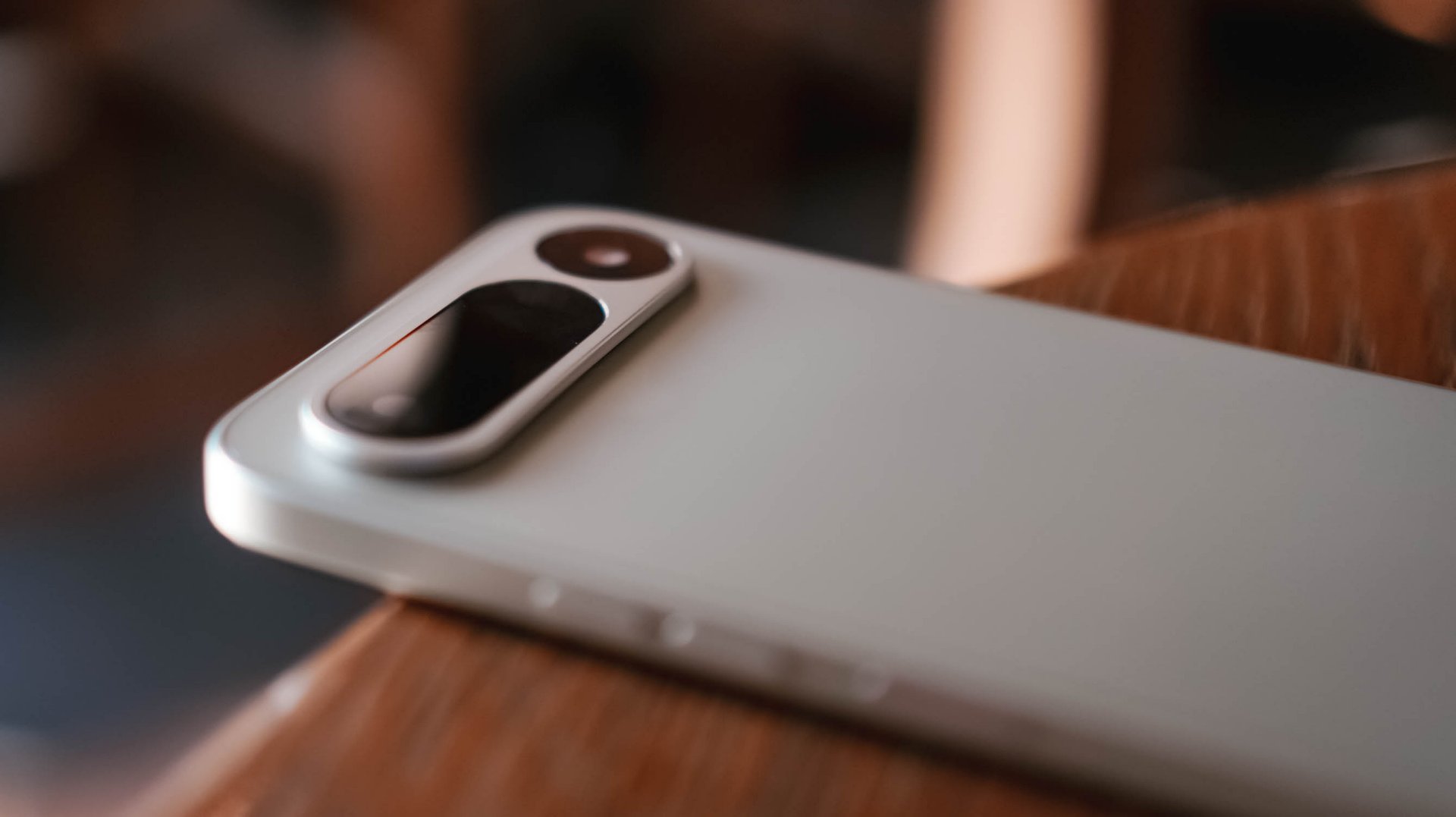
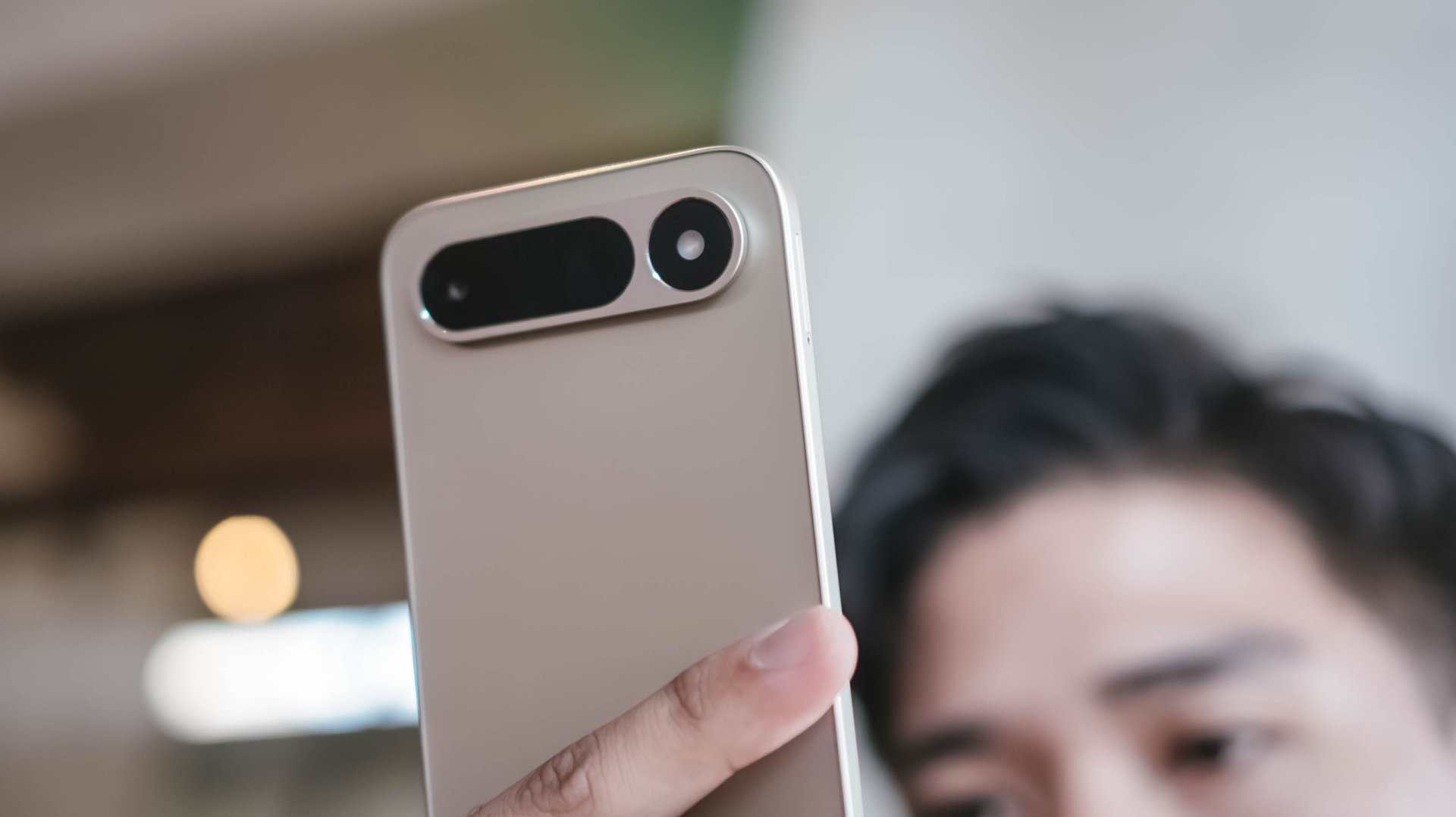
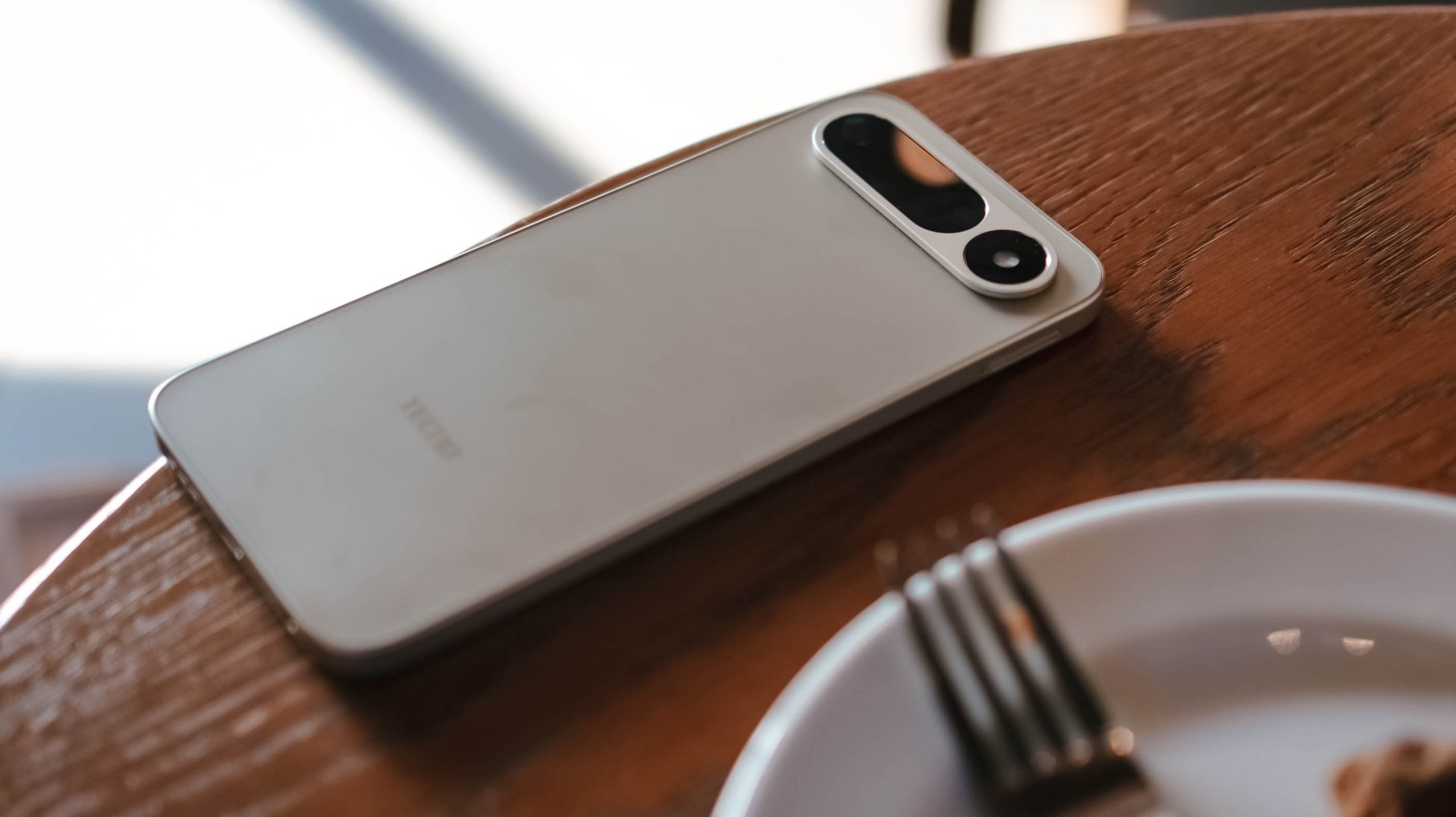
Right off the bat, the TECNO SPARK 50 5G will instantly remind you of Google’s recent Pixel phones. That camera bar is very reminiscent of the Pixel 9 and 10’s camera “visor.”
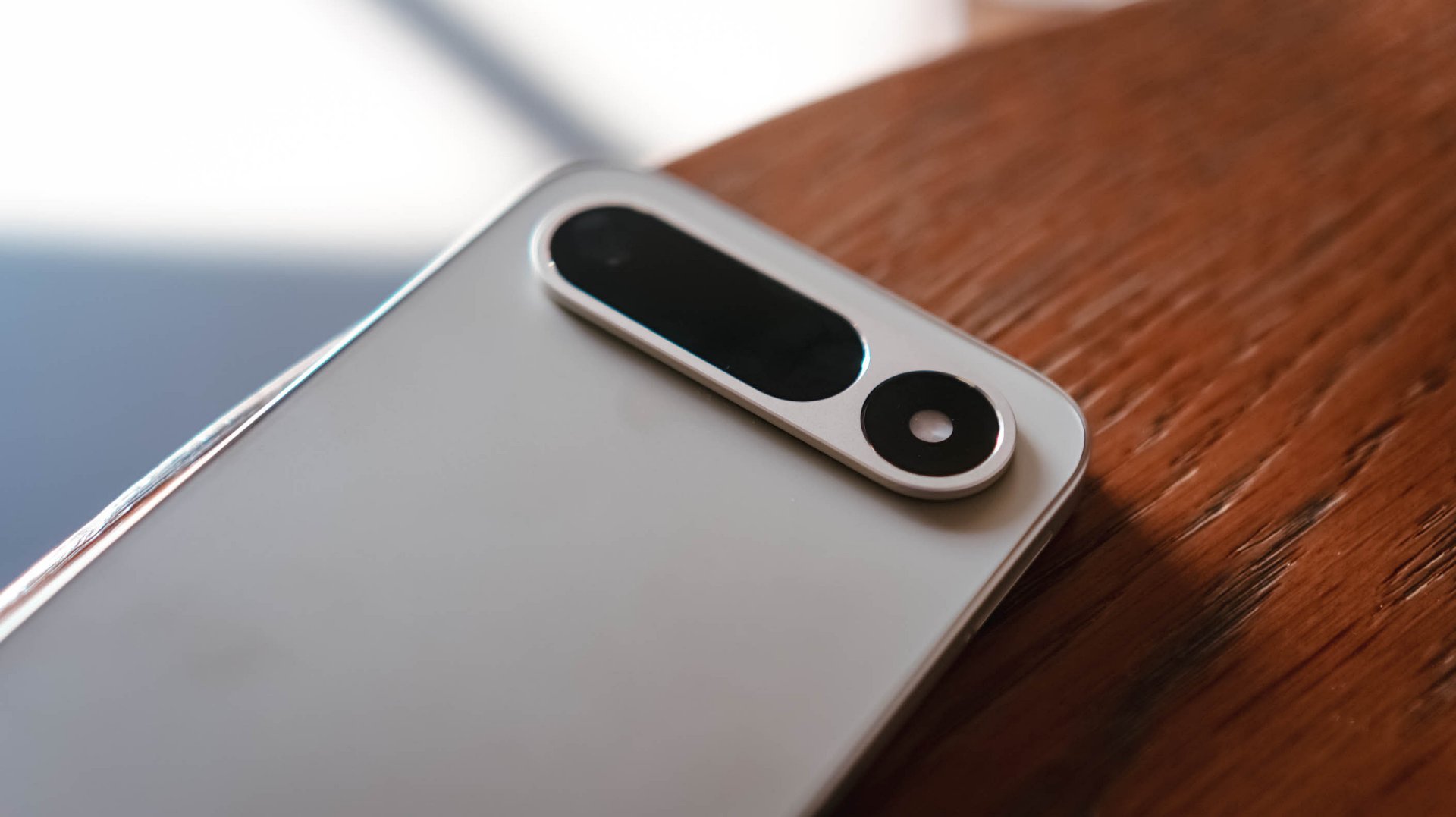
This isn’t a complaint. SPARK 50 5G’s camera island looks cleaner than that overly-used, left-justified square camera cutout popularized by Apple during the reign of their iPhone Pro series.
More so, it avoids joining the bandwagon of phones imitating the all-new “camera plateau” of the iPhone 17 Pro series.
Coincidental or not, it even reminds me of Apple’s pill-shaped Dynamic Island — or that interactive area around the punch-hole cutout that’s found among newer iPhones.
And now that we’re at it, let’s flip the SPARK 50 5G to its front.
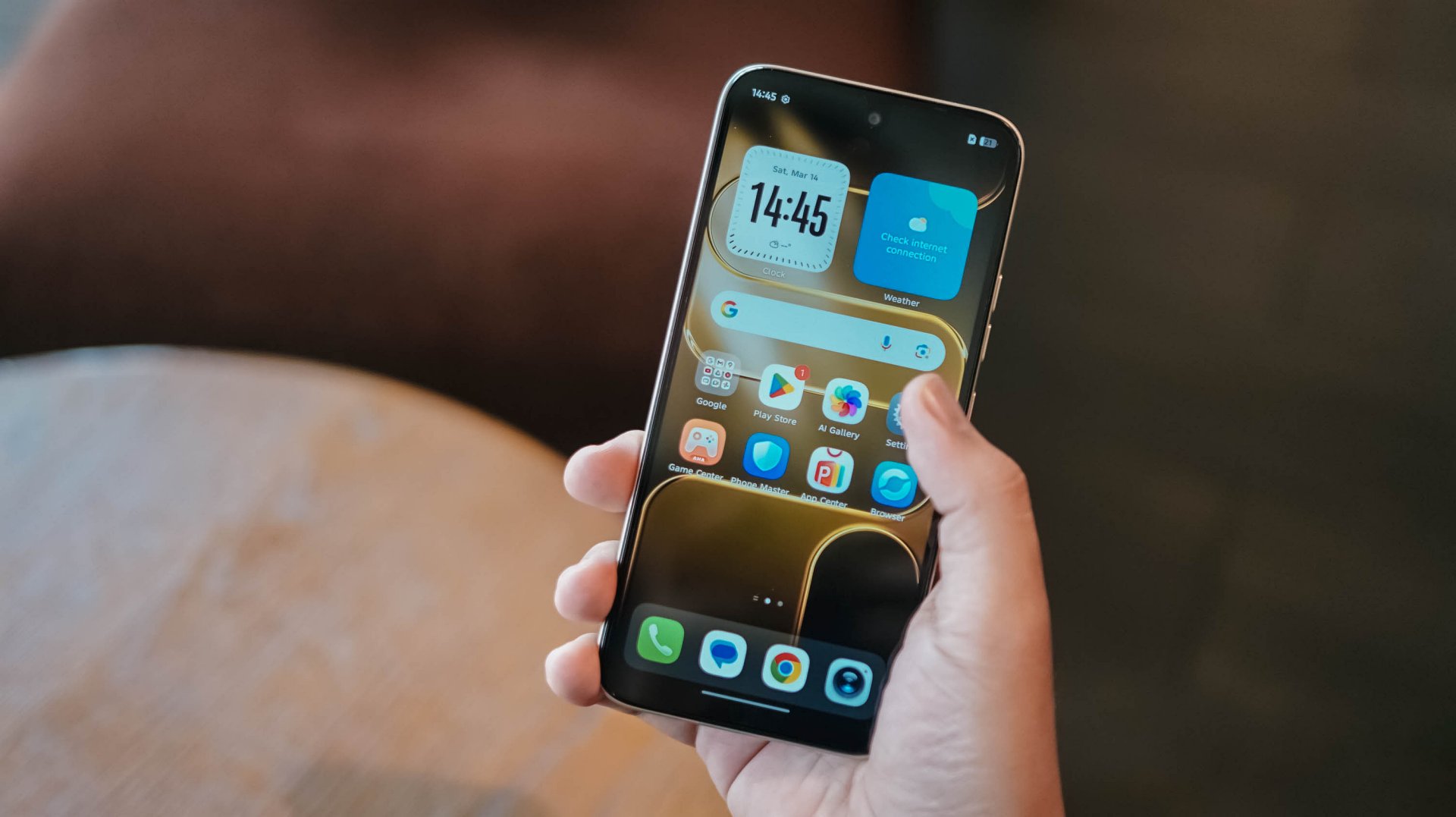
The moment you power on the device, you’d be welcomed by its large 6.78-inch punch-hole display. However, bigger doesn’t always mean better.
Not-so-thin bezels and that awfully-thicc bottom chin aside, I’m more concerned about its display quality.
I’m not trying to be very nit-picky but, my clear eyes can easily distinguish that its 720p screen resolution is quite a stretch for a screen this big.
Ain’t even expecting a class-leading OLED display (this is an IPS LCD type, BTW). However, a 1080p Full HD would have been more plausible.

Don’t even get me started with that subpar max brightness, backlight bleeding, alongside poor viewing angles and legibility.
And, even if it features a 120Hz refresh rate that smoothens day-to-day scrolling and switching, it doesn’t totally override the fact that the display is not up to par.
Still, the choice of punch-hole is heaps better than other phone makers continuously making phones with teardrop notches — which is turning almost a decade next year.
I’m just glad TECNO halted (if not completely stopped) putting it among their recent budget offerings.
First Date
While I have strong feelings against its display, the overall feel of the SPARK 50 5G is of the opposite. Holding the phone for the first time barely looked and felt cheap at all.
Setting the bar high, TECNO’s SPARK 50 5G is made from aviation-grade aluminum — which some other plasticky budget phones can only dream of.
With that durability talk, it’s also worth noting it’s also IP64-rated as well as MIL-STD-810H certified.

Personally, I love the classy and luxe Champagne Gold colorway that I’ve dated.
There are bolder colors too such as Mint Green and Fantasy Purple. More so, the subdued Titanium Grey and Ink Black options.

After setting everything up, the phone greets you with TECNO’s latest HiOS 16 based on Android 16.
Despite its price point, TECNO didn’t leave out all the usable AI feats originally announced in the recent CAMON 50 series.

Not only it includes the usual AI Tools and Ella (or its smart AI Assistant), the newer AI FlashMemo as well as AI MindHub are ever-present as well. These intelligently discern content you consume or whatever you’re curious about.
I’m not a total h-AI-ter as I believe that AI, when used responsibly, gives much leverage to users. It balances an individual’s time so s/he can work and focus more on things that need to be prioritized.
Still, I blame AI for the sharp price rise of components among all consumer devices imaginable.
Now that I’ve mentioned it, TECNO’s SPARK 50 5G comes in either 128 or 256GB of storage and memory choices between 4/8/12/16GB (region-dependent).
At its core lies MediaTek’s Dimensity 6400 SoC. For the market it tries to lure, this is a chipset capable of handling most tasks.
It’s a better option if you’re someone like me who relies on 5G connectivity most of the time. Its Helio G200 counterpart, while speedy and reliant, has 4G as its biggest drawback.
Gaming? Well, it’s obviously not built for that.
Still, it’s playable for the not-so-demanding-games: 60fps in PUBG while 90fps with the widely popular Mobile Legends: Bang Bang (MLBB).
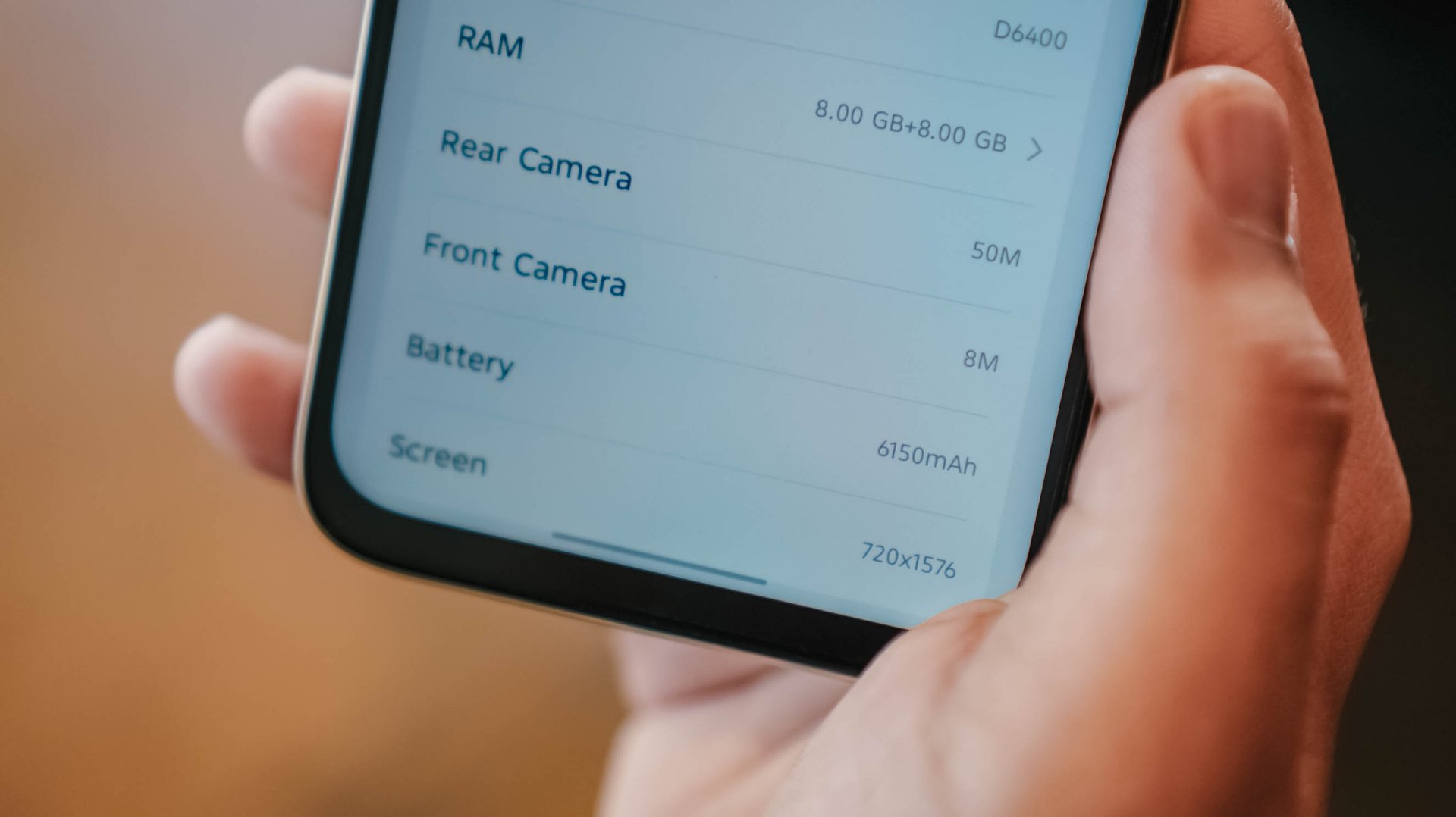
Even with just a chassis of 8.18mm, TECNO has managed to put in a 6500mAh single-cell battery (or a lesser 6150mAh dual-cell variant that I have with me).
Still, the TECNO SPARK 50 5G has outlasted me more — way past midnight after that full-day first date.
If you’re already in a pinch, the phone can be charged through its 45W fast-charging adapter bundled in its box. ICYMI, last year’s SPARK 40 5G relied on a painfully-slow 18W charging.

And, before I forget, I just missed the novelty of side-mounted fingerprint scanner. I still consider it better than the optical ones.
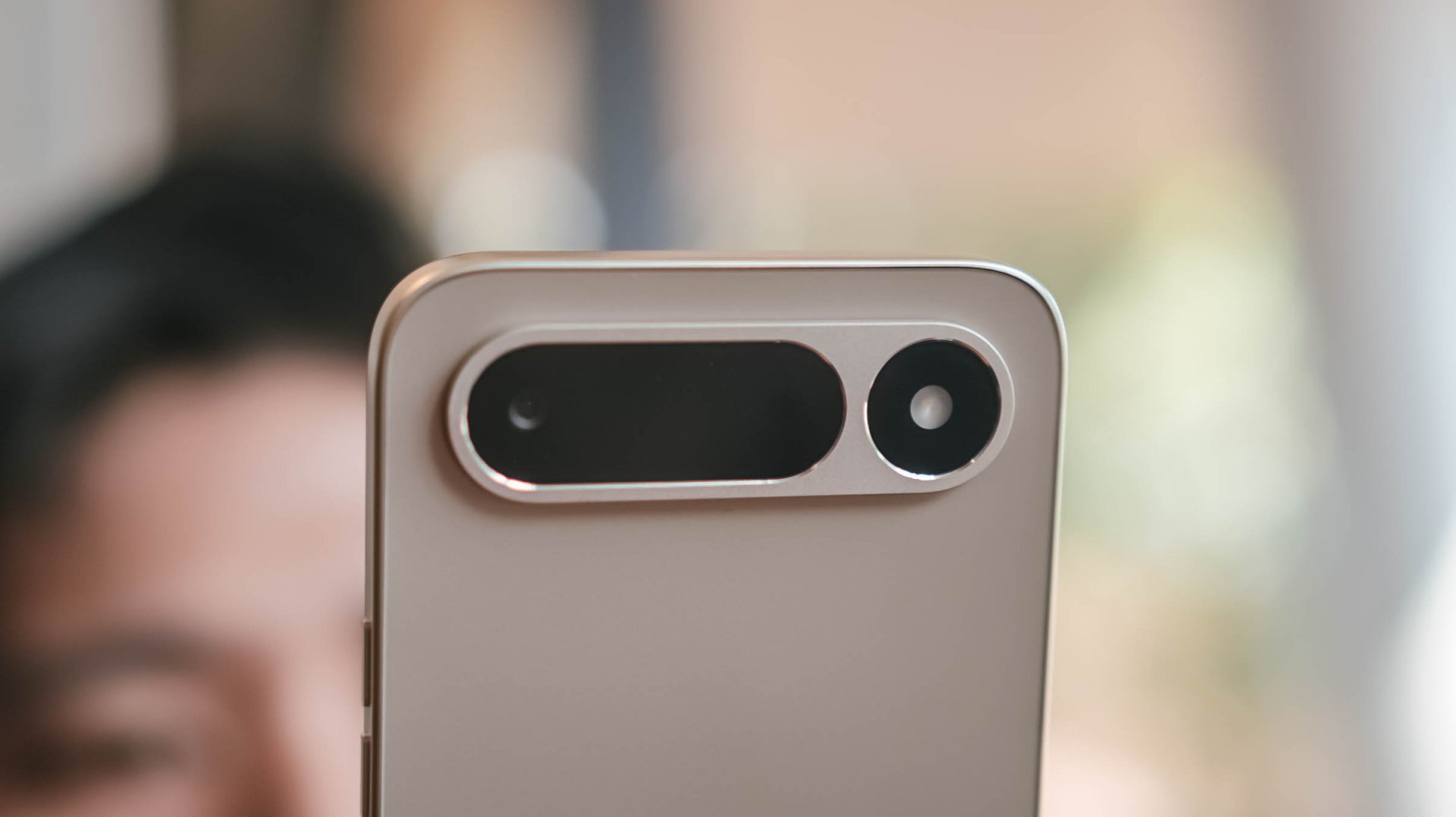
Lastly, despite that elongated camera bar at its rear, the SPARK 50 5G is only equipped with a lone 50MP camera.

Although AI FlashSnap exists, the camera app being somewhat sluggish evades the purpose of that camera feature per se.
While cameras have never been the strong point of the SPARK series, it should be enough for users who just want a functioning rear camera not just for document-scanning, but for life moments as well.
Its 8MP shooter can still capture selfies — or just be used for those unavoidable school and/or work video calls.
First Impressions
With a starting price (4+128GB base config) of INR 16,999 (approx. US$ 180 / EUR 160 / GBP 135 / SG$ 235 / MYR 735 / PhP 10,995), the TECNO SPARK 50 5G isn’t the most well-rounded budget smartphone around.
Still, this phone will satisfy the general, non-tech-savvy population. That sophisticated design, solid build quality, ginormous battery with reliable fast charging, smart AI-powered OS. Even 5G-capable chipset in this price range?
Did I even mention that it still rocks the almost obsolete microSD card slot and 3.5mm audio jack?
Obviously, I’m not the target user of this phone. Especially as a creative guy who values display and cameras a lot.

However, technophobes might get the hang of this phone when they take it out on a lovely, more intimate date more than twice. The phone is as straightforward as it can get. Sans, exploring the more complex AI tools within.
Still, this is a phone suitable for a wider range of user base consisting of kids, young students, the elderly, or even everyday workers who just need a reliable phone that they can bring around without sacrificing too much of their hard-earned savings — especially in an economy we live in right now.





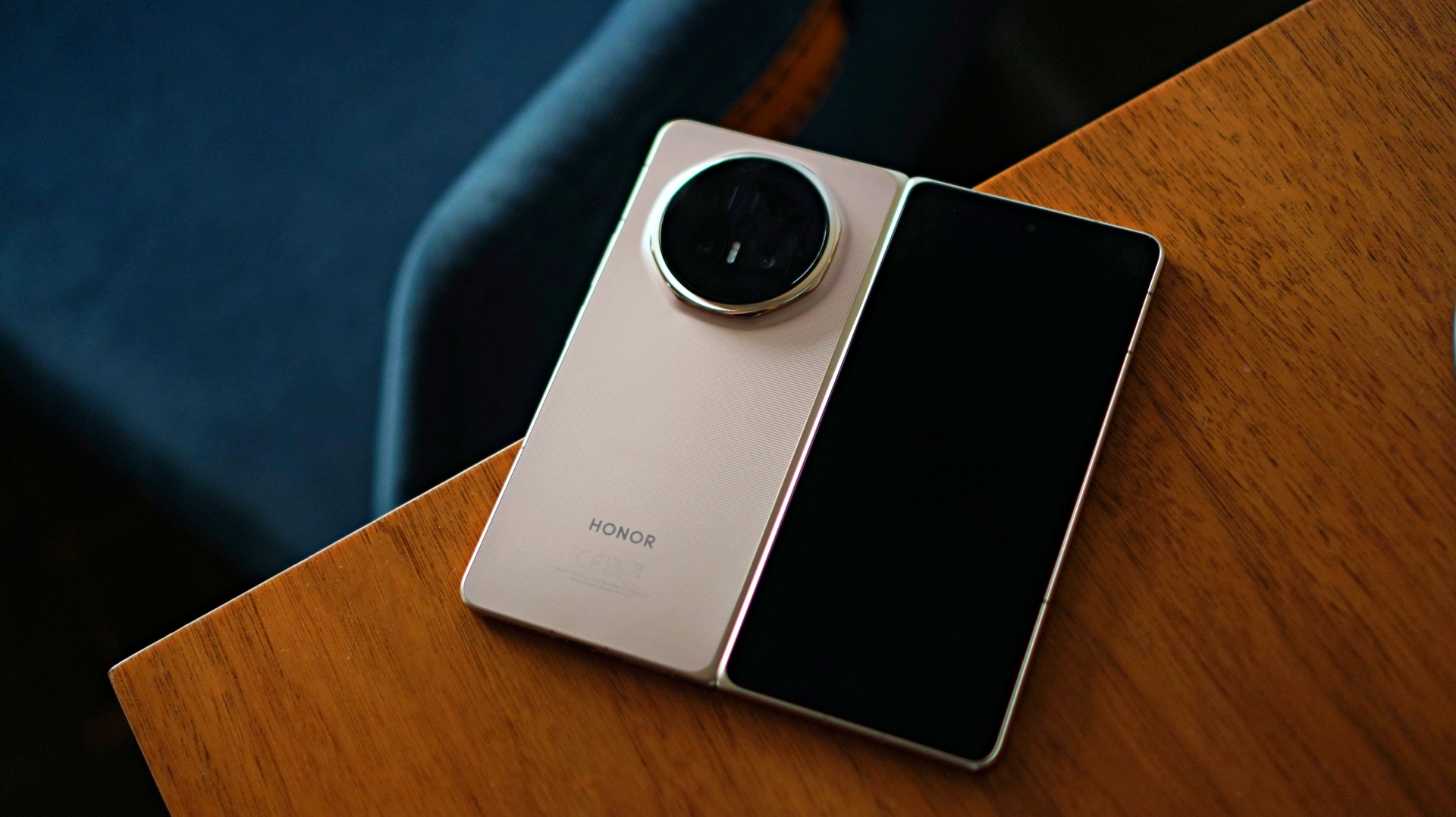
The HONOR Magic V6 doesn’t immediately scream “massive leap” — and that’s not necessarily a bad thing.
If you’ve used the Magic V5, this feels familiar. The silhouette. The proportions. The confidence of an ultra-thin foldable that doesn’t feel like a science experiment. At first glance, it’s evolution, not revolution.
But spend a few minutes with it, and the refinements start to show.
Better ergonomics, lighter feel
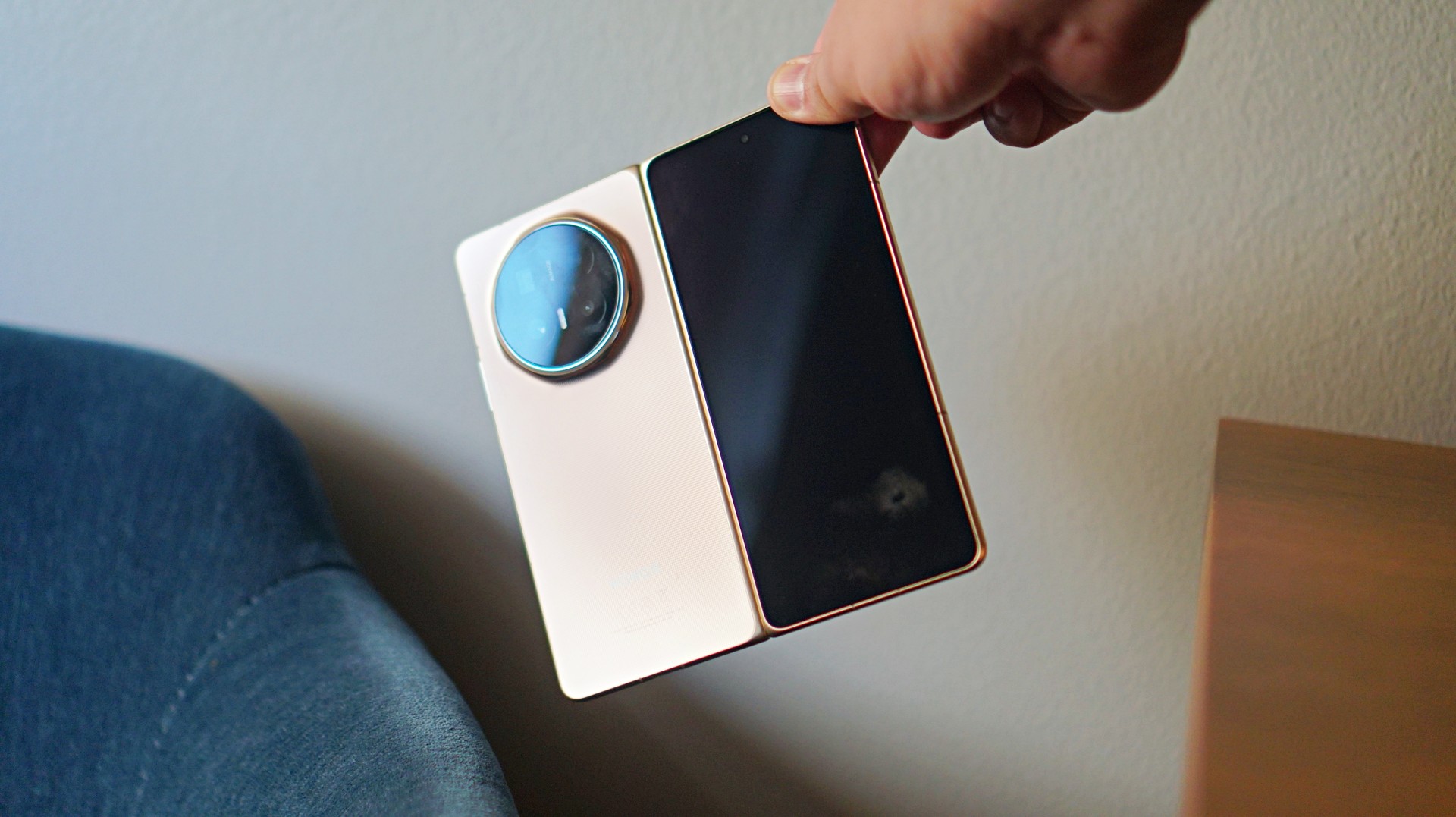
The first thing I noticed? The buttons.
On the Magic V5, the power and volume keys sat slightly too high on the right side. Not unusable — just not ideal. On the Magic V6, they’re perfectly placed. It’s a small change, but it immediately improves one-handed usability when folded.
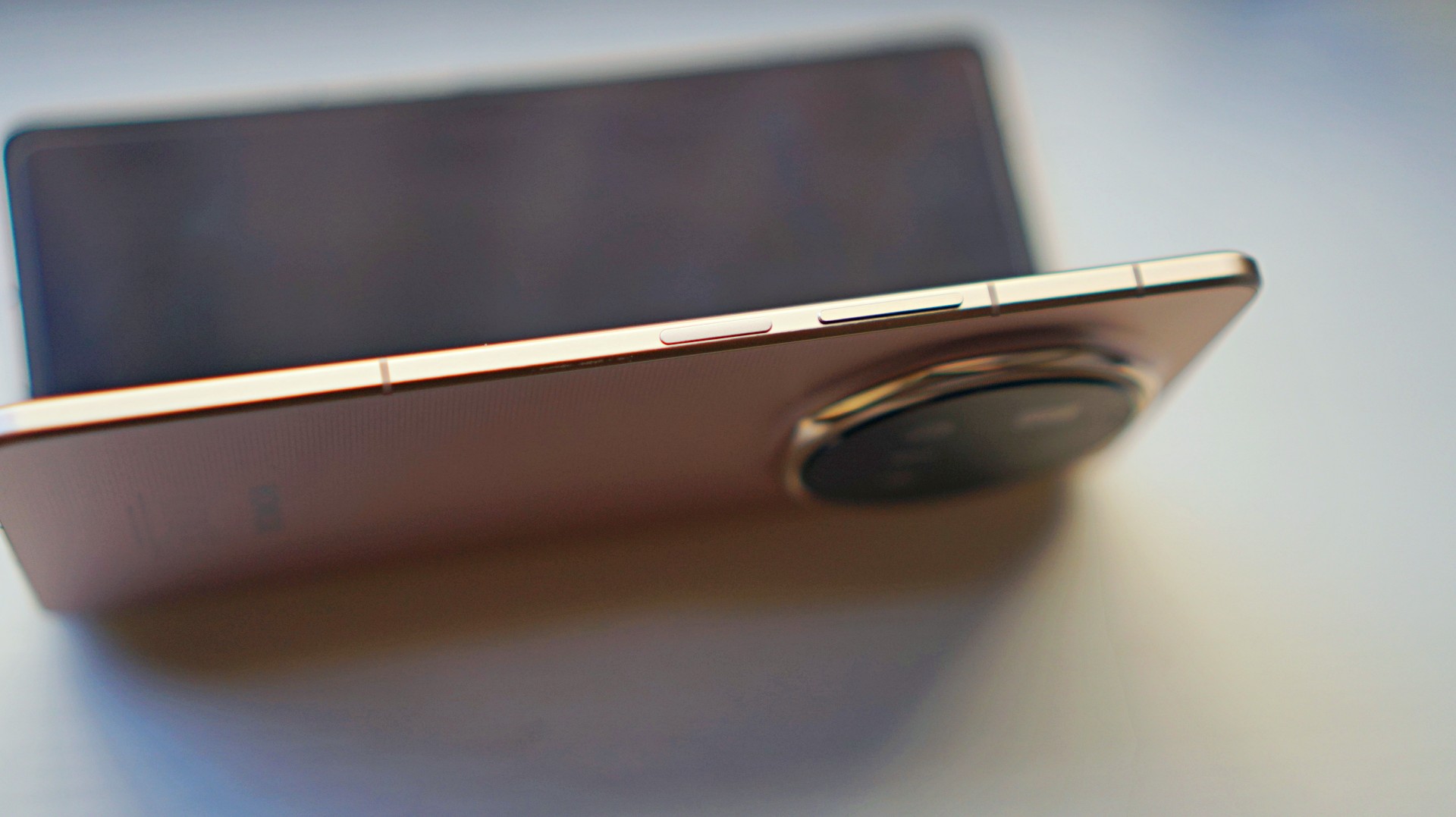
It also feels lighter. Not dramatically so, but enough that you notice it when moving between folded and unfolded states. That balance is important for a device that constantly shifts form.
HONOR continues to push the “ultra-thin meets ultra-light” philosophy, and in hand, the Magic V6 genuinely doesn’t feel like a tablet folded in half. It feels like a proper flagship phone that just happens to unfold into something bigger.
All the flagship boxes checked
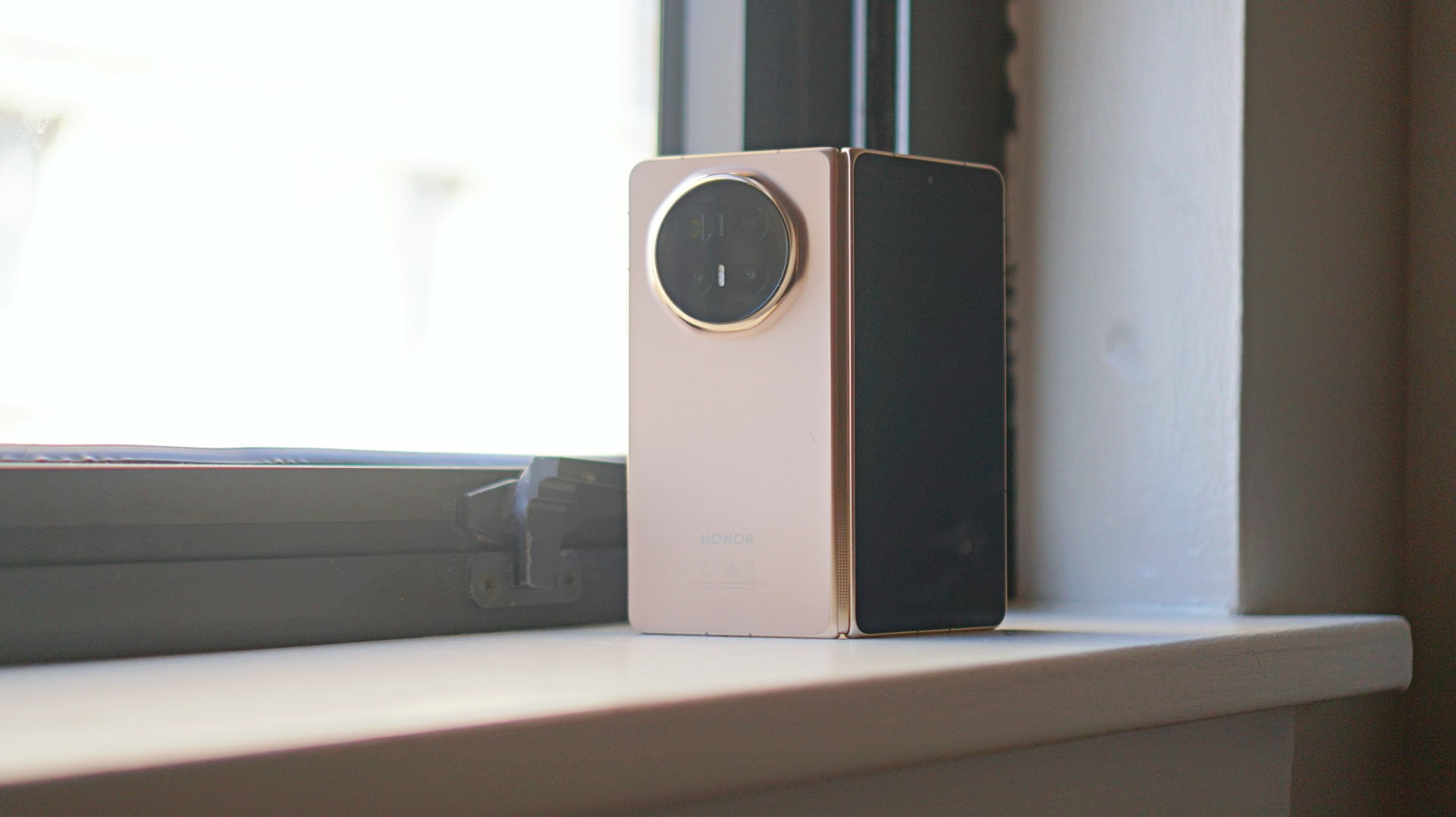
Spec-wise, this is firmly top-of-the-line foldable territory.
You get dual LTPO AMOLED displays:
- 6.52-inch outer display (1–120Hz, up to 6,000 nits HDR peak)
- 7.95-inch inner display (1–120Hz, up to 5,000 nits HDR peak)
Under the hood, it runs on the Snapdragon 8 Elite Gen 5, paired with flagship-grade memory and storage configurations. Performance shouldn’t be a question mark here.
Battery is one of the headline features. HONOR is packing what it claims is the largest battery in a foldable, using next-gen silicon-carbon tech with 25% silicon content. It supports:
- 80W wired charging
- 66W wireless charging
- Wireless reverse charging
Durability is also heavily emphasized:
- Super Steel Hinge rated for hundreds of thousands of folds
- IP68 + IP69 dust and water resistance
- UTG inner display with reduced crease depth
- NanoCrystal Shield outer glass
On paper, it reads like a no-compromise foldable.
The gold finish stands out
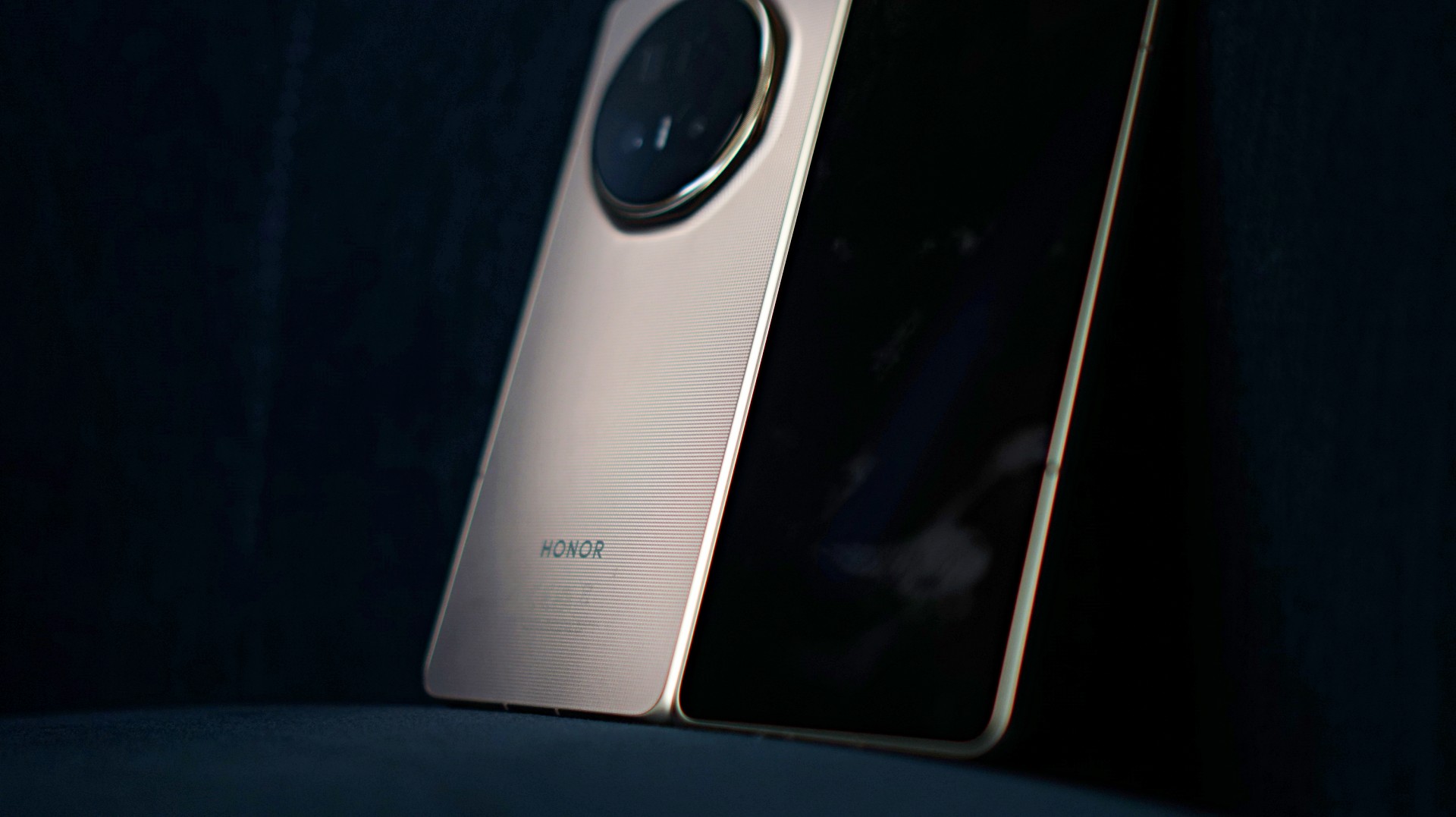
The Gold colorway is eye-catching without being loud. It has depth and texture that make it feel deliberate, not flashy.
Bonus points: it comes with a protective case out of the box that actually complements the device. That’s rare. Usually, included cases feel like an afterthought. Here, it feels cohesive with the overall design language.
Cross-platform curiosity
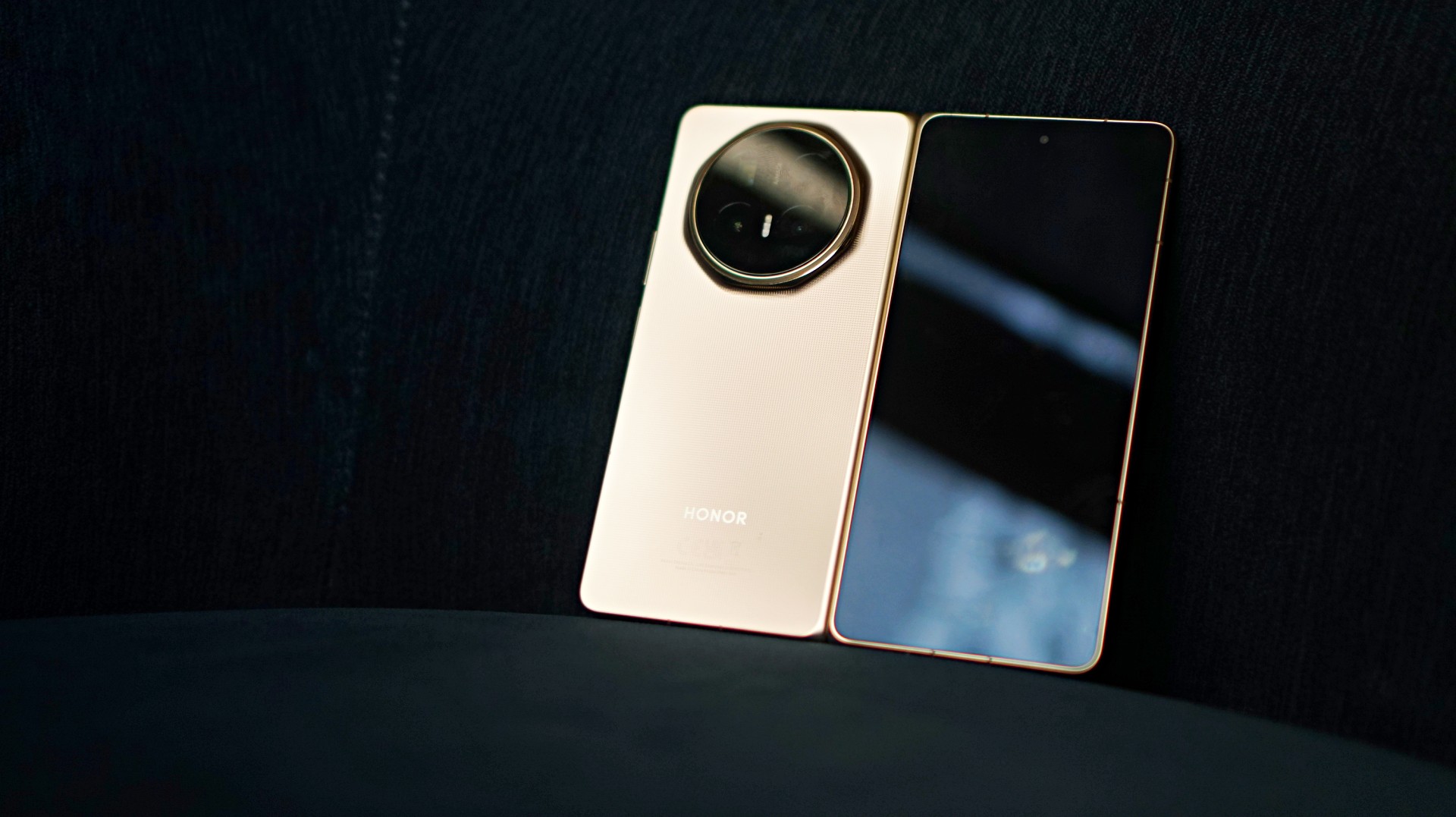
One interesting angle is its Apple-ready positioning.
Through HONOR Connect and HONOR WorkStation, the Magic V6 can sync notifications with iPhone and iPad, share files with a Mac, and even act as an extended screen for macOS.
For users who live in multiple ecosystems, that’s a meaningful pitch. It’s less about replacing your other devices and more about fitting into them.
This is something we’ve yet to fully test and will definitely explore more for the full review.
So… what is it, really?
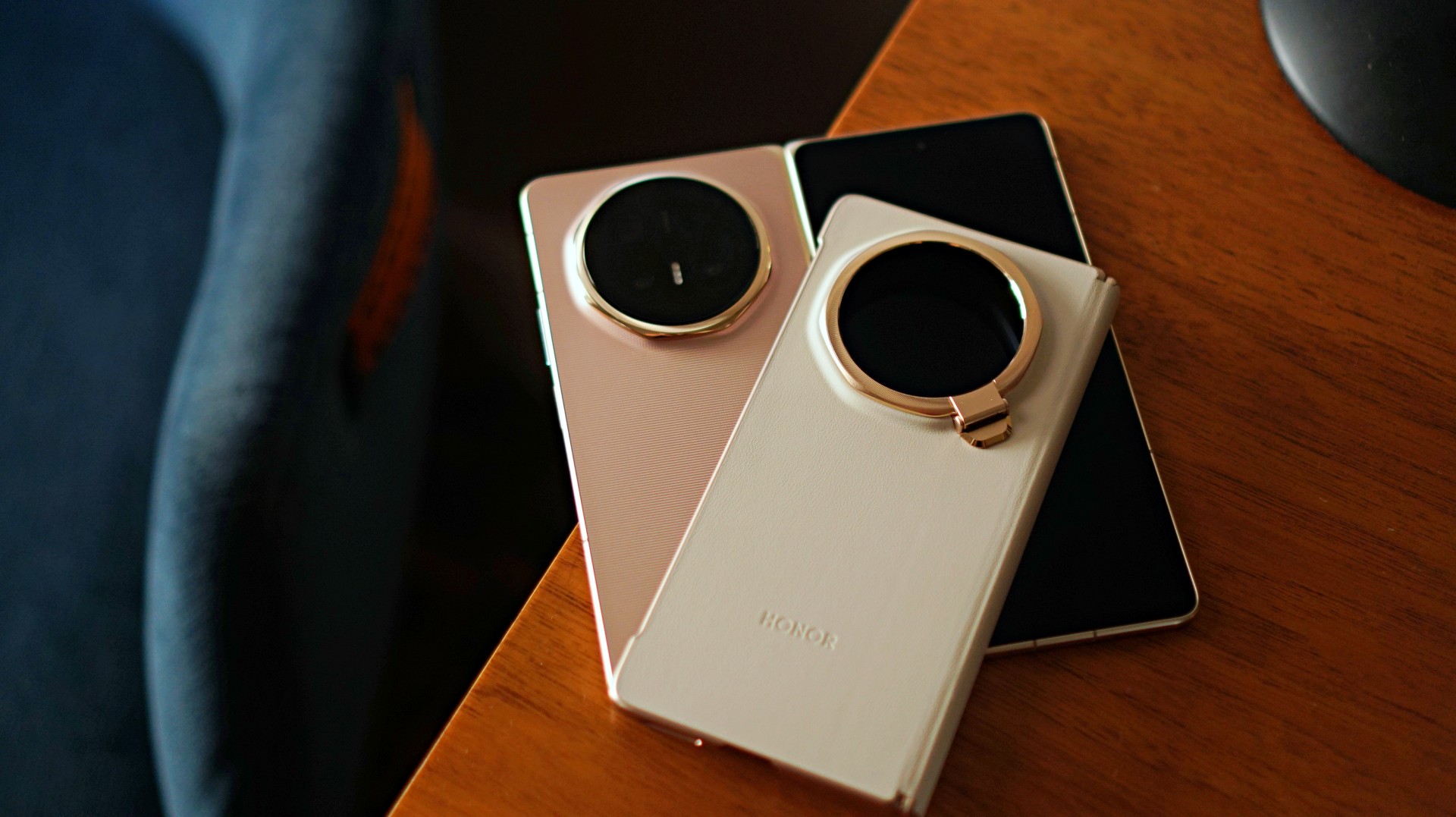
Right now, the HONOR Magic V6 feels like an incremental update over the Magic V5.
Refined ergonomics. Slightly lighter feel. Stronger durability claims. Bigger battery ambitions. A more polished ecosystem story.
What’s curious is the timing. It’s been announced less than a year since the global release of the Magic V5. That makes this feel less like a generational shift and more like a rapid optimization cycle.
Early impression? It doesn’t reinvent HONOR’s foldable formula, itt sharpens it.
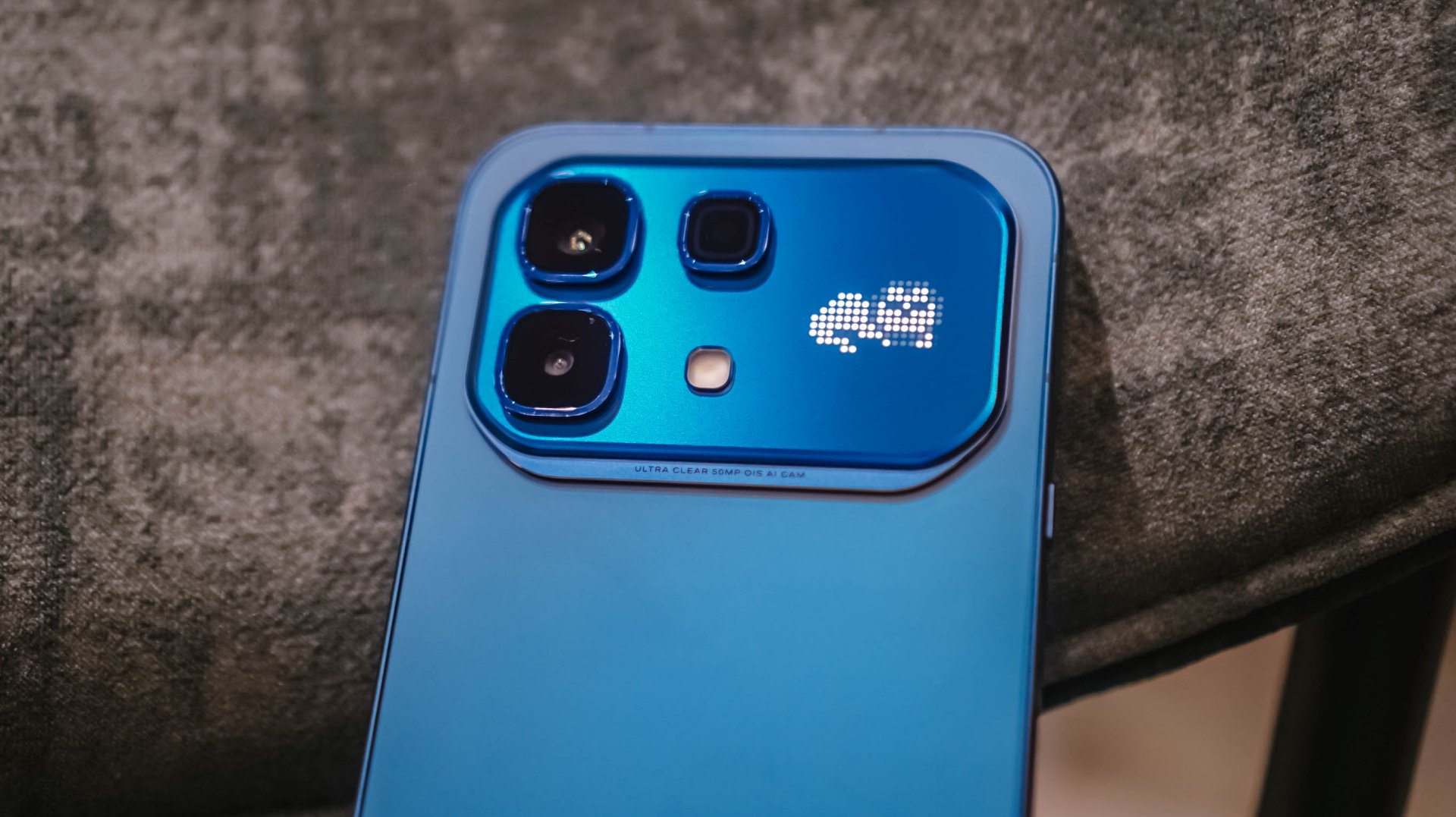
We’ve only just started seeing the Infinix NOTE 60 Pro, and I have to be honest — this one didn’t walk into the room quietly.
Sometimes you go on a first date and immediately think, “You remind me of someone.” That’s the NOTE 60 Pro for me.
So in this edition of Match Pulse, here’s what stood out so far — the good, the questionable, and the things I’m still figuring out.
First Look
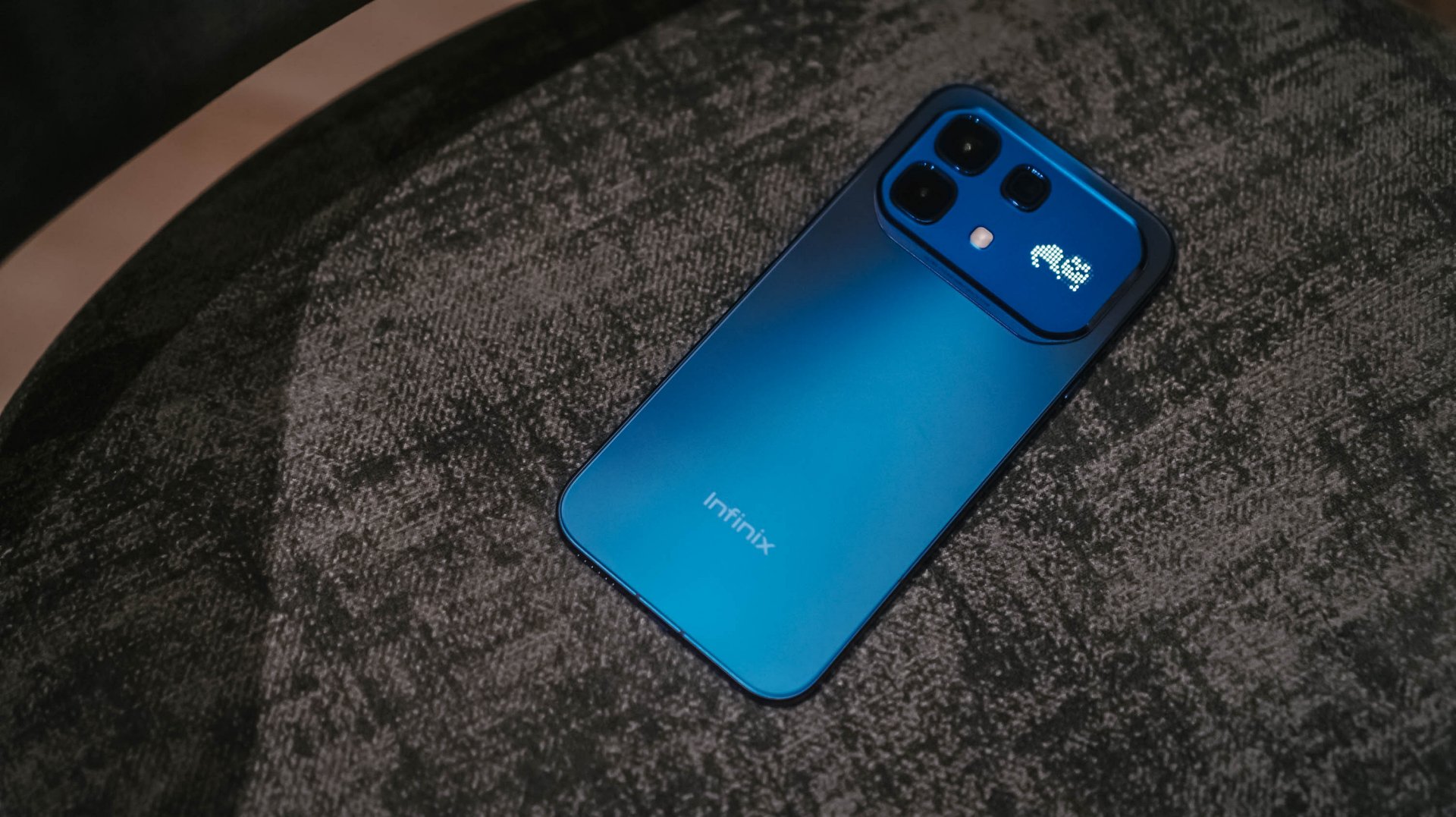
Let’s address the elephant in the room.
The back design pulls heavily from the iPhone playbook. The camera layout, the proportions — even the default lock screen aesthetic feels familiar. And not in a subtle way.
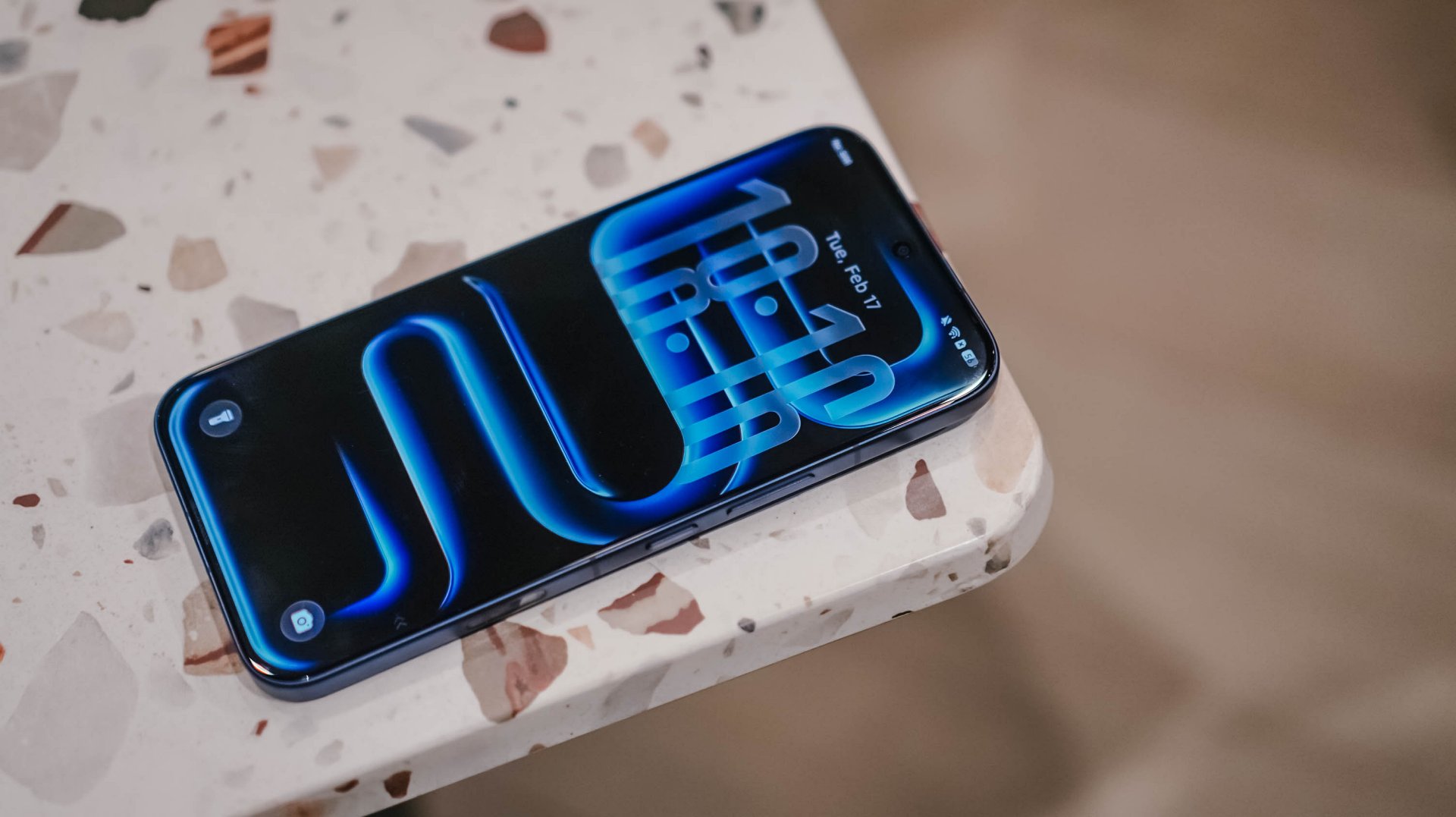
To be fair, Infinix isn’t alone here. A lot of Chinese smartphone brands borrow from Apple’s design language. But there’s always a fine line between inspiration and imitation. When it leans too close to the latter, it can feel a little tacky.
To its credit, Infinix tries to differentiate the NOTE 60 Pro with its Active Matrix Display. It’s an interactive LED strip embedded across the camera module that lights up for notifications, shows the time, and even runs small animations and pixel pets.
It’s cute and playful.
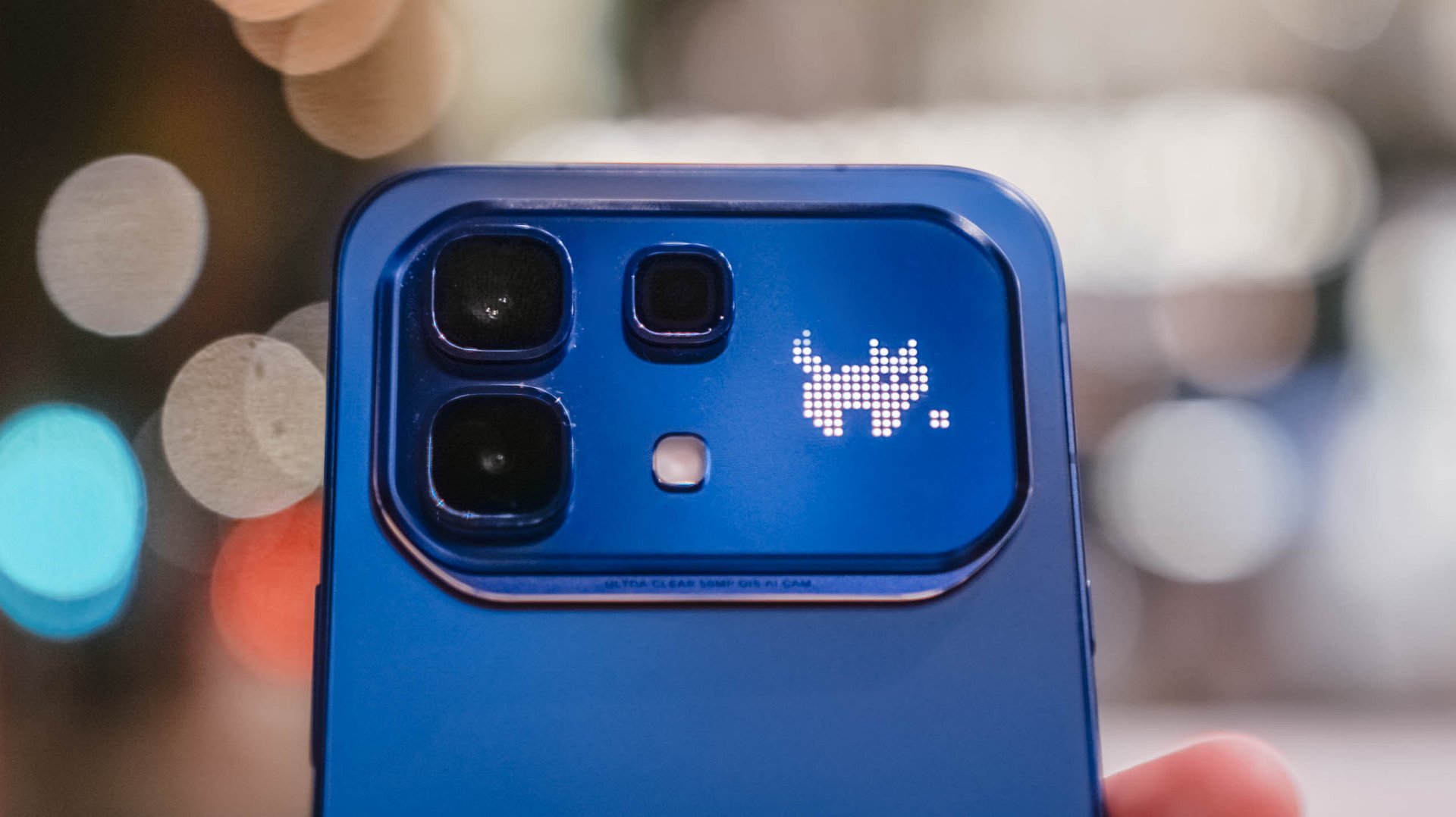
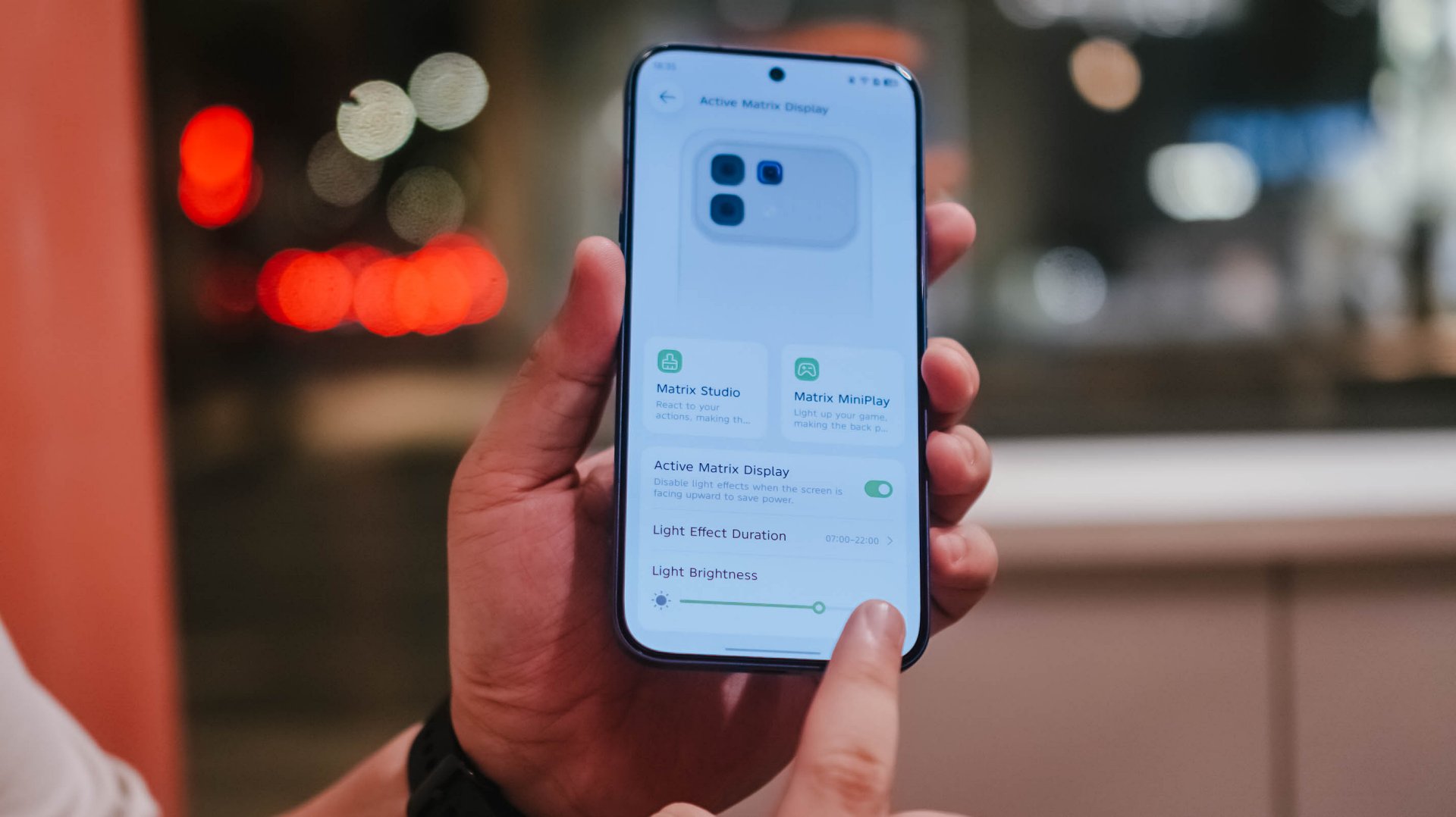
Right now, though, it feels more like a gimmick than a defining feature. I haven’t spent enough time with it to know whether it becomes genuinely useful or something you admire once, then forget about.
In hand, the phone feels… fine.
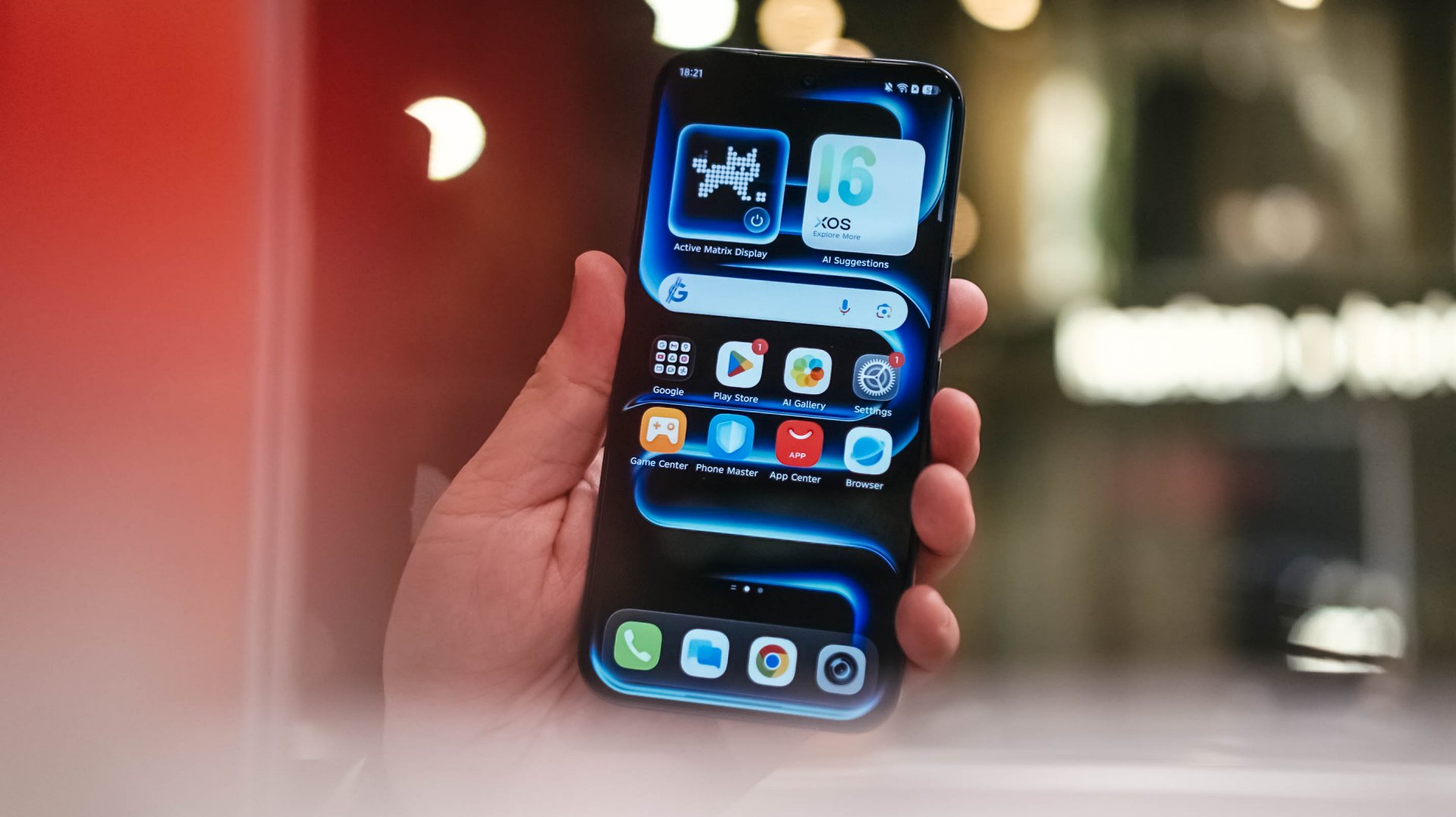
Not bad. Not exceptional. Just firmly midrange. The metal frame and contoured edges help, but the overall feel doesn’t quite cross into premium territory. It’s comfortable, inoffensive, and familiar — which is both its strength and its limitation.
There are also more buttons than usual. An extra button sits on the right side, echoing what we’ve seen from Apple and even devices like the HONOR Magic8 Pro. On the left, another button triggers Infinix’s AI assistant, Folax, with a long press.
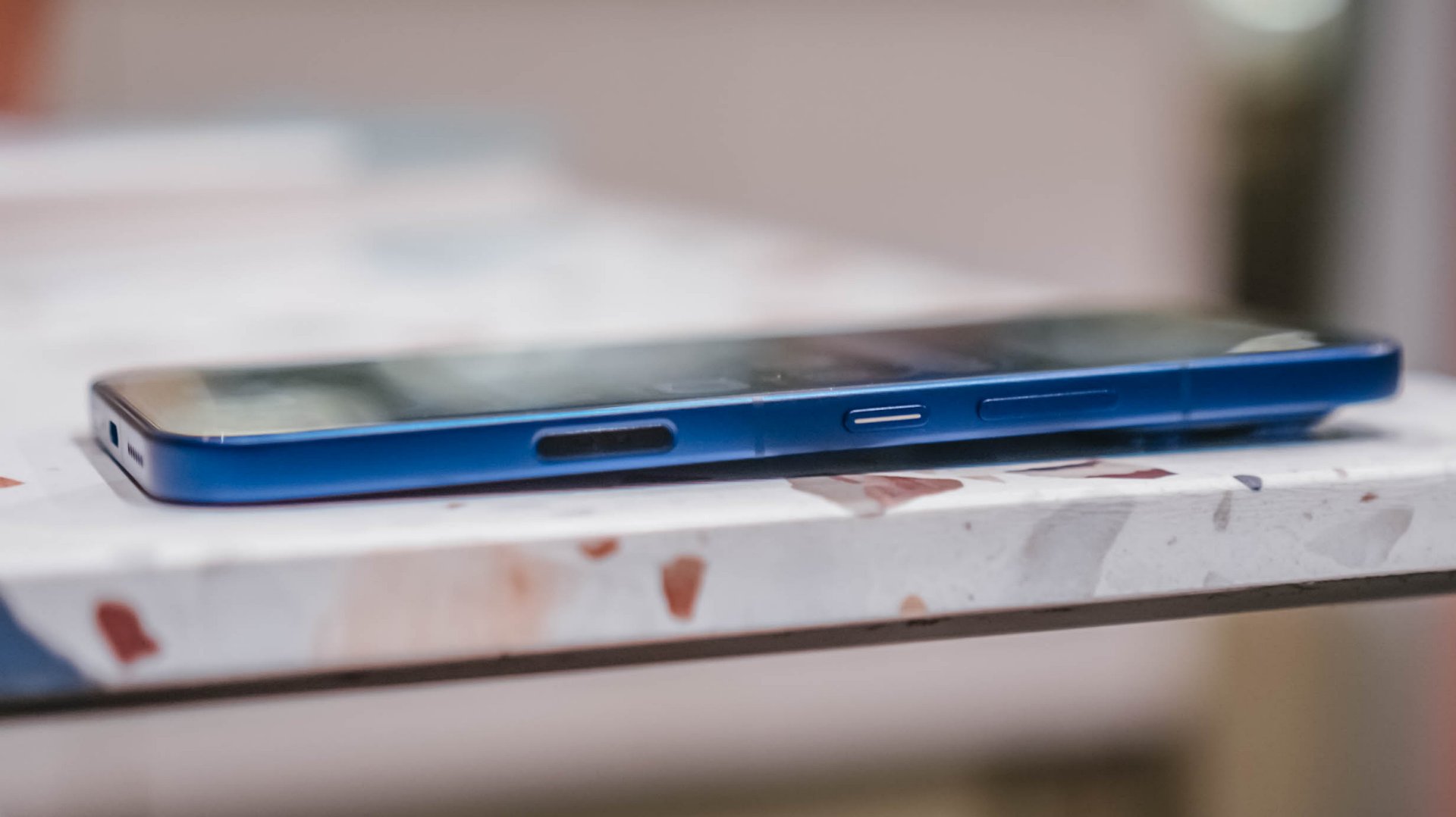
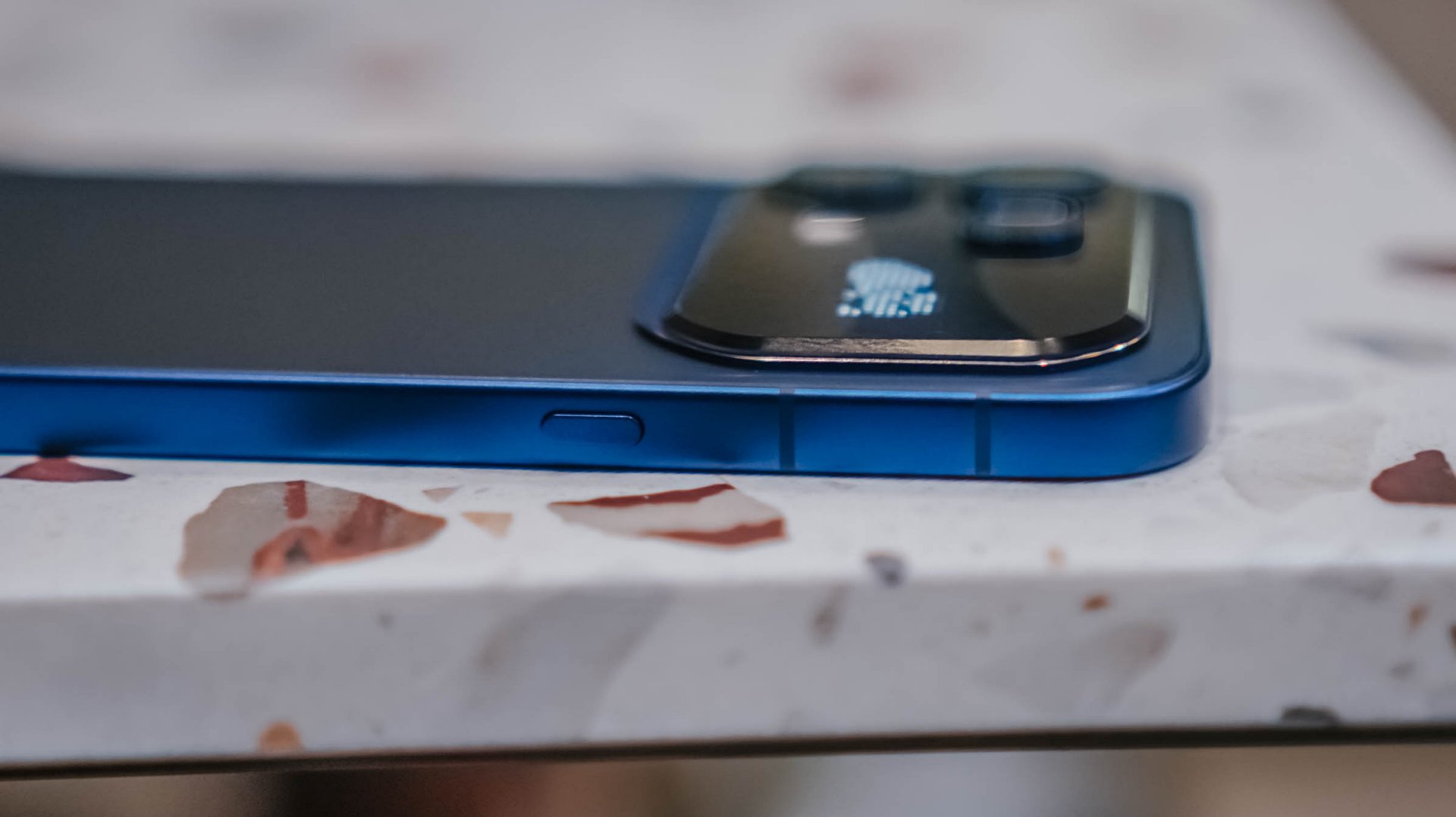
It’s a lot of physical shortcuts. Whether that translates to convenience or clutter will depend entirely on how much you lean into them.
First Date
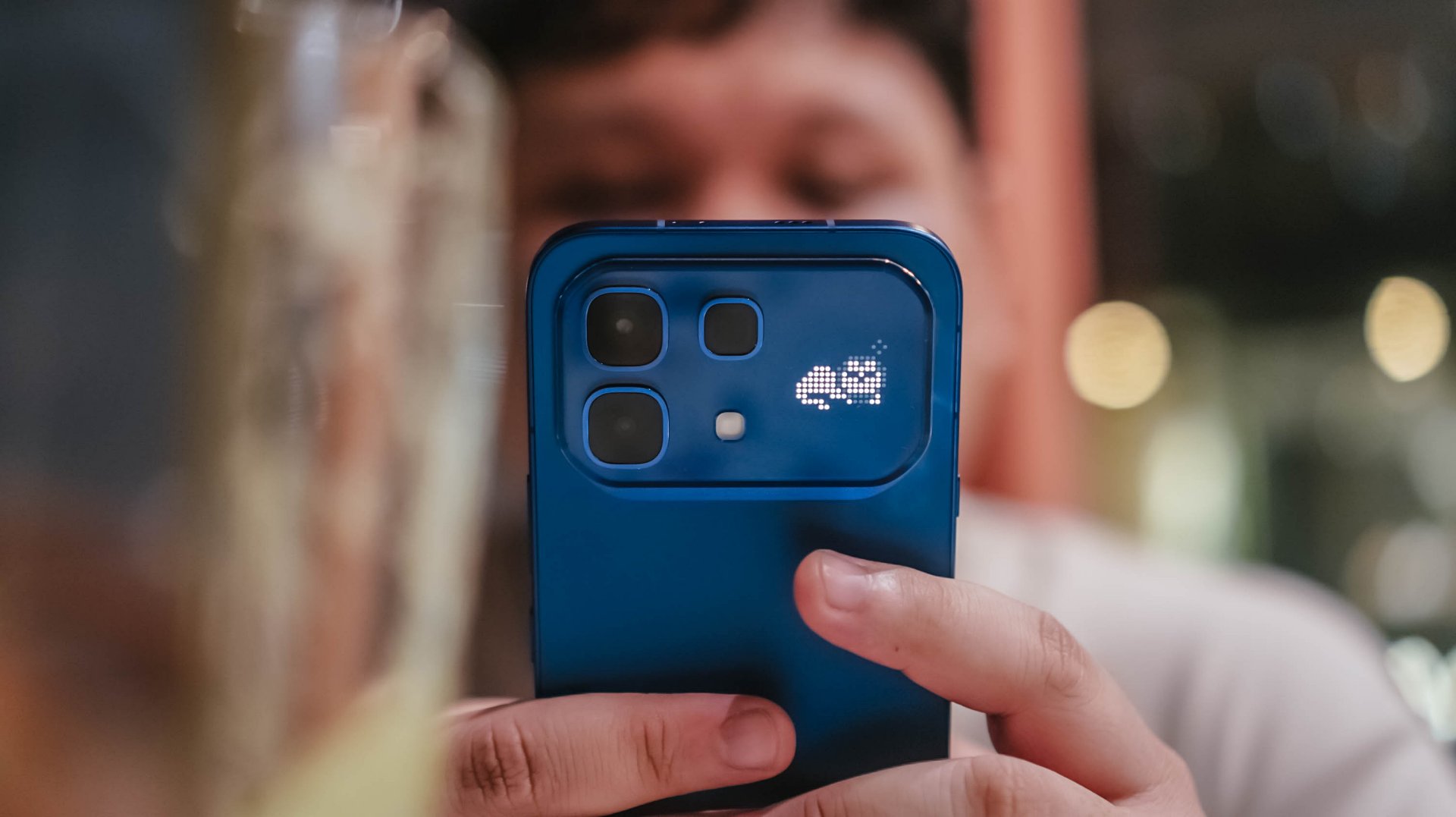
This is the first Infinix phone powered by the Snapdragon 7s Gen 4 5G, and that’s a notable shift for the brand.
In use, the phone feels quick and stable. Apps launch without hesitation, multitasking is smooth, and the system holds up well even when you start doing more than one thing at a time. CPU and GPU improvements are clearly there, and the phone is tuned to support up to 120FPS gaming in titles like Mobile Legends: Bang Bang.

Brigida on the Infinix NOTE 60 Pro’s screen.
The 144Hz 1.5K display is one of its strongest traits. It’s bright, fluid, and genuinely enjoyable for content consumption. Brigida showed up on screen in one of our shots, and the clarity immediately stood out — sharp details, lively colors, no distractions. It’s an easy panel to appreciate.

Paired with JBL-tuned stereo speakers, the NOTE 60 Pro makes a solid case for itself as a media-first phone. If you watch a lot, scroll a lot, or play a lot, this is where it shines most confidently.
The cameras are less compelling.
The 50MP main camera tends to lean bright. Images come out clean but a little flat, often brighter than my personal taste would prefer. It’s perfectly usable, but it doesn’t feel particularly expressive or memorable.





Battery life, at least on paper, looks promising. A large capacity battery paired with aggressive wired charging and even wireless charging suggests endurance won’t be an issue. But that’s something that needs time to really validate.
First Impressions
So, is there a spark?
I’m still undecided.
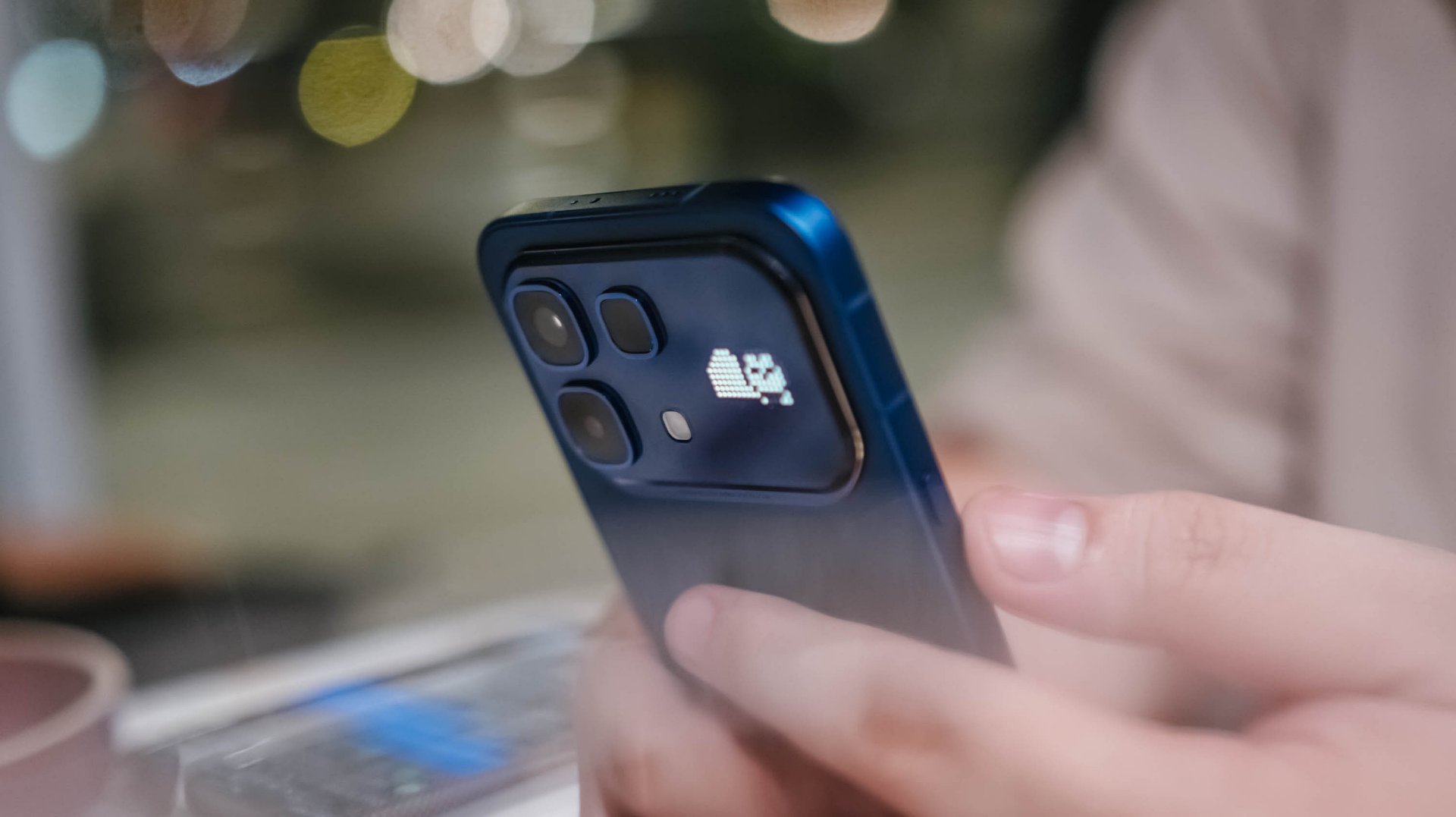
The Infinix Note 60 Pro feels ambitious. It wants to offer high refresh rates, gaming-ready performance, flashy design elements, and features you don’t always expect in this segment — all at once.
That ambition is admirable. But right now, it also feels like a phone still searching for its clearest identity.
Is it about performance?
Is it about visual flair?
Is it about borrowing familiar design cues and remixing them with playful extras?
Maybe it’s a bit of everything.
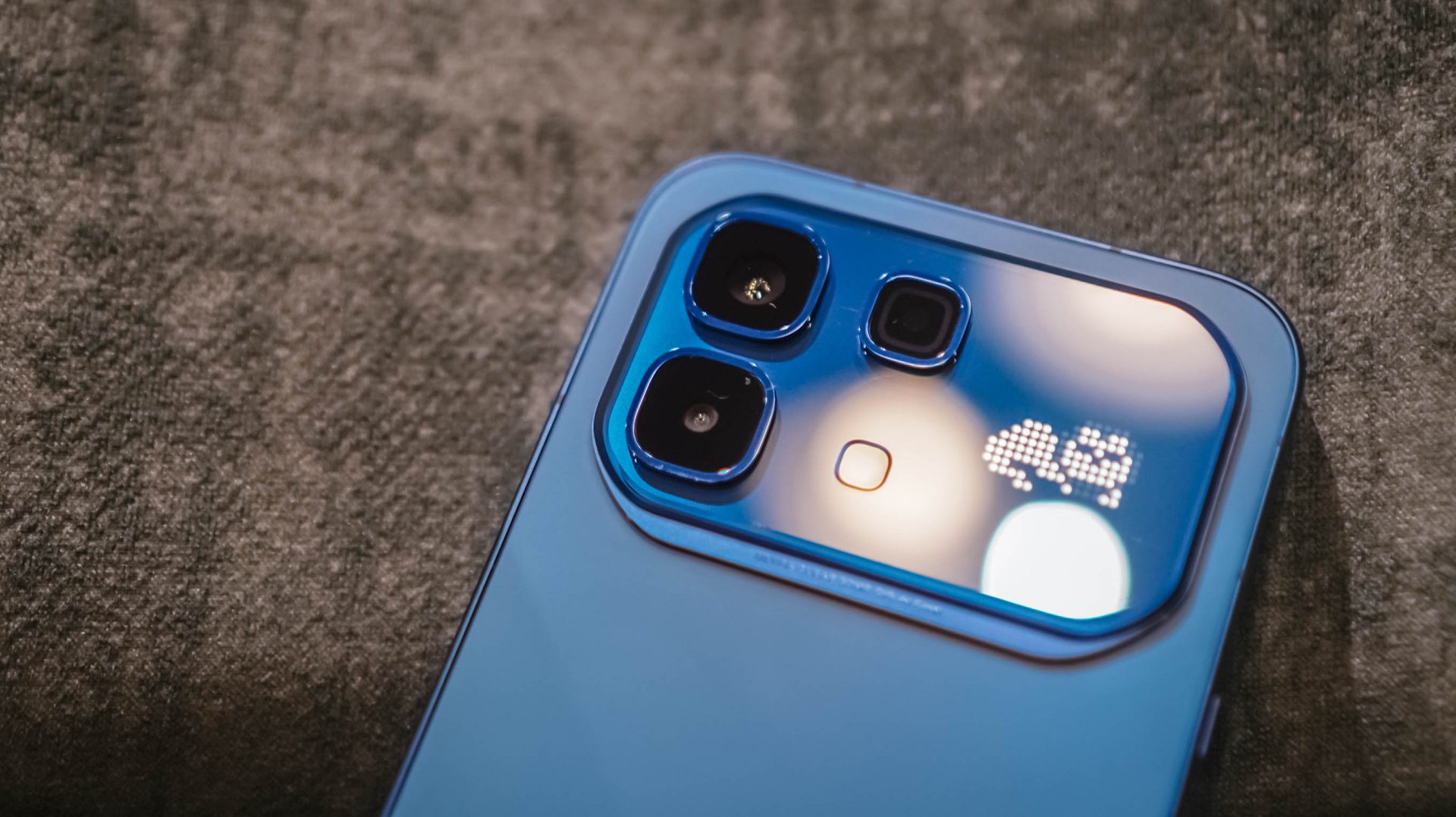
At the moment, the Note 60 Pro feels like a first date that tries very hard to impress. There’s a lot to like, a few things to question, and just enough intrigue to warrant a second look.
We’ll need more time to see where this goes.
Infinix NOTE 60 Pro specs
| Category | Details |
|---|---|
| Display | 6.78-inch 1.5K Ultra HDR Display |
| 144Hz refresh rate | |
| Up to 4500 nits peak brightness | |
| Corning® Gorilla® Glass 7i | |
| Processor | Snapdragon 7s Gen 4 5G |
| Cooling | 3D IceCore Vapor Chamber Cooling |
| Rear Camera | 50MP Night Master Main Camera (OIS) |
| 8MP Ultra-Wide | |
| 4K video recording (30fps) | |
| Front Camera | 13MP |
| Audio | JBL-tuned dual stereo speakers |
| Battery | 6500mAh or 6000mAh (market dependent) |
| Charging | 90W wired fast charging |
| 30W wireless charging | |
| Bypass charging support | |
| Operating System | XOS 16 (based on Android 16) |
| Software Support | 3 years OS updates |
| 5 years security updates | |
| Connectivity | 5G, LTE |
| Wi-Fi | |
| Bluetooth | |
| eSIM support (region dependent) | |
| Durability | IP64 splash and rain resistance |
| Frame | Metal frame |
| Special Features | Active Matrix Display (rear LED interface) |
| Halo Light status indicator | |
| One-Tap multifunction button | |
| Advanced health monitoring | |
| IR Blaster | |
| Dimensions | 162.36 × 77.17 × 7.36mm (Torino Black) |
| 162.36 × 77.17 × 7.45mm (other colors) | |
| Weight | 201.7g |
| Colors | Torino Black (Pininfarina edition) |
| Frost Silver | |
| Mist Titanium | |
| Deep Ocean Blue | |
| Solar Orange | |
| Mocha Brown |
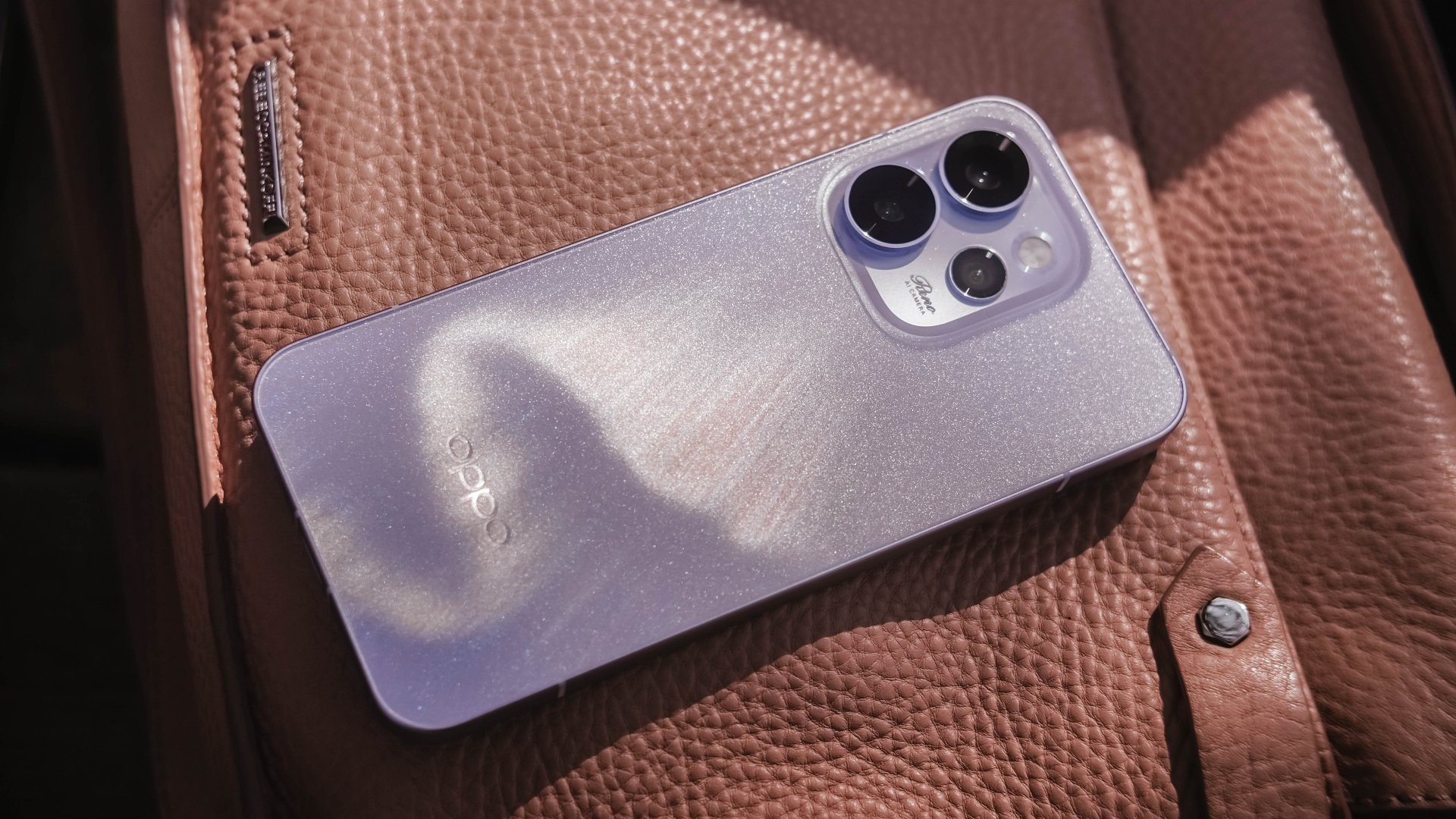
Believe me or not, I only had one encounter with a “Pro” OPPO Reno phone, and it was the Reno10 Pro from 2021. However, my time with it was very short.
Almost five years in, I was finally given the chance to hold the Chinese brand’s latest and greatest Reno.
Without beating around the bush, here’s my first time with the OPPO Reno15 Pro.
First Look
The moment I unsealed its sturdy packaging, the OPPO Reno15 Pro greeted me in this shining, shimmering blue backing.
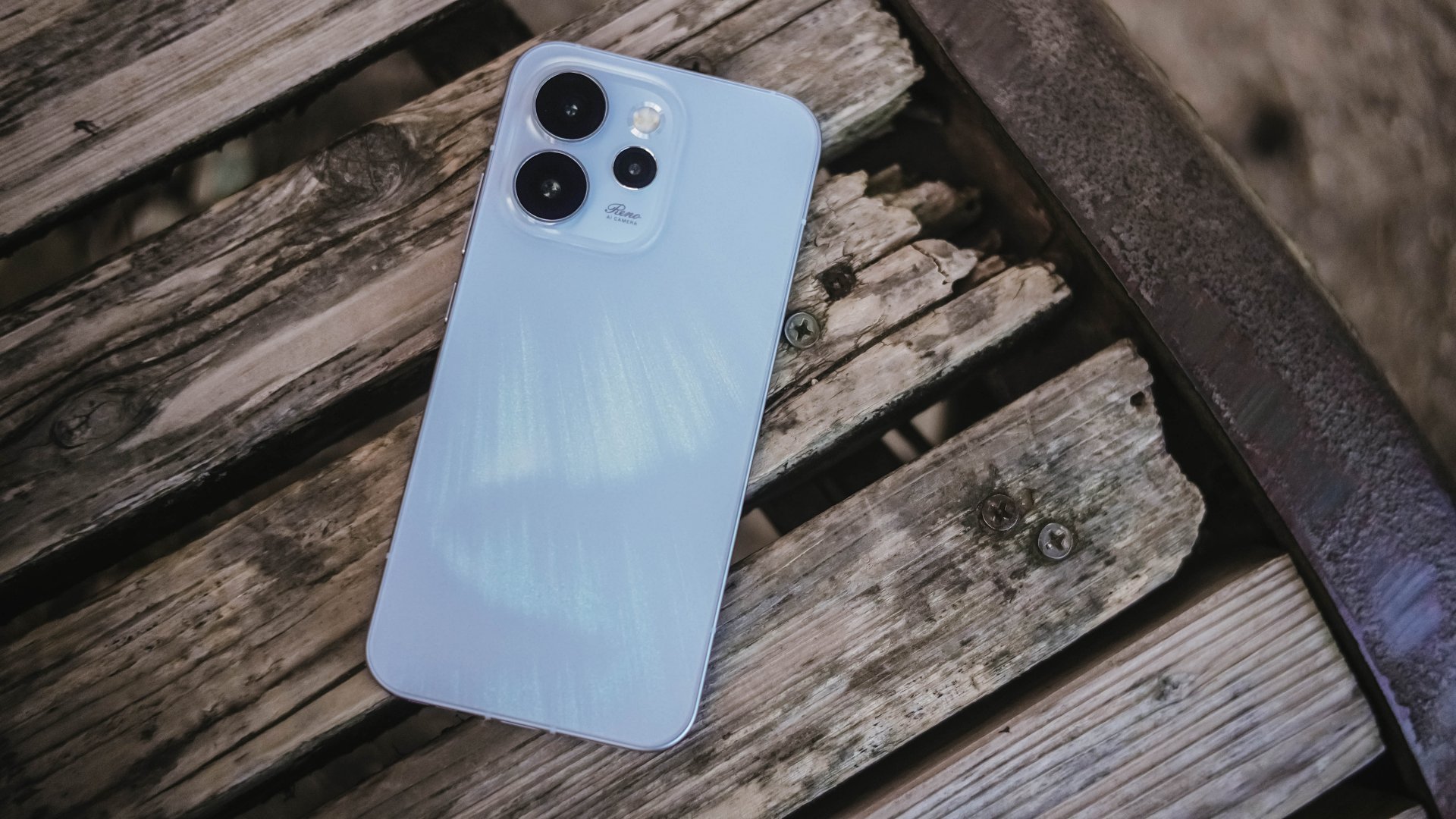
Dubbed as the “Aurora Blue” colorway, it instantly reminded me that I’m still not over that Aurora Borealis scene in the latest hit K-Drama “Can This Love Be Translated?” starred by Kim Seonho and Go Younjung.
I said it before and I’ll say it again, flashy finishes are the least of my options when choosing for a new phone. Still, this finish wins over the less impressive Dusk Brown shade.
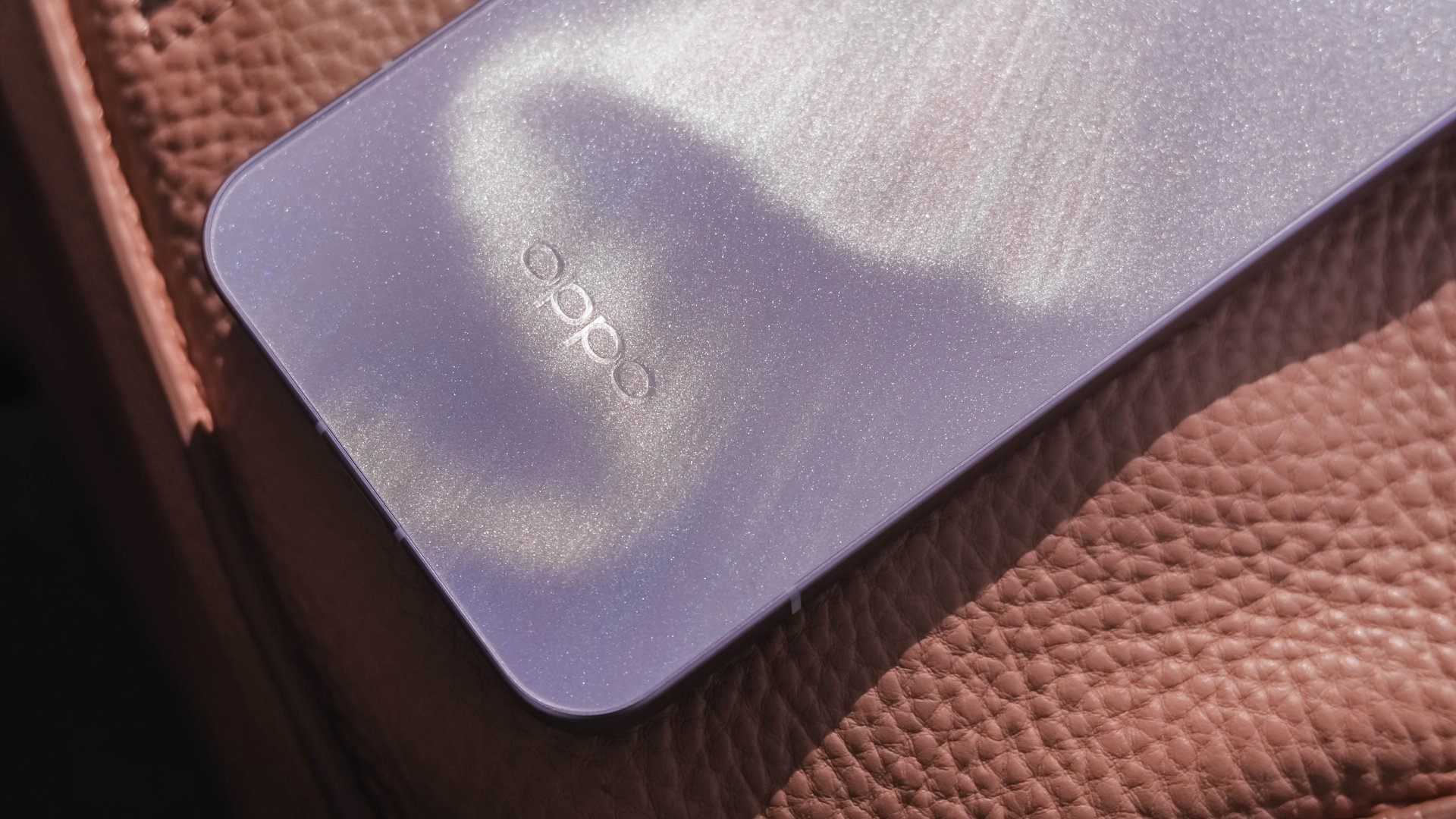
Just like that dazzling northern lights, the Reno15 Pro shows off its aurora accents depending on how the sun hits it.
In the faintest of light, that aurora simply vanishes. Even so, the OPPO Reno15 Pro still shines through with its specks of glitter.
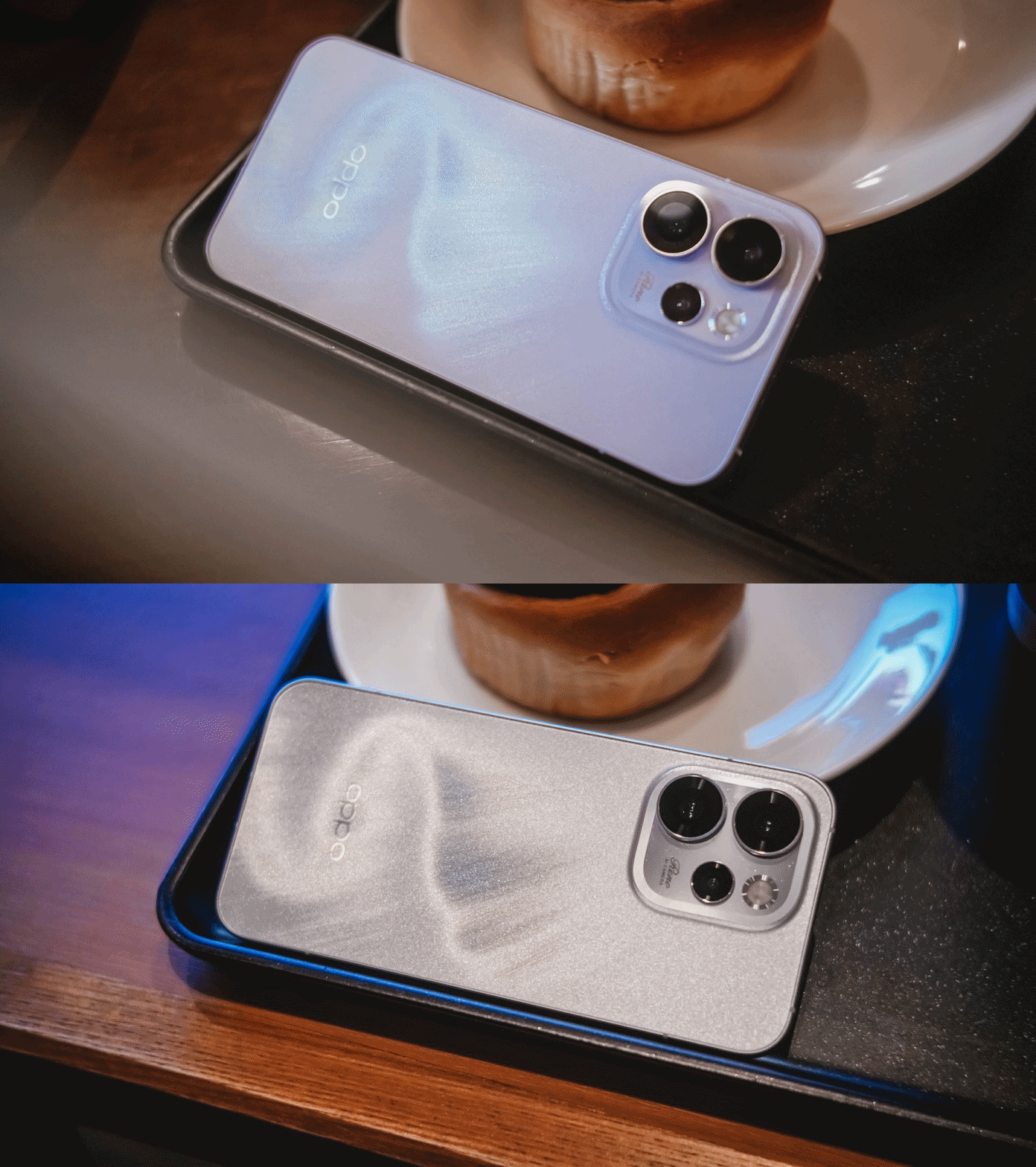
That’s more evident when you bring the OPPO Reno15 Pro indoors — be that your cool room (literally) or a warmly-lit café.
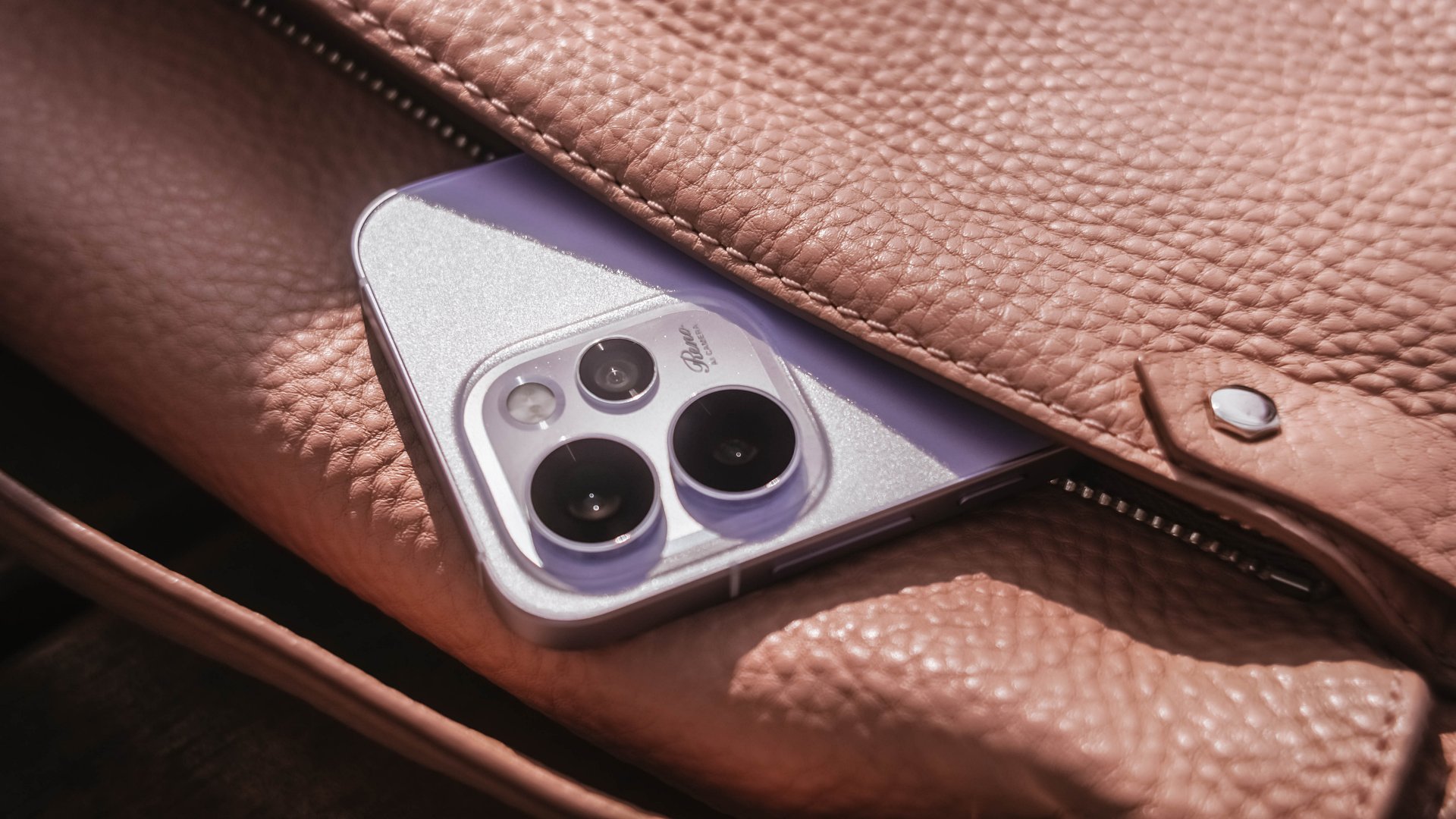
Its camera cutout may not be the most unique out there, but it’s uniformed enough to look clean. After all, a phone’s camera arrangement isn’t what defines the overall performance of its cameras.
First Date
Although 8.13mm isn’t “thin” in today’s standards, holding and keeping the OPPO Reno15 Pro for prolonged periods never felt a sore. Its aerospace-grade aluminum frame may just be one among many factors.

One after another, that 6.32-inch AMOLED 120Hz display is a huge complement to the hands. It fits my huge palms, more so, pockets of all sorts. This sweet screen size is also a breath of fresh air in a vast world of large slabs.
When hit by that harsh sunlight, it’s more than bright– up to 3600 nits of peak HDR brightness if I must insist. And, no matter what kind of content I consume, it’s truly crisp, clear, and even color-accurate.

Being powered by MediaTek’s Dimensity 8450 SoC alongside OPPO’s ColorOS 16 is what made me stuck longer. It honestly felt like I’m in a smooth ride without any road traffic.
The OPPO Reno15 Pro has a great harmony between its software snappiness and fluidity. Animations flow without feeling rushed — much like enjoying date nights without being pressured to catch the last bus trip back home.
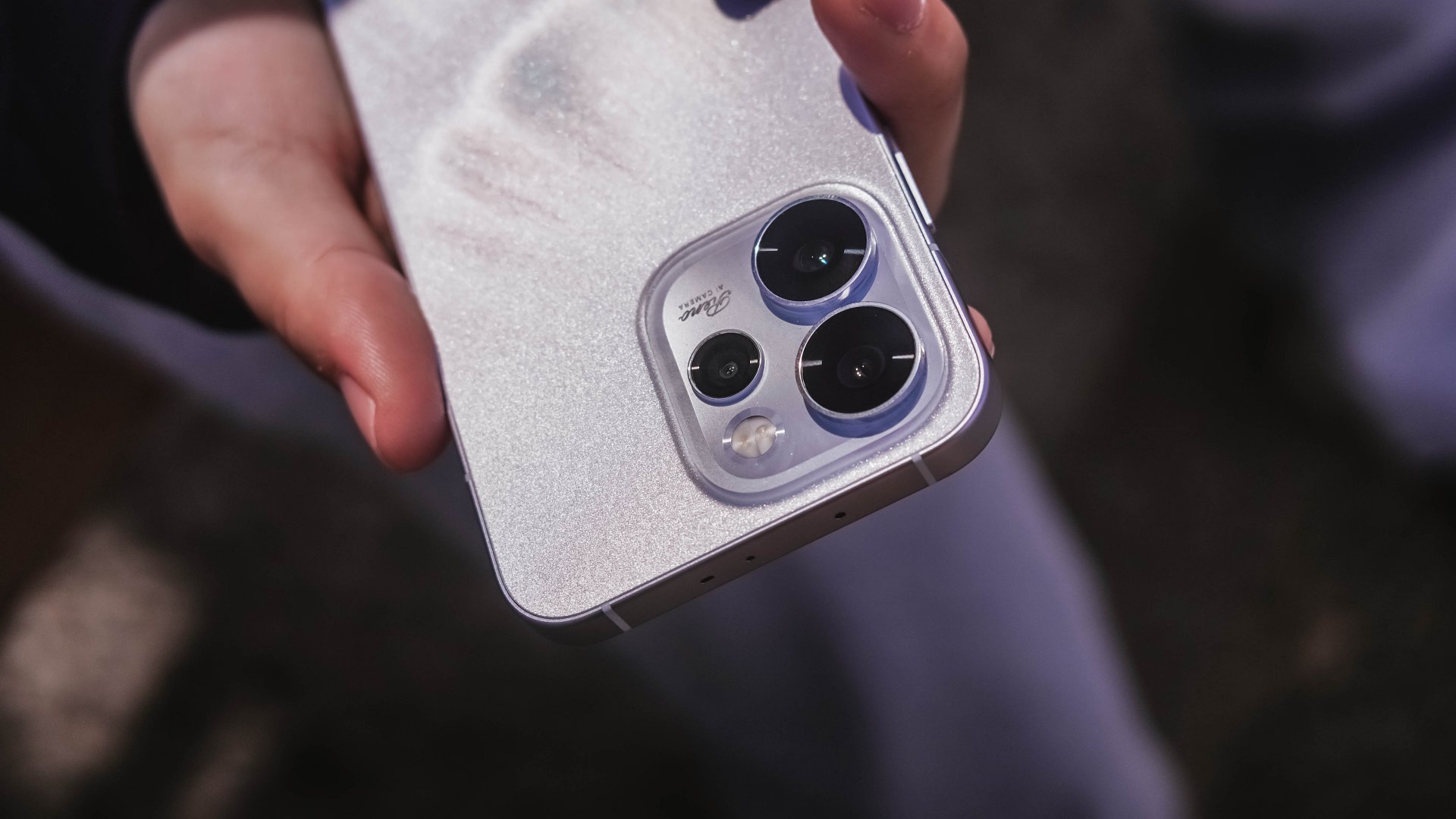
Speaking of staying out late for a date, the Reno15 Pro lasted me more than enough. And, despite its petite form, it managed to fit in a 6200mAh battery inside.
The screen size to battery ratio is just a perfect match. Not only it fits in most (if not all) hands and pockets, it also meant being able to squeeze in more battery to make the most out of your day, night, and even midnight.
If juice gets squeezed out, its 80W SuperVOOC charging will truly save the day!

That doesn’t even end there. With triple IP ratings (IP66, IP68, IP69), you’re more than assured that it’s durable enough in occasional (and accidental) phone drops.
First Impressions
The OPPO Reno15 Pro, despite being categorized as a midrange device, already feels like a solid vanilla flagship.
Much like any other first dates, its overall appearance is just on the surface level. What made me invested more to know the Reno15 Pro further are none other than its intrinsic qualities.

That includes that screen size (or form factor) on the sweet spot plus oh-so-fluid ColorOS. Moreover, its powerful core paired with a humongous battery that will truly last you long.
While I may not have included any photo sample in this early look, I can already assure you that it has one of the greatest camera performers for its class. And actually, it is for another story 😉.

My first time with an OPPO Reno smartphone not only made me impressed. This phone also enticed me to consider switching to the OPPO system when another review opportunity arises.

Infinix NOTE 60 Ultra: Not bad for a flagship push
It's definitely got the looks, though.


JBL Sense Pro review
My daily driver met a loud and capable rival in this quest for a superior training companion.

Shokz OpenFit Pro: Somewhere between awareness and focus
Find your balance

GadgetSnaps: Osaka

Homture Magic Frame: Reliving wedding moments you didn’t get to see

Dunk City Dynasty update adds new NBA stars, cosmetics

Acerpure Chill: Air conditioners for the summer

Match Pulse: TECNO SPARK 50 5G


-

 Gaming2 weeks ago
WWE 2K26 lets you live out all the fantasy matches you could want
-

 Automotive2 weeks ago
How the Ford Ranger is powering community resilience
-
 News1 week ago
nubia Neo 5 series launches in the PH, starts below PhP 12K
-

 Reviews2 weeks ago
Galaxy Buds4 Pro review: I thought I was done with in-ears
-

 Gaming1 week ago
Razer Blade 16 (2026) packs more cores, faster memory
-

 Automotive1 week ago
The Changan Eado Plus officially lands in the Philippines
-

 Accessories1 week ago
Razer sharpens its competitive edge with Viper V4 Pro and Gigantus V2 Pro
-

 Gaming1 week ago
Nintendo will make it cheaper to buy digital games than physical