
Gaming
Ubisoft confirms Assassin’s Creed: Black Flag remake
It’s officially called Assassin’s Creed: Black Flag Resynced.


If you ask an Assassin’s Creed fan what their favorite game of the series is, Assassin’s Creed: Black Flag will likely be one of the top contenders. Because of its reputation, gamers are constantly asking for a remake of the popular pirate simulator. Now, the dream is finally here. Ubisoft has confirmed that a remake, called Assassin’s Creed: Black Flag Resynced, is coming.
Released in 2013, Assassin’s Creed: Black Flag saw the journey of Edward Kenway, a vagabond pirate haplessly thrust into life as part of the Assassin Brotherhood against his will. The critically acclaimed game was something that all gamers have been clamoring for since Sid Meier’s Pirates: a true pirate simulator. It was no surprise that the game got as popular as it did.
Today, through an official roadmap shared by the company, Ubisoft has confirmed that Assassin’s Creed: Black Flag Resynced is real, and it might launch later this year. The company also released the first concept art for the remake.

Currently, there’s no official word as to how Ubisoft is remaking the game. At the very least, we can expect significant graphical upgrades to put it up to par with the modern games. We wouldn’t be opposed to more stories and missions too.
Now, though the Black Flag remake is already a big deal, the same roadmap also emphasizes that Codename Hexe, the next mainline title, is still coming. Ubisoft hasn’t confirmed the actual timeline yet, but the game will depict “a pivotal moment in history.” With post-launch development for the ongoing Shadows winding down, efforts to launch Codename Hexe should be ramping up soon.
SEE ALSO: Assassin’s Creed Shadows gets Attack on Titan-themed content







Gaming
PlayStation will stop releasing its games on PC
A new reports suggests that Sony is going back to console exclusives.
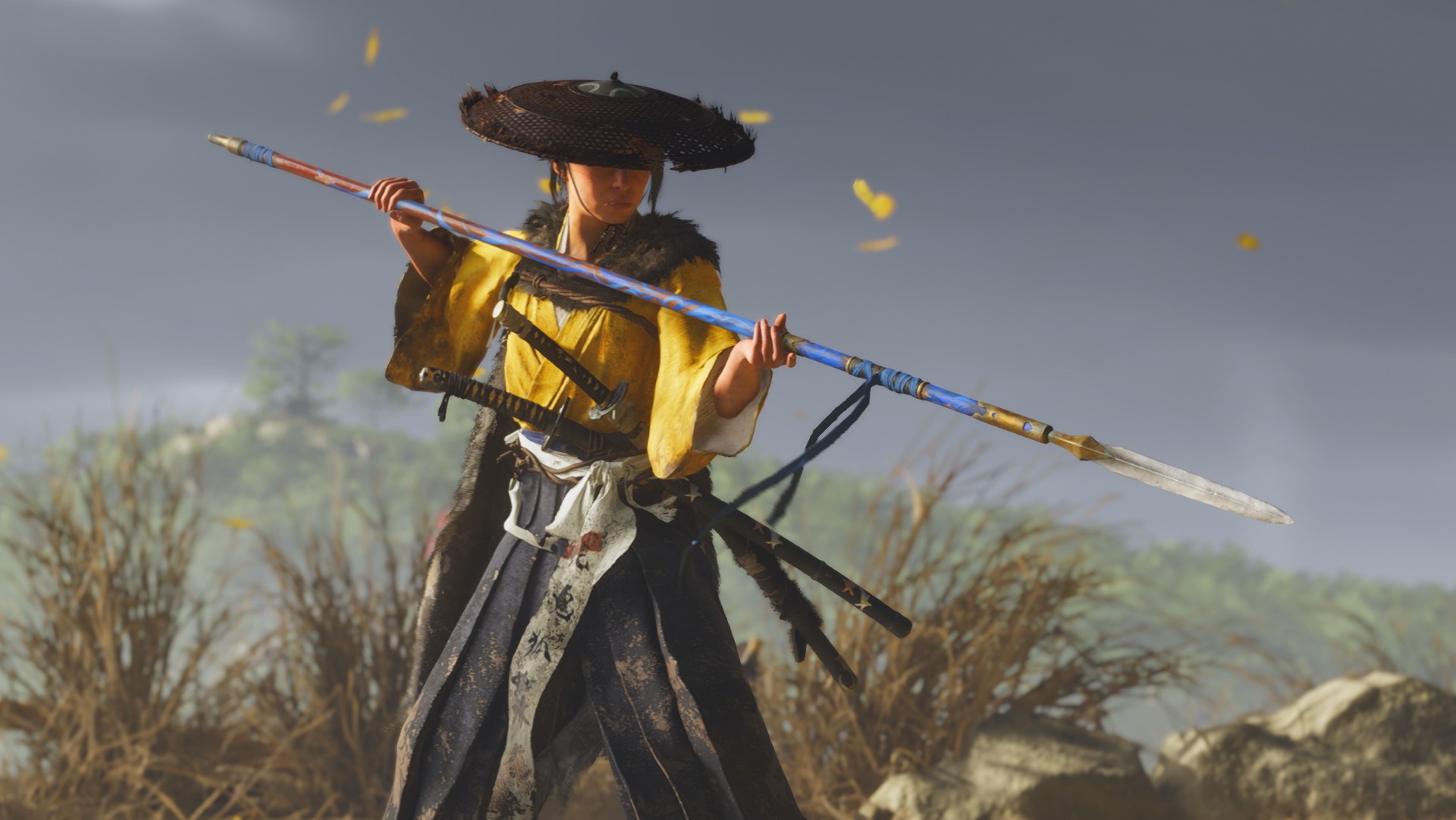
PC-only gamers have been eating well for the past few years. The formerly exclusive PlayStation library opened its gates and released worthy ports for PC. Unfortunately, Sony is putting an end to this short-lived era of openness to PC gamers. According to a new report, the company is once again making first-party PlayStation games exclusive to the console.
During the pandemic, Sony started releasing its critically acclaimed first-party games on PC. The new wave saw gamers get the ability to play titles such as Horizon Zero Dawn, The Last of Us, Marvel’s Spider-Man, and God of War on another platform. Even now, players are still eagerly awaiting the PC launch of Death Stranding 2, due out later this year.
However, as reported by Bloomberg’s Jason Schreier, Sony has just had a change of heart and will no longer release any more games on the PC, beyond those already confirmed for future launches.
This will mean that last year’s Ghost of Yotei and the upcoming Saros will remain PlayStation exclusives for the foreseeable future.
It’s a big change to Sony’s direction. However, it’s not without its precedents. For one, Microsoft has started to compete in the non-exclusive market. The company is already set to launch Fable and Forza Horizon 6 on other platforms, including PC and PlayStation, concurrently with the Xbox launch. To compare, PlayStation still waits a long time before launching exclusive games on PC.
Also, now that rumors have begun to speak of a fabled PlayStation 6, Sony might want to keep things close to its chest for now. After all, selling the console might be its top priority for now.
SEE ALSO: PlayStation 6 reportedly delayed to 2029 because of RAM shortage
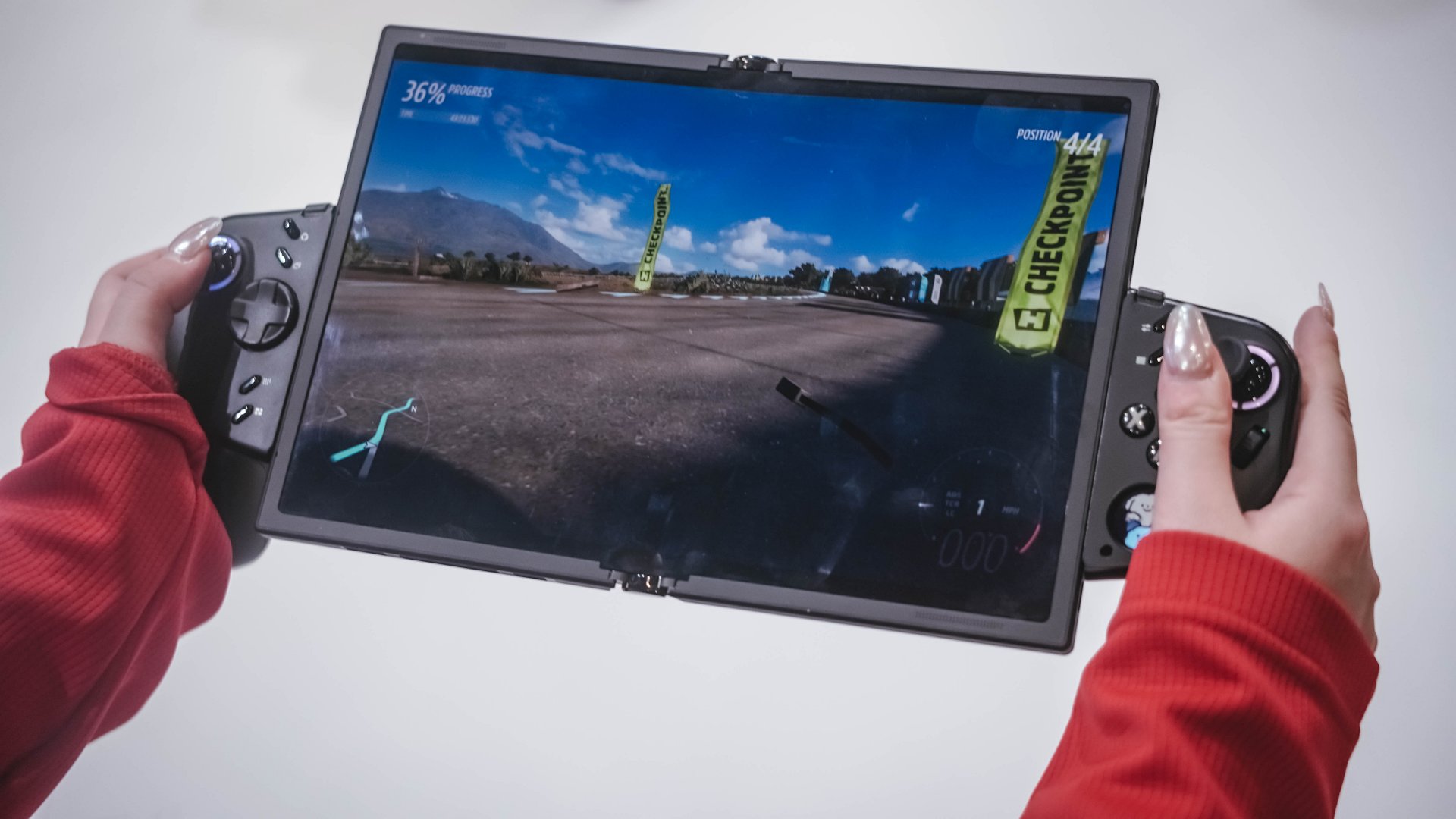
An all-in-one device is a pipe dream for many. Imagine a device that can turn into a tablet, a laptop, a phone, and a console with the flip of a switch. As showcased during MWC 2026, Lenovo wants you to stop imagining. A new concept called the Legion Go Fold is an all-around device you can take with you on travels.
On account of the lineup it’s associated with, the Legion Go Fold is, first and foremost, a handheld gaming console. Normally, it’s a sizable 7.7-inch screen you can attach the Legion Go’s recognizable controllers to.
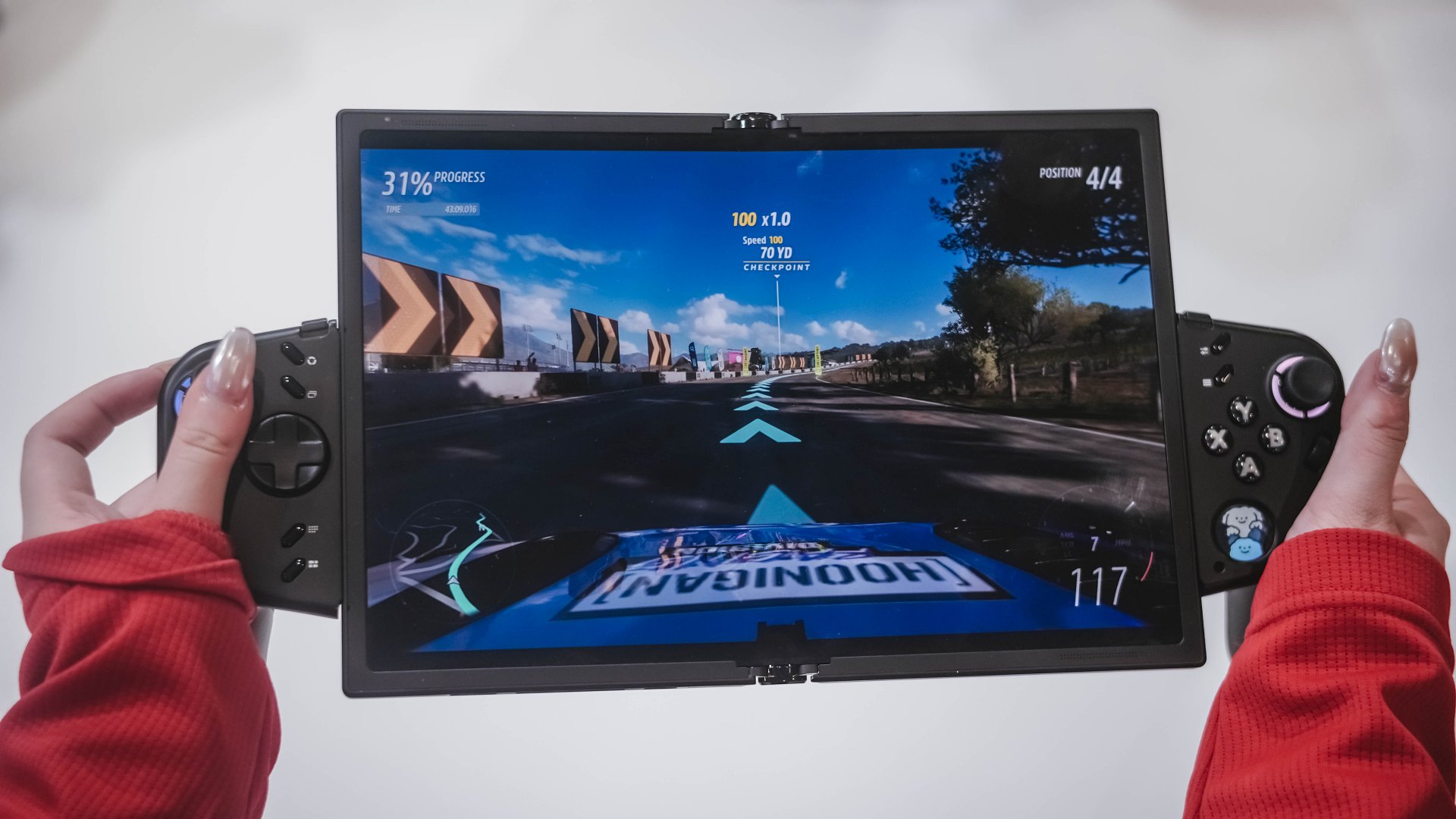
However, as the “Fold” in its name is hinting, the screen can be unfolded into a much larger screen. At its quirkiest, the concept looks like a vertical tablet with controllers attached to either side. Lenovo says that this is best used in split-screen mode where you can split the display between a game and other media such as a walkthrough video.
Alternatively, you can just rotate the screen horizontally and attach the controllers to play with the maxed out 11.6-inch display.
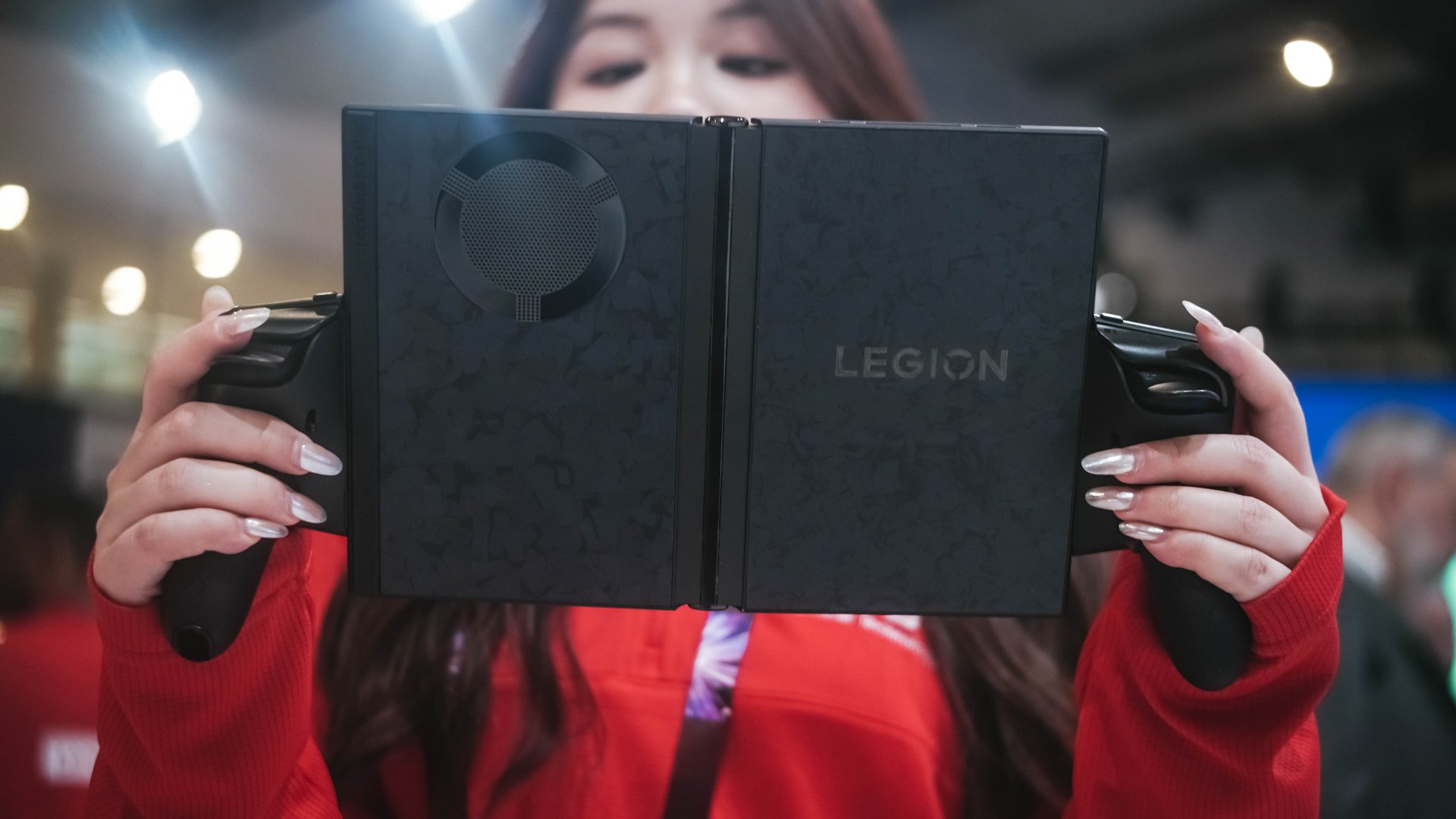
Finally, the Legion Go Fold can be used as a laptop via the detached screen and an included wireless keyboard. Like the other devices in the Legion Go lineup, the right controller can be used as a makeshift mouse.
Because it’s a concept, the Legion Go Fold isn’t close to being released yet. However, it’s a good evolution of what the Legion Go can already do. As we said in previous reviews, the lineup can technically be a work laptop in a pinch. This just makes it easier.
Automotive
Xiaomi Vision Gran Turismo makes global debut at MWC 2026
Tech giant becomes first technology brand in Vision GT program

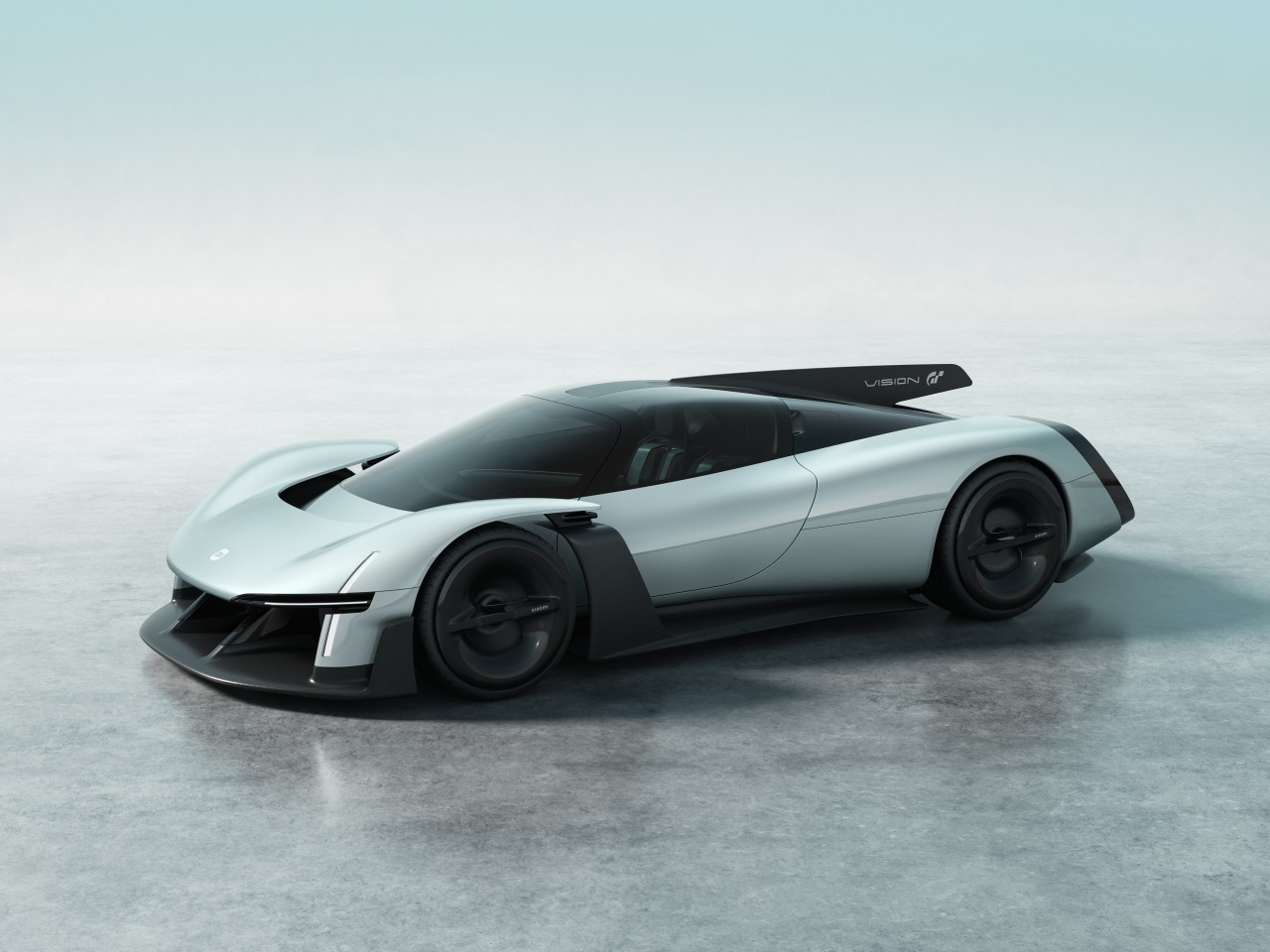
Xiaomi has unveiled the full-scale concept model of the Xiaomi Vision Gran Turismo or Xiaomi Vision GT at MWC 2026 in Barcelona, Spain. This marks the company’s official entry into the elite Vision Gran Turismo project.
Created for the legendary Gran Turismo franchise, the electric hypercar concept represents the first time a technology company has been invited to participate in the Vision GT program. Xiaomi now joins a select group of global automakers, becoming the 36th brand to take part and the creator of the 51st Vision Gran Turismo concept overall.
The project began at the GT World Series in London, where series producer Kazunori Yamauchi personally invited Xiaomi to design its own Vision GT car. For Xiaomi’s global EV design team, the opportunity meant rethinking hypercar development from a technology-first perspective, blending advanced aerodynamics with AI-driven intelligence.
Sculpted by the wind
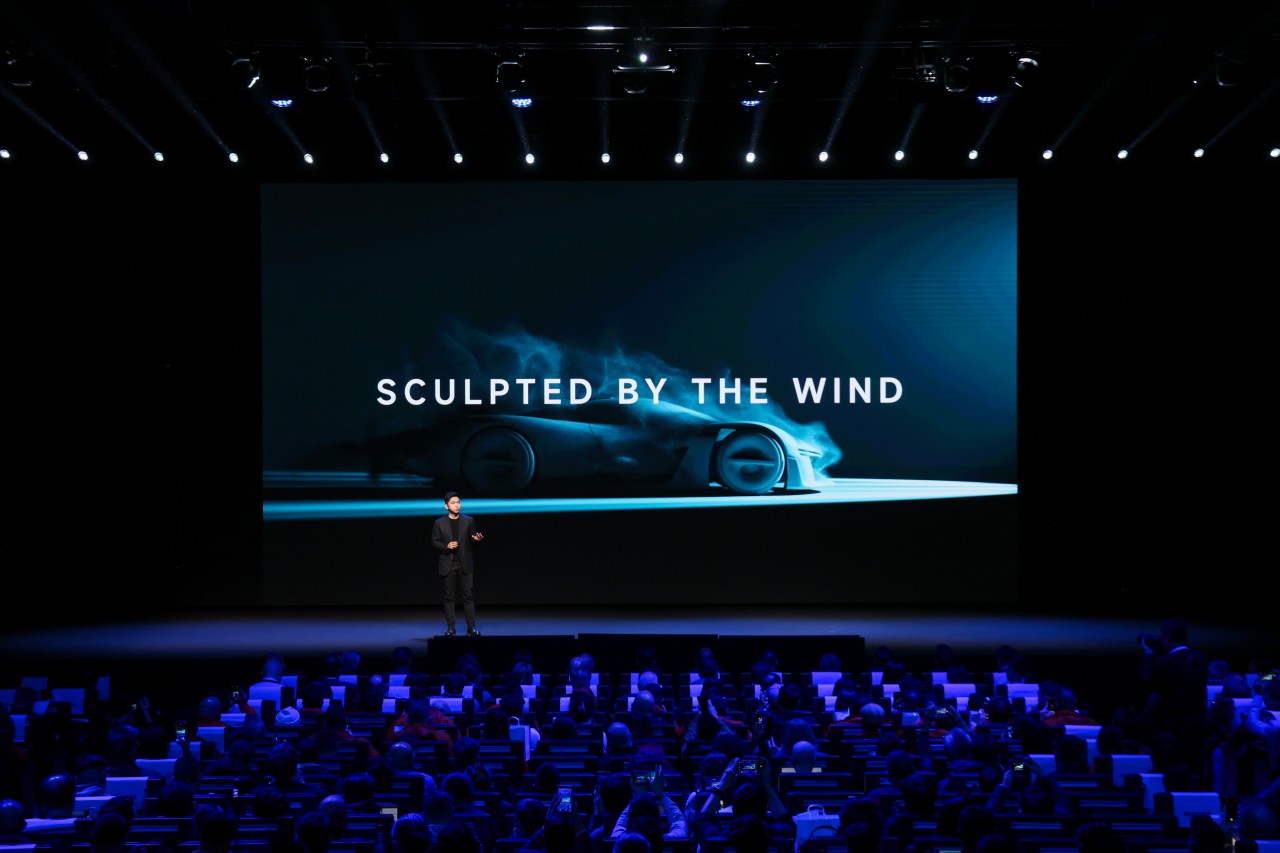
At the core of Xiaomi Vision Gran Turismo is aerodynamic balance. Instead of chasing extreme low drag or maximum downforce alone, Xiaomi pursued efficiency between the two.
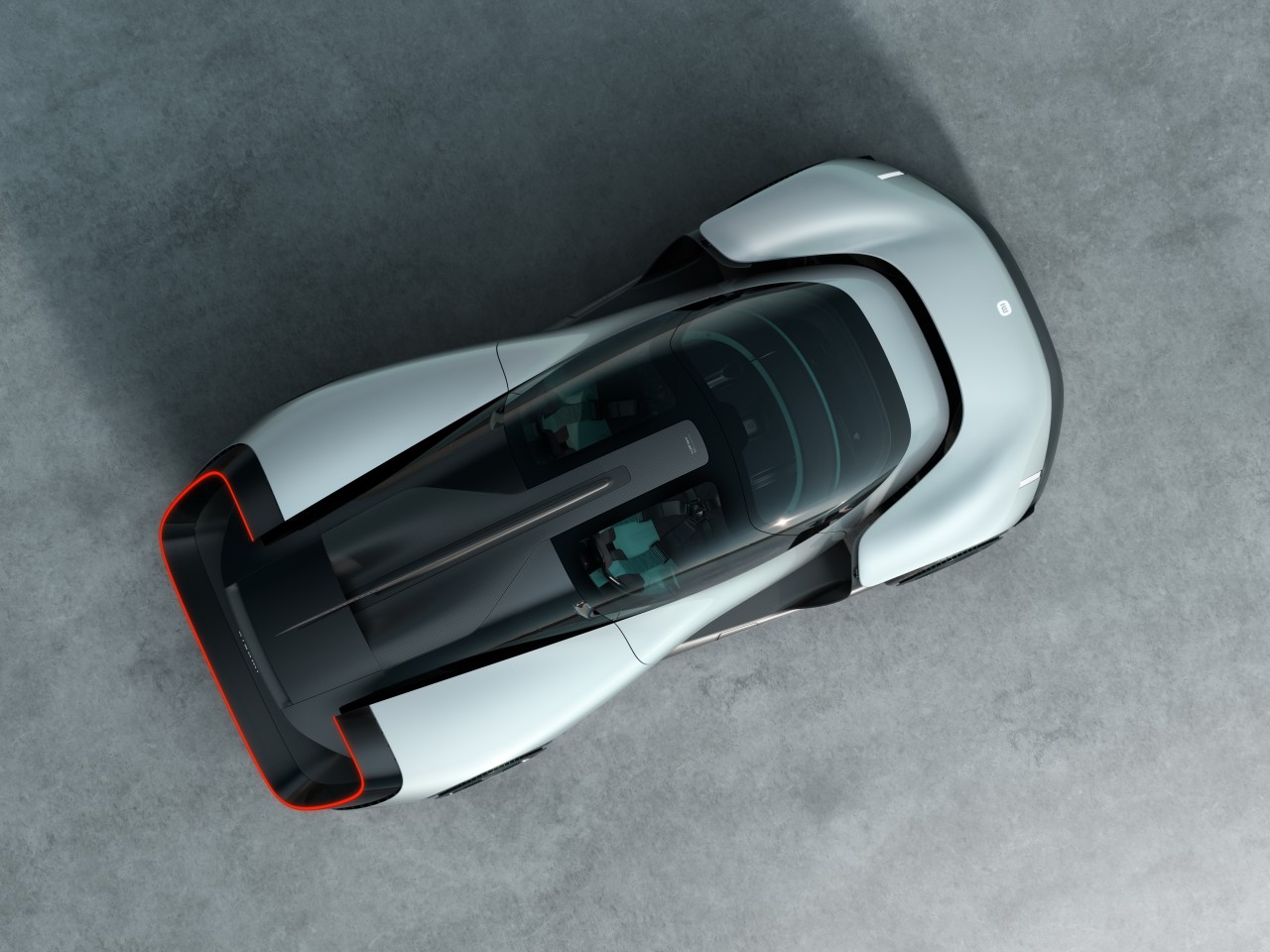
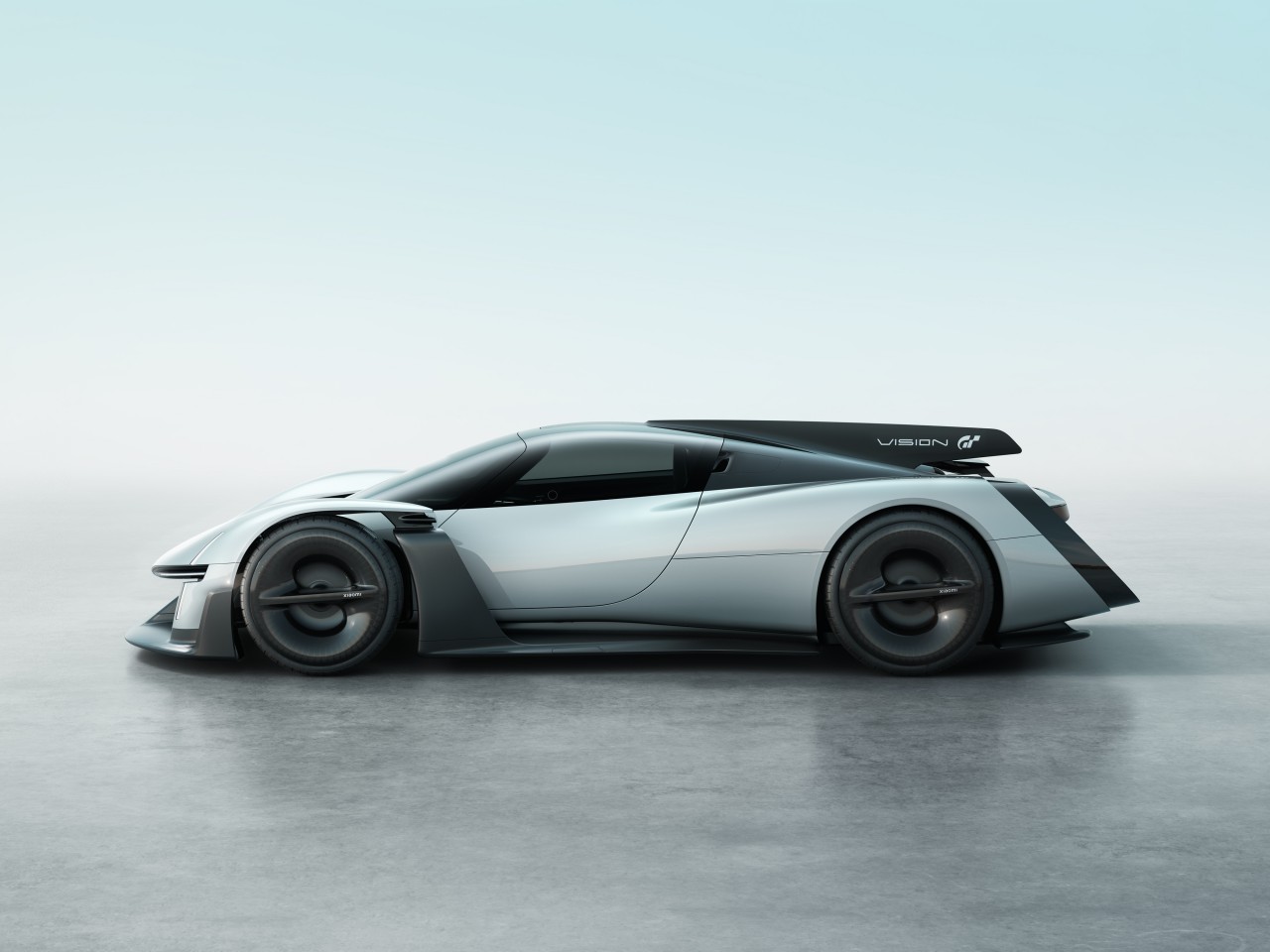
The concept follows a “Sculpted by the Wind” philosophy. Its teardrop cockpit silhouette, integrated air ducts, and airfoil-shaped structural elements guide airflow seamlessly from front to rear. The body avoids excessive add-ons, relying instead on built-in aerodynamic solutions.
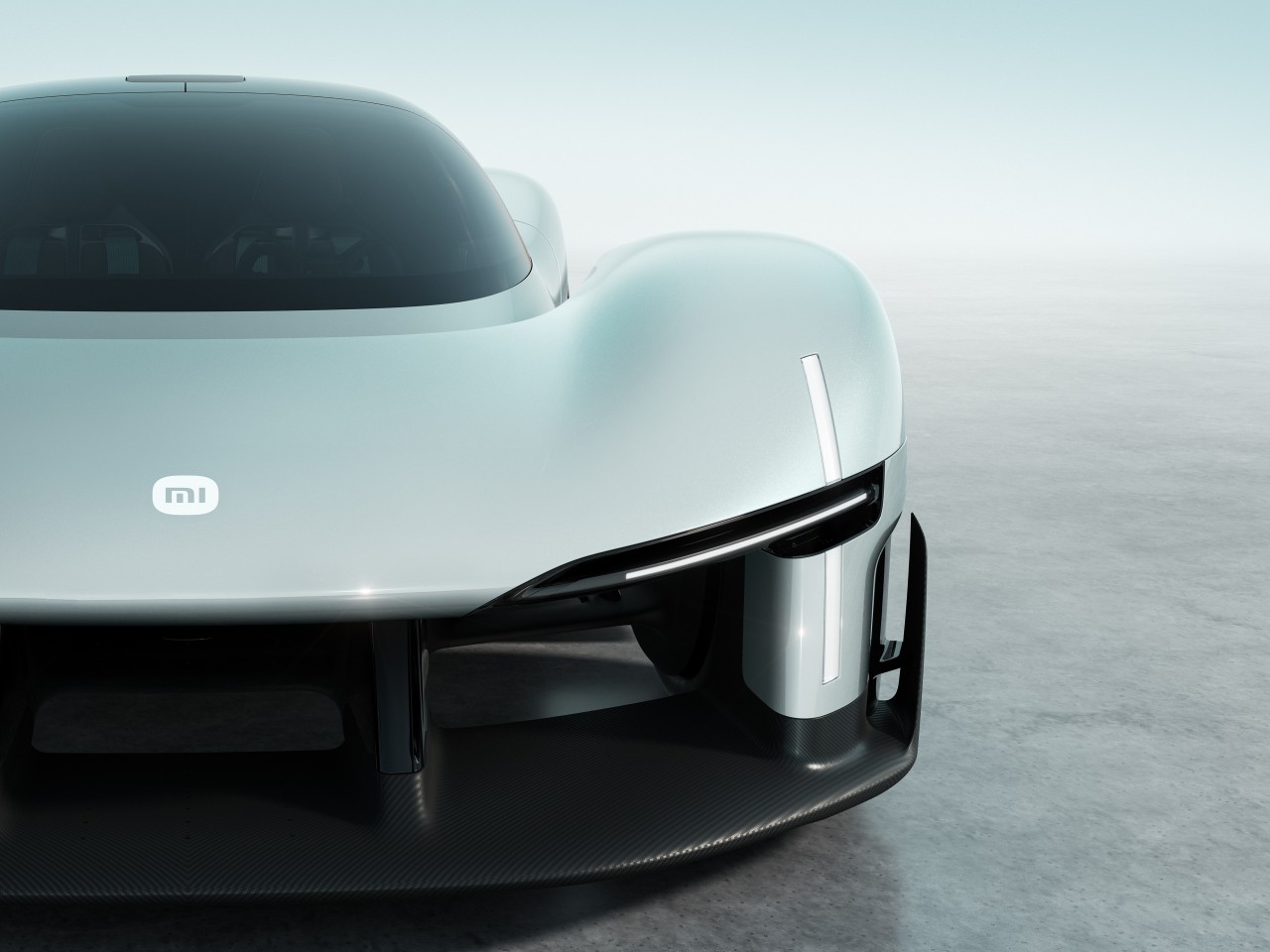
Signature design elements serve dual purposes. Cross-shaped headlights integrate into the airflow system, while the halo-shaped taillight sits within a massive rear air outlet. An Active Wake Control System surrounds the rear with micro-perforations that manage turbulent air using real-time speed and angle data.
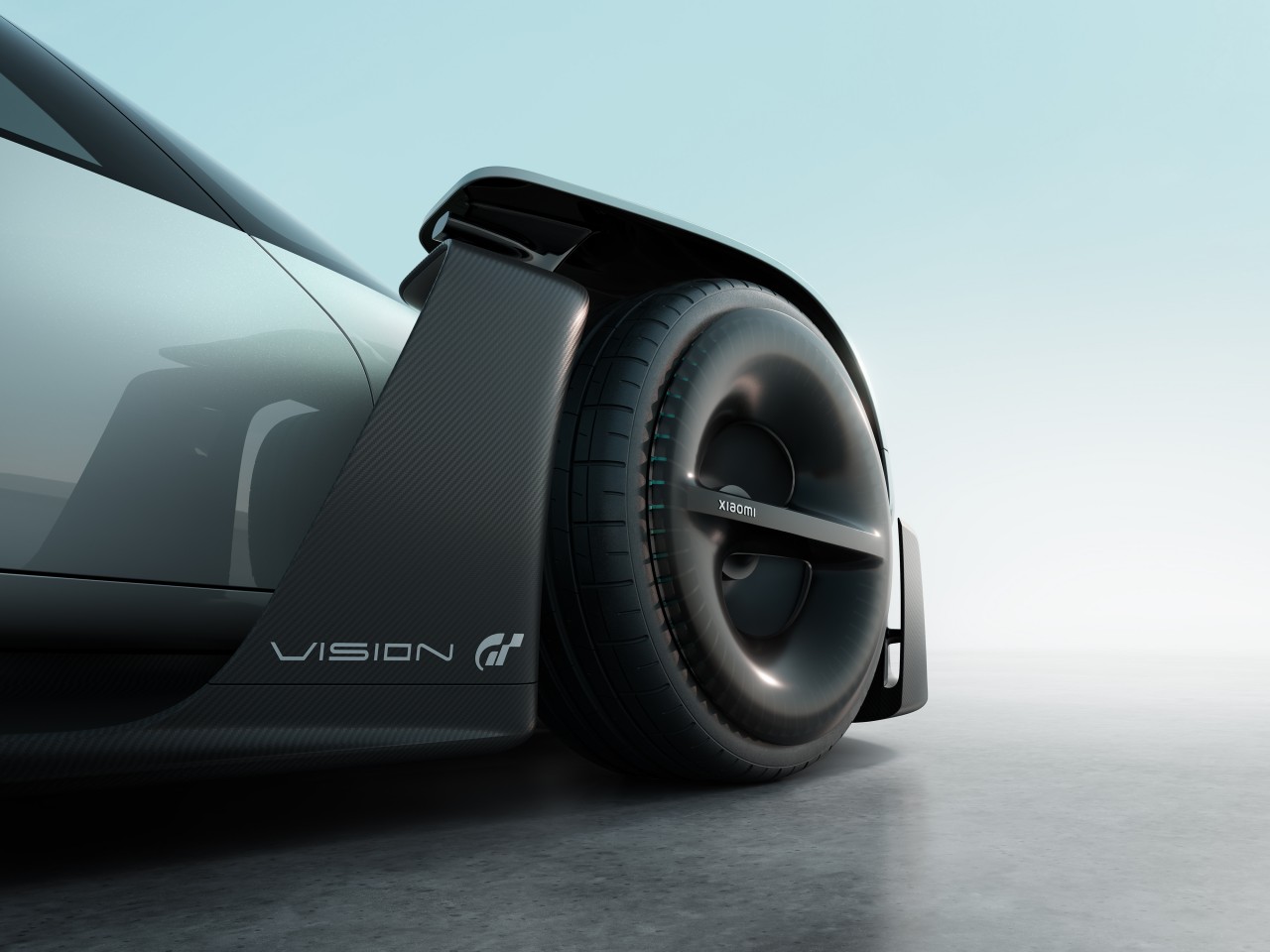
The Accretion Rims feature vortex-style wheel covers that remain visually stationary while the car is in motion, reducing drag from rotating surfaces. Internal turbine fins help cool the brakes during operation.
Through iterative simulation testing, Xiaomi says the concept achieves a drag coefficient of 0.29, downforce of negative 1.2, and an aerodynamic efficiency rating of 4.1 — figures that highlight balance rather than extremes.
A “sofa racer” interior
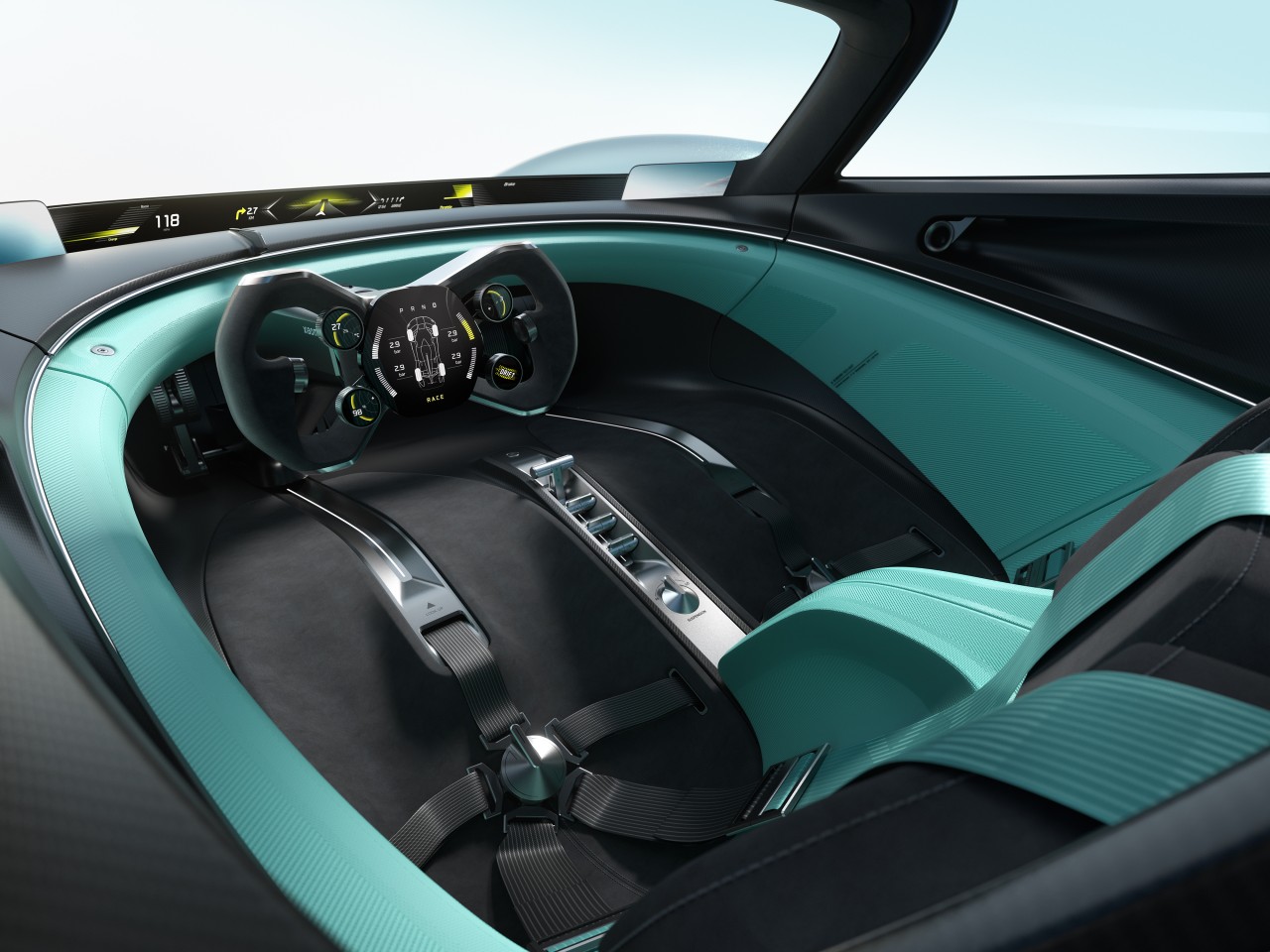
Inside, Xiaomi departs from the rigid, track-focused cabins typical of hypercars. The “Sofa Racer” concept emphasizes comfort without sacrificing control.
A ring-shaped cockpit architecture wraps around the driver, blending dashboard, doors, and seats into one continuous structure. Breathable 3D-knitted fabric materials aim to provide both support and warmth.
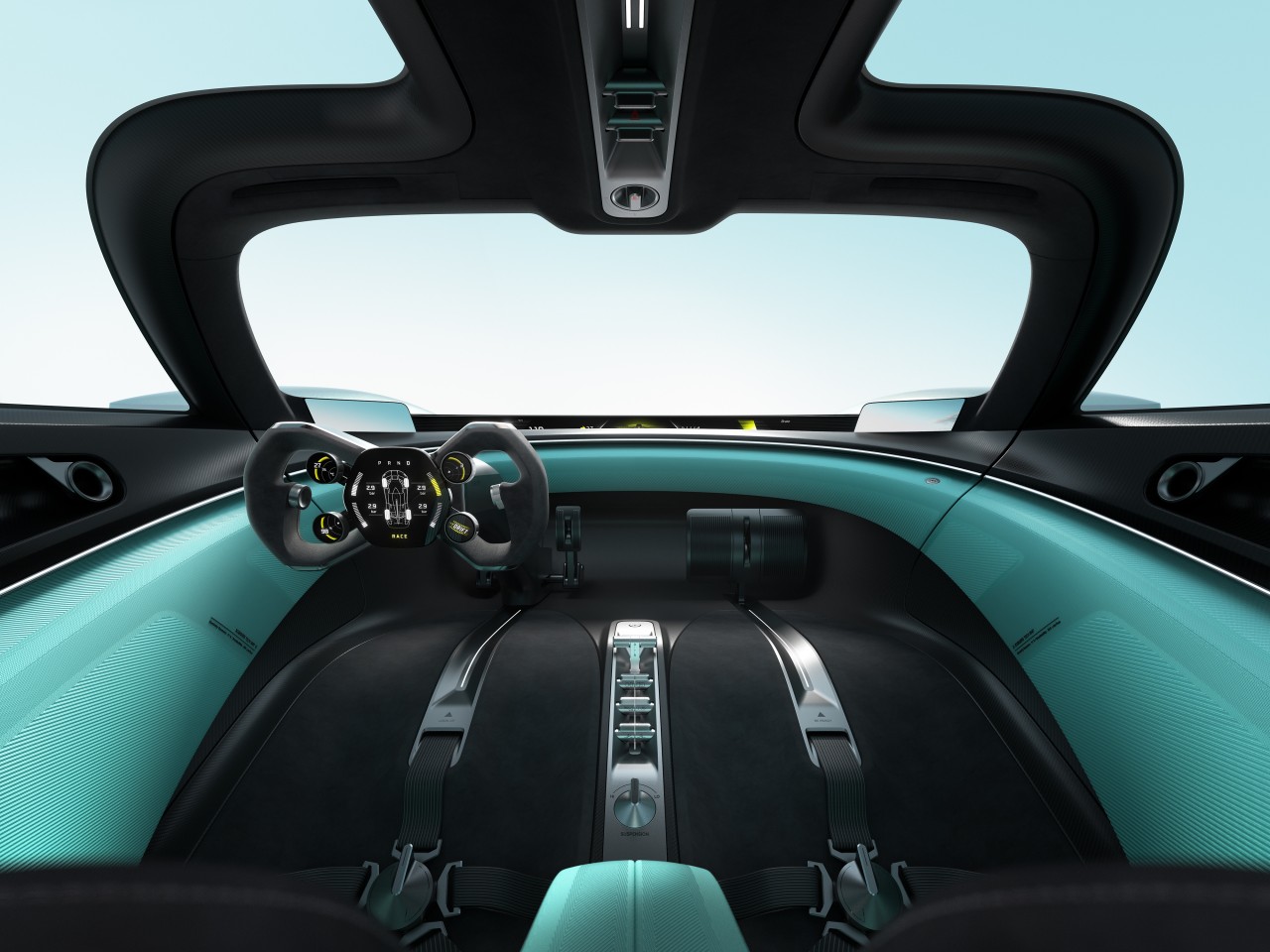
At the center is Xiaomi Pulse, an intelligent assistant integrated into the dashboard. Working alongside Xiaomi HyperVision and the company’s HyperOS platform, the system adapts displays and interactions based on driving mode and environmental data. Physical controls remain tactile and precise, including an infinite-shaped steer-by-wire wheel.
The concept also integrates into Xiaomi’s broader “Human × Car × Home” ecosystem. Powered by XiaoAi AI Assistant and the Xiaomi MiMo foundational model, the car connects with personal devices and smart home products, positioning itself as part of a unified digital lifestyle.
Xiaomi has also envisioned a companion driving simulator designed as furniture for the home, extending the Vision Gran Turismo experience beyond the vehicle itself.
Yamauchi praised the project, noting how the design successfully resolves the tension between low drag and high downforce. Further details about the car’s arrival in Gran Turismo 7 will be announced at a later date.
With its Vision Gran Turismo debut, Xiaomi signals a broader ambition: redefining the electric hypercar through AI integration, ecosystem connectivity, and aerodynamic precision.





OPPO is finally getting AirDrop support

Ubisoft confirms Assassin’s Creed: Black Flag remake

PlayStation will stop releasing its games on PC

Infinix NOTE 60 Ultra makes a motorsport-inspired debut

MacBook Neo enters the chat with a $599 starting price

Xiaomi 17 Ultra is now available outside China

TECNO will showcase the CAMON 50 and POVA 8 series at MWC 2026

The art of being in and behind the frame

HUAWEI MatePad 11.5 S 2026: The better-than-ever 4-in-1 productivity tablet

TECNO MEGABOOK K16s 13th review: No-frills beneath those grills


-
 News5 days ago
Xiaomi 17 Ultra is now available outside China
-

 Camera Walkthrough2 weeks ago
OPPO Reno15 Pro: Camera Review
-

 News2 weeks ago
HUAWEI launches Mate X7, MatePad 11.5 S 2026, FreeClip 2
-

 News2 weeks ago
iPhone 17 Pro Max is somehow the most traded-in phone today
-

 Events2 weeks ago
Capcom to hold Resident Evil Requiem launch event in Jakarta
-
 Gaming2 weeks ago
Pokémon FireRed and LeafGreen are coming to the Switch
-

 MWC 20261 week ago
TECNO resurrects modular phones with this new concept
-

 Reviews5 days ago
Xiaomi Pad 8 review: Slab that slaps!