
News
Vivo X20 and X20 Plus follow dual-camera and all-display trends


Vivo is launching phones at a feverish pace: The V7+ has been rolling out across Asia this month, and it was only two months ago when the X9s and X9s Plus were announced. Now, we have another pair to consider in the X20 and X20 Plus.
Positioned as upper-midrange smartphones, the X20 and X20 Plus share mostly the same specifications and features; only the screen sizes, battery capacities, and prices differ.
For the X20, you get a 6-inch AMOLED screen with a 3245mAh battery and CNY 2,998 price tag, which is US$ 455 when converted. The X20 Plus is obviously bigger and more expensive with a 6.43-inch AMOLED display, 3905mAh battery, and price of CNY 3,498 (US$ 530).
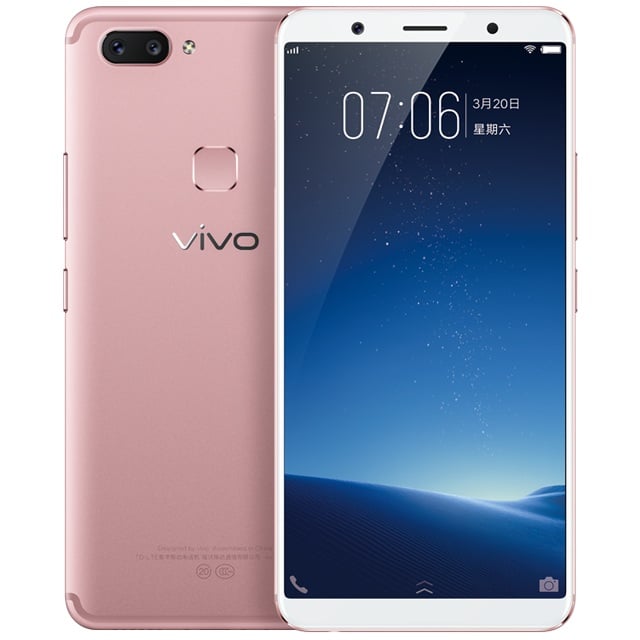
Vivo X20
As you can see in the render above, Vivo opts once again for shorter bezels and placing the fingerprint sensor on the back of the X20 and X20 Plus. Like the V7+, a longer 18:9 aspect ratio is used to keep the handsets slim; but unlike the V7+, the pixel density is higher for both with a resolution of 2160 x 1080.
The other major feature is the dual-camera setup found on the rear. One has a 12-megapixel image sensor with a bright f/1.8 aperture, while the other is 5 megapixels and used for extra depth information in photos. If you’re into selfies, you’ll be glad to know there’s a worthy 12-megapixel f/2 camera in front.
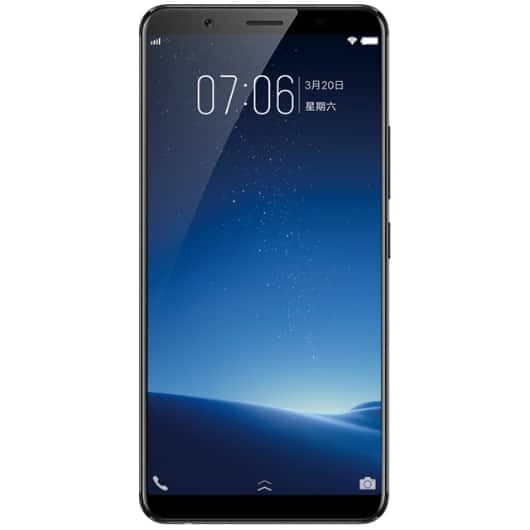
Vivo X20 Plus
Vivo installed one of Qualcomm’s best midrange processors in these two phones: the Snapdragon 660. It’s already proven to be an efficient yet speedy chip for other manufacturers, so we expect no less from the X20 and X20 Plus in terms of performance. 4GB of memory and 64GB of expandable storage seal the deal.
The X20 and X20 Plus are currently limited to the Chinese market. Colors options are gold, rose gold (is this still a thing?), and plain black.
SEE ALSO: Vivo V7+ Review: More than just a full-screen display
[irp posts=”20605″ name=”Vivo V7+ Review: More than just a full-screen display”]


Accessories
UGREEN launches new MagFlow and Nexode Pro charging accessories to Southeast Asia
Here to charge your multiple devices rapidly


UGREEN has finally introduced its new MagFlow and Nexode Pro charging accessories to Southeast Asia. These bring faster wireless charging, improved thermal management, and high-power multi-device charging
Nexode Pro 160W Charger + Retractable Cable
First in the list is UGREEN’s Nexode Pro 160W Charger with Retractable Cable.
This charging adapter offers up to a speedy 160W total output across four charging connections.
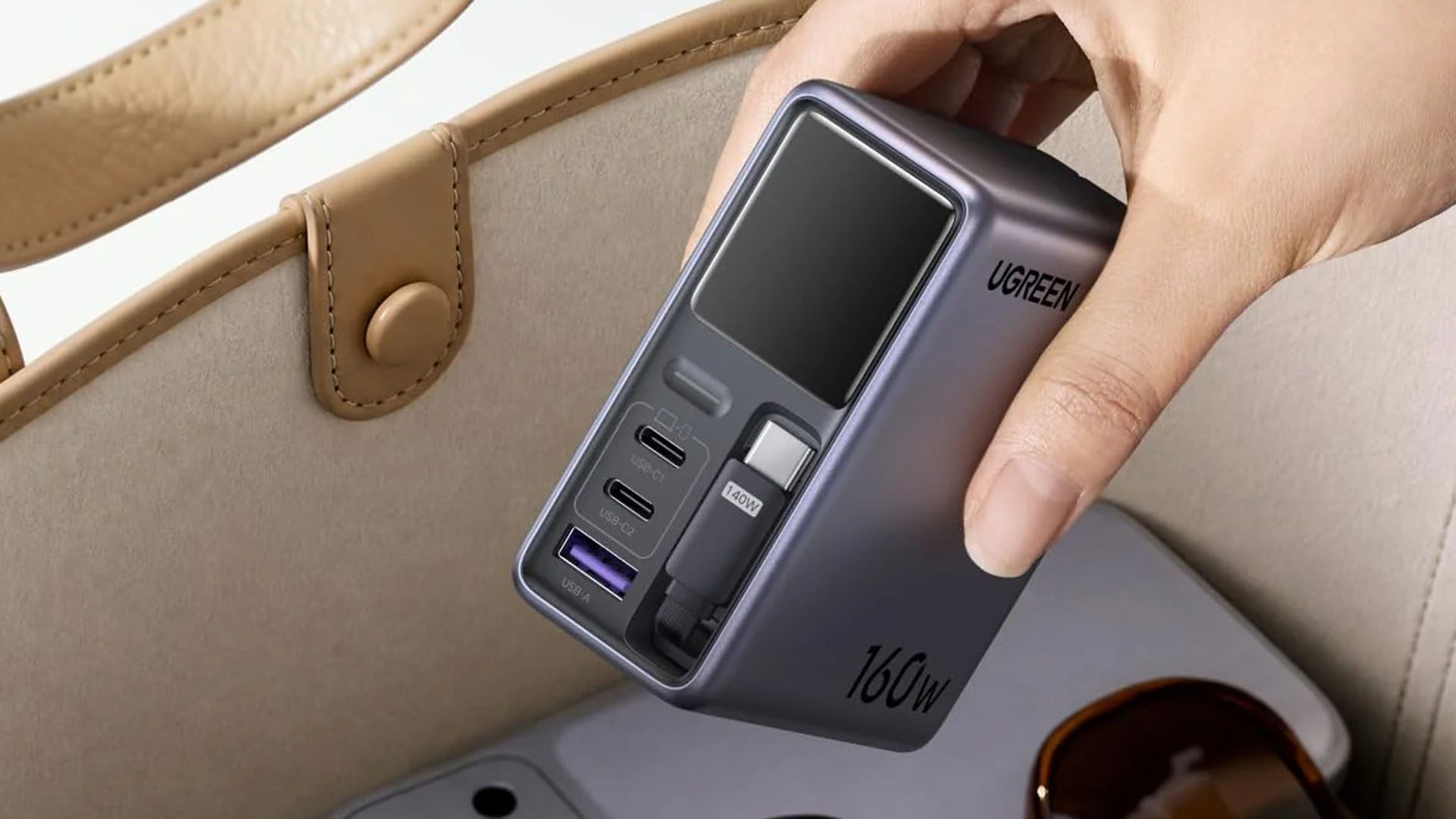
It has three USB-C outputs and one USB-A port, including a built-in 70cm retractable USB-C cable. The USB-C1 port and built-in cable support up to 140W, while USB-C2 supports up to 100W and USB-A reaches 22.5W.
Other features include a smart display, SmartCharge power distribution, GaNInfinity technology, Thermal Guard, OTA updates, and Bluetooth/Wi-Fi connectivity for app-based control.
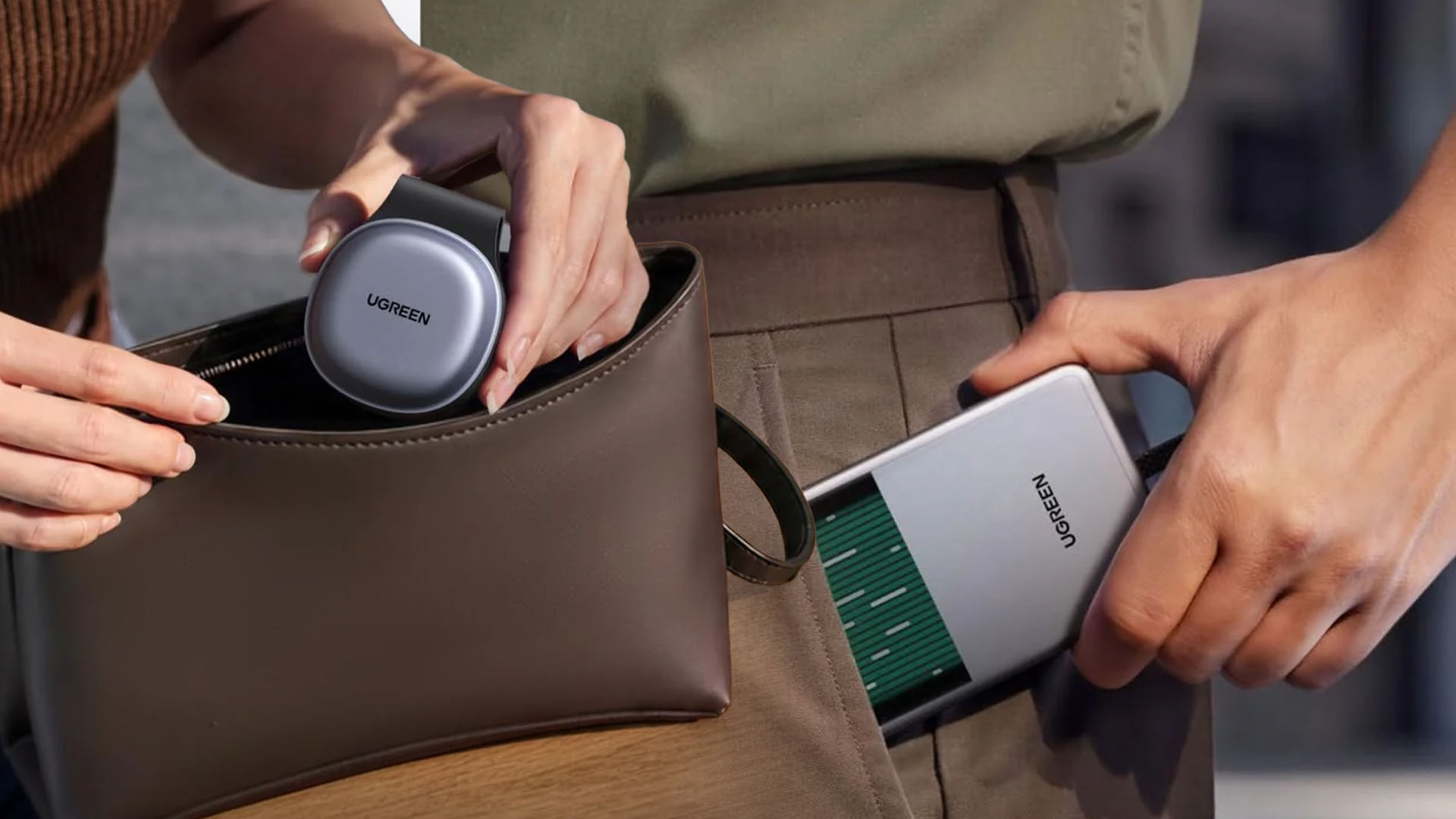
MagFlow Pro 10,000mAh 25W Magnetic Power Bank
The MagFlow Pro packs a 10,000mAh battery with up to 25W Qi2 wireless charging and 45W USB-C output. Its standout feature is UGREEN’s CryoPulse liquid-cooling system, which uses a visible coolant window and multi-layer heat dissipation to help manage temperatures during wireless charging.
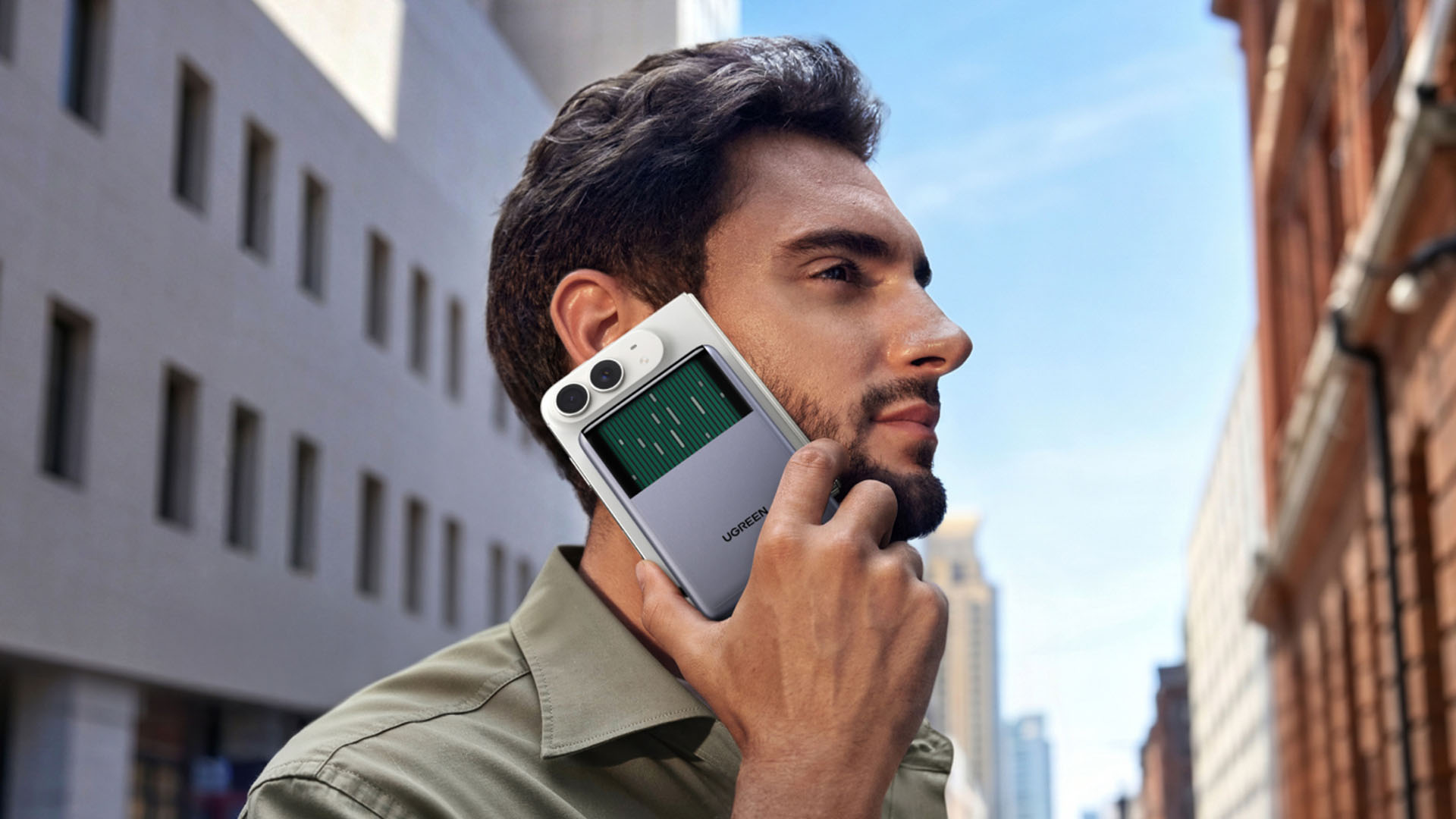
UGREEN says the system can reduce peak phone temperatures by up to 10°C compared to its industry benchmark in testing.
It also features a built-in 45W USB-C cable, USB-C port, charging status display, and 16+1 N52H magnets for a secure magnetic hold.
MagFlow 2-in-1 25W Foldable Wireless Charger
Lastly, the MagFlow 2-in-1 Foldable Magnetic Wireless Charger 25W combines a 25W Qi2 magnetic charging pad with a dedicated earbuds charging area.
It delivers up to 25W to an iPhone and 5W to earbuds, while its foldable design doubles as a phone stand. It also supports simultaneous wireless charging for a phone and AirPods.
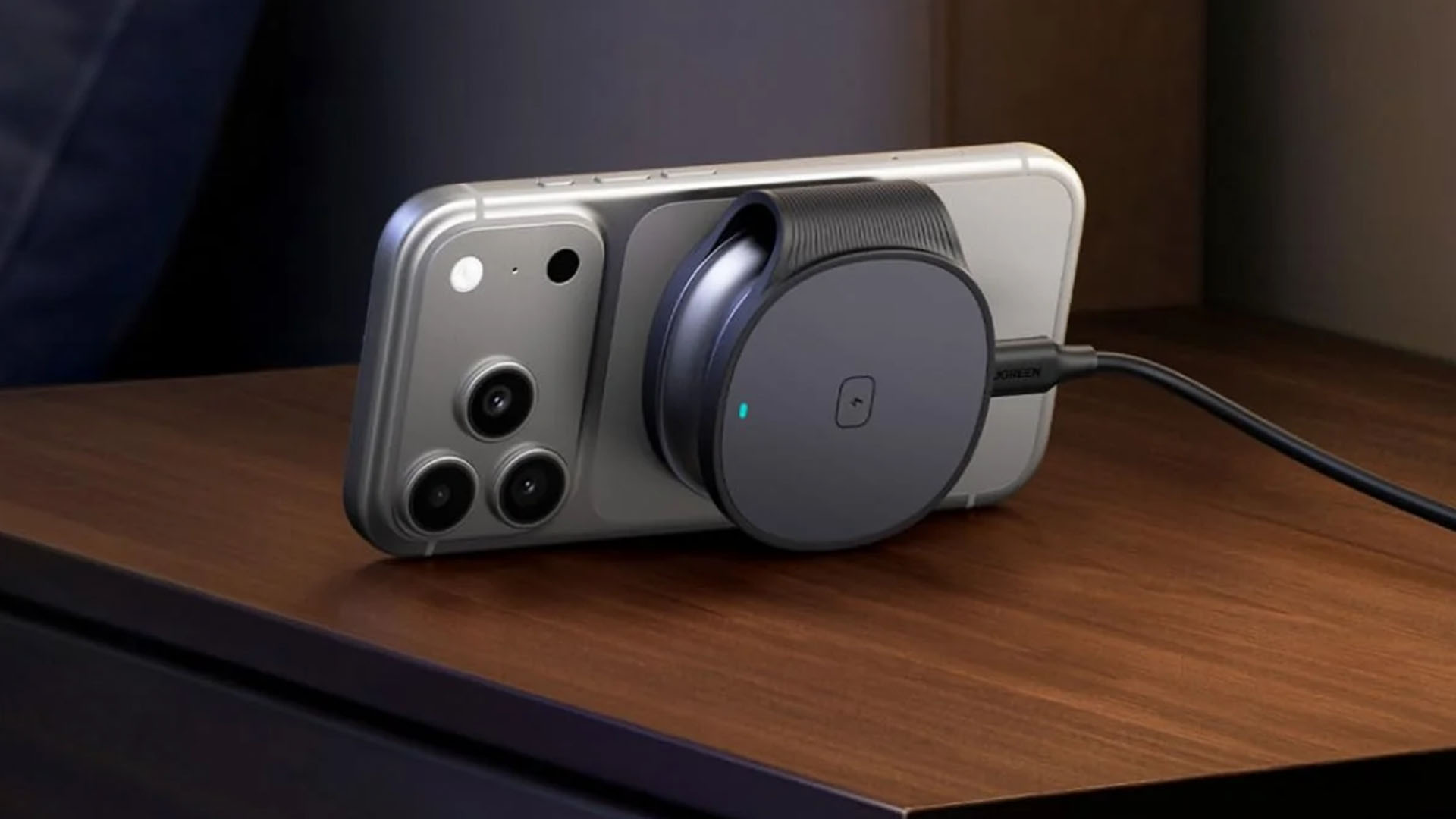
The charger uses 17 N48H magnets for up to 11N of magnetic force and features Thermal Guard temperature monitoring. When folded, it measures 2.37 × 2.86 × 1.05 inches.
Pricing and Availability
As of today (September 30, 2026) all three products are available across major Southeast Asian markets.
Graphics by Vincenz Lee | GadgetMatch
Nexode Pro 160W + Retractable Cable
- Singapore = SG$ 140
- Malaysia = MYR 419
- Vietnam = VND 2,699,000
- Philippines = PhP 4,999
MagFlow Pro 25W 10,000mAh Magnetic Power Bank
- Singapore = SG$ 154
- Malaysia = MYR 479
- Vietnam = VND 3,690,000
- Philippines = PhP 6389
MagFlow 2-in-1 Foldable Magnetic Wireless Charger
- Singapore = SG$ 64.90
- Malaysia = MYR 189
- Thailand = THB 1990
- Vietnam = VND 1,419,000
- Philippines = PHP 2499


All eyes are on the iPhone Duo. After months of speculation, Apple finally unveiled its first-ever foldable smartphone. Now, because of that reveal, the spotlight (or what little of it remained) drifted away from Apple’s other unique device, the Vision Pro. To the company’s dismay, the wearable never really took off. The company isn’t done with it, though. According to a new report, Apple is still working on new concepts for a mixed-reality headset.
Years ago, Apple unveiled the Vision Pro, a mixed-reality headset that the company desperately wanted to turn into the next big thing after the iPhone. Because of the wearable’s exorbitant pricing and the lack of substantial development from third-party developers, the Vision Pro didn’t really take off.
Today, according to Bloomberg, Apple is still working on four future concepts for the wearable. One of those concepts will reportedly take inspiration from Meta’s VR glasses. The improvements will likely focus on the wearable’s weight and battery pack. Though the heft of wearables today isn’t as nightmarish as the past, the current slew of wires and batteries is still a burden on your head.
There are still a few routes that the Vision Pro can take. If none of the four exploratory options make it out of the drawing board, Apple still has plans for a thinner pair of smart glasses late next year.
News
HONOR Magic9 Pro Max launches in China with ARRI-powered imaging
ARRI tech meets mobile filmmaking

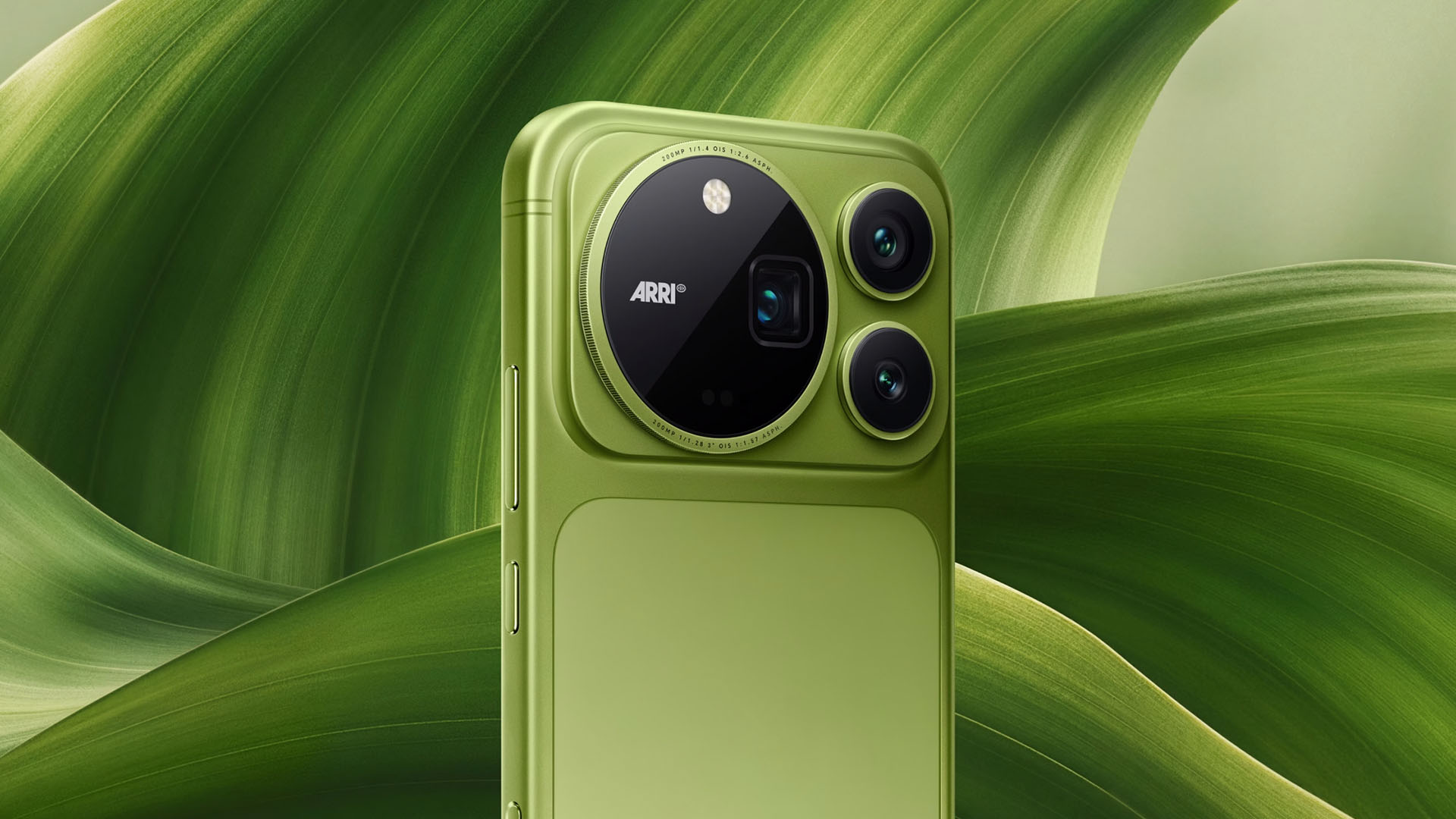
HONOR has launched the Magic9 Pro Max in China. It’s the company’s latest flagship with an end-to-end professional cinema workflow co-engineered with ARRI.
The Magic9 Pro Max is positioned as a handheld cinema system, combining Dual 200MP cameras with selected elements of ARRI Image Science. The system includes ARRI LogC3, 10-bit color depth, ARRI Wide Gamut 3, and ARRI Looks.
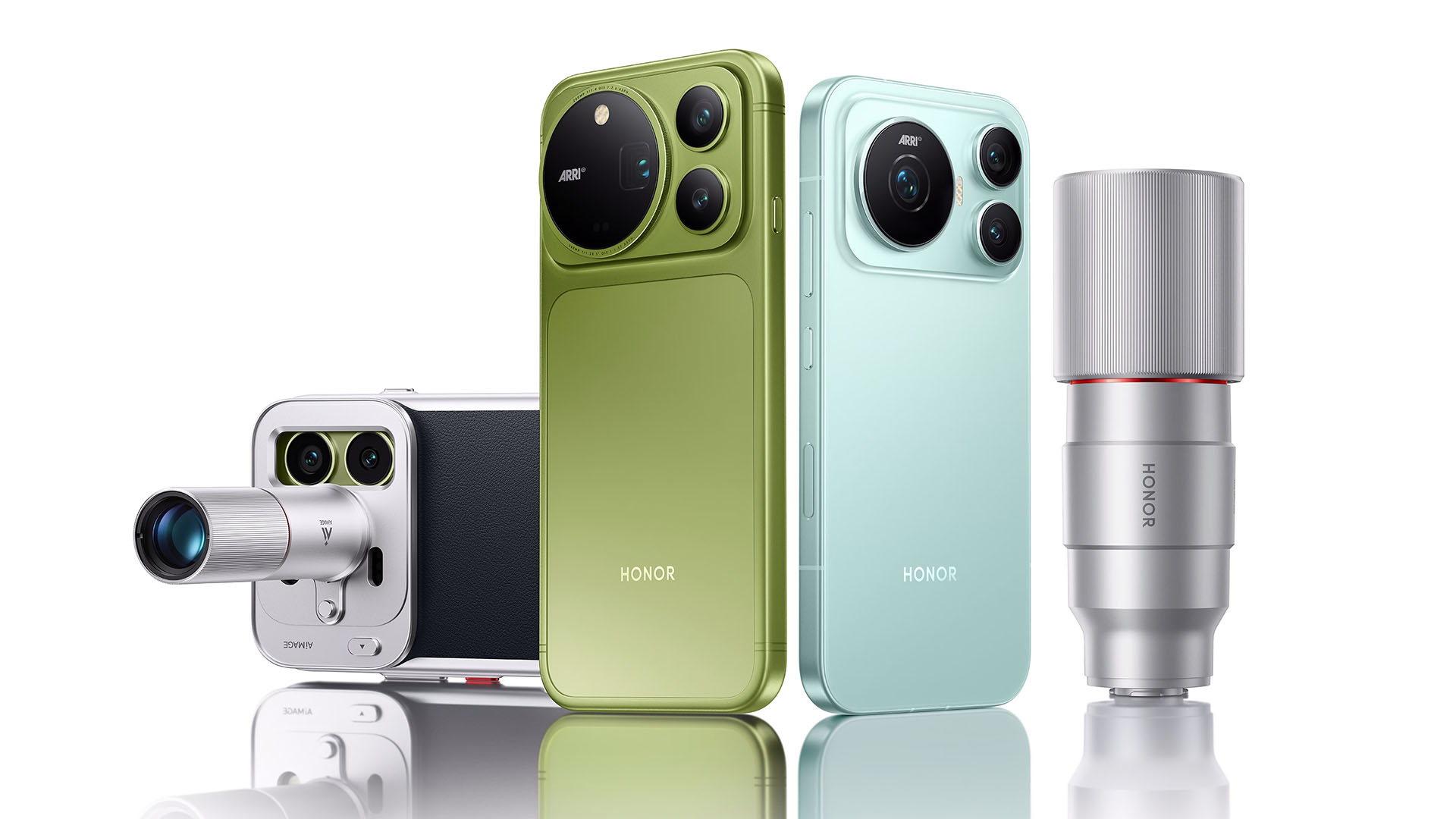
Its 200MP Ultra Night Main Camera uses a 1/1.28-inch sensor, f/1.57 aperture, OIS, and 3-degree gimbal-level stabilization. It is paired with a 200MP Ultra Night Telephoto Camera with a 1/1.4-inch sensor, f/2.6 aperture, and OIS, alongside a 50MP ultra-wide camera. Both 200MP cameras achieve CIPA 8.0 stabilization performance.
The phone’s HONOR Imaging Chip H1 processes AI noise reduction in the RAW domain. HONOR says its testing showed an 8dB improvement in signal-to-noise ratio and support for up to 14 stops of cinematic dynamic range under defined test conditions.
ARRI CINEMA
For video, ARRI CINEMA Mode supports recording at up to 4K 60fps. The phone also includes 14 preset ARRI Looks, with the ARRI Look Library offering 87 predefined creative color gradings.
HONOR also adds Cinematic LiveVideo, which captures a three-second moving moment after the user presses and holds the record button. It supports up to 4K resolution. The phone also features a four-microphone Cinematic Directional Microphone system and Stereo Dual 1216 Speakers.
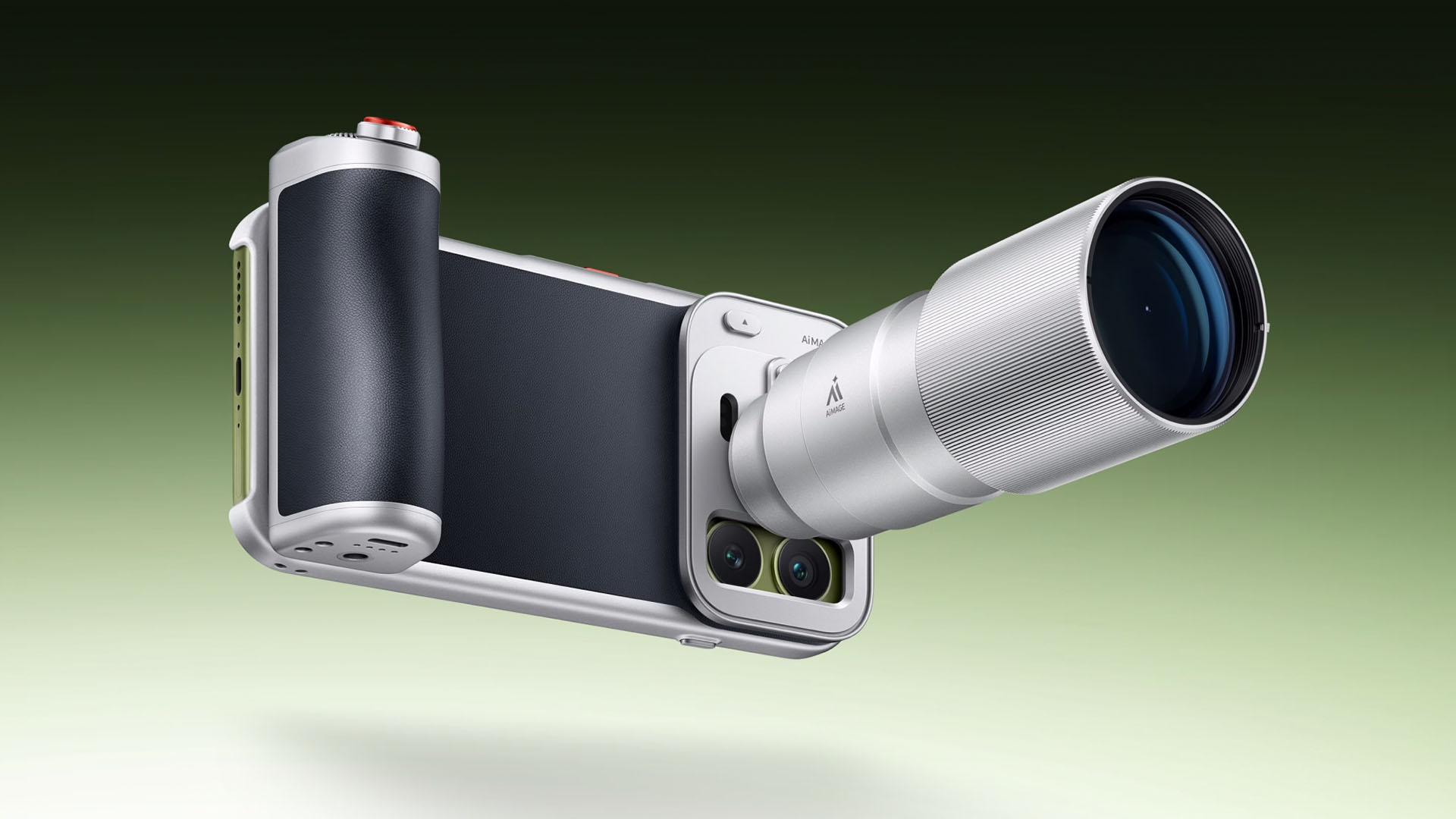
The cinematic workflow extends to optional accessories, including the HONOR SmallRig Mobile Video Kit and HONOR Teleconverter G200 and G500.
HONOR has also redesigned the Magic9 Pro Max around cinema-camera heritage. Its rear camera layout draws inspiration from ARRI’s three-lens turret ARRIFLEX cameras. The main, telephoto, and ultra-wide cameras arranged in a 1+2 configuration.
The phone is powered by the Snapdragon 8 Elite Extreme Gen 6 Mobile Platform and features an 8,800mAh battery with 100W wired and 80W wireless charging.
It also packs a 6.8-inch LTPO OLED display with up to 10,000 nits peak brightness, while MagicOS 11 introduces features such as YOYO Memory, Video Highlights, and YOYO Tasks.
Pricing and Availability
The HONOR Magic9 Pro Max is available in China in Shadow Black, Glacier Silver, and Moss Green.
It comes in four memory and storage configurations, with prices starting at CNY 6499.
HONOR says regional launches across Europe, Middle East and Africa, Southeast Asia, and other markets will be announced soon.




Apple iPhone 18 Pro Series review

UGREEN launches new MagFlow and Nexode Pro charging accessories to Southeast Asia

Apple might not have given up on the Vision Pro yet

ROG brings out the ultra-stylish G1000 gaming desktop

God of War Laufey pre-orders are now live

HUAWEI Pura X View is 2026’s first WIDE slab-type smartphone

The CAMON Slim 5G is TECNO’s latest ultra-slim smartphone

iPhone 18 Pro series: Price, availability in the Philippines

DJI Osmo 360 II review: Going all-in on the ecosystem

iPhone 18 Pro series: Price, availability in Singapore


-
 News1 week ago
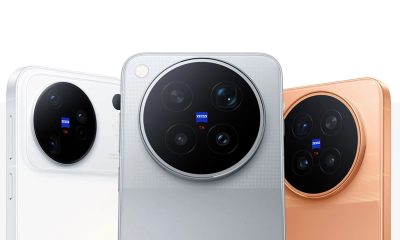
vivo X500 Series launches with major imaging upgrades
-

 News1 week ago
OPPO Find X10 Pro Max is the first phone with a triple 200MP camera system
-

 Singapore2 weeks ago
Epson Lifestudio Grand Plus EH-LS970B with 4K projection, more launches
-
 Automotive2 days ago
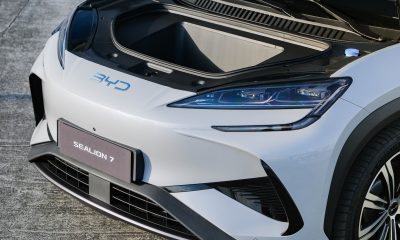
BYD says that way better EV batteries are coming next year
-

 Drones2 weeks ago
DJI Lito X1 review: Is this the best lightweight drone for creators?
-

 News1 week ago
vivo introduces OriginOS 7 with smarter multitasking and AI features
-

 Finance2 weeks ago
HONOR, Fidesmo partner for contactless payments across Europe, Middle East
-
 Smartphones4 days ago
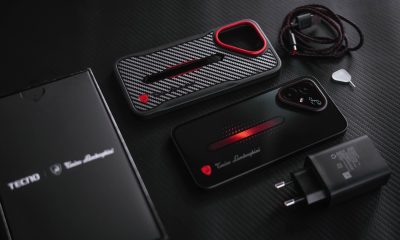
When TECNO-logy meets Tonino Lamborghini legacy