
News
The new Xiaomi AI Glasses want to challenge Ray-Ban and Meta
Even beating TECNO’s show floor-limited AI Glasses

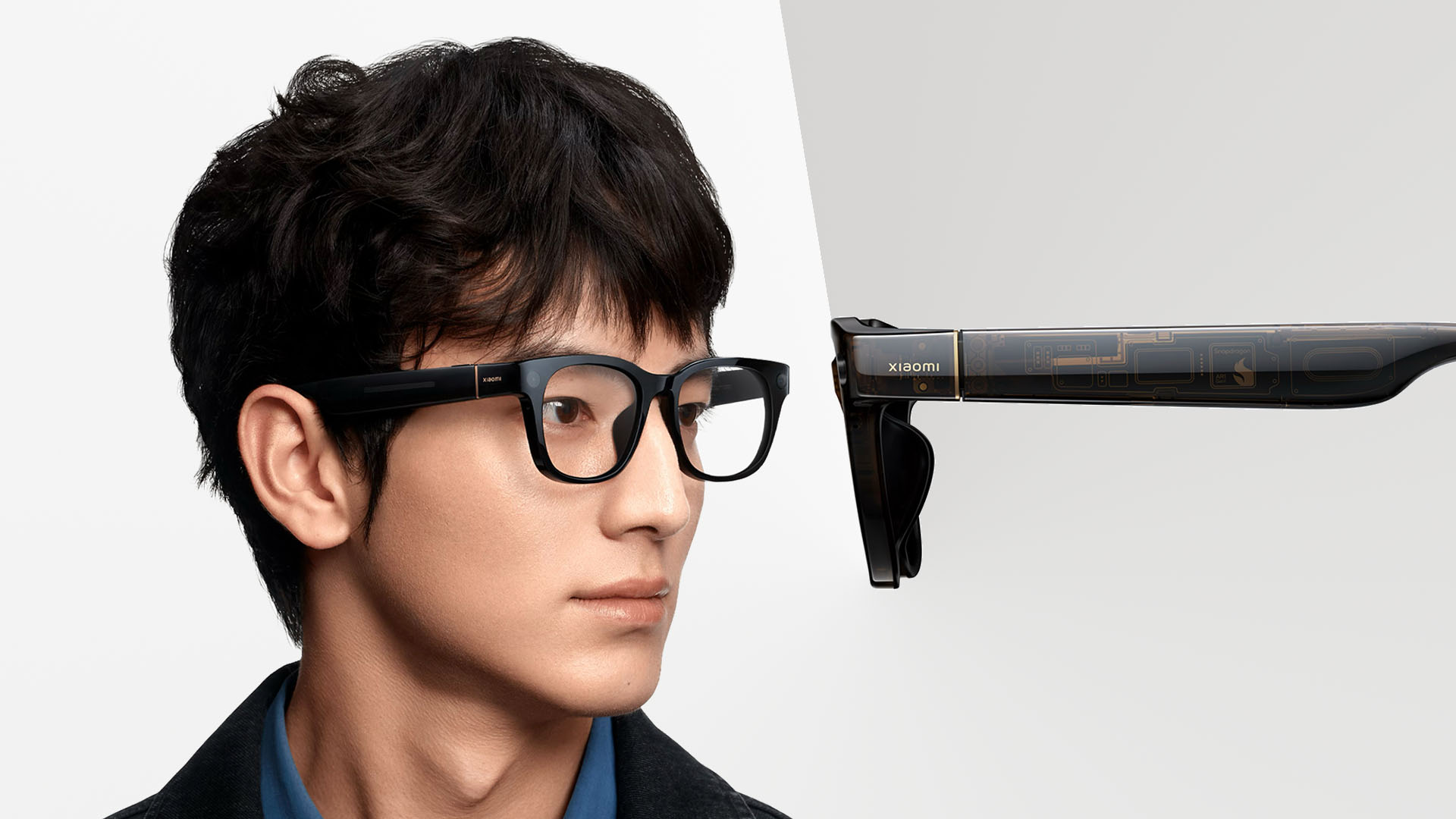
Xiaomi simply names its AI-driven smart glasses as “Xiaomi AI Glasses”.
While not the Mixed-Reality Headset that some had hoped for to rival the Apple Vision Pro, it aims to directly hit Ray-Ban and Meta’s AI Glasses.
It has even surpassed the TECNO AI Glasses that were only there as concept devices during this year’s MWC and COMPUTEX.
More than meets the eye
With a 12MP HD f/2.2 camera based on Sony’s IMX681 image sensor, you can take photos and videos wherever you are and whenever you want to.
Photo capture is fast and snappy at just 0.8 seconds.

Meanwhile, you can record 2K / 30fps videos for up to 10 minutes.
It also relies on EIS (Electronic Image Stabilization) to deliver motion-free clips and stills
But, it’s more than just for keeping memories.
HyperOS and AI in one
With the power of Xiaomi’s glasses-centric “HyperAI”, this pair of smart AI Glasses can also help you identify your surroundings.
From asking how many calories of the food you’re about to eat, to instructing assistant to turn off all your lights at home, the Xiaomi AI Glasses can do that without frills.
It can even make you pay for the things you buy without opening your phone nor lifting any of your fingers. Just point your eyes directly onto the scanner and you’re good to go!
Graphics by Vincenz Lee | GadgetMatch
And with apps already mentioned, the Xiaomi AI Glasses can be used for video calls and live broadcasts. Moreover, it already supports 14 mainstream apps — Douyin (or Mainland China’s TikTok) topping that list.
The Xiaomi AI Glasses also possess stereo speakers so you can jam to songs in your latest playlist.
Best of all, it has a five-microphone array simply when you have the need to record meetings, conferences, and even lectures.
It can even do live translation simultaneously.
Smart Glasses: Reimagined
From the very start, Xiaomi already presented the target market of their first-gen AI Glasses.
Its D-shaped square frame is “optimized for Asian faces”.
They also said it’s comfortable to wear especially with its lightness of only 40 grams.

The Xiaomi AI Glasses is equipped with a 263mAh battery.
It promises up to 21 hours of standby, 8.6 hours of battery life in average use, and around 7 hours of continuous video recording.
Using the glasses while charging is also possible through USB-C.
Pricing and Availability
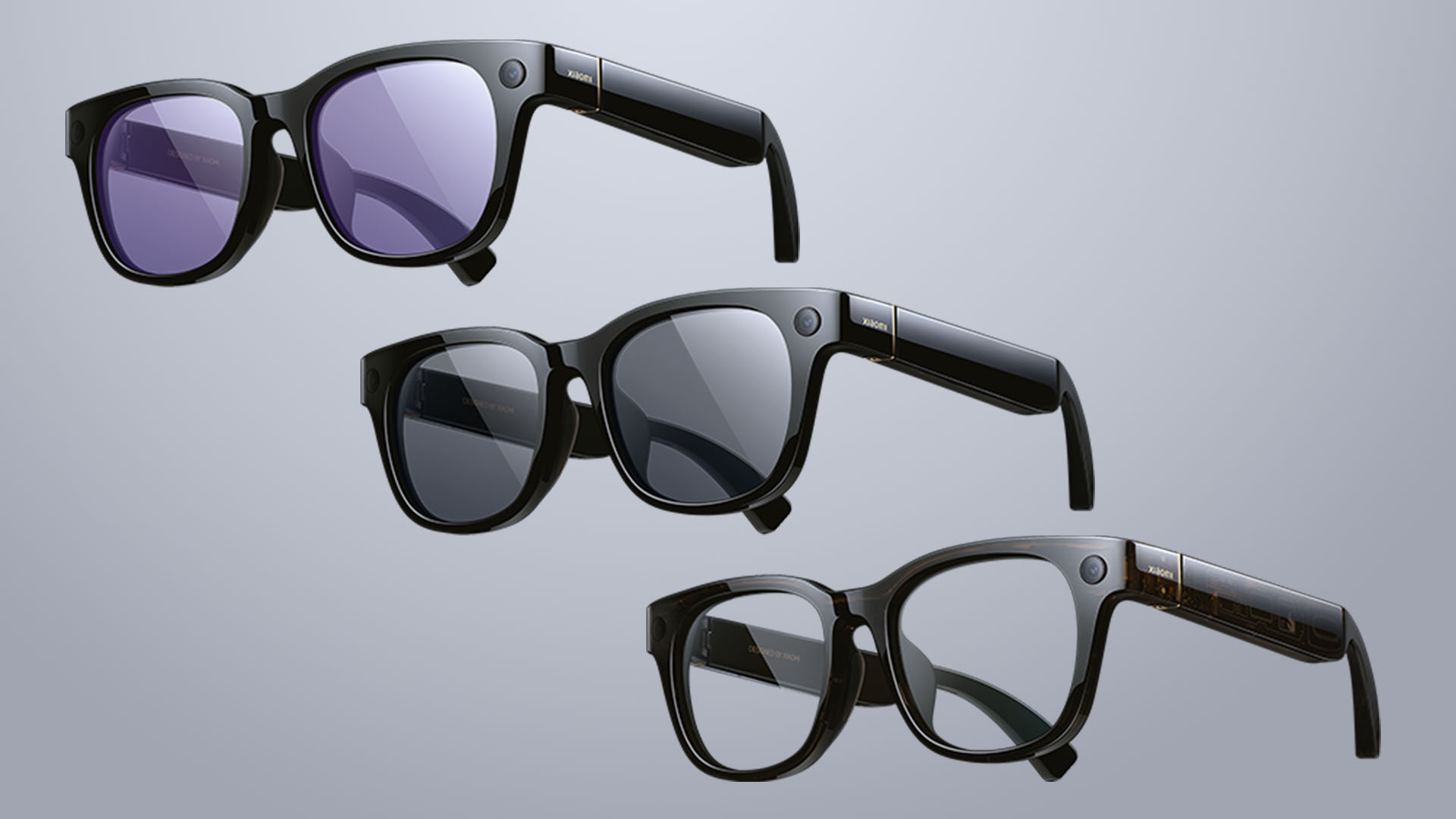
The Standard Version of the Xiaomi AI Glasses is priced at CNY 1999 (US$ 280 / EUR 240 / GBP 205 / SG$ 360 / PhP 15,915 / INR 23,975) and comes in three different colors: Black Tortoiseshell, Brown, and Parrot Green
Meanwhile, Electrochomic Model has two different lens styles
- Monochromic Edition = CNY 2699 (US$ 380 / EUR 325 / GBP 280 / SG$ 480 / PhP 21,490 / INR 32,370)
- Colored Electrochromic Edition = CNY 2999 (US$ 420 / EUR 360 / GBP 310 / SG$ 535 / PhP 23,880 / INR 35,965)
It’s currently on-sale in China. Global availability has yet to be announced.





NVIDIA’s week is finally and mercifully coming to an end. After being implicated in two extramarital affairs, now-former NVIDIA CEO Jensen Huang has resigned from his position.
It’s been a terrible week for Huang’s personal life. Last weekend, a bombshell report revealed that Huang engaged in an affair with Alice Huang, who is reportedly involved with Chinese intelligence. Quickly realizing the heaviness of the allegations, the CEO admitted quickly to the affair.
However, barely 24 hours ago, another report revealed that Huang had a second extramarital affair. Though he was clear of any more espionage allegations, his romantic affair of choice was another executive within the company. NVIDIA’s board of directors quickly debated whether Huang should be fired for his actions.
Now, Huang has voluntarily resigned from his position. The former CEO leaves behind his spot at the head of the table since cofounding NVIDIA in 1993.
In his stead, the board of directors have named incumbent CFO Colette Kress as the company’s interim CEO while the board searches for a permanent replacement. Despite her interim role, Kress will continue her duties as CFO.
Additionally, the board has named Harvey C. Jones, a member of board since its founding, as its first chair of the board.
Though the company will leave most of the controversy behind with Huang’s departure, its next chapter is about to begin. Will its new direction maintain the company’s tenuous balance between AI and gaming, or tip the scales towards one segment?
SEE ALSO: NVIDIA CEO admits to having an affair with alleged Chinese spy
News
St. Peter reunited people with their deceased loved ones through tech
The new “If Heaven Could Write” campaign generates letters from the imagined perspectives of loved ones.


Grieving can take many forms. Sometimes, it manifests through a desire to hear a loved one again. We look at their old clothing, a gust of wind, or a butterfly, and imagine them talking to us one more time. This year, St. Peter, through the power of technology, gave 11,000 people that chance through its new “If Heaven Could Write” campaign.
During St. Peter Deathcare Week, which ran from October 27 through November 2, the deathcare provider started the “If Heaven Could Write” campaign, an interactive digital experience that offered participants a chance to reunite with their deceased loved ones. It was available in 37 St. Peter Chapels and 76 cemeteries nationwide.
Upon scanning a QR code which took them to a portal, participants answered questions about their loved ones. Then, the portal generates a personal letter from the imagined perspective of the participant’s loved one, giving them one more chance to converse.
Of course, an imagined letter can’t replace someone who passed away. Still, the experience affords us a way to grieve and process the loss. No, the letter isn’t really from your loved one, but you can imagine what they would have said while reading through it. And sometimes, that’s all we need.
Though St. Peter Deathcare Week has already come and gone for the year, those interested can still participate in the campaign through its link.
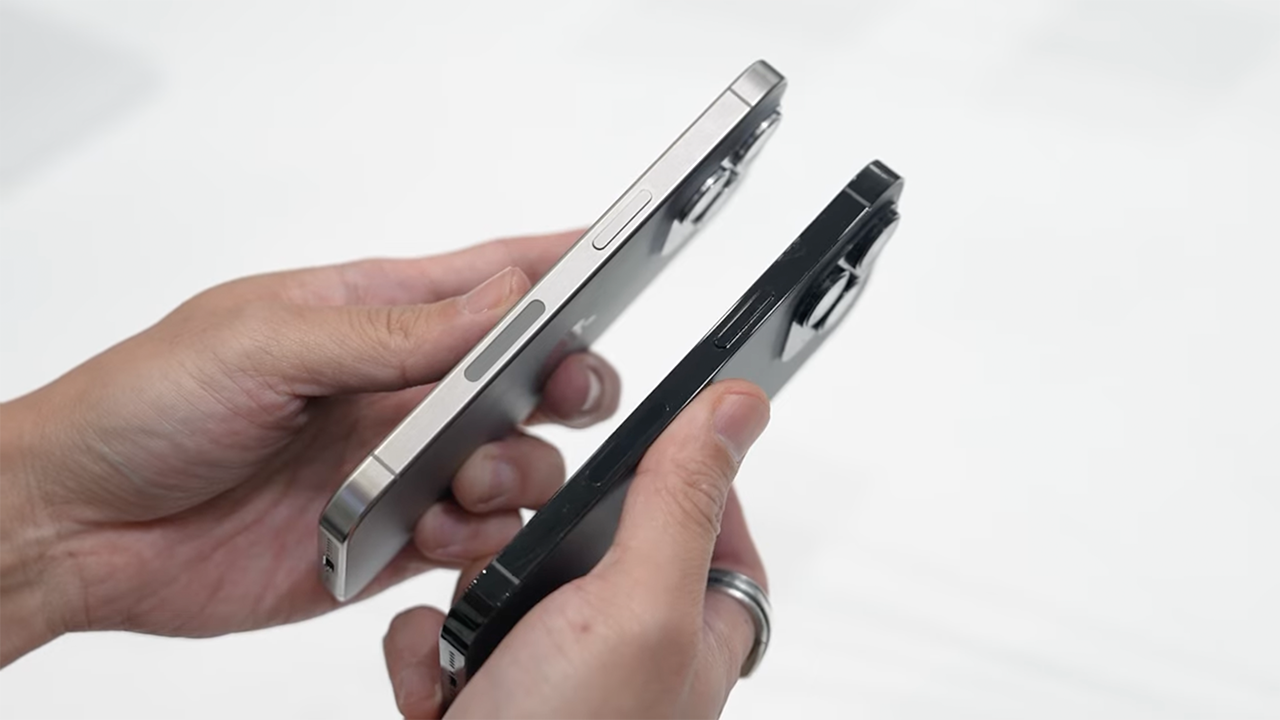
In a world with a love-hate relationship with extra buttons on a phone, Apple has gone to the deeper end and included two buttons in the latest iPhones: the Action Button and the Camera Control. Next year, Apple might consolidate the two buttons into one, ridding itself of the Action Button.
According to a Weibo leak from Instant Digital, Apple will merge the two buttons starting with next year’s iPhones. Though technically a new button in itself, the merged version will, based on the leak, retain more Camera Control than the Action Button.
Of course, both functions can coexist in the same button. The Camera Control activates with a single press, while the Action Button needs a longer press. In the merged button, a single press can still open the camera and a longer press can activate whatever the user sets it to.
Both buttons have had a storied past. The Action Button came in 2023, replacing the Ring/Silent Switch. Meanwhile, the Camera Control debuted a year later, offering control over the camera with a capacitive button. The current iterations retain both buttons on the same phone.
Personally, as someone used to creating content, the Camera Control button is ultimately a boon to get those shots quickly while in the moment. Retaining that functionality is definitely worthwhile.


Apple iPad mini OLED review
Has the mini gone PRO?!


ROG G700 review: The best prebuilt PC you can get off the shelf
This PC will make you stop worrying about specs.


HP OMEN Max 16 review: Gamer-maxxing in deep black
Peripherals deemed necessary to max this out

realme Christmas raffle: Win an XPENG EV, more

Avengers Endgame: Encore debuts on Disney+

NVIDIA CEO Jensen Huang resigns after scandals

Insta360 X6: Never worry about missing the shot

Power Mac Center x ADAM elements pop-up offers holiday deals

Your coffee nook is getting a makeover with Starbucks’ holiday collections

vivo V80 debuts with ZEISS cameras

vivo V80 review: Good phone, tough sell

OPPO Find X10 Series: Price, availability in the Philippines

TECNO CAMON Slim 5G gets launch discounts, free MagBadge


-
 Lifestyle2 weeks ago
Your coffee nook is getting a makeover with Starbucks’ holiday collections
-

 Lifestyle2 weeks ago
Sticker season is back, and so is the planner your ~friends~ might fill in for you
-

 Gaming2 weeks ago
Wild Rift Patch 7.3, celebrates K/DA comeback
-

 News7 days ago
Sony revives classic Walkman headphones with USB-C MDR-3R
-

 Gaming2 weeks ago
FromSoftware’s The Duskbloods delayed to 2027
-

 Gaming2 weeks ago
Demon Slayer: The Hinokami Chronicles 2 launches on Switch 2
-

 Features2 weeks ago
Inside Infinix’s first global concept store in Bali
-

 Philippines2 weeks ago
LG showcases its latest AI TVs in the Philippines