
Enterprise
Yahoo has a new logo
Bigger and better?


Do you still remember your embarrassing Yahoo Mail account? If you’re like me, you’ve probably shoved it into the deepest recesses of your memory already. Unfortunately for you, it’s time to dig those memories back up again.
Yahoo has just revealed a new logo. The new identity is a thicker redesign of its old logo introduced in 2013. It now uses a bolder typeface that evokes the same feeling as most internet companies today. Further, the whole word is more cohesive as each letter now uses the same font size. To compensate, the iconic exclamation mark is tilted at a wilder angle.
With this new logo, the company now has had three different brand identities within the last ten years. Its most iconic iteration used a serif font in mismatched alignments and sizes. It was emblematic of the internet in the 90s and the early 00s.
Meanwhile, the 2013 redesign used a sans serif font in a much more cohesive format. The new logo hoped to bring the company to the new decade. Unfortunately, the logo did not spark the evolution it wanted to inspire. Shortly after the redesign, Yahoo suffered one of the worst data breaches in recent history. Every Yahoo Mail account was supposedly hacked. The catastrophic event plunged the company deeper into oblivion.
The 2019 redesign aims for both a resurrection and a belated push for yesteryear’s flat design. Yahoo is in its most cohesive format, touting a completely new typeface. The design was created by Pentagram, the firm behind OPPO’s and Windows’ logo.
In line with this redesign, Yahoo has also released a new Yahoo Mail app. The app’s new interface is smoother and more seamless with everything reachable with just a few taps. The new features include a one-button unsubscribe option for annoying ad emails.
However, is everything a little too late for the aging media company? Currently, Yahoo subsists through its niche services like Yahoo Finance and Yahoo Sports. Unfortunately, its larger identity has since faltered under stronger competitors and multiple controversies. The company’s former properties, Tumblr and Flickr, have also found new homes away from Yahoo’s offices. The company itself was acquired by Verizon not too long ago.
SEE ALSO: Yahoo Messenger service will be discontinued after July 17


Enterprise
Google illegally destroys 250,000 trees for a single AI data center
This is what we stand to lose with data centers.

In the Philippines, it’s illegal to cut down a single tree without a permit. It’s a constant reminder that the preservation of nature should be a civil, besides being a moral, obligation. And yet, corporations are seemingly immune from obligations and morals. Google, the company that used to stand for “Don’t be evil,” shows off its true colors by illegally cutting down 250,000 trees in Finland for a datacenter.
As first reported by The Guardian, Finland is now staring at 330 hectares of land suddenly denuded of around 250,000 valuable trees, all thanks to Google. A local ecologist has also said that the company killed a further 150,000 trees at a separate site.
The environmental desecration is part of Google’s multibillion-dollar push to build data centers all over the world for artificial intelligence. Google has since been ordered to stop the development in the country after Finland found that the company acted without securing the needed assessments and permits to clear the area.
Google brushed away the report by saying that they acted “on the best understanding we had of the legislation at the time.” The company also said that they are protecting the water quality at the affected sites and committed to replanting trees across 130 hectares, a pale comparison to the total area affected.
Other AI companies are also trying to weasel their way into other countries to build data centers. An example is the controversial Pax Silica in the Philippines. Finland now stands as a cautionary tale against the unimpeded and unsupervised growth of data centers for a service that no one asked for.
Don’t be evil, my ass.
Enterprise
Chimelong’s newest attraction might be the robots themselves
The future of travel is here, and it knows tai chi!

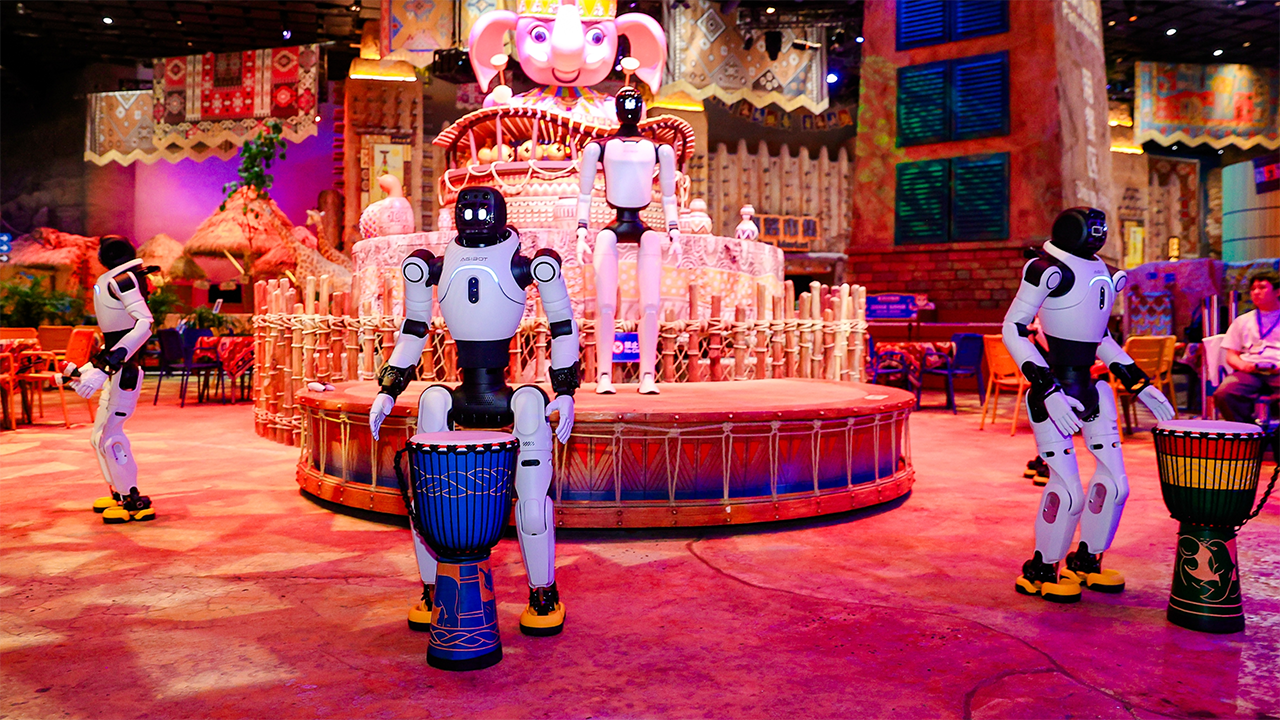
Imagine checking into a theme park and greeting a humanoid robot. A few hours later, you watch one perform tai chi. Another challenges you to table tennis. Yet another helps you navigate to the next attraction. By nightfall at your hotel, robots enhance the experience again.
This vision drives the latest collaboration between AGIBOT and Chimelong Group. Together, they brought over 300 robots to Chimelong Spaceship Park in Zhuhai, China.

This launch represents a massive real-world application of embodied AI in tourism. AGIBOT and Chimelong integrated these robots across entertainment, education, visitor services, retail, and hospitality. They act as active participants rather than remaining confined to a single demonstration area.
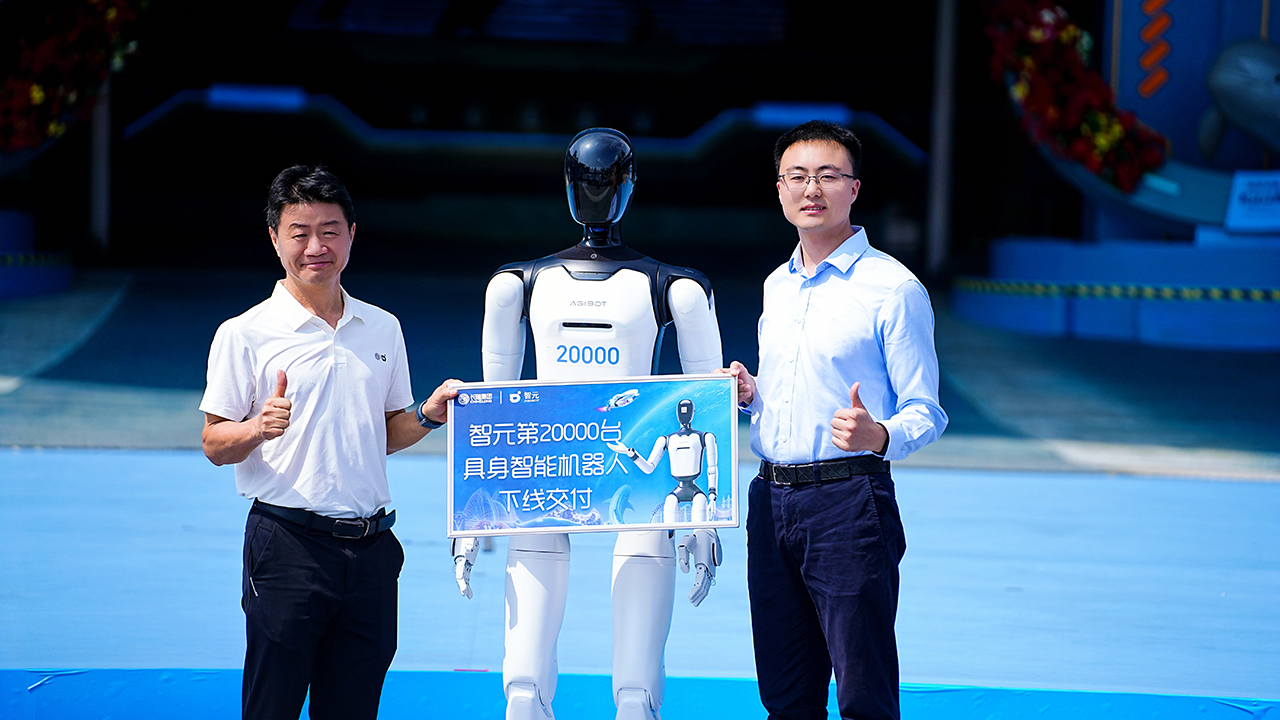
The timing celebrates a notable milestone, too. During the launch, Chimelong received the 20,000th robot to roll off AGIBOT’s production line.
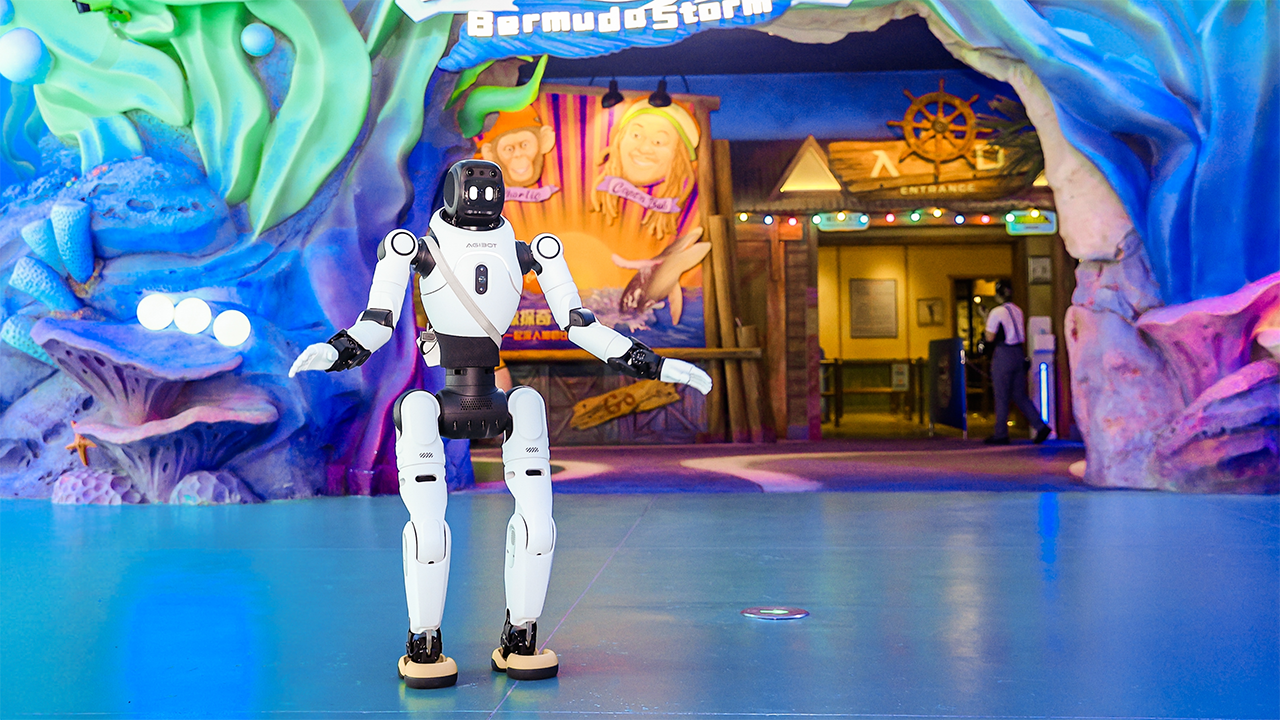
Your next theme park companion could be a robot
At Chimelong Spaceship Park, robots act as part of the total visitor experience. Guests don’t just stop to watch them from afar.
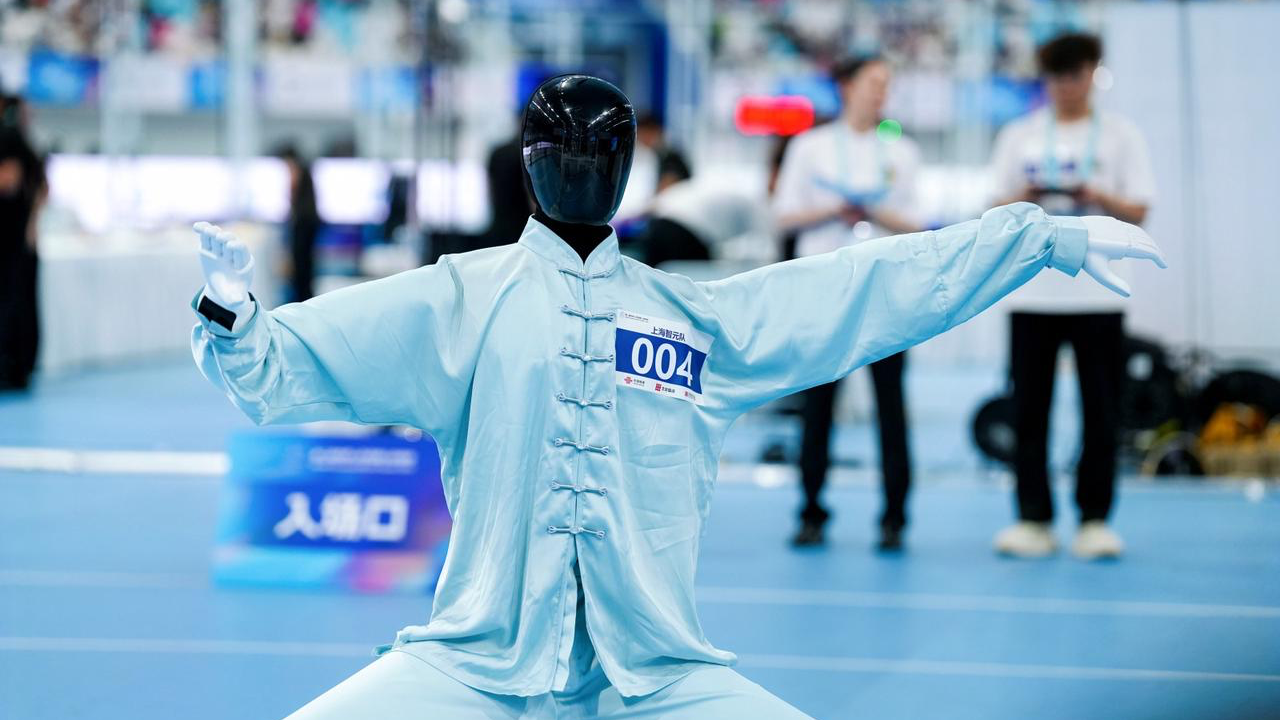
Some take on entertainment roles by performing martial arts, gymnastics, and tai chi. Others interact directly with guests through table tennis and hands-on manipulation challenges.
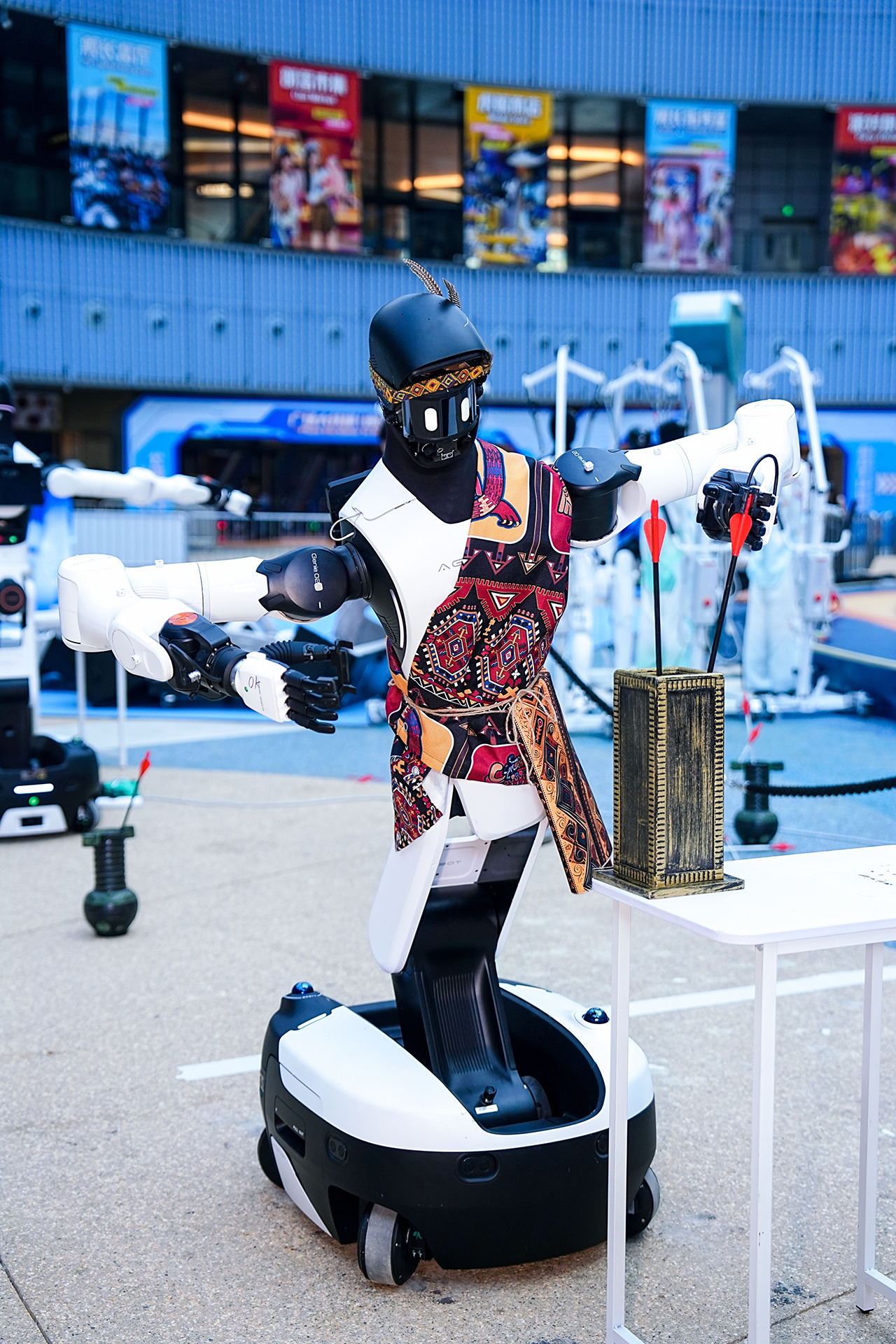
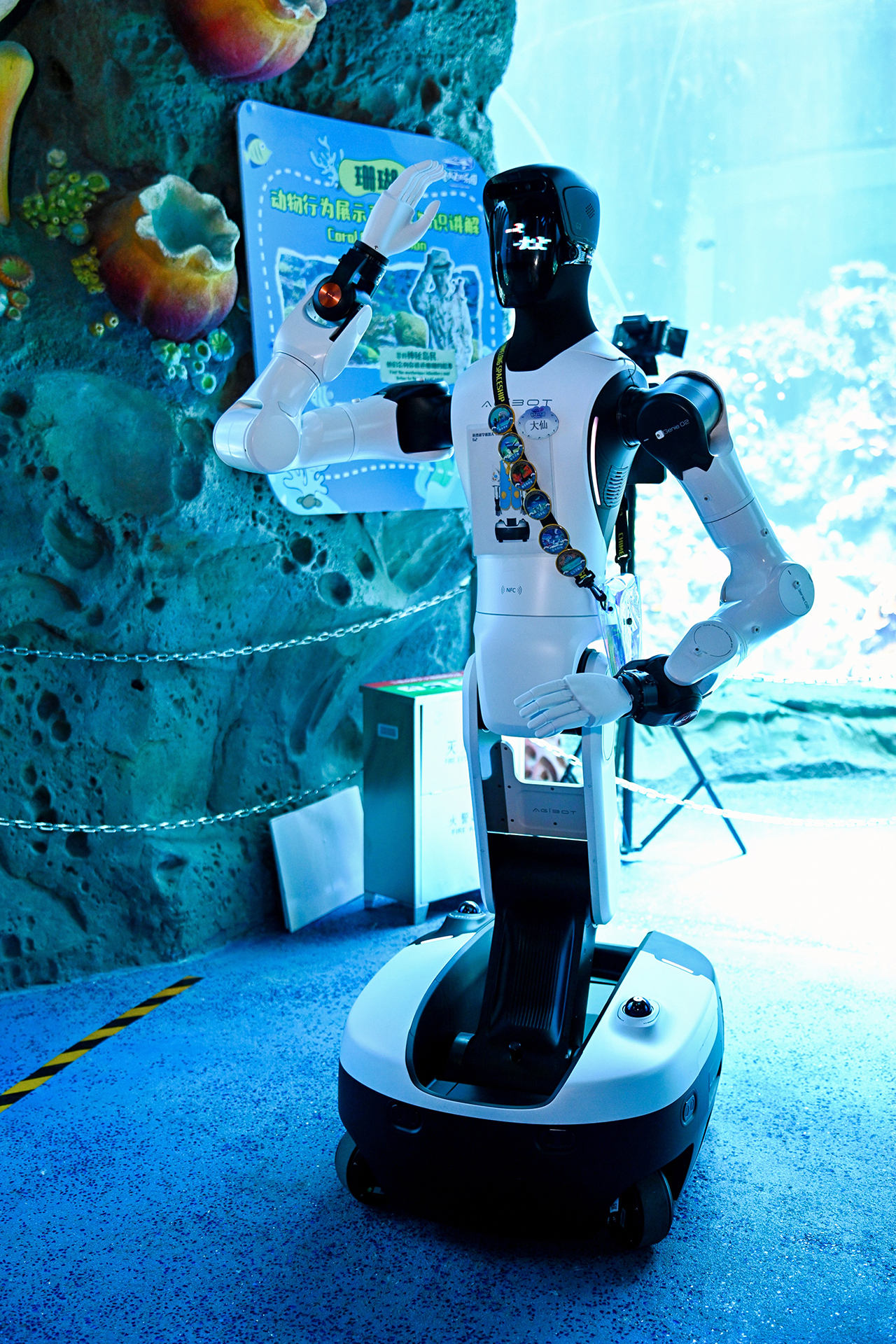
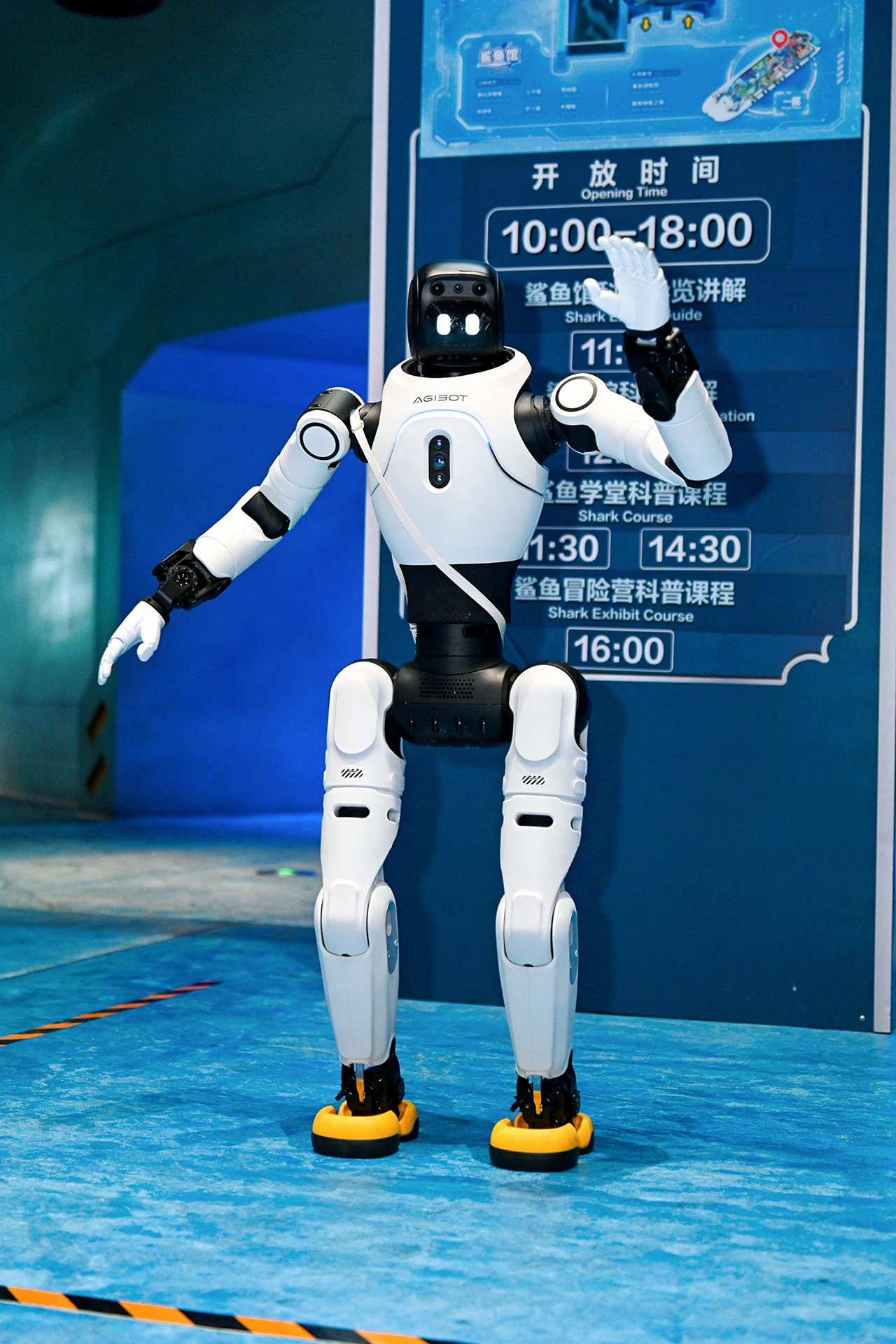
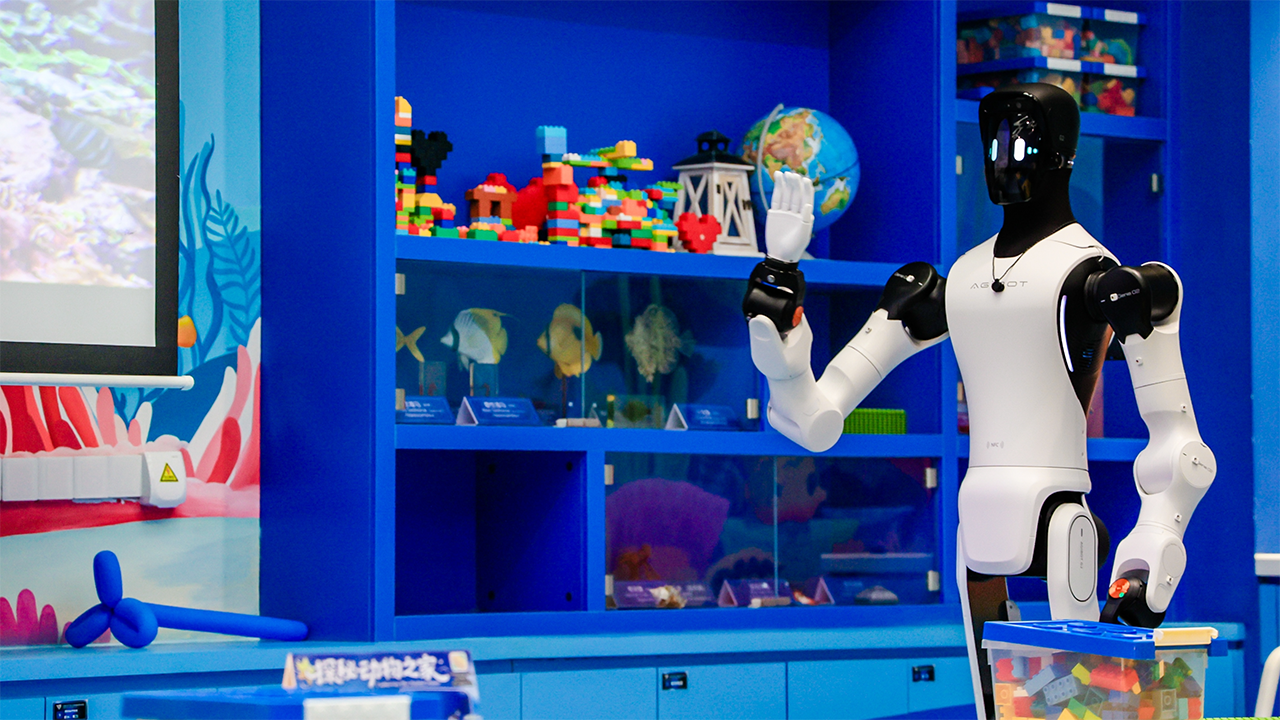
Designers also created robots for the quieter moments of a park day. They answer questions, introduce exhibits, and guide visitors through designated areas.
In retail settings, robots assist shoppers with their purchases. Meanwhile, hotel deployments place them in guest-facing roles to welcome visitors and hold multi-turn conversations.
Consequently, your trip involves encountering robots in several different contexts. The journey stretches seamlessly from your park arrival to your hotel return.
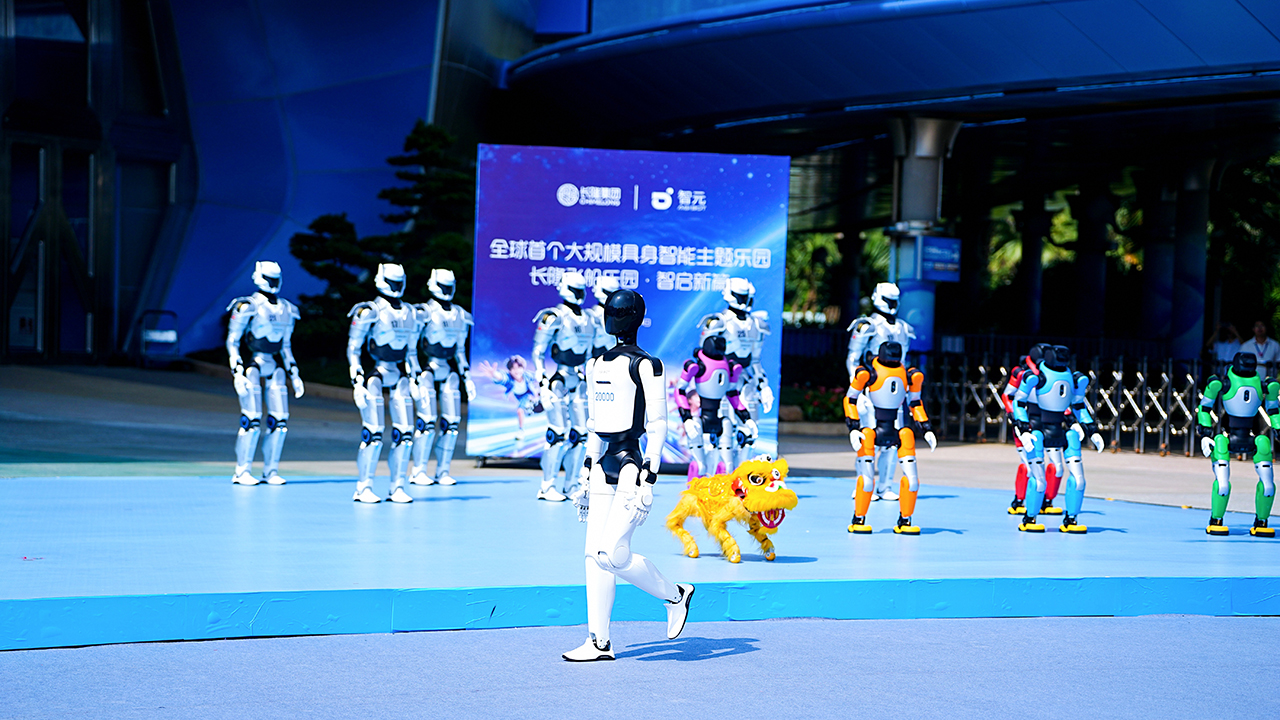
When the robots become part of the show
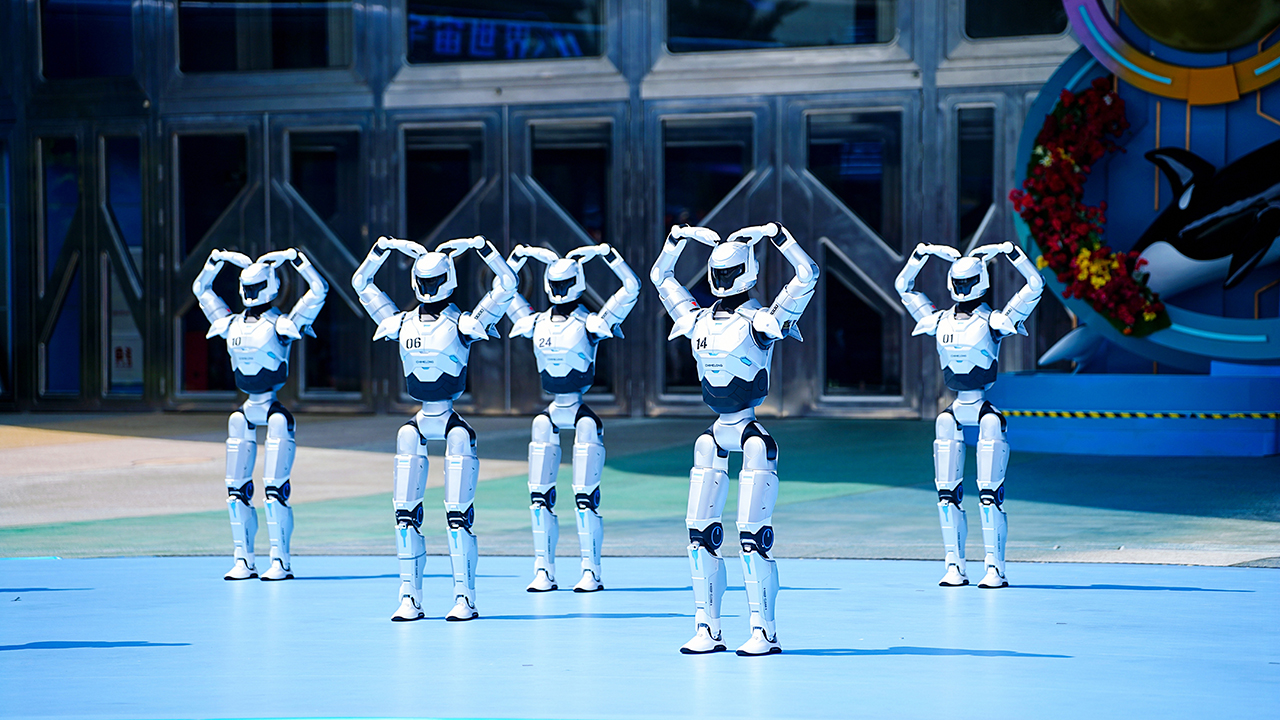
Theatrical applications are perhaps the easiest to picture. AGIBOT and Chimelong incorporate robots into live performances alongside human actors, music, and lighting.
Rather than treating a humanoid robot as a mere technological curiosity onstage, creators coordinate multiple robots into fluid routines.
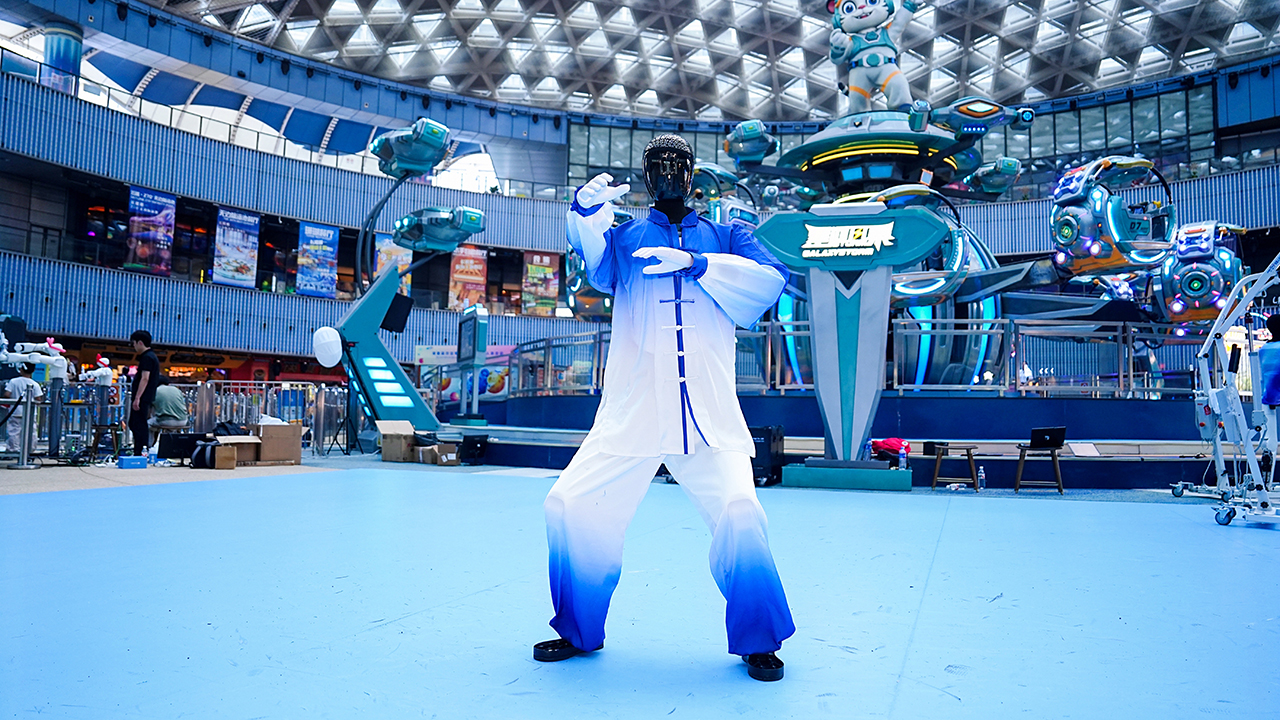
Elsewhere, visitors engage with robots through games and educational activities. This creates a highly interactive, hands-on introduction to embodied AI.
Theme parks offer a perfectly fitting setting for this technology. Parks historically excel at making technology disappear into the magic. Engineers design animatronics, immersive environments, special effects, and automated rides to serve the story.
Humanoid robots push this idea into new territory. They communicate, navigate physical spaces, respond to people, and adapt to different settings with ease.
A robot-filled day does not stop at the park gates
The collaboration naturally extends into Chimelong’s hospitality operations.
Robots welcome hotel guests, hold complex conversations, and offer highly personalized interactions. This introduces an interesting possibility for resorts. Technology can now follow visitors beyond the main attraction and enhance the broader destination.

Travelers will soon experience trips where the boundaries between attraction, service, and technology blur entirely.
A robot might serve as your tour guide. Next, you could watch a robotic entertainment performance. Finally, a mechanical host could wait downstairs in your hotel lobby.
Potentially, the robot you meet in one area connects directly to the wider system operating backstage.
Making hundreds of robots work together
Deploying over 300 robots into a busy tourism destination requires massive coordination.
AGIBOT, Chimelong, and China Mobile established a dedicated 5G network. This ensures stable connectivity across high-traffic areas. The team uses centralized coordination to manage robots moving through various park and hotel environments.

Comprehensive operational systems also handle network security, privacy protection, charging, and fire safety.
Guests easily overlook this infrastructure while watching a robot perform tai chi. Yet, this backend framework remains one of the most fascinating aspects of the project. A theme park represents a highly complicated environment. Thousands of people constantly move through spaces shifting rapidly from one experience to another.
Making robots useful here means teaching them to embody the destination itself.
The beginning of a bigger experiment
AGIBOT and Chimelong are establishing a joint research institute for embodied AI in tourism.
This institute will explore new applications, operating models, and technologies. Researchers will draw directly from the experience of this massive deployment. The first project phase lays the groundwork to expand robot usage across all Chimelong properties.
For now, the appeal remains fairly simple. Creators build theme parks on the promise of making ordinary life feel extraordinary.
Chimelong bets that humanoid robots will increasingly spark that exact magic.
Enterprise
AGIBOT just topped the medal table at the World Humanoid Robot Games
The robots that did it are already clocking in at real factories.

AGIBOT entered its first World Humanoid Robot Games in Beijing on August 26 and walked away with a dominant victory.
The company claimed 18 gold, 16 silver, and 12 bronze medals, securing 46 total podium finishes and topping both the gold and overall medal standings.
Designed to stress-test humanoid machines in sports, fine manipulation, and real-world duties, the Games evaluated robots across events ranging from martial arts to hotel service and emergency response.
AGIBOT swept through these categories, earning top spots in motion control, obstacle racing, and daily practical tasks.
The true triumph lies in what remained unchanged on competition day. AGIBOT fielded its standard production lineup, including the OmniHand, G2, A3, and X2.
None of these units were custom-built to win medals, as every machine came straight from active commercial deployments.
Precision and agility straight off the assembly line
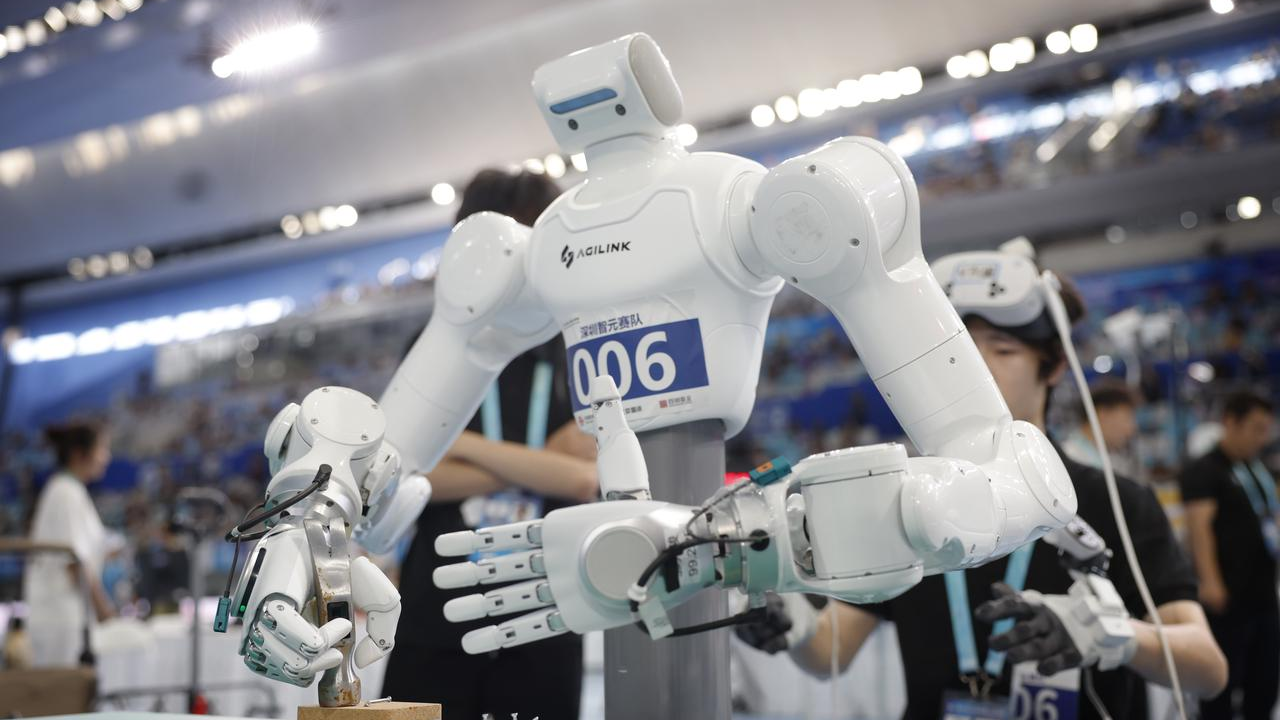
The OmniHand reached the finals in all eight dexterous manipulation events and brought home seven gold medals.
It aced delicate challenges like Block Building, Powder Weighing, and Bean Picking with Tweezers, proving that fine motor control matters just as much as raw power.
In motion control, the AGIBOT X2 captured gold in the 100m obstacle race while adding silver and bronze in the 400m sprint.
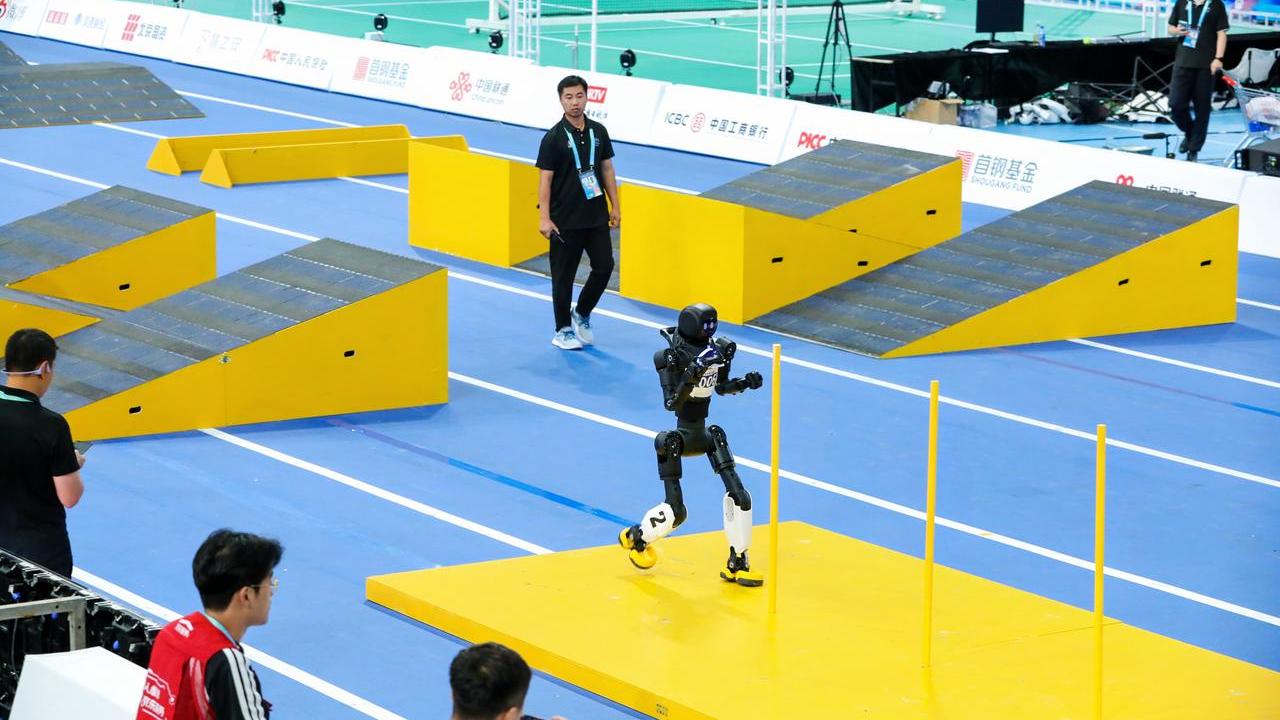
Meanwhile, the AGIBOT A3 secured gold in Tai Chi. The X2 competed in its standard commercial configuration without any hardware modifications.
Powering the X2 is AGIBOT’s proprietary AGILE framework, short for AgiBot Generative Intelligent Locomotion Engine.
This system blends real-time environmental perception with autonomous decision-making to navigate sudden obstacles and changing terrain.
By combining precise parameter identification with seamless simulation-to-reality transfer, the framework maintains rock-solid stability when transitioning from code to physical ground.
Proven intelligence on actual factory floors
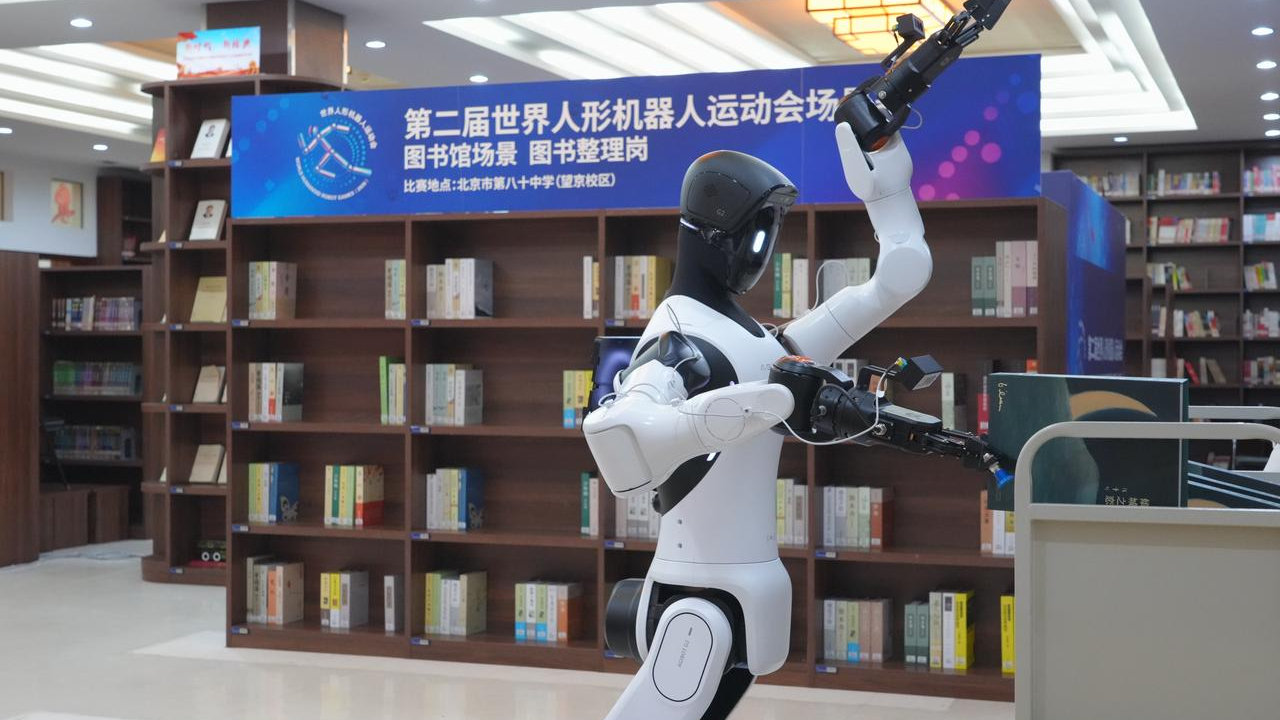
AGIBOT earned five golds in real-world scenarios, dominating tasks across library operations, hotel services, and emergency response.
The G2 robot behind these wins is the exact same model currently operating on factory floors for manufacturers like Longcheer and SAIC.
Its operational intelligence stems from AGIBOT’s ViLLA embodied foundation model GO, the world model GE, and its RW-RL system. These combined technologies sharpen perception and planning inside unpredictable work environments.
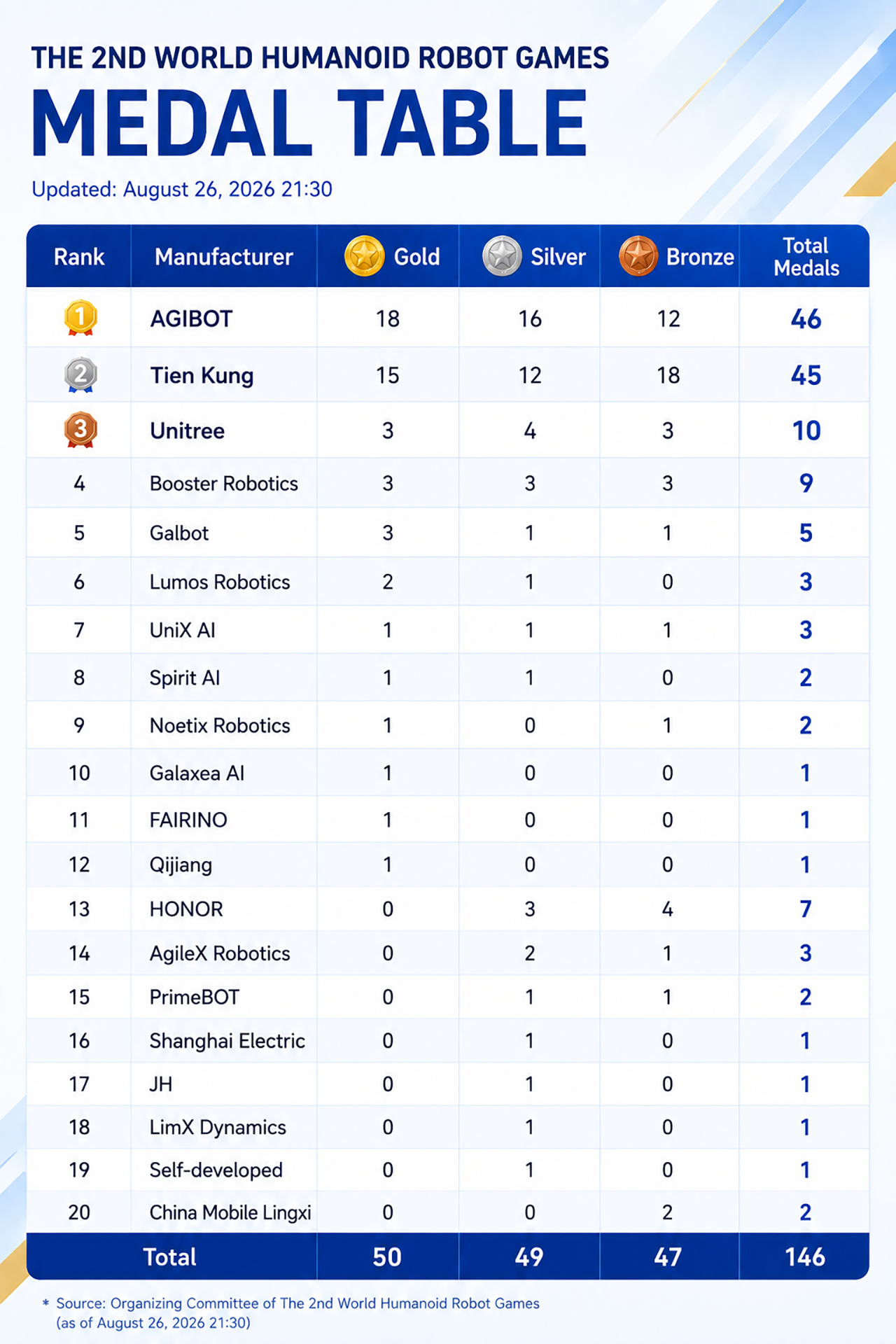
While the 46-medal tally commands headlines, the deeper story is that mass-produced robots won without special modifications.
AGIBOT proves that general-purpose intelligence paired with commercial hardware can adapt across varied scenarios. Embodied AI is finally stepping out of isolated lab demos and into consistent, repeatable work where it matters most.


HP OMEN Max 16 review: Gamer-maxxing in deep black
Peripherals deemed necessary to max this out


vivo V80 review: Good phone, tough sell
A capable travel companion


Ghost of Yōtei Complete Edition review: More of a great thing
Picking up where Atsu left off

Visa: 79% of Filipinos want to learn about stablecoins

CASETiFY Match: Finding the right case for your Galaxy Z8 Series phone
HP OMEN Max 16 review: Gamer-maxxing in deep black

Google illegally destroys 250,000 trees for a single AI data center

FINAL FANTASY RESONANCE now available across major platforms

TECNO CAMON Slim 5G review: Slim on size, big on surprise

TECNO CAMON Slim 5G: Price, availability in the Philippines

HONOR Magic9 Pro Max launches in China with ARRI-powered imaging

BYD says that way better EV batteries are coming next year

HONOR 600S review


-

 News1 week ago
vivo V80 debuts with ZEISS cameras
-

 Philippines1 week ago
TECNO CAMON Slim 5G gets launch discounts, free MagBadge
-

 News1 week ago
Samsung: Galaxy Z Fold8 demand rose because of iPhone Duo
-
Reviews1 week ago
vivo V80 review: Good phone, tough sell
-
 Features2 weeks ago
I don’t want a phone that unfolds — the Galaxy Z Fold8 gets why
-
 News5 days ago
OPPO Find X10 Series: Price, availability in the Philippines
-

 Buyer's Guide1 week ago
iPhone Duo Philippines: Prices, installments, and where to buy
-
 Philippines1 week ago
Smart opens iPhone Duo pre-orders today