
News
Nubia Red Magic looks exactly what a gaming phone should look like
Move over, Razer!


Candy Crush or Fortnite? The recent resurgence of mobile gaming has killed its stereotype as a bastion for casual gamers. With more users switching to competitive games like Mobile Legends, PUBG, and Fortnite, gaming phones are quickly gaining popularity in the market.
ZTE sub-brand Nubia has launched the Red Magic, a gaming phone that pulled out all the stops as far as how a gaming phone should look.
The Red Magic follows in the footsteps of other gaming phones like last year’s Razer Phone and the Xiaomi-owned Black Shark gaming phone.
Needless to say, it shares a lot of its design inspiration from today’s edgier gaming laptops. It even rocks a switching RGB LED strip on its back panel. In addition, it sports hexagonal slots for the camera and the fingerprint reader. The Red Magic also boasts a unique cooling system powered by red vents spread across its back panel.
Despite is glamour as a gaming phone, the Red Magic touts a less-than-optimal driver. Rather than the leading Snapdragon 845, the phone has last year’s Snapdragon 835 chipset from Qualcomm.

Thankfully, the phone’s 6-inch screen keeps a cool dominance at a 2160 x 1080 resolution, albeit without a 120Hz panel like on the Razer Phone.
On top of that, the phone has up to 8GB of RAM and 128GB of internal storage. It also carries a 24-megapixel rear shooter and an 8-megapixel selfie cam. (Alternatively, the Red Magic also comes in a lower variant with 6GB RAM and 64GB internal storage.)
For software, it’s bundled with Nubia’s own GameBoost app to optimize usage for gaming. Curiously, it also carries a gaming button with a still-unknown function.
With a heavy slant towards gaming, power becomes a crucial factor. To help with the heavy usage, the Red Magic contains a huge 3800mAh battery, a league beyond today’s standards.
The Nubia Red Magic will start taking pre-orders on April 25, exclusively in China. The higher 8GB variant will retail for CNY 2,999 (US$ 477). Meanwhile, the 6GB variant will retail for CNY 2,499 (US$ 397).







News
nubia Neo 5 series launches in the PH, starts below PhP 12K
Built-in cooling fan highlights latest nubia gaming series

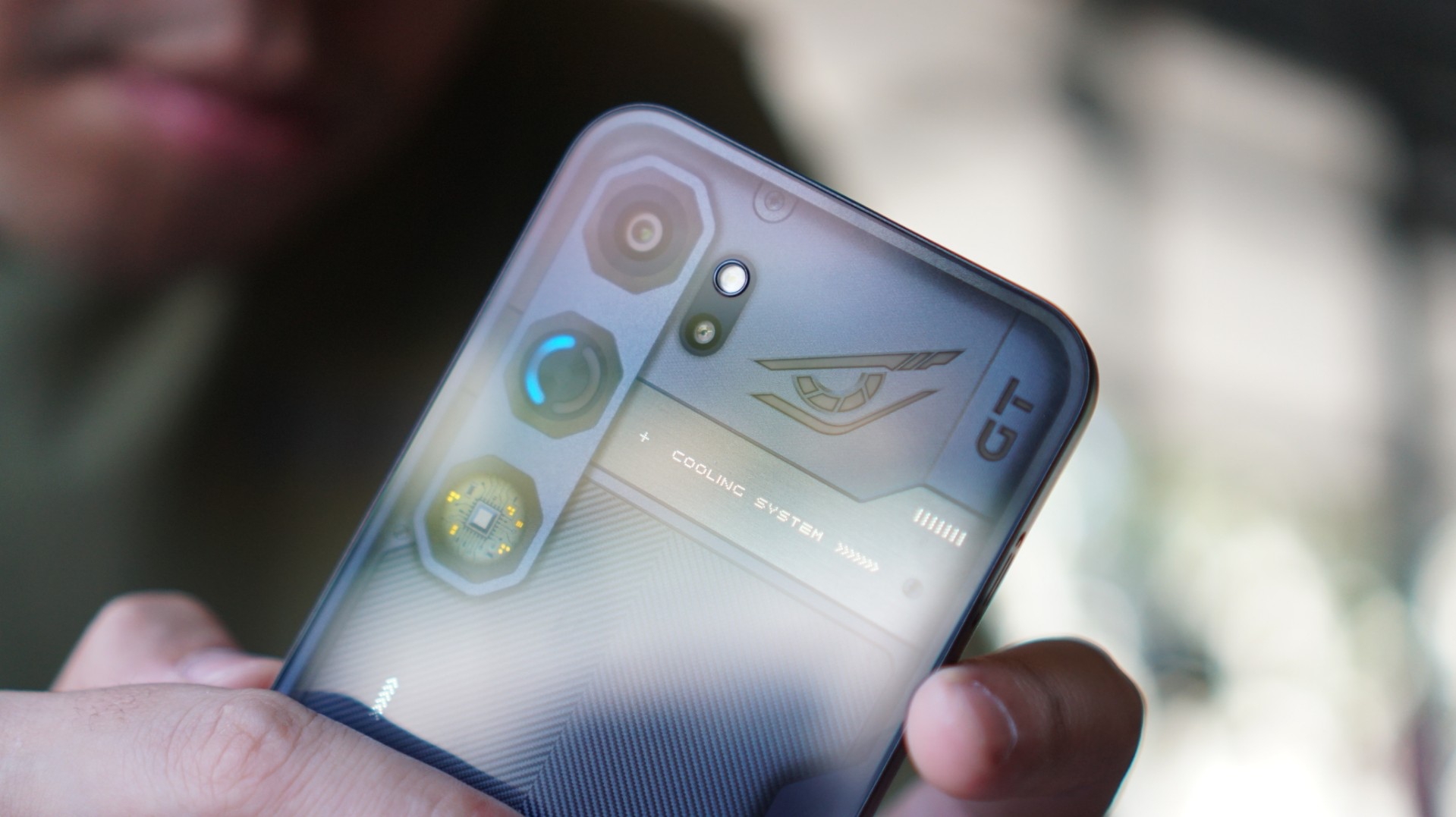
nubia has officially launched the nubia Neo 5 series gaming smartphones in the Philippines through a fan activation event at SM Megamall.
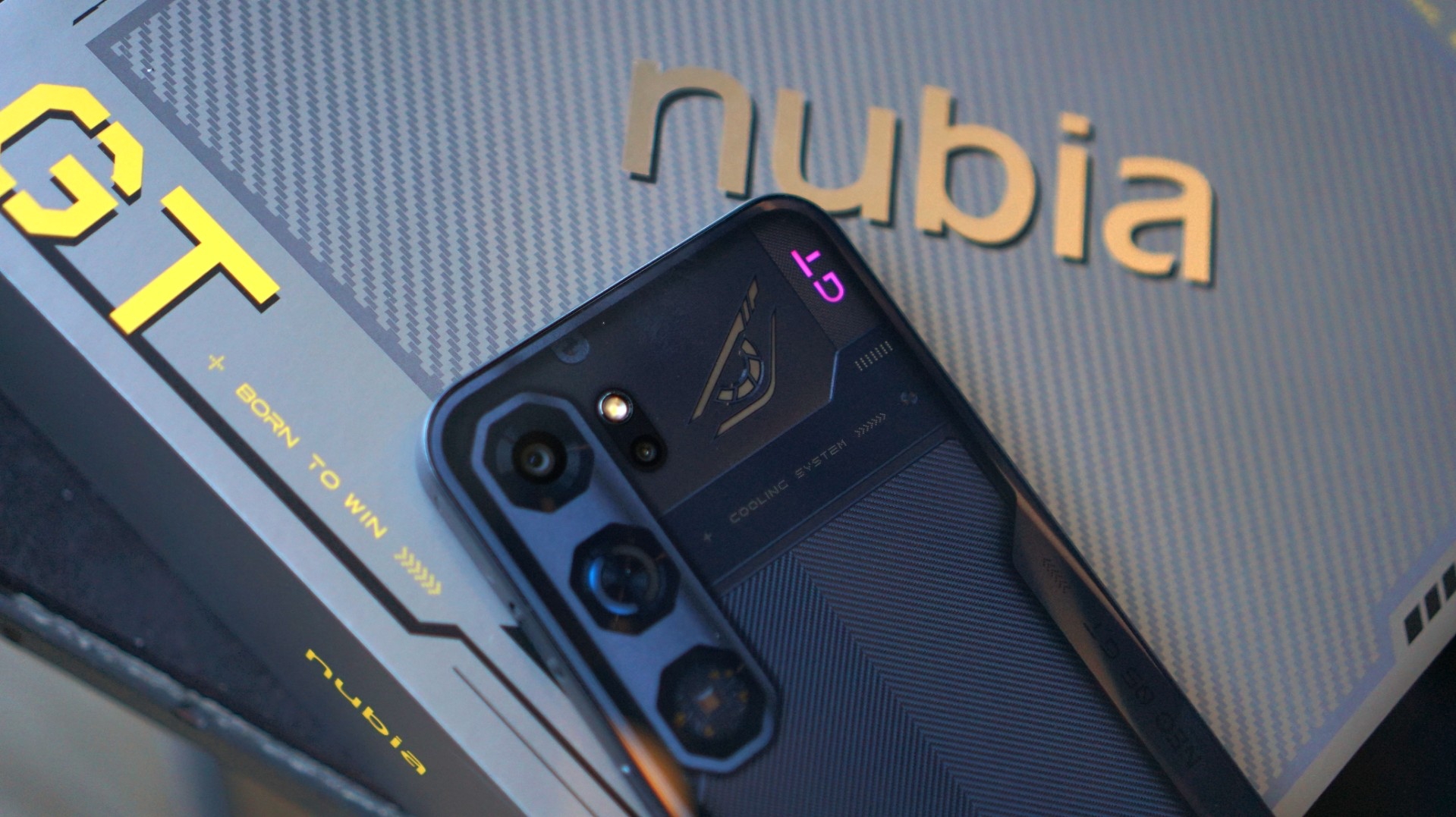
The series consists of the nubia Neo 5, nubia Neo 5 Pro, and nubia Neo 5 GT.
Here are the pricing details and storage configurations for each variant:
- nubia Neo 5 (8GB+128GB): PhP 11,999
- nubia Neo 5 Pro (12GB+256GB): PhP 14,999
- nubia Neo 5 GT (8GB+256GB): PhP 17,999
- nubia Neo 5 GT (12GB+512GB): PhP 19,999
In particular, the top-of-the-line nubia Neo 5 GT is available in Phantom Black, Stellar Silver, and Electro Gold.
The entire series builds on the nubia Neo history of gaming-centric features, from the phones’ aesthetic, RGB lighting, OS design, and features.

New to the series is a built-in active cooling fan, and a large VC vapor chamber cooling panel.
This system eliminates the need for an external cooling fan which was among the freebies for the previous series, so users can simply focus on gaming sessions.
The phone has small exhaust vents on both sides. The series retains the shoulder triggers, although the presence of the vents pushes the volume buttons and power button lower on the right-hand side of the phone.
Powering the nubia Neo 5 GT variant is the MediaTek Dimensity 7400 processor for up to 2.6GHz clock speed.
The handset comes with up to 12GB of base RAM (plus 12GB expansion), and up to 512GB of internal storage. It also supports Wi-Fi 6 for fast and stable connectivity.
Inside is a 6,210mAh battery with support for 80W fast charging, as well as charge separation to directly charge the phone while bypassing the battery for extended sessions.
In front is a 6.8-inch 1.5K OLED display with up to 144Hz refresh rate and 4,500 nits peak brightness. This screen also has a 439ppi pixel density for sharp visuals. It is also complemented by DTS:X Ultra surround sound technology.
For its camera, the Neo 5 GT has a 50MP main camera, plus a 16MP front camera.
Drones
DJI officially launches the Avata 360 with 8K immersive imaging
The new flagship drone introduces 1-inch sensors and 360-degree capture to the FPV world.


DJI just redefined the “single take.”
The new DJI Avata 360 combines the raw thrill of FPV flight with a flagship 8K 360° camera system. It effectively gives creators a flying virtual camera that sees everything at once.
This means you no longer have to worry about pointing a gimbal while flying at high speeds. You can simply record the entire environment and choose your favorite angles later in post-production.
Brilliant imaging, post-flight freedom
The headline feature is the imaging, which utilizes dual 1-inch-equivalent sensors capable of 8K/60fps HDR video and 120MP stills.
These massive 2.4 μm pixels handle low light and high dynamic range like a pro, ensuring light and shadow are captured with exquisite clarity.
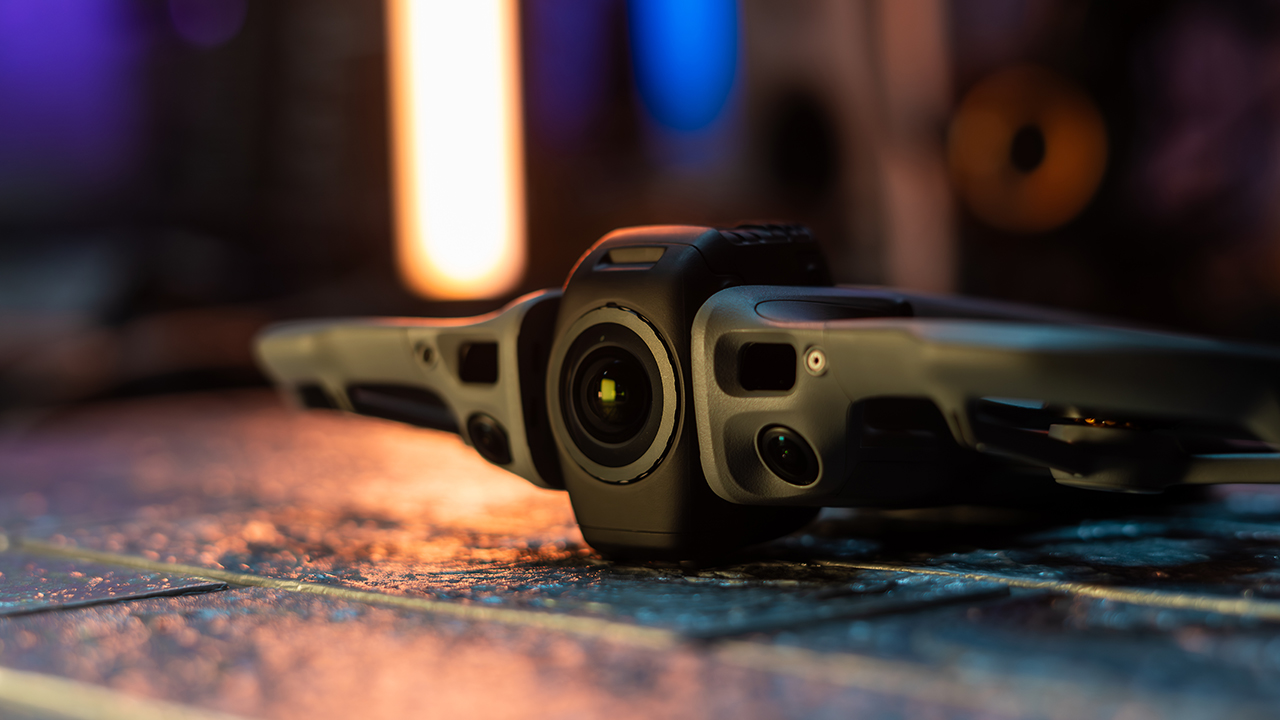
If you prefer a more traditional look, you can switch to Single Lens mode to capture classic Avata-style cinematic lines in 4K/60fps.
Because the drone records in a full sphere, the Virtual Gimbal feature allows for infinite rotation and tilt during editing.
You can fly in one direction while digitally rotating the horizon or shifting the perspective to look directly behind the drone without ever changing your actual flight path.
Flagship transmission, smarter safety
DJI didn’t just slap a new camera on the old frame. They beefed up the internals to ensure the flight experience is as stable as the footage.
The drone leverages the flagship O4+ video transmission system to deliver crystal-clear 1080p/60fps feeds with a massive 20 km range and strong anti-interference capabilities.
Safety has also seen a major upgrade with Nightscape omnidirectional obstacle sensing. This makes sunset and low-light flights significantly less stressful.

Plus, the front lens element now features a user-replaceable design. If you push a gap a little too hard and scratch the glass, you can swap it out yourself instead of shipping the whole unit back for repairs.
Intelligent tracking, high-speed workflow
The magic continues once the drone is back on the ground through the DJI Fly and Studio apps.
Features like ActiveTrack 360° and Spotlight Free allow the drone to lock onto subjects and replicate sophisticated camera movements that usually require a professional dual-operator setup.
With 42GB of internal storage and high-speed Wi-Fi 6 transfer, you can capture 30 minutes of 8K footage without an SD card and beam it to your phone at up to 100 MB/s.

Price, availability
The DJI Avata 360 is compatible with DJI Goggles, the RC Motion 3, and standard RC 2 controllers, with pre-orders live today and shipping starting in April 2026.
- DJI Avata 360 (DJI RC 2): PhP 38,290
- DJI Avata 360 Fly More Combo (DJI RC 2): PhP 47,890
- DJI Avata 360 Motion Fly More Combo (Goggles N3): PhP 47,890
Automotive
The Changan Eado Plus officially lands in the Philippines
Its aggressive launch pricing challenges the compact sedan status quo.

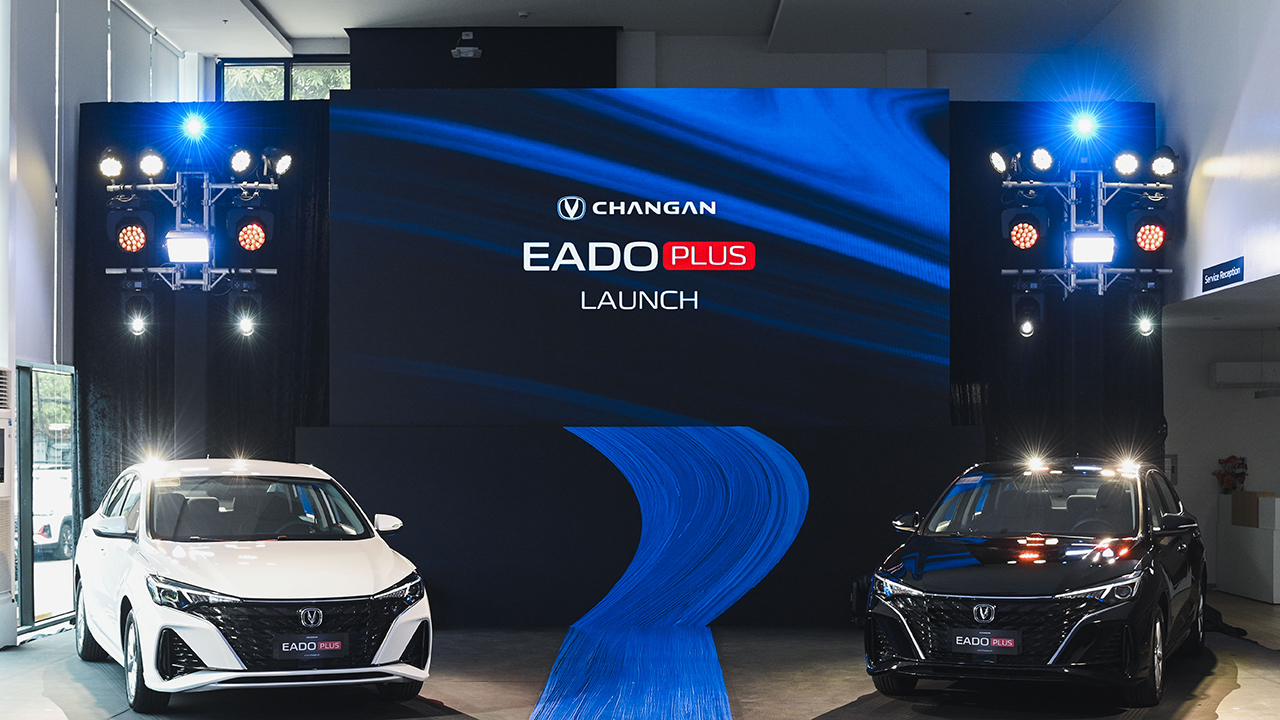
Inchcape Philippines is officially shaking up the compact sedan segment.
The Changan Eado Plus has arrived on local shores, and it’s gunning for the top spot in your driveway.
Available in two trims — Luxe and Lite — the Eado Plus offers the Filipino driver a car that looks like a million bucks without the massive price tag.
Modern aesthetic inside and out
On the outside, the Eado Plus makes a bold statement with its prominent three-dimensional grille and streamlined body lines.
This polished, premium look relies on LED lighting to command a strong presence on the road. Inside, a meticulously curated cabin handles the daily grind with ease.
The Luxe variant carries a massive 10-inch touchscreen equipped with Wireless Apple CarPlay and Android Auto. Meanwhile, the Lite variant keeps you connected with a 7-inch display.
To beat the local climate, Changan included a PM2.5 air filter to keep the cabin air clean, alongside a 10.25-inch digital instrument cluster that puts all your vital driving data front and center.

Performance and safety without compromise
Under the hood, a 1.5L Bluecore gasoline engine powers both variants. This engine works with a 7-speed wet-type dual-clutch transmission (WDCT) to deliver a stable, responsive ride.
For those who want more control, the Luxe variant offers selectable Eco and Normal driving modes to match your mood or the traffic conditions.
Safety remains a top priority, as the Eado Plus houses a comprehensive suite of protection. Beyond the standard Anti-lock Braking System (ABS) and Electronic Stability Program (ESP), the car packs in practical features like rear parking sensors, tire pressure monitoring, and ISOFIX tethers for families.
Pricing, availability
To celebrate the launch, Changan offers the Eado Plus with aggressive introductory pricing through April 30, 2026.
During this period, the 1.5 Luxe DCT costs only PhP 749,999, while the 1.5 Lite DCT goes for just PhP 699,000. These rates offer a significant discount from the standard prices of PhP 799,999 and PhP 750,000, respectively.
Drivers can choose from four colors: White, Black, Andean Gray, and Titanium Silver Gray (via special order).


Galaxy Buds4 Pro review: I thought I was done with in-ears
This Buds4 you


WWE 2K26 lets you live out all the fantasy matches you could want
But you have to play for hours and hours to unlock everyone.


The HONOR X8d is serviceable
Steady but slow?

nubia Neo 5 series launches in the PH, starts below PhP 12K

Life is Strange: Reunion now available on consoles and PC

Why this AI-powered eye health exam is the only reading you need this season

DJI officially launches the Avata 360 with 8K immersive imaging

The Changan Eado Plus officially lands in the Philippines


-

 Reviews2 weeks ago
POCO X8 Pro Max review: A new beast from the far east
-

 News2 weeks ago
POCO X8 Pro Series: Price, availability in the Philippines
-

 Reviews2 weeks ago
POCO X8 Pro Iron Man Edition review: Midrange phone in superhero armor
-

 Automotive2 weeks ago
VinFast extends free unlimited charging in 3 markets amid rising fuel prices
-
Philippines1 week ago
The HONOR X8d is serviceable
-

 News2 weeks ago
POCO introduces X8 Pro Series with Dimensity 9500s
-

 News2 weeks ago
POCO X8 Pro Series launches in Singapore with early bird prices
-
 Reviews2 weeks ago
Samsung Galaxy S26 Ultra review: A phone you live with