
News
ZTE faces ban from using Qualcomm, Android on their phones
War against Chinese products continues


Caught with their hands in the wrong cookie jar, ZTE is now facing US sanctions that might ultimately alter their phones in the future.
Since the souring of US-China relations, the Chinese telco brand has maintained a tenuous relationship with the American government. Over the past few months, lawmakers have threatened to ban Huawei and ZTE over issues of national security.
Now, a new ban is stopping US companies from selling their hardware and software to ZTE.
The American government implemented the legal blockade as further punishment for ZTE’s violations against US policy on trading with Iran. As with China, Iran is not in good standing with the US. Both US and non-US companies are mostly forbidden from shipping US goods to Iran.
Last year, ZTE pleaded guilty to offenses against this policy. As a result, the US imposed fines and mandatory sackings of the key players in the conspiracy. However, the company has failed to comply with the sanctions in full, keeping most of the involved employees on their payroll.
In retaliation, the US imposed the trade ban for US companies. Also, the British government has issued warnings to their telco industry against using any of ZTE’s services.
The ban threatens to cut off ZTE’s supply chain, which relies heavily on US hardware. ZTE’s current lineup uses parts from Qualcomm, Google, and Dolby.
When fully implemented, the ban will prevent ZTE from using Qualcomm’s mobile processors and even Google’s licenses for Android. It will create a gap that ZTE needs to fill with non-US alternatives.
While they can surely find Chinese alternatives for parts, ZTE will have trouble in maintaining their foothold in the industry. The telco landscape notoriously recognizes the superiority of branded products like Qualcomm and Google over lesser-known alternatives.
Currently, ZTE is already negotiating with partners over the future of their smartphones. In the meantime, ZTE’s future remains unclear.






MWC 2026
TECNO resurrects modular phones with this new concept
Lets you snap on extra cameras, longer power, and more

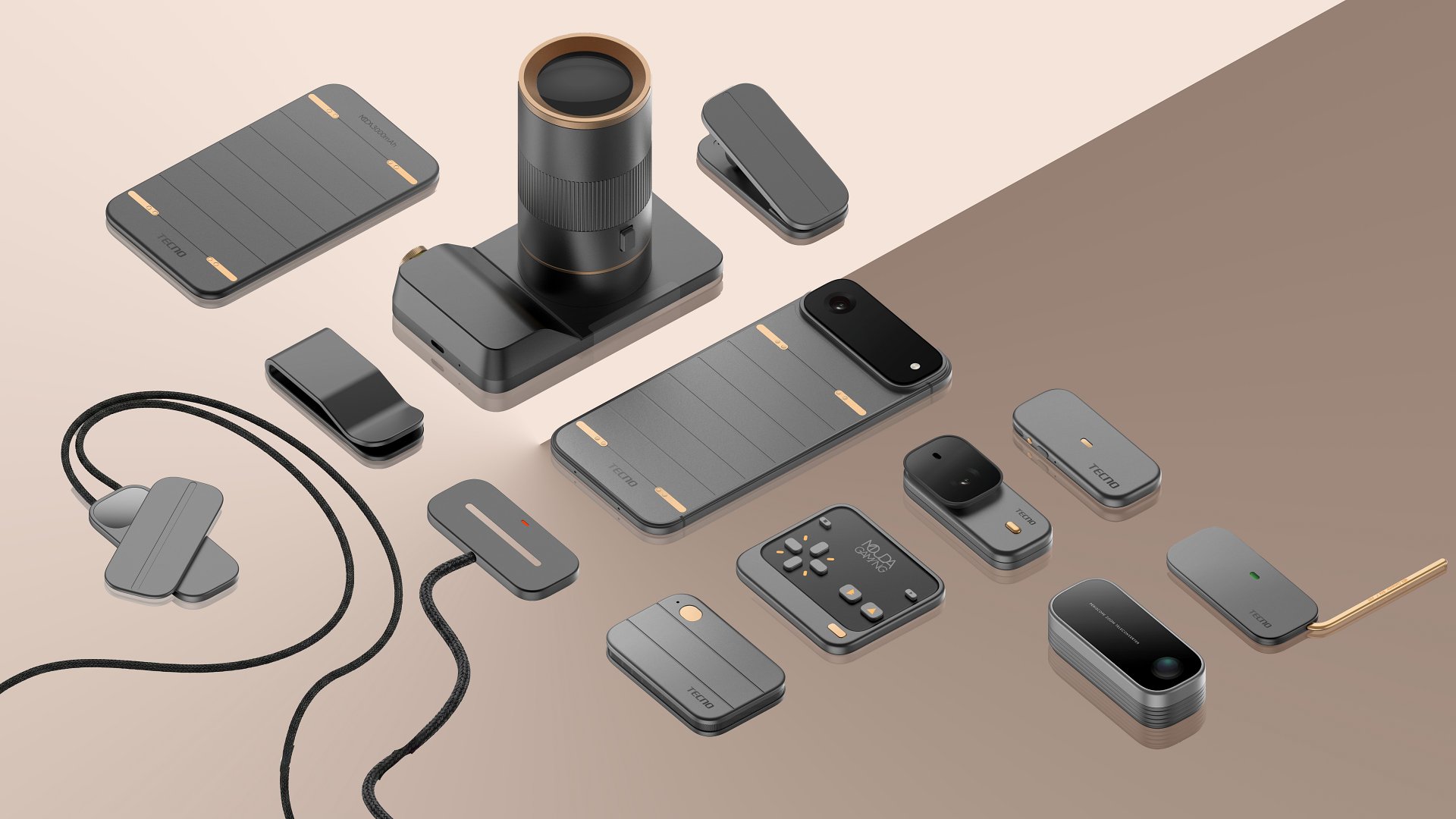
Just like the brand’s ethos, TECNO really stops at nothing. From the last tri-foldable concept of 2025, they are also resurrecting the modular phone design — a once imagined “future of mobile phones.”
Dubbed as the Modular Magnetic Interconnection Technology, it could re-shape the way we think about smartphones from 2026 and beyond.
Thinnest modular concept
Just like motorola’s defunct Moto Z line with moto mods from almost ten years ago, TECNO’s modular system uses magnetic attachment plus pogo-pin connectors for power delivery. Data transfers wirelessly (via Wi-Fi, Bluetooth, and even 5G mmWave), so everything pairs almost instantly when you snap a module into place.
The brand says this is its answer to growing AI and performance demands — that without making phones thicker and bulkier.
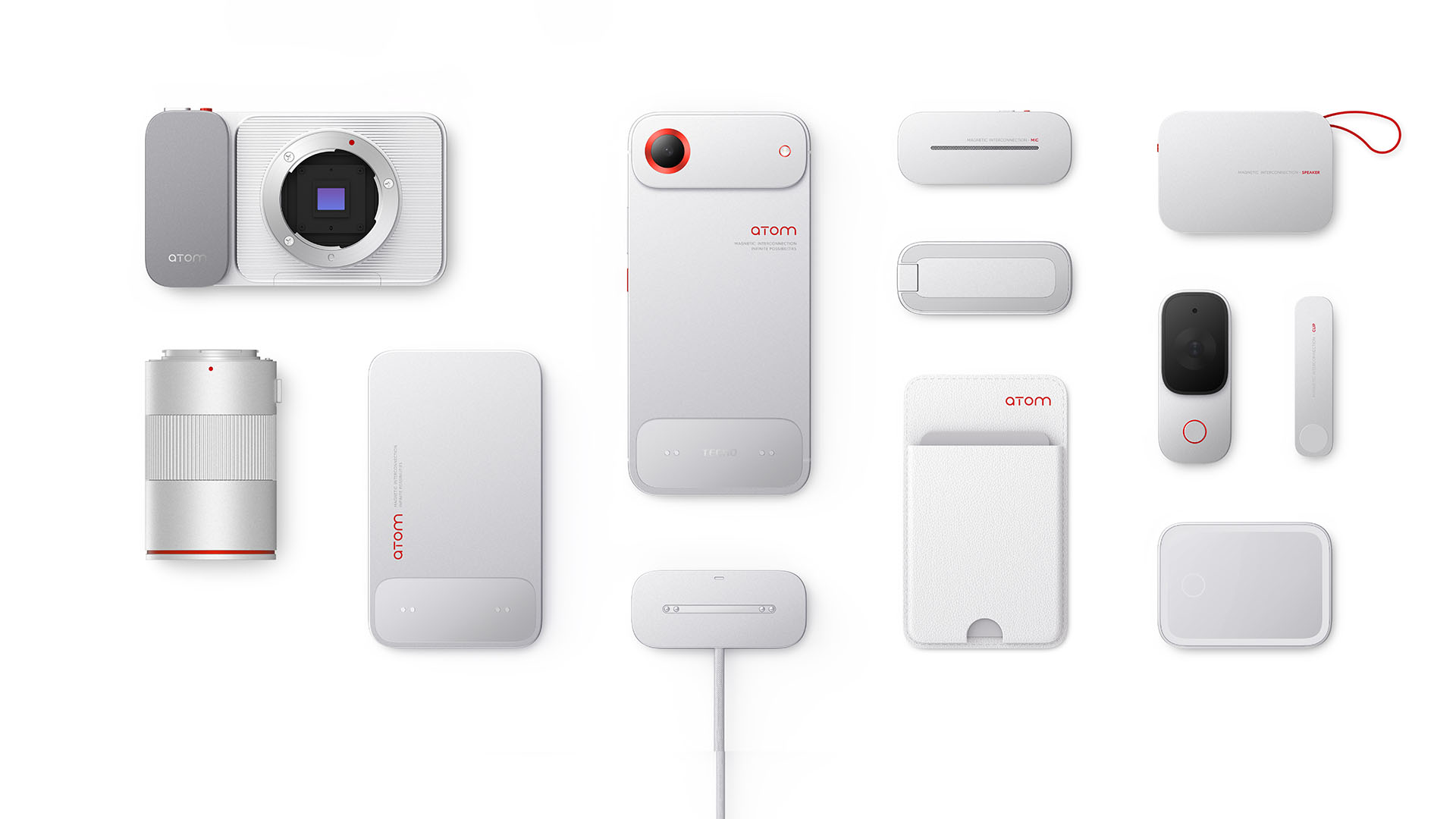
Surprisingly, it’s oh-so thin as well! The base phone is just 4.9mm. Meanwhile, the modular Power Bank is 4.5mm. When combined, it’s still comparable to thickness of conventional smartphones.
TECNO will showcase around ten (10) modules in this concept ecosystem. Some of those include a power bank, action camera, even a telephoto lens module wasn’t missed out.
That particular module can work as a standalone imaging system. All while using the phone’s display as a viewfinder with low-latency preview.
Moreover, TECNO is presenting two flavors for this concept:
-
ATOM edition — Clean silver aluminum with subtle red accents
-
MODA edition — A bolder, geek-inspired look
Both keep the glass back and modular alignment zones, which subtly guide where accessories snap into place.
MWC-ready
As mentioned, this is just a concept, not a retail-ready device (just yet). But, the bigger picture is clear: TECNO went back to the drawing board by re-thinking the former modular ecosystem of the yesteryears.

This new modular concept could eventually support AI tools, storage expansion, and lifestyle accessories in the long run. If you’re heading to Barcelona, Spain for MWC 2026 (March 2-5, 2026), you can visit TECNO’s booth at Hall 7, Stand 7A40.

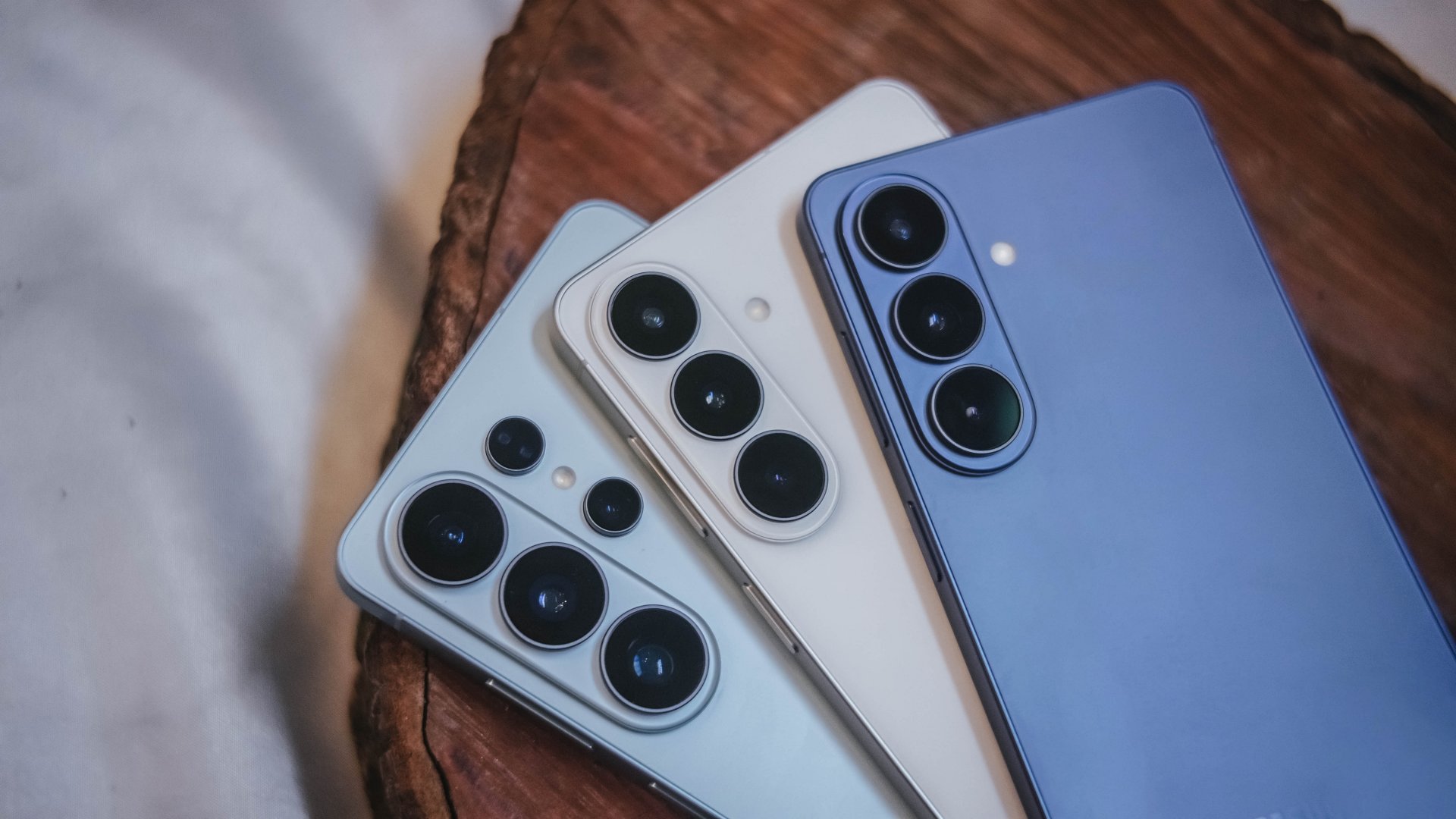
Samsung has announced the Galaxy S26 Series, introducing refinements across design, performance, and AI-driven features.
The lineup consists of three models: Galaxy S26 Ultra (6.9-inch Dynamic AMOLED 2X), Galaxy S26+ (6.7-inch Dynamic AMOLED 2X), and Galaxy S26 (6.3-inch Dynamic AMOLED 2X). All models support 1-120Hz adaptive refresh rates, with the Ultra offering S Pen compatibility.
The S26 Ultra leads with a Snapdragon 8 Elite Gen 5 for Galaxy processor (3nm), while the S26 and S26+ use Samsung’s Exynos 2600 (2nm). Memory configurations reach up to 16GB RAM on the Ultra, with storage options up to 1TB.
Battery capacities remain consistent with previous generations: 5,000mAh on the Ultra, 4,900mAh on the Plus, and 4,300mAh on the base model. Charging improves on the Ultra with Super Fast Charging 3.0 (60W), capable of reaching approximately 75 percent in 30 minutes. Wireless charging and PowerShare functionality remain available.
Camera systems focus on computational improvements. The Ultra retains a 200MP main sensor with enhanced AI processing, stabilization, and Nightography optimizations. Generative editing tools and Audio Eraser features expand multimedia capabilities, including third-party app support for noise reduction.
Privacy Display and Private Album introduce additional privacy controls. Privacy Display restricts viewing angles at the pixel level and can be customized per app, addressing concerns about screen visibility in public spaces.
Design refinements emphasize cohesion. All models share a unified corner radius and updated material choices aimed at improving durability and heat dissipation. The Ultra is slimmer and lighter than its predecessor.
Pre-order, pricing, and availability in the Philippines
Pre-orders open February 26, 2026, with official availability following in March. Promotional offers include storage upgrades, discounts on accessories, and trade-in incentives.
Pricing in the Philippines starts at PHP58,990 for the Galaxy S26 (256GB), PHP74,990 for the Galaxy S26+ (256GB), and PHP86,990 for the Galaxy S26 Ultra (256GB). Higher storage tiers reach PHP121,990 for the 1TB Ultra variant.
Samsung positions the S26 Series as an evolution rather than a revolution — emphasizing usability, AI integration, and incremental refinement.
Samsung Galaxy S26 Series – Specs
| Feature | Galaxy S26 Ultra | Galaxy S26+ | Galaxy S26 |
| Display | 6.9″ Dynamic AMOLED 2X
|
6.7″ Dynamic AMOLED 2X
|
6.3″ Dynamic AMOLED 2X
|
| Rear Camera: Ultra Wide | 50MP, F1.9, 0.7 µm | 12MP, F2.2, 1.4 µm | 12MP, F2.2, 1.4 µm |
| Rear Camera: Wide | 200MP, F1.4, 0.6 µm | 50MP, F1.8, 1.0 µm | 50MP, F1.8, 1.0 µm |
| Optical Quality 2x | |||
| Rear Camera: Telephoto 1 | 10MP, F2.4, 1.12 µm | 10MP, F2.4, 1.0 µm | 10MP, F2.4, 1.0 µm |
| 3x optical zoom | |||
| Rear Camera: Telephoto 2 | 50MP, F2.9, 0.7 µm
|
— | — |
| Front Camera | 12MP, F2.2, 1.12 µm | 12MP, F2.2, 1.12 µm | 12MP, F2.2, 1.12 µm |
| Processor | Snapdragon® 8 Elite Gen 5 for Galaxy (3 nm) | Exynos 2600 (2 nm)* | Exynos 2600 (2 nm)* |
| Memory (RAM) | 12GB / 16GB | 12GB | 12GB |
| Storage | 256GB / 512GB / 1TB | 256GB / 512GB | 128GB / 256GB / 512GB |
| (Micro SD: N/A) | |||
| Battery | 5,000 mAh | 4,900 mAh | 4,300 mAh |
|
|||
| Dimensions | 78.1 x 163.6 x 7.9 mm
214 g (Sub6/mmWave) |
75.8 x 158.4 x 7.3 mm
190 g (Sub6/mmWave) |
71.7 x 149.6 x 7.2 mm
167 g (Sub6) |
| Colors | Standard: Cobalt Violet (Hero), Sky Blue, Black, White
Online: Silver Shadow, Pink Gold |
Standard: Cobalt Violet (Hero), Sky Blue, Black, White
Online: Silver Shadow, Pink Gold |
Standard: Cobalt Violet (Hero), Sky Blue, Black, White
Online: Silver Shadow, Pink Gold |
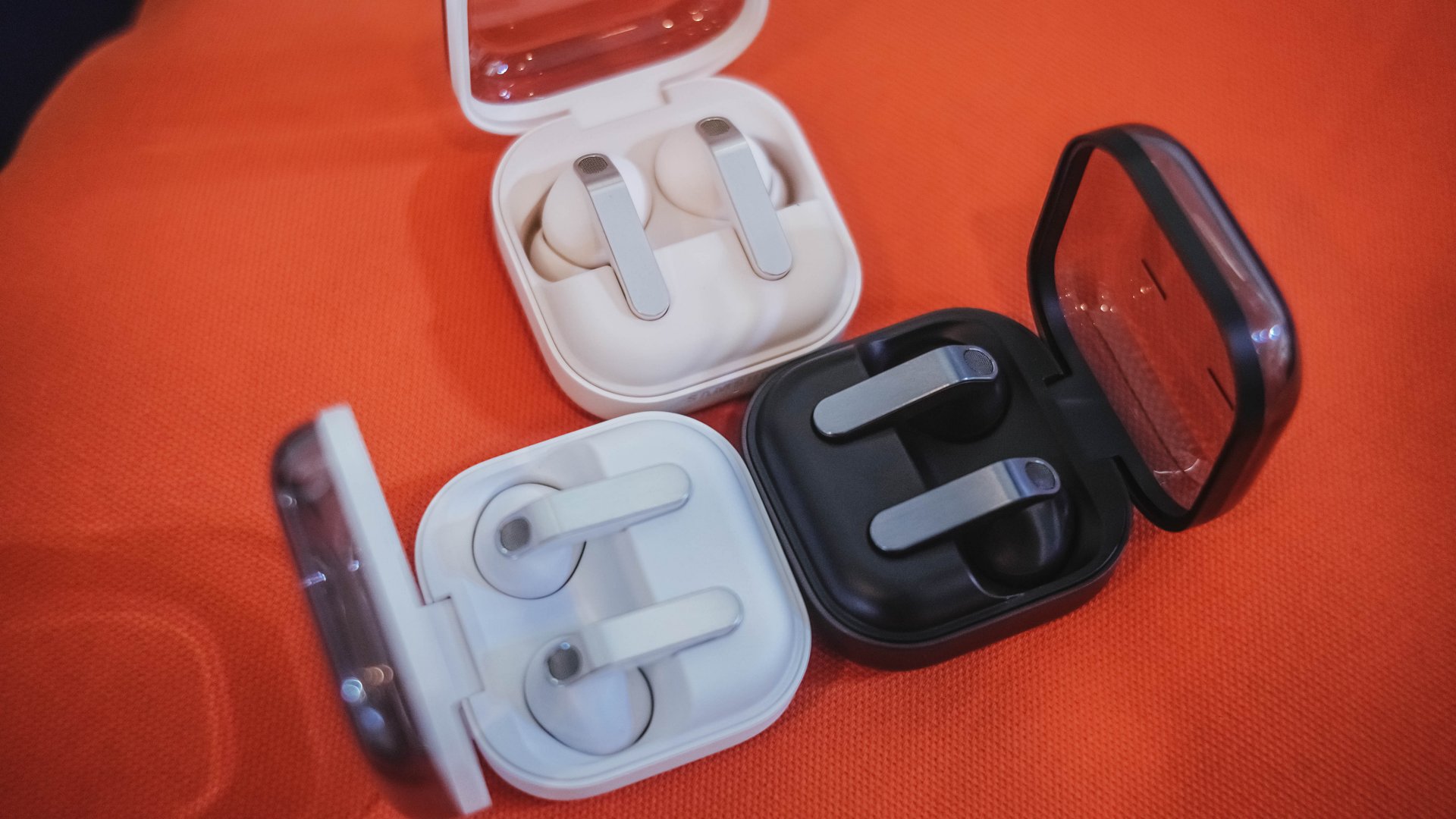
At its February Unpacked event in San Francisco, Samsung unveiled the new Galaxy Buds4 series, headlined by the Galaxy Buds4 Pro. The focus this year is simple: deliver sound as the artist intended, then make it adapt intelligently to real life.
The Galaxy Buds4 Pro introduces a new wider woofer that increases effective speaker area by nearly 20 percent compared to the previous generation. Paired with a tweeter, the two-way system supports 24-bit/96kHz audio for richer detail, deeper bass, and cleaner highs. From orchestral strings to low, resonant bass lines, Samsung says this is its most powerful hi-fi tuning yet.
Smarter ANC
The hardware upgrade works alongside enhanced Adaptive EQ and Active Noise Cancellation. The Buds4 series analyzes wearing conditions and ear shape in real time, applying optimized ANC algorithms to reduce noise leakage and maintain balanced sound. Whether you’re on a plane, train, or bus, low-frequency engine noise is reduced while vocals and instruments stay clear.
Super Clear Call
Call quality also gets a boost. Super Clear Call uses super wideband technology and machine learning-based noise reduction to double the bandwidth of conventional Bluetooth calls. Even in loud environments, voices remain crisp and natural.
Blade design
Design plays an equally important role this generation. Samsung introduces a refined “blade” identity shaped by analyzing hundreds of millions of global ear data points and running over 10,000 simulations. The result is a smaller earbud head for improved stability and long-wear comfort. A metal-finished blade includes a clearly marked pinch control area, while a new transparent clamshell cradle makes charging and storage more intuitive.

The Galaxy Buds4 Pro adopts a canal-fit design for maximum immersion. The standard Galaxy Buds4 uses an open-fit approach for a lighter, more breathable feel. Both models come in White and Black matte finishes, with an online-exclusive Pink Gold option for the Pro.
Works with AI agents
Within the Galaxy ecosystem, integration runs deeper. Users can activate AI agents like Bixby, Google Gemini, and Perplexity hands-free. The Buds4 Pro also adds Head Gesture controls for managing calls and triggering actions without reaching for your phone.
Price and availability
In the Philippines, the Galaxy Buds4 Pro is priced at Php 14,990, while the Galaxy Buds4 comes in at Php 11,490. Pre-orders begin today, with general availability starting March 11 alongside the Galaxy S26 series.


Infinix NOTE Edge: Stellar at street photography
Despite trailing in other specs, the Infinix NOTE Edge was built for point-and-shoot photography.


OPPO Reno15 Pro: Camera Review
Why is this even considered a "Reno"?


Apple AirTag 2 Review
Range, Sound, and REAL-WORLD Tests!

TECNO resurrects modular phones with this new concept

Privacy Display | Galaxy S26 Ultra

Audio Eraser now works on third-party apps | Galaxy S26 Ultra

AI Photo Assist with text prompts in Gallery | Galaxy S26 Ultra

Subtle design changes | Galaxy S26 Series

Breaking up with Adobe Photoshop after 20 years

TECNO will showcase the CAMON 50 and POVA 8 series at MWC 2026

PlayStation, LE SSERAFIM Chaewon team for the ‘Love of Play’ campaign

VinFast updates battery subscription policy for large upfront savings

Xiaomi SU7 Ultra makes Gran Turismo 7 debut

-

 Reviews2 weeks ago
The art of being in and behind the frame
-

 Gaming2 weeks ago
God of War Greek trilogy remake in development, Sons of Sparta out now
-
 India2 weeks ago
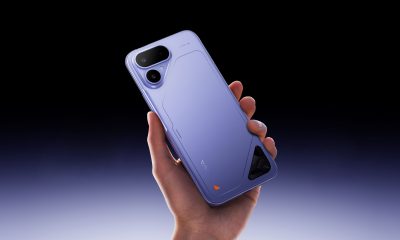
TECNO POVA Curve 2 5G packs an 8000mAh battery
-

 Accessories2 weeks ago
Sony WF-1000XM6 is out now: Price, availability
-

 Gaming2 weeks ago
New Resident Evil Requiem trailer teases a return to the RPD
-
Accessories2 weeks ago
Apple AirTag 2 Review
-

 Gaming2 weeks ago
John Wick, Kena sequel, more new games showcased at State of Play
-

 Cameras1 week ago
Osmo Pocket 4 makes a surprising appearance in public