
Enterprise
Trade War: China’s loss is everyone’s gain
The flow of technology remains untouched


Trade tensions between the U.S. and China have reached a stage where hostility has become a new normal. Both countries have imposed high tariffs on a substantial proportion of each other’s goods and just when we thought the war is de-escalating, President Trump announced 10 percent tariffs on a further US$ 300 billion worth of Chinese goods.
It’s not surprising that China’s technology muscle is independent to a huge extent. The country is the world’s number one smartphone maker in terms of volume, almost every company on this planet relies on components that are made in China, and giants like Baidu, Tencent, and Alibaba offer everything to the end-user.
Sure, Chinese technology giants still rely on a huge chunk of western technology and we’ve already seen how Huawei took the biggest hit. But, while all of us are busy analyzing and understanding the trade war, other countries are making moves, and they’re making them fast.
Other countries swooping in
It’s a classic story of two cats fighting for a piece of cake and a monkey swoops in, fooling both of them. The two incumbents gain nothing in the end and a third-person reap all the benefits. Obviously, a literal translation would be an exaggeration, but we’re seeing a similar anomaly with the Trade War.
According to the U.S Census Bureau, Chinese imports have dropped by US$ 31 billion in the first half of 2019. But, Southeast Asian countries like Vietnam, India, and South Korea have successfully bridged the gap. Vietnamese imports to the U.S increased by a whopping US$ 7.6 billion, followed by South Korea at US$ 3.8 billion and India at US$ 2.7 billion.
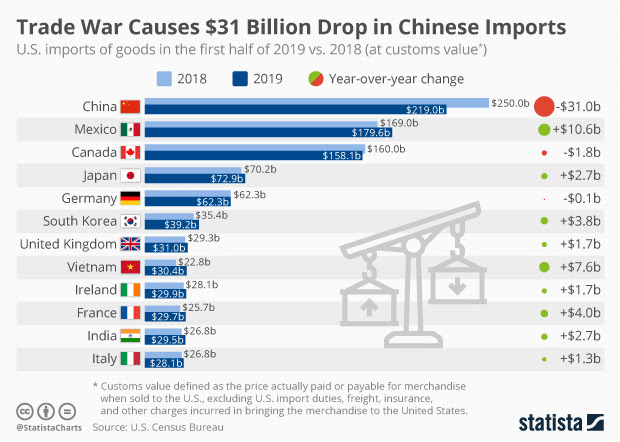
These records are a combined figure of all imports and not just limited to technology products and services. But, the tides are changing massively in this industry as well.
Companies are uncertain about their long-term investments in China and are looking for alternatives. Samsung and Intel were looking for safer options for years and currently employ 182,000 workers in Vietnam. These factories assemble smartphones, processors, and almost every component one needs.
According to Bloomberg, the Vietnamese government allowed investment licenses to 1,720 projects in the first half of 2019. Nintendo has decided to shift its Switch production to Vietnam and even Sharp has announced relocation plans.
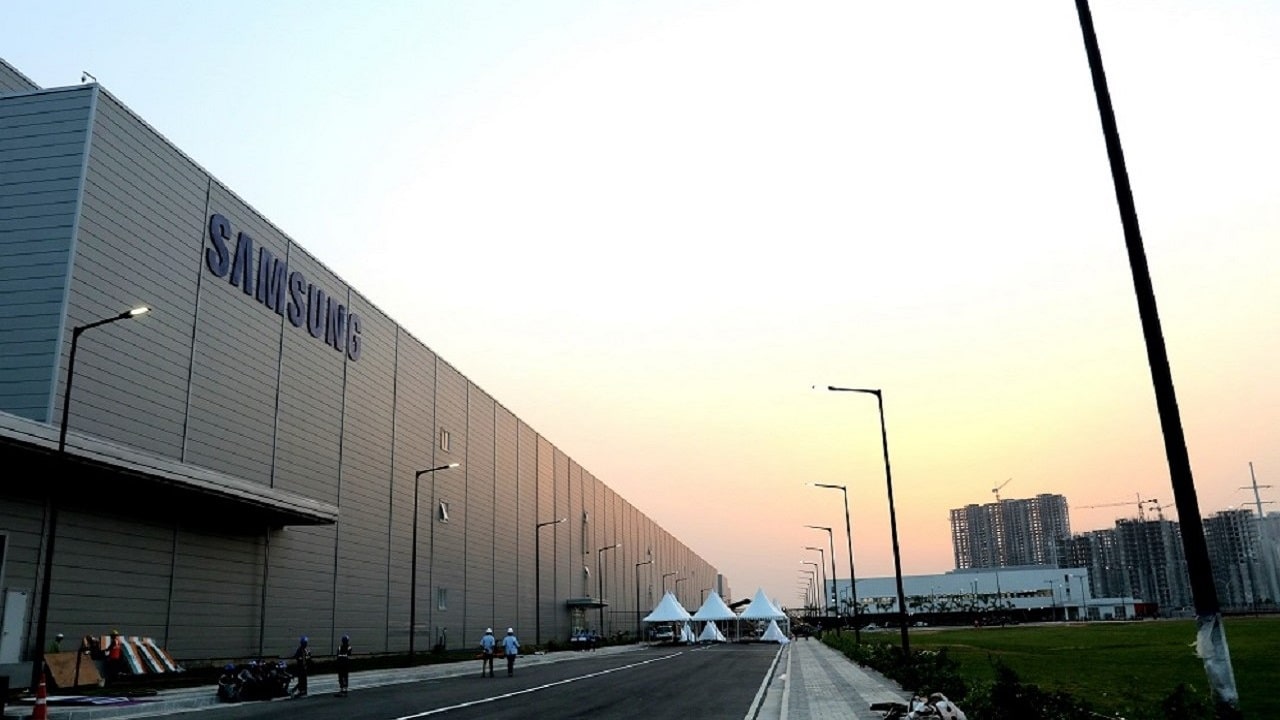
Samsung’s factory in Noida, India
Foxconn, the maker of iPhones in China has bought a land parcel in Vietnam and announced a US$ 200 million investment in India. Apple, in partnership with Wistron India and Foxconn, is already making iPhones in the country and recently top-of-the-line models were also being shipped out.
Samsung already has the world’s largest mobile phone factory in India that assembles top-tier variants, ready for export. While the quantity is negligible when compared to China’s output, these small steps are an indication that China is slowly losing its edge.





Apps
foodpanda relaunches cult-favorite roast chicken brand after 8 years of persistent search queries
Heritage chain Andok’s returns to the platform, driven entirely by long-term user analytics.


In the world of e-commerce and food delivery, platform algorithms usually dictate what consumers see. But occasionally, consumer behavior is so relentless that it shapes the platform’s strategy.
In a move driven entirely by long-term user analytics, foodpanda has officially relaunched Andok’s, one of the Philippines’ most iconic heritage rotisserie chains, back onto its platform after an eight-year absence.
The search bar as a digital wishlist
The decision to ink the partnership wasn’t just a marketing play. It was a response to an ongoing data anomaly. Despite being offline from the foodpanda platform for eight years, Andok’s consistently ranked as one of the most-searched merchants on the app.
Year after year, users treated the empty search results page as an unofficial wishlist. This persistent search intent gave foodpanda a clear, data-backed signal of pent-up demand.
Prior to the official digital rollout, teaser campaigns on social media validated this demand, generating thousands of organic interactions from users anticipating the return.
Bridging heritage flavor with digital infrastructure
For foodpanda, onboarding a merchant with this level of built-in demand fits its broader strategy of marketplace optimization and hyper-local network expansion, turning a heritage brand into another data point for how legacy retail plugs into delivery infrastructure.
For Andok’s, the integration works as a fast track to digital scale. A legacy quick-service chain skips years of independent app development and reaches customers already using foodpanda’s existing logistics network, on a platform they already check daily.
Andok’s built its following on charcoal spit-roasted chicken, a slow-cooked technique that’s stayed largely unchanged since the brand’s early days, alongside seasoned grilled pork belly.
More recently, the Dokito line extended that following into crispy fried chicken and chicken burgers, broadening the brand’s appeal beyond its original rotisserie format and giving foodpanda a menu with both heritage pull and everyday fast-food convenience.
Enterprise
Global Connect Show Shenzhen empowers Chinese enterprises
Opportune time for new Chinese enterprises to go global

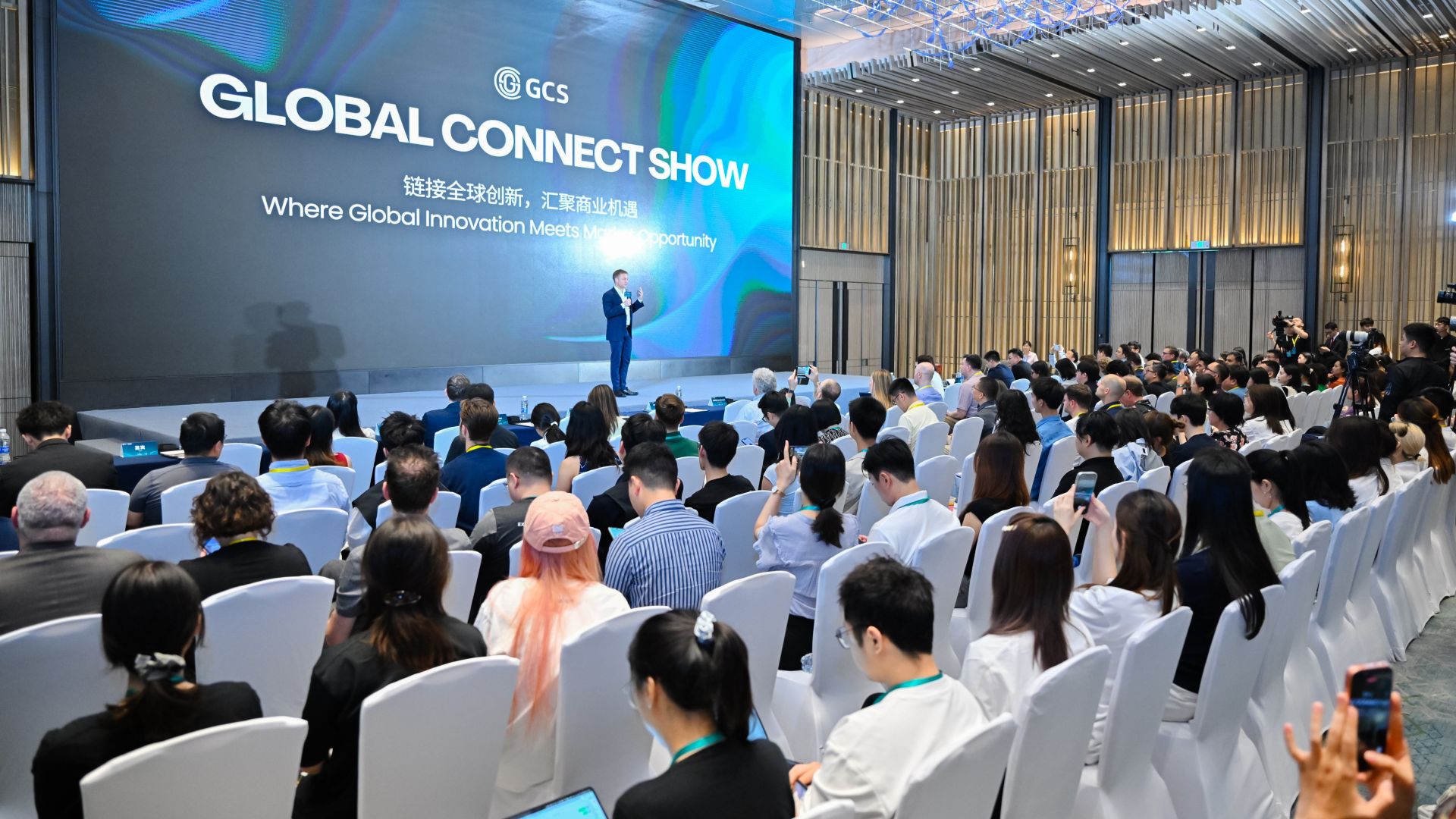
The Global Connect Show Shenzhen 2026 (GCS SZ 2026) was successfully held on June 1 at China’s innovation hub.
More than 100 Chinese enterprises joined the event, encouraged to expand into international markets.
The program focused on three core pillars:
- Chinese brand going global
- Global channel connection
- Dedicated “Into the Enterprise” series
China has developed a new generation of internationally competitive companies across various sectors, including:
- consumer electronics
- smart hardware
- artificial intelligence
- robotics
As these companies enter a new phase of going global, demand is growing for global communications, brand building, market trust, and localized business networks.
As such, the Global Connect Show is one of the platforms to be able to strengthen the relationship across enterprises, partners, business associations, and even media and influencers.
It is a significant window for innovative brands to enter global retail channels by building compelling brand narratives and developing strong localized operations.
This year’s GCS is the third staging of the show, which consistently aims to match Chinese brands with partners through a results-first approach. Such an approach includes hands-on product experiences, presentations, and one-on-one meetings.
Enterprise
New US-China ban might affect 75% of phones, laptops
Companies can no longer use Chinese labs to test their products.

The United States is continuing its crusade against Chinese technology today. However, the target now isn’t a company from China but a method important to a lot of non-Chinese brands.
Today, via Reuters, the Federal Communications Commission (or FCC) has unanimously voted to prohibit companies from using Chinese labs to test their electronic devices if they are to be sold for use in the United States. Naturally, this includes smartphones and computers.
Notably, the prohibition doesn’t directly target Chinese brands. However, it will still affect a huge swath of the industry. The FCC estimates that around 75 percent of the entire market are devices tested in labs based in China.
This means that companies who wish to sell future products in the country must move their testing to labs in the United States or other countries that it deems secure. At its current iteration, the prohibition will not affect devices that already earned their certification prior. However, it might prevent them from getting recertified once their current one expires.
Now, the prohibition isn’t an absolute lock just yet. The FCC will allow the industry to submit comments about the proposal. But, with a unanimous vote from the FCC, companies might have to start looking for alternative testing sites if they want to stay operation in the United States.






AMD FSR Upscaling 4.1 now available for Radeon RX 7000 Series

GTA VI: New images unveiled as pre-order details, price finally announced

TECNO EllaClaw is your next-gen Agentic AI

HONOR continues APAC expansion, to launch 600 series in Taiwan

Honor, Xiaomi are working on their own Privacy Displays

TECNO’s POVA 8 5G is both futuristic and future-ready

Close without crossing: A Xiaomi 17T Pro photo essay

realme launches P4 Series 5G, including Power with 10,001mAh battery

The Xiaomi Watch S5 proves you don’t have to take it off

Buyer’s Guide: Xiaomi Pad 8 Series


-
 India2 weeks ago
TECNO’s POVA 8 5G is both futuristic and future-ready
-

 Gaming2 weeks ago
Kingdom Hearts IV gets new trailer, confirms Switch 2 release
-

 Gaming2 weeks ago
Final Fantasy fans have two big reasons to look forward to 2026
-

 Smartphones2 weeks ago
Upcoming realme C100 series to feature 8,000mAh battery
-

 News1 week ago
TECNO’s SPARK 50 Pro is the latest budget smartphone battery beast
-
 Buyer's Guide6 days ago
Buyer’s Guide: TECNO SPARK 50 Pro vs SPARK 50 5G
-
 News6 days ago
Budget smartphone realme C100 Series launches
-
 Laptops1 week ago
ROG launches 2026 Strix gaming laptop series