

Automotive
2019 Honda Civic RS Turbo: Is this the return of the Civic we loved?
Looks good and packs a punch

The Honda Civic has been around for more than 4 decades now and is one of the most popular cars around. In its glory days, it appealed to almost everyone, from being a family car to a daily driver, a road trip car, and even to petrol heads who are also racing enthusiasts. Thanks to its VTEC technology, the Honda Civic can switch from a conservative, economic daily driver to a ferocious race car. The fifth and sixth-gen Civic from the ’90s was an all-time favorite with a better aerodynamic body and not to mention it was packed with plenty of horsepower under the hood. Parts were also cheap and it was easy to modify the car to your liking.
Every time a new model was released, people expected more and more from Honda. But in recent years, the Civic has been a bit on the unimpressive side. It got heavier and slower, and Honda seemed to focus more on economy rather than performance with technologies that Civic enthusiasts did not find necessary. It just got boring and dull. So is the release of the latest 10th generation Honda Civic the answer to our wishes? The styling is stunning, but does it perform the way we expect it to? Is this the return of our beloved Civic?

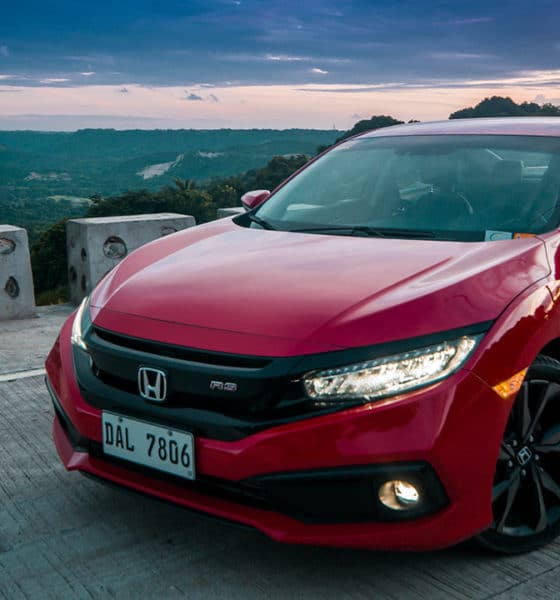
The styling of the new 10th generation Civic has so much character that you can instantly tell it’s a Civic even from afar. It looks exceptionally muscular yet sleek. The grille protrudes forward with its character lines and cuts direct your eyes to the front and emphasizes the low set assertive-looking LED headlamps. This makes the fascia look bold and aggressive, like an angry rhino ready to charge.

More lines and curves can be seen from the sides with broad fenders giving the car a wide and sporty stance. I personally liked the repeaters on the front wheel arch and the 18-inch RS Design Belrina Black alloy wheels as they add character and identity to the Civic. The rear is just as eye-catching; the C-shaped LED tail lamps are sleek and is complemented with black trims and diffusers. Plus, included in the RS package is a rear wing that gives the car extra downforce for better grip in high speeds.

The interior did not fall short in design as well. The dashboard was distinctly modern in appearance with a more ergonomic design and there was no shortage of cup holders nor small storage spaces. The interior is plush and spacious with leather and soft-touch plastic. With the RS variant, you get red accent stitching on the dash and steering wheel which evokes a feeling of passion and added sportiness.
Starting the car up, you are instantly greeted with a digital instrument panel. The center console is high and it gives you that feeling that you’re really in a sports car. The seven-inch touch screen is well-equipped and user-friendly. Looking at this car, you can tell that the design department went all out as every detail is well proportioned inside and out and it’s just one of the better-looking cars in the market today.

Although, does it drive the way we expected it to? Is it as sporty as it looks? We took this car up to the twisty mountains and the engine was quiet and extremely smooth. The i-VTEC engine produces 173 horsepower and getting up to speed was a breeze. Turning off the ECON mode and switching the gear lever to Sport mode, this car transforms into an adrenaline-inducing vehicle. It gives you higher revs between gear changes and it simply makes the car more responsive.
However, like most CVTs, you will not get that instant punch in acceleration when you put your foot down the throttle. A bit disappointing but thankfully, once the transmission has found the right ratios, it will slingshot you forward and fast. Steering was very light and responsive; hammering down a corner at 80kph has zero drama and is accompanied by firm suspensions. Body roll was minimal and the car just hugs the road exceptionally.

It’s close to being the perfect car, especially for its price range. It is a fun, adrenaline-packed, yet quiet and smooth midsized sedan. If only it were up to me, I would replace its CVT setup. Mating this type of engine to a traditional 6-speed transmission would have made this car more aggressive on open roads. Secondly, the electronic handbrake seemed out of place. Sometimes you want to have fun with handbrake turns and try daring maneuvers but would be impossible with electronic handbrakes.

Third, it lacked some safety features that come standard with a lot of cars nowadays — features like front proximity sensors, blind spot warnings, and lane departure warnings. These features just give you better confidence while driving. Lastly, it’s nice that the Civic is quiet in city driving, but there are times when you set free some horses, and a vicious engine grunt would be nice. Maybe a better sounding exhaust system?

At the end of the day, the 10th generation Honda Civic is still not perfect but is no doubt a fun all-around car. Going back to my initial question: Is this the comeback of the Civic? In my opinion, the answer is, almost. It still has so much more to offer and we will be expecting more from Honda in its upcoming Civic models.
Want to see more of the Civic RS Turbo? We have a video!






Automotive
ACMobility launches EV safety program to help drivers make the switch
The new “Drive Electric” curriculum covers everything from charging safety to actual EV ownership costs.

ACMobility, the Ayala Group’s mobility arm, launched its “Drive Electric. EV Safety Program,” and it’s aimed at pretty much anyone curious about EVs.
That means advocates, people thinking about buying one, fleet operators, and just regular folks who want to understand what they’re getting into.
The goal is straightforward: clear up the misconceptions around EVs by giving people practical, easy-to-follow information on how the technology and charging infrastructure actually work.
The program covers safety guidelines, the real costs of ownership, and how charging works, so people can decide for themselves if going electric makes sense for them.
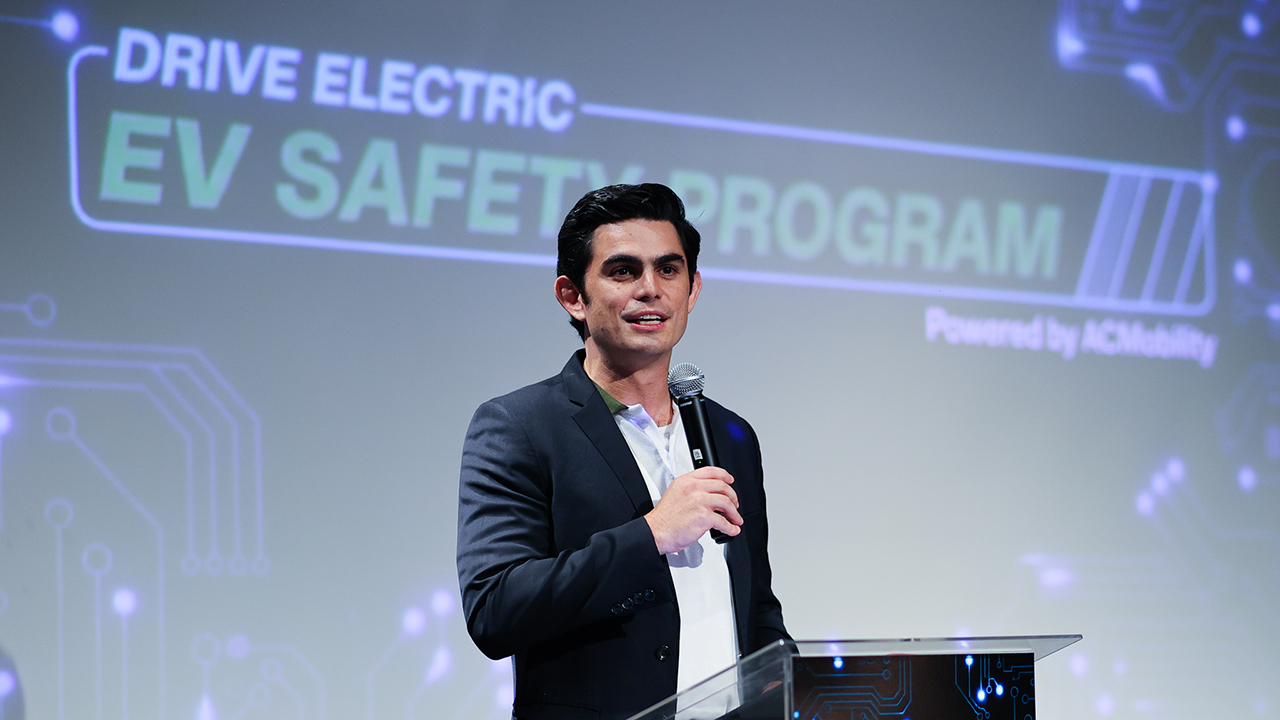
At the launch, ACMobility CEO Jaime Alfonso Zobel de Ayala talked about the bigger picture, saying the company’s priority is to empower drivers to shift to a more sustainable and cost-effective transport option.
He framed the program as part of that commitment, aiming to give drivers practical tools and accessible technical knowledge on EVs.
Building the curriculum with actual experts
ACMobility didn’t build this alone. The program came together with professional instruction partners and close coordination with the Department of Energy, the Bureau of Fire Protection, the Electric Vehicle Association of the Philippines, and the Philippine EV Community.
The curriculum runs five modules deep, and it tackles the questions people actually ask before buying an EV: what it really costs to own one long-term, how much you can save, how to charge safely, what to do in an emergency, and how the technology itself works.
What comes after the launch
ACMobility says this is just the start. The company plans to roll out educational seminars nationwide for drivers looking to make the switch, expanding into corporate sessions, community workshops, and showcases at bigger industry events.
Future sessions will pair the technical side with actual test drives, so people get hands-on time with EVs alongside the expert guidance.
Automotive
Ford’s new Everest lineup brings V6 engine to the top, tech down the line
A new V6-powered Platinum flagship leads the range, while driver-assist tech spreads further down to the Sport and Active.
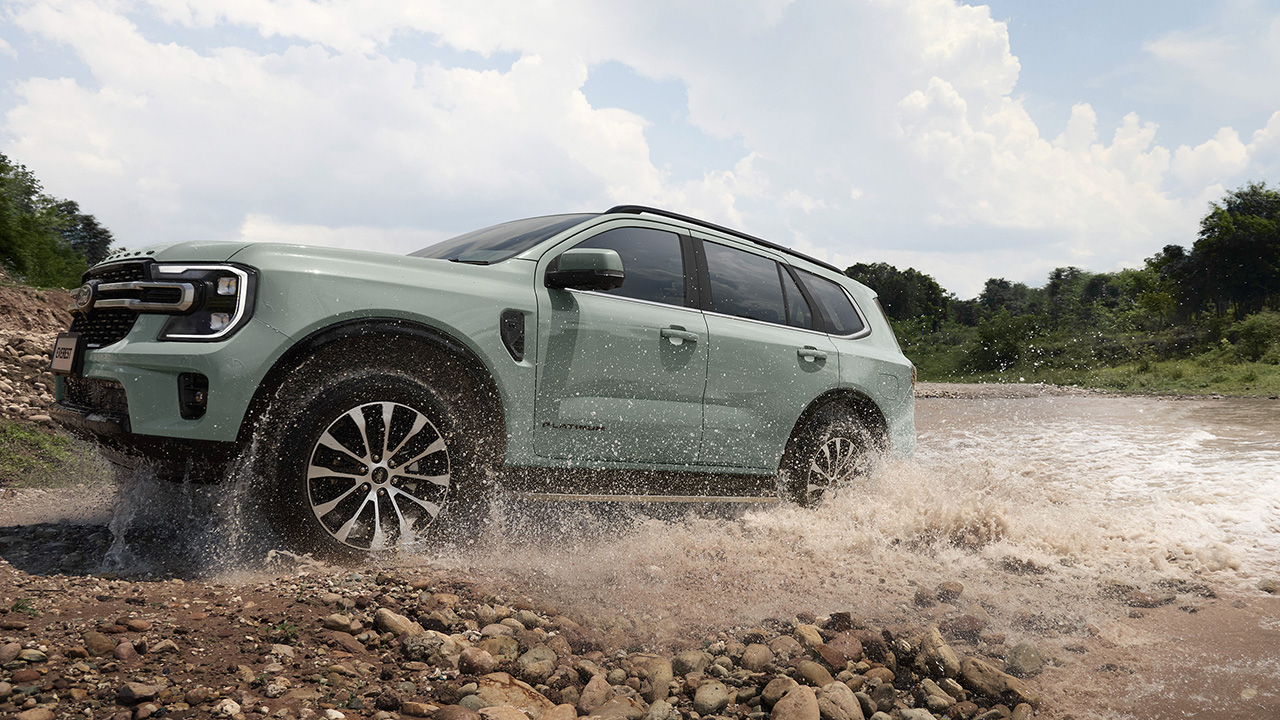
Modern mobility is no longer defined strictly by mechanical horsepower. Instead, intelligent software, sensor suites, and connected interfaces shape how we move through the world.
Ford Philippines is recalibrating the Everest lineup for 2027, putting advanced vehicle technology at the heart of the daily commute and weekend escapes.
Intelligence at the Core
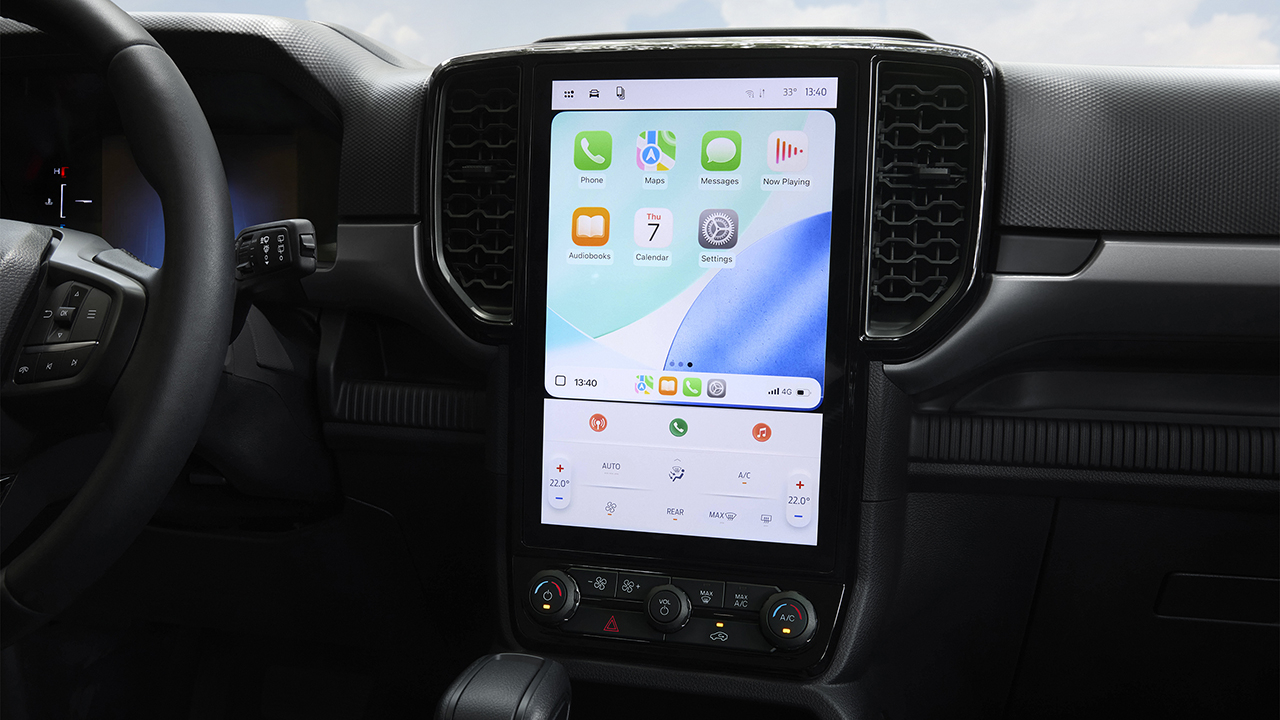
The most significant shift happens inside the cabin, where driver-assist features transition from luxury upgrades to non-negotiable standards.
The Active trim redefines entry-level technology by embedding Autonomous Emergency Braking with Pedestrian Detection and Forward Collision Warning into the baseline drive for PhP 1,949,000.
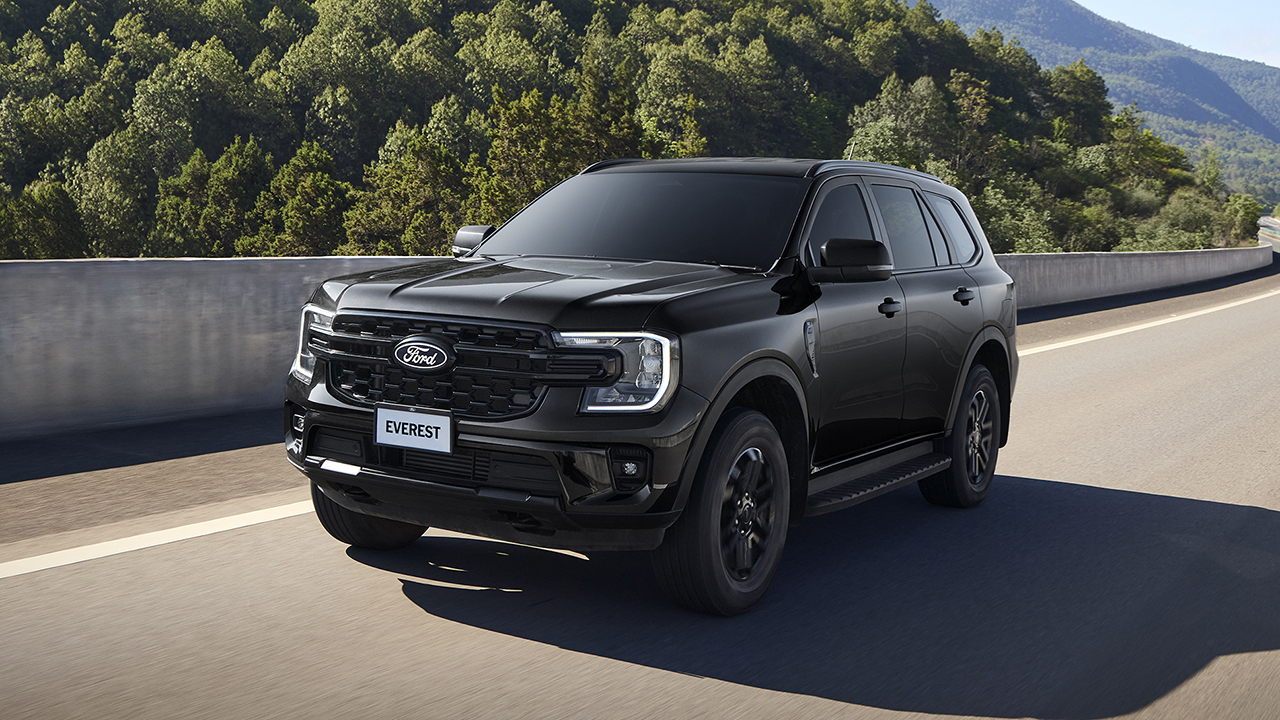
New Ford Everest Active
Combined with a central 12-inch infotainment screen, dual-zone climate control, and rain-sensing wipers, the system processes environment data continuously to protect passengers before a driver even reacts.
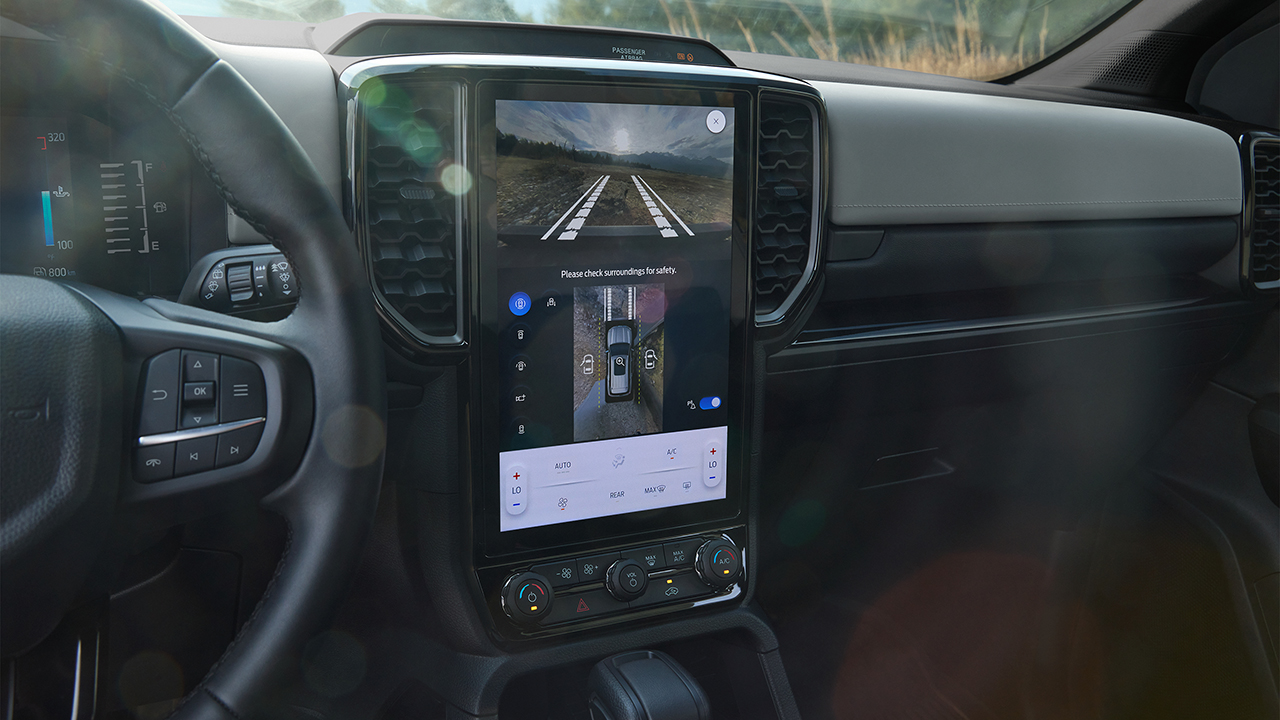
Stepping up to the Sport trim at PhP 2,219,000 expands this digital protective bubble. Here, the 12-inch ecosystem integrates Adaptive Cruise Control with Stop and Go, Lane Centering, and a 360-degree camera system.
Blind Spot Information with Cross-Traffic Alert and automatic braking turns tight urban parking and congested highway navigation into effortless single-button maneuvers.
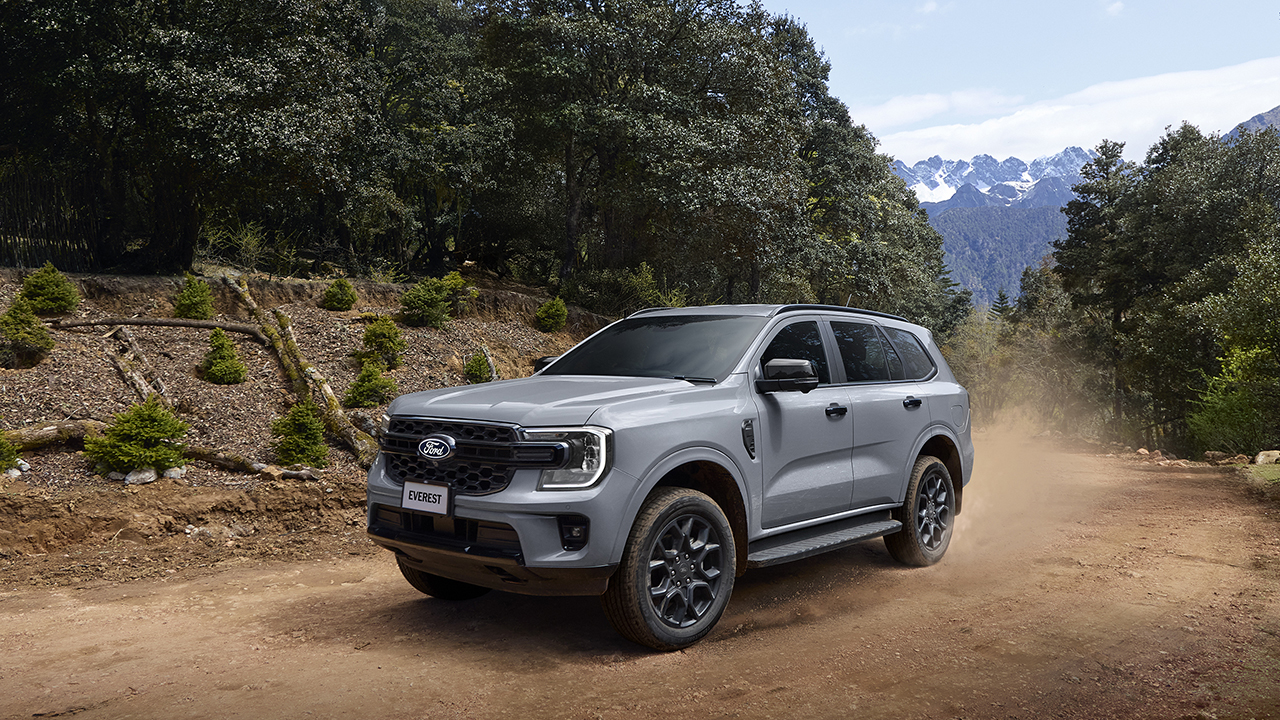
New Ford Everest Sport
Power engineered for precision
At the top of the technical spectrum sits the new V6 Platinum flagship, priced at PhP 2,849,000.
Its 3.0-liter Turbo Diesel V6 engine generates 250PS and 600Nm of torque, governed by an intelligent full-time four-wheel-drive system that actively routes traction across variable terrain.
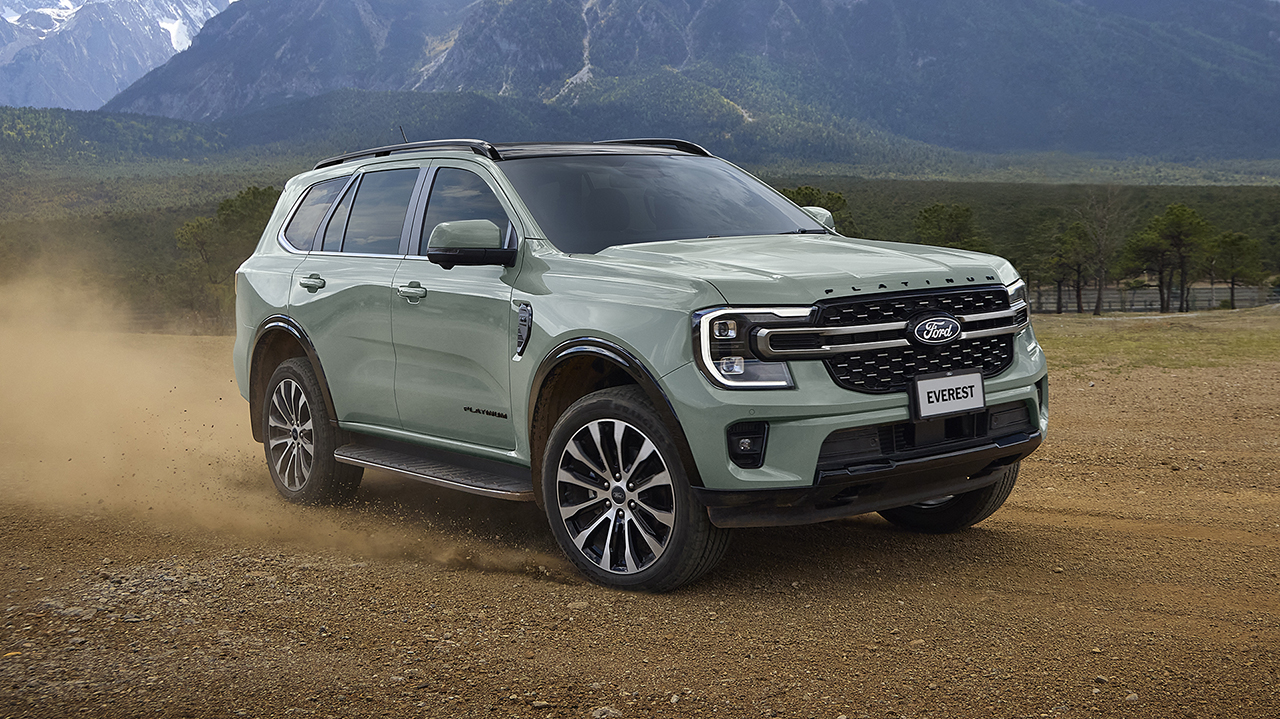
New Ford Everest Platinum
Matrix LED headlamps adapt lighting patterns dynamically to prevent glare for oncoming traffic while maximizing peripheral visibility.
Inside, a 12-speaker Bang & Olufsen sound system, 10-way power memory seats, and active heating and ventilation create a high-tech sanctuary on wheels.
Refined aesthetics and ecosystem support
The design-focused Wildtrak trim continues to pair its proven 2.0-liter Turbo 4×4 platform with updated visual cues at PhP 2,669,000. Featuring 20-inch alloy wheels and Ignite Orange accents, it bridges functional hardware with distinctive styling.
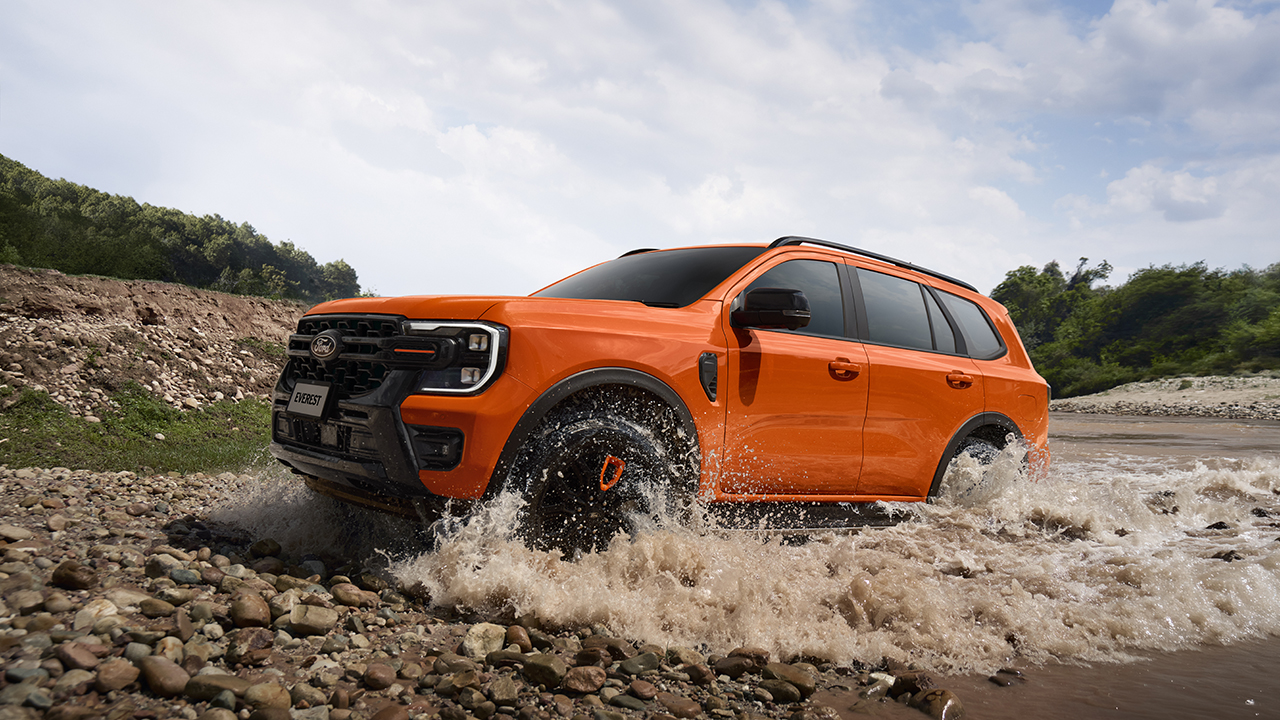
New Ford Everest Wildtrak
Reservations across all four variants is now open nationwide. To back its hardware and digital infrastructure, Ford includes its 5-Star Care Package through September 30, providing five years of warranty, scheduled maintenance, and roadside assistance.
Coupled with the Ford Family Guarantee digital service platforms, the refresh ensures the technology on board remains supported long after you leave the showroom floor.
Automotive
The new Ranger Raptor is now a connected truck, not just a fast one
Ford app connectivity finally lands on the Raptor, alongside two new V6-powered Wildtrak variants.
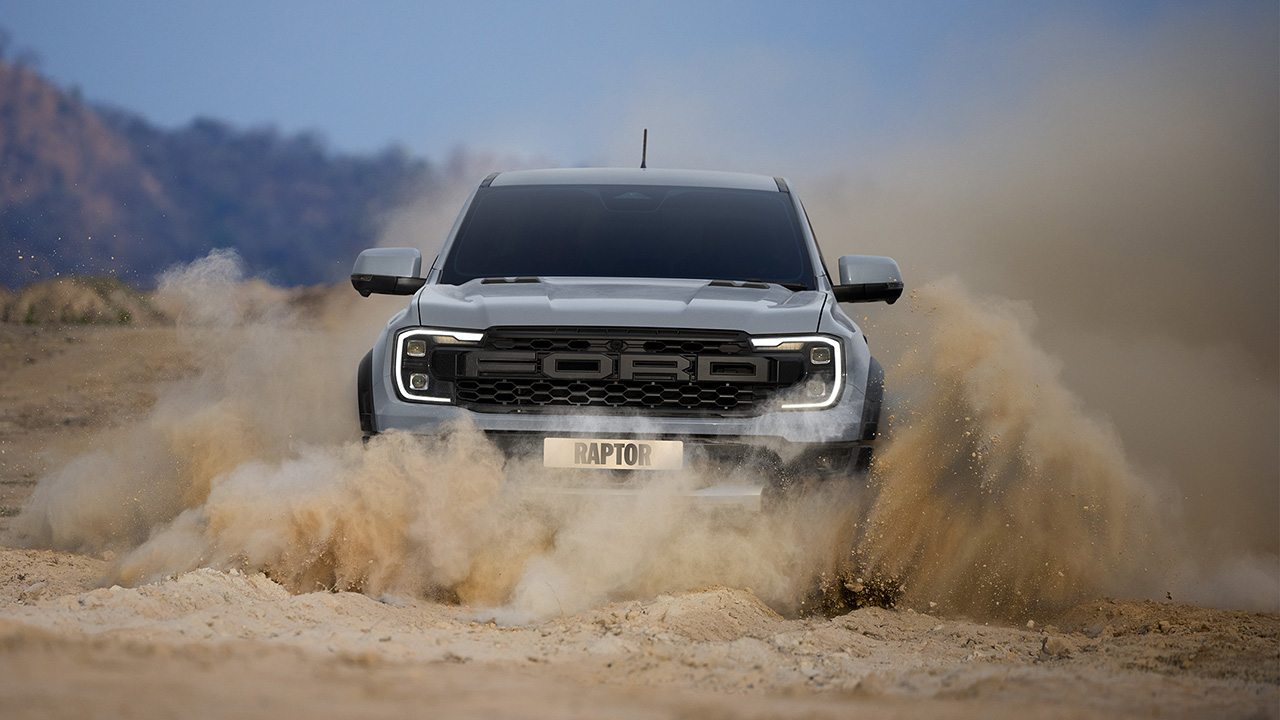
Power has never been the Ranger Raptor’s problem. It has always known how to command the trail, but living with a high-performance truck day to day usually demands a different kind of effort.
Ford Philippines is changing that balance by giving the Raptor a digital link to your phone, turning a raw performance vehicle into a thoughtful daily companion.
Smart connectivity for real life
Through the Ford app, the Raptor connects directly to your routine. You can start the engine remotely on a hot afternoon to cool down the cabin before stepping inside, track your vehicle’s location in a crowded lot, or check oil life without popping the hood.
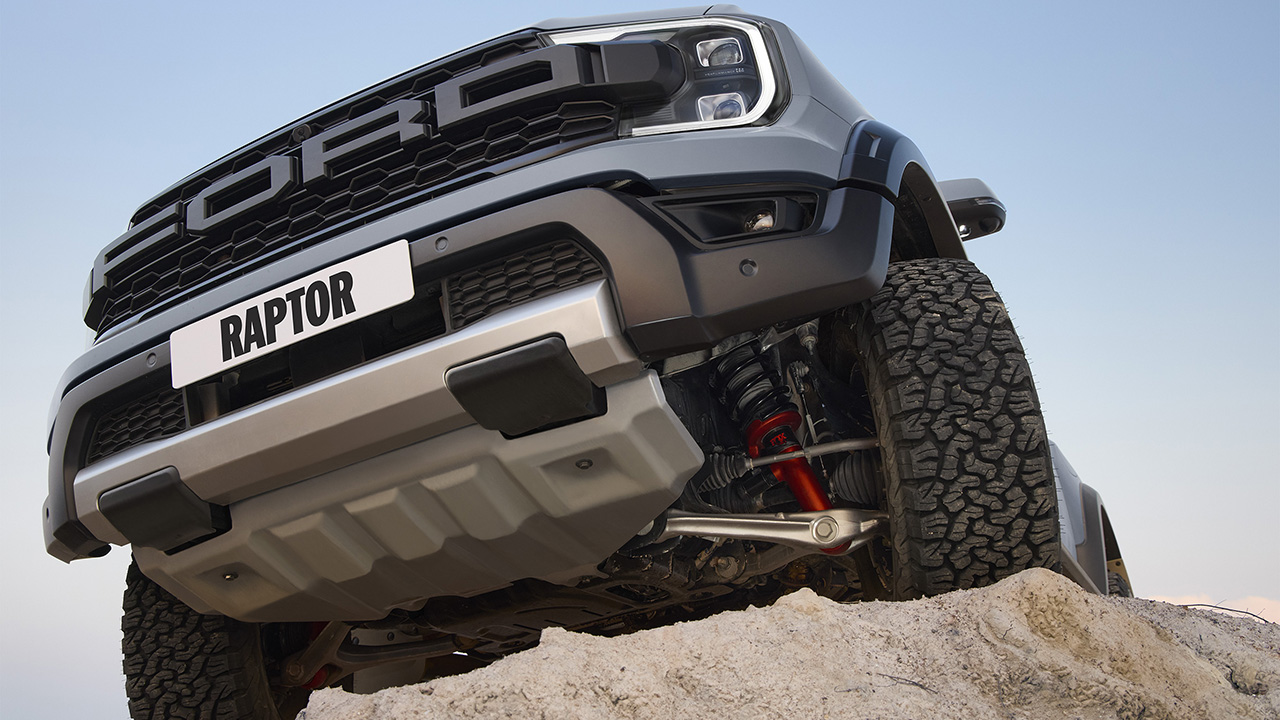
The 3.0L V6 EcoBoost engine under the bonnet still pushes out a fierce 397PS and 583Nm, but raw horsepower is no longer the only story worth sharing.
Underneath, the hardware receives an upgrade designed for total control on and off the road. New FOX 2.5 Live Valve Shocks automatically adjust to terrain, cutting internal damper friction in half for a smoother ride whether you are commuting or heading off-grid.
A selectable exhaust system lets you tailor the V6 rumble to your surroundings, switching smoothly between Quiet, Normal, Sport, and Baja modes.
The new Ranger Raptor is priced at PhP 2,879,000, supported by a PhP 20,000 cash discount with Ford’s 5-Star Care Package or a PhP 150,000 all-in down payment.
Space and utility for the open road
Ford is also expanding the lineup with two new V6-powered Wildtrak options designed for long drives and weekend escapes.
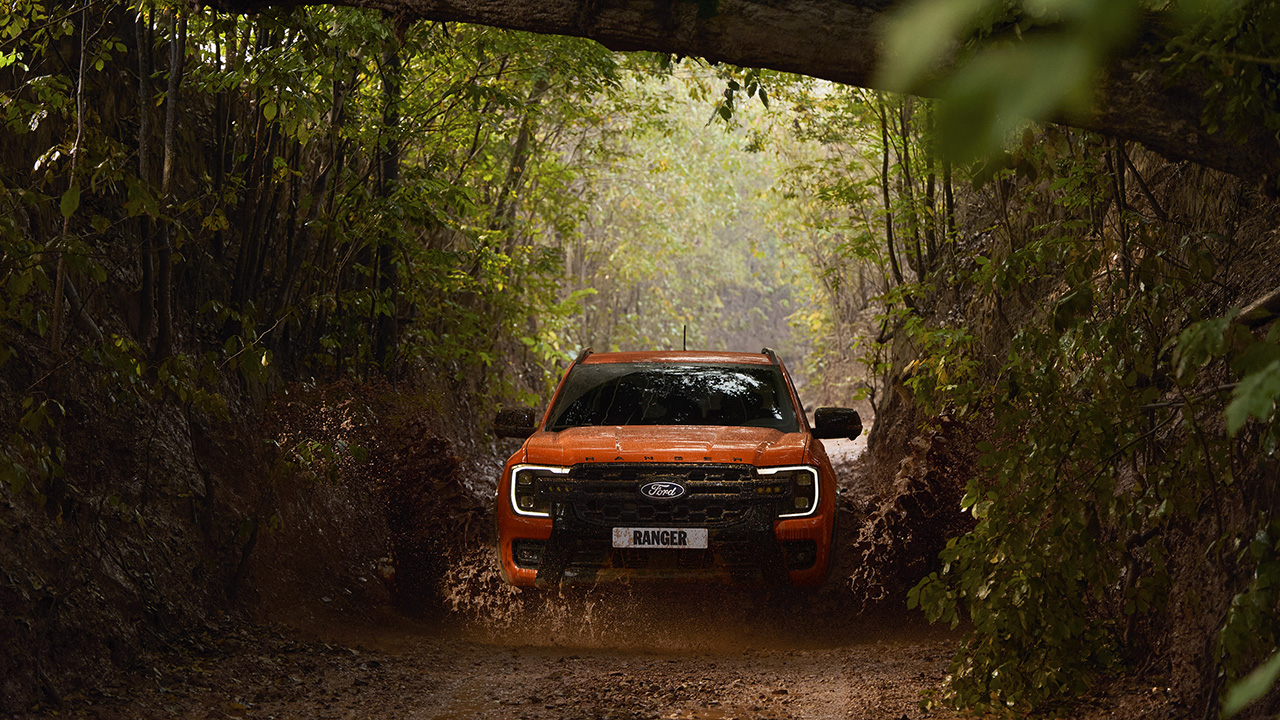
The Wildtrak X pairs a 3.0L V6 diesel engine (250PS, 600Nm) with full-time 4×4, Bilstein dampers, all-terrain tires, and a refined interior.
Inside, a 12-inch infotainment screen and a 10-speaker Bang & Olufsen sound system make every journey feel premium, all for PhP 2,609,000.
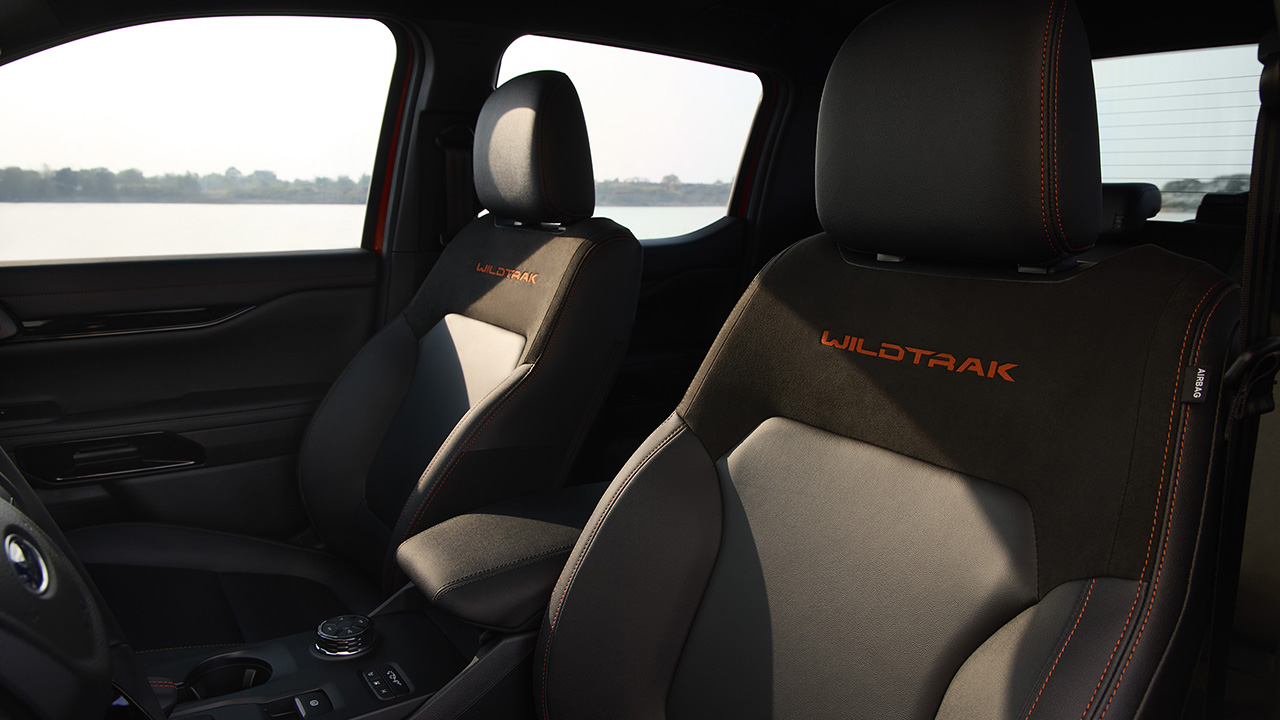
Meanwhile, the standard V6 Wildtrak introduces a refreshed front grille, new 18-inch wheels, and updated interior accents at PhP 2,469,000.
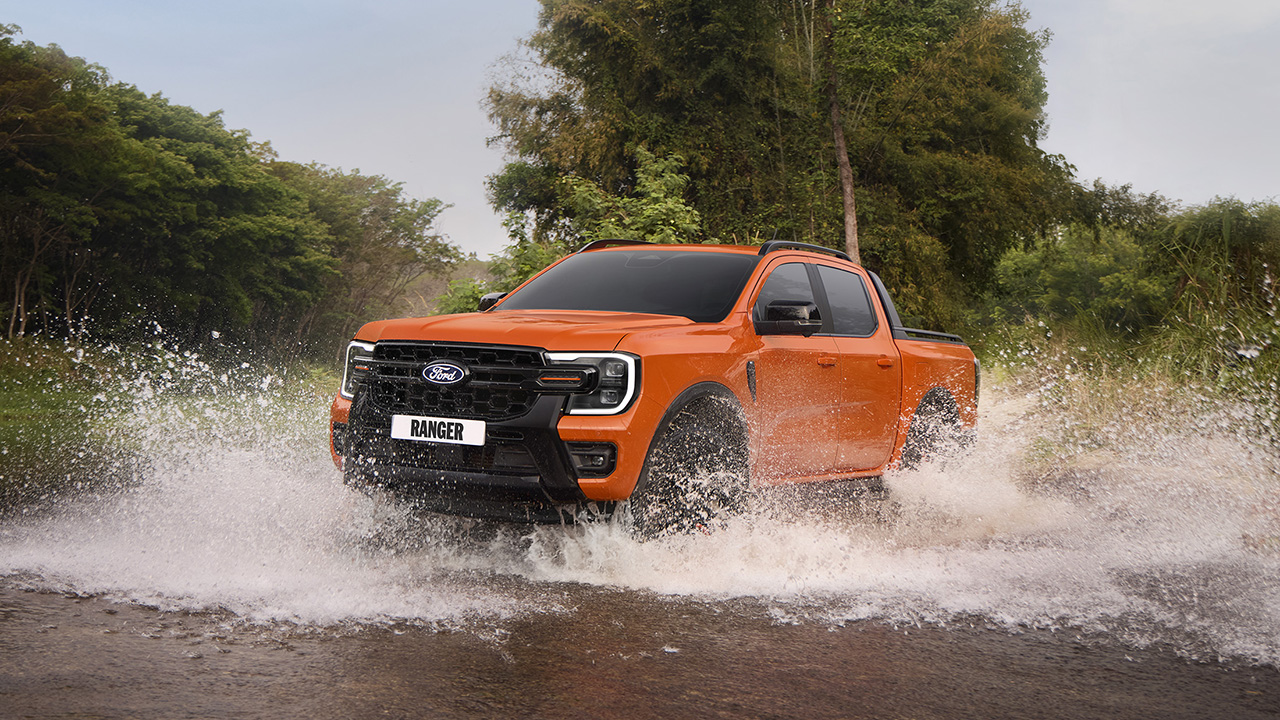
All three models are now open for reservations at Ford dealerships nationwide, bringing connected intelligence and effortless power to every drive.


Marvel’s Wolverine review: When the claws come out
A brutal, cinematic superhero adventure

Setting your bedsheets ablaze with the Lovense Solace Pro
The closest proxy I could find where I'm guilty as sin


Now Playing: Elden Ring Tarnished Edition
Is the Switch 2 port worth the price?

Apple is reportedly working on its own gaming controllers

BlizzCon 2026 announces World of Warcraft: Forever and Diablo V

Apple iPhone 18 Pro Series Hands-on

Spotlight: Hisense UR8 + RGB MiniLED Explained

First Look: Apple iPhone Duo

TECNO MEGAPAD 2 review: Eyes on the size

realme 16T 5G with 8000mAh battery, IP69 Pro rating launches in PH

HUAWEI Pura X View is 2026’s first WIDE slab-type smartphone

REDMI reveals the refreshed Note 17 and Note 17 Pro series

REDMI Note 17 Series focuses on long-term reliability


-
 News7 days ago
HUAWEI Pura X View is 2026’s first WIDE slab-type smartphone
-

 News1 week ago
The CAMON Slim 5G is TECNO’s latest ultra-slim smartphone
-
 Cameras2 weeks ago
DJI Osmo 360 II review: Going all-in on the ecosystem
-

 IFA 20262 weeks ago
TECNO MEGABOOK T15 360 unveiled at IFA 2026
-

 Gaming2 weeks ago
NBA 2K27 review: A two-way All-Star
-
 Reviews2 weeks ago
Samsung Galaxy Z Fold8 Ultra review: It’s time to get a foldable
-
 News5 days ago
iPhone 18 Pro series: Price, availability in the Philippines
-

 IFA 20261 week ago
TECNO’s POVA 8 Pro gets a stealthy makeover