



Netflix, one of the largest streaming platforms, houses tons of content that’s both kid-friendly and R-18. With a plethora of TV shows and movies, it’s relatively easy for kids to watch age-inappropriate shows. Fret not, the streaming giant allows parents and guardians to create a separate profile with carefully selected content specifically for kids with Netflix parental controls.
These have been updated earlier in 2020, tightening security so kids can’t access content that’s not meant for them.
Setting up parental controls

Securing profiles can be done easily. You only need to open your Netflix app or log your account on a web browser via netflix.com/account.
Upon signing in, select your profile’s icon and click Account. Then, scroll down to Profile & Parental Controls. Per profile, you can adjust viewing restrictions right for their age.
For added protection, you can add a PIN on profiles for adult users through Profile Lock. This way, kids (and other users) won’t be able to access your account.
Netflix Kids Experience
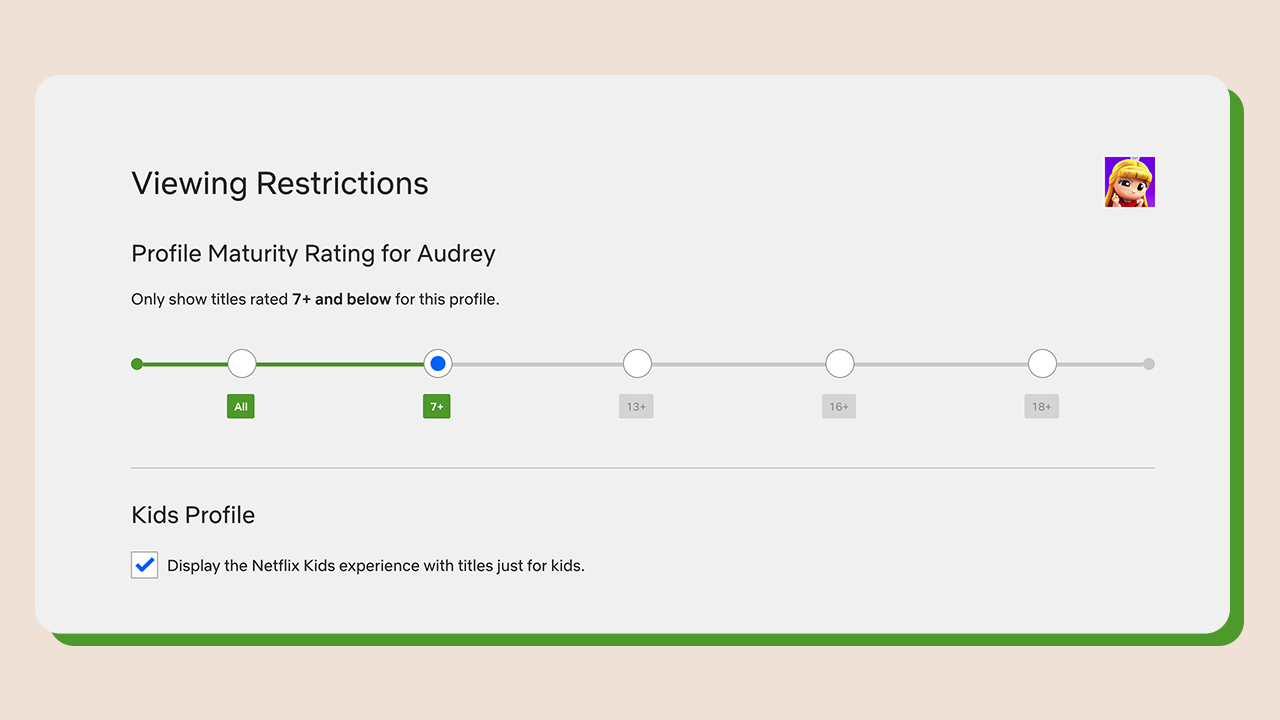
For your kid’s profile, you can choose the appropriate rating: 7+ and below, 13+ and below, 16+ and below, or 18+ which enables access to all maturity ratings.
You can turn on Netflix Kids experience by ticking “Display the Netflix Kids experience with titles just for kids.”
When Netflix Kids experience is enabled, kids can enjoy a simplified interface. You can also worry less as they won’t be able to change your account settings.
Restricting specific titles
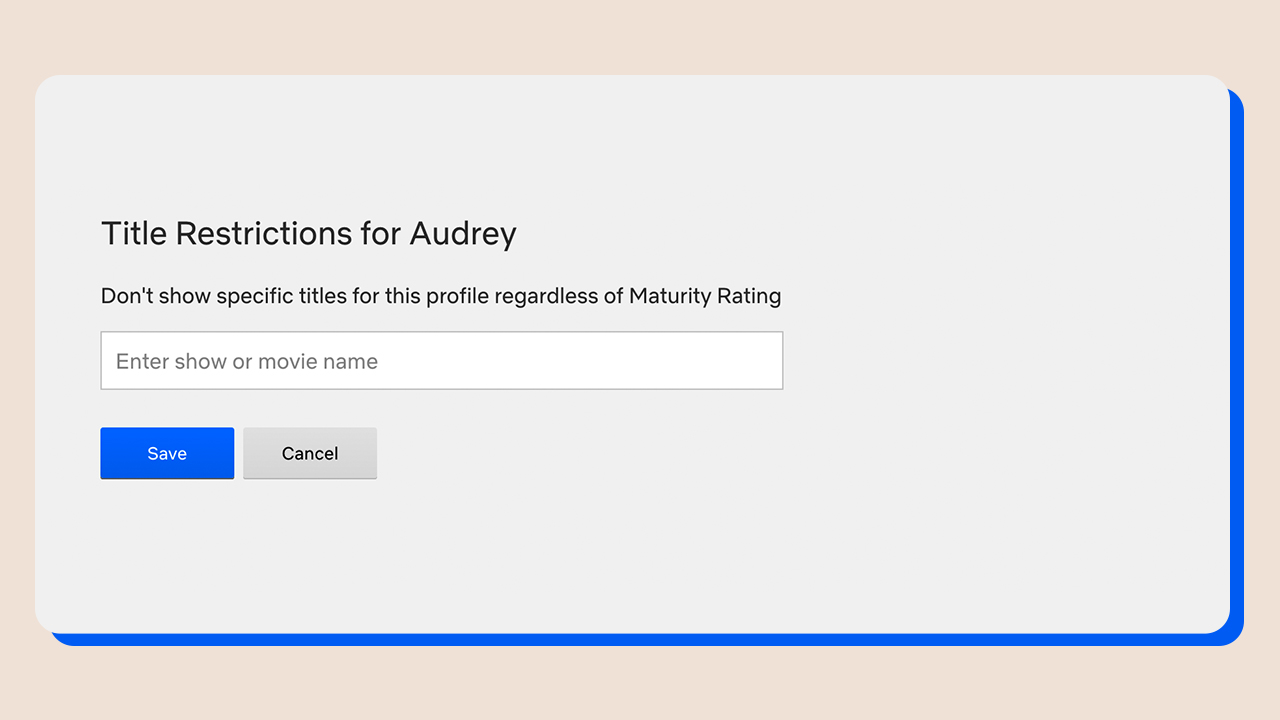
If you’re extra cautious, you can restrict specific titles and disregard their maturity rating. You can do this in every profile, accessible through ‘Viewing Restrictions’. Just type the titles you want to block, and voila!
Everything starts at home
Having Netflix parental controls is only the first step. As a millennial, I believe in having open communication and regular conversation with our kids.
Parents and guardians should always take the time to discuss the importance of these regulations we impose, the reason why we’re restricting access, and the concerns we have as they explore the Internet on their own.
At the end of the day, everything starts at home between a parent/guardian and a child reaching a mutual understanding on how to enjoy technology safely.







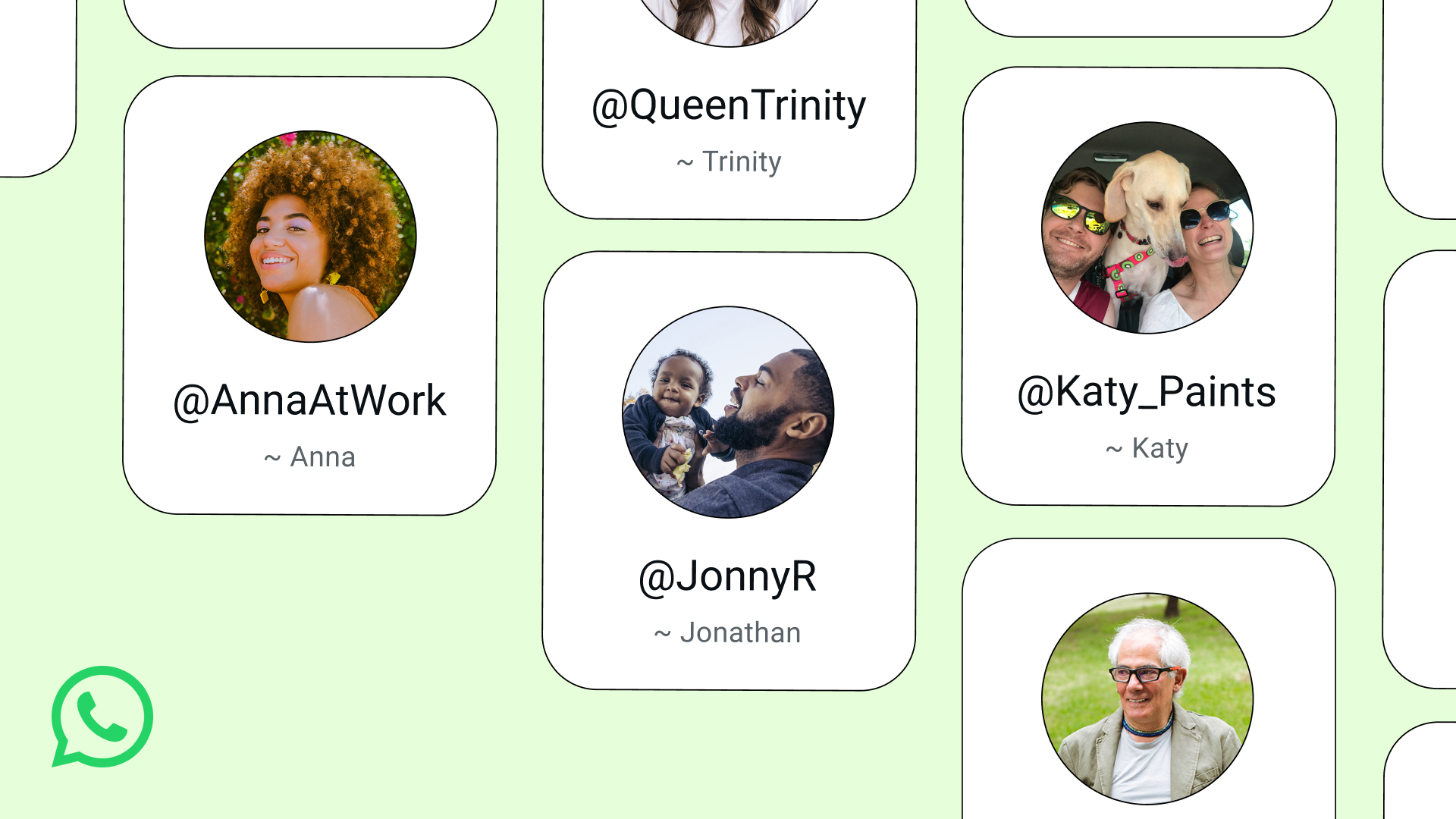
WhatsApp is about to get an extra later of protection. After thriving on number-based chatting, the platform will soon add usernames, eliminating the need to share your number with strangers.
Usernames are the standard way of maintaining your anonymity online. Though most platforms today require users to log their email addresses or phone numbers, establishing a username can prevent other users from seeing this information way too easily.
Today, Meta has started rolling out reservations for WhatsApp usernames. The feature itself isn’t available yet, but early adopters can grab theirs as soon as the setting becomes available on their app.
To access the reservation, users can go to Settings > Account > Username. Of note, this isn’t available for everyone yet. But if you want to take dibs on a specific name, be on the lookout for the setting.
As for the username itself, users can reserve anything as long as it’s unique. Business owners and creators can also use their Facebook or Instagram handles as their WhatsApp usernames.
The feature, once it launches, will stop users from accessing your phone number when messaging. Similarly, other users will now need your exact username to start a conversation. Users can also set a separate code to protect conversations further.
SEE ALSO: Meta adds subscriptions for Facebook, Instagram, and WhatsApp
Apps
HONOR, Xiaomi are working on their own Privacy Displays
Samsung’s Privacy Display is apparently very popular

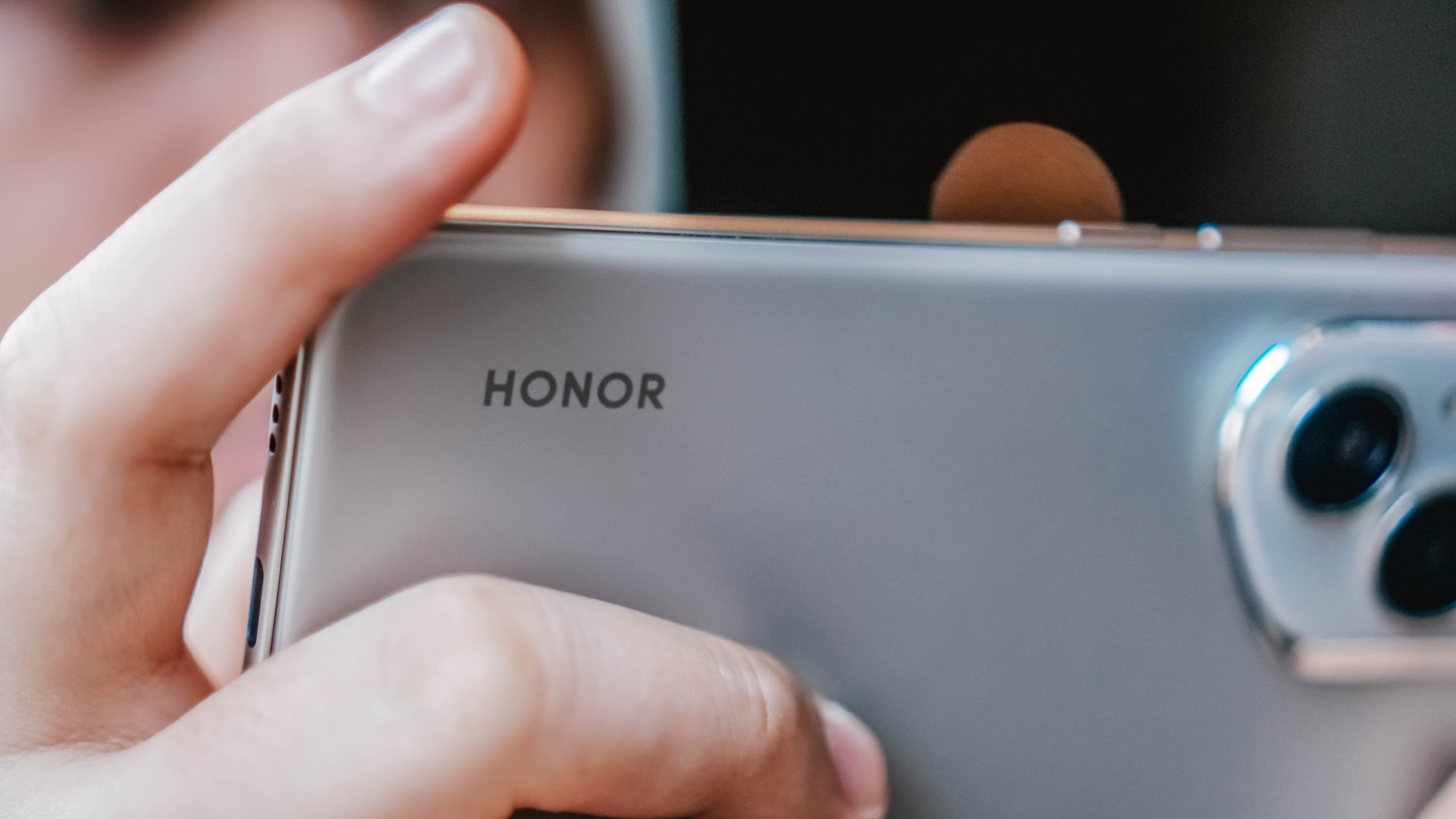
Normally, a smartphone brand’s blatant copying of another brand’s feature is not a good practice. Today, however, there is a new feature that we wish other brands would copy: Samsung’s Privacy Display. Thankfully, some brands, like HONOR, have finally gotten the message and are working on version of the feature.
As reported by Digital Chat Station on Weibo, HONOR is reportedly working on a privacy screen for its smartphones. Likewise, Xiaomi is working on the same thing, potentially launching the feature for the Xiaomi 18 Pro.
For the uninitiated, the Samsung Privacy Display is a built-in feature that blocks visibility of the screen at certain angles. If you’re not looking at the screen from the front, all you’ll see is a black void. It’s a built-in version of those protective screens that you can buy separately. Besides adding a nice layer of protection against scratches, it’s also meant to prevent snooping from your shoulder.
Samsung’s take was widely acclaimed for being insanely useful. When it arrives, this feature will be a godsend to more brands. Even better, users will no longer need to rely on third-party screen just to enjoy the privacy.
That said, there’s still no indication as to when these features will arrive on either HONOR or Xiaomi.
SEE ALSO: LE SSERAFIM Chaewon flexes Galaxy S26 Ultra Privacy Display
Meta does not have the most stellar of reputations. Despite offering the world’s most popular social media platforms, the company, through its various experiments throughout the years, continuously proves that it has other priorities than just providing the best for its users. Today, another reported experiment wants to take Meta to a new market that its users might fall into: the prediction market.
If you haven’t heard of the prediction market, consider yourself lucky. These apps, such as Kalshi, are basically just gambling platforms without the glitz of playing cards or the rigor of the stock market. Users gamble on mundane circumstances like the weather and more serious ones like war.
Today, as reported by The New York Times, Mark Zuckerberg is reportedly asking Meta to develop a prediction app of its own. Interestingly, the experimental app, supposedly called Arena, will use virtual points, rather than real money. However, Meta has not ruled out real money — and hence, real gambling — in the future.
Meta is entering the industry at an extremely volatile time. The world is starting to crack down on prediction markets. Some users, for example, have been accused of using insider information to get easy wins on these platforms. Some markets have also accused these platforms of subverting anti-gambling laws.
SEE ALSO: Meta adds subscriptions for Facebook, Instagram, and WhatsApp





New York becomes first state to ban smart glasses

HoYo FEST 2026 details announced; tickets on sale from July 16

GIGABYTE releases new AORUS RTX 5080 INFINITY graphics cards

Assassin’s Creed Black Flag Resynced available worldwide now

Crunchyroll: Sports anime to watch during the FIFA World Cup

TECNO’s POVA 8 5G is both futuristic and future-ready

HONOR Magic V6 review: The best version of a book-style foldable?

TECNO’s SPARK 50 Pro is the latest budget smartphone battery beast

Buyer’s Guide: TECNO SPARK 50 Pro vs SPARK 50 5G

DJI Osmo Pocket 4P launches with dual lenses and a 1-inch sensor


-
 Cameras2 weeks ago
DJI Osmo Pocket 4P launches with dual lenses and a 1-inch sensor
-

 News2 weeks ago
Lenovo says RAM prices are not coming back down again
-

 News2 weeks ago
The vivo X Fold6 is the first foldable to support teleconverter lens
-

 Laptops1 week ago
The ASUS ExpertBook Ultra wins you over
-

 Gaming1 week ago
PlayStation goes all-digital in 2028
-

 Gaming1 week ago
Xbox might get rid of physical discs too
-

 Laptops1 week ago
ASUS launches the ExpertBook Ultra
-

 Enterprise1 week ago
Google ordered to pay EUR 4.1 billion in fines