
News
Apple Watch Series 6 launches with Blood Oxygen Sensor
And a few other improvements

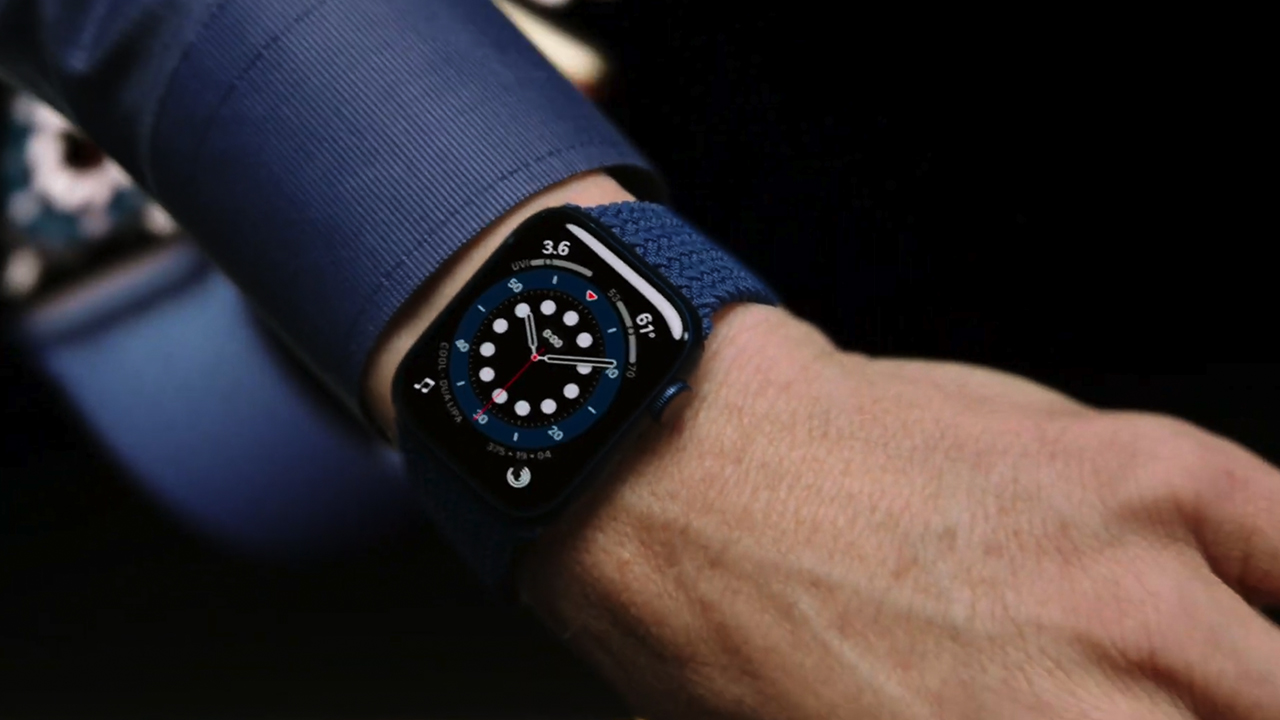
If you ask most tech reviewers, the Apple Watch is the consensus best smartwatch right now. Such a distinction doesn’t stop the company from making it even better with the Apple Watch Series 6.
Blood Oxygen
New to the Apple Watch Series 6 is the addition of blood oxygen or SpO2 sensor. It’s a feature that’s been a staple into some smart bands and other smartwatches since 2019. It also plays a key part in our battle against COVID-19. Doctors say you should be concerned if SpO2 levels drop below 92-93 percent.
The Blood Oxygen sensor employs four clusters of green, red, and infrared LEDs. This compensates for natural variations in the skin and improve accuracy This is also aided by four photodiodes on the back crystal of Apple Watch, to measure light reflected back from blood.
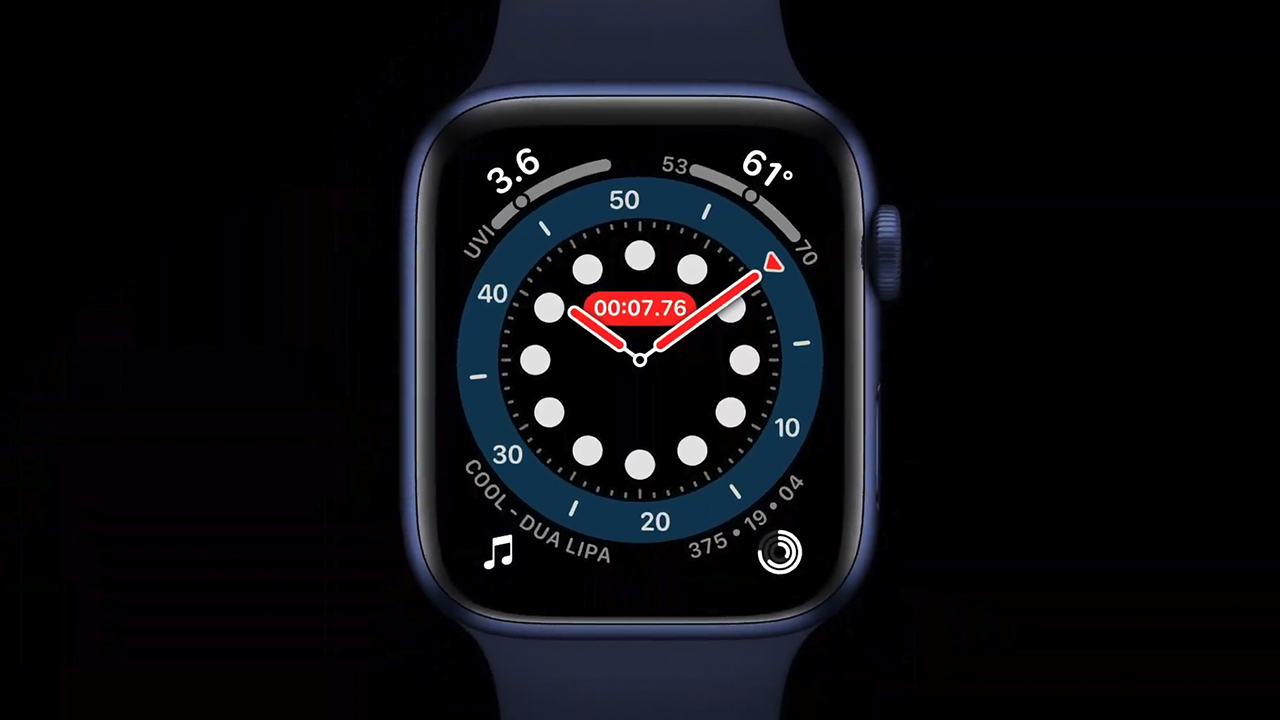
Apple Watch then uses an advanced custom algorithm built into the Blood Oxygen app, which is designed to measure blood oxygen between 70 percent and 100 percent. On-demand measurements can be taken while the user is still, and periodic background measurements occur when they are inactive, including during sleep.
All data will be visible in the Health app, and the user will be able to track trends over time to see how their blood oxygen level changes.
Most importantly, Apple will work closely with investigators at the Ted Rogers Centre for Heart Research and the Peter Munk Cardiac Centre at the University Health Network. It is one of the largest health research organizations in North America. This will help the company better understand how blood oxygen measurements and other Apple Watch metrics can help with management of heart failure.
Improved performance
The Apple Watch Series 6 is running a dual-core processor based on the A13 Bionic chip. This means it’ll run 20% faster than the previous generation while maintaining the same promise of an 18-hour battery life.
It also has the U1 chip and Ultra Wideband antennas for short-range wireless location. This supports features like next-generation digital car keys. Other improvements include faster charging and longer battery life for tracking certain workouts like indoor and outdoor runs.
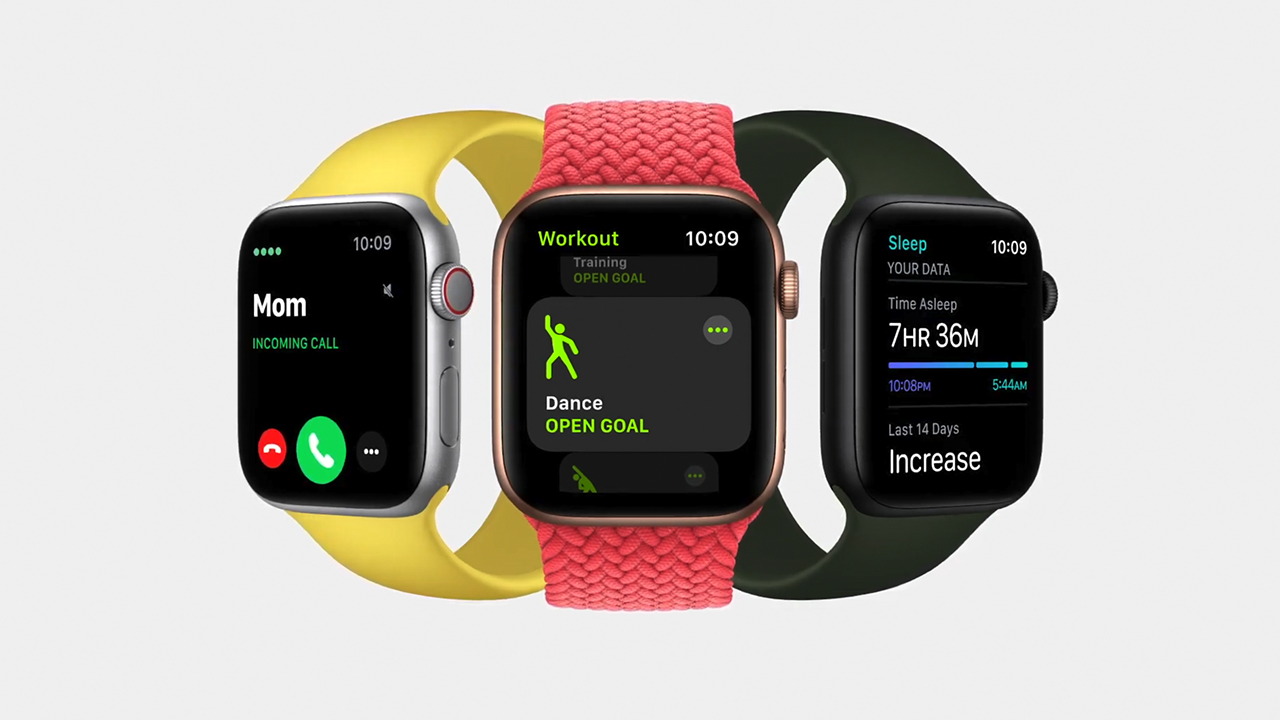
The Always-On Retina display is now 2.5 times brighter than the Series 5 outdoors. Users can now also access Notification Center and Control Center with their wrists down.
There’s also a n always-on altimeter. It allows for detection of small elevation changes above ground level, up and down to the measurement of one foot, and can be shown as a new watch face complication or workout metric.
Apple Watch Collection
Of course, it’s not Apple Watch without new colors, designs, and straps to choose from.
For the first time, a new blue color joins the silver, space gray, and gold aluminum case options, along with a (PRODUCT)RED Apple Watch with exclusive matching bright red bands.
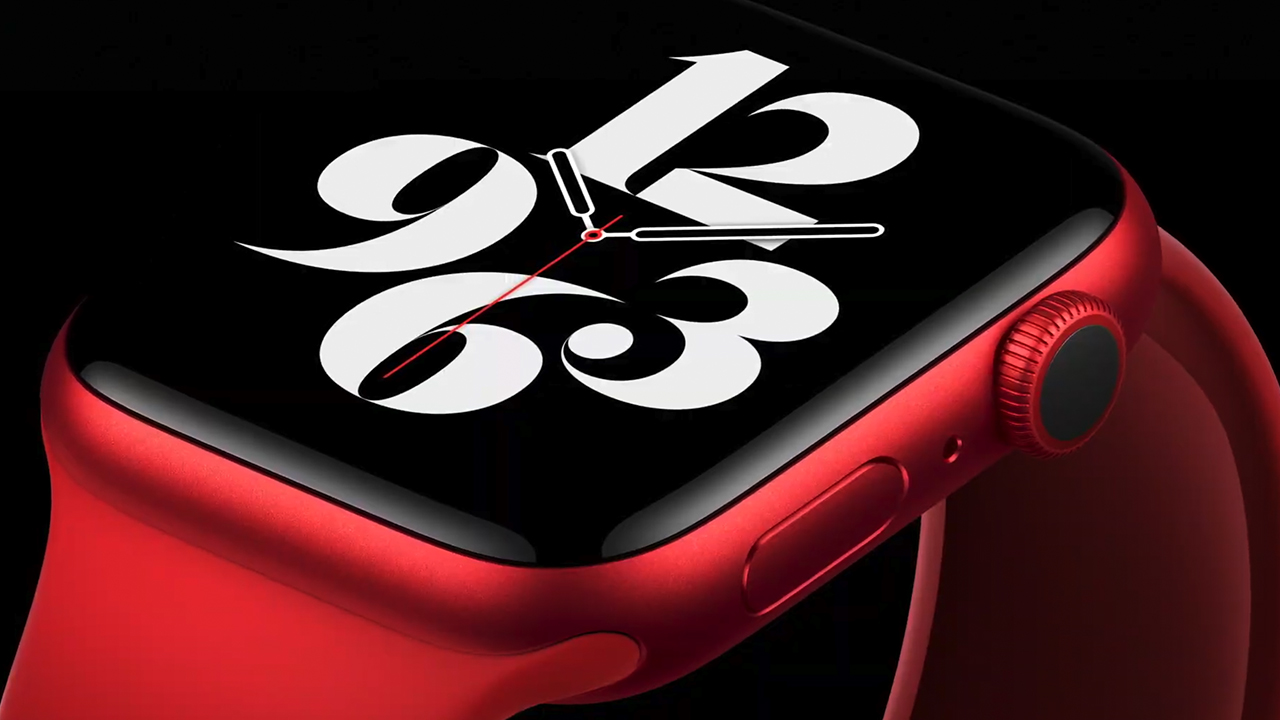
Stainless steel models are now available in graphite — a rich gray-black hue with a striking high-shine finish — and an updated classic yellow gold color. Apple Watch Edition is available in natural and space black titanium.
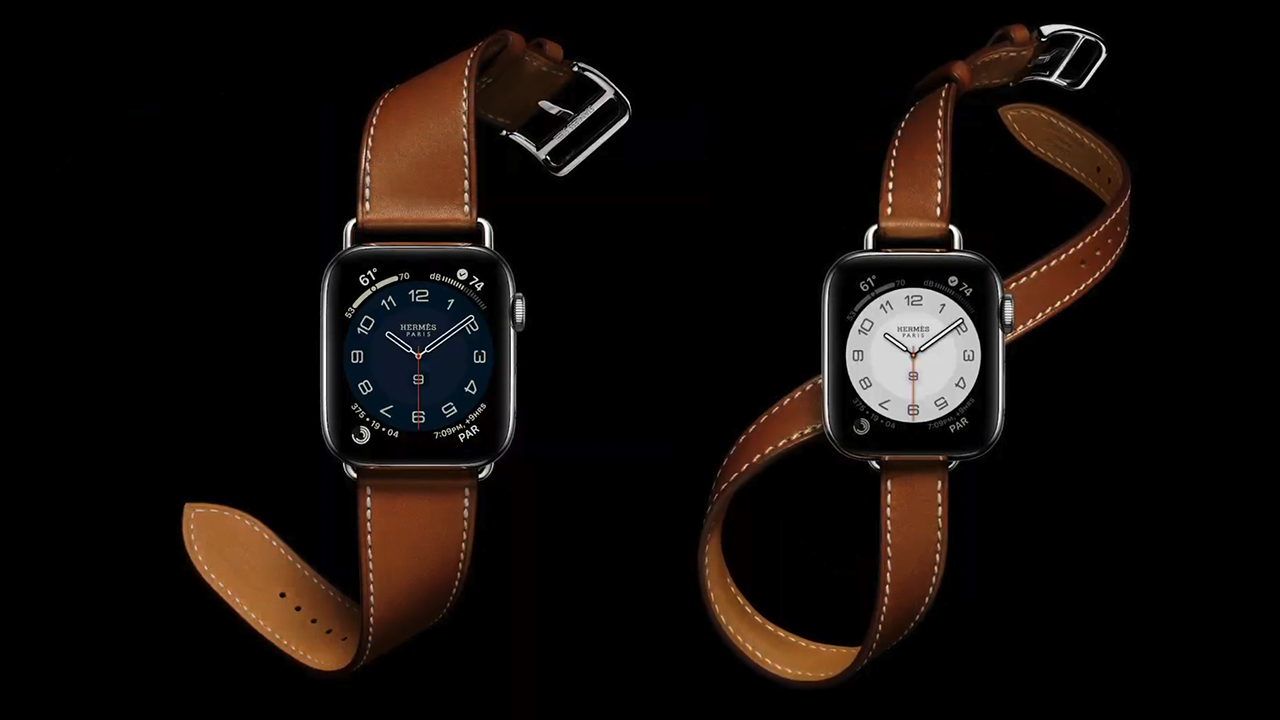
There are also three new band styles: Solo Loop, Braided Solo Loop, and Leather Link wraps.
watchOS 7
The new hardware will be accompanied by watchOS 7. There are new watch face options, new health and fitness features, sleep tracking, automatic hand washing detection, and new workout types.
Also new is Family Setup. It extends Apple Watch to the entire family by allowing kids and older family members of the household who do not have an iPhone to benefit from all it has to offer.
Pricing and availability
- Apple Watch Series 6 (GPS) starts at $399 and Apple Watch Series 6 (GPS + Cellular) starts at $499.
- Apple Watch Series 6 (GPS) is available to order today from apple.com and in the Apple Store app, with availability beginning Friday, September 18, in the US, Puerto Rico, and 27 other countries and regions.
- Apple Watch Series 6 (GPS + Cellular) is available to order today from apple.com and in the Apple Store app, with availability beginning Friday, September 18, in the US, Puerto Rico, and 21 other countries and regions.
- Apple Watch Nike is available to order today from apple.com and in the Apple Store app, with availability beginning Friday, September 18, in the US, Puerto Rico, and more than 27 other countries and regions. For more information, visit apple.com/apple-watch-nike or nike.com/applewatch.
- Apple Watch Hermès is available to order today from apple.com and in the Apple Store app, with availability beginning Friday, September 18, in the US and more than 14 other countries and regions. For more information, visit apple.com/apple-watch-hermes or hermes.com/applewatchhermes.
- New Apple Watch bands are available to order today from apple.com and in the Apple Store app, with availability beginning Friday, September 18. Solo Loop and Braided Solo Loop in (PRODUCT)RED will be available in late October. Solo Loop and Braided Solo Loop are compatible with Apple Watch Series 4 and later.
- watchOS 7 will be available for Apple Watch Series 3 and later on September 16, and requires iPhone 6s or later running iOS 14. Not all features are available on all devices.





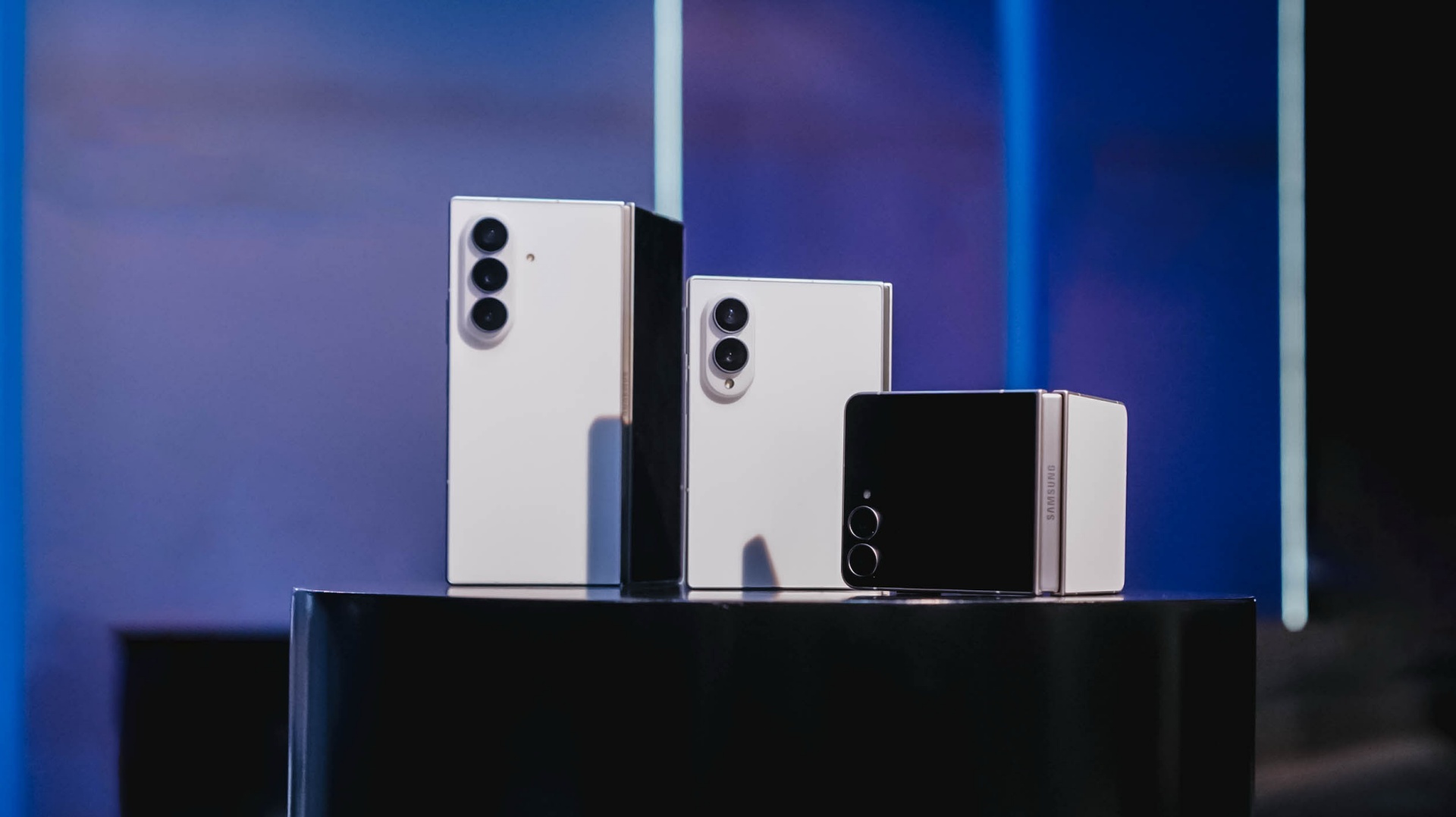
The newly-launched Samsung Galaxy Z8 series is now available via Smart Postpaid and Smart Infinity. Pre-orders for Samsung’s latest foldables are available from July 22 to August 13.
Pre-ordering will allow customers to get exclusive storage upgrades, trade-in savings, and flexible payment options. Plus, they can get three months of complimentary Samsung Care+.
Moreover, customers can maximize their devices with Smart’s All-New Postpaid Plans+, which come with UNLI App Bundles, UNLI 5G for 12 months (in select areas), Open-Access Data, and high priority on the Smart network.
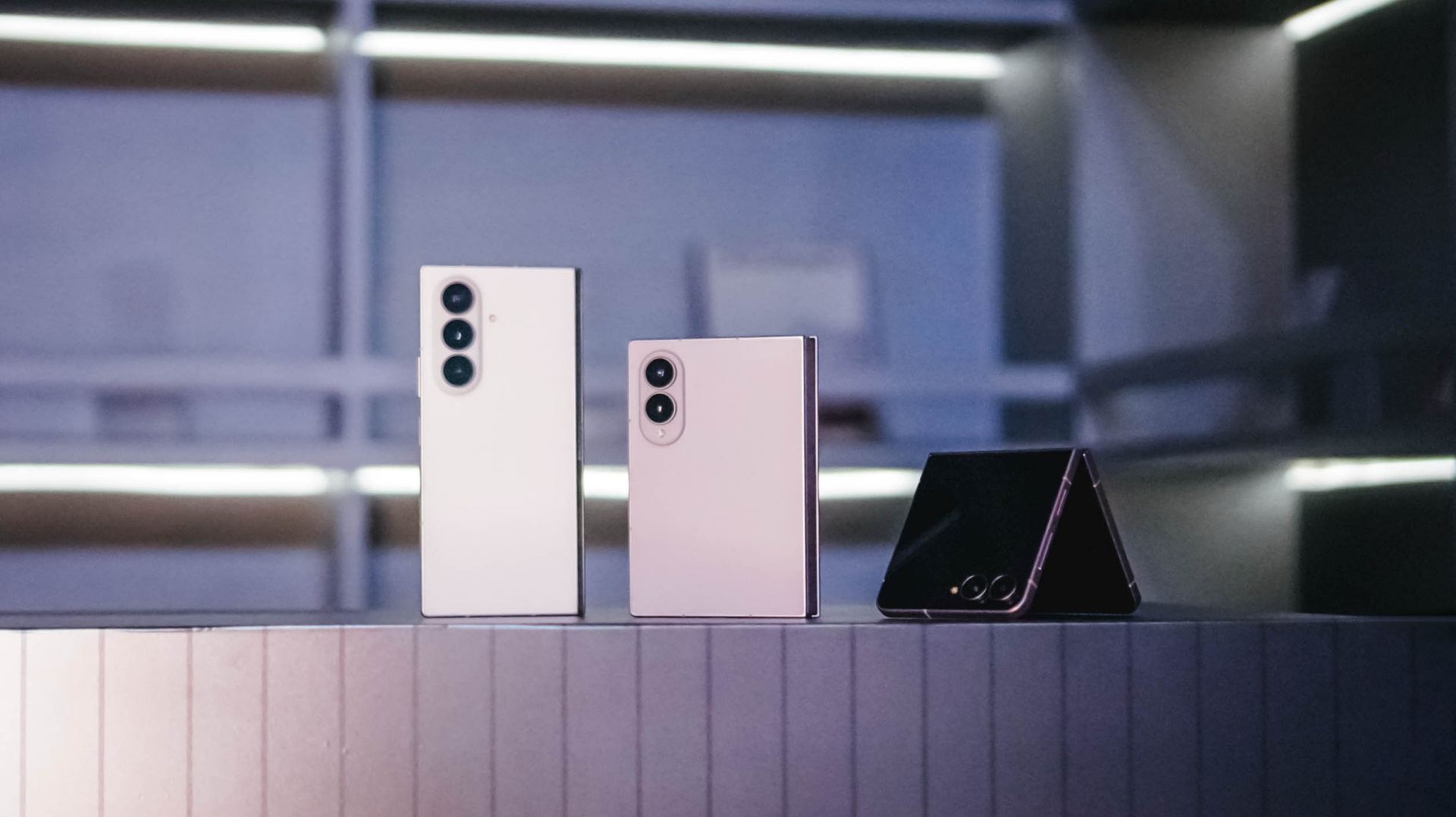
With Smart Postpaid Plans+ 1999, subscribers can get the following devices through straight payment or 24-month, zero-interest installment using participating credit cards (Metrobank, Security Bank, BPI, UnionBank, HSBC, and RCBC):
- Samsung Galaxy Z Fold8 Ultra (512GB): PhP P101,600 or PhP 5,021/month
- Samsung Galaxy Z Fold8 (512GB): PhP 91,100 or PhP 4,500/month
- Samsung Galaxy Z Flip8 (512GB): PhP 65,100 or PhP 3,217/month
Customers can pre-order the latest Samsung Galaxy Z8 Series via smart.com.ph/galaxypreorder or at the nearest Smart Store.
In addition, the Samsung Galaxy Z Fold8 Series is also available through Infinity Plan 5000 and Infinity Plan 8000.
These packages come with unlimited data, calls, and texts, roaming-ready connectivity, and exclusive Infinity privileges.
Through the Samsung Trade-In Program, customers can also reserve their preferred Galaxy Z8 Series device and complete their trade-in at participating stores once the devices officially launch.
Eligible smartphones can be traded in for up to PhP 14,000 off.
New Samsung Galaxy Watches also available
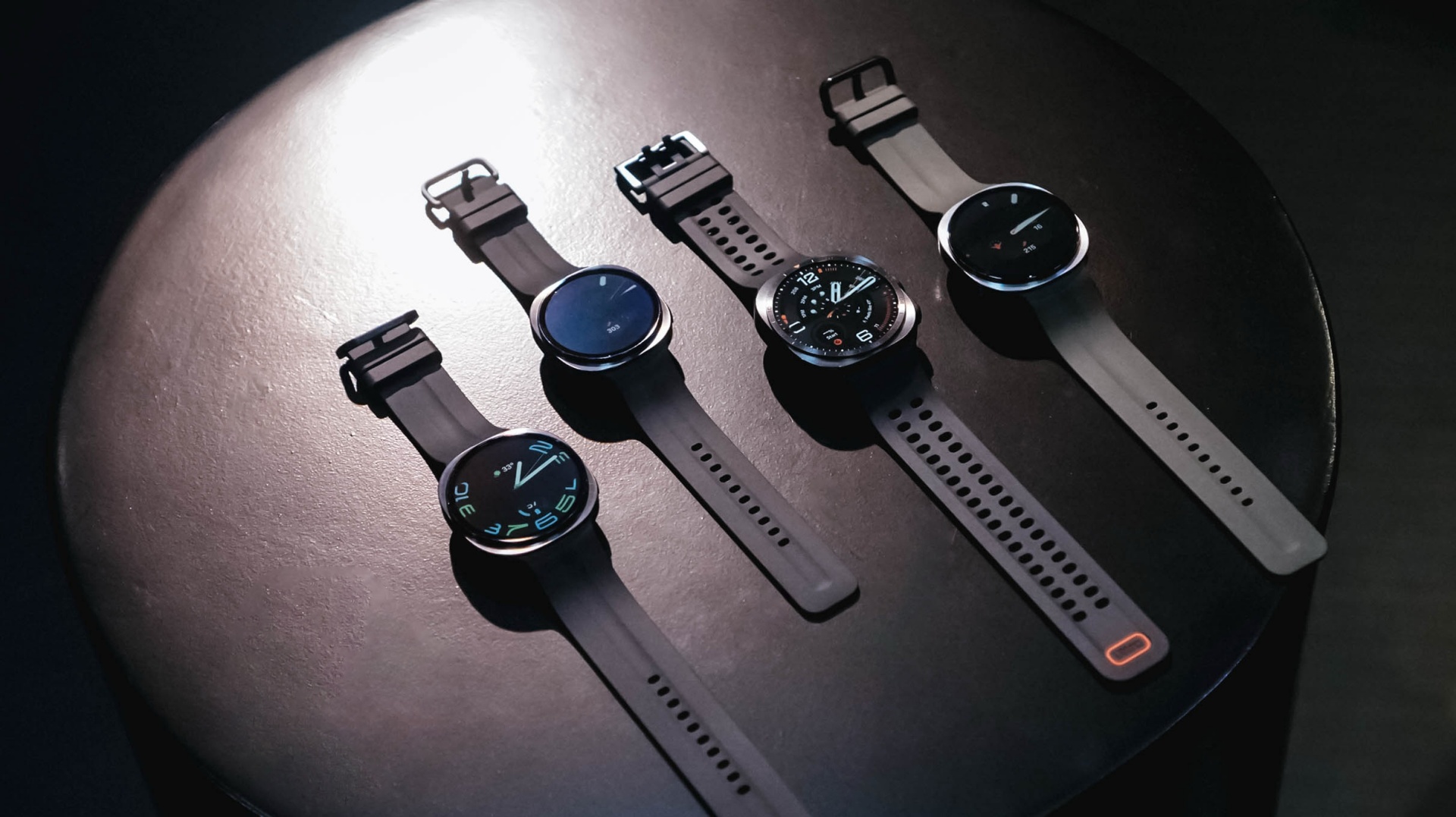
Lastly, Smart Postpaid and Smart Infinity are offering the new Samsung Galaxy Watch9 and Samsung Galaxy Watch Ultra2.
Compatible smartwatch users can also add on Smart Device Link, which enables their smartwatch and phone to share one mobile number and plan inclusions.
First-time subscribers can enjoy the service free for six months, when they activate until September 30.
With the Smart Postpaid Plans, subscribers can save up to 20% compared with the suggested retail price when they bundle a Samsung Galaxy Watch with their new Samsung Galaxy Z8 Series device.
Entertainment
Resident Evil movie reboot finally gets a scary trailer
Can you spot the Easter eggs for longtime fans?


After briefly losing its way in the middling fifth and sixth entries, the Resident Evil series rediscovered its way back to the survival horror genre with the seventh entry onwards. However, the series doesn’t have the best reputation in Hollywood with its lackluster reviews. Now, the Hollywood series wants to right the ship with the upcoming reboot, simply titled Resident Evil.
Much like the gaming franchise’s renaissance, the upcoming film heads to the survival horror genre with a frightful caper. Medical courier Bryan (Austin Abrams) is tasked with delivering a vital organ to somewhere outside Raccoon City. Along the way, he runs over a rabid woman, who just disappears when he steps out to check.
Forced to seek help at a nearby shack, he finds himself in a struggle for survival when he discovers monstrous beings lurking around. It gets worse when he returns to the city and finds it overrun with the zombie outbreak.
The trailer has a few Easter eggs, including a typewriter, one of the most traditional ways that the game series uses to save games. Director Zach Cregger (Weapons) promises that the movie itself will have more Easter eggs for longtime fans of the series.
Resident Evil will premiere in theaters on September 18.
News
Samsung Galaxy Watch Ultra2 and Watch9: Price, availability in the Philippines
Prices start at PHP 24,990

Samsung has officially launched the Galaxy Watch Ultra2 and Galaxy Watch9 in the Philippines alongside the new Galaxy Z8 Series.
The new wearables expand Samsung’s smartwatch lineup with upgraded health tracking, AI-powered wellness features, and faster performance. The Galaxy Watch9 is designed for everyday health and fitness, while the Galaxy Watch Ultra2 caters to users looking for a more rugged smartwatch for outdoor adventures.
Here’s how much they cost in the Philippines.
Pricing
Galaxy Watch Ultra2
- PHP 44,990
Galaxy Watch9
- 40mm — PHP 22,990
- 46mm — PHP 24,990
Availability
Pre-orders begin on July 23 through Samsung Philippines and authorized retailers. Both smartwatches will be offered in multiple color options depending on the model.
Pre-order offers
Customers who pre-order either smartwatch can enjoy several launch offers, including:
- Up to 15% off
- Up to 36 months of 0% installment plans with participating banks
- Up to 50% off through eligible trade-ins
- Up to 36% off Samsung Care+ device protection
Galaxy Watch9
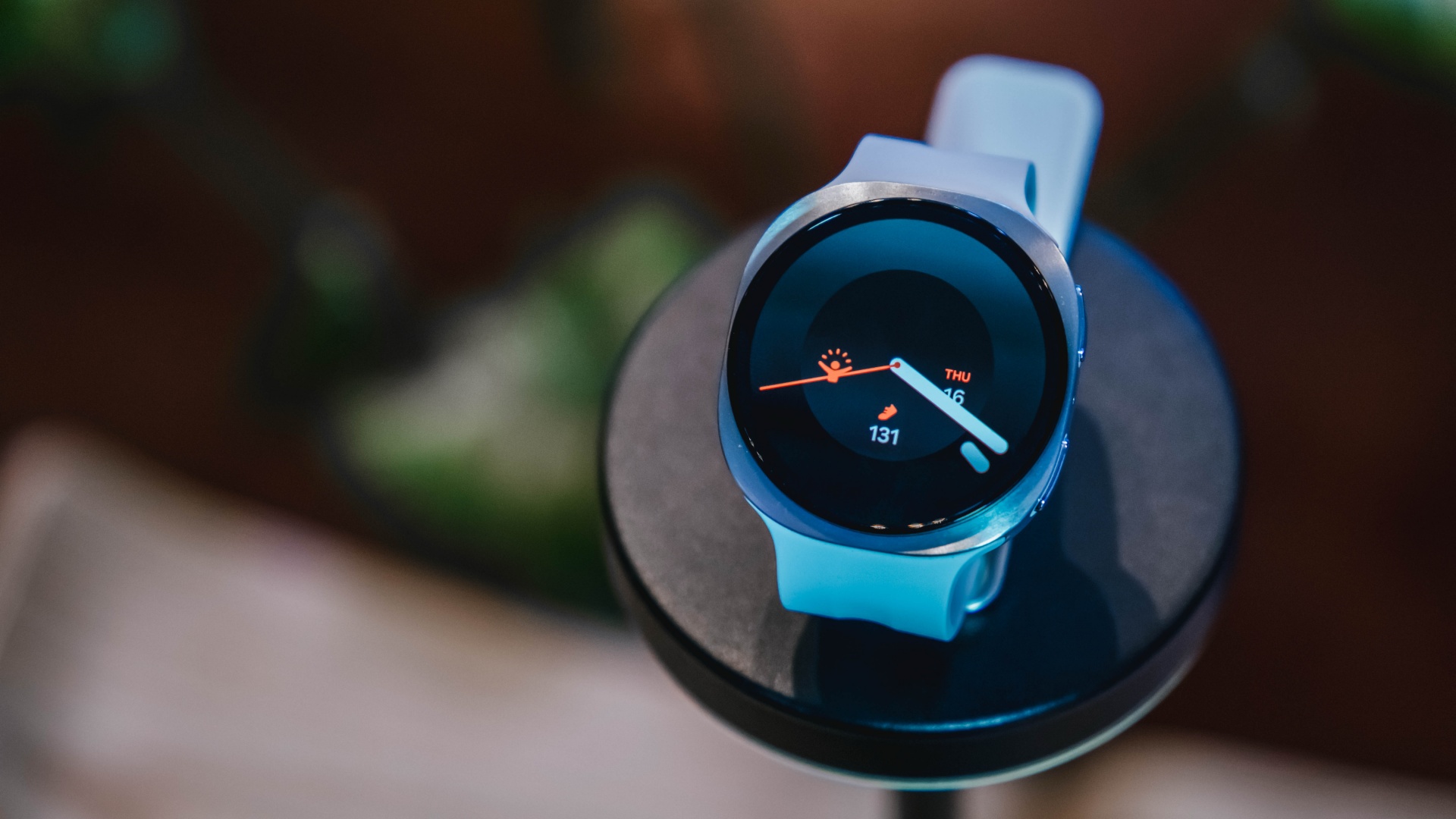
The Galaxy Watch9 is Samsung’s latest everyday smartwatch. It features the company’s newest health and wellness platform with AI-powered insights, comprehensive health tracking, and everyday activity monitoring.
Powering the experience is Qualcomm’s Snapdragon Wear Elite platform, which promises faster performance while supporting Samsung’s latest wellness features. The watch is available in 40mm and 46mm sizes.
Galaxy Watch Ultra2
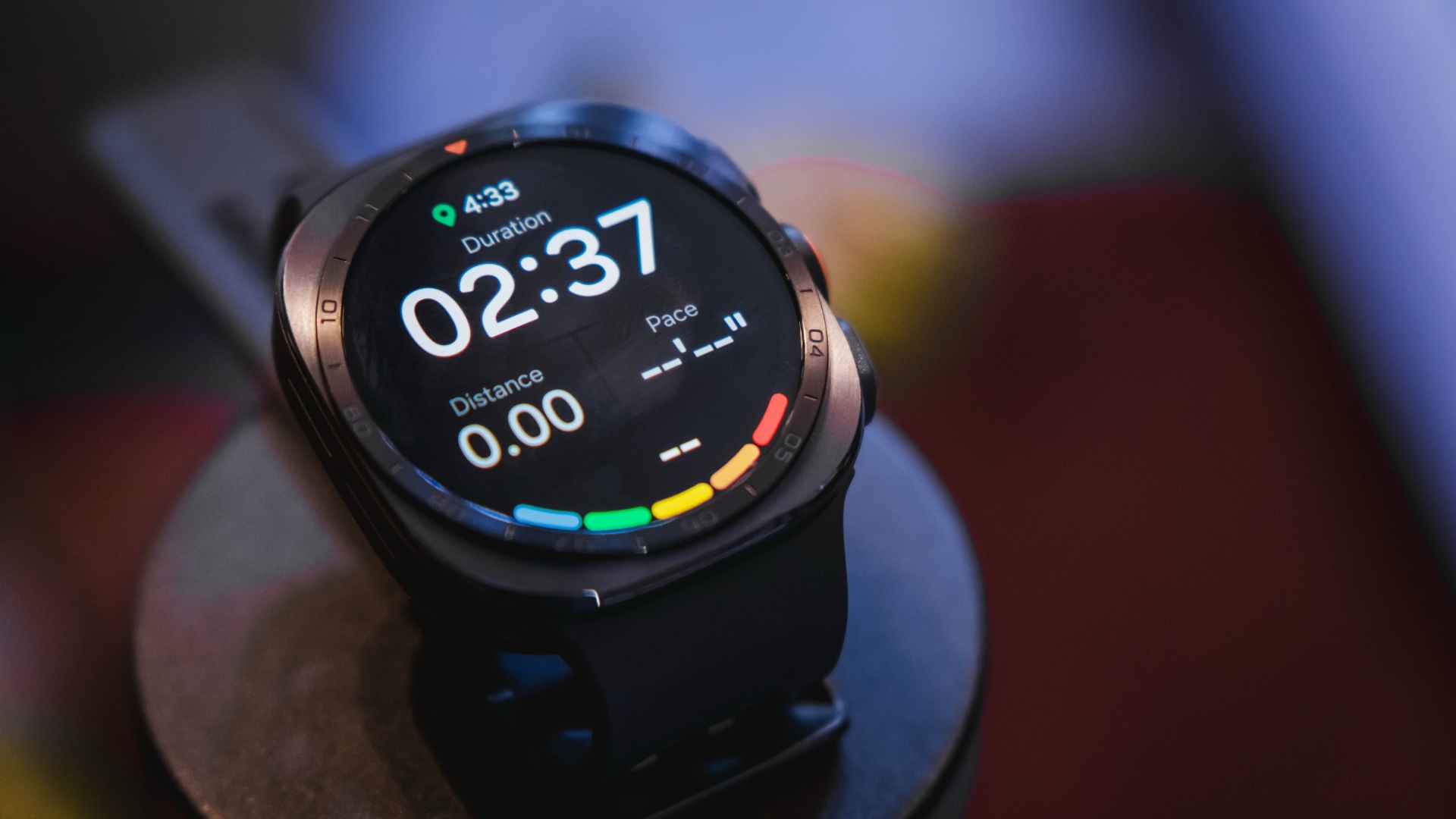
The Galaxy Watch Ultra2 builds on Samsung’s premium outdoor smartwatch with a durable titanium construction, improved comfort, and new sport tracking modes such as Trail Run and Diving.
Like the Galaxy Watch9, it runs on the Snapdragon Wear Elite platform and supports Samsung’s latest AI-powered health and wellness tools.

realme C100: Enduring and durable in spite of entry-level realities
Enough power but needs more agility


The ASUS ExpertBook Ultra wins you over
The laptop sneaks up on you

Nexal Watch Sport review: A rugged watch for small budgets
I couldn't believe that watches this good could come for this cheap.

Marvel Studios announces Ghost Rider, Black Panther 3 at SDCC

Xiaomi Singapore expands lineup of smart washing machines

AORUS MASTER 16 Gen 2 2026 AI gaming laptop launches

GCash future-proofs MSMEs with new payment innovations

Smart announces postpaid offers for Samsung Galaxy Z8 series


-

 News2 weeks ago
Samsung releases teaser with Spider-Man: Brand New Day Easter eggs
-

 Wearables5 days ago
Garmin launches its first screenless fitness band
-

 Gaming2 weeks ago
Most of the world’s PlayStations will be officially useless by 2028
-

 Gaming2 weeks ago
Assassin’s Creed Black Flag Resynced comes to life at Skypark Macau
-

 News2 weeks ago
FIFA World Cup: Lenovo’s Referee View received positively by fans
-
 Features2 weeks ago
Spotlight: HUAWEI WATCH GT Runner 2 Racing Legend Edition
-
 Apps2 weeks ago
Plot twist: Starbucks PH is letting you actually pick your reward now
-

 Automotive1 week ago
Mercedes-Benz celebrates 140th anniversary at the Presidential Car Museum