
Wearables
Apple enhances Watch Series 10, Watch Ultra 2 for water sports
Bigger screens, new apps, more insights

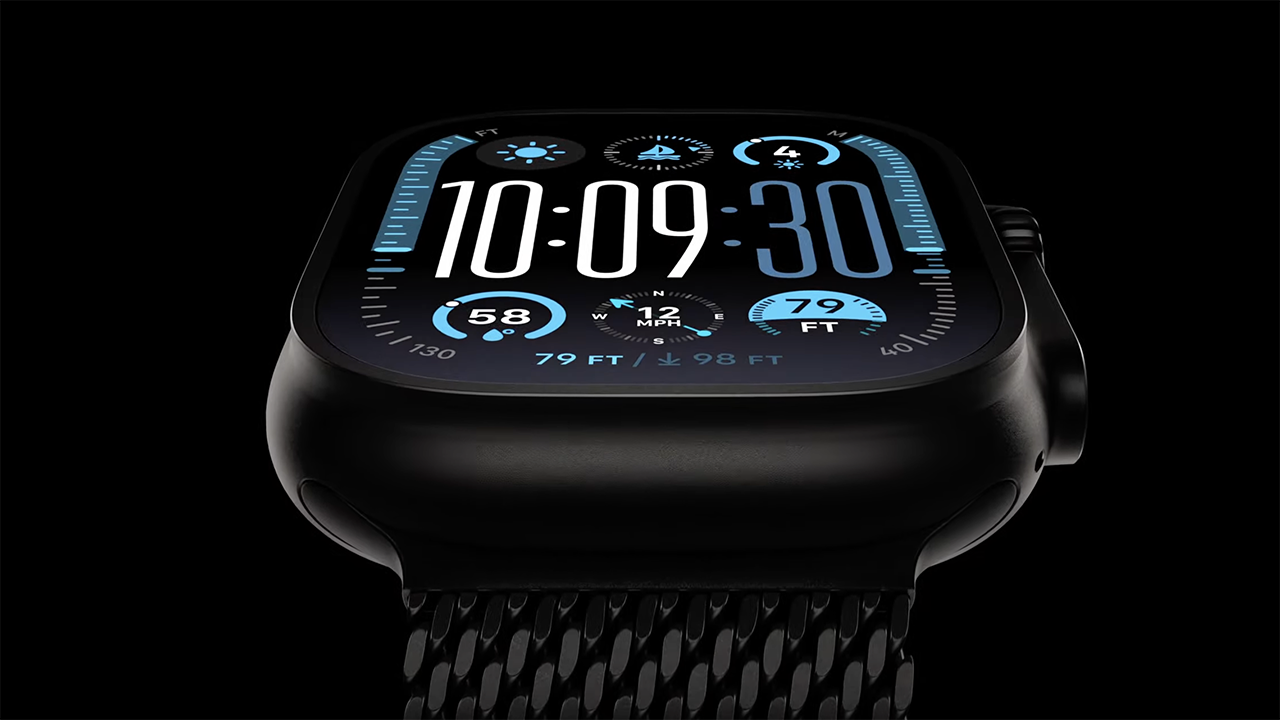
Apple has officially announced the new Apple Watch Series 10 and Apple Watch Ultra 2, which can now be preordered. The latest Apple Watch additions will be available on September 20.
The Apple Watch Series 10 features the biggest display and the thinnest design on an Apple Watch product yet. It sports a wide angle OLED display with up to a 30% more screen area.
This expansive screen helps users see more lines of texts on apps like Messages. It is likewise better for typing quick responses or passcodes, or simply navigating the watchOS 11 UI. Moreover, it is 40% brighter when viewed from angles as it emits more light.
And while the display is larger and brighter, the Apple Watch Series 10 doesn’t compromise power consumption. In fact, it supports up to 18 hours of all-day battery life on a single charge.
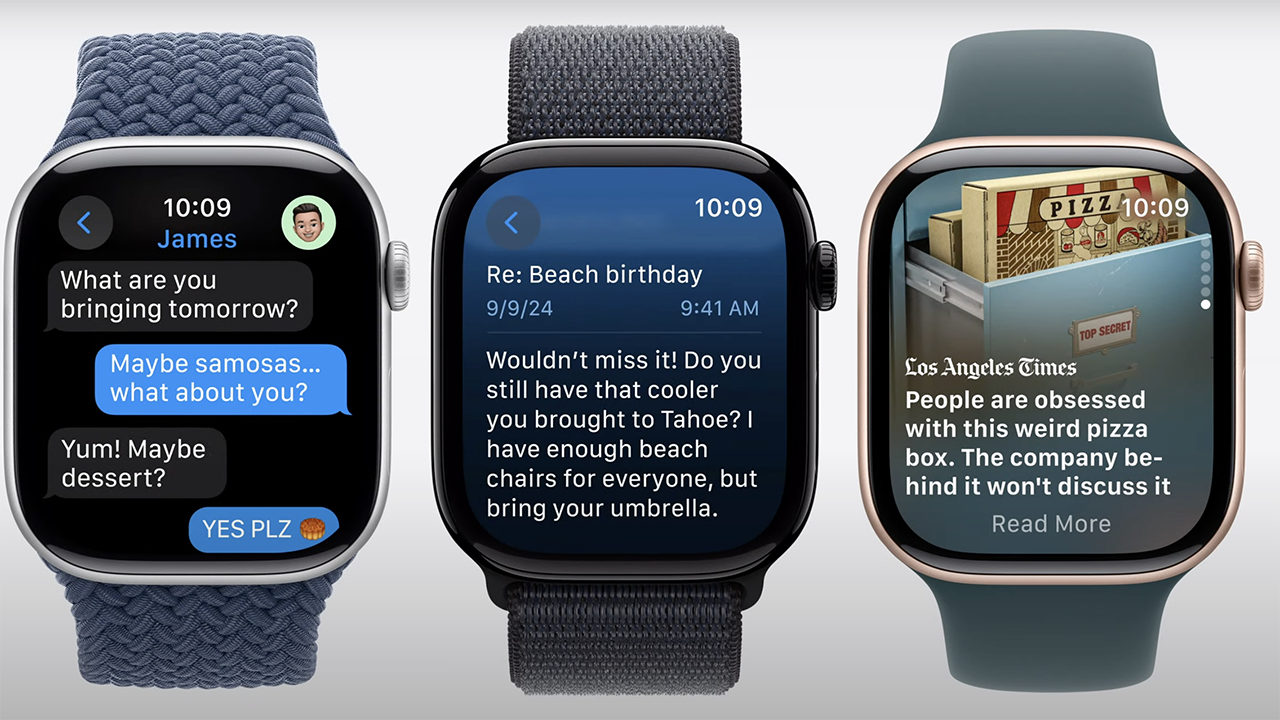
Furthermore, using OLED for its screen allows the Apple Watch Series 10 to support always-on display, wherein the seconds hand is visible even when the user’s wrist isn’t raised.
To complete the look, a Reflections watch face with a distinctive shimmering dial has been integrated. This reacts to user movements, complementing the reflective titanium cases.
Aside from its redesign, the Apple Watch Series 10 boasts of the fastest charging yet on an Apple Watch, offering up to a 80% recharge in just 30 minutes.
Detect signs of Sleep Apnea
Also debuting on the Watch Series 10 is a Breathing Disturbances feature to help users detect signs of sleep apnea. This joins various health monitoring functions.
The metric uses the accelerometer to detect small movements on the wrist associated with interruptions to normal respiratory patterns during sleep.
Every 30 days, the Apple Watch will analyze breathing disturbance data and notify users automatically if it shows consistent signs of moderate to severe sleep apnea.
Breathing Disturbances can also be uses to assess the restfulness of sleep. It can be influenced by alcohol, medications, sleep position, and more. Viewing this metric nightly on the Health app will allow users to check if the metric is elevated or not.
The 4-core Neural Engine on the Apple Watch Series 10 also makes it smarter. Among enhanced features are the double tap gesture, on-device Siri, dictation, and automatic workout detection, as well as important safety features such as Crash Detection and Fall Detection.
Great for water activities
As for workouts, there are many ways the new offering can make physical activities better. First off, it’s easier to read workout metrics on the larger display. Next, its swim-proof design has a 50-meter water resistance rating.
Plus, the Watch Series 10 can automatically detect swimming strokes and count laps. Custom Workouts for pool swims have also been added to watchOS 11.
Moreover, a depth gauge and water temperature sensor have been added so the wearable becomes a better companion when in water. These sensors will also display such metrics, providing vital information in real-time.
For water activities, the new Tides App comes in handy. Users can access seven rolling days of forecasted tidal information for coastlines and surf spots around the globe. This includes information on high and low tides, rising and falling tides, sunrise and sunset, ad many more.
To top it off, the Oceanic+ app also debuts on the Watch Series 10. Developed in partnership with Huish Outdoors, this app has features for snorkeling. It can easily find popular snorkeling locations nearby and provide relevant information.
Apple Watch Ultra 2
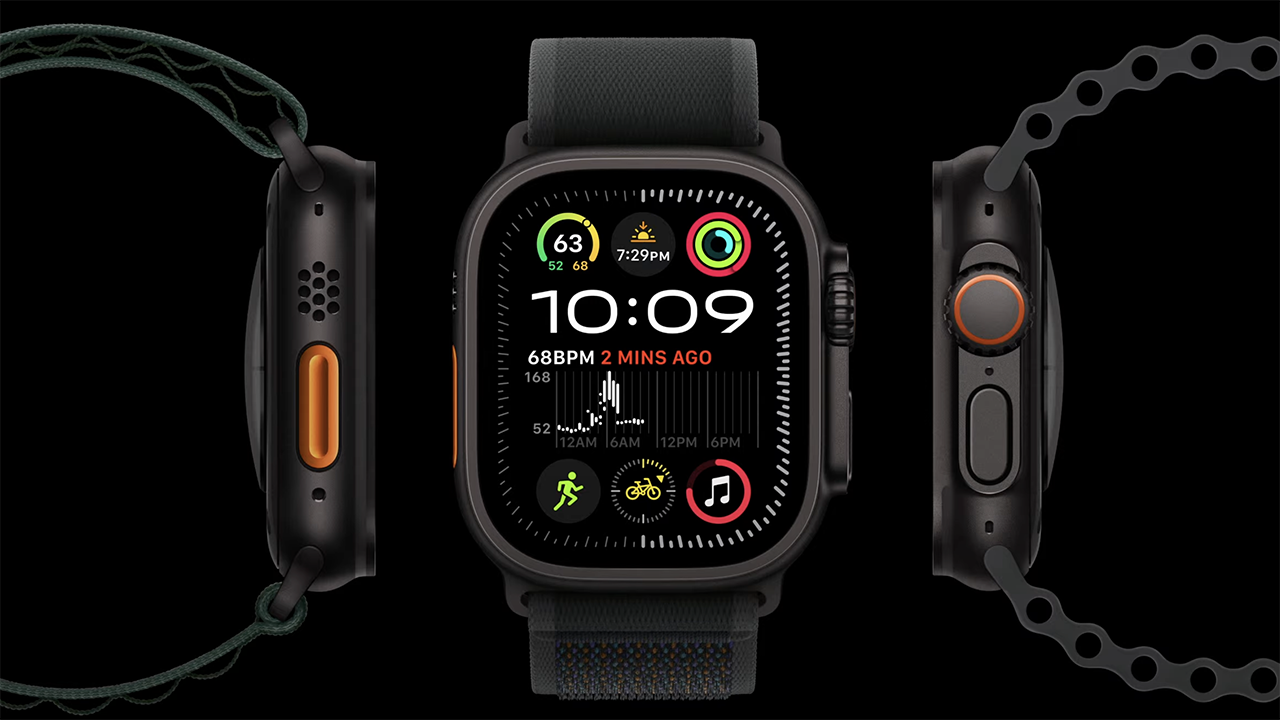
Meanwhile, the Apple Watch Ultra 2 has been fortified to make water sports experiences even better as well. It has a Titanium Milanese Loop band, designed specifically for water activities as it is corrosion resistant.
The second generation Watch Ultra also has the most accurate GPS in a sports watch. It has precision dual-frequency GPS, utilizing advanced satellite and signal models, custom positioning algorithms, and Apple Maps data.
Like the Apple Watch Series 10, the Watch Ultra 2 runs on watchOS 11 and brings new features, including the Tides app, Vitals app, and sleep apnea-related notifications. It can also last up to 36 hours on regular use, or 72 hours in Low Power Mode.
That’s not all. The second generation Watch Ultra is also great for cyclists, hikers, and runners. For cyclists, workout metrics may be viewed live on an iPhone while it is mounted onto their bikes.
Hikers can enjoy enhanced trail experiences with offline maps too, complete with turn-by-turn directions. They can also access features like Waypoints. They can even create and save custom hiking routes in iOS 18 when synced to the watch.
What’s great about the Watch Ultra 2 is its 3,000 nits maximum brightness, providing users a clear view of what’s on the display, no matter what the scenario is.
The customizable Action button also makes it easier for users to start a workout. They can even switch between workout types during Multisport workout. When not using it for physical activities, users may customize the Action button to access Stopwatch, Flashlight, Voice Memos, Shazam, and more in an instant.
Price, availability
The Apple Watch Series 10 is available in 42mm and 46mm sizes in jet black, rose gold, silver aluminum, and titanium in natural, gold, and slate. The models come with a Sport Loop, Braided Solo Loop, or updated Milanese Loop.
The Apple Watch Series 10 starts at US$ 399. In addition, the Apple Watch SE retails starting at US$ 249.
Meanwhile, the Apple Watch Ultra 2 is priced starting at US$ 799 in natural and black titanium. The Apple Watch Hermès Ultra 2, in particular, costs US$ 1,399.







What if smart glasses could make you more present instead of recording everything around you? Check out MemoMind or back it up on Kickstarter.
After spending time with the MemoMind One around New York City, THE Michael Josh wanted to answer one question: Do smart glasses actually become more useful when they stop trying to be a camera?
In this video, we take a look at the MemoMind One — a new pair of AI-powered smart glasses that take a very different approach.
News
These “smart” glasses just sold out in under a week
DuckDuckGo touts that these glasses have zero AI, zero cameras, and an infinite battery life.

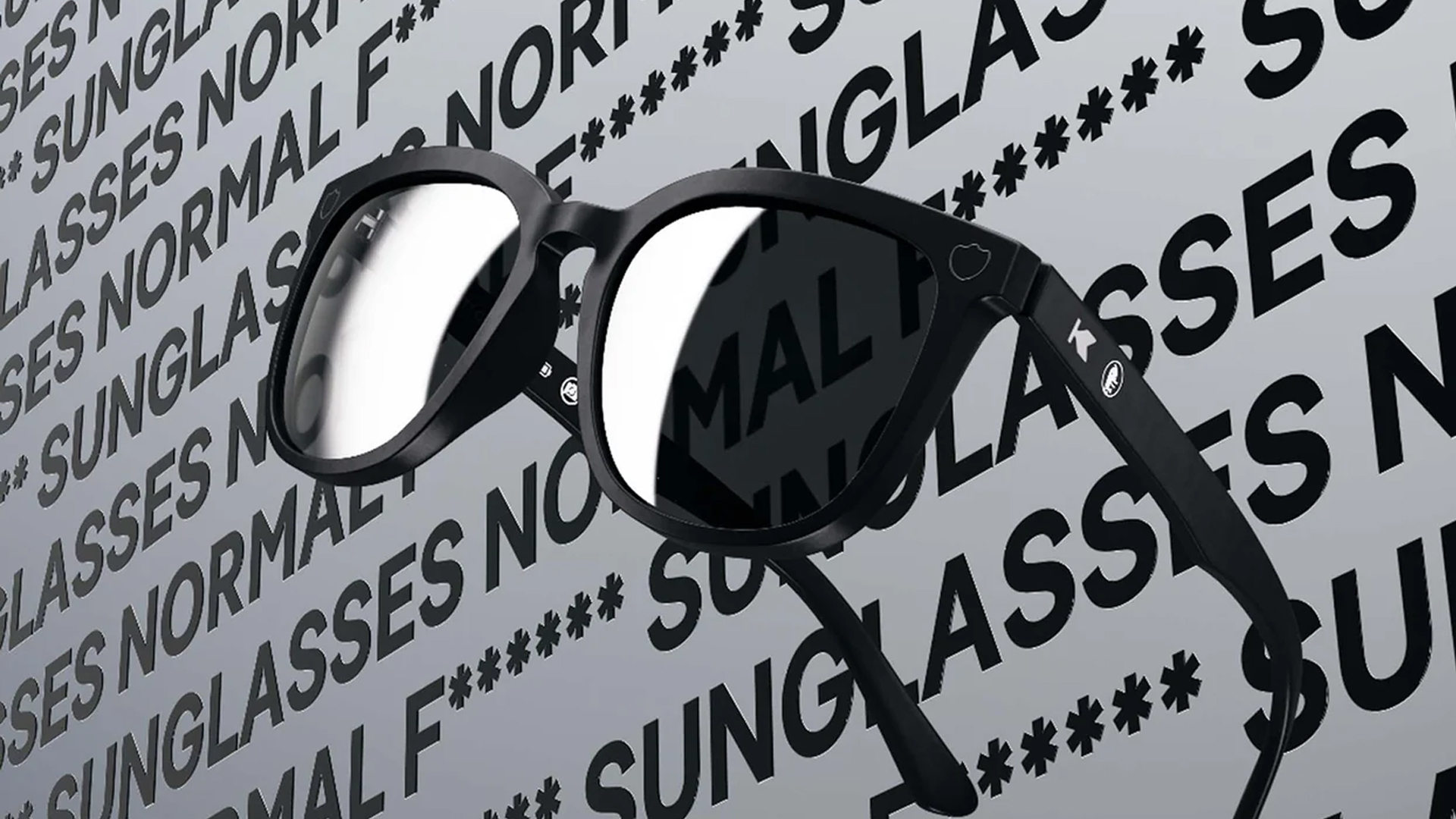
Smart glasses are in a weird place right now. While a chunk of the population views them as cool and innovative, another significant chunk sees them as a privacy nightmare. If you’re in the latter group but want to see what life is like on the former, DuckDuckGo has a new product: a pair of anti-surveillance glasses with no camera or AI, otherwise known as just normal sunglasses.
If it’s not obvious, yes, it’s a troll product. DuckDuckGo is a search engine famously known for pushing privacy as a priority, opposing Google’s penchant for advertising and AI. Now, the search engine is taking on the smart glasses market.
Partnering with Knockaround, DuckDuckGo released the Paso Robles, a pair of sunglasses touted as having zero cameras, an always-offline mode, and a battery life of infinity.
It’s a statement piece. The rims have a logo mark, similar to the Meta’s glasses. The packaging also states that the glasses are “designed to block the sun, not send data to the cloud.”
Now, if you want a pair, they cost only US$ 35, as opposed to Meta’s US$ 299 price tag, but they are already sold out.
Which says quite a bit about today’s sentiment against AI and for privacy. Of course, to be fair, DuckDuckGo’s supply is certainly less than Meta’s stock for their smart glasses. It does, however, prove that the sentiment is there.
As of now, the world is slowly realizing that unimpeded smart glasses aren’t such a good idea, leading to people concerned about their privacy. In fact, some states have already started banning the technology in certain public spaces.
Features
The Death of BMI: Why the world’s most popular health metric is lying to you
Muscle mass, body fat percentage, and visceral fat tell you more about your health than BMI ever could, and your watch can finally measure them.

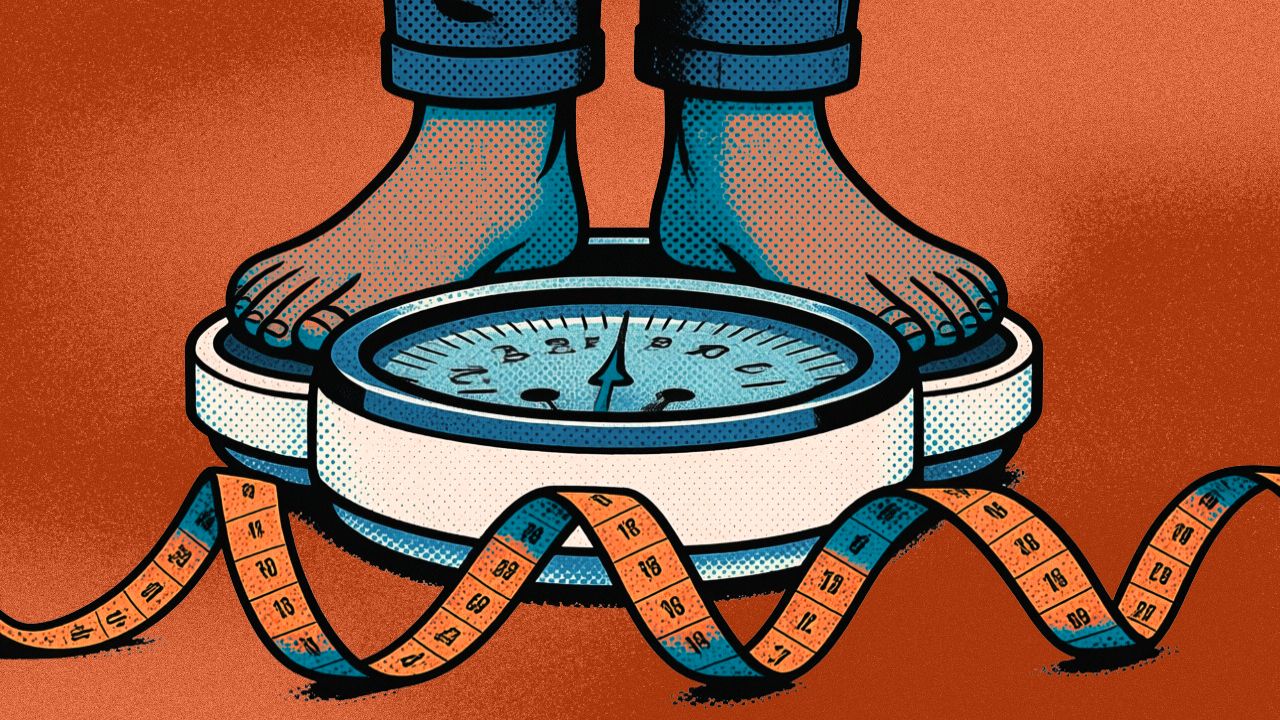
Step on a scale at a doctor’s office and your health usually gets summed up in one number. Weight divided by height squared. That’s your BMI, and it’s been the default health metric for almost 200 years.
It was never built for that job. BMI was invented in the 1830s as a statistical shortcut for studying populations, not for telling an individual person anything meaningful about their body. It can’t tell the difference between a muscular athlete and someone who’s out of shape but happens to weigh the same. It ignores bone density, body water, and where fat actually sits in the body, which matters more than most people realize.
The metrics that actually matter are the ones BMI was never designed to catch: how much of your body is muscle, how much is fat, and where that fat is sitting.
The muscle question BMI can’t answer
Skeletal muscle is the body’s metabolic engine. It’s what keeps your resting metabolic rate up, what protects your joints, and what determines how well you move as you get older. Losing it quietly, without knowing, is one of the bigger blind spots in how people track their own health.
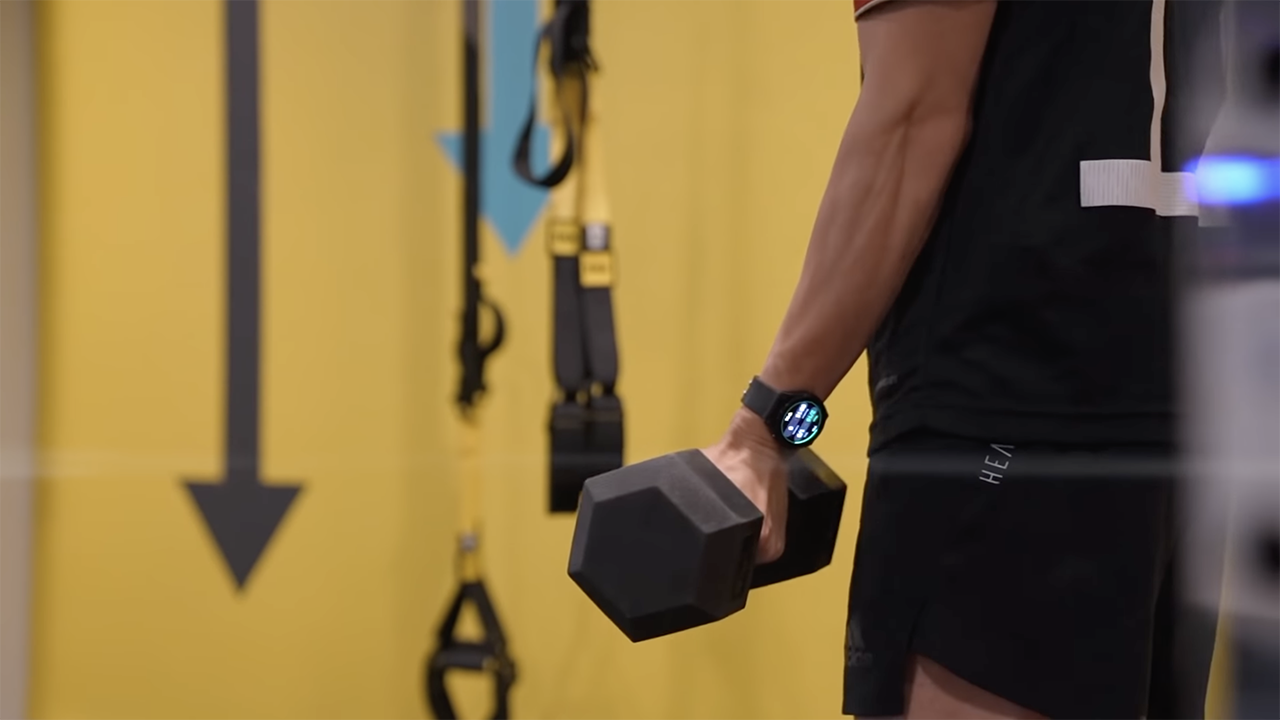
Fat isn’t one thing either. Subcutaneous fat, the kind just under the skin, carries far less risk than visceral fat, which wraps around internal organs and is directly linked to cardiovascular problems. A person can lose weight and still be carrying dangerous levels of visceral fat. BMI has no way of showing that.
This is also why short-term weight drops can be misleading. A lot of what shows up on the scale in the first week or two of any diet is water loss, not real change in body composition. The number moves, but it doesn’t mean much yet.
Why this is showing up in headlines right now?
Part of why this conversation is happening now, rather than five years ago, comes down to the rise of GLP-1 weight-loss drugs like Ozempic, Wegovy, and Zepbound.
GLP-1, or glucagon-like peptide-1, is a natural gut hormone that signals fullness to the brain. These medications mimic it, slowing digestion and dulling appetite, which lets people eat significantly less and lose weight fast.
That speed is exactly what exposed the problem. Rapid weight loss burns fat and muscle together, not just fat. Lose 20 pounds on a GLP-1 drug, and both the scale and a BMI calculator will call it a clean win.
If a meaningful chunk of that was skeletal muscle, metabolic rate drops, joint support weakens, and the risk of physical frailty goes up, none of which shows up in that one number.

Dr. Hon Pak, Head of Digital Health Globally at Samsung Electronics, has pointed out that with GLP-1 therapies in the picture, raw weight lost can’t be the metric that defines success anymore. The focus has to shift to what kind of weight is being lost.
Kevin Duffy, CEO of iFit, has made a similar point: BMI stuck around because it’s easy to calculate from just height and weight, not because it’s the right thing to track. Muscle mass and body fat percentage matter far more, they’ve just historically been hard to measure outside a lab.
What your watch can measure now
Getting real numbers on muscle mass and visceral fat used to mean an expensive clinical scan. That’s the part that’s changed.
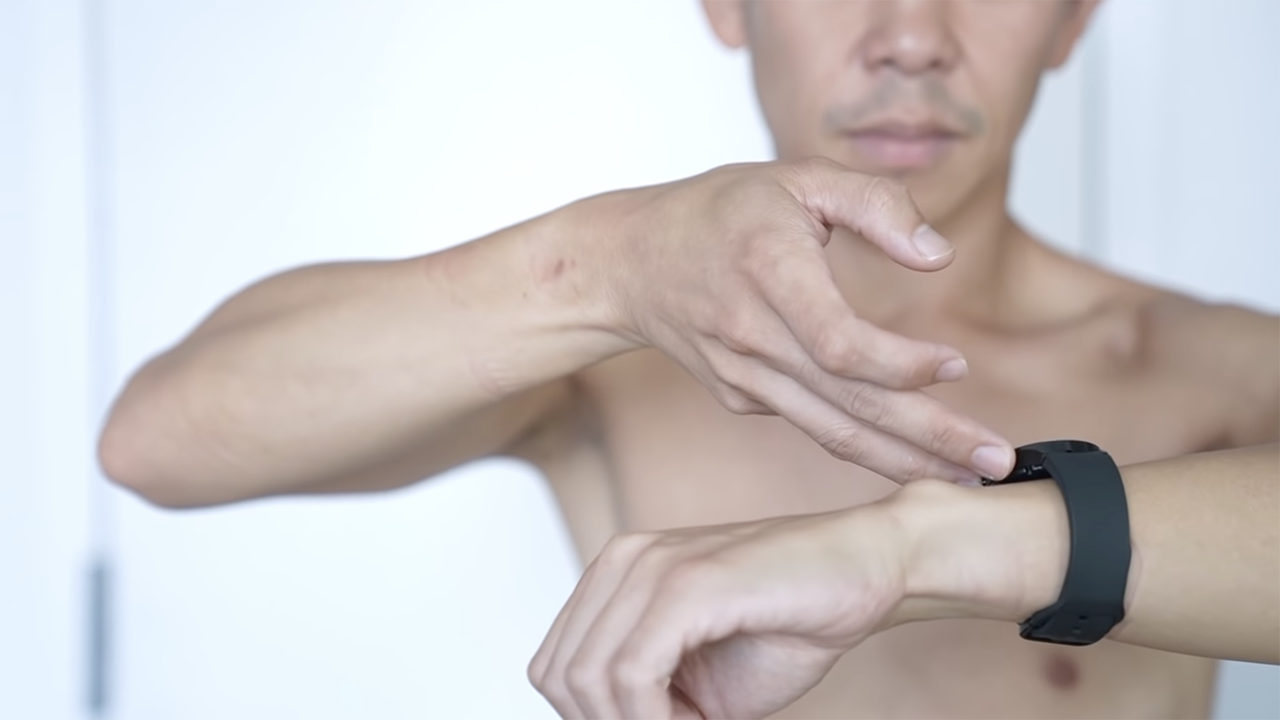
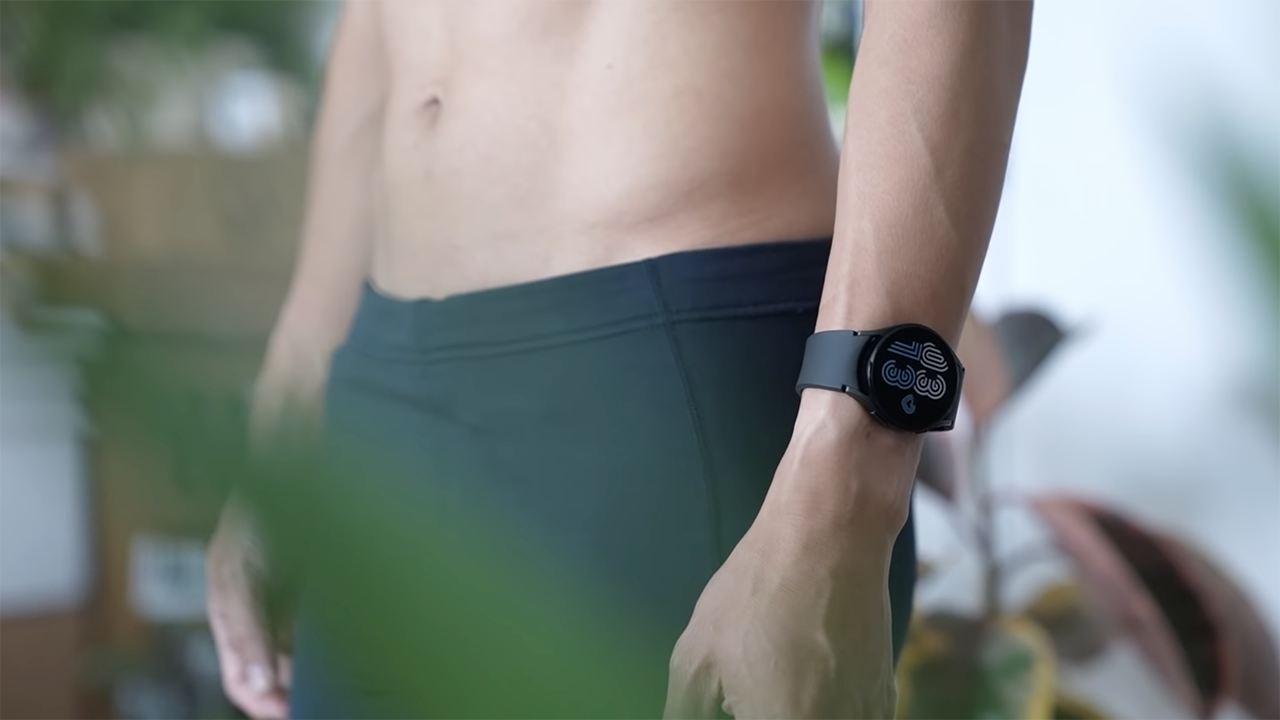
Samsung has built Bioelectrical Impedance Analysis sensors into the Galaxy Watch, sending a low-level microcurrent through the body to estimate skeletal muscle mass, body fat percentage, body water, and basal metabolic rate, all from your wrist.
For anyone losing weight, whether through a GLP-1 medication or a more traditional route, that gives real visibility into whether the weight coming off is fat or muscle.
It’s the kind of feedback that lets someone actually adjust, adding resistance training or upping protein intake, instead of finding out the hard way months later.
Samsung pairs this with Samsung Food, which uses AI to look at what’s actually in someone’s kitchen and suggest protein-forward meals that support muscle retention.
Karthik Poriya, Head of Product at Samsung Food, has noted that people tend to fixate on small day-to-day food decisions when what actually moves the needle is the trend over weeks and months. AI is what makes it possible to zoom out and see that trend instead of getting lost in it.
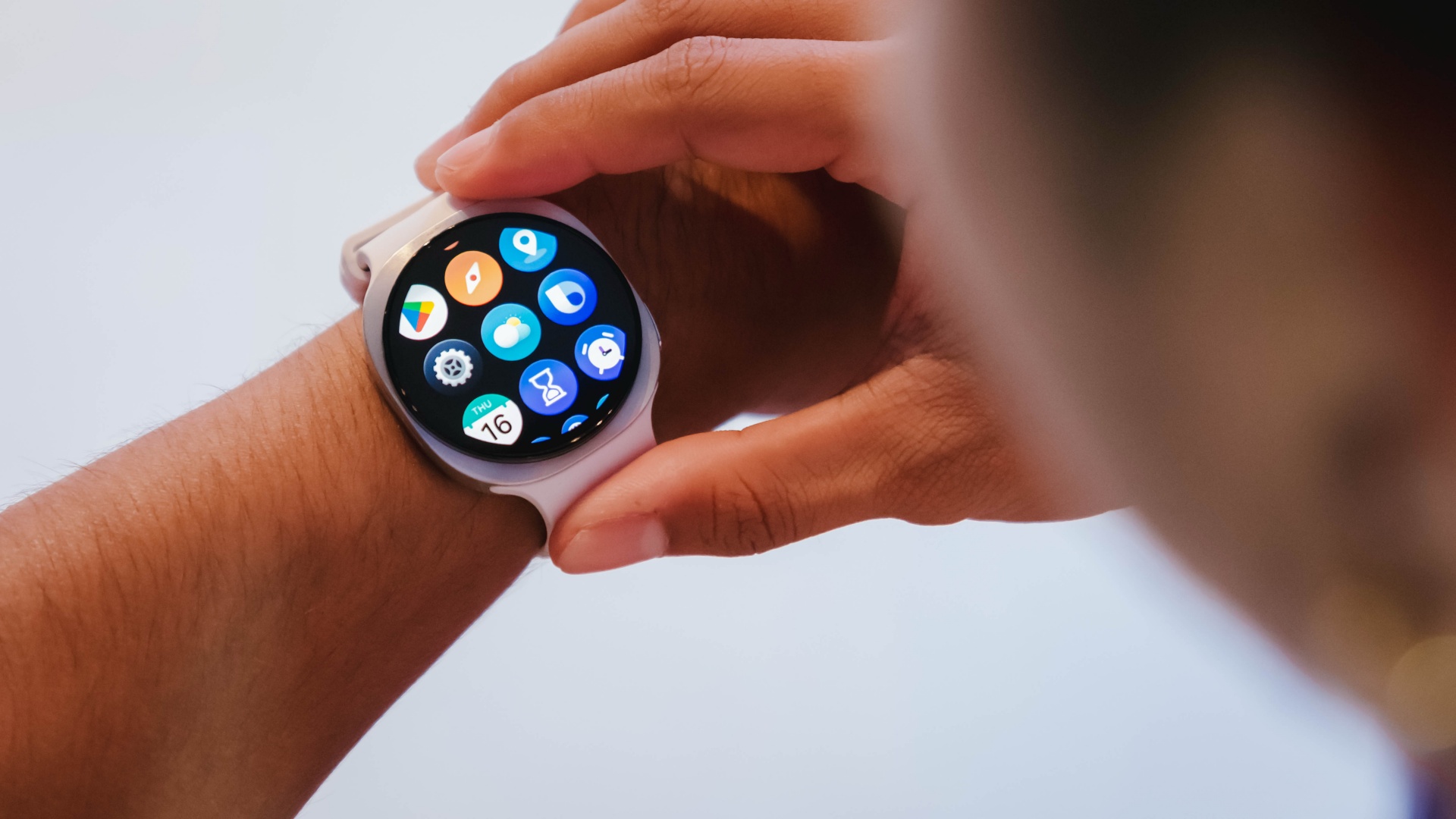
Combine body composition data with sleep tracking, activity monitoring, and a broader Energy Score, and the whole framework shifts. It’s no longer about getting lighter.
It’s about getting stronger, protecting muscle, and extending healthspan rather than chasing a number that was never built to measure any of that in the first place.


Samsung Galaxy Z Fold8 Review
8 Galaxy Folds later, Samsung finally nailed It!


30 days later with the ASUS ExpertBook Ultra: Like seeing an ex
Felt exactly as I remembered.

ROG STRIX G16 Review: Building for the moment
Setting it up however you want to make the most out of it

OBSBOT Meet Flip Hands-on
Samsung Galaxy Z Fold8 Review

Smart showcases cloud gaming platform in partnership with Blacknut

What your smartphone color choice reveals about you

New EV player XPENG to launch in the Philippines in September

Hands-on: Samsung Galaxy Z Fold8, Flip8, Ultra

VinFast debuts two-wheeler models, opens 21 e-motorcycle showrooms

Garmin launches its first screenless fitness band

Sony announces new FX5 full-frame camera

Mercedes-Benz celebrates 140th anniversary at the Presidential Car Museum


-
 Automotive2 weeks ago
VinFast debuts two-wheeler models, opens 21 e-motorcycle showrooms
-

 News2 weeks ago
OnePlus officially leaves the United States and Canada
-

 Gaming2 weeks ago
Call of Duty: Modern Warfare 4 clip shows Losing Ground 1st look
-

 Gaming2 weeks ago
Genshin Impact opens Snezhnaya in Version 7.0 this August 12
-
Laptops6 days ago
ROG STRIX G16 Review: Building for the moment
-
 News1 week ago
Google will force Android users to use Gemini next month
-

 Gaming1 week ago
Tides of Annihilation opens first public demo at Gamescom 2026
-

 Gaming1 week ago
Street Fighter 6 adds first Filipino fighter Yasmine to its roster