
Entertainment
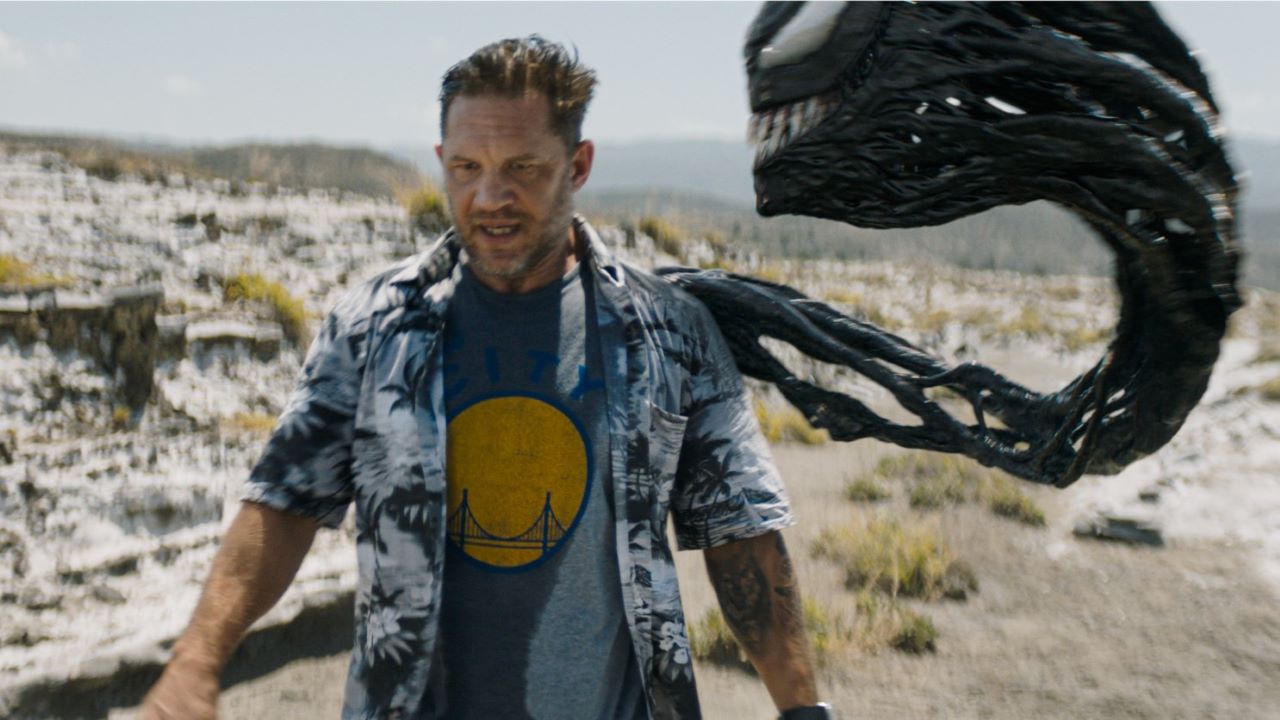
Now Playing: ‘Venom: The Last Dance’ is an underwhelming finale
Not how you want to cap a trilogy

You don’t need to have absorbed an overwhelming amount of Marvel or Venom-related material, nor have been a franchise or comics die-hard to say that Venom: The Last Dance is an underwhelming finale.
Sure, there’s a specific lens in literary criticism that allows you to utilize being one. But even if you’re just a casual moviegoer, having knowledge about the first two films in the trilogy and doing your basic research about Knull, Eddie Brock, and the titular anti-hero symbiote should be enough for you to notice how lackadaisical in nature this film turned out.
It’s not even a conversation about how much you know about the nature of symbiotes in the franchise’s fictional world and whatnot. It’s about how poorly this film was stitched given all that information.
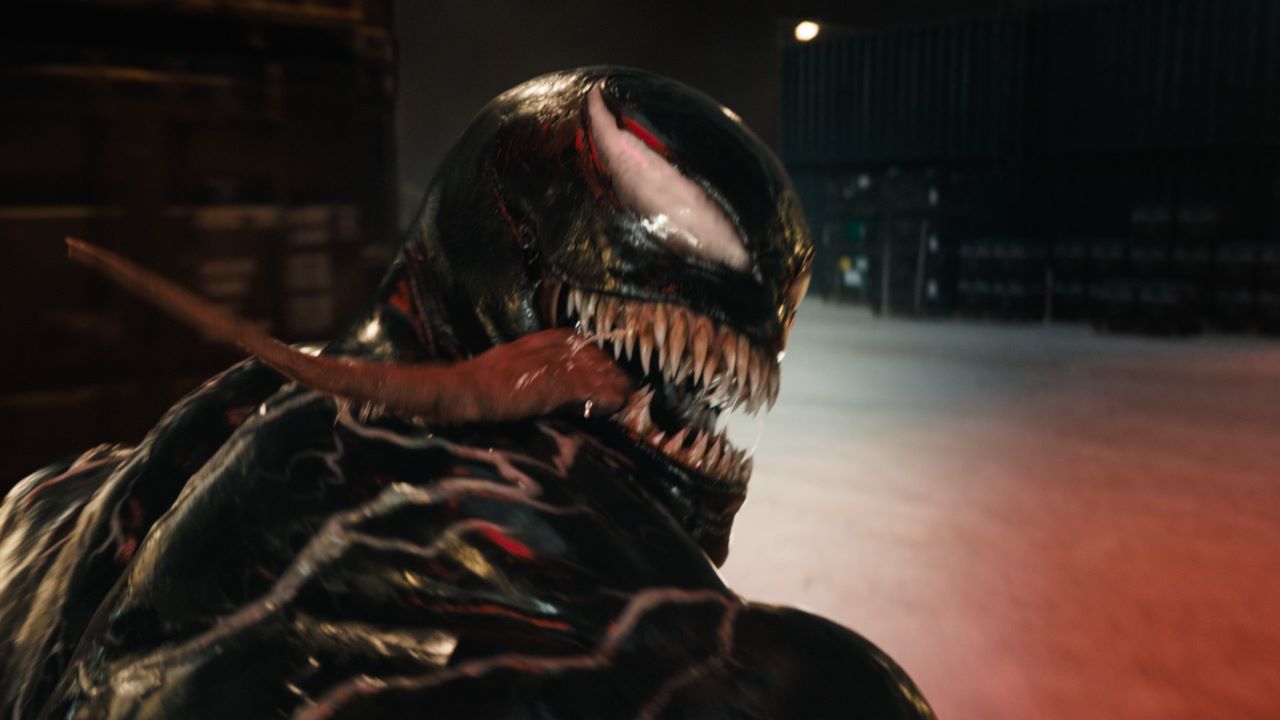
When you talk about the final installment in a trilogy, like the last fight in an Ali-Frazier or a Pacquiao-Morales rivalry, you’d naturally expect tons of fireworks. Sadly, this movie did not give us that much. It’s safe to say that viewers expected a whole lot from this installment given the involvement of Knull and everything else.
Speaking of, Knull is straightforwardly an Avengers-level threat. And he was underutilized. That’s in spite of how potent the first act already was. Perhaps it’s the lack of direction of the Sony Spider-Man Universe itself. Maybe it’s still a puzzle how to incorporate Knull in succeeding movies. But there are just so many darn aspects of this finale that could have been done better.
⚠️ Warning: Some spoilers ahead! ⚠️
Not the ‘Last Dance’ we wanted
Granted, the film did not absolutely sucked per se. As mentioned, they built a decent first act that had potential. From teasing viewers with Knull, to introducing where more symbiotes were kept and what to do with them, to Chiwetel Ejiofor’s Rex Strickland’s authoritativeness, Venom: The Last Dance was already there. It made the audience think.
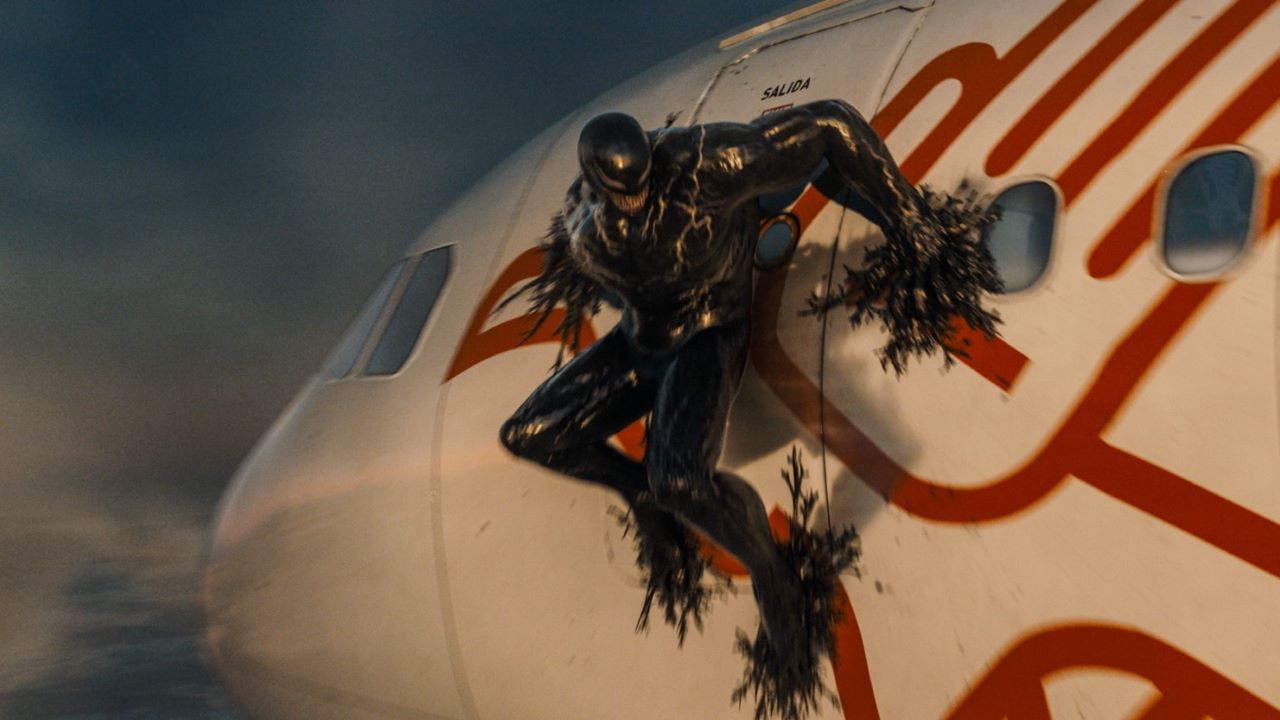
Viewers were introduced to Knull’s Xenophages, which were sent to hunt the duo for the coveted Codex. The initial chase did have some punch in it. Brock and Venom attached themselves to an airplane bound for New York, only to land on a deserted area after being attacked by a Xenophage.
Strickland had his own agenda with the duo, and also went after them. That’s before the three parties crossed paths, with Strickland ultimately losing some of his men.
No follow-up
They just couldn’t follow-up that first act. It was already established how massive a threat Knull was. The Xenophages, we later learned in the movie, also didn’t seem to have a weakness.
The following half hour or so was spent with Brock and Venom finding themselves in Las Vegas, Nevada and stumbling upon an alien enthusiast family led by Martin Moon. I know it’s partly because the Imperium is located just underneath Area 51 and geographically speaking, it’s near Nevada.
But it feels forced. The additional characters were totally optional and, if anything, a waste of screen time. There was no follow-up to the thrill of hunter-versus-the-hunted angle. This could have been the primary focus of the second act to set-up an even bigger finale. This is where they could have snuck in more action. More blood. More brutality, even.
Underwhelming finale
Finally, the movie takes viewers for a battle between Venom and the other symbiotes that have found their way to bodies of Imperium workers, and a horde of Xenophages all determined to retrieve the Codex for Knull.
It was chaotic and explosive for a bit. As mentioned, it didn’t seem that these Xenophages had a weakness. The military, in particular, fired all ammunition possible towards the opponents’ way.
Ultimately, Venom sacrificed himself by fusing onto the Xenophages and undergoing an acid bath to explode and subsequently save everyone involved — and even the world as well. I kind of already figured someone will die anyway, since the third and final movie’s slogan reads “Til Death Do They Part.”
I just hoped for more action and a better-stitched story from start to finish. It could have been a better overall cinematic masterpiece that focused on feeding viewers the concept of “the end” and how to arrive there, since it’s the conclusion of the trilogy. It didn’t feel like that at all. After the final battle, I was like, “Wait, that was it?”
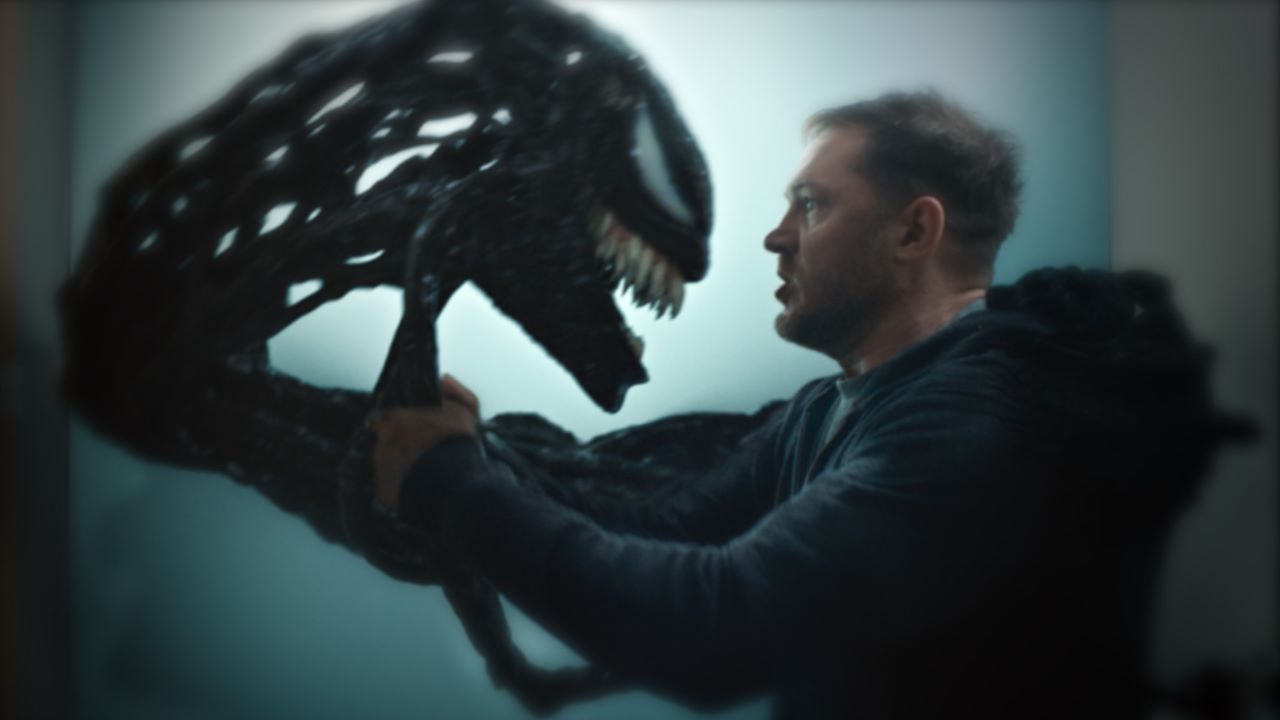
And considering how big the entities were involved, especially Knull, the filmmakers had the opportunity to execute the treatment differently. I’m not even asking of something to a level like Thanos in Avengers: Infinity War, but just something a little bit more.
Maybe Knull is in the wrong cinematic universe. Someone of a godlike stature should be in a pedestal big enough to fuel a major narrative that spans multiple films. You know, like the MCU.
Anyway, towards the end, we even got a montage of Brock and Venom’s best moments throughout the three films, like a cheaper version of the Furious 7 end scene.
Final thoughts
This is just one of those movies you wait to come out on the franchise’s partner streaming platform. It really doesn’t take one to be a geek to differentiate something good like the conclusion of the Infinity Saga from something eyebrow-raising like the next few MCU films that followed.
And yet, some individuals have the gall to even blame it on viewers’ lack of Marvel knowledge. They even go to as far as saying they’re the only ones who will hate Venom: The Last Dance. C’mon. Seriously. This supposed finale sucked.
Look, it’s not that we didn’t appreciate Venom: The Last Dance. But at the same time, if you could just open your eyes, you can see that it’s a waste.




Entertainment
Crunchyroll: Sports anime to watch during the FIFA World Cup
Get pumped up even during World Cup downtime

The FIFA World Cup has officially taken over the planet, causing chronic sleep deprivation, spontaneous living-room screaming matches, and an sudden urge to wear jerseys to formal events.
But what are you supposed to do during those agonizing hours between match kick-offs? Stare at a blank TV screen? Absolutely not.
While the world’s best footballers battle it out on the pitch, Crunchyroll has a bench full of elite sports anime ready to keep your adrenaline levels dangerously high.
From ego-driven strikers to lightning-fast running backs, grab your snacks and settle in for a marathon of victories, setbacks, and comebacks worthy of the world stage.
Who knows, it might inspire you to begin your sports journey too.
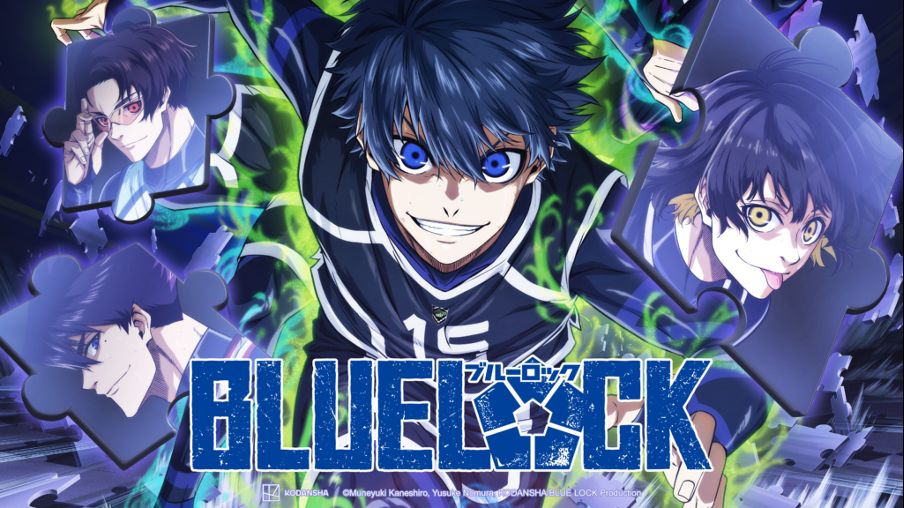
BLUE LOCK
Following a disappointing World Cup exit, the Japanese Football Association decides they’ve had enough of “teamwork” and launches a brutal, hyper-isolated training camp called Blue Lock.
The goal? Throw 300 of the country’s best high school forwards into a cutthroat battle royale to breed the ultimate, entirely selfish, world-class striker.
Only one will survive to lead Japan to glory.
Haikyu!!

Shoyo Hinata is pint-sized but possesses an insane vertical leap. After his middle school team gets absolutely demolished by the genius “King of the Court” Tobio Kageyama, Hinata vows revenge.
He enrolls at Karasuno High School to finally crush his rival, only to walk into the gym and find out Kageyama just enrolled there, too.
Now, the sworn enemies have to weaponize their freakish chemistry to bring a fallen powerhouse school back to the national stage.
Shoot! Goal to the Future

Kakegawa High School used to be a legendary name in high school soccer. But these days, the team is a shell of its former self.
Enter Atsushi Kamiya, a former Kakegawa captain turned international soccer star, who returns to coach the struggling squad.
His biggest hurdle? Hideto Tsuji, a profoundly talented player who has completely given up on the sport.
It’s a race against the clock to spark the team’s passion before the whistle blows on their season.
Kuroko’s Basketball

Seirin High just recruited Taiga Kagami, a powerhouse player fresh out of America, alongside Tetsuya Kuroko, a boy so aggressively ordinary he practically blends into the background.
Kagami is horrified to find out Kuroko is terrible at shooting and dribbling until he sees him play. Kuroko’s utter lack of presence allows him to act as an invisible passing ghost, revealing himself as the secret “Sixth Man” of the legendary Middle School Generation of Miracles.
Together, they aim to take down Kuroko’s former teammates one by one.
Eyeshield 21
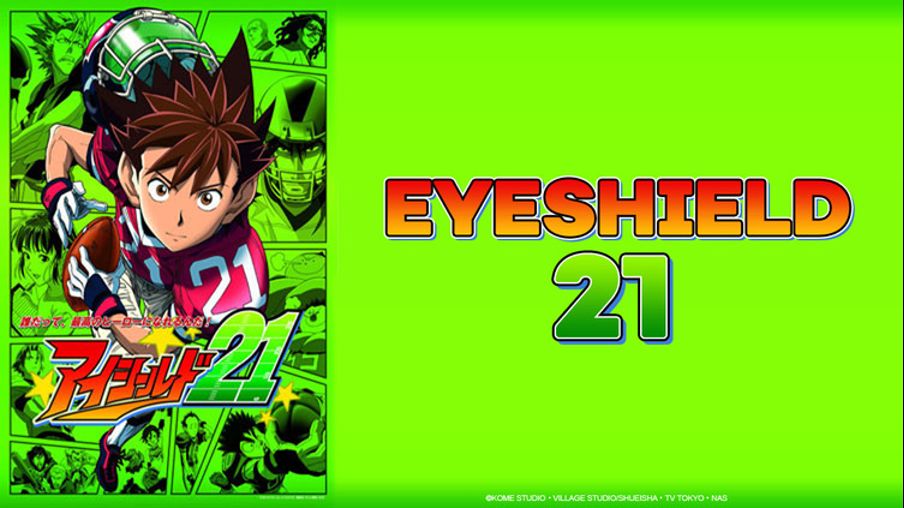
Sena Kobayakawa is a timid kid who has spent his entire life running away from bullies. Decades of acting as an errand boy have accidentally gifted him with superhuman speed and an uncanny ability to navigate tight spaces.
When the terrifying, submachine-gun-toting captain of the school’s American football team spots Sena’s agility, he forcefully drafts him into the squad.
To hide his identity from rival schools, Sena is forced to don a tinted visor and take the gridiron under the legendary alias: “Eyeshield 21.”
Yuri!!! on ICE

After a crushing, rock-bottom defeat at the Grand Prix Final, Japan’s top figure skater, Yuri Katsuki, heads home with zero confidence and every intention of retiring.
His career seems entirely iced over until a video of him mimicking a routine goes viral, catching the eye of five-time reigning world champion Victor Nikiforov.
In a shocking move, Victor flies to Japan and offers to become Yuri’s coach, sparking a beautiful, high-stakes journey back to the world stage.
MF GHOST
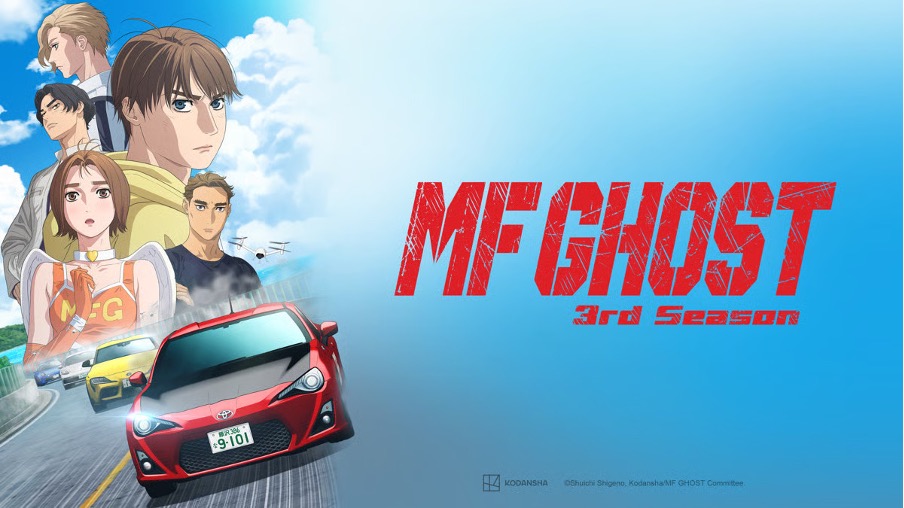
It’s the 202X decade, and Japan has fully embraced self-driving electric vehicles. Traditional cars are all but extinct.
However, internal combustion gets a roaring second life thanks to MFG, a dangerous street-racing circuit held on public motorways.
Kanata Rivington, a brilliant 19-year-old trained by a legendary racer in the UK, arrives in Japan to compete in the MFG with a humble Toyota 86. In the process, he tracks down clues about his missing father.
Entertainment
Crunchyroll Anime Expo announcements: Solo Leveling, Ghost of Tsushima, more
Roundup of major reveals, surprise announcements, more
Crunchyroll took the stage at the Peacock Theater in Los Angeles for Anime Expo 2026, dropping a massive slate of theatrical films, new series adaptations, and world premiere trailers.
Headlining the blockbuster showcase were the surprise announcements of a brand-new Solo Leveling theatrical feature and an early glimpse into the animated world of Ghost of Tsushima.
Solo Leveling: Beyond the System
In one of the biggest reactions of the night, English voice actor Aleks Le took the stage to announce that the story of Sung Jinwoo is far from over.
Fans at the event were the first to learn that an all-new anime theatrical feature film, titled Solo Leveling: Beyond the System, is officially in production.
The movie will serve as a direct continuation of the series. It picks up immediately following the events of Season 2.
Animated by the acclaimed studio A-1 Pictures, the film is a joint production involving Aniplex, Netmarble, D&C MEDIA, Kakao Piccoma, and Crunchyroll.
Attendees were also treated to an exclusive teaser key visual and a promotional concept video:
‘Ghost of Tsushima Legends’ character designs
Following last year’s announcement of an anime adaptation of PlayStation’s beloved action-adventure game, Crunchyroll debuted an exclusive first look at the character designs for Ghost of Tsushima Legends.
The upcoming series, which follows one of the last remaining samurai defending his homeland against the Mongol Empire, is being produced by KAMIKAZE DOUGA under the direction of Takanobu Mizuno.
Legendary creators Gen Urobuchi and Satoshi Maejima of NITRO PLUS are handling the script, with Urobuchi overseeing story composition.
Finally, Takashi Okazaki providing the character designs to translate the game’s iconic samurai aesthetic into animation.
Other major reveals, more announcements
-
The Guy She Was Interested in Wasn’t a Guy At All: In a shocking surprise video message, rock icon Dave Grohl revealed that Nirvana’s track “Breed” will serve as the official opening theme song for the anime.
-
Kagurabachi: Following news that the highly anticipated adaptation is coming to Crunchyroll next year, the panel showcased an exclusive Q&A with Japanese voice actor Taihi Kimura alongside a first look at the provisional character design sheet for protagonist Chihiro Rokuhira.
Crunchyroll rounded out the Anime Expo showcase by locking down release windows and trailers for several highly anticipated fantasy and sci-fi adaptations:
-
The Rising of the Shield Hero Season 5: Naofumi’s perilous journey against the waves of danger will officially return to the platform next year.
-
Dengeki Daisy: A world premiere trailer was unveiled for this romance-espionage comedy, which is officially heading to Crunchyroll in 2027.
-
Magical Buffs – The Support Caster is Stronger Than He Realized!: This new guild-focused fantasy series is locked in for a January 2027 premiere.
-
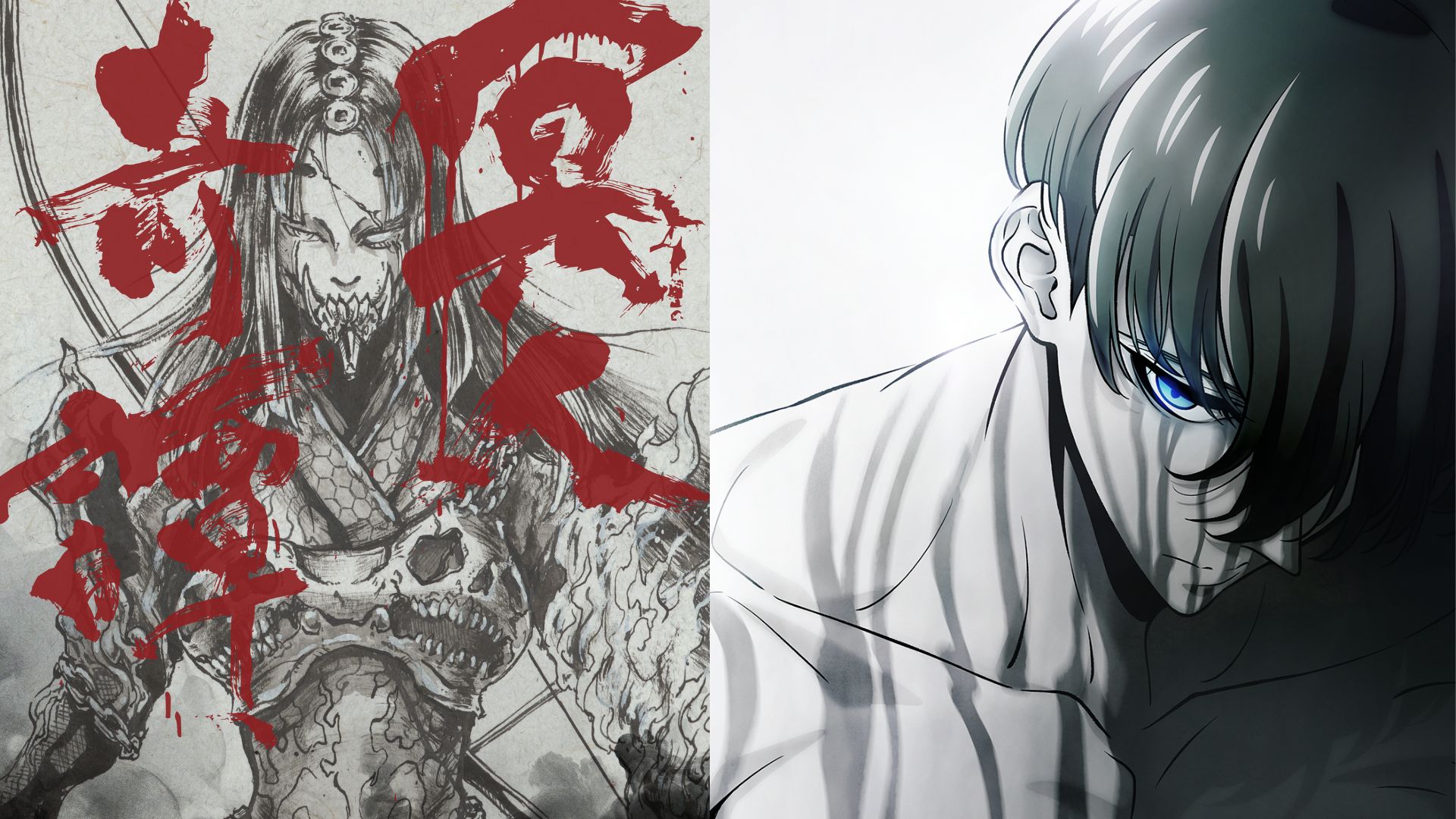
The Vermilion Mask: Fans got another look at the dark, mask-destroying journey of Peru, which is set to premiere in October 2026.
-
Overgeared: The virtual reality gaming anime following the S-Rank blacksmith quest of “Grid” will officially debut on the platform later this year.
Entertainment
Demon Slayer: Kimetsu no Yaiba Infinity Castle I coming to Crunchyroll
Record-breaking anime film available to stream on July 28
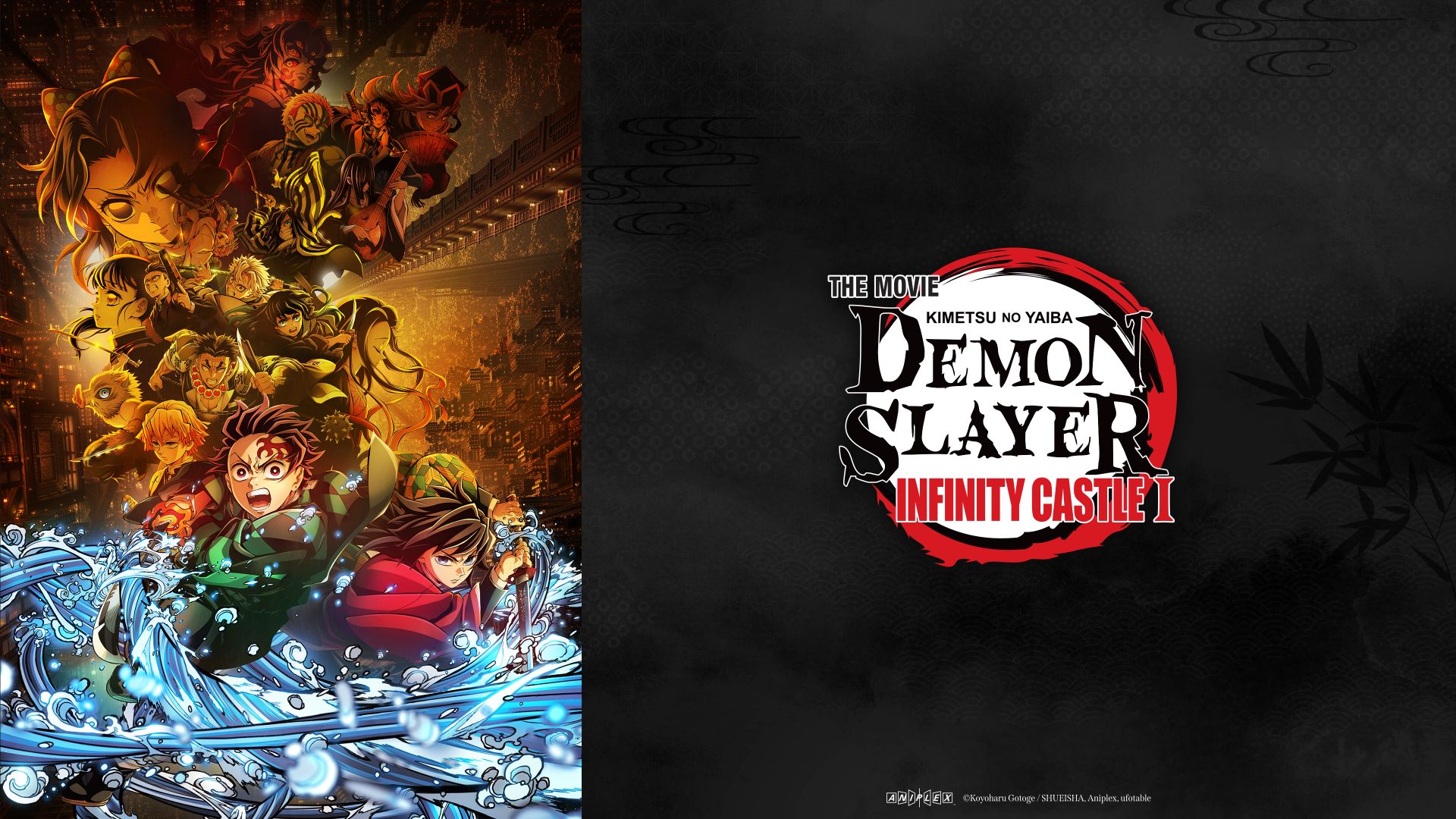
Anime sensation Demon Slayer: Kimetsu no Yaiba Infinity Castle I is coming to Crunchyroll later this month.
The record-breaking blockbuster will be available on the streaming platform on July 28, excluding Japan and mainland China.
And for fans looking to permanently add the film to their digital collections, it will simultaneously drop for purchase on major storefronts on the same day. Digital pre-orders are already live across select platforms.
Infinity Castle I marks the first entry in an ambitious, anticipated feature-film trilogy that chronicles the final battle of the critically acclaimed dark fantasy franchise.
The narrative picks up with protagonist Tanjiro Kamado, who dedicated his life to the Demon Slayer Corps after a tragic attack that left his younger sister Nezuko transformed into a demon.
The announcement follows an extraordinary theatrical run that solidified the film’s status as a global entertainment juggernaut.
Demon Slayer: Kimetsu no Yaiba Infinity Castle I became the highest grossing anime film of all time last year.
Meanwhile, all episodes of Demon Slayer: Kimetsu no Yaiba and Demon Slayer -Kimetsu no Yaiba- The Movie: Mugen Train are available to stream on Crunchyroll.
Moreover, these special performances are likewise available on the platform:
- Demon Slayer: Kimetsu no Yaiba -Orchestra Concert-
- Demon Slayer: Kimetsu no Yaiba ON STAGE


realme C100: Enduring and durable in spite of entry-level realities
Enough power but needs more agility


The ASUS ExpertBook Ultra wins you over
The laptop sneaks up on you


vivo X300 Ultra review: A “Whole Different Animal”
Got the beast (finally) unleashed!

Sony launches IER-M500 in-ear monitors
realme C100: Enduring and durable in spite of entry-level realities

Microsoft dictates that a new Fallout game is coming

New York becomes first state to ban smart glasses

HoYo FEST 2026 details announced; tickets on sale from July 16

Buyer’s Guide: TECNO SPARK 50 Pro vs SPARK 50 5G

TECNO’s SPARK 50 Pro is the latest budget smartphone battery beast

DJI Osmo Pocket 4P launches with dual lenses and a 1-inch sensor
vivo X300 Ultra review: A “Whole Different Animal”

Lenovo says RAM prices are not coming back down again


-
 Cameras2 weeks ago
DJI Osmo Pocket 4P launches with dual lenses and a 1-inch sensor
-
 News2 weeks ago
Lenovo says RAM prices are not coming back down again
-
 News2 days ago
New York becomes first state to ban smart glasses
-
Laptops1 week ago
The ASUS ExpertBook Ultra wins you over
-

 Gaming2 weeks ago
PlayStation goes all-digital in 2028
-

 Laptops1 week ago
ASUS launches the ExpertBook Ultra
-

 Gaming1 week ago
Xbox might get rid of physical discs too
-

 Enterprise1 week ago
Google ordered to pay EUR 4.1 billion in fines