
News
Robots tried running in a race and failed catastrophically
Only 4 out of 21 robots finished


The robot-driven extinction of the human race has been greatly exaggerated. Despite warnings that artificial intelligence would eventually replace jobs, human beings still have an edge over robots. Over the weekend, China held the first half-marathon for Androids, and it went just as you’d expect.
The race pitted 21 humanoid robots against human runners (via Bloomberg). Held in Beijing’s E-Town, several groups and companies tried their luck for the event. The eventual winner, a robot named Tiangong Ultra, was developed by X-Humanoid, a research institute funded by both the government and Xiaomi. The robot completed the race in two hours and forty minutes.
Besides Tiangong Ultra, only three other robots finished the race. The other models failed to complete the run. A few even ended their short stints catastrophically.
For example, one robot sporting Stormtrooper-looking gear imploded right after the start. Another collided with the barriers separating human runners from robot ones. Another started spewing smoke during the race.
Like humans stopping for a fresh glass of water (or even cars putting on fresh tires during a pitstop), the robot runners were allowed to recharge their batteries during the race. They were also allowed substitutes; however, each substitute incurred a time penalty.
Though the winning robot finished at a fairly decent pace compared to the human pace, the rest of the participants do prove that humans don’t have to worry about robots replacing them just yet.
SEE ALSO: vivo enters the mixed-reality headset and robotics business

News
Mastercard brings Apple Pay to customers in the Philippines
Easy and secure way to pay across Apple ecosystem

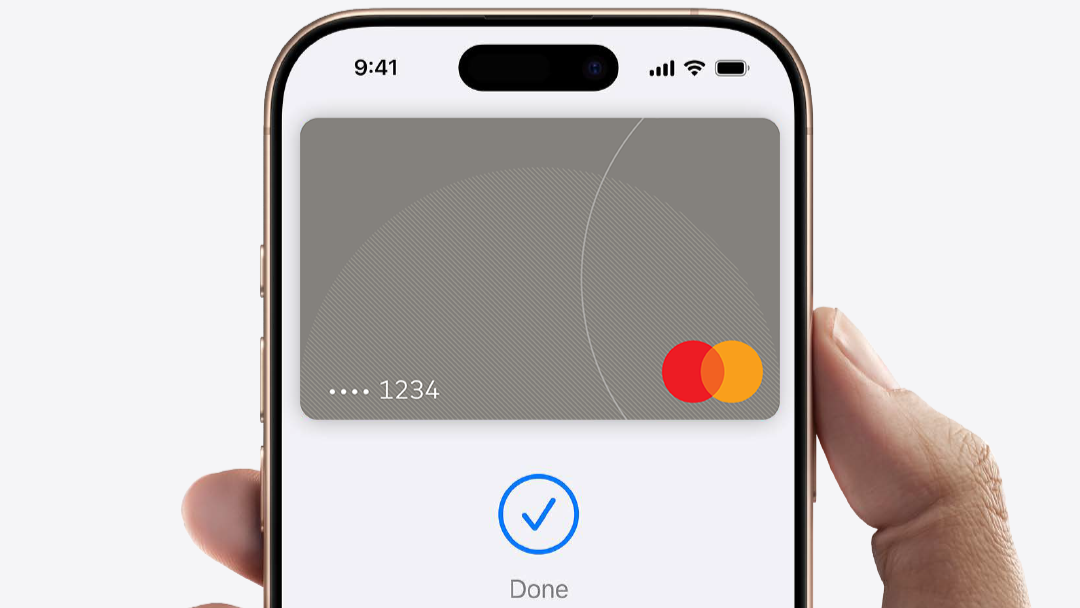
Mastercard has officially brought Apple Pay to its cardholders in the Philippines. This gives iPhone, Apple Watch, iPad, and Mac users an easy, secure, and private way to pay in-store, in-app, and online.
To pay in-store, customers simply double-click the side button, authenticate, and hold their iPhone or Apple Watch near a payment terminal to make a contactless payment.
Apple Pay is easy to set up. On iPhone, simply open the Wallet app and tap the ‘+’ and follow the steps to add a Mastercard credit or debit card.
Once a customer adds a card to iPhone, Apple Watch, iPad, and Mac, they can start using Apple Pay on that device right away.
Every Apple Pay purchase is secure because it is authenticated with Face ID, Touch ID, or device passcode, as well as a one-time unique dynamic security code.
Apple Pay is accepted in grocery stores, pharmacies, restaurants, coffee shops, retail stores, and many more places that accept contactless payments.
Customers can also use Apple Pay on iPhone, iPad, and Mac to make faster and more convenient purchases in apps or on the web without having to create accounts or repeatedly type in contact information, card details, or shipping and billing information.
Of course, customers will continue to receive all of the rewards and benefits offered by Mastercard.
Security and privacy are at the core of Apple Pay. When customers use a credit or debit card with Apple Pay, the actual card numbers are not stored on the device, nor on Apple servers.
Instead, a unique Device Account Number is assigned, encrypted, and securely stored in the Secure Element, an industry-standard, certified chip designed to store the payment information safely on the device.
News
Visa brings Apple Pay to its customers in the Philippines
An easier and more secure way to pay with iPhone, Apple Watch, iPad, and Mac
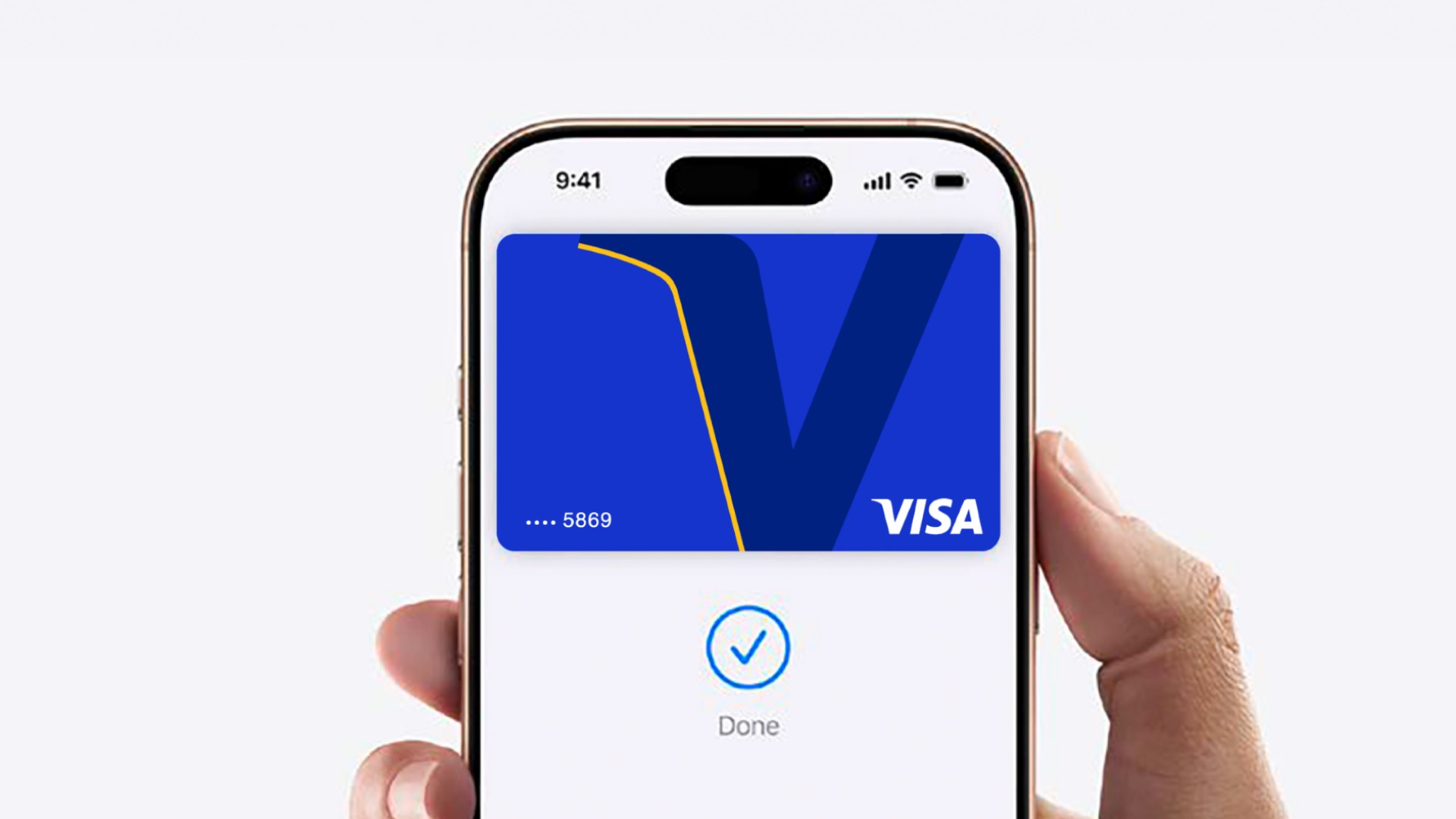
Visa (NYSE: V), a global leader in digital payments, announced today that Visa debit and credit cardholders in the Philippines can now add their eligible cards to Apple Pay on their iPhone, Apple Watch, iPad, and Mac. Apple Pay is an easy, secure and private way to pay in-store, in-app and online.
This announcement accelerates the digitalization of payments all while expanding payment options for Filipinos traveling abroad and visitors traveling to the Philippines. Across the Asia Pacific region, 97% of travelers1 say that they will bring credit, debit, or prepaid cards on their trips, while only 17% intend to bring foreign currency. Among travelers, 38% said they prefer cards because of robust security and fraud protection features, while 20% cite wide acceptance. Apple Pay seamlessly delivers on these exact needs by making everyday transactions easy, secure, and private.
Visa Confidential
To pay in-store, customers simply double-click the side button, authenticate, and hold their iPhone or Apple Watch near a payment terminal to make a contactless payment. Every Apple Pay purchase is secure because it is authenticated with Face ID, Touch ID, or device passcode, as well as a one-time unique dynamic security code. Apple Pay is accepted in grocery stores, pharmacies, restaurants, coffee shops, retail stores, and many more places that accept contactless payments.
Customers can also use Apple Pay on iPhone, iPad, and Mac to make faster and more convenient purchases in apps or on the web without having to create accounts or repeatedly type in contact information, card details, or shipping and billing information.
“Apple Pay represents the next evolution of payments in the Philippines, combining ease of use, simplicity, and security in every transaction, helping amplify the payment experience for Visa cardholders in the Philippines. With Apple Pay, Filipinos and tourists alike now have seamless and secure ways to pay across shops, restaurants, travel destinations, and public transport, supporting the nation’s vision to become a cash-lite economy,” said Jeffrey Navarro, Country Manager for Visa Philippines.
Security and privacy are at the core of Apple Pay. When customers use a credit or debit card with Apple Pay, the actual card numbers are not stored on the device, nor on Apple servers. Instead, a unique Device Account Number is assigned, encrypted and securely stored in the Secure Element, an industry-standard, certified chip designed to store the payment information safely on the device.
Apple Pay is easy to set up. On iPhone, simply open the Wallet app, tap the ‘+’, and follow the steps to add a Visa card. Once a customer adds a card to iPhone, Apple Watch, iPad, and Mac, they can start using Apple Pay on that device right away. Customers will continue to receive all of the rewards and benefits offered by their Visa cards.
For more information on Apple Pay, visit: https://www.apple.com/ph/apple-pay/

Last year, the Sony WH-1000XM6 quickly became our favorite pair of noise-cancelling headphones. The audio quality pairs remarkably well with its ANC capabilities. Now, a year into the accessory’s life cycle, new colors are still coming out. Today, the acclaimed WH-1000XM6 is getting an Olive Gray variant.
A few months ago, Sony expanded the WH-1000XM6’s colorway options with a Sandstone version, launching alongside the Sony 1000X THE COLLEXION. At the time, the new color added a splash of life to an already blossoming lineup.
Now, much like the rest of the lineup, the new Olive Gray version is a subdued mashup between olive green and gray. Though it stands out on its own, the color is still cool enough to mix well with the contours of the user’s head.
Other than that, the new version is still identical to the inner workings of the original device. The Sony WH-1000XM6 comes with a new HD Noise Canceling Processor QN3, providing 12 microphones for effective noise cancellation. In terms of audio quality, the headphones support High-Resolution Audio and High-Resolution Audio Wireless, thanks to LDAC support.
Also, the accessory sits comfortable on the head with a high rigidity carbon fiber composite material dome, cushioned well with synthetic leather.
As always, the Olive Gray version, launching today, will sell for US$ 459.99.
In Singapore, the Sony WH-1000XM6 in Olive Gray is available starting today through Sony Stores, the Sony Store Online, and authorized dealers for S$649, matching the pricing of the existing color options.
SEE ALSO: Sony WH-1000XM6: Master of sound quality and noise cancellation

realme C100: Enduring and durable in spite of entry-level realities
Enough power but needs more agility

The ASUS ExpertBook Ultra wins you over
The laptop sneaks up on you

Nexal Watch Sport review: A rugged watch for small budgets
I couldn't believe that watches this good could come for this cheap.

How to set up Apple Pay on your iPhone

Mastercard brings Apple Pay to customers in the Philippines

Visa brings Apple Pay to its customers in the Philippines

DJI Osmo Mobile 8P: From a videographer’s perspective

GadgetSnaps: Westminster Abbey

New York becomes first state to ban smart glasses

Sony launches IER-M500 in-ear monitors

Microsoft dictates that a new Fallout game is coming

HoYo FEST 2026 details announced; tickets on sale from July 16
realme C100: Enduring and durable in spite of entry-level realities


-

 Wearables2 weeks ago
Garmin launches its first screenless fitness band
-
 Hands-On2 weeks ago
Hands-on: Samsung Galaxy Z Fold8, Flip8, Ultra
-

 Gaming2 weeks ago
NBA 2K27 cover athletes unveiled: Wemby, Clark, DRose
-

 Cameras2 weeks ago
Sony announces new FX5 full-frame camera
-

 Accessories2 weeks ago
CASETiFY revives Spider-Man collection for Brand New Day
-

 Gaming2 weeks ago
FINAL FANTASY X | X-2 HD Remaster launches on Nintendo Switch 2
-

 Computers1 week ago
AORUS MASTER 16 Gen 2 2026 AI gaming laptop launches
-

 News2 weeks ago
Samsung Galaxy Watch Ultra2 and Watch9: Price, availability in the Philippines