
News
Sony is working on a rollable smartphone
Will the Xperia rise again?


After a failed debut, the foldable smartphone is ready to give it another go. Samsung and Huawei are gearing for a new launch date sometime in the fall. Soon, keen consumers can finally buy the Galaxy Fold or the Mate X. Previously, both companies suffered critical hitches before their initial launches, prompting a much-needed redesign.
However, the wheels of innovation never stop. Bypassing the current foldable revolution, Japanese tech maker Sony is working a whole new form factor. According to tech leaker Max J, the company is testing a rollable phone prototype. The experiment Xperia model will tout a new “nautilus” design.
Supposedly, it uses flexible LG Display technology. Earlier this year, LG debuted a rollable OLED TV at CES 2019. The Korean company has already perfected the technology elsewhere. Sony will pioneer the new display for the smartphone market.
Underneath, the rollable prototype will carry a Qualcomm SM7250 chipset, a 10x zoom camera, and a 3220mAh battery. However, the final retail version will likely have a more powerful Snapdragon 855 processor. It will also have a Qualcomm X50 modem, prepping for 5G connectivity. Unfortunately, the prototype’s design will constrain its hardware. The phone’s current hardware is only a shade of today’s modern standards.
Sony’s future Xperia is a work in progress. As such, the prototype has a lot of unknowns. For one, will the prototype completely roll into a scroll? Can it double as a smartwatch? As with most pioneering innovations, the rollable smartphone will need a lot of time to marinate.
At the very least, Sony is hard at work. The company is aiming for a December or early 2020 launch.
SEE ALSO: Sony Xperia Ace is what the Xperia XZ4 Compact could have been





News
Dreame enters smartphones with AURORA debut
Modular imaging, AI-native OS, and luxury design lead new “perception-first” push

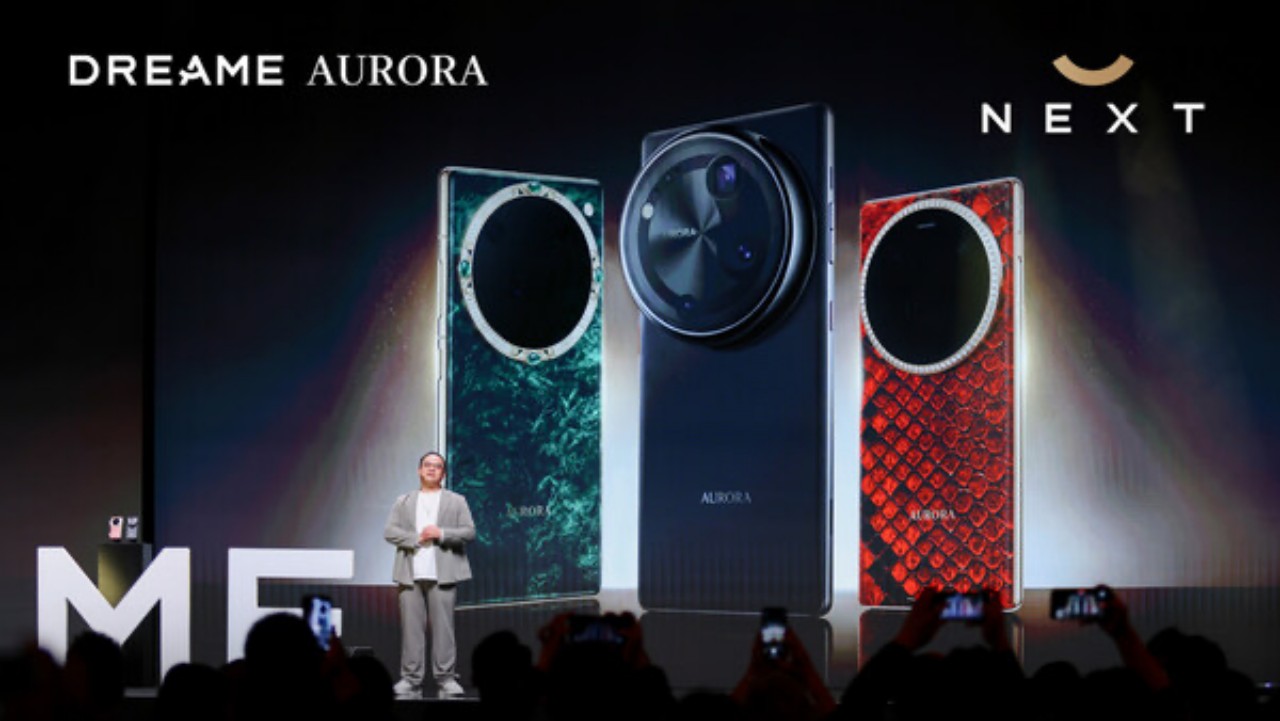
Dreame has officially stepped into the smartphone space with the debut of its AURORA lineup in Silicon Valley, positioning itself beyond appliances and into next-generation intelligent devices.
Unveiled on April 29, the new AURORA brand introduces what Dreame calls three core breakthroughs: imaging, communication, and an AI-native operating system — all built around a “human-centric” approach to technology.
A new take on smartphones
At launch, Dreame showcased three key directions under the AURORA lineup.
Leading the charge is the AURORA NEX, a modular imaging flagship designed to unlock more advanced, flexible photography setups. The idea is to move beyond typical camera upgrades and give users more control over how they capture content.
Alongside it is the AURORA LUX, a luxury-focused series that leans into premium materials and craftsmanship. Dreame positions this as “heirloom-grade” tech — less gadget, more statement piece.
Completing the lineup is a new flagship range aimed at balancing performance, design, and everyday usability for high-end users.
Moving past spec wars
Dreame isn’t framing this as another specs race. Instead, it’s calling this shift a “perception revolution.”
The pitch is simple:
- Better imaging should feel like creating, not just capturing
- Connectivity should be stable and seamless everywhere
- AI should be invisible but proactive, not something users have to manage
To get there, Dreame says it’s addressing familiar industry pain points — from camera hardware stacking to inconsistent signal performance and surface-level AI features.
Its solution is a full-stack approach:
- A dedicated imaging system built with input from professional photographers
- A “full-time signal” communication system for more stable connectivity
- An AI-native OS designed to flip the model from users adapting to devices → devices adapting to users
From tools to partners
The bigger ambition here is clear. Dreame wants devices to evolve from passive tools into what it calls “proactive service partners.”
That means:
- Devices anticipate needs
- AI operates in the background
- Hardware and software feel like a single system
It’s a familiar direction across the industry, but Dreame is betting on tighter integration and a stronger design identity to stand out.
A broader ecosystem play
The AURORA launch also signals something bigger: Dreame is expanding fast beyond its roots in home and personal care tech.
From hair tools to now smartphones, the company is building toward a full ecosystem anchored on AI and connected experiences.
Whether that vision lands will depend on execution — especially in a category as competitive as smartphones.
For now, AURORA marks Dreame’s most ambitious move yet, and a clear statement that it wants to compete not just on devices, but on how those devices fit into everyday life.
Laptops
MacBook Neo already “supply constrained” amid unexpected demand
New purchases are reportedly getting delayed.
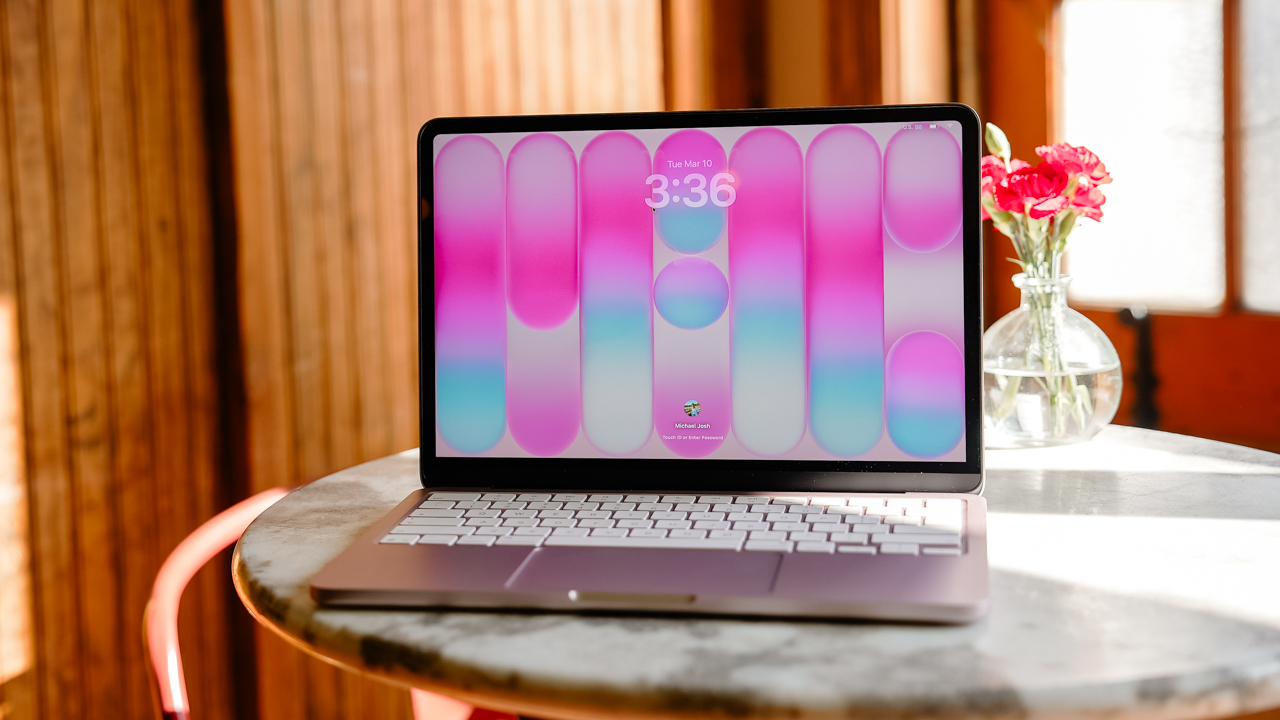
It’s been a crazy month for Apple fans on a budget. The debuts of the iPhone 17e and the MacBook Neo have brought the classic Apple experience to a wider market. Though the former is a bright spot on its own, the new MacBook Neo is currently breaking the company’s expectations as new orders are already “supply constrained.”
Last week, Tim Cook held an earnings call (via Six Colors) which includes the latest additions to Apple’s lineup. For the affordable iPhone, Cook gave a special shoutout as “the newest addition to what is already the strongest iPhone lineup we’ve ever had.” However, he was much more appreciative for the MacBook Neo’s role in the company’s notebook lineup.
Responding to a query about the new notebook, Cook says that the company “undercalled the level of enthusiasm” generated by the MacBook Neo. He also cited “tremendous enthusiasm” for the device in his main presentation.
Though he didn’t have the numbers to bolster his claims, he did give anecdotal examples of public schools switching over to Apple from Chromebooks and Windows PCs.
Finally, he says that the MacBook Neo is currently “supply constrained,” meaning new purchases will likely come with a delay before delivery.
Outside of the corporate perspective, there has been a lot of excitement for the notebook. Even if it uses the A18 Pro chip, the MacBook Neo promises a powerful notebook experience as is typical of Apple’s more traditional MacBooks. And to top it all off, it starts at only US$ 599, creating one of the most tempting offers for users who want to dip their toes into the Apple ecosystem.
SEE ALSO: MacBook Neo officially arrives at Power Mac Center
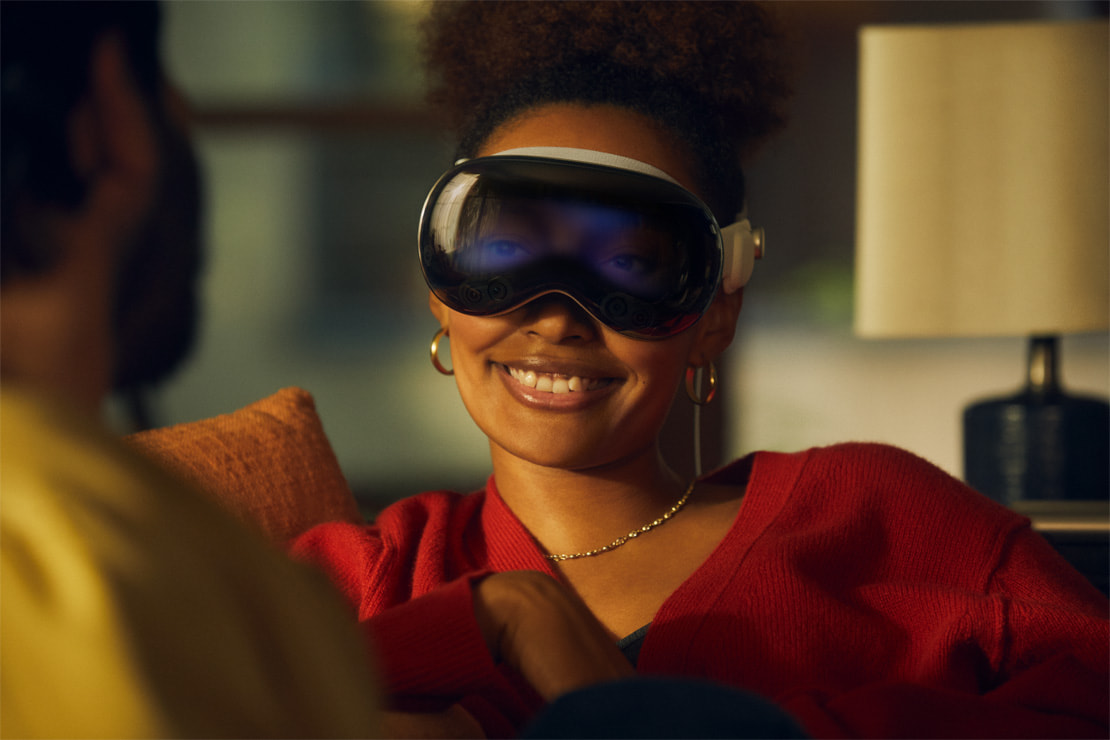
When they unveiled the Vision Pro in 2023, Apple touted the wearable as the next big thing after the iPhone. Now, almost three years removed from the launch, the Vision Pro hasn’t really taken over the coveted spot occupied by the iPhone. Apple, according to a report, is allegedly canning the short-lived wearable.
According to MacRumors, Apple has reportedly given up on making the Vision Pro a thing. The team handling the wearable has supposedly been subsumed by other teams within Apple.
If true, the wearable’s end is unfortunate but not surprising. Despite being out for years, the Vision Pro has sold only a little more than half a million units with numerous returns from customers. Most recently, Apple updated the wearable with the M5 chip, but the move hasn’t revitalized the device’s status in Apple’s lineup.
Most of the complaints about the device stem from its exorbitant price or its cumbersome battery pack. Besides costing a whopping US$ 3,499, the Vision Pro is also difficult to move around with, especially because of its total weight and a battery pack that can get in the way.
To be clear, Apple has not officially discontinued the Vision Pro yet. The company continues to sell the version with the M5 chip. Apple can also restart development in the future.
However, the meantime retirement on future development does coincide with the recent restructuring inside the company. Tim Cook recently decided to step down as CEO with John Ternus as his replacement. Canning the Vision Pro might be Ternus’ first step in redefining Apple according to his plans.
SEE ALSO: Apple Vision Pro gets M5 chip upgrade


PRAGMATA is not for the faint of heart
Already a Game of the Year contender for all the feels

5 games with the nubia Neo 5 GT 5G
Niche device, but is worth the price?


Giving up counter space for reverse osmosis: Living with Waterdrop M6H in NYC
A 7-stage filtration system

Star Wars: Galactic Racer launches October 6

Dreame enters smartphones with AURORA debut

Dreame unveils next-gen personal care lineup at DREAME NEXT 2026

vivo Y Series launches in Singapore with bigger battery, durability upgrades

MacBook Neo already “supply constrained” amid unexpected demand


-

 Reviews2 weeks ago
HONOR 600 review: A taste of more
-
 Laptops2 weeks ago
ASUS Zenbook S14 (2026) review: The perfect portable buddy
-
 News1 week ago
OPPO Find X9 Ultra lands in PH: Price, availability, pre-order perks
-
 Malaysia2 weeks ago
The OPPO Find X9 Ultra is Galaxy S26 Ultra’s biggest enemy
-
 News1 week ago
OPPO Find X9s now official in PH: Price, availability, pre-order info
-

 Gaming2 weeks ago
Saros review: Returnal’s difficulty is back and better than ever
-
 News1 week ago
OPPO Find N6 now in PH: Price, pre-order, availability
-
 Automotive2 weeks ago
VinFast to expand in the Philippines with e-scooters: report