


Laptops
ASUS VivoBook X412F Review: A great midrange option for work and school
For those who need a fresh start

Not everyone can afford a premium device. Even if the specifications entice you to buy that nice laptop, the ultimate decision point is in its price and value to you. Parents and young professionals starting a new job would know.
ASUS regularly comes up with great midrange selections for students and young professionals. That seems to be what the ASUS VivoBook X412F is: an all-around midrange device for productivity and day-to-day tasks. But if you’re currently a student or working full-time, should you consider this device?
Here’s a rundown of the device’s specifications:
It has a 14” HD anti-glare display

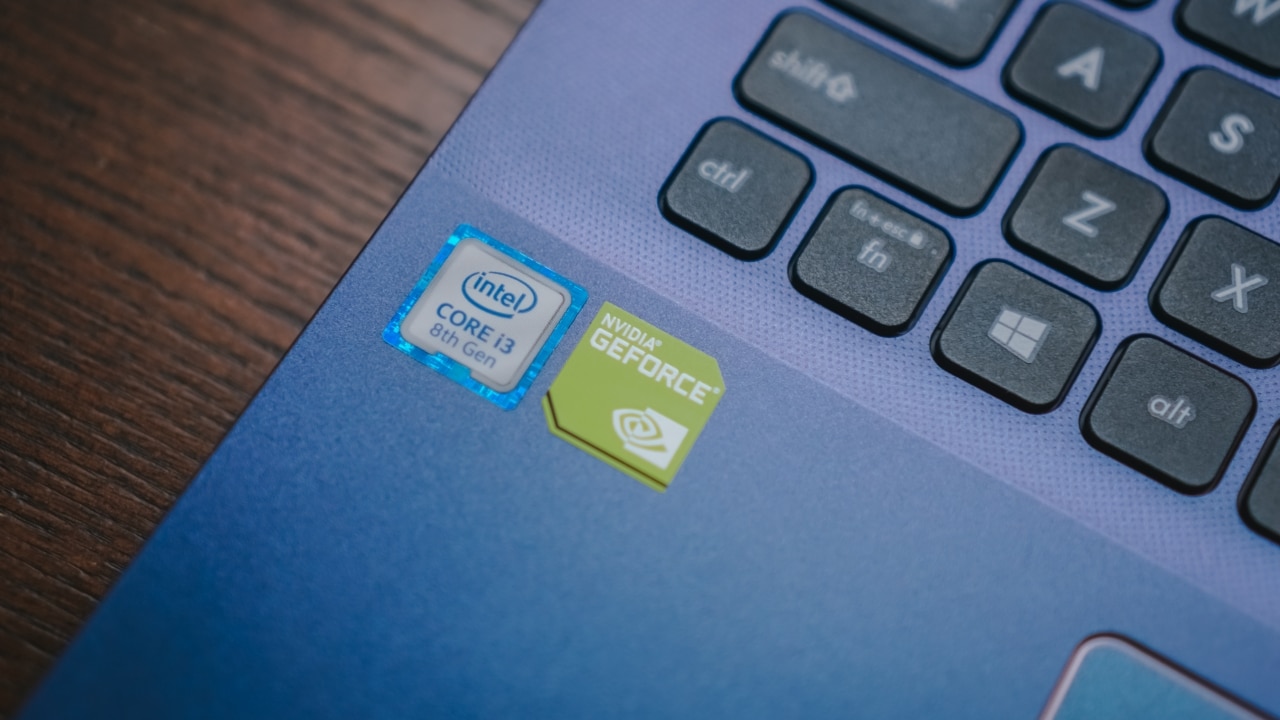
It’s powered by an Intel Core i3 processor and an NVIDIA MX230 graphics card
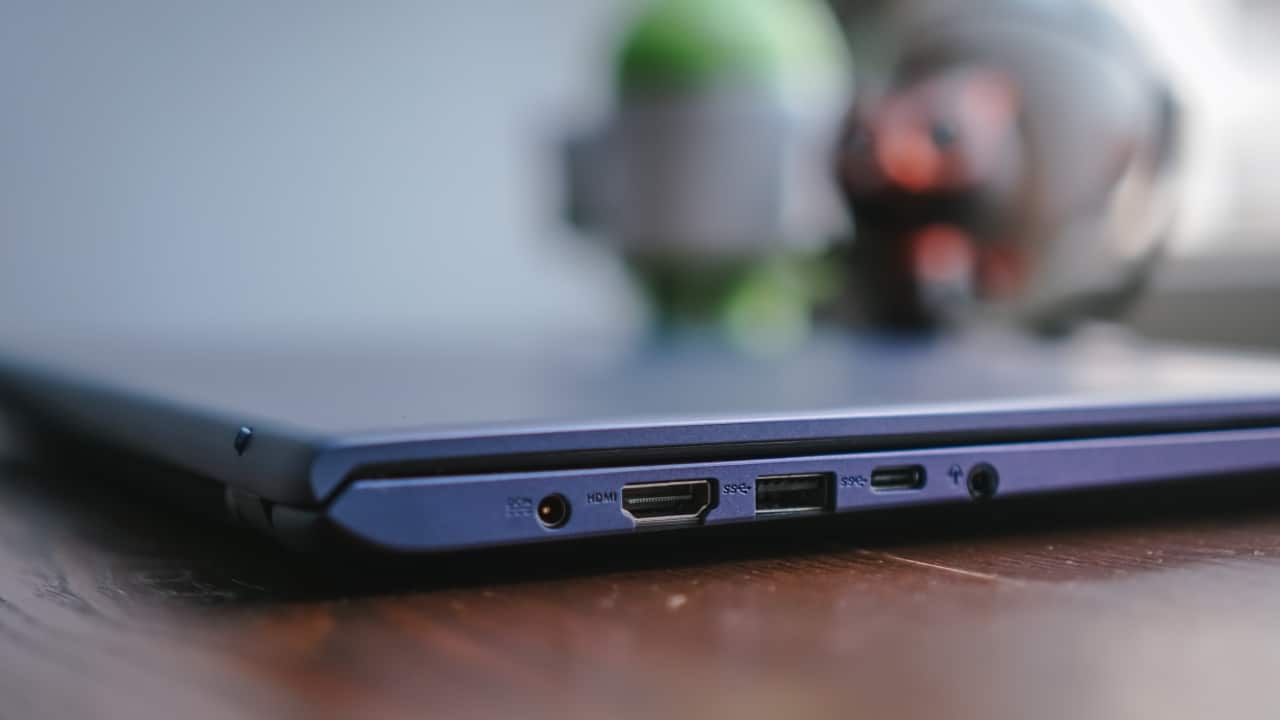
It comes with both a USB Type-A and Type-C port
Has a fingerprint reader on the touchpad

It gets the job done for its intended purpose
The model I used came with an Intel Core i3 processor, which won’t deliver great performance on paper. But after using it for a while, I can say that it really isn’t the case. It kept up with the numerous tasks I threw at it, whether it was writing documents or watching videos. Do take note that this device only comes with 4GB of RAM, so obviously you won’t be able to do a lot more.
It also helped that it comes with a 256GB solid state drive installed. Using SSDs provide a significant boost in loading times, which allowed me to get more tasks done. I would still prefer to have the more powerful Intel Core i5 option installed to maximize performance.
You can play games on it, just don’t push it
The VivoBook X412F comes with an entry level NVIDIA MX230 graphics card. Upon reading this, my initial thought was that gaming was possible — and it was. The catch is, well any game that doesn’t require so much graphical power will run smoothly. Games like CS:GO, Minecraft, and Rocket League do reach a hard 50 to 55 frame per second cap.

But like any other non-gaming laptop, using this strictly for gaming is highly discouraged. This device was not exactly designed to be a gaming machine, even if you get the units with more powerful processors on it. Plus, you will definitely feel the heat on your keyboard when you play for too long. So, I’m not saying that you can’t use it to play games; don’t use it just to play games.
It lasts relatively long, as long as you’re using it properly
Upon initial testing, I did get around five to six hours on one full charge. It’s long enough for you to just browse the internet, watch a few videos or movies, and type down reports. Doing some form of photo or video editing decreases that number by just a bit. It took two to three hours to fully charge the device from zero.
Battery life when playing games on it is just what you expect it to be. I got close to two hours and 30 minutes before having to plug the charger. Again, you can play games on this device but it’s not meant for strictly just gameplay.
The webcam is surprisingly decent
One of the key critiques I’ve had over most laptops centers around their webcams. Most built-in HD webcams, when used for the first time, are not as “high-definition” as promoted. Images and videos either look blurry or grainy, which won’t help during conference calls.

With the VivoBook X412F, the webcam is decent at best — which is all you could really hope for. Under good lighting conditions, image quality on this 720p webcam feels more “high-definition” than most. I observed relatively less grain than most other laptops I’ve tried, which is great for video calls at least.
Other features worth considering before you buy
The VivoBook X412F comes with a fingerprint reader on the touchpad. Setting up Windows Hello was pretty fast, but I found the sensor to be pretty sensitive after. Even if I had already cleaned my fingers and wiped out the sweat, the sensor sometimes won’t read it.
It also comes with a chiclet keyboard without the number pad on the right side. Key travel, for me was decent and took just a short while to get used to. Sadly, it wasn’t backlit which I would have liked — especially for working late at night.

Finally, you get what you can with its display. It’s only a 14-inch HD display, which doesn’t leave you much room for proper viewing angles and color accuracy. The one good quality it has, in my opinion, is that it’s an anti-glare screen. I used the device outdoors several times, and even at 70 percent brightness I could still see the contents of my screen.
Is the ASUS VivoBook X412F your GadgetMatch?
The ASUS VivoBook X412F is one device that truly caters to those who want an affordable yet premium experience. It comes in a package that promises great productivity and portability, and lasts a long time. It’s a total fit for students and young professionals looking for their first school or work laptop. Of course, that’s only the case as long as it is used for its intended purpose.
With a device like this, you can only do so much. While tasks such as photo, video editing, and gaming are possible, it proves to do more harm than good. If you really want to get the most value out of this laptop, I suggest you use it mostly for its intended purpose.At PhP 32,995 (US$ 629) for the 256GB + 4GB RAM unit, the ASUS VivoBook X412F is a great productivity device for work and school. That is, if you will use it for work or school-related activities.






Accessories
UGREEN Nexode Pro 160W review: One mighty brick with a powerful trick
All the speed you need in one charging brick

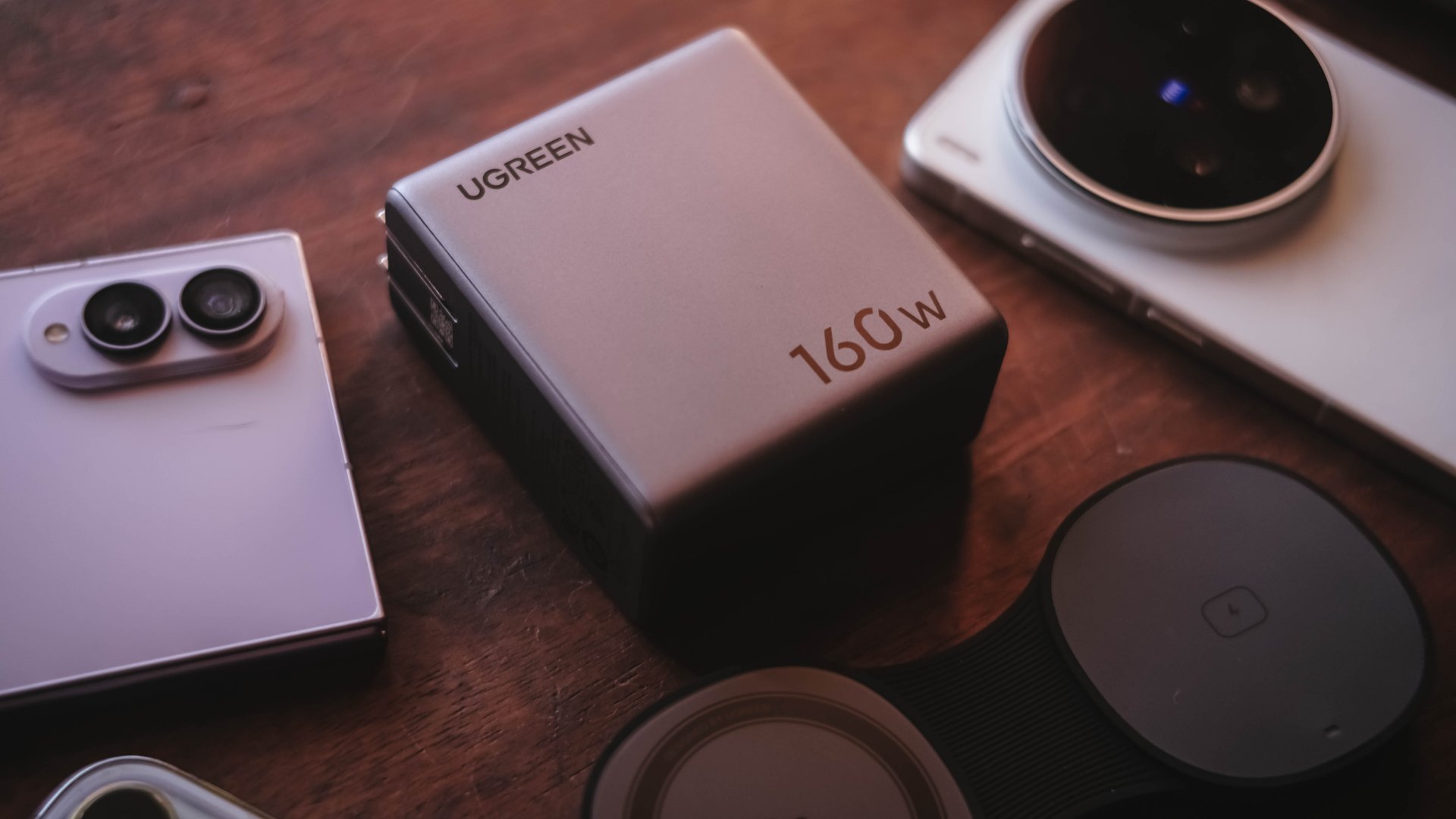
Chargers aren’t just tiny bricks we plug into the wall anymore.
As our everyday gadgets become hungrier in power, chargers have gotten mightier, too.
More wattage, more ports, and apparently, more brains. The UGREEN Nexode Pro 160W takes all of those in one thicc body.
A heavy charger with plenty of power
Let’s address the elephant in the room — literally and figuratively. The UGREEN Nexode Pro 160W is one CHONKY charger.
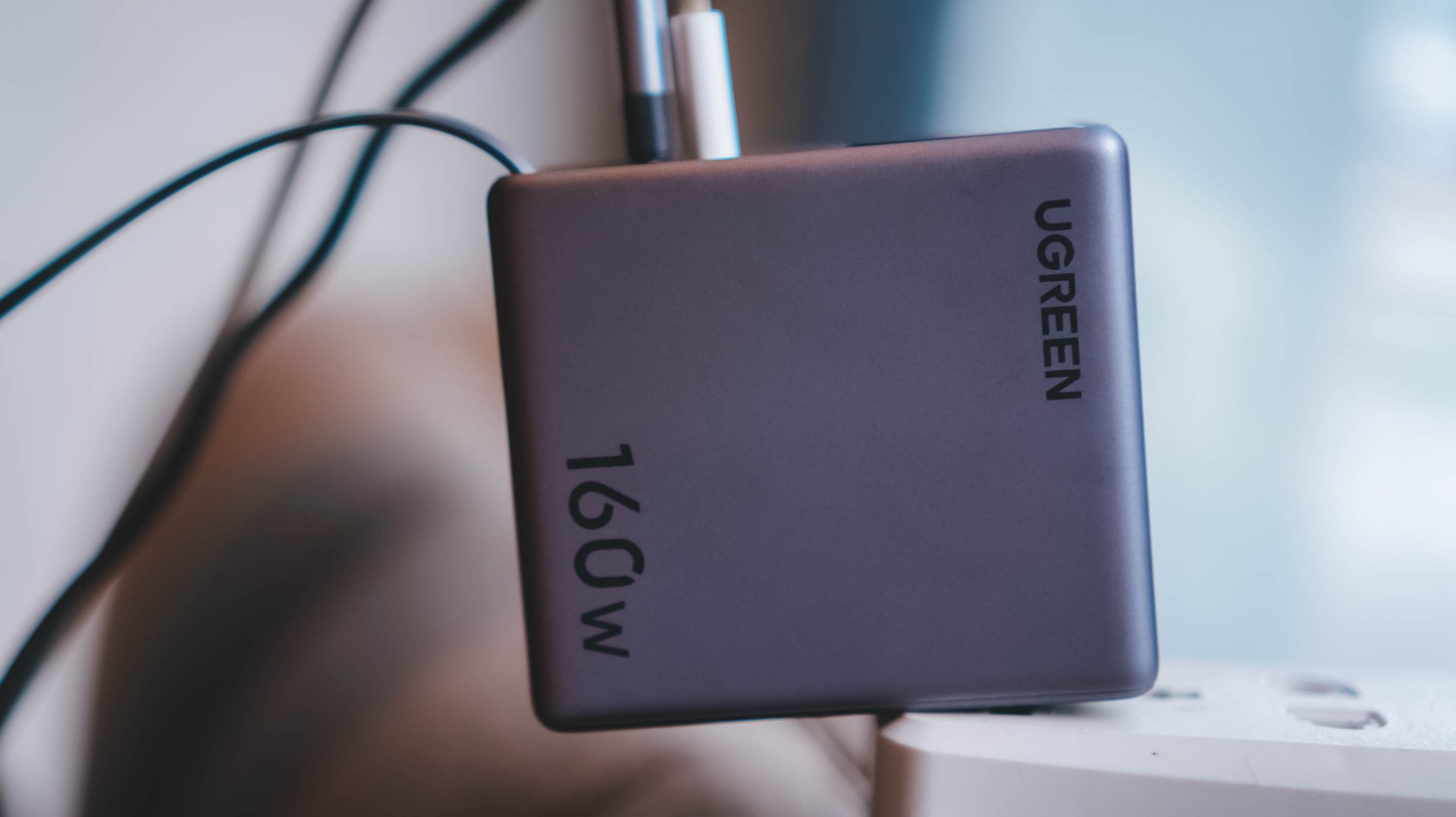
The US version weighs 310 grams, which is heavier than usual charging bricks you’d bring with you.
Visual comparison alone, this is how it tries to dwarf its 100W Uno cousin.


Then again, UGREEN’s Nexode Pro isn’t your conventional charger. And by that, it boasts a total output of 160W — though not saying every port gives a 160W output.
The first USB-C port (C1) is capable of delivering up to 140W. Meanwhile, USB-C2 supports up to 100W, while the lonesome USB-A port can supply up to 22.5W.
To make it even crazier, it also has a retractable USB-C cable — more on that later.
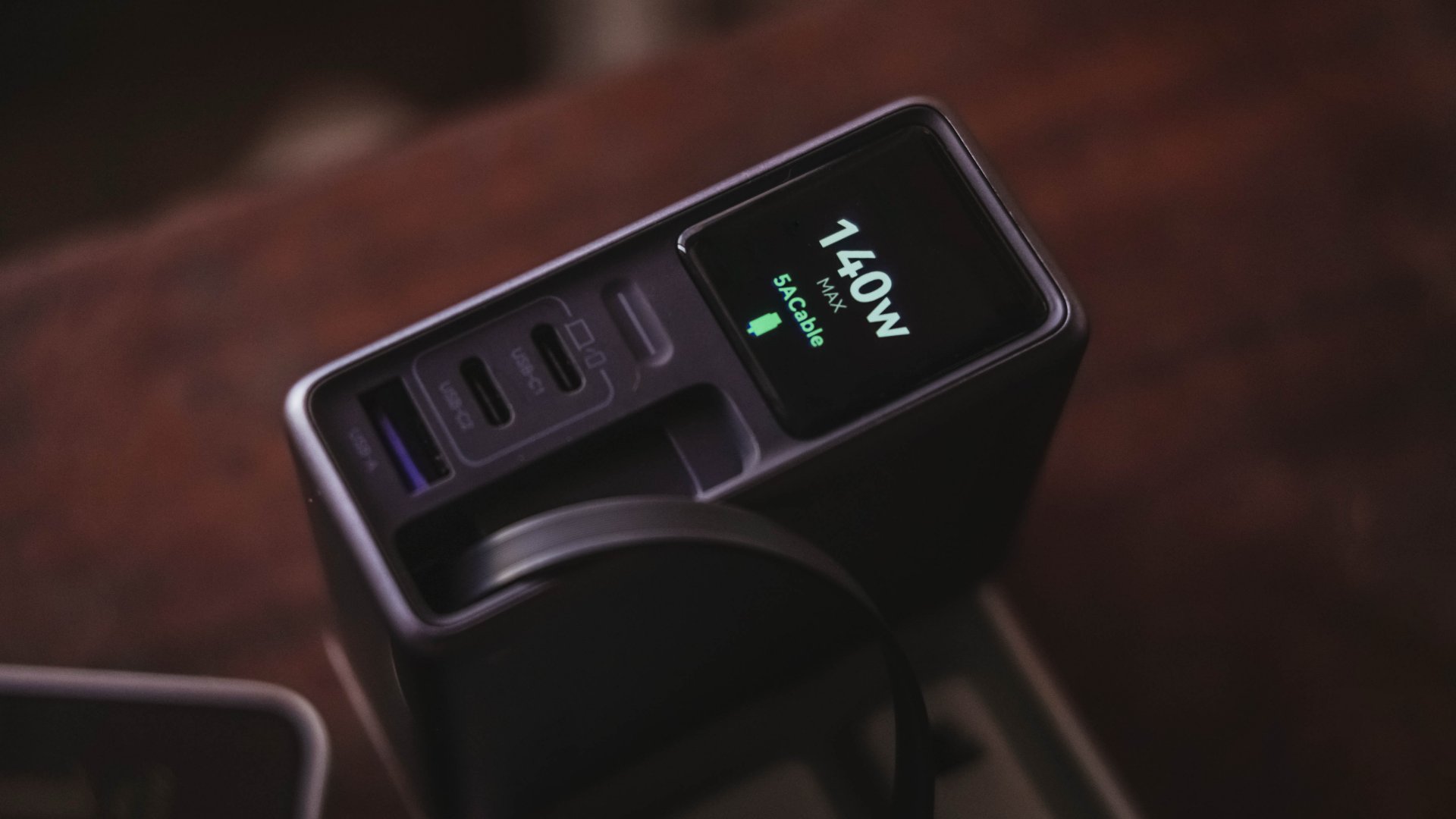
These all mean I can plug in my MacBook Pro, high-end Android flagship, iPhone, and other accessories without ever bringing separate charging bricks for each one.
And honestly, when there’s so much power inside one brick, I’ll generously accept that added heft.
Watt you see is watt you get
One trick up in Nexode Pro 160W’s sleeves is that, it has a front display.
With a touch capacitive button above the USB-C1 port, the display can show not just the general (or combined) charging wattage. It can also show real-time speeds in watts (W), voltage (V), and even ampere (A).
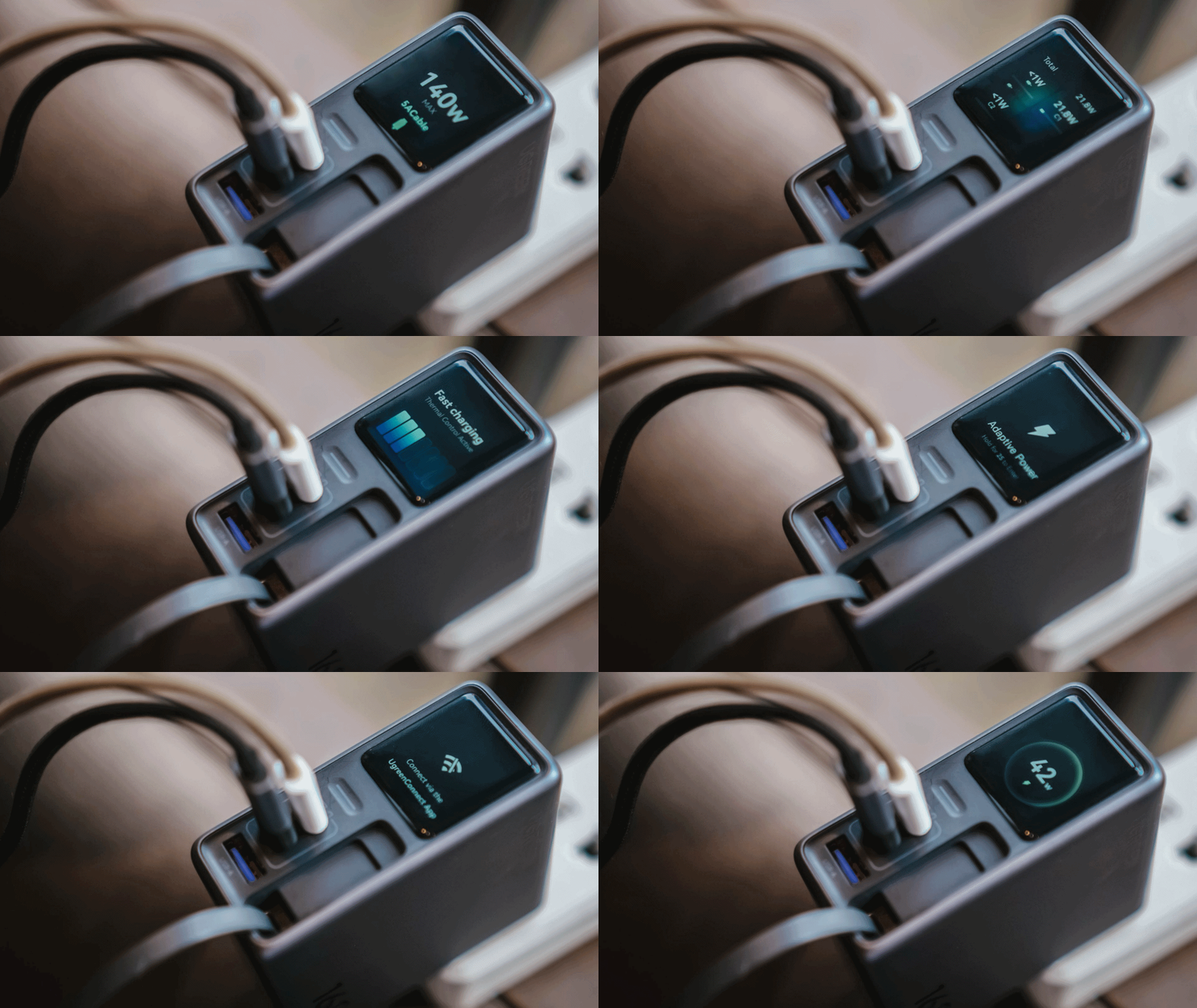
For regular users, it’s probably something you’ll glance at occasionally. For stats nerds? It’s eye candy. For a gadget reviewer like me? A charge test companion.
Seeing real-time charging data gives me a better idea if I have the best charging cable possible for each device. More so, if those devices actually get the charging speeds they require.
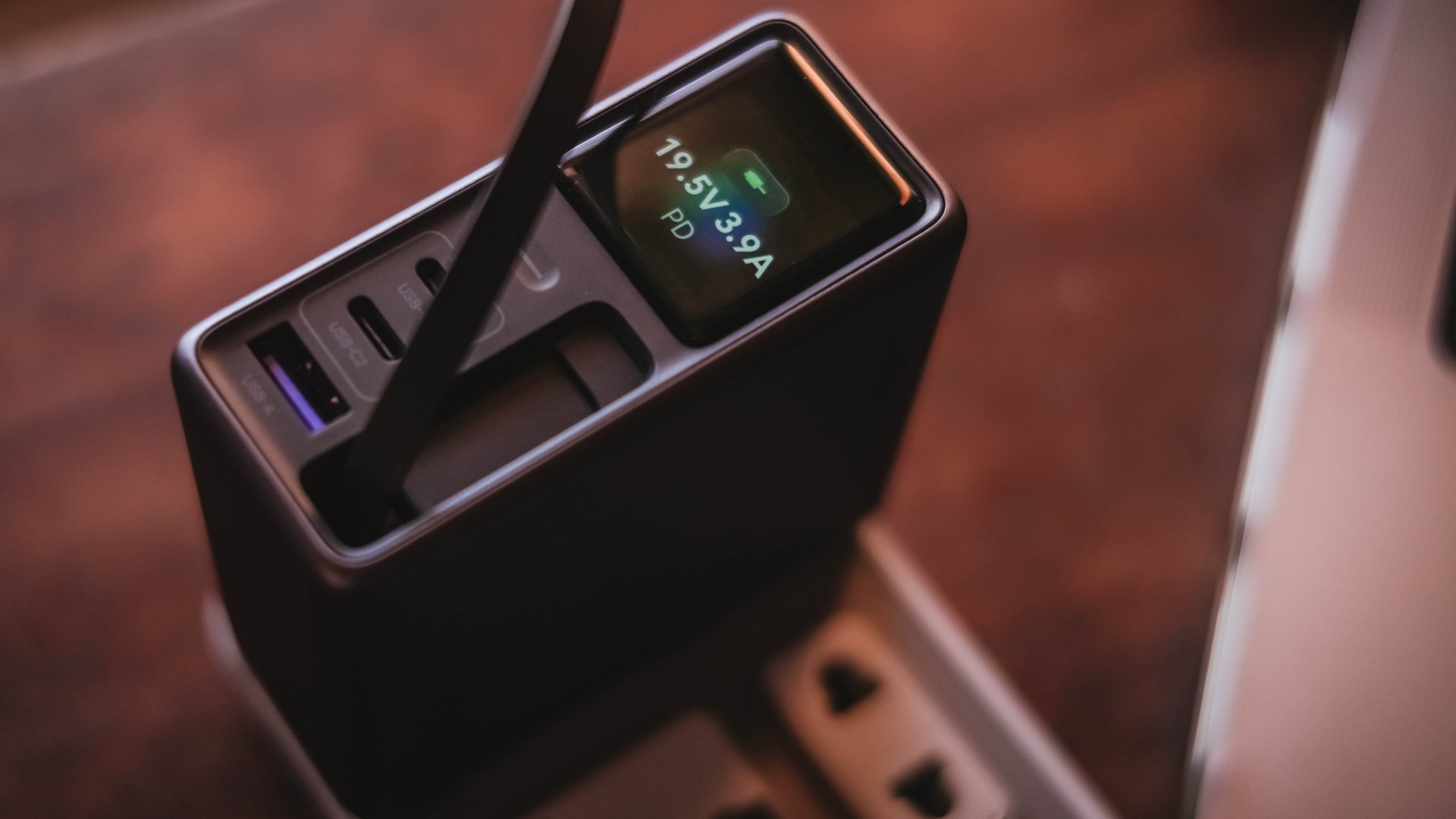
And, if something suddenly starts charging slower than usual, those numbers can help me determine whether the device, charger, or cable might be the culprit.
I can only have my sigh of relief when I see it’s pulling the amount of power I expect.
Even if I always say numbers aren’t everything, the real-time charging data I see with my two eyes is more believable than just relying on that “Fast Charging” indicator.
So, watt did I even get?
Of course, I couldn’t just take that 160W figure just at its face value.
In a not-so-typical GadgetMatch Charge Test, I tried and tested the charger by occupying all ports with the devices I regularly use and watched the numbers fly.
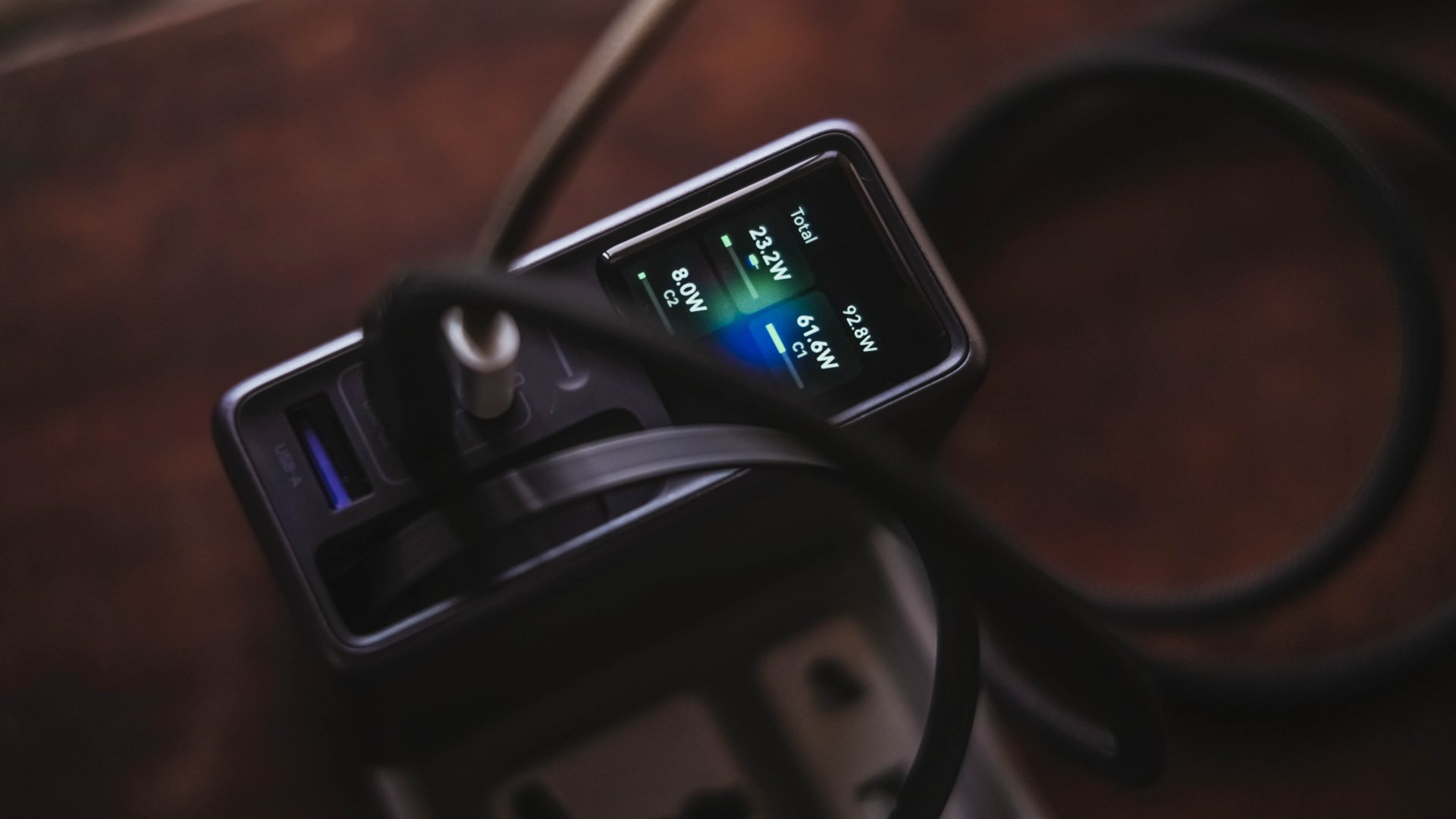
Mind you, I tried my best to make them as equal as possible by draining every device down to 0%. Just so the actual charge test starts at the very base.
From a lengthy documentations in my Notes app, I tried simplifying the results into these table instead:
| Port | Device | Cable Type | 10-minute charge | 30-minute charge | 1-hour charge |
| USB-C1 | 14” M2 Max MacBook Pro | Apple MagSafe 3 to USB-C | 15% | 45% | 84% |
| USB-C2 | Apple iPhone 13 Pro Max | USB-C to Lightning | 7% | 21% | 42% |
| Retractable USB-C | vivo X300 Ultra* *wireless charging |
USB-C to UGREEN MagFlow 2-in-1 Foldable Magnetic Wireless Charger | 2% | 3% | 7% |
| USB-A | HONOR Watch 5 Ultra | USB-A to wireless charging base | 18% | 58% | 76% |
Aside from the charger itself, there are more factors that contribute to a device’s charging output.
One is basically how many devices are connected. Another would be the type of cable used (standard 3A cable or faster yet thicker 5A or 6A cord).
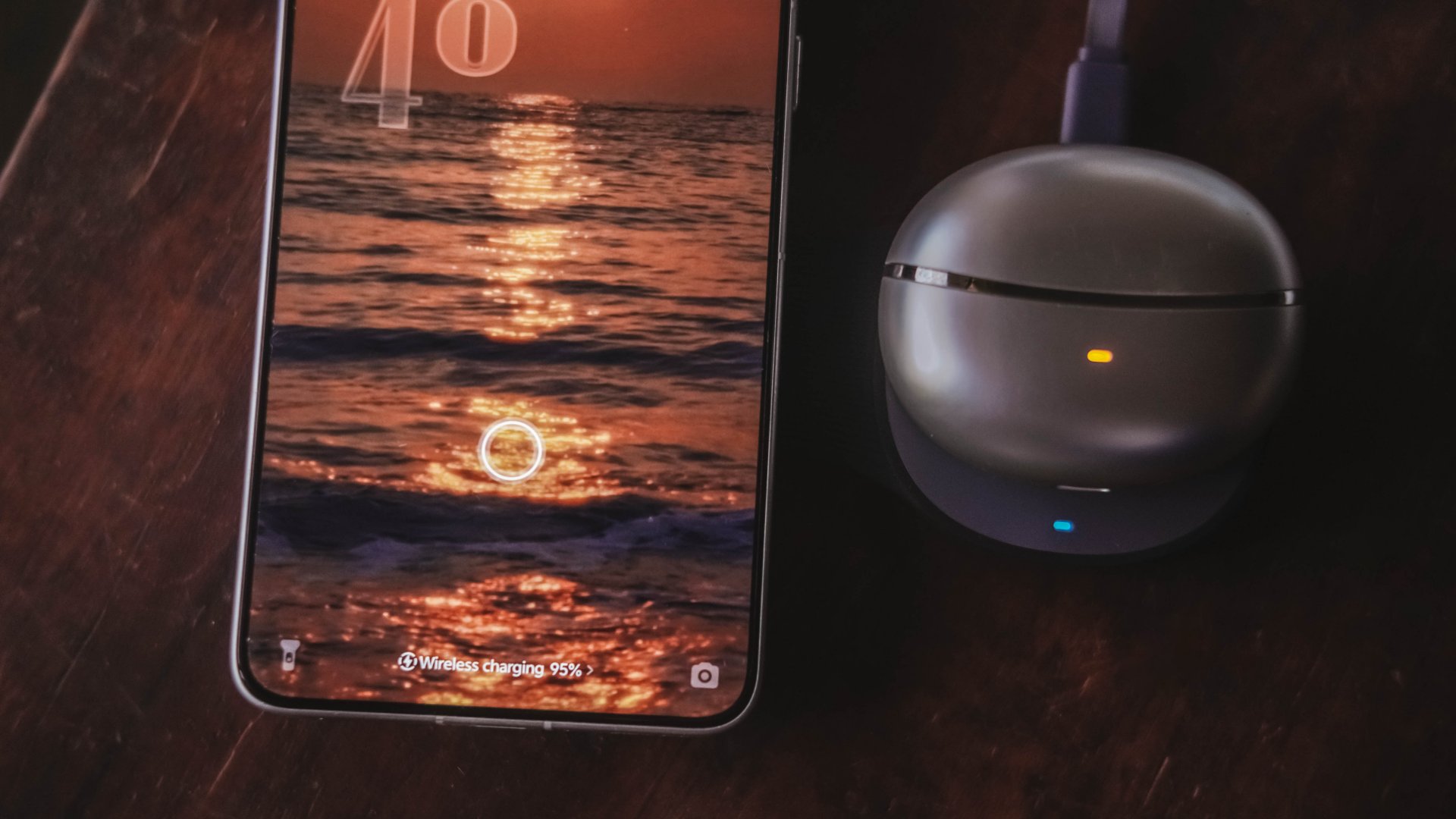
More so, if the best charging mode is used. Even actual room and device temperatures matter, too.
In easier words, a charger boasting 160W power doesn’t mean every device gets its maximum charging speeds simultaneously.
The charger still has to distribute its available power between everything connected.
Pull it, use it, and never lose it
Perhaps its most “secretive” trick is hidden within.
UGREEN has managed to fit a 70cm retractable USB-C cable in its squarish body. Pull it whenever you need it and retract it back inside once you’re done.
It’s incredibly handy when I don’t want to dig through my big and messy backpack.
Worst case scenario? Whenever I forget to bring a cable — which already happened numerous times as an aging young adult who keeps being unnecessarily forgetful.
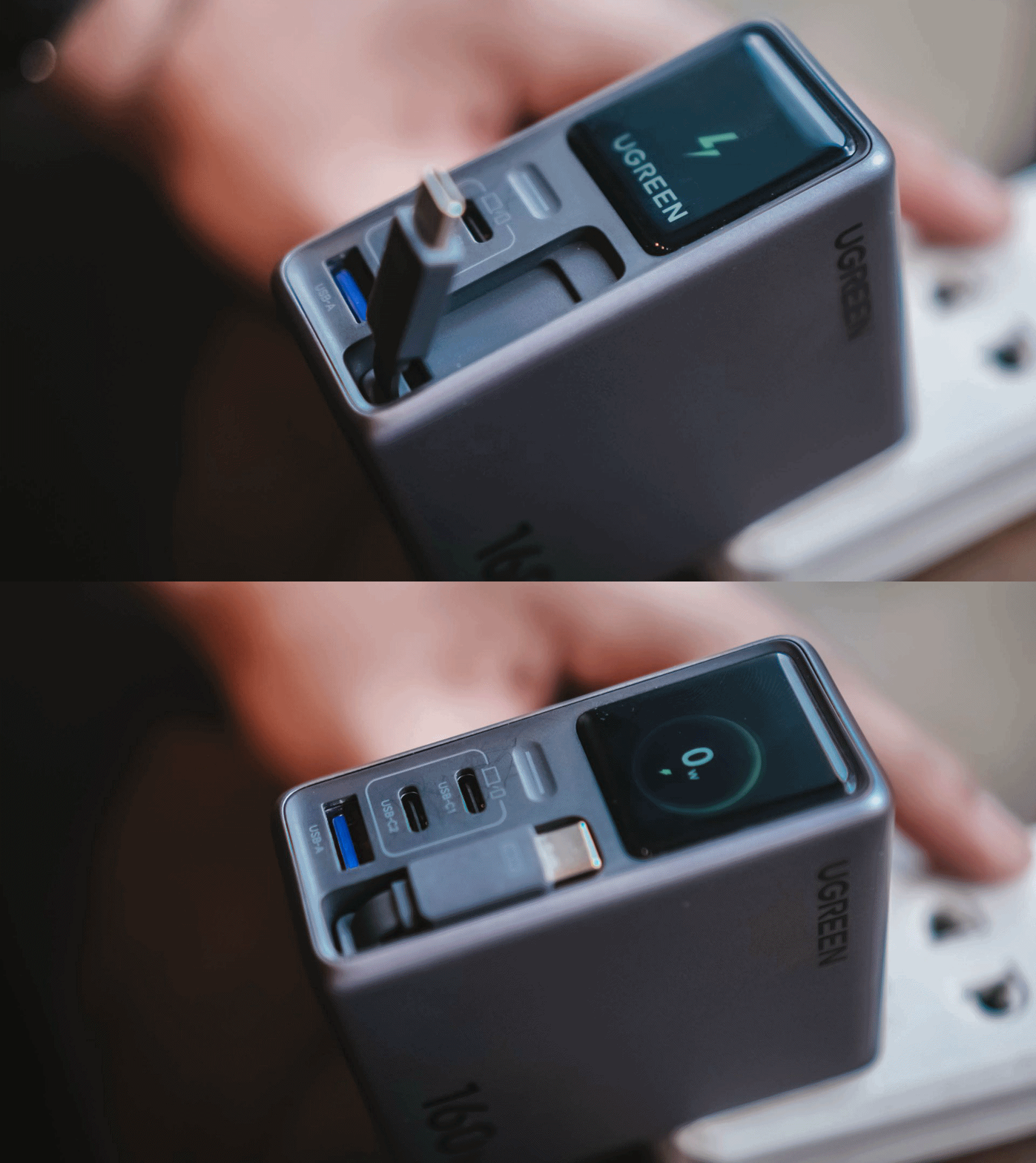
Vincenz’s two cents? He would NOT always rely on using it.
For one, there’s the matter of longevity.
A regular USB-C cable eventually breaks? Replace it. A retractable cable permanently attached to your charger? That’s a different story.
Another would be all about its actual charging speed output. Not every device behaves the same way with that built-in cable.
| Device | Max Charging | Observed Power | 30-minute charge | 1-hour charge |
| 14” M2 Max MacBook Pro | 96W | 68.6W | 53% | 87% |
| vivo X500 Pro Max | 90W | 20.2W~23.6W | 34% | 62% |
| vivo X300 Ultra | 100W | 9.6W~12.9W | 26% | 52% |
| HONOR 600 Pro | 80W | 16.5W | 35% | 64% |
| Samsung Galaxy Z Fold8 | 45W | 17.8W | 41% | 74% |
For instance, my vivo X300 Ultra supports 90W FlashCharge speeds. Yet, I observed only around below a 13W output during one test. Thus, only achieving 26% in thirty minutes.
Even the shiny new vivo X500 Pro Max wasn’t exempted in the list with only being able to achieve 34% in the same time frame.
For added context, using their bundled FlashCharge adapters would have already filled the phones way past the 60% mark.
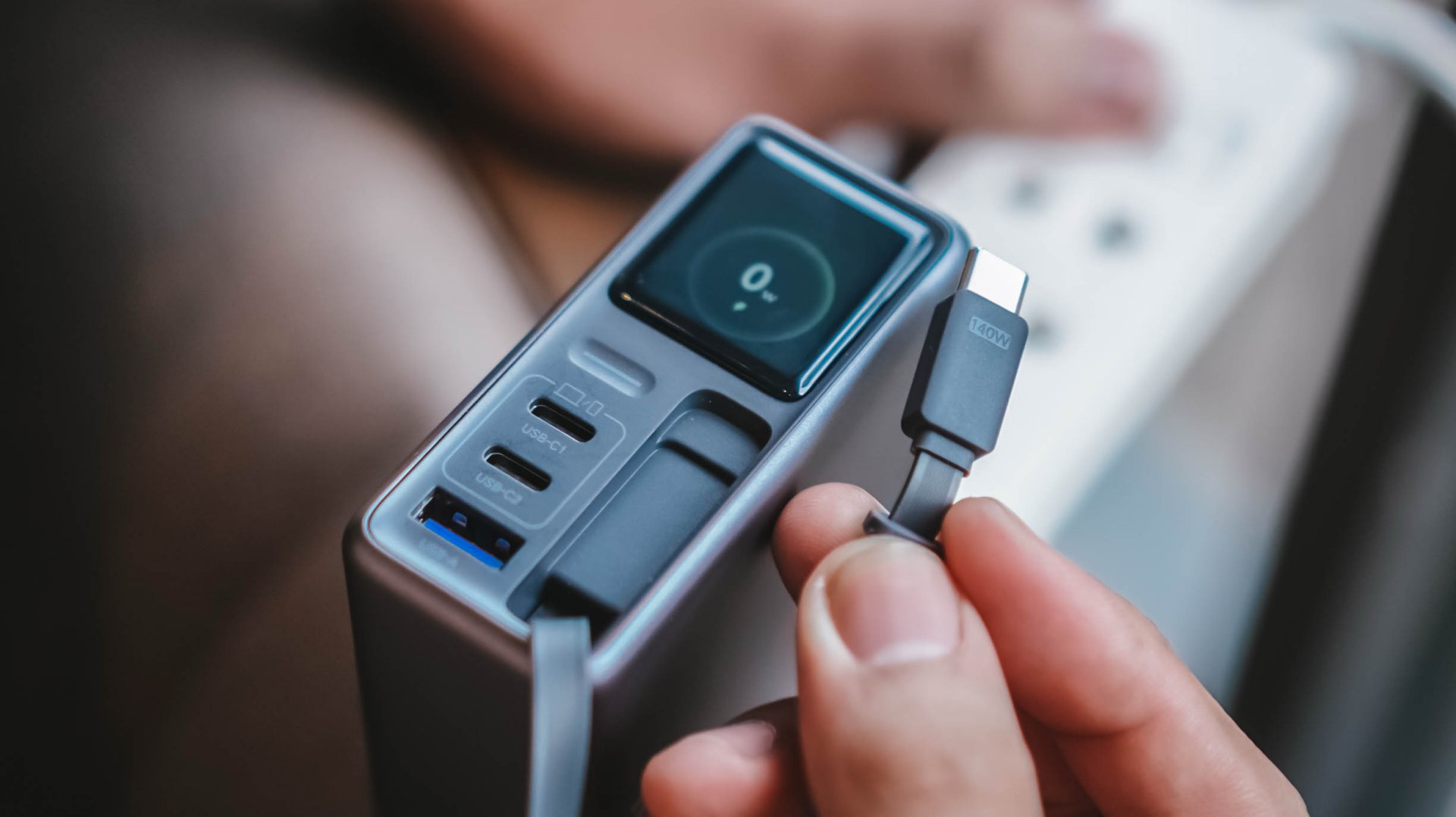
This doesn’t necessarily mean the built-in cable is bad. It just means you shouldn’t expect every proprietary charging standard to hit its advertised maximum just with the cable alone.
So while it’s one of my favorite conveniences here, I still see it as a handy backup rather than the only cable one would ever need.
Connect to inspect
I can’t believe I’m saying this. A charger can now be connected via an app.
Just like me, you’re probably scratching your head the moment you are reading this. Well, after much use, it actually made sense to me.
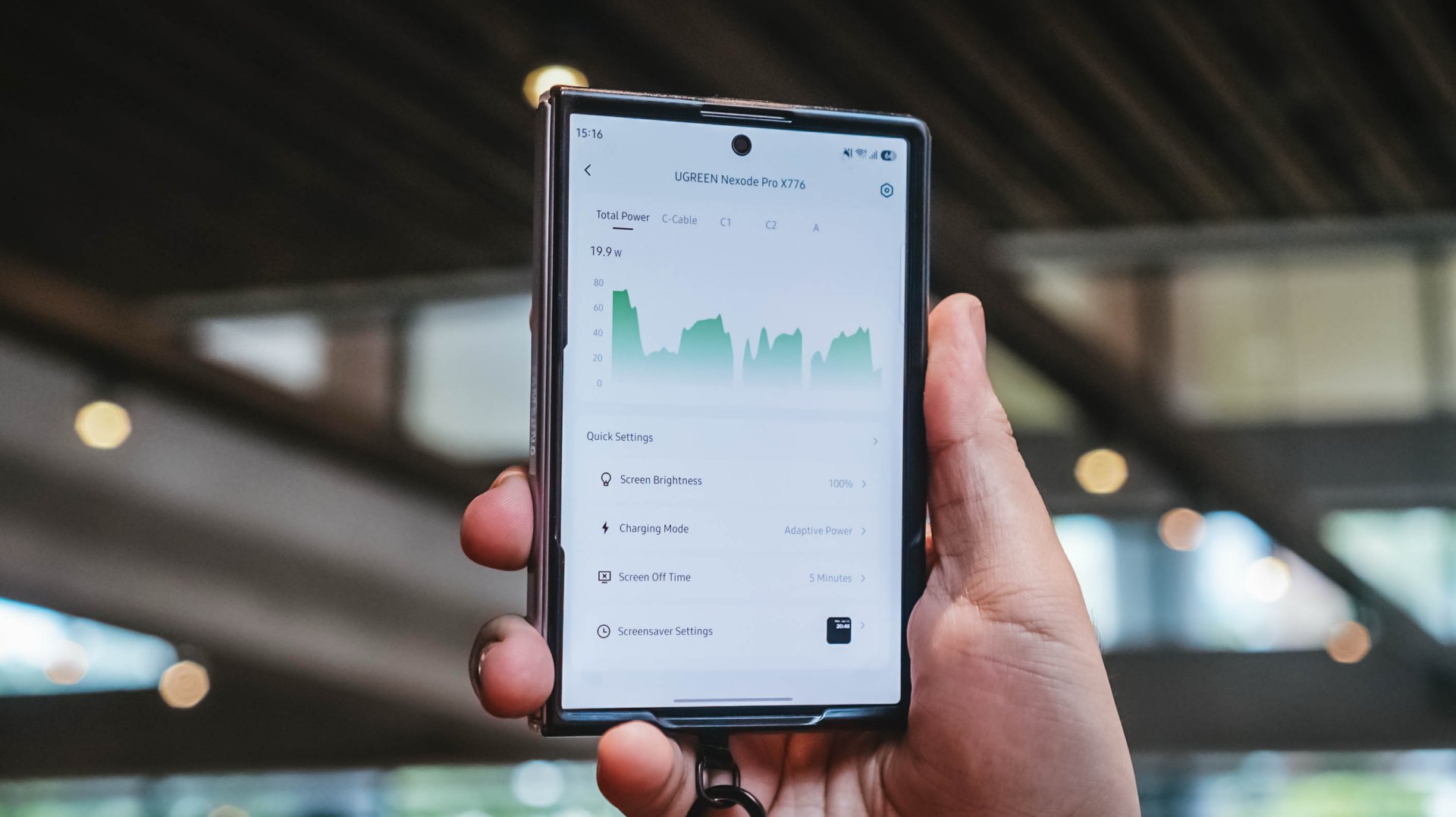
With their new and very own UgreenConnect app, not only you can see and capture charging stats, UGREEN lets you switch between charging modes as well depending on your charging needs.
Heck! You can even turn off ports individually without affecting other devices being charged.
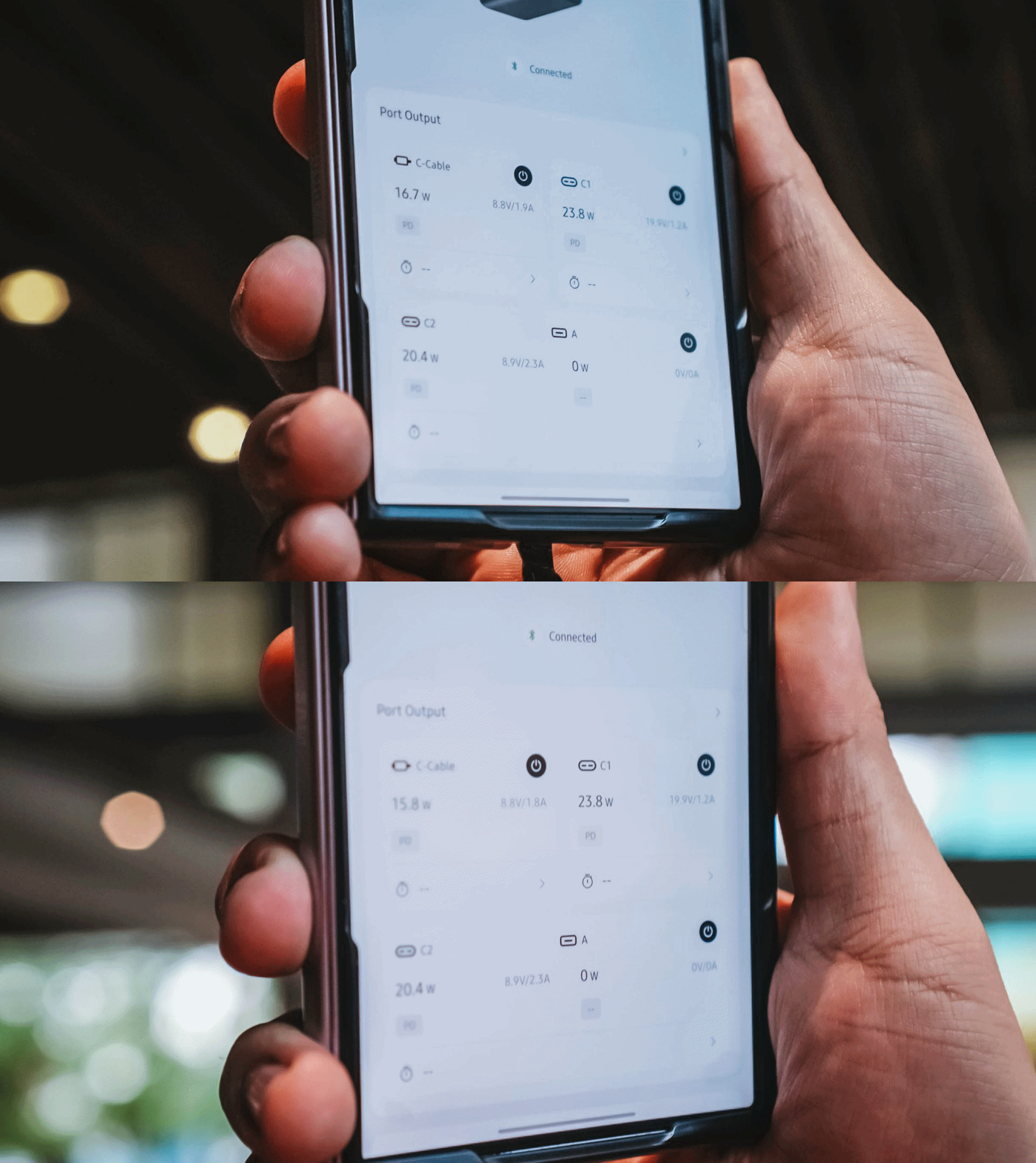
Furthermore, you can also change the display’s brightness and sleep time, customize wallpapers. The Nexode Pro 160W also supports OTA updates.
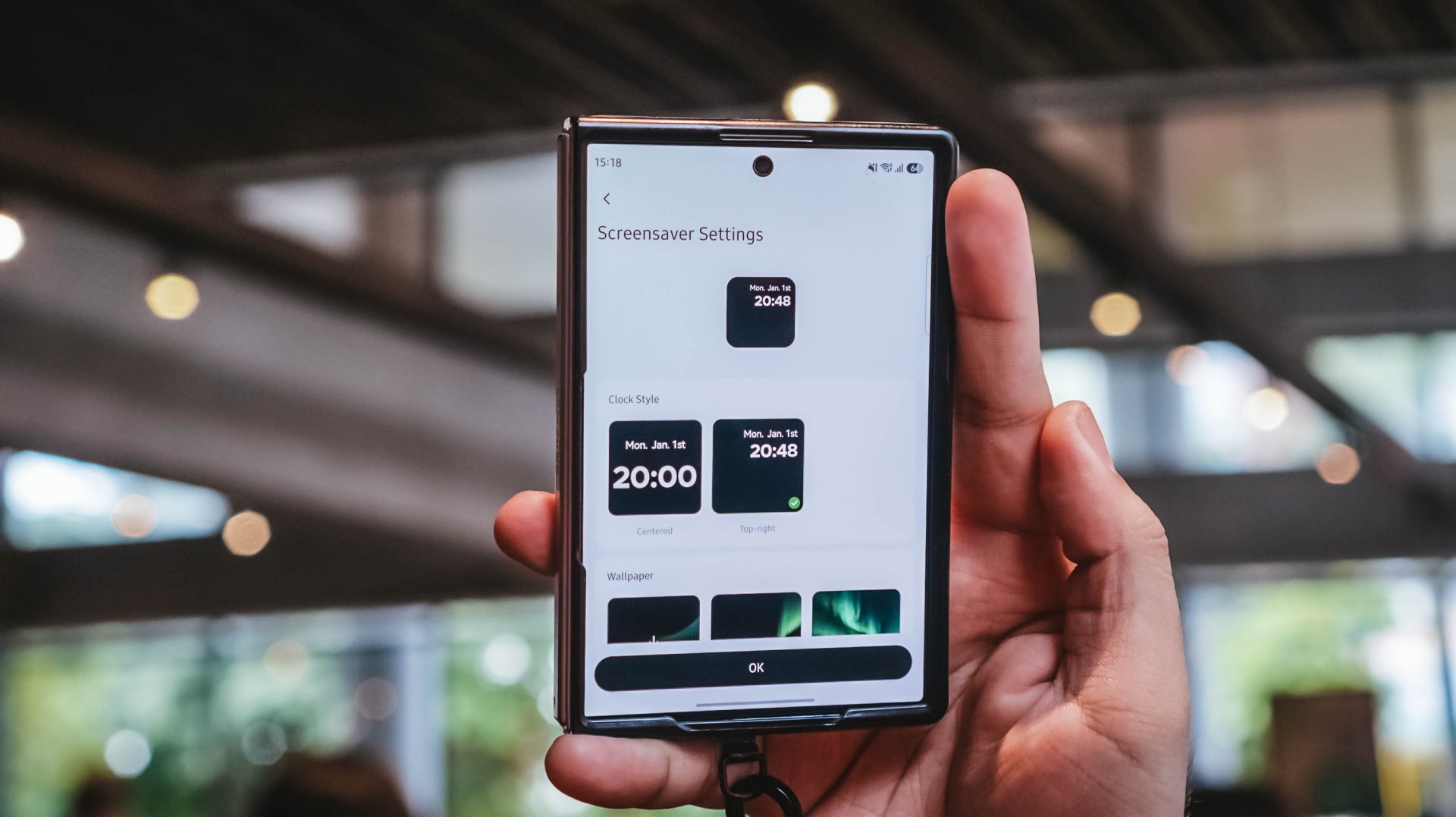
Again, it’s mostly nerdy. But that’s precisely why I like this charger more than what I already have and use.
Feel the heat, keep it neat
The Nexode Pro gets warm. Quite warm, actually.
But, with a charger this large and powerful, that’s hardly surprising given all the charging components packed inside.
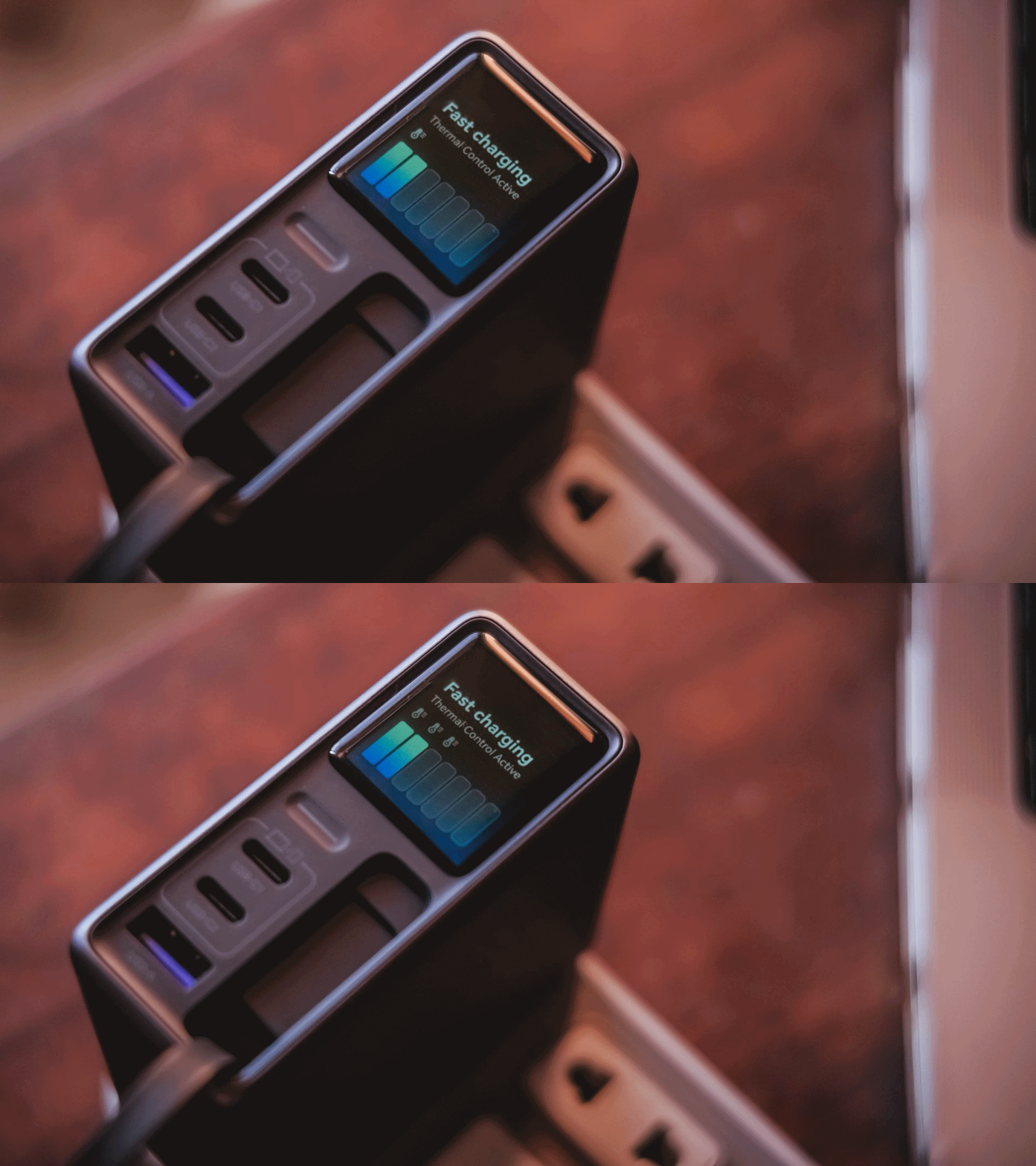
Thankfully, the temperature remained manageable throughout my use. UGREEN also lists Thermal Guard Temperature Control alongside GaN Infinity technology and SmartCharge power distribution.
The different charging modes can also help manage and lessen that heat further.
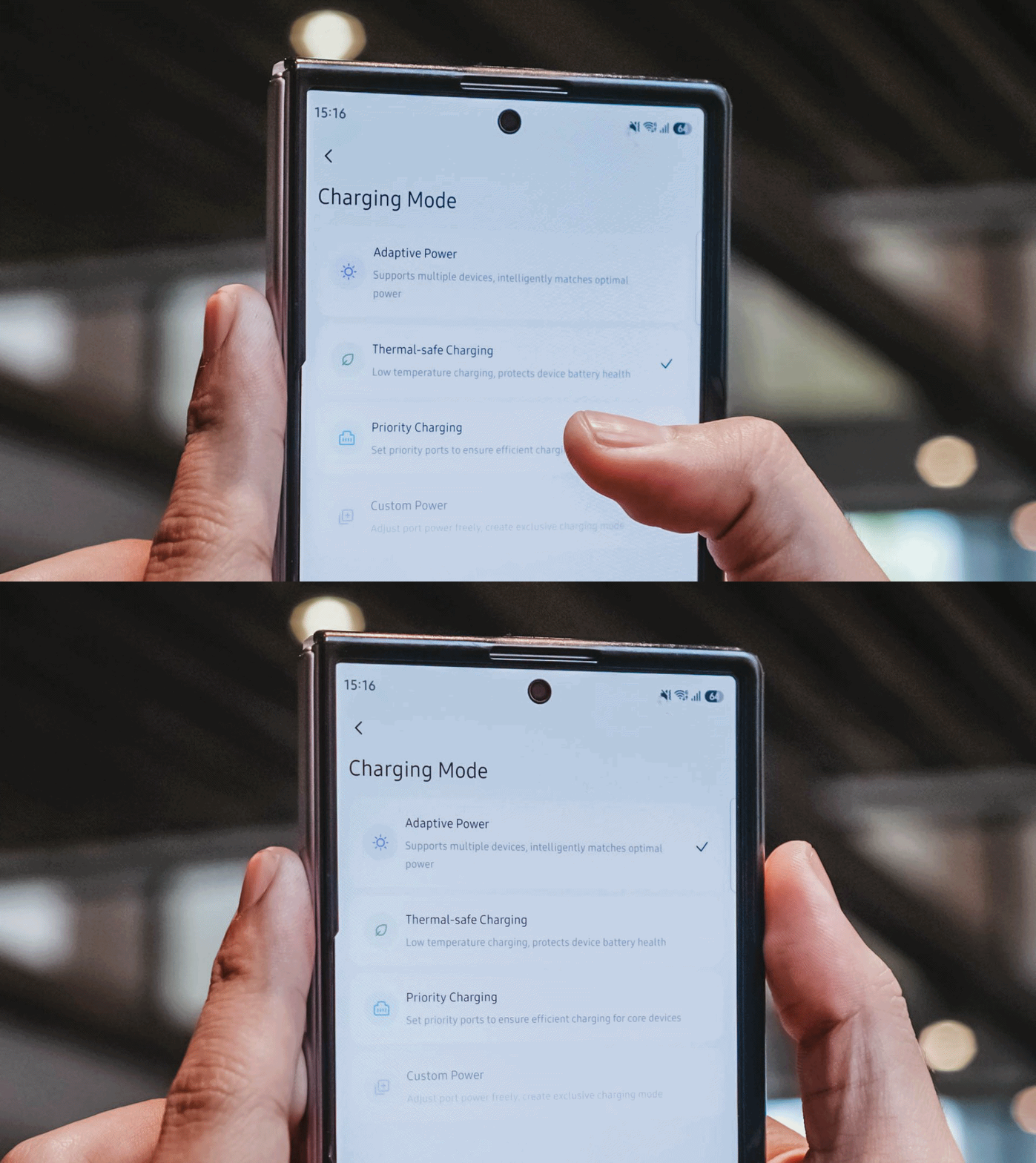
If I don’t need something charged immediately, I can opt for smarter or lower-temperature Thermal-safe charging instead of constantly pushing as much power as possible. Power when I need it. Less heat when I don’t.
Although for my day-to-day use-case, Priority Charging makes the most sense.
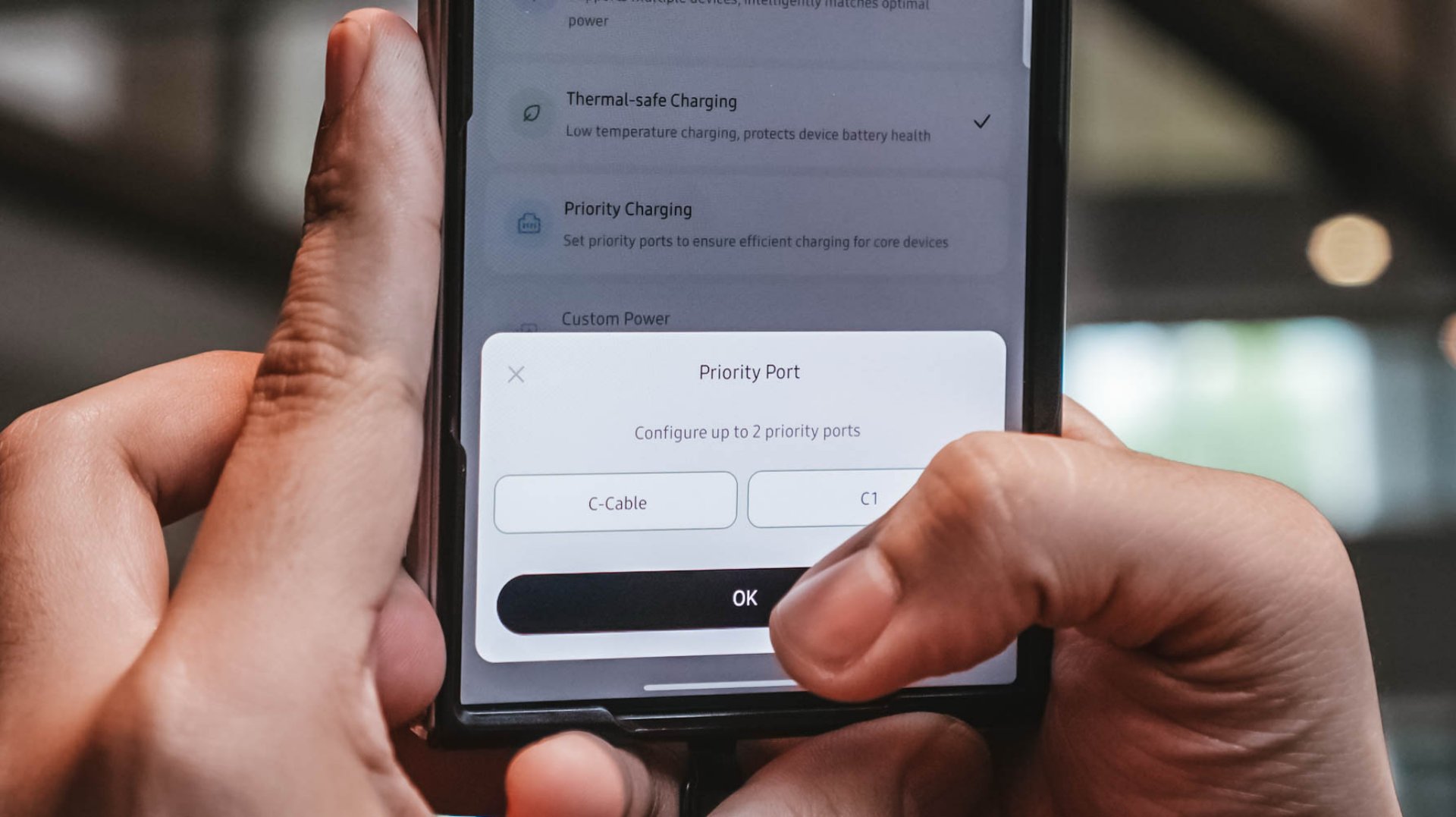
Case in point: I tested this with the vivo X300 Ultra I’m dilly dallying.
| vivo X300 Ultra | Adaptive Charging | Priority Charging |
| Charging Output | 9.6W ~ 12.9W 8.1V / 1.6A |
26.8W ~ 27.2W 7.9V / 3.5A |
| START TIME (from 0%) | 9:11PM | 12:31AM |
| 3 minutes | 4% | 6% |
| 5 minutes | 5% | 8% |
| 10 minutes | 9% | 16% |
| 15 minutes | 13% | 21% |
| 30 minutes | 26% | 42% |
| 45 minutes | 39% | 61% |
| 1 hour | 52% | 80% |
Adaptive Charging obviously charged it slower than ever. But when I enabled Priority Charging, it initially pulled around 30.8W to 31.2W for the first two minutes before settling around 26.8W to 27.2W. That’s still higher than the output through Adaptive Mode.
More so, it was able to reach 42% after 30 minutes and 80% after an hour in contrast to the 26% and 52% level of the former.
My MacBook Pro and flagship Android phones need significantly more power than smaller accessories. So, instead of letting everything fight equally for those watts, I can prioritize whichever device actually needs the extra juice.
Is the UGREEN Nexode Pro 160W your GadgetMatch?
At PhP 4999 / SG$ 140 / MYR 419, the UGREEN Nexode Pro 160W might sound like an overkill if all you need is something to charge your phone every night.
But, if you’re someone like me who owns lots of gadgets and constantly switches between a laptop, several smartphones, at least one tablet, a smartwatch, wireless headphones, and many other gadget ever imaginable, owning this charger quickly makes sense.
That’s most especially for the ultimate convenience it brings by only using one socket and fits right inside your bag’s tight pocket. I can fully rely on one brick instead of carrying multiple clunky chargers around.
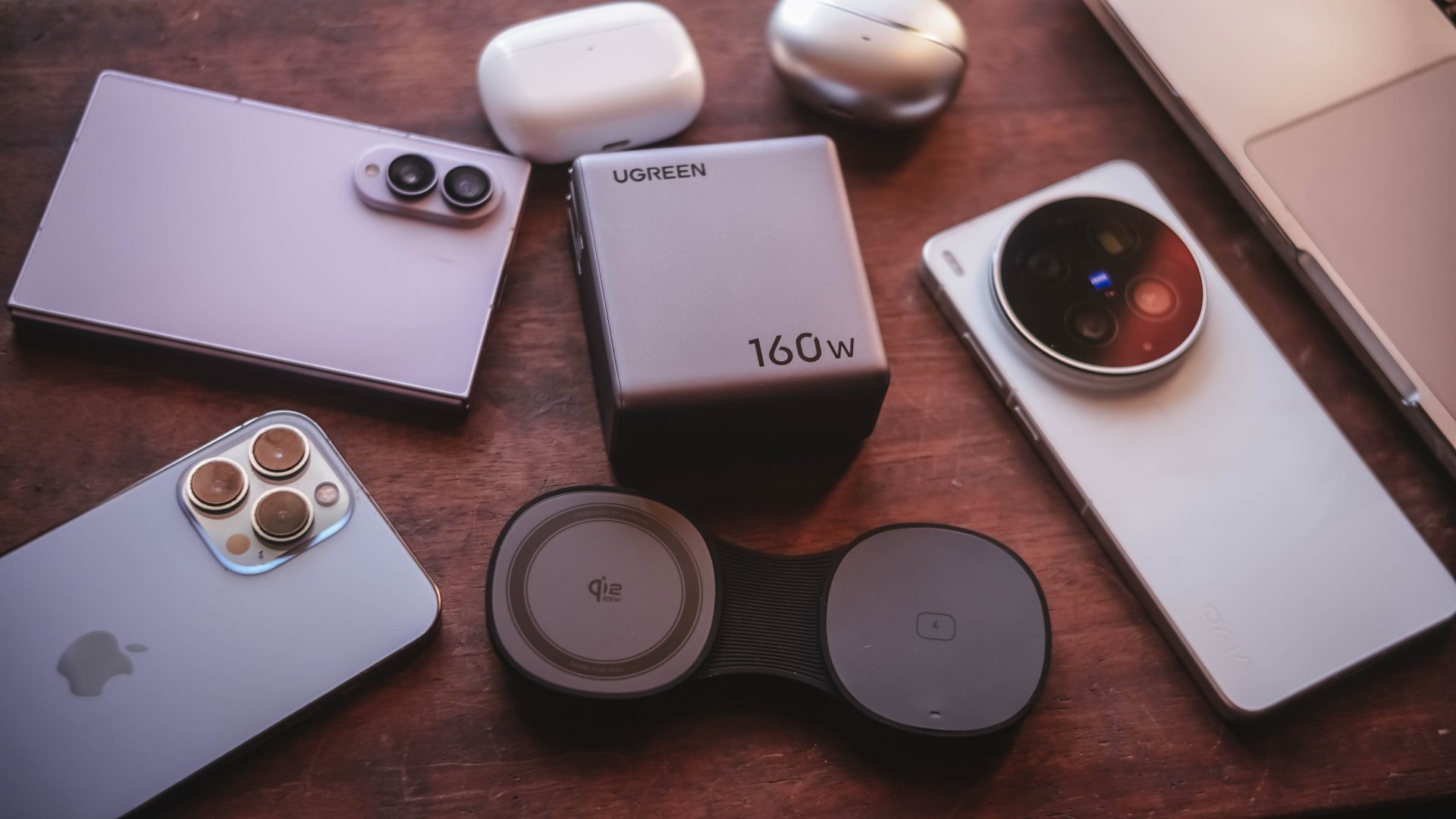
Additives include its display that lets me see stats while doubling as a useful review tool to legitimize the charge tests in the reviews I do.
Charging modes lets me decide which power-hungry device deserves more juice. Priority when I see one getting slow. Thermal-charging if I sense that it’s getting warmer than the usual.
That retractable cable? It’s a real wonder as it will truly save me whenever I forget one in another unintentional scenario.
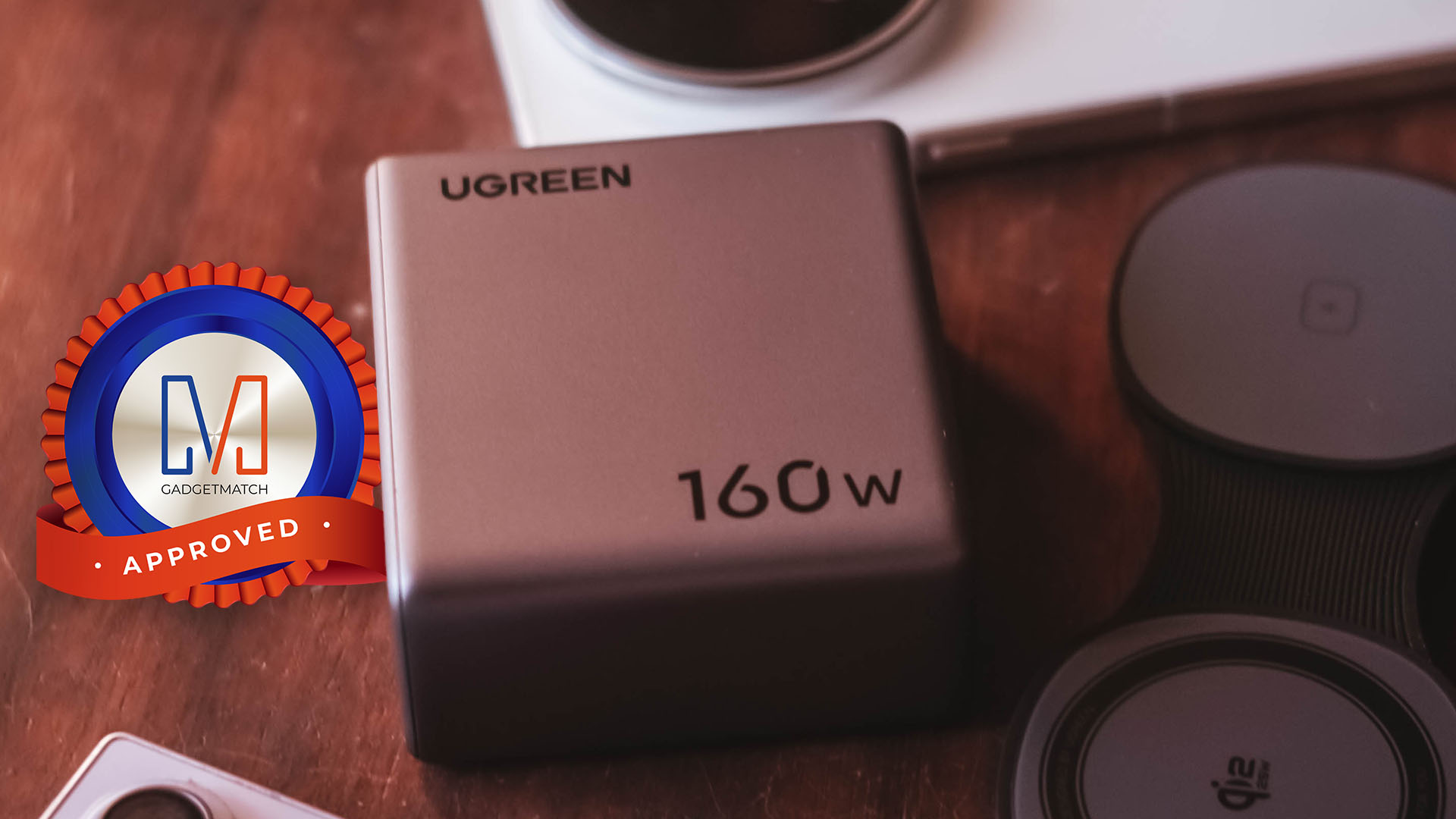
The UGREEN Nexode Pro 160W now has a permanent spot in my charging arsenal. It is a Swipe Right, Super Swipe, and definitely a worthy recipient of the GadgetMatch Seal of Approval.
Laptops
Microsoft gives up on the Copilot+ PC
The company is quietly stepping away from the branding.


The Copilot+ PC is finally coming to an end. After a few years of advertising the lineup as the next big thing, Microsoft is stepping away from the branding.
Through a new interview with Windows Central, Microsoft has confirmed that the company is slowly stepping back from the Copilot+ branding. Despite launching a series of new Surface PCs that fit the bill of such a brand, the company has not affixed any of these devices with the usual branding of the AI-infused series.
“These are not called Copilot+ PCs. They do meet all the requirements of our previous bar for what Copilot+ devices are. We still lean into the narrative around AI on the edge and being able to have a hybrid solution out there,” Microsoft Surface CVP Brett Ostrum said.
Now, the Copilot+ PC programs hasn’t been a massive success for Microsoft. For all the time that it’s been out in the market, the series hasn’t really made much of an impact. TOPS is still a difficult metric to measure. The Copilot button is still one of the most unusable buttons on a modern keyboard. Even worse, Recall, the lineup’s most highly touted feature, crashed and burned practically the same moment it came out because of privacy concerns.
Microsoft had a lot of hopes for the Copilot+ lineup. Prior to today’s deteriorating perceptions about AI, the lineup imagined a string of devices united with a focus on AI-supported performance. However, we know better today. At best, AI PCs provide moderately boosted performance without the need for top-of-the-line hardware. At worse, they’re a privacy nightmare that places an unnecessary burden on the entire industry.
SEE ALSO: Microsoft continues to shove Copilot where it’s not wanted
Editors' Choice
GadgetMatch Awards: Best of IFA 2026
Xiaomi 18 Fold, Govee, XGIMI, ARZOPA, Cuktech and more!


We’re back at IFA 2026 in Berlin, checking out some of the coolest and most interesting tech on the show floor.
From smart home lighting and portable displays to projectors, power solutions, foldables, and more, these are some of the products and brands that caught our attention this year.
In this video, we take a look at:
- AI Lighting https://bit.ly/4xmY342
- Z3FC Portable Monitor https://bit.ly/4gRk7wD
- D14 Digital Photo Frame https://bit.ly/4qYlRJ6
- 30 Ultra Desktop Charging Station https://s.whaee.com/tXBornw
- 10 Ultra Charger https://s.whaee.com/UsWT4U2
** Use code CUKTECH09, valid until September 30
XGIMI
ASUS x NVIDIA RTX SPARK
- ProArt P16: https://asus.click/h7607_gm
- ProArt P14: https://asus.click/h7407_gm
- ProArt GR1X
Watch until the end for our favorite finds from IFA 2026!




Psst! You can test drive BYD and DENZA EVs for free this week, but not for long

FFVII Revelation: 11 things you missed

Sony teams up with Hello Kitty for exclusive limited-edition collection

iPhone 18 series breaks records in Vietnam as pre-orders triple

The Ace Combat 8: Wings of Theve launch event is happening this week

iPhone 18 Pro series: Price, availability in the Philippines

vivo X500 Series launches with major imaging upgrades

iPhone 18 Pro series: Price, availability in Singapore

OPPO Find X10 Pro Max is the first phone with a triple 200MP camera system

BYD says that way better EV batteries are coming next year


-
 Automotive1 week ago
BYD says that way better EV batteries are coming next year
-

 News1 week ago
HONOR Magic9 Pro Max launches in China with ARRI-powered imaging
-

 Philippines7 days ago
TECNO CAMON Slim 5G: Price, availability in the Philippines
-
 Reviews1 week ago
TECNO CAMON Slim 5G review: Slim on size, big on surprise
-

 Smartphones1 week ago
TECNO CAMON Slim 5G teases an ultra-slim design ahead of launch
-

 Reviews2 weeks ago
TECNO POVA 8 Pro Tonino Lamborghini review
-
 Smartphones2 weeks ago
When TECNO-logy meets Tonino Lamborghini legacy
-

 News1 week ago
Apple wants to release new iPhones more regularly