
Features
16 biggest hits and misses of 2016


Summarizing 2016 is best done by going through the highs and lows — well, mostly lows.
As this turbulent year comes to a close, GadgetMatch presents a total of 16 unforgettable moments and polarizing announcements that have shaped the past twelve months.
This is going to be a long read, so let’s get right to it.
Hit: Google releases its own smartphones to positive reception
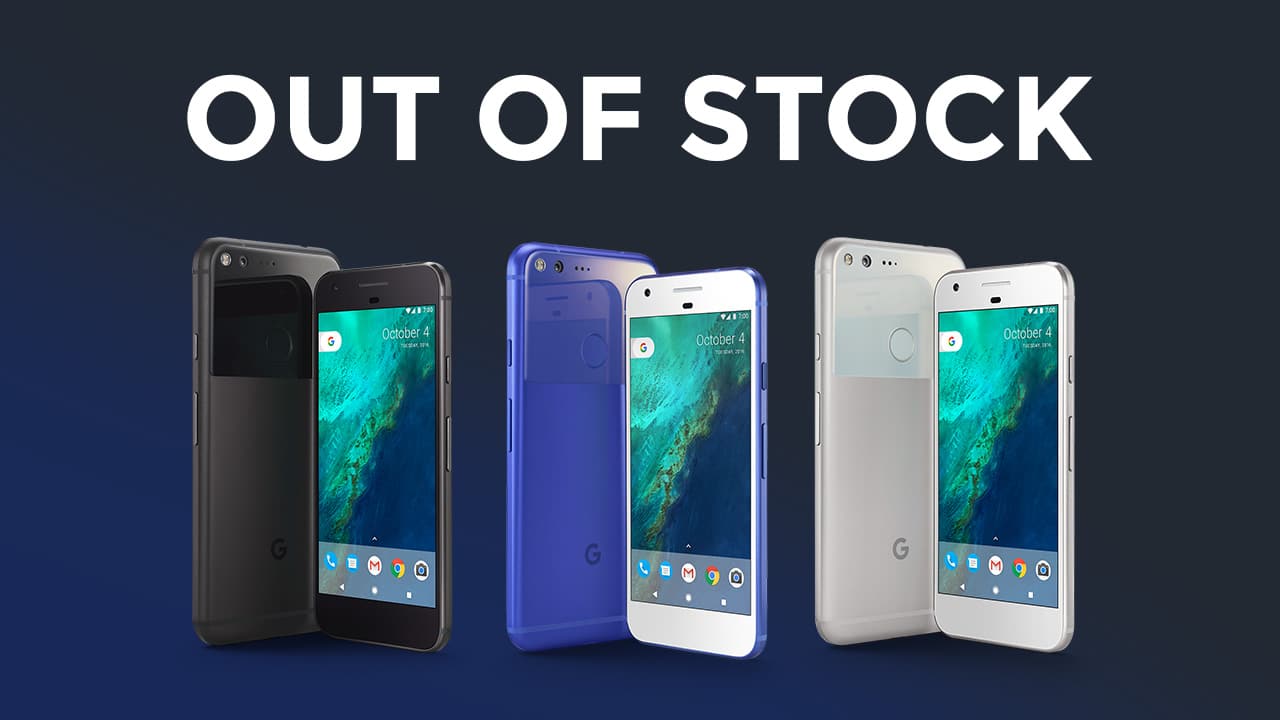
Google’s Pixel and larger Pixel XL have been experiencing great critical and commercial success — so much so that Google’s third-party partners, specifically Samsung and LG, are caught in an upstream, and the Nexus program has been set aside for now. The search giant is showing manufacturers how to do Android right, but one question remains leading into 2017: Where’s Android One headed?
Miss: Samsung recalls its greatest phone ever

This has to be the most heart-wrenching miss on this list. The recall of the Samsung Galaxy Note 7 caused such an impact on the tech industry, we’ll still be feeling it well into 2017. It’s a shame really, as many media outlets — including ours — praised the stylus-equipped smartphone as not just the best smartphone this year, but even the greatest Android device ever made.
Miss: Apple lets go of everyone’s favorite port
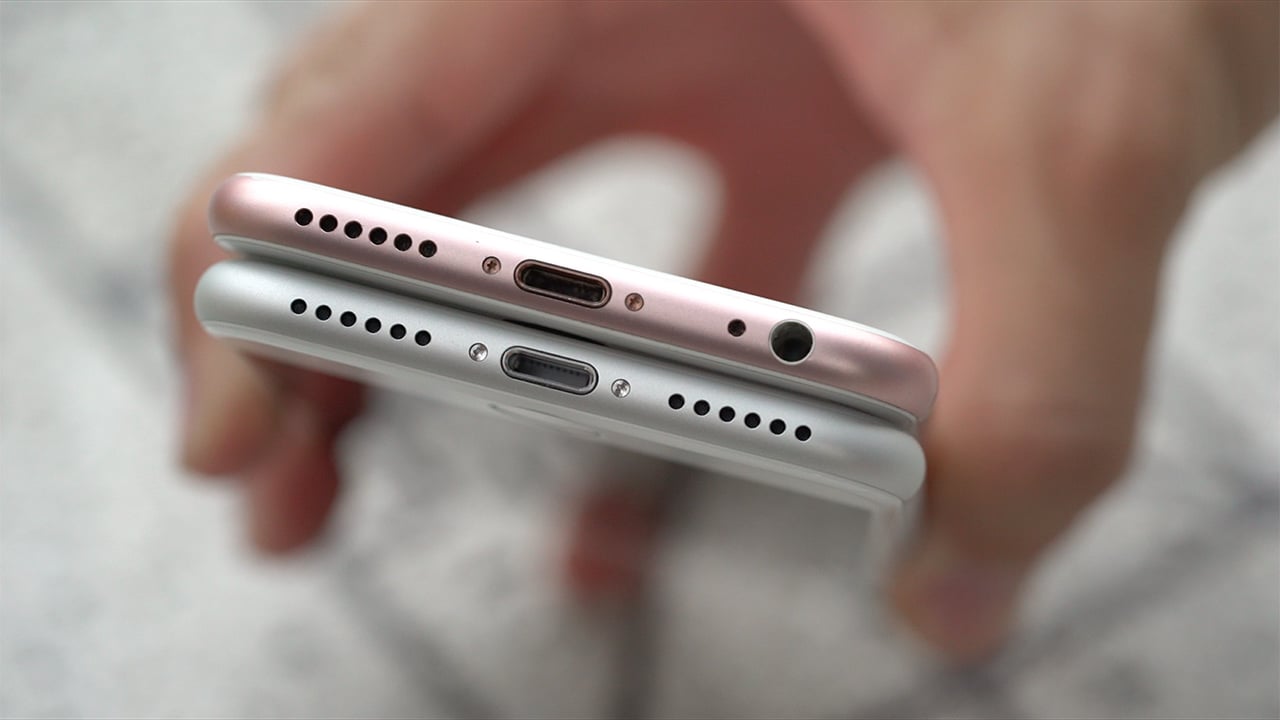
No bit of tech news this year harmed mainstream audiences as much as Apple’s removal of the audio jack in its latest crop of iPhones. It’s a move marketing head Phil Schiller believes takes “courage,” but we think it has more to do with consumerism, making people buy new pairs of wireless headphones which Apple coincidentally markets together with partner company Beats.
Hit: Nintendo cares about our childhoods
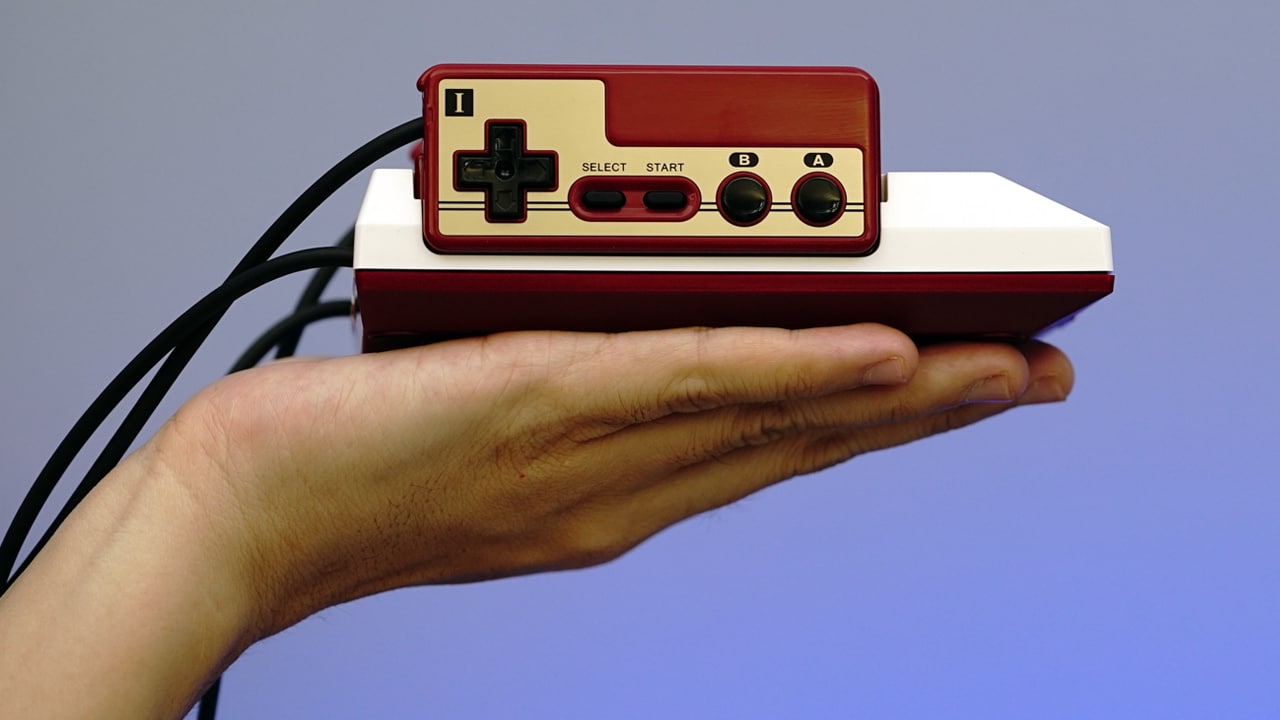
Nintendo clearly won the award for coolest gift to buy your parents, yourself, or even your kids this holiday season. The miniature Famicom and NES consoles are always sold out wherever they’re available, and why not? They’re incredibly affordable, come preloaded with 30 classic games, and make you relive all those bitter sibling rivalries during childhood.
Miss: Android Nougat never really took off
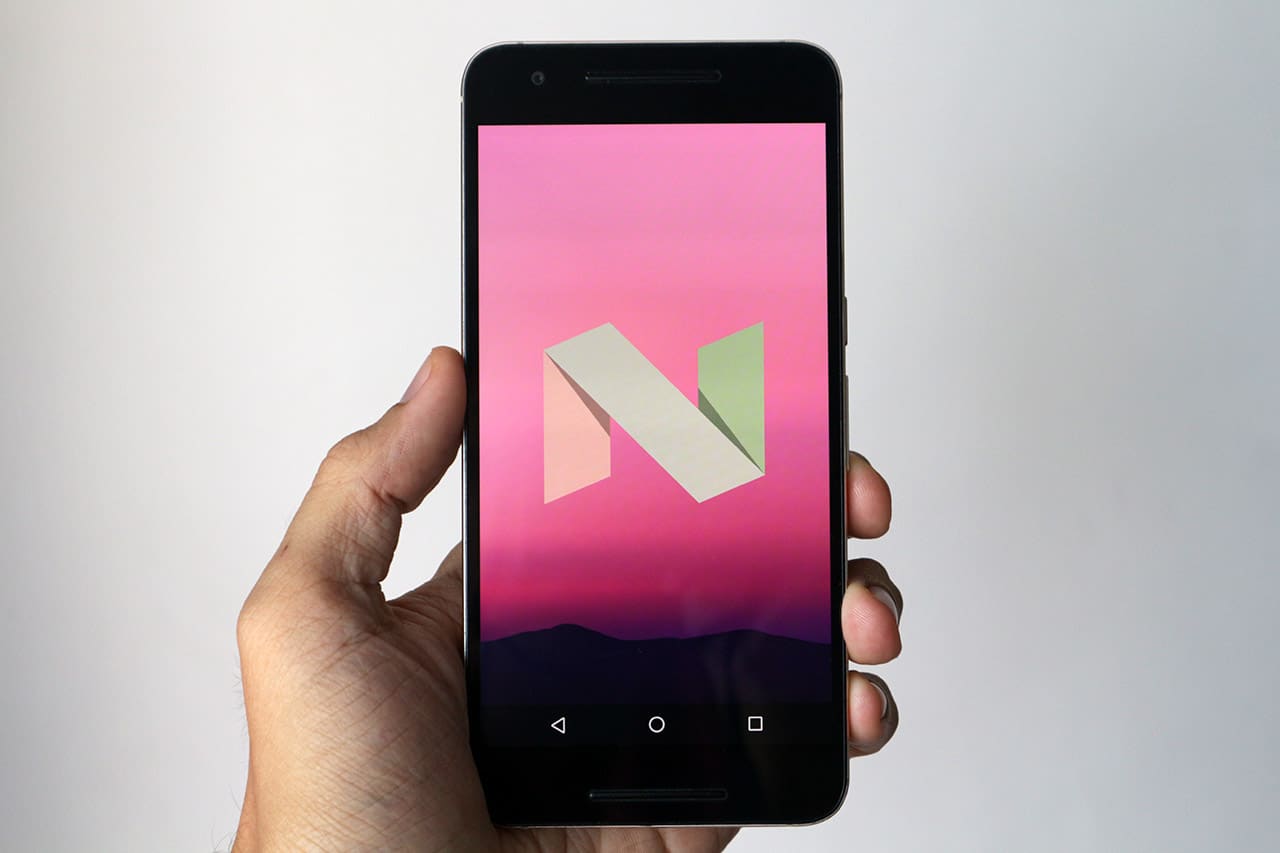
It’s been four months since Android 7.0 Nougat began rolling out, but a total of only 0.4 percent of consumer devices actually have it today. To make matters worse, an even newer Android 7.1 came out already, and support for the more widespread Android 2.3 Gingerbread will be discontinued early next year. Google has a lot of ground to cover until Android 8.0 launches next year.
Miss: Smartwatches are going the way of the dodo
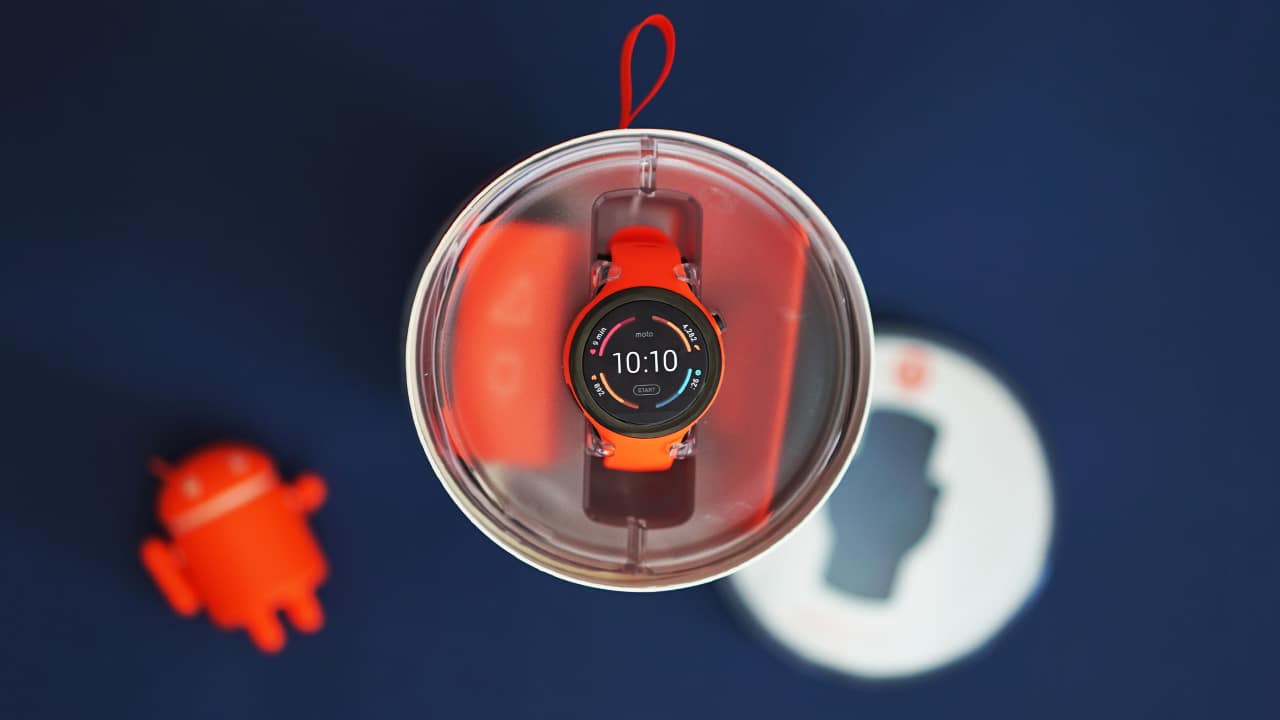
How many people do you know constantly wear a smartwatch? Exactly. Sales have been slumping, and even though the latest version of Android Wear is set to release early 2017, brands like Motorola and Samsung aren’t keen on applying Google’s smartwatch operating system, opting instead to either give up completely or use their own interface.
Hit: Chinese smartphone brands reach new heights
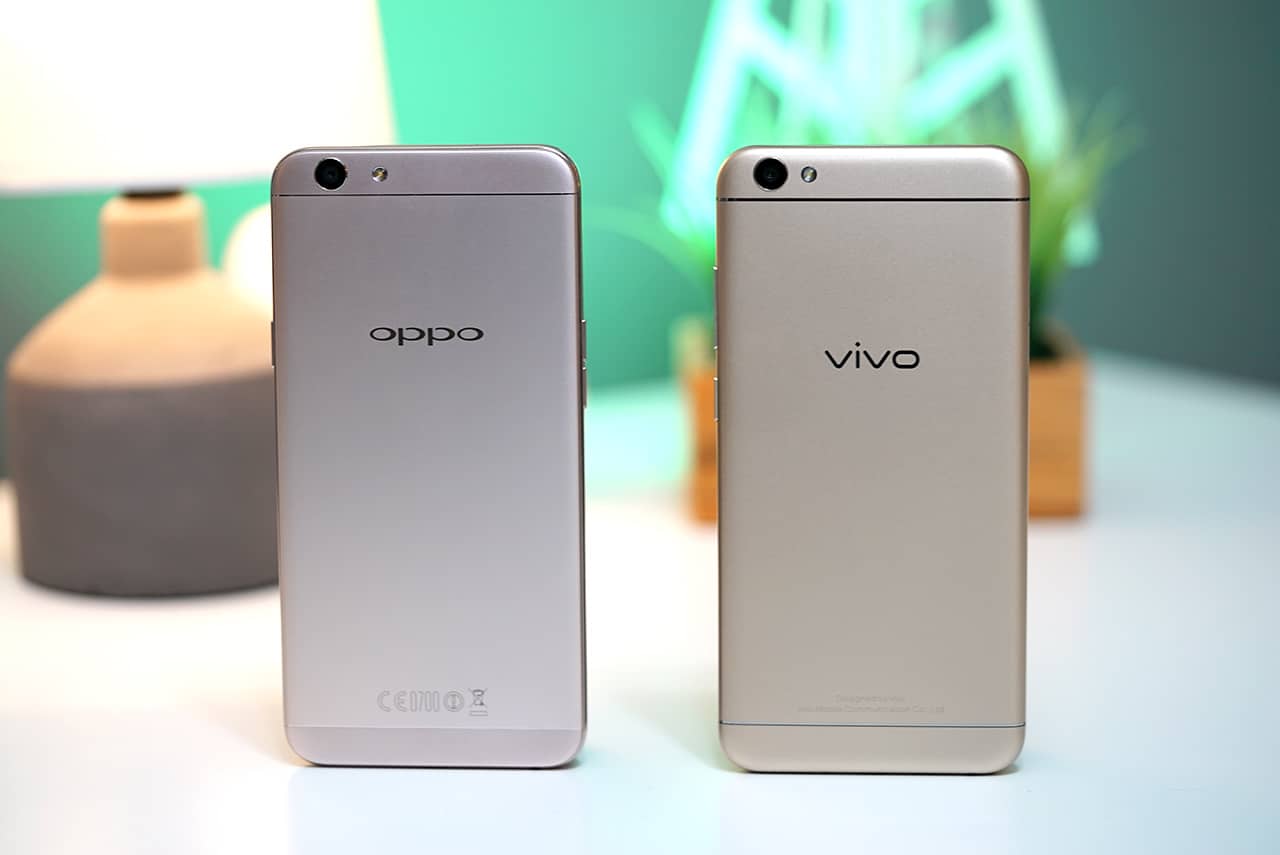
Chinese smartphone brands ruled 2016. Yes, Apple is still on top when it comes to total profit, raking in 91 percent of all smartphone revenue last quarter, but the global rise of Huawei, OPPO, and Vivo is unprecedented. And it’ll only get better with these Asian companies making a stronger push in the western hemisphere during the next few months.
Miss: Project Ara doesn’t see the light of day, sort of

We were so disappointed to hear this news: After years of development and hopeful demos, Google’s modular Project Ara smartphone never entered the mass production phase. Fortunately, an actual prototype of the project leaked last month, but all it did was remind us how much potential was wasted.
Miss: GoPro suffers financially and recalls Karma drone
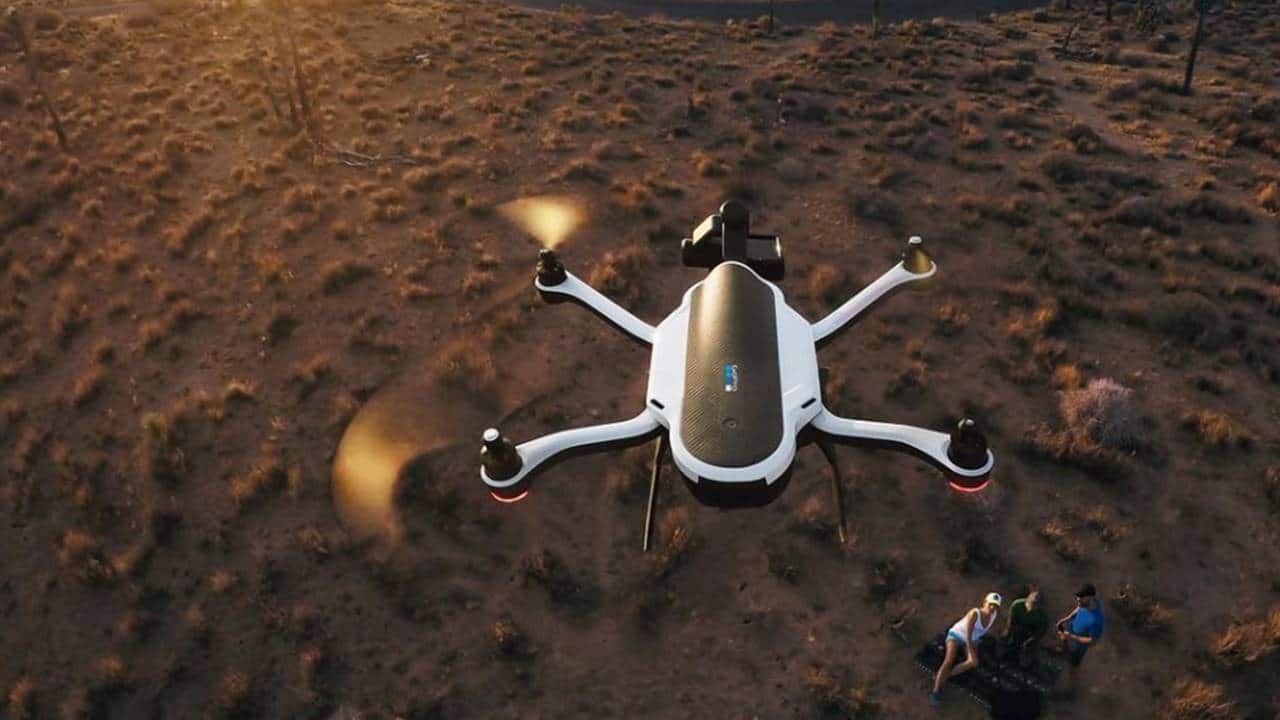
GoPro has been the go-to brand for all things action camera since its conception. Now, unfortunately, its profits have plunged, and mishaps like the recall of its ambitious Karma drone doesn’t help maintain a positive image for the brand. GoPro will need some divine intervention to make up for its 40 percent drop in sales as compared to 2015.
Hit: Apple finally updates its MacBook lineup
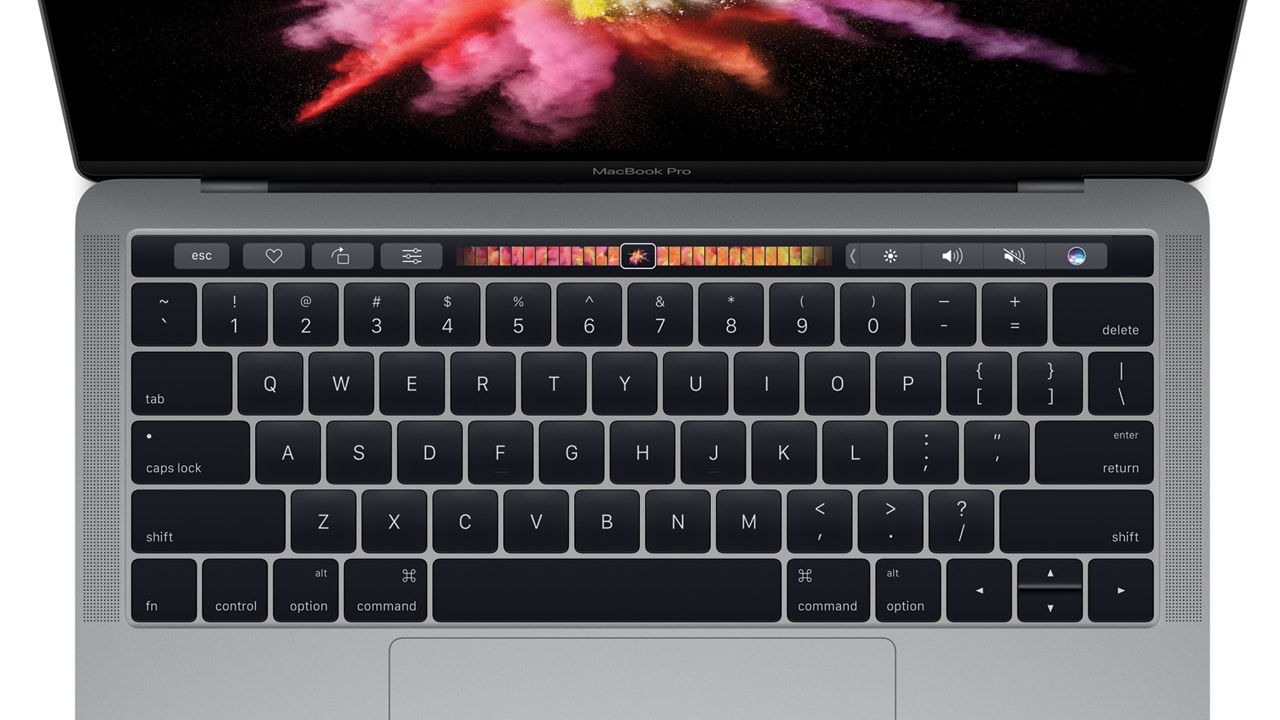
After years and years of minor refreshes, Apple finally launched what we’ve all been waiting for: an all-new MacBook Pro. With so many changes — such as the new keyboard and loss of several important connectivity ports — it feels like a totally new product, but the true innovation comes in the Touch Bar, which is open to endless support from third-party developers.
Miss: BlackBerry gives up on hardware
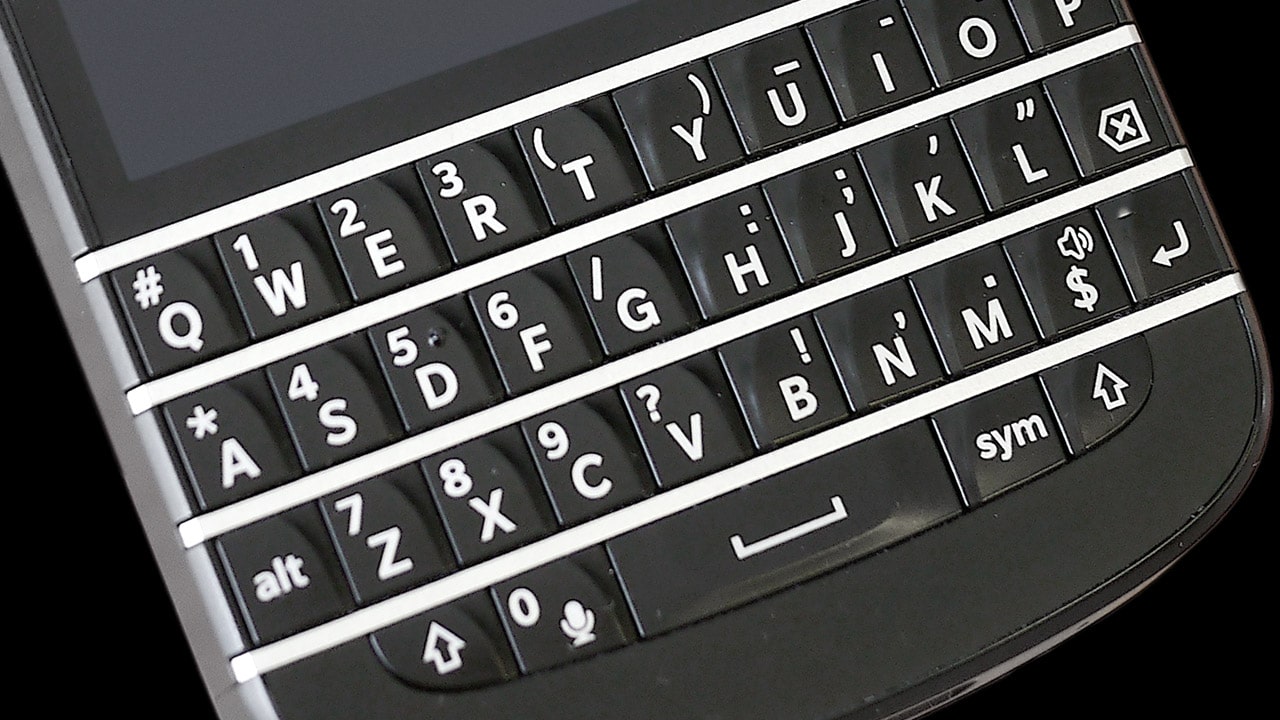
In what was the least surprising yet still heartbreaking news, BlackBerry has halted all plans for designing its own smartphones. Instead, the entire development and manufacturing process is now in the hands of third-party companies, to the disgruntlement of long-time fans. The awkwardly named BlackBerry DTEK50 and DTEK60 are simply rebranded midrange Alcatel handsets with added security, courtesy of BB.
Hit: Xiaomi cuts in front of innovation line

We’ve seen hundreds of leaks and prototypes that never got turned into actual commercial products, but Xiaomi went ahead and pulled the trigger with its Mi Mix concept phone. Just look at its massive near-borderless display, ceramic-encased design, and high-end specifications — has Xiaomi set the standard for what smartphones will strive to be in 2017?
Miss: LG fails modular experiment
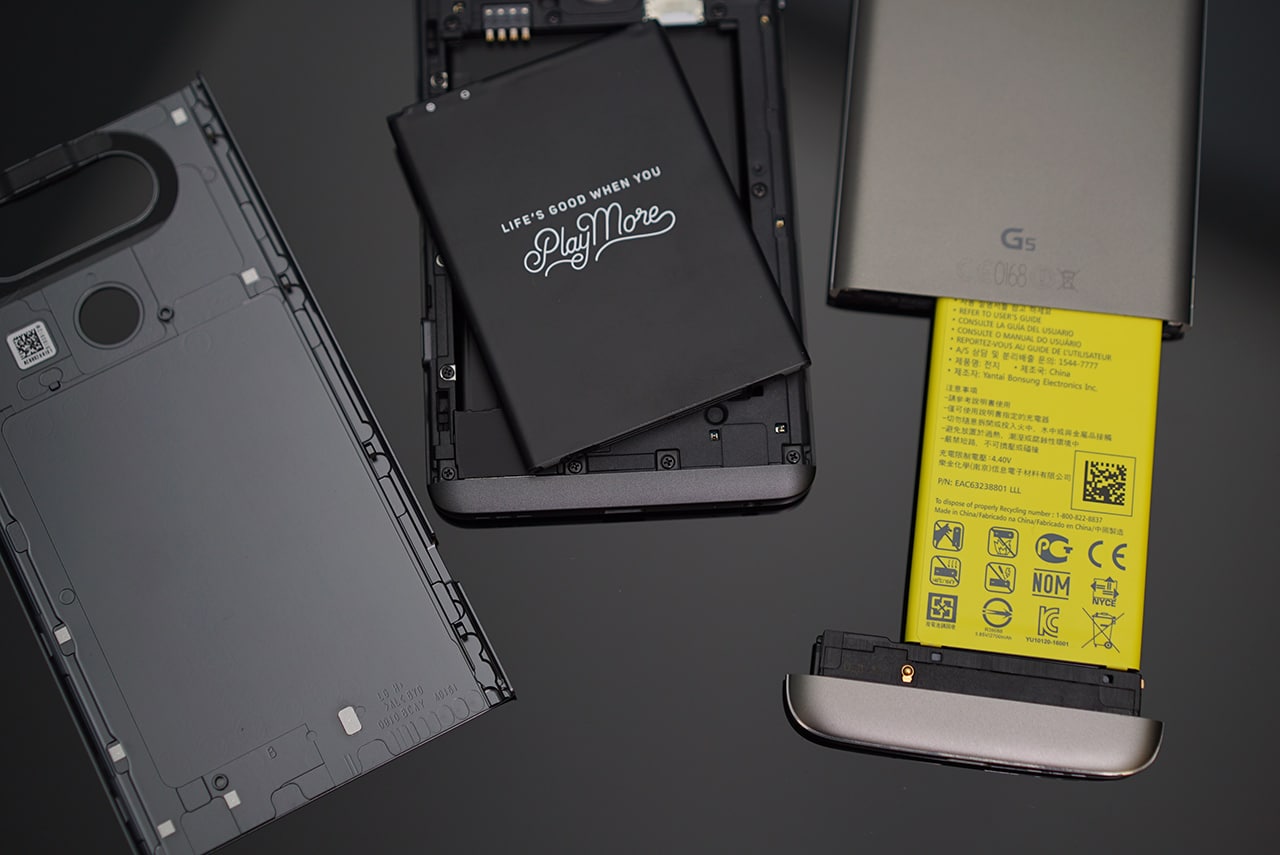
For every successful modular phone, there are a few that fail. LG had its first attempt with the flagship G5 earlier this year, but a not-so-great reception to its not-that-intuitive execution lead to the Korean company possibly junking it completely. The recently launched V20 doesn’t have modularity either, so Lego-like phones are probably better left as works in progress for now.
Hit: World goes crazy for Pokémon Go

No single game has caused as much controversy as Pokémon Go this year. The augmented reality app invaded smartphones all over the world, making developer Niantec filthy rich in the process. We ourselves got swept into the craze, writing comprehensive guides for getting started and finding the best spots for those rare creatures.
Miss: ASUS jacks up this year’s ZenFone prices
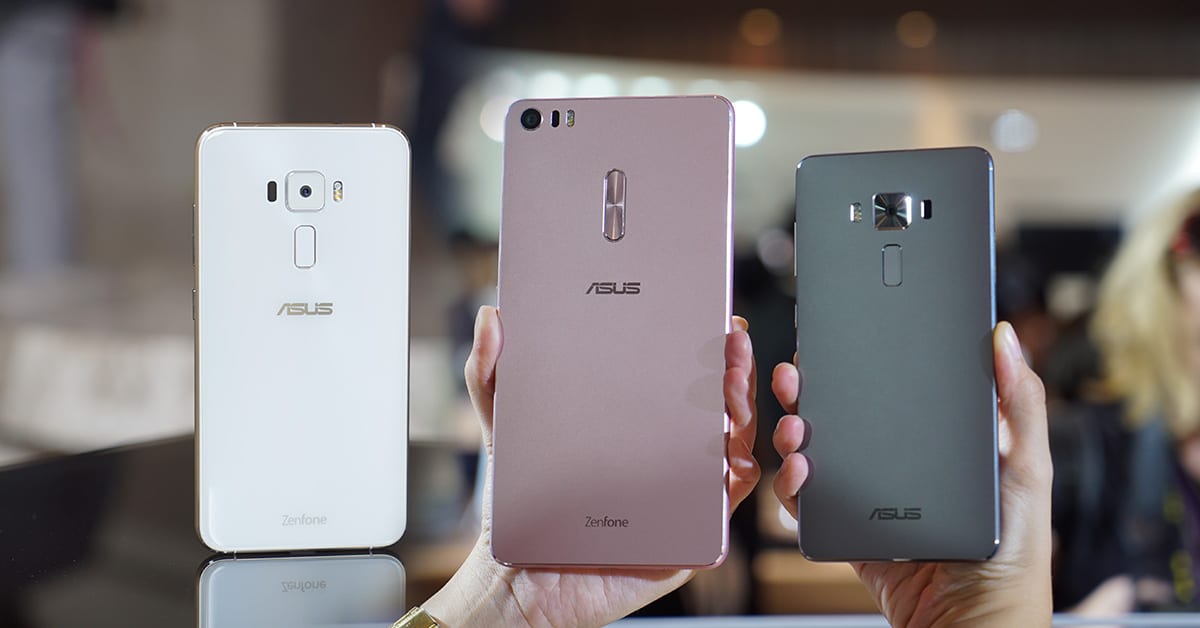
ASUS made waves in 2015 with ZenFones that had unmatched horsepower for their price points, effectively forming a booming segment of bang-for-buck phones we still see today. A year later, when the Taiwan-based company released the outrageously priced ZenFone 3 series, formerly loyal fans have been jumping ship for more affordable offerings.
Miss: Yahoo goes up for adoption

How the mighty have fallen — Yahoo was so wealthy at one point, it could have bought Google. Instead, the former internet giant got bought by Verizon for only $5 billion; that’s a huge drop from its $125-billion valuation back in 2000! The nail in the coffin came when news broke about 500 million Yahoo accounts getting hacked — two years after the breach actually happened.
[irp posts=”8433″ name=”Best smartphones of 2016″]





Features
Inside Infinix’s first global concept store in Bali
Infinix’s first global concept store pairs gadgets with a coffee bar and a robotic arm.

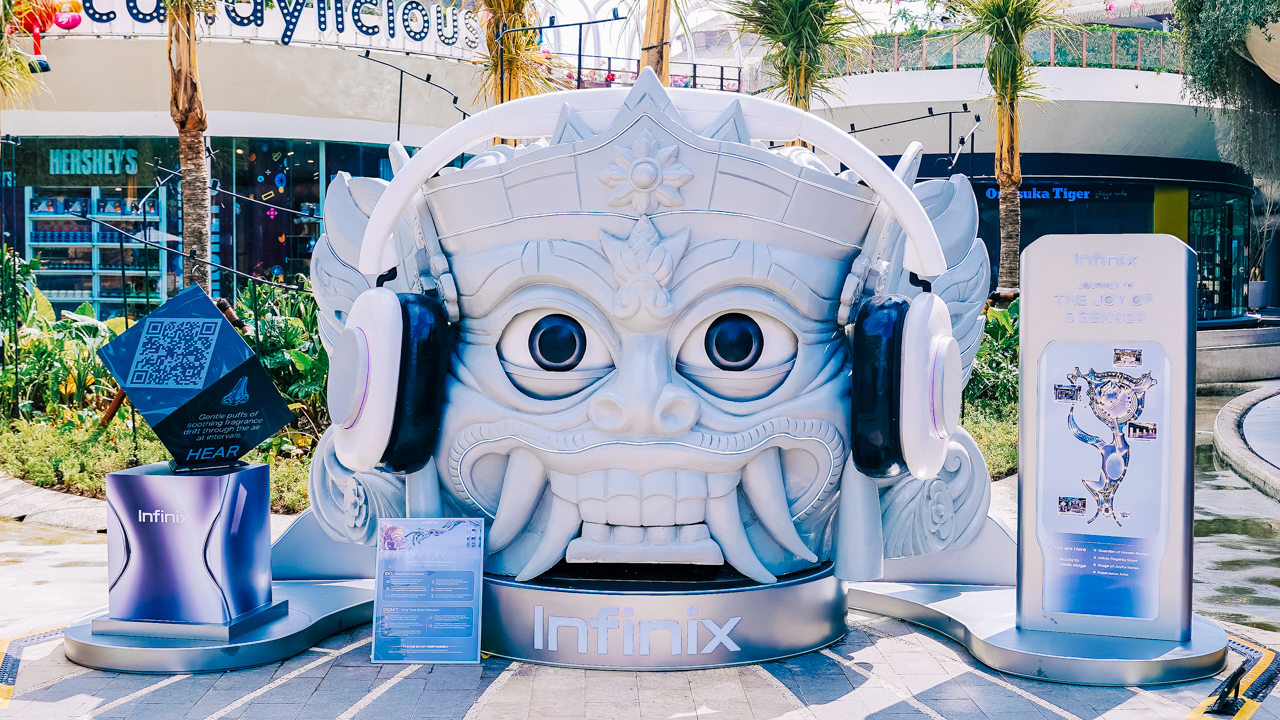
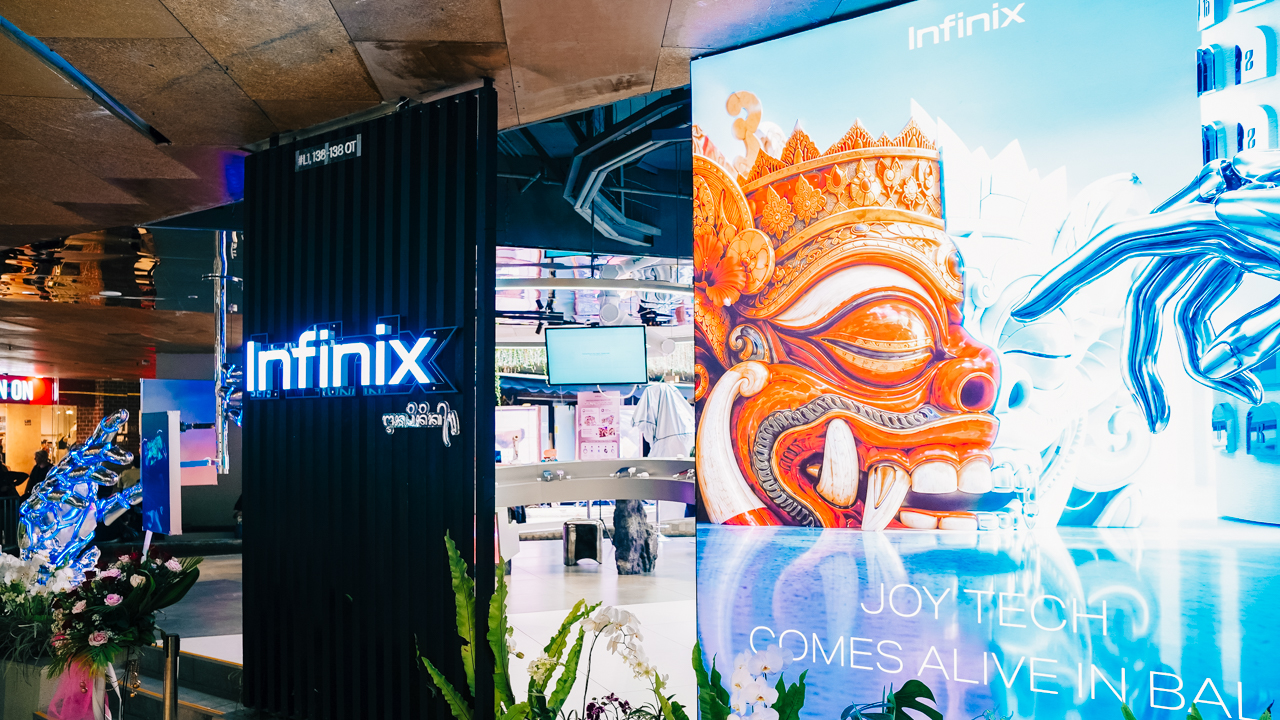
Bali is an island people visit to slow down. It makes sense that Infinix picked it for a store that wants you to stay awhile.
The brand unveiled its first global Flagship Concept Store there. It’s also the first store of this format within parent company Transsion Holdings’ brand portfolio.
Coffee break, Infinix style
The experience begins before you step inside. The store’s futuristic design and digital visuals are meant to catch your eye from the outside.
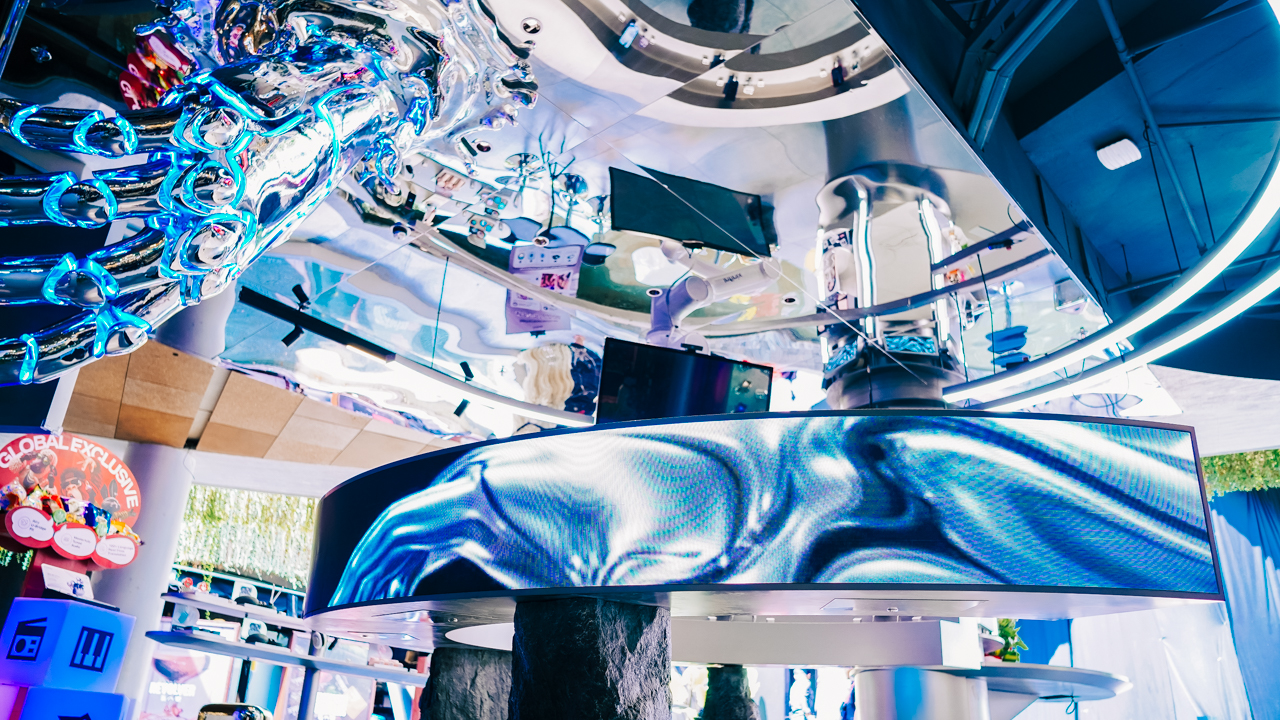
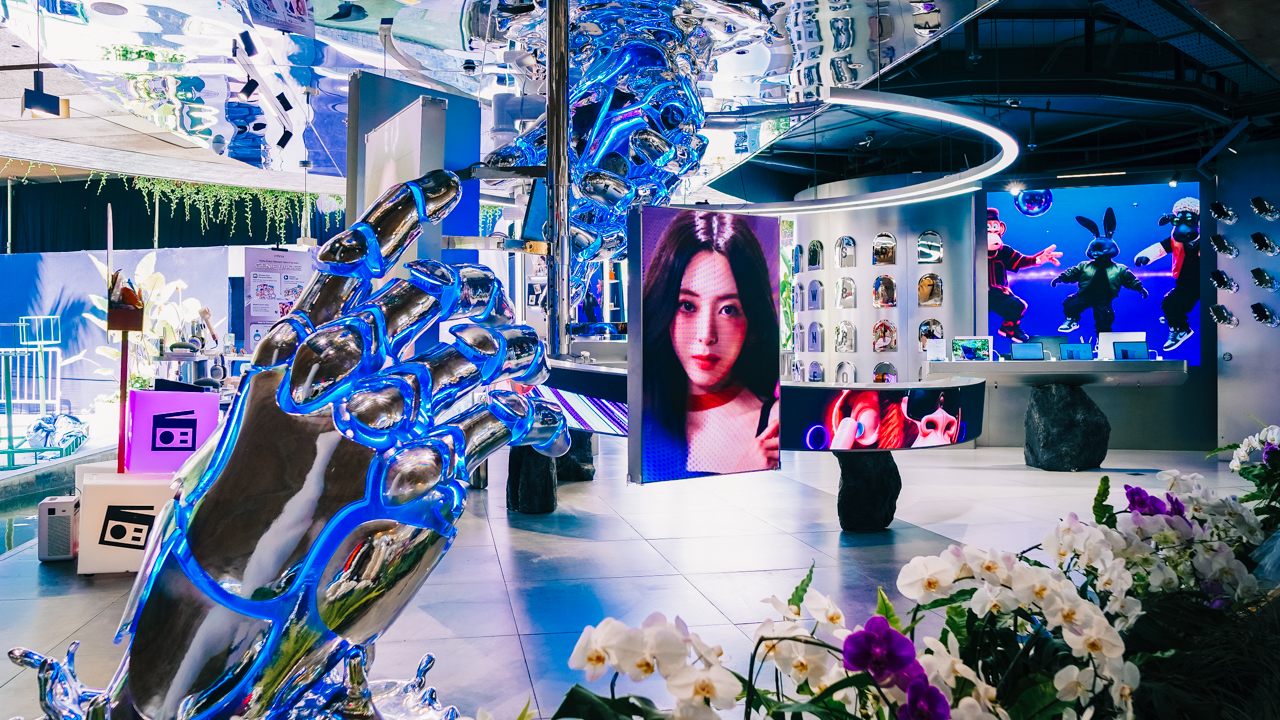
Once you’re in, a robotic-arm installation anchors the space, which looks like a technological imagination turned into a bold visual statement.
The store’s other signature element is n_x, Infinix’s locally developed coffee brand. For Infinix, a simple coffee break here is an invitation to slow down and enjoy a laid-back moment in the middle of a busy day.
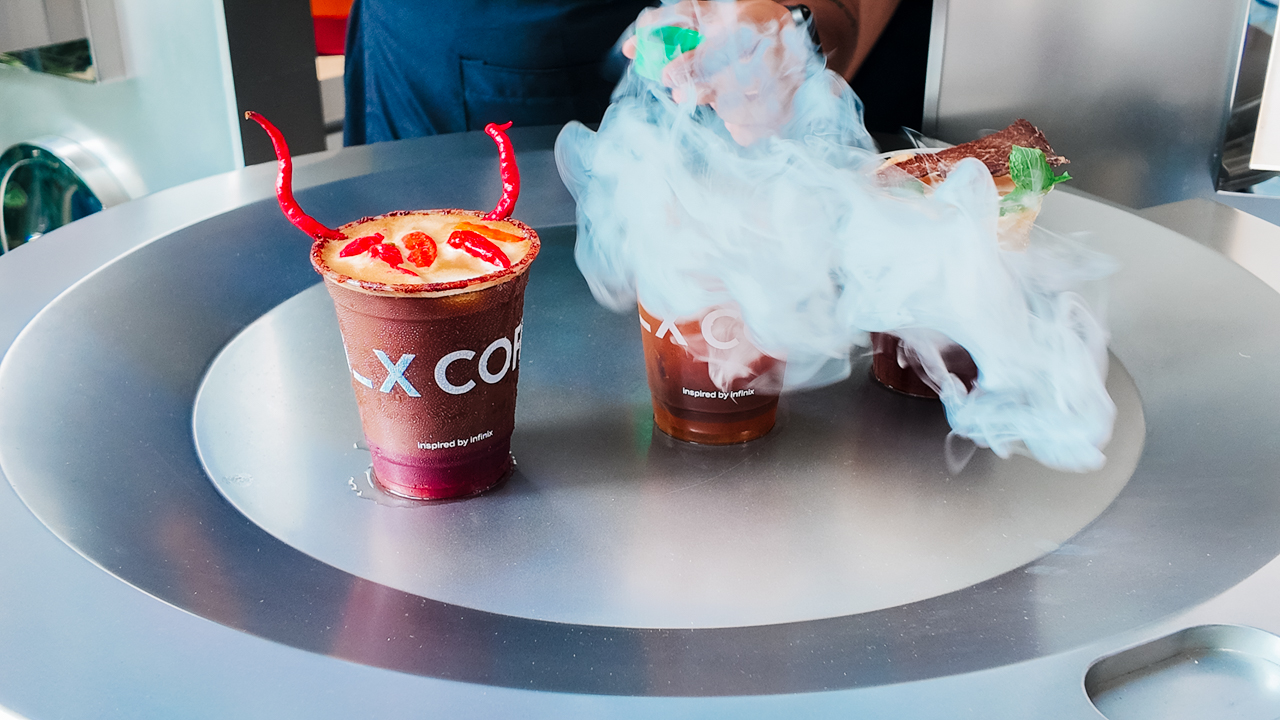
You can catch up with a friend over a cup or take a few minutes for yourself. Together with the robotic arm, n_x gives the store a more relaxed and imaginative side.
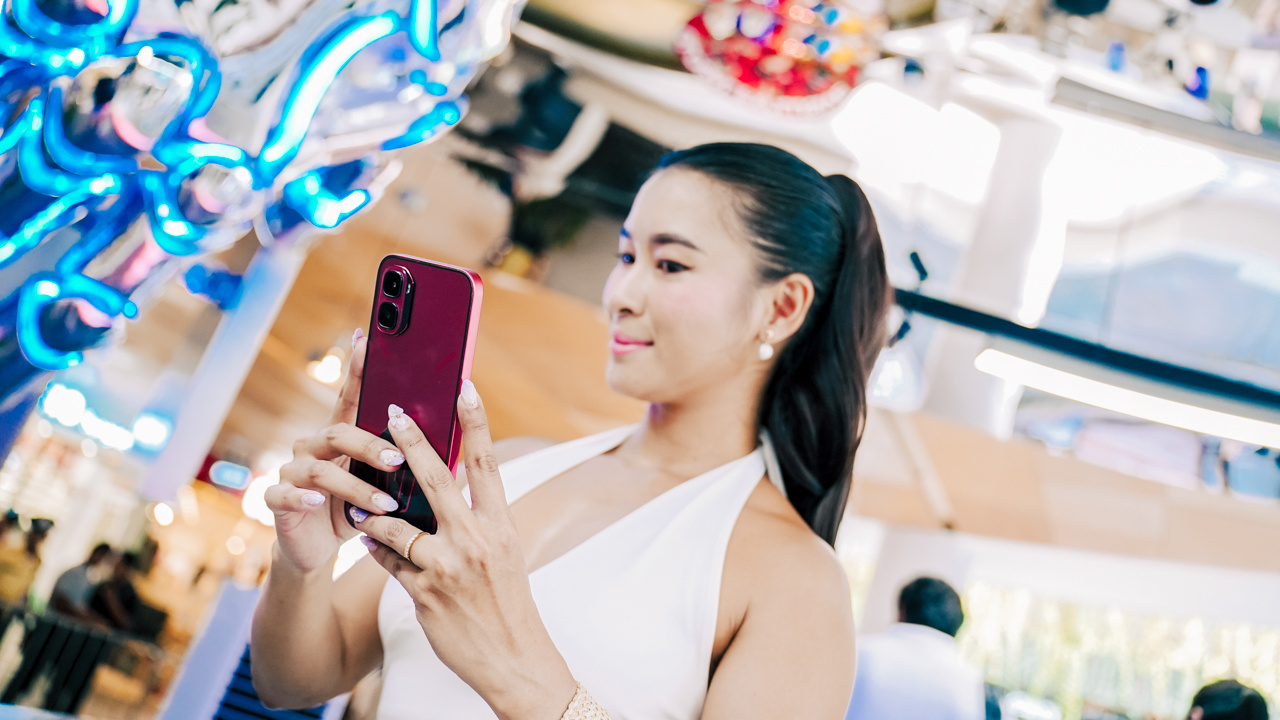
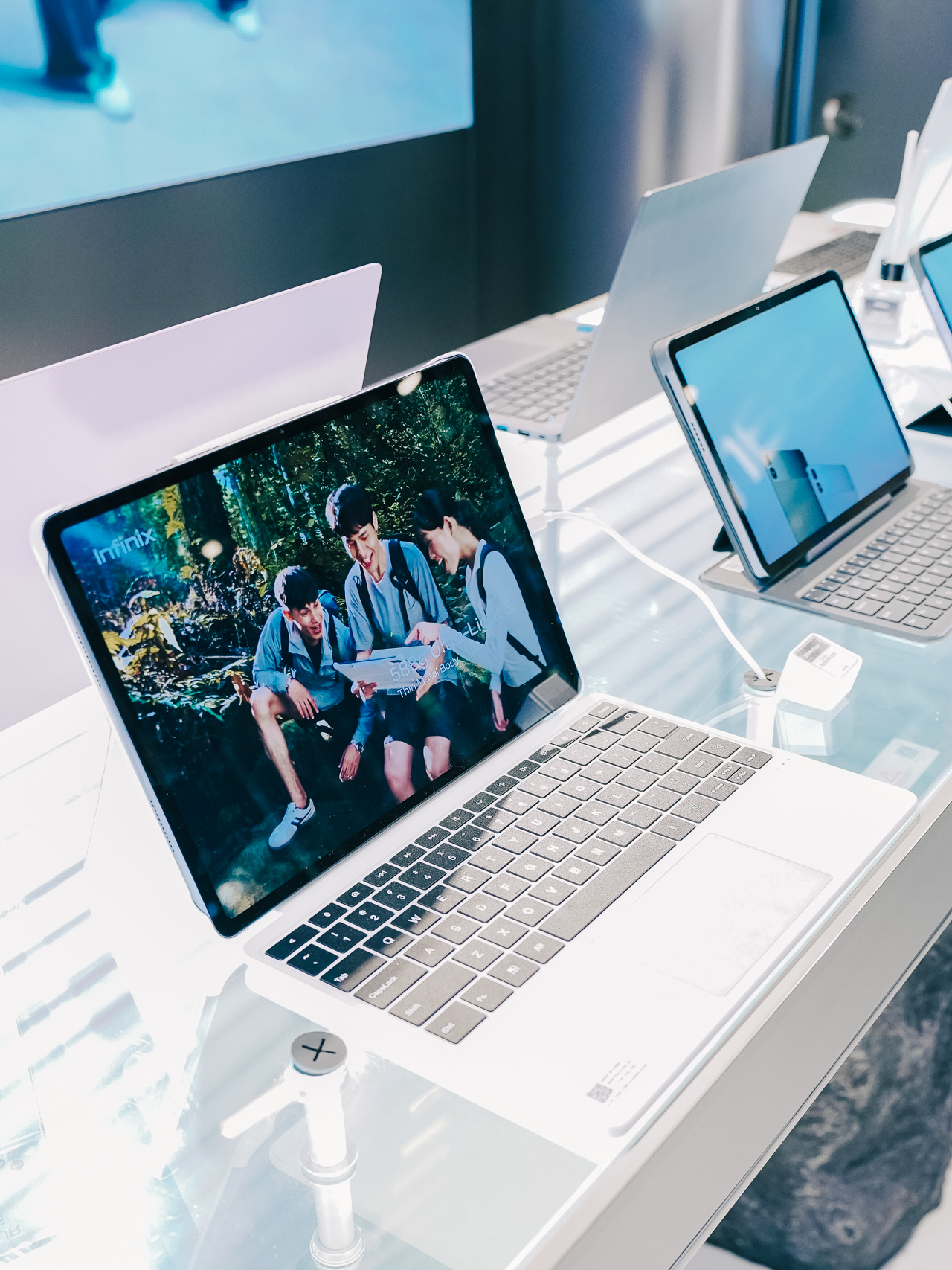
The tech hasn’t gone anywhere, though. The smartphone lineup includes the NOTE 60 and HOT 70 series along with the GT 50 Pro.
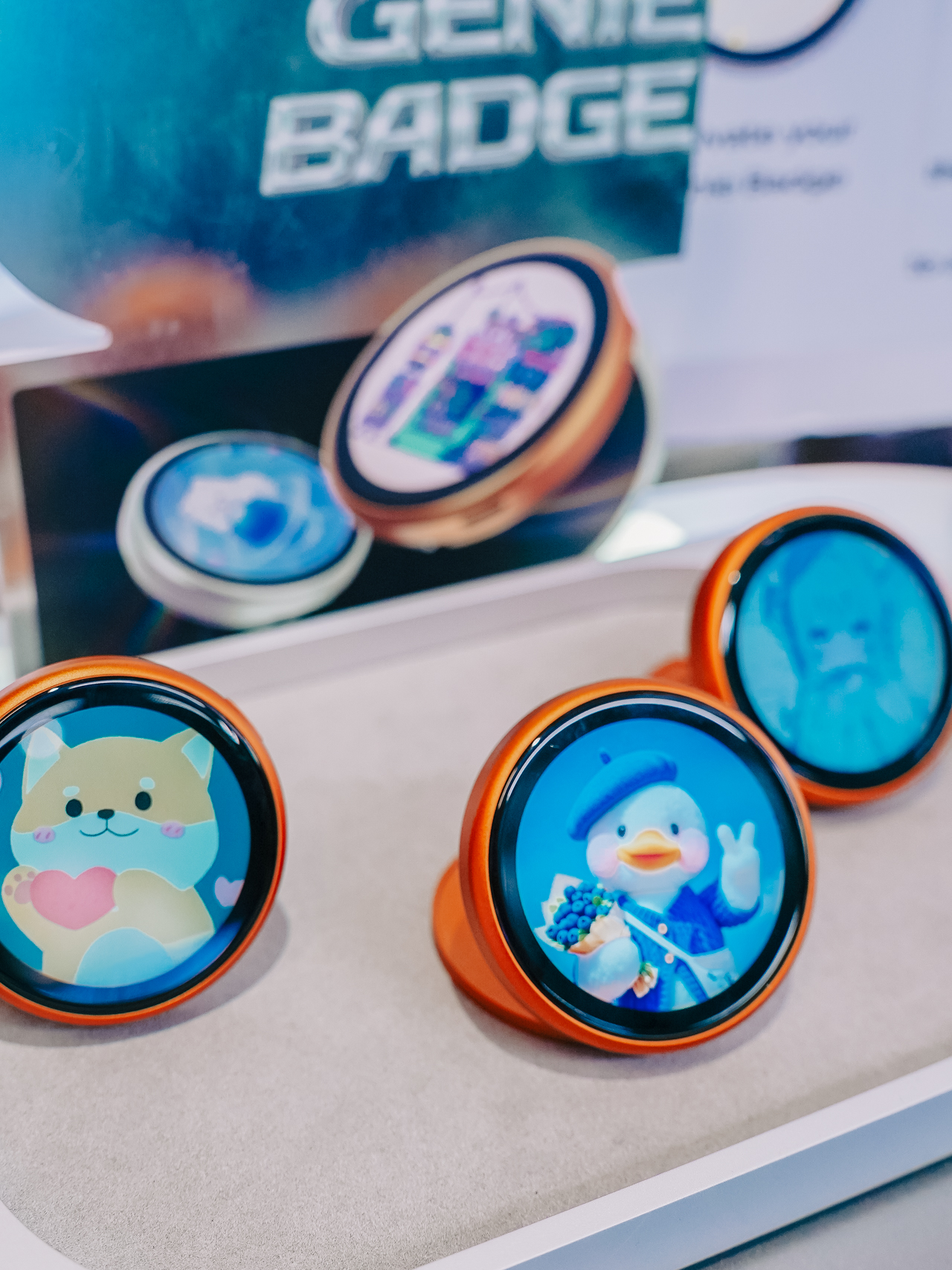

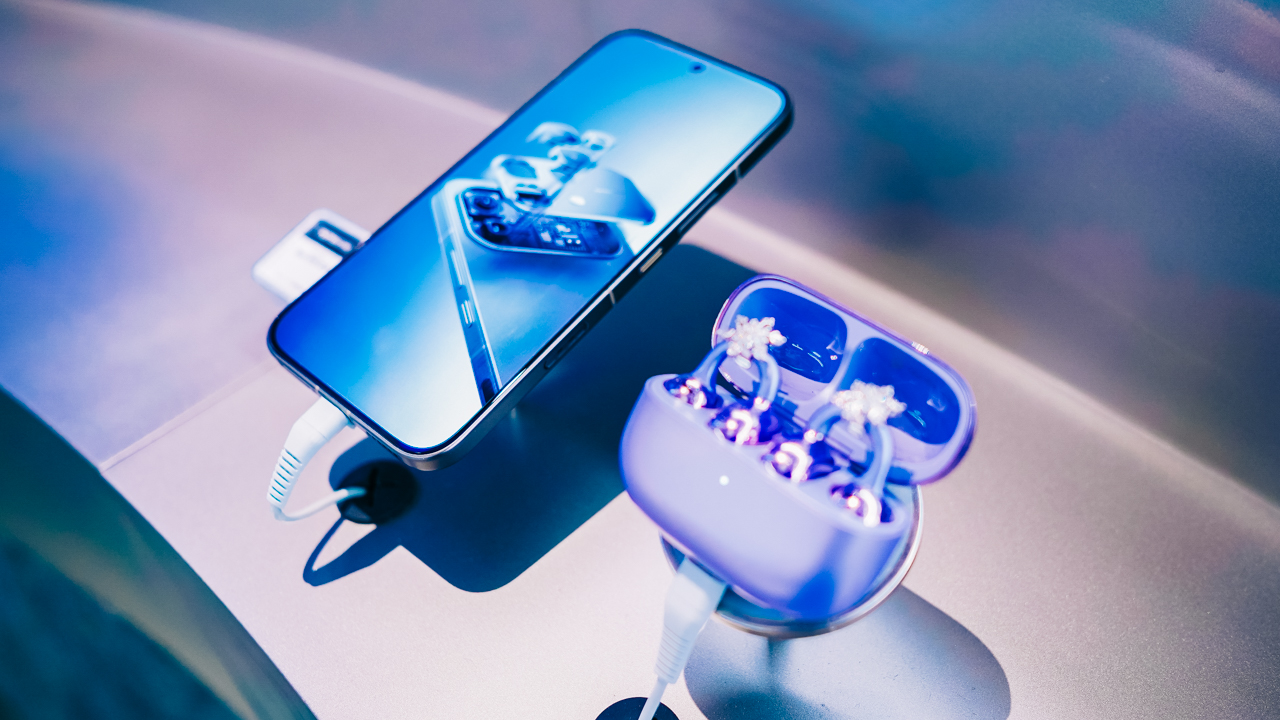
Infinix’s broader AIoT ecosystem is on display as well, with recent products like the ZCLIP 2 Pro clip-on earbuds and SPACE Max wireless headphones.
The XEnergy portable power stations are also part of the lineup.
Making Sense of “1+2+X”
Infinix calls the format its “1+2+X” retail concept. The “1” is the full technology experience, and the “2” refers to the two signature elements, n_x and the robotic arm.
The “X” is the open-ended part. Infinix plans on bringing gaming, music, sports, creative partnerships, interactive content, and community activities over time.

The brand wants to work with artists, musicians, and other creative talents on original content and experiences, rather than only featuring established names or one-off partnerships.
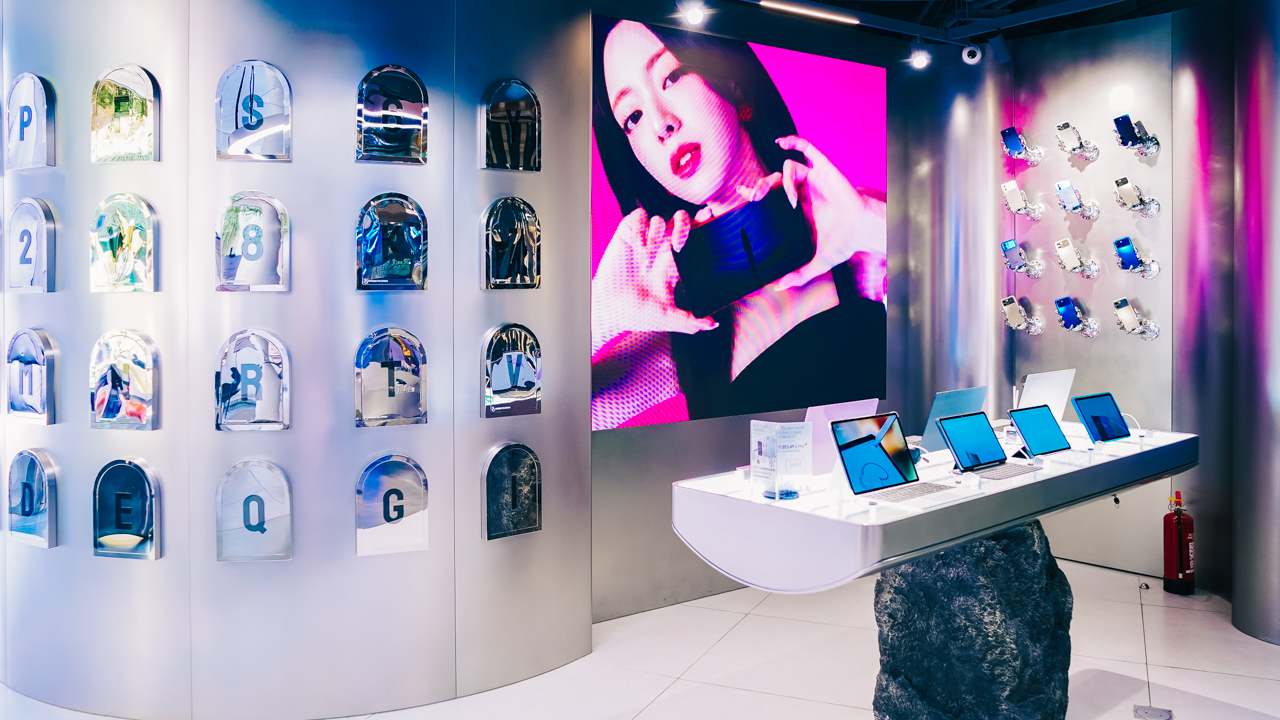
Visitors can also take part through shared experiences, content creation, and feedback. The plan is for the store to keep introducing new collaborations, creative displays, and lifestyle activities after opening, so regulars have fresh reasons to return.

Beyond Bali
Looking ahead, Infinix hopes the Bali store develops a recognizable identity of its own and becomes a destination people return to for its atmosphere and community as much as its products.
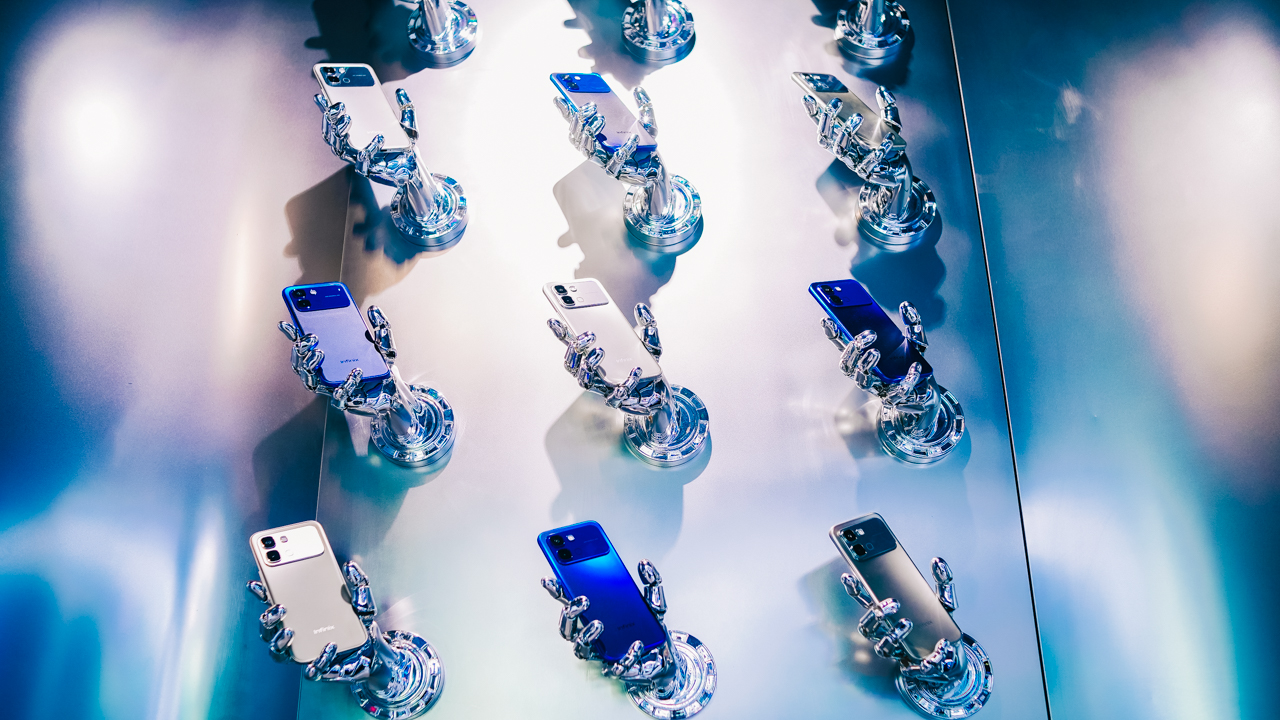
The brand also says this opening is the start of a broader retail push, with five more flagship stores planned across Indonesia this year.
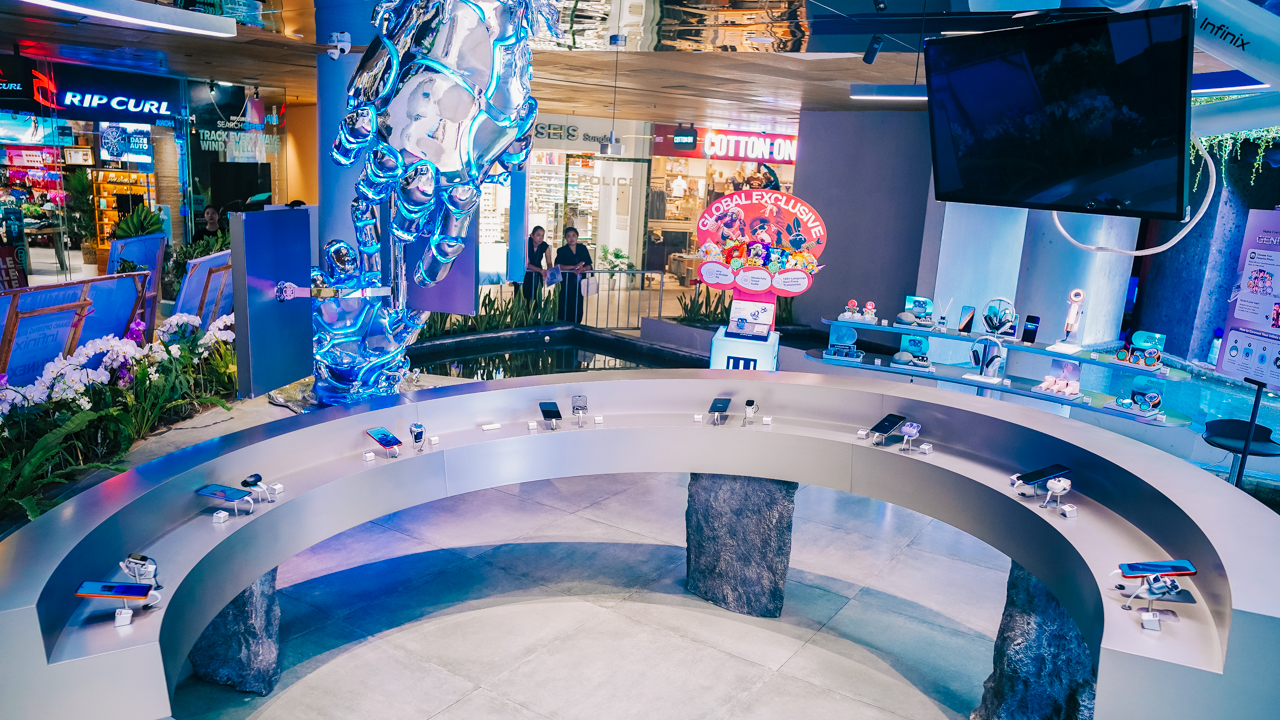
Similar concept-led stores are also being explored in other markets. Infinix states that future locations won’t copy the Bali format and will be adapted to local cultures and lifestyles.

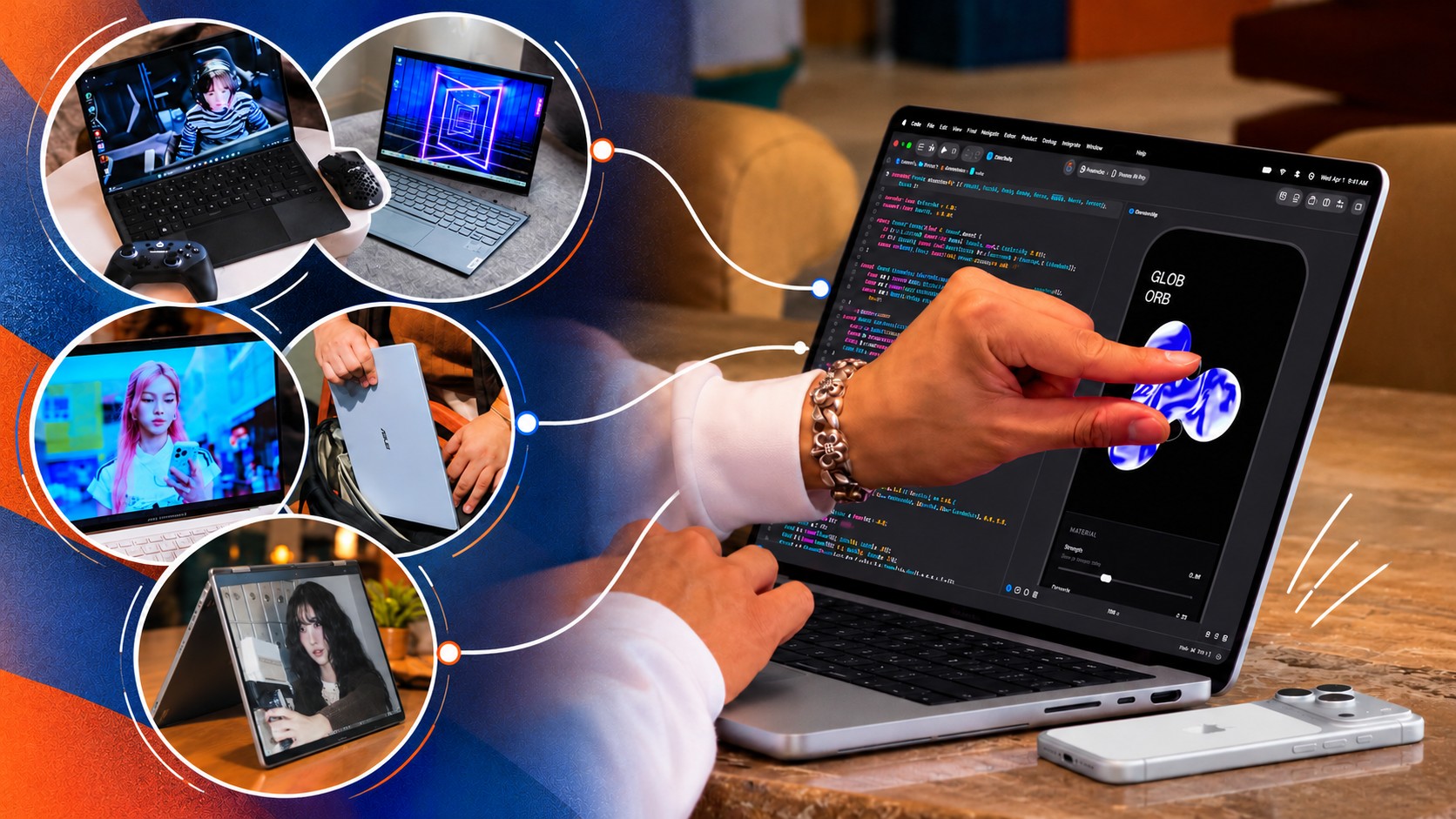
Apple just unveiled their brand spanking new MacBook Pro, now with a touchscreen. That’s fine and all, but something about it lacks… imagination.
Apple broke tech and cultural barriers with the iPhone and the iPad. The MacBook, meanwhile, has been a standard-bearer of personal computing for years. Yet Apple’s latest attempt at innovation doesn’t inspire the same sense of possibility.
Tech creators and publications present at the event have shared their thoughts. While they didn’t necessarily say it verbatim, there’s a “Who asked for this?” or “Who needs this?” energy going around.
The argument for the company in Cupertino has always been that while it might join the party late, it arrives with something refined and ready for the spotlight. That feels less certain in 2026.
I digress.
That’s a whole other topic to unpack, so before I go any further, let me shift back to what I wanted to write about in the first place: the innovations I want to see from Apple. Ones that capture the imagination and inspire possibilities.
MacPad or MacPad Pro
Yes, I’m starting with a haymaker.
For years, users have been asking Apple to make the iPad run some hybrid of iPadOS and macOS.
The MacBook Neo and iPad Pro are proof that this isn’t too farfetched. The former runs macOS on an iPhone/iPad chip (A-series) while the latter runs iPadOS on a MacBook chip (M-series). Computing power doesn’t seem to be the issue. Apple is just likely afraid that one device category will cannibalize the other. That’s pure speculation on my part so let’s just continue with the thought exercise.
Assuming we get that macOS and iPadOS hybrid, what will the hardware look like?
Some disclaimer before the fun part. This whole article is a thought exercise and I am inviting all of you to imagine with me. But to make things feel a little more grounded, I will name models from other brands that Apple can take some inspiration from. Just, you know, Apple-fy it.
For the MacPad or MacPad Pro, I’m thinking something like a 2-in-1. The main body is a slab with a display and kickstand. Think Nintendo Switch 2. But instead of provisions for Joycons on the side, you get some form of cooling and the ports.
Let it have an M-series chip for maximum computing power. But to differentiate it from the iPad, have it come with a foldable keyboard and trackpad folio of some sort.
The ROG Flow Z13 but Apple-fied
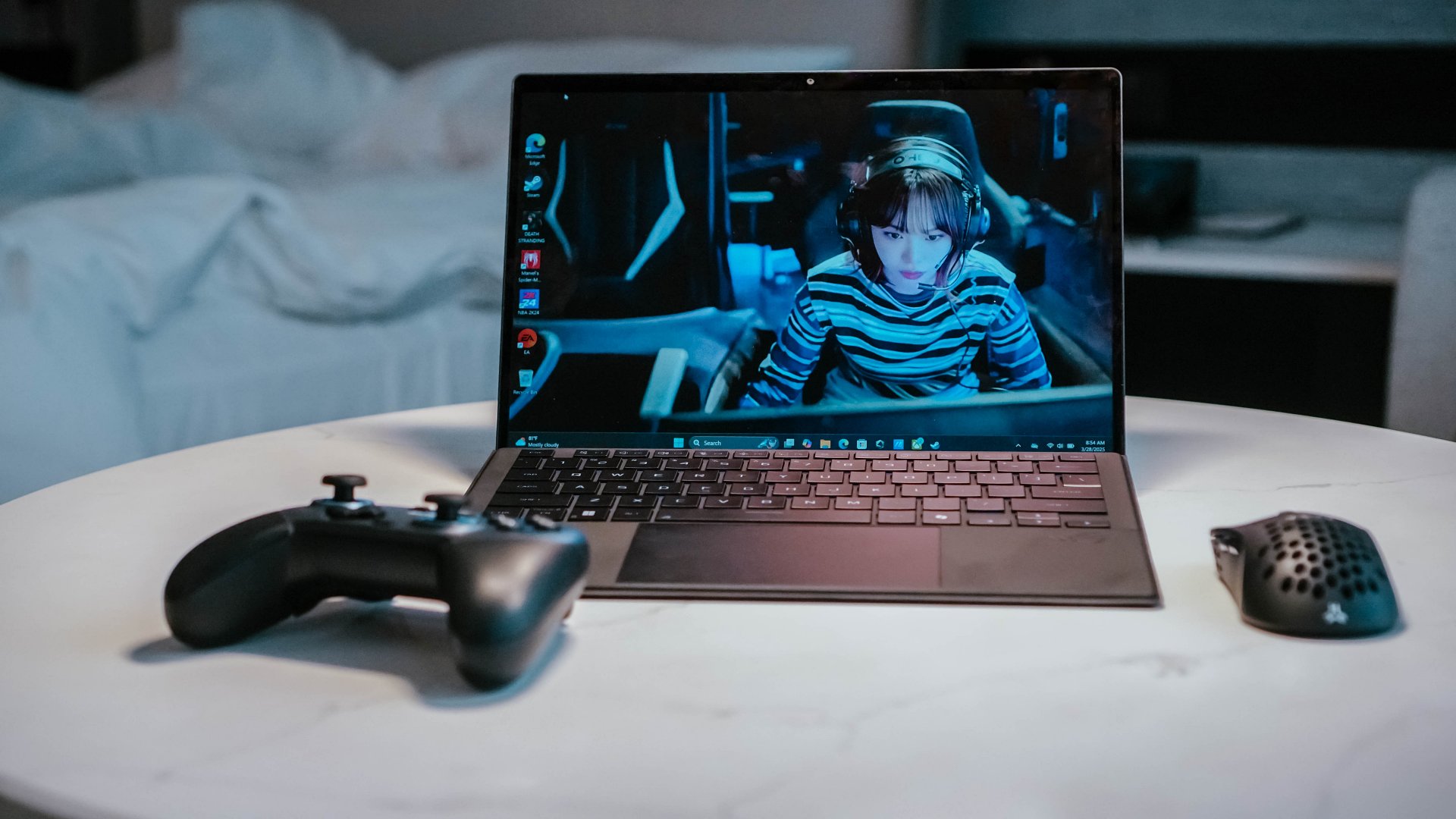
Now that I think about it, what I’m describing is likely closer to the ROG Flow Z13. But instead of a gaming aesthetic, make it closer to how sleek and streamlined the look of MacBooks and iPads.
Having spent time with the ROG Flow Z13 (2025), I know there’s something genuinely compelling about this form factor. It’s a tablet with the brains of a full-fledged PC, with the keyboard becoming an accessory rather than a permanent fixture.
I traveled with the Flow Z13 and loved how it could serve as my work machine, gaming console, and entertainment device. Detach the keyboard and you have a screen for watching videos. Prop it up and you have a surprisingly capable gaming machine. Connect it to a TV and you have another way to play. It simplified my travel loadout in ways I didn’t expect.
Now imagine that same flexibility with macOS. A MacPad Pro could be a tablet when you want to browse, read, or watch something, then become a proper Mac when it’s time to get serious about work. You wouldn’t need to choose between carrying a MacBook and an iPad because one device could cover both roles.
A detachable design, done right
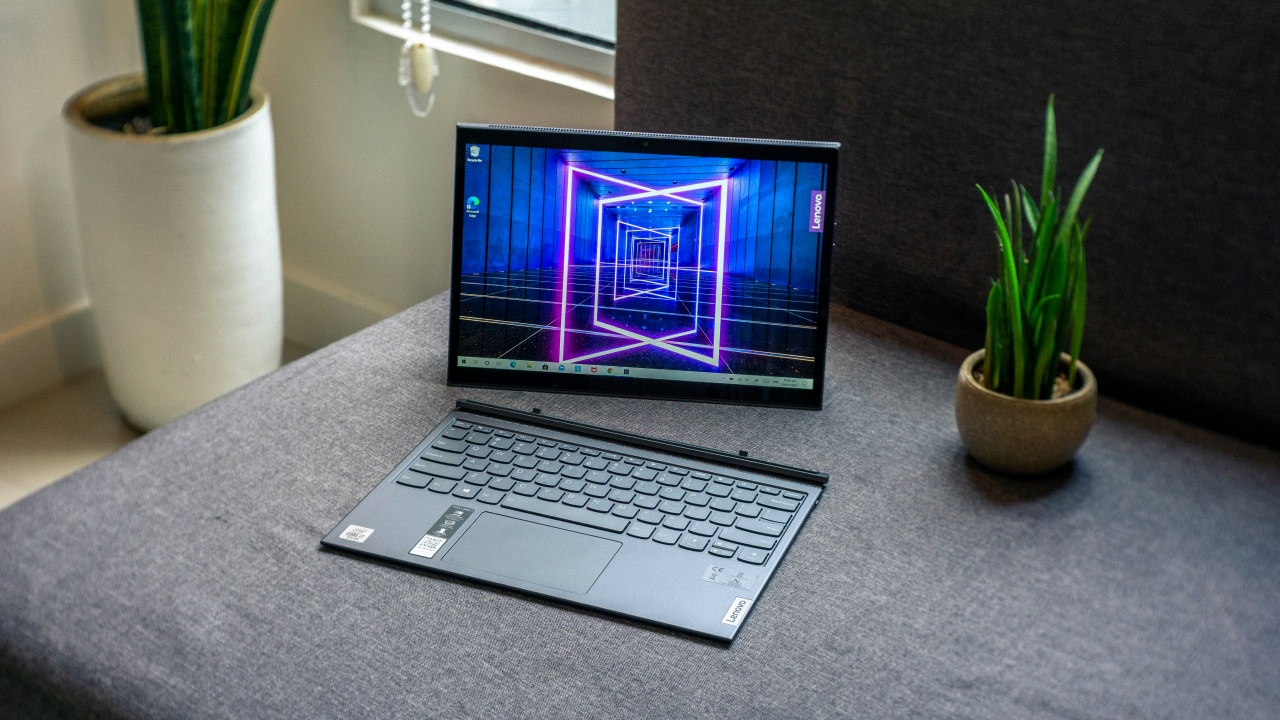
There’s already a precedent for this, too. The Lenovo Yoga Duet 7i showed how a detachable tablet and keyboard could work together without either feeling like an afterthought. Its Bluetooth keyboard meant you weren’t necessarily tied to the tablet in the same way you would be with a conventional laptop.
That’s the part I’d want Apple to get right. Give the MacPad Pro a proper kickstand, a keyboard that doesn’t feel like a compromise, and enough ports to make it useful beyond the desk. Let people use it as a tablet, a laptop, or a makeshift desktop without having to fight the hardware.
And because this is Apple, I’d expect the accessories to be ridiculously good. If the company can make the Magic Keyboard for iPad feel like a convincing laptop keyboard, imagine what it could do if it built the entire experience around macOS from the start.
Heck, they can even go full Apple and do away with the kickstand and just include a flimsy folio in the original packaging. And then sell a Magic Keyboard and Trackpad folio separately for maximum profit. Now that’s truly the Apple way.
Refined MacBook Pro
Look, I love the MacBook Pro. And I’ll take macOS over Windows any day. But every now and again I come upon a Windows machine that has immaculate hardware.
This year, to me, that’s the ASUS ExpertBook Ultra. In terms of overall build, materials, display, and size it’s my favorite work machine that I personally spent significant time with.
Premium finish

It already has that sleek MacBook look. But on top of that, the Nano Ceramic finish elevates it in a way that only experiencing it firsthand can make you understand.
I wrote about this in my original review, but it’s worth repeating: the Nano Ceramic finish is one of those things that sounds like marketing fluff until you actually touch it. It gives the laptop a distinct texture that makes picking it up feel like an experience in itself.
What’s more surprising is that the feeling doesn’t wear off. I got the ExpertBook Ultra back for another stretch of use after ASUS had already collected it, and I still found myself running my hand across the lid before opening it. Thirty days later, I hadn’t outgrown the novelty.
That might sound trivial, but I don’t think it is. We interact with our laptops for hours every day. The materials, textures, weight, and little physical details all contribute to how much we enjoy using them. If a manufacturer can make something as ordinary as opening a laptop feel special, that’s a kind of refinement worth pursuing.
OLED all day

It doesn’t hurt to have STAYC Isa on screen.
The OLED display with matte coating is a feast for the eyes. I regularly worked in cafés beside large windows, and the matte coating helped keep the OLED panel looking magnificent even with all that ambient light.
Deep blacks, crisp colors, and fewer distracting reflections made it a pleasure to work on and an even bigger pleasure to take breaks with.
Tantalizing typing

And the chiclet-style feeling keyboard will have you waxing poetic about an intimate connection found and faded. The spacing is excellent, the travel feels satisfying, and I found myself typing without that awkward adjustment period you sometimes get with a new machine.
Neither feature is revolutionary on its own. That’s precisely the point. The ExpertBook Ultra brings together a collection of thoughtful hardware decisions that make the whole experience feel a little more special. I want that same attention to detail from Apple, even if the MacBook Pro is already one of my favorite laptops.
Imagine that hardware running macOS. One can dream.
Yoga MacBook
I don’t know how Apple will do this without Lenovo suing but for the love of the game, please indulge me.
Imagine the aforementioned macOS and iPadOS hybrid running on a machine that morphs from a regular laptop to one that’s display-facing. That’d make a touchscreen MacBook more compelling to more users.
They’re definitely gonna have to call it something else, but a flexible MacBook is more appealing than the same old clamshell but now with a touchscreen. It has more practical uses that extend beyond developers and heavy-duty multimedia professionals and creatives.
Bend it like Lenovo
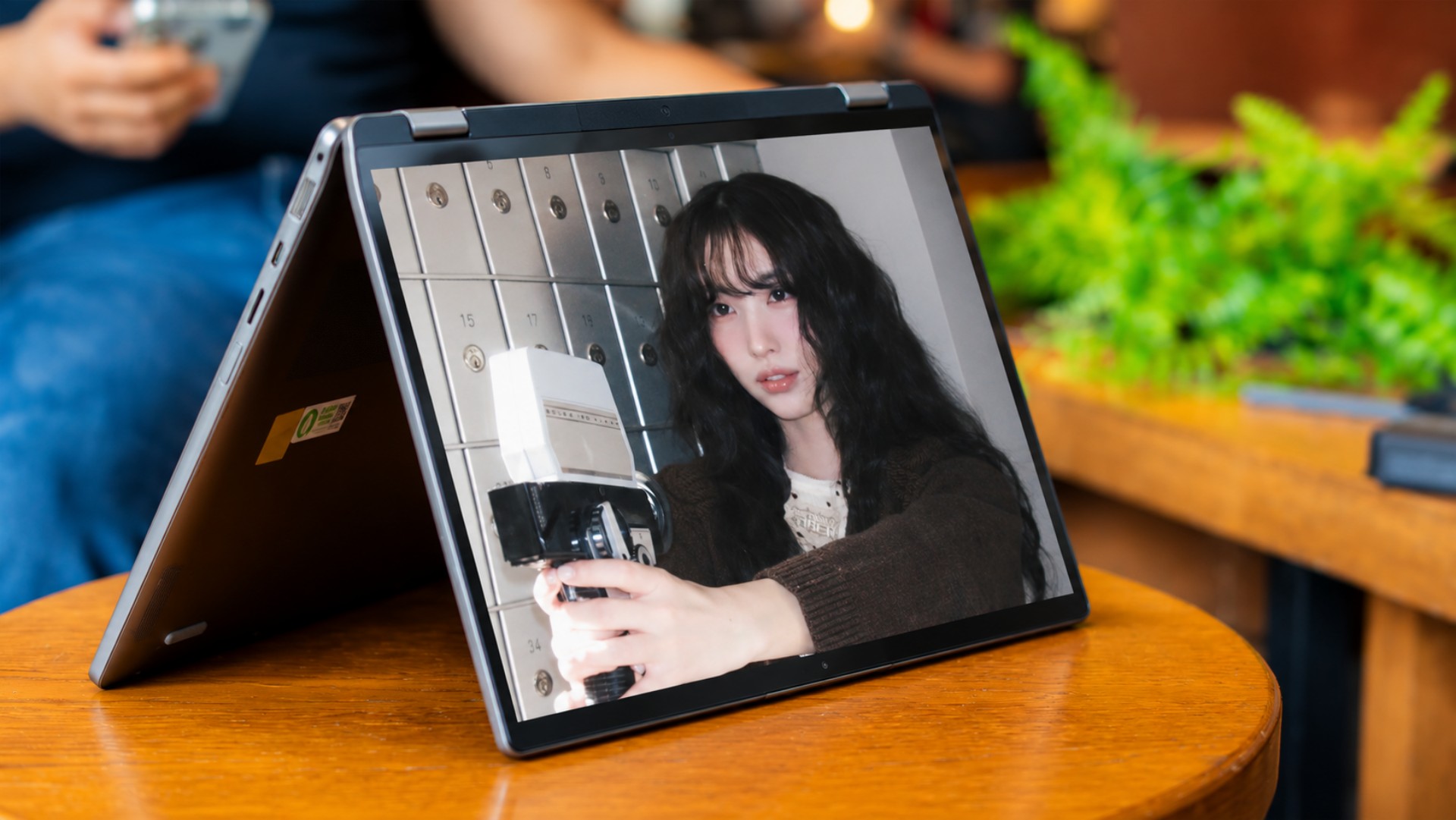
Lenovo has been doing this for years with its Yoga series, and there’s a reason it has stuck around for ten generations. A good convertible isn’t just a laptop with a screen that folds backward. It’s a device that can adapt to what you’re doing without requiring you to change devices.
In laptop mode, you have a proper keyboard for writing and getting work done. Fold the display into tent mode and you have a convenient screen for watching videos or following a presentation. Flip it into stand mode and you can use it for video calls or put it in front of you while working with someone else. Fold it all the way back and you have a tablet for reading, browsing, or sketching.
I’ve seen how useful these different configurations can be in practice. They’re not just party tricks for product demonstrations. They offer different ways to use the same machine throughout the day, depending on what you’re doing and where you’re doing it.
Software that adapts
Of course, the hardware is only half the equation. macOS would need to adapt to these different configurations, too. Touch targets should be easier to hit when the laptop is folded into tablet mode, while creative applications should make better use of direct interaction with the display. The interface shouldn’t feel like a desktop operating system that reluctantly tolerates fingers.
This is where a hybrid of macOS and iPadOS could become particularly interesting. Apple wouldn’t have to abandon what makes the Mac good at getting work done. It would simply need to make that experience more adaptable when the keyboard and trackpad aren’t the most convenient ways to interact with the machine.
That’s the kind of touchscreen MacBook I’d get excited about. Not just a MacBook that lets me poke at the screen, but one that gives me a reason to use it differently.

Dream bigger, refine better
To be clear, I’m not asking Apple to reinvent every product in its lineup every year. That would be ridiculous, and not every new idea needs to become a commercial product. But I’d love to see the company take more chances on what its products could become, rather than simply adding another feature to what already exists.
I just miss the Apple that truly turns heads when it enters a room. Right now, it feels to me like the company is banking on the cultural cachet it earned decades ago.
The iPhone Duo and touchscreen MacBook show that Apple is still willing to experiment. Now I’d love to see it push those experiments further. It might as well go all in and Think Different.
Accessories
CASETiFY Match: Finding the right case for your Galaxy Z8 Series phone
Cases that match your personality

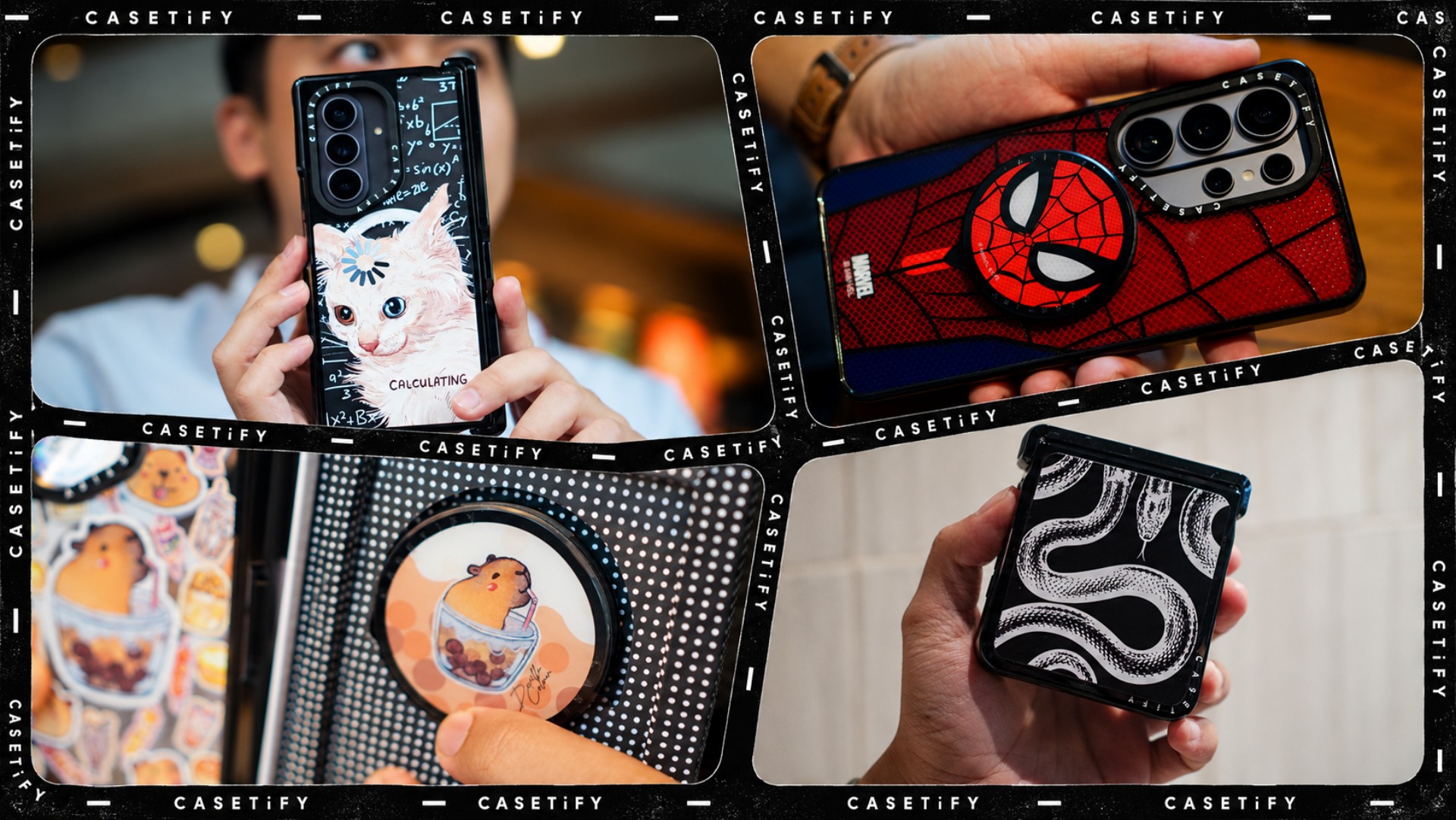
A phone case can be more than protection. It can also be a way to show off your interests, personality, and the little things that make you, well, you.
For our CASETiFY Match for the Galaxy Z8 Series, we asked the team one question: Why was this CASETiFY design your Match?
From Spider-Man fandom and capybara obsession to feline-inspired art and snake motifs, here are the designs that found their way into our team’s everyday carry, plus a couple of bonus picks worth checking out.
Rodneil: A little New York energy for a certified web-head
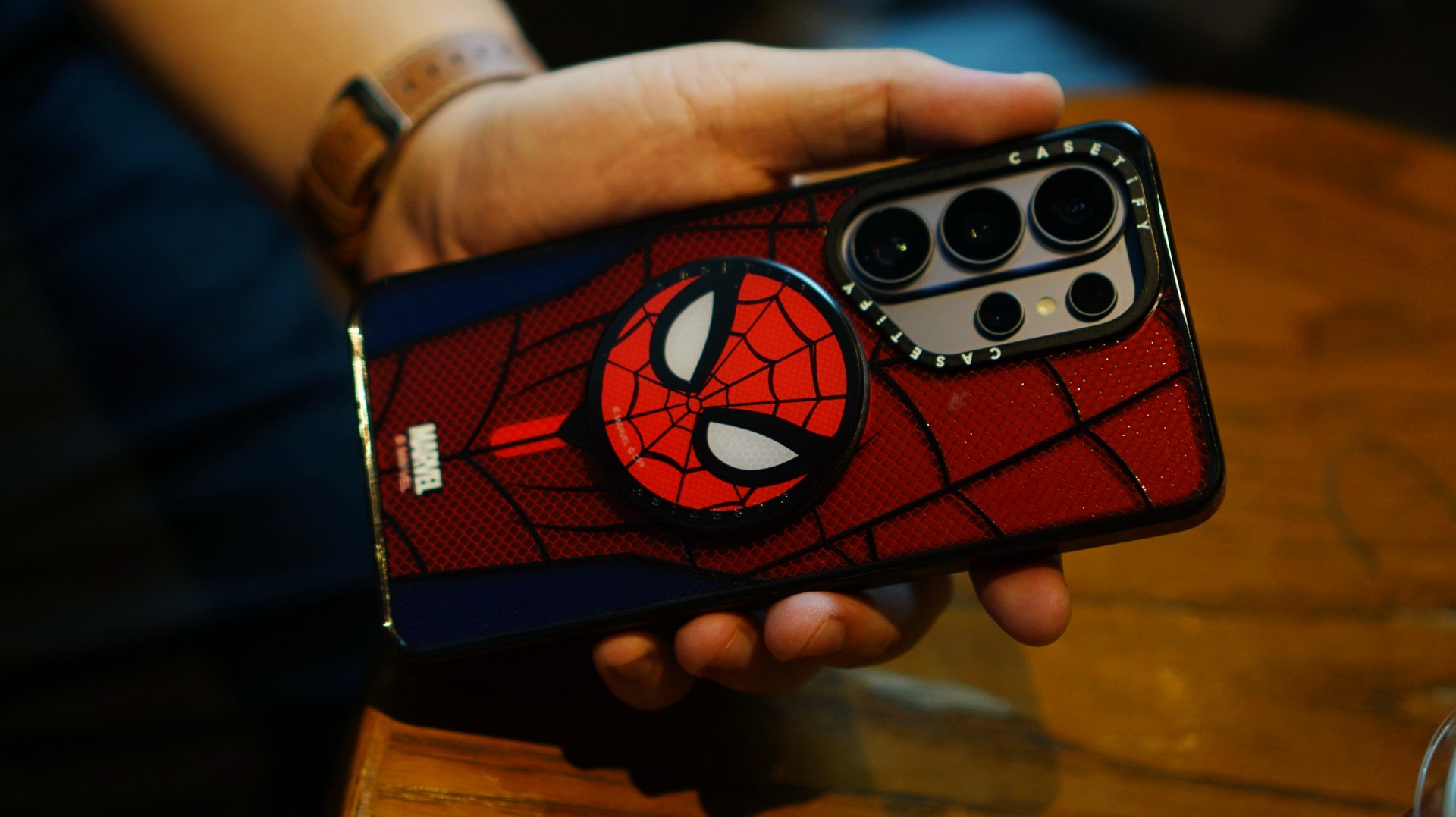
If it wasn’t obvious enough, I’m a certified web-head. I love anything and everything Spider-Man, especially the iconic red-and-blue motif. Though, if we’re being honest, I’m more partial to the red.

I had my eyes on the Spider-Man suit design for the Galaxy Z Fold8 Ultra and the Spider-Man Mask Snappy Grip Stand. Unfortunately, those designs aren’t available for the Galaxy Z Fold8.
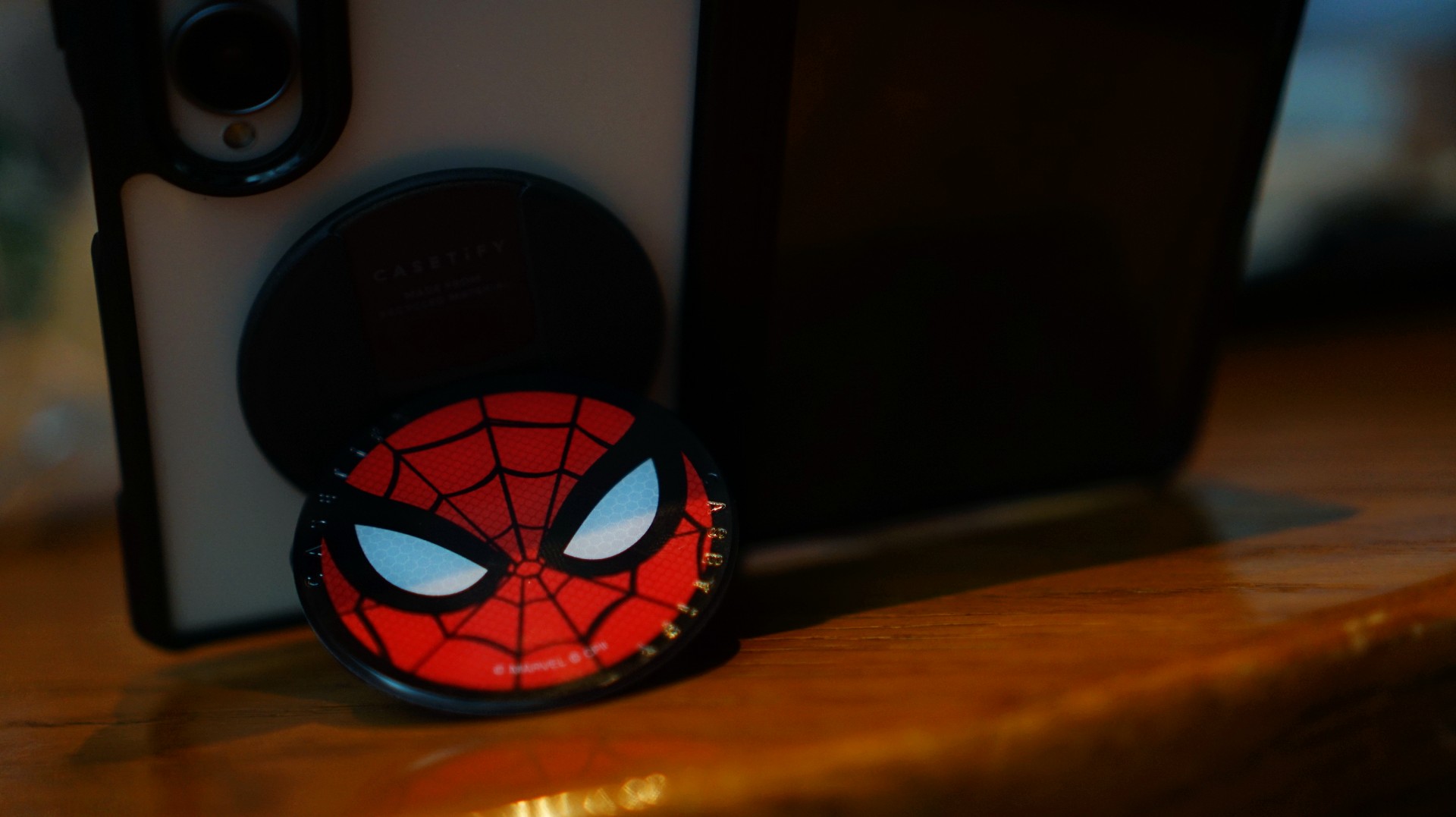
So, I went with a design that gives off a bit of New York energy instead. It still pairs nicely with the Spidey Snappy Grip Stand, letting me bring a little of that Spider-Man vibe to my everyday setup.
V: Keeping it cool with capybaras
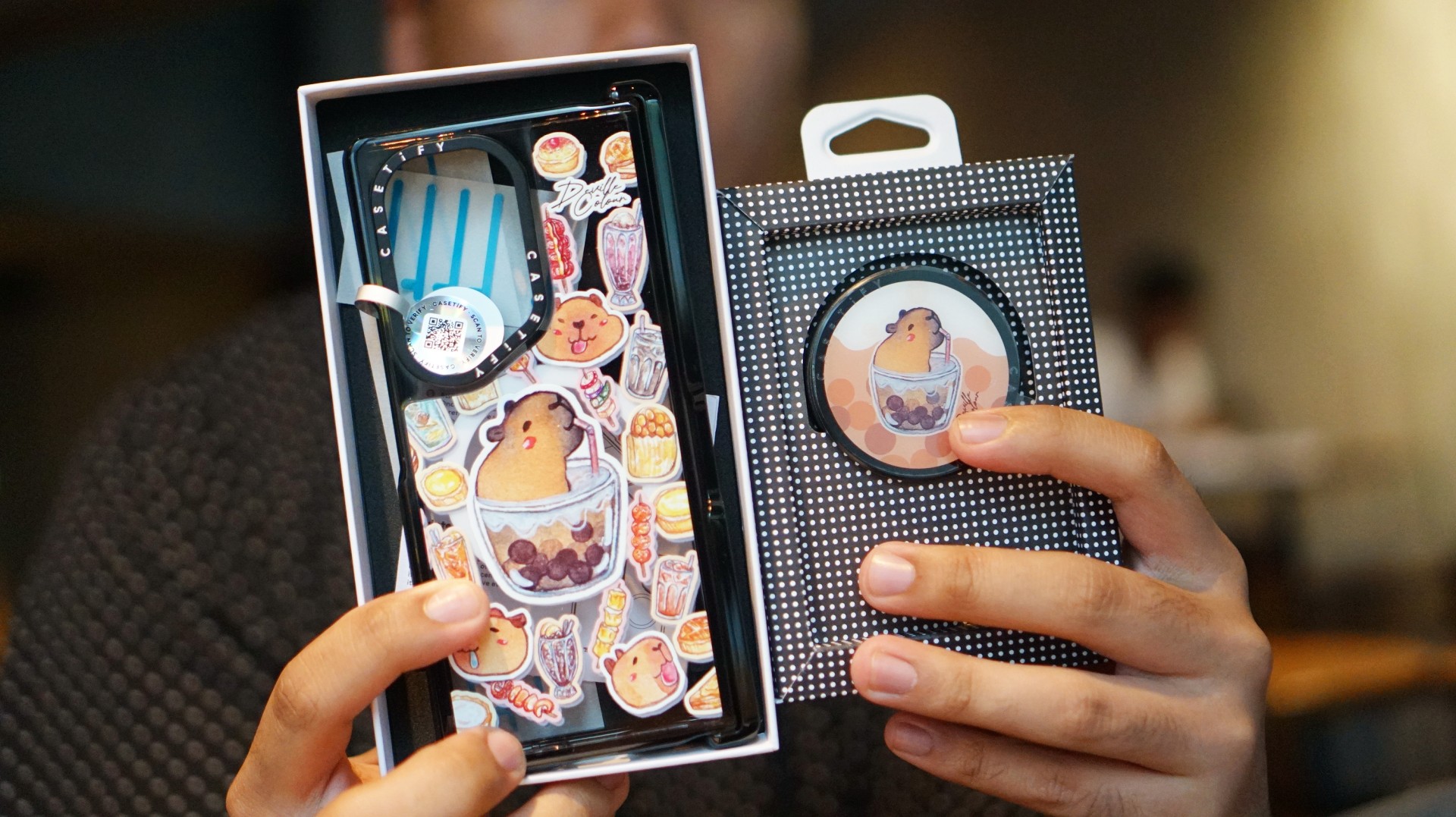
I’ve been a capybara stan since 2020, long before the world finally caught up with just how cute and chill these animals are. Seeing them get the recognition they deserve has been a source of much excitement.
Finding cool and cute capybara cases and accessories for the phones I use every day, however, hasn’t always been easy.
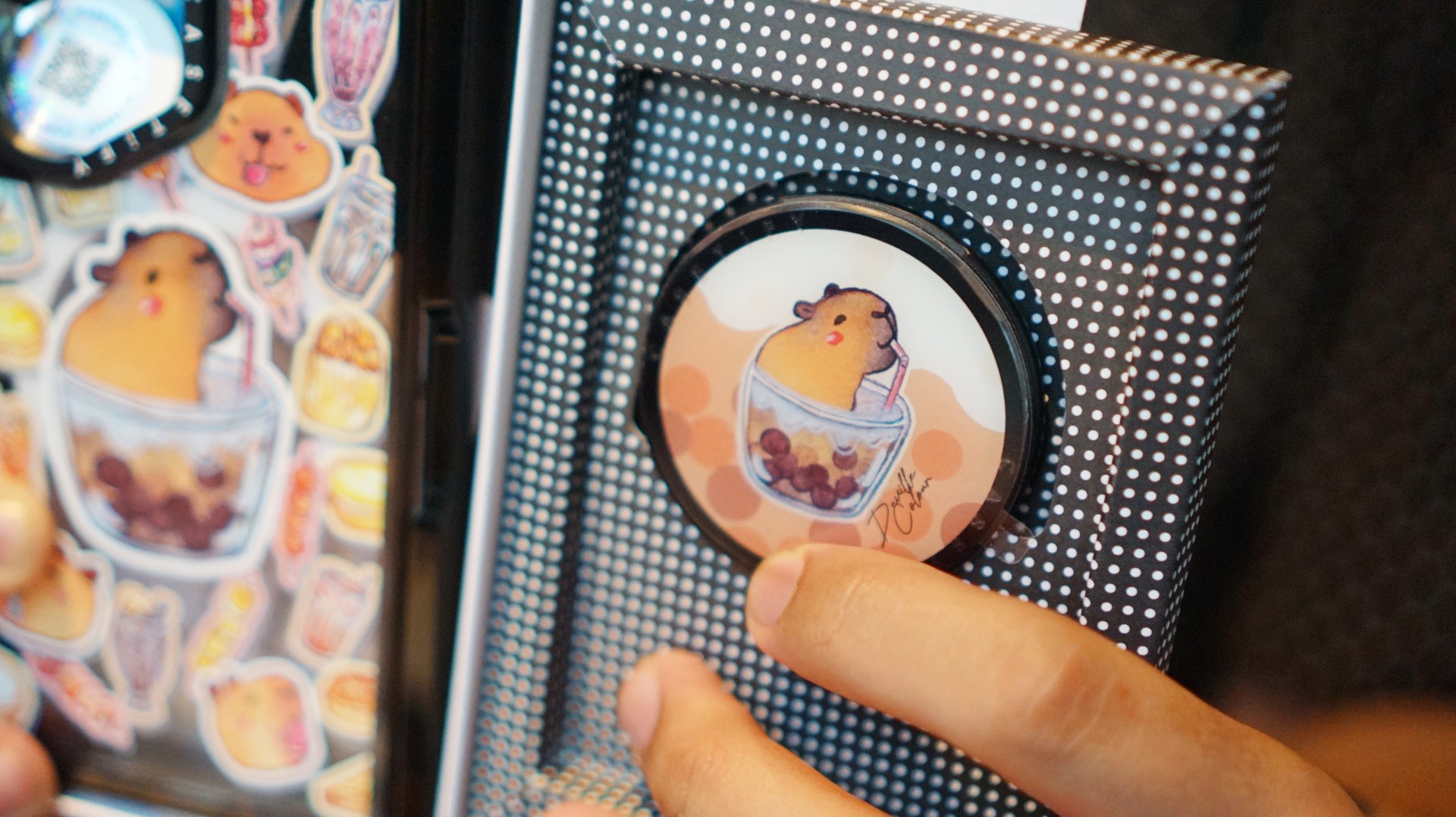
That’s where Deville Dewil’s capybara collection comes in. It fills that gap while making my Galaxy Z Fold8 feel like an even more personal accessory.
At this point, I’d like to identify as a capy/bara.
Luigi: A cat design that’s playful without being too loud
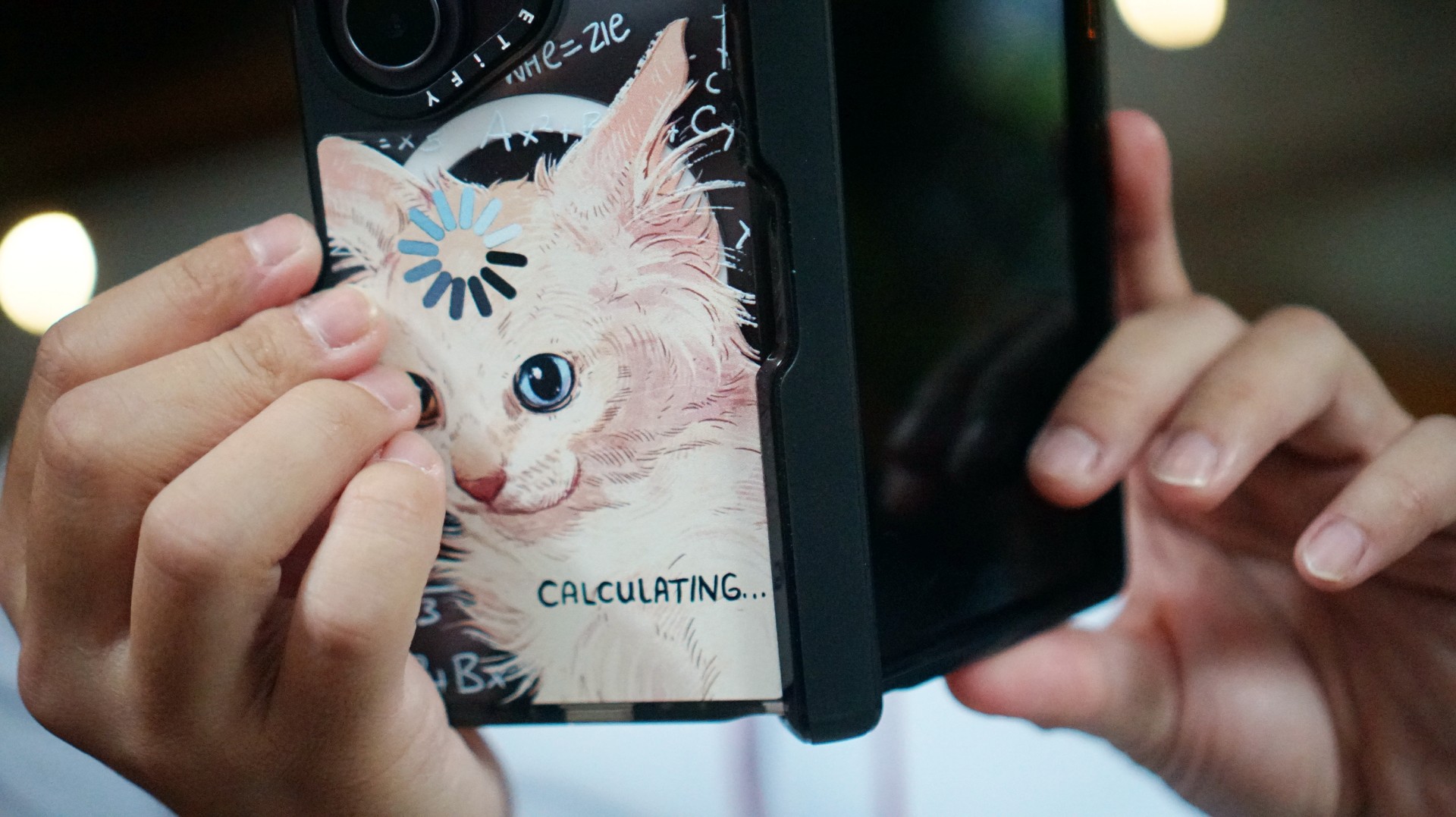
There’s no shortage of cat-themed cases out there. If you’re a cat lover like me, chances are you’ve considered one at some point.
The tricky part is finding a design that isn’t too whimsical or loud. I love the little furballs, but I still want something sleek and clean.
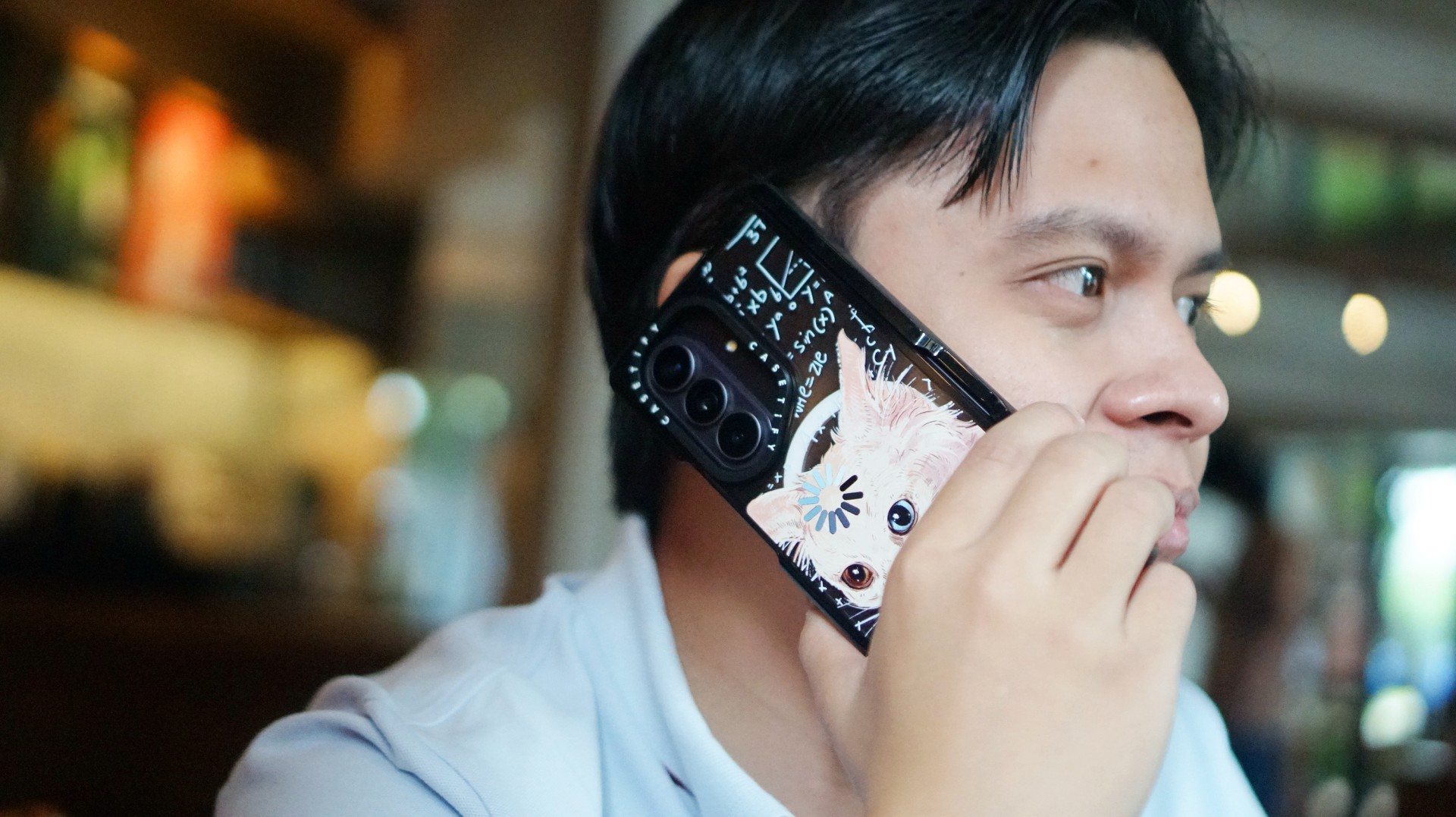
CASETiFY’s cat collection speaks to that balance. In particular, this design by Catwheezie blends artistry with a touch of whimsy. It lets me show off my personality without being too flashy.
MJ: A little reputation energy
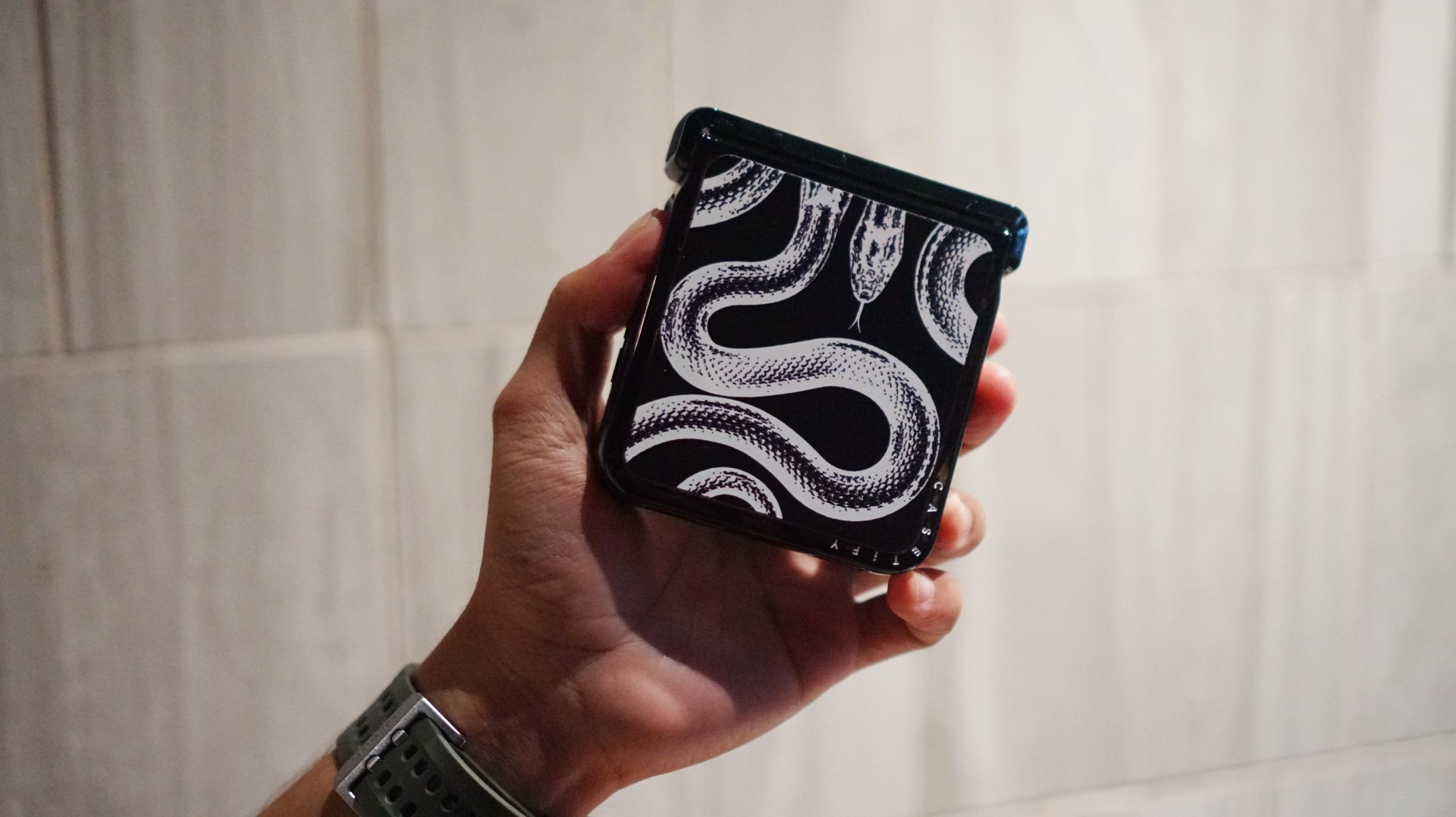
I’ve always had a soft spot for snake motifs, and CASETiFY’s Transparent Kingsnake case gives me Taylor Swift’s reputation era energy.
I love how snakes symbolize transformation. As someone who’s always evolving and never afraid to reinvent himself, that meaning feels personal.
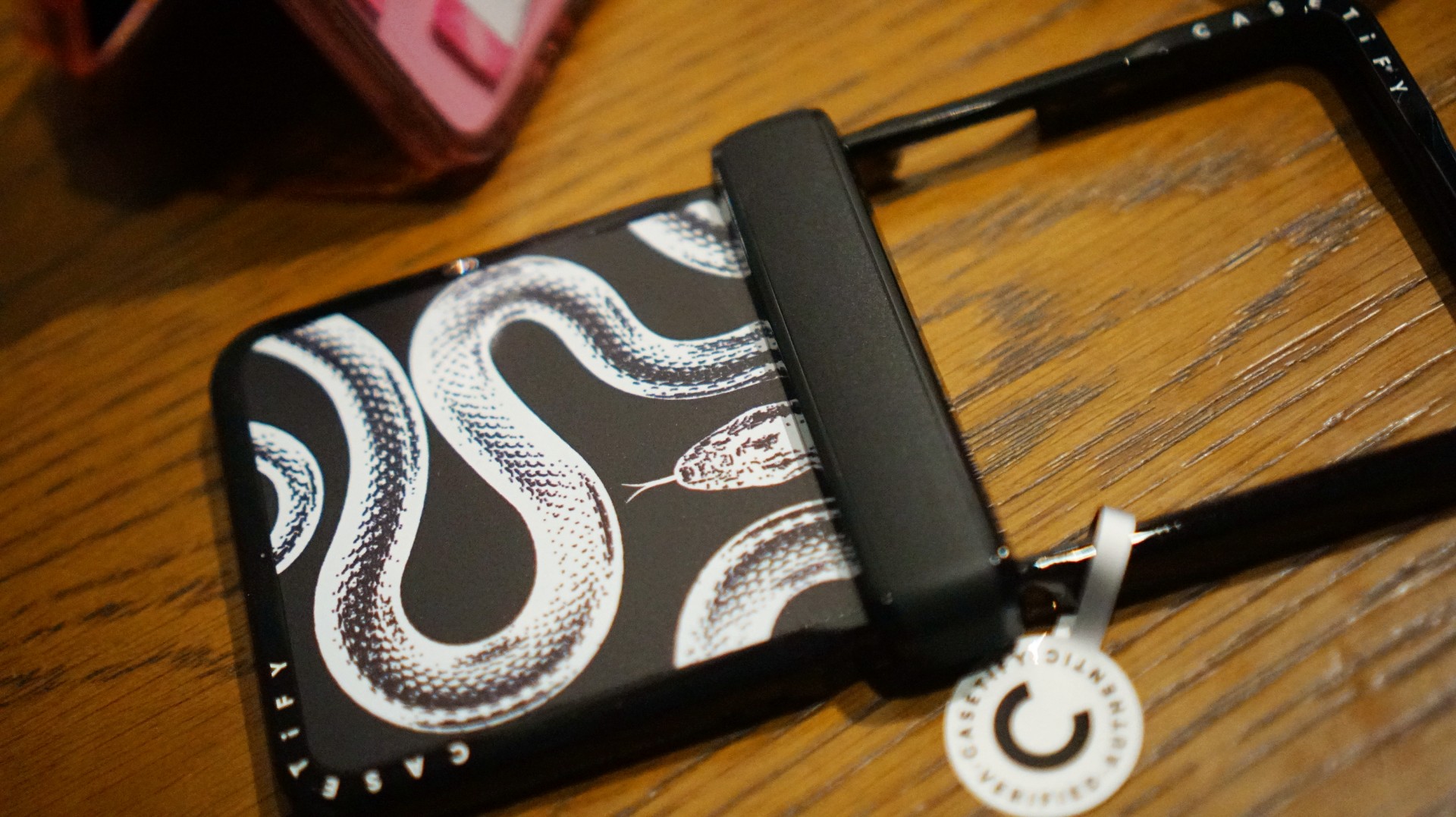
The black-and-white design also brings a sleek, rebellious edge. Paired with my Galaxy Z Flip8, it’s giving statement accessory with a little bite.
Bonus Match: Sunglasses at Night

Sometimes, keeping it simple is the way to go. The Sunglasses at Night design is tasteful and understated, letting me show off the actual color of my phone without competing with it.
Bonus Match: Pink Weekly Planner
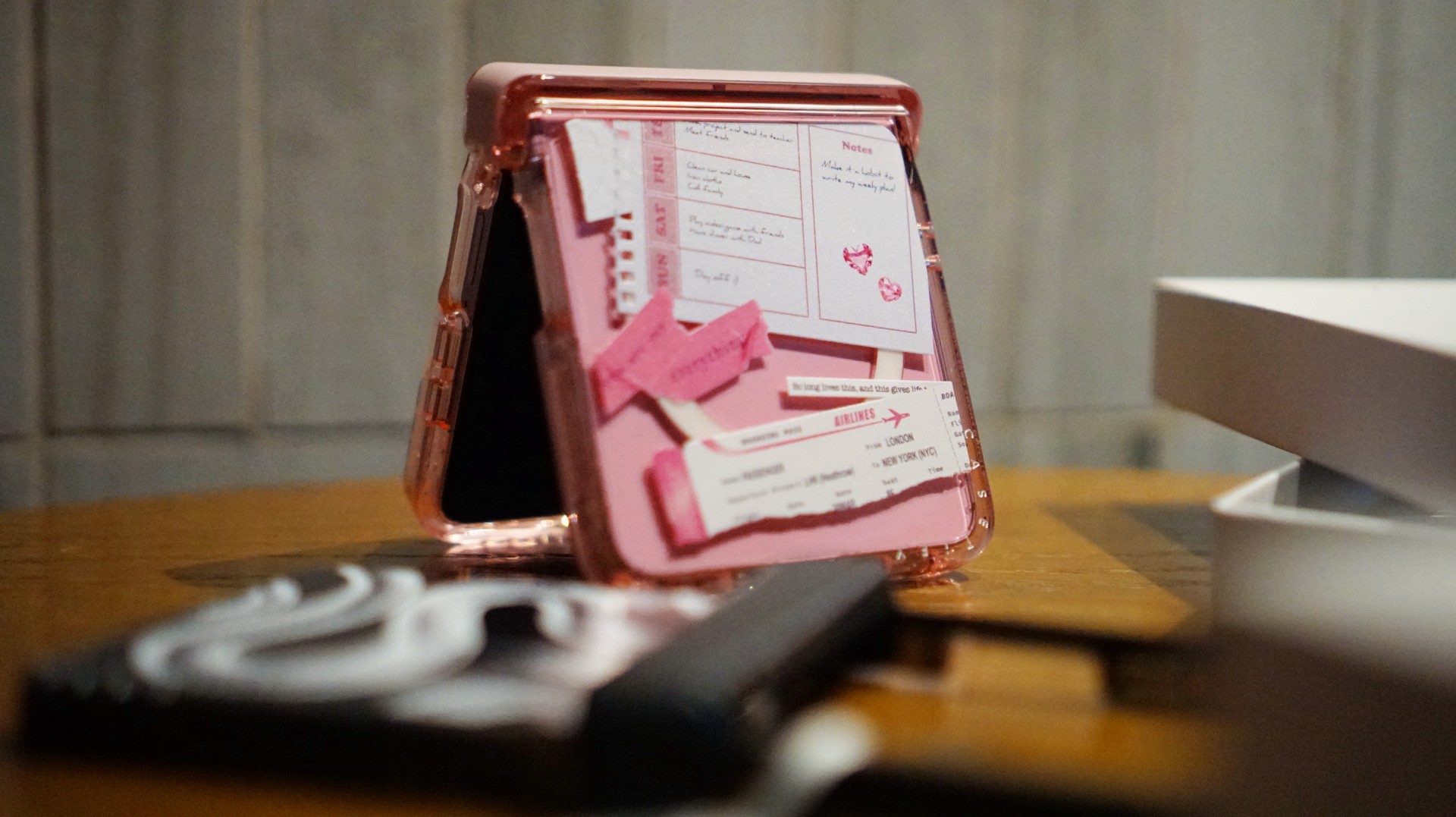
For the girls (and gaes) who plan their days–and life–ahead. And of course, for when they need to keep their Wednesdays pink.
Find your Match
There’s no single way to find a phone case that feels right. It might be a favorite character, an animal you’ve loved for years, a piece of art, or a symbol that means something to you.
For our team, the right CASETiFY design is the one that brings a little more personality to a device we carry every day.
So, which design would be your Match?

ROG G700 review: The best prebuilt PC you can get off the shelf
This PC will make you stop worrying about specs.


HP OMEN Max 16 review: Gamer-maxxing in deep black
Peripherals deemed necessary to max this out

vivo V80 review: Good phone, tough sell
A capable travel companion

Inside Infinix’s first global concept store in Bali

Wild Rift Patch 7.3, celebrates K/DA comeback

LG showcases its latest AI TVs in the Philippines

Your coffee nook is getting a makeover with Starbucks’ holiday collections

Petit Planet launches December 4


-
Reviews2 weeks ago
vivo V80 review: Good phone, tough sell
-
 News2 weeks ago
OPPO Find X10 Series: Price, availability in the Philippines
-

 Cameras2 weeks ago
DJI Osmo Pocket 4P Pearl White now available globally
-

 News2 weeks ago
OPPO Find X10 Series: Price, availability
-

 Entertainment2 weeks ago
Cyberpunk: Edgerunners 2 now streaming, Cyberpunk 2077 update coming
-
Gaming1 week ago
HP OMEN Max 16 review: Gamer-maxxing in deep black
-
 Laptops2 weeks ago
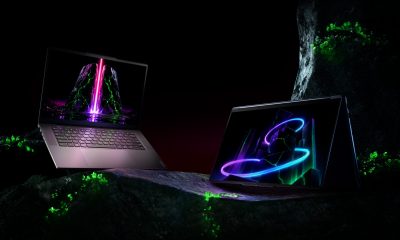
Lenovo expands Yoga lineup with new AI PCs and tablets
-

 Laptops2 weeks ago
ASUS ProArt P14, P16 laptops with NVIDIA RTX Spark now available