
Apps
Airbnb partners with the Olympics in 9-year deal
Just in time for Tokyo 2020

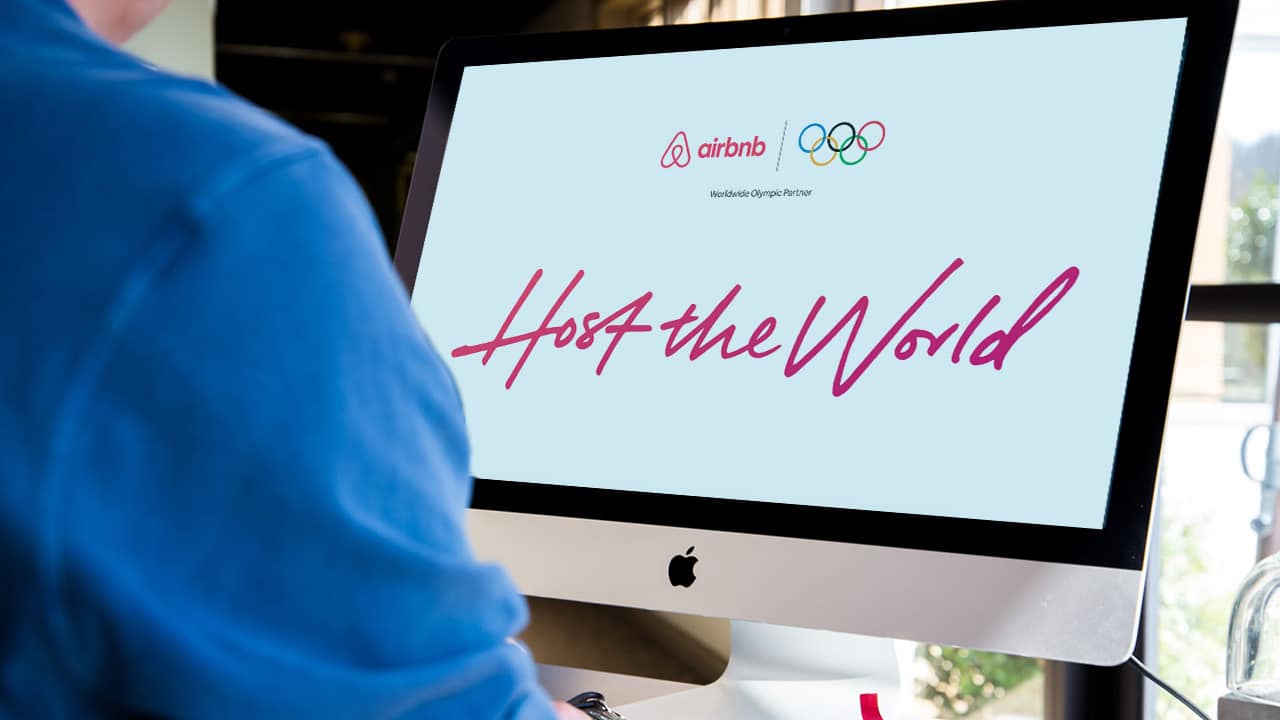
Airbnb and the International Olympic Committee (IOC) has signed a new deal to support five Olympics and Paralympics for the next nine years, making the platform a Worldwide Olympic Partner. Apart from the 2020 Games in Tokyo, the partnership covers Beijing 2022, Paris 2024, Milan 2026, and Los Angeles 2028.
According to the IOC, the joint effort will be “in line with the UN Sustainable Development Goals to provide travel options that are economically empowering, socially inclusive, and environmentally sustainable.”
The partnership hopes to minimize construction of new infrastructure for host cities to accommodate not just athletes, staff, and workers, but the surge of tourists as well. This also means generating extra income for new and existing hosts in the local communities during the Games.
IOC President Thomas Bach said that the partnership underpins their strategy to ensure that staging the Olympic Games leaves a legacy for the host community.
Airbnb is also launching a new category of Experiences to be hosted by Olympians themselves. These activities can help provide financial support for athletes while they train, as well as career opportunities even after competing.
Airbnb as a more sustainable option
Airbnb has previously supported Rio 2016 and PyeongChang 2018 as a domestic sponsor. A recent World Economic Forum study found that in Rio, the additional capacity provided through Airbnb was equivalent to 257 hotels. This saved the city unnecessary construction and carbon emissions, while also providing approximately US$ 30 million in direct revenue for hosts. It also generated an estimated total economic activity of US$ 100 million in three weeks.
Similarly, during the Olympic and Paralympic Winter Games PyeongChang last year, Airbnb hosts earned approximately US$ 2.3 million collectively by providing accommodation to 15,000 visitors who would have required 46 hotels.
Most recently, Airbnb hosts across Japan welcomed more than 650,000 travellers during the Rugby World Cup, and earned more than US$ 70 million collectively.






Apps
Canva teams up with SB19 to turn A’TIN’s passion into creativity
Campaign lets fans access assets, editable templates, more

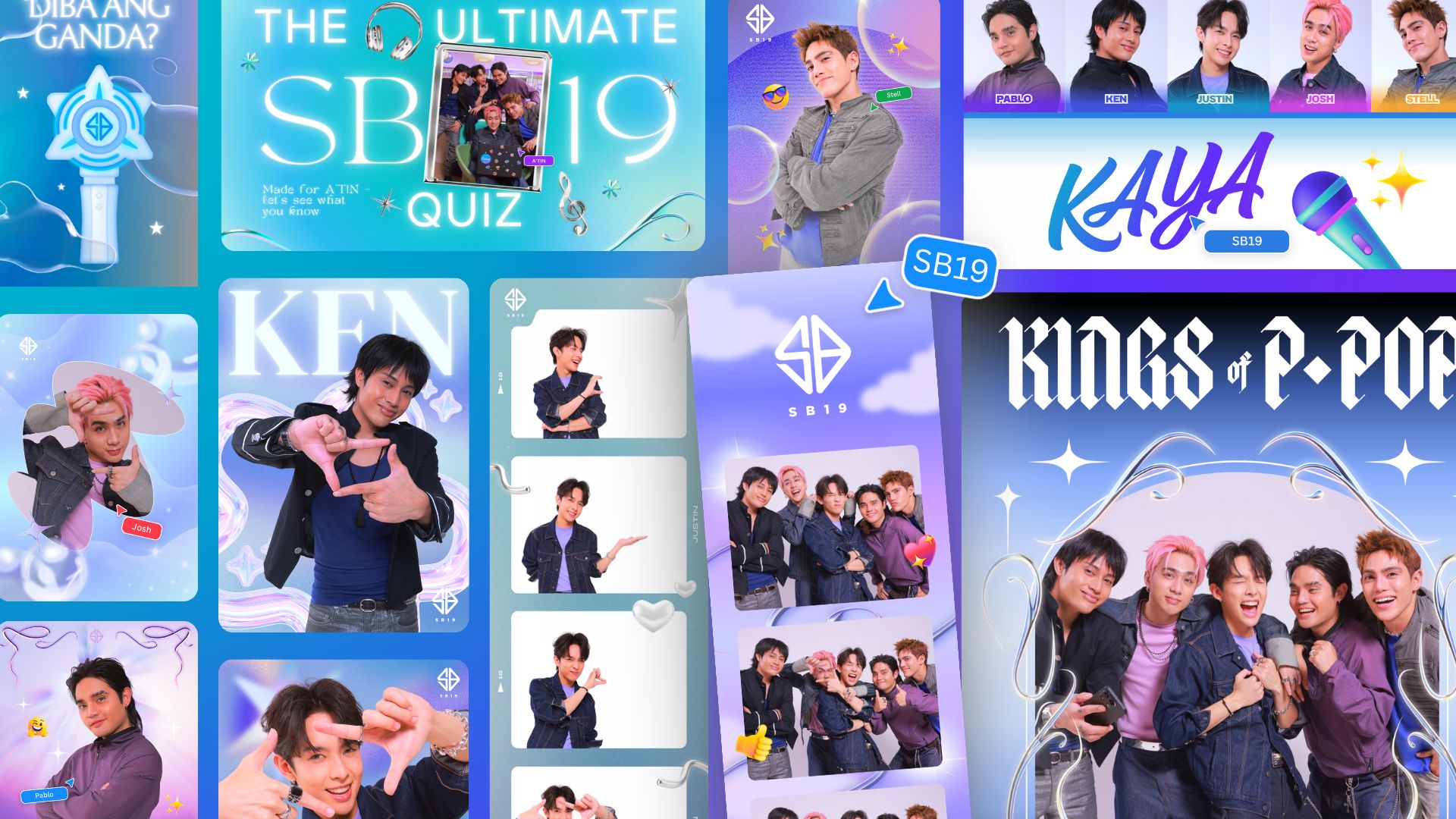
Canva Philippines has joined forces with SB19 and Sony Music Entertainment to launch the “Kaya sa Canva” campaign.
This first-of-its-kind initiative is aimed at transforming the popular Filipino boy band’s fanbase into creators by giving them access to official design assets, exclusive templates, and powerful creative tools.
That’s of course as fans have a way of creating artwork, banners, and more outputs to honor their idols.
As such, the partnership enables the A’TIN (SB19’s fanbase) to access the Canva-exclusive SB19’s Creative Hub.

This dedicated space lets fans access assets, including SB19-inspired sticker packs, custom typography, and editable templates inspired by the group.
Fans around the world will initially have access to templates for photo-booth strips, wallpapers, posters, and videos.
The campaign will then expand with Canva-exclusive assets celebrating the group’s New Era, as well as their latest single, “Lawless”.
Meanwhile, the original song “KAYA” is accompanied with an upbeat music video, doubling as a love letter to A’TIN and a masterclass in Canva’s tools.
Every visual and animation is fan-inspired, a celebration of the creativity, passion, and dedication that’s defined in the community from day one.
Apps
Samsung’s bet on the future of connected health: Less data, more action
Inside Samsung’s plan to close the gap between your wearable and your doctor

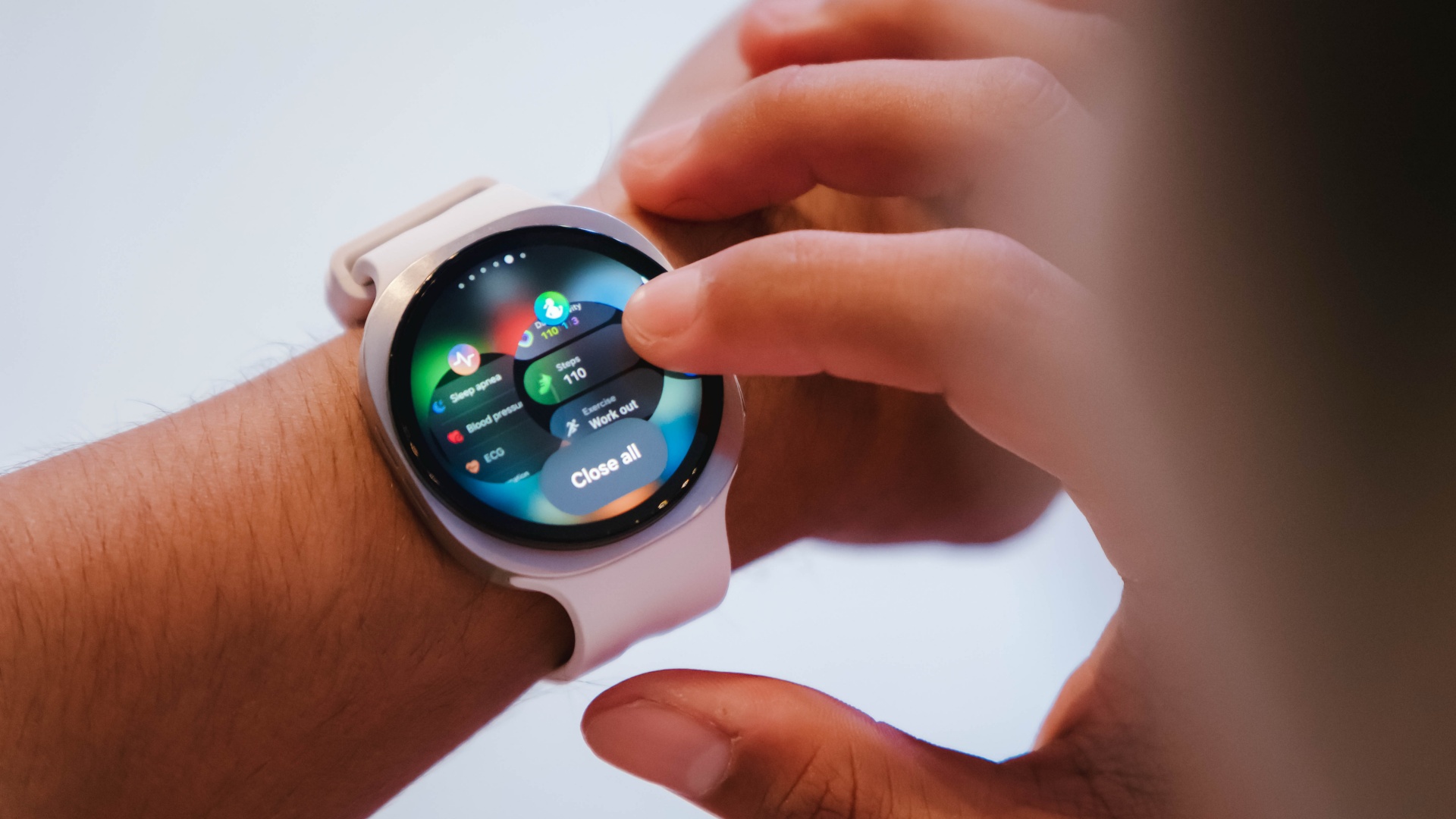
Here’s a paradox worth sitting with: Wearable adoption keeps climbing. A lot of people now walk around with a sensor on their wrist, tracking heart rate, sleep, steps, sometimes ECG. And yet chronic disease rates haven’t moved.
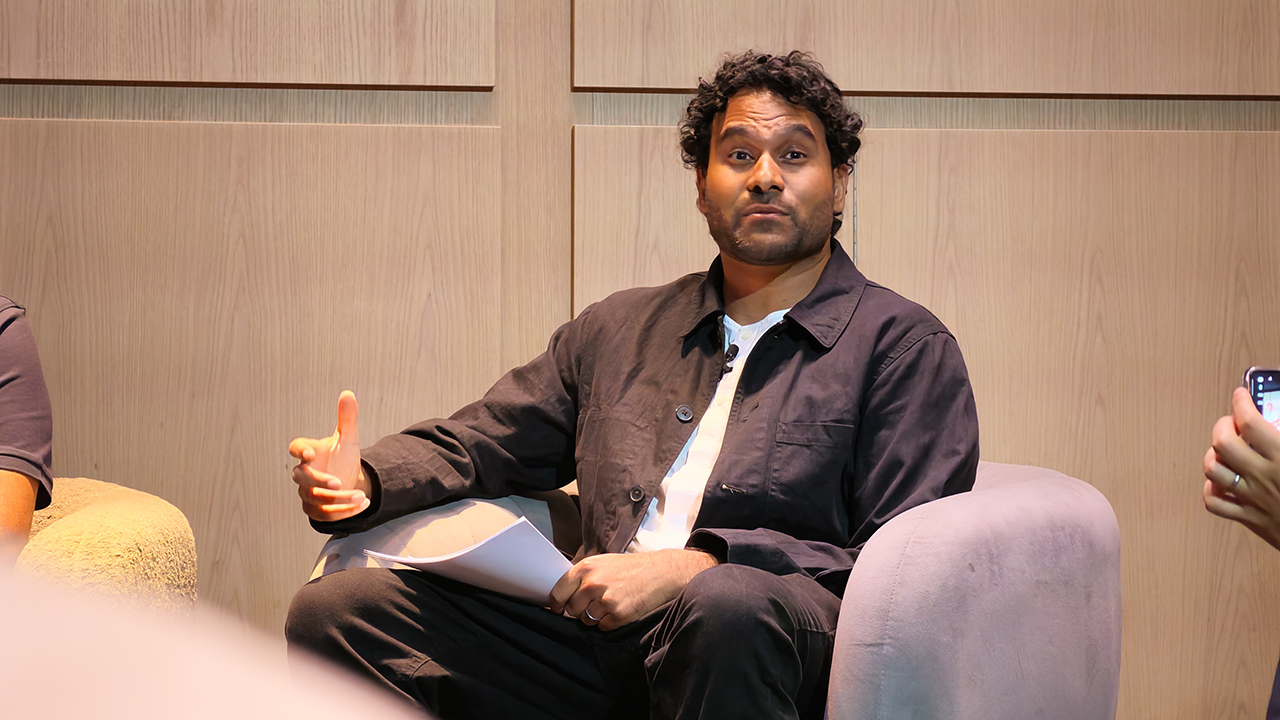
That’s the problem Dr. Hon Pak, Samsung’s Head of Digital Health globally, opened with at a recent panel on the future of connected care. More data hasn’t meant better healthcare. His diagnosis: a first-mile, last-mile issue.
The first mile is that all this wearable data rarely makes it to a doctor in any usable form. The last mile is that even when a doctor says “lose weight, eat better, move more,” that advice tends to dissolve the moment real life takes over.
Picking up kids, caring for parents, getting through a Tuesday, it’s not that people don’t know what to do. It’s that knowing and doing are two different problems.
Samsung’s answer involves three things it says connected care needs to mature: meeting people where they actually are, building enough trust that people rely on the data, and using AI to turn that data into something a person can act on rather than just look at.
The Tuesday evening problem
Karthik Poriya, Head of Product at Samsung Food, framed the everyday failure point clearly. Picture it: long day, you’re tired, staring into the fridge. You’re not reaching for the healthiest option in that moment, you’re reaching for whatever’s fastest and most satisfying.
For years, nutrition tracking has focused on logging what already happened. Poriya’s team wants to intervene right at that decision point instead, pairing Samsung Health’s underlying data (BMI, antioxidant index, glycation markers) with Samsung Food’s recipe index of roughly 40,000 dishes mapped across 34 nutrients, so a health number turns into an actual dinner suggestion rather than another stat to check later.
Dr. Pak backed this with a small, concrete example from his own family: moving leftover cheesecake out of eye-level in the fridge and putting washed, sliced carrots there instead.
Kevin Duffy, CEO of connected fitness company iFit, made a similar point about exercise. The most effective tool for sticking to a fitness plan is a personal trainer, he said, citing roughly 80% higher adherence compared to going it alone.
The problem is cost: US$100 an hour or more in a major city puts that out of reach for most people. iFit’s bet is that AI can deliver something closer to a personal trainer’s precision and motivation at a price that isn’t elitist.
Duffy pointed to three reasons his company partners with Samsung specifically: reach (Samsung hardware is already in people’s homes, on their wrists and TVs), access to the biomarker data needed to build an accurate plan, and the fact that fitness goals don’t exist in isolation from sleep and nutrition data.
Trust has to come before any of this works
None of the behavior-change ambitions matter if people don’t trust the data or the company holding it. Rohit R. L., who heads Samsung’s Technology Innovation Lab in the UK, laid out how his team approaches that.
Privacy comes first: Samsung, he said, treats itself as a custodian of user data rather than an owner of it. On top of that sits clinical validation, meaning published, peer-reviewed evidence that a feature actually works in the real world, not just in a lab.
He gave a specific example: Samsung’s ECG and irregular heart rhythm notifications have been clinically validated and cleared by regulators to detect signs of atrial fibrillation. He was careful with the wording there, detect signs of, not diagnose, since that distinction matters both medically and legally.
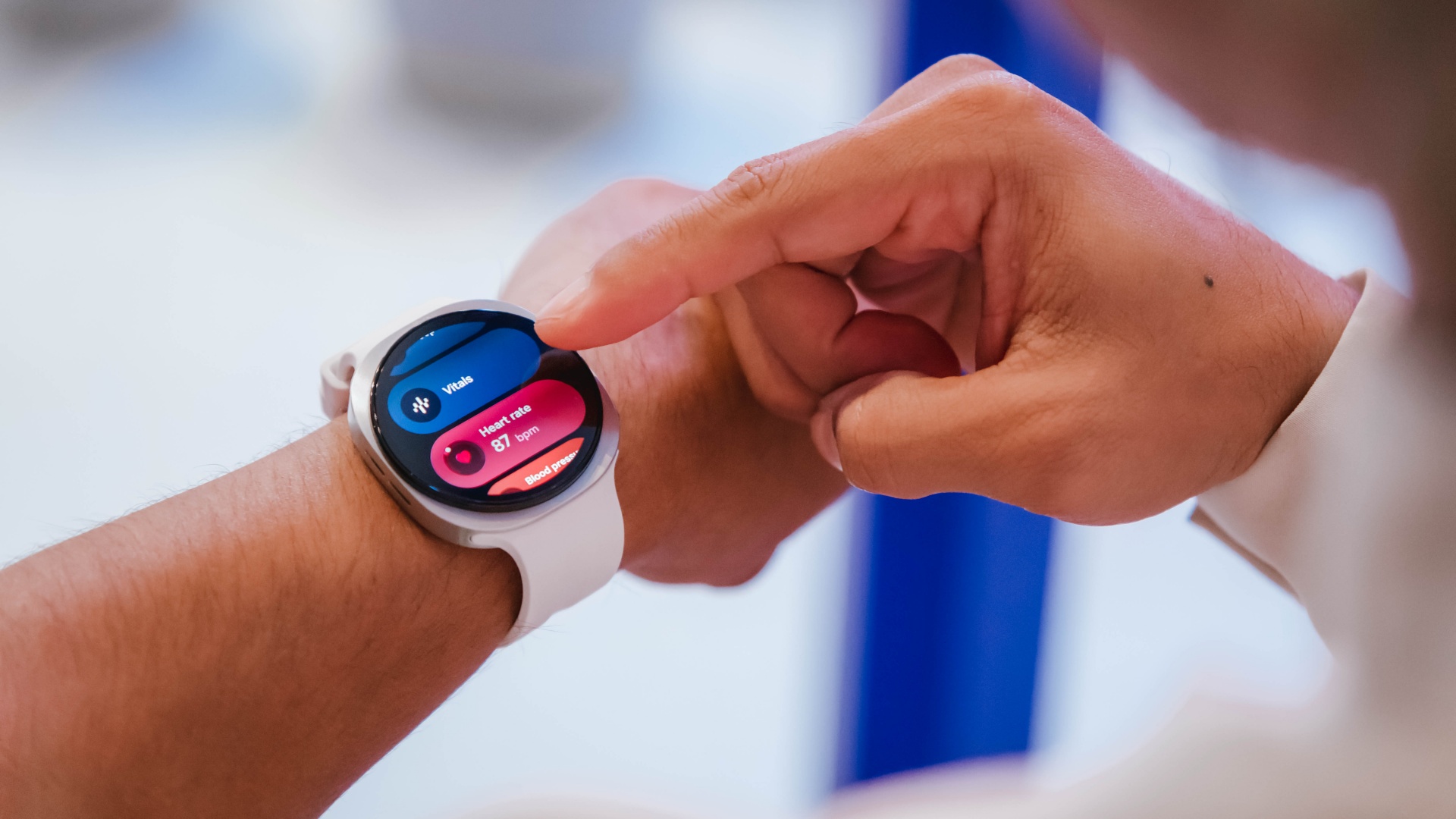
A separate study on fall detection for elderly users turned up a more human finding. The detection algorithm worked well in testing, but in real life people don’t wear their watches around the clock, and falls don’t happen on a schedule.
Dr. Pak drew a useful comparison: nobody tells their MRI technician they’re going to fidget through the scan, but with a wearable, you don’t get to control how or when someone wears it. Real-world validation has to account for that.
On the infrastructure side, Rohit described a three-layer privacy approach: on-device protection through Samsung’s Knox security framework, GDPR-compliant data handling, and alignment with the European Health Data Space, including a decentralized clinical trial system where patient identity stays with the hospital rather than moving to Samsung’s side.
Where AI actually comes in
The most technically dense part of the discussion came from Otavio Penatti, who leads Samsung’s Health AI R&D team in Brazil.
His team works on foundation models, the same category of large-scale AI models trained on unlabeled data that underpin most of today’s popular AI systems. Trained once on a huge amount of sensor data, these models can then be fine-tuned for many specific health applications, which tends to make them more accurate than models built for a single narrow task.
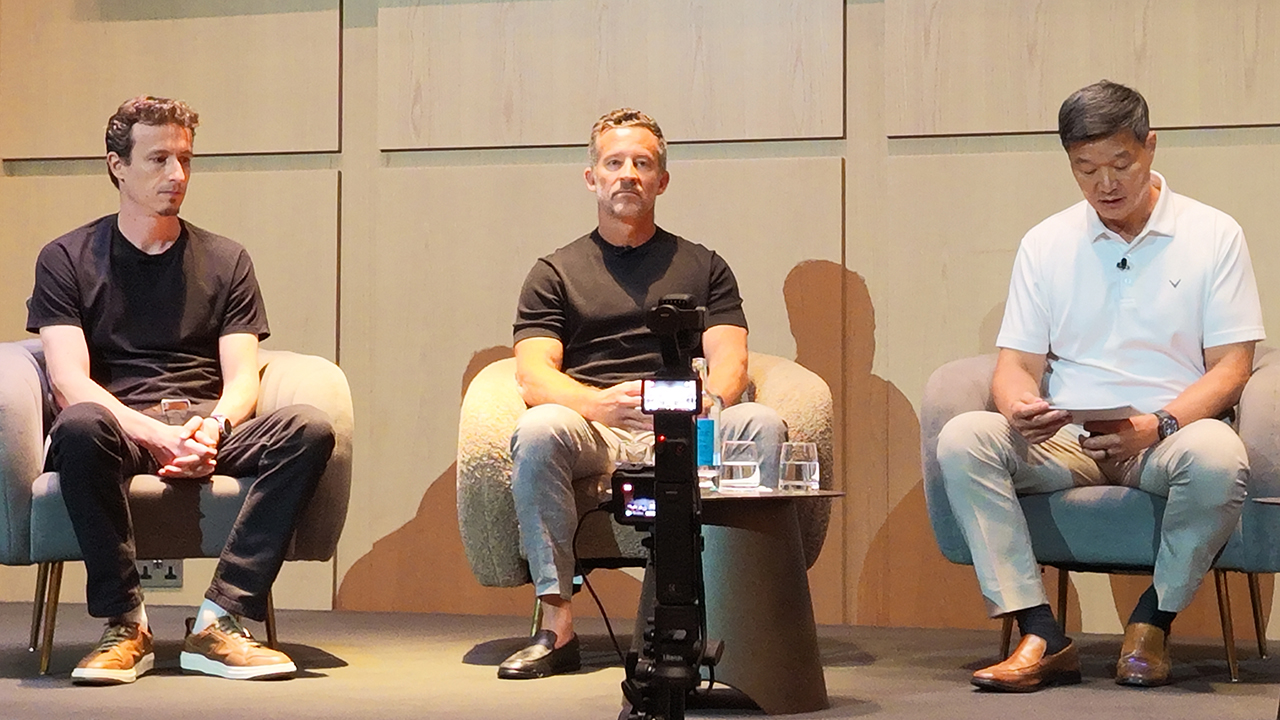
Penatti’s team is training these models on wearable sensor data (PPG, ECG, accelerometer) with the goal of getting the model to, as he put it, understand the body’s own signals well enough to translate them into something useful. Longer term, he sees potential in correlating that sensor data with clinical records to flag disease risk before symptoms show up.
Dr. Pak added a striking data point from Stanford research: a foundation model trained on sleep study data was able to look at just a 24-hour window of sleep and predict risk across more than 130 different diseases.
His takeaway was that the signals for a lot of future health problems are already sitting in the data being collected today, we just don’t yet know how to read all of them.
He closed this part with a number worth sitting with. A recent American Medical Association survey found that 97% of physicians have looked at wearable data at some point. Only 15 to 16% actually use it in day-to-day practice.
The top reason cited wasn’t distrust of the data, it was that the data doesn’t plug into existing clinical workflows. That’s part of why Samsung acquired health data platform Xealth, to build a pipeline that gets wellness data into the systems doctors already use.
Five years out
Asked to look five years ahead, each panelist’s answer tracked closely to their own corner of the problem. Poriya described a proactive dietitian in your pocket, one that doesn’t wait to be asked.
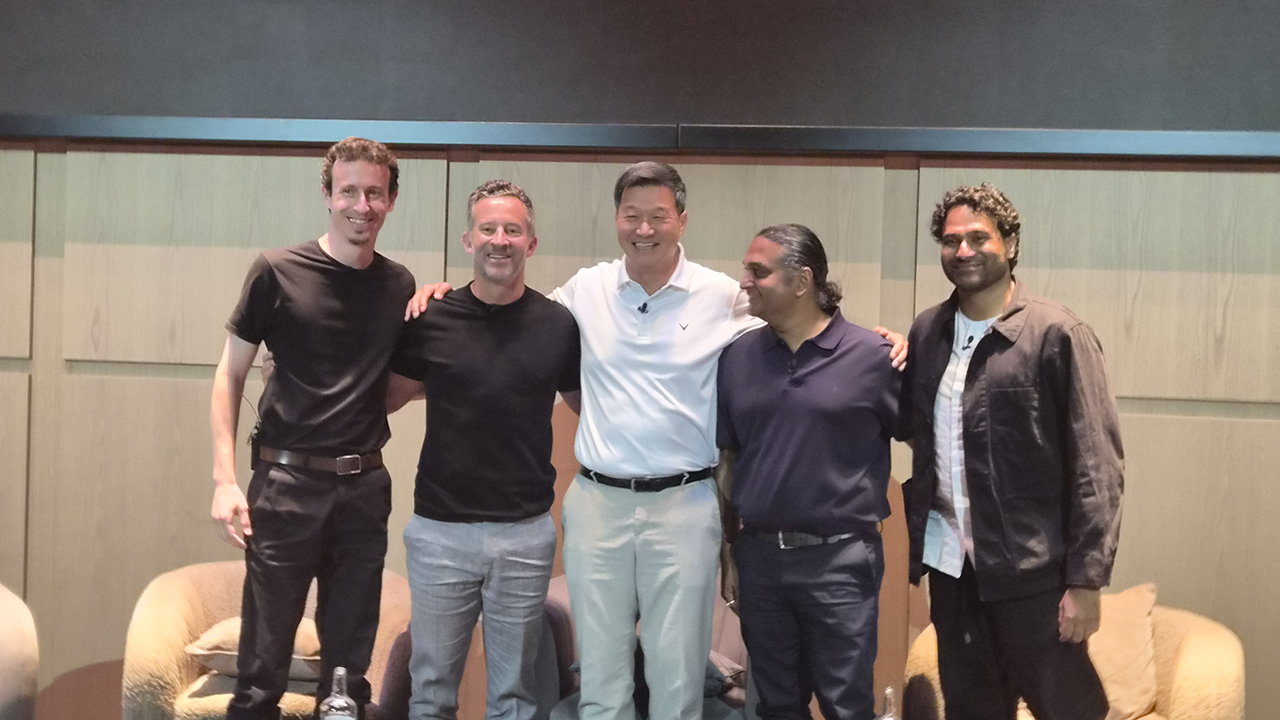
Rohit pointed to connected care that clinicians actually trust and patients fully control. Penatti envisioned AI that continuously links everyday behavior to clinical outcomes, catching problems before they start. Duffy’s version was a constant personal wellness coach, sifting through the data noise to tell you exactly what to do next.
The throughline across all four answers is the same: less raw data, more action. Samsung’s panel made the case that the wearable industry has spent the last decade solving for collection, more sensors, more metrics, more dashboards, while the harder problem, turning that information into something a tired person actually does on a Tuesday night, has barely been touched.
Whether foundation models and better clinical integration actually close that gap is still an open question. But it’s clearly the one Samsung is choosing to spend its next five years on.
Manila weather is notoriously unpredictable during the rainy season. Clear 7 AM skies easily turn into 5 PM downpours. For motorcycle-taxi commuters, arriving at work dry is a total coin flip.
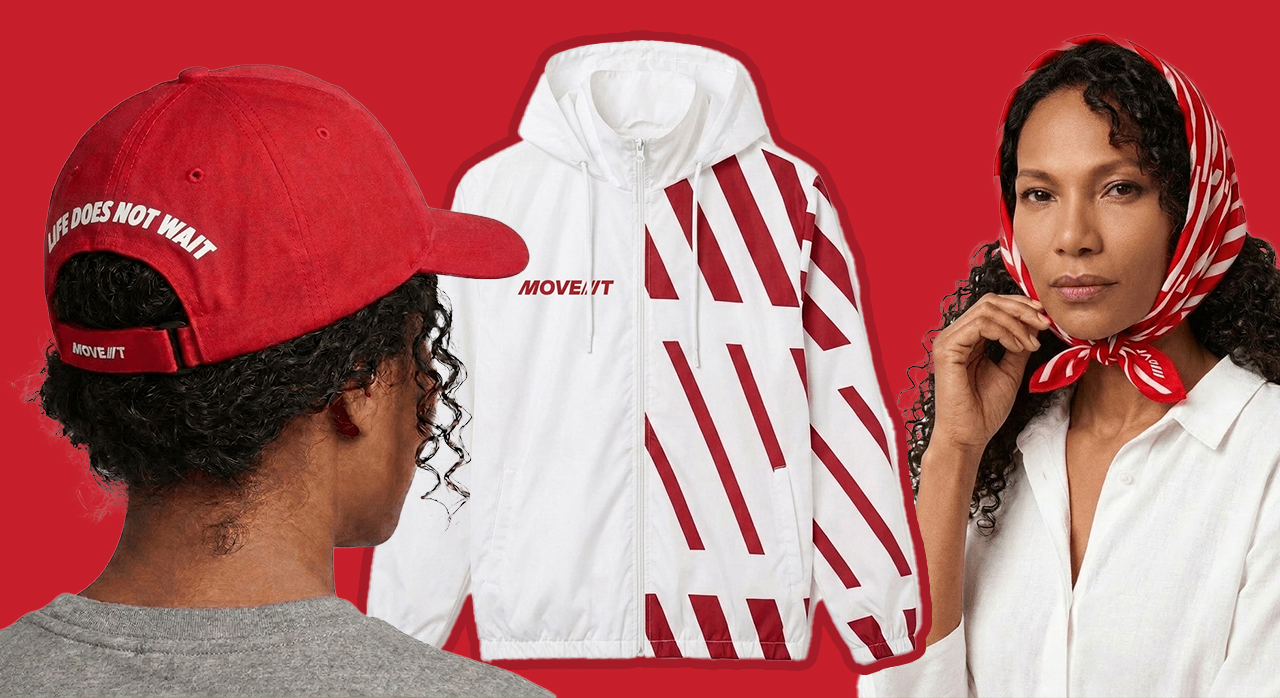
MOVE IT aims to fix this with Ride-Ready, a line of commuter essentials sold exclusively on GrabMart.
The collection features a packable rain jacket, a helmet liner scarf or cap, and a refresh kit with alcohol spray, cooling wipes, and tissues.
Addressing rider concerns
Motorcycle-taxis are now central to daily commutes. MOVE IT reported a 20% year-over-year jump in monthly active users during the first half of the year. Still, riders consistently voice the same worries: sudden rain, punishing heat, and shared helmet hygiene.
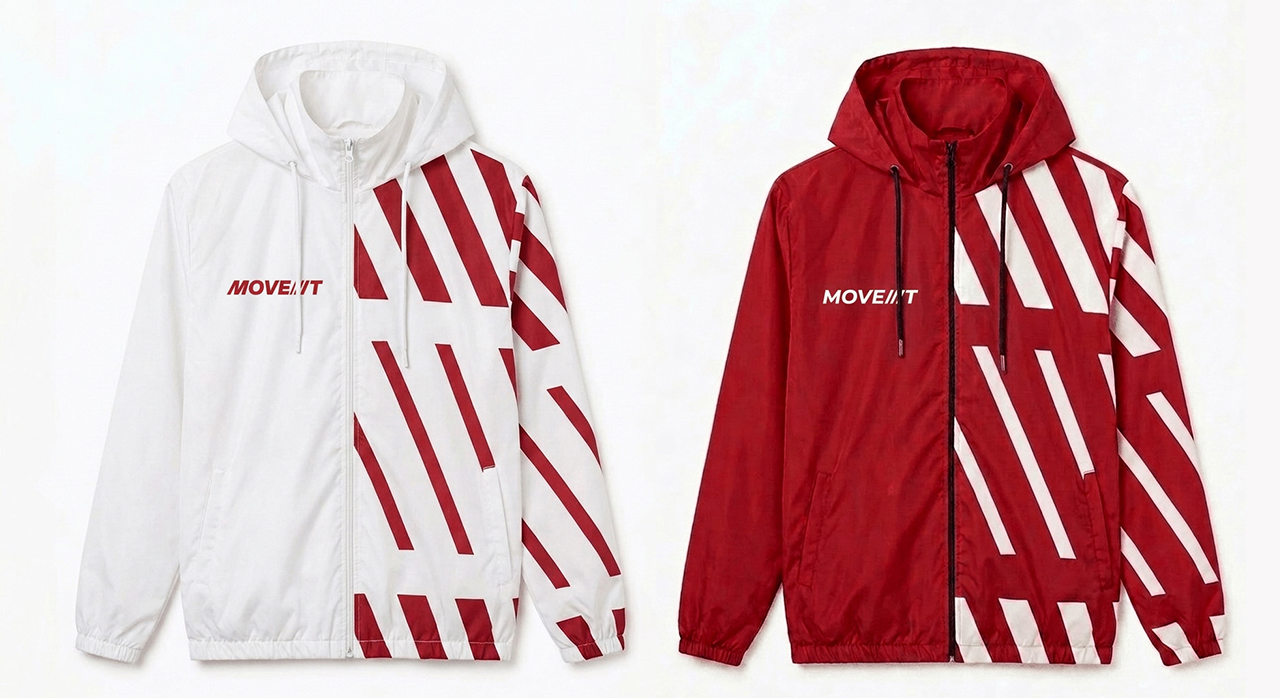
“Filipino commuters have become extraordinarily good at adapting to city life. What they should not have to accept is arriving at a meeting soaked, or starting the afternoon already behind,” says MOVE IT General Manager Wayne Jacinto.
Jacinto calls Ride-Ready a practical fix to help passengers end their ride looking as fresh as when they left home.
Price, availability
MOVE IT didn’t just launch online. From June to July, interactive booths popped up in major business hubs: Makati, BGC, Ortigas, and Cebu City. Commuters could claim items and book rides on-site.
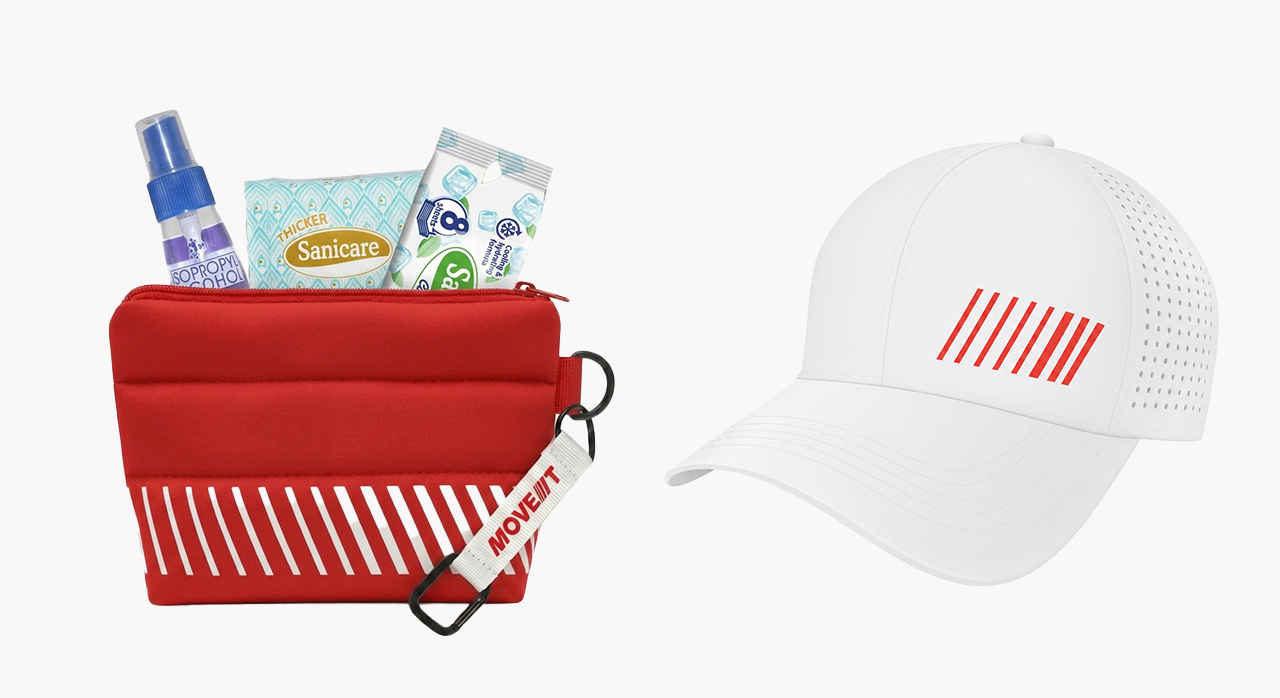
With traffic and bad weather showing no signs of stopping, Ride-Ready offers a simple buffer so riders show up fresh instead of frazzled.
The lineup launched on GrabMart on July 13. Prices start at PhP 275, with mix-and-match savings bundles available. Check MOVE IT’s official social media channels for more details.

TECNO MEGAPAD 2 review: Eyes on the size
The MEGA pad for two base users


MARVEL Tōkon: Fighting Souls review: Easy to pick up, hard to put down
Welcomes casual and experienced fighting game players


Now Playing: Assassin’s Creed Black Flag Resynced
Nostalgia does a lot of heavy lifting.
TECNO MEGAPAD 2 review: Eyes on the size

UNDERTALE: The Determination Symphony gets two more shows

HUAWEI Pura X View is 2026’s first WIDE slab-type smartphone

These Polaroid x Pokémon cameras are just the cutest things
MARVEL Tōkon: Fighting Souls review: Easy to pick up, hard to put down

VinFast debuts two-wheeler models, opens 21 e-motorcycle showrooms

OnePlus officially leaves the United States and Canada

Xiaomi debuts SkyNomad Series featuring new Kunlun platform

ROG STRIX G16 Review: Building for the moment

REDMI Note 17 Series focuses on long-term reliability


-
 Laptops2 weeks ago
ROG STRIX G16 Review: Building for the moment
-
 Singapore6 days ago
REDMI Note 17 Series focuses on long-term reliability
-

 Laptops2 weeks ago
30 days later with the ASUS ExpertBook Ultra: Like seeing an ex
-
 News6 days ago
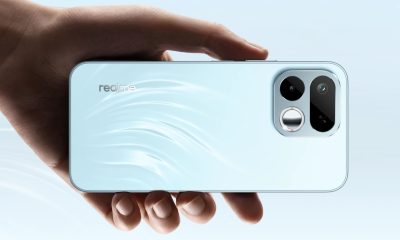
realme 16T to come with 8,000mAh battery, 7-year battery health guarantee
-
 Philippines2 weeks ago
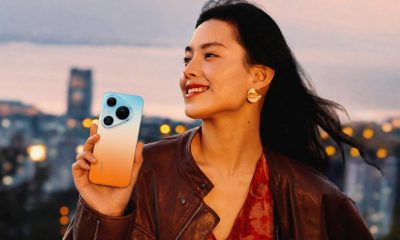
Smart opens HUAWEI Pura 90s Series pre-orders with exclusive freebies
-
 News2 weeks ago
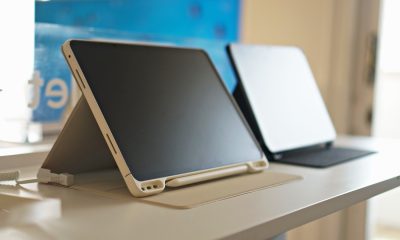
TCL expands mobile lineup with latest NXTPAPER series
-
 Gaming2 weeks ago
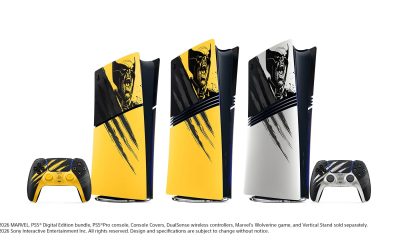
Marvel Wolverine Limited Edition PS5 bundle SEA pricing
-

 Reviews1 week ago
Samsung Galaxy Z Fold8 Review