
Smartphones
Android 12 is Snow Cone
As revealed through the source code


No matter what Google’s marketing team tells us, every new Android release will always come with a cute dessert name. Though Google released it as Android 11, last year’s Android release came with the internal codename Red Velvet Cake, for example. Google’s tradition will never be forgotten. Now, spotted by XDA Developers, we might know what Google is calling Android 12 behind closed doors: Snow Cone.
Since last year’s Android 11 internally came as “Red Velvet Cake,” this year’s Android 12 is naturally coming with an internal name starting with the letter S. According to XDA Developers, the upcoming Android release’s source codes, when it’s publicly published later this year, will come with the prefixes “sc.” On its own, the prefixes can mean anything; however, Android 11 came with the prefixes “rvc,” confirming the Red Velvet Cake internal name. Without a doubt, “sc” indicate Android 12’s internal name.
According to the same report, “sc” stands for “Snow Cone.” However, the report does not indicate how it’s a sure deal. Besides “Snow Cone,” “sc” can mean a plethora of other sweet treats like Salted Caramel and Shortcake. Our bet? Forget “sc.” Give us Android Sorbetes!
Years ago, Google stopped assigning dessert names to their Android releases. However, as confirmed by Android’s engineers last year, Google’s engineering team still has dessert-themed codenames for the releases. Since we love our desserts, we’ll join Google’s engineering team in going rogue.
SEE ALSO: Android 11 is Red Velvet Cake




Hands-On
Apple iPhone Duo Unboxing and Hands-on
Supported apps, crease, cameras, and MagSafe all tested


Apple’s iPhone Duo is finally here!
Aside from unboxing the all-new iPhone-dable in Night Sky, we take a closer look at the display crease, check out the under-display camera quality, see which MagSafe accessories work with it.
Most of all, which apps support it (or not).
But how well does the dual-screen experience on an iPhone actually work? Watch our Apple iPhone Duo unboxing and hands-on to know more!

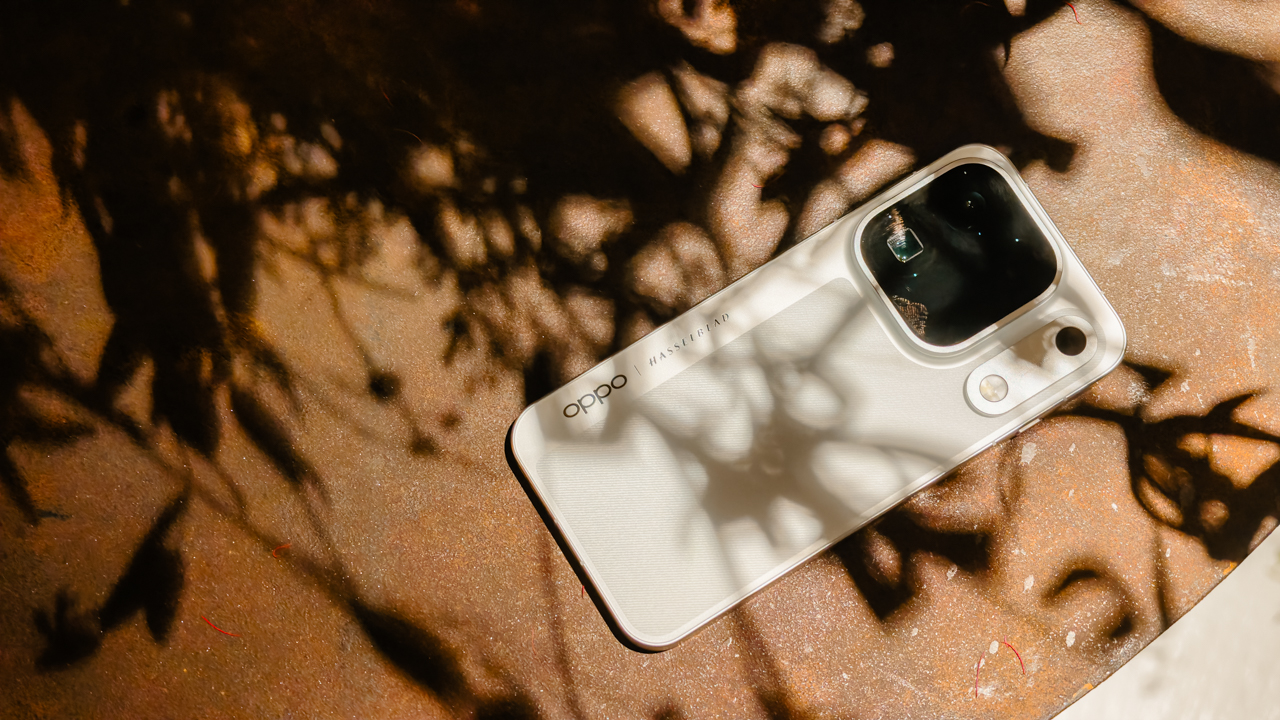
OPPO Find X10 Series is launching globally with promotional offers for buyers in the United Kingdom.
The lineup includes the OPPO Find X10 and OPPO Find X10 Pro Max. Both models come with a complimentary accessory worth £500, with buyers able to choose from the OPPO Hasselblad Teleconverter, OPPO Watch X3, or OPPO Pad 5.
Here’s how much the OPPO Find X10 Series costs and what buyers can get during the launch promotion.
OPPO Find X10 Series price
The OPPO Find X10 Series has the following prices in the UK:
- OPPO Find X10 (12GB + 256GB): £1,099
- OPPO Find X10 Pro Max (12GB + 512GB): £1,499
Both models come with the same launch bundle and promotional offers.
OPPO Find X10 Series launch offers
Customers who purchase either phone can choose one complimentary accessory worth £500 from the following options:
- OPPO Hasselblad Teleconverter
- OPPO Watch X3
- OPPO Pad 5
Buyers trading in an OPPO or OnePlus device can also receive an additional £250.
A further £100 discount is available from October 21 to 28.
OPPO Find X10 Series availability
OPPO announced the Find X10 Series’ global debut for October 21 in Mallorca, Spain.
The UK pricing and promotional offers have been confirmed, but the information provided does not specify availability dates or pricing for other markets.
OPPO Find X10 Series features
Dual 200MP and Triple 200MP camera systems
The OPPO Find X10 Series puts mobile photography at the center of its flagship experience.
The standard Find X10 combines a 200MP main camera and a 200MP telephoto camera with a 50MP ultra-wide camera. This setup gives users three perspectives for different subjects, from expansive landscapes to distant objects.
The Find X10 Pro Max takes things further with three 200MP rear cameras. Its ultra-wide camera features a 124-degree field of view and autofocus for macro photography. The 200MP main camera uses a custom ISOCELL HPC sensor co-developed by OPPO and Samsung, while the telephoto camera is designed for detailed shots of distant subjects.
Both models support high-resolution photography and offer flexibility when cropping and reframing images. Users can also pair either phone with the optional Hasselblad Teleconverter to extend the reach of the telephoto camera.
LUMO True Image Engine aims for natural-looking photos
OPPO’s LUMO True Image Engine is designed to reproduce colors, lighting, and textures more faithfully.
The computational photography system combines OPPO’s imaging technology with Hasselblad Master Mode’s tonal rendering. It also uses color information from a new-generation True Color Camera to improve color reproduction across different lighting conditions.
Rather than aggressively brightening shadows or sharpening every detail, the system aims to preserve the natural relationship between highlights and shadows. It also takes a more restrained approach to noise reduction to preserve textures in subjects such as skin, hair, fabrics, and architecture.
On the Find X10 Pro Max, DeepPix technology works with the custom 200MP main camera sensor to support up to 17 stops of dynamic range. This helps preserve information in scenes with bright highlights and deep shadows.
Hasselblad imaging and teleconverter support
The Find X10 Series continues OPPO’s collaboration with Hasselblad, bringing the camera manufacturer’s color science and Master Mode to both smartphones.
Both models support dedicated Hasselblad Teleconverter accessories for users who want greater reach when photographing distant subjects. With the accessory attached, the Find X10 Pro Max supports true 10x optical zoom, while the Find X10 delivers 11x optical zoom, according to OPPO.
The accessory gives photographers more flexibility when shooting concerts, wildlife, and distant subjects. In the UK, buyers can also choose the Hasselblad Teleconverter as their complimentary launch accessory.
High-resolution video recording
The Find X10 Series also brings upgrades for video creators.
The Find X10 Pro Max supports 4K recording at up to 120fps and 8K recording at 30fps across all three rear cameras. The Find X10 offers the same recording capabilities on its two 200MP cameras.
Both models introduce Open Gate Capture, which uses the sensor’s full imaging area to capture more of a scene. This gives creators more flexibility to crop and reframe footage for landscape, portrait, and other formats during post-production.
Displays with up to 144Hz refresh rates
The Find X10 features a 6.59-inch flat display, while the Find X10 Pro Max has a larger 6.78-inch panel.
Both support adaptive refresh rates of up to 144Hz and the BT.2020 wide color gamut. These features are designed to deliver smooth interactions and vivid colors when browsing, gaming, watching videos, or reviewing photos.
Large batteries and durability
Both smartphones feature an 8,000mAh silicon-carbon battery designed to support extended use. OPPO says the batteries can provide up to two days of typical use and retain more than 80% of their original capacity after five years of typical use.
The Find X10 Series also carries IP66, IP68, and IP69 dust and water resistance ratings. Both devices have SGS Five-Star Drop Resistance Certification, offering additional protection for everyday use.
MediaTek flagship processors
The Find X10 runs on the MediaTek Dimensity 9600M, while the Find X10 Pro Max uses the 2nm MediaTek Dimensity 9600 Pro.
The processors are designed to support demanding workloads, including photography, video recording, gaming, and AI-powered features.
ColorOS 17 and AI features
The Find X10 Series runs ColorOS 17, which introduces a refreshed interface called Living Flow Design.
The software also features AI Mind Pilot with Agent Mode. It connects agentic AI with files and photos stored on the phone, helping users handle more complex tasks through a single prompt.

The OPPO Find X10 Series is now available in the Philippines, bringing Hasselblad-powered cameras and upgraded imaging features to the company’s flagship smartphone lineup.
The series consists of two models: the OPPO Find X10 and OPPO Find X10 Pro Max. Both feature OPPO’s LUMO True Image Engine for more natural-looking photos, an 8,000mAh silicon-carbon battery, and support for high-resolution video recording.
The OPPO Find X10 features a Dual 200MP Camera System, while the Find X10 Pro Max takes things further with three 200MP rear cameras.
Here’s how much the OPPO Find X10 Series costs in the Philippines, along with its specifications, availability, and pre-order offers.
OPPO Find X10 Series price in the Philippines
The OPPO Find X10 Series is available in the Philippines at the following suggested retail prices:
- OPPO Find X10 (12GB + 512GB): PHP 99,999
- OPPO Find X10 Pro Max (16GB + 512GB): PHP 129,999
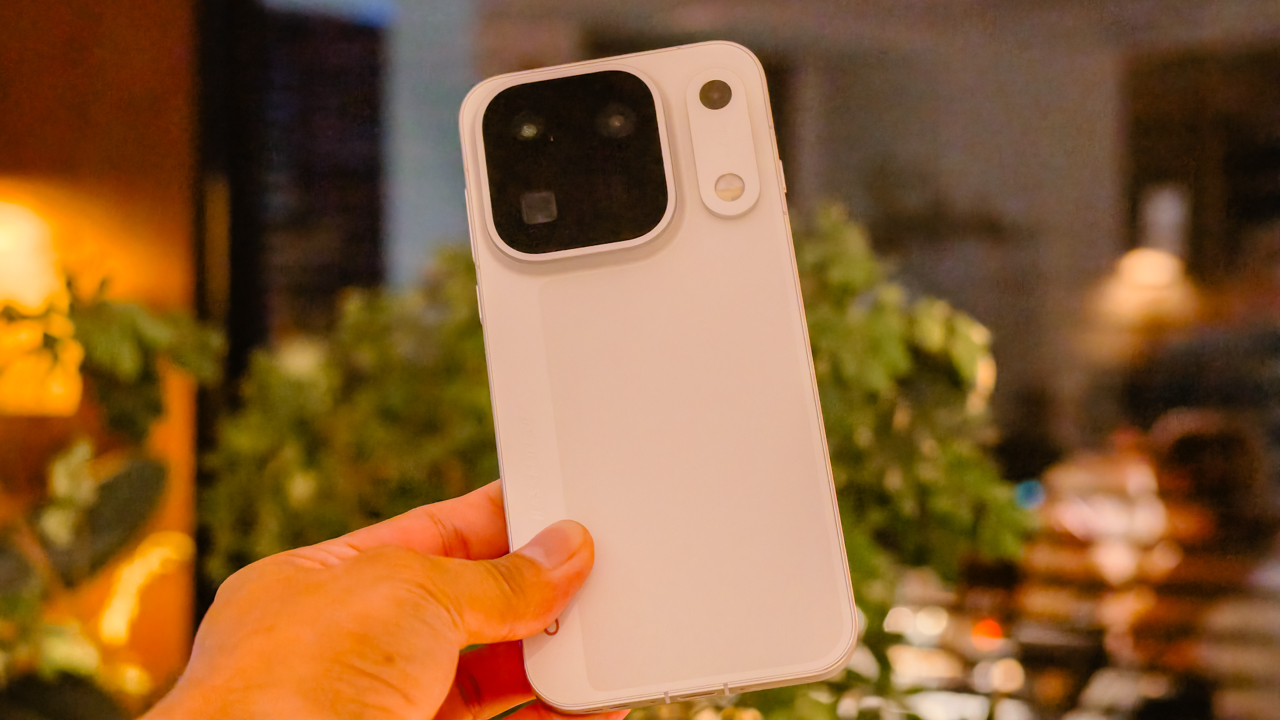
The OPPO Find X10 comes in Glacier Blue, Glow Coral, and Mist Grey. The Find X10 Pro Max is available in Titanium Grey and Luna White.
The OPPO Hasselblad Teleconverter Kit for both models is also available exclusively through the OPPO Online Store for PHP 15,999.
OPPO Find X10 Series pre-order offers
Customers can take advantage of exclusive offers when they pre-order the OPPO Find X10 Series through participating channels until December 3, 2026. Freebies are available while supplies last.
OPPO Online Store
Customers who pre-order through the OPPO Online Store receive the following benefits:
- Free OPPO Enco X3s
- Free OPPO 5,000mAh Slim Magnetic Powerbank
- PHP 3,000 discount on participating Hasselblad Teleconverter Kits
- PHP 3,000 total discount on OPPO Bubble through stacked vouchers
- Two-year extended warranty
- Raffle entry for a chance to win a DJI Mini 5 Pro
Shopee
Shopee pre-orders come with the following perks:
- 10% discount voucher
- Free OPPO 5,000mAh Slim Magnetic Powerbank
- PHP 200 GCash cashback for eligible product reviews until December 7, 2026
- PHP 3,000 discount on participating Hasselblad Teleconverter Kits, redeemable on the OPPO Online Store
- PHP 3,000 total discount on OPPO Bubble through stacked vouchers, redeemable on the OPPO Online Store
- Two-year extended warranty
- Raffle entry for a chance to win a DJI Mini 5 Pro
OPPO Concept Stores
Customers who purchase the phones at OPPO Concept Stores can enjoy 24-month installment terms at 0% interest, alongside other perks:
- Free magnetic power bank
- Two-year extended warranty
- PHP 3,000 discounts on the Hasselblad Teleconverter and OPPO Bubble
- Raffle entry for a chance to win a DJI Mini 5 Pro
Globe
Starting November 20, both color options of the OPPO Find X10 with 12GB RAM and 512GB storage will be available through Globe under GPlan 2499, with a PHP 56,600 cash-out.
The first 20 customers will receive a free OPPO Hasselblad Teleconverter Kit. Customers will also qualify for a raffle entry for a chance to win a DJI Mini 5 Pro, subject to the promotion’s terms and conditions.
OPPO Find X10 Series specs
| Specification | OPPO Find X10 | OPPO Find X10 Pro Max |
|---|---|---|
| Display | 6.59-inch flat display | 6.78-inch flat display |
| Refresh rate | Up to 144Hz | Up to 144Hz |
| Processor | MediaTek Dimensity 9600M | MediaTek Dimensity 9600 Pro (2nm) |
| Rear cameras | 200MP main, 200MP telephoto, 50MP ultra-wide | 200MP main, 200MP ultra-wide, 200MP telephoto |
| Video recording | Up to 4K at 120fps and 8K at 30fps on its two 200MP cameras | Up to 4K at 120fps and 8K at 30fps across all three rear cameras |
| Battery | 8,000mAh silicon-carbon | 8,000mAh silicon-carbon |
| Operating system | ColorOS 17 | ColorOS 17 |
| Dust and water resistance | IP66, IP68, IP69 | IP66, IP68, IP69 |
| RAM and storage (Philippines) | 12GB + 512GB | 16GB + 512GB |
| Price | PHP 99,999 | PHP 129,999 |
Both phones also support Open Gate Capture, feature displays with BT.2020 wide color gamut support, and carry SGS Five-Star Drop Resistance Certification.
Dual 200MP and Triple 200MP camera systems
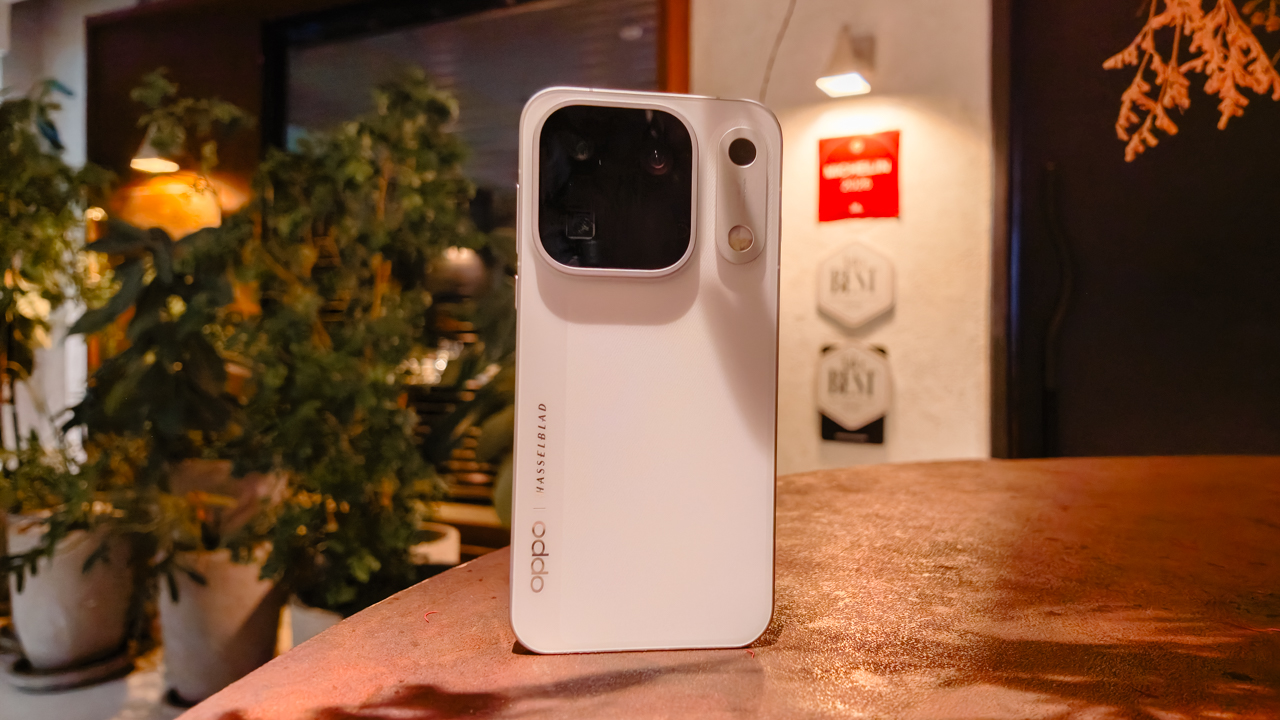
The OPPO Find X10 Series focuses on delivering high-resolution photography across different focal lengths.
The standard Find X10 combines a 200MP Ultra-Clear Main Camera and a 200MP Ultra-Sensing Telephoto Camera with a 50MP ultra-wide camera. This setup lets users capture detailed shots of everyday subjects, distant objects, and wider scenes.
The Find X10 Pro Max takes a different approach by equipping all three rear cameras with 200MP sensors. Its main camera uses a large 1/1.3-inch sensor, while its 124-degree ultra-wide camera supports autofocus for close-up macro photography. The telephoto camera is designed to capture distant subjects while retaining detail.
Both models also let users crop and reframe high-resolution photos, giving them more flexibility when composing images after taking them.
LUMO True Image Engine aims for natural-looking photos
OPPO’s LUMO True Image Engine is designed to reproduce colors, lighting, and textures more faithfully.
The system combines computational photography with OPPO’s True Color Camera and Hasselblad Master Mode. Its True Color Camera uses 24-channel multispectral capture and delivers 5.5 times the dynamic range of its predecessor, according to OPPO.
This helps the phones interpret colors across different lighting conditions and preserve details such as natural skin tones and subtle color variations.
The imaging system also aims to retain the balance between highlights and shadows. It takes a more restrained approach to sharpening and noise reduction to preserve textures in subjects such as skin, hair, fabrics, and architecture.
On the Find X10 Pro Max, DeepPix technology supports the custom 200MP ISOCELL HPC main camera sensor co-developed by OPPO and Samsung. OPPO says the system supports up to 17 stops of dynamic range to help retain details in scenes with bright highlights and deep shadows.
Hasselblad imaging and teleconverter support
The OPPO Find X10 Series continues the company’s collaboration with Hasselblad. The partnership influences the phones’ color reproduction, tonal balance, and Hasselblad Master Mode.
Both models also support dedicated Hasselblad Teleconverter accessories for users who want greater reach when photographing distant subjects.
With the accessory attached, the Find X10 Pro Max supports true 10x optical zoom, while the Find X10 delivers 11x optical zoom, according to OPPO. These accessories can be useful for photographing concerts, wildlife, and other subjects that are difficult to approach.
The Hasselblad Teleconverter Kit is sold separately for PHP 15,999 through the OPPO Online Store.

4K 120fps and 8K video recording
The Find X10 Series also offers high-resolution video recording for creators.
The Find X10 Pro Max supports 4K recording at up to 120fps and 8K recording at 30fps across all three rear cameras. On the Find X10, these recording options are available on its two 200MP cameras.
Both models introduce Open Gate Capture, which uses the sensor’s full imaging area to capture more of a scene. This gives creators more flexibility to crop and reframe footage for landscape, portrait, and other formats during post-production.
Up to 144Hz displays
The Find X10 features a 6.59-inch flat display, while the Find X10 Pro Max has a larger 6.78-inch flat display.
Both support adaptive refresh rates of up to 144Hz and the BT.2020 wide color gamut. These features are designed to deliver smooth interactions and vivid colors when browsing, gaming, watching videos, or reviewing photos.
8,000mAh battery and durability
Both phones pack an 8,000mAh silicon-carbon battery designed to support extended use.
The Find X10 Series also carries IP66, IP68, and IP69 dust and water resistance ratings. Both devices have SGS Five-Star Drop Resistance Certification, offering additional protection for everyday use.
ColorOS 17 and AI Mind Pilot
The OPPO Find X10 Series runs ColorOS 17, which introduces a refreshed interface called Living Flow Design.
The software also features AI Mind Pilot with Agent Mode. It connects agentic AI with files and photos stored on the phone, helping users handle more complex tasks through a single prompt.
For more information about the OPPO Find X10 Series, visit the official OPPO Philippines website, OPPO Online Store, or participating OPPO stores nationwide.


HP OMEN Max 16 review: Gamer-maxxing in deep black
Peripherals deemed necessary to max this out


vivo V80 review: Good phone, tough sell
A capable travel companion


Ghost of Yōtei Complete Edition review: More of a great thing
Picking up where Atsu left off

Visa: 79% of Filipinos want to learn about stablecoins

CASETiFY Match: Finding the right case for your Galaxy Z8 Series phone
HP OMEN Max 16 review: Gamer-maxxing in deep black

Google illegally destroys 250,000 trees for a single AI data center

FINAL FANTASY RESONANCE now available across major platforms

TECNO CAMON Slim 5G review: Slim on size, big on surprise

TECNO CAMON Slim 5G: Price, availability in the Philippines

HONOR Magic9 Pro Max launches in China with ARRI-powered imaging

BYD says that way better EV batteries are coming next year

HONOR 600S review


-

 Gaming2 weeks ago
Dragon’s Dogma 2: Dark Arisen launches with new Official Pawns
-

 News1 week ago
vivo V80 debuts with ZEISS cameras
-

 Deals2 weeks ago
Score PhP 22,000 in guaranteed freebies when you pre-order the iPhone 18 Pro at Beyond the Box
-

 Philippines1 week ago
TECNO CAMON Slim 5G gets launch discounts, free MagBadge
-

 News1 week ago
Samsung: Galaxy Z Fold8 demand rose because of iPhone Duo
-

 Features1 week ago
I don’t want a phone that unfolds — the Galaxy Z Fold8 gets why
-
Reviews6 days ago
vivo V80 review: Good phone, tough sell
-

 News4 days ago
OPPO Find X10 Series: Price, availability in the Philippines