
News
Apple reveals the new iPhone 13 Pro and 13 Pro Max
A more refined iPhone 12 Pro series

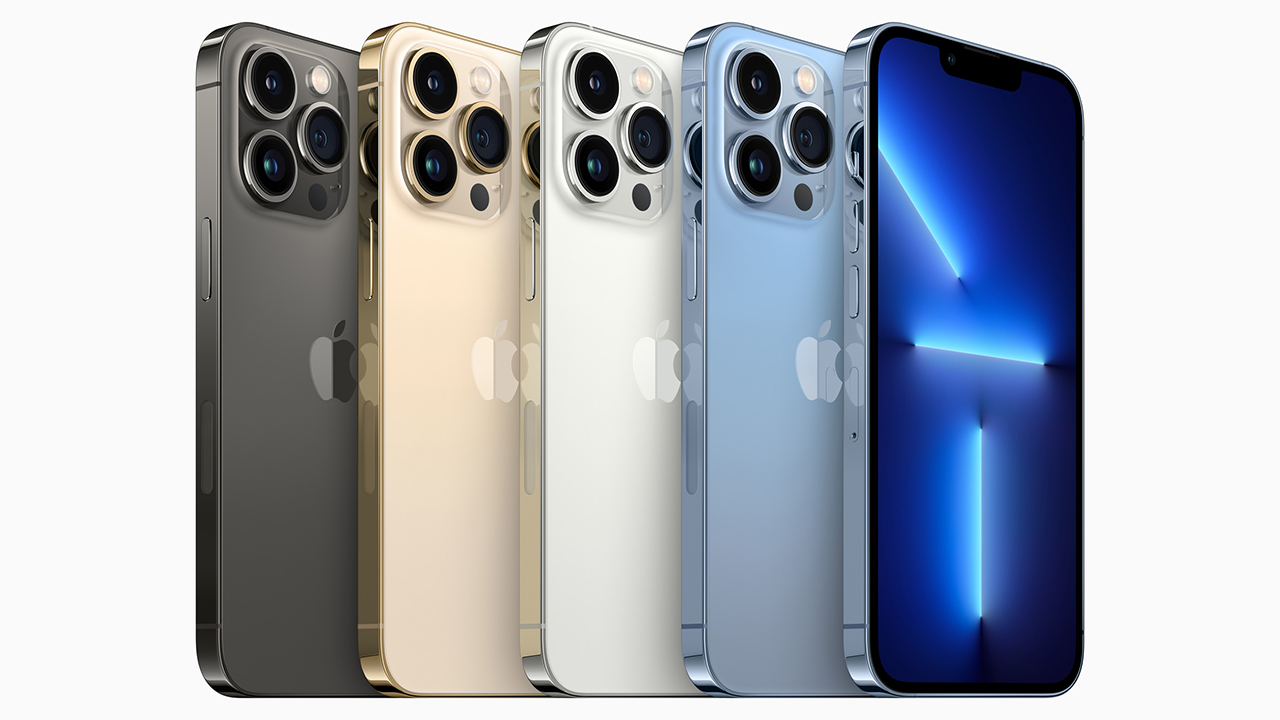
Apple finally unveils the new iPhone 13 Pro and iPhone 13 Pro Max series. And just like how the leaks suggested, most of the rumors turned out to be true — minus the Rose Gold color option.
Same design language

Of course, Apple has to keep its flat-edge design from last year’s iPhone 12 and 12 Pro series. The iPhone 13 Pro series still feature a surgical-grade stainless steel frame resistant to abrasion and corrosion. Aside from the usual Graphite, Gold, and Silver color options, both models feature a new Sierra Blue colorway.
The Ceramic Shield found on the iPhone’s front is still here together with a matte glass texture at the back. IP68 water and dust resistance also stays in the new iPhone Pro lineup.
Faster display and smaller notch
Apple has kept the same notch from 2017’s iPhone X for three years. Today, Apple changes that with the new iPhone 13 and iPhone 13 Pro series.

It now has a 20 percent smaller notch with an improved TrueDepth camera system. But the icing of the cake has got to be its Super Retina XDR with an adaptive 10Hz to 120Hz ProMotion display — a feature that should’ve been in last year’s iPhone 12 Pro series.

This makes the iPhone 13 Pro and 13 Pro Max the first iPhones with an ultra-fast display. For the record, the iPad Pro from 2018 was the first Apple device to feature such high refresh rate.
Display brightness also goes up to 1000 nits for better sunlight legibility. Don’t expect a screen size increase as both models still have a 6.1 and 6.7-inch displays respectively.
Redesigned internals
The design outside may look almost identical to last year, but its internals got an overhaul. The new iPhone 13 Pro series feature an A15 Bionic Chipset with 6-core CPU and 5-core GPU that’s based on a 5nm process. This means smaller yet more power-efficient on the fly. Both CPU and GPU performance are improved to 50 percent.
Also, its newer 16-core Neural Engine is capable of having up to 15 trillion operations per second which enables faster and better machine learning in features like Live Text as well as ISP improvements in noise reduction and noise mapping.
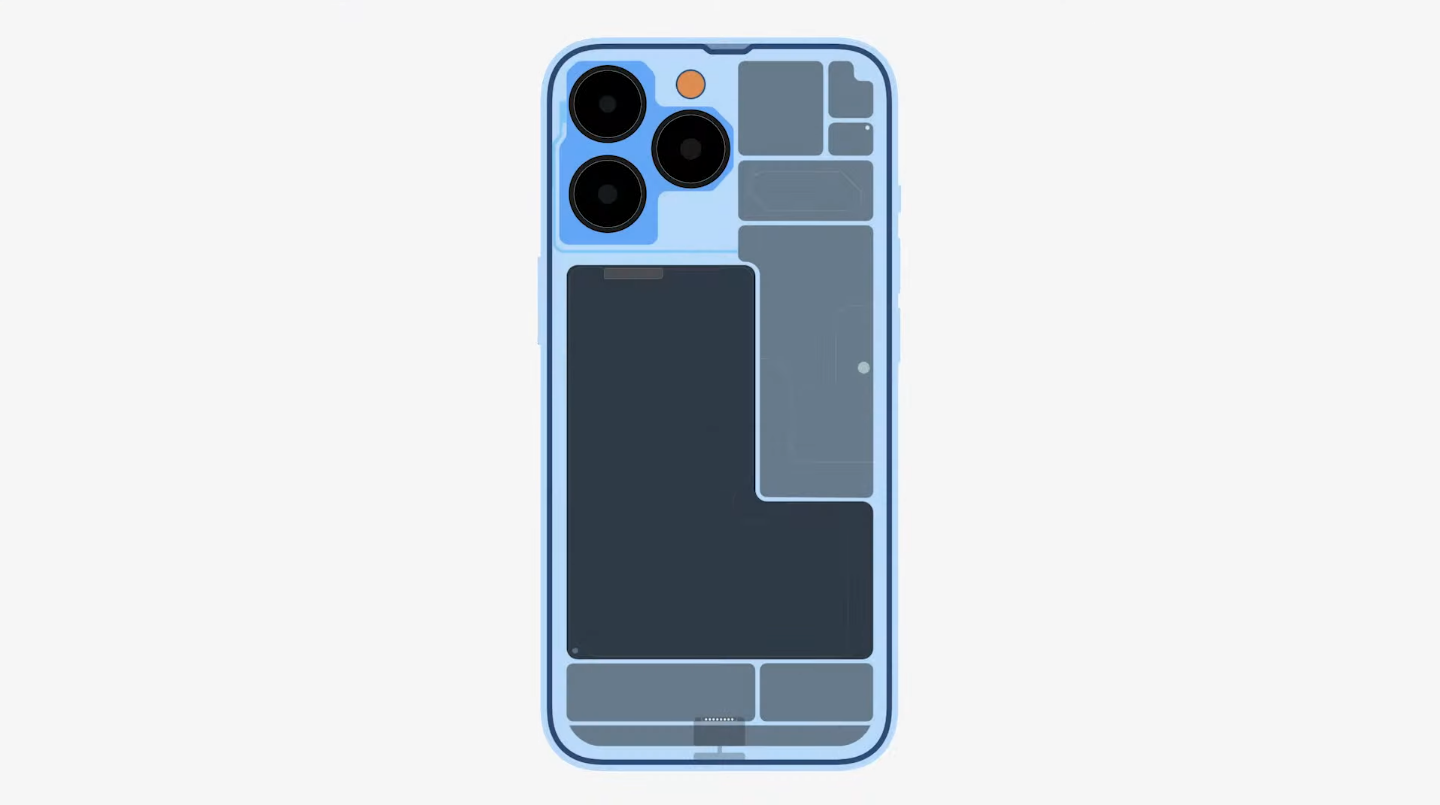
But the biggest news in this section has got to be the improved all-day battery life. The iPhone 13 Pro last 1.5 hours longer than last year’s iPhone 12 Pro. Meanwhile, the iPhone 13 Pro Max has 2.5 hours longer battery life compared to the iPhone 12 Pro Max. This also makes it the most power-packed iPhone to date.
5G support is also here to stay but with more 5G bands that has better support and coverage in more locations around the globe. With a new feature called Smart Data mode, it intelligently saves battery life by automatically shifting to LTE when 5G isn’t needed.
Even better Pro cameras
Speaking of the new A15 chip camera improvements earlier, the Pro-grade cameras from last year got even better.
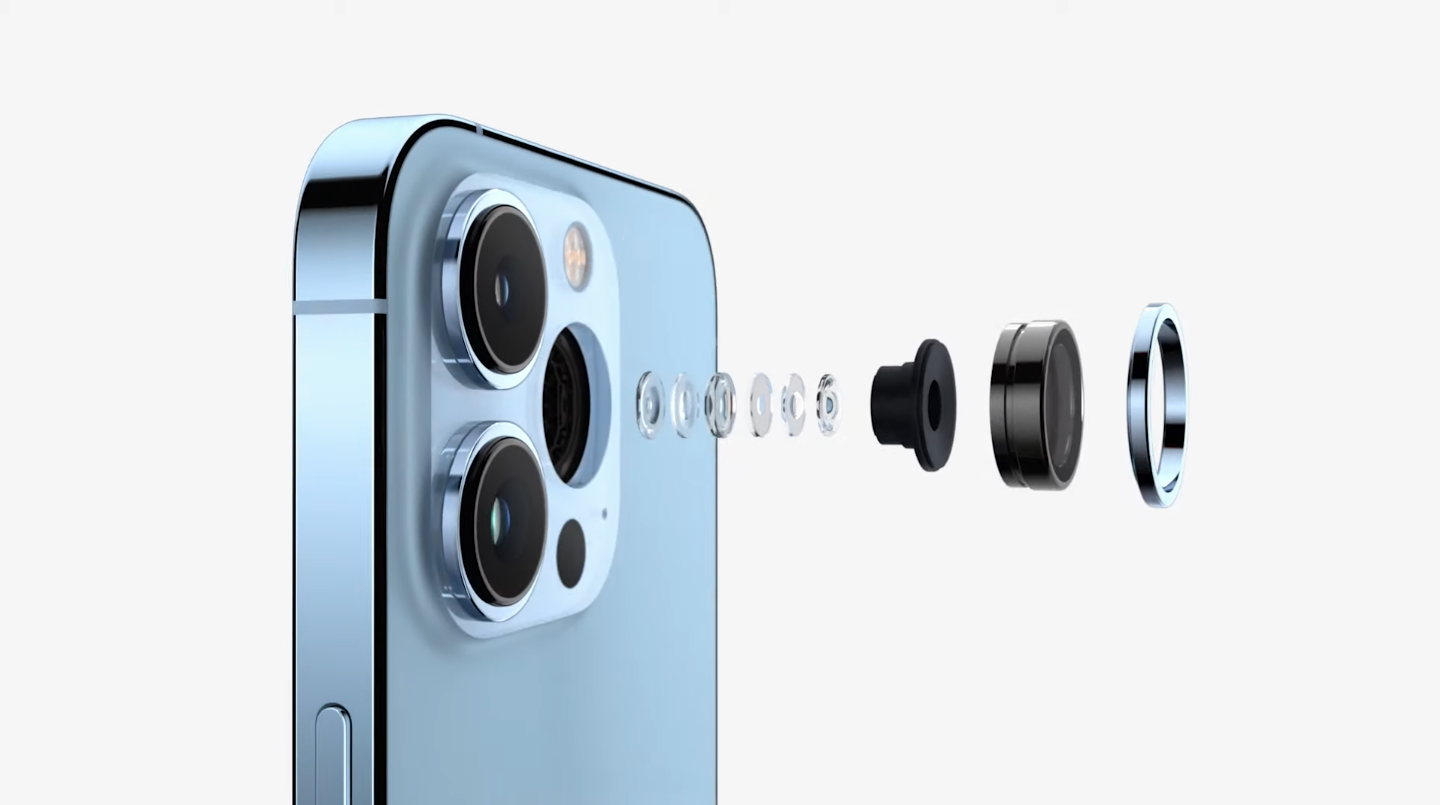
On paper, both the iPhone 13 Pro and iPhone 13 Pro series have a brighter f/1.5 Wide camera. The ultra-wide camera was also changed to an even better sensor with an f/1.8 aperture and a new AF (Autofocus) system.
Lastly, there’s also a newer 77mm telephoto camera with 3x optical zoom — equivalent of a 6x optical zoom range on the camera system. For the first time in any iPhone, the telephoto lens now supports Night mode.

Image from Apple
Newer camera features include Macro Mode for shooting something closer than ever before. This feature is also applicable to Slo-mo and Time-lapse camera modes.

There are also Photographic Styles which are different from applying the usual presets. This allows users to bring their photo preferences directly to the camera app and still preserve Apple’s multiframe image processing altogether. Paired with Smart HDR 4, users can see improvements in the new iPhone’s dynamic range.
Last year’s Deep Fusion, Apple ProRAW, and Portrait Mode with Portrait Lighting also stay in this year’s iPhone.
Cinema-grade video

The new pair of Pro series phones has several video improvements including the new Cinematic Mode. This records videos of certain moving subjects or static objects with a depth effect and automatic changing in focus. This brings professional cinematography quality right in your hands.
Users can adjust level of bokeh in Photos or iMovie in iOS. This feature is also coming soon to Final Cut Pro and iMovie for macOS. Cinematic mode records in Dolby Vision HDR format.
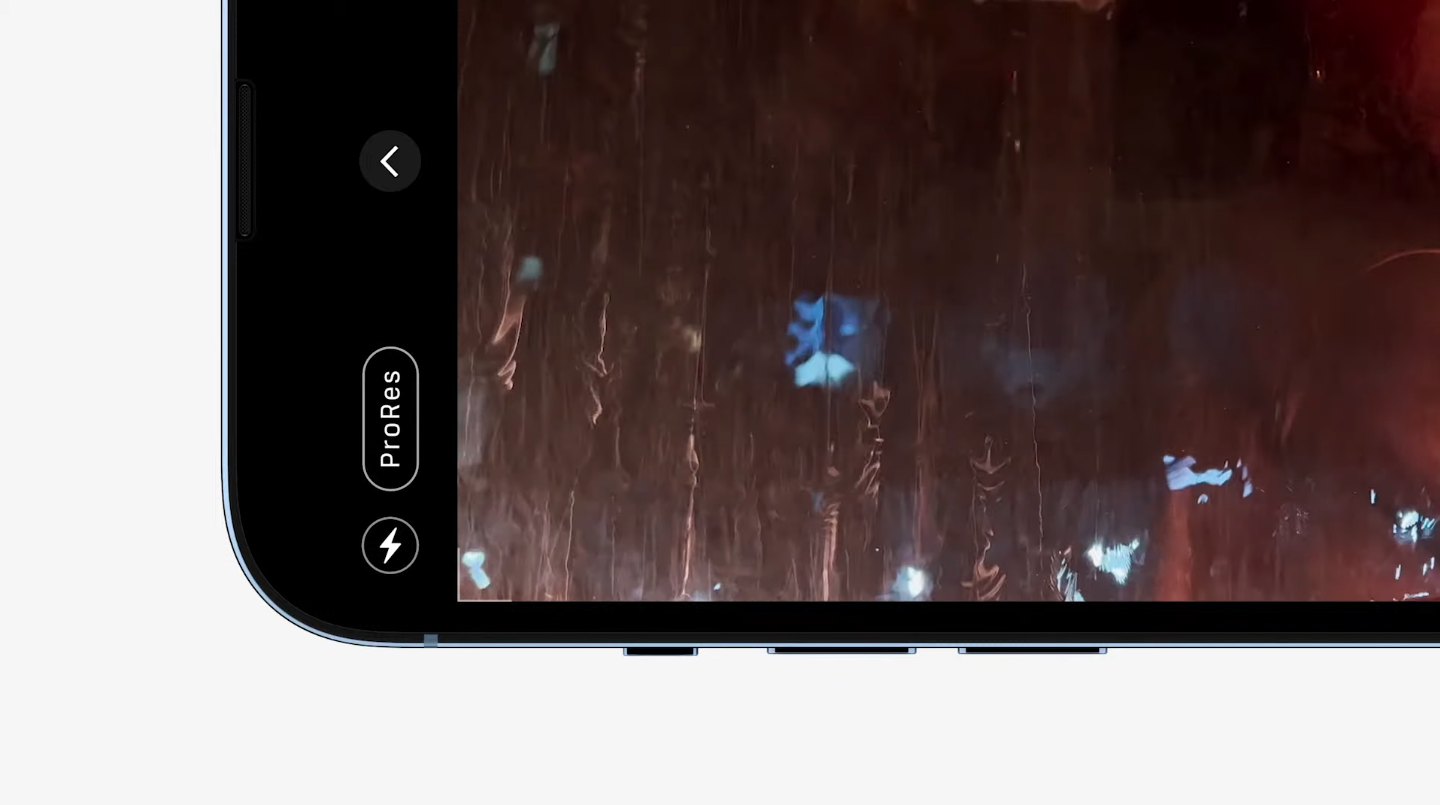
What makes the new iPhone 13 Pro series distinct from the new iPhone 13 series is the support for Apple’s new ProRes video codec. This is the same format used in commercials, feature films, and even TV broadcasts that offer better color fidelity yet less compression.
To top all of these features, the iPhone is the only smartphone in the world that provides end-to-end workflow.
Pricing and Availability
The new iPhone 13 Pro and 13 Pro Max still have the same base price as last year’s iPhone 12 Pro and 12 Pro Max at US$ 999 and US$ 1099 respectively.
In Singapore, the iPhone 13 Pro starts at SG$ 1649 (SG$ 69 a month for 24 months) and SG$ 1799 (SG$ 75 a month/24 months) for the iPhone 13 Pro Max variant. The base storage still starts at 128GB but goes all the way to 1TB — also a first on any iPhone.
In the Philippines, the iPhone 13 Pro retails for PhP 63,99o while the iPhone 13 Pro Max starts at PhP 70,990.

Both models will be available in the Apple Store app and Apple Store locations with pre-orders starting on Friday, September 17 in the United States, United Kingdom, India, China, Japan, Singapore, Canada, Australia, and 30 more countries in the list. Availability in other countries have yet to follow.



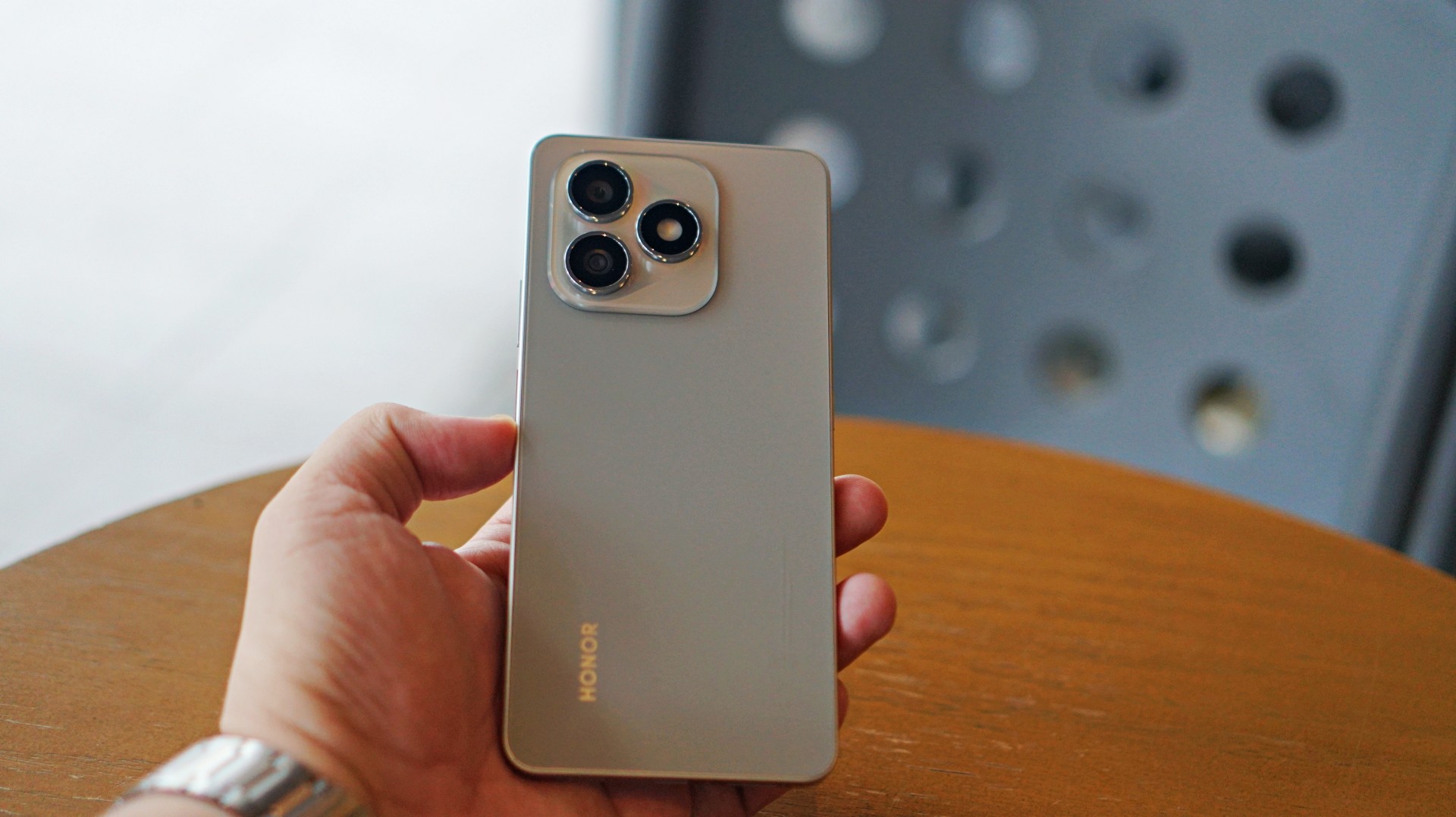
HONOR Philippines has launched its latest mass-market smartphone entry that caters to students and the youthful market in general: the HONOR X8d.
The budget smartphone is priced at PhP 15,999 and is available in Blue, Velvet Black, and Velvet Grey colors.
As part of launch offers, those who pre-order until March 27 can get a free accessory and can also avail of 0% installment plans via credit cards and Home Credit.
Customers can get the device through Lazada, Shopee, and HONOR stores.
REVIEW: The HONOR X8d is serviceable
The HONOR X8d is powered by a Snapdragon 6s 4G Gen 2 processor and comes with 8GB of RAM (plus 8GB expansion) and 256GB of storage.
It has a large 7,000mAh battery which supports 45W charging, making it a very long-lasting daily value companion.
The device features a 6.77-inch 120Hz display which has up to 3,000 nits of brightness, making it useful for practical situations.
The handset comes with usual display certifications and protections, including 3840Hz PWM dimming, E-Book mode, SGS drop resistance, and an IP65 rating.
For its cameras, the X8d has a 108MP main camera, plus a 16MP front camera. The main shooter can capture decent quality at 1x, 2x, and 3x zoom ranges.
There are also handy AI editing tools like AI Eraser, AI Cutout, and AI Upscale.
Out of the box, the HONOR X8d runs on MagicOS 10 based on Android 16. It also has staple productivity tools like AI Translate, AI Writing, AI Notes, and AI Recorder, alongside features such as Magic Portal and Circle to Search.
Deals
GoTyme Bank, Visa partner for FIFA World Cup 2026 raffle giveaway
Win an all-expense-paid trip to the World Cup with your GoTyme Visa Debit Card

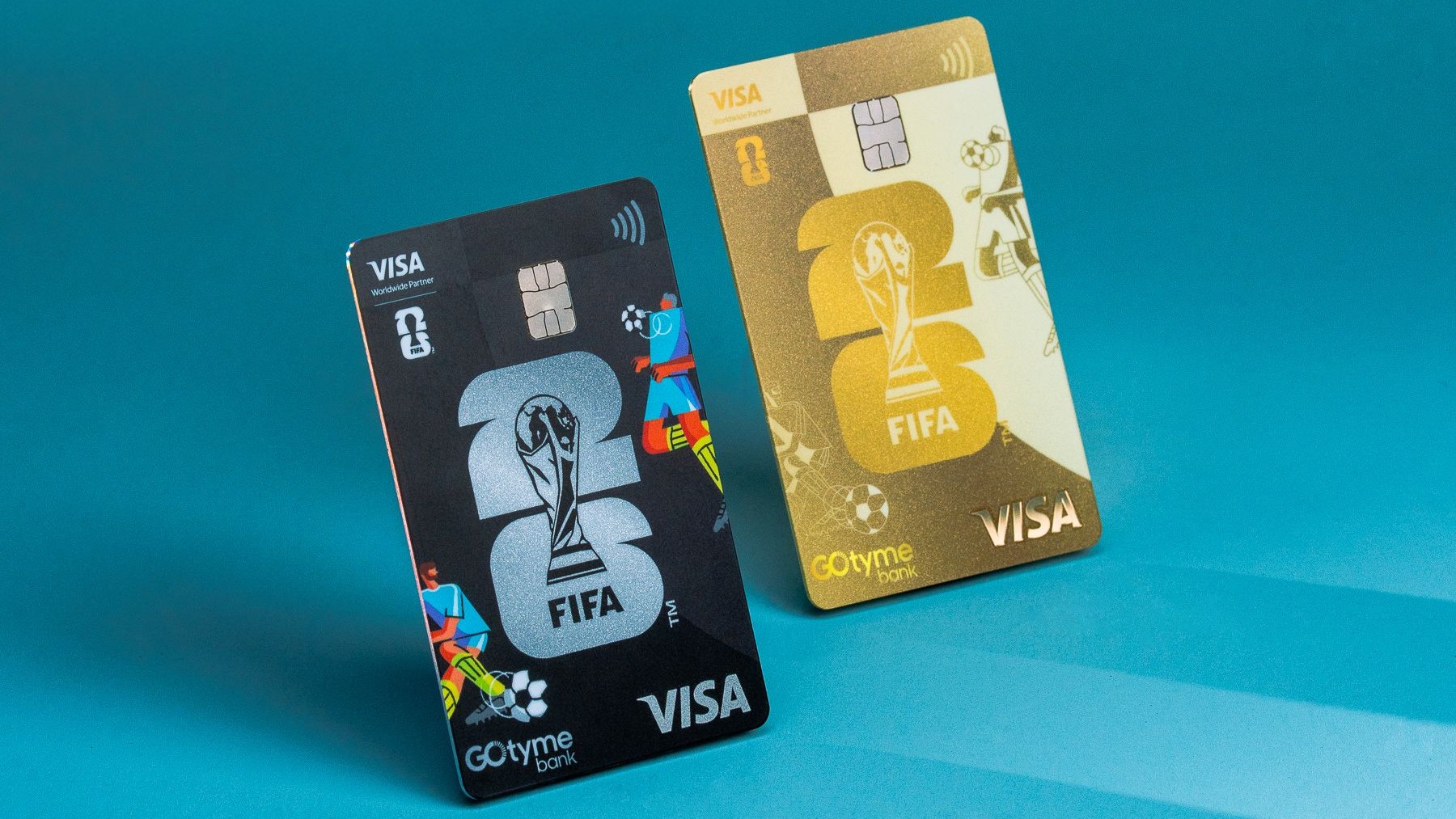
GoTyme Bank and Visa have officially teamed up for a FIFA World Cup 2026 raffle giveaway.
This gives Filipino football fans the chance to win an all-expense-paid trip to attend either the World Cup Group Stage or Final in the United States.
The partnership marks GoTyme Bank’s growing presence not only in the market but also in the global stage. Recently, the digital bank has grown to over 9 million customers in the Philippines, and 20 million worldwide.
Under the partnership, GoTyme Bank and Visa have released new limited-edition FIFA World Cup 2026-themed Visa Debit Cards.
These are available in two designs: Pitch Black and Trophy Gold. Both are designed by Filipino artist Ross Du, who incorporated the iconic tournament’s iconic trophy.
The latter, in particular, has some rarity as there will only be 20,000 copies printed in GoTyme Bank kiosks nationwide. Customers can have them printed starting March 23.
Print, Spend, Score
To join the raffle, cardholders simply have to spend at least PhP 1,000 for a raffle entry. That’s using the Classic or Pitch Black card.
Overseas spending also comes with a 3x multiplier, meaning three entries for every PhP 1,000 spent abroad.
Two winners — one Classic and one Pitch Black cardholder — will each win an all-expense-paid trip for two to attend the FIFA World Cup 2026 Group Stage in Los Angeles.
But even better, those who get the exceptionally rare Trophy Gold card will automatically get a raffle entry for the grand prize raffle draw — with no minimum spend required.
One Trophy Gold cardholder will win an all-expense-paid trip for two to attend the World Cup Final in New York City. This includes roundtrip business class seats as well.
In addition to the major prizes, 10 customers will receive exclusive FIFA World Cup 2026 Visa Premium merchandise.
The fly-off promo runs until May 7 for the Classic and Pitch Black cardholders and until June 10 for the Trophy Gold cardholders.
Gaming
Switch 2 now lets you play old games in 1080p
It tricks old games into thinking that the console is docked.

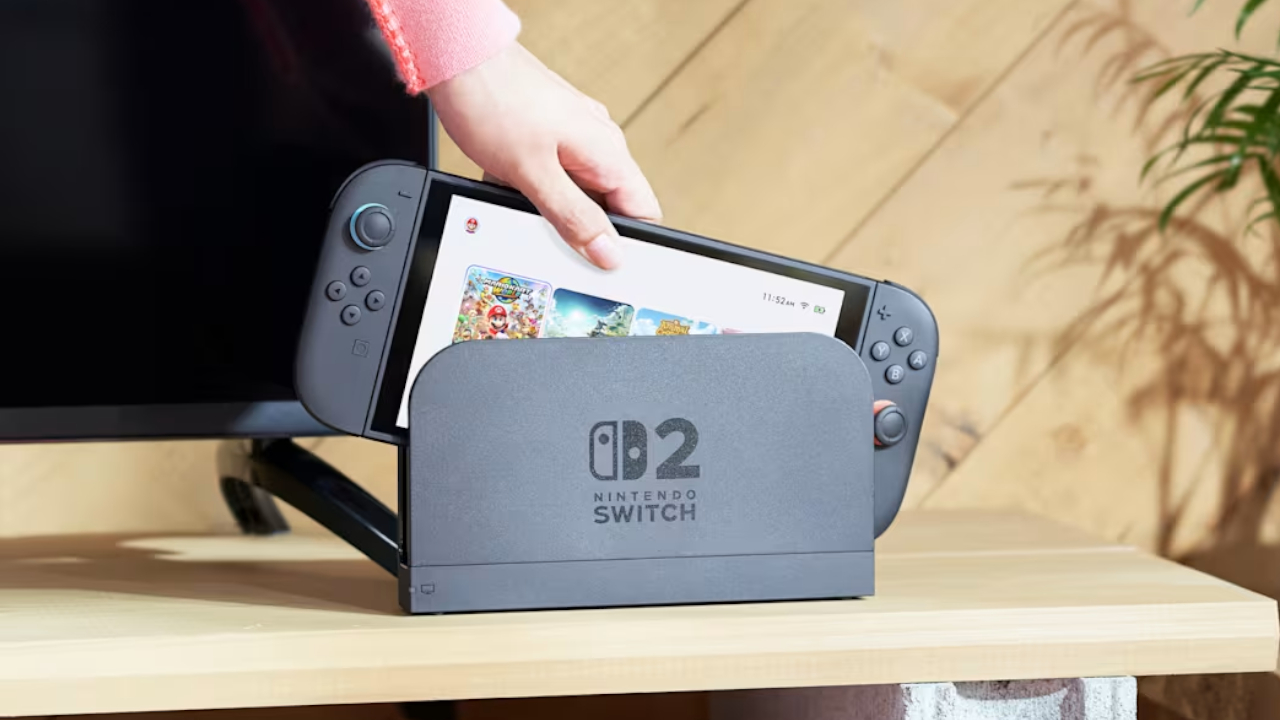
The Switch 2’s popularity is astonishing, to say the least. Just recently, a single game, Pokémon Pokopia, was responsible for taking the free times of over two million players on the Switch 2. Now, Nintendo has released a new feature which should make the console much more playable, especially for those who already had the original Switch.
Today, the Switch 2 received the 22.0.0 system update. Though the update is mostly a variety of smaller updates, one feature, called the Handheld Mode Boost, stands out among the rest. As per the patch notes, “Handheld Mode Boost will cause compatible Nintendo Switch software to run as if the console is being played in TV mode.” Put simply, the feature will unlock 1080p resolution for older games.
For gamers who had the original Switch, game resolution was a huge problem. The first console lived on a 720p screen, so the early games supported only lower resolutions. The only exception is when the console was docked, which allows 1080p resolution.
Now, the Switch 2 supports backwards compatibility. Players can access their older Switch games on the new console. The catch, however, is that these games are still stuck in 720p. Some titles, at least, have released an update to increase resolution on the new console.
Handheld Mode Boost tricks the console into thinking that it’s hooked up to the dock. In effect, the game will play in 1080p. The catch, however, is that it also thinks that the Joy-Cons are a single Pro controller, so players might lose some game features. It’s still a decent price to pay, though.
In other news, the update has also updated the naming of the “Hong Kong/Taiwan/South Korea” to “Hong Kong/Taiwan/South Korea/Southeast Asia,” potentially hinting that Southeast Asia might finally get an online store.
SEE ALSO: Now Playing: Yakuza 0 on Switch 2



Stylish, student-friendly HONOR X8d launches

The HONOR X8d is serviceable

Why the OPPO Reno15 5G series is a creator’s essential

The hunt begins: The Witcher in Concert hits Manila with surprises in tow

WATCH: The Super Mario Galaxy Movie final trailer


-

 Reviews2 weeks ago
The Xiaomi 17 shoots Leica dream
-

 Hands-On2 weeks ago
OPPO Reno15 F 5G hands-on
-

 Gaming2 weeks ago
Project Helix is Xbox’s next console, and it plays PC games
-

 Computers1 week ago
GIGABYTE collaborates with Capcom for RE Requiem custom PC
-

 Laptops1 week ago
Apple MacBook Neo Review
-
 Reviews2 days ago
POCO X8 Pro Max review: A new beast from the far east
-

 Entertainment1 week ago
The internet is thirsting over the One Piece Season 2 cast
-

 Apps7 days ago
Google Maps is finally getting a 3D mode