
News
Apple iPhone rumor roundup: portless iPhone 13, foldables, bigger SE
Here’s everything we know about the upcoming iPhones


If you’re a long time Apple fan, iPhones, over the years, aren’t safe in the eyes and ears of tech leaksters, case makers, and supply chains of iPhone components. From the early prototypes of the iPhone, to the groundbreaking iPhone 4s, up until the “revolutionary” iPhone X, nothing has stopped insiders from leaking information to expose Apple.
Our iPhone 12 and SE rumor roundup caused some noise last year, with most of the rumors coming true. This time, we’re doing a follow-up list not just about iPhone 12‘s successor, but also with other phone advancements Apple has in mind — specifically for the year 2021 until 2022.
Disclaimer: Everything you see here are just leaks and rumors and nothing has been confirmed yet.
iPhone 13 (or 12s)
Apple’s naming scheme has been odd ever since the introduction of the iPhone X. From X, XR, XS, 11 and 12, all the way to the superlative-driven “Plus“, “Pro“, “Max“, and “Pro Max“, it’s usually unpredictable. There are even names for less expensive variants such as the “mini“, “C” and “SE“.
While most of us are expecting it to be named “13”, a Bloomberg report suggests that Apple engineers are thinking of bringing back the “S” branding as the upcoming generation will have minor changes in design and more improvements in hardware.
Same design and sizes
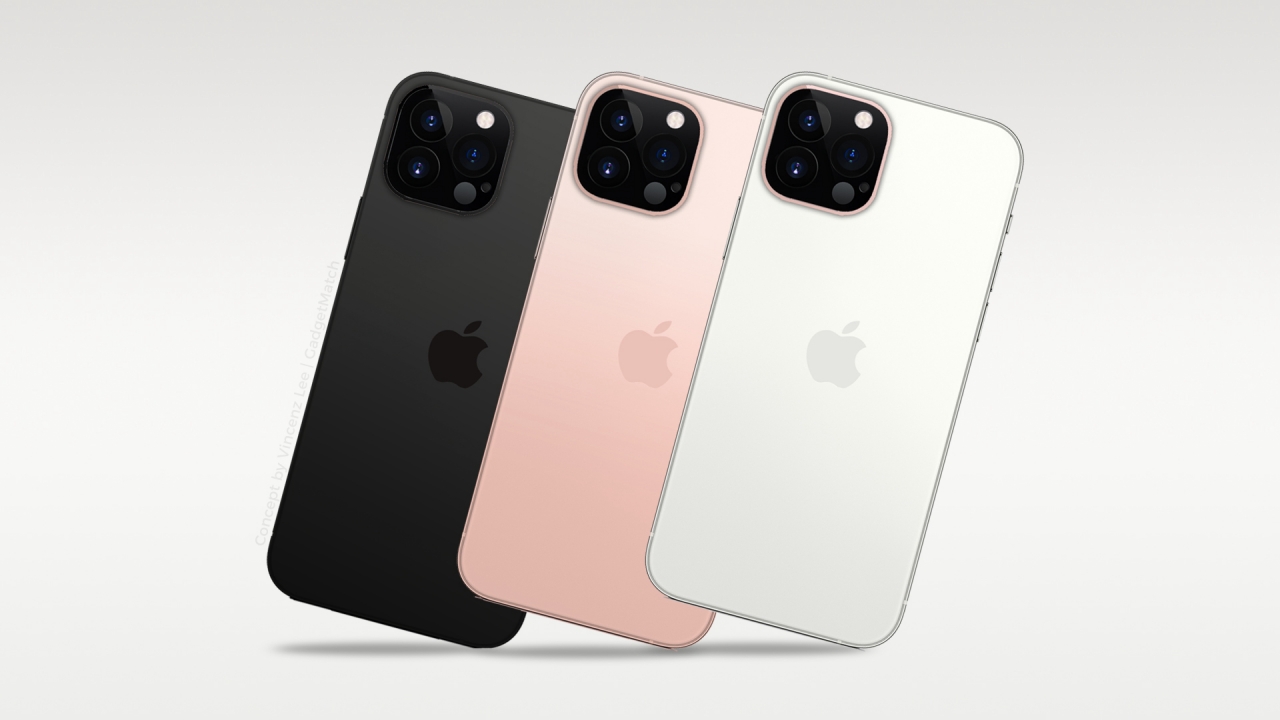
Concept by Vincenz Lee | GadgetMatch
Based on the Japanese blog Mac Otakara, the only design change we can look forward to is the thickness with a slight bump of around 0.26mm.
Expect the upcoming iPhone 13 (or 12s) series to look the same as its predecessors — either with the regular 6.1-inch size or a massive 6.7-inch display for the Max model. Of course, it will still have the new flat-edge design.
UPDATE 1: It’s also rumored that these new iPhones will feature a different matte-textured back for a slightly better grip, reminiscent of the Google Pixel 5‘s back.
UPDATE 2: iPhone 14 series (for 2022) might come with a stronger titanium chassis — which were used on older Apple Watches.
Rose Gold comeback
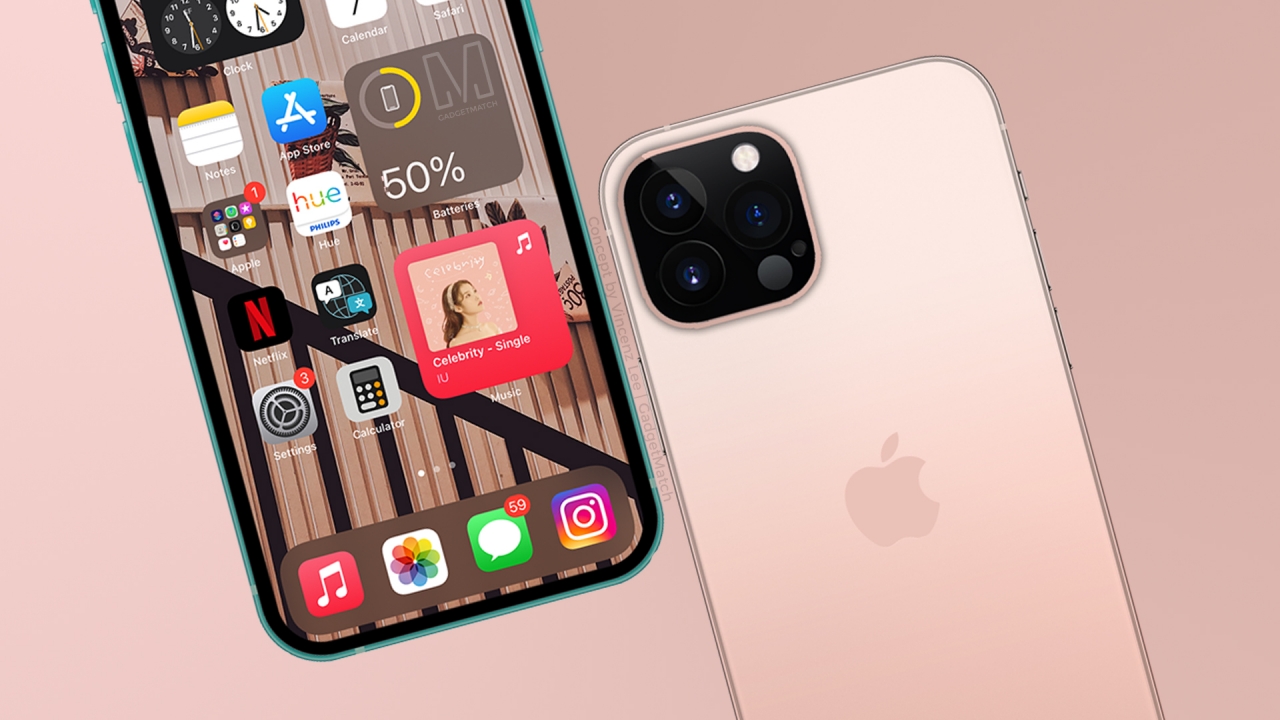
Concept by Vincenz Lee | GadgetMatch
iFans know that the last iPhone with a Rose Gold color option was the iPhone 7 and 7 Plus series. With other exclusive colors such as Midnight Green on the iPhone 11 Pro series, Purple on the iPhone 11, Coral on the iPhone XR, and currently the Pacific Blue on the iPhone 12 Pro series, it wouldn’t be a surprise for Apple to bring back this unique colorway to the shelves again as it was loved by a lot of users.
(Who knows, BLACKPINK’s Rosé might actually own this and call it Rosé Gold 🥁)
Adaptive 120Hz + Always-On Display
While this was previously rumored for the iPhone 12 Pro Max last year, the feature didn’t push through as they faced several compatibility issues with its display driver. But in the latest tweet posted by Ross Young, the faster display refresh rate might finally come to this year’s iPhone 13.
Different with the current OLED-based Super Retina XDR display, Apple might rather equip it with a ProMotion display that’s also found on several iPad Pro models. That rumor was reported as early as 2019.
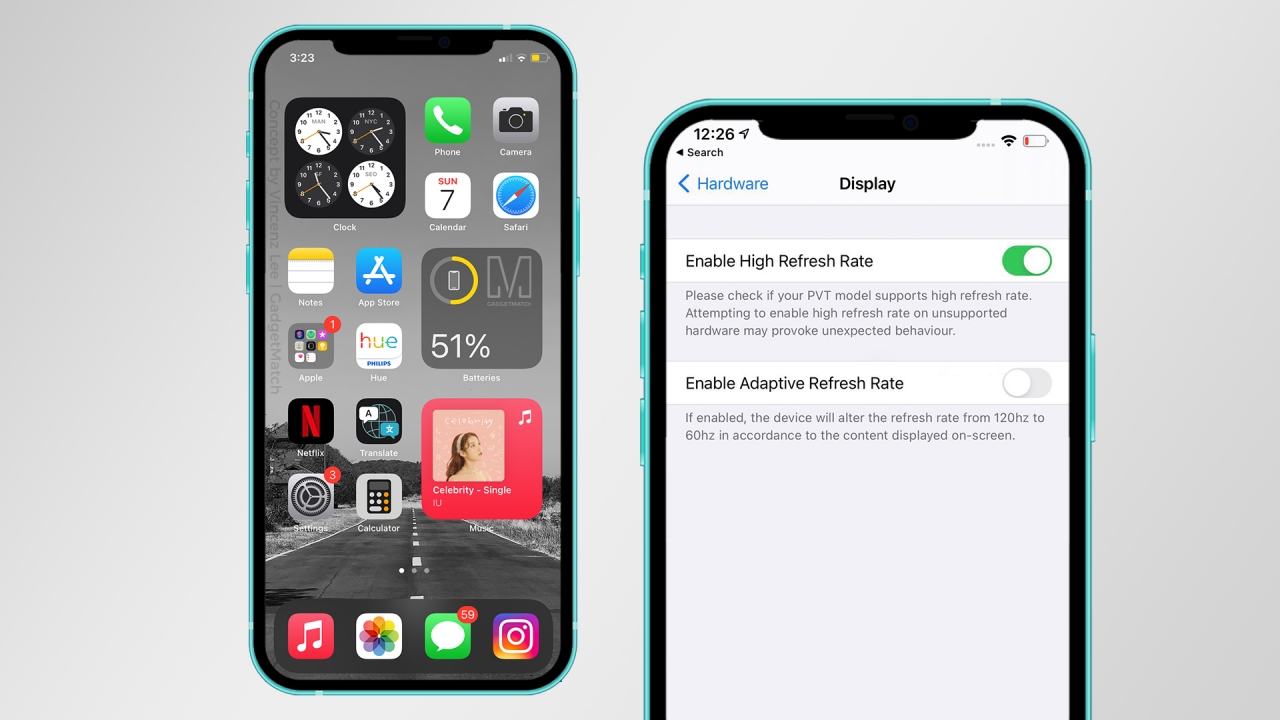
Concept by Vincenz Lee | GadgetMatch
The new display will use LTPO technology to maximize the fast refresh rate while keeping it as low as 1Hz under static conditions to lessen its overall battery consumption. The Apple Watch Series 5 and Series 6 are the closest Apple devices with such display tech.
The delay might have been a blessing in disguise. The longer testing duration means Apple might be able to fix it earlier and be able to bring that buttery smooth 120Hz refresh rate, at least on the Pro models. Though adaptive, it’s still better than the aging 60Hz display of previous iPhones.
UPDATE: With the Always-On Display feature among LTPO-powered Apple Watches, it comes to no surprise that Apple may finally bring the Always-On display feature in this year’s iPhones.
Thinner notch
With the rise and fall of pop-up cameras, sliders, flipping and rotating mechanisms, punch-hole cutouts, and under-display cameras at its infancy stage, it shows that Apple doesn’t want to use half-baked tech just to achieve that “fullscreen” display.

Concept by Vincenz Lee | GadgetMatch
In a DigiTimes report, the notch will still be there, but it will be shrunk by re-shuffling the earpiece, sensors, and set of cameras to accommodate components in a shorter surface area.
As outdated as the notch gets, Apple’s Face ID is still one of the most secure and fool-proof biometric solutions among smartphones. With its host of components that make up Apple’s TrueDepth system, it’s understandable that shrinking the notch is still challenging.
In-display + Side-Mounted Touch ID
Using Face ID in public has been tough especially in this pandemic. For the record, the latest Touch ID-equipped Apple devices are the M1 MacBook Pro and Air, as well as last year’s iPhone SE and the 4th-generation iPad Air.
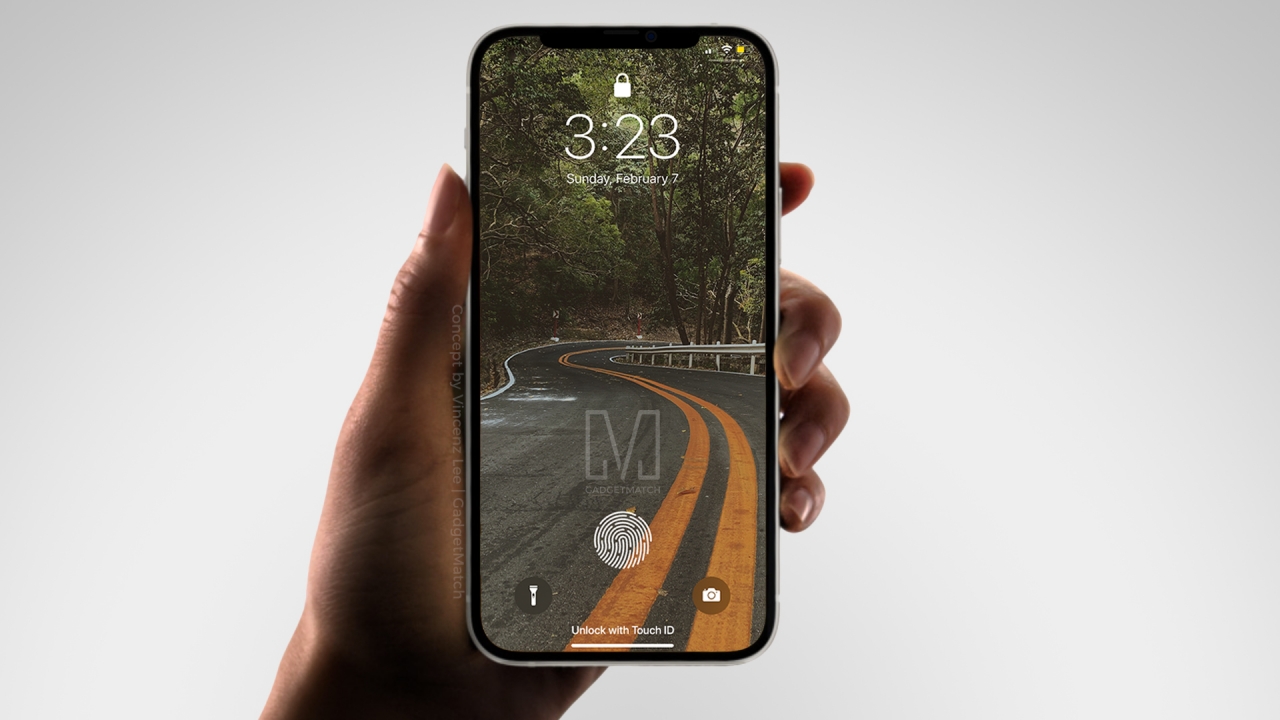
Concept by Vincenz Lee | GadgetMatch
While the iPhone SE sticks with the traditional home button implementation, the new iPad Air and 2016-2020 MacBook models have fingerprint sensors embedded into the power button. Unfortunately, this feature didn’t make it to the latest iPhone 12 series.
Based on my Galaxy S21 Ultra review, Samsung’s ultrasonic sensor is faster and more reliable than an optical-based sensor. For now, we just have to wait and see Apple’s special in-depth Touch ID system based on a larger optical image sensor as seen in this patent.
UPDATE 1: Future iPhones might include a Touch ID into the power button just like the 2020 iPad Air.
UPDATE 2: Apple gives up bringing the in-display Touch ID to this year’s iPhones.
Same (yet different) camera setup and design
In a recent GadgetMatch article, the popular leakster Ming-Chi Kuo stated that Apple might not upgrade the cameras until 2023 — which is a strategy that’s not totally new. Google has been doing this for quite a while with the Sony IMX363-equipped Pixel 3 up until the latest Pixel 5. All camera improvements come from computational imaging, AI (artificial intelligence), and added software algorithm.
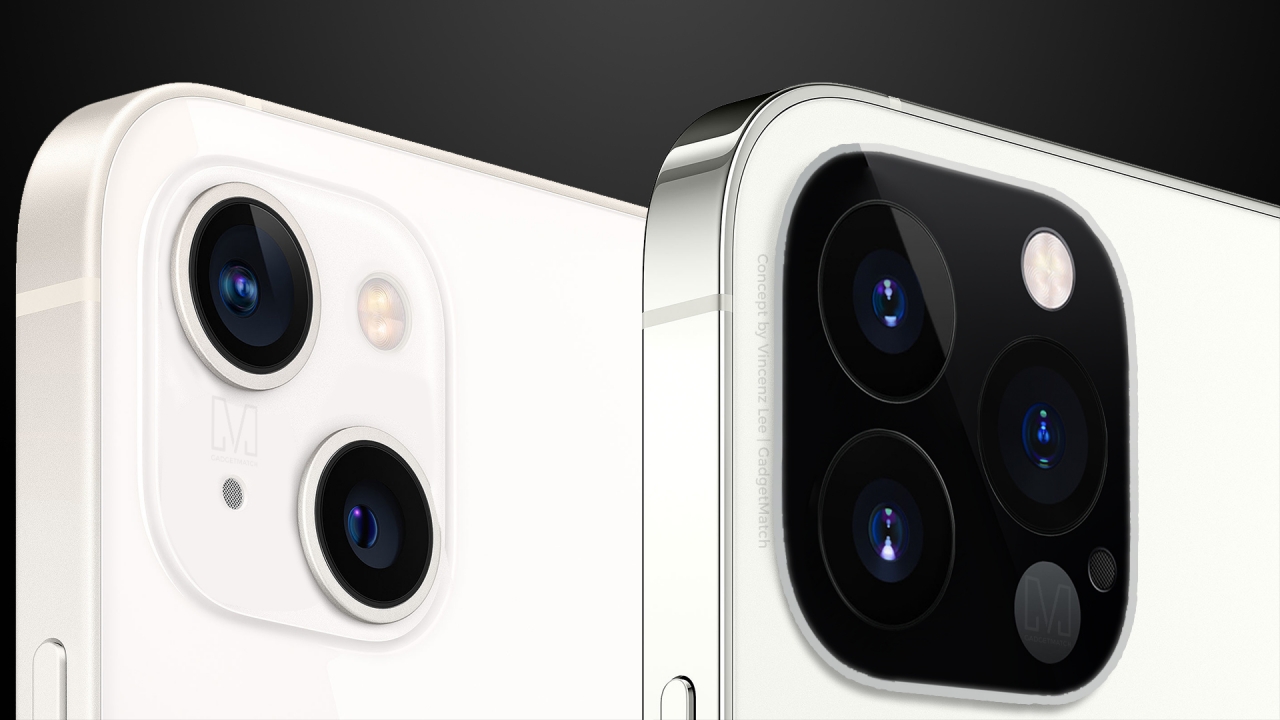
Concept by Vincenz Lee | GadgetMatch
That report might be limited to the wide and telephoto lenses, though. In another article, Kuo also claimed that there’s a major Ultra-Wide Angle (UWA) lens upgrade among Pro models with a larger sensor, better lenses (from 5P to 6P/six-elements) and wider aperture (from f/2.4 to f/1.86). These changes will greatly improve ultra-wide night shots and better Depth of Field (DoF). Anyhow, there’s no word if it will have a wider Field of View (FoV) than the usual 120-degrees.
Other than that, the camera design might have some changes — from the trio-rrific circular camera bump to a cleaner design with Sapphire Glass (or maybe Ceramic Shield, who knows?) covering all lenses for better protection from scratches and unintentional cracks. Those issues occurred in some owners of the iPhone 11 Pro and 12 Pro models.
One thing’s for sure: this new design will solve the dilemma of people with trypophobia (or the fear of seeing clusters of holes).
UPDATE 1: An improved 48MP wide-angle camera might come to the 2022 iPhone models.
UPDATE 2: The regular iPhone 12s / 13 alongside its mini version might have a slight camera layout change, arranged diagonally instead of being vertically-aligned like it used to.
Sensor-Shift OIS + LiDAR Scanner

Concept by Vincenz Lee | GadgetMatch
The “Pro camera system” barrier between the regular and Pro models might be gone in the iPhone 13/12s series. It was reported that regular models will also feature LiDAR Scanners just like on the newer iPad Pro and iPhone 12 Pro series. Meanwhile, Sensor-Shift OIS (which is currently a 12 Pro Max-exclusive) might be present in all 13/12s models as well — or at least in the smaller Pro variant.
LiDAR Scanners are helpful for better AR experience and more precise autofocus in low-light situations. On the other hand, Sensor-Shift is an OIS technology where stabilization happens within the sensor which results to more stable video clips. Usual phone cameras rely on lens-based OIS and/or software-based EIS (Electronic).
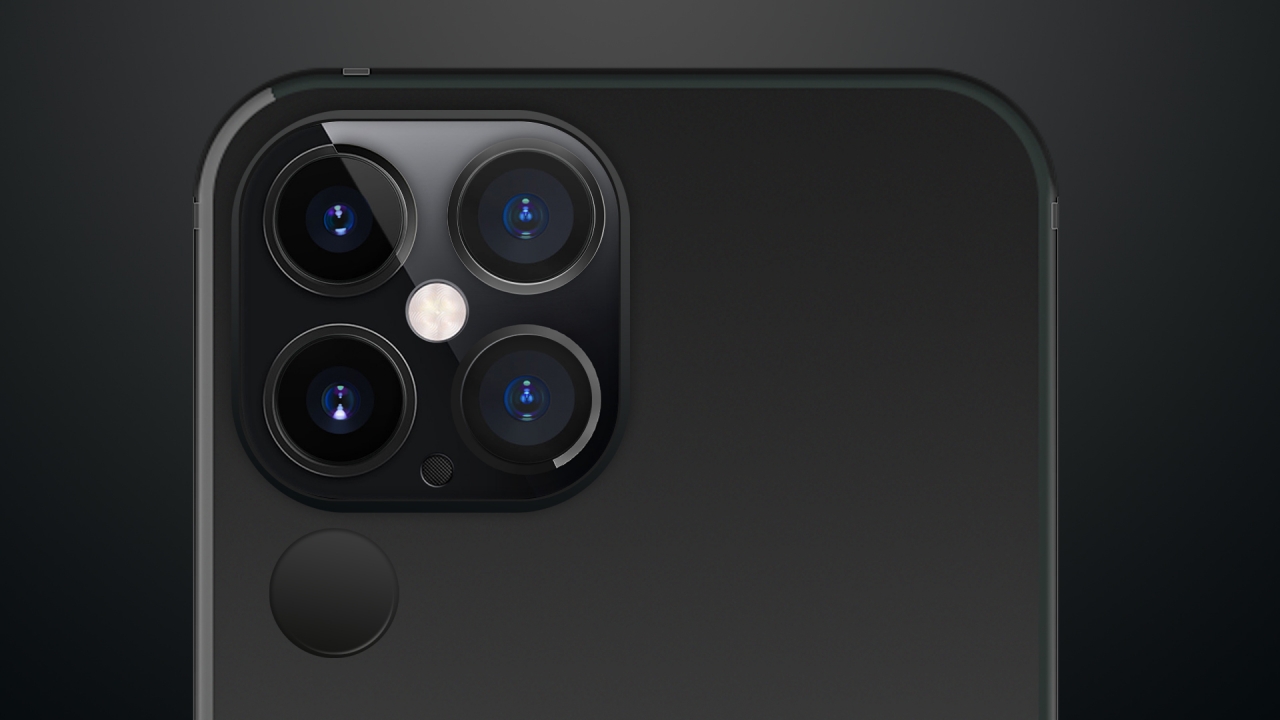
Concept by Vincenz Lee | GadgetMatch
With these latest reports, the report where iPhone is rumored to have a quad-camera setup with the inclusion of a 64-megapixel anamorphic lens might just stay as a myth that needs to be debunked.
UPDATE: LiDAR Scanners might still be limited to the Pro models.
Astrophotography Mode
If you’re a fan of astronomy and everything celestial, this new camera feature might be for you.
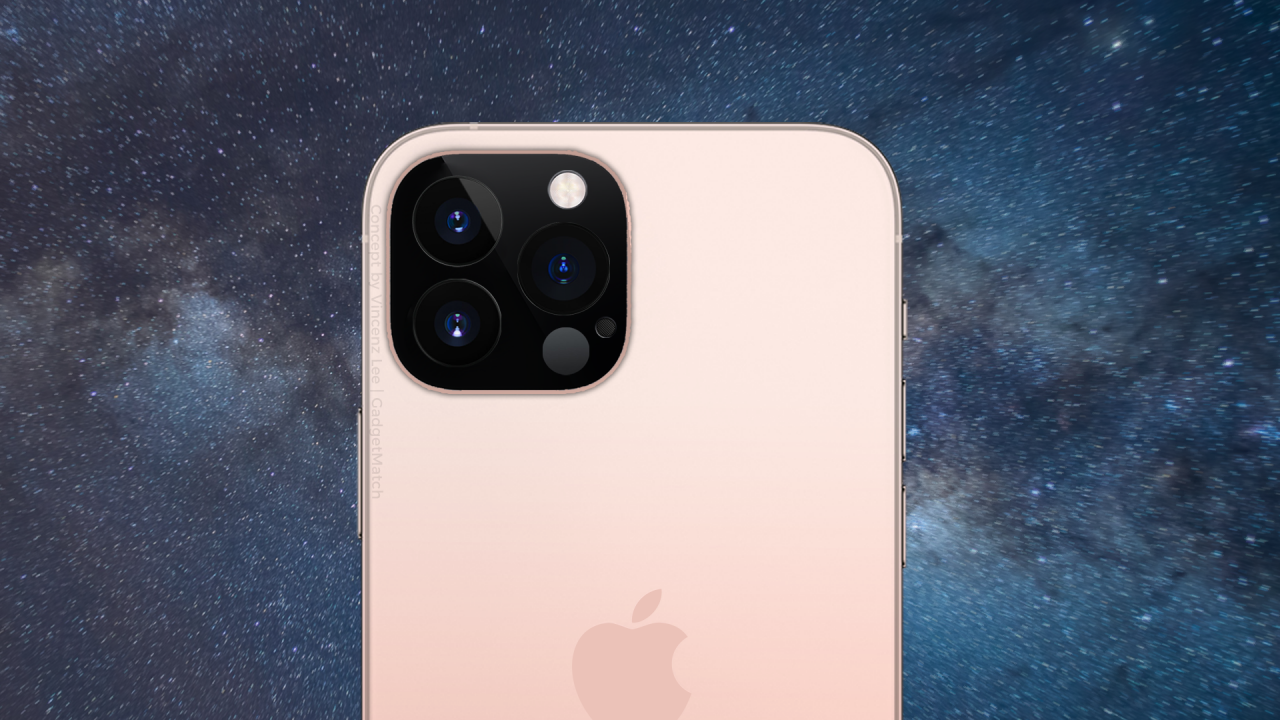
Concept by Vincenz Lee | GadgetMatch
Astrophotography mode is the ability to shoot photos of the night sky under a longer period — even longer than Apple’s existing Night Mode feature. Although this isn’t necessarily a new feature as this has already been around for years starting with the Google Pixel 4 and 4 XL, it’s still a great addition for those who want it without leaving iOS and the Apple ecosystem.
8K Video Recording + Portrait Video Mode
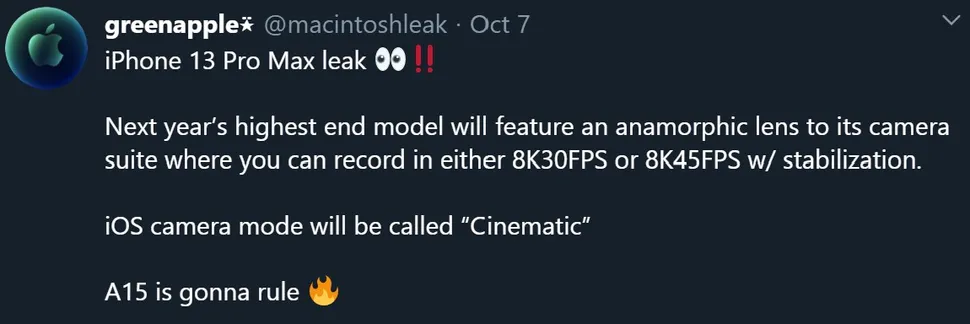
Back in October 2020, a deleted tweet by @macintoshleak states that the next iPhone might feature native 8K video recording — either in 30 or 45fps (frames per second).
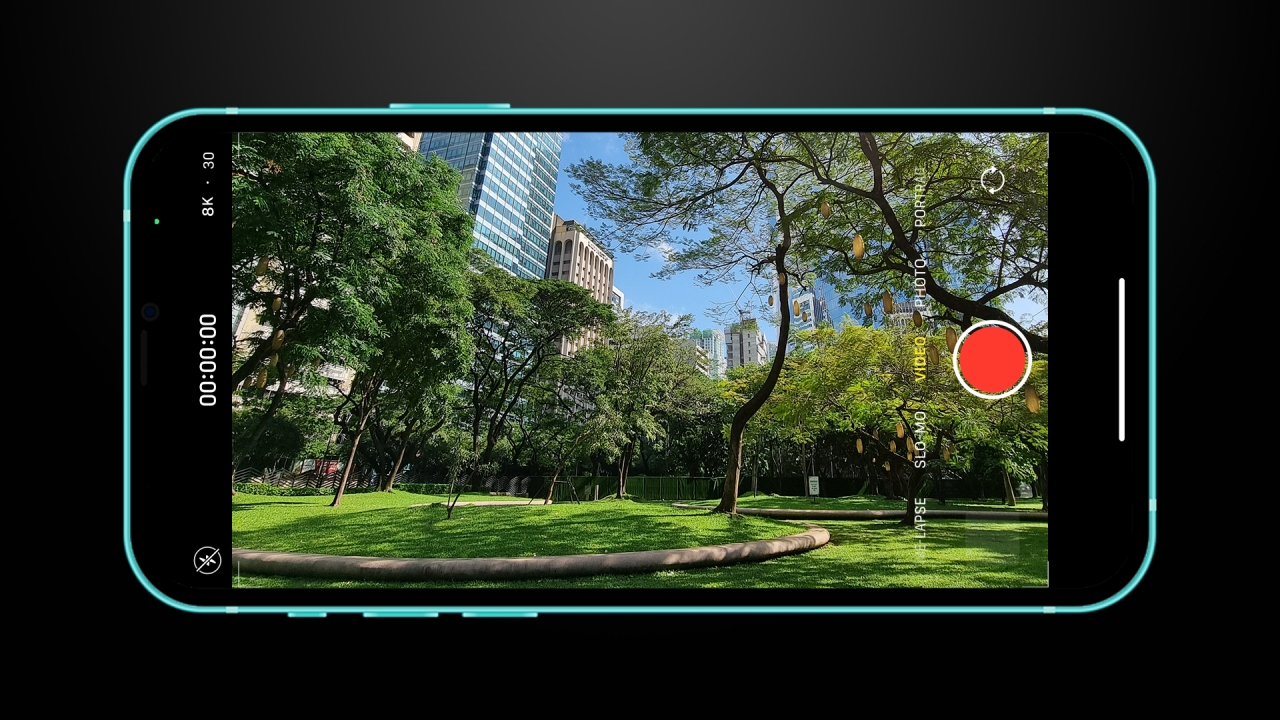
Concept by Vincenz Lee | GadgetMatch
Although it’s uncertain and the leaker already deleted his account, this might still be a possibility as Apple pioneered its Bionic and Silicon chips. It’s not far from happening as the latest Snapdragon, Exynos, and Kirin chipsets are capable of capturing 8K videos.
UPDATE 1: A prominent YouTuber and leakster EverythingApplePro reveals that the upcoming iPhone might also have a Portrait Video Mode where background blur is enabled when shooting videos. The user will also have the ability to adjust the blur strength after taking the video, just like how Portrait Mode works in existing iPhones.
UPDATE 2: 8K video recording support will most likely be introduced in the 2022 iPhone series.
Even better A15 Bionic Chip
The A14 Bionic Chip is one of the best around — but its built-in 5G modem from Qualcomm has some serious battery draining issues as reported by most iPhone 12 users in the Apple Community.
It’s rumored that Apple might ditch Qualcomm in favor of an in-house 5G chip currently in the works. This makes sense considering Apple acquired Intel’s 5G division two years ago.
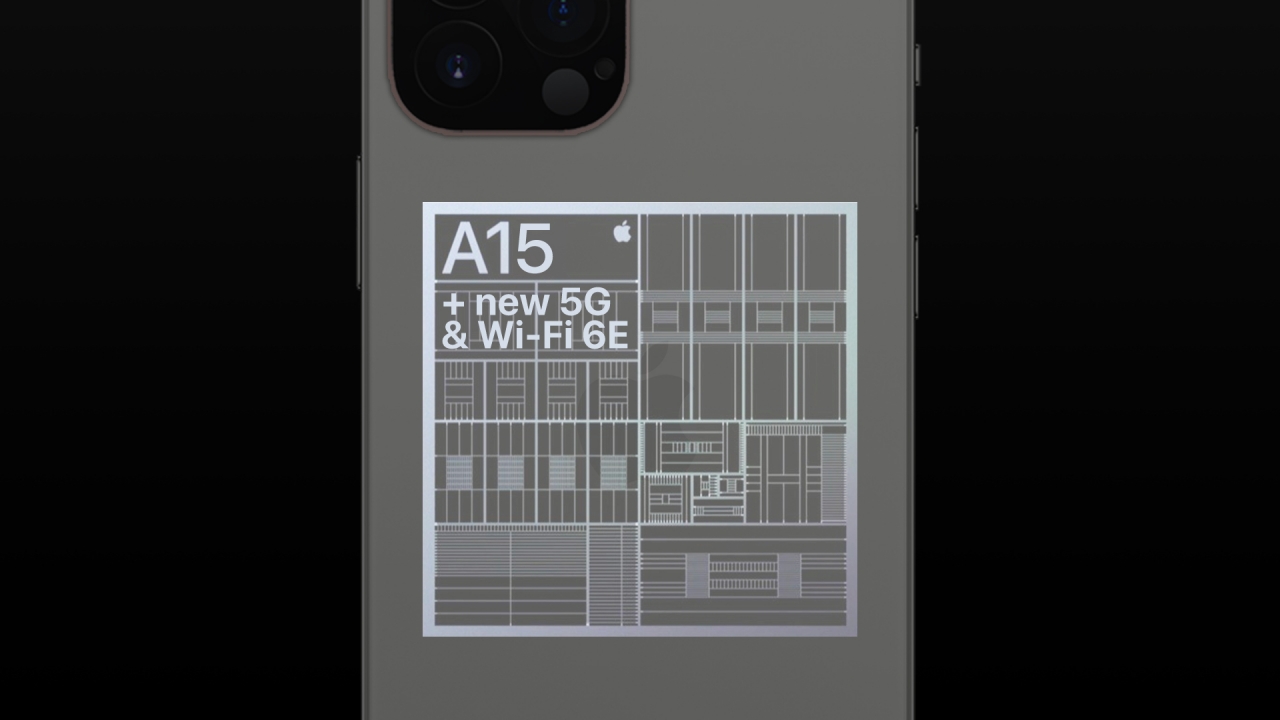
Concept by Vincenz Lee | GadgetMatch
With the slow and steady expansion of 5G connectivity across several nations and borders, Apple might also pick either between the mmWave or sub-6GHz band to reduce production costs. Previously, Apple equipped both, depending on one’s region.
There’s also a rumor for Wi-Fi 6E support. Barclays Analysts are confident that this new 6GHz Wi-Fi band will help achieve faster speeds and lessen latency.
UPDATE: Future iPhones will come with a 3-4nm processor made by TSMC with significant improvements both in performance and power consumption.
Portless iPhone Pro

Concept by Vincenz Lee | GadgetMatch
As early as 2020, it was reported that Apple has envisioned an iPhone without any ports. With the introduction of MagSafe on iPhones, it’s pretty clear what path they’re trying to take.
Although the current MagSafe charging isn’t as fast as conventional wired charging, the portless model will still rely on it anyway. Other than that, physical buttons will be replaced by capacitive ones, and the physical SIM slot will be gone in favor of e-SIM.
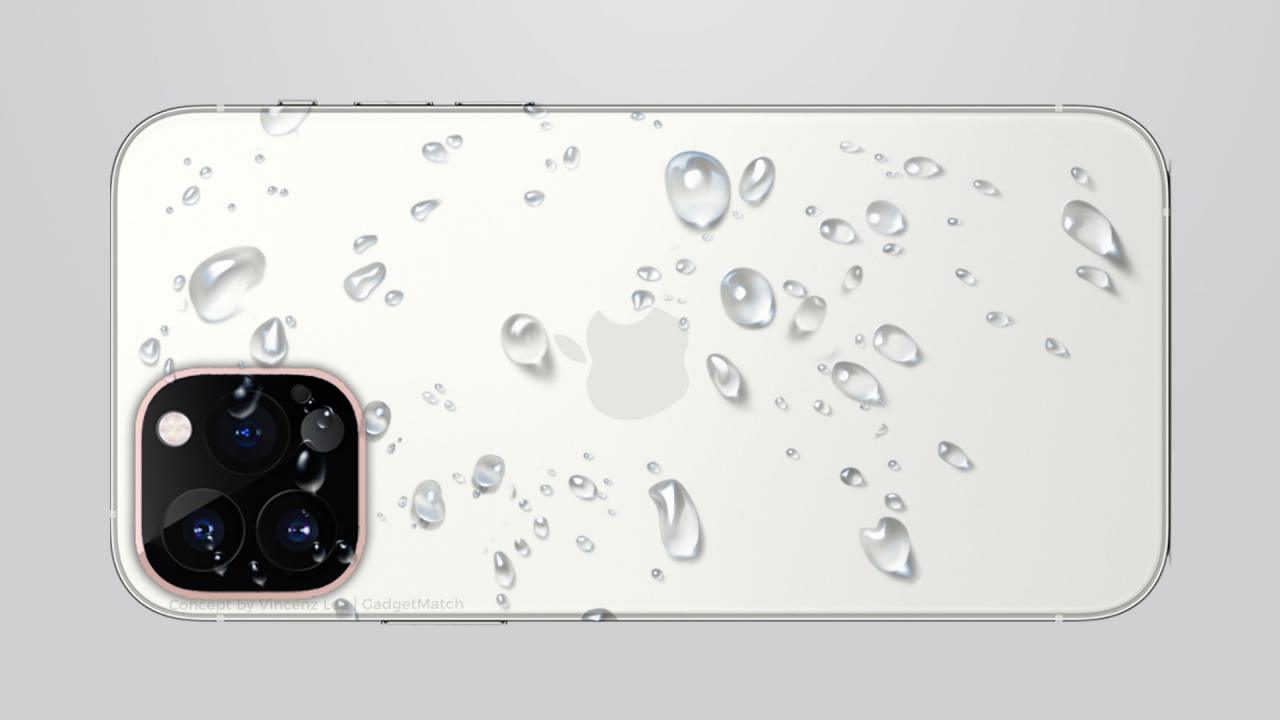
Concept by Vincenz Lee | GadgetMatch
This type of form factor might also introduce better water and dust resistance. Although there are still components with openings such as the microphone, speaker grilles, and earpiece, this might also make it the first smartphone that’s capable of shooting under deeper water depths. However, this will be a disaster for future repairs.
Other than that, another prominent leaker Jon Prosser said that Apple will eventually add a maxed out 1TB storage option to the Pro lineup — that will cost you another fortune. Meanwhile, the regular models will come in a larger 128GB base storage option instead of the measly 64GB.
UPDATE 1: It’s also said that the upcoming iPhone will have stronger and bigger magnets for an improved MagSafe charging and attachments.
UPDATE 2: 2022 Pro iPhones might still max out at 512GB of internal storage and still no 1TB storage option planned.
UPDATE 3: Apple is also planning to make iPhones more responsive under deeper water depths with a specialized camera interface known as Underwater Mode.
Reverse Charging
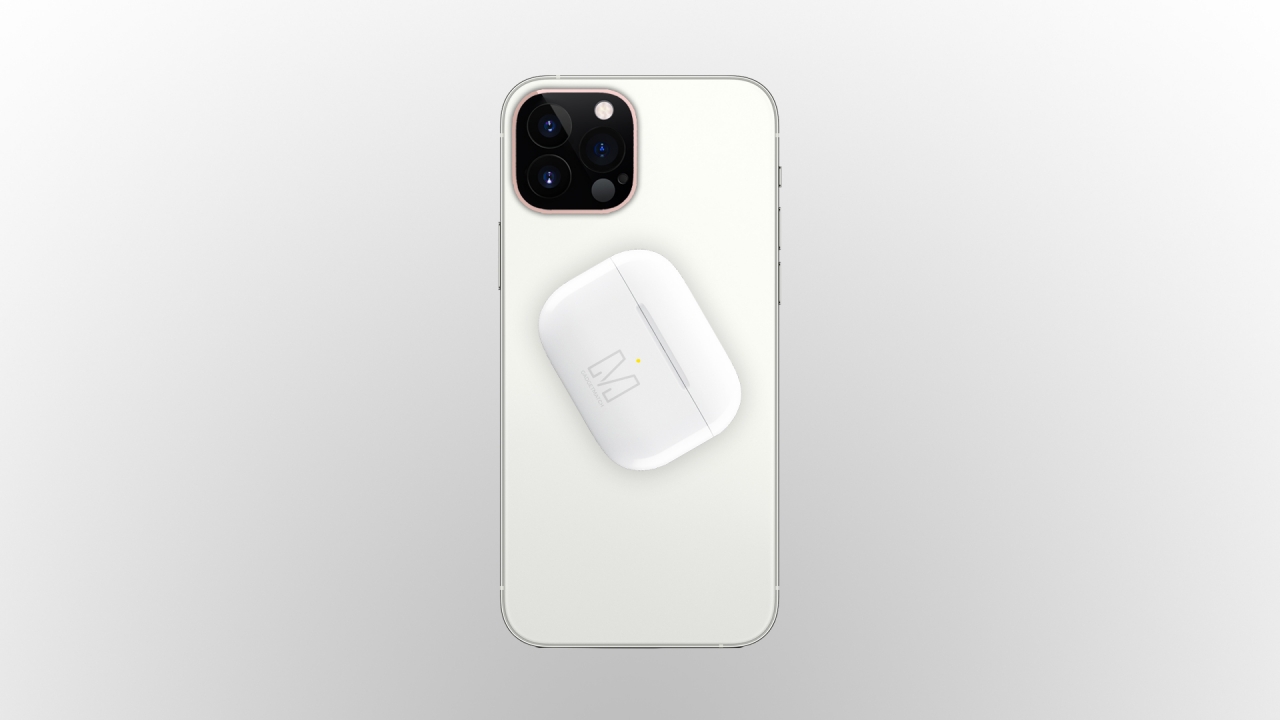
Concept by Vincenz Lee | GadgetMatch
This technology isn’t particularly new — especially among Android flagships. Reverse wireless charging made one of its first appearances with the Huawei Mate 20 Pro in 2018. Samsung also did it through “Wireless PowerShare” with their Galaxy S10 lineup.
In a tweet by Mark Gurman last October 2020, it was revealed that Apple submitted an FCC filing where there’s a “hidden” reverse charging feature for iPhones. Though there’s no workaround in the latest iPhone 12 series, the iPhone 13 might actually have it built-in. It might also be extra handy if the upcoming AirPods would come with MagSafe so it magnetically snaps onto the back of the iPhone.
The mini might be gone for good
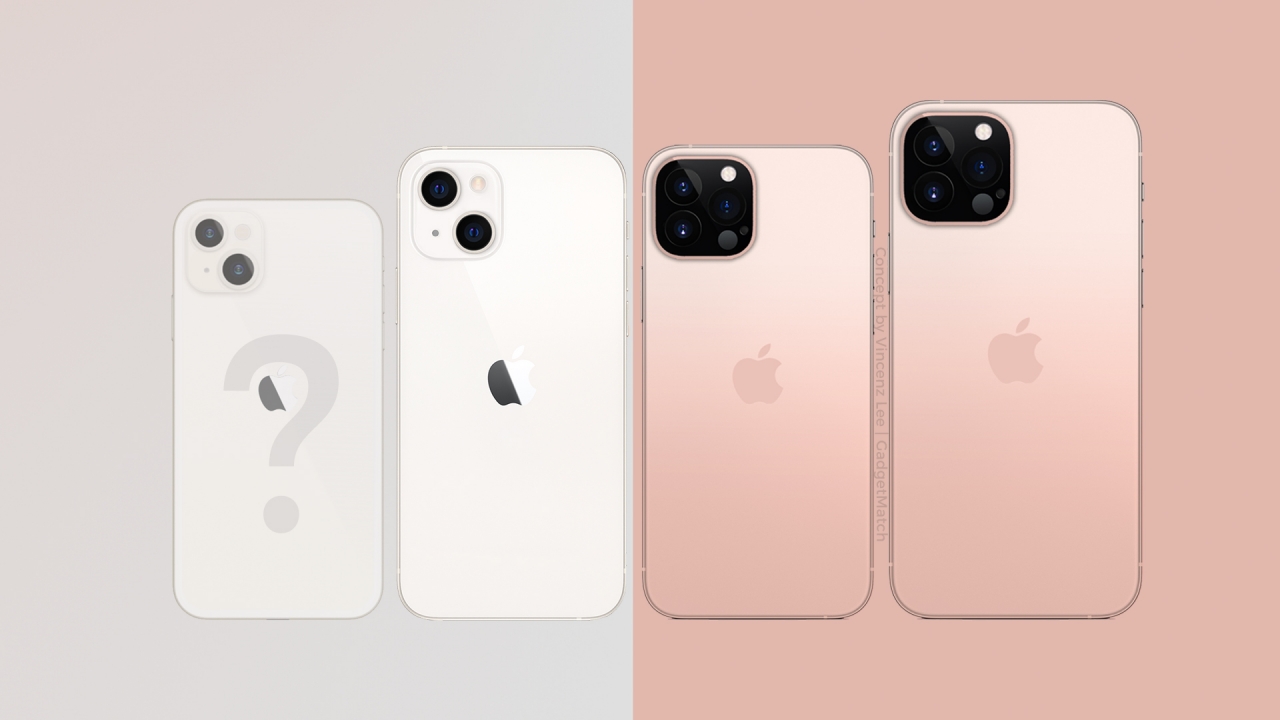
Image by GadgetMatch
Bad news for fans of everything mini, Apple might just scrap the smaller model for good. ICYMI, Apple has currently reduced the production of the iPhone 12 mini due to low sales and demand. Other than the smaller display, battery drain issues might also be a reason. We’re still hoping that they’ll make a successor of the same size but with improved battery life.
Foldables: Is this the future of iPhone?
In last year’s rumor listicle, Apple had no early plans of announcing a foldable iPhone. But with the continuous developments of devices with foldable displays from major brands such as Samsung, Huawei, OPPO, Xiaomi, motorola, and even smaller brands like TCL and Royole, Apple’s R&D department might be gearing towards the goal of launching one (or two) folding devices in 2022 to be able to catch up with the current foldable race.
UPDATE: Apple might delay the launch of their first foldable in 2023 instead.
iFold = iPhone and iPad in one?
In a patent submitted by Apple last November 2020, it reveals an illustration that looks like a folding iPad. Another patent also reveals how Apple tried to create self-healing displays that might be helpful for the continuous wear and tear of flexible displays over time.
To make the plan closer to reality, it was reported that Apple has partnered with Foxconn and New Nikko for the hinges. For the flexible displays, it will obviously be supplied by Samsung. Moreover, it was seen in a Foxconn plant in China that they were done with the hinge durability tests for two Apple foldable prototypes.
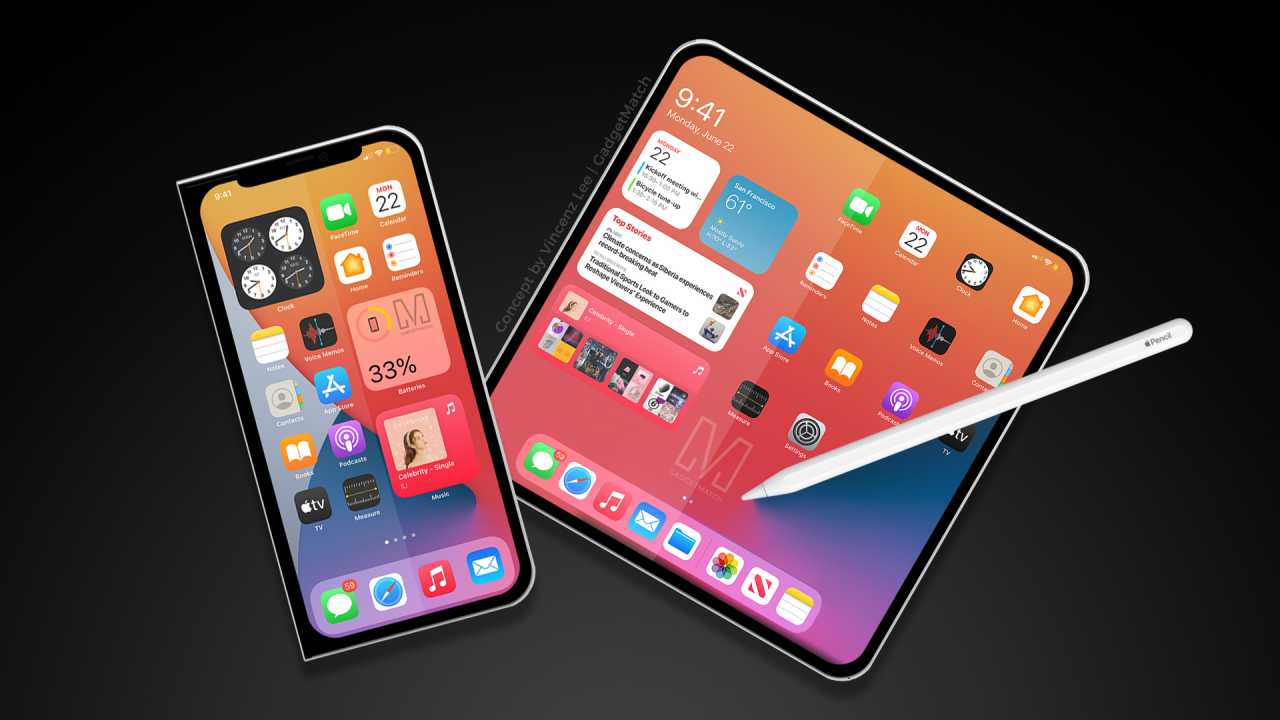
Concept by Vincenz Lee | GadgetMatch
This new form factor opened the possibilities of owning a foldable within the reach of the consumer’s pockets. This is the most iconic (yet the most expensive) foldable — it’s a large phone when shut but transforms into a bigger tablet when unfolded. Samsung’s Galaxy Fold and Z Fold2 are the pioneers of this form factor. Other than those two, Huawei also has the Mate X and Xs in its portfolio.
UPDATE: Another insider reveals that the foldable iPhone (or iPad) may have an Apple Pencil support right out of the box. This makes sense considering the latest iPads support the first and second-generation Apple Pencils.
Weird iPhone Flex, But Okay
“Weird flex, but okay” is a phrase you hear among younger Gen Zs who love flexing their parent-bought luxuries — including the iPhones they use.
With the latest clamshell offerings like Samsung’s Galaxy Z Flip and the motorola razr, it would be appealing (or maybe appalling for some) to see a clam shell iPhone.
In the latest YouTube video by Jon Prosser, Apple might actually launch this first over the other with several dazzling colors in tow, closely targeting the younger audience. But unlike the previous claim, Prosser believes this will be launched as late as 2023.
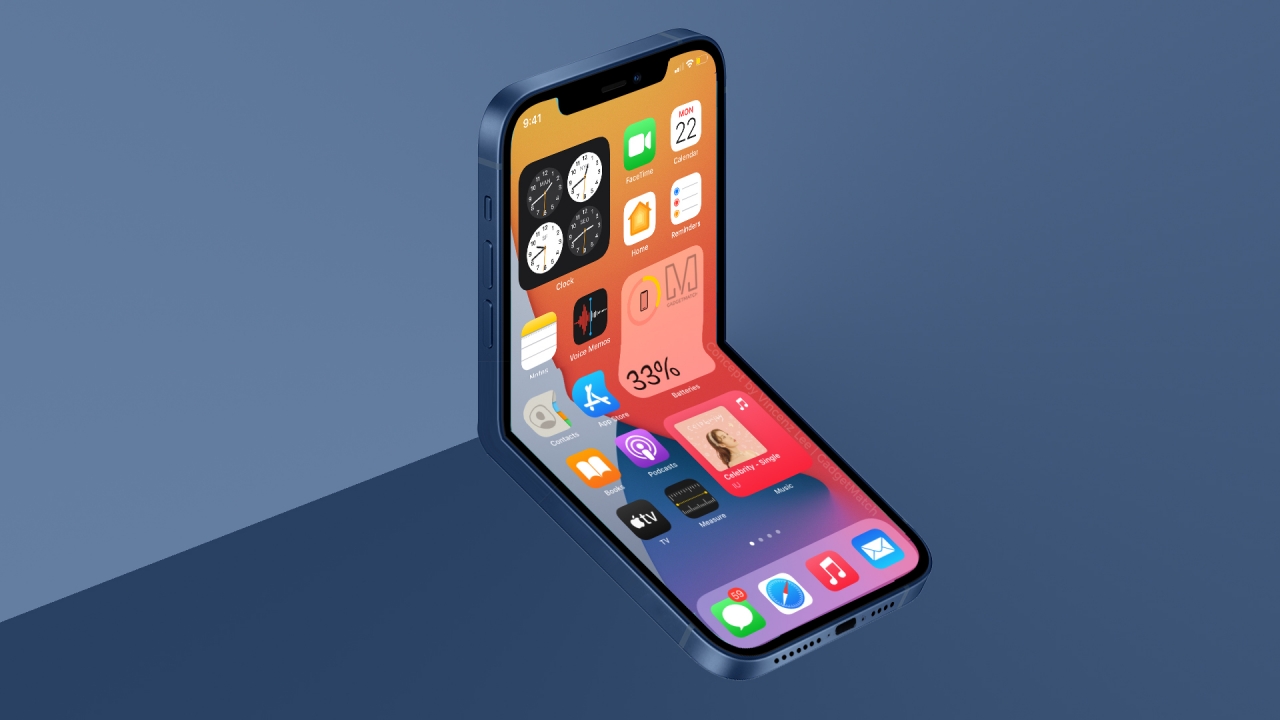
Concept by Vincenz Lee | GadgetMatch
Imagine, a large-screen iPhone folding into a smaller factor that fits right in your jeans’ pocket — that would be useful for most who dislike the absurdity of phablets. For the sassier ones, shutting the phone to ignore someone’s call might actually be another form of the “iPhone Flex”.
The Dual-Screen Approach
Based on the same Foxconn report, the first prototype is a dual-screen model. This form is the most cost-efficient by having two flat displays connected by a hinge mechanism like what you find in most laptops. Again, this isn’t a new type of foldable as there are devices like LG’s V60 ThinQ 5G and Velvet Dual Screen, as well as Microsoft’s Surface Duo.
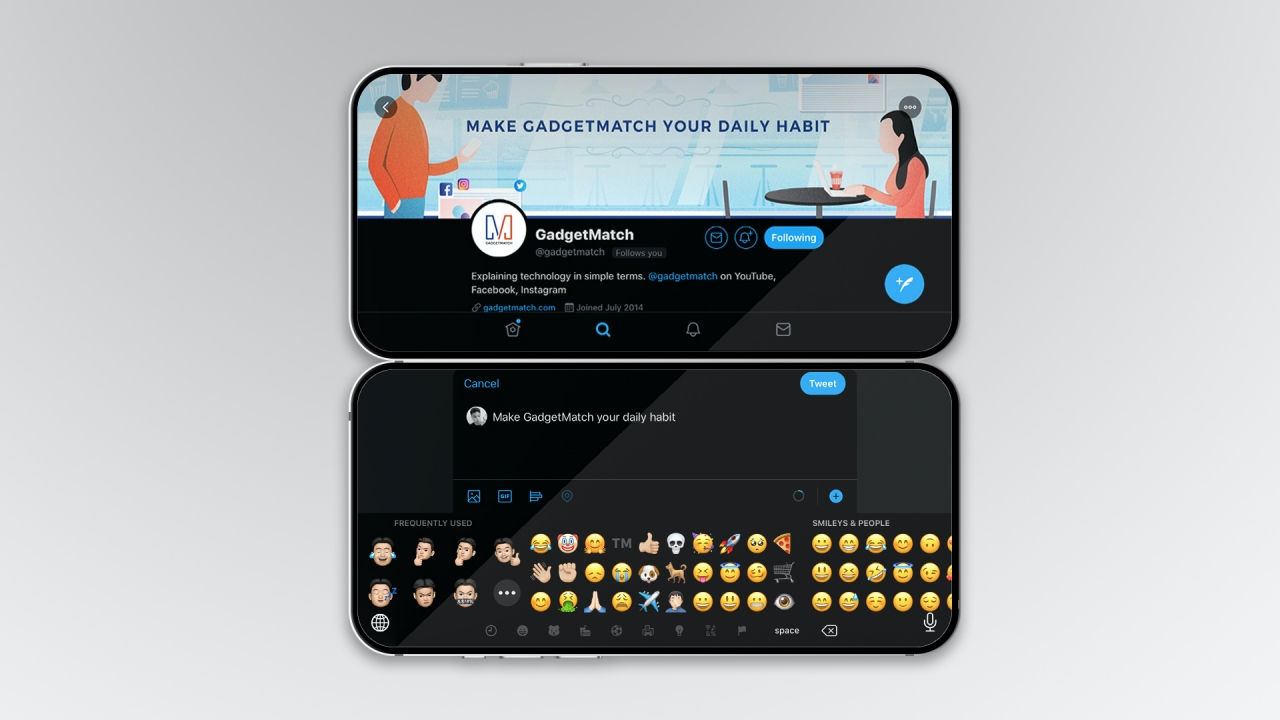
Concept by Vincenz Lee | GadgetMatch
There was a prototype that came out in the news as early as June 2020 with hints of the multi-link hinge patent — similar to a metallic watch band. Another hinge patent was also submitted as recent as January 2021. This time it’s made out of a Fabric Composite Friction material.
Is this a more practical approach towards iPhone’s first foldable device? Or would you rather pick those with flexible displays?
iPhone SE 3: Better late than never?
The leaks about the next-generation iPhone SE are uncertain. Last year, it was rumored to have a bigger form factor than the current SE — either with a 5.5-inch Retina Display a la iPhone 6, 6s, 7, and 8 Plus or a full 6.1-inch screen just like on the iPhone XR and 11.
While the latest report from Mac Otakara and Kuo state that it will be launched sometime in April 2021 together with the new AirPods Pro, Ross Young denies the rumor by saying that it will be delayed until Q1 2022.
The generation between the first and second-generation iPhone SE took four years, but with Apple selling the latest iPhone SE like hot pancakes, it wouldn’t be a surprise to see an updated SE after a year.
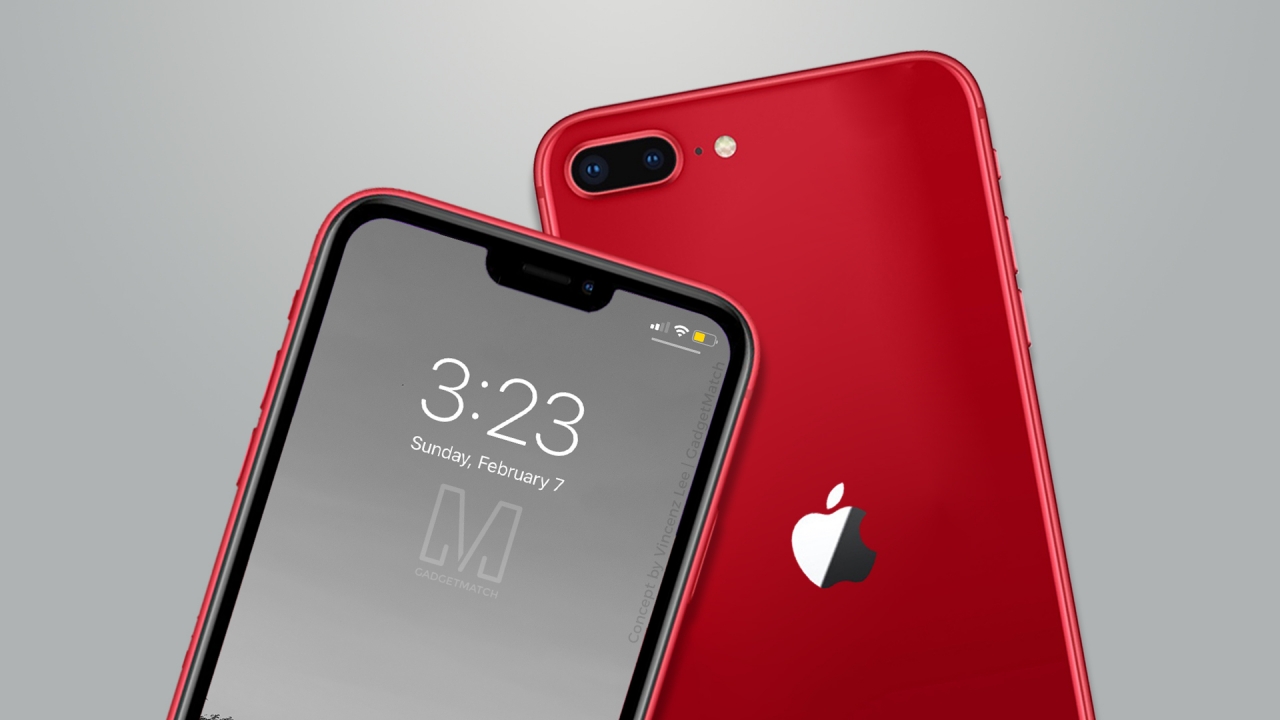
Concept by Vincenz Lee
Several renditions show that it might be based on the iPhone 12 mini’s form factor with a 5.4-inch punch-hole display. But knowing Apple, they want their phones to look as streamlined as possible. Although it’s given that the Face ID will be ditched for cheaper costs, the notch will most likely stay. And unlike the in-display Touch ID of the upcoming iPhone 13/12s series, this might have an embedded one instead.
UPDATE 1: The next-generation iPhone SE wasn’t released this 2021 and will most likely be announced in Early 2022.
UPDATE 2: The iPhone SE Plus with a bigger 6-inch display might come as late as 2023.
We’ll update this article with every new leak and/or rumor on the Apple iPhone 13/12s, as well as the foldable iPhones and SE 3.




News
Sony teams up with Hello Kitty for exclusive limited-edition collection
Sony and Hello Kitty join forces.


Sony has teamed up with Hello Kitty for a limited-edition collaboration that combines selected Sony products with exclusive merchandise featuring Sanrio’s beloved character.
Available exclusively through Sony Store channels, the collection marks Sony’s first collaboration with Hello Kitty. It covers the Xperia 10 VIII smartphone and three wireless headphone models: the WH-1000XM6, WH-CH730N, and WH-CH530.
Each collaboration model comes with exclusive Hello Kitty merchandise designed specifically for Sony Store customers.
Sony x Hello Kitty collection
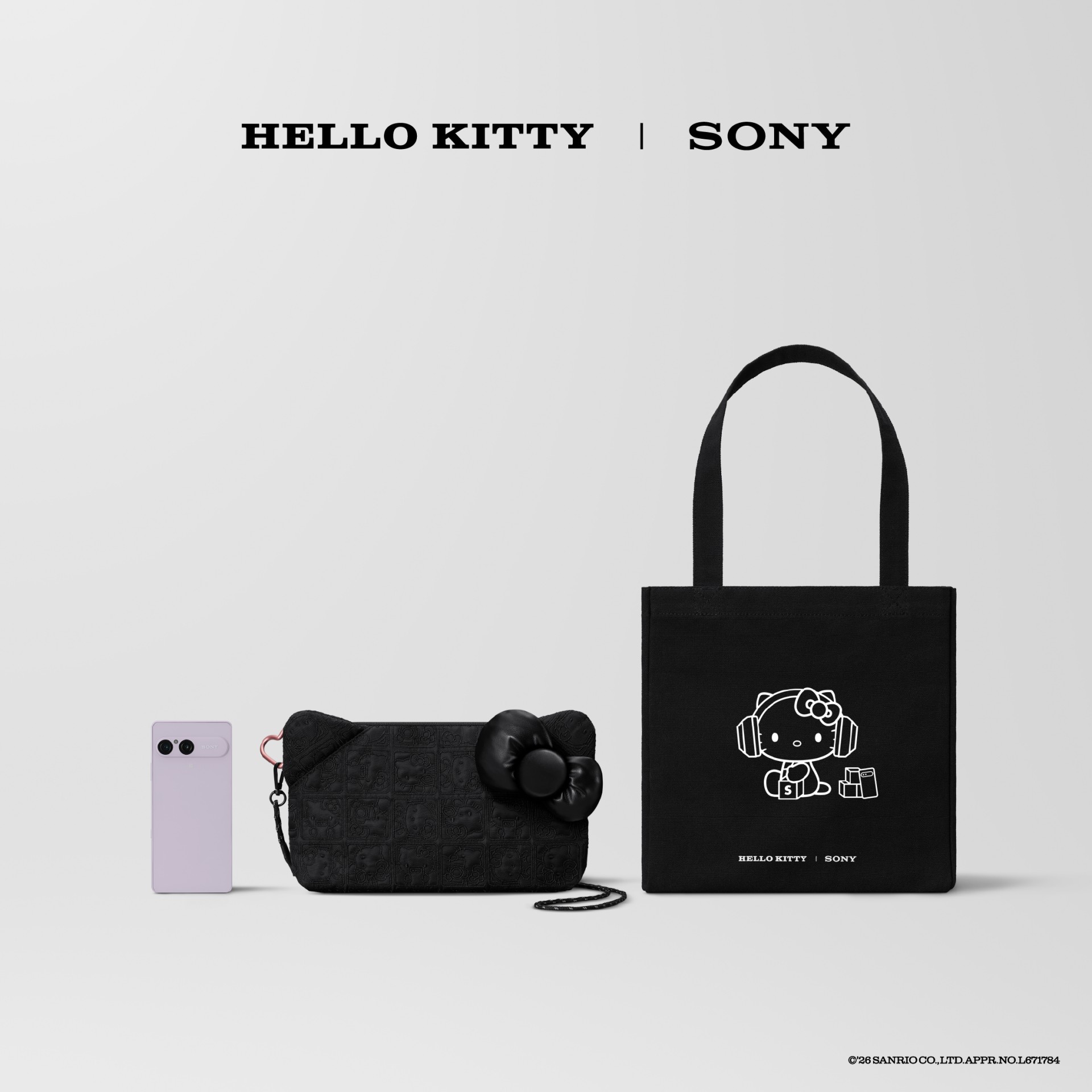
The Xperia 10 VIII collaboration model is priced at SGD 919. It comes with an exclusive Hello Kitty sacoche-style shoulder bag designed to carry the smartphone and other small essentials, along with a Hello Kitty tote bag.
Meanwhile, the WH-1000XM6 collaboration model costs SGD 609. The WH-CH730N is priced at SGD 249, while the WH-CH530 costs SGD 149.
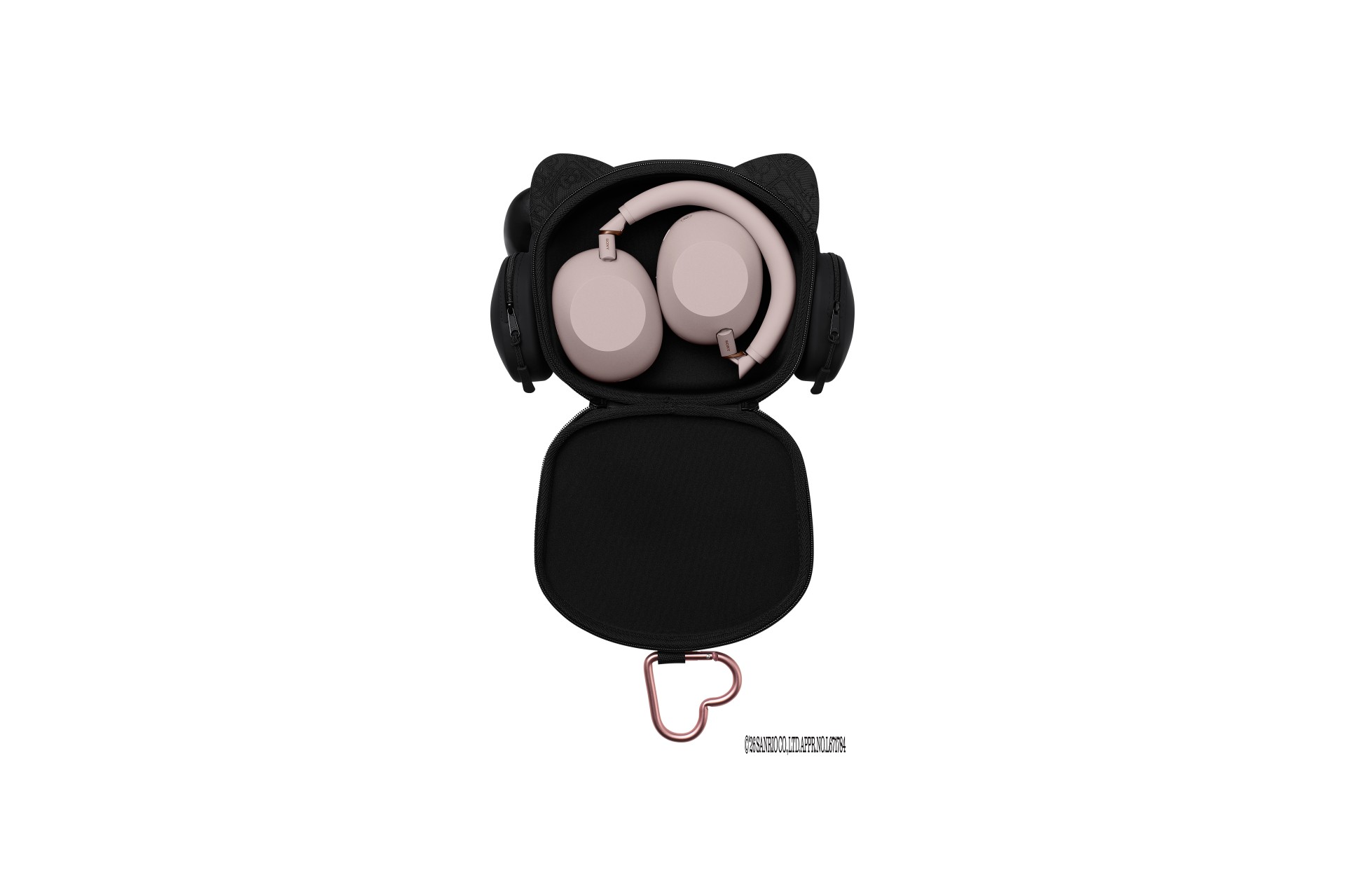
Each headphone collaboration package includes a Sony Store-exclusive Hello Kitty pouch for carrying the headphones and personal belongings, as well as a Hello Kitty tote bag.

The products retain Sony’s existing designs while adding Hello Kitty-themed accessories. The collection aims to bring the character’s signature charm into everyday use without changing the core design of the Sony devices.
Available now in Singapore
Pre-orders for the Sony x Hello Kitty collaboration models are now available through Sony Store channels in Singapore.
Sony is also showcasing the collection at the Sony Store at 313@somerset. Visitors can try the products firsthand and take photos at a dedicated Hello Kitty photo wall.
The collaboration models are available in limited quantities.
For more information, visit the official Sony Store Singapore website.
UPDATE: Sony x Hello Kitty arrives in the Philippines
The Sony x Hello Kitty collaboration will also be available in the Philippines starting October 16, 2026, at select Sony Centres.
Customers who purchase the WH-1000XM6 can add the exclusive Hello Kitty Collaboration package for PHP 4,999. The WH-1000XM6 is available in Black, Silver, Midnight Blue, Sand Pink, and Sandstone.
The collaboration will be available at the following Sony Centres:
- SM Mall of Asia
- SM Megamall
- Glorietta by Ayala Malls
- The Sony Centre-exclusive collaboration goods are designed to complement Sony products with Hello Kitty’s signature charm, adding a playful touch to everyday music experiences.
News
iPhone 18 series breaks records in Vietnam as pre-orders triple
Despite hefty price tag, market saw immense demand for latest Apple devices

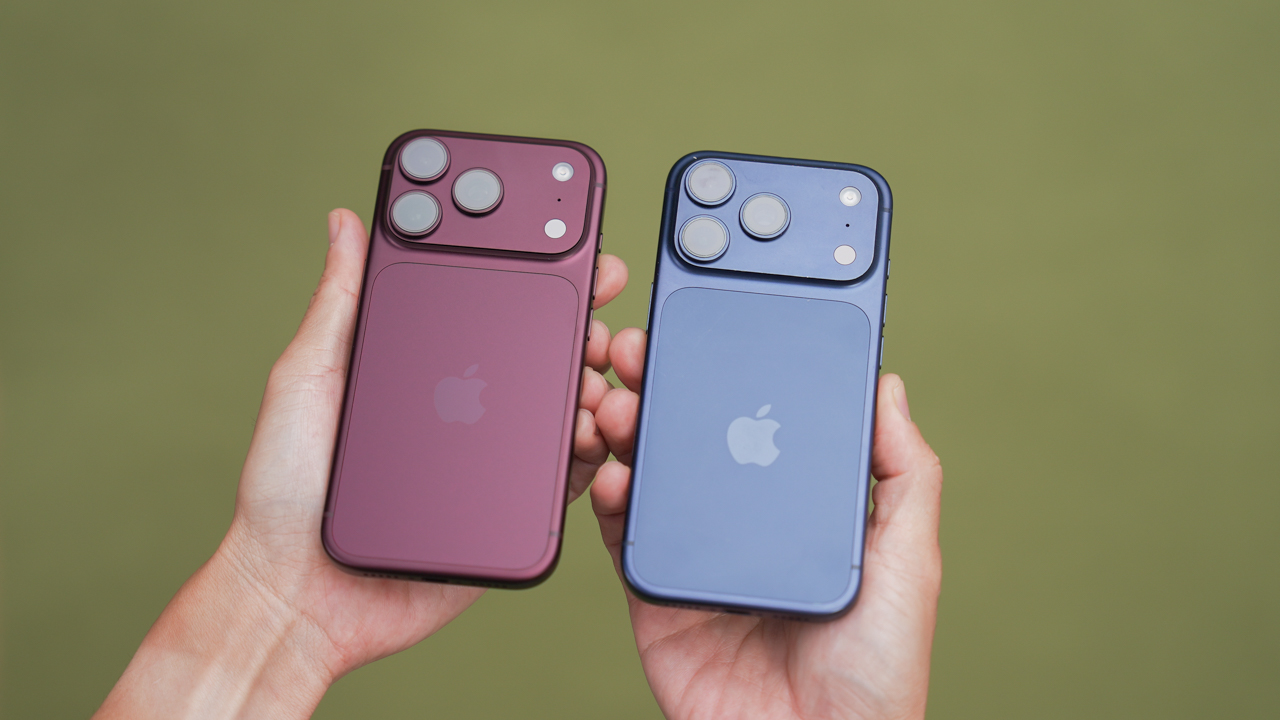
The iPhone 18 series saw immense demand upon its availability in Vietnam, with reports indicating that pre-orders at some local retailers for the latest Apple devices more than tripled compared to the previous generation during the same window.
Pre-orders in the market officially opened last month and saw hundreds of thousands of deposits in just days. Devices officially began hitting shelves and delivering to consumers last September 18.
The iPhone 18 Pro Max has been the sought-after model, as XO Tours noted, accounting for about 80% to 90% of the total number of pre-orders. Meanwhile, Burgundy has been the hit color option.
Retailers did have a few safeguards in place, like limiting each customer to a maximum of two Pro or Pro Max units combined.
And in spite of the hefty price tags, the availability of 0% interest installment plans, as well as Buy Now, Pay Later options kept the flagship models as an accessible luxury for consumers, with trade-ins also providing additional discounts.
As with many developing markets, Vietnam also relies heavily on smartphones as everyday devices over laptops, tablets, or PCs.
News
vivo V80 Lite launches in the PH: Price, availability, pre-order details
Pre-order until October 16 for perks

vivo has launched the Guinness World Records holder vivo V80 Lite in the Philippines for a starting price of PhP 24,999.
The midrange offering is available for pre-order until October 16. Customers can enjoy the following benefits when they place pre-orders during the period:
- vivo Buds Air3, worth PhP 1,799
- PhP 1,000 pre-order discount
- vivo Silver Membership exclusive privileges via the vivo Store app
- four-year battery warranty, worth PhP 1,510
- 100GB Google One cloud storage for six months (can be claimed until October 2, 2027)
Customers can also get an additional PhP 500 discount when purchasing through Home Credit at 0% interest until October 31, 2026. Use the voucher code HCV80LITE.
The vivo V80 Lite comes in two configurations:
- 6GB+128GB: PhP 24,999
- 6GB+256GB: PhP 27,999
The smartphone is designed for everyday use, as well as extended hours, with a 10,000mAh BlueVolt battery.
It becomes the latest handset to offer such a battery capacity, addressing a common pain point in smartphone usage.
The phone is also reinforced with IP68 and IP69 dust and water resistance for overall ruggedness.
In front is a 1.5K OLED display with high brightness for visible content even when outdoors.
-

 Automotive1 week ago
BYD says that way better EV batteries are coming next year
-
 News1 week ago
HONOR Magic9 Pro Max launches in China with ARRI-powered imaging
-

 Philippines6 days ago
TECNO CAMON Slim 5G: Price, availability in the Philippines
-
 Reviews6 days ago
TECNO CAMON Slim 5G review: Slim on size, big on surprise
-

 Smartphones1 week ago
TECNO CAMON Slim 5G teases an ultra-slim design ahead of launch
-
 Reviews1 week ago
TECNO POVA 8 Pro Tonino Lamborghini review
-
 Smartphones2 weeks ago
When TECNO-logy meets Tonino Lamborghini legacy
-
 News6 days ago
Apple wants to release new iPhones more regularly