
News
Apple iPhone XR is already selling out globally
It’s not even out yet!

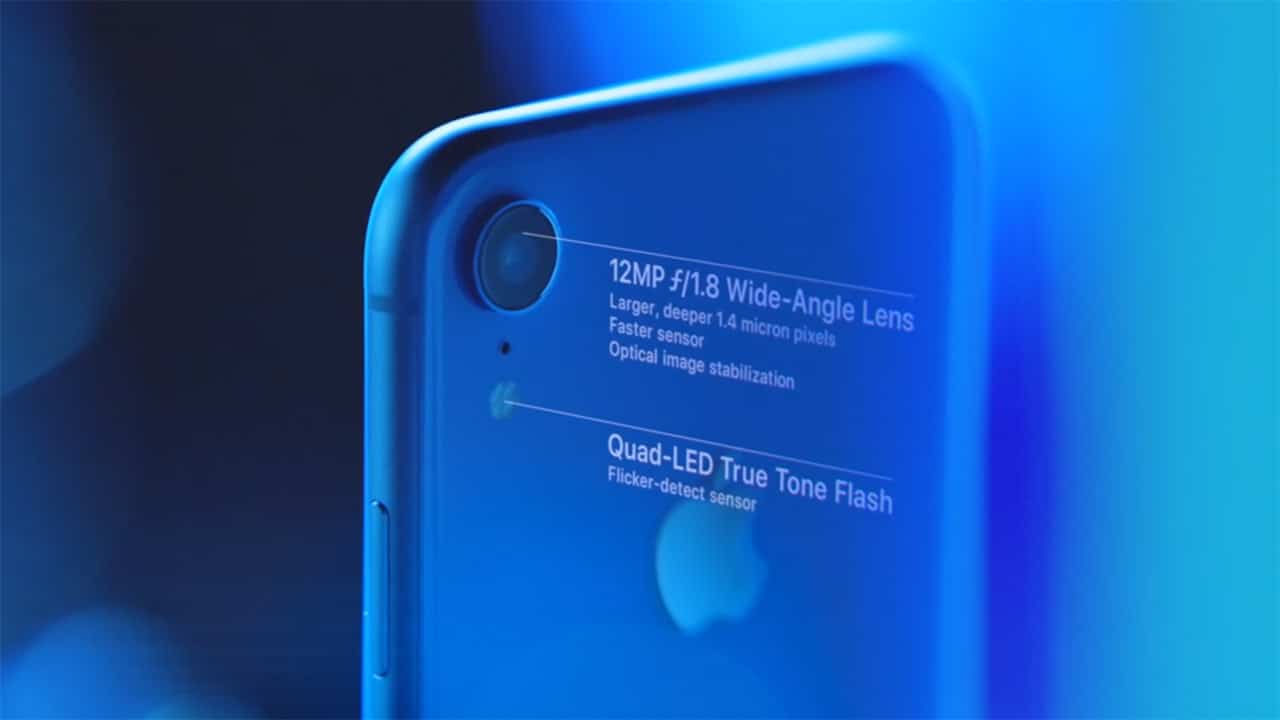
A month ago, Apple analyst Ming-Chi Kuo made a bold claim about Apple’s sales charts. According to the industry veteran, the new iPhone XS and XS Max both exceeded Apple’s expectations. As of now, Apple is set to make another killing this year.
Aside from iPhone XS and XS Max projections, Kuo also predicted a similar trajectory for the more affordable iPhone XR. Unlike the first two variants, the iPhone XR has a delayed release, owing to certain setbacks with production. Despite the delay, the third model still projects positive sales.
Now, as online orders are pouring in, Kuo’s prediction is starting to come true. Pre-orders for the iPhone XR started last Friday. Merely days later, Apple’s customers are making their presence known.
According to supply chains all over the world, the cheaper model is already selling out everywhere. In the United States, some colors are already unavailable on launch day. Specifically, American telco T-Mobile has delayed shipping for the iPhone XR’s yellow and PRODUCT(RED) variants. These two colors will ship in November, instead of the original October launch date.
Similarly, the United Kingdom has declared iPhone XR delays. For the region, both yellow and coral variants have sold out their initial runs. Because of that, future orders will ship a week or two after official launch.
So far, other regions have not posted any delays. However, the US and the UK point to possible sellouts in other regions.
More curiously, Apple is selling out the unconventional yellow variant. The company hasn’t offered the color since the iPhone 5c. The demand suggests that consumers prefer unique colors over the more traditional ones. Besides demand, the trend also suggests that Apple miscalculated its supply.
That, or the LeBron-led Laker craze has successfully infiltrated the smartphone industry.
SEE ALSO: Apple iPhone XS, XS Max, XR: Prices and availability in the Philippines





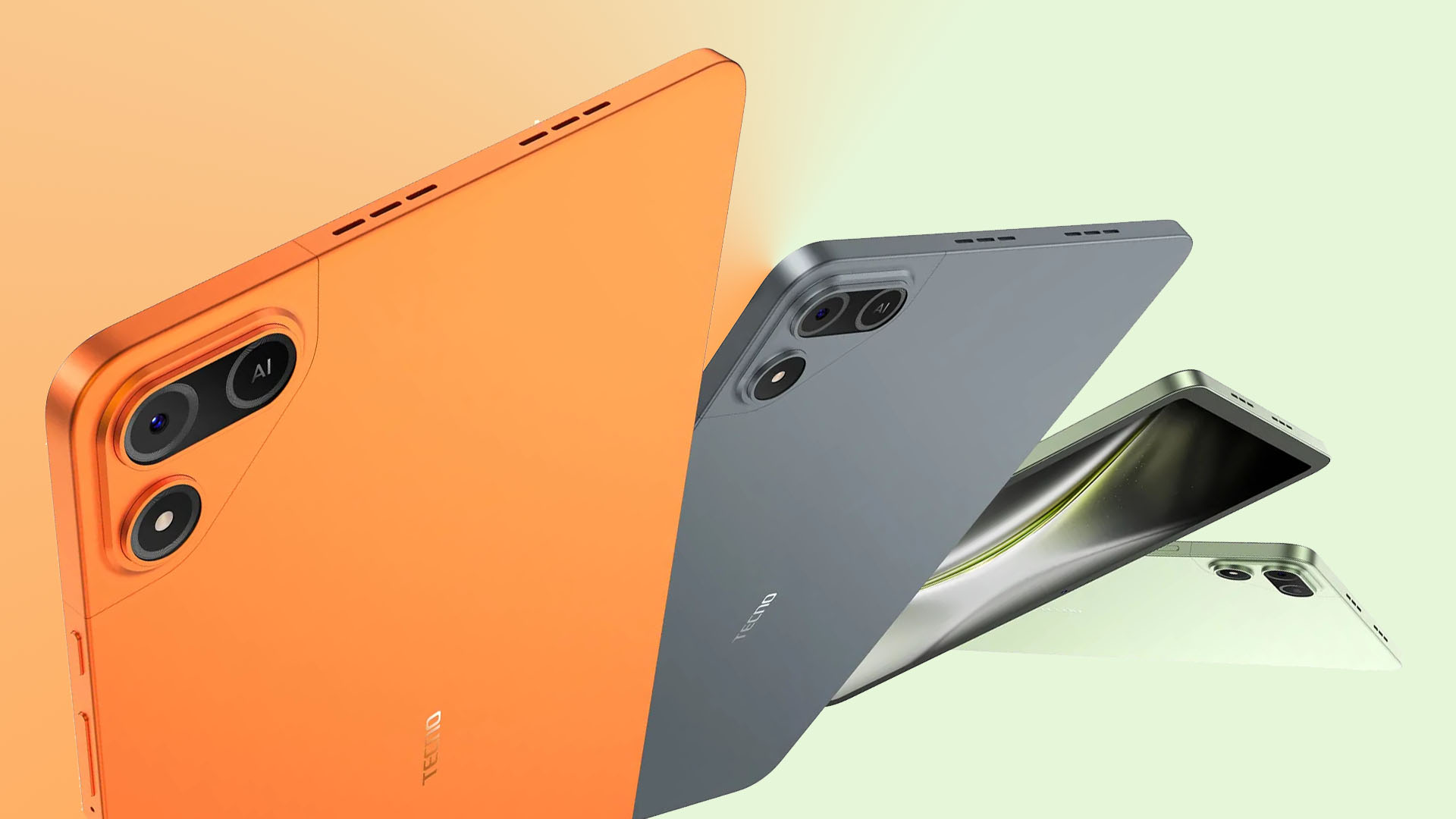
The TECNO MEGAPAD 2 finally reaches the Philippine shores — five months after its official unveiling at MWC 2026 last March.
It’s the brand’s latest Android tablet aimed at users looking for a larger screen for work, study, and entertainment.
Your Productivity Companion
TECNO’s MEGAPAD 2 boasts an 11-inch 2.5K display with a 90Hz refresh rate and TÜV Low Blue Light certification. It also comes with a quad-speaker setup with DTS audio.
Powering the MEGAPAD 2 is a MediaTek Helio G99 SoC paired with either a 6+128GB or 8+256GB memory and storage configurations. There’s even a microSD expansion of up to 2TB.
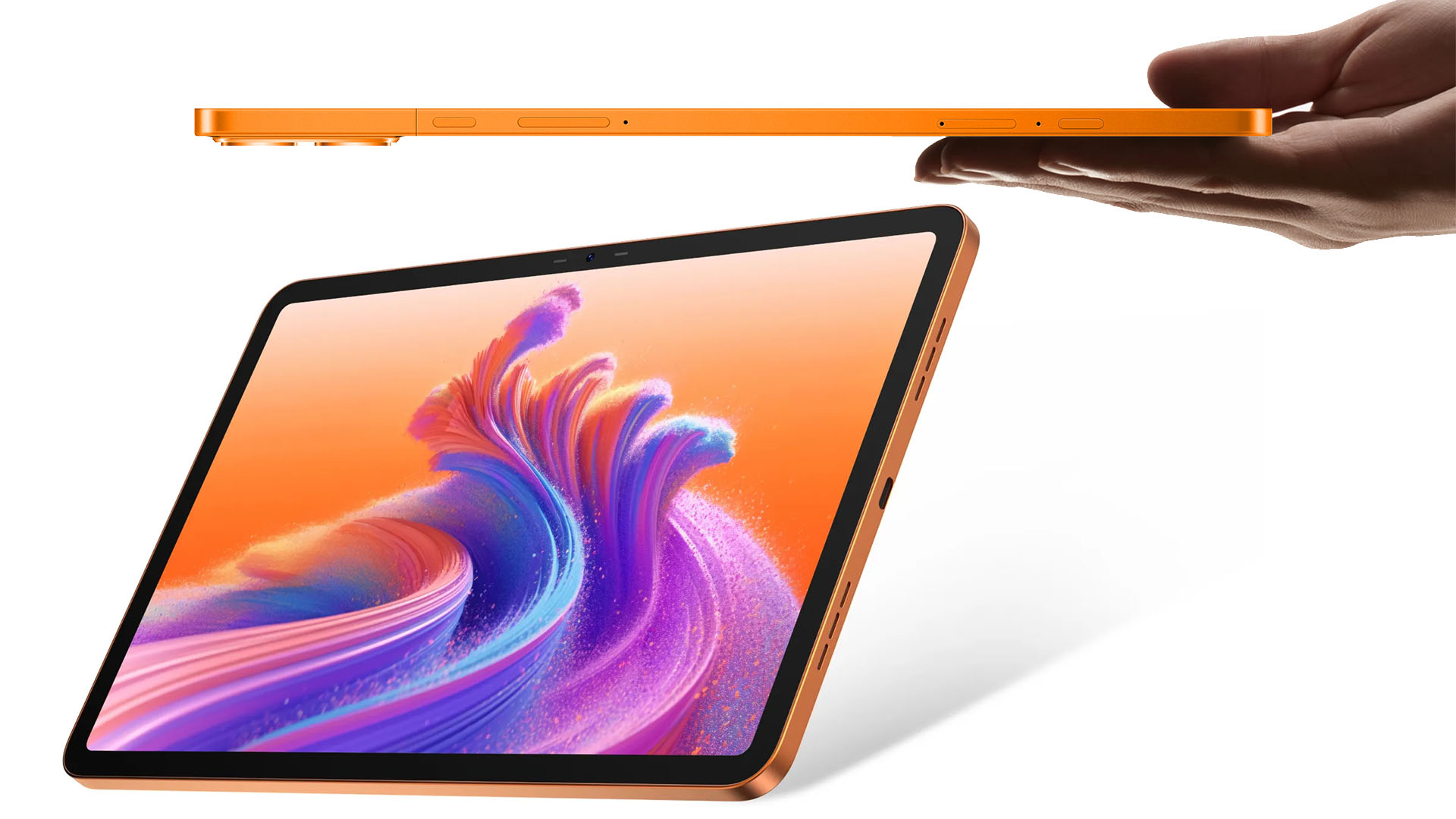
Keeping the tablet running is an 8,200mAh battery with 18W wired charging. At just 6.6mm thin and 490g, it’s one of the slimmest and lightest tablets for its price point.
AI takes center stage
Like TECNO’s latest devices, the MEGAPAD 2 runs the latest HiOS 16 based on Android 16. This means they have integrated several AI-powered tools aimed at boosting productivity and learning.
These include AI Problem Solving for educational / homework assistance, AI Translation with support for up to 140 languages across images, calls, meetings, and videos. Moreover, writing tools that can summarize, rewrite, and proofread text.
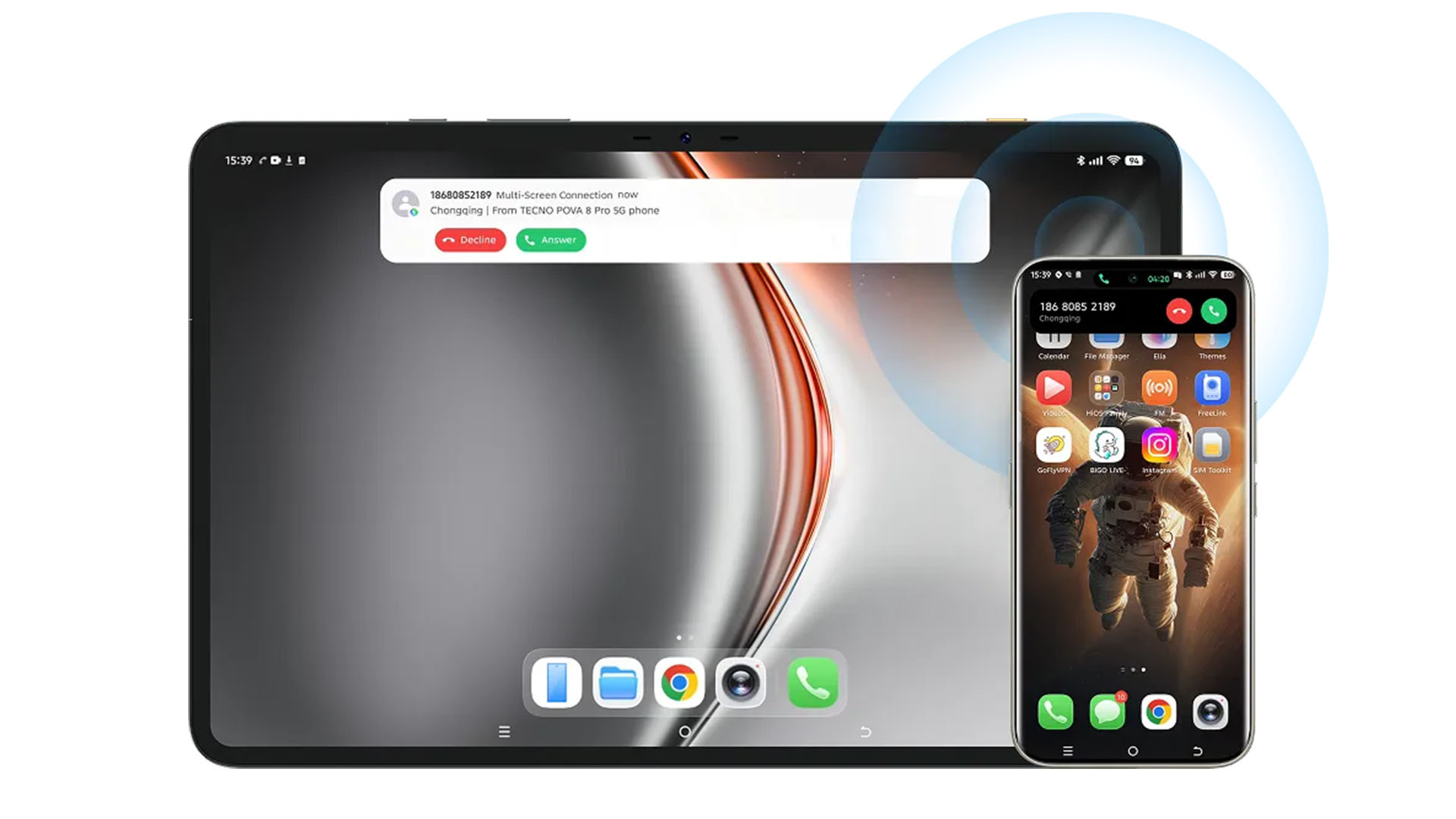
The tablet is also part of TECNO’s OneLeap ecosystem. Compatible TECNO phones and laptops can share files, extend displays, and transfer content more seamlessly.
For video calls and casual photo-taking, the MEGAPAD 2 features 8MP front and rear cameras. Connectivity options include LTE, dual-band Wi-Fi, Bluetooth, and USB-C, allowing users to stay connected even when Wi-Fi isn’t available.
Pricing and Availability
The TECNO MEGAPAD 2 comes in Space Grey, Light Green, and Cosmic Orange colorways.
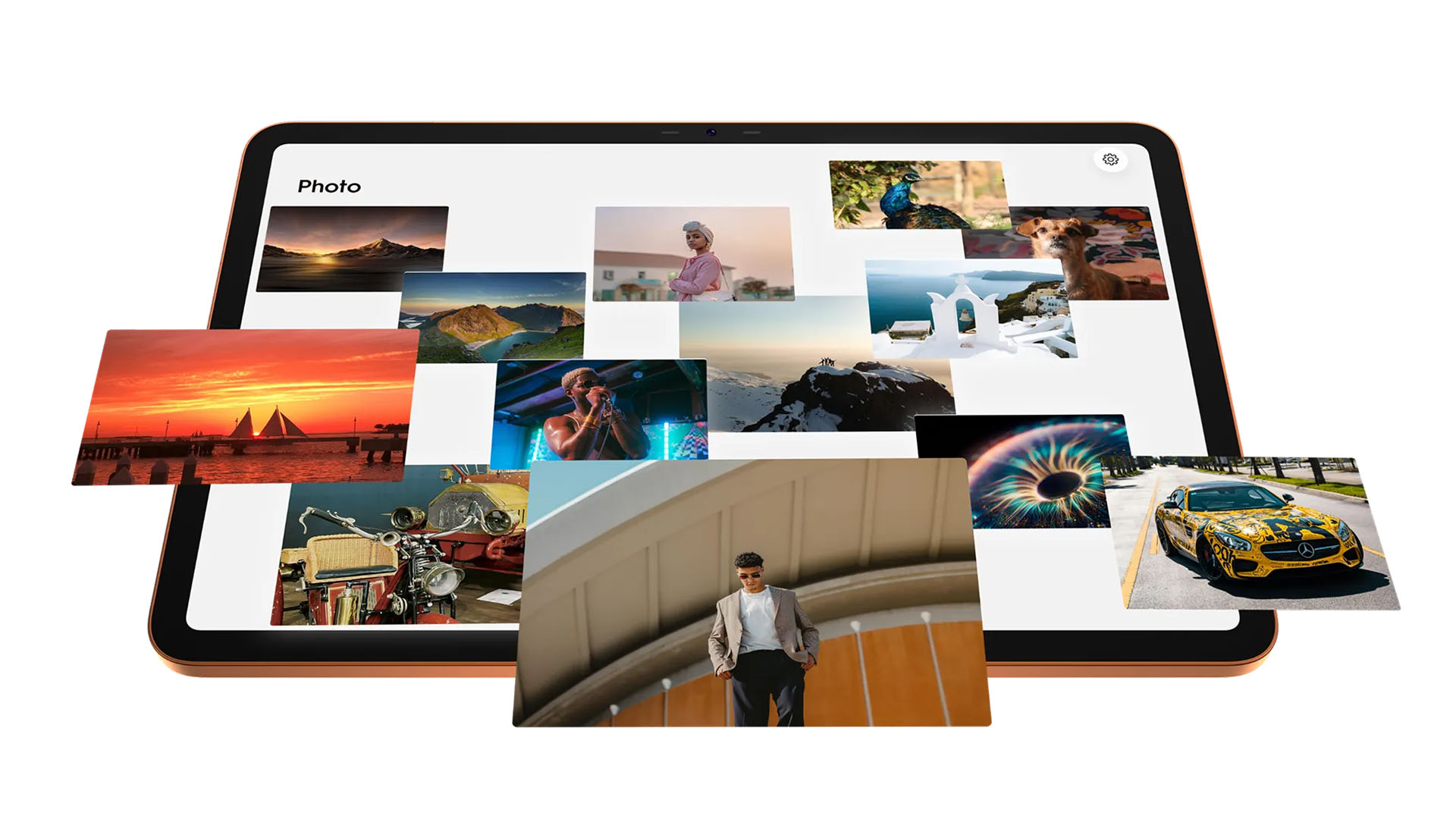
In the Philippines, early bird pricing starts at PhP 13,266 for the 6GB + 128GB model. Meanwhile, the 8GB + 256GB variant is priced at PHP 15,766. Both configurations include a Bluetooth keyboard as part of the launch bundle.
After the offer, it rolls back to its PhP 16,999 and PhP 19,999 SRPs respectively — minus the free Bluetooth keyboard.
It seems like the race towards an all-screen smartphone isn’t over just yet.
While most in the tech industry are currently obsessed over Samsung’s latest wide foldable, TECNO announces a more refreshing sight — at least for the regular “slab-type” phone form factor.
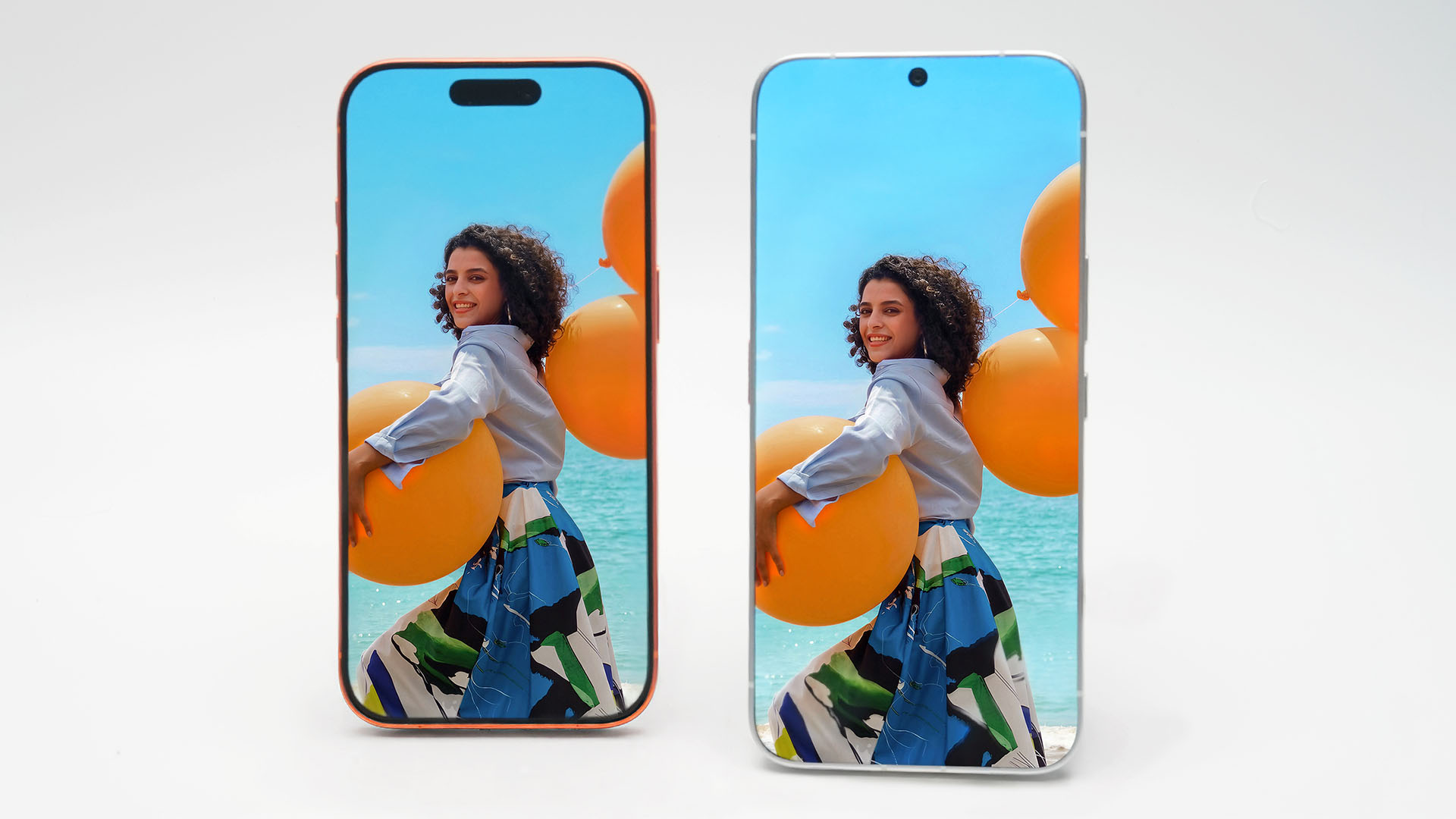
Black borders begone
Modern flagship smartphones already have incredibly slim bezels, but there’s still a thin black border separating the active display from the frame. That’s due to the internal circuitry and safety clearances required by current display technology
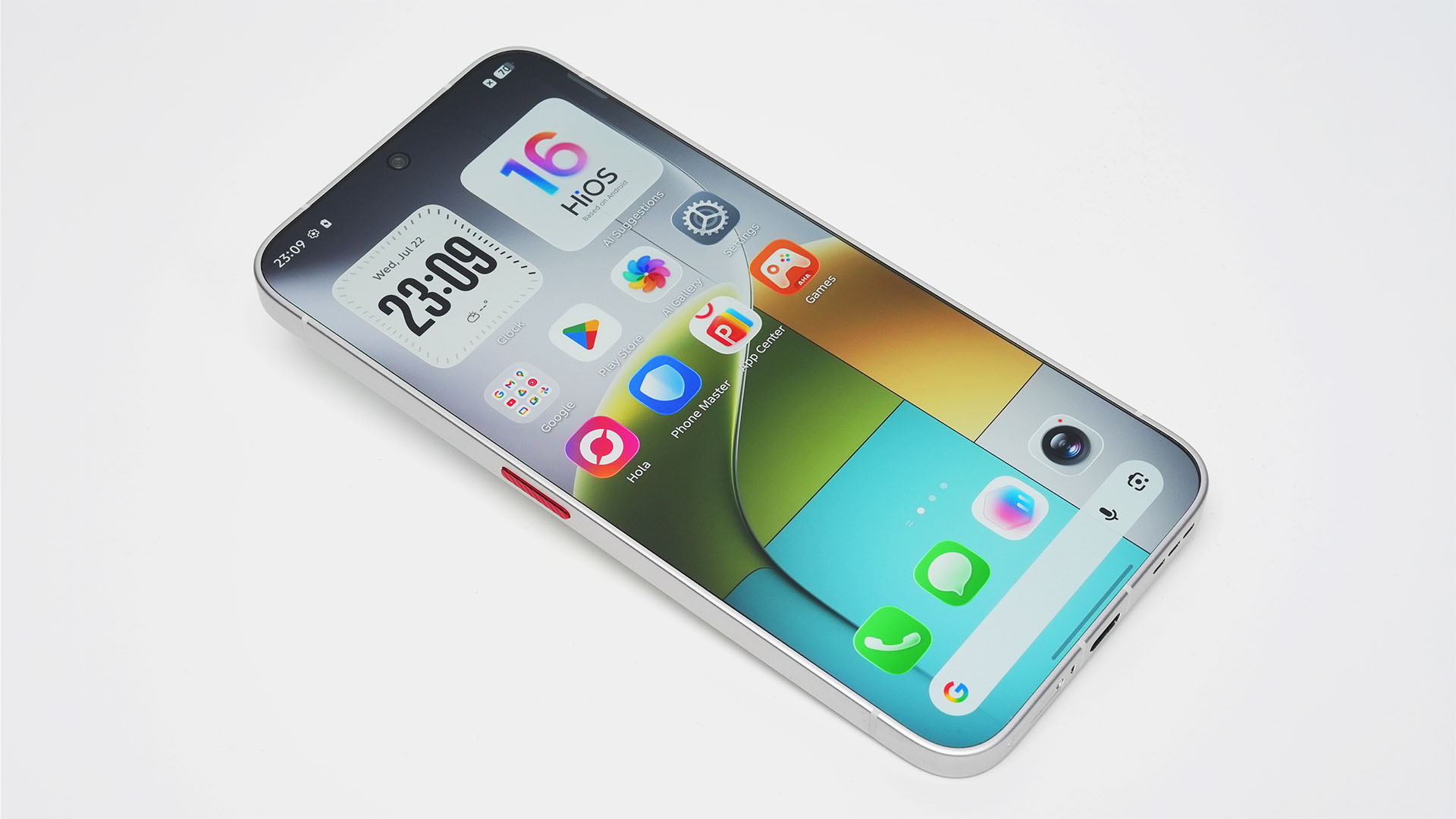
TECNO proves it’s possible to dissolve that with their Next-Gen Bezelless Concept Phone. And this is actually the industry’s first smartphone with a true 0mm display bezel.
With this fresh concept, the uprising brand says it has solved that “final millimeter” by redesigning the phone’s internal structure and display packaging. The result is a display with a visible border measuring 0 microns (0mm). This makes the screen appear to stretch all the way to the edges.
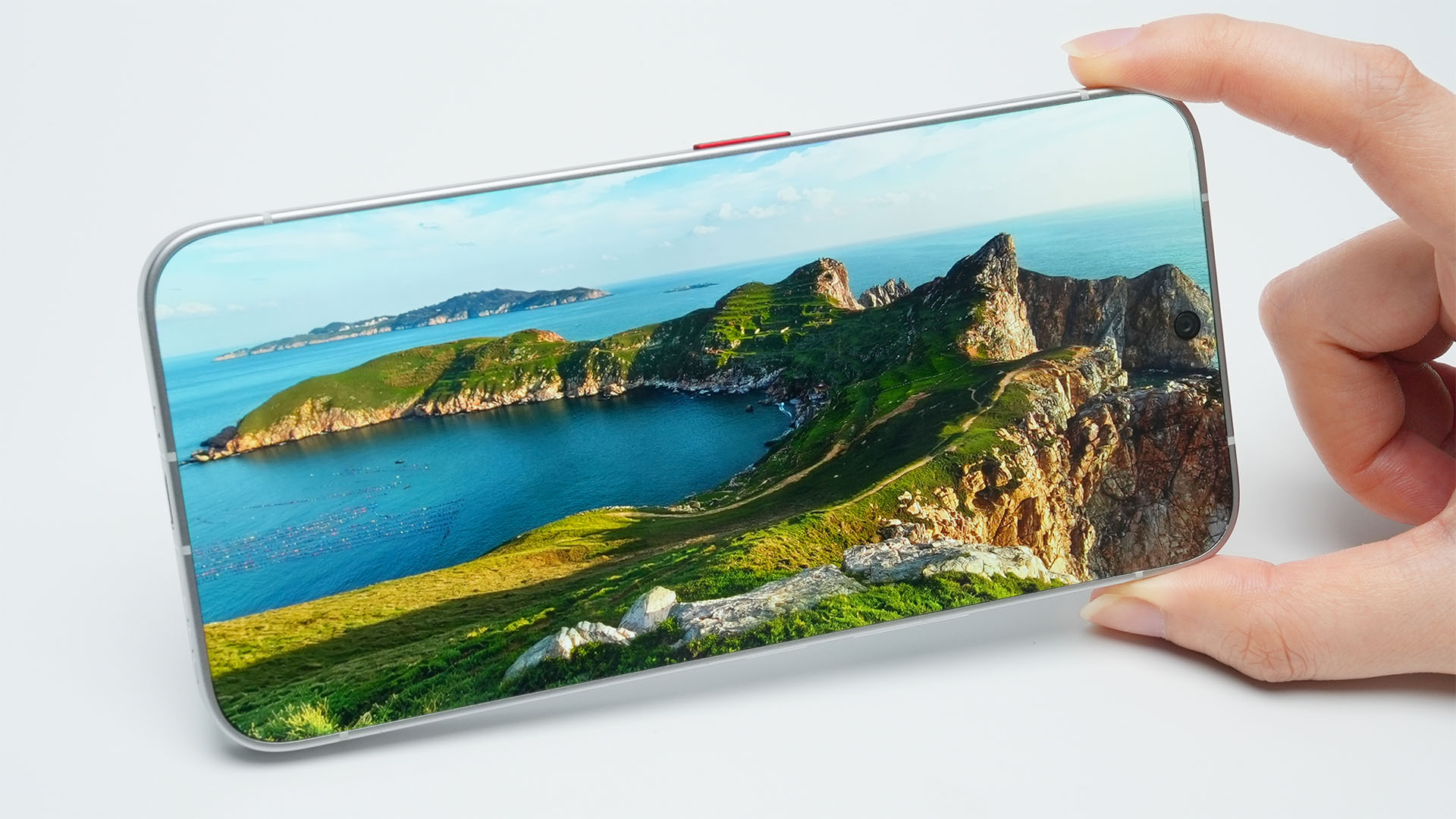
Removing the bezel completely isn’t just about aesthetics. The company says such uninterrupted display makes a more immersive experience — whether you’re watching videos, playing games, browsing photos, or simply reading.
Without these visible borders, content appears to flow naturally from edge-to-edge, making the display look as if it’s floating in your hand.
A glimpse at TECNO’s future
As with most concept devices, there’s no word yet on whether this exact design will make it into a commercial smartphone. Still, TECNO says the engineering behind the concept goes beyond the display itself.
The technologies developed for the project (such as improvements related to cameras, touch responsiveness, audio, and AI-driven user interactions) could eventually find their way into the brand’s future flagship devices.
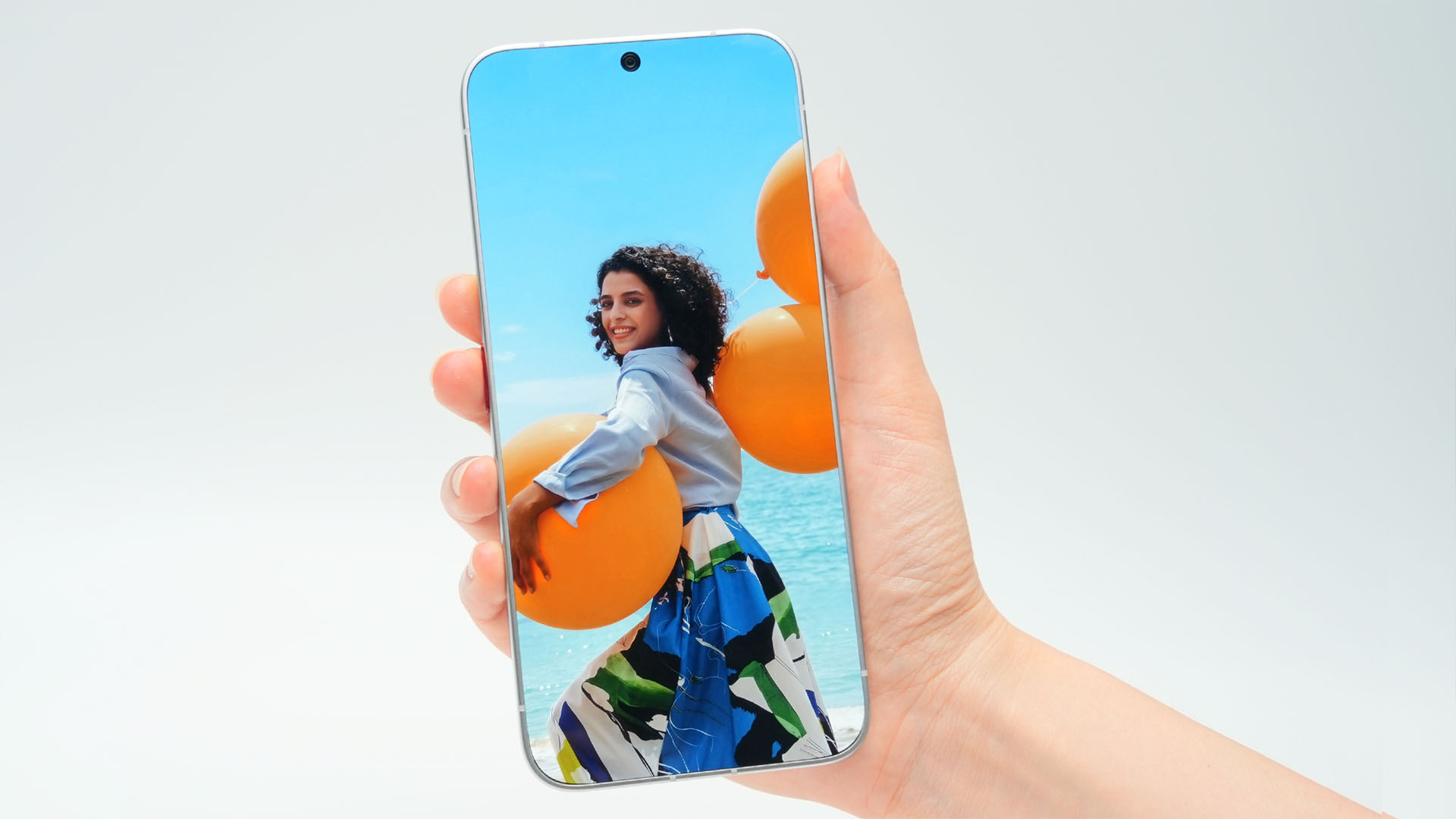
Whether or not a true bezel-free phone becomes reality anytime soon, the concept offers a glimpse at where smartphone design could be heading next. After all, TECNO’s super slim concept last 2025 actually became an actual retail product with the existence of TECNO Slim.
The concept is set to make its public debut on the upcoming ShowStoppers at IFA 2026 this September 3.

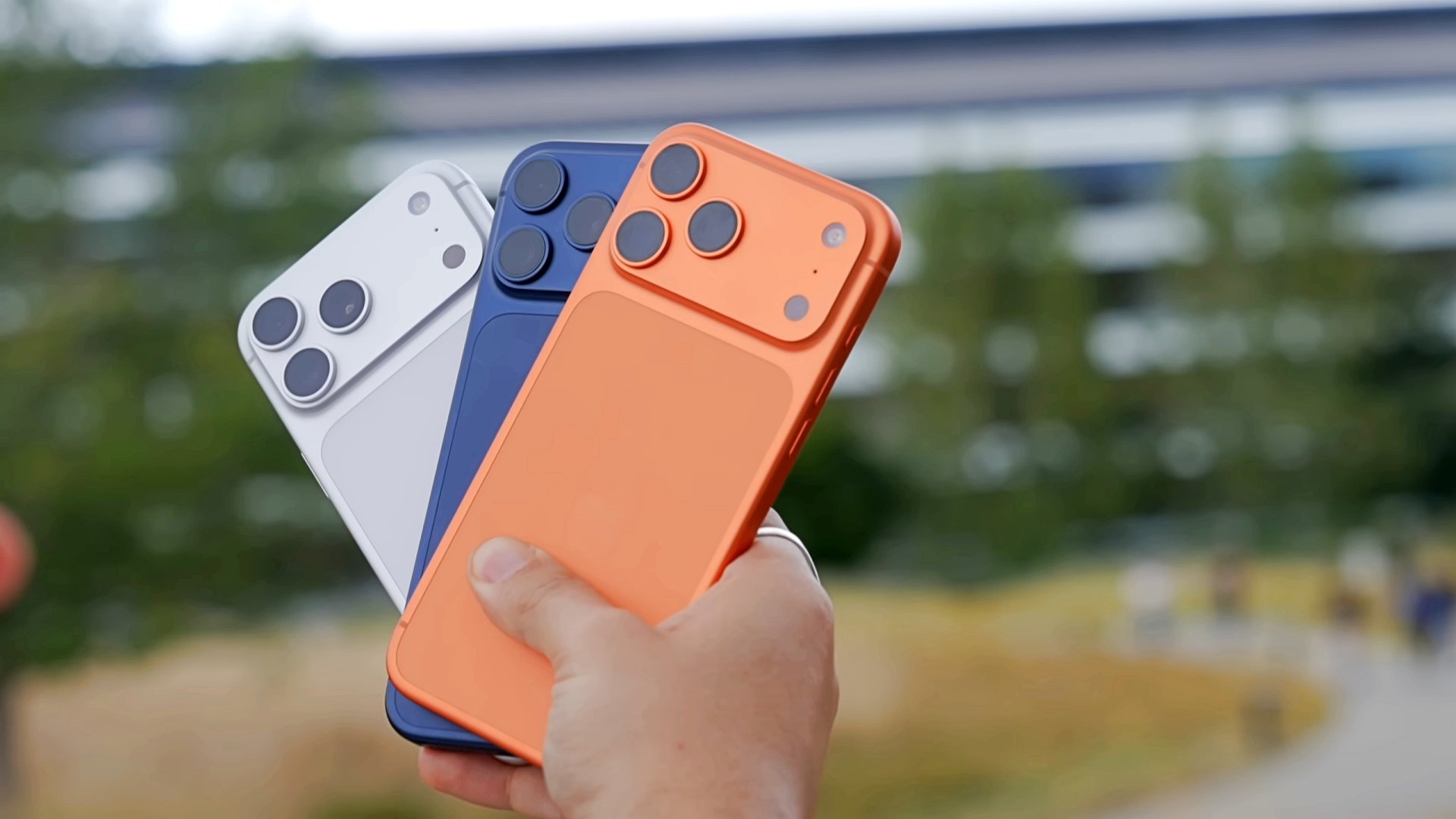
Apple has introduced Apple Upgrade, a new leasing program that makes it easier to get an iPhone, Mac, iPad, or Apple Watch through monthly payments. The program also gives customers more flexibility to upgrade to newer devices over time.
Apple Upgrade replaces new enrollments for the iPhone Upgrade Program with a single offering that covers four product categories. Apple partnered with Klarna to power the service.
Customers can lease an iPhone or Apple Watch for one or two years. Mac and iPad leases are available for two or three years.
At the end of the lease, customers have three options. They can upgrade to a newer device, purchase the leased device by paying the remaining balance, or return it with no further obligation.
Monthly payments start at US$17.99 for iPhone and US$24.99 for Mac, depending on the selected model and configuration. Customers must also qualify through Klarna before enrolling.
More than iPhones
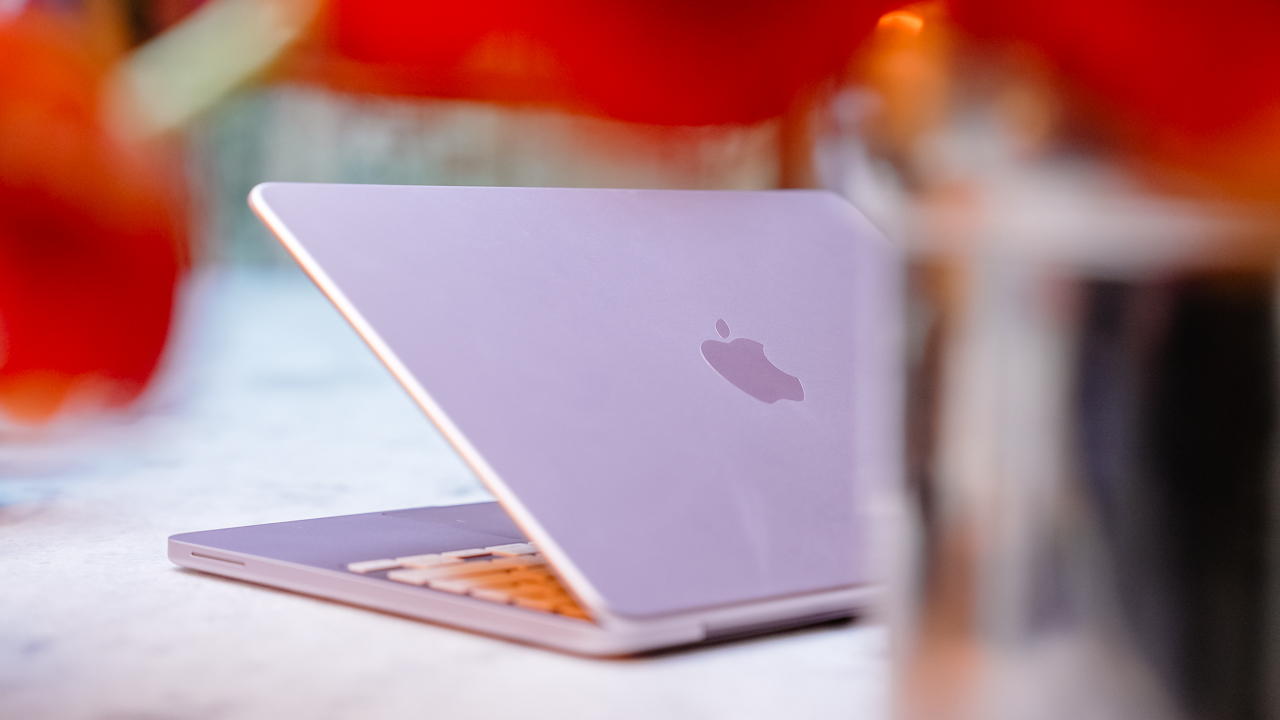
Apple Upgrade expands beyond the company’s previous iPhone-only financing program. It brings iPhone, Mac, iPad, and Apple Watch under one leasing service, making upgrades more consistent across Apple’s hardware lineup.
Customers can manage their lease through Apple, while Klarna handles financing and lease administration. They can also pay off their device early, although additional terms and fees may apply depending on the agreement.
Apple Upgrade is currently available only in the United States. Apple has not announced plans to expand the program to other regions.

realme C100: Enduring and durable in spite of entry-level realities
Enough power but needs more agility


The ASUS ExpertBook Ultra wins you over
The laptop sneaks up on you


Nexal Watch Sport review: A rugged watch for small budgets
I couldn't believe that watches this good could come for this cheap.

Samsung’s bet on the future of connected health: Less data, more action

Rain or shine, MOVE IT’s new commuter kit has you covered

Call of Duty: Modern Warfare 4 clip shows Losing Ground 1st look

Street Fighter special look: Blanka vs. Ryu

TECNO MEGAPAD 2 now available in the Philippines

New York becomes first state to ban smart glasses

Sony launches IER-M500 in-ear monitors

Microsoft dictates that a new Fallout game is coming

HoYo FEST 2026 details announced; tickets on sale from July 16
realme C100: Enduring and durable in spite of entry-level realities


-

 Wearables2 weeks ago
Garmin launches its first screenless fitness band
-
 Hands-On2 weeks ago
Hands-on: Samsung Galaxy Z Fold8, Flip8, Ultra
-

 Gaming2 weeks ago
NBA 2K27 cover athletes unveiled: Wemby, Clark, DRose
-

 Accessories1 week ago
CASETiFY revives Spider-Man collection for Brand New Day
-

 Cameras2 weeks ago
Sony announces new FX5 full-frame camera
-

 Gaming1 week ago
FINAL FANTASY X | X-2 HD Remaster launches on Nintendo Switch 2
-

 Entertainment2 weeks ago
Avengers: Doomsday trailer assembles Marvel’s biggest heroes against Doctor Doom
-
 Computers1 week ago
AORUS MASTER 16 Gen 2 2026 AI gaming laptop launches