
Tablets
Apple unveils new iPad Air with M2 chip
New 13-inch model available

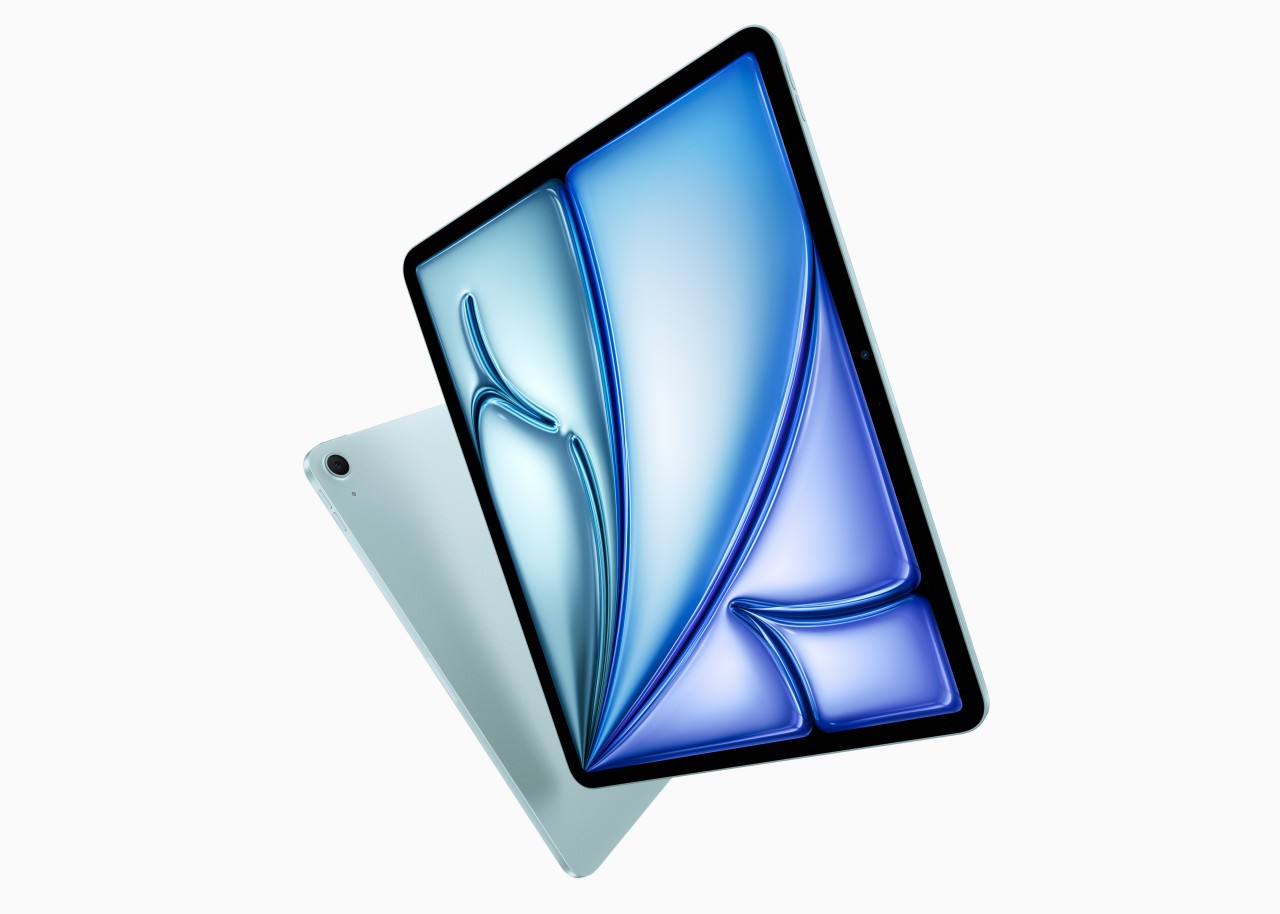
Apple has announced the redesigned iPad Air, which now comes supercharged by the M2 chip. That’s not all: aside from the 11-inch iPad Air, Apple has unveiled an all-new 13-inch model for the first time.
The latest iteration of the iPad Air features a faster CPU, GPU, and Neural Engine, ensuring users of even more powerful performance and a device more suited for AI. The tablet also boasts of faster Wi-Fi and 5G speeds on cellular models, all-day battery life, and support for Apple Pencil Pro and Smart Folio.
Price, availability

The new iPad Air is available in four colors: blue, purple, starlight, and space gray. Both models have configurations ranging from 128GB to 1TB internal storage, along with 8GB of RAM. The prices are as follows:
- 11-inch iPad Air: US$ 599 / PhP 42,990 / SG$ 899
- 13-inch iPad Air: US$ 799 / PhP 54,990 / SG$ 1,199
Customers may now order the new iPad Air, while general availability starts on May 15, 2024. The Apple Pencil Pro also releases on the same day. This accessory supports more capabilities, like squeeze, barrel roll, and haptic feedback for a more intuitive usage.
Now in two sizes

With two sizes, the redesigned iPad Air offers users exactly what they need. The smaller 11-inch model is portable as it gets, while the 13-inch model provides a larger display for those who need more room where it is needed, like Freeform or when utilizing Split View.
Both models sport a Liquid Retina display with anti-reflective screen coating, True Tone technology, and support for P3 wide color. Content viewed on the latest iPad Air’s display looks rich and vibrant, with better brightness and deeper blacks. Text also comes out sharp, no matter the lighting condition.
More performance
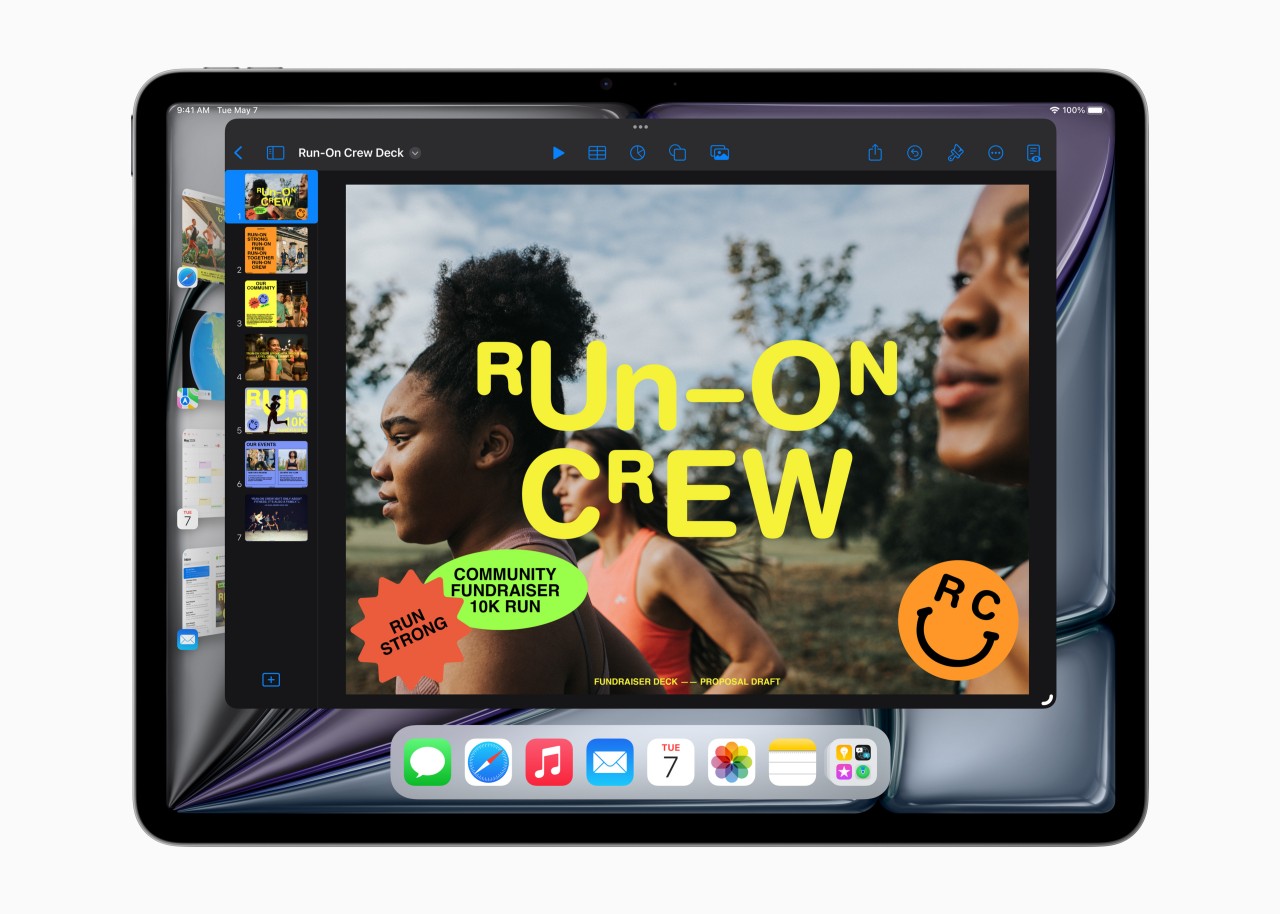
The M2 chip features a faster 8-core CPU and 10-core GPU. It offers a handful of improvements over M1, for those upgrading from previous-generation iPad Air models. For reference, the M2 chip clocks at at maximum of 3.49GHz, while the M1’s peak processing speed is just at 3.2GHz.
Combined with faster memory bandwidth, the new iPad Air is about 50% faster than its predecessor with M1. Moreover, compared to the iPad Air with A14 Bionic, the latest counterpart delivers up to three times faster performance.
The incredibly fast chip will allow users to work or create and render faster on the latest iPad Air, as well as play graphics-intensively games smoothly and easily.
Powerful device for AI

Moreover, the M2 has a 16-core Neural Engine that is 40% faster than the M1. Along with accelerators, the new iPad Air boosts on-device machine learning along with Apple silicon’s architecture for exceptional AI performance.
Users will feel this change when enjoying iPadOS features like Visual Look Up, Subject Lift, or Live Text. They also do more when using Auto Enhance in Photomator, or Onform’s motion-tracking.
And as the newest iPad Air also runs on iPadOS 17, users will have better personalization options for various apps and services.
Faster connectivity
Furthermore, the tablet now supports Wi-Fi 6E, faster 5G on cellular models, and Bluetooth 5.3. That’s twice the performance from the previous generation. The cellular models are also eSIM compatible, so users may opt for a non-physical version or have multiple mobile plans on a single device.
Landscape front camera
The redesign also sees the ultra-wide 12MP front camera now located along the landscape edge. The change is mainly due to the fact that more iPad users prefer the orientation. This sensor features Center Stage, which uses machine learning to keep everyone in the field of view.
At the back is a 12MP wide camera that delivers up to 4K video and support for 240fps slow-motion. Complementing the cameras are dual microphones that capture audio while minimizing background noise.
When it comes to content consumption, the new iPad Air also has landscape stereo speakers with Spatial Audio. The 13-inch model, in particular, delivers double the bass for better quality for music, videos, and other content.





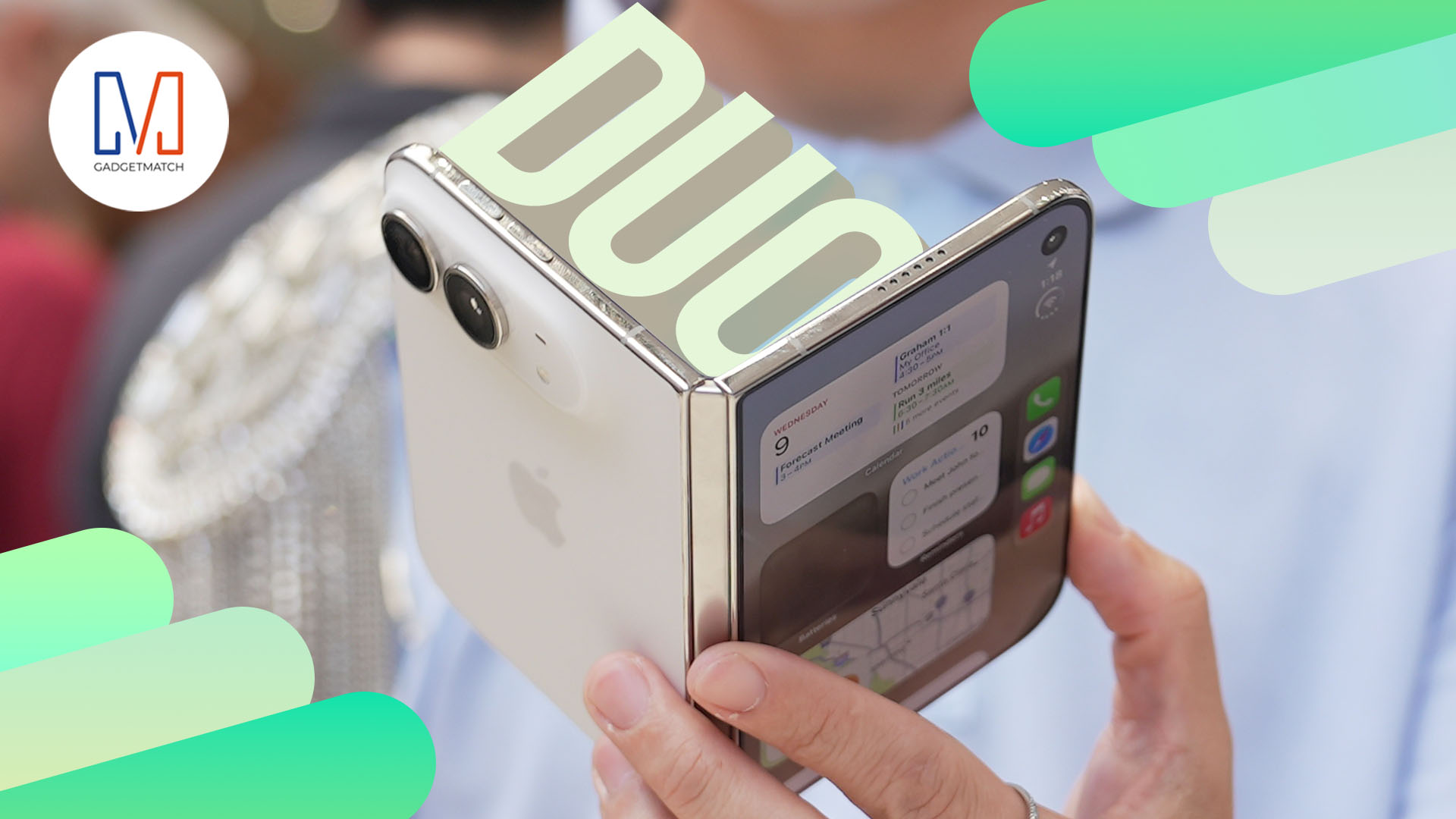
Apple’s first ever foldable is finally here! Say hello to the iPhone Duo.
In this video, THE Michael Josh shares his first impressions.
Those include the design, display, cameras, performance, and what it’s actually like to use Apple’s latest iPhone.
Is the iPhone Duo the future of the iPhone or just an interesting experiment?
We take a closer look and share everything that stood out during our hands-on experience.
Editors' Choice
GadgetMatch Awards: Best of IFA 2026
Xiaomi 18 Fold, Govee, XGIMI, ARZOPA, Cuktech and more!

We’re back at IFA 2026 in Berlin, checking out some of the coolest and most interesting tech on the show floor.
From smart home lighting and portable displays to projectors, power solutions, foldables, and more, these are some of the products and brands that caught our attention this year.
In this video, we take a look at:
- AI Lighting https://bit.ly/4xmY342
- Z3FC Portable Monitor https://bit.ly/4gRk7wD
- D14 Digital Photo Frame https://bit.ly/4qYlRJ6
- 30 Ultra Desktop Charging Station https://s.whaee.com/tXBornw
- 10 Ultra Charger https://s.whaee.com/UsWT4U2
** Use code CUKTECH09, valid until September 30
XGIMI
ASUS x NVIDIA RTX SPARK
- ProArt P16: https://asus.click/h7607_gm
- ProArt P14: https://asus.click/h7407_gm
- ProArt GR1X
Watch until the end for our favorite finds from IFA 2026!
News
Xiaomi 18 Fold is the next foldable to go WIDE
Just days before the official launch of Apple’s first foldable iPhone

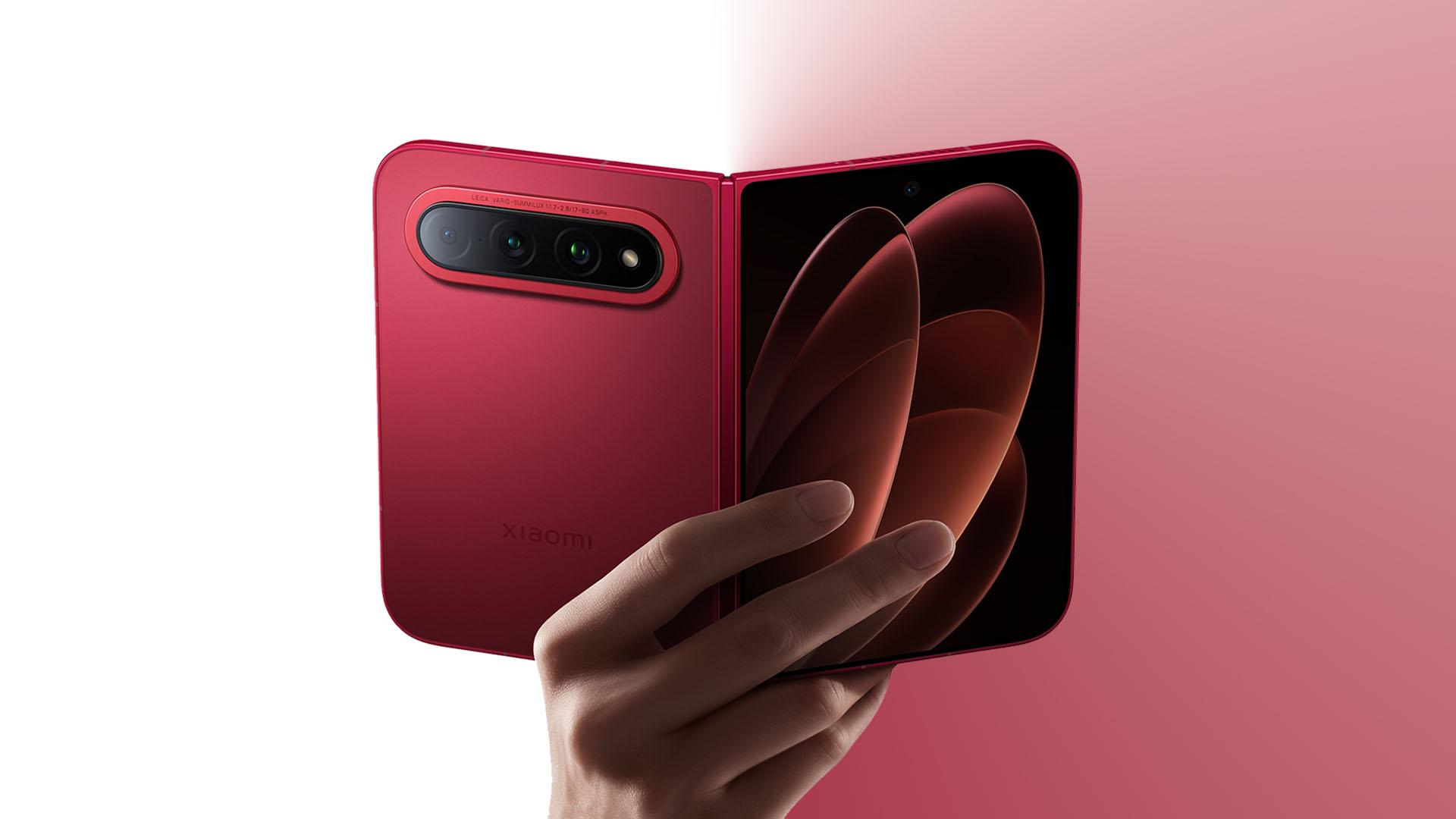
From the HUAWEI Pura X Max to Samsung’s Galaxy Z Fold8, it seems like WIDE foldables are inevitable at this point.
The latest to enter the battlefield is none other than the Xiaomi 18 Fold.
A fold of firsts
First teased inside a glass casing at IFA 2026 in Berlin, Germany, the Xiaomi 18 Fold finally makes its official debut — just days before the official launch of Apple’s highly anticipated foldable iPhone.

While it’s not the first WIDE foldable to exist, it’s still the first WIDE foldable made by Xiaomi. They even skipped two years and a generation of the very last MIX Fold to welcome this transition.
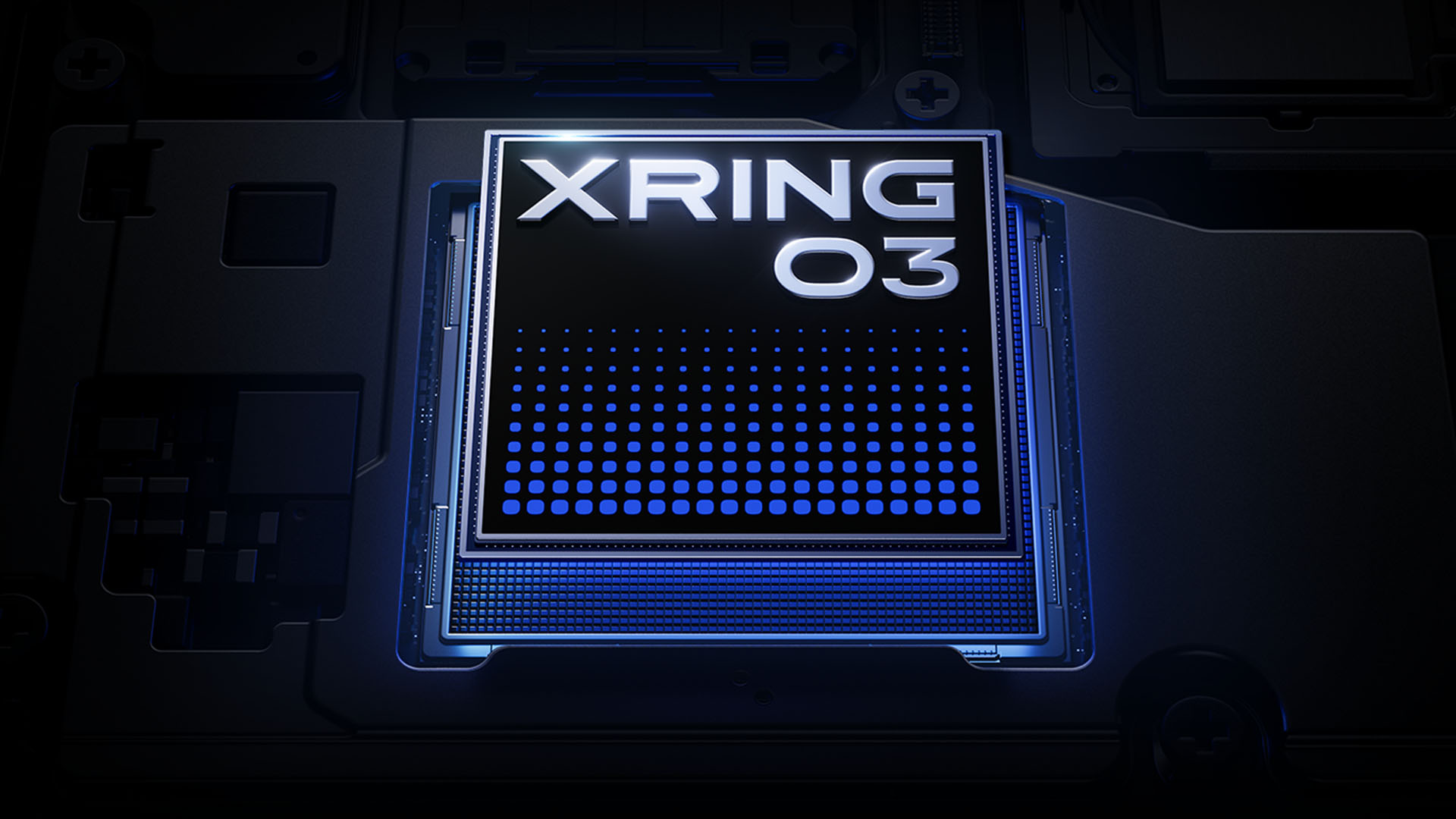
And by that, it’s also their first device to run the Xiaomi XRING O3 SoC built on a 3nm process with a 10-core CPU plus a 16-core G2-Ultra NX GPU.
This chip promises 52% faster CPU and 84% greater GPU performance than Apple’s A19 Pro chips. All while drawing less power.
Meanwhile, there’s a newer 4-core NPU that can deliver 45% faster on-device decoding performance compared to Xiaomi’s first-gen chip.
This second-generation chipset is also the first SoC that supports the all-new LPDDR6 RAM interface.

This new foldable also packs a 6000mAh battery, the largest in any WIDE foldable so far. Its Pura and Galaxy rivals are capped at 5300mAh and 4800mAh respectively.
Filling it up fast will all depend on Xiaomi’s 67W HyperCharge and 50W wireless HyperCharge standards.
Another first in the Xiaomi 18 Fold lies on the back of its special Ceramic Edition colorway.
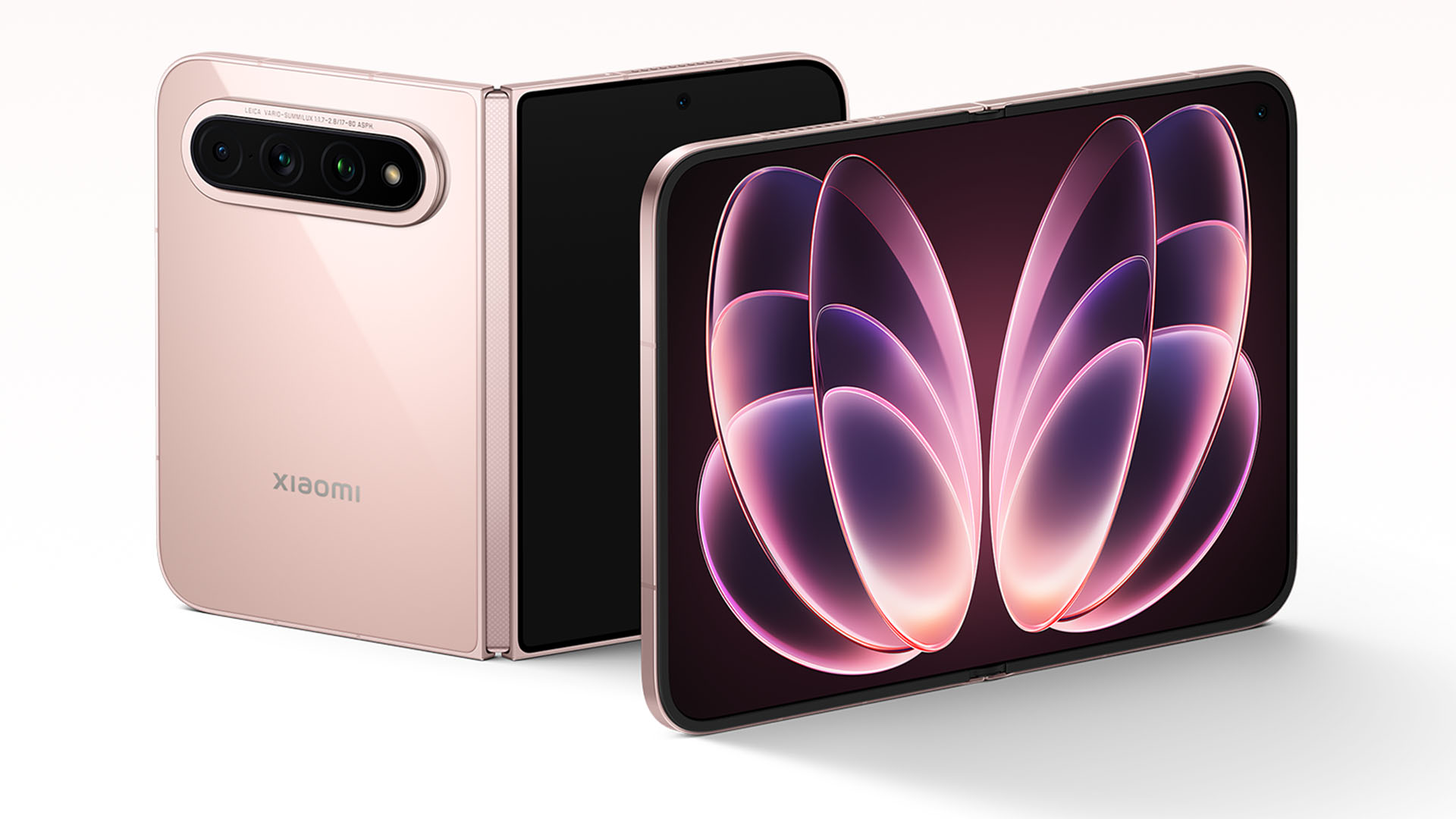
The use of Silicon nitride ceramic marks the first time for this material to be used as a smartphone’s back panel.
ICYMI, Silicon nitride is an advanced ceramic material that is widely used in automotive and aircraft engines especially for its high-temperature resistance.
This material combines a warm yet smooth ceramic feel but with a high amount of hardness. All while weighing approximately 50% less versus a traditional zirconia ceramic.
Pretty inside and out
Other than its powerful core and mechanism, the Xiaomi 18 Fold is pretty both inside and out.
When folded, it features a 5.38-inch cover display. Unfolded, it has an expansive 7.58-inch flexible screen. They feature Xiaomi’s new HyperRGB screen technology that uses a full RGB subpixel structure to make complete use of red, green, and blue subpixels.
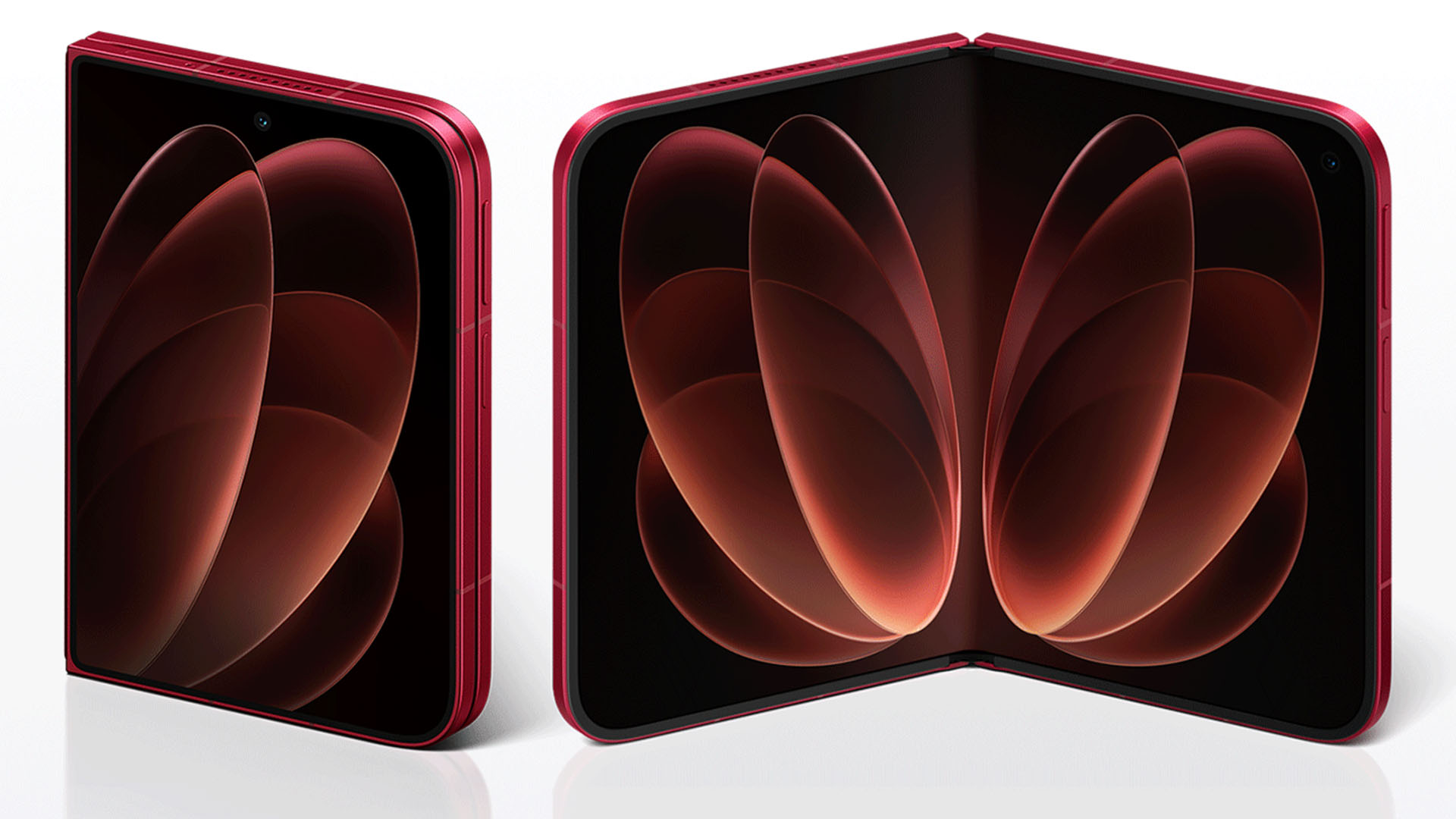
Both screens also have an adaptive 1~120Hz LTPO AMOLED displays with a maximum brightness of 4000 nits.
This passport-like form factor adapts a √2:1 aspect ratio close to a standard A4 paper. Both create higher screen utilization when consuming content regardless if one is reading, watching, or even gaming.
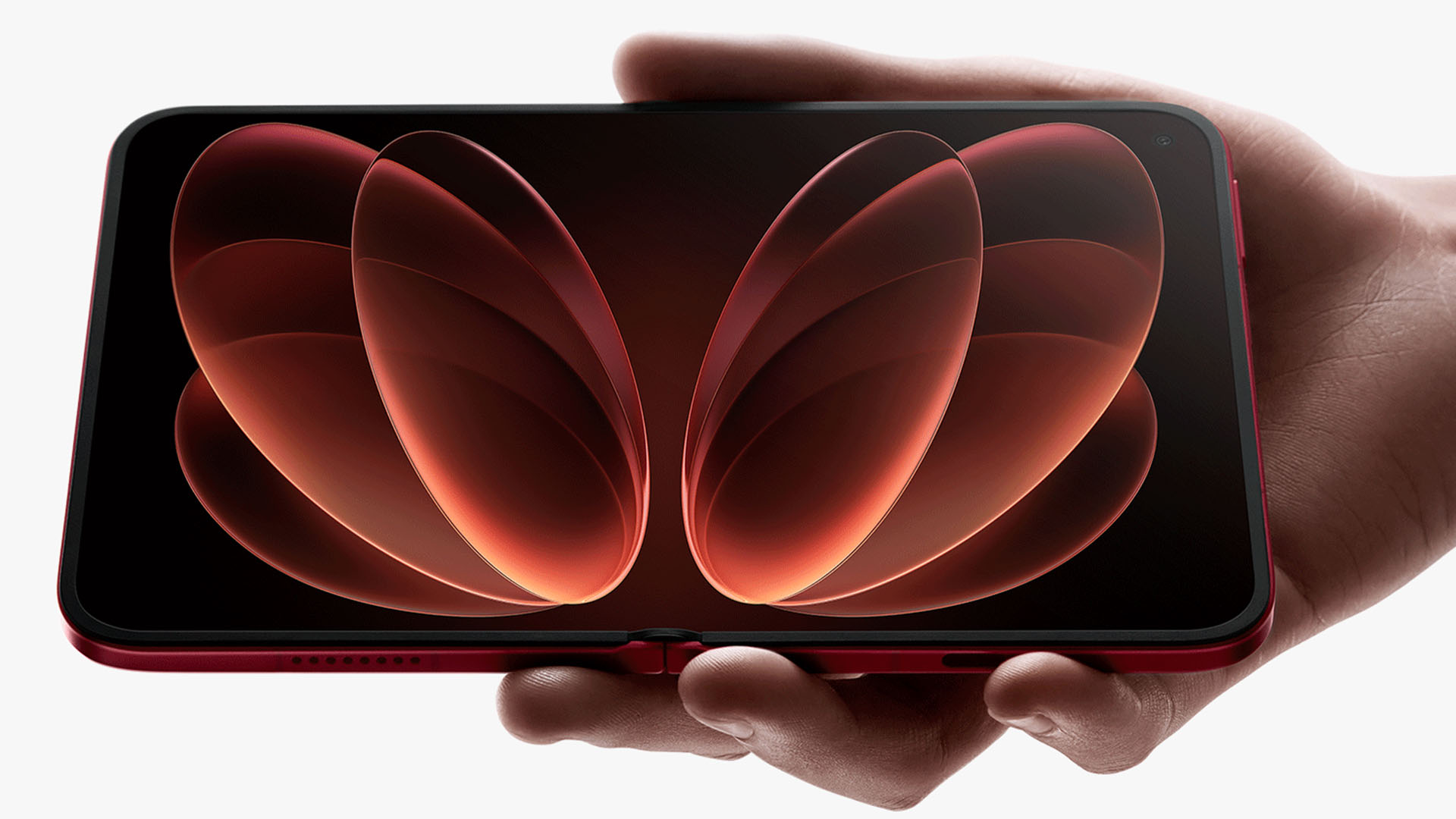
Xiaomi 18 Fold’s inner screen also boasts minimal creasing all thanks to its double-layer UTG (Ultra-Thin Glass) where the surface UTG is 50µm while its support layer underneath is at 30µm.
There are also organic flexible insulating materials that are 6x more ductile than rigid materials alongside a stronger impact resistance.
Flipping to its back, the Xiaomi 18 Fold boasts a triple Leica camera system.
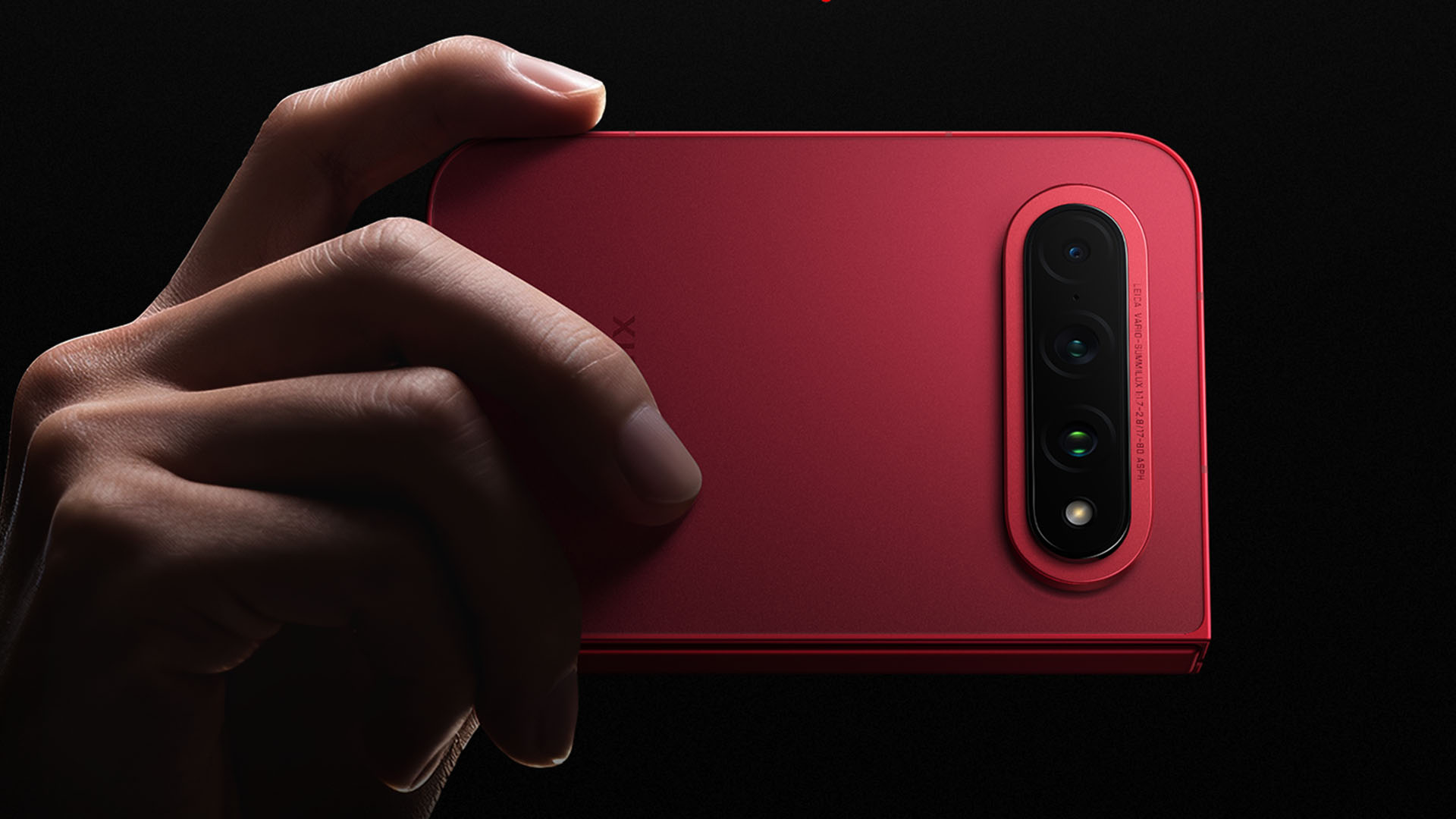
Specifically, it packs a 200MP f/1.7 main camera based on Samsung’s 1/1.56-inch ISOCELL HP5 sensor. Additionally, there’s a 50MP f/2.4 UWA and a dedicated 50MP f/2.8 periscope telephoto module with 3.5x optical zoom capabilities.
All cameras come with Leica’s Summilux optics that are also found on the last Xiaomi 17 Ultra.
The Xiaomi 18 Fold is the second WIDE foldable to pack a triple camera setup that its current Korean counterpart and the upcoming American contender both lack.
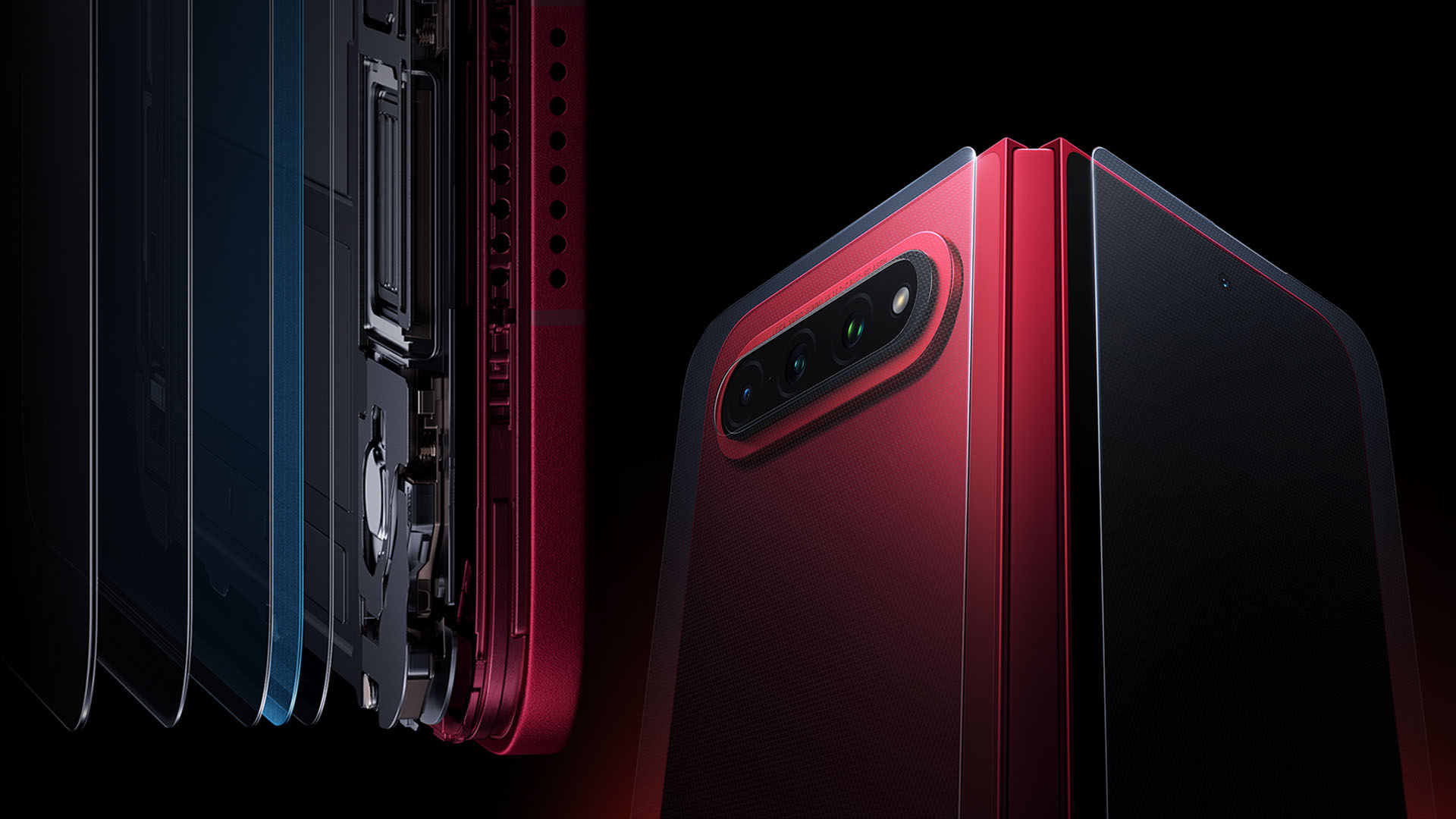
Graphics by Vincenz Lee | GadgetMatch
Now that we’re here, the chassis is made from a 7000-series aluminum alloy frame with Xiaomi’s very own Shield Glass 3.0 glass protection for both the outer display and back panel (not to be confused with the exclusive Ceramic Version).
The cover glass is further strengthened through ion implantation for improved drop resistance.
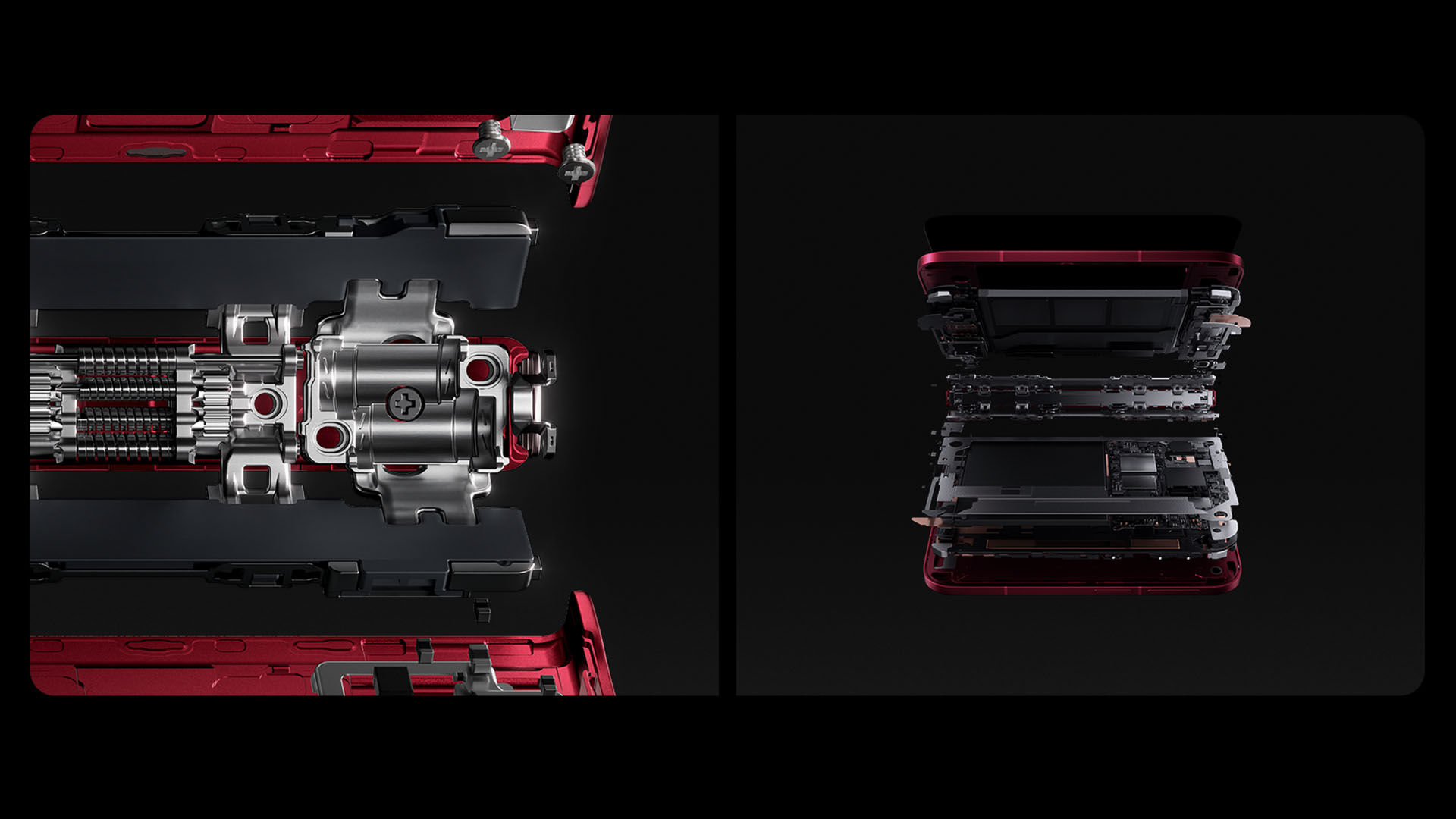
Also, Xiaomi’s new-gen hinge also has a patented three-link design that wraps around the screen and provides more protection.
While we’re already at it, the Xiaomi 18 Fold relies on IP58 and IP59 water and dust resistance ratings.
Pricing and Availability
The Xiaomi 18 Fold is available in Black, White, Red, and a special Ceramic Version.
Pricing and configuration are as follows:
- 12+256GB = CNY 10,999 (US$ 1640 / EUR 1410 / GBP 1215 / SG$ 2075 / MYR 6615 / PhP 102,330 / INR 154,680)
- 12+512GB = CNY 11,999 (US$ 1785 / EUR 1540 / GBP 1325 / SG$ 2265 / MYR 7220 / PhP 111,630 / INR 168,740)
- 16+512GB = CNY 12,999 (US$ 1935 / EUR 1665 / GBP 1435 / SG$ 2455 / MYR 7820 / PhP 120,935 / INR 182,810)
- 16+1TB = CNY 14,999 (US$ 2235 / EUR 1920 / GBP 1655 / SG$ 2830 / MYR 9020 / PhP 139,540 / INR 210,930)
- 16+1TB Ceramic Version = CNY 15,999 (US$ 2380 / EUR 2050 / GBP 1765 / SG$ 2425 / MYR 9625 / PhP 148,845 / INR 225,000)
Unfortunately, several outlets have already reported that Xiaomi does not plan to bring the 18 Fold outside China.


DJI Lito X1 review: Is this the best lightweight drone for creators?
Making a strong case as a travel companion and a capable B-cam!


REDMI Note 17 Pro Max review: A new breed born from AI greed
Welcome to the new normal


Marvel’s Wolverine review: When the claws come out
A brutal, cinematic superhero adventure

When your body talks, the Galaxy ecosystem listens

MediaTek launches the Dimensity 9600 Pro

Qualcomm unveils the Snapdragon 8 Elite Gen 6 series

OPPO Find X10 Pro Max is the first phone with a triple 200MP camera system

70mai launches the A900 series with 4K front, rear recording

realme 16T 5G with 8000mAh battery, IP69 Pro rating launches in PH

HUAWEI Pura X View is 2026’s first WIDE slab-type smartphone

REDMI reveals the refreshed Note 17 and Note 17 Pro series

REDMI Note 17 Series: Price, availability in Singapore

The CAMON Slim 5G is TECNO’s latest ultra-slim smartphone


-

 Accessories2 weeks ago
CASETiFY upgrades iPhone 18 cases, teases iPhone Duo lineup
-
 Hands-On2 weeks ago
Apple iPhone 18 Pro Series Hands-on
-

 News2 days ago
vivo X500 Series launches with major imaging upgrades
-
Gaming2 weeks ago
Marvel’s Wolverine review: When the claws come out
-

 Gaming1 week ago
BlizzCon 2026 announces World of Warcraft: Forever and Diablo V
-

 Singapore4 days ago
Epson Lifestudio Grand Plus EH-LS970B with 4K projection, more launches
-
Reviews1 week ago
REDMI Note 17 Pro Max review: A new breed born from AI greed
-

 First Look2 weeks ago
First Look: Apple iPhone Duo