
News
ASUS ZenFone 5 scores 90 on DxOMark
Not bad for the company’s first entry


While waiting for OnePlus to reveal the DxOMark score of its newest flagship phone (spoiler: It hasn’t been disclosed yet), we instead got the numbers of another recently launched phone: the ASUS ZenFone 5.
The ZenFone 5 is the company’s latest shot at dominating the midrange market; and it’s been a great attempt so far. This handset offers a great set of specs, a screen that is on par with the competition, and the return of ASUS’ now-signature dual-camera setup owning an additional ultra-wide-angle lens.
So, how good are these cameras? Imaging authority DxOMark awarded them an overall score of 90. While that may not seem as amazing as the 95+ numbers we’ve been seeing more of lately, there’s some weight behind the ZenFone 5’s rating.
If you look at the complete mobile ranking of DxOMark, the ZenFone 5 is one of the few midrange smartphones that hit the 90 mark. It’s also one of the most affordable phones in this group, making it a great camera phone for the price.
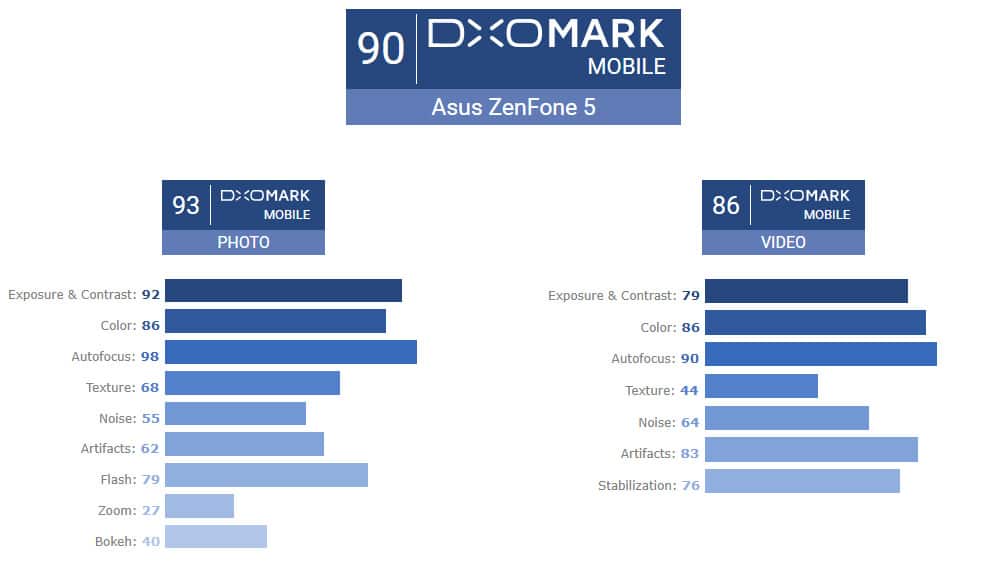
Looking a little closer, the ZenFone 5 has a score of 93 in the photo department and a respectable 86 in video. DxOMark praises the cameras’ dynamic range and accurate white balance, but says that the images suffer from noise and loss of detail in certain situations.
Our own review of the ZenFone 5 gave credit to its cameras’ ability to scan environments using artificial intelligence. Photos during our tests had good color balance and a sweet level of clarity. The biggest downside we experienced was the slow autofocusing in dimly lit spots.
It’s interesting to note that this is ASUS’ first showing on DxOMark, and a great one at that. If the Taiwanese company can maintain this pace for its upcoming flagships, they’ll be serious camera-centric contenders in this market segment.







Lifestyle
Nike’s Alphafly 4 is built for the part of the marathon ~that actually hurts~
Made to protect your stride when fatigue sets in.


Every marathoner knows the exact moment the race truly begins.
It’s not at the starting line amidst the early morning excitement, but around the 32-kilometer mark, when your legs begin to feel heavy and your form starts to fall apart.
Nike designed its latest marathon racer specifically for that critical window. The Alphafly 4 shifts the focus away from chasing sheer top-end speed, targeting instead the physical breakdown that happens late in a long run.
By studying how fatigue alters a runner’s mechanics over time, Nike rebuilt its flagship distance shoe to help athletes maintain their stride when energy starts to dip.
Holding the line when fatigue sets in
On the road, the shoe operates as a complete, unified system designed to protect your stride.
A redesigned Atomknit upper wraps the foot with breathable support, using targeted midfoot cables and an integrated heel unit to keep your fit secure without adding unnecessary weight or friction over long distances.

Underfoot, the new ZoomX LT foam layer works alongside Nike’s contoured carbon-fiber Flyplate. The lighter foam returns maximum energy with every footfall, while the plate smooths out your rolling motion.
Together with dual forefoot Air Zoom units and a durable Fast Shot outsole, the setup keeps your cadence consistent and your legs feeling fresh well into the back half of the race.
As Emily Farina from the Nike Sport Research Lab notes, their goal was to help runners stay confident, balanced, and capable from the start line all the way to the finish.
Built on the miles that came before
That focus on real-world endurance stems directly from athlete testing.
Nike developed the shoe using feedback from its Project Dreamweaver initiative and extensive trials with women distance runners, prioritizing stability and comfort alongside high performance.
The lineage carries significant weight. The Alphafly family has grounded some of distance running’s greatest moments, from historic sub-two-hour efforts to major course records.
With the Alphafly 4, that legacy translates directly into everyday marathon training, helping athletes hold their target pace just a little bit longer. Marathoners won’t have to wait long to feel the difference on race day.
The Nike Alphafly 4 drops in an early, limited release on September 17 at nike.com, followed by a wider global release on October 29 online and at select retail stores.
Entertainment
SEGA, Netflix announce Crazy Taxi film adaptation
1st in planned slate of film adaptations, including Sonic and STRANGER THAN HEAVEN


SEGA and Netflix have announced a new Crazy Taxi film adaptation. This will usher in a new collaboration era with the parties also developing adaptations for Sonic and STRANGER THAN HEAVEN.
Such a slate of future adaptations reflects the range of SEGA’s library as it draws on Netflix’s experience bringing beloved game worlds to new audiences.
The first project features Crazy Taxi, which will be written by Dan Gregor and Doug Mand. The beloved writing duo was behind the 2025 reboot of The Naked Gun.
Also on board to help helm the production are the same visionaries behind the Sonic franchise: Neal H. Moritz, Toby Ascher, and Toru Nakahara.
Crazy Taxi has been an arcade hit since 1999, putting players behind the wheel of a fearless cabbie racing the clock through chaotic city streets.
There’s flying off ramps, dodging traffic, and chasing tips with punk-rock energy that has become the series’ signature.
The latest title in the franchise, Crazy Taxi: World Tour, is set for a 2027 release. You can watch its trailer below:
Finance
HONOR, Fidesmo partner for contactless payments across Europe, Middle East
Enabling contactless payments on the HONOR Watch 6

HONOR and Fidesmo have partnered to launch contactless payments across Europe and the Middle East on the HONOR Watch 6.
Powered by Fidesmo Pay, the integration enables users to connect an existing Mastercard or Visa card to their watch and complete contactless transactions directly from the wearable device.
This brings Fidesmo’s network of over 900 banks and financial institutions to HONOR’s customers. Users can connect an existing card to the HONOR Watch 6 instantly through the HONOR Health App, which installs a unique token directly onto the watch.
Acting as a secure reference to the payment method, this token allows customers to pay without storing their actual payment details on the device. Once installed, users can tap the watch at any
contactless terminal to pay, just as they would with a card or phone.
HONOR joins a group of device partners that already includes Swatch, Polar, and Mondaine as Fidesmo continues to build momentum across categories.


DJI Lito X1 review: Is this the best lightweight drone for creators?
Making a strong case as a travel companion and a capable B-cam!


REDMI Note 17 Pro Max review: A new breed born from AI greed
Welcome to the new normal


Marvel’s Wolverine review: When the claws come out
A brutal, cinematic superhero adventure

Jackery Explorer 300D: Power and portability in one

Nike’s Alphafly 4 is built for the part of the marathon ~that actually hurts~

SEGA, Netflix announce Crazy Taxi film adaptation

Smart launches LiveSmart App for exclusive deals
DJI Lito X1 review: Is this the best lightweight drone for creators?

TECNO MEGAPAD 2 review: Eyes on the size

realme 16T 5G with 8000mAh battery, IP69 Pro rating launches in PH

HUAWEI Pura X View is 2026’s first WIDE slab-type smartphone

REDMI reveals the refreshed Note 17 and Note 17 Pro series

REDMI Note 17 Series: Price, availability in Singapore


-
 News2 weeks ago
HUAWEI Pura X View is 2026’s first WIDE slab-type smartphone
-

 News2 weeks ago
The CAMON Slim 5G is TECNO’s latest ultra-slim smartphone
-

 News1 week ago
iPhone 18 Pro series: Price, availability in the Philippines
-

 Automotive2 weeks ago
Ford’s new Everest lineup brings V6 engine to the top, tech down the line
-

 Singapore1 week ago
iPhone 18 Pro series: Price, availability in Singapore
-

 IFA 20262 weeks ago
XGIMI announces AURA 3 Series 4K 120Hz UST projectors
-

 News1 week ago
iPhone Duo: Price, availability in the Philippines
-

 Philippines2 weeks ago
Smart cuts 5G Home WiFi price