
Finance
BPI CyberProtect Conference: Cross-collaboration from stakeholders urged
AFASA law, more advanced practices tackled

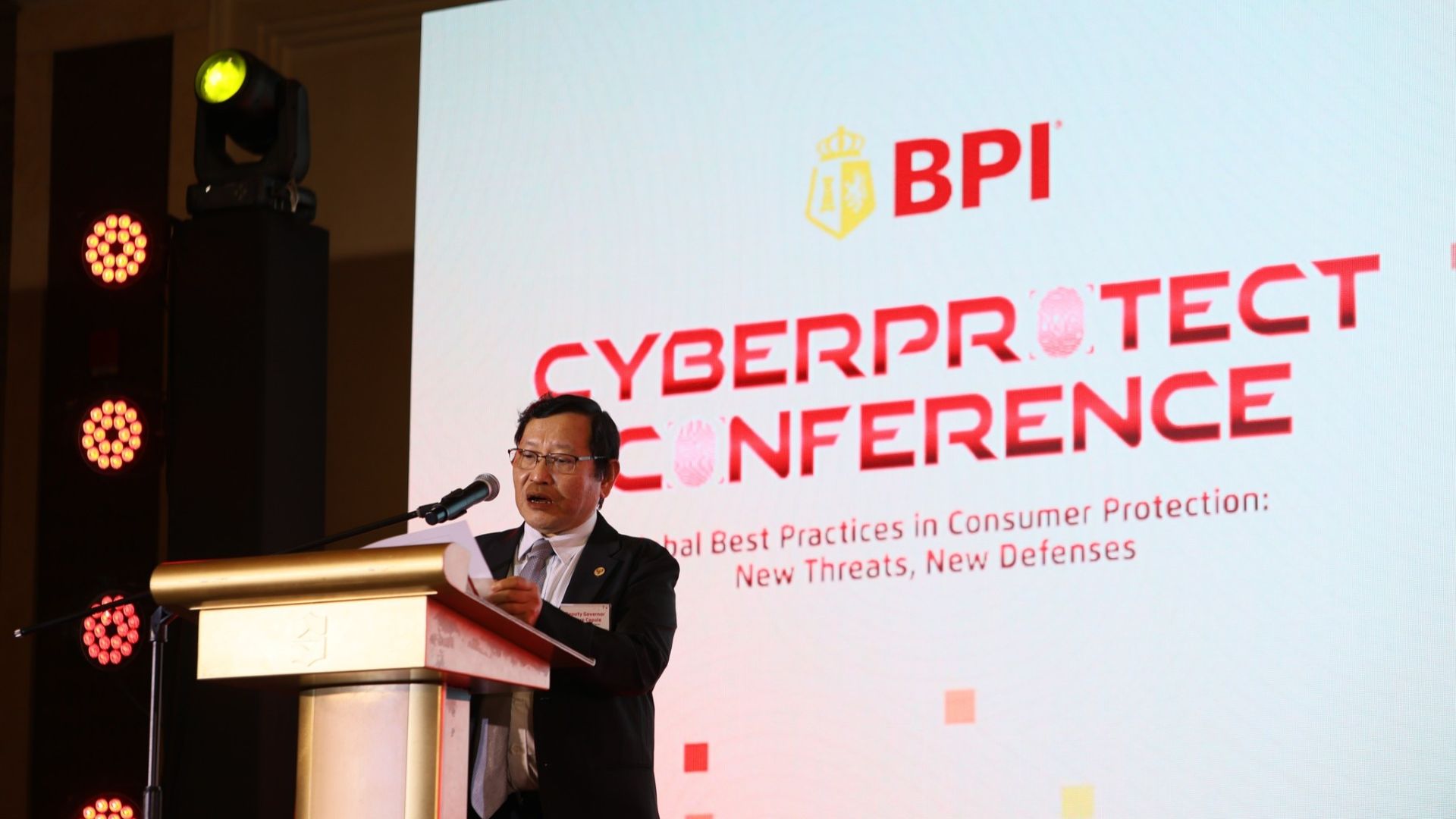
BPI held its latest 2025 BPI CyberProtect Conference in the Philippines. The event gathered more than 230 leaders from government agencies and private organizations.
The event aimed to champion stronger consumer protection and cybersecurity measures. It also served as a platform to advance cross-sector collaboration in safeguarding Filipino consumers in an increasingly digital financial ecosystem.
Anti-scamming law
One of the conference’s highlights is discussing the implementation of the recently signed Republic Act No. 12010. This law is also known as the Anti-Financial Account Scamming Act (AFASA).
The law has an integral role in deterring financial fraud and reinforcing confidence in digital banking, as noted by the Philippines’ Central Bank’s Deputy Governor Elmore Capule.
First, AFASA criminalizes fraudulent activities involving bank accounts, e-wallets, and other digital financial platforms.
These include schemes such as money muling and social engineering tactics used to deceive account holders. AFASA is also designed to enhance consumer protection and uphold the integrity and trustworthiness of the country’s financial system.
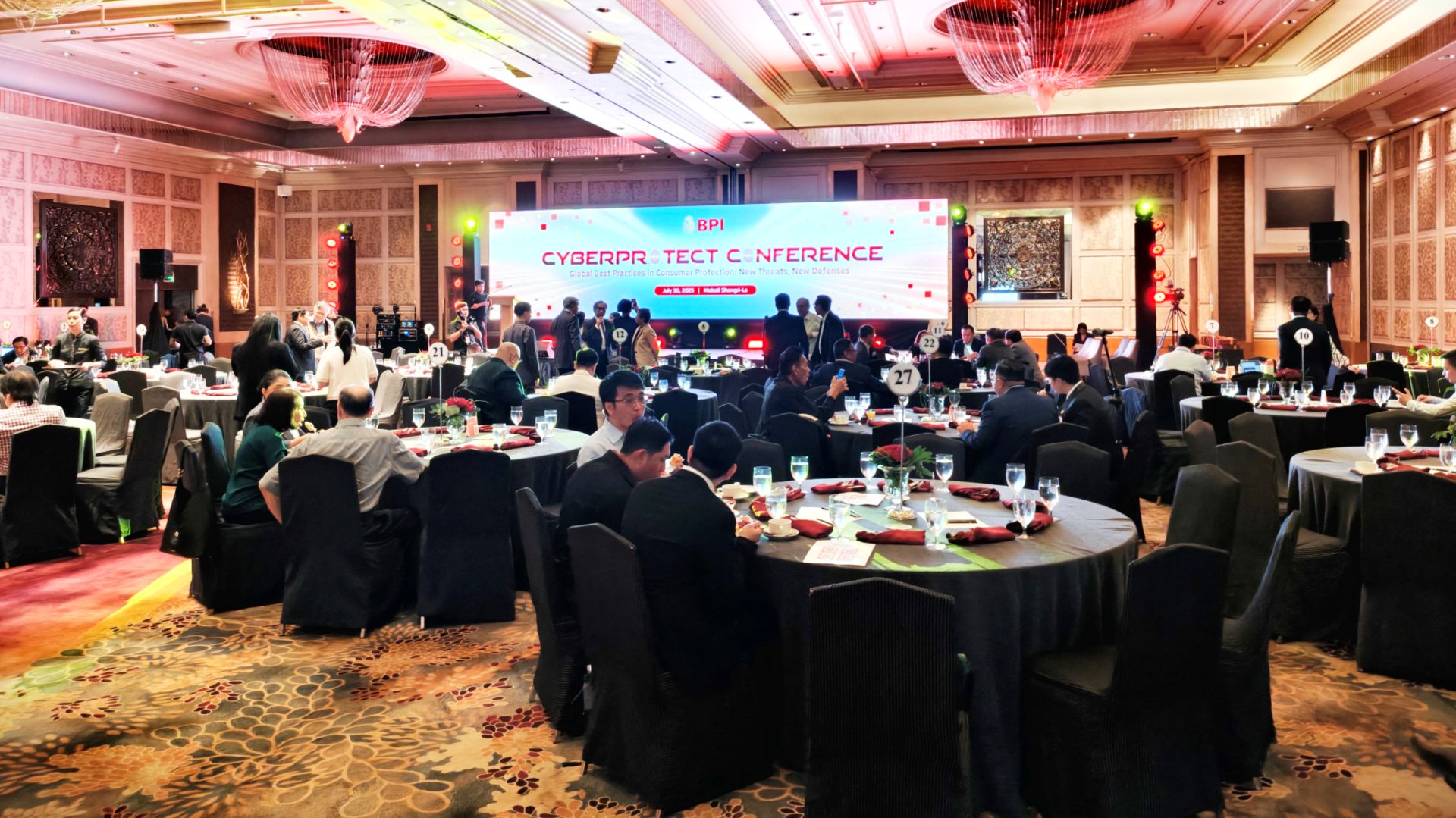
All in all, implementation of the law is about building a robust and responsive framework to protect financial consumers.
The event also bared that in 2024, the Cybercrime Investigation and Coordinating Center (CICC) agency handled 10,004 cybercrime complaints, This is a sharp rise from 3,317 cases the year before.
Consumer fraud also accounted for 35% of all reports with a total financial loss of nearly PhP 198 million (roughly US$ 3,410,619).
What the Philippines can learn from Singapore
Interestingly, the Philippines can also learn a simple trick that is being already used by major banks in Singapore.
During his talk, Philip Kwa, Master in Cybersecurity at the Asian Institute of Singapore, highlighted how Singaporean banks like OCBC, DBS, and UOB have a “Money Lock” feature.
Essentially, this extra layer of security lets clients lock their funds on their existing current or savings account. It prevents funds from being moved digitally from client to intended recipient.
After transferring funds digitally — presumably a large amount — from one’s account to a recipient, the latter can only receive it once the sender verifies their identity through either a phone call or ATM.

Mr. Philip Kwa.
The sent amount cannot be released even though it has already been sent. The sender must accomplish the extra verification step physically first.
That way, senders are assured of their funds not being lost to scammers right away should there be lapses in judgement and the like.
In addition, the island also has dedicated physical Anti-Scam Centers for real-time intervention, funds tracing, and swift freezing of accounts and processing of orders.
Meanwhile, all government SMSes only come from a “gov.sg” sender ID. It also begins with the full name of the agency that sent it.
Lastly, Singapore’s enhanced SIM card registration includes a multi-layered approach to disrupt scam calls.
This includes blocking robocalls using pattern recognition technology and identifying international scam calls.
AI plays a role

Rep. Brian Poe Llamanzares of the Philippines 20th Congress
Furthermore, Rep. Brian Poe Llamanzares of the Philippine House of Representatives also delivered a talk centered on how AI can help play a part in scam prevention.
Poe Llamanzares also mentioned ways how the government can use AI to educate consumers, starting from the grassroots level through barangays or the smallest political and geographical unit under the Philippine government system.
BPI, for its part, uses fraud detection and real-time monitoring, as well as two-factor authentication. AI chatbots are also utilized for customer education and scam alerts.
Moving forward, the conference urged cross-collaboration from all stakeholders for sustained cooperation. This is to help the entire digital financial ecosystem stay ahead of possible risks in this day and age.




Finance
HONOR, Fidesmo partner for contactless payments across Europe, Middle East
Enabling contactless payments on the HONOR Watch 6

HONOR and Fidesmo have partnered to launch contactless payments across Europe and the Middle East on the HONOR Watch 6.
Powered by Fidesmo Pay, the integration enables users to connect an existing Mastercard or Visa card to their watch and complete contactless transactions directly from the wearable device.
This brings Fidesmo’s network of over 900 banks and financial institutions to HONOR’s customers. Users can connect an existing card to the HONOR Watch 6 instantly through the HONOR Health App, which installs a unique token directly onto the watch.
Acting as a secure reference to the payment method, this token allows customers to pay without storing their actual payment details on the device. Once installed, users can tap the watch at any
contactless terminal to pay, just as they would with a card or phone.
HONOR joins a group of device partners that already includes Swatch, Polar, and Mondaine as Fidesmo continues to build momentum across categories.
Features
Getting the latest Samsung Galaxy Z Flip8 at 0% Interest with Maya Mini Payments
What convinced me to upgrade and how Maya Mini Payments made paying for it easier~

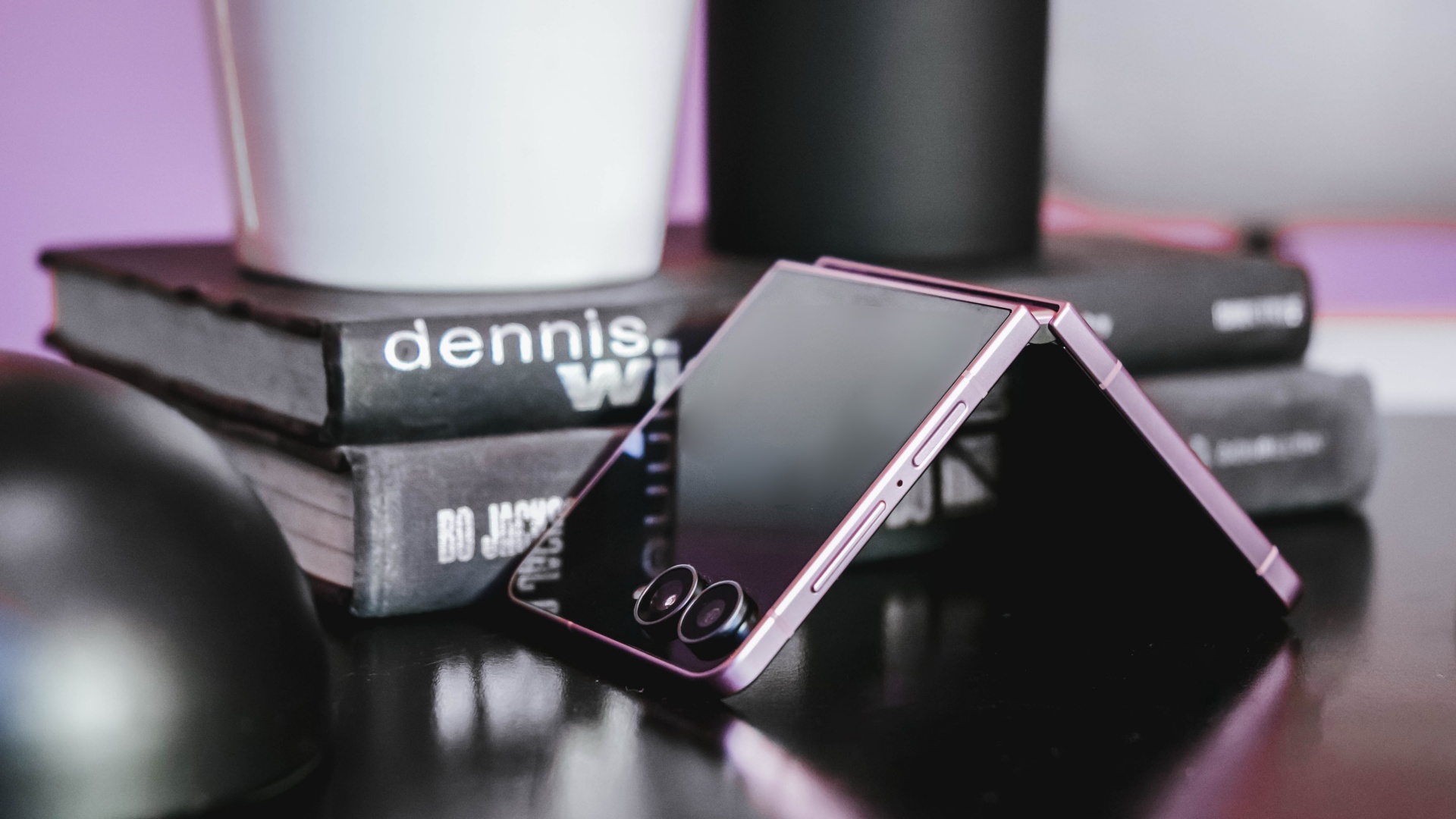
I don’t upgrade simply because there’s a newer model on the shelf.
Last year, I upgraded to the Samsung Galaxy Z Flip7 after spending three years with the iPhone 13 as my daily driver.
Even then, the decision wasn’t about chasing the latest release. It was about finding a device that better matched how I work.
I’m a firm believer that every upgrade has to earn its place in my pocket, especially when there are already perfectly capable phones sitting on my desk.
So when I decided to pre-order the Samsung Galaxy Z Flip8, the decision wasn’t simply about getting the newest device.
It came down to two questions: Is this a smart upgrade? And if it is, what’s the smartest way to own it?
The first question was answered by the device itself. The second is where Maya Mini Payments entered the conversation.
For me, the Flip8 addresses the reasons to upgrade. Maya Mini Payments addresses one of the biggest reasons people hesitate: big purchases that could be paid in 3, 6, 9 or 12 monthly payments.
Changing how I shoot and use my phone
I spend most of my day switching between shooting, editing, and posting, sometimes all within the same hour.
One of the biggest reasons the Galaxy Z Flip8 caught my attention is the cover screen. It’s finally useful enough that I can shoot, preview, and interact with content without constantly opening the device.
That may sound like a small change, but it makes a difference when you’re trying to capture candid moments before people notice a camera pointed at them.
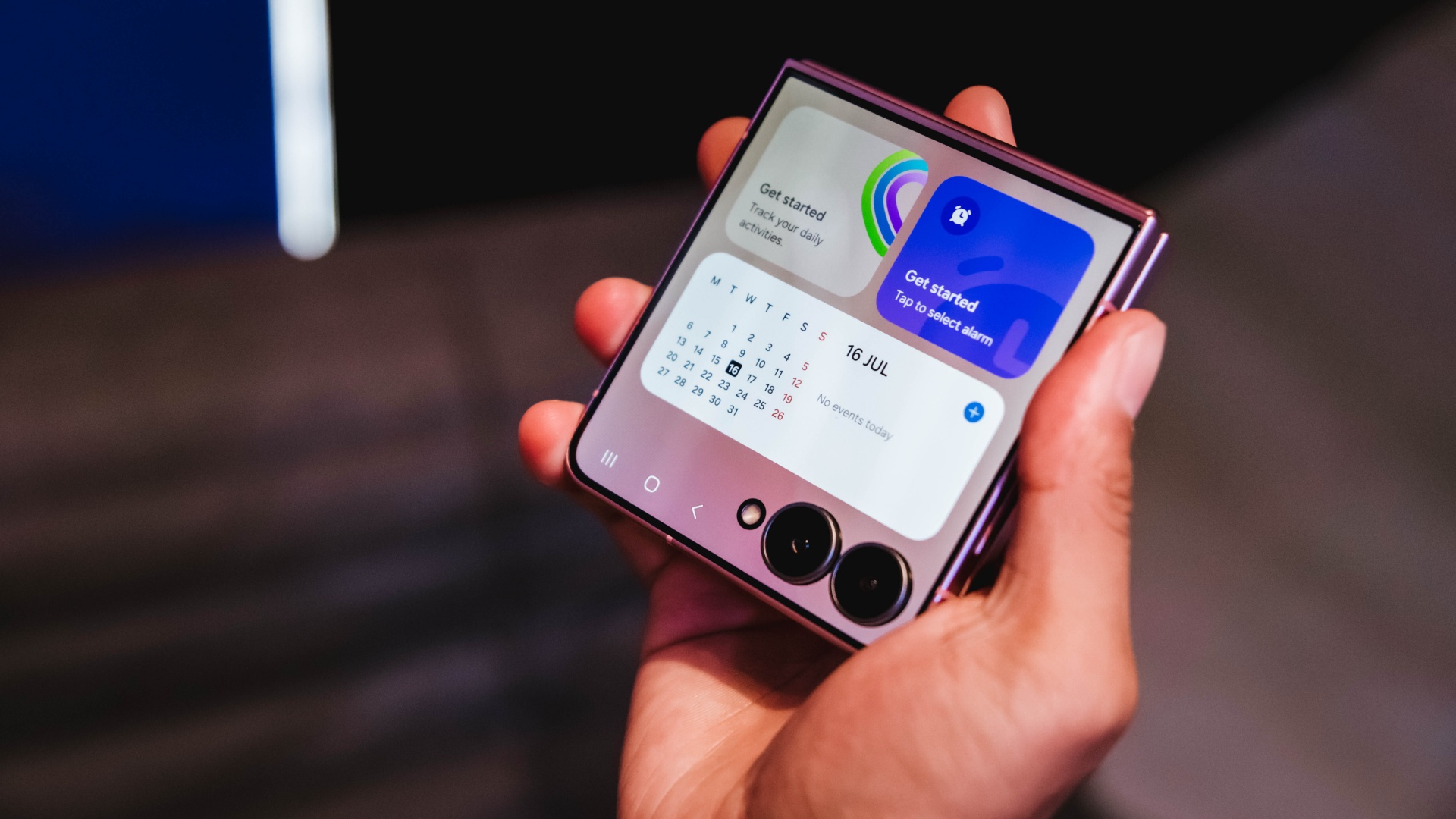
It also makes everyday tasks easier. I can check a script, review a shotlist, reply to messages, or glance at notifications without unfolding the phone every few minutes.
For years, foldables often felt like they required some compromise. You gained a unique form factor and flexibility, but sometimes gave up a little on the camera experience. The Flip8 feels like it’s closing that gap.
Samsung’s improvements in low-light performance and stabilization are especially noticeable for the kind of run-and-gun content I create.
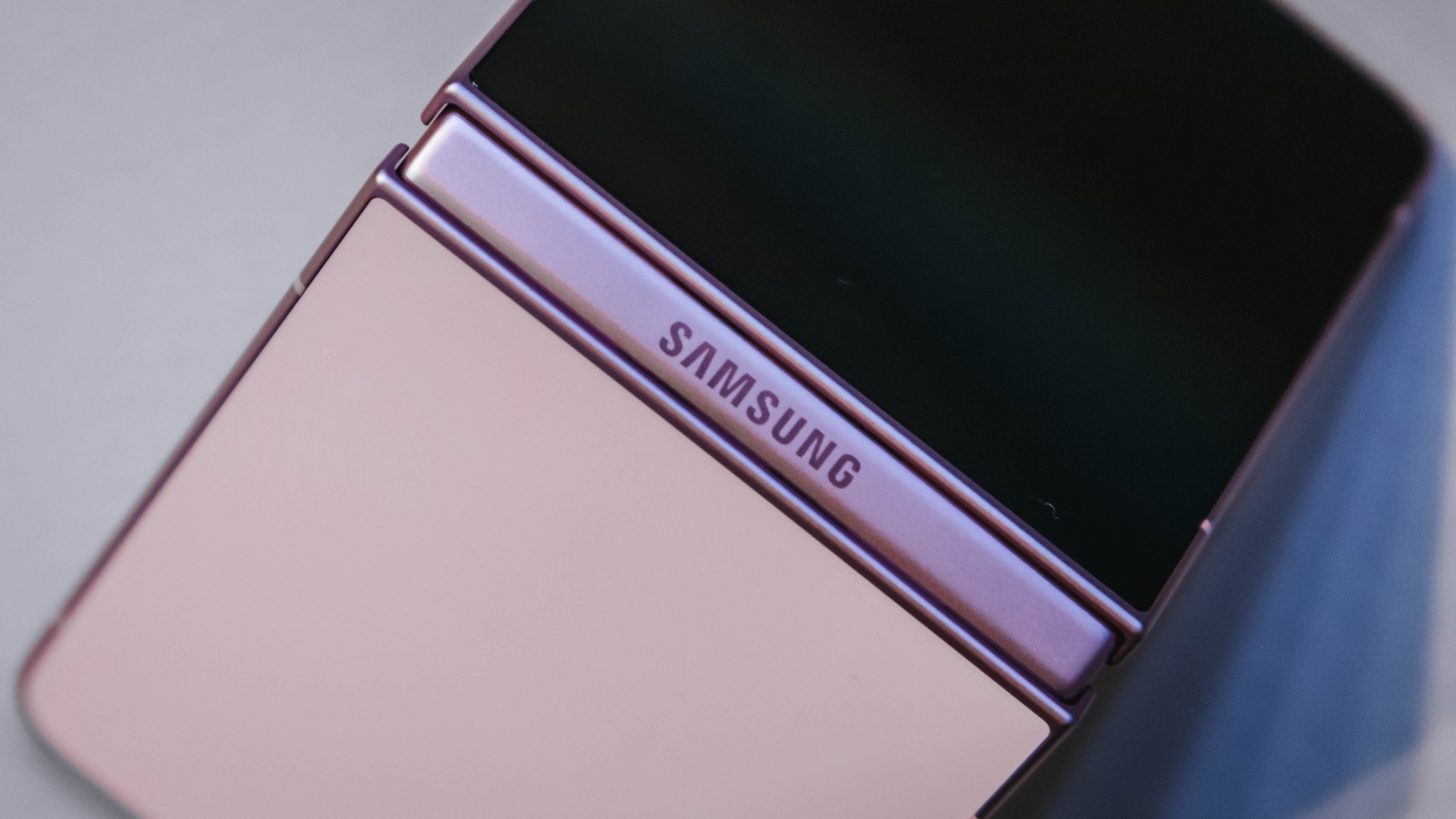
I haven’t spent enough time with it to call this a full review yet, but my first impressions have been positive. The experience feels more refined and more dependable than previous generations.
Features alone don’t convince me to upgrade. They have to solve a real problem. The more useful cover screen, the improved camera experience, and the overall refinement were the first signs that the Flip8 was offering something I’d actually use every day rather than another feature to add to a spec sheet.
The battery and multitasking finally match my day
The less exciting reason I’m upgrading is also the one that affects me the most.
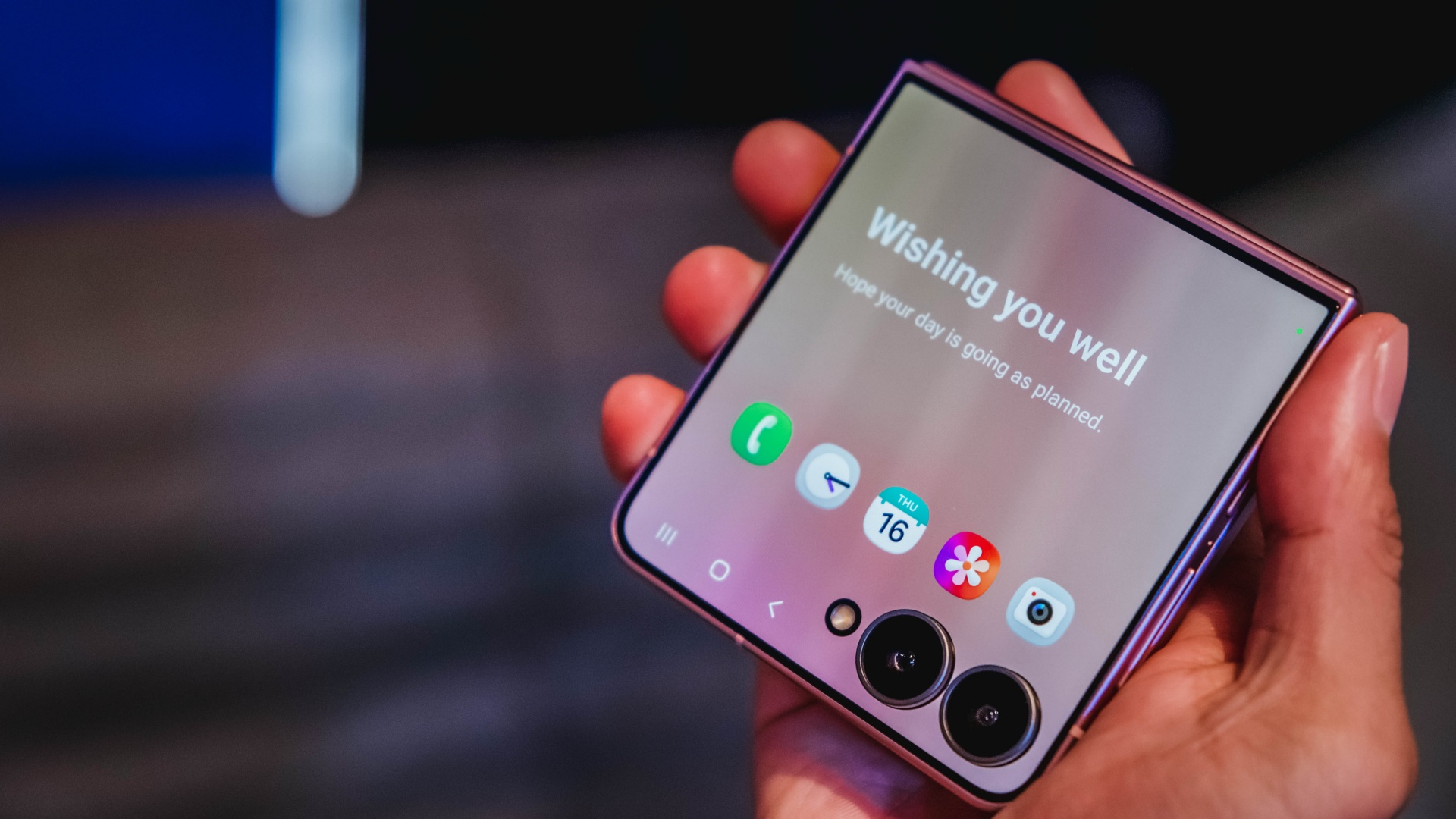
Between filming, reviewing footage, answering emails, coordinating campaigns, and managing social media, my phone is constantly working.
My old device usually drops into battery-saving territory before dinner. It gets the job done, but I spend too much time thinking about charging instead of working.
The Galaxy Z Flip8 feels better equipped for that reality. The battery efficiency is improved, and multitasking feels more natural when juggling multiple apps throughout the day.
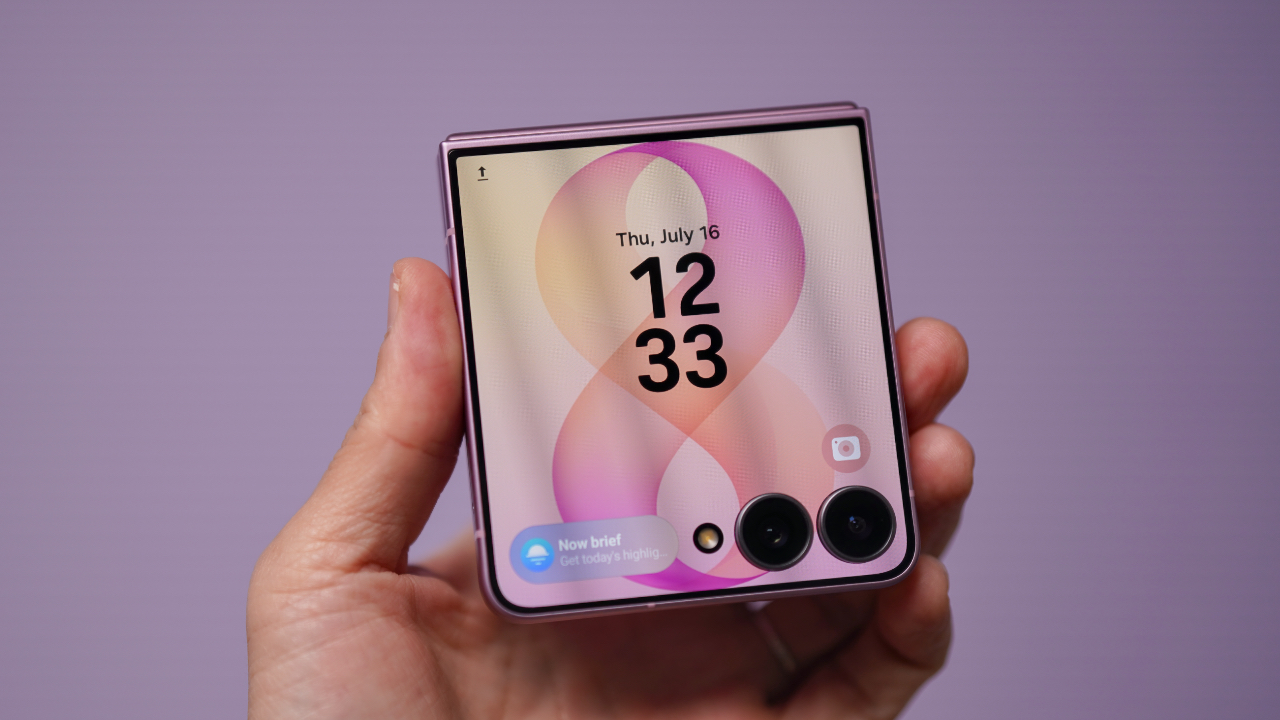
Those aren’t flashy features, but they’re the kinds of upgrades that quietly improve everyday productivity. They’re also the features that convinced me this wasn’t simply a want. It was an upgrade I could actually justify.
Once I was convinced the Flip8 was worth upgrading to, I realized the decision wasn’t really over. A smart upgrade also deserves a smart way to pay for it.
Making a big upgrade more manageable
Of course, deciding a device is worth upgrading to is only half the equation. The other half is figuring out how to pay for it.
The Galaxy Z Flip8 is a premium device, and for most people, the upfront cost is what gives them pause. That’s often where upgrade decisions get delayed, even when the device itself makes sense.
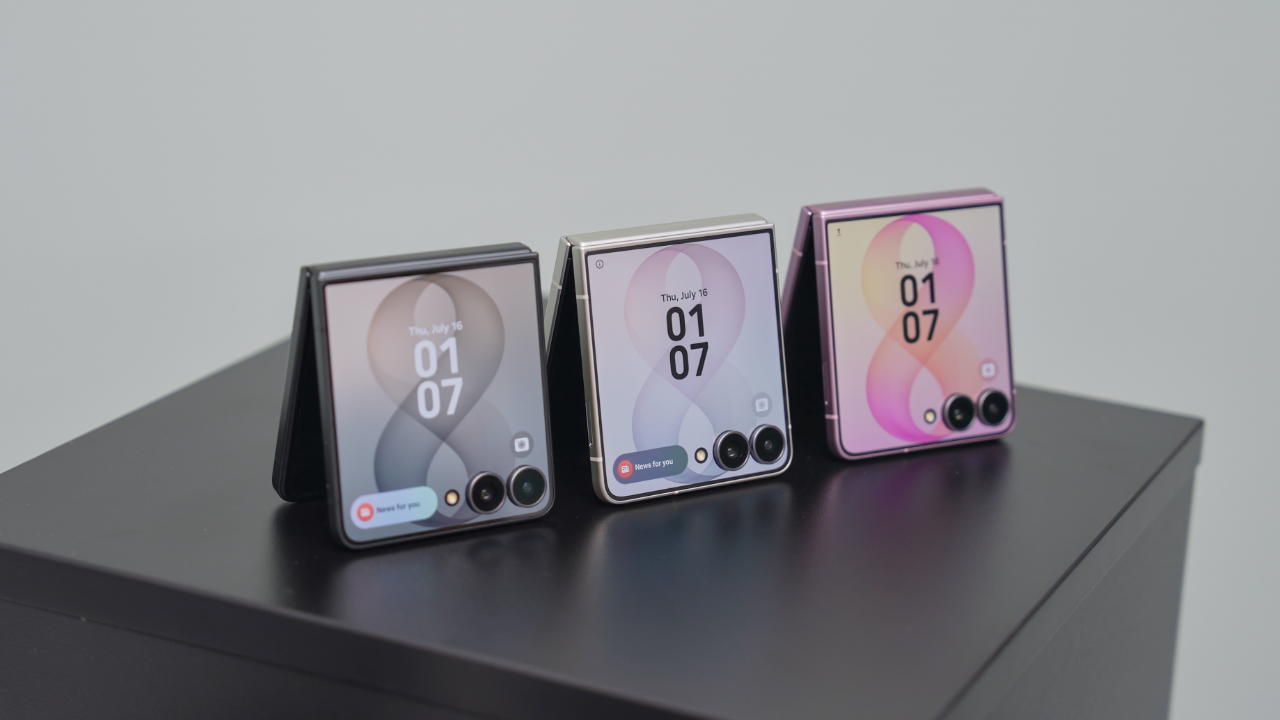
That’s why Maya Mini Payments stood out to me. Any Samsung purchase paid with a Maya Credit Card can be converted into Mini Payments directly through the Maya app, making it easier to spread the cost into monthly installments instead of paying for everything upfront in one go.
You can choose installment plans of up to 12 months at a fixed monthly add-on interest rate of 1%.
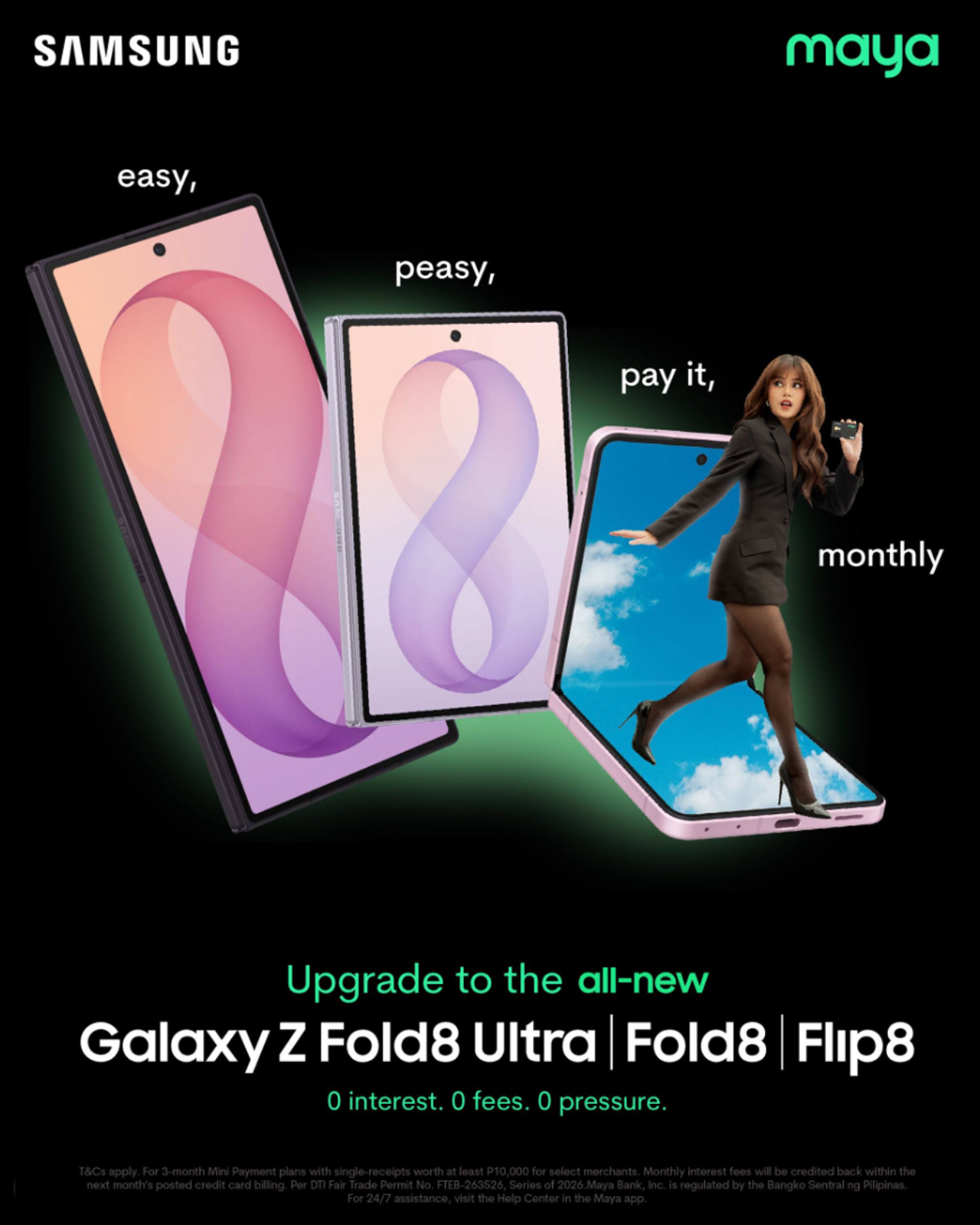
For Samsung Galaxy Z Fold8 and Galaxy Z Flip8 purchases, cardholders can enjoy a 3-month Mini Payment plan at 0% interest, making the upgrade more manageable without additional interest costs on the installment plan.

What I like about the concept is that it mirrors the reason I like the Flip8 itself.
The Flip8 makes it easy for me to shoot, edit, communicate, and multitask throughout the day. Maya Mini Payments makes it easy to purchase by turning one large expense into a payment plan that fits more naturally into a monthly budget.
Both are practical solutions to real-world problems. Also, the entire process can be managed directly within the Maya app, making it easy to track and manage installment conversions without additional paperwork.
View this post on Instagram
Still on the fence?
The Samsung Galaxy Z Flip8 feels like one of the strongest cases yet for upgrading to a foldable.
For me, the cover screen is more useful, the camera experience feels more capable, and the battery and multitasking improvements better match how I actually work every day.
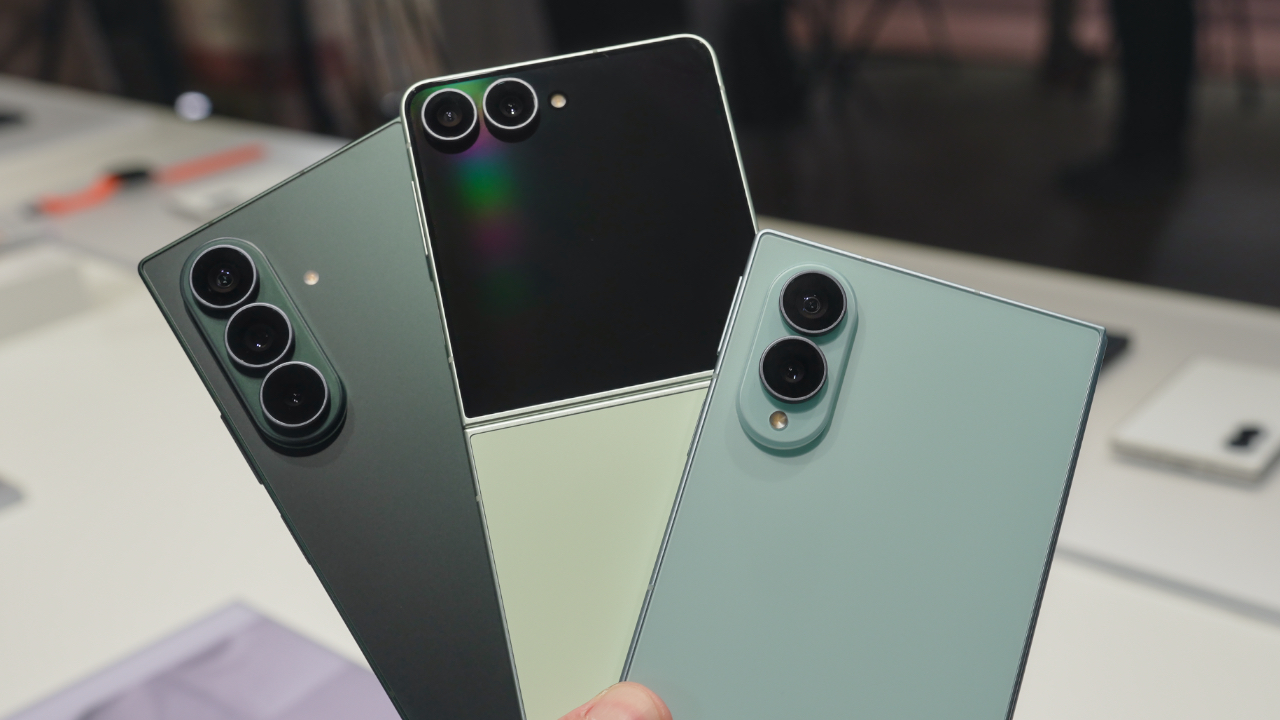
If you prefer a larger screen for productivity, the Samsung Galaxy Z Fold8 follows the same philosophy while giving users even more room to multitask and create.
If you’ve already decided Samsung’s latest foldables are your next devices, there’s also a smarter way to make that upgrade happen.
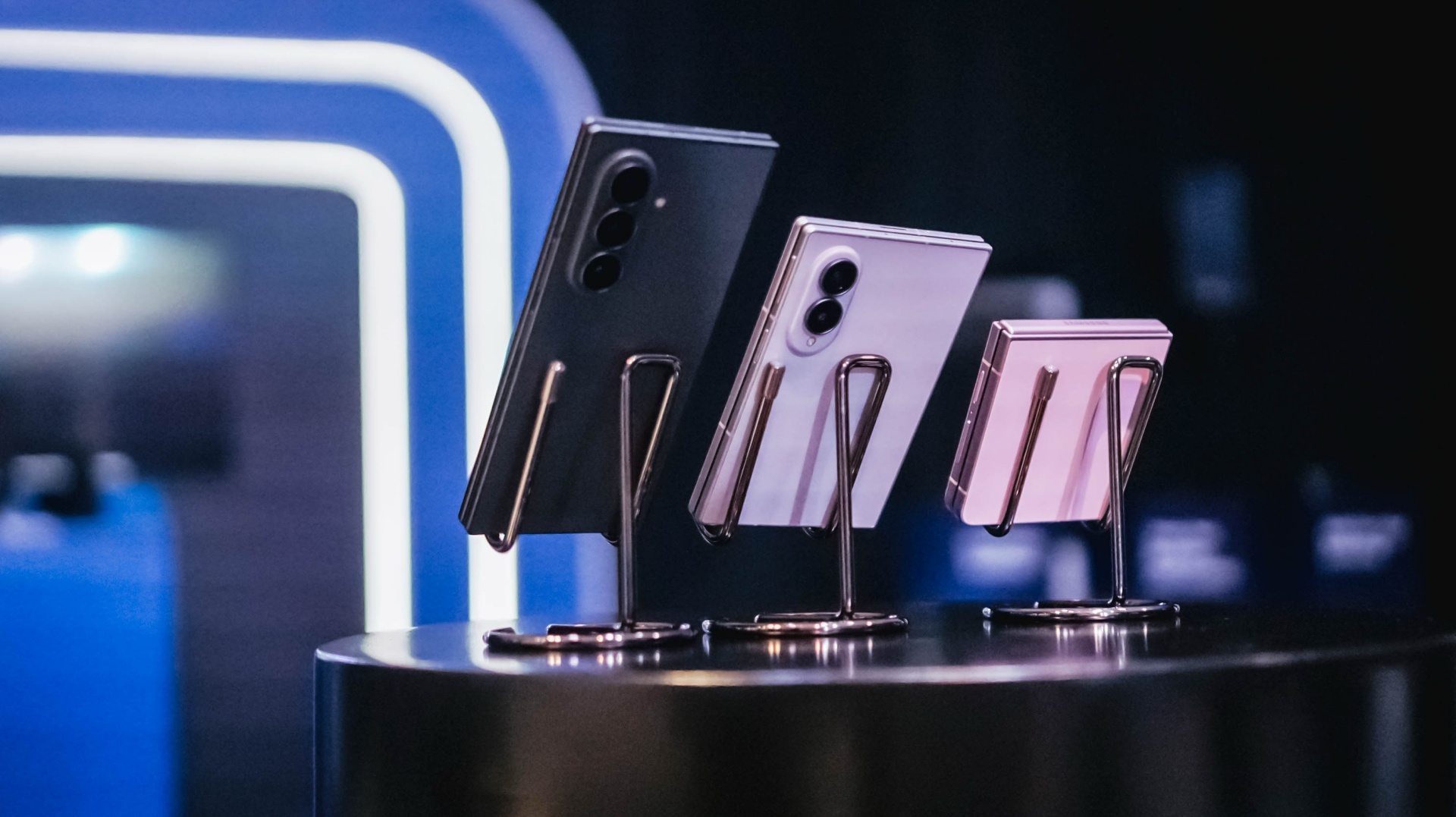
All your Samsung purchases made using a Maya Credit Card can be converted into a 3-month Mini Payment plan at 0% interest, with zero processing fees until September 30, making it easier to enjoy Samsung’s latest innovations without one big upfront payment.
Pre-orders run until August 13, with devices available in-store beginning August 14.
Deals
Maya: Convert purchases to 0% interest Mini Payment plans
On select electronics and home appliance purchases for a limited-time only
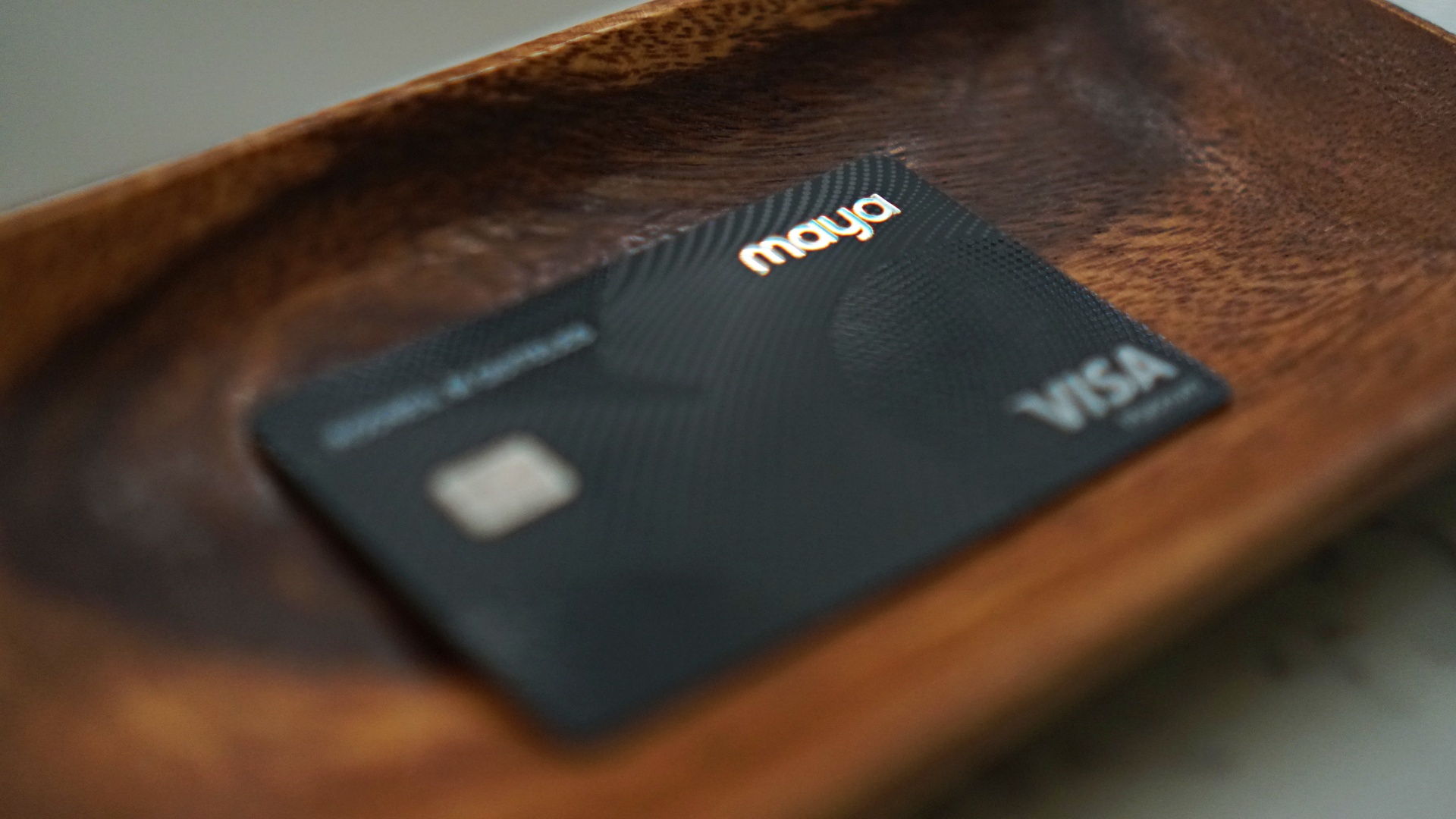
Maya is offering consumers the opportunity to convert eligible electronics and home appliance purchases to 3-month Mini Payment plans with 0% interest.
That’s through the Maya Black Credit Card or the Landers Cashback Everywhere Credit Card. The promo period runs from August 1 to October 31, 2026, giving consumers more financial flexibility.
In addition, processing fees will be waived for Mini Payment plans availed until September 30.
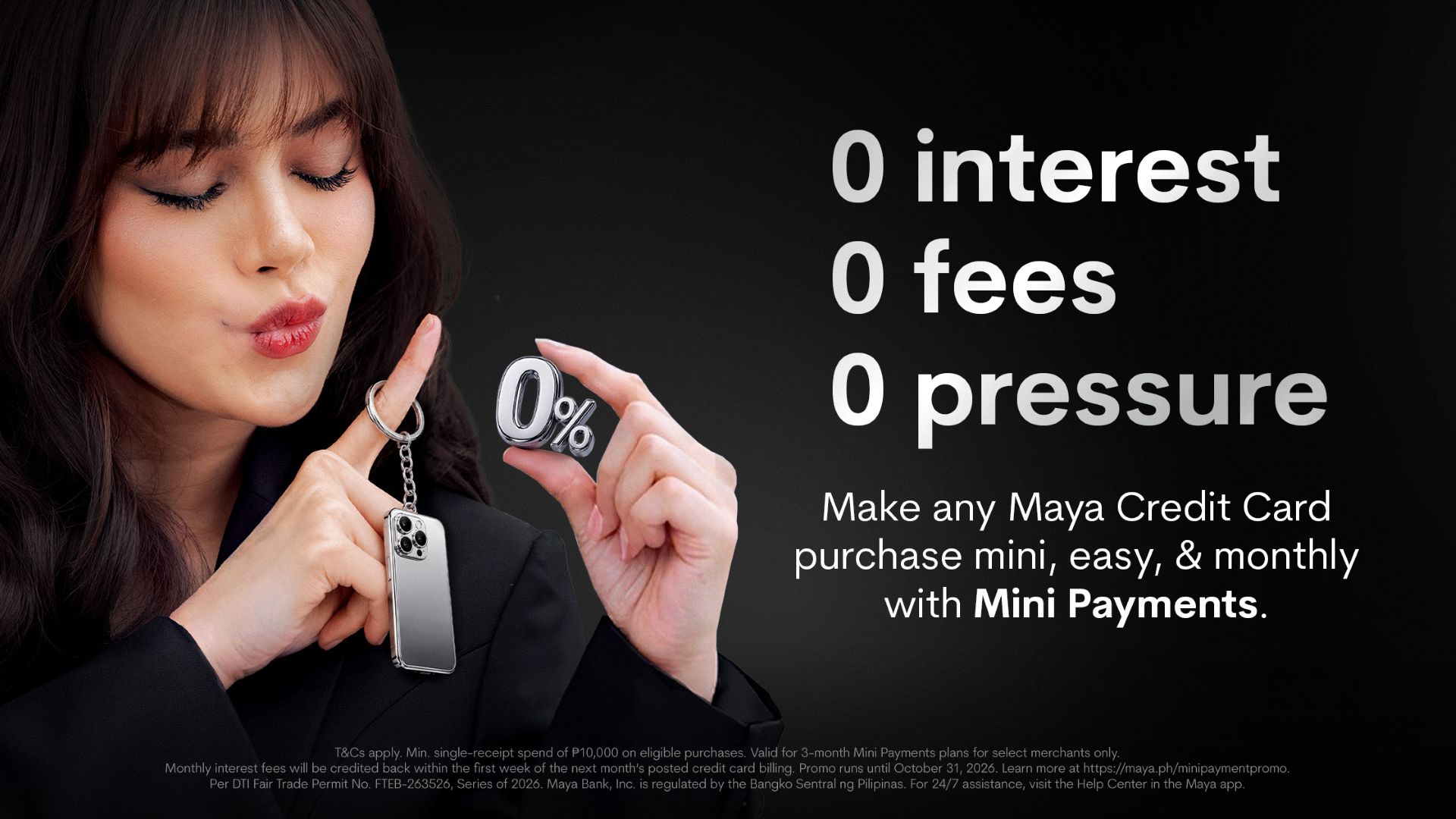
Purchases will continue to earn instant Maya Miles or Landers Cashback Points with use of the corresponding card.
To avail of the mini-payment offer, simply make a single straight purchase worth at least PhP 10,000 using either card.
Once the transaction is posted on the Maya app, select the transaction and tap “Convert to Mini Payments”. Then, choose the 3-month Mini Payment plan to enjoy the promo.


DJI Lito X1 review: Is this the best lightweight drone for creators?
Making a strong case as a travel companion and a capable B-cam!


REDMI Note 17 Pro Max review: A new breed born from AI greed
Welcome to the new normal


Marvel’s Wolverine review: When the claws come out
A brutal, cinematic superhero adventure

Epson Lifestudio Grand Plus EH-LS970B with 4K projection, more launches

Jackery Explorer 300D: Power and portability in one

Nike’s Alphafly 4 is built for the part of the marathon ~that actually hurts~

SEGA, Netflix announce Crazy Taxi film adaptation

Smart launches LiveSmart App for exclusive deals

TECNO MEGAPAD 2 review: Eyes on the size

realme 16T 5G with 8000mAh battery, IP69 Pro rating launches in PH

HUAWEI Pura X View is 2026’s first WIDE slab-type smartphone

REDMI reveals the refreshed Note 17 and Note 17 Pro series

REDMI Note 17 Series: Price, availability in Singapore


-
 News2 weeks ago
HUAWEI Pura X View is 2026’s first WIDE slab-type smartphone
-

 News2 weeks ago
The CAMON Slim 5G is TECNO’s latest ultra-slim smartphone
-

 News1 week ago
iPhone 18 Pro series: Price, availability in the Philippines
-

 Singapore1 week ago
iPhone 18 Pro series: Price, availability in Singapore
-

 News1 week ago
iPhone Duo: Price, availability in the Philippines
-

 News2 weeks ago
HUAWEI Mate XT 2 tri-fold launches with Kirin 9050 Pro
-

 News1 week ago
vivo introduces refurbished versions of X300 FE, X300 Ultra for less
-

 News1 week ago
iPhone Duo: Price, availability in Singapore