
News
Caviar is selling a Barbie collection of smartphones
Including the Galaxy Z Flip5, iPhone 15, and Apple Watch 9

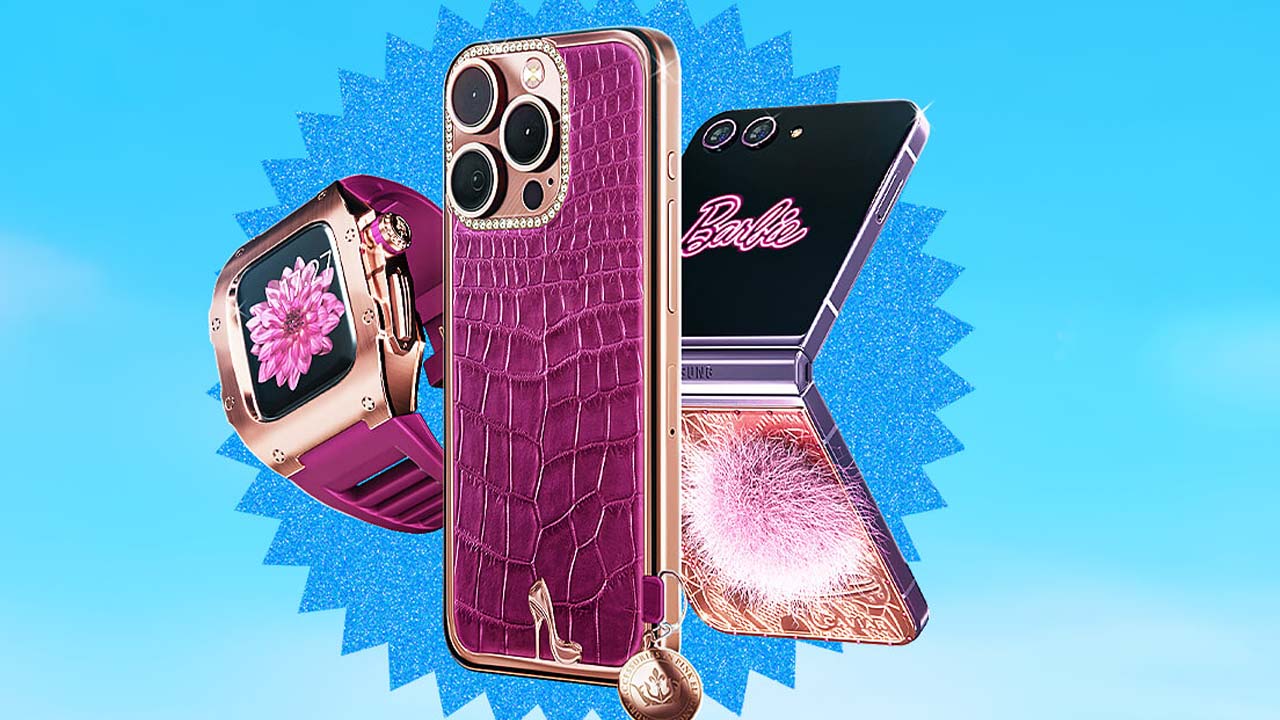
Exactly a month since the film premiered, Barbie fever is still high. If the love for all things pink hasn’t left you yet, Caviar has a new smartphone collection for you — if you have the cash, that is. As is typical with the brand, the smartphone customization company has released a new collection that it called #Barbiecore.
For years, Caviar has been known for creating luxurious versions of popular smartphones. Sometimes, the company does tie-ins with popular franchises of the time. The brand is also notorious for selling its products for way higher than the usual price of an unmodified smartphone.
The latest #Barbiecore collection is no different. However, it is iconic of what a Barbie fan might expect from such a model. The collection will include five difference devices: the Samsung Galaxy Z Fold5, the Galaxy Z Flip5, the Apple iPhone 15 Pro, the iPhone 15 Pro Max, and the Apple Watch 9.
The Galaxy Z series will come with a golden rear panel outfitted with a small pink pom-pom made of faux fur. The rear panel, engraved with Barbie-themed graphics, will also come with 49 rubies.
Meanwhile, the iPhone 15 series will come with pink alligator skin for its rear panel. Outside of the stylized panel, the series is covered in 24K gold all over. Plus, the cameras are surrounded by 61 Swarovski crystals.
Finally, the Apple Watch 9 is covered in Rose Gold PVD coating. The pink rubber strap is less spectacular, but it does complement the theme and the attractiveness of the watch.
As always, all devices in the collection cost quite a lot. The Galaxy Z series will start at US$ 8,560. The iPhone 15 series starts at US$ 7,990. Finally, the Watch 9 costs US$ 1,900.







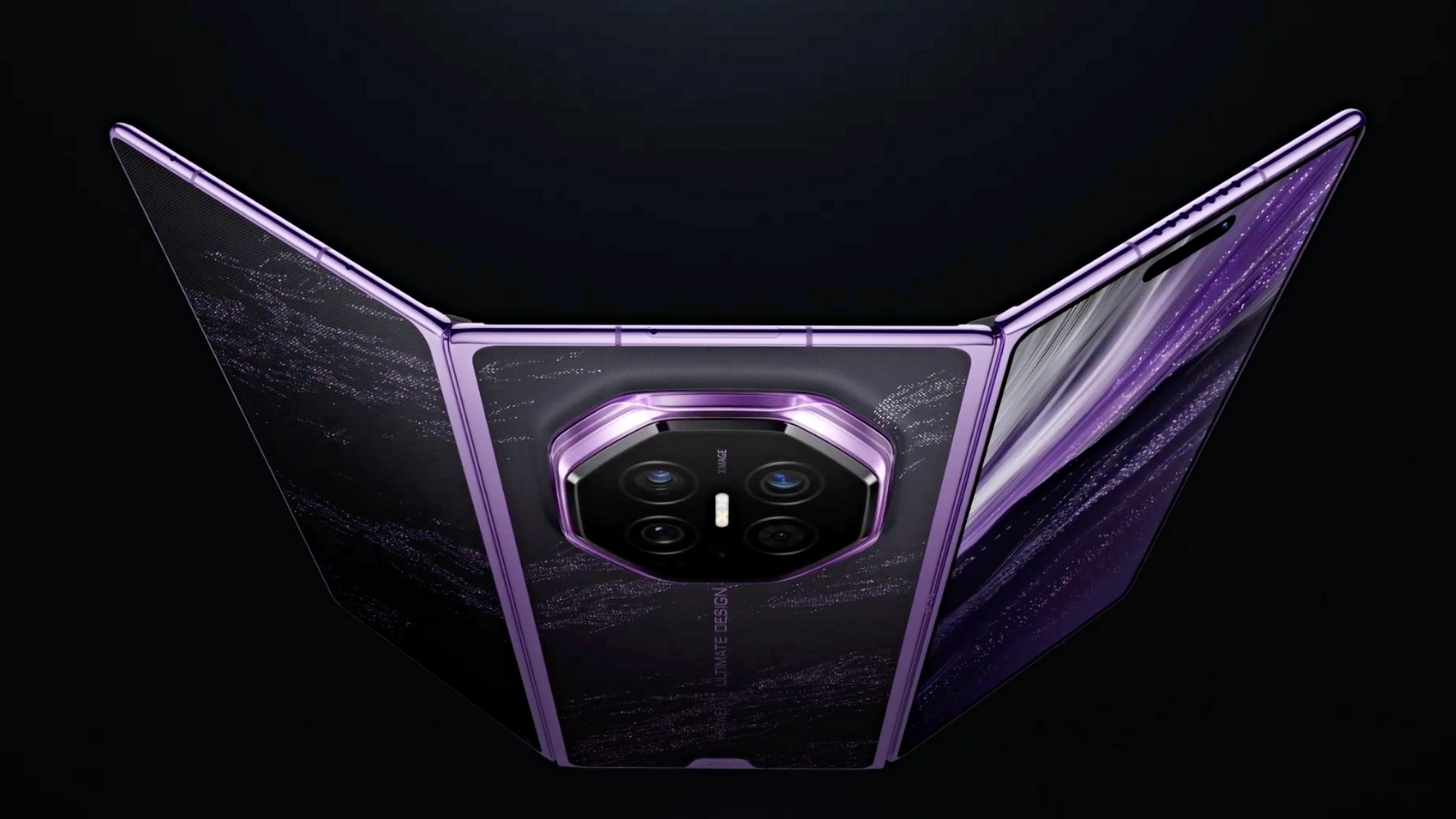
Huawei has officially unveiled the HUAWEI Mate XT 2 | ULTIMATE DESIGN, its latest tri-fold smartphone. The new device is the first smartphone to feature the LogicFolding Tau (τ) Chip and marks the technology’s entry into mass commercialization.
The Mate XT 2 introduces a wing-like tri-fold design that opens from both sides. It also brings the Kirin 9050 Pro chipset, Xuanwu Ultra-Durable Tri-Fold Architecture, Smart Shield Privacy Screen, True-to-Color Camera 3.0, and HarmonyOS 7.
A wing-like tri-fold design
The HUAWEI Mate XT 2 | ULTIMATE DESIGN uses a wing-like form that folds from both sides for what Huawei describes as a more intuitive unfolding experience.
The design draws from Chinese aesthetics. Its back panel features a cloud pattern created using Brocade Cloud craftsmanship. The phone comes in Purple, White, and Black.
Its camera ring continues Huawei’s Star Diamond Glow design. It uses Yttrium Crystal fired at 1,800°C and undergoes eight polishing steps to create 33 star diamond facets.
Huawei also redesigned the phone’s durability system. The Xuanwu Ultra-Durable Tri-Fold Architecture reworks the hinges and display structure to provide protection across multiple layers.
The Mate XT 2 is the first tri-fold phone to support IP58 and IP59 dust and water resistance. Its cover display uses Xuanwu Kunlun Glass with scratch and impact resistance, along with anti-glare technology.
The main display uses a multi-layer composite structure with a large UTG glass layer, aerospace-grade ultra-thin high-strength steel, and a carbon fiber support layer.
The Advanced Precision Hinge System 2.0 uses a five-curved-arm structure and synchronized linkage mechanism to distribute force more evenly.
Kirin 9050 Pro powers the tri-fold
The Mate XT 2 is the first smartphone to use Huawei’s Kirin 9050 Pro chip. Huawei claims overall device performance improves by 42 percent over the previous generation through closer integration between its hardware, software, chipset, and cloud technologies.
The LinxiCore CPU works with the HUAWEI Ark Engine to improve large-file loading and multitasking. The Maleoon GPU doubles its computing units and cache, while gaming supports up to 50 MRPS hardware-level real-time ray tracing.
The HUAWEI Da Vinci Architecture NPU also boosts on-device AI performance. Huawei says the phone natively supports its Pangu 30B-A2B MoE large language model, enabling features such as on-device AI album management through Celia.
Huawei has also spread the Mate XT 2’s heat sources across its three frames. Large vapor chambers and thermally conductive graphene help move heat across the device.
The phone uses 32 distributed antennas and multiple communication systems for 5A connectivity. It also supports Tiantong satellite communication and Beidou satellite messaging.
For security, the Mate XT 2 combines a Mobile Security Processor with an independent security chip. Huawei says the system supports post-quantum cryptography algorithm detection and has passed EAL5+ CCRC security certification.
Privacy comes to the foldable display
The Mate XT 2 introduces Huawei’s Smart Shield Privacy Screen, which the company calls the industry’s first foldable privacy screen with hardware-level protection.
The system uses an independent dual-pixel design to maintain the same screen resolution before and after Privacy mode is activated. It can also detect situations such as entering airports or train stations and provide privacy reminders.
Users can activate the mode by double-tapping the cover screen or using the Smart controls button.
The phone also includes ECG analysis software and has received an NMPA Class II Medical Device Registration Certificate. Users can perform an ECG measurement by holding the unfolded display with both hands, after which Celia can interpret and analyze the results.
True-to-Color Camera 3.0
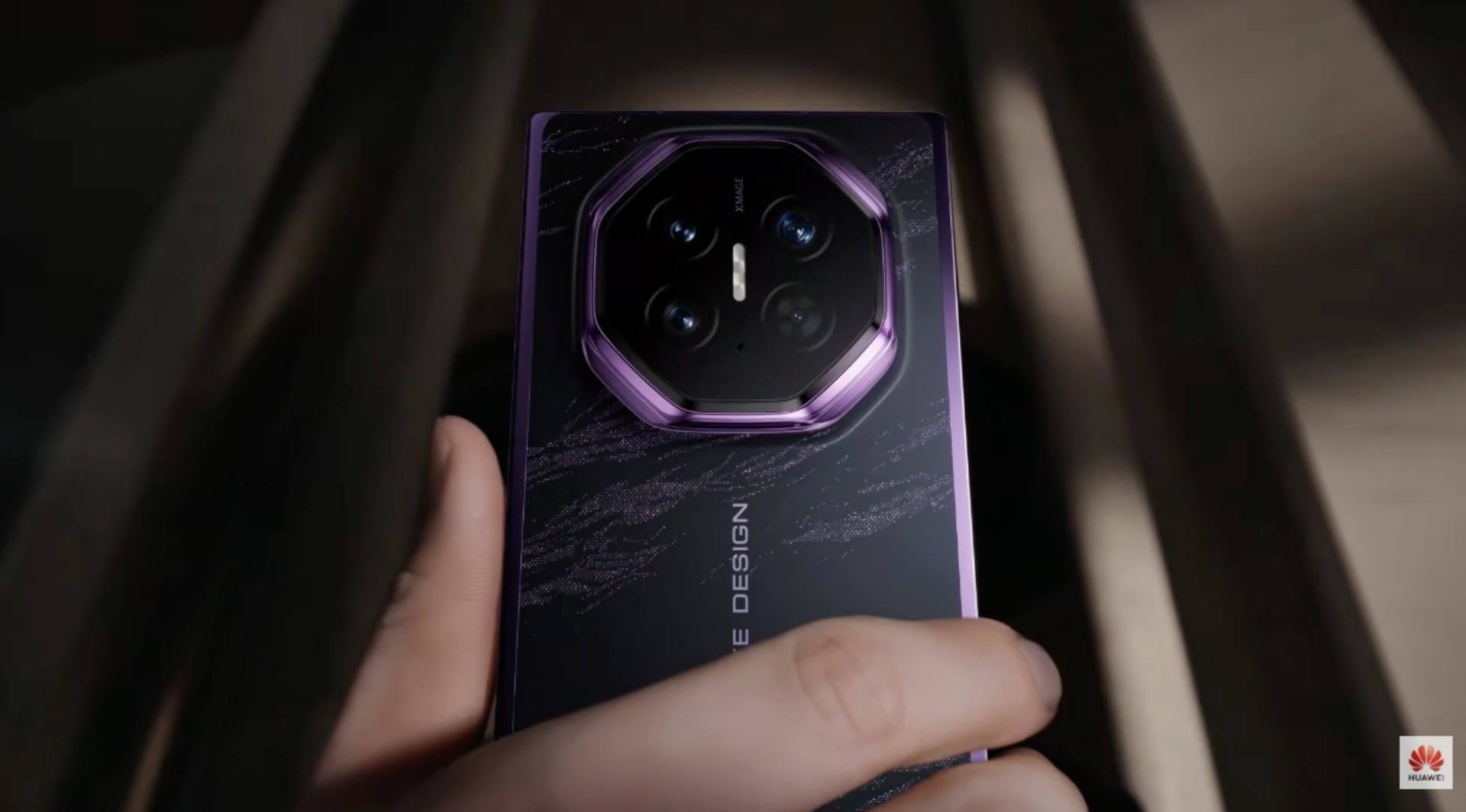
Huawei has also upgraded the Mate XT 2’s camera system with True-to-Color Camera 3.0.
The system is designed to filter infrared light interference and improve color reproduction by 95 percent compared with the previous generation, according to Huawei.
The camera setup includes an ultra-HDR main camera, an ultra-wide-aperture periscope telephoto camera, and an ultra-wide-angle camera. Huawei says the system is designed to deliver more accurate colors, realistic portraits, and clearer night shots.
Video recording supports an ultra-high dynamic range of 18 EV.
XMAGE SmartCapture can recognize people, scenery, and food, while AIGC-powered real-time previews provide composition and lighting recommendations.
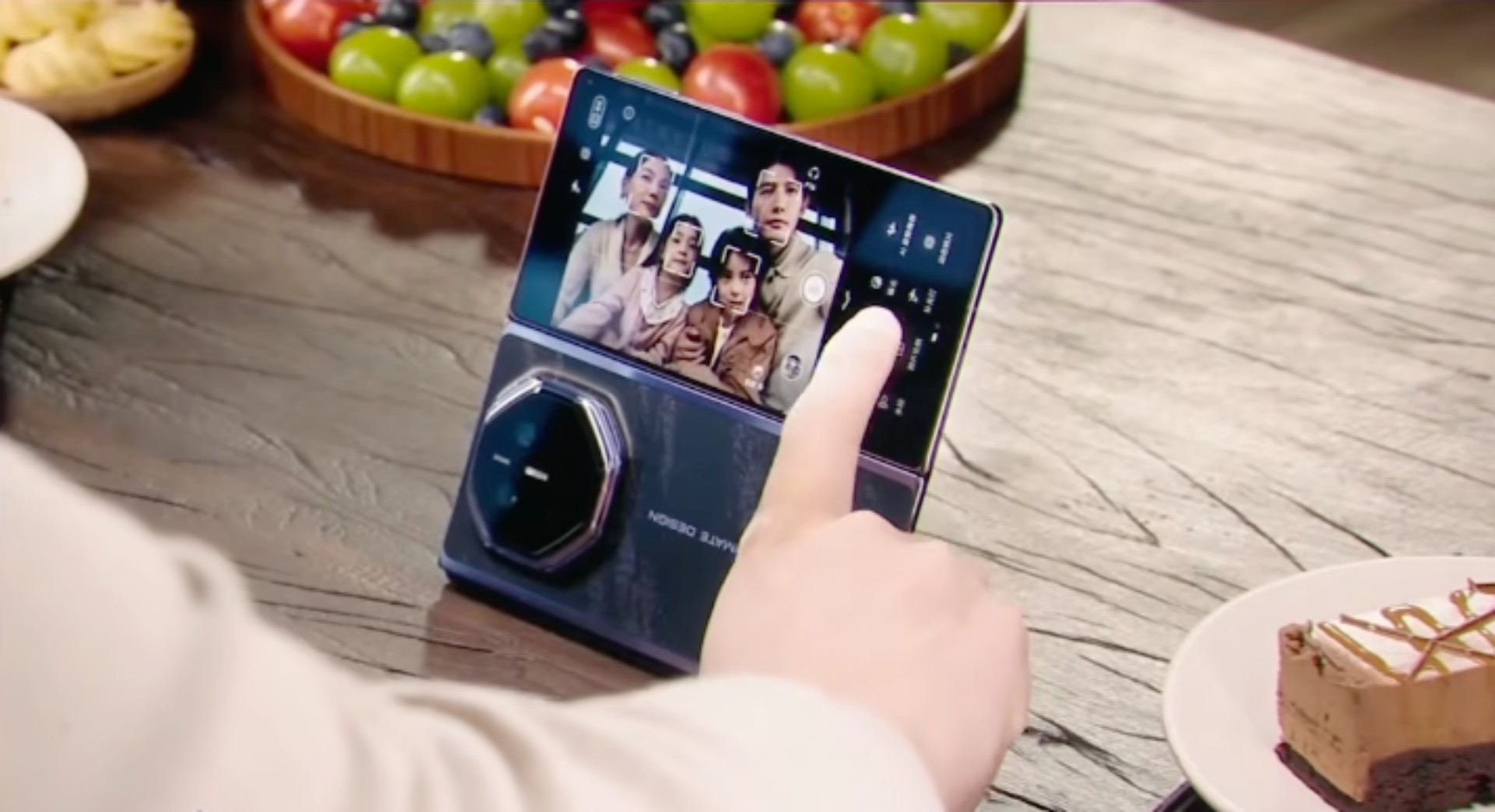
The tri-fold design also enables a Desk-calendar mode for taking selfies and group photos.
HarmonyOS 7 for the large screen
The HUAWEI Mate XT 2 runs on HarmonyOS 7, which adds new large-screen features to take advantage of its tri-fold display.
Its Live-Multitask feature supports three windows displayed in parallel. Users can adjust the size of each window and control their volume independently.
Huawei says the experience has been optimized for scenarios including financial management, social entertainment, office work, shopping comparisons, and travel planning. The company has also adapted the device for major apps as it continues expanding its tri-fold ecosystem.
The HUAWEI Mate XT 2 | ULTIMATE DESIGN starts at RMB 19,999. It will also be available with a stylus set, with sales beginning at 10:08AM on September 12.
News
HUAWEI Pura X View is 2026’s first WIDE slab-type smartphone
2026’s first non-foldable WIDE smartphone makes its surprising debut

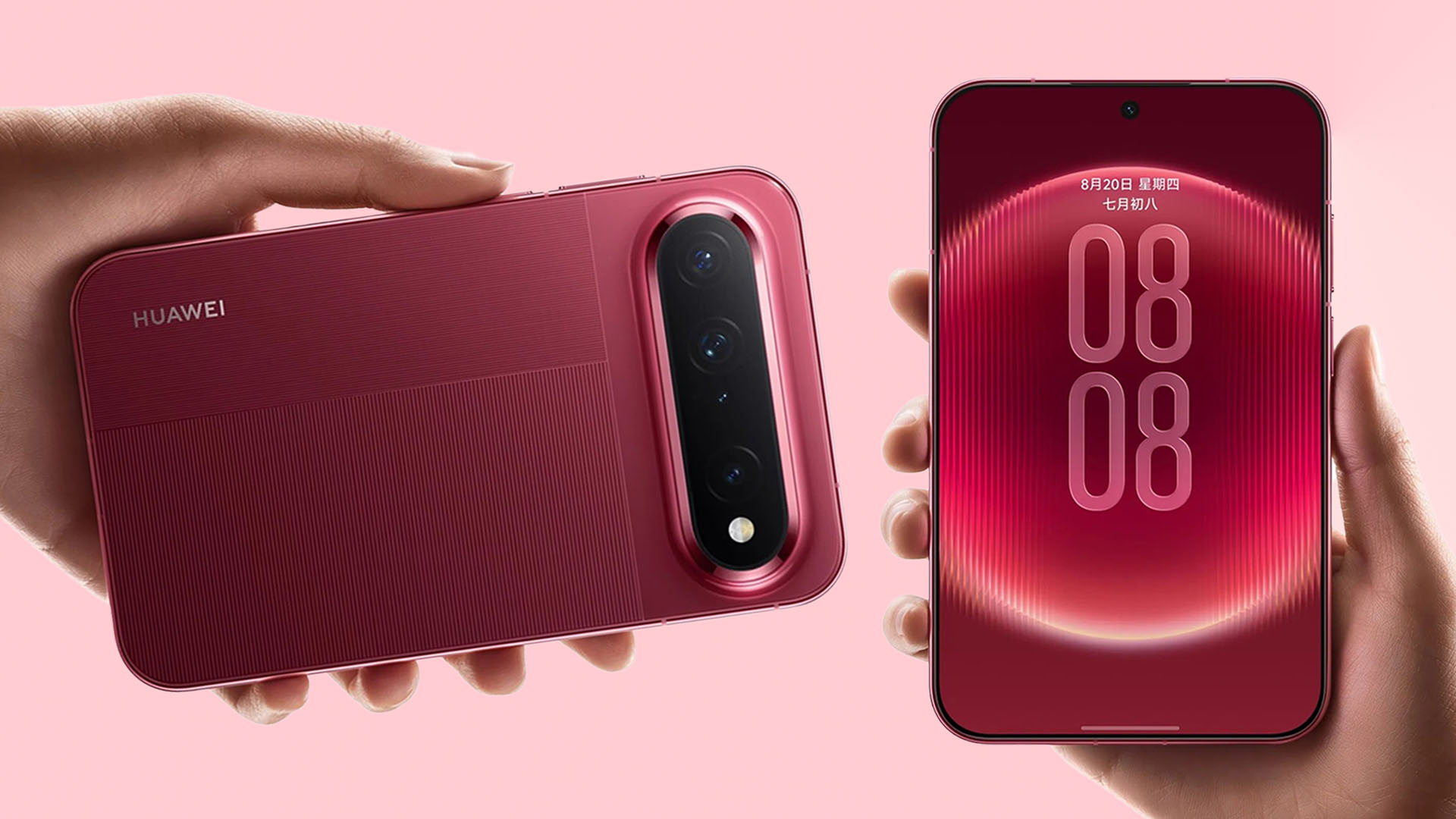
It seems like the WIDE smartphone craze is getting out of hand.
Surprise, surprise! Out of nowhere, HUAWEI reveals the Pura X View — 2026’s first WIDE smartphone that does not fold at all.
Tied to WIDE
With the massive success of HUAWEI’s Pura X Max as well as the newly-released Samsung Galaxy Z Fold8, it’s hard to ignore the sudden trend behind WIDE smartphones. Let alone, Apple’s much-awaited iPhone foldable (dubbed the “iPhone Ultra”) will be announced in less than a month.
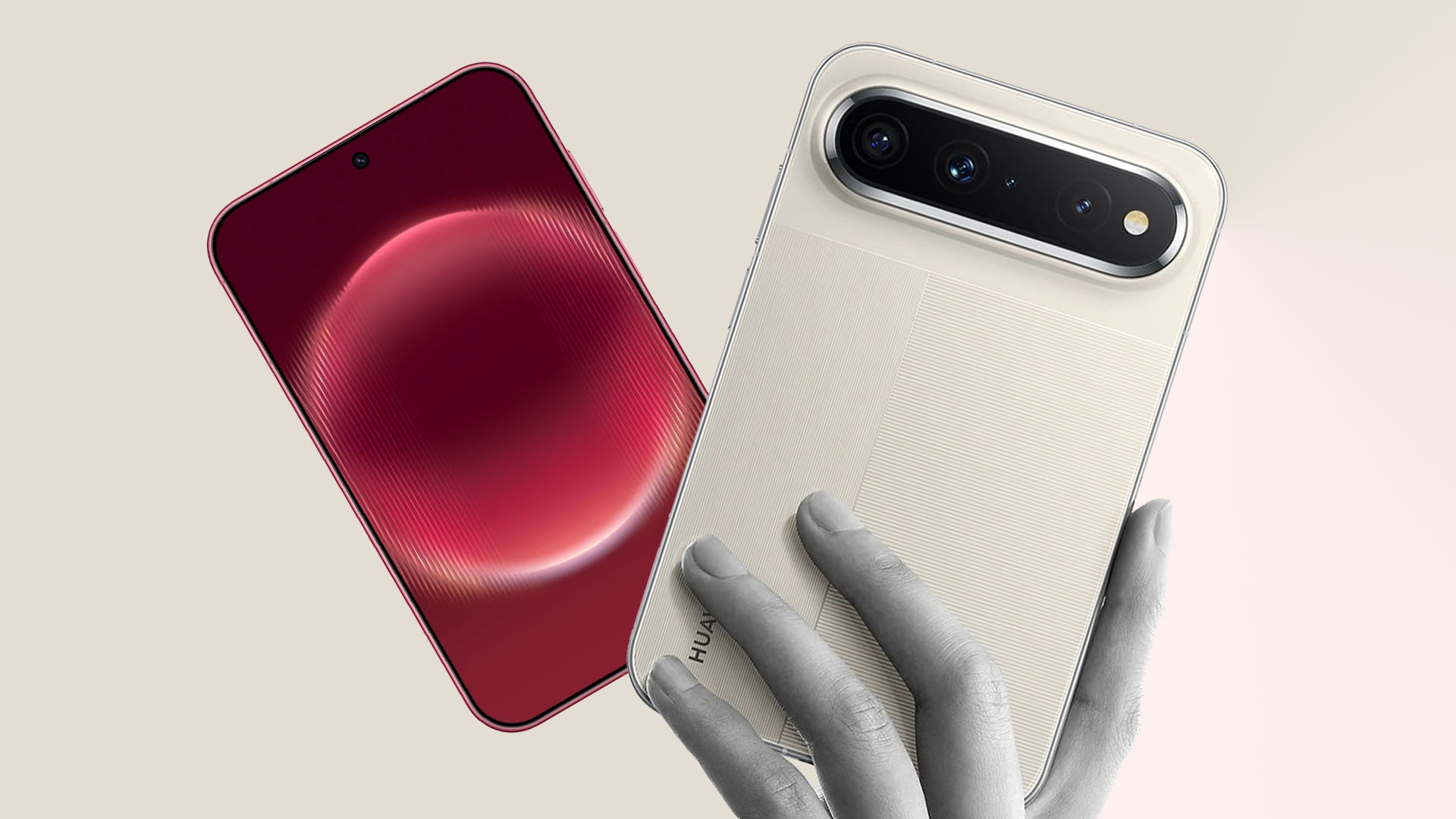
Graphics by Vincenz Lee | GadgetMatch
Opposed to the usual tall and narrow form factor, the Pura X View comes in a wider body with a 16:9.5 aspect ratio. Display bezels are extremely narrow too at just 1.09mm and StB (Screen-to-Body) ratio reaches a whopping 96.1%.
This wider than usual body means better ergonomics with better content consumption — from images, books, documents, all the way to movies and shows, as well as games.
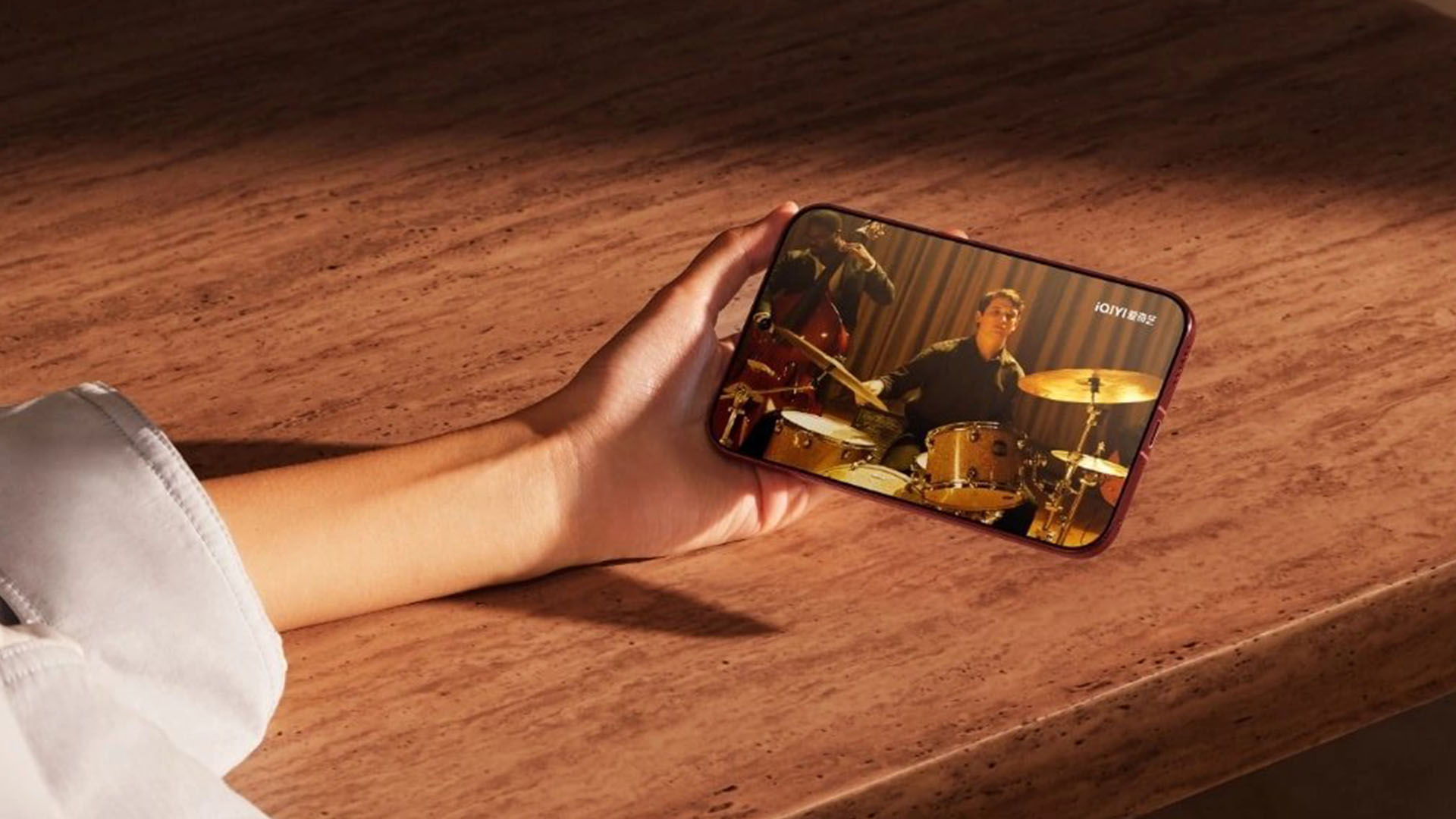
While it has a smaller 6.39-inch display, the Chinese electronics giant says it has greater content area compared to 6.9-inch flagship smartphones.
Other display feats include a 2160Hz PWM Dimming, resolution of 2232 × 1320, and max brightness of up to 6500 nits.
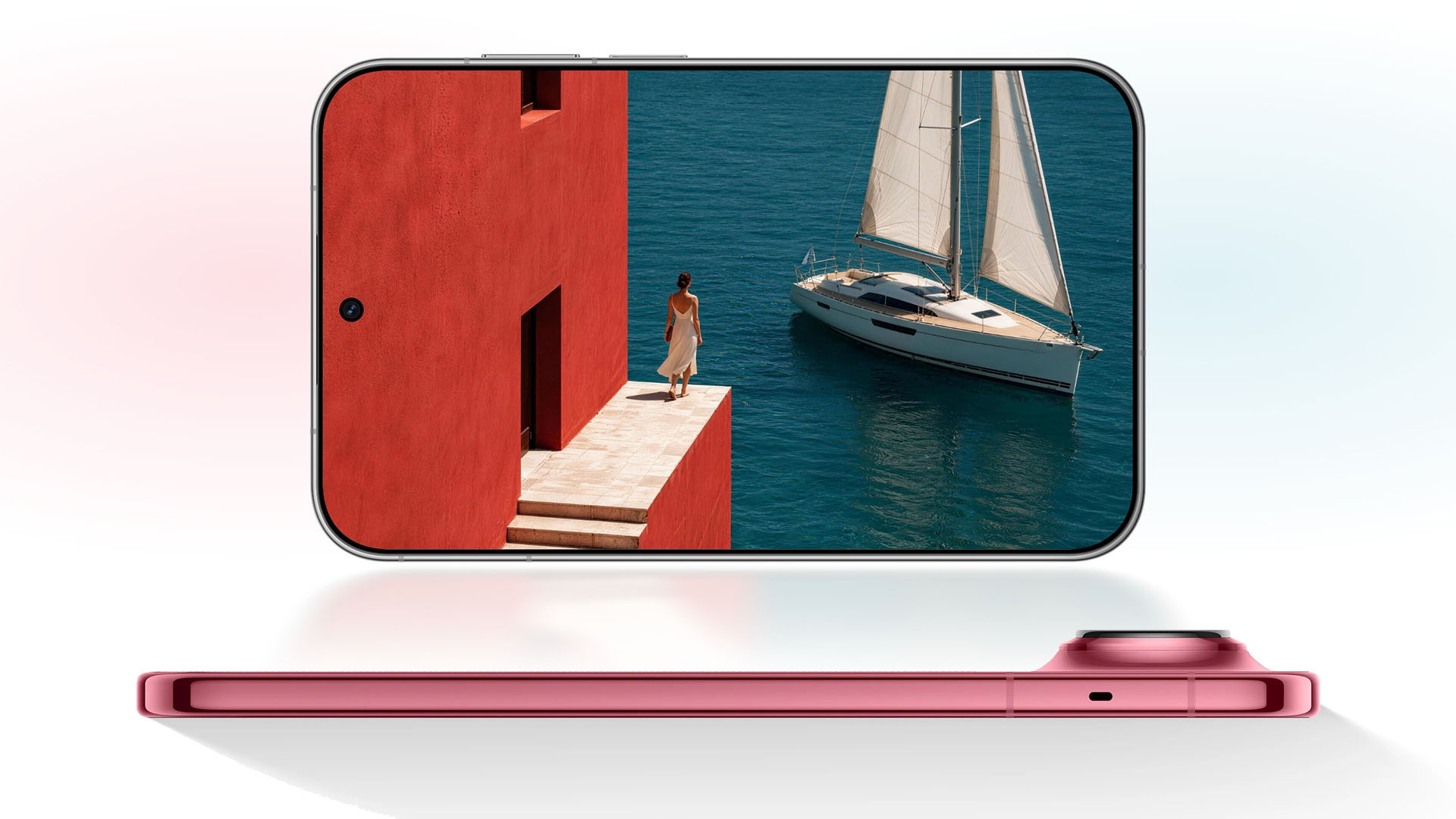
Graphics by Vincenz Lee | GadgetMatch
Despite all these, HUAWEI still managed to put a monstrous 7000mAh battery capacity inside its super slender 6.68mm chassis — which also happens to be lightweight at only 201 grams.
The much-needed updates
After 17 long days, HUAWEI finally releases the rest of Pura X View’s specs.
First and foremost, it’s powered by HUAWEI’s very own Kirin 9030s 8-core chipset based on a 5nm process.
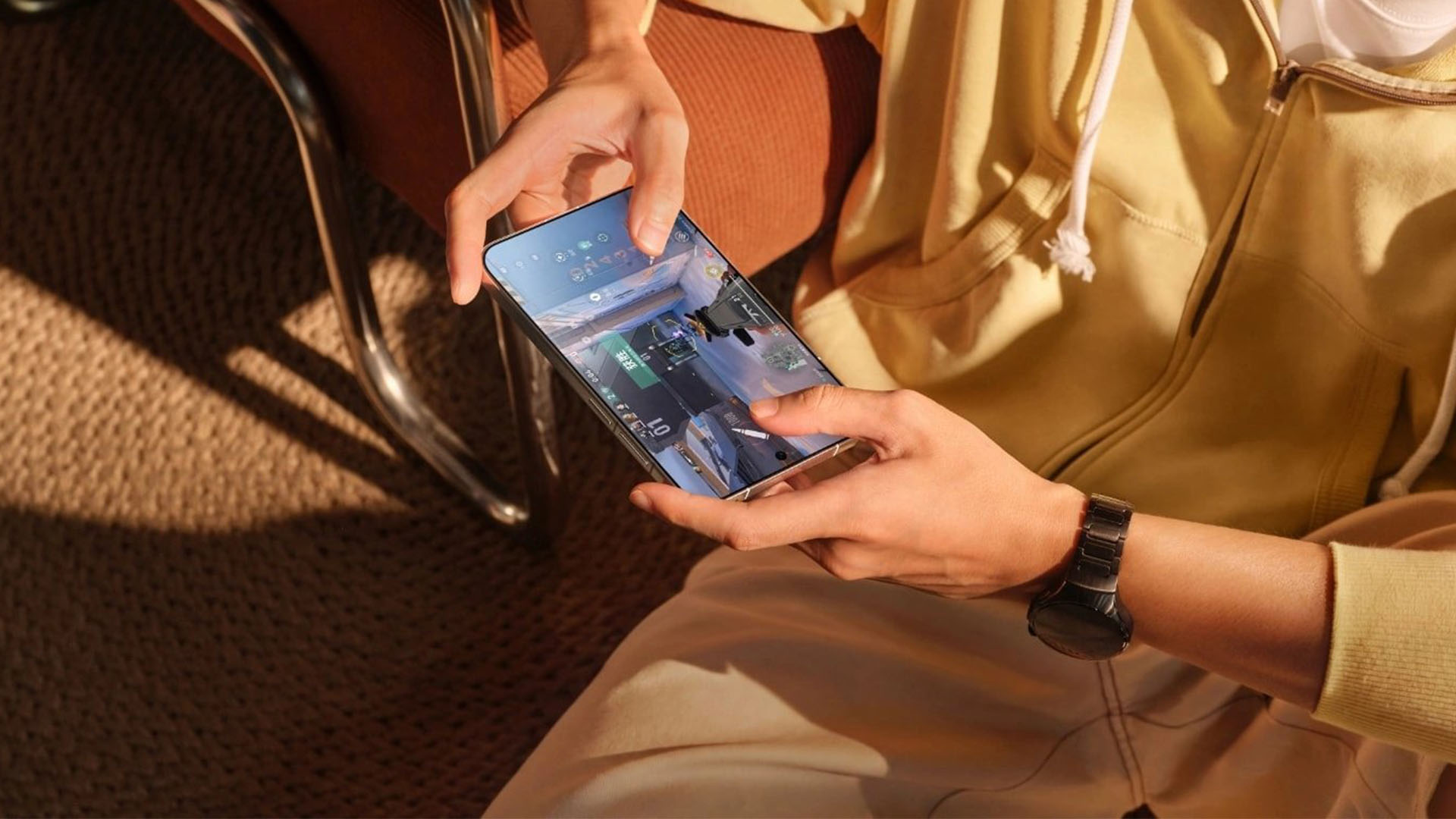
Furthermore, it has a triple-rear camera system powered by XMAGE.
- 200MP f/1.8 1x wide (main)
- 8MP f/2.2 UWA (ultra-wide angle)
- 50MP f/2.6 Telephoto (3.7x optical ~ 100x digital zoom)
There’s even the second-gen Red Maple Multispectral Sensor for better color accuracy.
Up front is where the 50MP f/2.4 selfie shooter sits.

Both cameras are capable of shooting up to 4K or 1080p at 960 / 120fps respectively.
That beastly battery can be filled up with HUAWEI’s 66W SuperCharge speeds plus 50W wireless SuperCharge.
Durability wasn’t forgotten with its dual IP68 and IP69 water and dust resistance ratings.
Pricing and Availability
The HUAWEI Pura X View comes in four colorways: Illusion Dark Night, Zero-degree White, Leap Shadow Red, and Linen Ash.
It’s currently open for pre-orders in China alongside three configurations:
- 12+256GB = CNY 5999 (US$ 845 / EUR 730 / GBP 635 / SG$ 1095 / MYR 3560 / PhP 49,085 / INR 74,715)
- 12+512GB = CNY 6999 (US$ 980 / EUR 835 / GBP 730 / SG$ 1260 / MYR 4130 / PhP 56,440 / INR 87,110)
- 12+1TB = CNY 8499 (US$ 1185 / EUR 1020 / GBP 870 / SG$ 1520 / MYR 4925 / PhP 67,670 / INR 101,930)
Much like any China-exclusive release, there’s no word on international availability.
Hopefully, HUAWEI brings this to global markets this time.
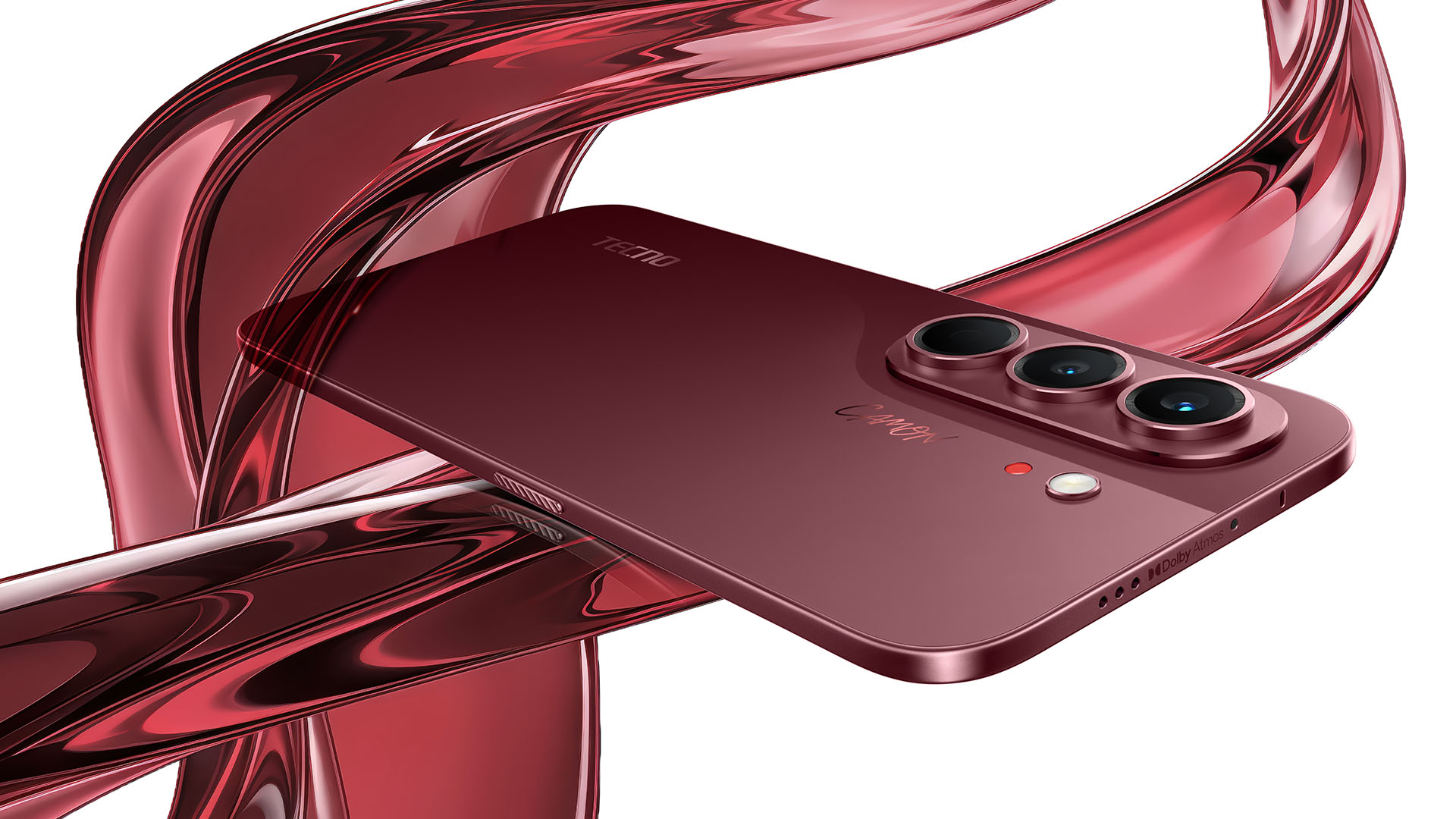
TECNO has been focused on making super-slender smartphones for the masses.
Their first “Slim” phones made their debut with the SPARK and POVA series. This time, it has also arrived towards the CAMON line.
Same slimness but with differences
The TECNO CAMON Slim was announced not too long ago. ICYMI, it’s rocking a MediaTek Helio G200 Ultimate SoC. That also meant that this phone is limited to 4G.
That’s about to change with the newer TECNO CAMON Slim 5G.
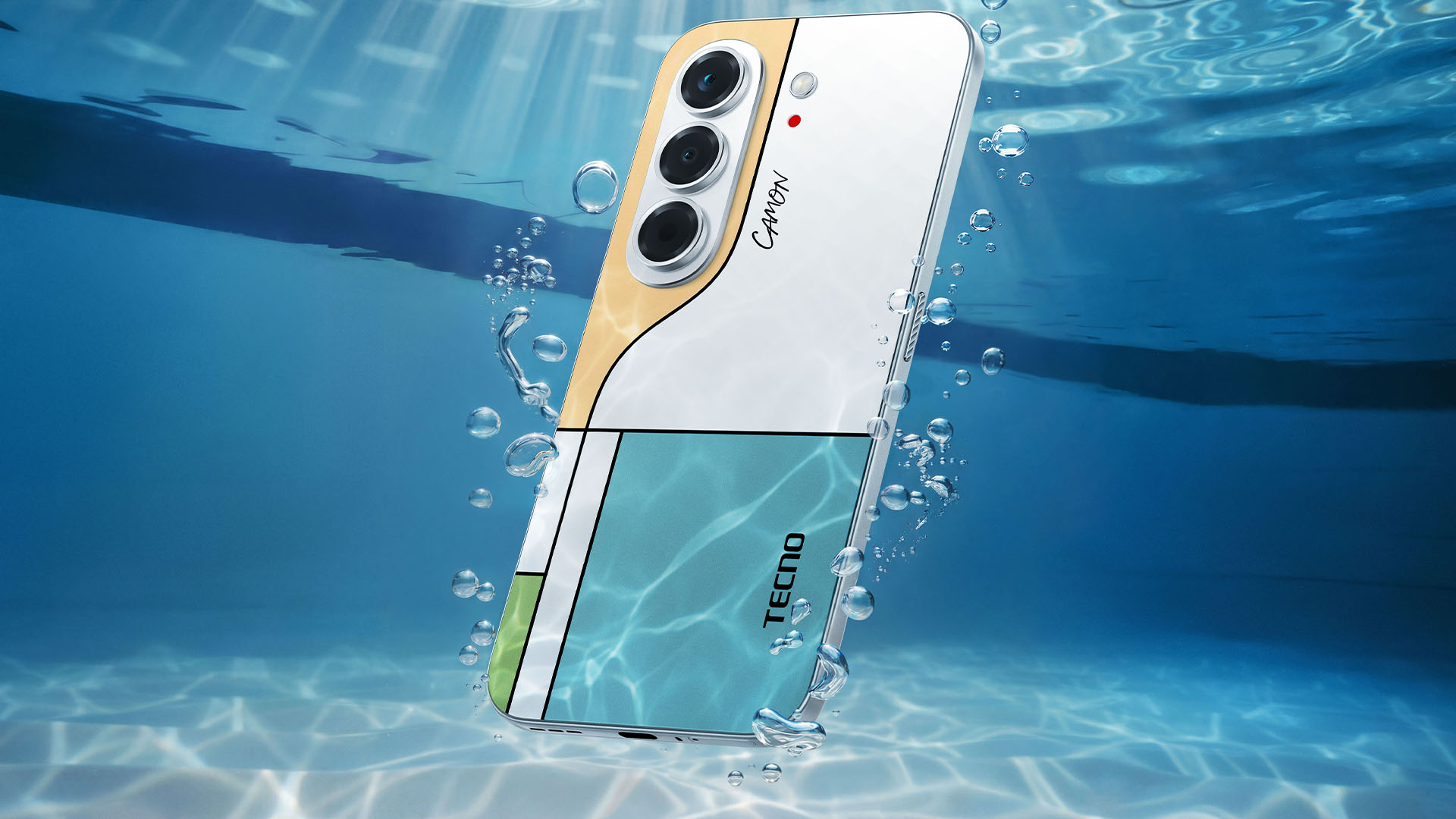
Despite the same slim chassis at 6.39mm, they changed the core to MediaTek’s Dimensity 7300e chipset. This enables faster 5G speeds in a more powerful octa-core processor.
Definitely, the battery of the CAMON Slim 5G is quite bigger at 6000mAh over the 5600mAh. Albeit, charging speed is slower at 45W versus 60W of its 4G counterpart.
Utmost durability was also given importance with its quadruple IP66, IP68, IP69, and IP69K water and dust resistance ratings. It has passed military-grade MIL-810-STD certifications as well as a TÜV SÜD certification for 60 months of sustained fluidity.
Back-to-back changes
The changes don’t end just with internals alone.
While both share the same 6.78-inch 1.5K 144Hz AMOLED screen, the CAMON Slim 5G possesses a flat display over the curved ones of the regular CAMON Slim.
Other display feats remain such as TÜV Rheinland’s low blue light certification, as well as Rain Touch, Waterproof Case Touch, and even Wet & Oily Hand Touch Recognition 2.0 Rain Touch that boosts touch sensitivity even under watery conditions.
Flipping to the back, you’ll see the biggest change.
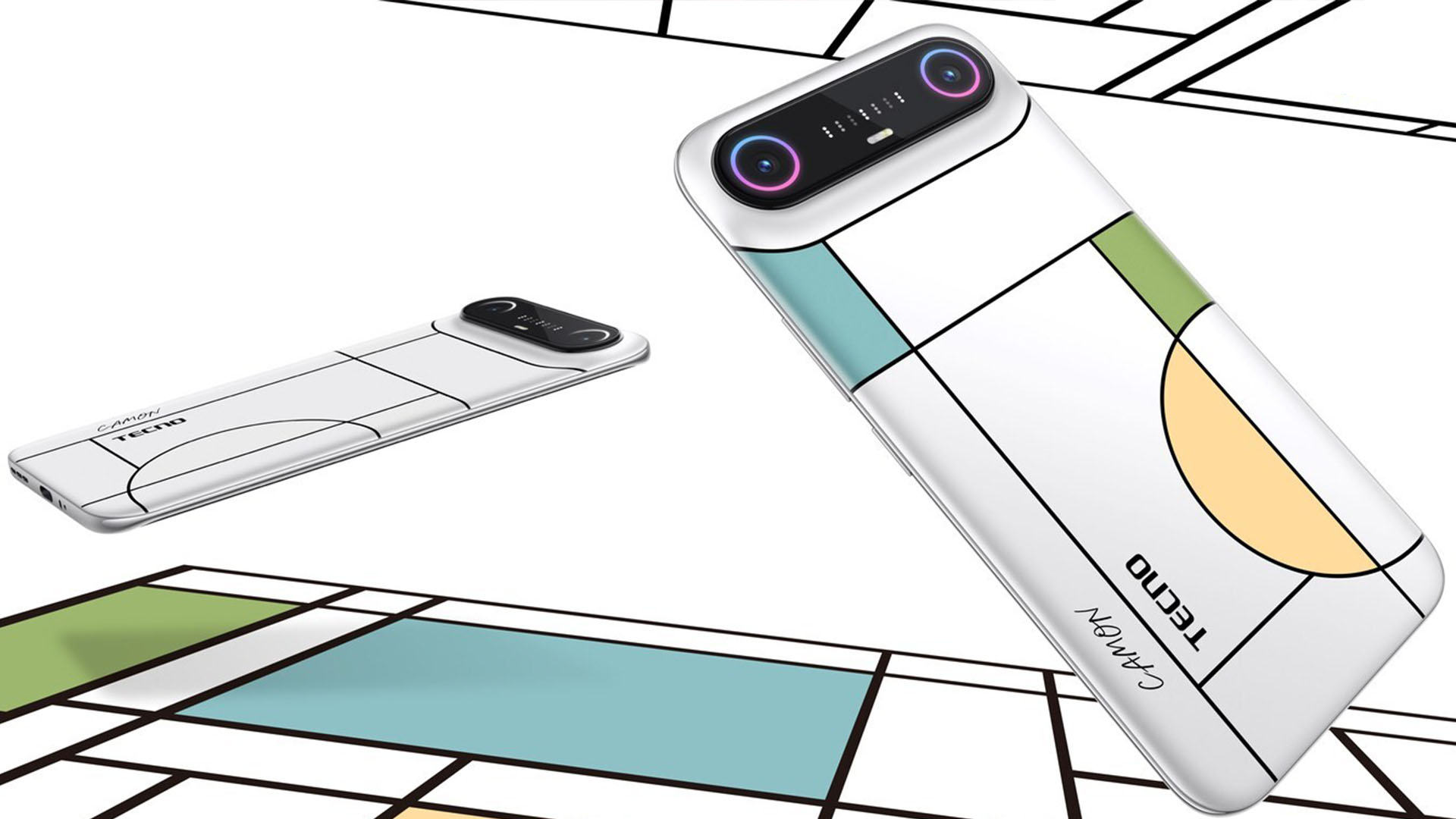
TECNO CAMON Slim 4G
The fun-looking camera bar with its AI Mood Light was removed in favor of a vertical-styled camera placement together with the iconic swan-neck curve design like the rest of the CAMON 50 line.
The reason? TECNO CAMON Slim 5G features a better 1x main camera courtesy of Sony’s LYTIA 700C Ultra (LYT-700C) 1/1.56-inch sensor. The CAMON Slim 4G relies on a smaller 1/2-inch Sony LYT-600 Ultra shooter.
For context, the better camera module was used in a lot of recent midrange and flagship phones — including the latest TECNO CAMON 50 Ultra.
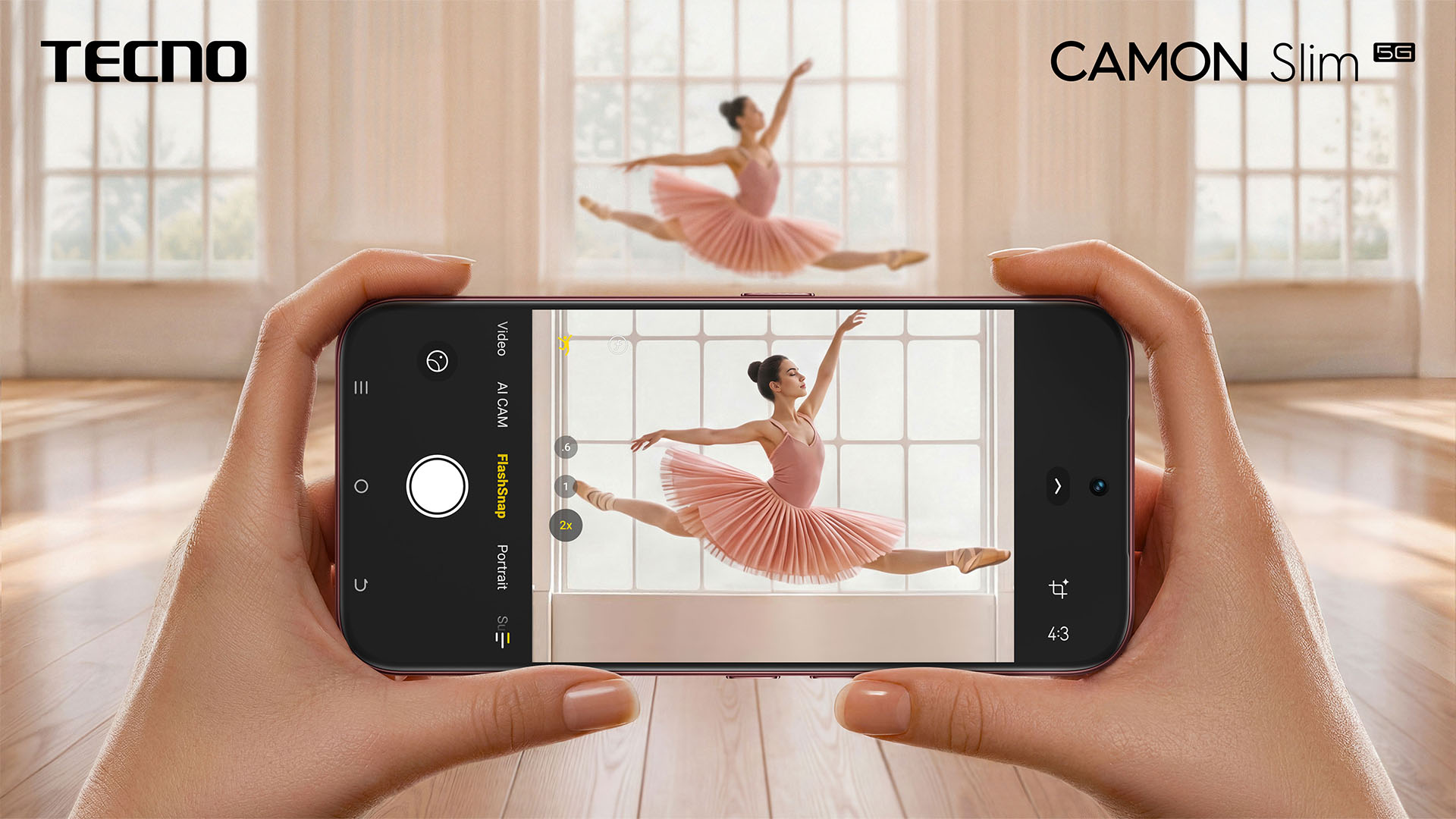
Multi-focal length portraits are supported at 24mm, 35mm, and 50mm. Speaking of Super-Zoom FlashSnap is also supported for those fast-filled action shots.
Selfie cameras of both phones are capped at 32MP.
Colors are similar yet different as well. Retained are the special Neo Mondrian and Van Gogh Blue colorways.
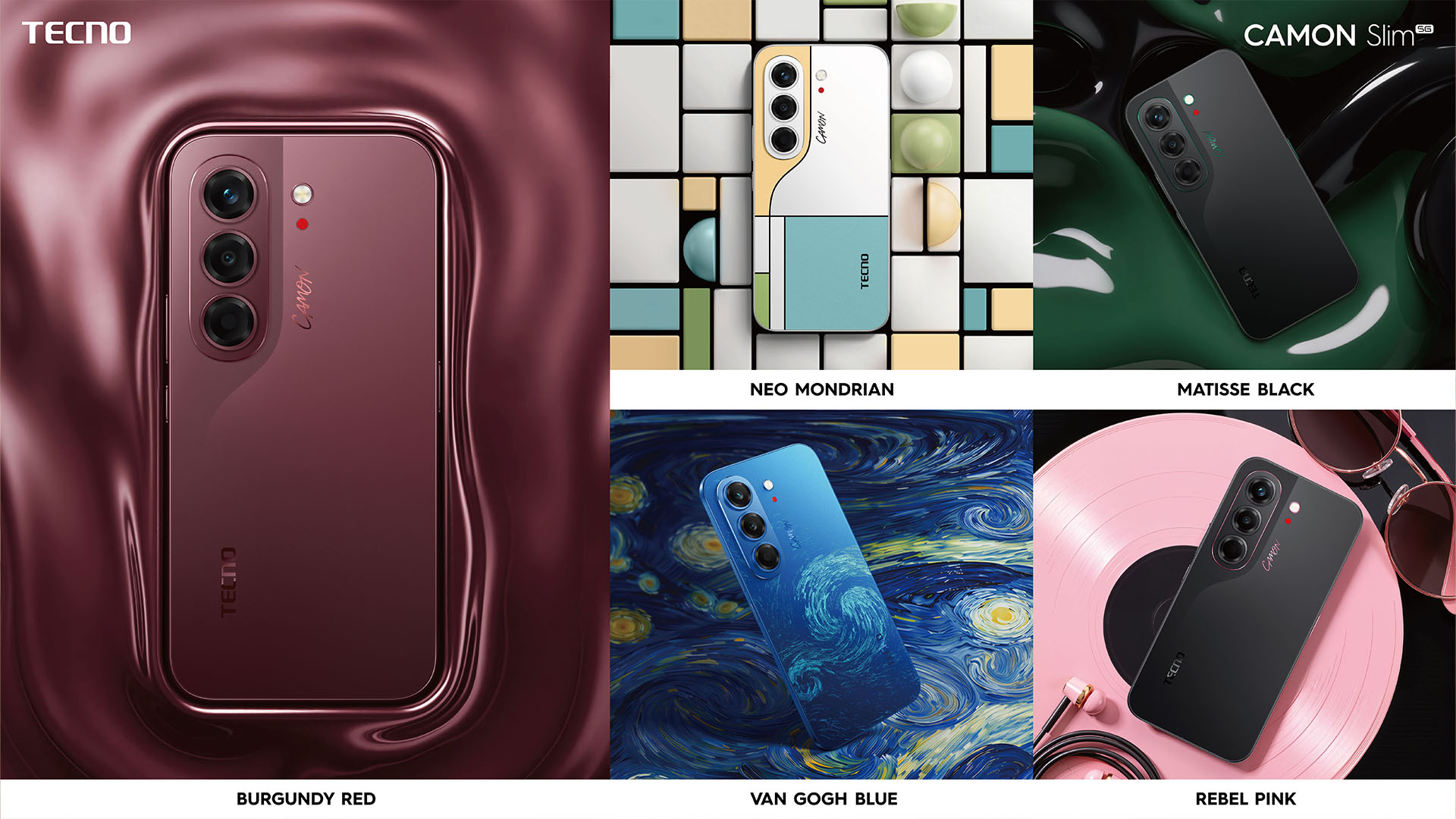
There’s also the hero Burgundy Red shade along with Rebel Pink and Matisse Black shades.
The CAMON Slim 5G runs the latest HiOS 16 based on Android 16 with all the latest AI Tools that TECNO has to offer. The brand is also promising five years of security updates and three major Android OS upgrades.
Pricing and Availability
TECNO did not release any specific pricing for the CAMON Slim 5G. However, they say the phone is rolling out across various markets with local pricing yet to be announced.
In select markets, prospective buyers can also receive a 3-month trial of Google AI Plus’ 2TB subscription plan at no extra charge.






HUAWEI Mate XT 2 tri-fold launches with Kirin 9050 Pro

HUAWEI Pura X View is 2026’s first WIDE slab-type smartphone

How Samsung folds the Galaxy into people’s lives

The CAMON Slim 5G is TECNO’s latest ultra-slim smartphone

Civilization VII is finally adding a fourth Age

TECNO MEGAPAD 2 review: Eyes on the size

realme 16T 5G with 8000mAh battery, IP69 Pro rating launches in PH

REDMI Note 17 Series focuses on long-term reliability

realme 16T to come with 8,000mAh battery, 7-year battery health guarantee
HUAWEI Pura X View is 2026’s first WIDE slab-type smartphone


-
 News1 week ago
realme 16T 5G with 8000mAh battery, IP69 Pro rating launches in PH
-
 News12 hours ago
HUAWEI Pura X View is 2026’s first WIDE slab-type smartphone
-
 Singapore2 weeks ago
REDMI Note 17 Series: Price, availability in Singapore
-
 News2 weeks ago
REDMI reveals the refreshed Note 17 and Note 17 Pro series
-

 Cameras2 weeks ago
Insta360 Luna Ultra review: My new solo coverage camera
-
 Reviews2 weeks ago
REDMI Note 17 Pro review: What a rollercoaster ride!
-
 News2 weeks ago
HONOR Magic V6: Price, availability in the Philippines
-

 Features1 week ago
The designated photographer’s new favorite phone: OPPO Reno16 Series 5G