
Enterprise
Congressional big tech hearing: Facebook and Google’s involvement
Why are Apple, Amazon, Facebook, and Google in trouble?

This is a two-part series explaining the “Big Tech” debate in detail. With the recent congressional hearing, we’ve taken a look at Apple and Amazon in Part 1.
The new synonym of social — Facebook
Facebook has been at the center of all discussions about online privacy and security. The social networking company has grown exponentially in the last decade, and it almost seems like nothing can stop it.
Starting as a simple social networking alternative to the likes of Friendster and MySpace, Facebook has improved radically as a product as well as a company. It proved that a free-to-use social network is possible with ads and went onto grow an empire out of it. While competition soon fizzled out, Facebook constantly innovated. Remember the time everyone was hooked to Farmville?
When the original product, Facebook, started reaching a saturation level, and younger users were looking for something new, it acquired Instagram. The fledgling app became a huge success, thanks to Facebook’s already available user base. Within a decade, Facebook acquired multiple strategic investments like Instagram, WhatsApp, and Oculus.

For a brief moment, Snapchat was considered to be a danger to Instagram. And, Facebook had no qualms in blatantly copying its features. Today, Stories are an integral part of the Instagram experience. Thanks to its investment in augmented reality as well as virtual reality, the filter library on Instagram is filled to the brim with creative options.
Even though Facebook had an in-built instant messaging service called Messenger, Facebook acquired WhatsApp. The acquisition gave it an unimaginable reach in developing markets. Today, the company has billions of active users across the globe.
But, did you notice one trend? Facebook pretty much controls all of social networking online. Facebook, Instagram, and WhatsApp in one basket dominate the industry. Facebook has almost 2.5 billion active users.
The fact that it could practically mimic Snapchat without any liability proves how strong one company is. Now, the company is trying to bridge the TikTok vacuum with Reels and YouTube with IGTV.
A company mired with reckless management
Not only does its dominance stifle competition, but it also makes it responsible for a lot of user data. And, we all know Facebook’s reputation with privacy is quite muddy. It was revealed that data of more than 50 million users was used by foreign powers to manipulate the 2016 US Presidential election. Cambridge Analytica closely analyzed the preferences and opinions of these users and targeted them with political ads in a bid to change the voter’s decision and sway them towards a particular candidate.
The Cambridge Analytica scandal revealed this psychological tactic was also used during Brexit. Political parties from around the world were clients, leveraging this as service. Facebook’s CEO Mark Zuckerberg has attended a congressional hearing in the past, and the internet is filled with memes about it. But, the primary concern continues to exist — is user data safe?
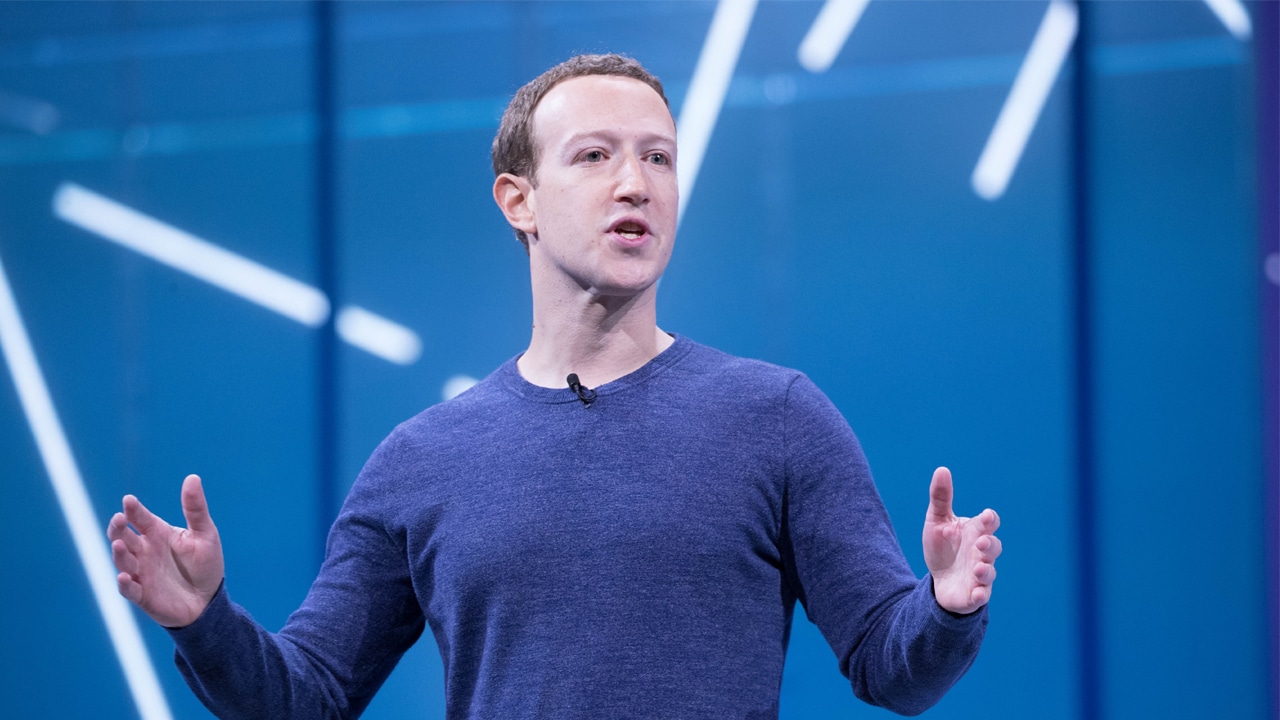
This question gets tougher to answer when we consider the scale at which the company operates. From the Upper Eastside to a warzone, Facebook has users everywhere. The company has always maintained that it follows industry-leading security standards, and users, as well as authorities, can trust it. However, the Cambridge Analytica scandal has introduced the common to the dangers of cyber warfare.
If ad targeting wasn’t enough, the story doesn’t end for Facebook. Experts widely criticize the platform for its lack of moderation and flow of misinformation. While rivals like Twitter have taken a wiser approach amid the looming presidential elections, Facebook chooses to stay away from intensive reduction.
Not just Facebook, even WhatsApp has long been in news for its misuse. The free flow of messages has led to mob justice instances that were actually instigated by misinformation. The app has introduced a wide range of measures to fight this, but it has brought negligible change on-ground.
Coming back to the “Big Tech” debate, should a company with a consistent history of shortcoming, be responsible for sensitive user data? We’ve already seen how data can be weaponized. What’s even more intriguing is, Facebook is technically an advertising company.
It quite literally acts as a middle-man between a vast pool of users and advertisers. While there’s nothing illegal about the business model, the company does need a wake-up call immediately and has to get its act together.
Google, the gateway to the internet
Google.com is often called the homepage of the internet. The search engine is everyone’s go-to website for two decades now. Anything you need is just a second away. The site lets you find something as general as a company’s website to an in-depth analysis from a white-paper PDF hosted on a university’s website.
Starting as a search engine, Google quickly expanded to new projects like Gmail, Maps, and YouTube. Its suite of applications is practically infinite and covers pretty much everything we need in the digital age. Google has more than 85 percent of the search engine market, and the nearest competitor is Microsoft’s Bing.
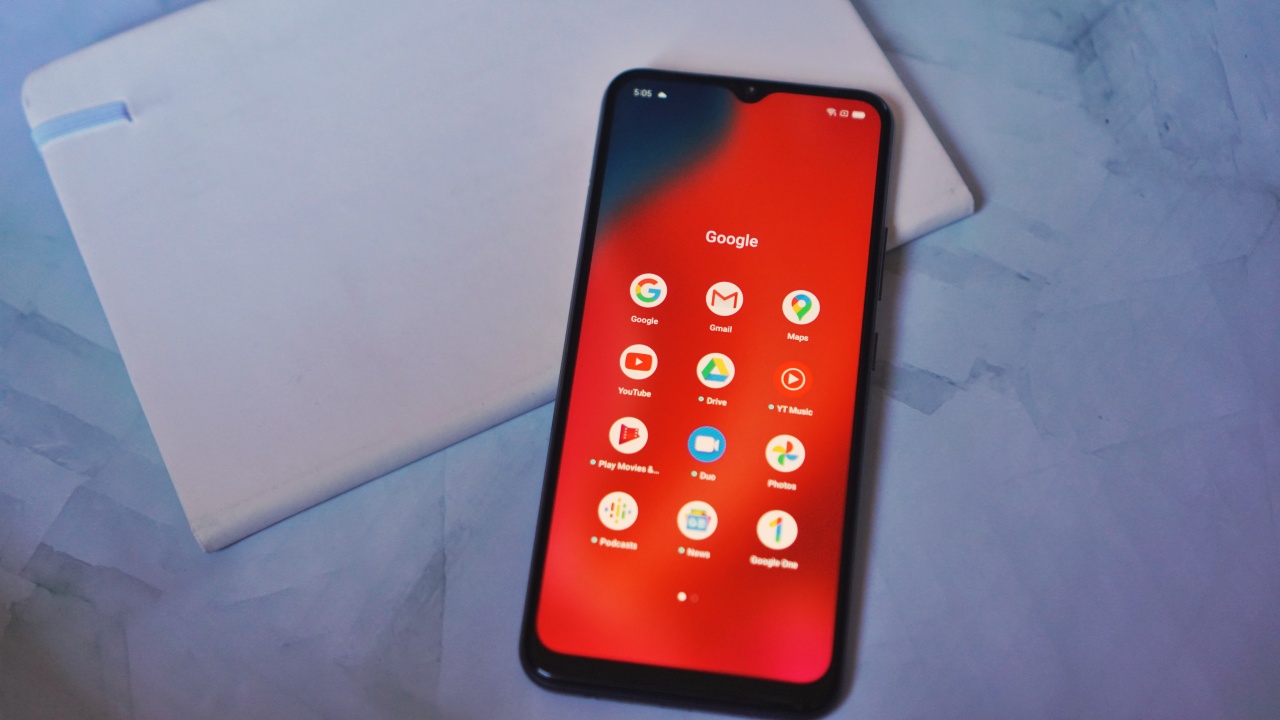
With the onset of the smartphone age, it acquired Android and changed history forever. Thanks to close partnerships with companies like HTC, Android got a much-needed boost to take on Apple’s iOS. Today, it also controls more than 85 percent of the market. Except for Apple, practically all other phone makers rely on it.
Over the years, Google has diversified massively. With a recent restructuring, Google has a parent called Alphabet. The parent company has interests in many more ventures like research and development-oriented X, self-driving car maker Waymo, DeepMind, and many more. It has a market cap of more than US$ 1 trillion.
Google rules the software world with its apps, operating systems, and enterprise packages. The most important point is, all of these services are free-to-use on a personal level. You have access to free email, maps, videos, music, and even news. It sells some add-ons like Drive storage or YouTube Premium, but these subscriptions aren’t its primary source of income.
Google, ruler of the free internet
Just like Facebook, Google also relies on advertising. In fact, Google is the world’s largest advertising company. It not only lets you deliver ads on its own products but also acts as a marketplace for advertisers and publishers. It single-handedly has a 37 percent share in America’s advertising industry (including offline). AdSense is widely used by other websites to monetize digital traffic.
Just like Apple, the problem with Google is its massive size and reach. It practically dominates multiple verticals like search engines, browsers, operating systems, and video streaming. Even a mammoth-like Microsoft has failed to challenge it with Bing. Regulators have fined the company multiple times for using its dominance to push its own products.
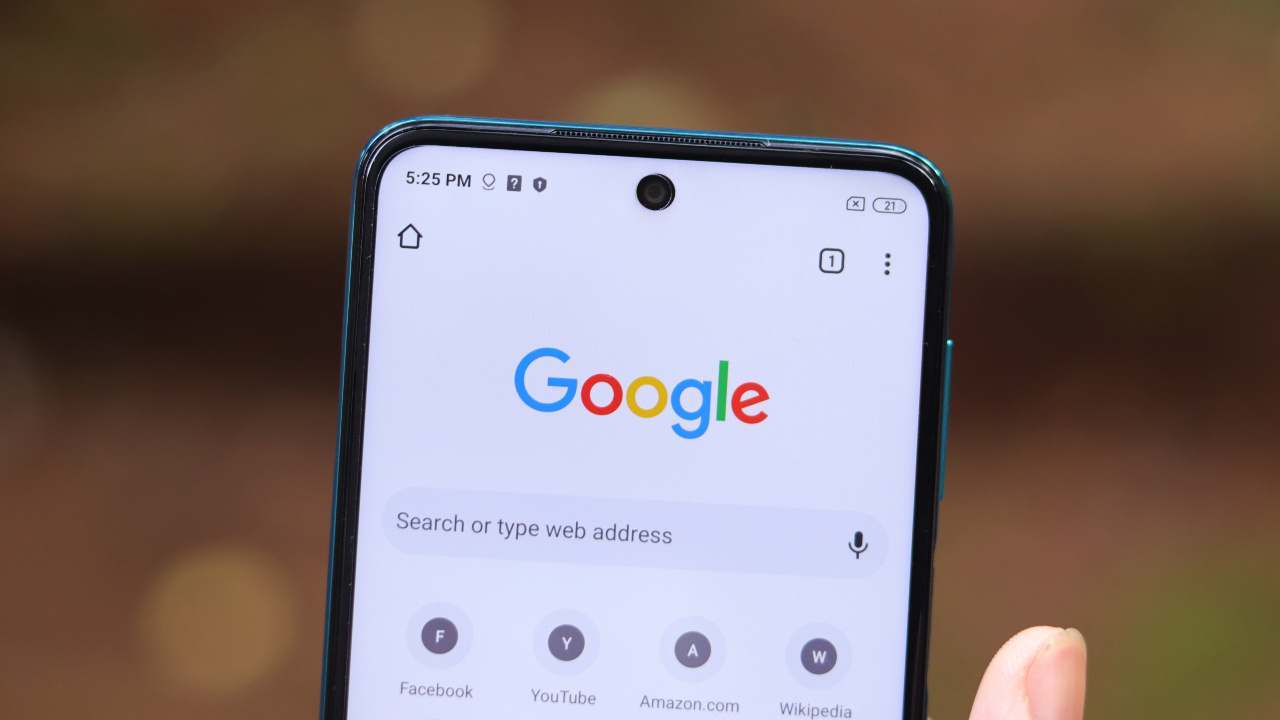
A majority of phones that ship with Android come bundled with Google apps. Without Google Play Services, one can’t leverage the Play Store. Indirectly, making it mandatory to partner with Google. Android is an open-source system, but it’s clear Google is the party that benefits the most.
When we combine all of these services and its associated analytical tracking, we realize Google knows everything about us. Google’s algorithms are constantly monitoring our preferences to deliver us more and more relevant content. A young venture like Google Pay in India came to a leading position within a short time, despite competition from fin-tech stalwarts like Paytm, PhonePe, and more.
When we consider the speed at which Alphabet is expanding, it’s clear it wants to play a fundamental role in our life.
Internet — man’s new best friend
“Big Tech” has another thing in common. They all play a critical role in our lives today and want to be as closer to us as possible. Apple wants to be your trustworthy hardware partner, Amazon wants you to buy everything from them, Facebook wants your entire social life, and Google makes it all possible, silently in the background.
On a regular day, I end up using their product at least a hundred times. Actually, my phone’s digital well-being feature says I unlocked my Android phone at least 100 times today, got 150 WhatsApp notifications, opened Instagram more than 15 times, spent 25 minutes window shopping on Amazon, and heard 3 hours of music on Apple Music. And, typed all of this on a MacBook Air.

This is the crux of the story. Big tech is all about wanting to be your best friend. Don’t get me wrong, these companies are also responsible for rapid innovation and unprecedented progress in computer science. The internet started as a top-secret government project. But gained lightning speed only when it was made public, and companies realized its business potential.
If you’re looking for a right and a wrong here, you’ve come to the wrong place. Standard Oil was a conventional entity that dealt in physical products like oil.
Data is equivalent to oil only in terms of valuation. With a fast-paced innovation cycle, these companies are constantly evolving. We can’t just break them into pieces based on geographical location. This is the reason why the big tech debate is extremely interesting. It’s an unprecedented situation and it’s clear that the big four have joined hands to fight the oncoming antitrust regulatory hurdles. The fact that all four companies agreed to appear for the hearing is a symbol of unity. Their survival is at stake and there’s no textbook answer to follow.
This is Part 2 of the series. We’ve covered Apple and Amazon’s involvement in Part 1.








AMD is prepared to lead the industry in its agentic AI era with their high-performance CPU strategy.
As the industry pivots from simple AI models to agentic AI systems that are capable of independent planning and decision-making, the CPU is reclaiming its role as the critical “head coach” of the data center.
This was noted by AMD CEO and Chair Dr. Lisa Su during the AMD Advancing AI event last year. The rise of autonomous agents has transformed inference into a complex and multi-step workflow that demands sophisticated logic and orchestration.
And while high-performance GPUs are necessary to generate insights in real time, the surrounding infrastructure is just as important.
This is where CPUs enter the picture. Their performance and efficiency are more important than ever in the overall performance of modern AI infrastructure.
And AMD delivers an advantage with their offerings. In recently published data, a 5th Gen AMD EPYC CPU-based system is estimated to perform up to 2.1x better per core against an NVIDIA Grace Superchip-based system.
The same system AMD-based system also delivers up to 2.26x uplift on SPECpower, measuring operations per watt.
The x86 CPU architecture gives customers the advantage of a broad, proven software ecosystem that can run existing workloads natively.
This avoids the costly refactoring and code-base duplication often required when switching to Arm-based alternatives.
Looking ahead, AMD is doubling down on the balanced system philosophy. Future architectures such as the “Venice” CPUs will power the “Helios” rack-scale AI design.
By integrating EPYC CPUs with Instinct GPUs and the ROCm software stack, AMD aims to maximize cluster-level performance and lower the total cost of ownership in the agentic era.
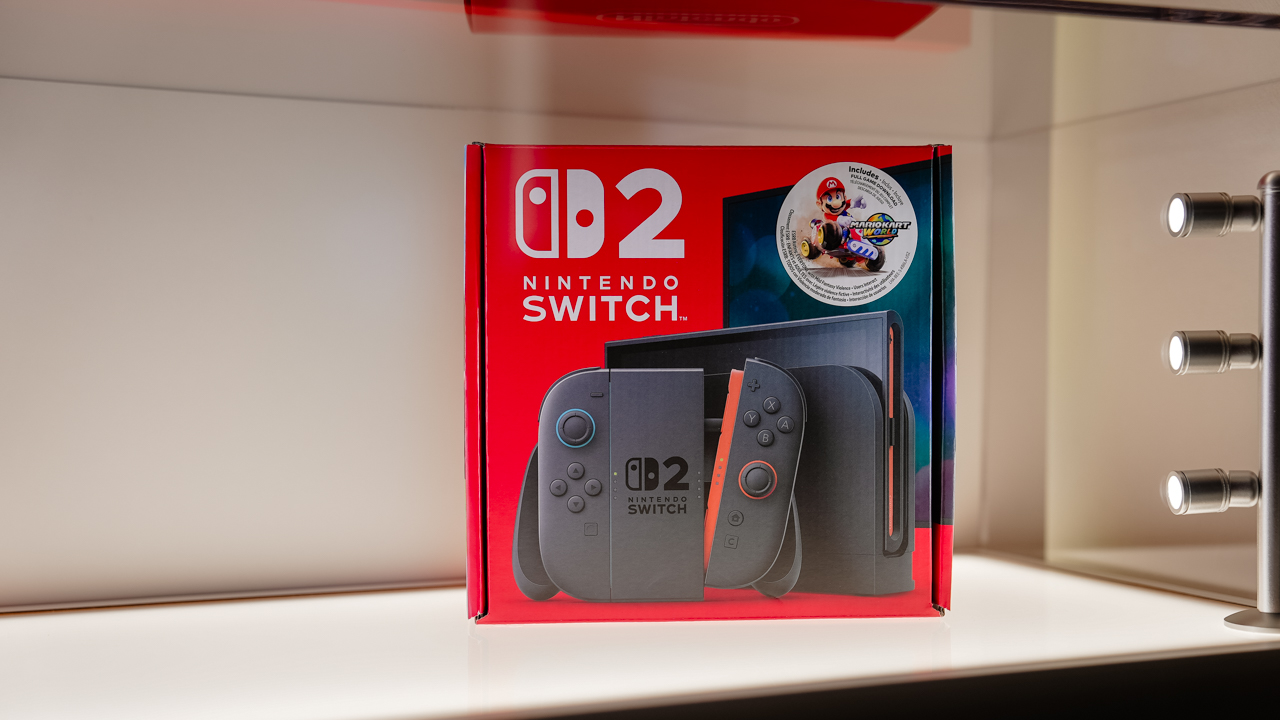
What happens when an unstoppable force meets an immovable object? After a year of wrestling through tariffs from the current American administration, Nintendo has decided to sue the United States.
Last year, the Trump administration was trigger-happy with implement tariffs on countries everywhere. Though the controversy mostly circulated around geopolitics, major corporations also found themselves on the receiving end of Trump’s ire. All over the world, the tariffs sparked product delays and price hikes.
Nintendo is no exception. As a result of the fiasco, the company had to delay the launch of the Switch 2, in anticipation of disruptions caused by the tariffs. First reported by Aftermath, the Japanese gaming giant is now going after the American government over refunds associated with the tariffs.
Now, the tariffs aren’t a big issue anymore. Notably, the Supreme Court scratched off the White House’s implementations that the former found illegal. While a big sigh of relief for future business, corporations like Nintendo have already paid duties and deposits in the past. As a result, Nintendo is now looking for recompense for what they paid before.
Nintendo isn’t the first company to seek restitution over the illegal tariffs. Others, including FedEx and Revlon, are also asking for refunds. However, the Japanese giant is certainly one of the biggest names to cross the government’s path. After all, the company is notoriously litigious over anything it considers as an affront to its business, including small streamers using Pokémon on their broadcasts.
With all its global resources, Nintendo likely won’t just give up without a fight.
SEE ALSO: The Nintendo Switch is now Nintendo’s best-selling console ever
Enterprise
Paramount wins bid for HBO Max, plans to merge streaming apps
It’s all part of the deal to acquire the Warner Bros. library.


Last year ended with the bombshell announcement that Netflix might buy the entire Warner Bros. library. However, after some finagling and a rocky start, Paramount has now emerged as the main suitor for the lucrative library.
At the end of last year, it seemed all but confirmed that the gigantic Warner Bros. library was coming to Netflix as part of a huge buyout deal. This became even clearer when Warner Bros. Discovery rejected Paramount’s initial bid to counter Netflix. However, Paramount recently revised its offer to an astounding US$ 110 billion, or US$ 31 per share, which Warner Bros. Discovery signed off on. Netflix passed on the opportunity for a counteroffer, making Paramount the sole bidder.
Today, Paramount has announced that, if the deal pushes through, they will merge Paramount+ and HBO Max into one streaming service. This means that Paramount’s CBS, Comedy Central, and MTV will be under the same roof as DC, Game of Thrones, Harry Potter, and Mission: Impossible.
The value of the above names alone makes this into one of the most lucrative deals for Paramount. However, it’s not without its drawbacks. The combined entity will reportedly carry US$ 79 billion in net debt for both purchasing Warner Bros. and refinancing the newly purchased property.
Currently, the deal is expected to go through regulatory approval ending in the second half of 2026.





Now Playing: Hoppers

Jackery SolarSaga series: Free power for small devices

UGREEN adds new Nexode Pro power bank, charger to lineup

nubia to launch new Neo 5 series gaming phones on March 28

SHINOBI: Art of Vengeance’s SEGA Villains Stage out on April 3


-

 Reviews5 days ago
POCO X8 Pro Max review: A new beast from the far east
-

 News5 days ago
POCO X8 Pro Series: Price, availability in the Philippines
-

 Laptops2 weeks ago
Apple MacBook Neo Review
-

 Computers2 weeks ago
GIGABYTE collaborates with Capcom for RE Requiem custom PC
-

 Apps1 week ago
Google Maps is finally getting a 3D mode
-

 Entertainment2 weeks ago
The internet is thirsting over the One Piece Season 2 cast
-

 Features1 week ago
Galaxy AI on the Samsung Galaxy S26 Ultra
-

 Automotive2 weeks ago
BYD is reportedly considering an F1 team