


Unfiltered
Our data shouldn’t be used as currency for technology to move forward
Companies shouldn’t mine it like gold and oil

Security and privacy have become the issues we’re concerned about in this generation. Technology has cemented itself as a commodity; a constant in our lifestyle and in everything we do.
For the past year, we’ve seen data breaches from Facebook particularly the Cambridge Analytica scandal, hackers attacking big tech companies, voice assistants listening to our conversations, and technology being used to further one’s political agenda.
Right now, we all fear for our personal data. The world isn’t safe anymore, and here we are, being more afraid of cybersecurity posing a threat to our safety.
Is data the most important thing right now?
When I was in Hong Kong, my friend and I stayed in Tuen Mun, a 20-minute drive away from Shenzhen, China. Due to proximity, my browser and location have geo-tagged China instead of Hong Kong. Websites have been translated to Mandarin, too.
My friend and I laughed, whispering to ourselves “Welcome to China.” Amidst the jokes and frantic laughing, I was fearful about my personal security. Throwing away the naivety, we all know the issue surrounding this country relating to data and privacy. For years, we’ve accused China of harvesting our information that we became cautious about visiting the country or when using a Chinese-branded smartphone like Huawei, Xiaomi, Vivo, and OPPO.
Data has become the new currency that people are trading off; the new gold and oil, where people fight to mine and own it.
Of course, I’m afraid of my data being stolen for unknown purposes. There was an added fear during my stay since I was in the midst of rallies. But what scared me isn’t the chances of me getting caught in the crossfire, it was all the stuff I have on the internet.
What if the government caught wind of my political statements in my social media accounts and private messages? What if they knew I was siding with Hong Kong and their fight for democracy? Will I be deported? Jailed? I spiraled in anxiety and fear.
Gratefully, I left Hong Kong safe and sound. On a series of flights bound for Manila and Boracay, I pondered about the fear I had: Was data the most important thing right now?
Finding the answer
It seems the stars aligned because my thoughts happened right before the annual CxO Innovation Summit. Held by VST-ECS Philippines, the conference discussed the future and importance of data in today’s technology.
“There is no doubt that in today’s digital economy, most companies — if not all — are aware of the importance of data and the value it provides,” said Jimmy Go, President/CEO of VST-ECS Philippines. Of course, this conference was meant for enterprises to tackle how they can utilize data to improve their businesses.
Technology is here to stay and we can’t hinder progress because we’re scared.
Go further explained how big companies like Netflix and Amazon use data analytics to track users’ pattern based on their searches and activity, then recommends content and product for you, which are mostly things you don’t like (or do you?).
But it wasn’t Go who only shared insights and industry trends. The summit is joined by leaders in the cybersecurity, computers and electronics, and information technology industries. Among the top players with key representatives are Cisco, Lenovo, Fortinet, Hewlett-Packard, Dell Technologies, IBM, Schneider Electric, Samsung, Huawei, Aruba, and Oracle.
Data mining is a circular economy
Throughout the sessions, most companies discussed how to harness data and utilize available technology to further an enterprise’s progress. Channeling my self-obsessed personality, I asked: “Where am I in this narrative?”

Consumers don’t realize that companies use their data for research and marketing purposes. Some use it for noble goals like improving one’s life through technology, and some do it for the sake of expanding and future-proofing their businesses.
It’s like a cycle: Your data was acquired, analyzed, shared, translated, received and find its way back. Data has become the new currency that people are trading off; the new gold and oil, where people fight to mine and own it.
We need companies we can trust
When the conference ended, I left and sipped margaritas by the beach — allowing myself to absorb all the truths I found. Come to think of it: Isn’t it scary that Facebook suggests items you’ve previously viewed on Lazada and Shopee? How about the promoted post on your news feed about a lipstick you recently talked about with your friend on Messenger? This is how our data is being used and learning a lot about this process, I was astounded.
It dawned on me: Technology is here to stay and we can’t hinder progress because we’re scared. But what we can do is to find companies we can trust.
To find better resolve, I asked Samsung and Huawei — two of the biggest players in the consumer technology industry. I first met with Patrick Low, Principal Architect for CTO Office Huawei Enterprise Business Group.
Big Data is the enemy (or not?)
In an exclusive interview with GadgetMatch, Low discussed how consumers’ data are being acquired everywhere. Contrary to myths about Huawei, the executive debunked the rumors and discussed how apps are the culprit of data mining, not smartphones.
Samsung Product Manager Anton Andres supported Low’s statement in another exclusive interview. Andres expounded how third-party apps like keyboards try to hijack personal information. Both executives warned users about the apps they download.
On the bright side, both companies believe they’re doing enough to protect their consumers’ data and security. Huawei claims they don’t touch data, while Samsung parades its security solutions found exclusively on their devices. Of course, take everything with a grain of salt. It’s okay to trust at this point, but with reservations.

Taking into consideration what both Low and Andres stated, I started to wonder if big data is the enemy here. If big data sounds martian to you, it’s a technology used to analyze and help companies understand our behavior and preferences. It’s primarily the reason why you get advertisements about an item you were browsing in an e-commerce site or getting contact suggestions from the people in the same vicinity as you.
But as one friend pointed out, big data isn’t our enemy. It’s the abusers of the technology and the perpetrators who use it for their greed and personal agenda.
How can we protect ourselves?
As the world gets more connected, it is up for us to arm ourselves against the threats looming in. Start first on your devices: Use strong passwords and make it a habit to change them regularly.
Social-media wise, check your privacy and sharing settings. When you have an inactive account, find a way to close it. Additionally, read the terms and conditions for every app you download. Consider the risks of using digital assistants like Alexa and keeping an unsecured Wi-Fi, too.
The world is getting more connected, and there’s no stopping it.
There are so many things to do. Make sure you understand what data you’re sending and how your location is being tracked. Right now, it might be easy for you to say that tech companies like Google and Facebook already have a lot of information about us, or they don’t have anything to get since we’re not rich. But cybersecurity isn’t only for the rich people to worry about, it’s for everyone who has access to a connected world.
Sure, we won’t be a hundred percent safe from the possible threats. Thieves are getting smarter, and we need to be smarter than them. Keep yourself informed, that’s the best you can do to significantly decrease the chances of your personal security being compromised. The world is getting more connected, and there’s no stopping it.






Automotive
The price I paid for trusting my car too much
A minor crash forced me to confront how technology and misplaced trust can erode the responsibility every driver still carries.
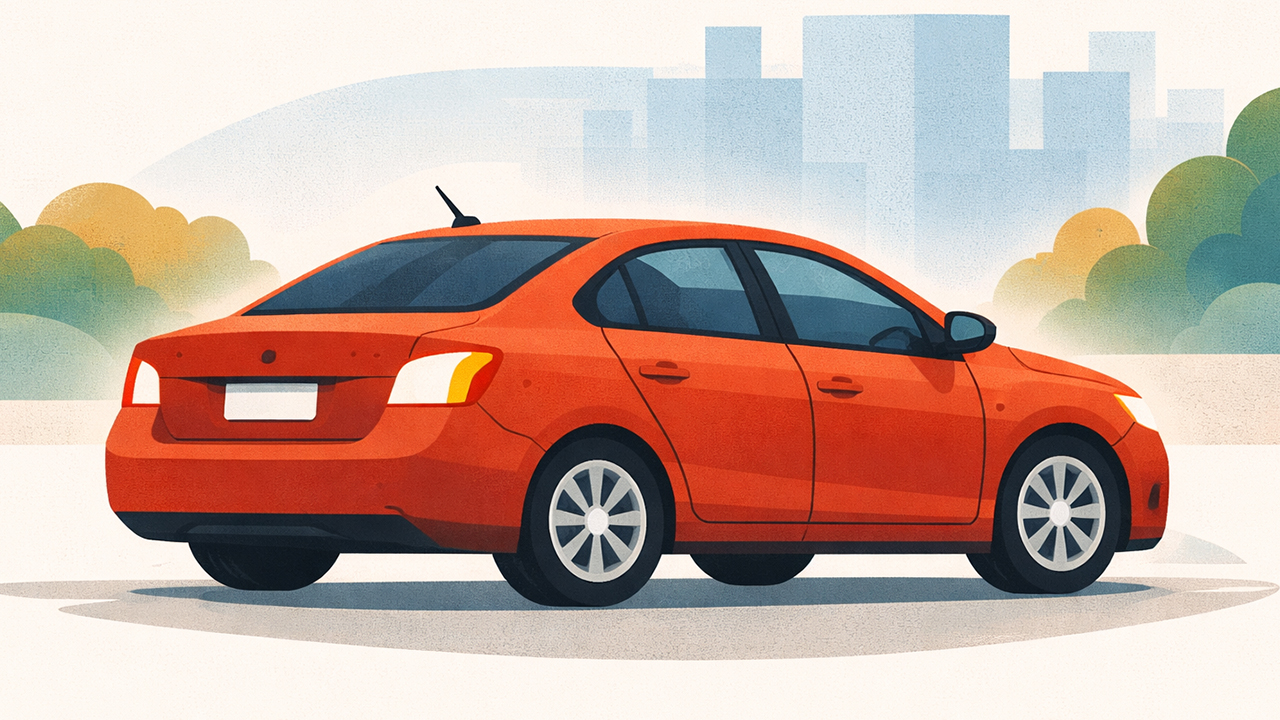
I never imagined I would be the kind of person who crashes into someone else’s car.
I drive slowly and gently, and practice restraint when another car provokes me on the highway. I’ve made it a habit to pray right before I roll out of the garage. It’s my small ritual asking for protection and patience.
I’ve watched countless videos of drivers making terrible decisions, caught in road rage, accidents, and violations that somehow get tolerated by culture and circumstance. Years of driving and I never thought I would be one of them.
It was a Wednesday morning when I decided to drive south to meet colleagues for a project in Tagaytay. I was already carrying an aching heart, passing through my own version of Cornelia Street along the long stretch of the South Luzon Expressway.
Grief and memory sat beside me in the passenger seat. What was meant to be a coffee run, heavy with nostalgia, became something I wish I could undo.
While reversing out of my parking spot, my right leg twitched. In a flash, my rear bumper hit someone else’s car.
I know that sound. Anyone who drives knows it. I froze before my brain even caught up. My stomach dropped and my chest tightened. I sat there, eyes flicking between the screen, the side mirror, and the rearview mirror, trying to understand how this had happened.
What unsettled me most was the silence.
There were no warning beeps. No flashing icons and no alerts telling me to stop. The sensors that had trained me to trust them went quiet all at once. In that moment, there was no one else to blame. It was only me and a mistake I failed to prevent.
I was lucky. The people whose car I hit were around my parents’ age. They were kind and willing to settle things without turning the situation into something heavier than it already was.
Their brunch was interrupted by my carelessness, and that thought stayed with me longer than the dent itself.
The damage was minor. Their front bumper was dented and the radiator cover cracked. My car only carried scratches on the plastic stepper.
Still, my heart pounded harder than the situation seemed to warrant. The inconvenience stretched on for months through insurance and repairs, unfolding at the same time my life was already unraveling from heartbreak and forced transition into a new home.
It took me months to recover emotionally. I stopped driving the way I used to. Driving once gave me relief when my thoughts felt too loud. After that day, it only reminded me of how easily I failed to be present.
My mistake was allowing technology to take over a part of my responsibility.
I had grown comfortable believing that if something was behind me, my car would tell me. If danger was close, the system would sound the alarm.
Somewhere along the way, I let my awareness be filtered through cameras and sensors instead of relying fully on my own body and judgment. That comfort cost me time, money, and peace of mind.
We live in the most advanced era of driving the world has ever known. Cars can see farther than mirrors ever could. Brakes are designed to react faster than human reflexes. Our car’s systems warn us when we drift or speed up, and when something approaches from the side.
These features save lives, and I am deeply grateful for them. Still, assistance is not replacement.
Without realizing it, I behaved less like a driver and more like a supervisor watching a machine do the work. Even though I checked behind me, I failed to be more careful.
I relied on expecting a warning and trusted that the car would intervene before I had to.
When systems fail and sensors miss angles, there’s no safety net waiting for you.
There’s only the person behind the wheel.
I was lucky that day that I hit a car, and not a person. No one was walking behind me and no child crossed at the wrong moment.
The consequences were small enough for the world to forgive, though my conscience hasn’t fully done the same. I know how easily this could have been worse.
I should’ve done the simplest thing a driver can do. I should have turned my head and looked again. No matter how advanced a vehicle becomes, the most important safety system is still human attention.
Because when the warning never comes, you’re responsible for what happens next. And sometimes, it only takes one missed glance to remind you how fragile everything really is.

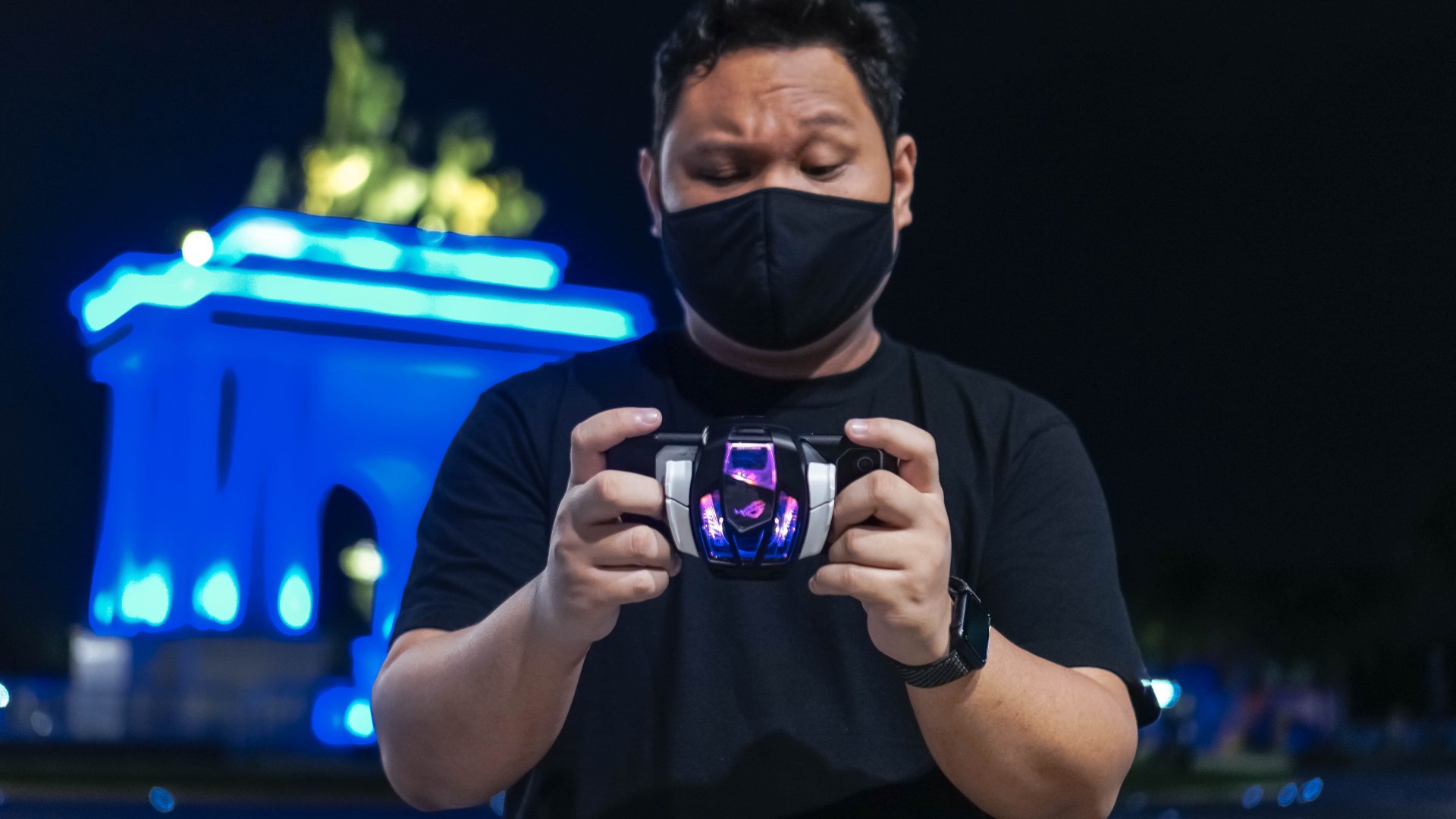
It’s been five years since the first ROG Phone was released. In just half a decade, it has established itself as THE go-to gaming smartphone. And the ROG Phone 7 Ultimate is the latest in this line that ROG seems to have perfected.
In a media briefing, I asked ROG if the goal of the ROG Phone 7 Ultimate is to attract new users or get older ones to upgrade. To which they answered, “a little bit of both.” The company said they see a core user base that upgrades every two or three years. That behavior appears to be in line with most other smartphone users.
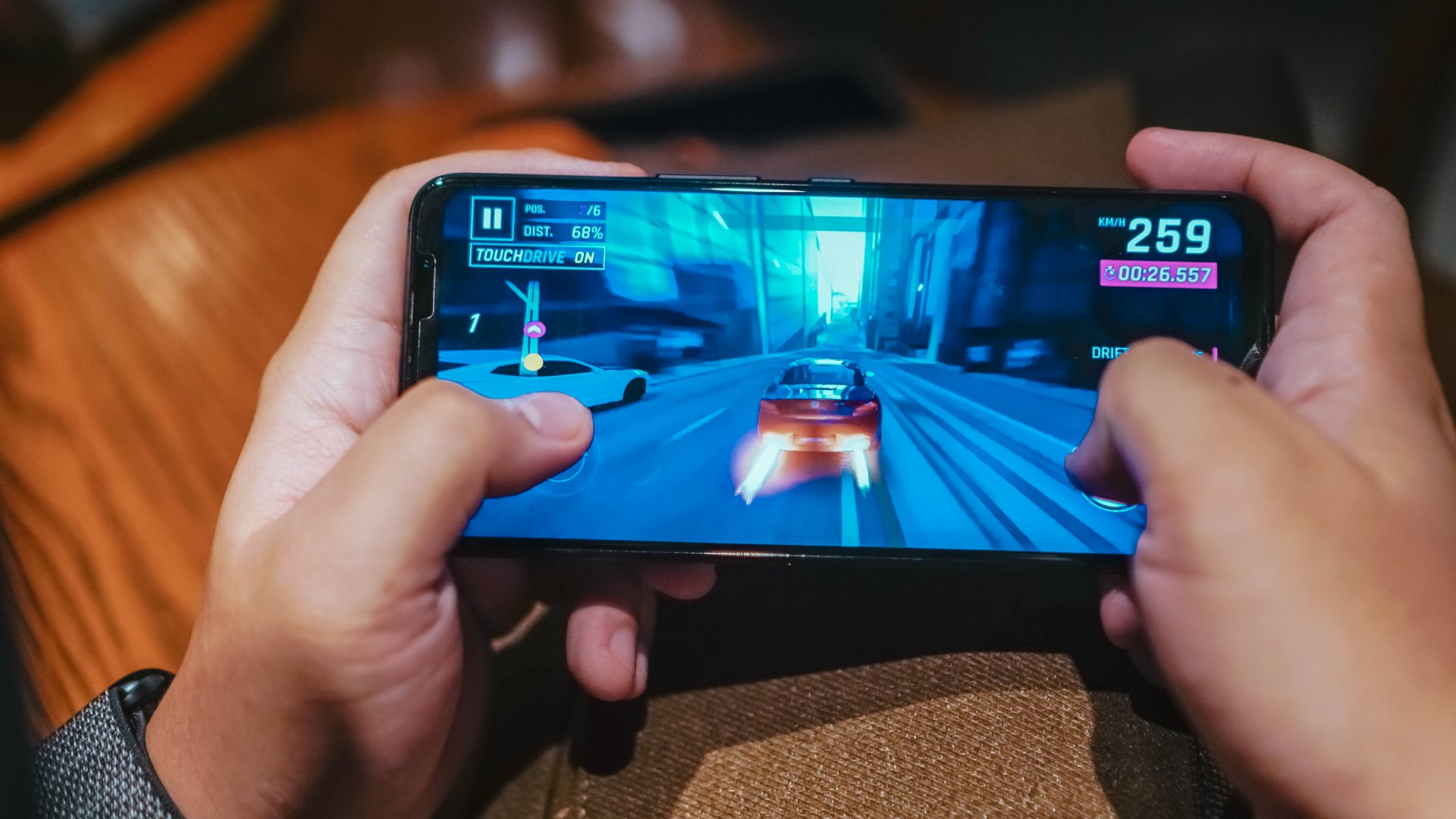
But the ROG Phone isn’t just any other smartphone. It’s a smartphone designed specifically for someone who wants to play mobile games. So, I asked current and former ROG Phone owners what made them buy one. Unsurprisingly, the two most prominent reasons are Gaming Capability and Battery Life.
What mobile gamers want
ASUS has had five years to perfect the ROG Phone formula. And you can say that they have to some extent. The improvements over the last two iterations of the phone have been marginal. They have maintained and refined everything that made users want to buy the phone in the first place.
Gaming performance
While the ROG Phone 7 Ultimate does use a processor that other Android flagships use — the Qualcomm Snapdragon 8 Gen 2. The company does a few things to draw out more of its power.
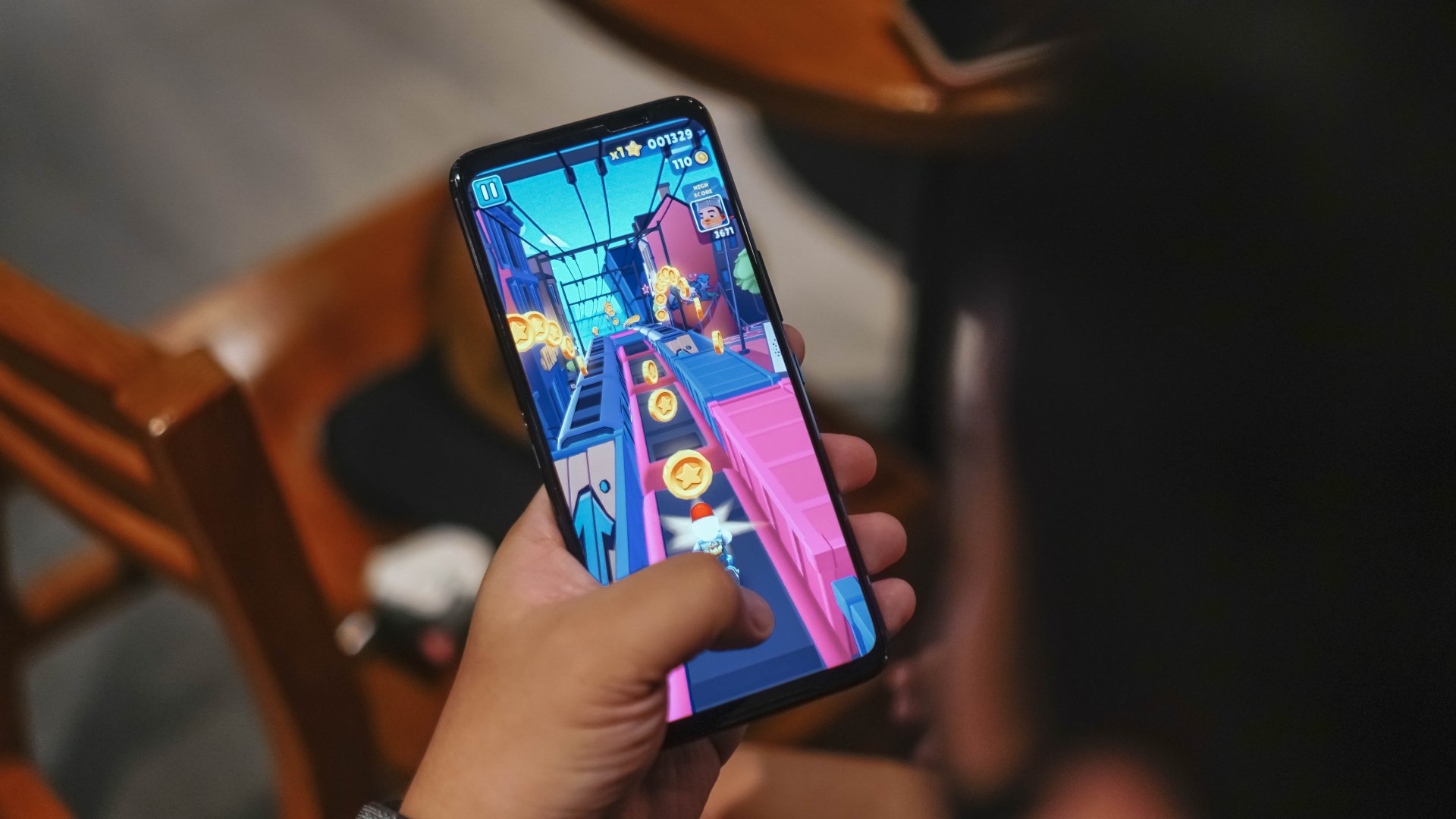
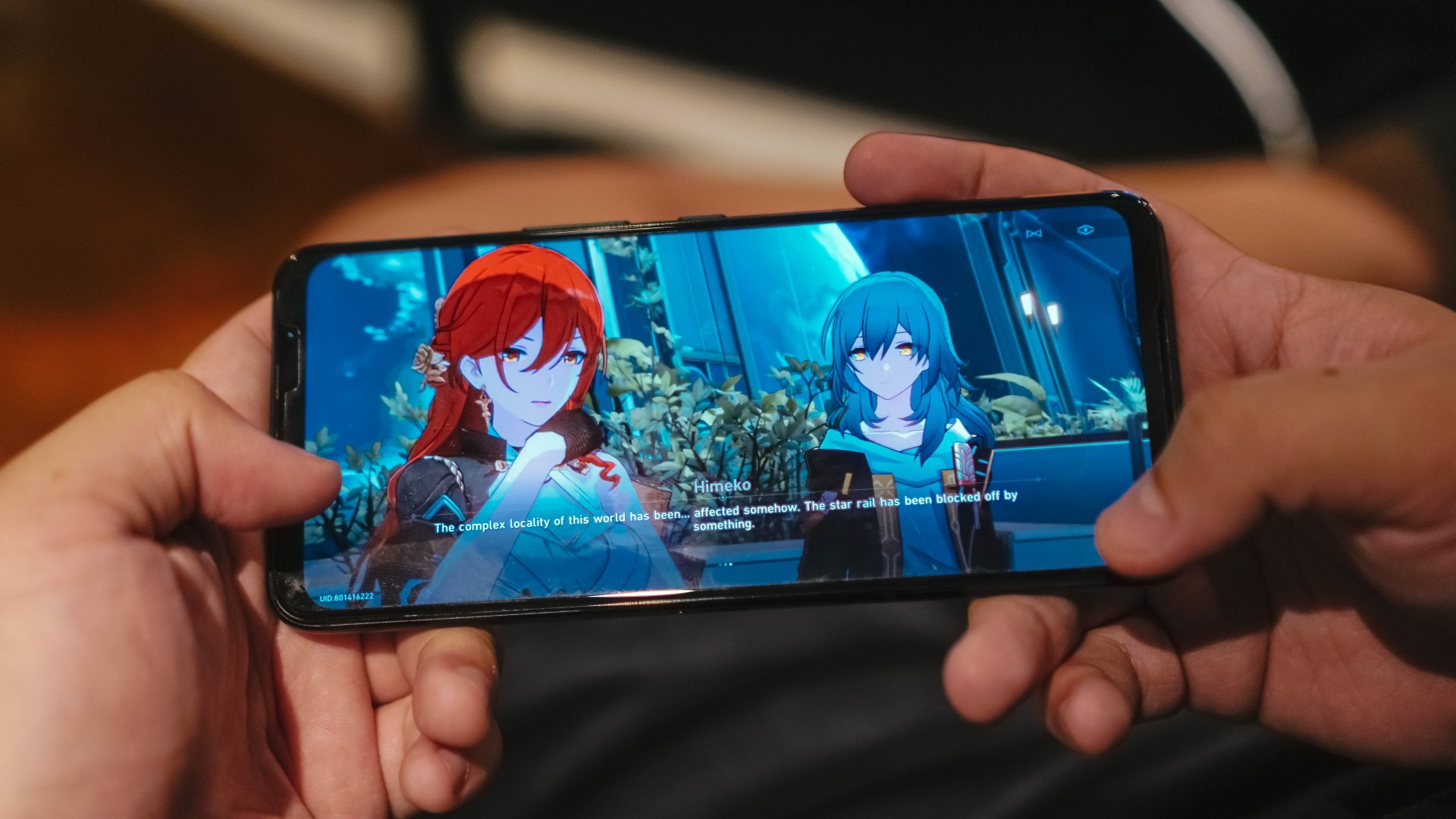
It showed no signs of struggle in playing any of the games I played. Then again, this is par for the course for any recent ROG Phone. And I tried everything from the power-heavy Honkai Star Rail, the criminally free on Netflix TMNT Shredder’s Revenge, the racing game staple Asphalt 9, and a timeless classic, Subway Surfers.
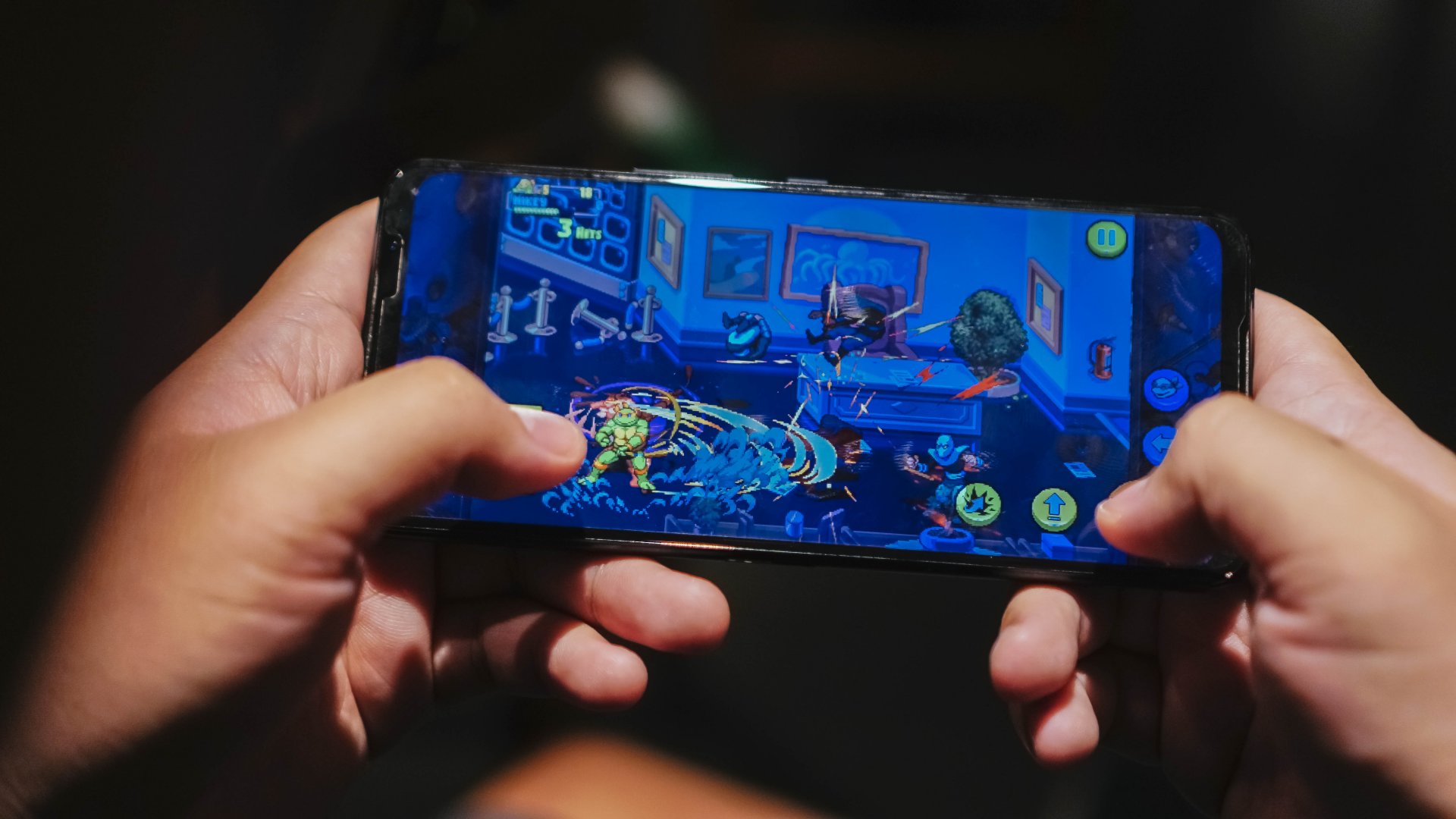
TMNT Shredder’s Revenge is a free game if you’re subscribed to Netflix
Interestingly enough, it’s this same reason that keeps the ROG Phone from supporting models beyond 2-3 years. Its features are so specific that it makes more sense to just release a new one over maintaining active support for older models.
Air Triggers
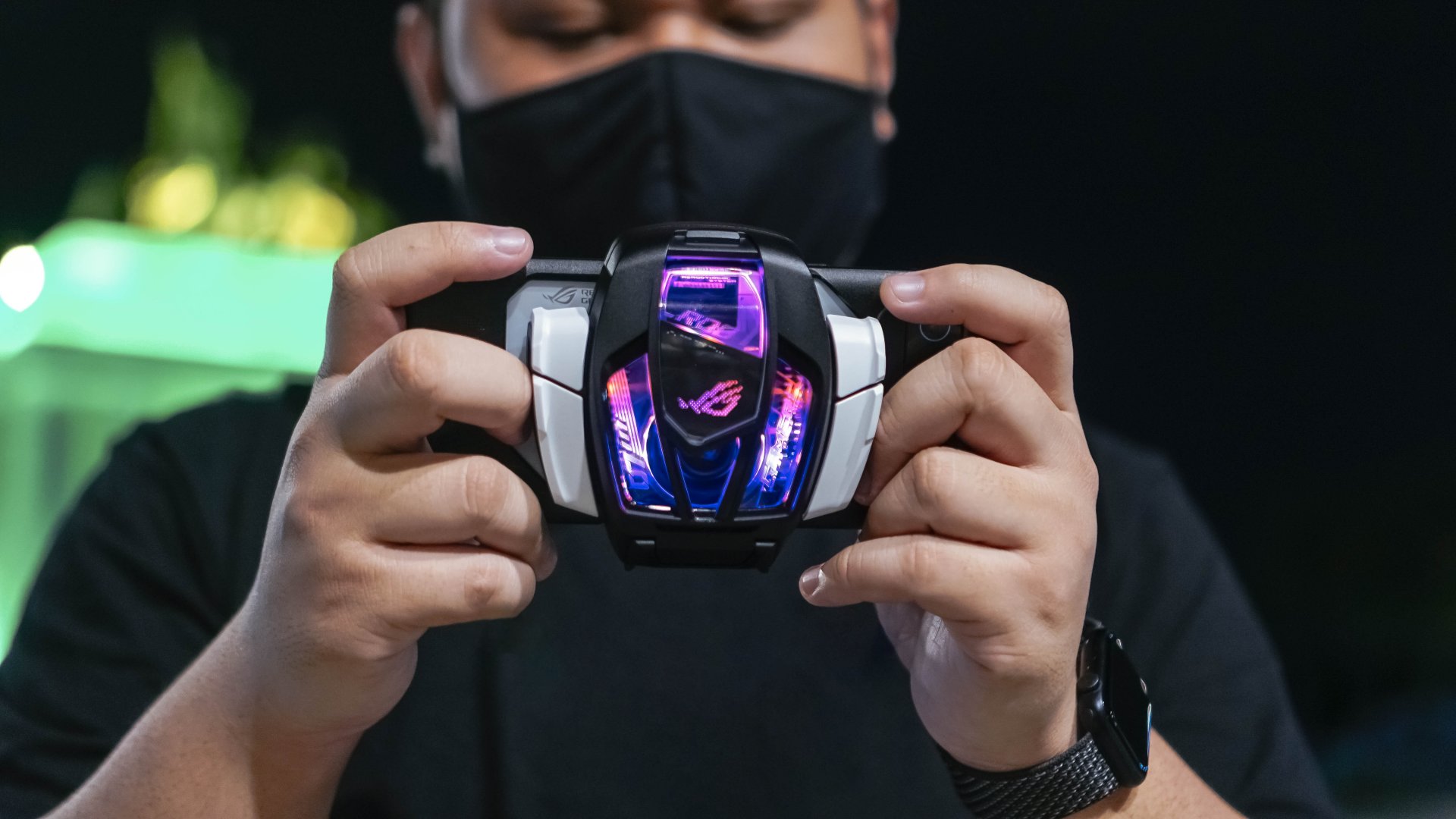
No other manufacturer does air triggers as well as the ROG. The ROG Phone, being especially skewed to gaming, means they’re really the only ones taking the time to master this pretty handy feature.
The air triggers function much like shoulder/trigger buttons on more traditional controllers. They are mappable and can help any player have a more comfortable, if not advantageous, gaming experience while gaming competitively.
It has been especially useful to gamers who play Call of Duty: Mobile and other shooter-type games.
Front-firing speakers
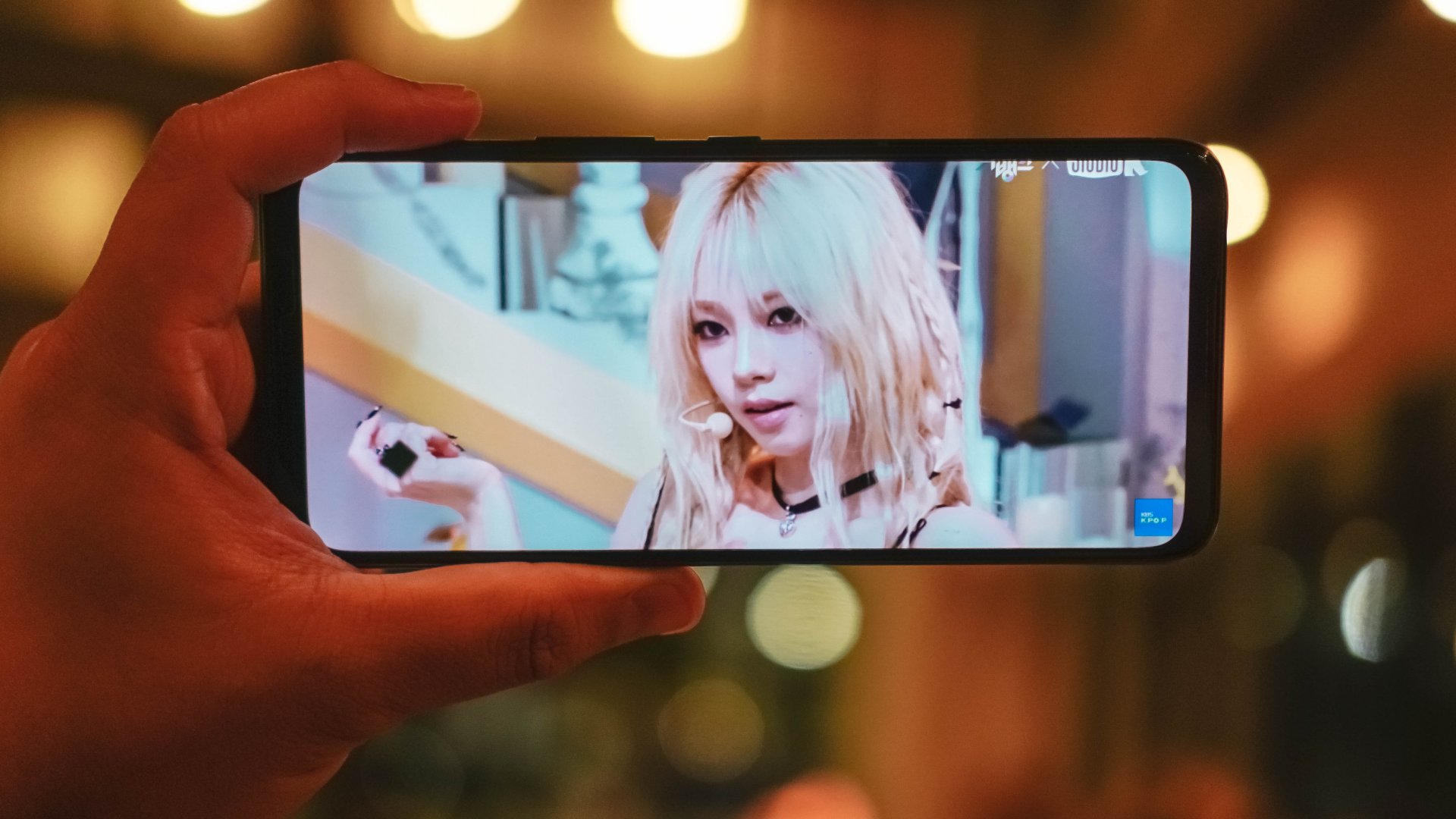
Watched plenty of aespa Karina, “Spicy” fancam on this thing
A boon for both gamers and video enjoyers. This is one of the other aspects of the ROG Phone that make just as much of a daily smartphone like other flagship.
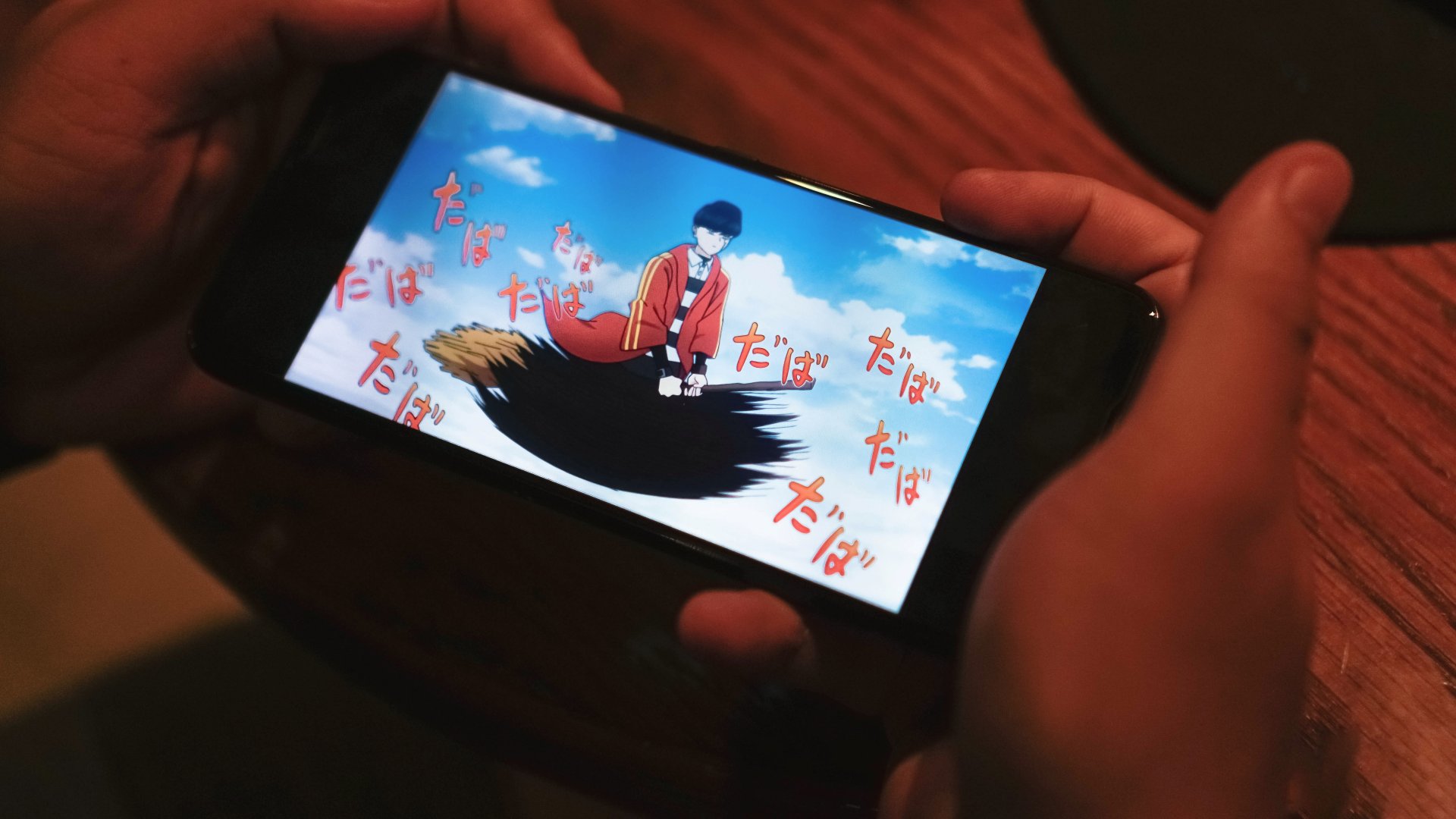
It’s great for catching up on anime like “Mashle”
Like a broken record, year-after-year, it’s one of the best. It’s loud without distorting the audio. And the sound is generally balanced, as full a sound you can get from a smartphone’s form-factor.
Battery endurance maxed out
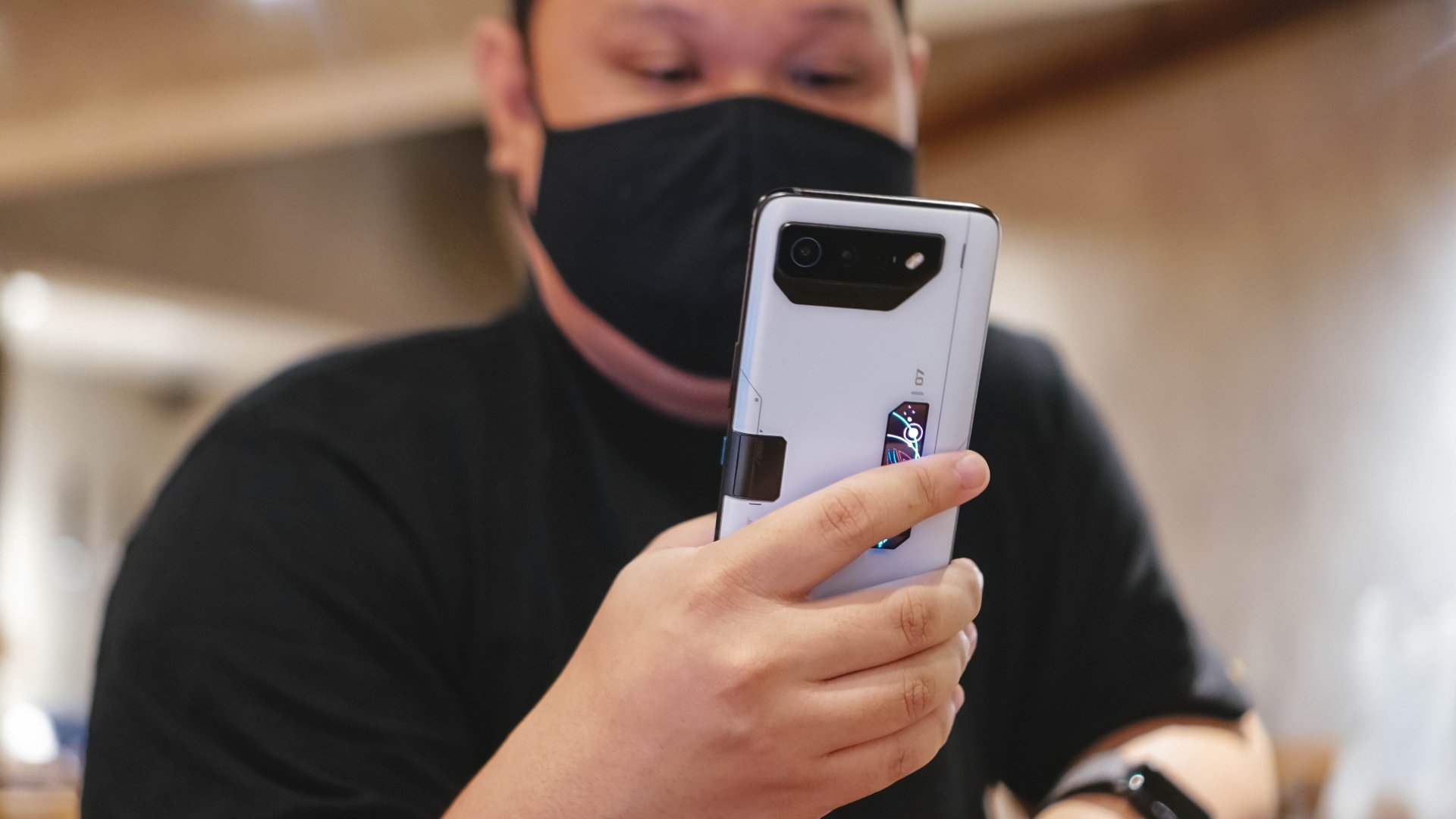
It’s pretty great as just a regular smartphone.
Again, this is one of the things that the ROG Phone is fantastic at. If you use it for a couple of days only as a regular smartphone, you won’t feel the need to rush to the nearest power outlet.
When I knew I was pretty much done testing its gaming capabilities, I didn’t use it much to play — only to browse socials, watch a few videos, and answer a few chats. With this usage, it took about two and a half days before I felt the need to juice it up again.
Cool to be cool

AeroActive Cooler 7
A huge talking point during the briefing with the ROG Phone 7 Ultimate is what they did with cooling. In fact, for a few devices now, that’s been one of their main talking points.
Naturally so. You play a demanding game for an extended period and the phone will heat up. To keep the performance at a manageable level, the manufacturer has to be creative with how the cooling works.
And for extra cooling, they also apply the same solution they’ve had for users – an extra cooling unit called the AeroActive Cooler, now also with a “7” to its name.
Is the ROG Phone boring now?
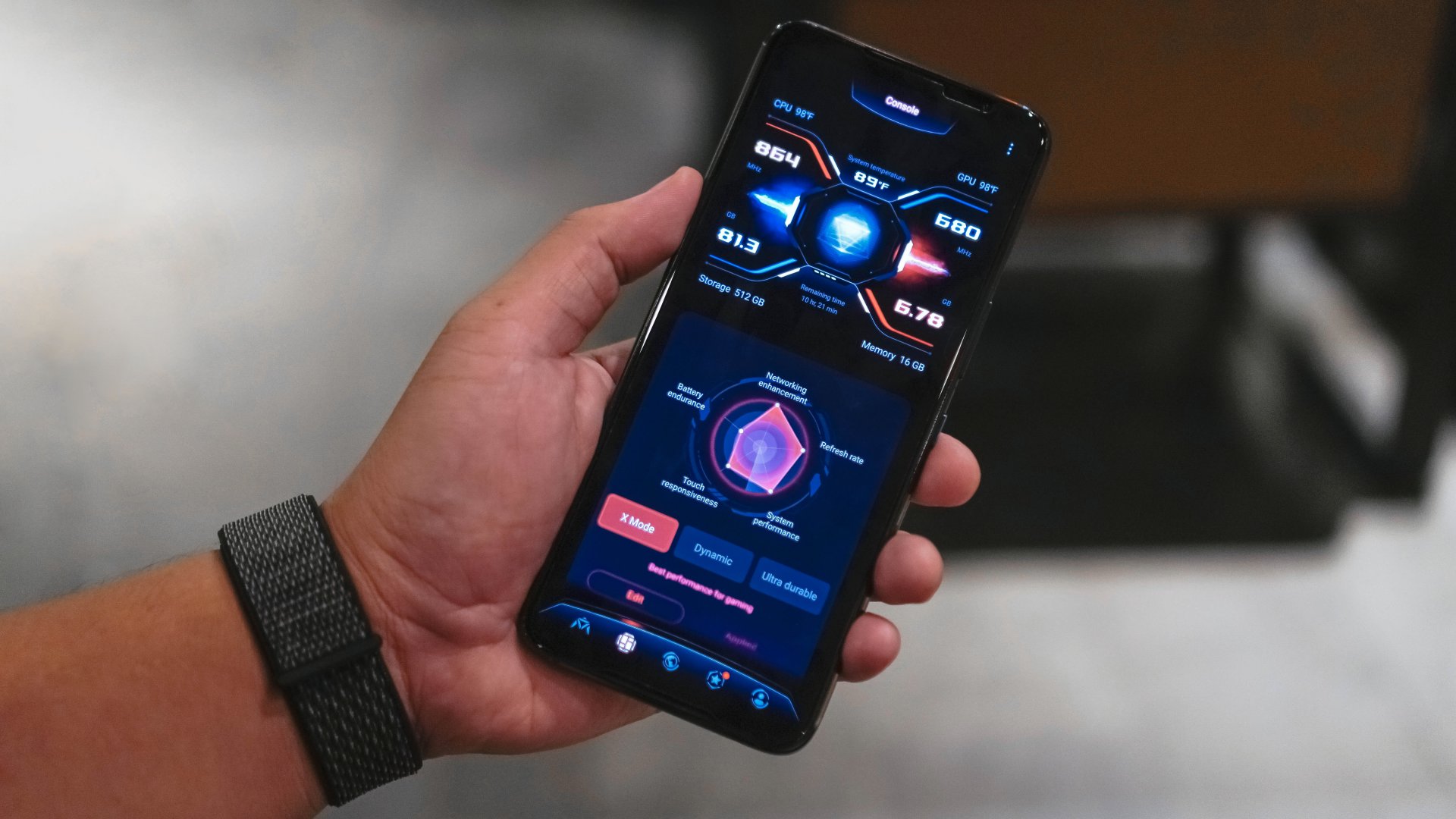
Armoury Crate on ROG Phone
Hear me out. I’m not saying it’s a bad smartphone. But the ROG Phone has reached a level of notoriety that it’s just not as exciting to report on anymore. And that’s true even for the Samsung Galaxies and the iPhones of the world — but that’s another topic altogether.
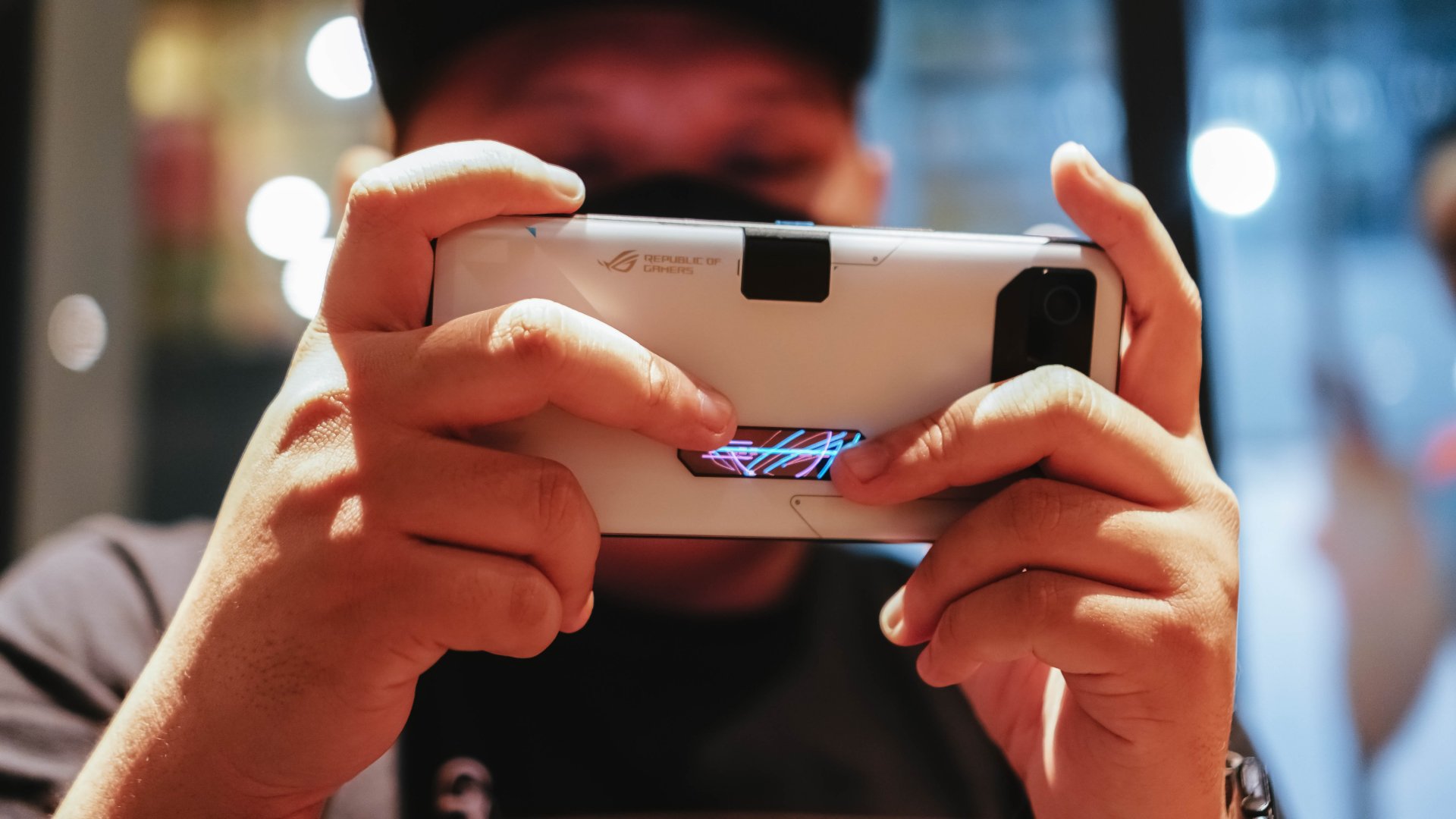
With the ROG Phone, you know what you’re getting: A gaming smartphone with gaming-specific features. There’s the distinctly gamer look with a bunch of lines that evoke a mech-vibe. In both the top-line models of the ROG Phone 6 and ROG Phone 7, you even get the ROG Vision. It’s a tiny display on the back of the phone whose only real purpose is for showing off.
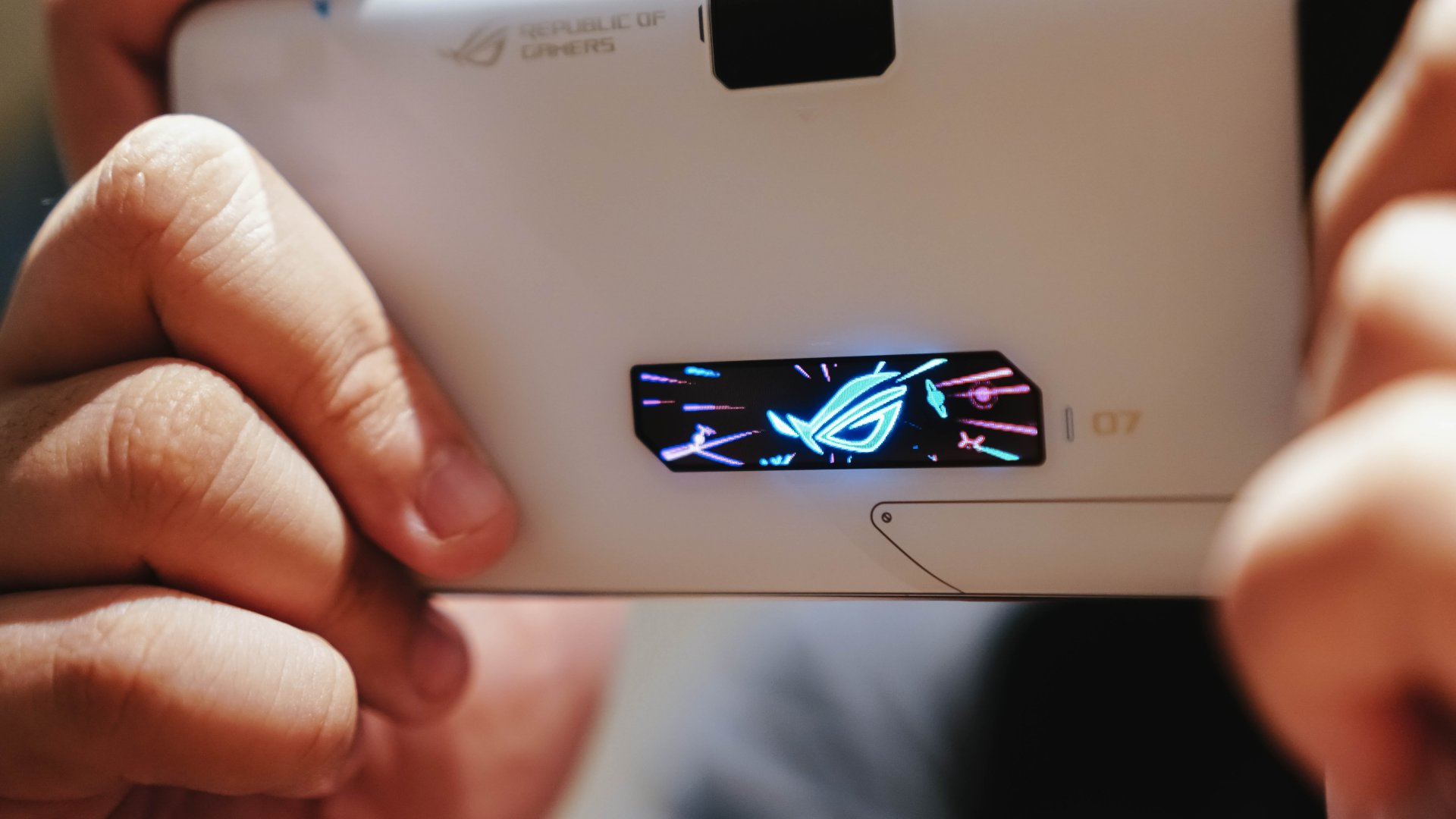
ROG Vision just for kicks
Of course, you also have the staples — the Air Triggers, front facing speakers, and a display that’s built to keep you immersed. Battery life hovers around the same ballpark too. But writing all of that felt like a slog. Absolutely nothing new
Point is, the ROG Phone is a known quantity. That’s a great thing for fans of the product line. But it doesn’t leave much room to be talked about in the pretty crowded smartphone space.
Is the ROG Phone 7 Ultimate your GadgetMatch?

As a product to report on or write about, I would argue that, yes, it kind of is boring now. Writing about the ROG Phone 7 Ultimate felt like taking a test I already knew the answers to. But that’s only because it knows exactly what it is and who it is for.
Literally no one else is doing it quite like the ROG Phone. From form to function, it’s THE undisputed gaming smartphone of choice. And the ROG Phone 7 Ultimate continues that tradition. It’s the best that the ROG Phone has ever been and that’s something we’ve come to expect year in and year out.
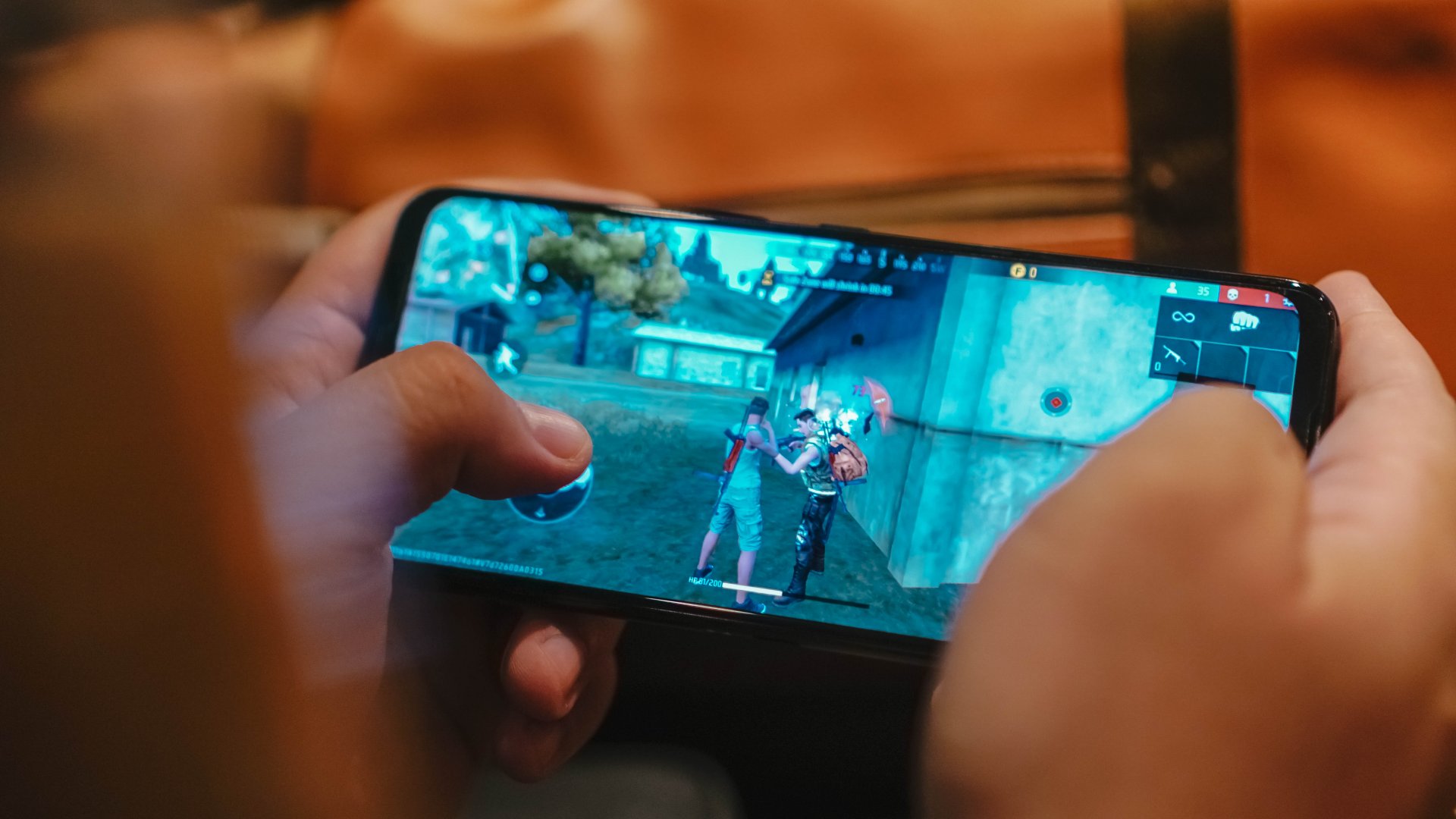
If your smartphone priorities align with that of the ROG Phone, then it is an excellent product. It’s certainly a mobile gamer’s GadgetMatch.
Is it newsworthy? In the general sense, not really. Not anymore. But is it a goddamn good product? Hell yeah it is. One that deserves the GadgetMatch Seal of Approval.
More on the ROG Phone 7 Ultimate here.

It’s 2021. The Tokyo 2020 Olympics, which was delayed due to the Coronavirus pandemic, is in full swing as of writing. However, as someone whose primary source of media entertainment all comes from streaming, there’s no easy and convenient way for me to watch the games. Major bummer.
I like to enjoy my media a certain way; I prefer to stream them on my TV. Which is why majority of the content I consume come from YouTube, Netflix, and the occasional Amazon Prime, HBO Go (Yep, not even HBO Max), and Apple TV.
I find it incredibly baffling that the stakeholders involved in bringing the games to the people failed to come to an agreement to make it easily accessible on the aforementioned platforms. It’s 2021. Why on earth am I not able to watch the greatest sporting event on the planet the way I want to?
Believe me, I hear the privilege in my words. Regardless, I still feel marginalized.
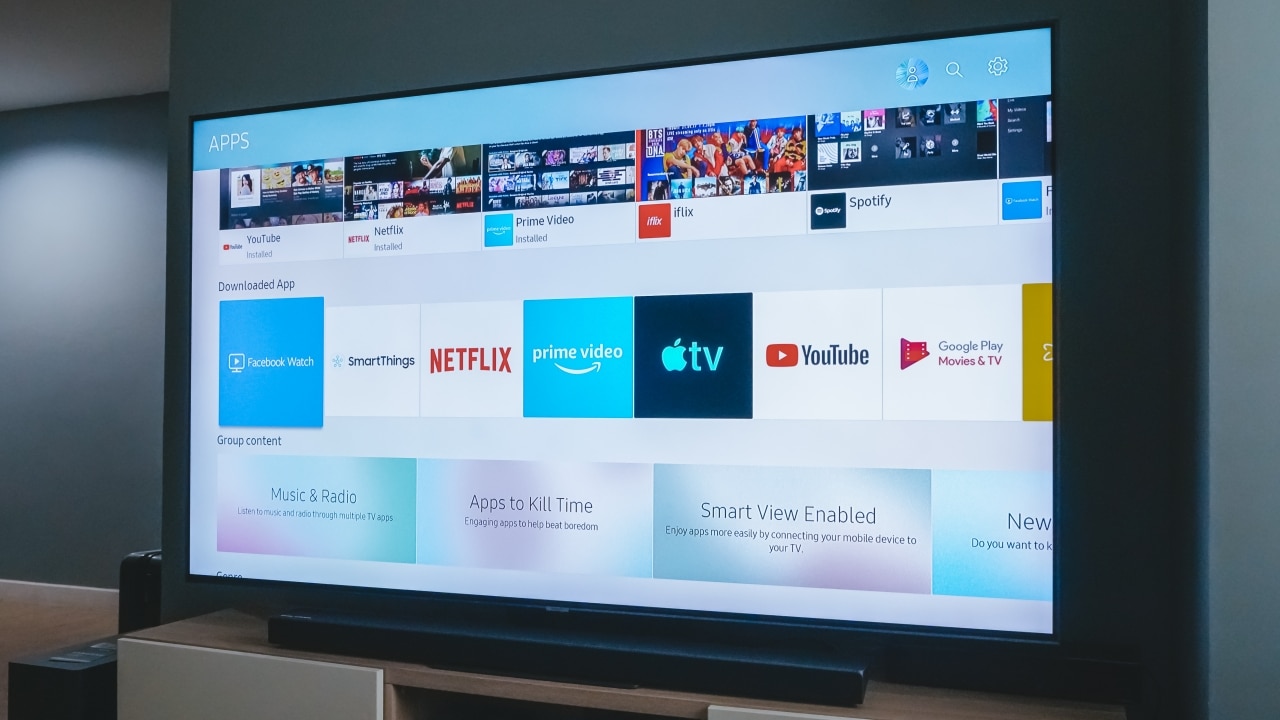
So how can you watch the Olympics right now?
I asked a friend who’s been covering the games. He watches through cable and had to pay a PhP 150 fee (around US$ 3/ SG$ 4) to avail of the Tokyo 2020 Premium from a particular cable provider.
Thing is, the whole Olympic coverage in the Philippines is locked to the MVP group of companies. You wanna follow the games, you’re gonna have to do it on one of their platforms.
Here’s an excerpt from their press release on the Tokyo 2020 Olympic coverage:
“Sports fans will have comprehensive access to the Olympic Games — from the Opening Ceremonies all the way to when the games conclude — on free to air via TV5 and One Sports. One Sports+ on Cignal TV will also dedicate a significant amount of their daily hours to broadcast the events, with Cignal also opening up two exclusive channels dedicated to broadcast the games 24/7. Cignal Play, in addition to live channels TV5, One Sports & One Sports+, will be offering exclusive channels broadcasting live updates to its subscribers, along with exclusive content not available on the TV broadcast. Cignal TV’s One News leads the group’s round-the-clock news coverage, featuring results, updates, and highlights.”
Comprehensive? Maybe. For platforms within the MVP group of companies. If you’re not subscribed to any of these, well, that’s just too bad. It’s good for business and I completely understand how the whole thing works. Doesn’t mean I have to like it.
The coverage also missed to televise or showcase Hidilyn Diaz’s historic gold medal win in the Weightlifting competition. If you’ve been following sports news, the Philippines was expected to get a medal in this event. Sadly, the moment was only known following updates from reporters on the ground.
How I wish it was handled
I’m sure there’s a lot more that goes into it in terms of TV and broadcasting rights, but we’re literally at an age where plenty of folks have decided to cut the cord and rely on streaming for content.
On YouTube, you can buy and/or rent movies and shows. The platform and structure exists for pay-to-watch content. They could have even made tiers or packages like charge a certain amount to gain access to all the games, a different and lower amount if you just want to follow a certain sport and/or a certain event.
Maybe the potential earnings to do so didn’t justify the costs to implement it. Whatever the case, it’s still incredibly frustrating.
Sure, I can go through the hoopla of setting up a VPN and look for streaming sites. But that’s more even more cumbersome. I don’t mind paying a convenience fee if it means that after a long day of work I can kick back, relax, and watch some damn sports.



Now Playing: Hoppers

Jackery SolarSaga series: Free power for small devices

UGREEN adds new Nexode Pro power bank, charger to lineup

nubia to launch new Neo 5 series gaming phones on March 28

SHINOBI: Art of Vengeance’s SEGA Villains Stage out on April 3


-
 Reviews5 days ago
POCO X8 Pro Max review: A new beast from the far east
-

 News5 days ago
POCO X8 Pro Series: Price, availability in the Philippines
-

 Laptops2 weeks ago
Apple MacBook Neo Review
-

 Computers2 weeks ago
GIGABYTE collaborates with Capcom for RE Requiem custom PC
-
 Apps1 week ago
Google Maps is finally getting a 3D mode
-

 Entertainment2 weeks ago
The internet is thirsting over the One Piece Season 2 cast
-
 Features1 week ago
Galaxy AI on the Samsung Galaxy S26 Ultra
-
 Automotive2 weeks ago
BYD is reportedly considering an F1 team