
Reviews
Essential Phone PH-1 Review


In order to sell smartphones every six months or so, our favorite smartphone brands resort to tricks — innovative or sometimes gimmicky features, meant to make phones fresh and exciting.
Over the last two years, these features have ranged from water resistance and near-borderless displays to dual cameras, hot-swappable modules, and perhaps not killing off the headphone jack. Okay, maybe not that last one.

But what if brands adopted a new approach to making phones, one that involves stripping away gimmicks and excess, and focusing instead on features essential to the average user?
That’s what Andy Rubin, the creator of Android, set out to achieve with his new US$ 700 Essential Phone (yep, that’s what it’s called) launching in the US and Canada on September 1.
What’s in a name?
But before we dive in, some definitions are necessary in order to set the pace of the rest of the review: What is essential?
The New Oxford Dictionary defines it as something that’s “absolutely necessary.” Similar to what the folks at Essential Products believe, that phones “should have only what we want and need.”
But aren’t wants and needs relative? Who is to say what I consider absolutely necessary on a smartphone? And are my preferences the same as everyone else’s?
Is its US$ 700 price tag, while fair for a phone of its caliber, not one a vast majority of smartphone users will be able to afford? Shouldn’t a phone built on these principles be more accessible to all?
Lastly, some will argue that Essential’s choice of features are misguided. Dual cameras may be the way forward in smartphone imaging, but are they necessary? And on the flip side, aren’t missing features like water resistance or a headphone jack must-haves on a phone?
I ask these questions because it’s hard not to overlook the promises the Essential Phone makes based on the name it’s chosen. But if you can see past the marketing spin, you’ll find a solid contender in the flagship space, with a top-of-the-line specs sheet, superior build quality, and a promise of being future-proof.
Look and feel
When I first picked up the Essential Phone PH-1 (its full name), I immediately knew it would be one that I would enjoy using, and I did. The phone is gorgeous from every angle and built well.
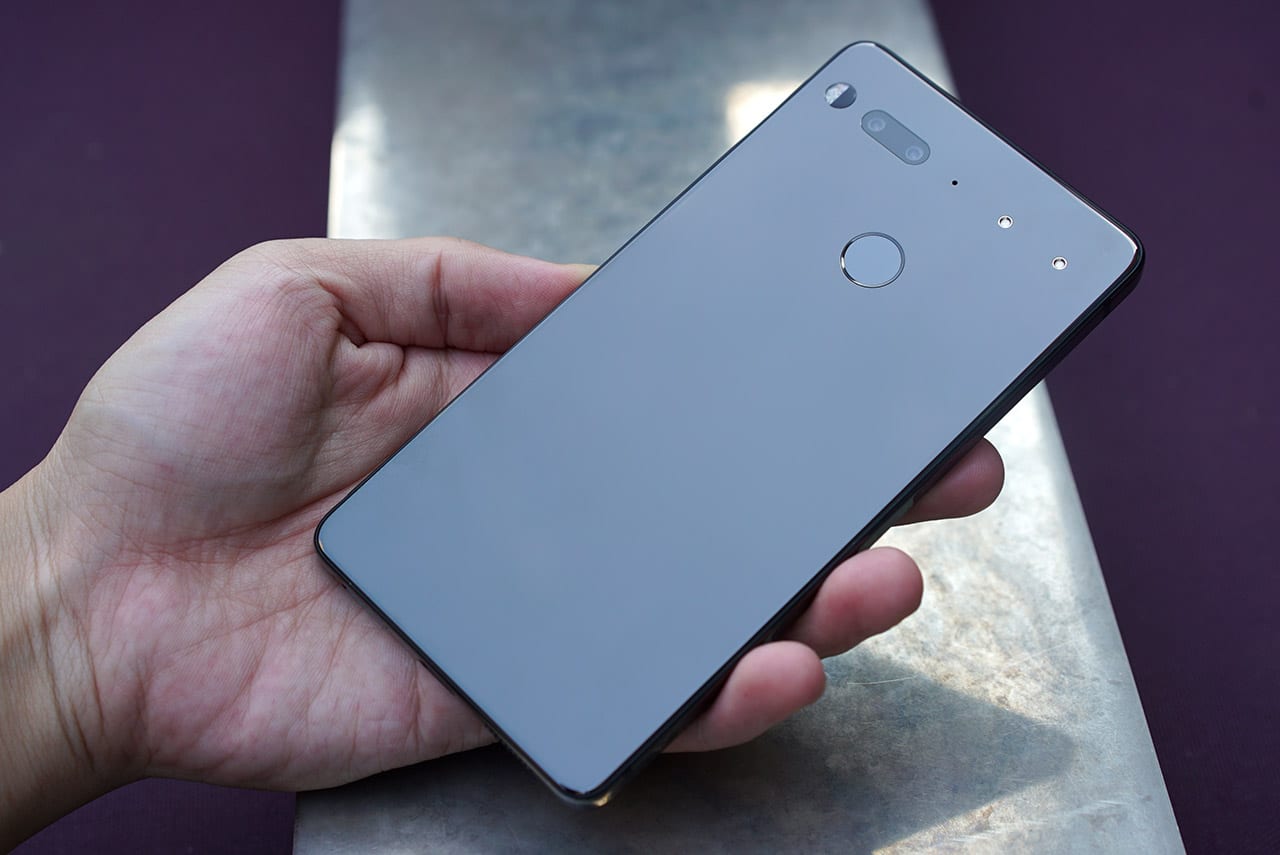
The phone is made of more premium yet unconventional materials; titanium which is more durable than aluminum, and ceramic which is more scratch-resistant than glass.
It’s also just the right size — not too small, not too big — and while it’s a bit heavy for its size, it’s one that exudes confidence the moment you pick it up.
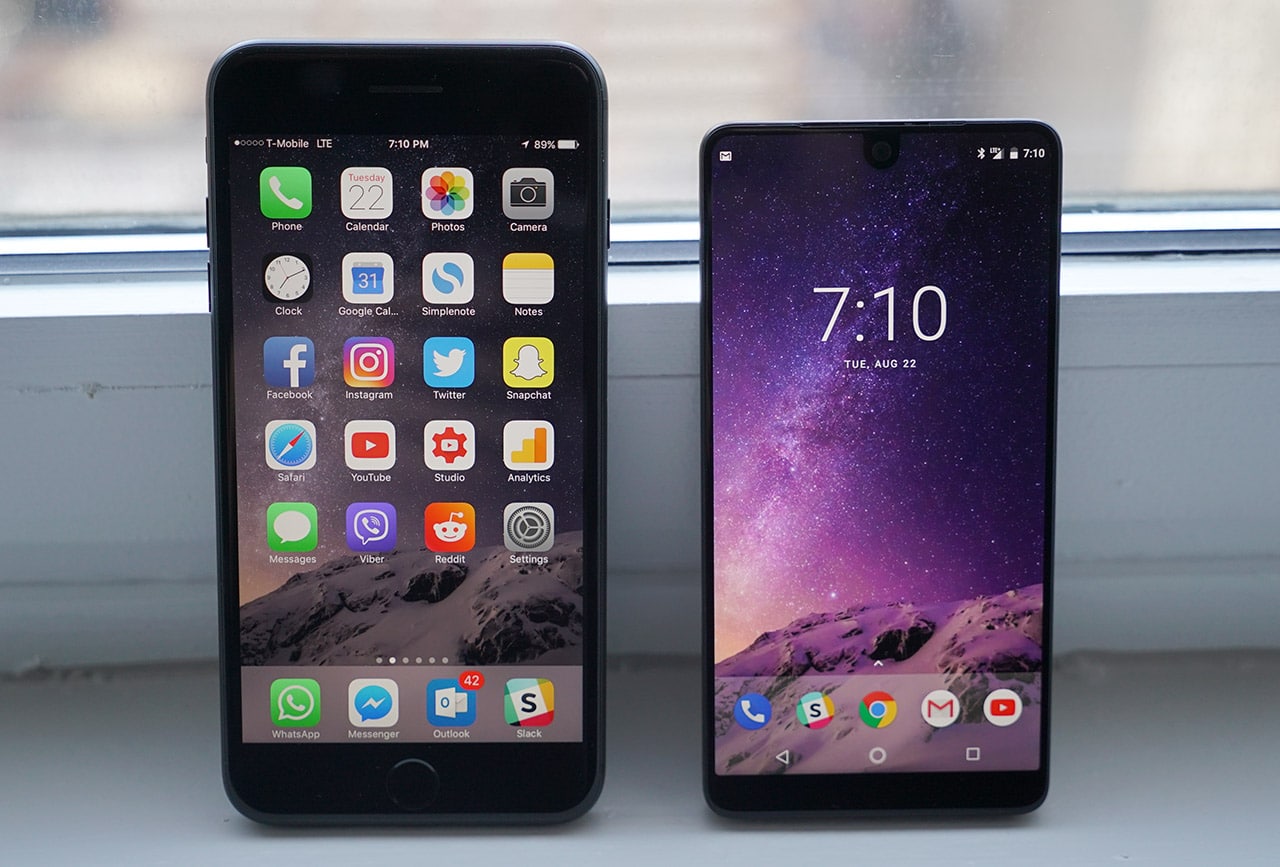
A 5.5-inch iPhone 7 Plus for comparison
The Essential design aesthetic is classy and subtle, with no logos on either side.
On its back, the dual cameras do not protrude, and its circular fingerprint sensor is easily reachable by the average index finger. The only seemingly out of place elements are two golden dots that allow for snap-on accessories.
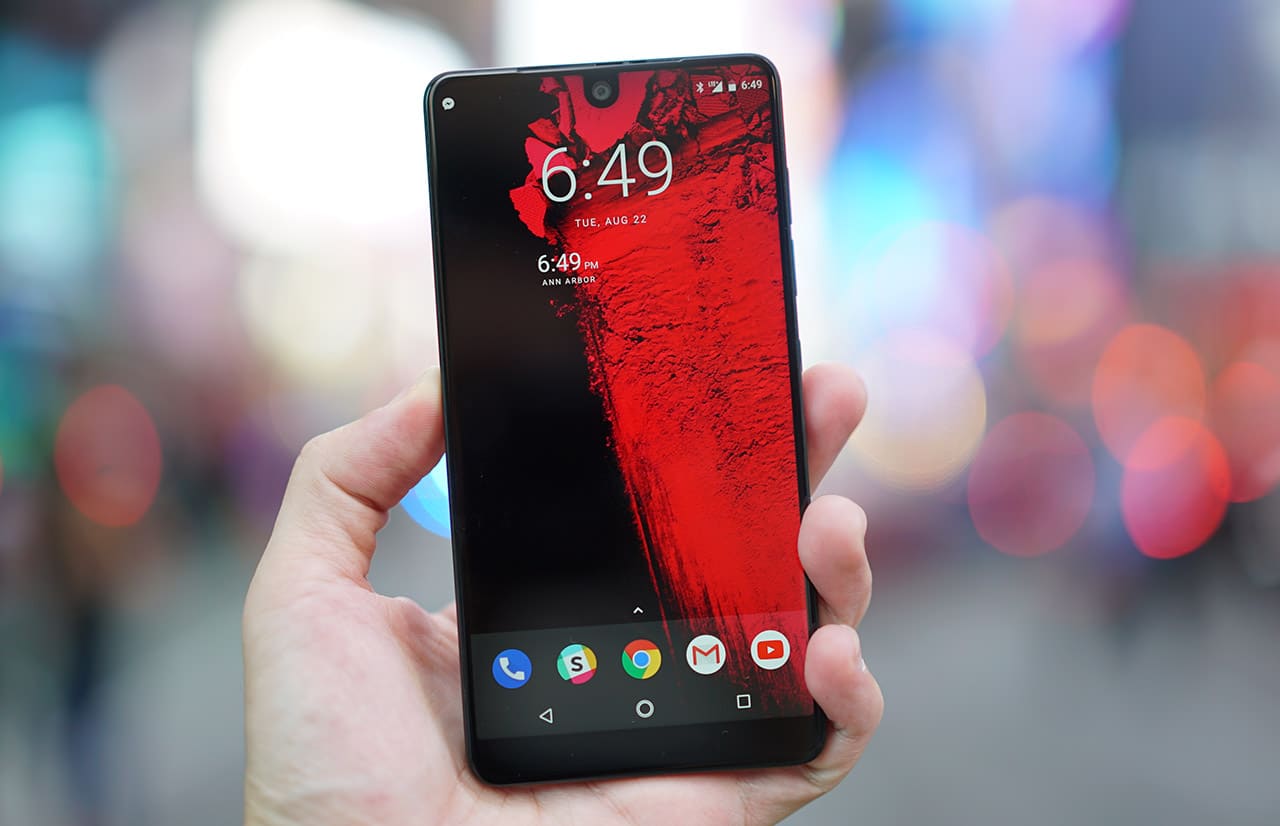
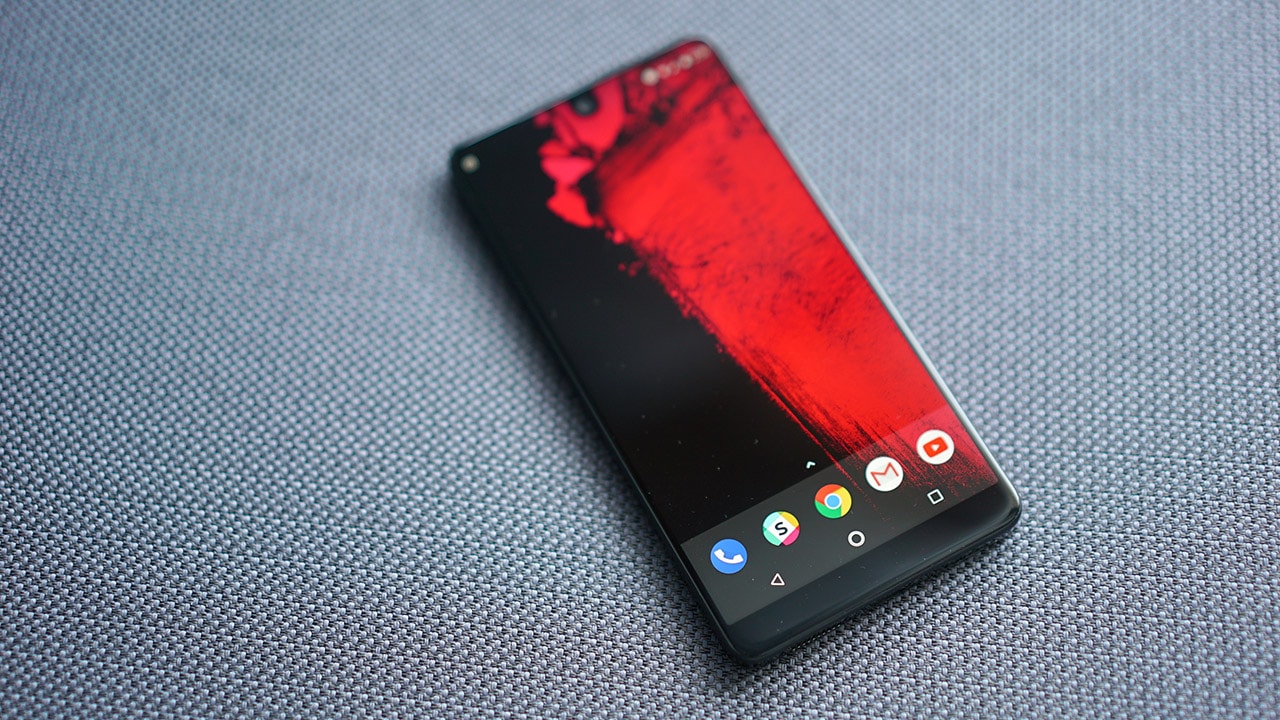
Up front is where the phone is truly a standout. Its 5.7-inch front panel is more display than I’ve ever seen on a smartphone today. Unique to the Essential Phone is a cutout for the selfie camera that makes it seem like the screen wraps around it.
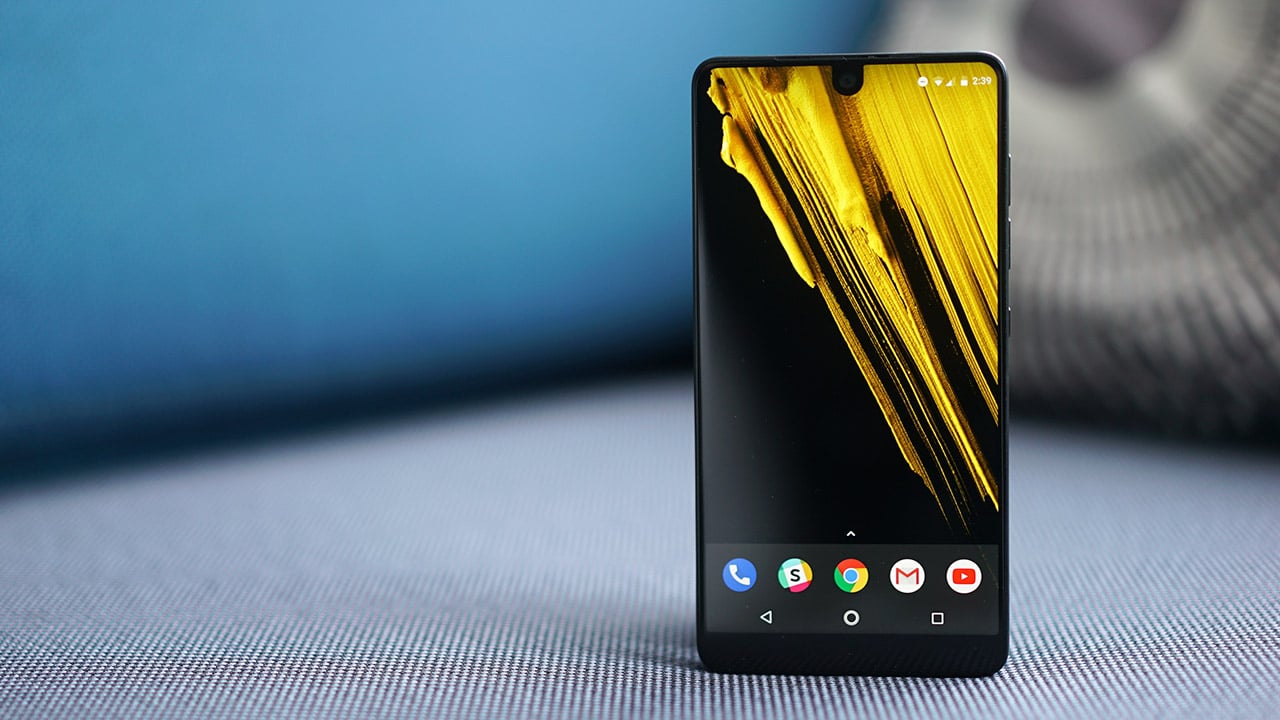
If I were to nitpick, I’d complain that the IPS-LCD screen doesn’t have the deep blacks or rich colors of a phone with an AMOLED panel, but only the most discerning of users will mind.
The software experience is equally good, as close to the original flavor of Android imaginable. Not that you should expect anything less from the creator of Android. All throughout my review process, I silently giggled at the thought that I was finally using Android the way it was intended to be experienced.

Google Maps takes up the entire screen…
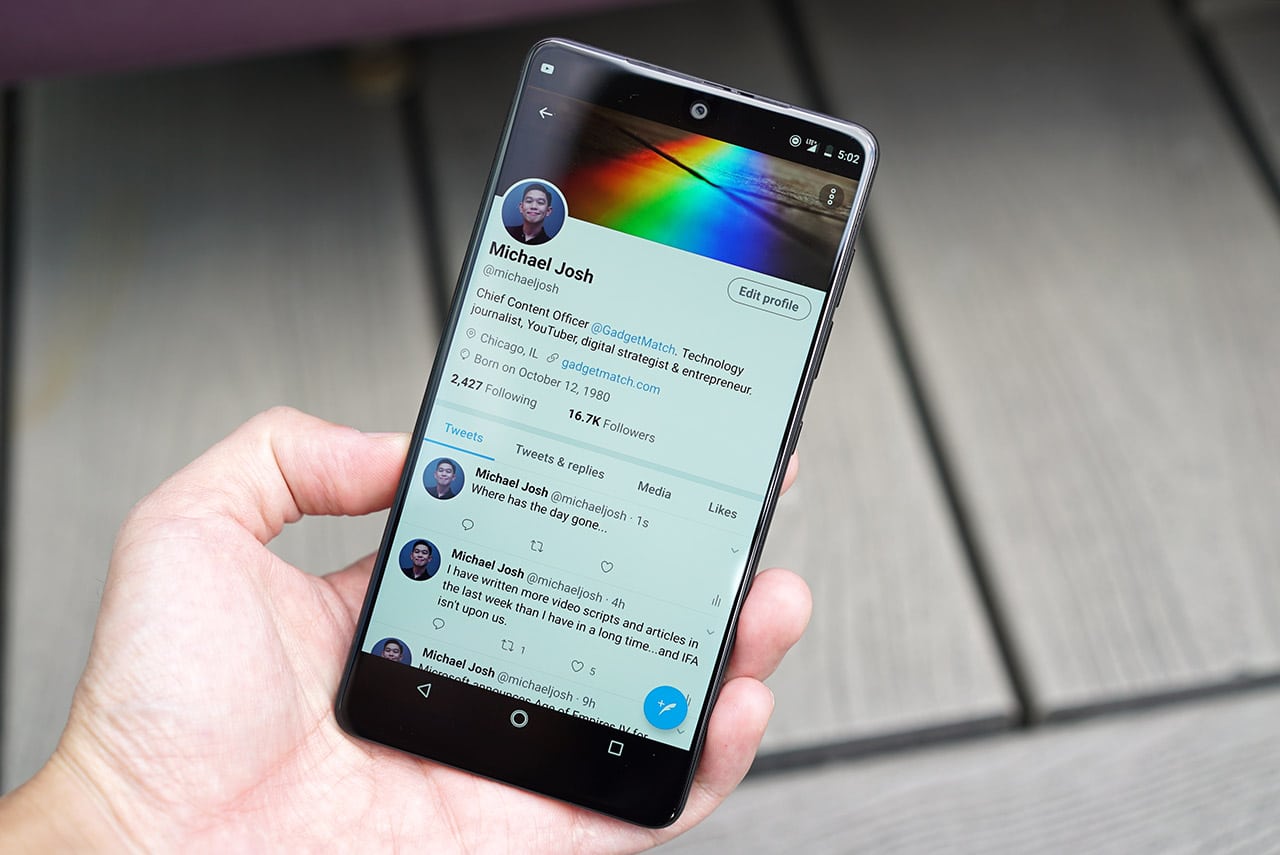
… while apps like Twitter leave a black bar on top.
Because its display has a cutout for the selfie camera, you get an unconventional bit of space that won’t reach its full potential until developers quite literally design around it. Google apps know it’s there; apps like Maps, for example, take up the entire space, while others like YouTube fill up the space with color. If an app doesn’t support it, the space where you’d find signal bars and battery stats stays black like you’d find on any other Android device.
Real-world performance
Because the phone is powerful and the user interface is light, navigating through the software feels snappy. Graphics-intensive games also load quickly, and run without stutters or hiccups.

The phone comes with 128GB as the only storage option; that’s double the default amount on most flagship phones in 2017. But it doesn’t have a microSD card slot, not that the average user will ever need more.
Its 3040mAh battery is a bit lower than the industry standard, but in our tests, we still got a good day’s use out of the phone, with about five hours of screen-on time. The phone supports quick charging, as well. I don’t know if it was just the warm New York summer, but we often found our phone getting warm while we were out taking photos.

Overall, camera performance is one area that needs improvement. The Essential phone’s dual-camera setup consists of a pair of color and black-and-white sensors. There’s no zoom or wide-angle lens. Like similar technology on the Huawei P10 and Nokia 8, the idea is to fuse the color and detail information from both cameras into a technically superior image.

Unfortunately, the results aren’t so great especially in low light. Our sample photos lacked the dynamic range you’d get on an iPhone, Galaxy S8, or Pixel, and photos shot in dimly lit places were very grainy and not the kind you’d want to share on social media.








Its camera app too (one of the few customizations Essential’s made to stock Android) feels like it needs a lot of work. Focusing is slow, and so is switching between color and black-and-white modes.
While there have been at least two software updates since review units were seeded earlier this month, and more expected to come, experience tells us that software updates can’t make a good camera great.
Future-proof
While I have yet to test its only available module, a snap-on 4K 360-degree video camera, I think the Essential Phone’s modular dreams are an important story to tell. The company believes that modules are what keep the phone future-proof.
Two magnetic connectors on the back of the phone will allow users to snap on accessories that expand the phone’s functionality.
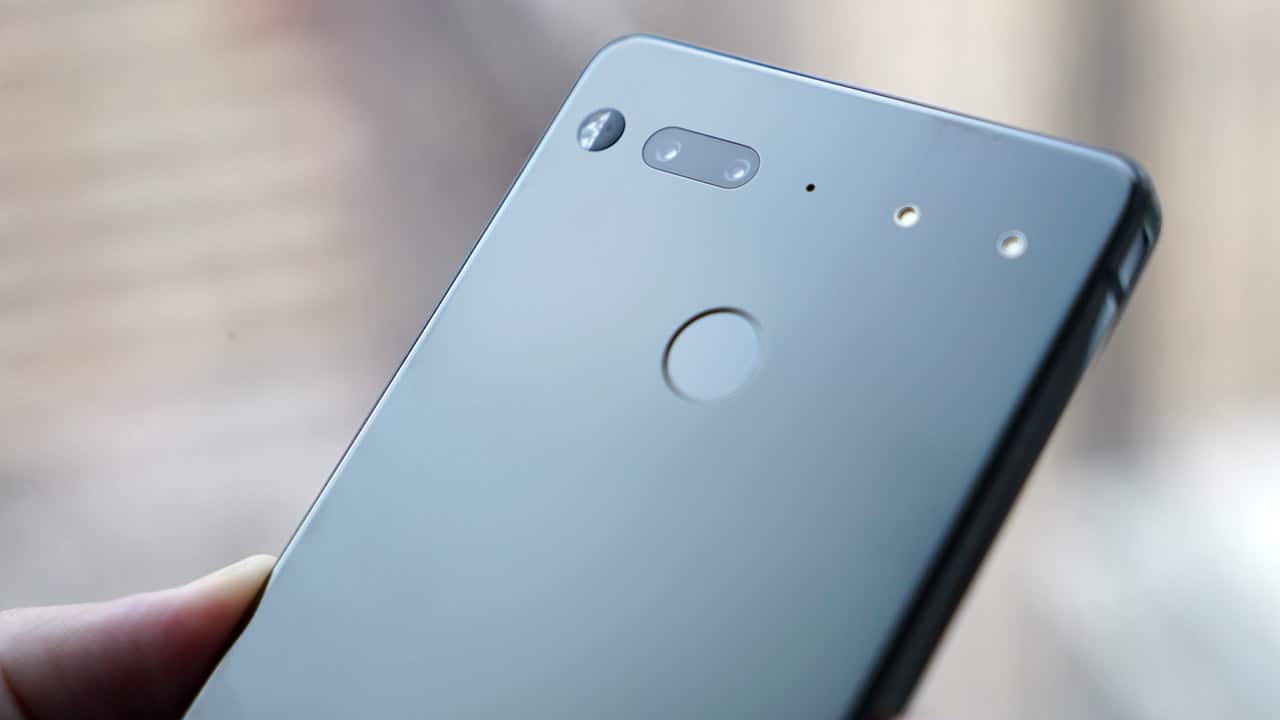
While there is only one currently available — and another one, a wireless charging dock, promised — what makes me more confident in Essential’s implementation versus that of Motorola (the only other modular smartphone maker), is the tiny footprint the Essential’s magnetic connectors take up. Just two circular dots spaced about 1cm apart.
Theoretically, the company could completely overhaul the phone’s design and today’s mods would still fit. Here’s to hoping it can get third-party companies to design modules for their platform, something Motorola is still struggling to do.
Is the Essential Phone your GadgetMatch?
If you see the Essential Phone as a top-of-the-line flagship instead of one that delivers just the essentials, it makes sense.
Its pursuit of simplicity, non-compromising performance, and forward thinking, make it a solid step in the direction that manufacturers must take. But as a first-generation product, it’s not one without a few flaws. Had its camera been stellar, the Essential Phone would have made an easy sell, and a particularly strong contender against Google’s upcoming Pixel 2. But unfortunately, it isn’t.
If you’re looking for a phone that’s not going to be used by the average joe walking down the street, you’ll love the exclusivity the Essential brings. If you’re a sucker for simplicity in design, believer in the stock Android experience, and don’t mind a sub-par camera, the Essential is a great choice.
Otherwise, we say wait another year. Perhaps with more experience and more time to develop its product and build its mod ecosystem, Essential can inch closer to its dream of building a phone that all of us will want and need.
SEE ALSO: Essential Phone Hands-On Review
[irp posts=”18991″ name=”Essential Phone Hands-On Review”]






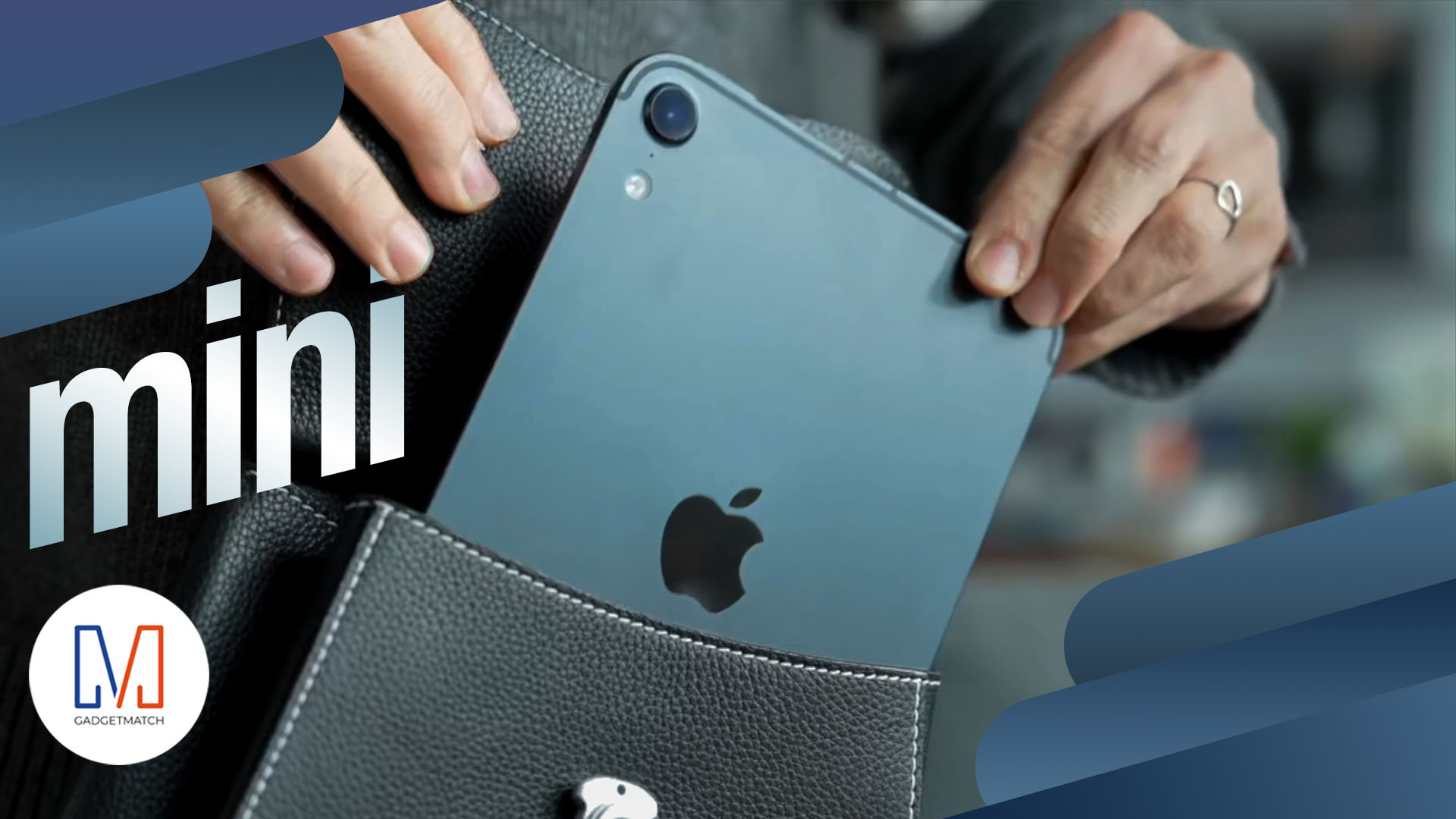
Apple’s smallest tablet just got its biggest upgrade after two long years!
The 2026 iPad mini now features a brighter than ever OLED display, a more powerful A20 Pro chip, improved (and almost non-existent) speakers.Plus, ever durable with its IP67 water and dust resistance rating.
In this video, THE Michael Josh takes a closer look at everything that’s new, what he loves, what’s still missing, and whether the new iPad mini is worth upgrading to.
Here’s our in-depth review of the all-new 2026 iPad mini OLED.
Gaming
ROG G700 review: The best prebuilt PC you can get off the shelf
This PC will make you stop worrying about specs.

The last time I touched a PC was 2014.
At the time, I’d just finished moving houses. While my old house had space for a desk and a fairly decent PC for its time, I opted for a smaller workstation because I was confident that laptops were the future.
Now, more than ten years later, I wish I didn’t dismiss PCs so readily. Thanks to AI, the price of a new PC has reached new levels of absurdity today. It’s not easy to stock up on components anymore.
So, it was like a very heavy blessing falling down from heaven and crash-landing on my lap when the ROG G700 arrived on my doorstep. It’s my first PC in over a decade, and, wow, what a return.
A box with everything you need
The art of building a PC takes a lot of effort these days. You’ll need a command over every little detail that every single component can do. Obviously, you also need to time the market for better prices.
That said, the ROG G700 is not for the minmaxers. It’s a fully built tower you can — gingerly — pick up from the shelf and play on just as soon as you get home.
It’s perfect for people like me. Now, if I had the time and the money, I’d definitely make a little more effort to explore every single detail. However, as someone returning to the PC world after a decade, this prebuilt PC is more than enough to dip my toes back into it.
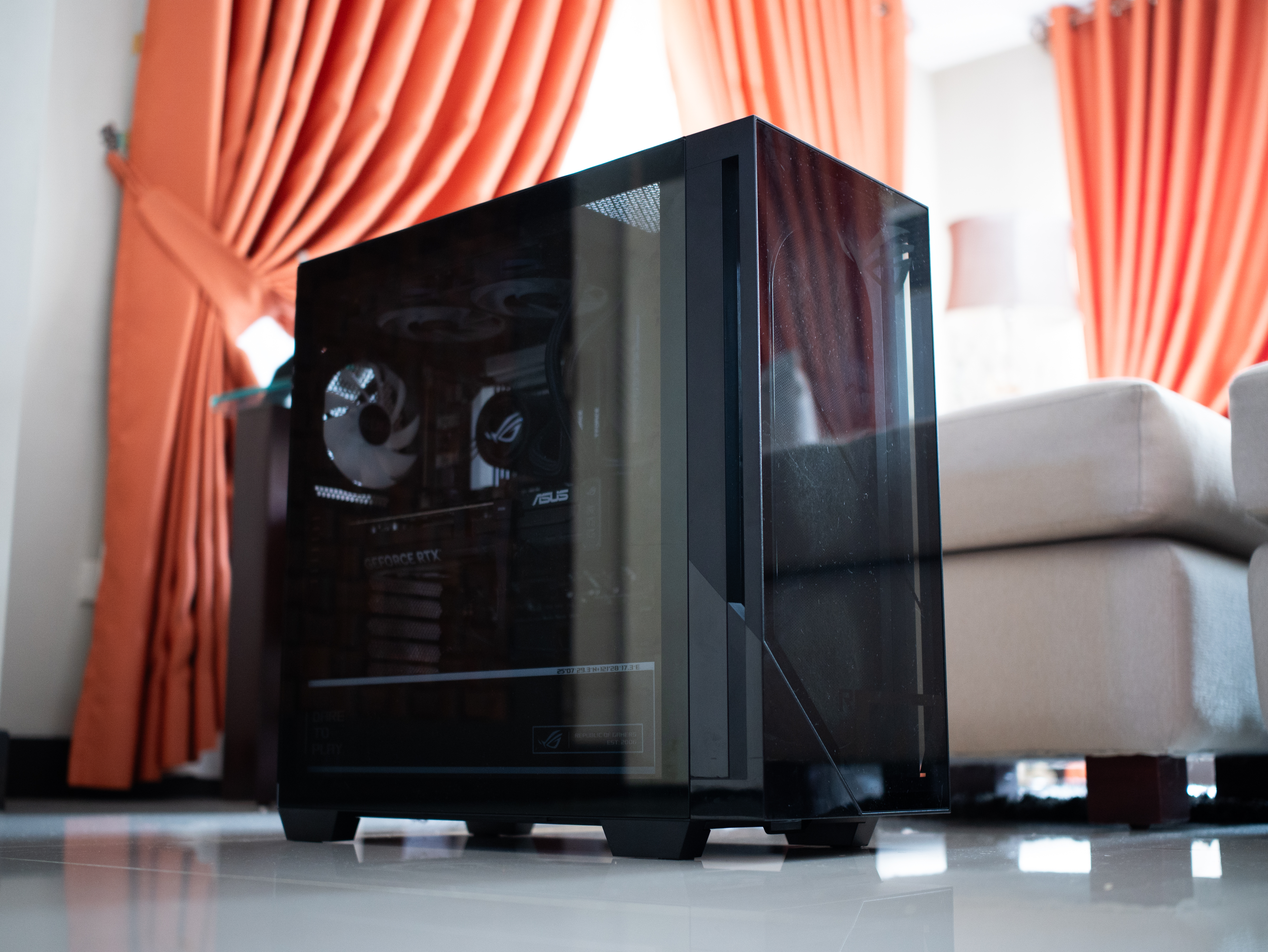
It is quite the package, though. The tower is 9.45 inches wide by 20.05 inches long. It’s also 18.88 inches tall. If you have a small space, you might struggle to find a space for this behemoth.
Plus, it weighs 40.39 pounds. If you live up a flight of stairs, you’d better not skip leg day. Even then, it was scary to handle this tower, knowing how much hardware I was holding up a few feet from the ground.
A clean design for gamers
Usually, I’m not a fan of heavy gamer aesthetics. As much as I identify as a gamer, I prefer keeping that part of my identity lowkey from how I look. I don’t go for all the edgy angles and the RGB lighting.
But the ROG G700 is one exception to my rule. Even then, it’s not that huge of an exception.
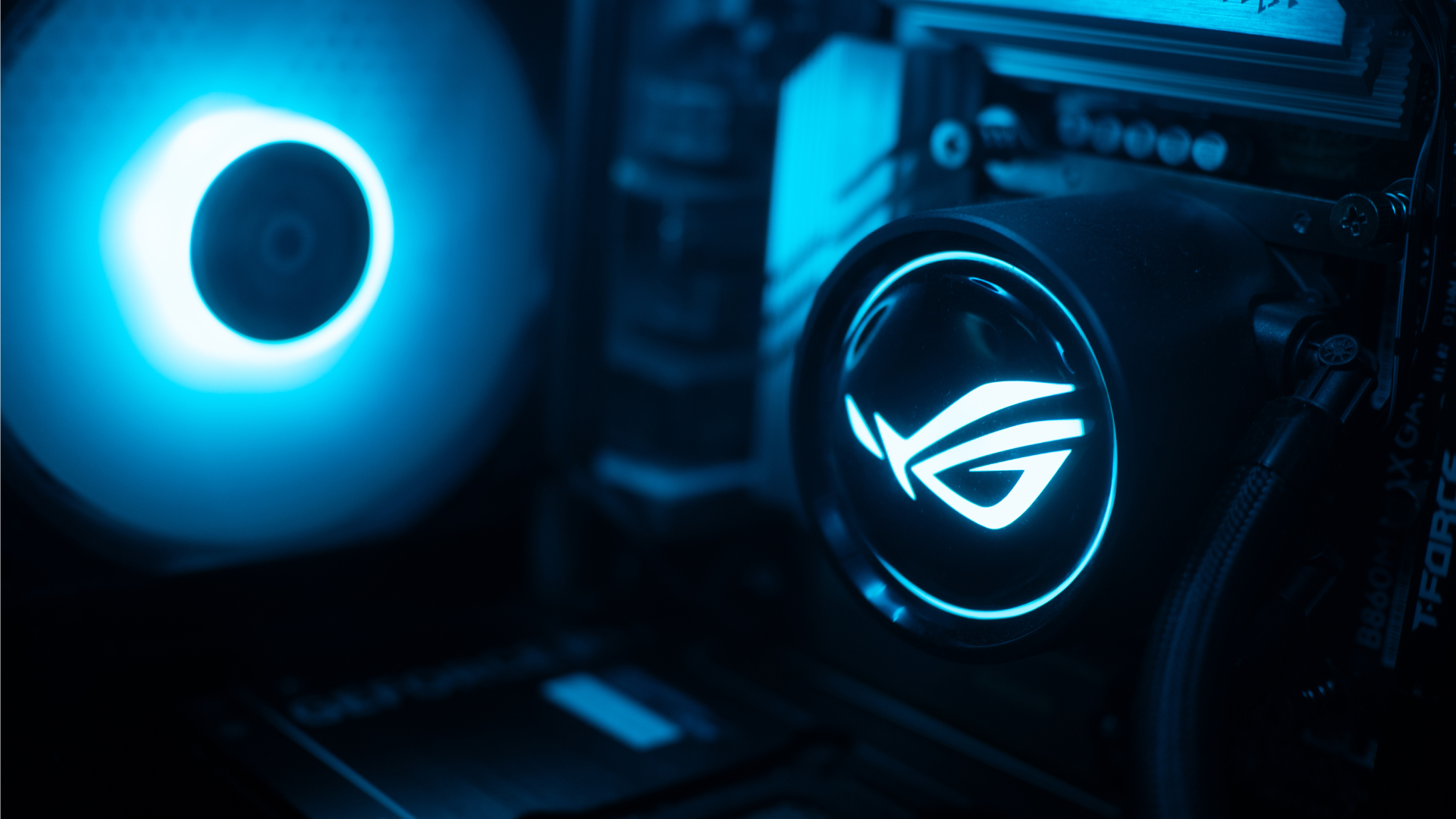
The ROG G700 exudes that gamer aesthetic, but it’s still pretty clean. The chassis has subtle grilles that ease cooling. The main panel is transparent that peeks into a cleanly organized system with heavy ROG visuals. The brand’s logo is peppered throughout the system. The RGB lighting, though bright at times, was easy to get used to.
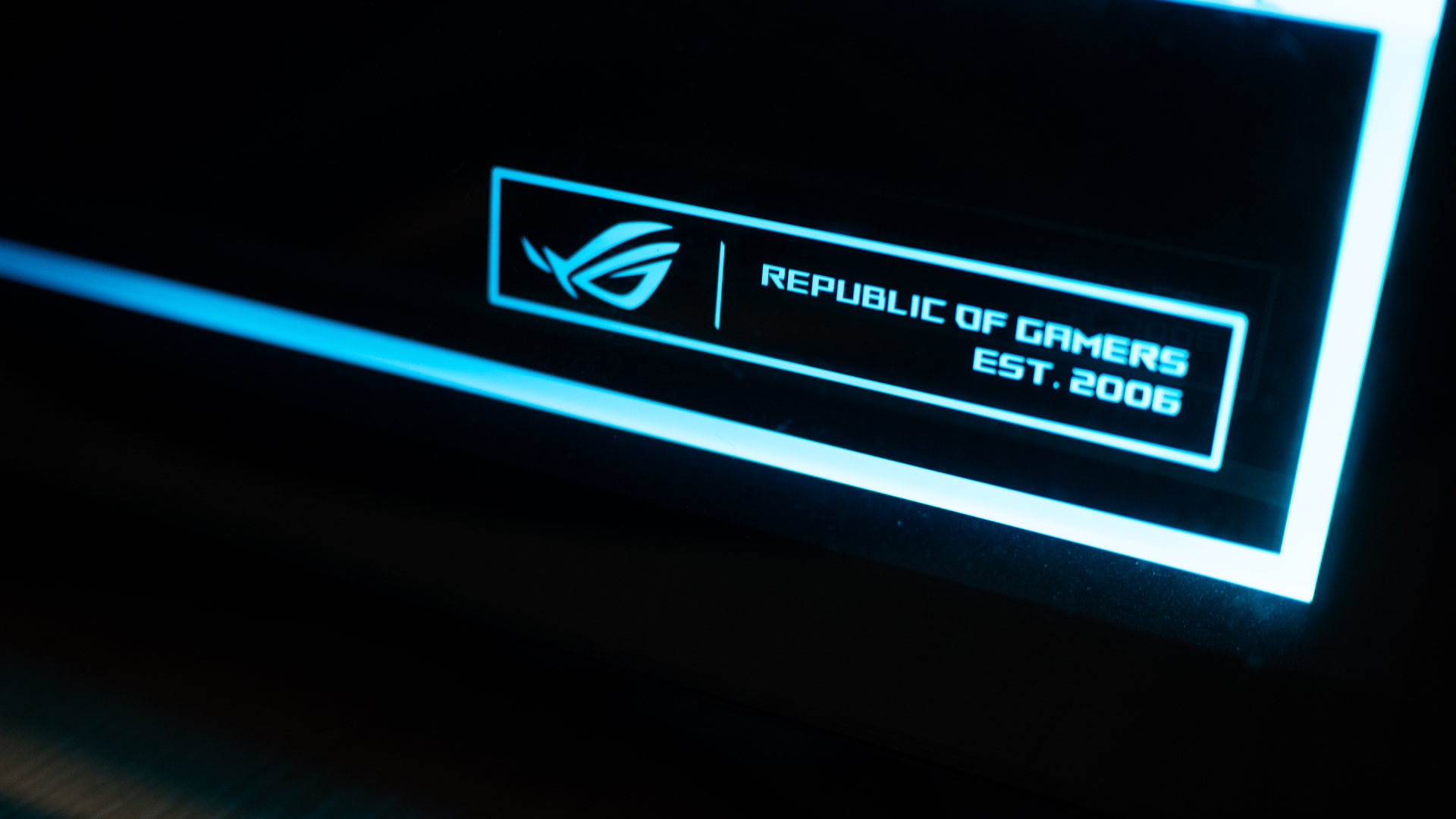
Personally, I liked how clean the internals are organized. It always hits the right part of my brain when I see something well put together.
Additionally, though it could use a tiny bit more, the G700 has an ample number of ports well situated at the back and up top. When I was setting everything up, I had enough space to make sure I didn’t end up with wire clutter. My workstation was clean at all times.
The 2026 machine
Now, let’s get into the performance. With the highest configuration, the ROG G700 goes up to an Intel Core Ultra 7 processor, up to a 16GB NVIDIA GeForce RTX 5080 GPU, 32GB RAM, and 2TB of SSD storage. All thing considered, this is a very powerful machine for today’s world.
If you’re not down on particulars and just want something off the rack, this is more than enough. I tested the G700 on this year’s games like 007 First Light and Forza Horizon 6. Both games performed without a hitch. In fact, I appreciated both games a lot more than when I played them on older laptops. The graphics were absurdly crisp without sacrificing a smooth performance.

Also, as a hard multitasker, I love alt-tabbing even while I’m playing. While other setups usually complain, the G700 doesn’t really care. You can run a Twitch stream, play a YouTube video, or have Spotify open in the background, all while playing an intensive game. This is a machine that tells you to leave your worries at the front door because it can handle everything.
If anything, it can get too powerful. Despite the cooling system with a tri-fan intake, the tower still gets hot with heavy loads. After an hour on 007 First Light, my room started getting much warmer. Though you won’t get performance dips, all that heat is coming your way.
Is the ROG G700 your GadgetMatch?
As someone getting back into PCs, the ROG G700 is a powerful off-the-shelf prebuilt PC. Now, do you need all this hardware for day-to-day gaming? Probably not. But if you don’t want to worry if your rig can do certain things, get the ROG G700.
If you have the money, that is.

Being a powerful machine, the G700 comes with a hefty price tag. When it was launched, the machine started at PhP 179,995. Now, with prices of RAM steadily climbing, prices are likely higher today. Plus, you need good peripherals to maximize this PC, so expect to spend a lot more. Overall, it’s very expensive, but at least you’re getting your money’s worth on the investment.
For that, the ROG G700 gets a Swipe Right and a Super Swipe for being a powerful machine you can get today. It is, however, a Swipe Left if you’re looking for cheaper options that won’t break your bank.
Gaming
HP OMEN Max 16 review: Gamer-maxxing in deep black
Peripherals deemed necessary to max this out

It’s not every day that you come across a machine that looks good and plays even better. Oftentimes, subtle aesthetics take a back seat to sheer performance and power. Whenever a gaming machine looks sleeker, it seems to lack the power to push it forward. Simply put, you can’t have the best of both worlds these days.
But what if you could have it all? Not just money, fame, and other fortunes, but also a machine with everything you’re looking for! Gone are the days of wanting only power to keep you playing all day or wanting to look good while playing. On paper, this is what the HP OMEN Max 16 promises: the best of both worlds.
Unboxing a beast inside
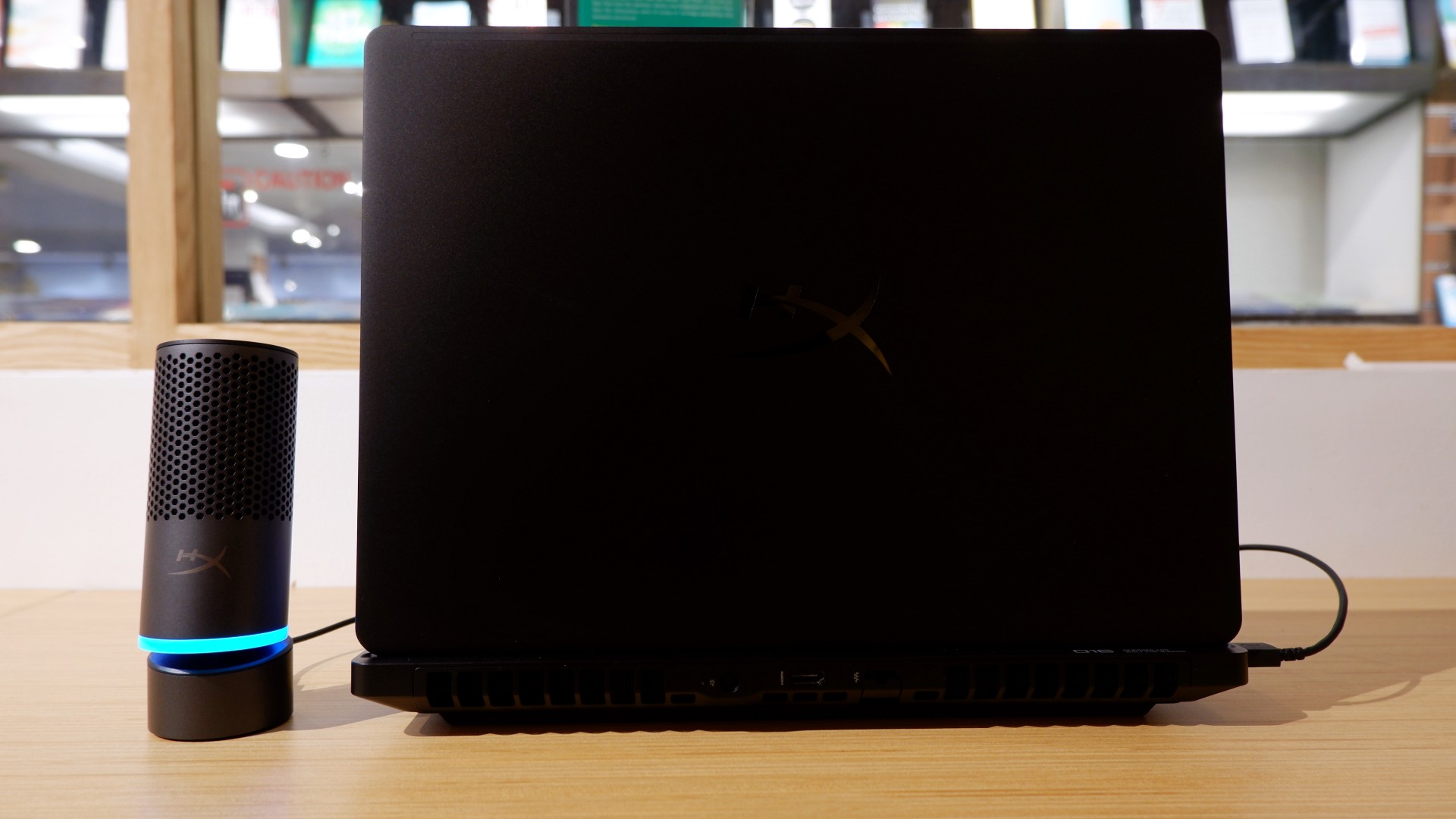
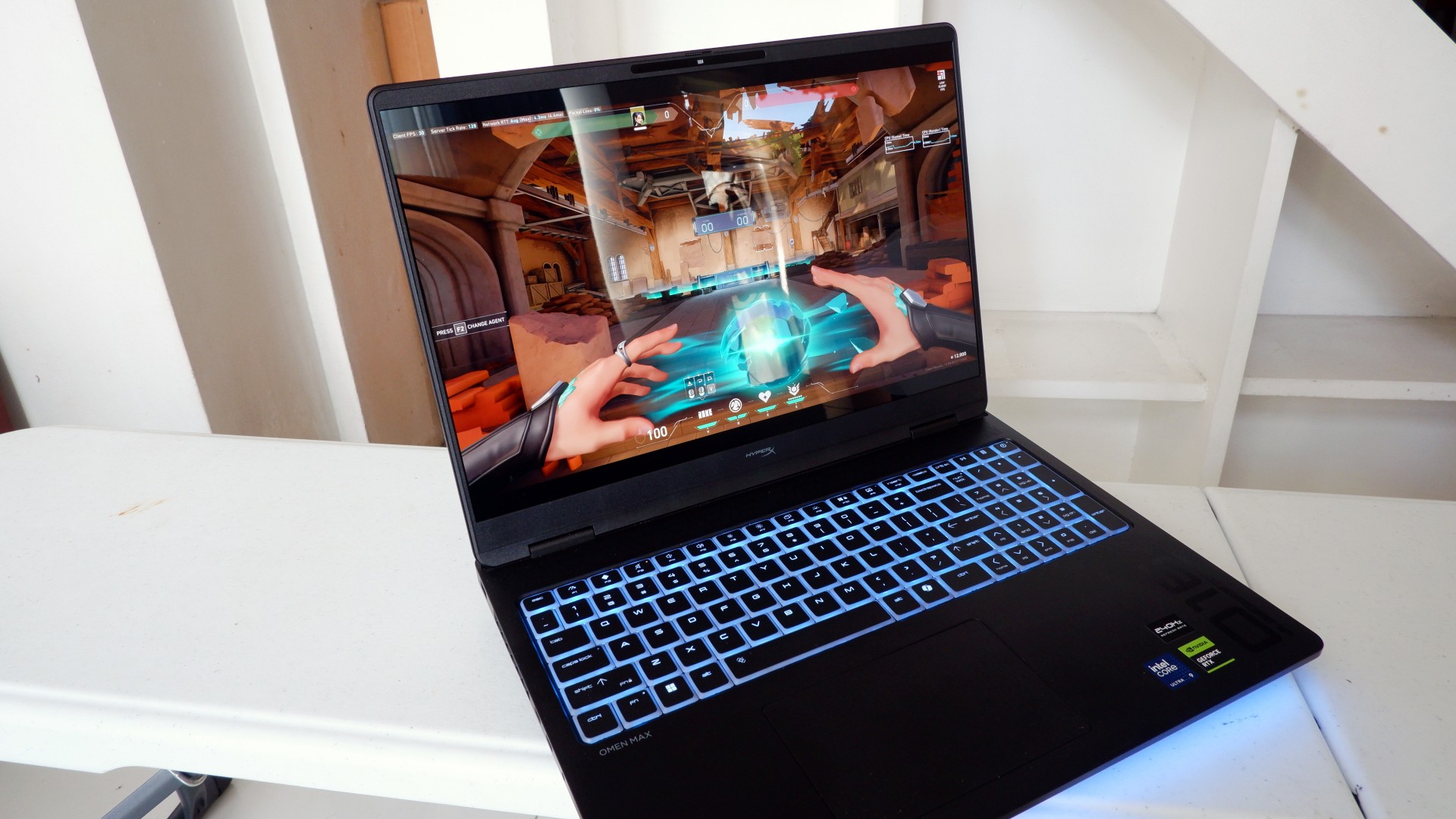
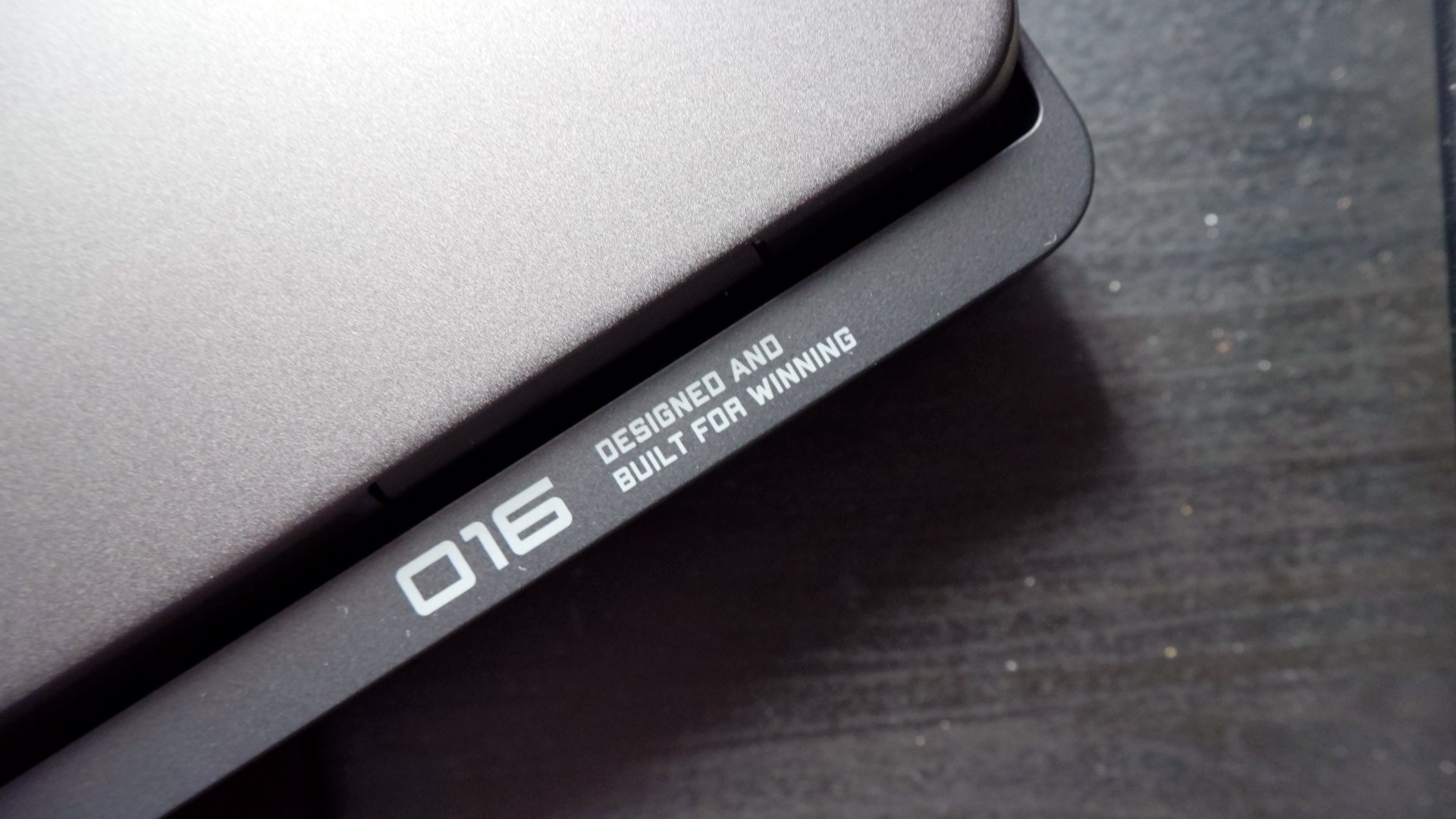
When you first take it out of the box, the HP OMEN Max 16 looks unassuming in its overall design. It’s bulky yet sleek in its Shadow Black colorway, with nothing too fancy or flashy while powered down. From the outside, the machine screams premium, even though its dark color can attract more visible dirt than lighter finishes.

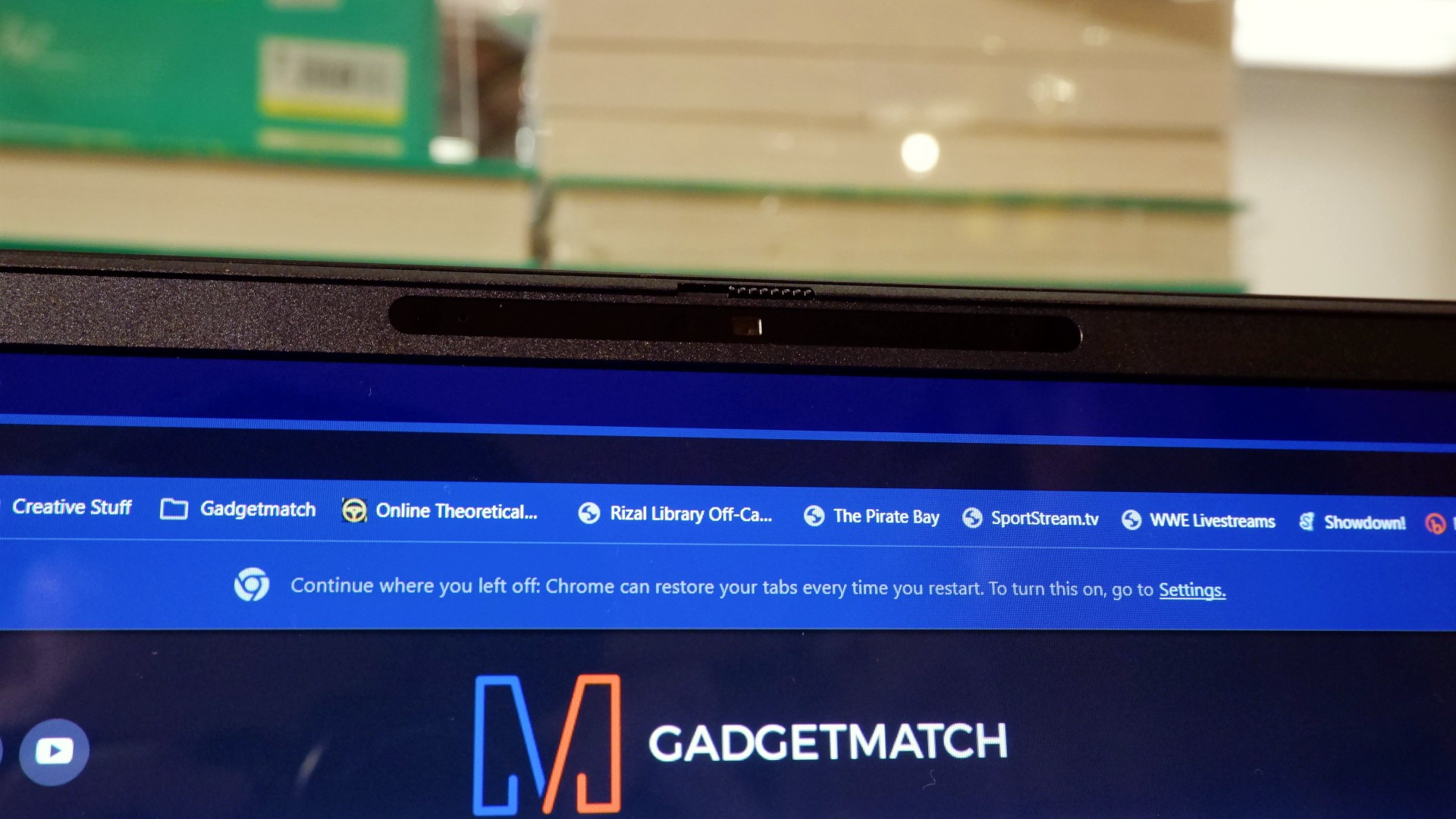
Opening it up reveals a 16-inch OLED display with a peak refresh rate of 240Hz, seamlessly connected to a base with a full-sized keyboard and a large trackpad. The bright, seemingly anti-glare display makes colors pop when watching or editing videos on the go.

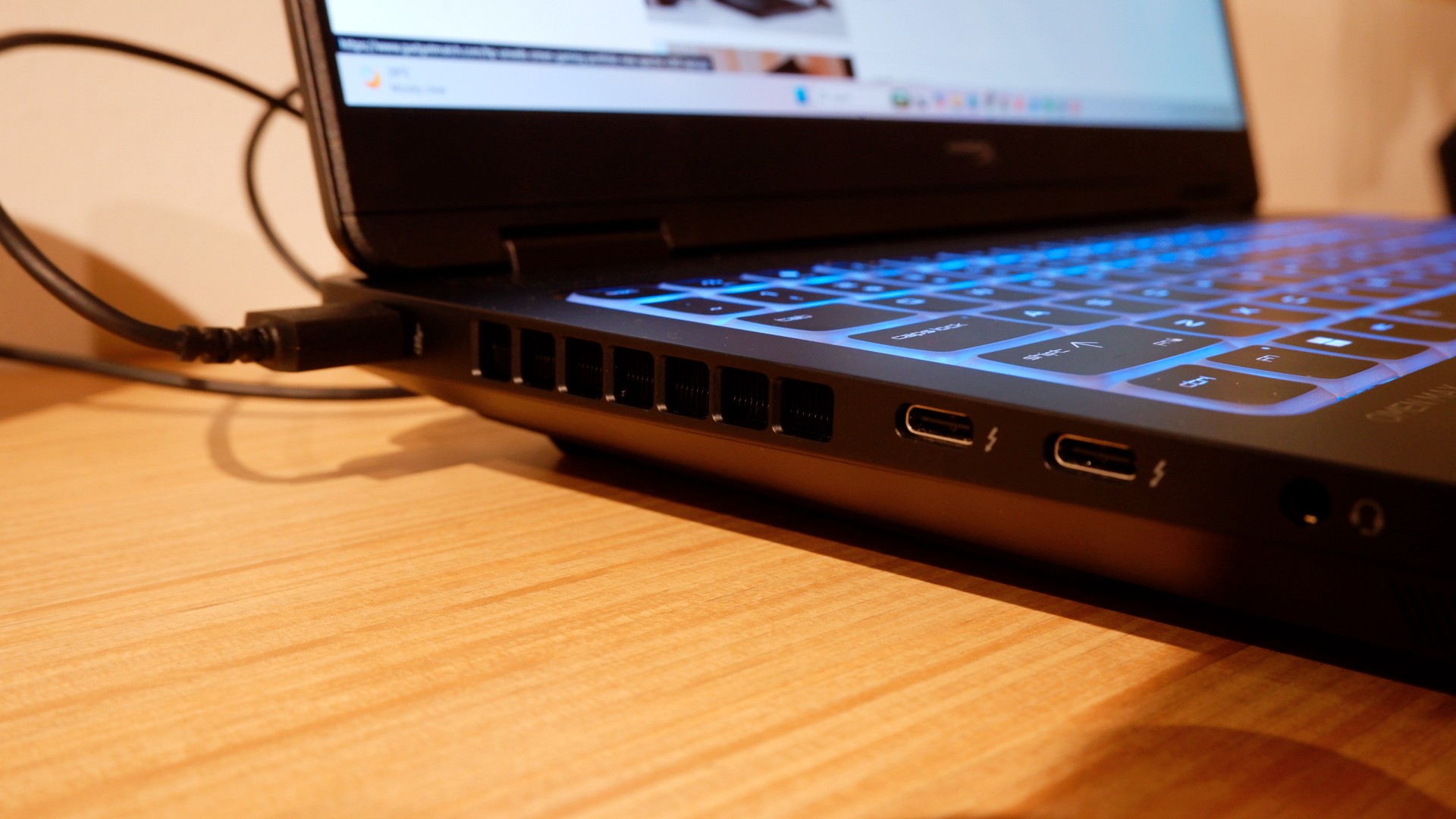
Furthermore, HP places the ports in convenient spots along the rear and sides of the laptop. This makes it incredibly easy to set up and manage external peripherals while providing more room for ventilation under heavy loads.
Of course, the device’s biggest features lie in the hardware powering it from within. An Intel Core Ultra 9 processor, 32GB of RAM, and an NVIDIA RTX 5090 Laptop GPU should give you an idea of how well this machine can perform. It’s also a great combination for demanding productivity tasks and creative work!
Power that AI can only hope to replicate
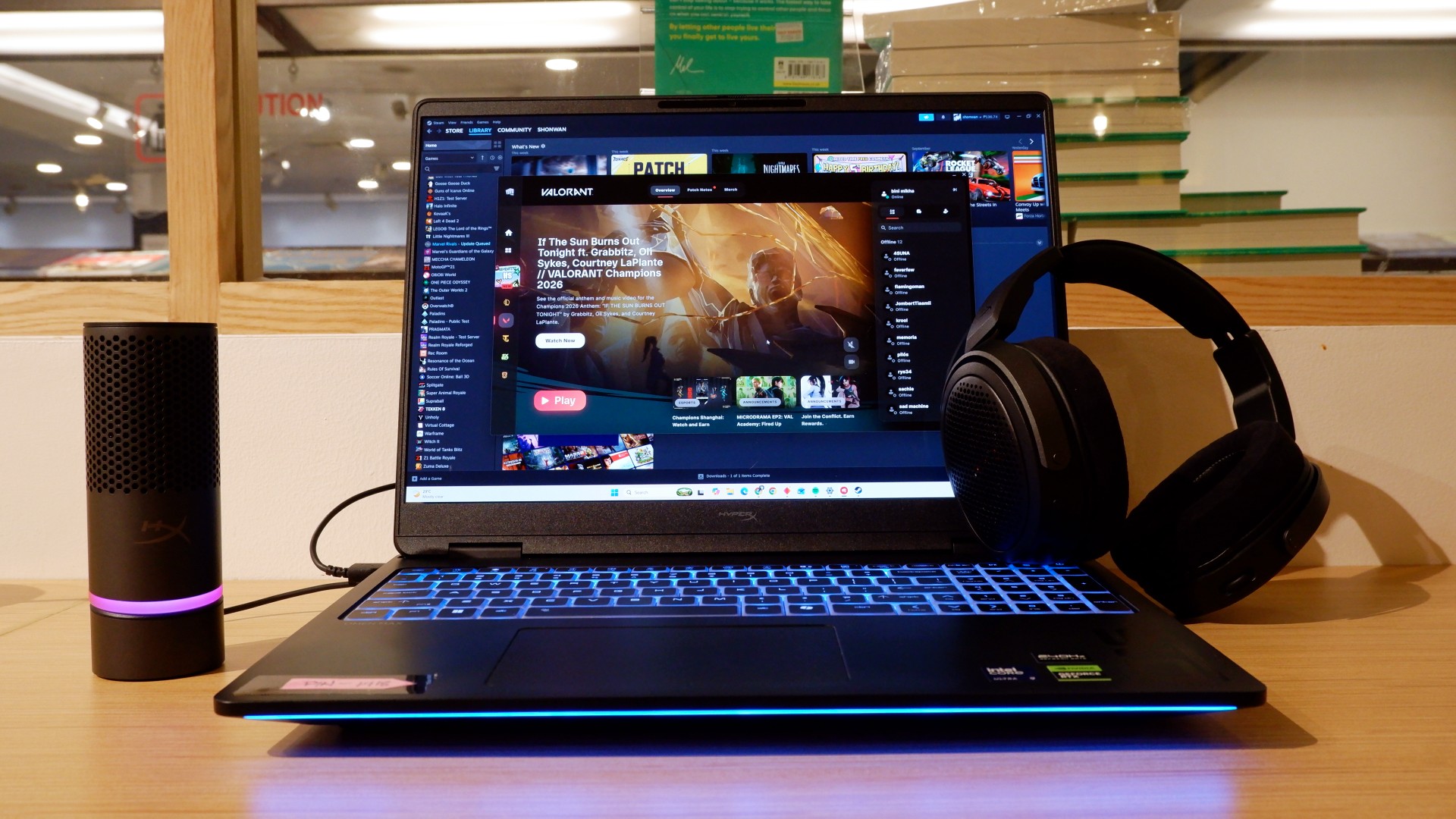
The HP OMEN Max 16 lived up to many of our expectations in terms of performance. From startup to shutdown, it delivered on what its hardware promised. You can watch videos for longer, edit photos and videos to your heart’s content, and enjoy casual gaming without slowing down. Furthermore, the wide display gives you plenty of space to accommodate all these activities.

When you step up to more competitive gaming, the machine doesn’t miss a beat. Most titles deliver high frame rates regardless of the quality or performance settings you choose. With more advanced visual settings enabled, the RTX 5090 does a fantastic job of keeping supported games within a solid 40–50 FPS range. Pair it with a high-refresh-rate OLED display, and you get crisp details and faster input response to help you get ahead in ranked games all day long.
If there’s one thing to complain about, it’s the extra optimization required through the OMEN Gaming Hub. Features such as network prioritization, automatic power-mode switching, and system optimization are useful, but you’ll need to spend time configuring them during initial setup. The laptop also comes with OMEN AI, which promises to maximize FPS with a single click. However, it was only okay at best.
Runs longer, cools off smoother
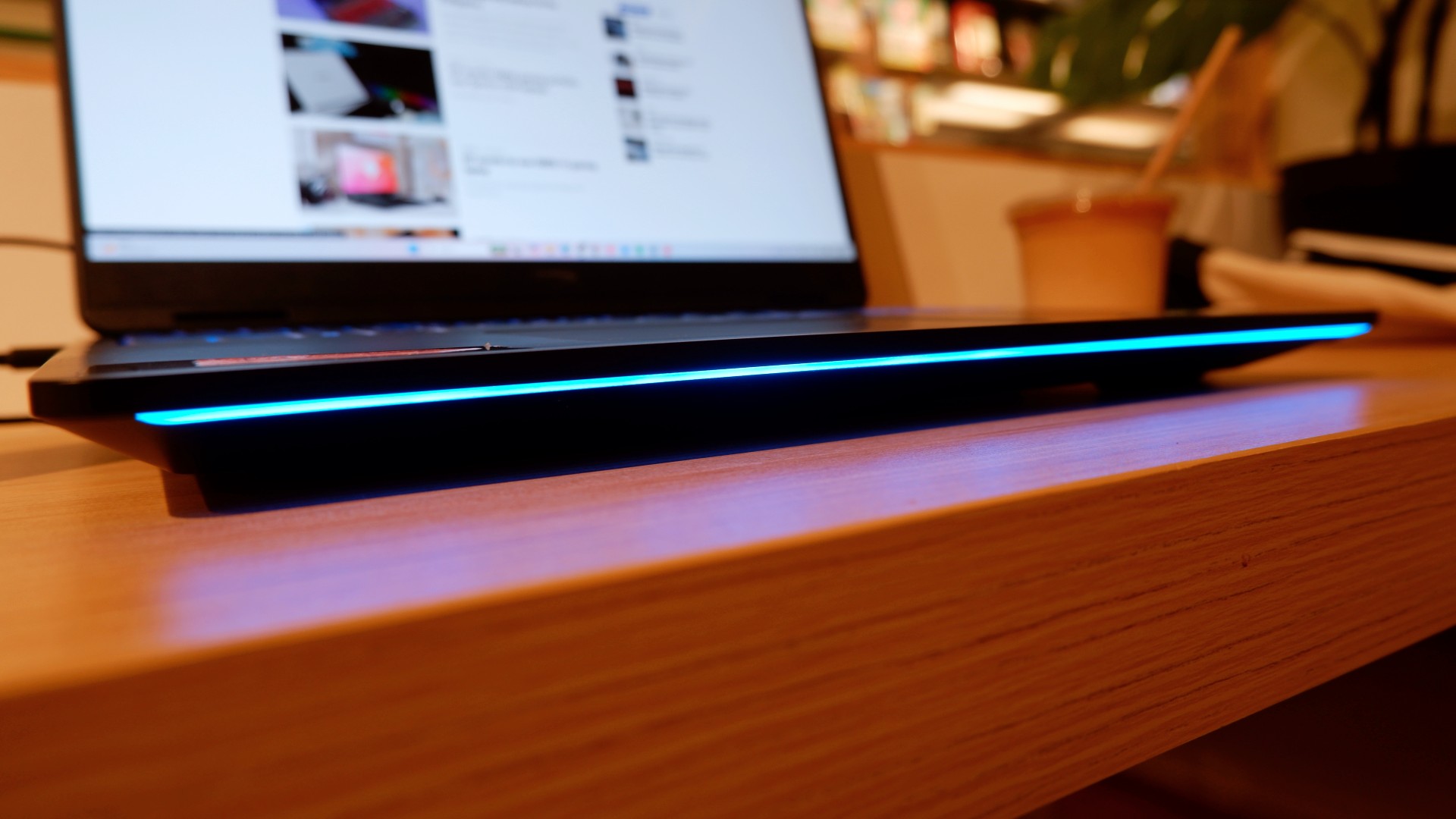
Surely, a gaming laptop this bulky and powerful can’t last that long on battery, right? Well, the HP OMEN Max 16 averages around three hours of battery life during intensive gaming, which gives you a decent amount of playing time. For general use, battery life extends to around five and a half hours with Balanced power settings. It holds up reasonably well if you forget to bring your charger.
When you do have the massive 330W charger with you, charging doesn’t take too long either. During our tests, a full charge took two hours, with charging progressing slightly faster when we left the laptop idle. Charging the battery to 50% took around 20 minutes, giving you enough juice to squeeze in another game!
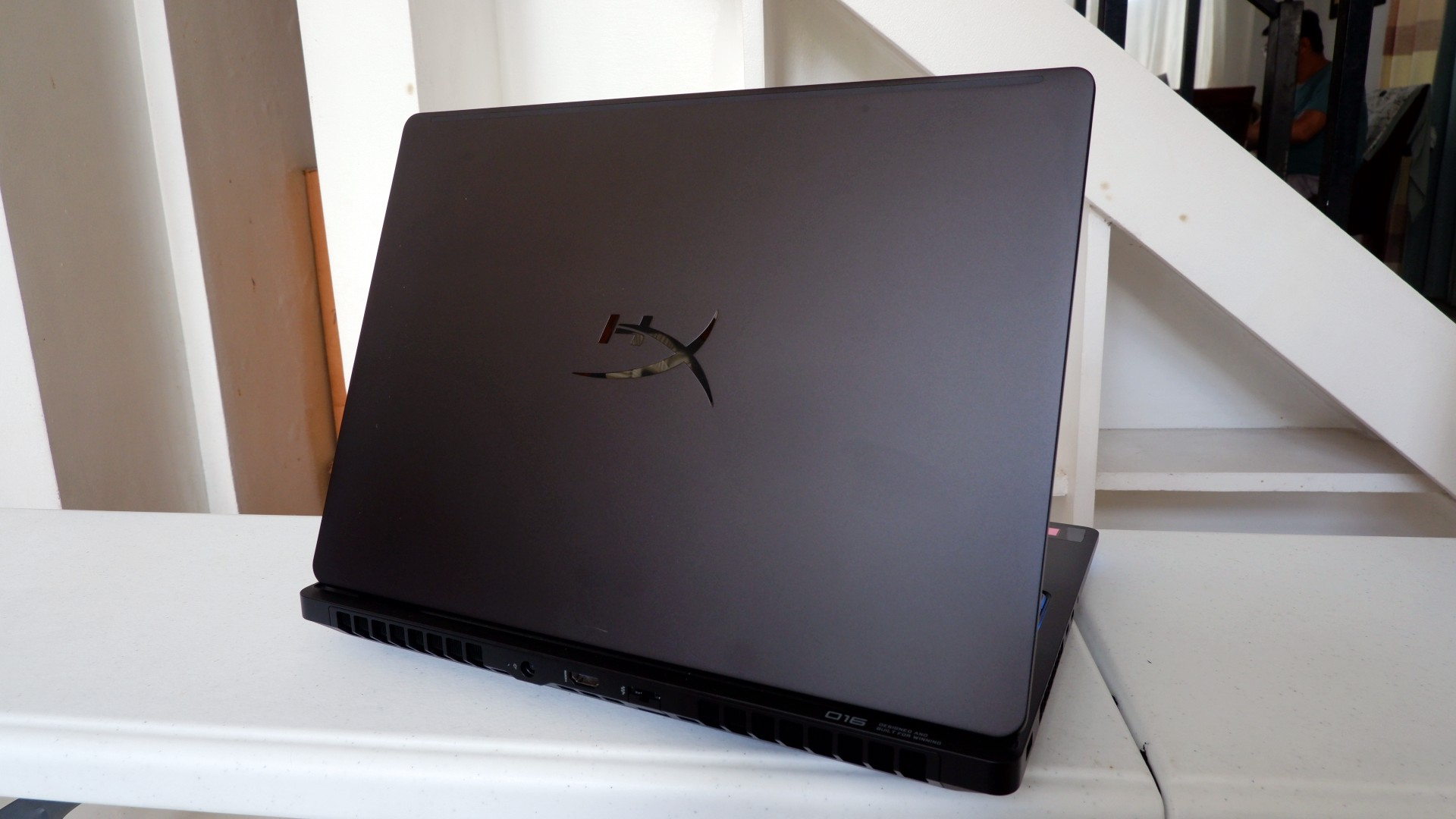
Another factor in prolonged use is how the device expels hot air through its sides and rear. We touched on this earlier, but it bears repeating: the laptop provides plenty of ventilation through its vapor chamber and multiple external vents. Instead of directing heat toward the keyboard, it pushes hot air through the vents, where it can hit your hands or peripherals. At least the keyboard stays cooler, right?
Is this your GadgetMatch?
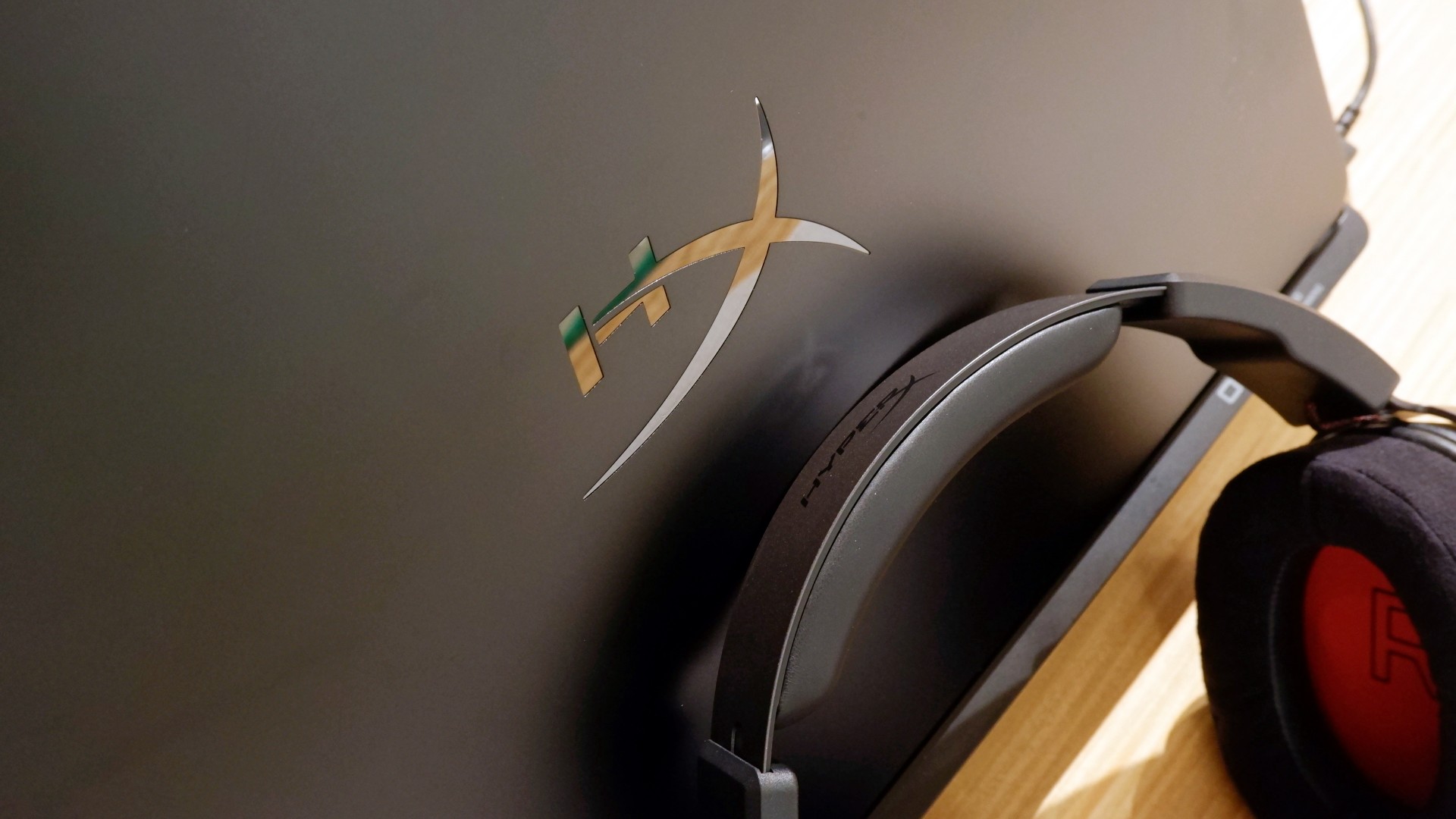
At PHP 229,990, the HP OMEN Max 16 is a sleek-looking machine with incredible power under the hood. Despite its initial bulk, it delivers impressive performance for both casual and competitive gamers. Inside and out, it packs plenty of hardware and features to let you tailor the experience to your needs.
If you’re looking for a gaming laptop with decent battery life, this is a solid choice, but don’t expect it to last half a day. Of course, you wouldn’t use this machine entirely on its own, even if the unboxing experience might suggest otherwise.
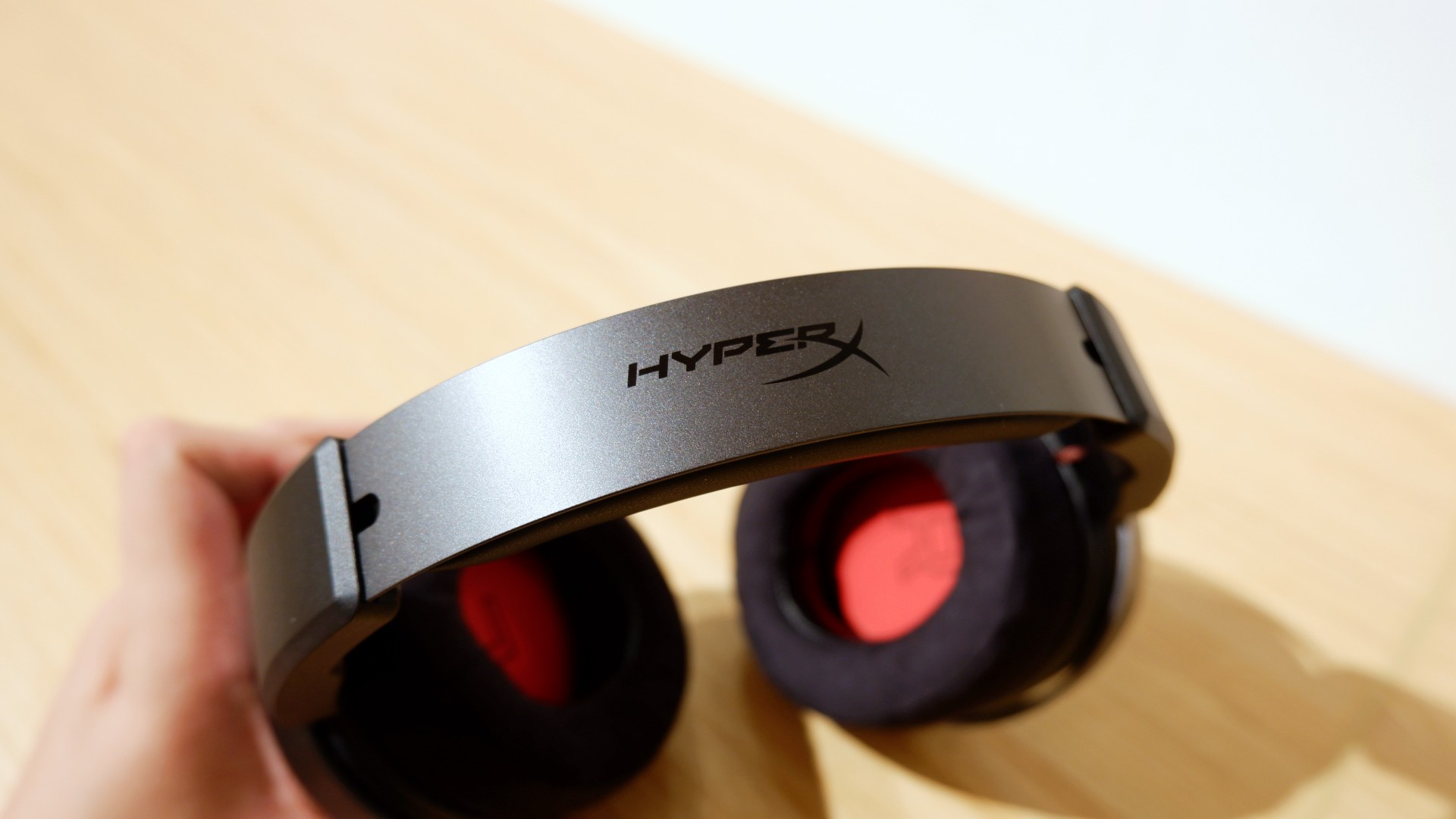
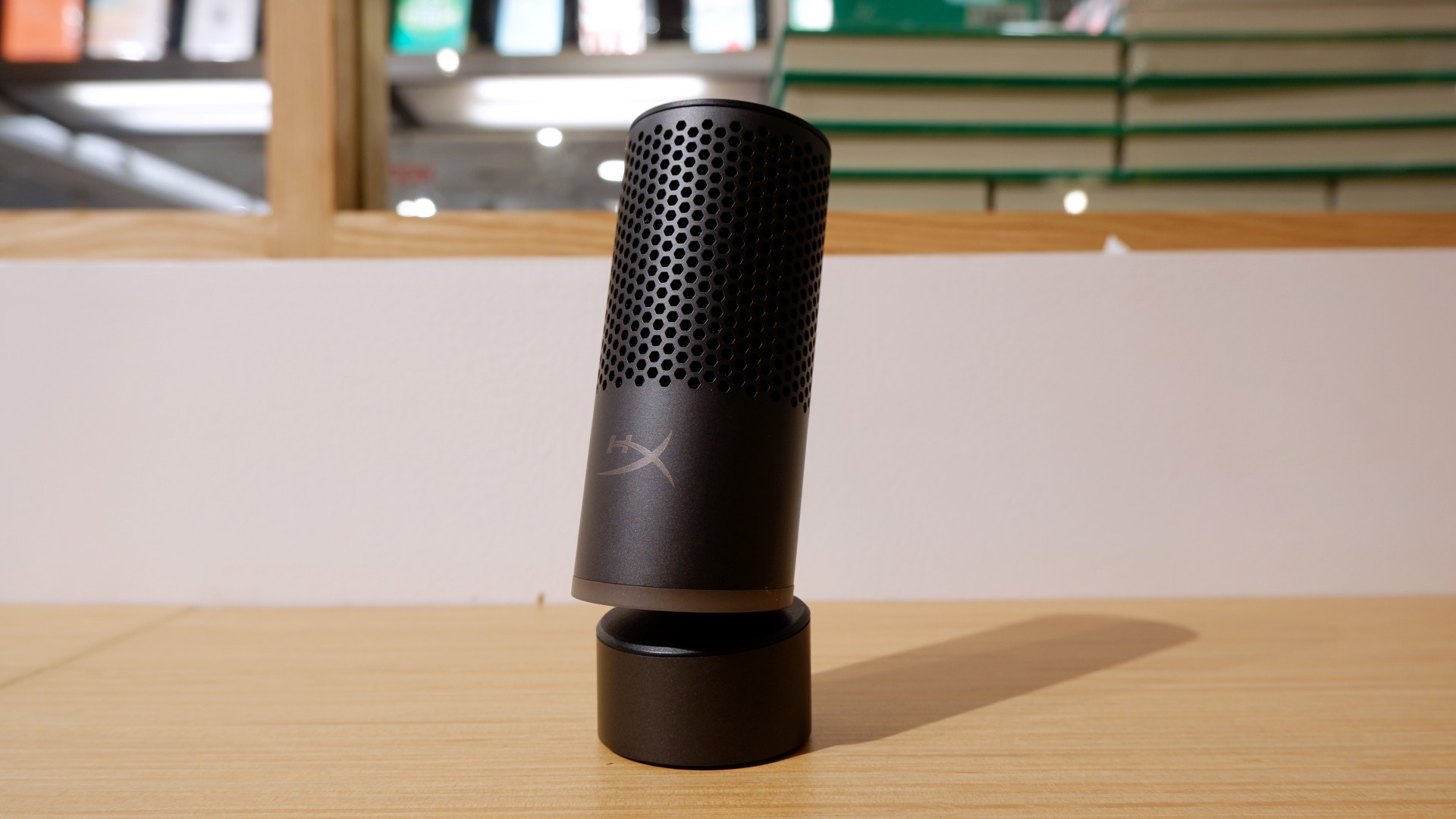

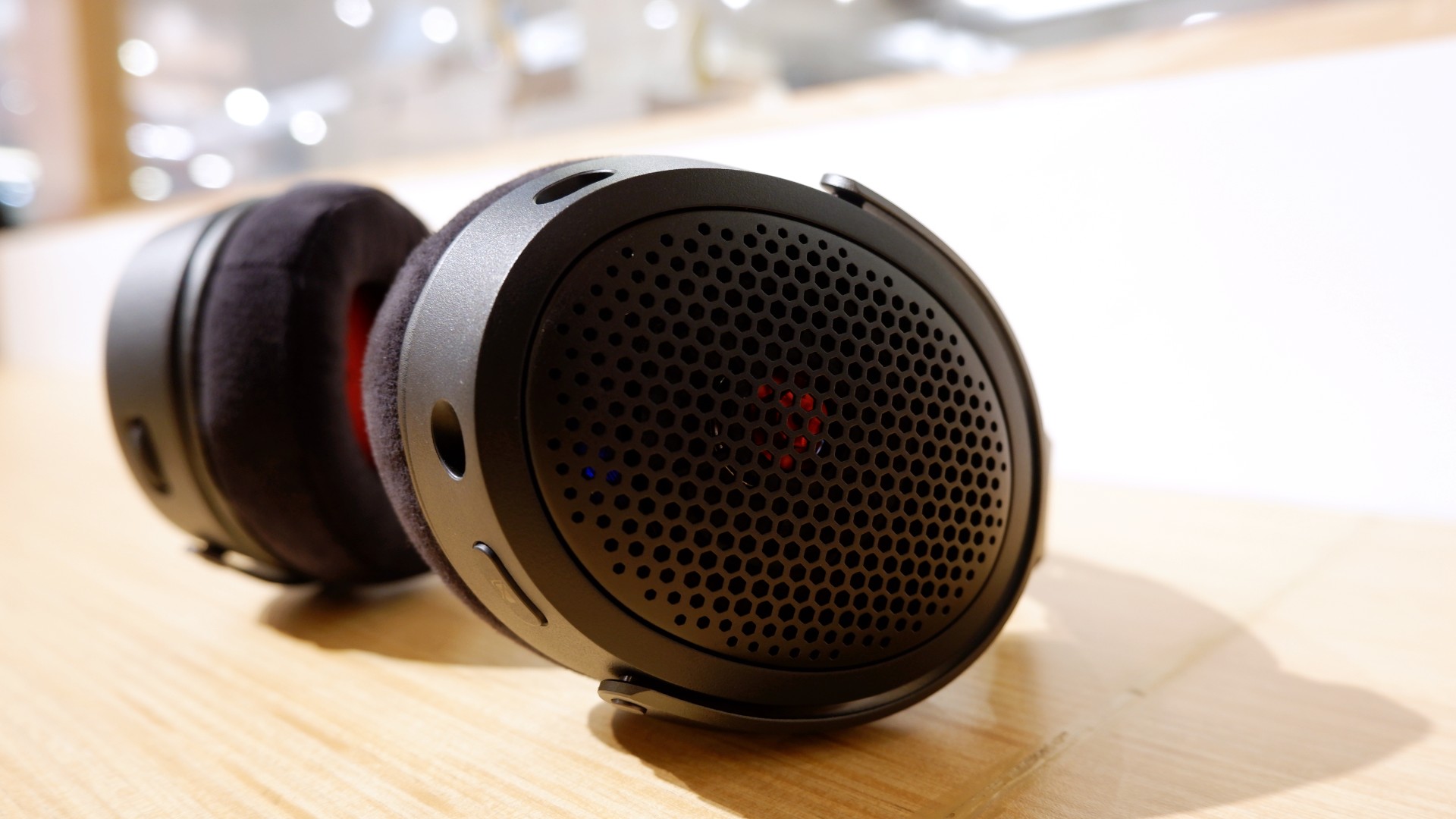
Peripherals such as the HyperX Cloud Alpha Air and Solocast 2 Pro can further enhance the experience.
Overall, this is a Swipe Right for its features, performance, and premium design. However, if you don’t have an infinite money glitch to buy it right now, you’re better off saving up for this beast of a machine!


Apple iPad mini OLED review
Has the mini gone PRO?!


ROG G700 review: The best prebuilt PC you can get off the shelf
This PC will make you stop worrying about specs.

HP OMEN Max 16 review: Gamer-maxxing in deep black
Peripherals deemed necessary to max this out

Sony revives classic Walkman headphones with USB-C MDR-3R

IKEA, Xbox launch nine-piece YXSTABY gaming collection

Smart Infinity launches PureVoice

The Fellowship of the Ring in Concert finally arrives in Manila
Apple iPad mini OLED review

Your coffee nook is getting a makeover with Starbucks’ holiday collections

vivo V80 debuts with ZEISS cameras

Garmin Enduro 4 promises up to 320 hours of battery life

Dragon’s Dogma 2: Dark Arisen launches with new Official Pawns

vivo V80 review: Good phone, tough sell


-
 Lifestyle1 week ago
Your coffee nook is getting a makeover with Starbucks’ holiday collections
-

 Lifestyle1 week ago
Sticker season is back, and so is the planner your ~friends~ might fill in for you
-

 Gaming1 week ago
Wild Rift Patch 7.3, celebrates K/DA comeback
-
Gaming2 weeks ago
ROG G700 review: The best prebuilt PC you can get off the shelf
-

 Gaming2 weeks ago
PlayStation unveils Prism Collection
-
 News3 days ago
Sony revives classic Walkman headphones with USB-C MDR-3R
-

 News2 weeks ago
Apple unveils its biggest iPad mini update yet
-

 Laptops2 weeks ago
Apple unveils MacBook Pro with PROLED XDR display and Touch