


Lifestyle
I ditched my Apple Watch for the Garmin epix Pro (Gen 2)
It’s not my ideal type, but it’s everything I’ll need

I remember wanting an Apple Watch when I got into fitness. Everyone around me kept saying the Apple Watch is the best smartwatch for Apple users. I’ve seen most fitness enthusiasts in my gym and obstacle parks wearing an Apple Watch.
Add to the fact that a former flame also used an old-generation Apple Watch, I felt happy to wear one and enjoy features that connect me with him and other Apple users.
I was giddy using the walkie-talkie and other apps that helped me further the connection. But when it came to personal growth, it was limiting. I looked at competitive athletes in my chosen sport, and saw them wearing a Garmin smartwatch. Some use the Instinct, Venu, and Forerunner variants.
Now, a Garmin smartwatch isn’t new to me. I know them all too well, but I never pegged myself as an athlete to wear one. That all changed when I decided to take on an elite category for my Spartan races.
I just badly want to be better than who I was yesterday.
Why the change of heart?
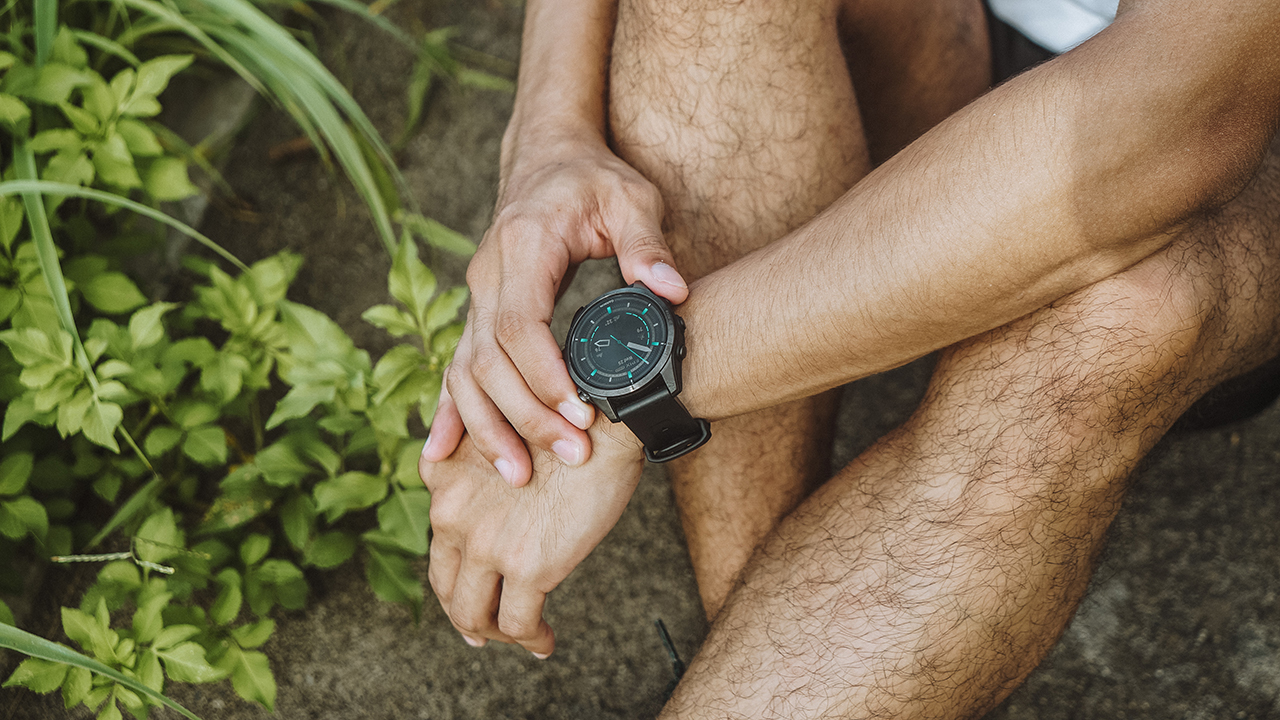
Back in June, I set my sights on the Garmin epix Pro after an event at the Manila Padel Club. Everyone was gushing over the Garmin fenix 7 series but I’ve always had my eyes on the epix Pro. It didn’t seem bulky and I was enticed with its OLED screen.
After competing at the elite heat of Spartan Stadion, an explosive type of obstacle race course stretching 5 kilometers inside a national stadium, I ditched my Apple Watch Series 8. I decided to get the Garmin epix Pro.
View this post on Instagram
I was thrashed with my performance; I was ill-prepared and believed that I wasn’t strong enough. The Apple Watch couldn’t give me other data necessary to help me improve. Even with a personal coach to aid my strength and conditioning training, I still needed a smartwatch to boost my performance.
It’s precisely why a lot of athletes use a Garmin smartwatch. The data I needed are stacked inside the smartwatch and the Connect app which is compatible with both iOS and Android devices.
Life also took another 180, shifting my priorities to loving myself more and focusing more on improving in the sport I love. Garmin’s “beat yesterday” ethos resonated with me as I took on a four-month hardcore training regimen before my next competition.

Understanding my body’s readiness
When I switched to the Garmin epix Pro, I was overwhelmed by the amount of data readily available meant for an athlete. Gone are the data and features that urge you to become more active in achieving your fitness goals. That’s what the Apple Watch is for.
Having the Garmin epix Pro provided me the insights I need that my coach and I can use to improve my performance. Of course, you can find the usual metrics such as sleep activity, heart rate, step count, respiration, and stress levels. However, there’s more to it since it’s not your regular smartwatch.
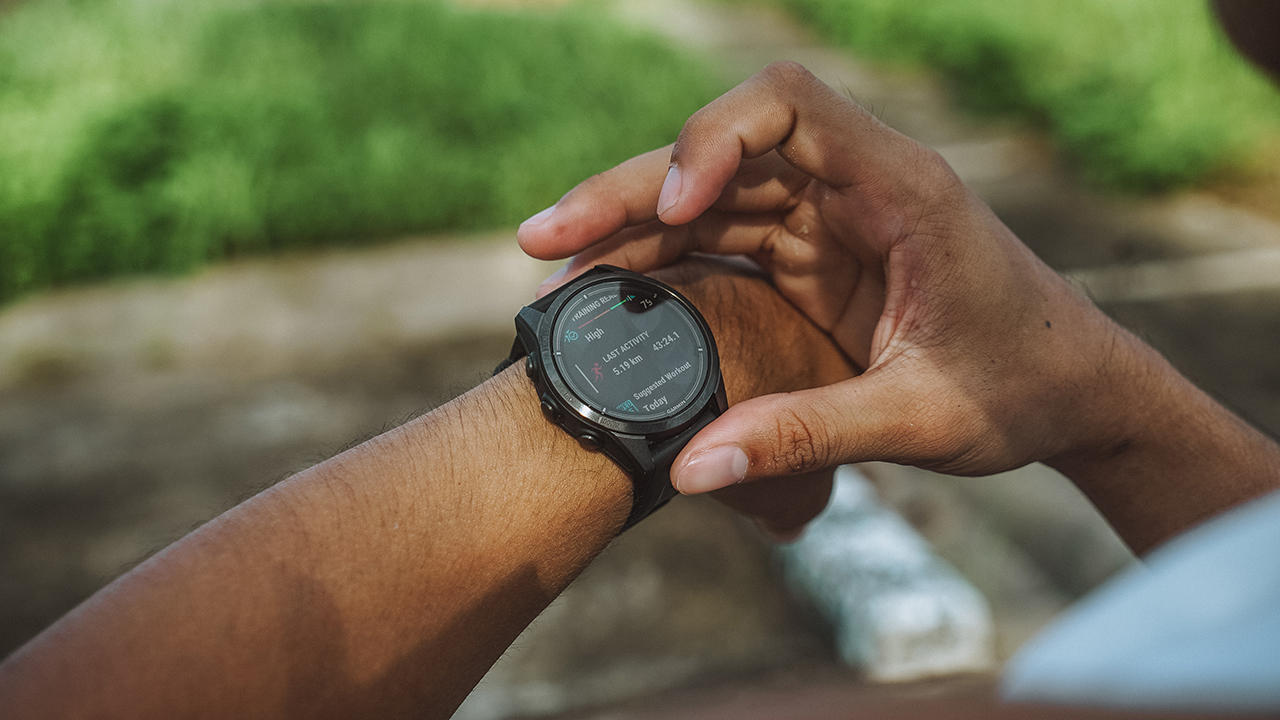
At a glance, I can check my Body Battery status which gives me a glimpse of how much energy I can still spend throughout the day. It helped me determine if I should still proceed with my training or if I should prioritize resting for faster recovery.
Sleep contributes to a big factor in making sure that my Body Battery gets fully recharged. This also affects the Training Status and Training Readiness, allowing me to proceed to my training sessions at a pace that I can handle.
A bunch of preloaded sports can be tracked using the epix Pro. However, my main focus — which I added on the shortcuts — were Strength Training, Running, Treadmill, Trail Running, and Adventure Racing.
Combine all of these and all the data work hand-in-hand in providing you an accurate report, especially in the morning.
Are you ready to put in the work?

There were inconsistencies when it came to sleep tracking. Plenty of times, the epix Pro didn’t record the extra hour I slept in whenever I suddenly woke up at four o’clock in the morning.
Nevertheless, it comes with a morning report that gave me insight into my sleep quality, the weather outlook, and other data I need. Most of the time, the morning report tells me if my body’s ready for a workout.
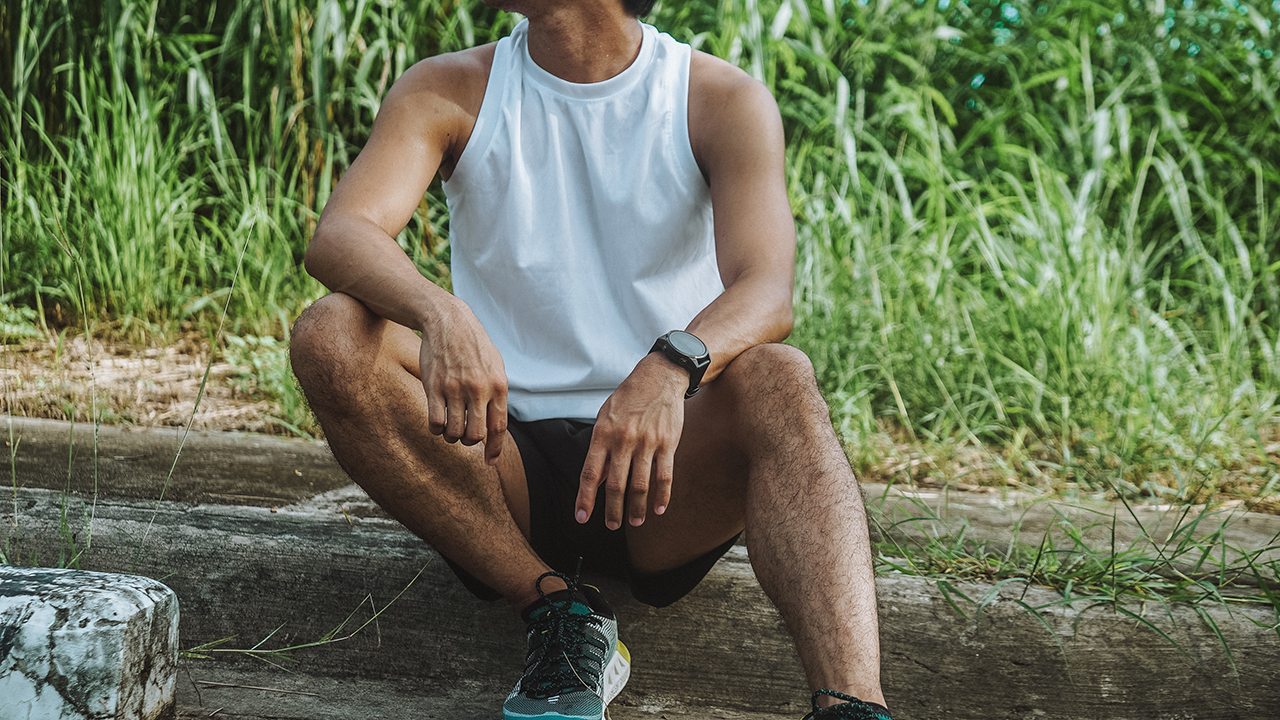
Nine out of ten, it says I’m not ready. My Heart Rate Variability (HRV) status indicates my ability to perform, which usually changes if I sip a little alcohol in my body or I’m just getting a lot of stress from work and my personal affairs.
Being an athlete, it’s not always a physical battle that you endure. The mental and emotional anguish take a toll on how you can perform. It’s just the epix Pro’s sensors are enough to track the changes in your body.
It’s like someone noticing the small changes in your behavior when you’re going through something, simply because they know you all too well.
Tell your friends you’re out for a run

Living on the slopes of a mountain range, my training ground has never been ideal for Zone running. Every quick run became Threshold training since I needed a lot of power to run uphill.
I didn’t realize that continuously training on the mountainside would push my VO2 Max to 57. That number is counted as ‘Superior’ since I finally belong to the top five percent of my age and gender.
In case you didn’t know, VO2 Max refers to the maximum amount of oxygen you can utilize during intense exercise.
When participating in a race, a lot of contestants enter Zone 5 of their heart rate, which uses your VO2 Max. The higher the score is, the better your cardiovascular fitness and aerobic endurance are.

Since I’m always training on an uphill whether on a road or a trail, it trains my VO2 Max. It improves along with my Hill Score and Endurance Score on the Garmin epix Pro.
As of writing, the smartwatch tells me that I’m in one of my best condition as I’m well-trained for endurance races.
Going on races
With the race predictor feature, the smartwatch used my current running data to give an estimated finish of every distance I could run.
Currently, it estimates a 23-minute finish for a 5K run and a 52-minute finish for a 10K run. A half-marathon would take 2 hours, and a marathon would give me a four-hour and 30-minute finish.
Of course, race predictors are only based on the data your smartwatch has. Since I transitioned from the Apple Watch, it didn’t know my previous data which means I can go faster than my smartwatch’s race predictions.
View this post on Instagram
After all, you still decide how fast or great you want to be. It’s not a smartwatch’s job to give you the results you need to work for.
During the Xiaomi Pop Run, I brought the Garmin epix Pro while wearing the Xiaomi Smart Band 8 on my other wrist. I didn’t attempt to do a SUB-1 finish.
Instead, I used Garmin’s workout plans and customized its settings to provide me with a heart rate zone that I could use at certain distances.
Sometimes, I use races as a simulation for a time trial of how much I’ve improved. And most times, I use it as an additional mileage for an even bigger competition. In this case, the Garmin epix Pro helped me manage my heart rate when participating in a race, which would eventually help me in my future (and more competitive) races.
Made for the trails

Don’t be bewitched by the Garmin epix Pro’s appearance. It is a multi-sports smartwatch, but it’s also made for the trail, just like the fenix series.
I brought it when I was trail running every other weekend in Mount Ayaas and Mount Parawagan in Rodriguez, Rizal. It did wonders in helping me improve my trail running.
At some point, we got lost when we headed to Tuay Falls, a 3-kilometer trail after Mount Ayaas. We didn’t want to do a backtrail and tried doing the secret river path, where we followed the whole river until it led us to the end where the river merges with a basin going to the Marikina River.
View this post on Instagram
That time, we had nothing but our water and energy gels that were only appropriate for a 10-kilometer trail. We capped a total of 17-kilometer trail for almost eight hours.
In a place where cellular reception is nonexistent, Garmin’s Multi-Satellite Support came into play and helped in navigating the secret river. We made sure that we were following the trail through the scrollable map. Thankfully, the AMOLED touchscreen made it easier for me to check the maps even when running.
However, using the GPS mode throughout the trail drained its battery. We were lucky enough to be back in the town right before the epix Pro shut down.
It’s everything I dreamt of
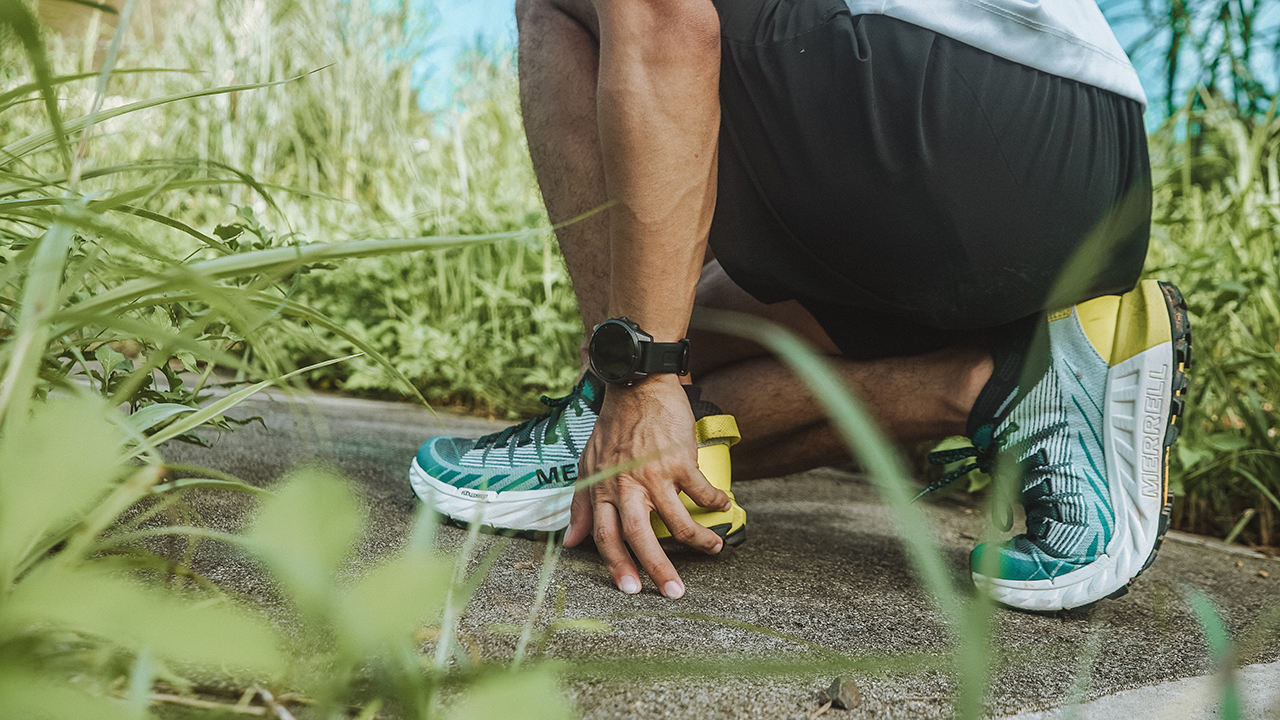
As I transition into becoming a recreational athlete who aims to stand on the podium one day, the Garmin epix Pro is the smartwatch I’ve always dreamt of. I was misled into thinking that the Apple Watch would suit my needs. I still think of the Apple Watch from time to time. It’s got looks that would be perfect for everyday life.
But the life I’m living and the future I want to build would require me to wear a non-fashionable yet functional smartwatch. It’s not my ideal type, but it’s everything I need. I think that’s what matters — both in smartwatch preferences and in our love life.
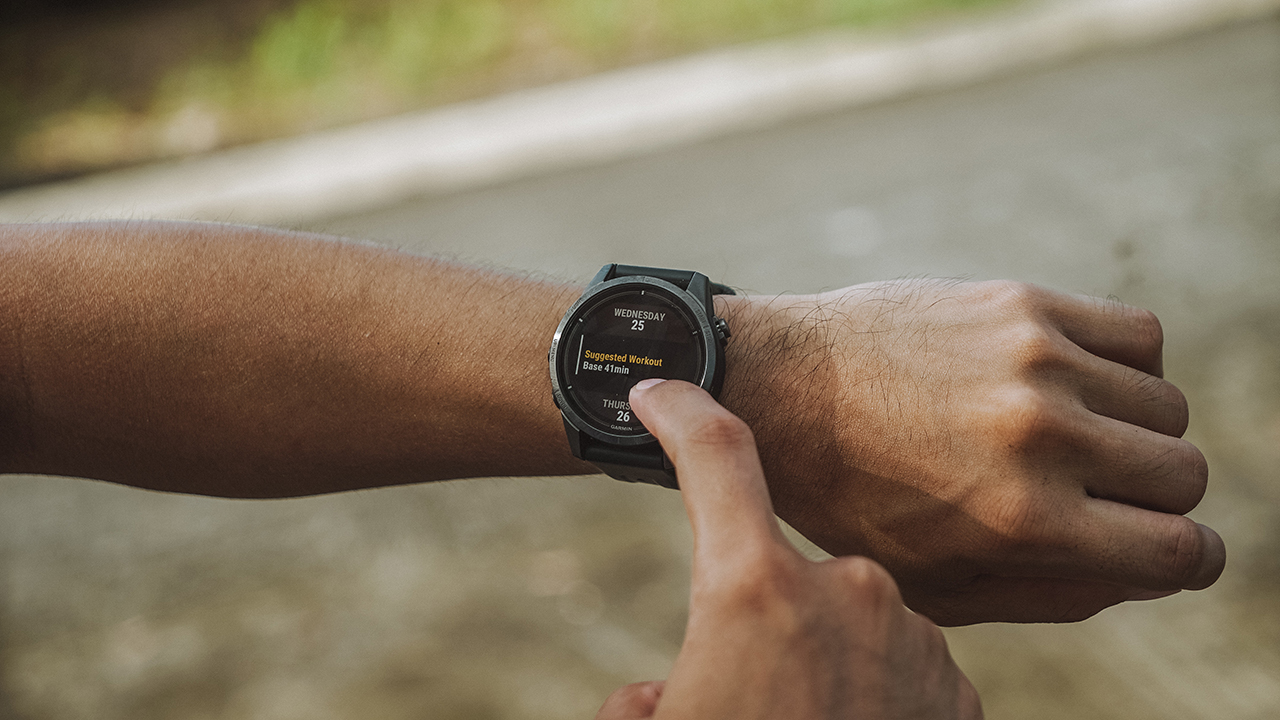
The Garmin epix Pro is my GadgetMatch of 2023, and it deserves the GadgetMatch Seal of Approval.
The epix Pro Sapphire 42MM and 47MM retail for PhP 62,780. Meanwhile, the epix Pro Sapphire 51mm is priced at PhP 69,050. It’s available at Garmin’s official stores and online channels.





Accessories
Manila turns up the volume at COVE
Sony Philippines launched its ULT TOWER lineup at Beyond the Beat, with SB19 joining the ULT Squad.

Sound and style shared the floor at COVE Manila in Okada Manila. Sony Philippines opened its doors for Beyond the Beat: The Next-Level ULT POWER SOUND Experience.
The event marked the company’s biggest ULT POWER SOUND launch in the country, and Sony paced the program like an exclusive night out.
Stacked ULT Towers filled the space. Guests styled themselves with designer pieces from Alser Lumawag, and SB19 closed the evening as the newest Sony ULT Squad members.

MySony members from every tier joined industry guests while the new ULT TOWER lineup set the tempo.
The towers take center stage
Shuhei Sugihara, Sony Philippines’ President and Managing Director, opened the program.

Product Marketing Specialist Keira Ambubuyog then introduced the newest additions to the lineup.

Arbie Bandiling of Personal Audio Systems unveiled the latest ULT Squad video. The clip introduced the artists and personalities fronting the campaign.
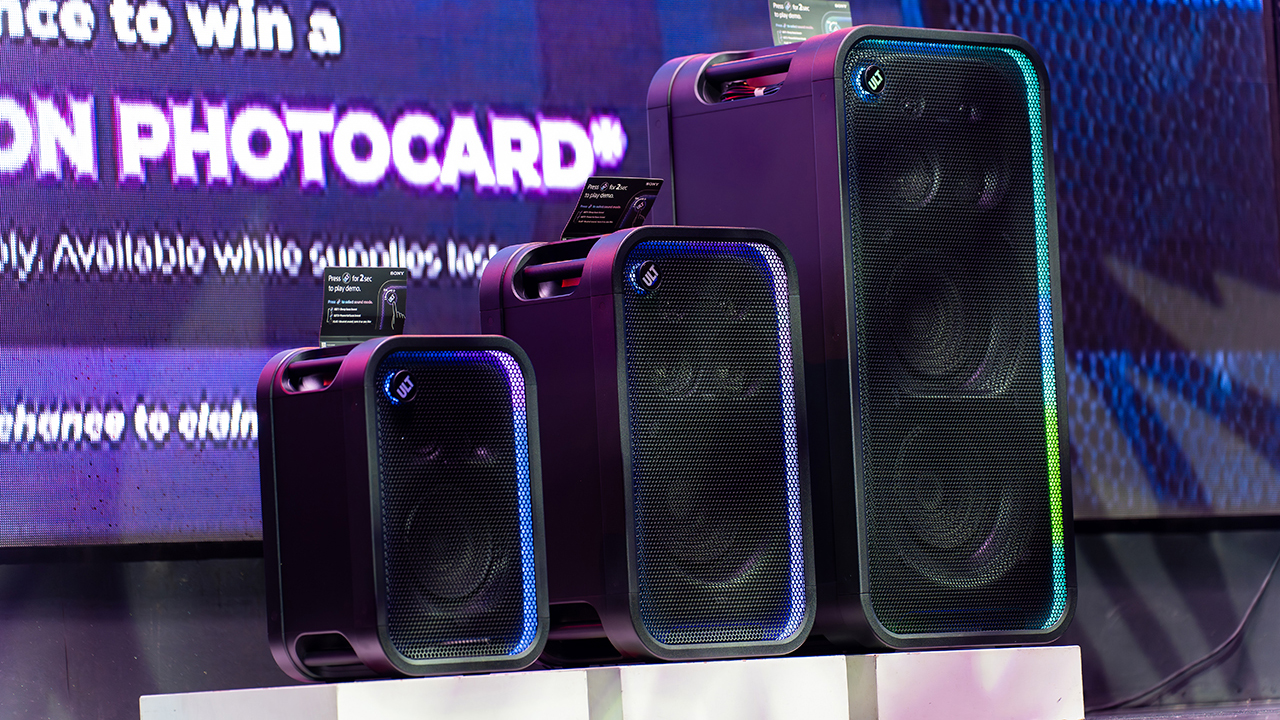
The lineup features the ULT TOWER 5, ULT TOWER 7, and ULT TOWER MAX. The new series pairs large circular woofers and high-capacity cabinets with ULT DUCT technology.
This design delivers stronger low-frequency bass than earlier models. The ULT TOWER MAX leads the series, described as Sony’s most powerful bass speaker yet.
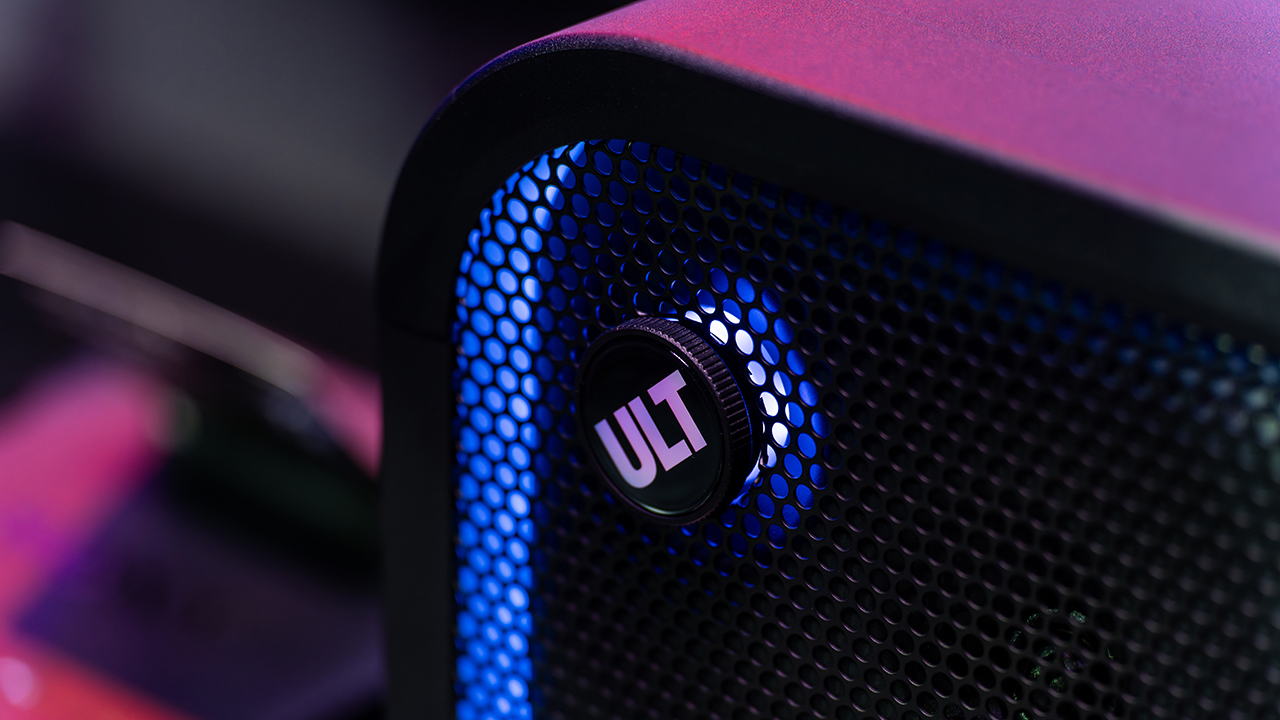
On another note, Sony pitches the ULT TOWER 7 as stage-worthy sound in a portable frame. Meanwhile, the compact ULT TOWER 5 targets smaller gatherings and features karaoke and DJ capabilities.
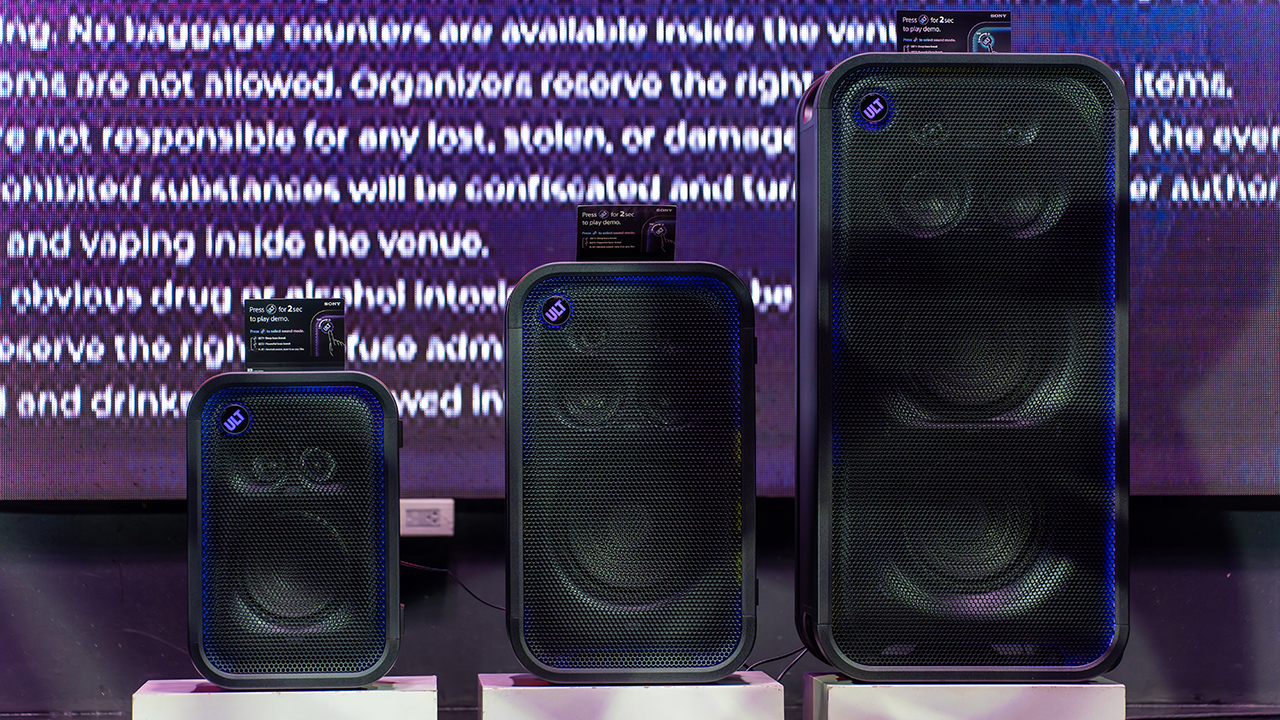
Experiential zones bring the sound to life
Guests explored the lineup across several interactive event zones. Step into the Beat paired an arcade-inspired setup with stacked ULT Towers and a dance pad. ULT Selfie Club handled photo ops.
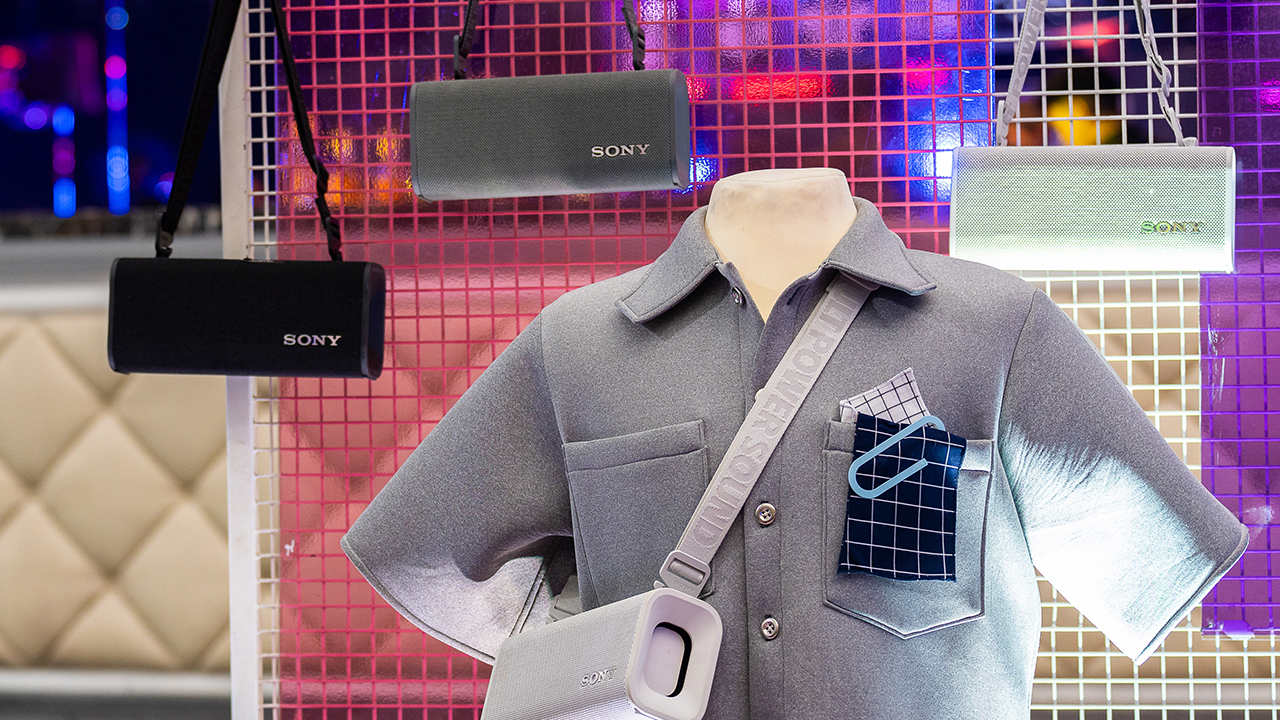
Nearby, ULT Cover Star let guests style ULT Field speakers alongside designer pieces from Alser Lumawag. Here, the speakers served as chic fashion accessories.
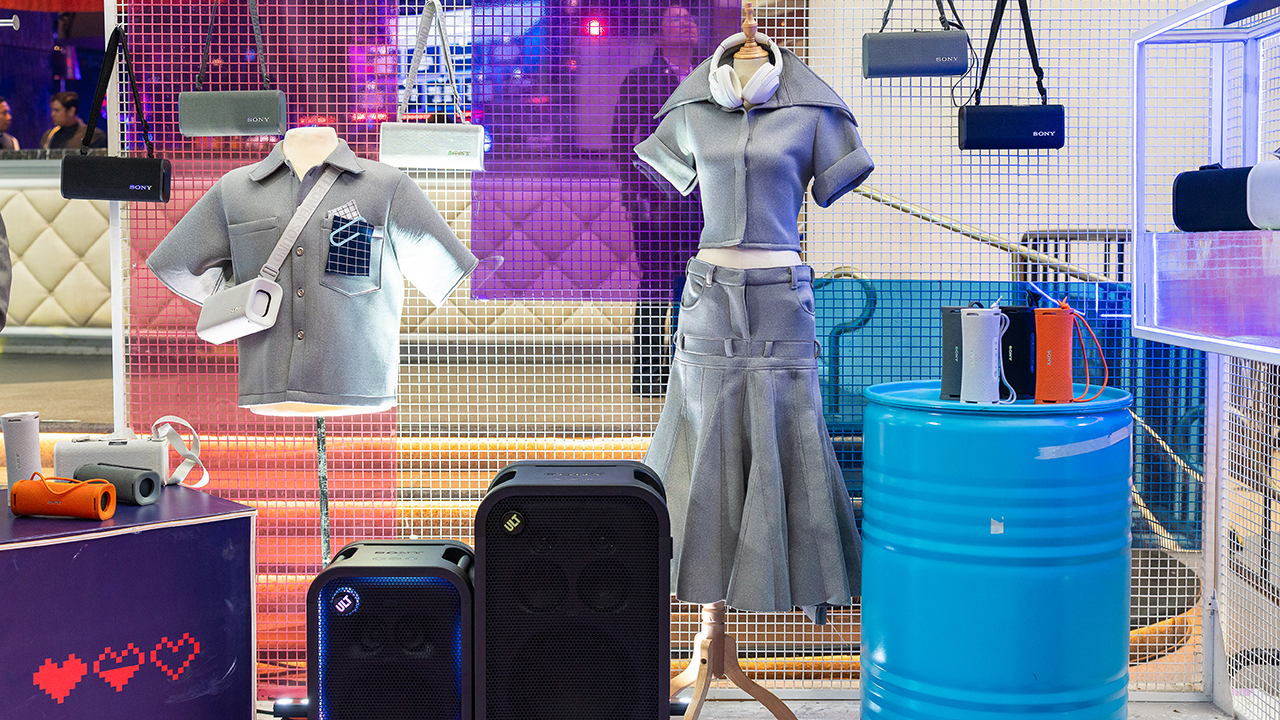
The Bass District gave VIPs and influencers a private, nightlife-inspired lounge. Karaoke Lounges invited everyone else to grab a mic and test the party-ready towers firsthand.
The ULT Squad shows up


Fashion influencer and ULT Squad member Angelique Manto-Guison hosted the night.
A-Team opened the show with a high-energy routine before Carlos Serrano III took the stage. David Guison and Jacqueline Jala walked the stage with ULT Models in elevated fashion, and Jeremy G followed with a dynamic musical performance.


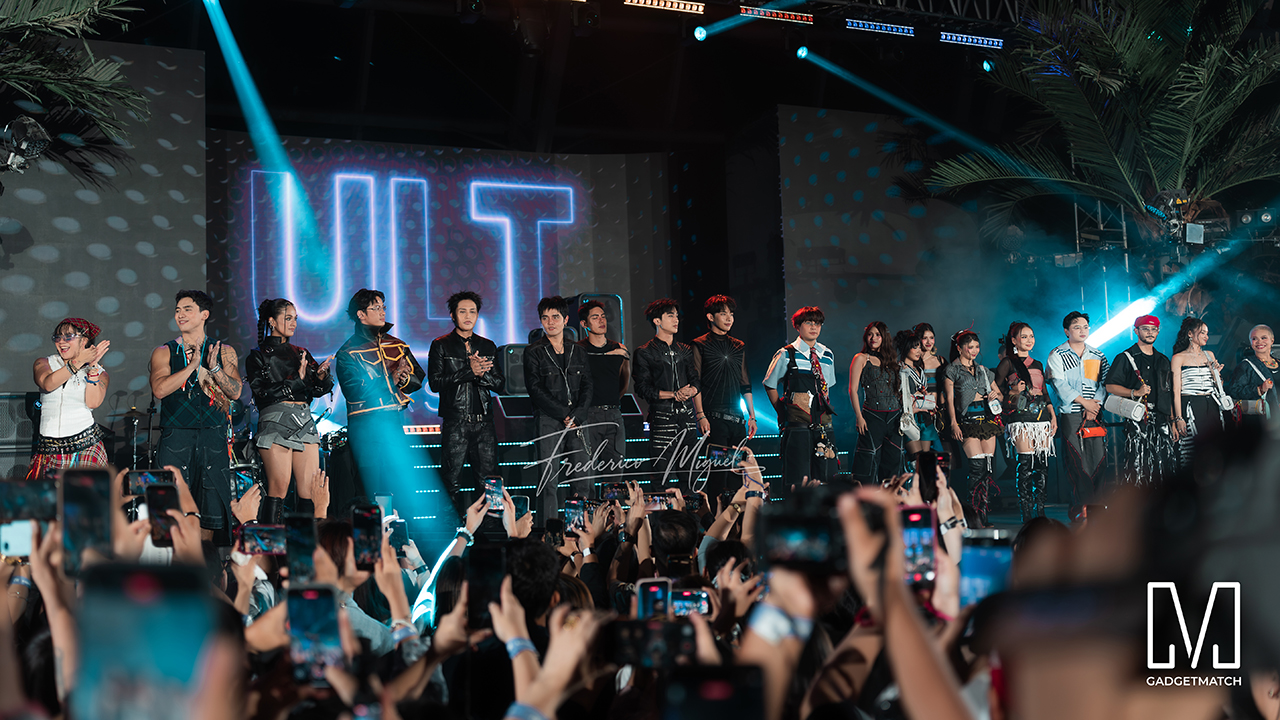
KAIA brought a youthful pop sound, while Maki delivered a set in his signature style.
SB19 closed the night, making their debut as the newest Sony ULT Squad members. Sony pairs its sound technology with the group’s influence in Filipino music. This collaboration positions the Squad as a platform for artists shaping contemporary music culture.
The ULT TOWER MAX, ULT TOWER 7, and ULT TOWER 5 are now available at Sony Centres and authorized dealers nationwide.
Lifestyle
Nike’s Alphafly 4 is built for the part of the marathon ~that actually hurts~
Made to protect your stride when fatigue sets in.
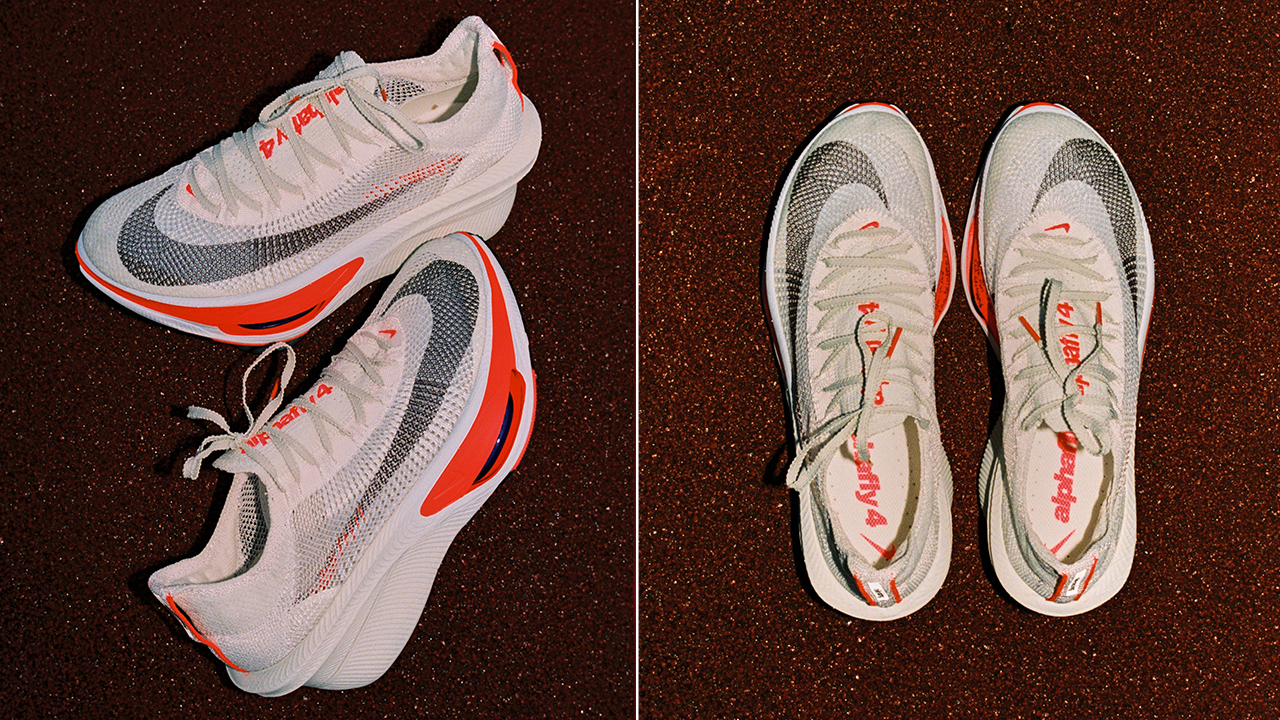
Every marathoner knows the exact moment the race truly begins.
It’s not at the starting line amidst the early morning excitement, but around the 32-kilometer mark, when your legs begin to feel heavy and your form starts to fall apart.
Nike designed its latest marathon racer specifically for that critical window. The Alphafly 4 shifts the focus away from chasing sheer top-end speed, targeting instead the physical breakdown that happens late in a long run.
By studying how fatigue alters a runner’s mechanics over time, Nike rebuilt its flagship distance shoe to help athletes maintain their stride when energy starts to dip.
Holding the line when fatigue sets in
On the road, the shoe operates as a complete, unified system designed to protect your stride.
A redesigned Atomknit upper wraps the foot with breathable support, using targeted midfoot cables and an integrated heel unit to keep your fit secure without adding unnecessary weight or friction over long distances.
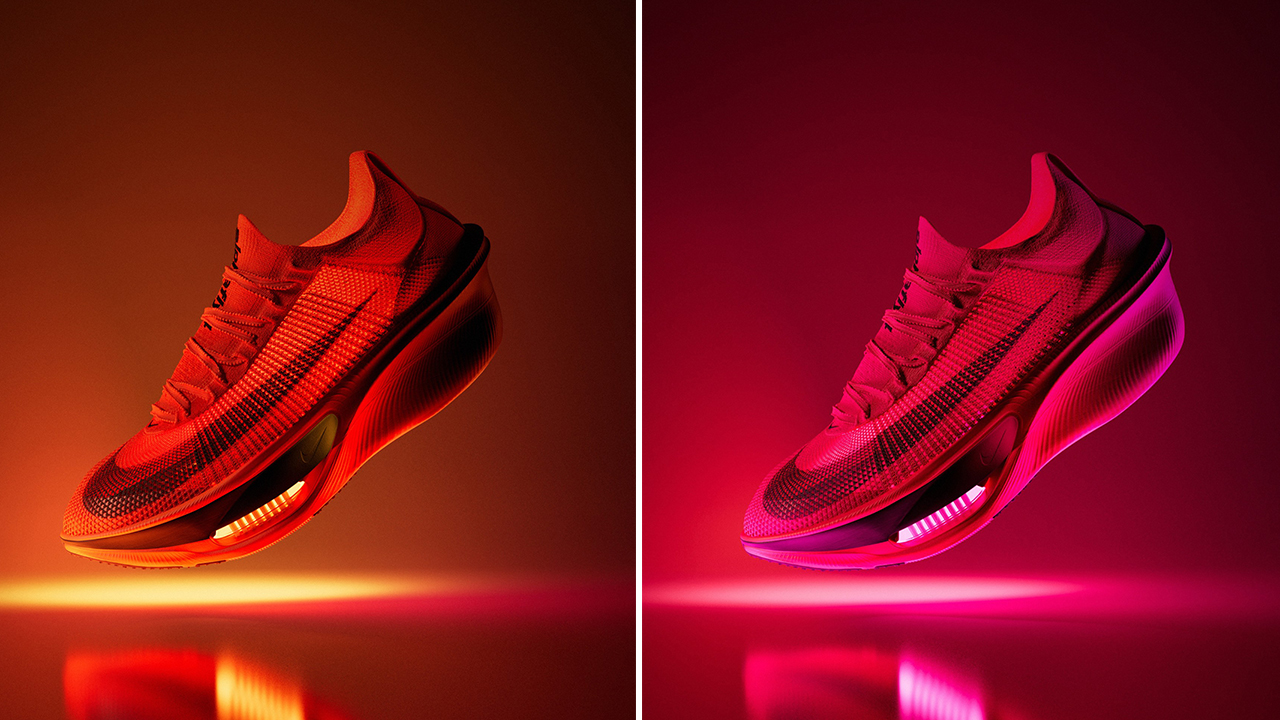
Underfoot, the new ZoomX LT foam layer works alongside Nike’s contoured carbon-fiber Flyplate. The lighter foam returns maximum energy with every footfall, while the plate smooths out your rolling motion.
Together with dual forefoot Air Zoom units and a durable Fast Shot outsole, the setup keeps your cadence consistent and your legs feeling fresh well into the back half of the race.
As Emily Farina from the Nike Sport Research Lab notes, their goal was to help runners stay confident, balanced, and capable from the start line all the way to the finish.
Built on the miles that came before
That focus on real-world endurance stems directly from athlete testing.
Nike developed the shoe using feedback from its Project Dreamweaver initiative and extensive trials with women distance runners, prioritizing stability and comfort alongside high performance.
The lineage carries significant weight. The Alphafly family has grounded some of distance running’s greatest moments, from historic sub-two-hour efforts to major course records.
With the Alphafly 4, that legacy translates directly into everyday marathon training, helping athletes hold their target pace just a little bit longer. Marathoners won’t have to wait long to feel the difference on race day.
The Nike Alphafly 4 drops in an early, limited release on September 17 at nike.com, followed by a wider global release on October 29 online and at select retail stores.
Entertainment
SEGA, Netflix announce Crazy Taxi film adaptation
1st in planned slate of film adaptations, including Sonic and STRANGER THAN HEAVEN


SEGA and Netflix have announced a new Crazy Taxi film adaptation. This will usher in a new collaboration era with the parties also developing adaptations for Sonic and STRANGER THAN HEAVEN.
Such a slate of future adaptations reflects the range of SEGA’s library as it draws on Netflix’s experience bringing beloved game worlds to new audiences.
The first project features Crazy Taxi, which will be written by Dan Gregor and Doug Mand. The beloved writing duo was behind the 2025 reboot of The Naked Gun.
Also on board to help helm the production are the same visionaries behind the Sonic franchise: Neal H. Moritz, Toby Ascher, and Toru Nakahara.
Crazy Taxi has been an arcade hit since 1999, putting players behind the wheel of a fearless cabbie racing the clock through chaotic city streets.
There’s flying off ramps, dodging traffic, and chasing tips with punk-rock energy that has become the series’ signature.
The latest title in the franchise, Crazy Taxi: World Tour, is set for a 2027 release. You can watch its trailer below:


DJI Lito X1 review: Is this the best lightweight drone for creators?
Making a strong case as a travel companion and a capable B-cam!


REDMI Note 17 Pro Max review: A new breed born from AI greed
Welcome to the new normal


Marvel’s Wolverine review: When the claws come out
A brutal, cinematic superhero adventure

vivo introduces OriginOS 7 with smarter multitasking and AI features

vivo X500 Series launches with major imaging upgrades

Manila turns up the volume at COVE

Epson Lifestudio Grand Plus EH-LS970B with 4K projection, more launches

Jackery Explorer 300D: Power and portability in one

realme 16T 5G with 8000mAh battery, IP69 Pro rating launches in PH

HUAWEI Pura X View is 2026’s first WIDE slab-type smartphone

REDMI reveals the refreshed Note 17 and Note 17 Pro series

REDMI Note 17 Series: Price, availability in Singapore

The CAMON Slim 5G is TECNO’s latest ultra-slim smartphone


-

 News2 weeks ago
iPhone 18 Pro series: Price, availability in the Philippines
-

 Singapore2 weeks ago
iPhone 18 Pro series: Price, availability in Singapore
-

 News2 weeks ago
iPhone Duo: Price, availability in the Philippines
-

 News2 weeks ago
vivo introduces refurbished versions of X300 FE, X300 Ultra for less
-

 News2 weeks ago
iPhone Duo: Price, availability in Singapore
-

 Accessories2 weeks ago
CASETiFY upgrades iPhone 18 cases, teases iPhone Duo lineup
-

 News2 weeks ago
HONOR teases Magic9 Pro Max at Venice
-

 Editors' Choice2 weeks ago
GadgetMatch Awards: Best of IFA 2026