
Apps
Hearo app translates sign language to voice and text
Developed and improved via the Apple Developer Academy


The phrase “There’s an app for that!” became commonplace in the early 2010s. With more people getting their hands on iPhones and other smartphones, the number of available apps also increased. A developer from Indonesia saw this as an opportunity and made the Hearo app.
Hearo is an app that can translate sign language into voice and text, providing a more seamless way to communicate with friends who are deaf. The 23-year-old Aisyah Widya Nur Shadrina created the app along with her her all-women team.
Their goal is “to build a more inclusive community where people can communicate without barriers.” The team gained the experience to do so at the Apple Developer Academy in Jakarta, Indonesia.
They were selected for the Apple Entrepreneur Camp in 2020. There, they received code-level guidance from Apple experts and engineers. This significantly improved the in-app navigation and user experience.
This year, Shadrina and her team will attend the Apple Worldwide Developers Conference (WWDC) virtually happening from June 7 to 11. She says she looks forward to learning more about new Apple technologies, frameworks, and tools that can help developers build more innovative and inclusive apps.
Apple Developer Academy
The first Apple Developer Academy opened in Brazil in 2013. Its goal is to provide the tools and training for aspiring entrepreneurs, developers, and designers to find and create jobs in the thriving iOS app economy.
The program has empowered students around the world with app development and entrepreneurial training. May of the said students have gone on to start their own businesses, create and sell apps on the App Store, and give back to their communities.
Since then, the company has opened more than a dozen academies across the world. Two more are on the way: one in Korea, and one in Detroit, Michigan–the first-ever US location.
Applications for the first academy cohort in Detroit — Apple’s first Developer Academy in the US — open this week. It will open in October in a newly redesigned space in downtown Detroit. It is part of Apple’s Racial Equity and Justice Initiative.
All Michigan residents 18 and over are welcomed to apply, regardless of prior coding experience, at developeracademy.msu.edu/students.



Apps
Firefox ad reunites all your favorite memes from decades ago
The Numa Numa Guy, Annoying Orange, and Chocolate Rain are back!


Before Tung Tung Tung Sahur and Skibidi Toilet, the early internet was populated by charismatic personalities looking to make their presences felt in a land that didn’t have a lot of rules yet. As early users, we danced to “Dragostea din tei,” belted out “Chocolate Rain,” and copied “Shoes” word-for-word. Today, Firefox is bringing all those good memories back for a grand reunion.
In a new ad, the web browser featured ten of the biggest stars of the early internet including the aforementioned Numa Numa Guy, Tay Zonday, and Shoes’ Kelly. You can also see Annoying Orange, Chuck Testa, Overly Attached Girlfriend, Bad Luck Brian, Where the Hell is Matt?, the Apparently Kid, and the Success Kid.
Now, this isn’t just a reunion. The ad has a clear message about today’s most concerning issue: AI. Everything has “built-in AI, always asking, asking, asking,” as the Annoying Orange said.
“They make money by following us, and somehow, I’m the creepy one?” the Overly Attached Girlfriend asked.
All these famous personalities are asking what happened to the internet today. Obviously, the big takeaway is that we should all go back to Firefox.
Compared to other browsers, Firefox has a lot of built-in features that offer a lot of control for users. For one, it has its own VPN for privacy. Secondly, reflecting the ad’s message against AI, the browser has a toggle to minimize AI features.
SEE ALSO: Google illegally destroys 250,000 trees for a single AI data center
Apps
Salesforce introduces Slack Frontline for deskless workers
Simple, secure, mobile-first way for deskless teams across retail, healthcare, manufacturing, field service

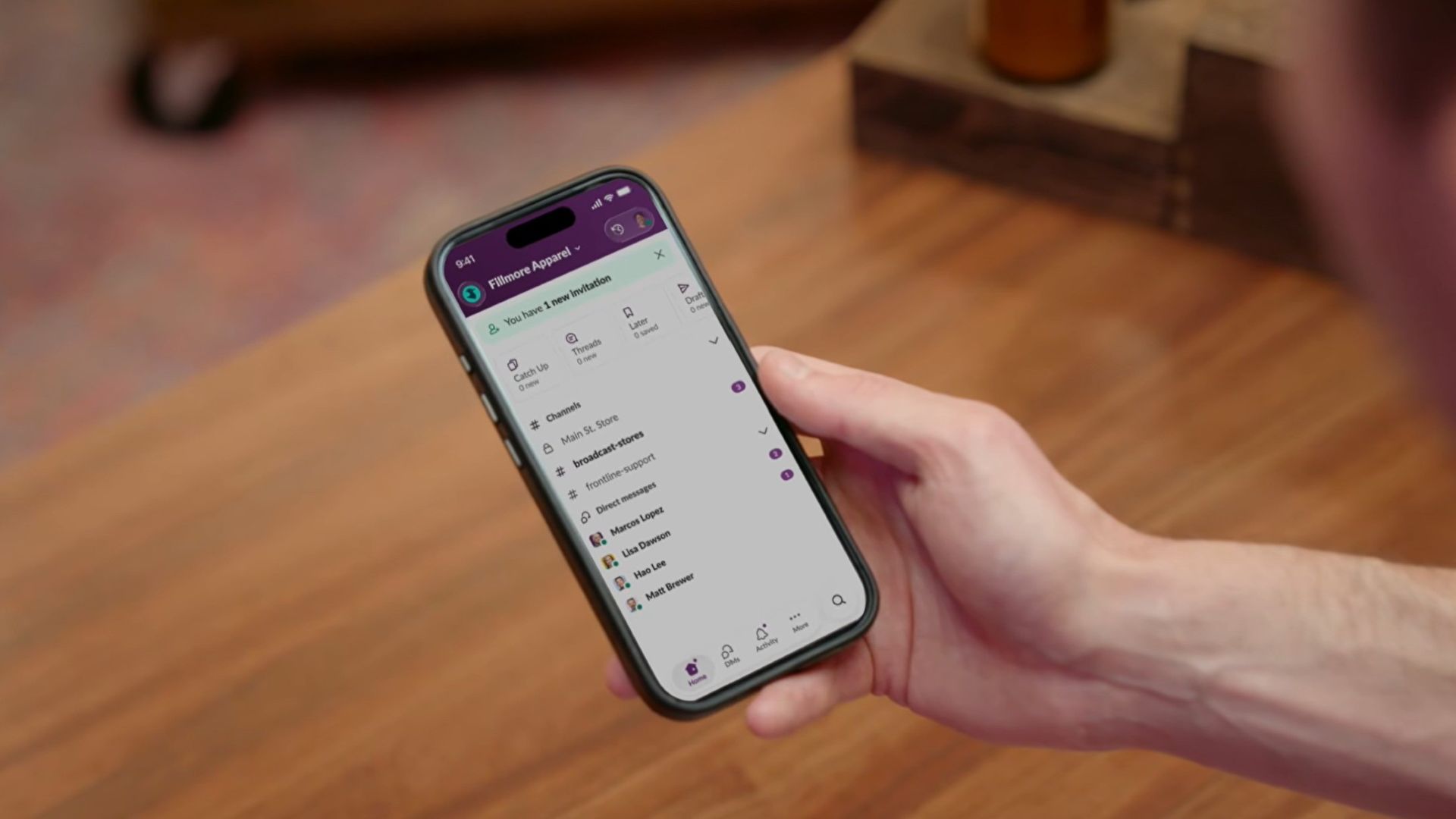
Salesforce is bridging the massive divide between corporate headquarters and deskless workers with the launch of Slack Frontline.
This new solution is designed specifically for retail associates, healthcare providers, factory workers, and field crews.
The mobile-first workspace brings communication, data, role-specific tools, and AI together in a single clutter-free app.
While frontline employees make up about 80 percent of the global workforce, they have historically been left out of workplace transformation, often relying on paper checklists, group texts, and broken communication loops.
Slack Frontline addresses these challenges by giving mobile workers up to 10 role-relevant channels, instant Huddles with headquarters, on-demand AI agents, and automated workflows.
Backed by Salesforce data and enterprise-grade security, the platform lets IT teams govern the entire workforce under one secure layer with employee ID sign-ins, multifactor authentication, and compliance configurations like HIPAA.
This ensures that critical updates, training materials, and shift handoffs reach workers directly in their pockets without needing corporate email addresses or shared terminals.
Moreover, the platform is tailored to transform operations across multiple industries, including retail, home healthcare, manufacturing, hospitality, and field services.
For instance, retail teams can instantly sync promotions and monitor inventory, while healthcare professionals can securely review patient histories and coordinate care on the go.
Manufacturing and hospitality teams benefit from drastically reduced downtime and faster issue resolution, cutting response times significantly.
Slack Frontline is available now as an add-on for businesses on the Slack Enterprise+ plan.
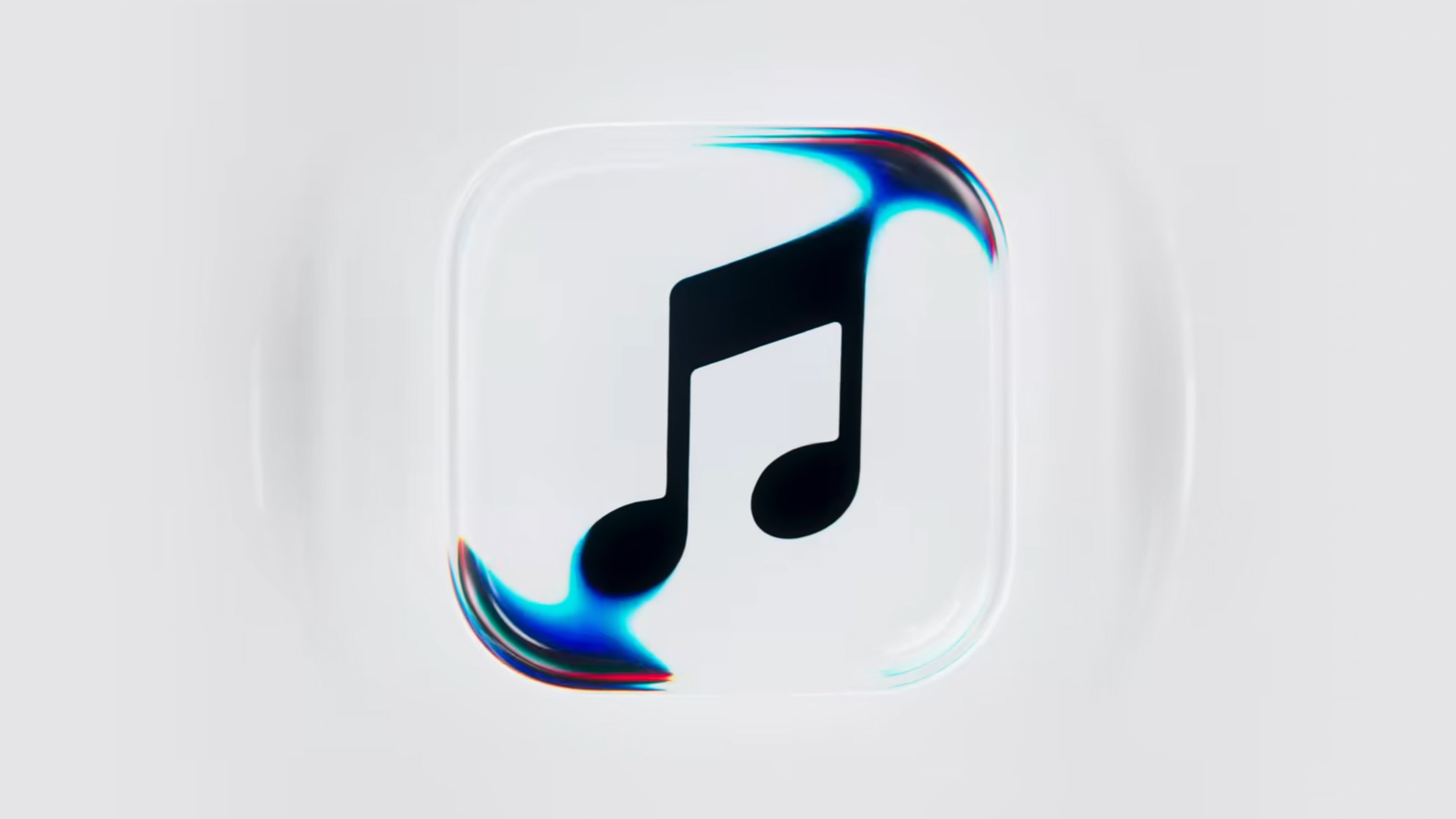
Apple Music is getting a revamp. In one of the tamer things going on with the brand today, Apple has introduced a new design language for its native music streaming platform.
In the midst of all the hubbub surrounding the iPhone Duo, Apple released a change in the visual identity of Apple Music. Rather than a static logo, the platform’s newest evolution offers a dynamic look that melds Liquid Glass and the power of sound together.
Confirmed through a behind-the-scenes video, Apple says that the new aesthetic was made with practical effects. Music producer Fred Again and NEST Acoustics submerged the platform’s logo in a tank of mineral oil and creating ripples with sound. The new language matches well with the chrome aesthetic typical of today’s trends and… well, Liquid Glass, of course.
Apple says that the more ripple-filled version will play before longer content like concert recordings (similar to Netflix’s startup stinger). Meanwhile, a black-and-white version will replace the app’s icon currently colored red and white. Current previews show off a simple logo, but it’s unknown whether Apple is adding a but more elements when the final version drops.
The updated version will debut for users after next week’s iOS 27.2 and macOS 27.2 updates.
SEE ALSO: Apple iPhone Duo Unboxing and Hands-on


Apple iPad mini OLED review
Has the mini gone PRO?!


ROG G700 review: The best prebuilt PC you can get off the shelf
This PC will make you stop worrying about specs.


HP OMEN Max 16 review: Gamer-maxxing in deep black
Peripherals deemed necessary to max this out

Power Mac Center x ADAM elements pop-up offers holiday deals

NVIDIA might fire CEO Jensen Huang after alleged second affair

How to change your Nintendo eShop region

When innovation meets culture

St. Peter reunited people with their deceased loved ones through tech

Your coffee nook is getting a makeover with Starbucks’ holiday collections

vivo V80 debuts with ZEISS cameras

vivo V80 review: Good phone, tough sell

OPPO Find X10 Series: Price, availability in the Philippines

TECNO CAMON Slim 5G gets launch discounts, free MagBadge


-
 Lifestyle1 week ago
Your coffee nook is getting a makeover with Starbucks’ holiday collections
-

 Lifestyle2 weeks ago
Sticker season is back, and so is the planner your ~friends~ might fill in for you
-

 Gaming1 week ago
Wild Rift Patch 7.3, celebrates K/DA comeback
-

 News6 days ago
Sony revives classic Walkman headphones with USB-C MDR-3R
-

 Gaming2 weeks ago
FromSoftware’s The Duskbloods delayed to 2027
-

 Gaming2 weeks ago
Demon Slayer: The Hinokami Chronicles 2 launches on Switch 2
-

 Features1 week ago
Inside Infinix’s first global concept store in Bali
-

 Philippines1 week ago
LG showcases its latest AI TVs in the Philippines