
India
Here’s how India is trying to be China in the smartphone game
The world’s second-largest smartphone market has more to offer


China is practically the world’s production powerhouse. And India wants to follow the same path. India’s Central government has approved three schemes to enable large scale electronics manufacturing and attract fresh investments worth almost INR 50,000 crore (US$ 6.3 billion) in the sector.
The government aims to provide companies a production-linked incentive of 4 percent to 6 percent on incremental sales for locally made goods over a period of five years. This not only includes mobile phone manufacturing but also assembly, testing, marking and packaging.
The other policy offers a 25 percent financial incentive for capital expenditure that goes towards “the manufacturing of goods that constitute the supply chain of an electronic product”. With these incentives, the government is optimistic that companies will come to India, contribute to progressing infrastructure, and make export-quality goods.

Inauguration of Samsung’s Noida Factory in India
According to their estimates, domestic value addition for mobile phones is expected to witness 35 to 40 percent jump by 2025, from the current 20-25 percent.
So far, companies have focused on assembling equipment like smartphones in India. A huge chunk of the components are still imported. These policy changes could act as a stimulant to locally source electrical components, semiconductors, as well as develop production clusters.
Bangalore and Hyderabad are infamous for their IT Tech Parks that house thousands of employees from IT service firms like TCS, Infosys, Accenture, and many more. Similarly, the government wants to create production clusters that can develop an eco-system of their own. These clusters can create a seamless supply chain when paired with proper land, air, and shipment infrastructure.
The timing of the announcement is what matters the most. China is embroiled in a trade war with the US for quite some time and we’ve seen how a giant like Huawei got caught in the cross-fire. Companies are skeptical about depending too much on China for production and sourcing. Hence, countries like Vietnam have witnessed a huge inflow of foreign investment from the likes of Nintendo, Foxconn, and even Samsung.
India is very much like Vietnam. A developing economy that’s on the look-out for foreign investment and enhances local production capabilities. This not only helps the government increase its tax revenue via taxation, but also provides employment. Considering the current Coronavirus crisis, it’s obvious that these plans may not materialize soon. But, as soon as the storm is gone, companies would want to find an alternative to China.

Prime Minister, Narendra Modi with Apple CEO, Time Cook
It’s reported that the alleged low-cost iPhone from Apple has been delayed due to the pandemic. Irrespective of the current health crisis, Apple has been trying to ramp up its local production in India and has done so, cautiously. India is the world’s second-largest smartphone market and every brand wants a piece of the cake. Realme and Xiaomi have been intensely fighting for supremacy, Samsung continues to lead via the offline market, and OPPO and Vivo have flooded all commercial banners with their products.
Xiaomi currently has seven plants in India, major ones being at Sri City and Sriperumbedur. It also makes its televisions in Tirupathi. Manu Kumar Jain, Vice President, Xiaomi, and Managing Director, Xiaomi India said that 95 percent of Xiaomi’s phones are made in India with 65 percent of a phone’s value being sourced locally. The government has been successful in compelling companies to make in India because it consistently kept on raising import duty on smartphones.
Samsung already has the world’s largest mobile phone factory in India that assembles top-tier variants, ready for export. We don’t know the volume it churns out right now, but their long-term investment is a precedent for other brands to take the market seriously. OnePlus has a research facility in Hyderabad where it makes software products intended for the Indian market.
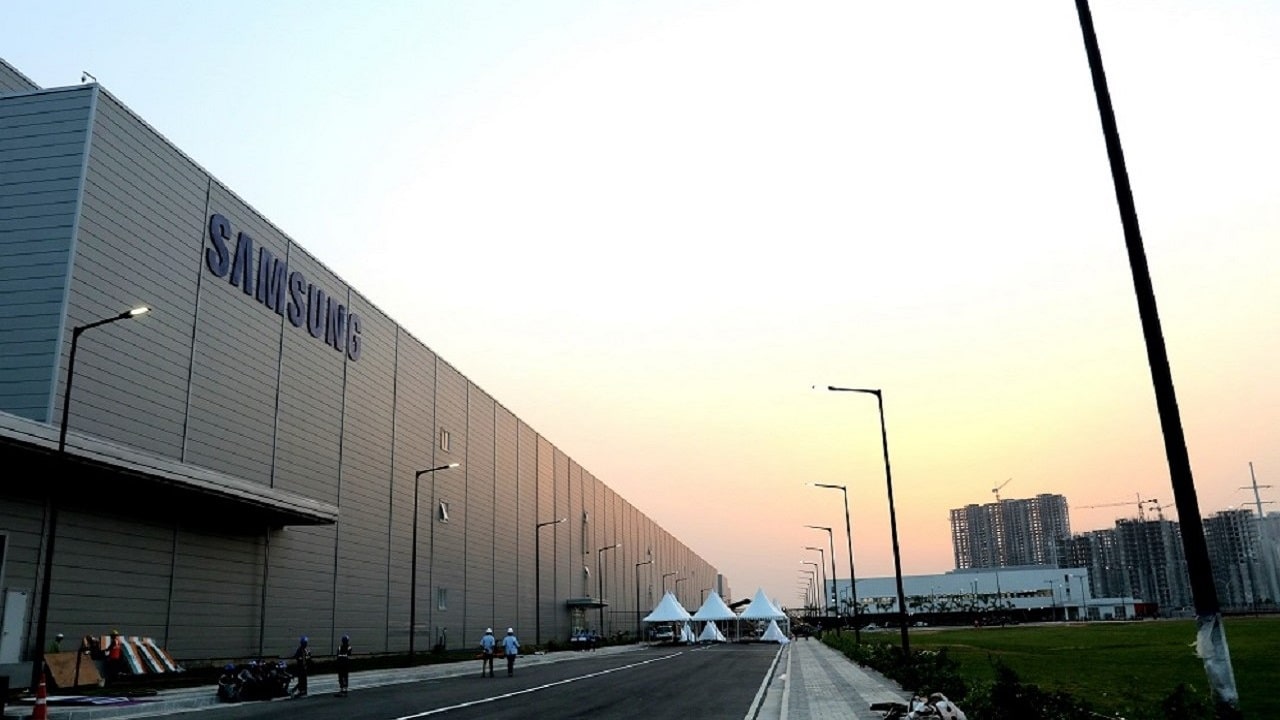
Samsung’s factory in Noida, India
According to industry ICEA, the NOIDA region (a part of Delhi NCR) has close to 80 mobile manufacturing factories that provide employment to approximately 50,000 people. It’s normal today to see companies release press notes announcing new facilities across the country that’ll employ thousands of people.
Prime Minister Narendra Modi kickstarted the “Make in India” campaign five years ago to encourage foreign companies to invest and build in India. While its effects are debatable in a few industries, there’s no doubt that the mobile industry has picked up exponentially. State governments of Karnataka, Andhra Pradesh, Telangana, Uttar Pradesh, and Tamil Nadu have played a major role in establishing these clusters that symbolize progress.
Engineers are widely available in India, the country has developed multiple ports under the private-public model, and numerous airports are under construction. India is already the world’s second-largest smartphone maker, but the gap is huge. It’s about briding this. Obviously, the scale at which China produces is unmatchable. But that cannot undermine India’s efforts to be more relevant on the global stage. From a purely consumption-based economy, it’s slowly trying to turning into a production backed state.







India
Nothing opens first India store in Bengaluru
New retail space blends self-expression, creator culture, and community play.

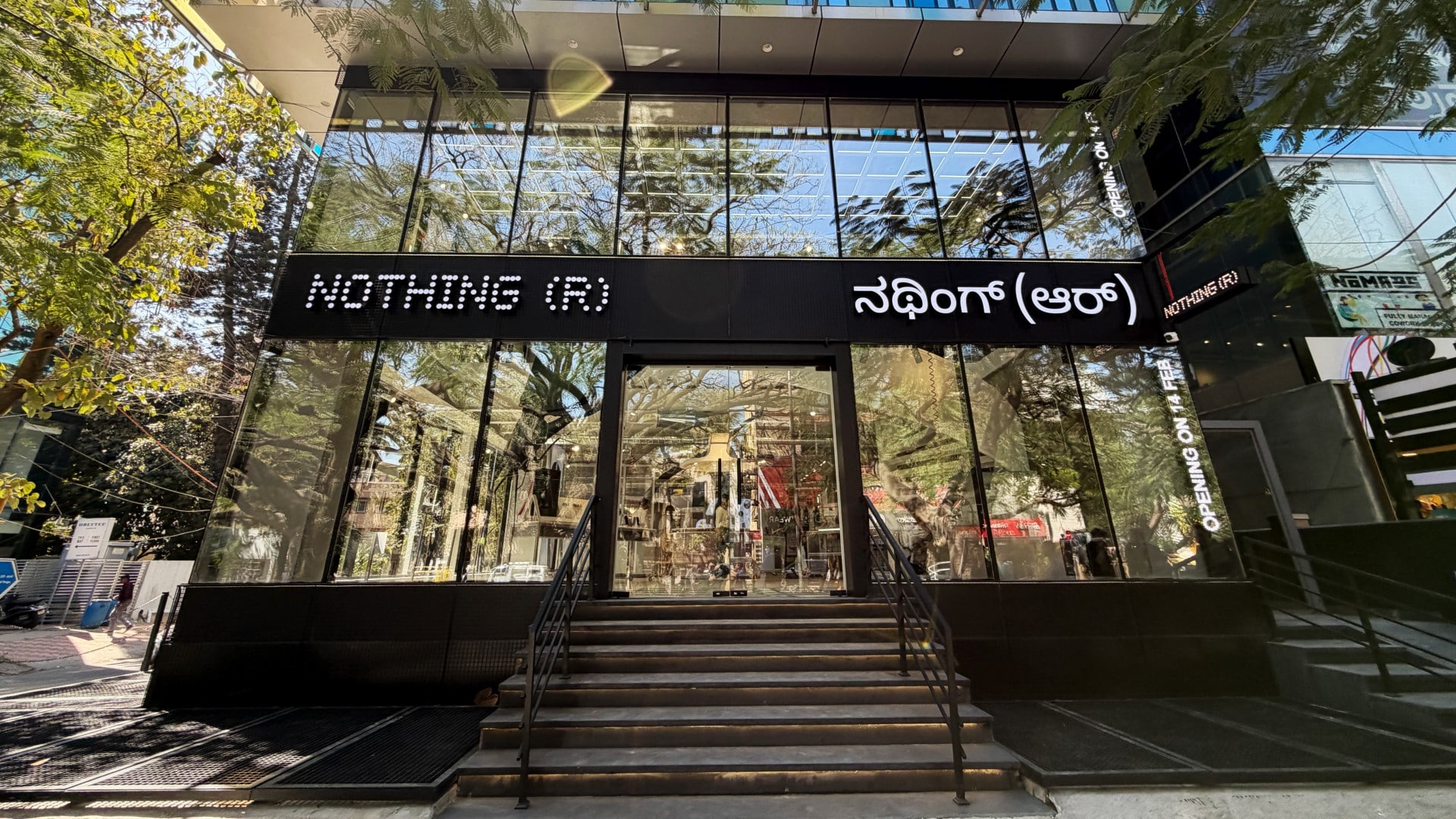
Nothing has officially opened its first India store in Bengaluru, marking a major step in the brand’s global retail expansion.
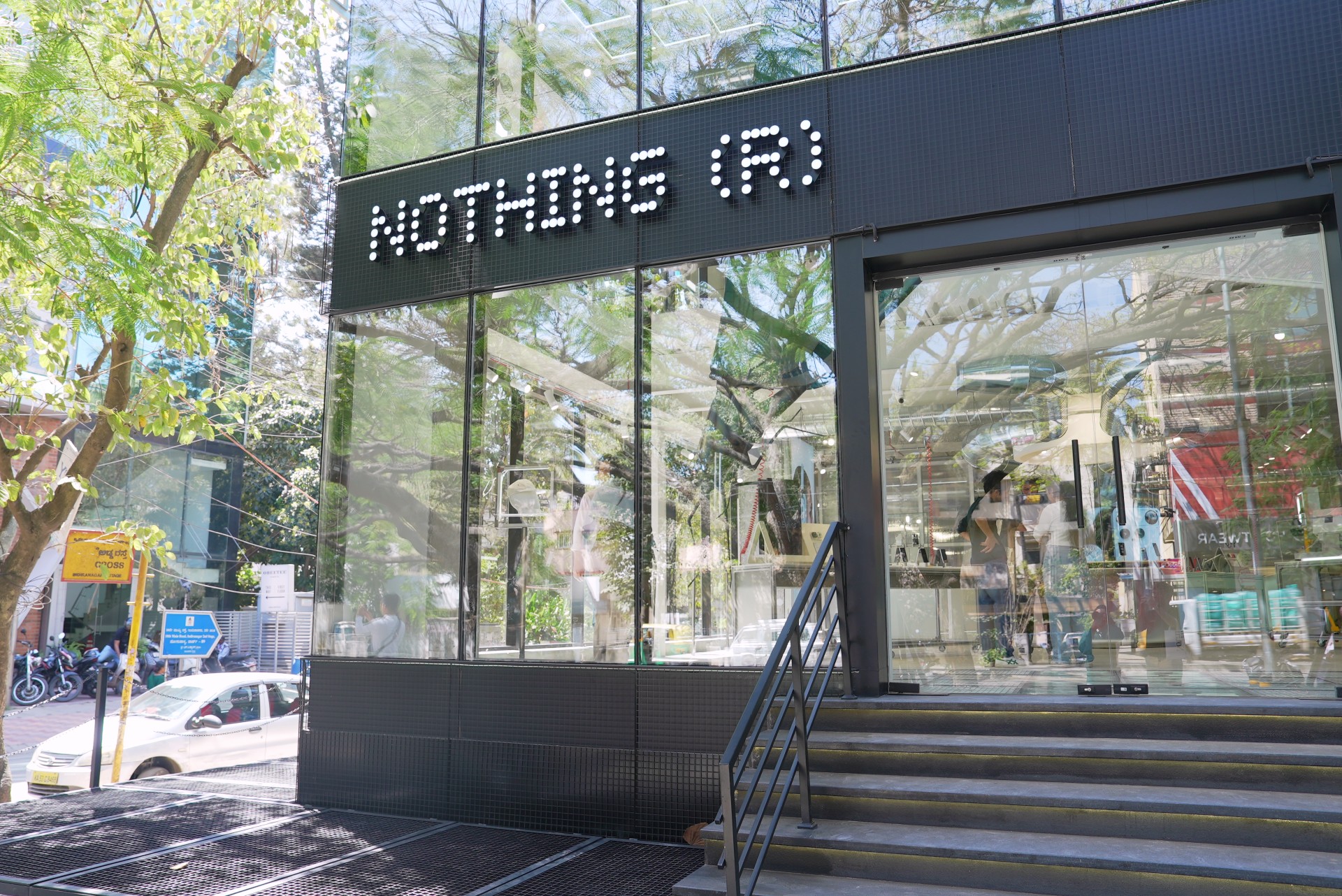
Located in Indiranagar, Nothing Store Bengaluru spans 5,032 square feet across two floors. The space draws inspiration from 1970s assembly lines and workshops, translating Nothing’s rebellious design language into an interactive, hands-on environment built for the local community.
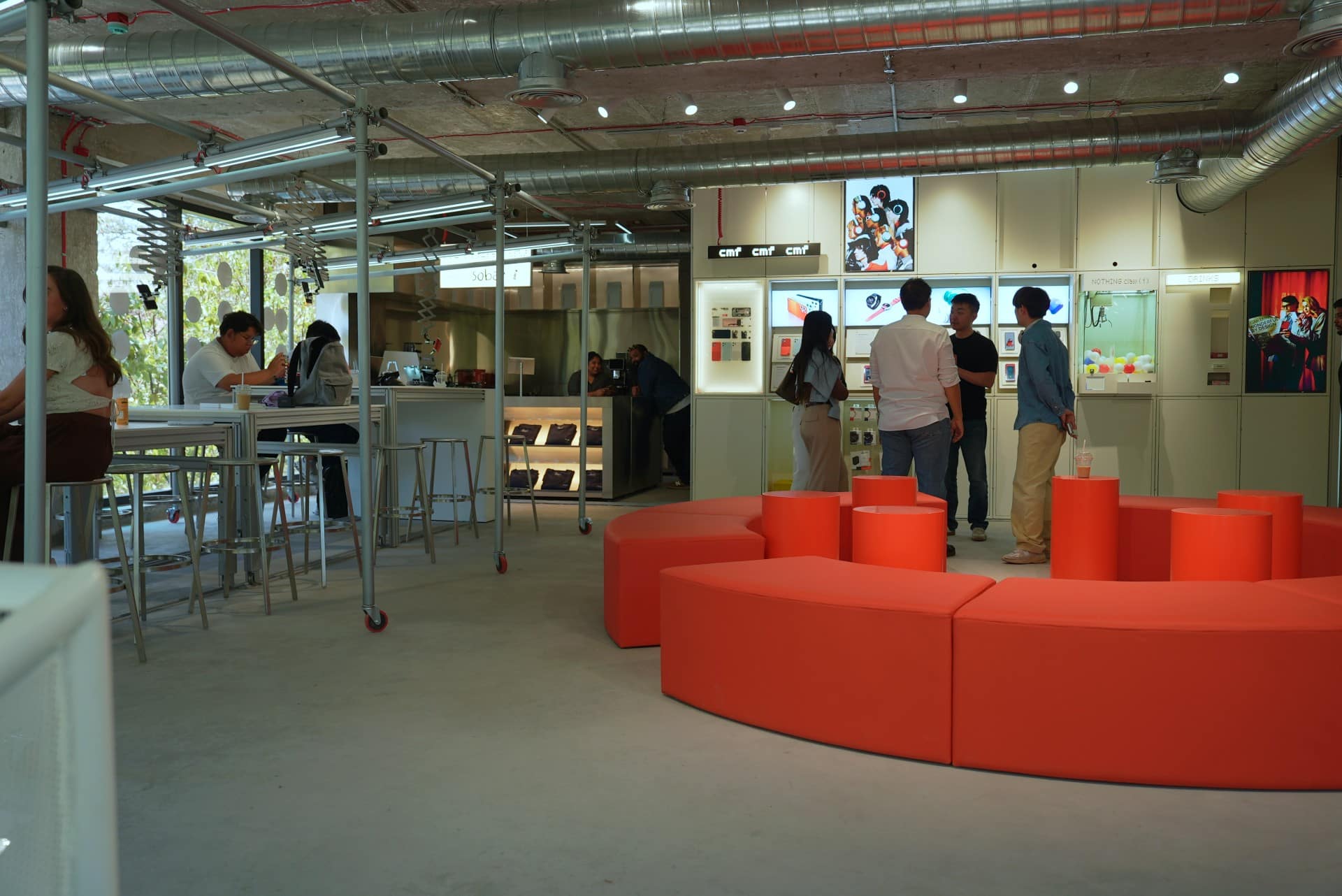
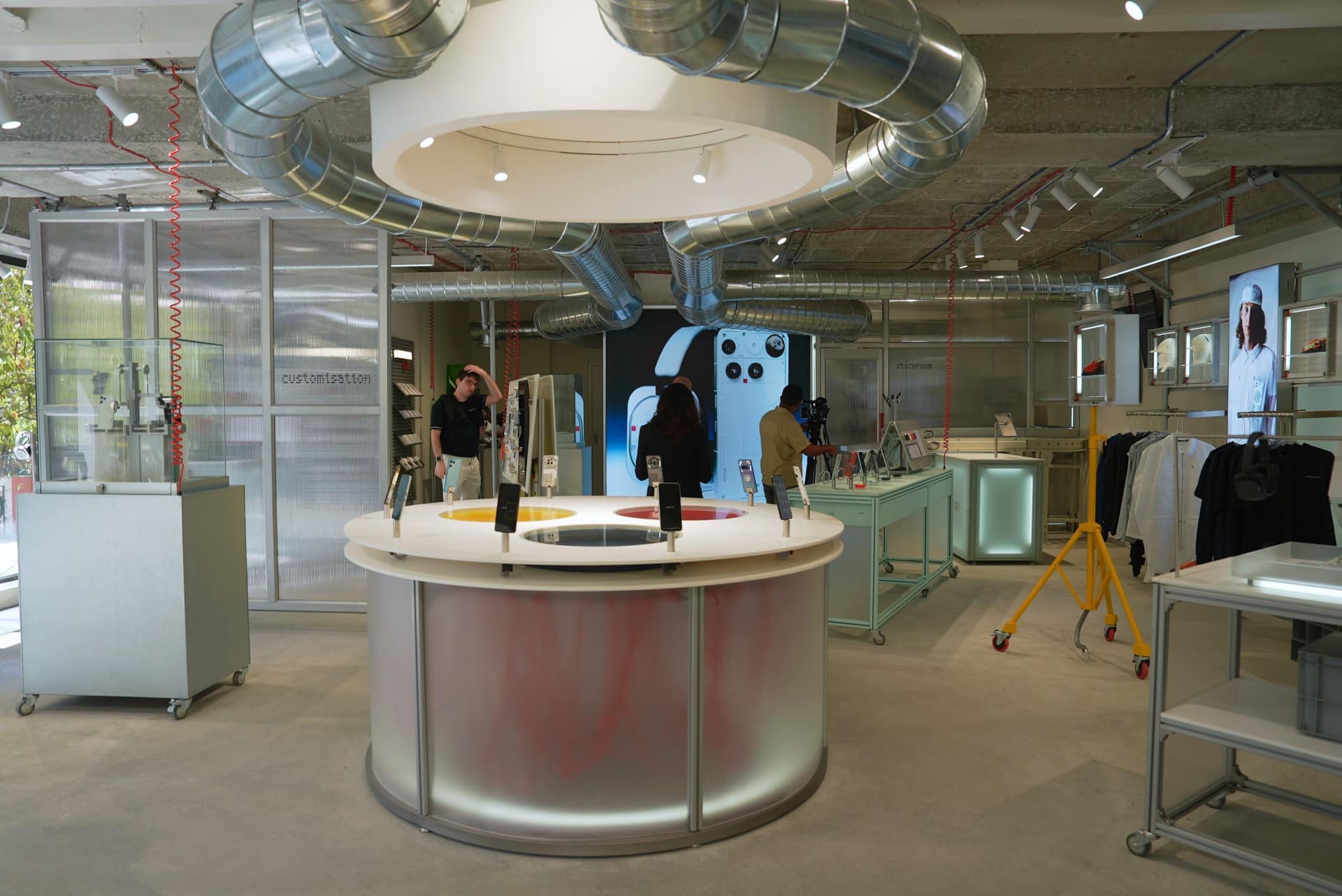
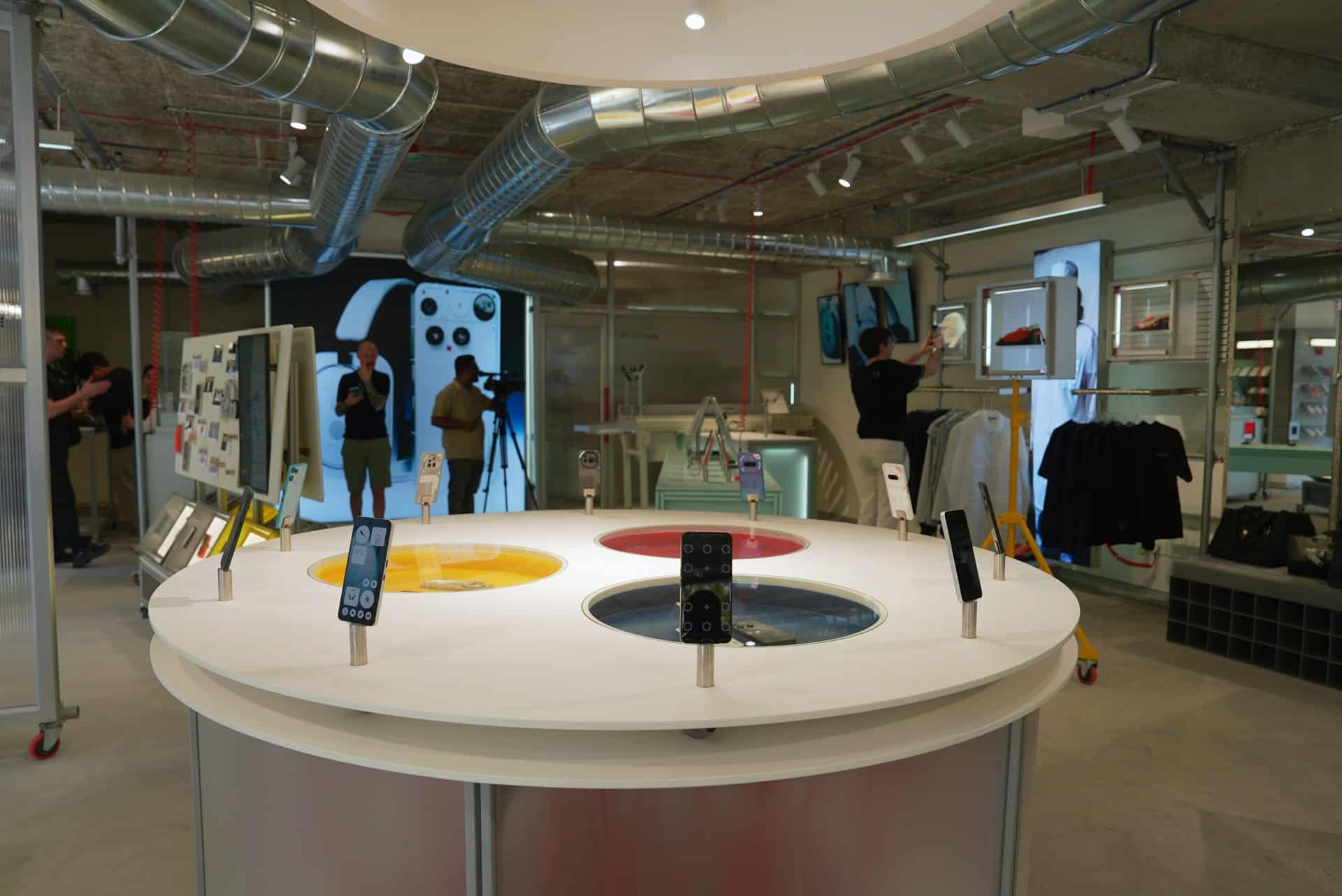

The store puts self-expression at its core. It is the only Nothing location worldwide where customers can personalise their products. A dedicated studio also supports creator unboxings and hands-on content, reinforcing the brand’s focus on co-creation.
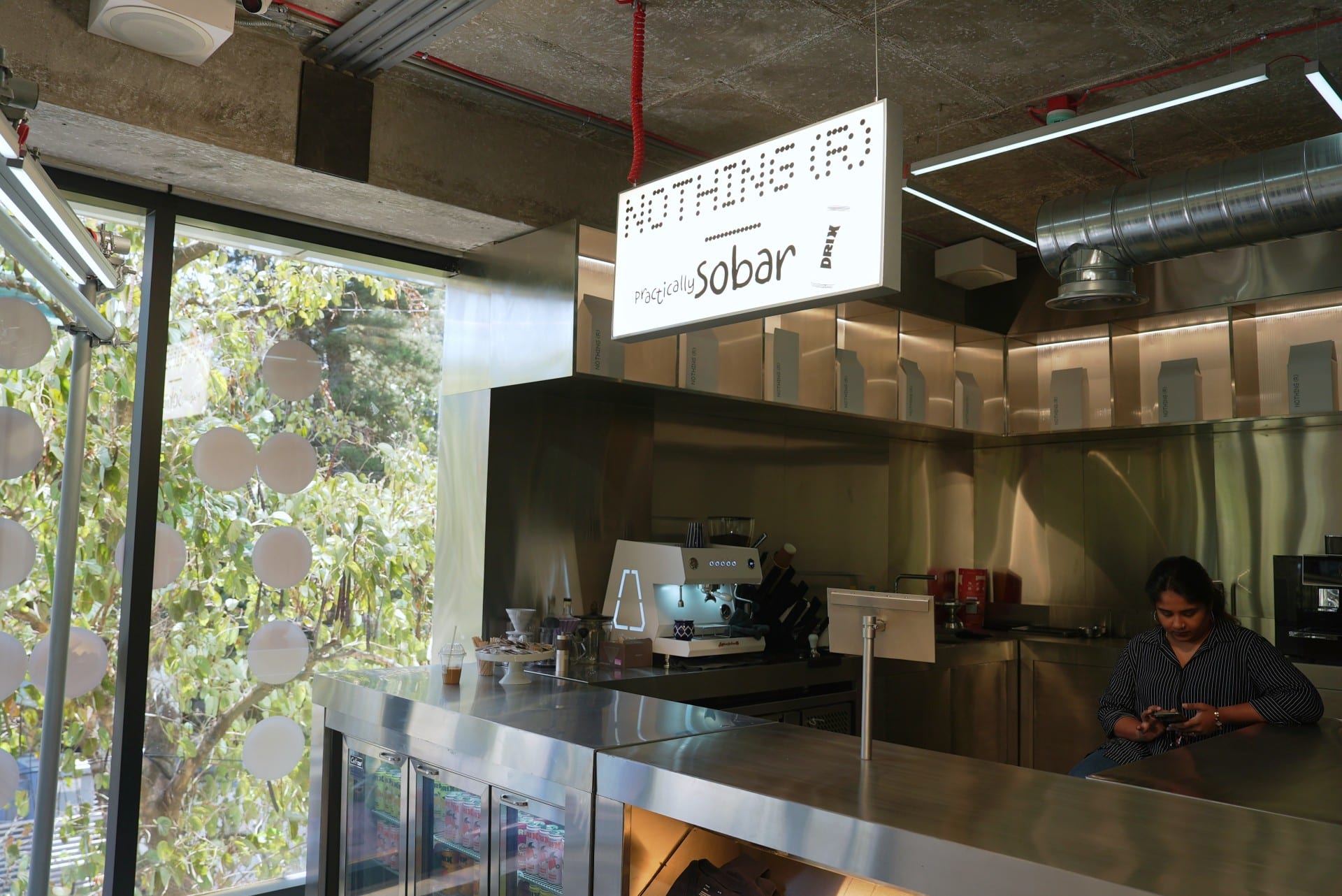
The space includes a community hangout zone for events and meetups, alongside playful elements such as vending machines, claw games, and conveyor-belt displays. An in-house coffee shop, seating areas, and workshop spaces position the store as a cultural hub rather than a traditional retail outlet.
View this post on Instagram
Nothing and CMF products are available in store, alongside official Nothing merchandise. The brand says the location will evolve over time through collaborations, workshops, and limited-run installations by local creators, reflecting the rhythm and voices of the city.
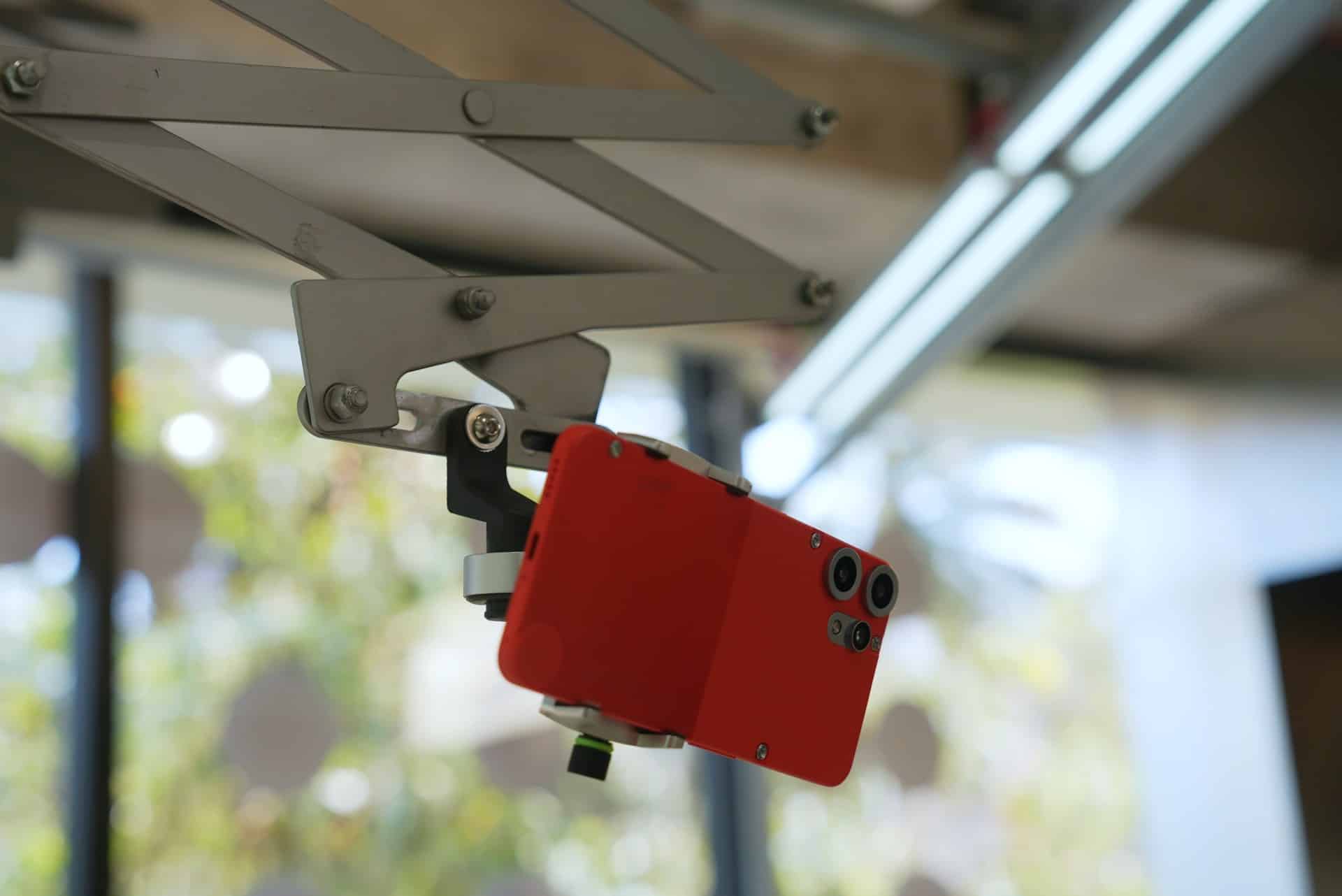
Bengaluru was chosen for its role as India’s innovation capital and its community of early adopters, creators, and cultural tastemakers. Indiranagar’s creative energy and lifestyle focus made it a natural home for Nothing’s first physical store in the country.
The Bengaluru opening builds on Nothing’s first store in Soho. The company has confirmed plans to open additional locations in New York and Japan.
Nothing Store Bengaluru opens on February 14, 2026, at 12:00 PM IST. It is located at 660/1, 100 Feet Road, 1st Stage, Indiranagar, Bengaluru. Regular store hours are 10:00 AM to 9:00 PM daily.
India
TECNO POVA Curve 2 5G packs an 8000mAh battery
The brand’s biggest battery in a smartphone yet

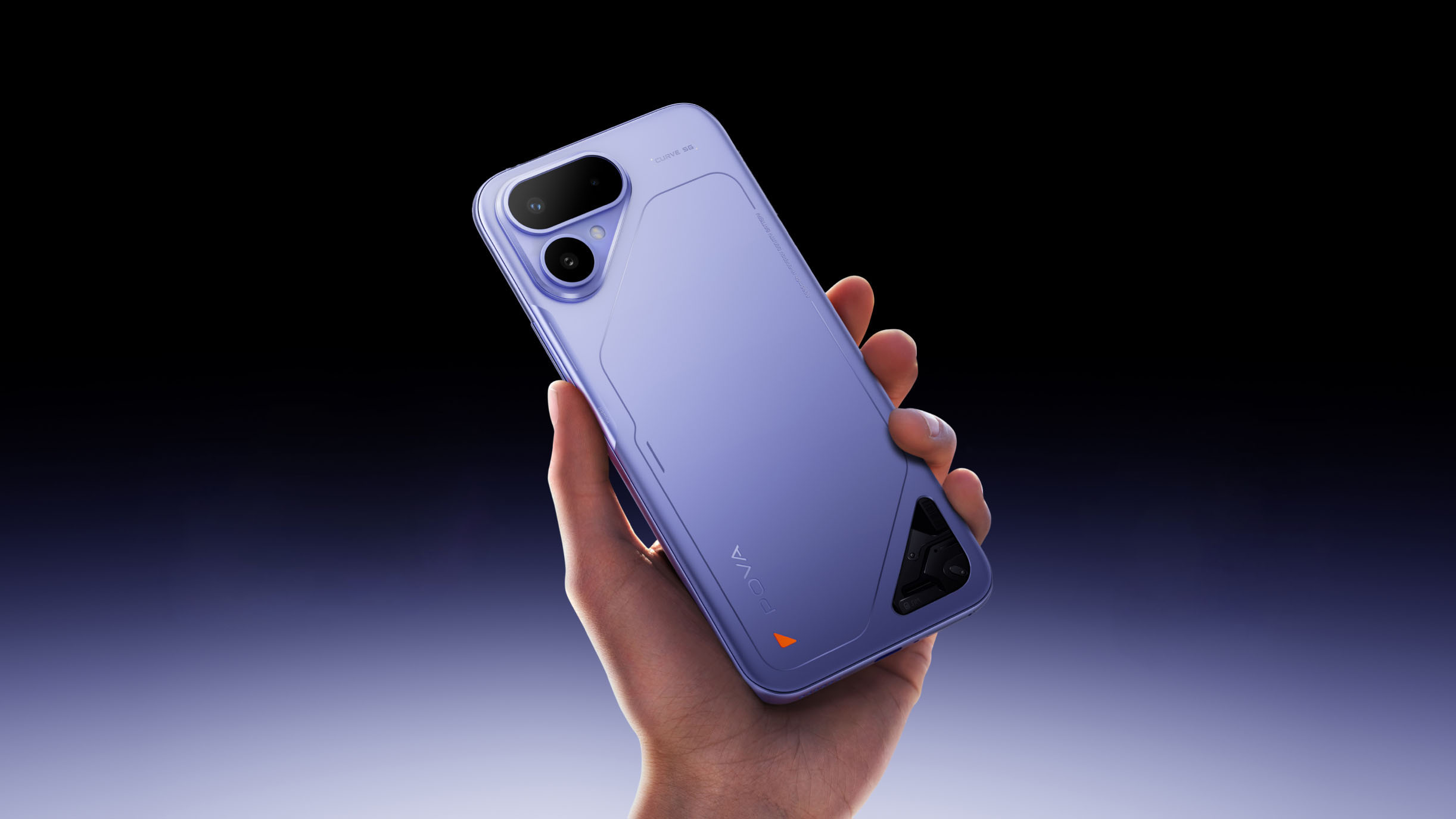
This 2026, TECNO is refreshing its performance-focused POVA lineup by adding a new member in it.
Big power without the bulk
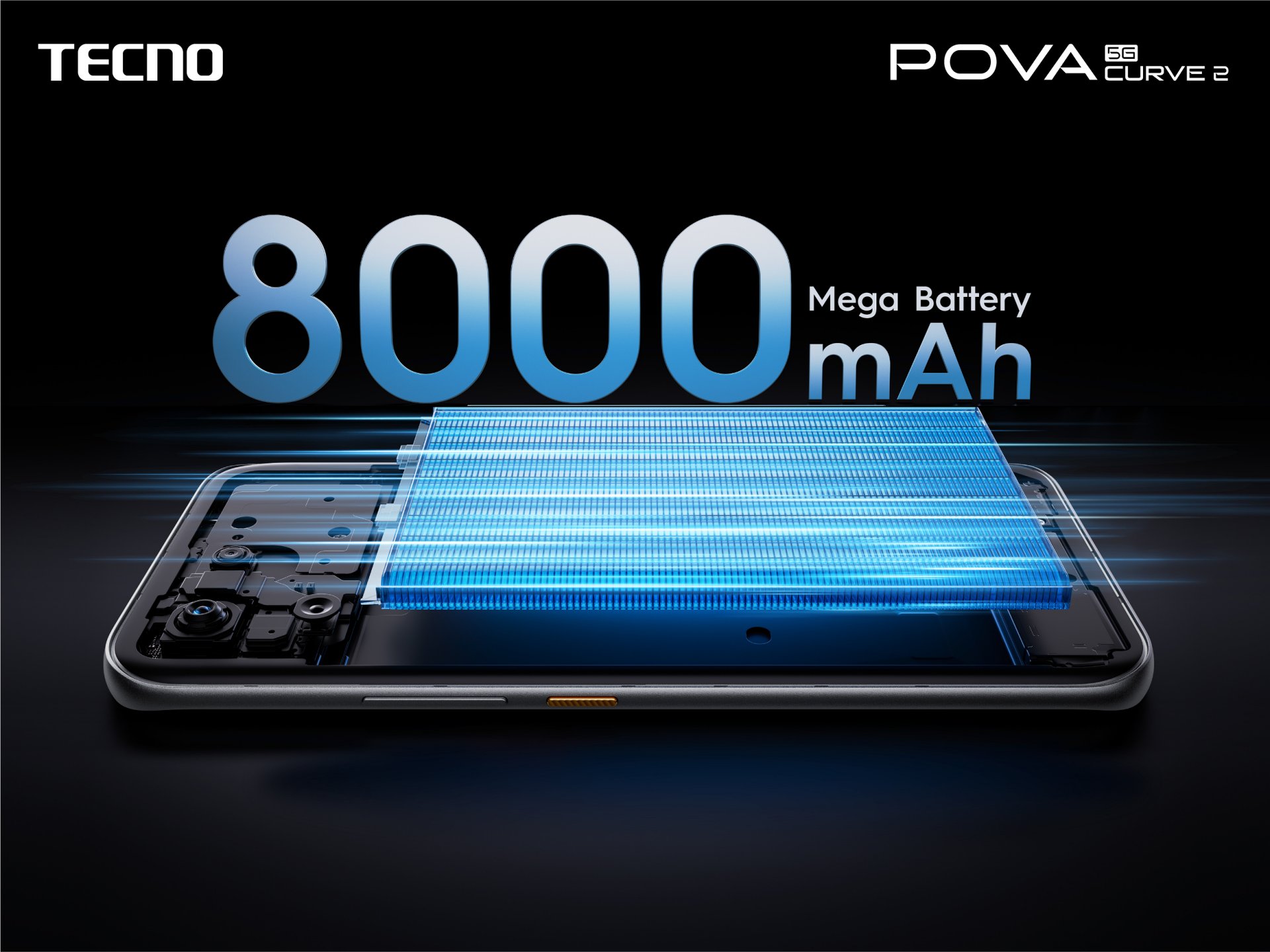
Despite its slim and curved 7.42mm design (and weight of only 195g), the POVA Curve 2 5G arrives with TECNO’s largest battery yet — 8000mAh battery to be precise.
TECNO says the battery is TÜV SÜD-certified for long lifespan and is engineered to last up to six years. It’s also rated to operate in extreme temperatures ranging between as hot as 60°C (140ºF) or as cold as -20ºC (-4ºF).
If you’re already in a pinch, there’s the 45W fast charging with Bypass charging support in tow.
Durability was not compromised as it has a Corning Gorilla Glass 7i Front Glass protection, IP64 water and dust resistance rating, even SGS-certification for 1.5m drop protection.
Speaking of front, it features a curved 6.78-inch AMOLED display with a 144Hz refresh rate. Beneath that glass lies MediaTek’s Dimensity 7100 5G SoC.
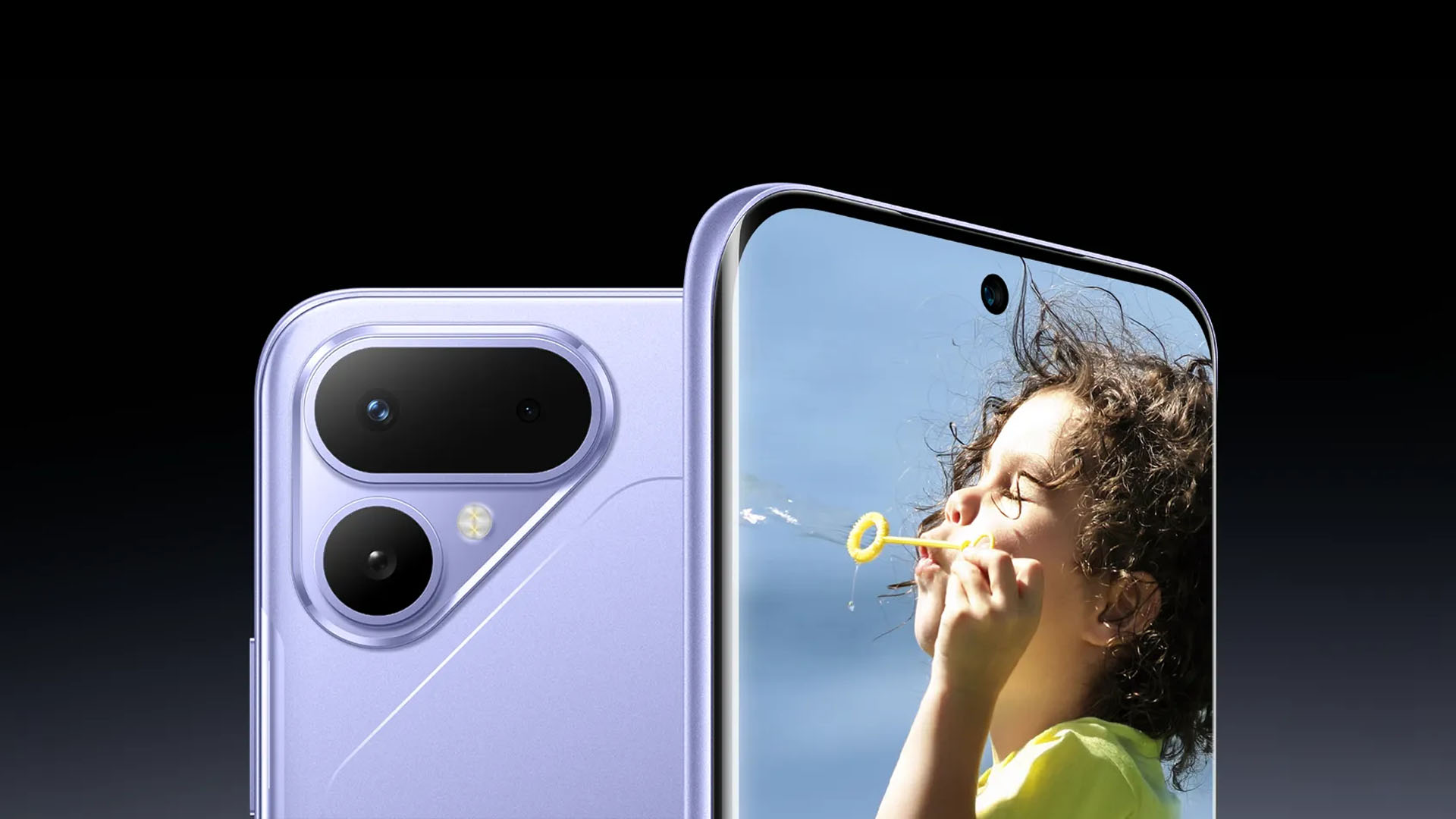
On the software side, it runs the latest HiOS 16 (based on Android 16) with integrated AI tools in mind. That means AI-powered content summaries, writing assistance, call noise reduction, and automatic photo enhancements.
TECNO’s Ella AI Assistant has also been improved with more personalized interactions across the system. One-tap FlashMemo also exists for instantly capturing on-screen information. Moreover, Mind Hub organizes notes and AI-generated content in one place.

Lastly, connectivity gets a boost, too. With POVA Curve 2 5G’s dual-signal enhancement, it has an improved cellular and Wi-Fi performance in crowded or weak-signal environments. Interestingly, it also supports offline voice, text, and image communication up to 1.5km in open areas.
With all these in mind, TECNO promises two major Android OS upgrades.
Pricing and Availability
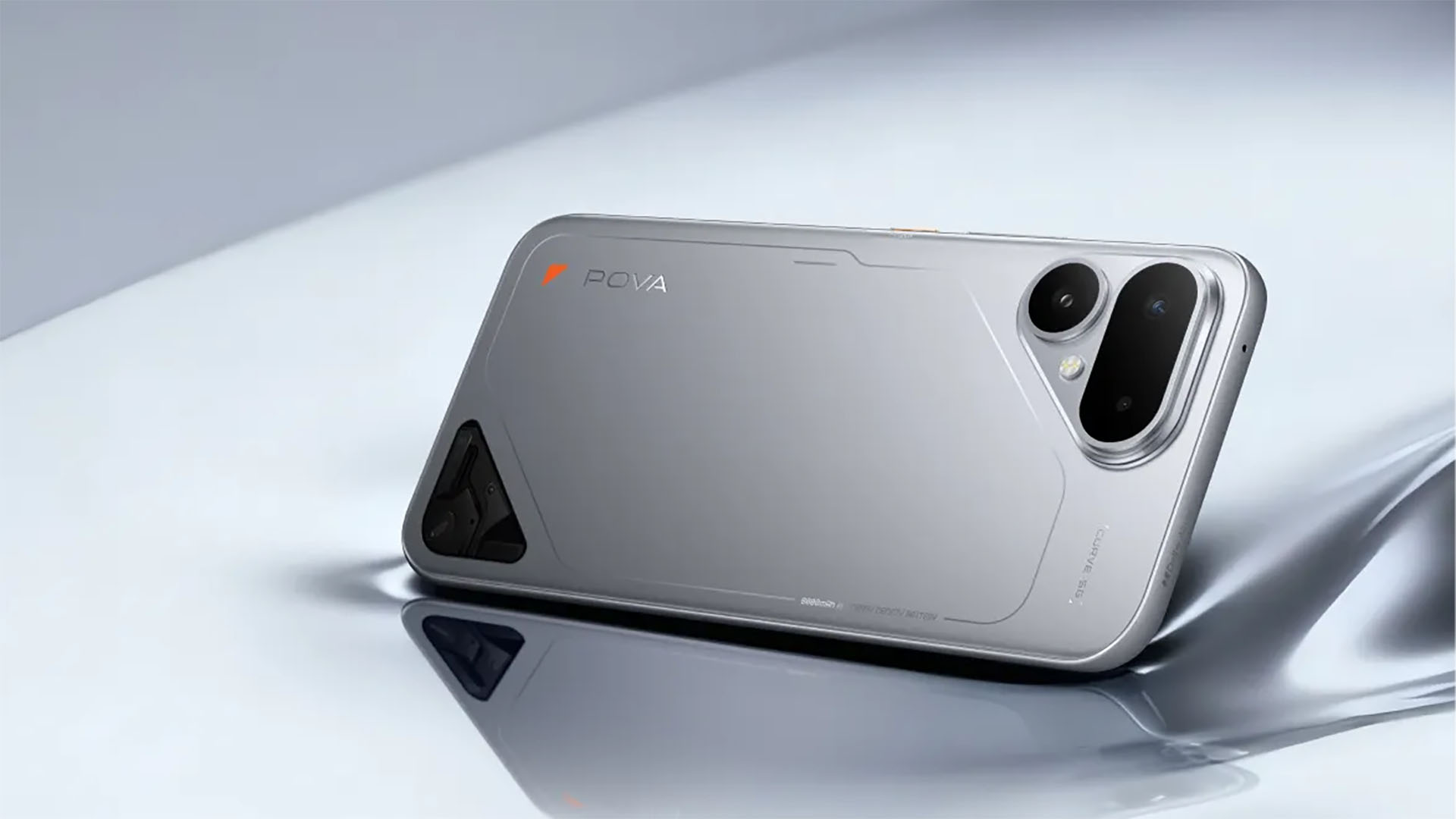
The TECNO POVA Curve 2 5G comes in three colorways: Melting Silver, Storm Titanium, and Mystic Purple.
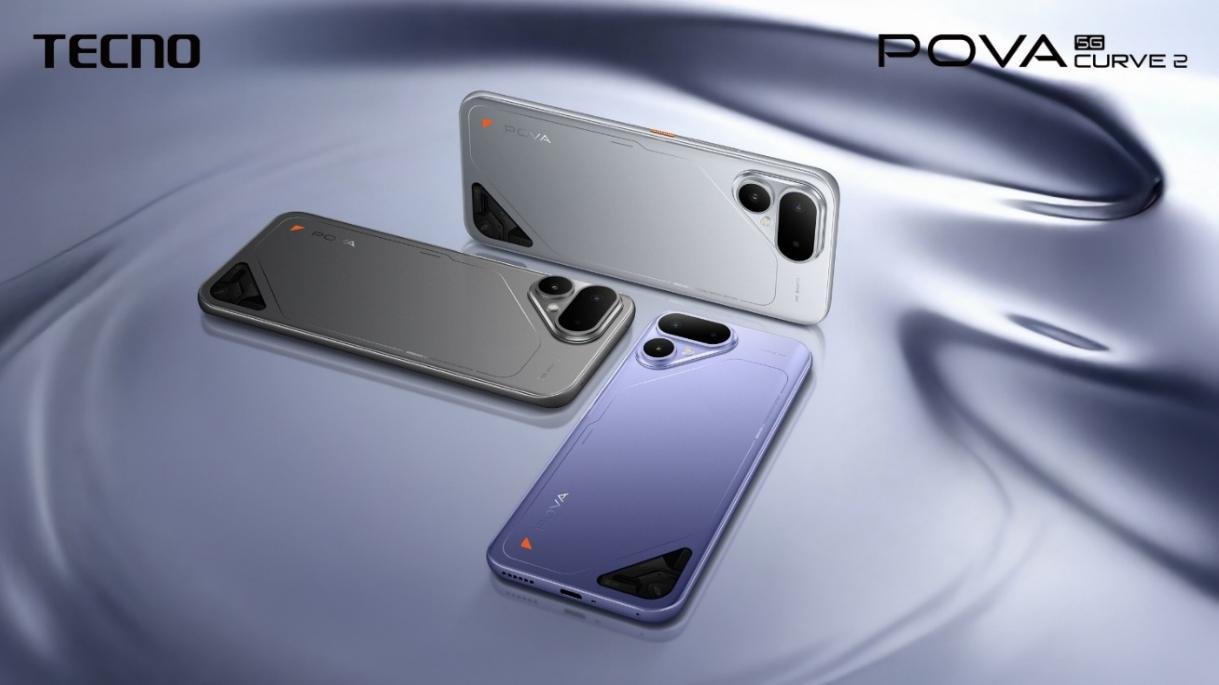
It launches first in India this February 2026. Pricing is between INR 31,999 and INR 34,999 for the 8+128GB and 8+256GB configurations respectively.
It will also make an appearance at MWC 2026 this upcoming March 2 until March 5, 2026.
India
The vivo V60 is a rebadged vivo S30 for international markets
The first V-series phone with periscope telephoto lens
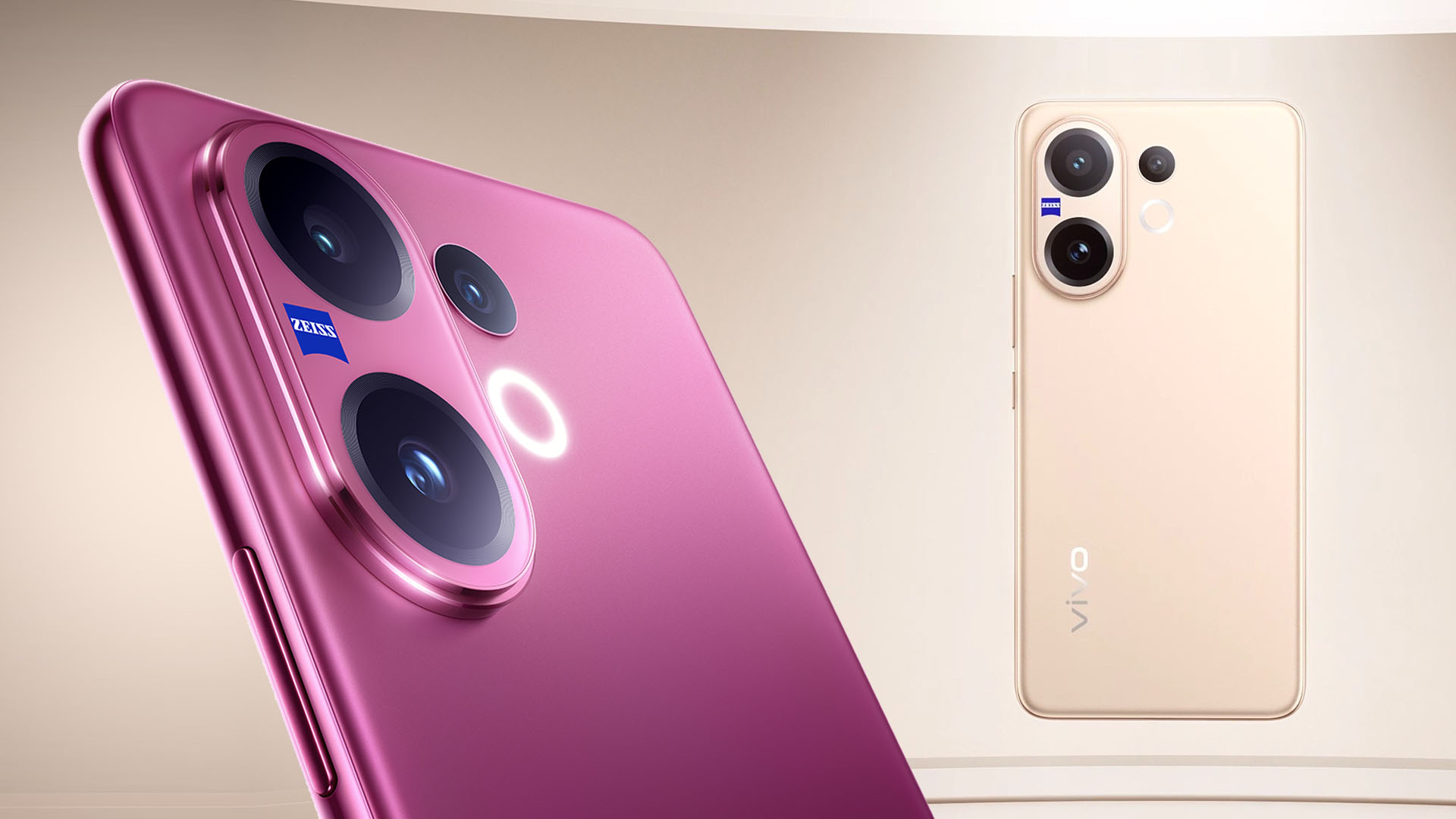
vivo is just on time with its biannual refresh of the V-series.
After the V50 launched last February 2025, the Chinese company has just revealed the newest vivo V60 in India six months after.
Rebadged vivo S30
If you’ve been following vivo for quite some time, you won’t be surprised that the China-exclusive vivo S30 will be the next V-smartphone in their global roster.
For the most part, it is a rebadged vivo S30 for the international market.
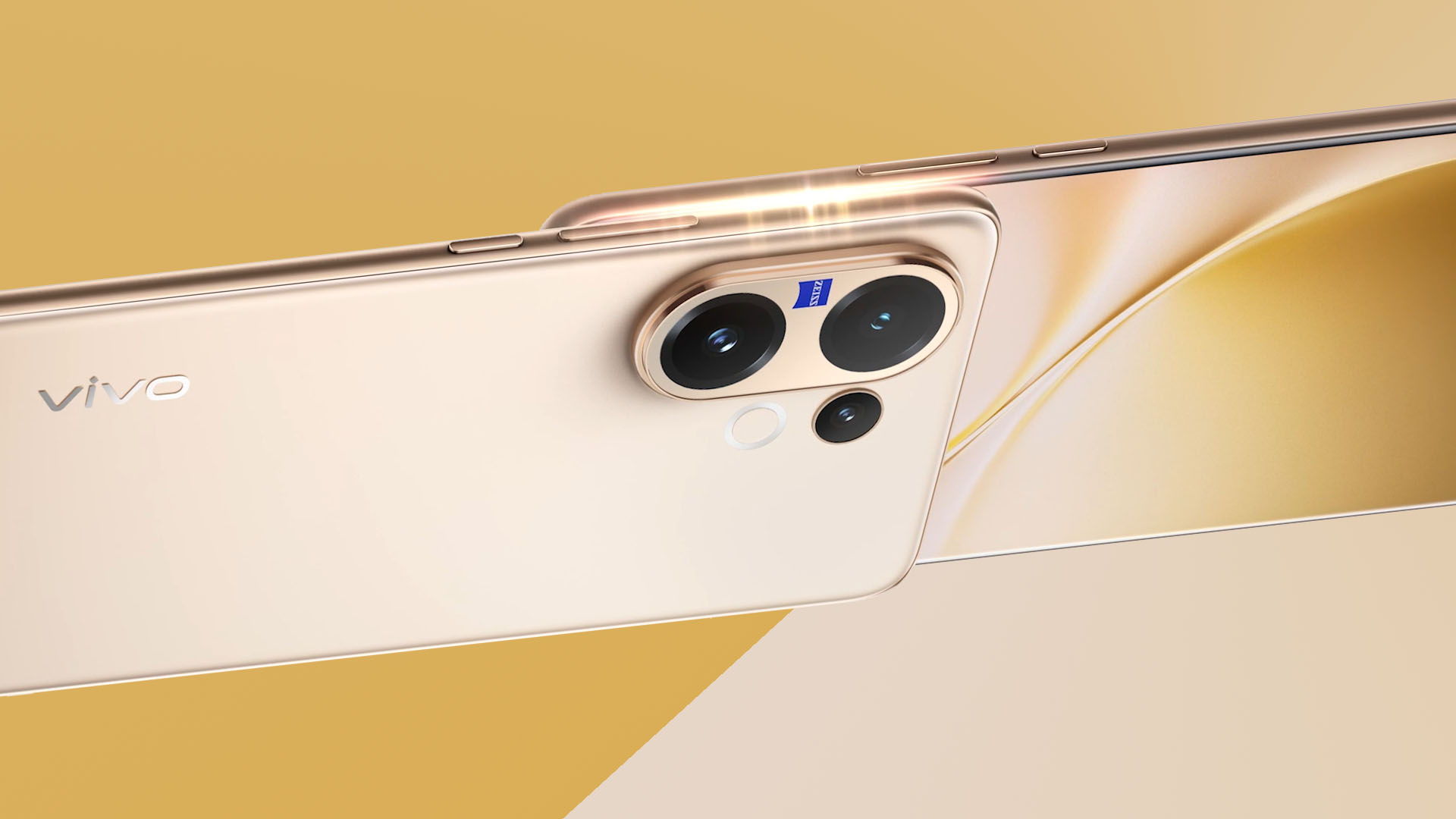
Graphics by Vincenz Lee | GadgetMatch
Internals are identical: Snapdragon 7 Gen 4 4nm 8-core SoC, Adreno 722 GPU, up to 16GB LPDDR4X memory and 512GB UFS 2.2 storage.
It may be a good or bad thing but the vivo V60 has an 8+128GB base model whereas the S30 starts with a bigger 12+256GB configuration.

Cameras are neither different: 50MP f/1.88 main, 8MP f/2.0 Ultra-Wide Angle (UWA), and 50MP f/2.2 selfie.
However, the vivo V60 now sports an additional 50MP f/2.65 periscope telephoto lens that its predecessor lacks. It’s also the same shooter found on the flagship-grade vivo X200.
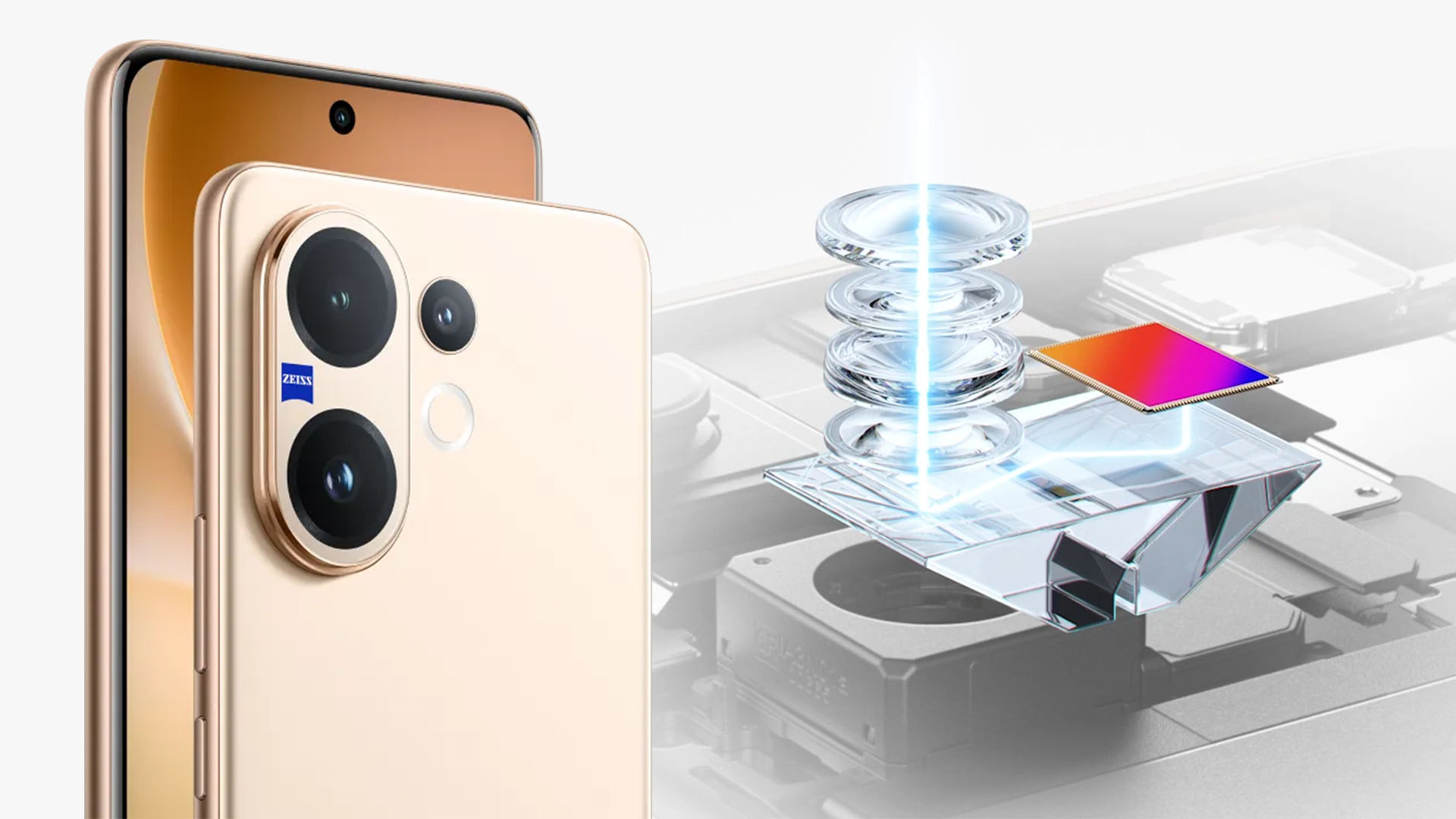
Graphics by Vincenz Lee | GadgetMatch
This newly-added camera is based on Sony’s widely-used IMX882 sensor and supports OIS (Optical Image Stabilization).
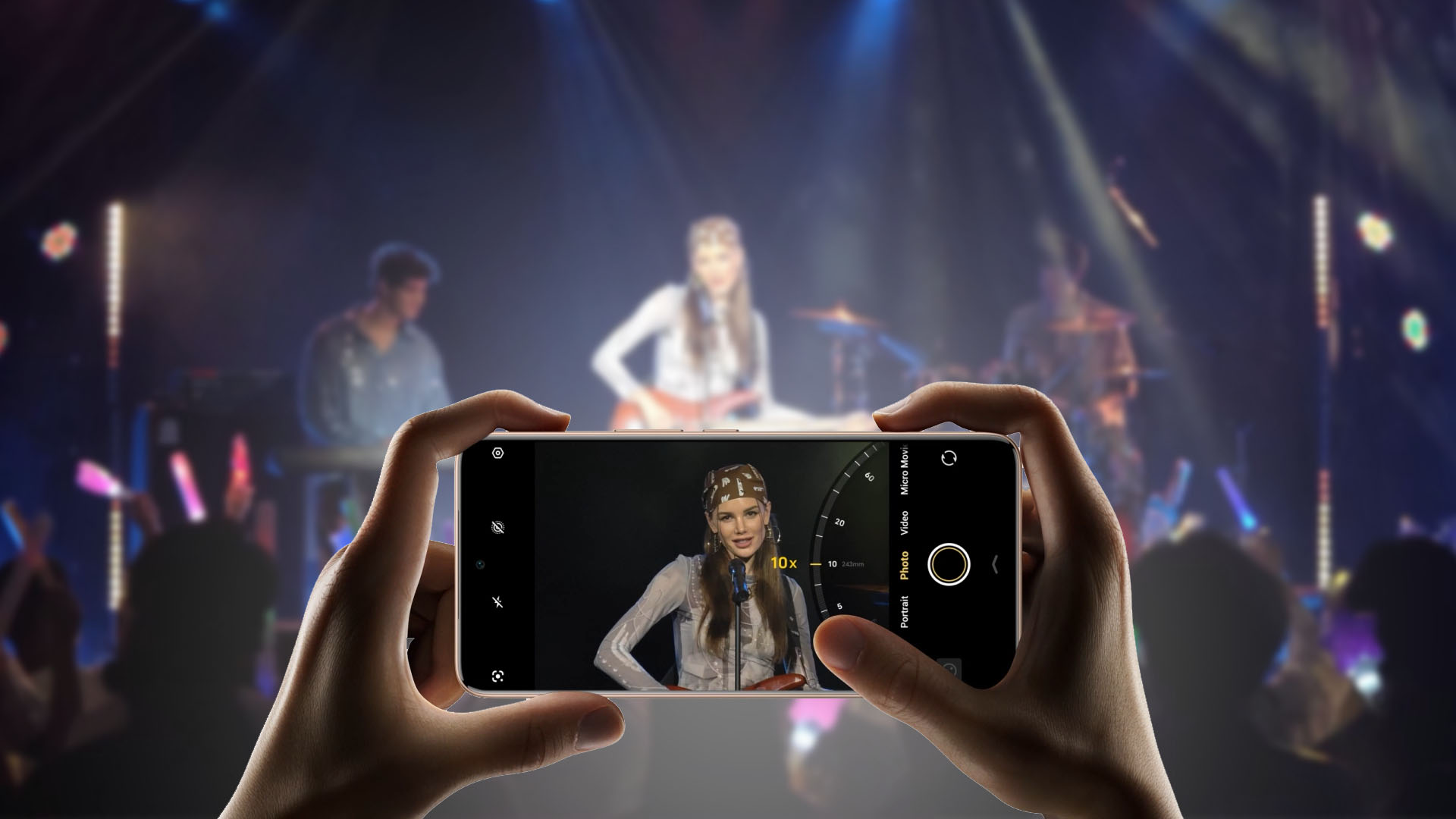
It can take 3x optically zoomed photos, and clear 10x shots through Stage Portrait Mode.
Graphics by Vincenz Lee | GadgetMatch
50x zoomed shots is also possible via vivo’s all-new AI Hyper Zoom.
vivo’s signature ring flash dubbed “Aura Light Portrait 2.0” is here to stay.
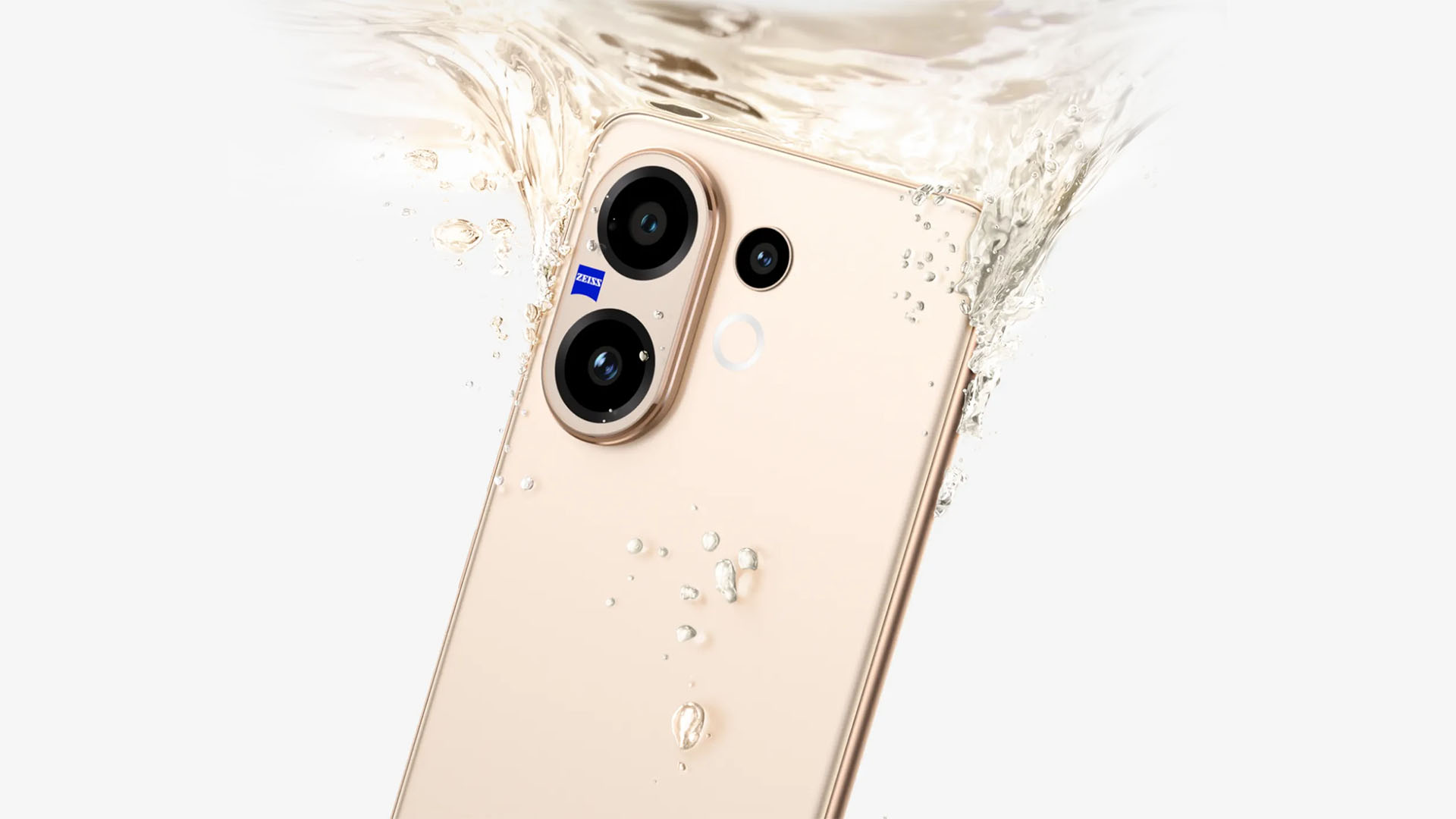
A 6500mAh Si/C BlueVolt battery is also here alongside vivo’s speedy 90W FlashCharge standard.
Wireless charging is still absent but reversed wired charging is present for those who need it.
Dual IP68+IP69 water and dust resistance ratings also remain.
Not a total clone
The vivo V60 is not a total clone of the S30 as there are some differences that may or may not matter to most of you.
The vivo V60 has a slightly bigger 6.77-inch 120Hz AMOLED display but only with a Full HD+ resolution and pixel density of 388ppi.

Graphics by Vincenz Lee | GadgetMatch
The Chinese vivo S30 has a smaller 6.67-inch screen of the same tech, but with more resolution at 1.2K and tighter 460ppi.
As expected, the Chinese model runs OriginOS 5 while the latter still runs Funtouch OS 15 that are both based on Android 15 — shutting the rumor that vivo Global will adopt their Chinese OS in the new V-phone.
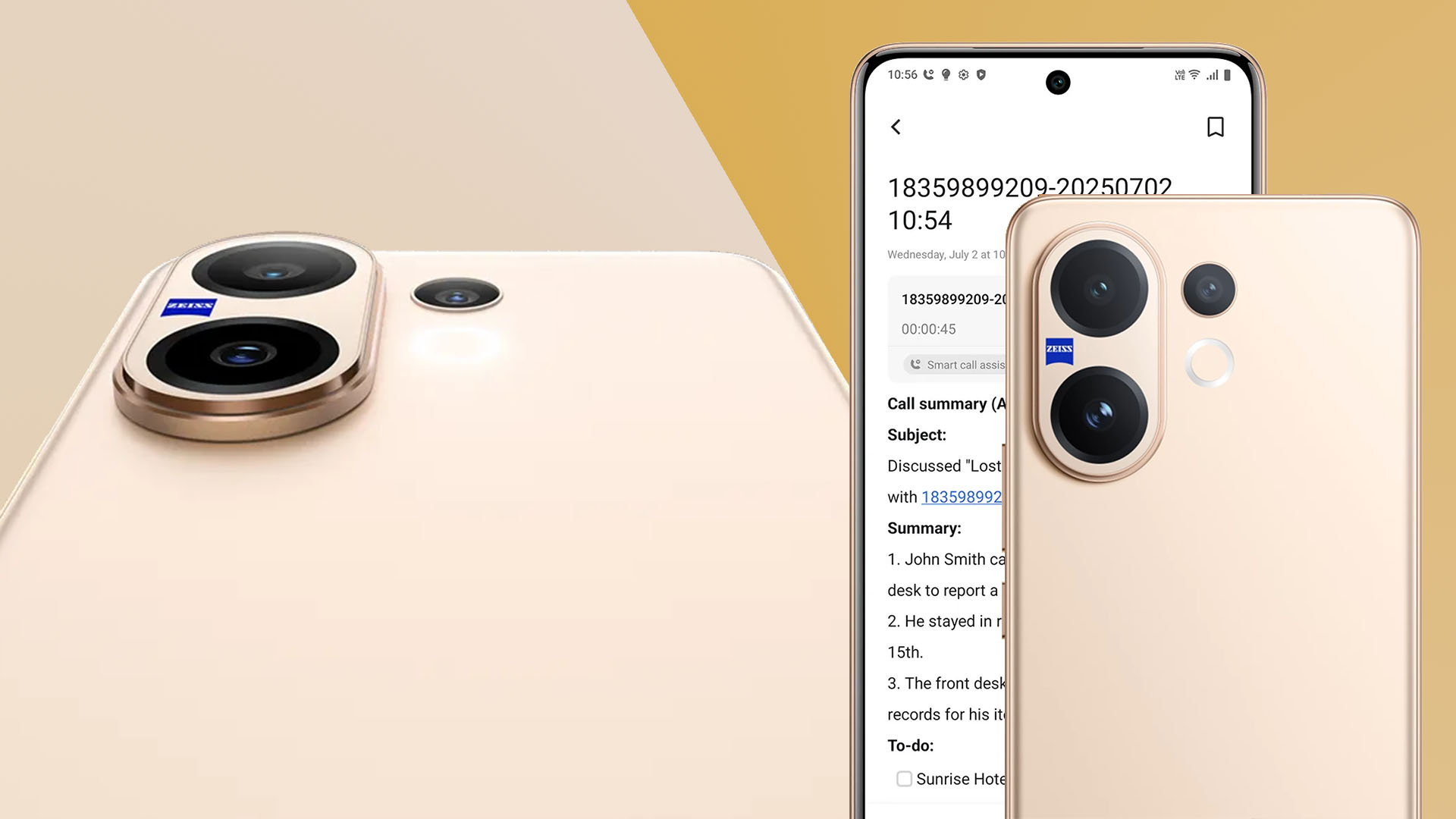
That also means vivo’s already rich AI prowess are ever-present with improvements in AI Erase and Image Expander as well as highlighting newly-added AI capabilities such as AI Magic Move, AI Photography Suite, and even AI Four-Season Portrait.
Graphics by Vincenz Lee | GadgetMatch
As expected, the vivo V60 still rocks the ZEISS Camera System that its Chinese counterparts never had since the S18 Pro (Chinese version of the V30 Pro).
Indian vivo V60s are also expected to have an exclusive Wedding vLog and Portrait Studio presets.
Graphics by Vincenz Lee | GadgetMatch
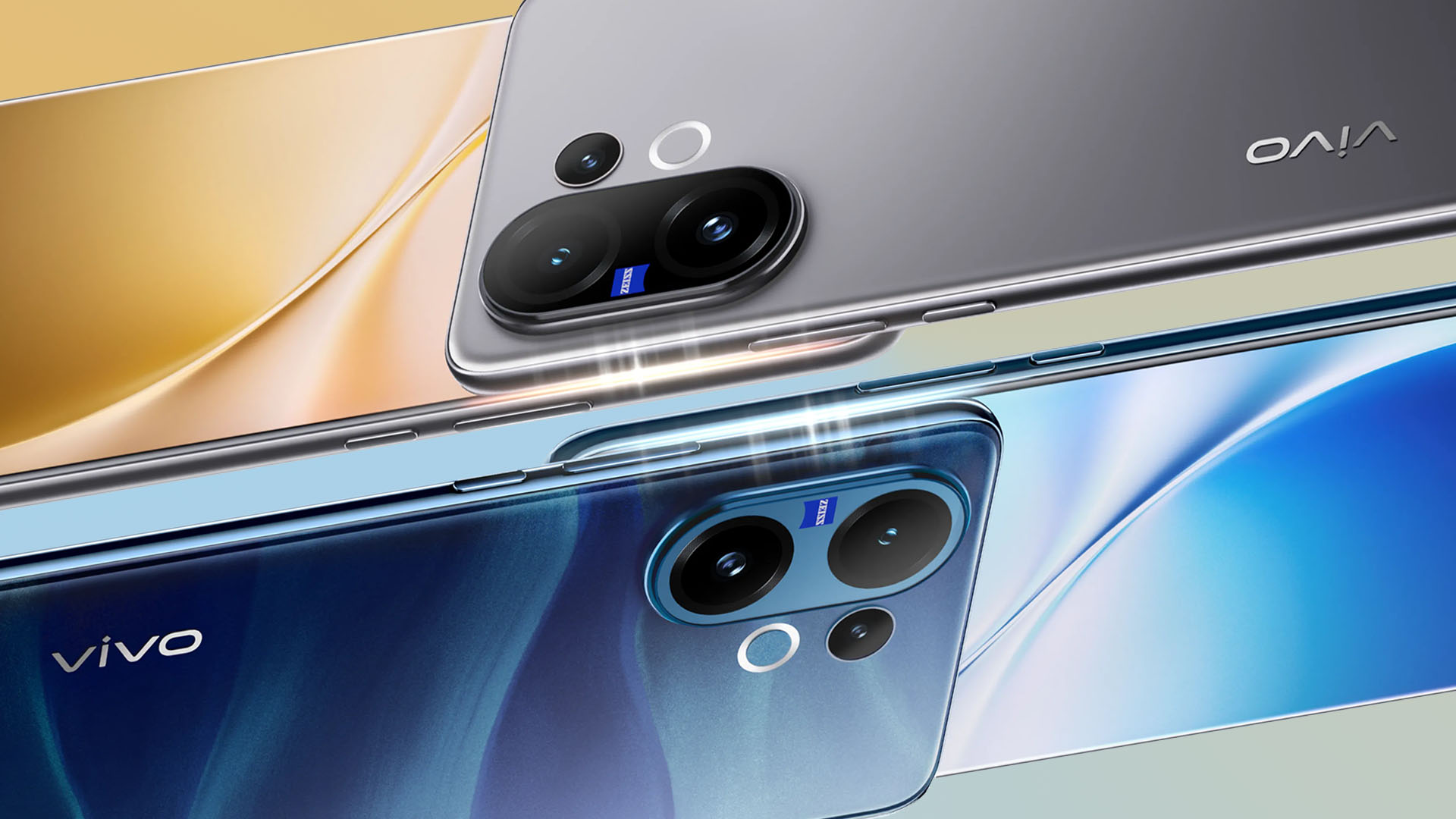
Lastly, the vivo V60 has executed premium finishes and colorways: Auspicious Gold, Moonlit Blue, and Mist Gray.
That’s in contrast to S30’s pastel slash two-tone options derived from the S30 Pro mini (or X200 FE).
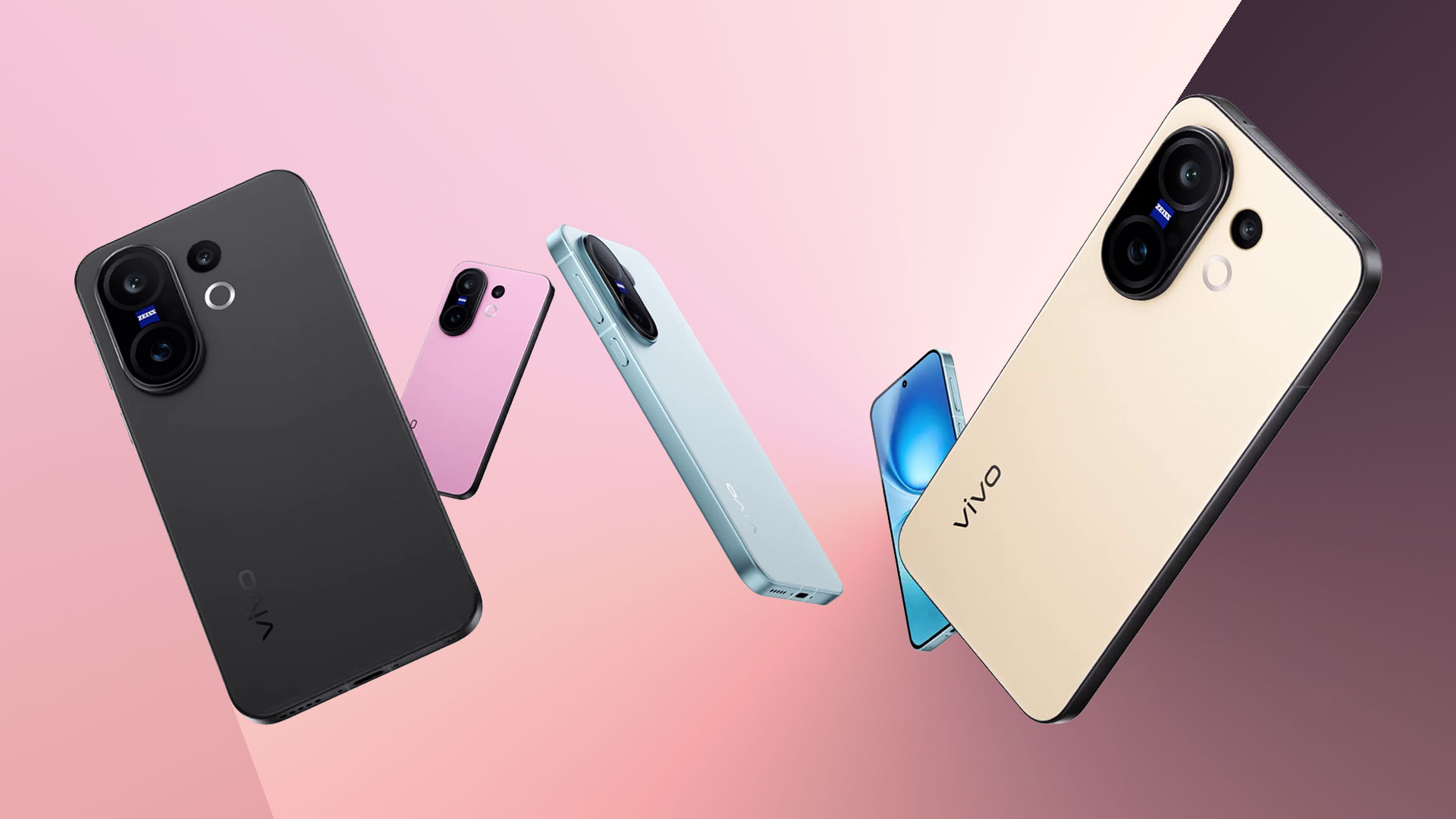
Graphics by Vincenz Lee | GadgetMatch
Although the gold and blue options have glass backs, the gray one is made from plastic.
That also makes up for its varying thickness: 7.53mm (gray), 7.65mm (gold), 7.75mm (blue).
All in all, the vivo V60 is slightly thicker over the S30 (7.49mm).
Pricing and Availability
Although there’s no “V60 Pro mini” (nor a V60 Pro), the X200 FE already exists as the global version of China’s vivo S30 Pro mini.
And unlike the vivo X200 FE where it was launched first in Malaysia and Taiwan, the vivo V60 headlines the global launch in India.
Here are India’s specific pricing per configuration:
- 8+128GB = INR 36,999
- 8+256GB = INR 38,999
- 12+256GB = INR 40,999
- 12+512GB = INR 45,999
It will just be a matter of time which markets the vivo V60 will come right after India.
Graphics by Vincenz Lee | GadgetMatch
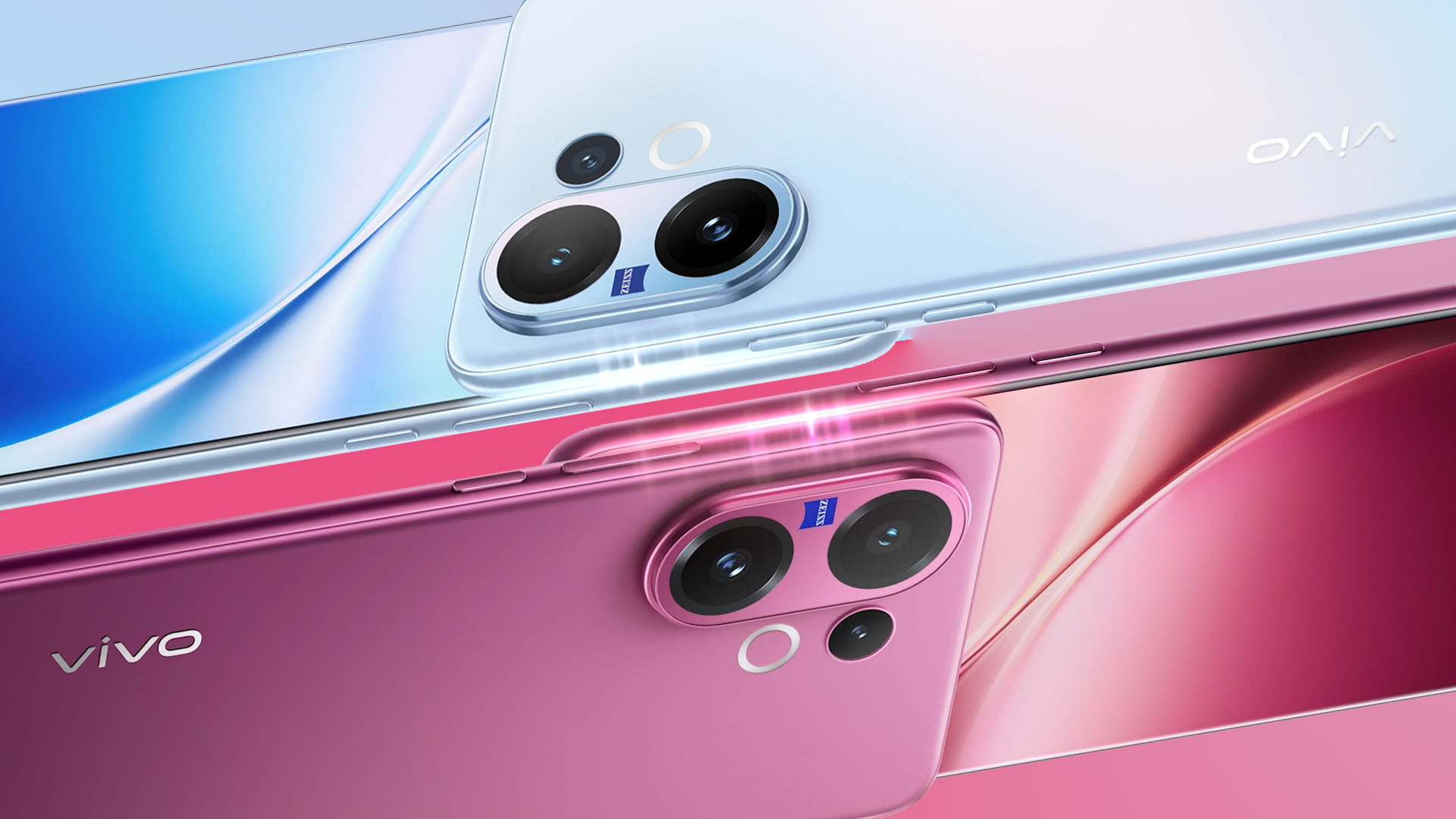
It’s good to note though that vivo Malaysia already teases the V60 up on their website with two different colorways opposed to the Indian options: Berry Purple and Summer Blue.





Now Playing: Hoppers

Jackery SolarSaga series: Free power for small devices

UGREEN adds new Nexode Pro power bank, charger to lineup

nubia to launch new Neo 5 series gaming phones on March 28

SHINOBI: Art of Vengeance’s SEGA Villains Stage out on April 3


-

 Reviews5 days ago
POCO X8 Pro Max review: A new beast from the far east
-

 News5 days ago
POCO X8 Pro Series: Price, availability in the Philippines
-

 Laptops2 weeks ago
Apple MacBook Neo Review
-

 Computers2 weeks ago
GIGABYTE collaborates with Capcom for RE Requiem custom PC
-

 Apps1 week ago
Google Maps is finally getting a 3D mode
-

 Entertainment2 weeks ago
The internet is thirsting over the One Piece Season 2 cast
-

 Features1 week ago
Galaxy AI on the Samsung Galaxy S26 Ultra
-

 Automotive2 weeks ago
BYD is reportedly considering an F1 team