
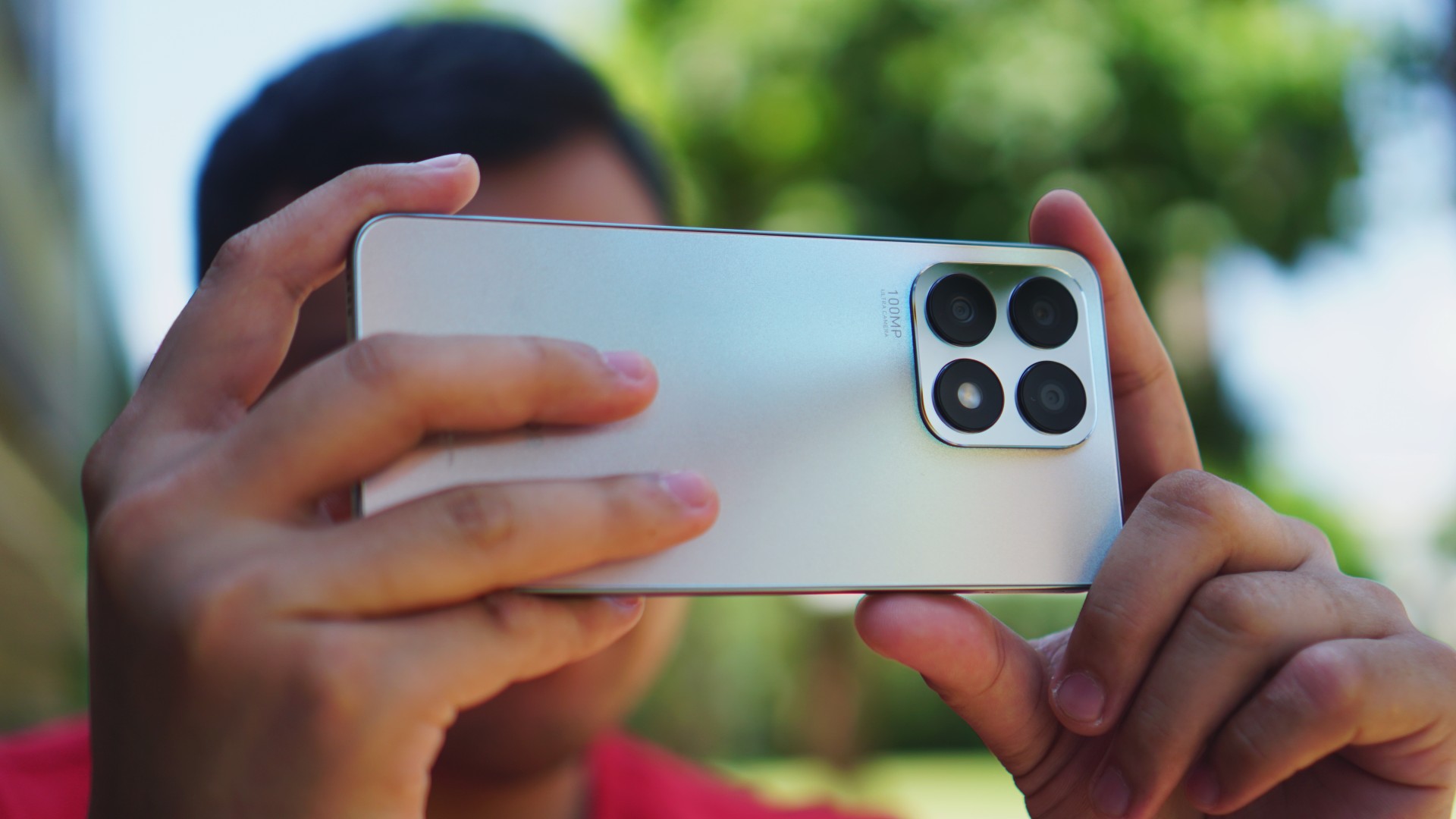

HONOR recently made a lot of noise at MWC 2023, particularly with the announcement of the flagship Magic 5s. The brand didn’t stop there. Not wanting to be outdone in the ever-competitive midrange tier, the HONOR X8a was released.
Marketing for this specific model focused on its 100MP main camera, offering customers a DSLR-like experience. But does the phone really merit top-of-the-head consideration for people? We went to Ho Chi Minh City, Vietnam for an exhaustive break-in.
Temper your expectations
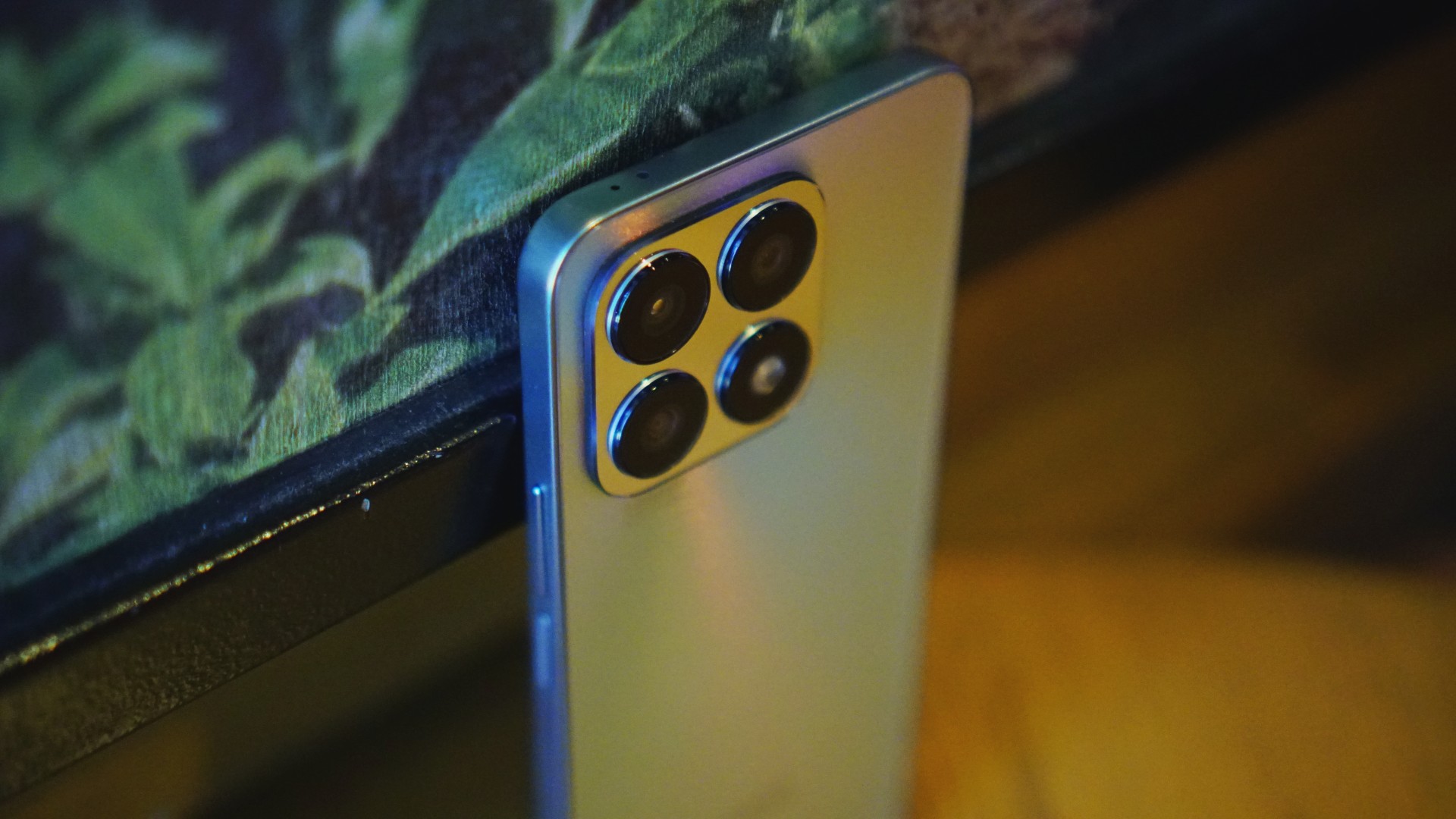
The HONOR X8a’s camera package consists of the following:
- 100MP f/1.9 main camera
- 5MP f/2.2 ultra-wide camera
- 2MP f/2.4 macro camera
To say the least, it’s intriguing what the phone offers when it comes to mobile photography. I have mixed views about it as it was able to hit some benchmarks yet also missed a few.
The ultra-wide lens does its job.

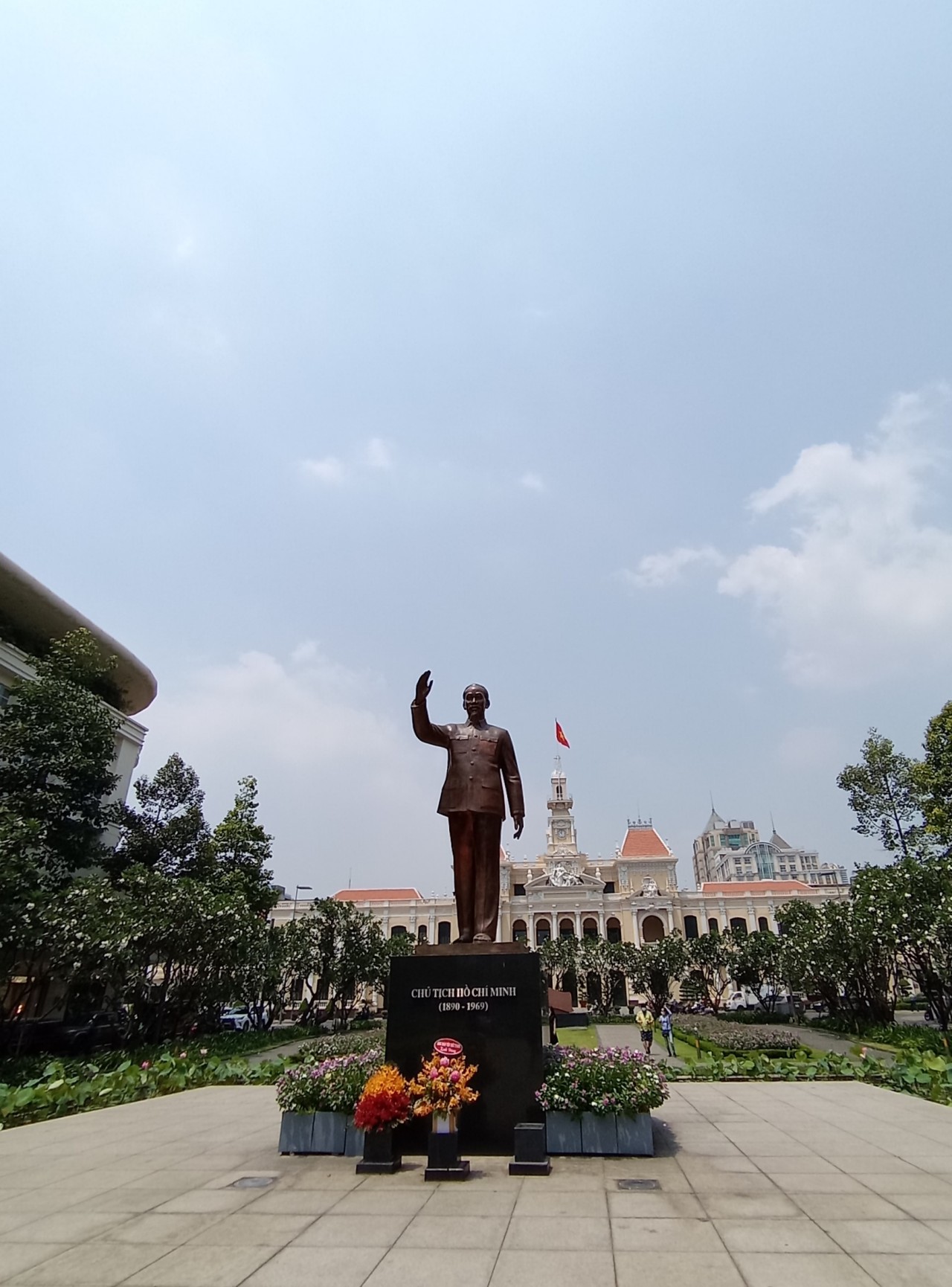
It is imperative nowadays to get quality, especially captures of cityscapes and nightscapes, this is a handy device to bring and make memories with.
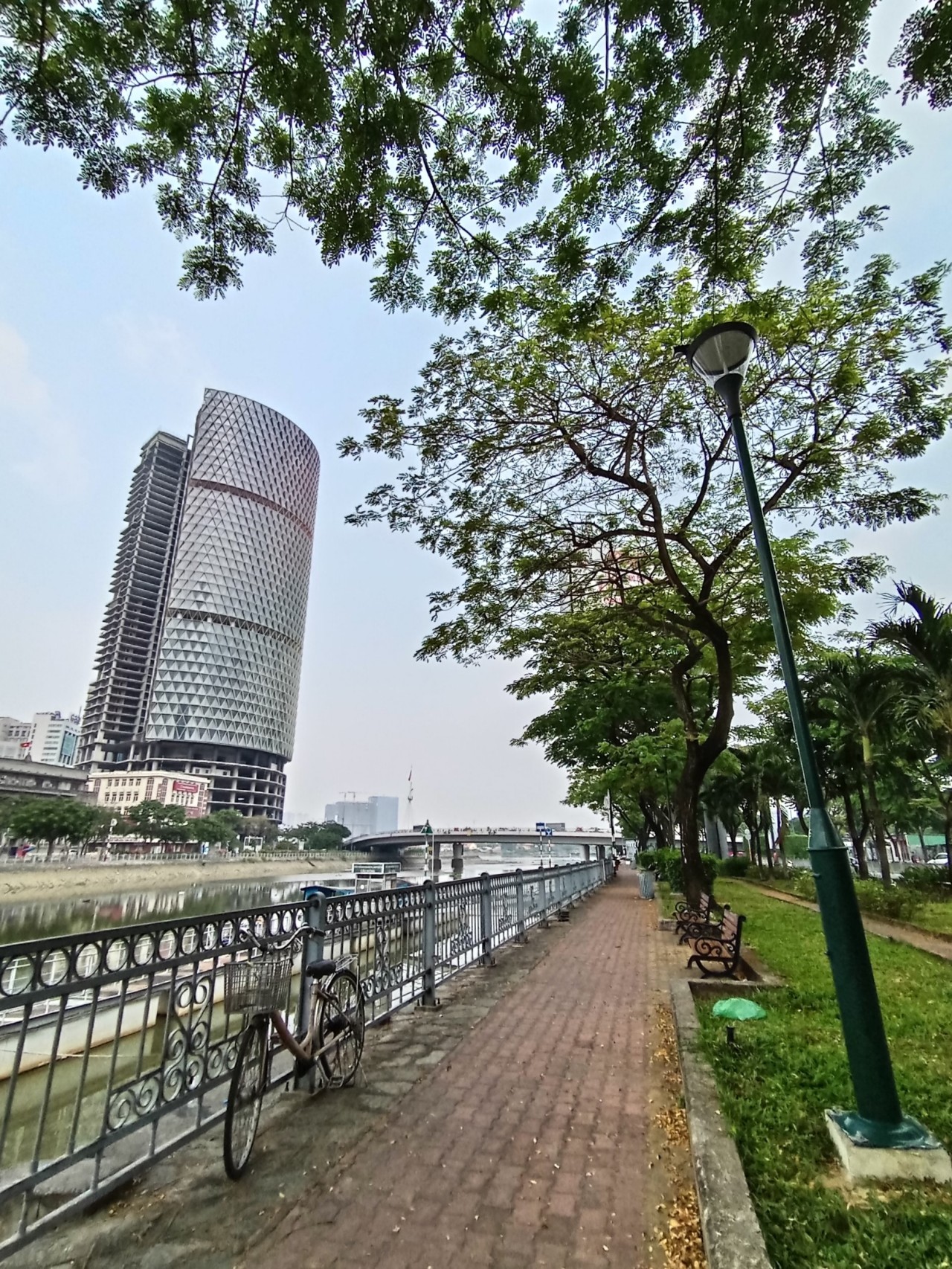
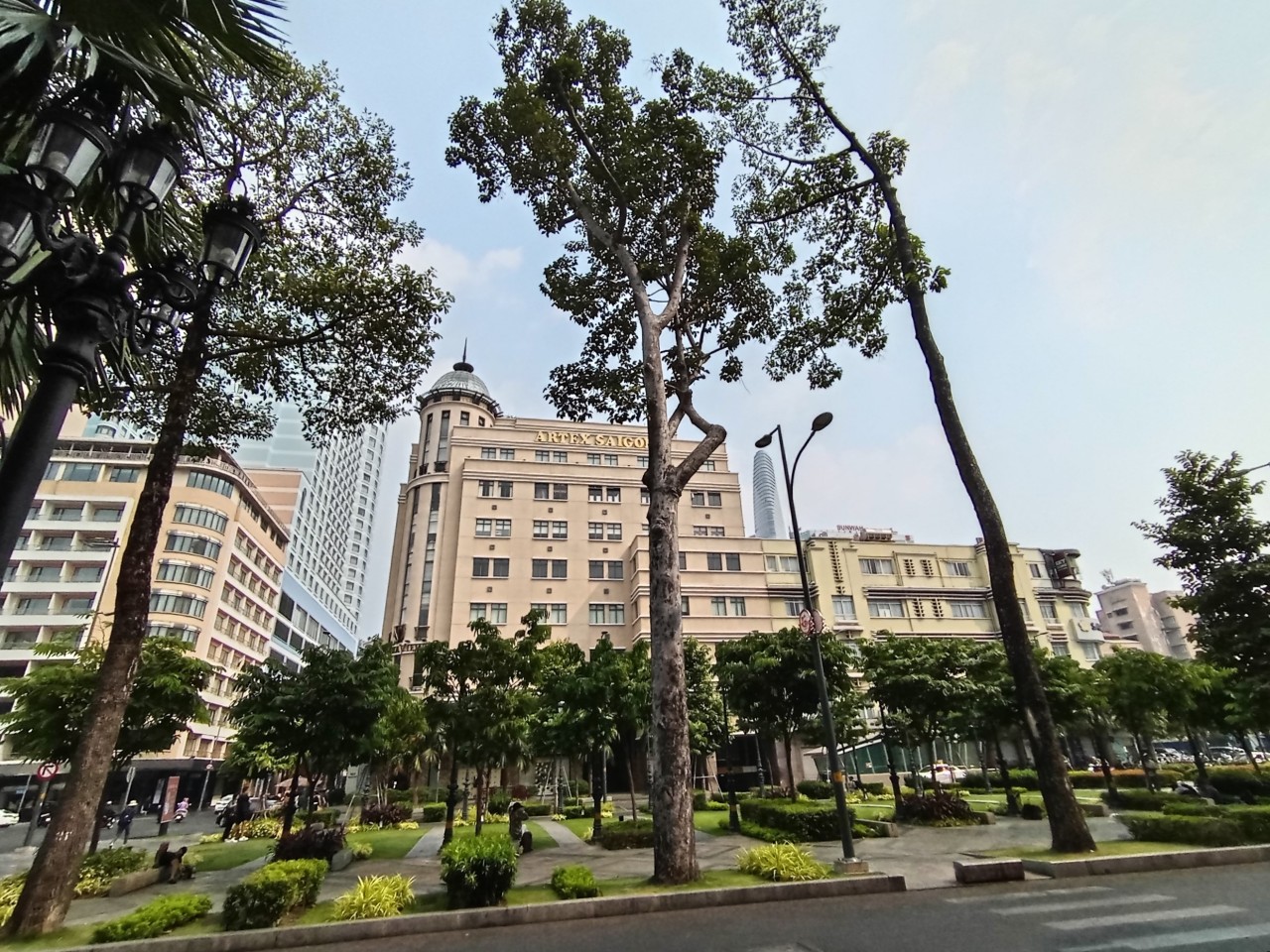
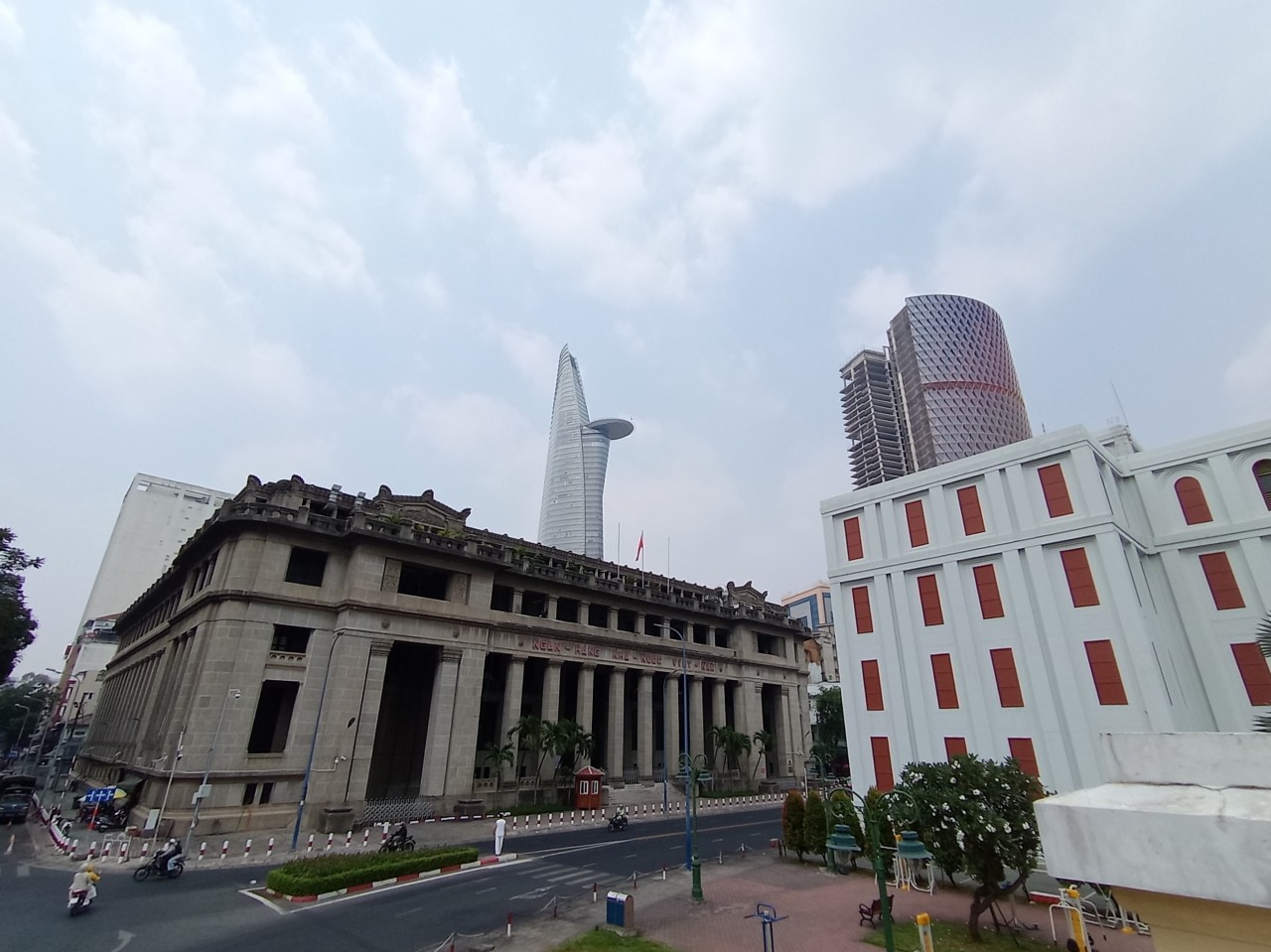
I was able to take good shots of Ho Chi Minh City’s “skyline” and city center, as well as many of their countless parks which make the trip reinvigorating.
The auto-focus works steadily.

As seen on this ice cream on the foreground against a park and some close-up shots of food. Should you want the camera to focus on a specific subject within the frame, it also does the trick.
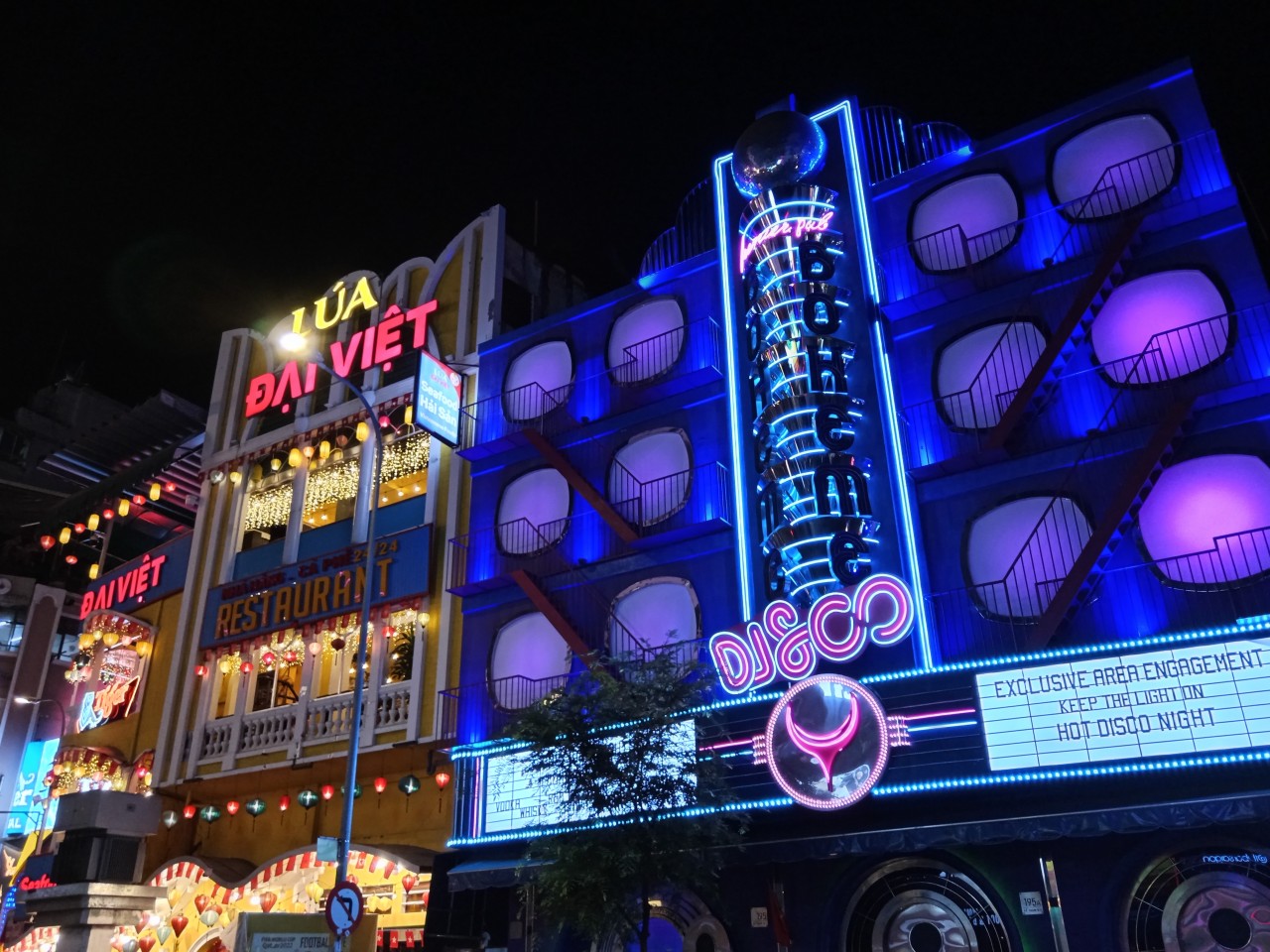
I had modest expectations when it came to how the HONOR X8a’s cameras would perform at night, but I must say it delivered quite nicely, even when shooting only using default mode.
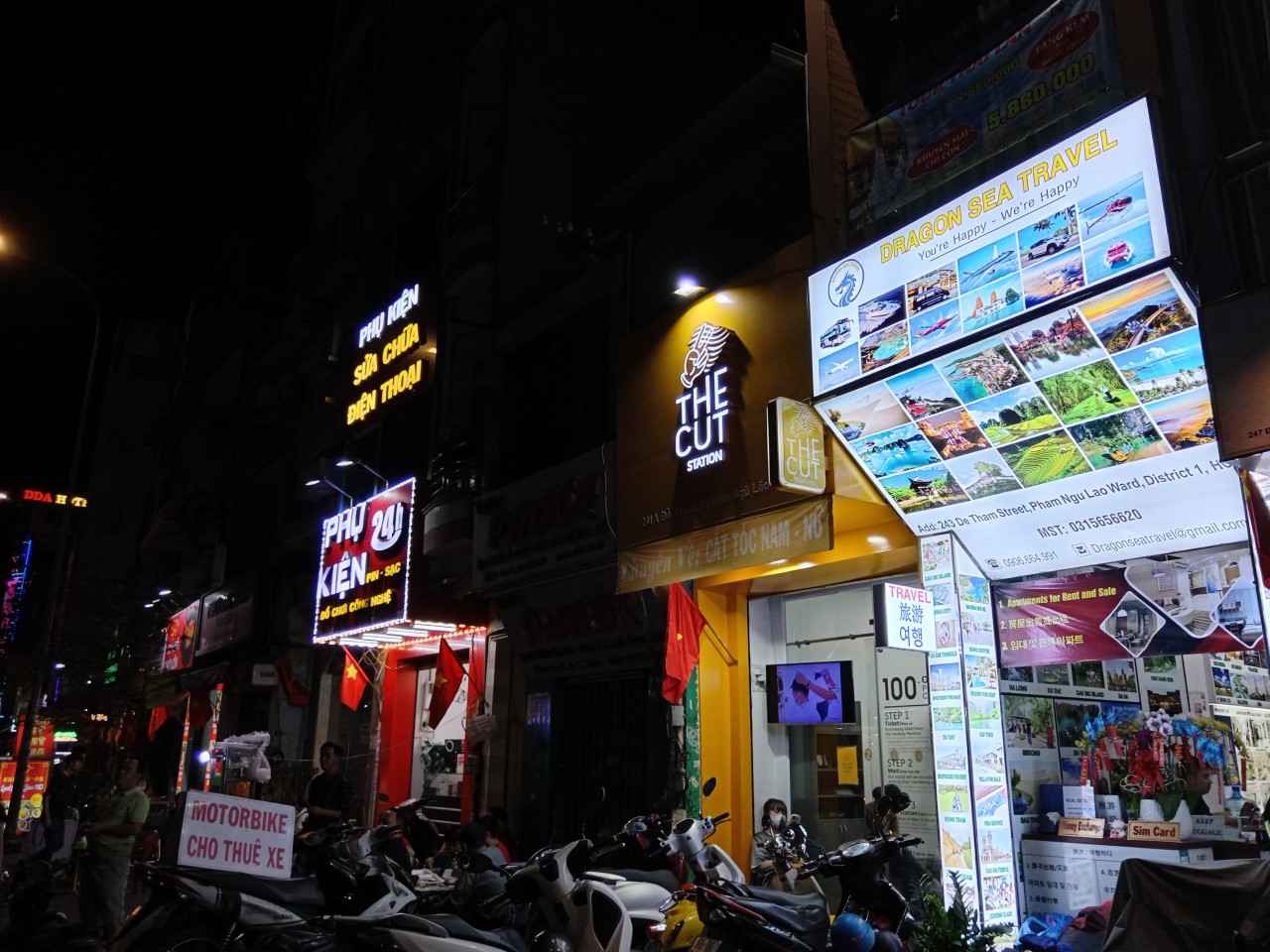

As Vietnam’s busy city streets transform in the night into an LED-filled spectacle, I was only fitting to sneak some snaps of billboards, storefronts, and more in.
When you use Night Mode, the phone will trigger a four-second countdown.

It allows it to absorb more light and produce slightly more vivid images, like these ones at Bui Vien Walking Street and Le Thi Rieng, one of the city’s busier rotondas.
Of course, don’t expect moving subjects to come out perfect; there will naturally be blurry objects when you leave the shutter open for four seconds, like these motorcycles.
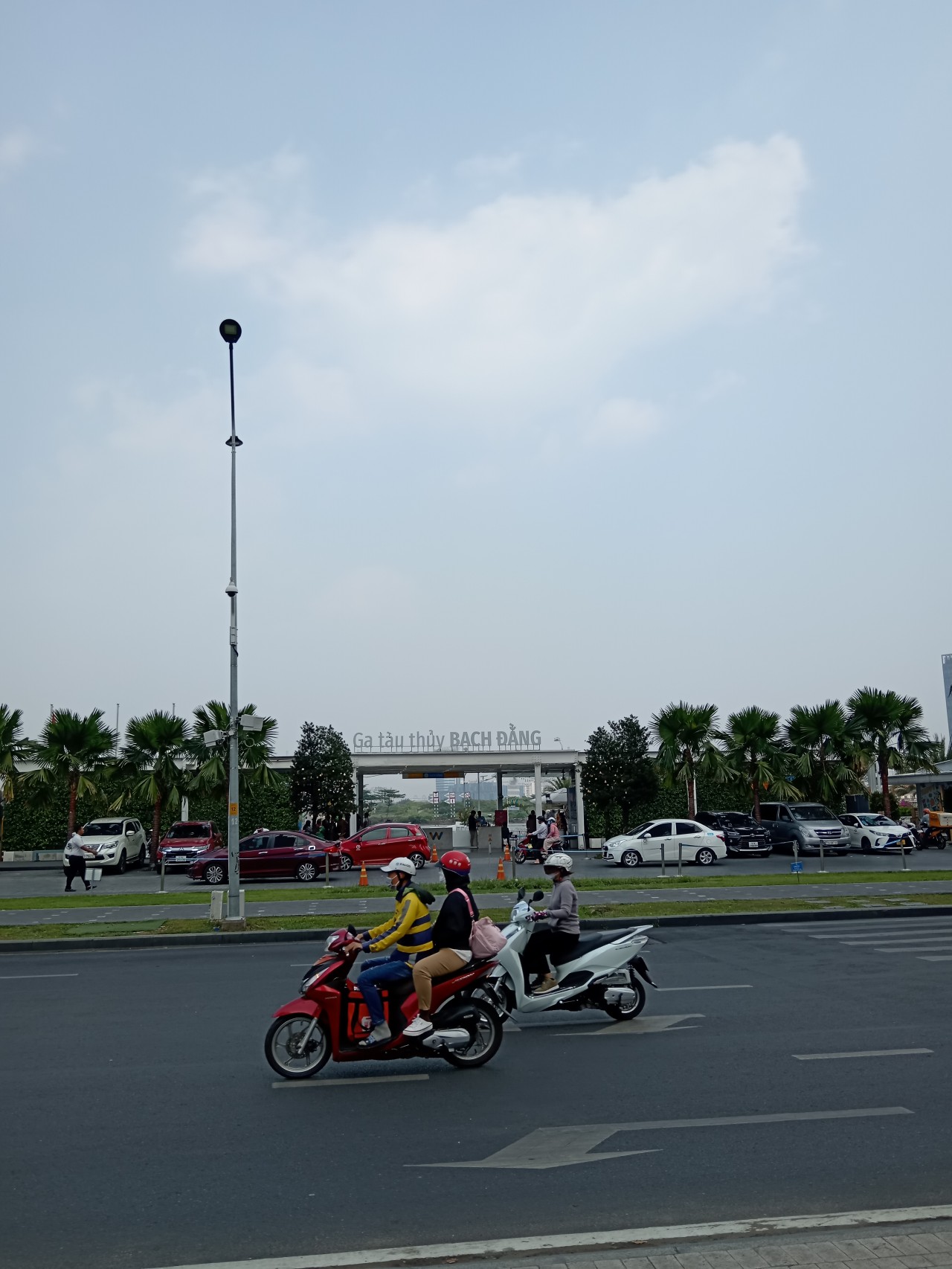
At daytime, the shutter speed works decently to capture moving objects or snap photos while walking. But of course, it is still best to take your time first.


Elsewhere, the selfie camera also covers a lot of space if you want to include yourself in pictures of historical sites and landmarks throughout the area.
Needs improvement
On the downside, however, the HONOR X8a also underwhelmed on a number of aspects.
To top it off, pictures did not come out as impressive as I expected in terms of its color, vividness, and being close to the subject’s real appearance, which is quite a bummer for a mid-ranger.
I’ve tried earlier versions of Samsung A series phones and realme’s lower midrange models, which produced better results. One can argue that using Hi-Res mode (higher file sizes) would suffice, yet I didn’t need that on other phones to begin with.

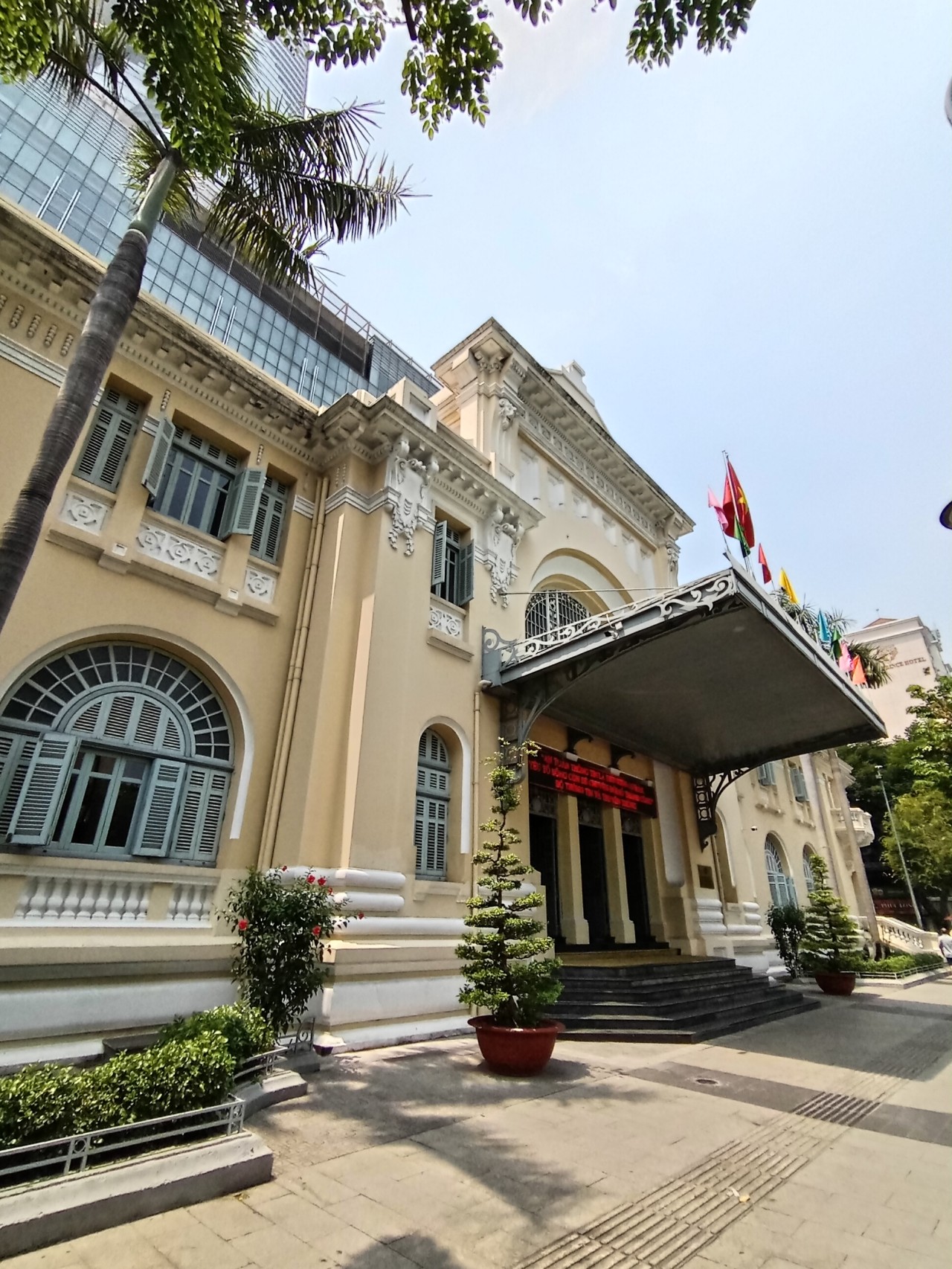
When using default mode at 1x zoom, the camera doesn’t really fit much into the frame, which kind of forces the user to opt for the ultra-wide lens by default.

I tried using the ultra-macro mode a couple of times on souvenirs to test if it captures tiny details well enough.
It is a bit challenging to achieve the proper focus even if you’ve already bookishly followed the ideal distance of about an inch or two. Sharpness is also lacking.
In terms of usability, the shutter button’s position is quite lower than expected, and the button itself is relatively smaller. I would sometimes have to tap twice to make sure I am able to get a photo of something.
Imagine if you missed out on taking a picture with a famous celebrity or athlete because of these little things.
Performance: Just your usual
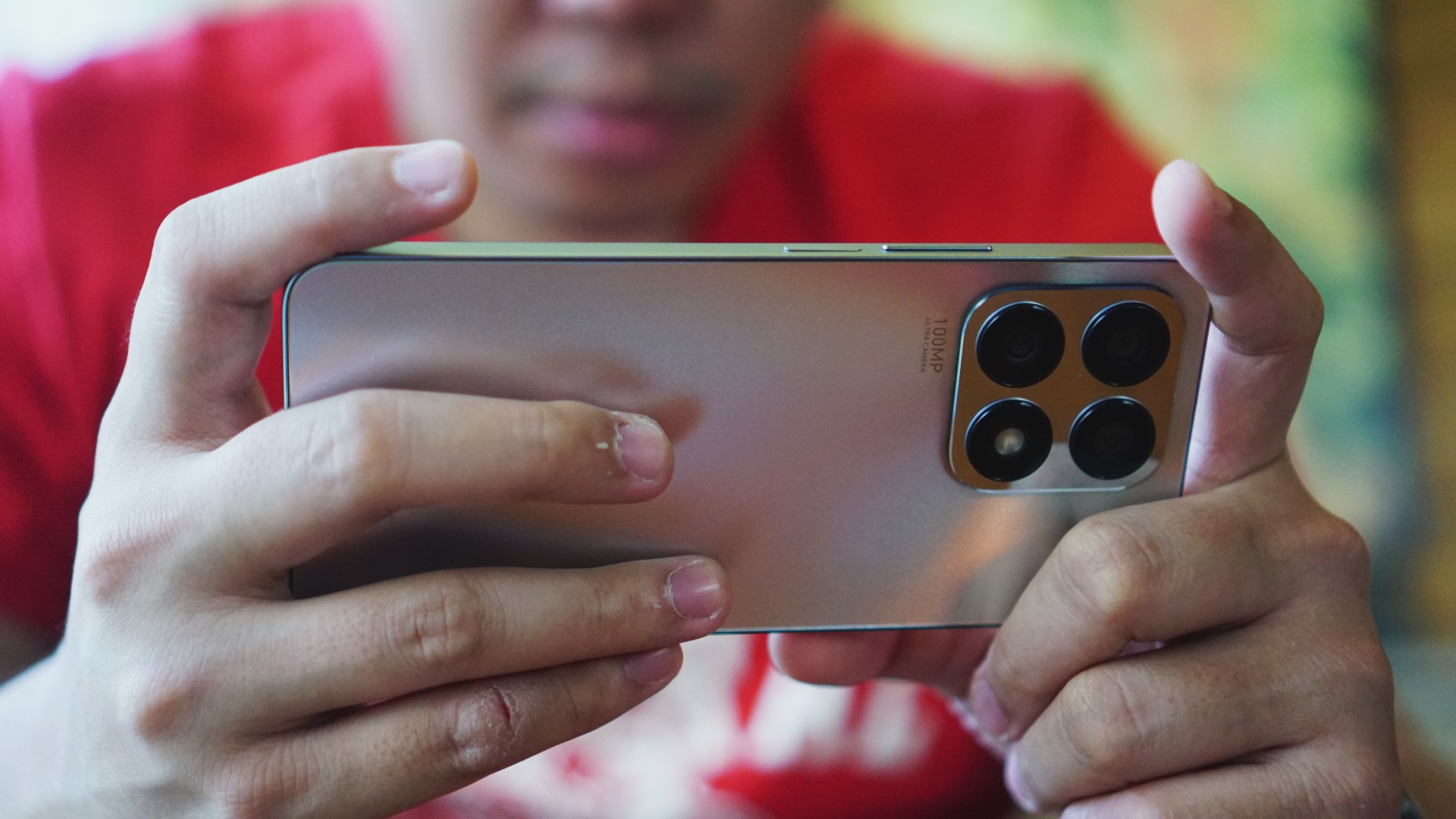
The HONOR X8a is powered by a MediaTek Helio G88 processor. We did say we put this to the test in Vietnam, and once under scorching heat of Saigon, the camera app was forced to close because the phone’s temperature apparently got too hot.
It took a few minutes before I was able to open the app again, so perhaps bring an umbrella outdoors when you plan to take pictures during the noon or afternoon.
Nevertheless, here are some snaps outside which were taken usually after lunch time:


Speaking of which, it is also challenging to use this phone when it is bright outside, since you won’t be able to see the photos you have just taken in real-time that clearly.
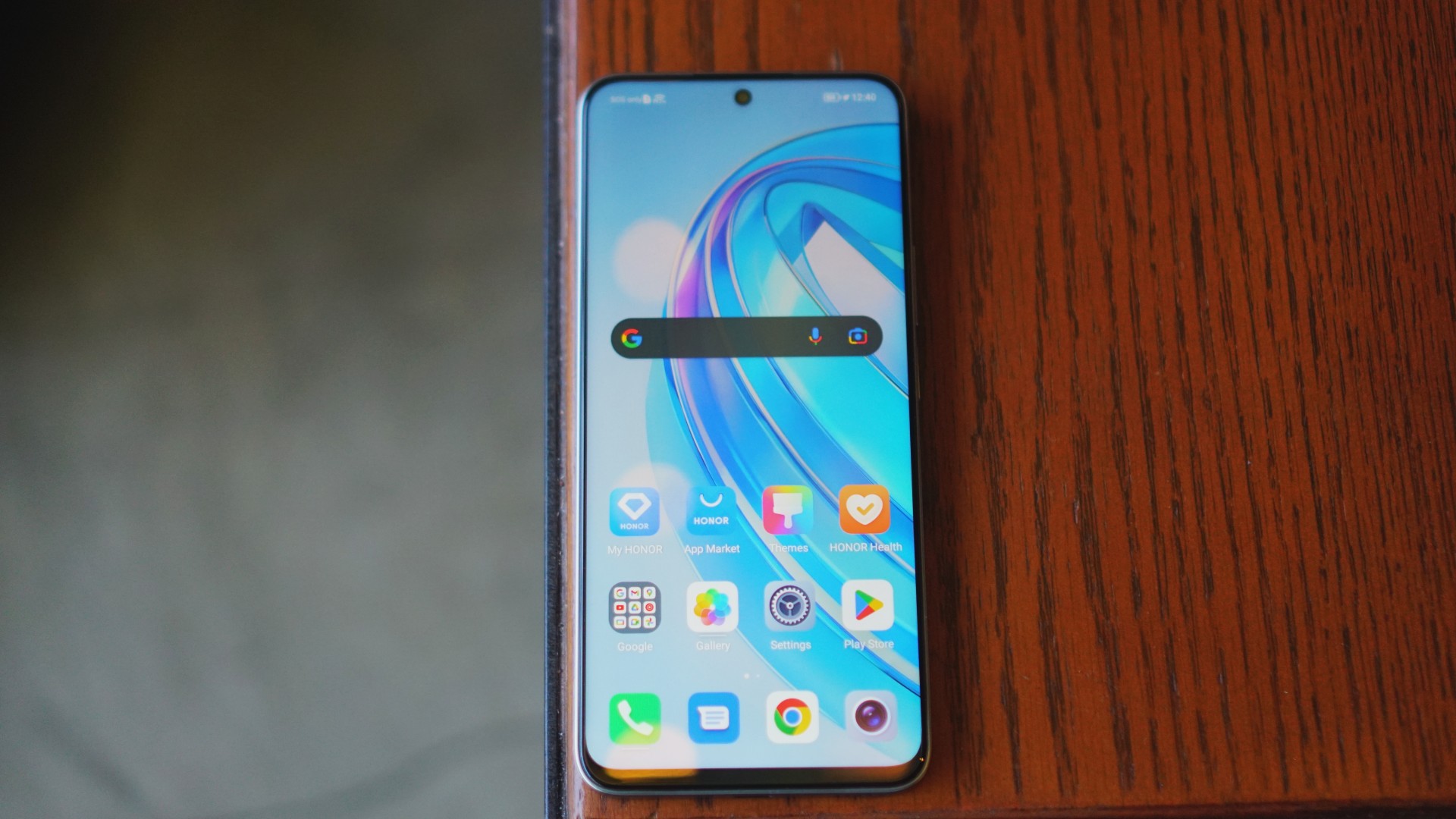
The phone has a 6.7-inch FullView display which has a lower peak brightness than mid-range phones I’ve had or have been using. Admittedly, it was quite a hassle to have to cover the phone screen with my hand first just to review some pictures, nor do they appear as crystal-clear as you would want them to.
Usability needs work

Unlike other phones, the HONOR X8a does not have a floating home button at the bottom, along with the hamburger icon for apps currently open.
To switch in between apps, one has to swipe in a particular manner from bottom to the middle of the screen and hold for a while in order for the apps list to show. It’s quite confusing at first, to say the least, and I am definitely not a fan of having to take too much time just to exit some apps.
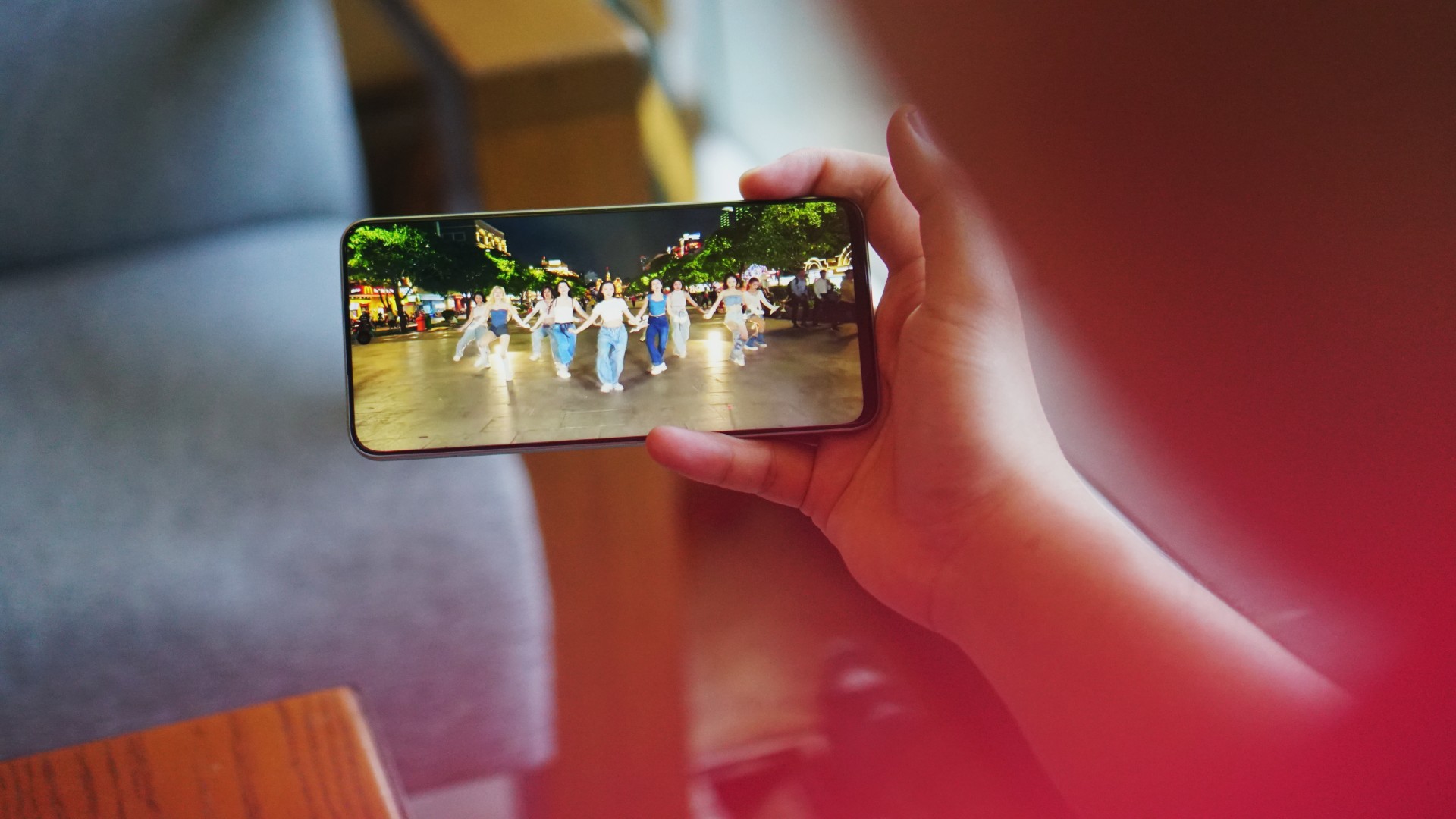
On the positive end, the screen wasn’t laggy when switching apps, browsing, typing, or doing simple everyday tasks on your phone.
The phone supports up to 8GB of RAM and 128GB of storage. It can withstand playing games and heavy tasks, but it’s also best to be cautious and make sure usage is optimized.
Looooong battery life
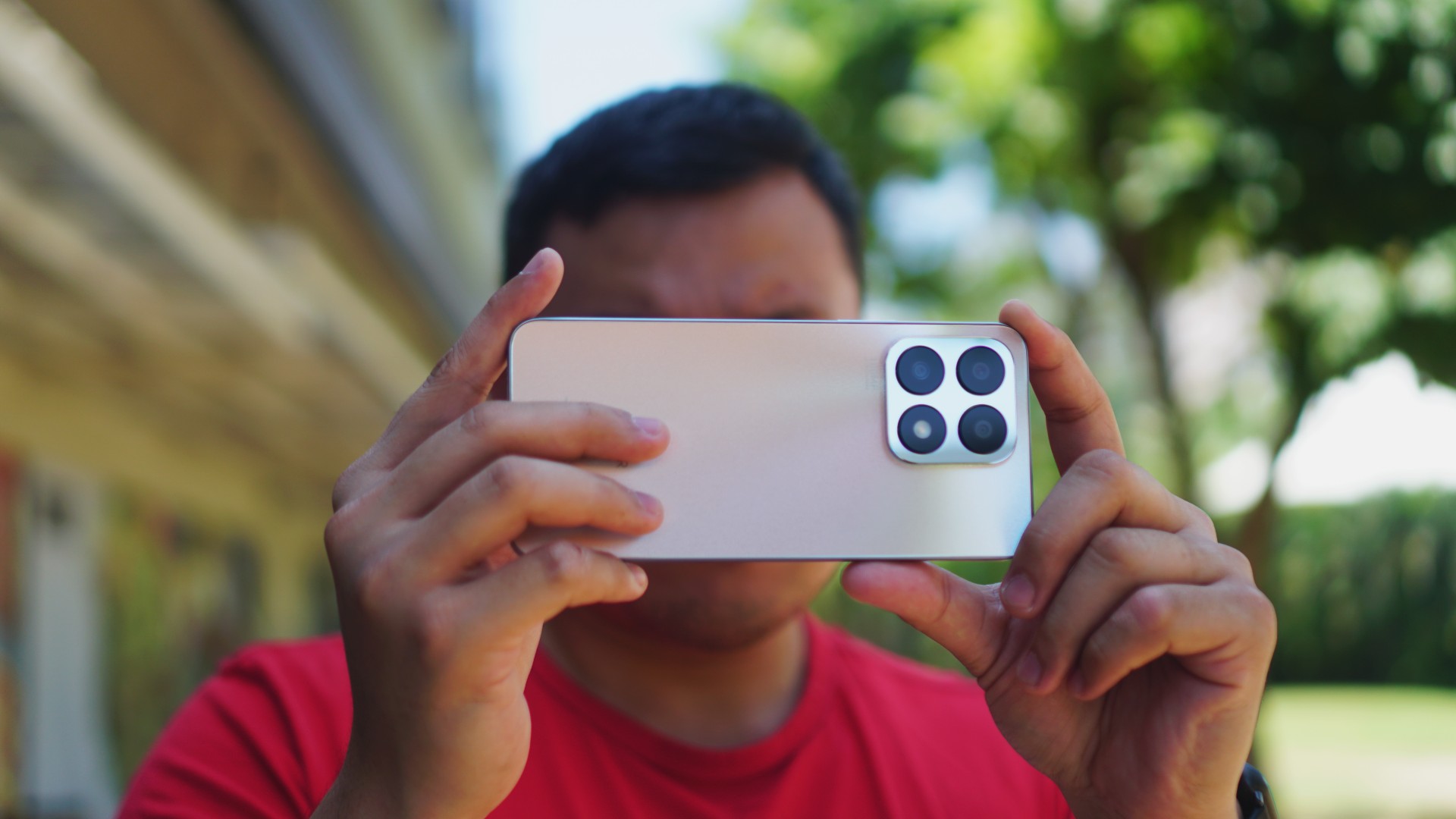
If there is anything that stands out with this phone is that its 4,500mAh battery’s life can endure the lengths. Throughout my stay in Vietnam, I had this routine of using the phone for hours to shoot while walking along the streets of Ho Chi Minh City.
But after that, I would barely use it. When in Power Saving Mode, the phone loses just about 2 or 3% overnight.
As it supports the usual fast charging expected of a phone for its price point (22.5W), the phone also replenishes its battery percentage quickly.
Is the HONOR X8a your GadgetMatch?
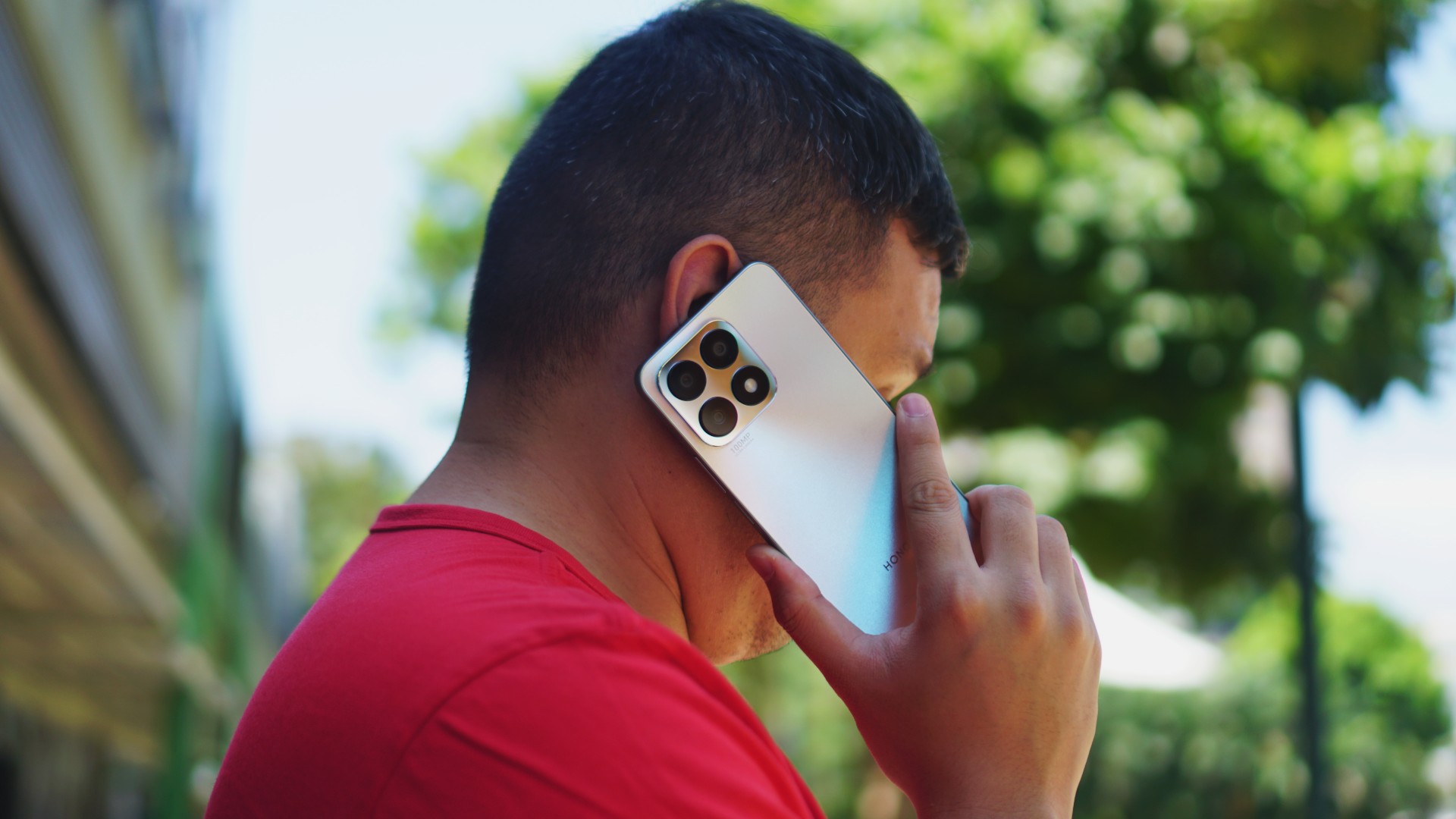
The HONOR X8a is now available for pre-orders, retailing for PhP 10,990 in the Cyan Lake, Titanium Silver, and Midnight Black colorways. It is incredibly lightweight, which could be a good thing for specific users.
But as it is being promoted as a reliable mid-ranger for mobile photography, there are just so many items on the criteria the phone does not surpass.
If I had anywhere between PhP 12,000 to PhP 18,000 and were thinking about upgrading my current budget or midrange device, the X8a wouldn’t be the first model I’d be thinking of, and that’s just the truth.







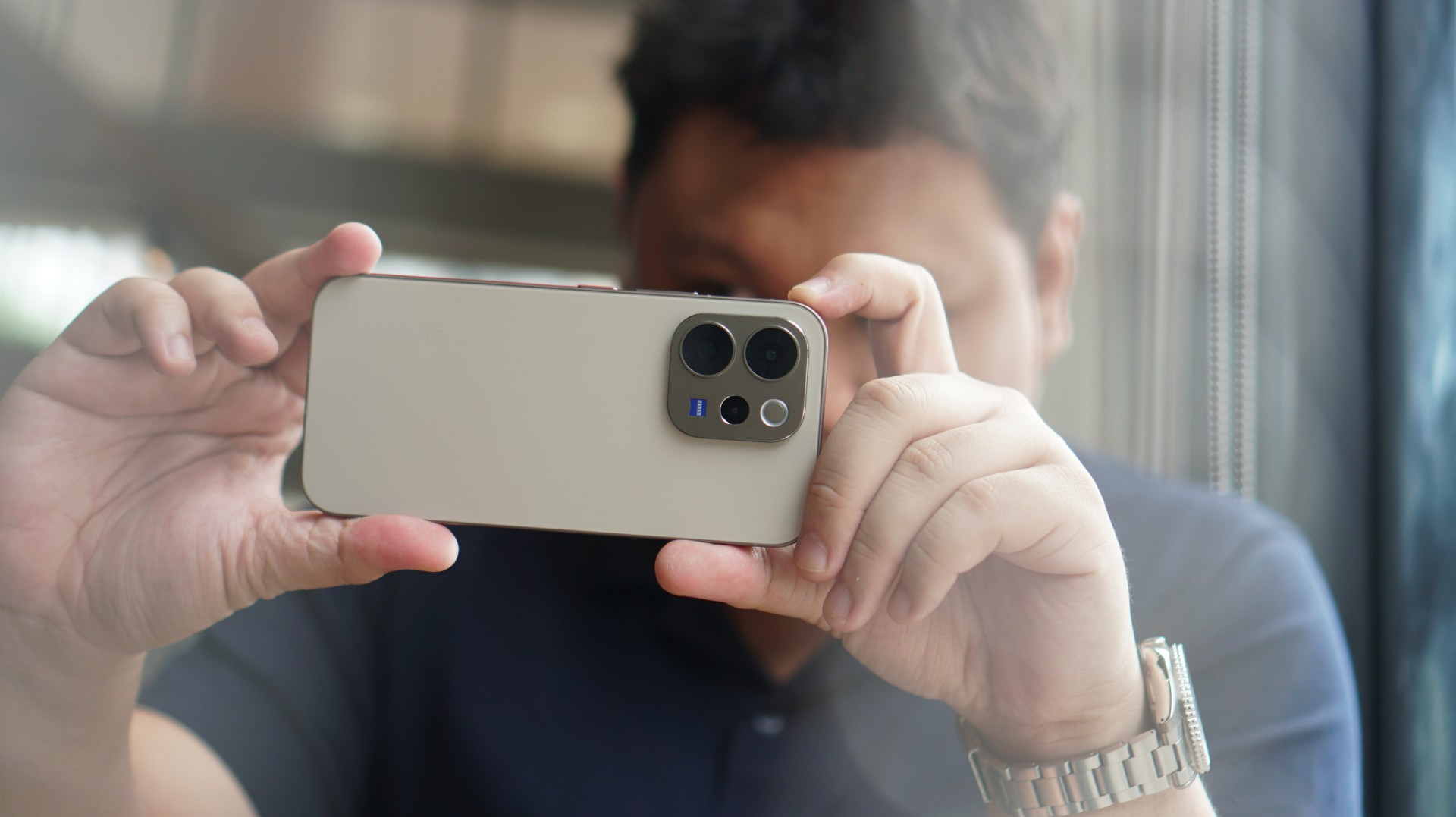
It was a small bar gig. The kind where the music fills the room and the lights do just enough to set a mood without really helping you see.
We were standing just off to the left of the stage. Close. Not directly front row, but close enough that a few steps forward would’ve put us right in the band’s space. Close enough to get shots you normally wouldn’t.
That’s when I started using the vivo V70 the most. Because this is the exact scenario it’s built for.

On stage: Stonefree
vivo calls it a “concert buddy camera.” And while I didn’t take it to a full arena show, this felt like a fair test. Loud music. Unpredictable lighting. Moving subjects.
The kind of environment where most midrange phones start to fall apart. And for the most part, the V70 holds its ground.
Not perfectly. Not flawlessly. But close enough where it matters.
A lite version of something bigger
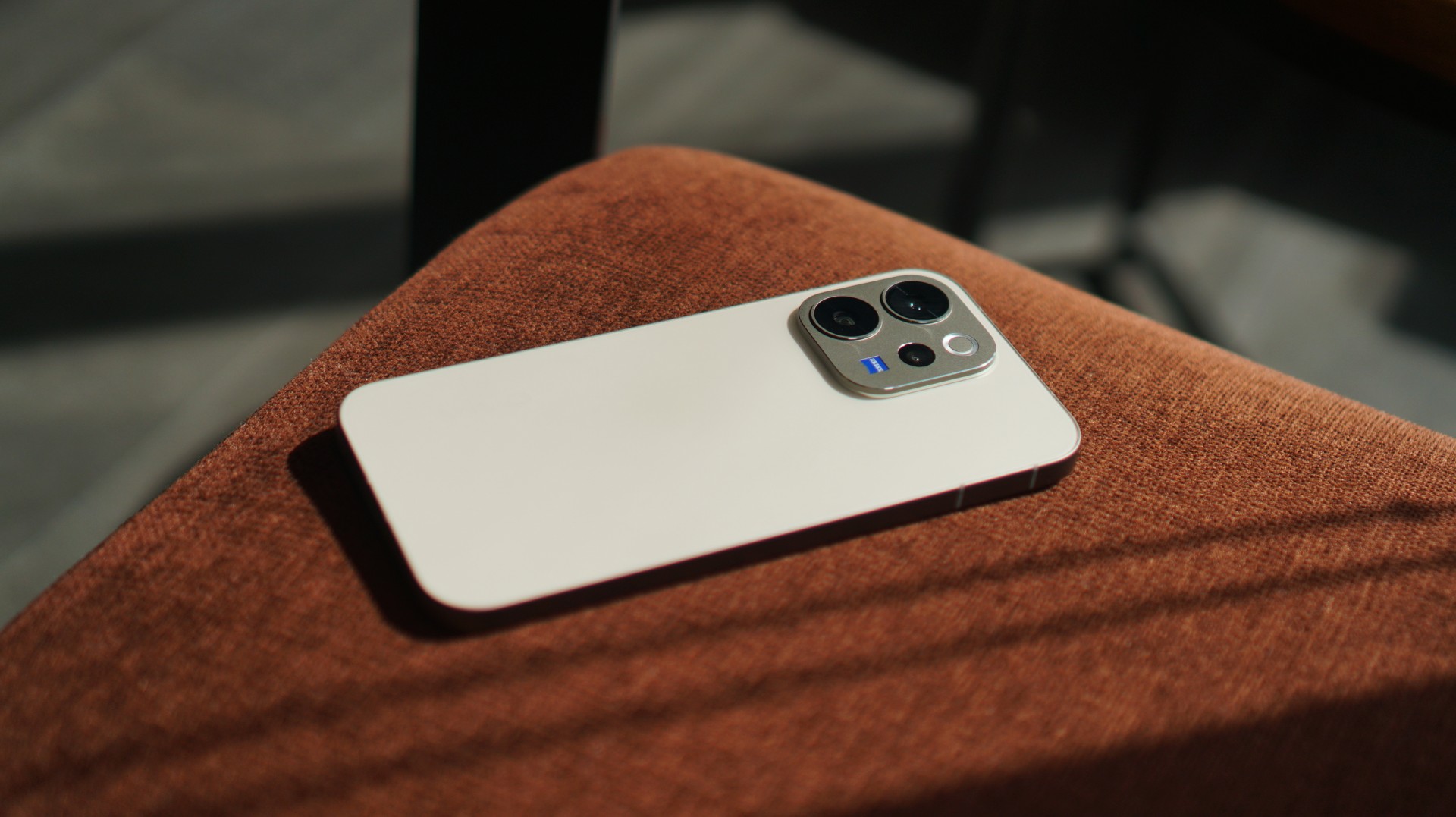
Before anything else, it’s important to frame what the vivo V70 actually is.
This isn’t trying to replace the likes of the vivo X300 Pro or vivo X300 Ultra. Those are still the phones you reach for if you’re serious about capturing concerts.
The V70 feels more like a lite version of that experience.
You get a taste of what vivo’s flagship imaging can do—especially with zoom and stage-focused shooting—but within the limits of a midrange device. Those limits show up exactly where you’d expect.
Shooting the stage
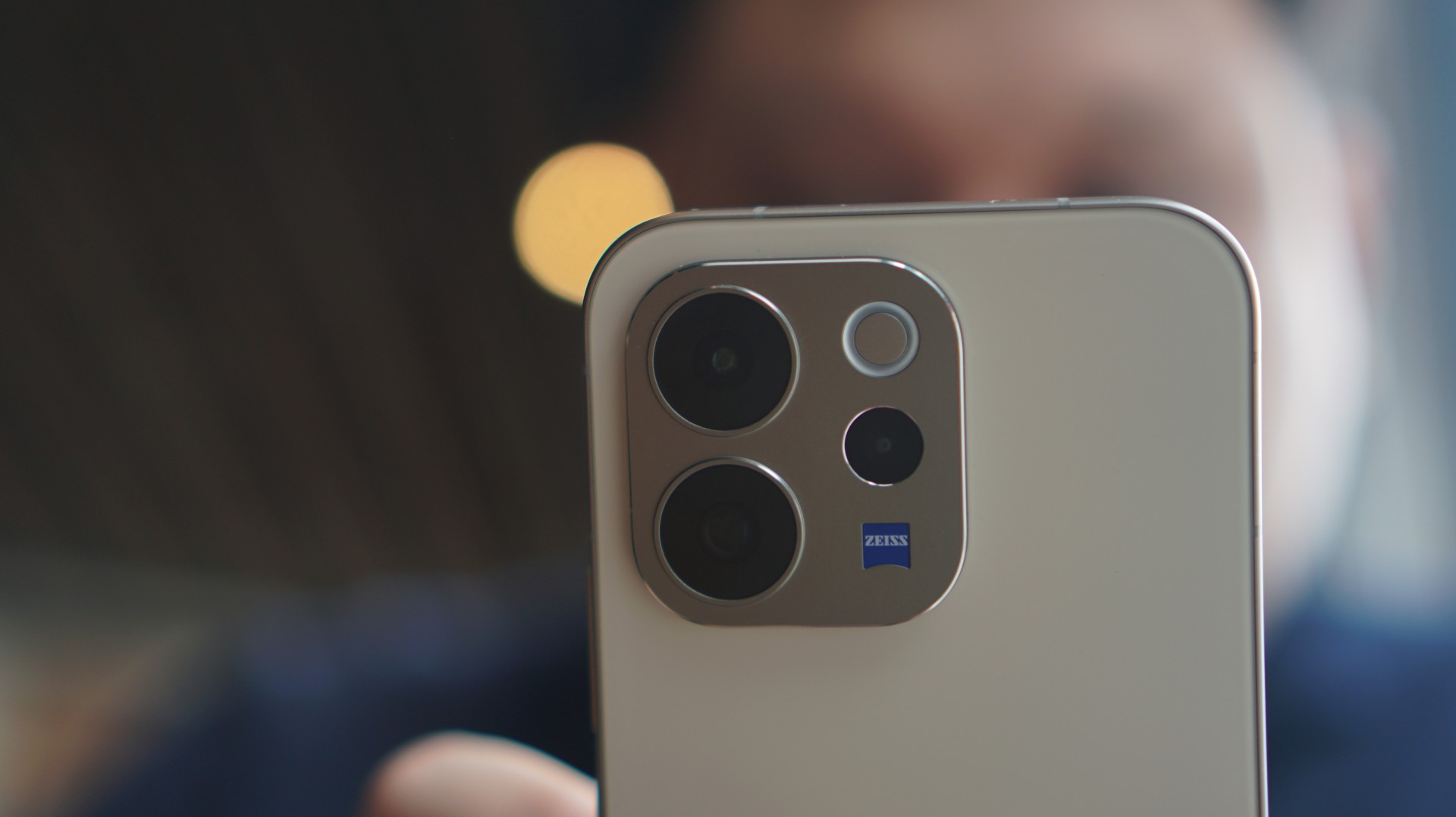
From where I was standing, I honestly didn’t need zoom.
At around 15 to 20 steps from the stage, the 1x camera already gave me solid framing. But what made the V70 interesting was how confidently it let me push in tighter.

I mostly stuck to the default Stage Mode focal lengths: 1x, 2x, 3x, and 10x.
Up to 10x, the results were surprisingly usable. This is where the phone really starts to feel like it’s doing something extra. You can isolate performers, get tighter compositions, and walk away with shots that feel more intentional.


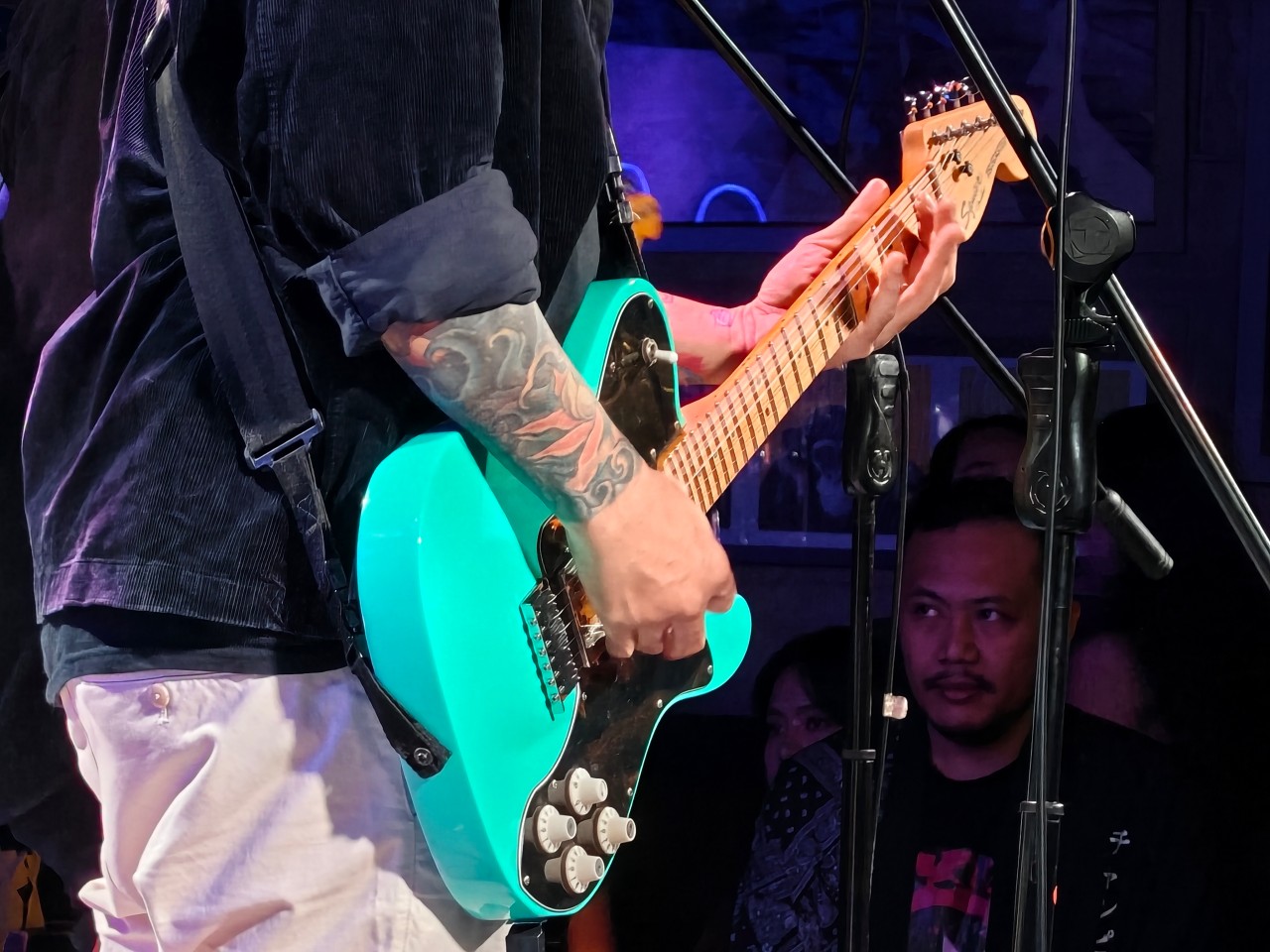



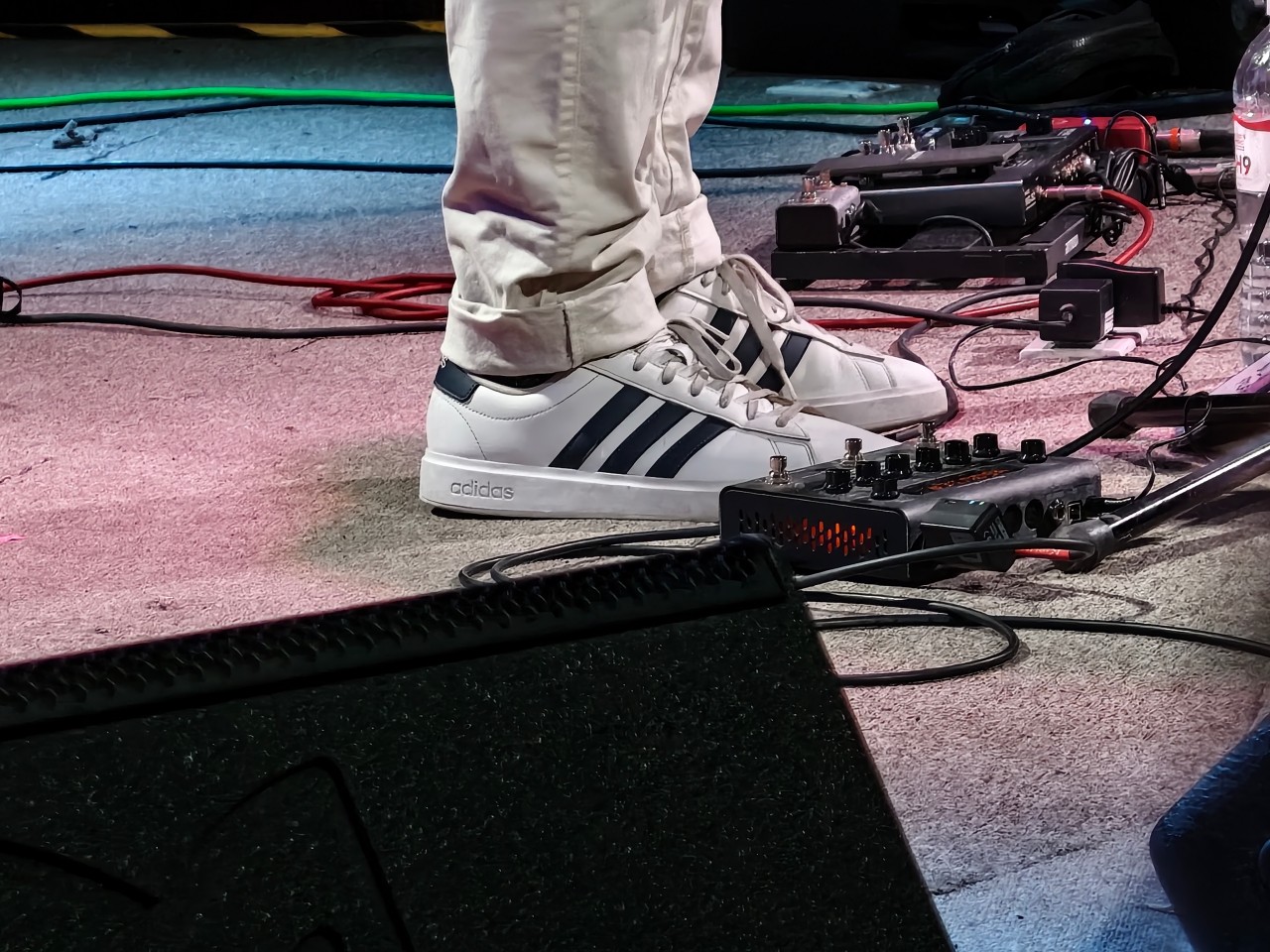
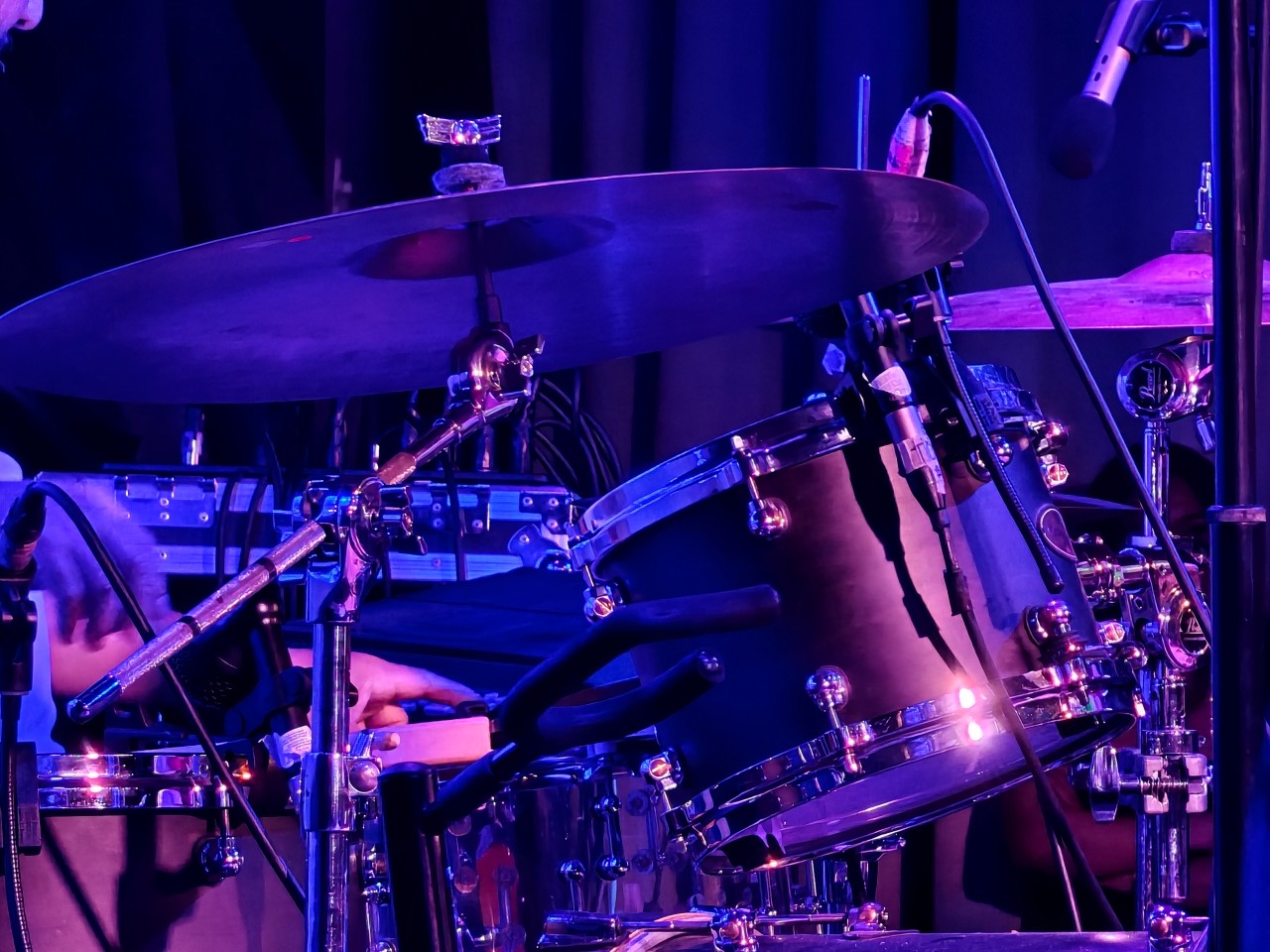
Push it to 20x, though, and things start to fall apart. Details soften. Noise creeps in. It gets a little crusty—and that’s usually where I stop.
Stage Mode itself isn’t immediately obvious in how it works. It’s not like flipping a dramatic switch. But looking at the results, there’s clearly some tuning happening behind the scenes—especially in how it handles lighting and color under stage conditions.
It’s subtle. But it works. More importantly, it gives you that feeling that you’re closer than you actually are.
Handling light and motion

On stage: Letter Day Story
This is where most phones struggle.
Between shifting lights, fast movement, and a constantly changing scene, it’s easy to end up with blurry, unusable shots. But the V70 does a surprisingly good job here.
I was getting a lot of photos that were usable right away.
Not perfect. Not flagship-level. But consistently good enough that I didn’t feel like I had to fight the phone to get something decent.

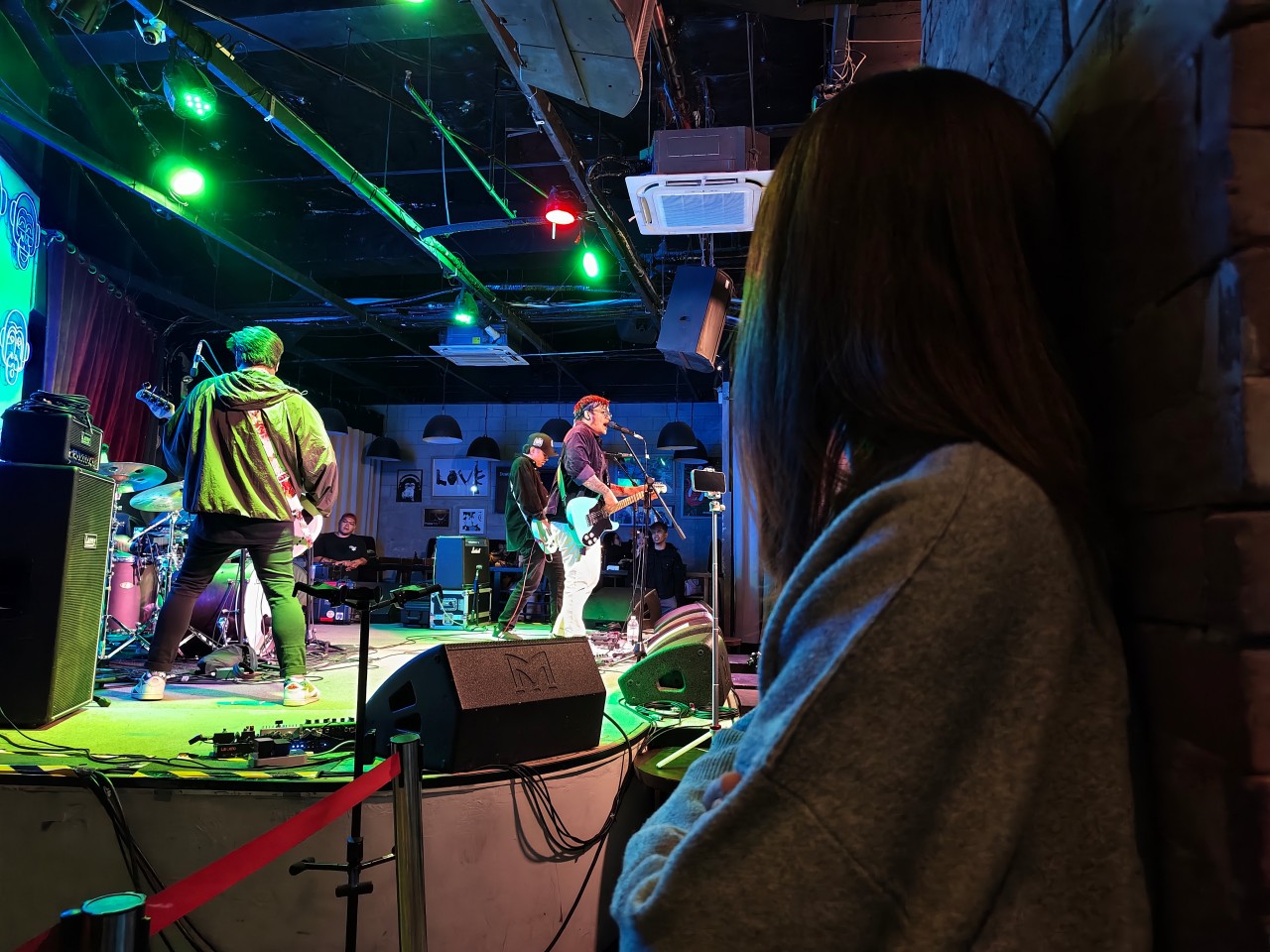
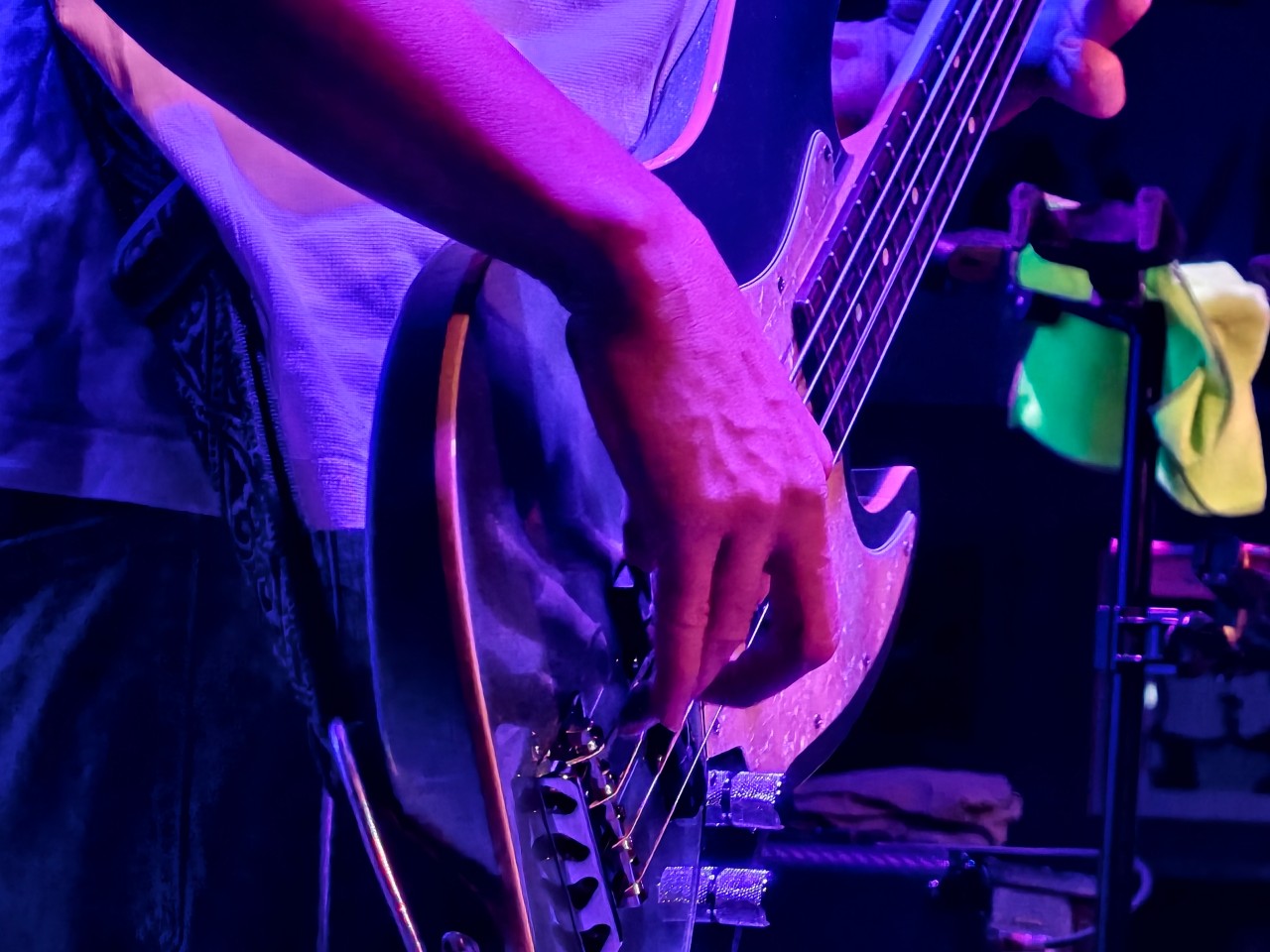

There were still moments where I took multiple shots—but that’s more of a habit than a necessity. If anything, the V70 gave me confidence that at least one of those frames would turn out well.
Optical image stabilization does a lot of the heavy lifting here. As someone who isn’t the steadiest shooter, I leaned on it heavily—and it delivered.
Movement was handled well too. Not flawlessly, but better than most phones in this category. There’s no noticeable shutter lag, which helps a lot when you’re trying to catch moments as they happen.
Colors that match the night
The lighting that night leaned heavily into neon blues and violets. Very cyberpunk. The kind of lighting that can easily confuse a camera.
The V70 handled it well.
It preserved the mood without trying to “correct” it too much. Colors stayed true to what I was seeing, and skin tones didn’t go completely off under artificial lighting.
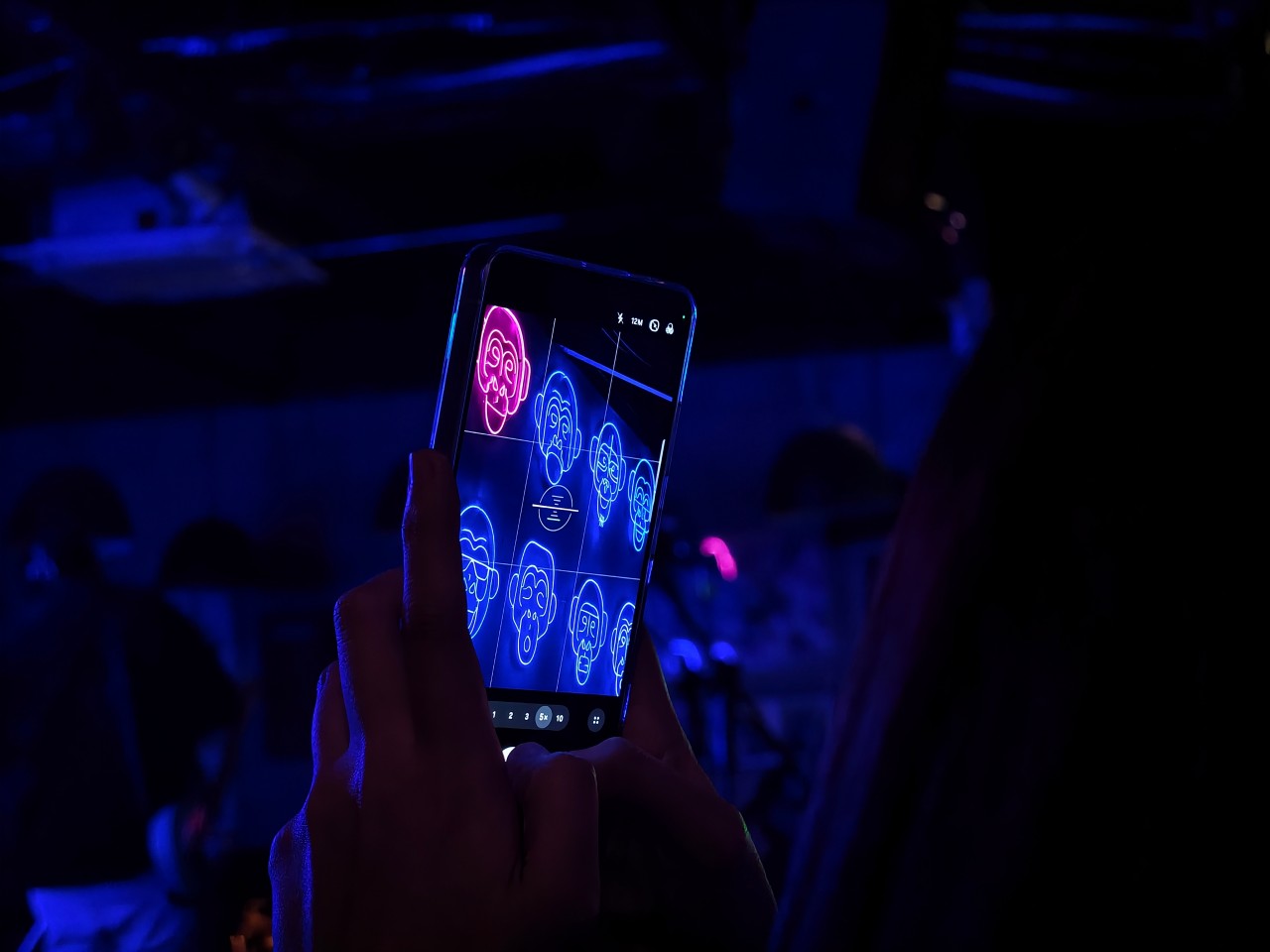

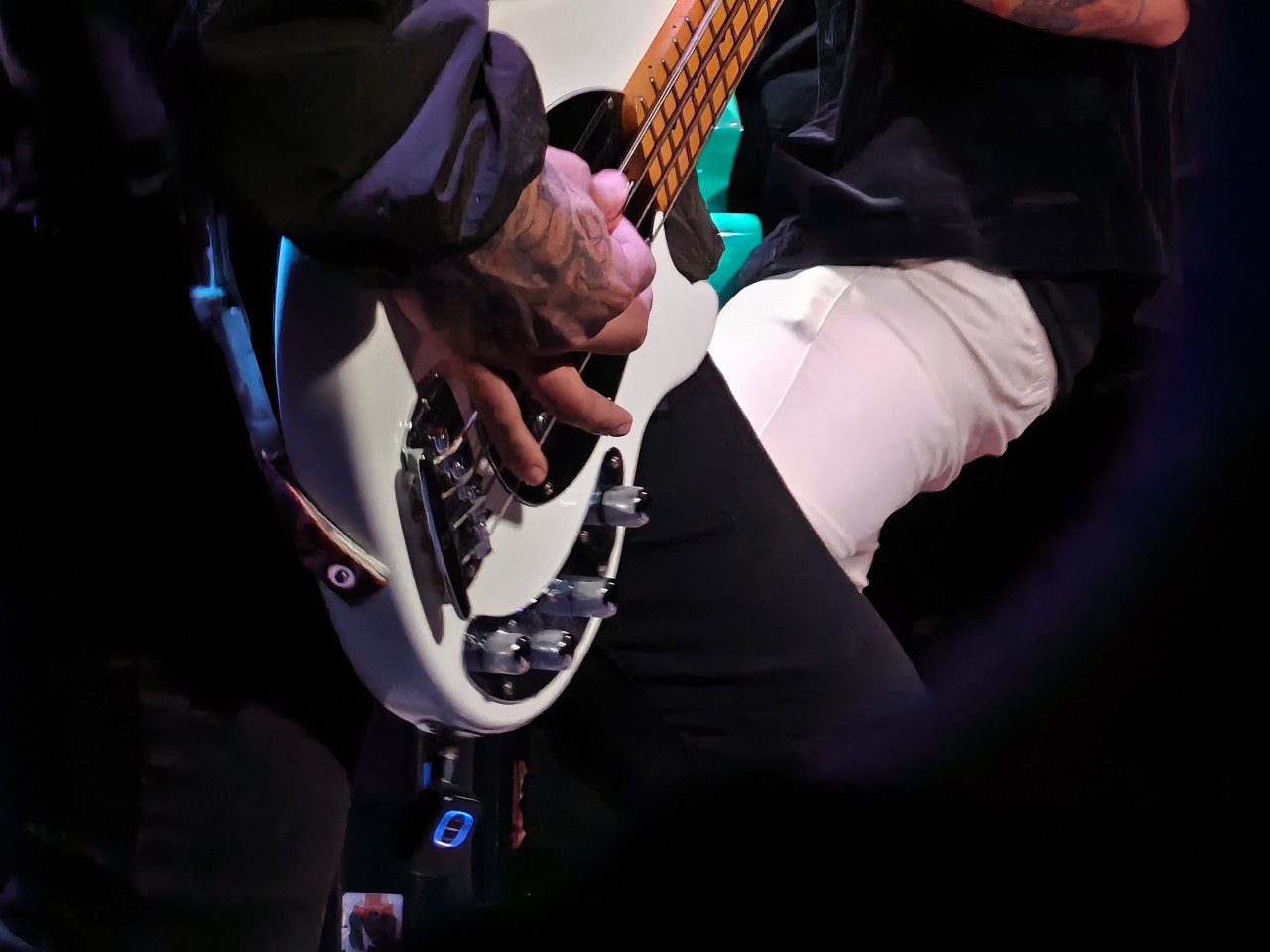

Highlights were controlled too. No aggressive blowouts. No overly processed look.
This is where vivo’s color science continues to stand out—it finds a balance between accuracy and aesthetic without overdoing either.
It looked like the night I experienced.
Video is good. Audio… could be better.
@rodneil vivo V70 sample photos and video. Feat. @stonefreeph and #letterdaystory #vivoV70 #vivo ♬ original sound – Rodneil
I spent most of the night shooting video.
Stability is solid. Even handheld, even with a bit of natural shake, the footage comes out clean enough to post without hesitation.
And that’s really the key metric here.
If you’re shooting for Instagram Stories or TikTok, the V70 gets the job done.
@rodneil “Sama-sama” by Letter Day Story 📹 vivo V70 #vivoV70 #vivo ♬ original sound – Rodneil
One thing to note: Stage Mode caps video at 4K 30fps. That’s a step down from flagship vivo devices that can shoot 4K 60fps in similar scenarios.
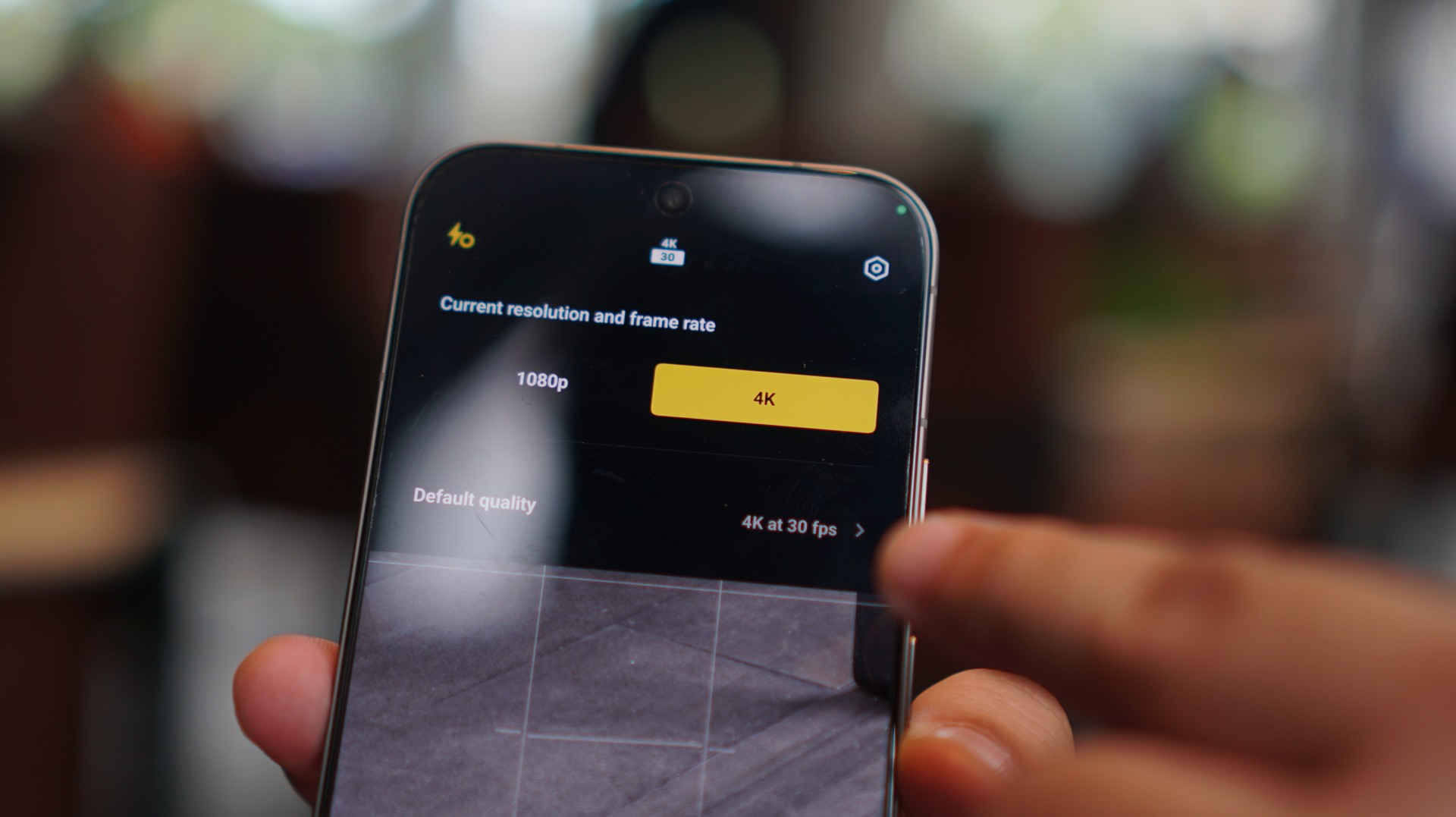
It’s not a dealbreaker—but it’s one of those reminders of where this phone sits.
Audio is where things get a bit tricky.
It’s not bad. You can hear the music clearly. It’s usable. But it has a slightly processed, contained quality to it—like listening through older budget headphones.
@rodneil “Tadhana” by UDD performed by @stonefreeph 📹 vivo V70 #vivoV70 #vivo ♬ original sound – Rodneil
There’s a good chance the AI Audio Noise Eraser is playing a role here. It helps clean things up, but it also takes away some of the rawness of a live performance.
So while the visuals feel immersive, the audio doesn’t quite match that same level.
A distance camera, not an everything camera
The telephoto lens is one of the V70’s biggest strengths. But it also comes with a limitation that’s hard to ignore.
When shooting the stage, it works great. That’s where it shines. That’s what it’s built for.
But try using it for closer subjects—like food or table shots—and things start to break down. Focusing becomes less reliable. Results feel less consistent.




It’s not a dealbreaker. But it reinforces a key idea: This is a distance camera.
It’s designed to bring faraway moments closer—not to replace your main camera for everything.
Portraits and people
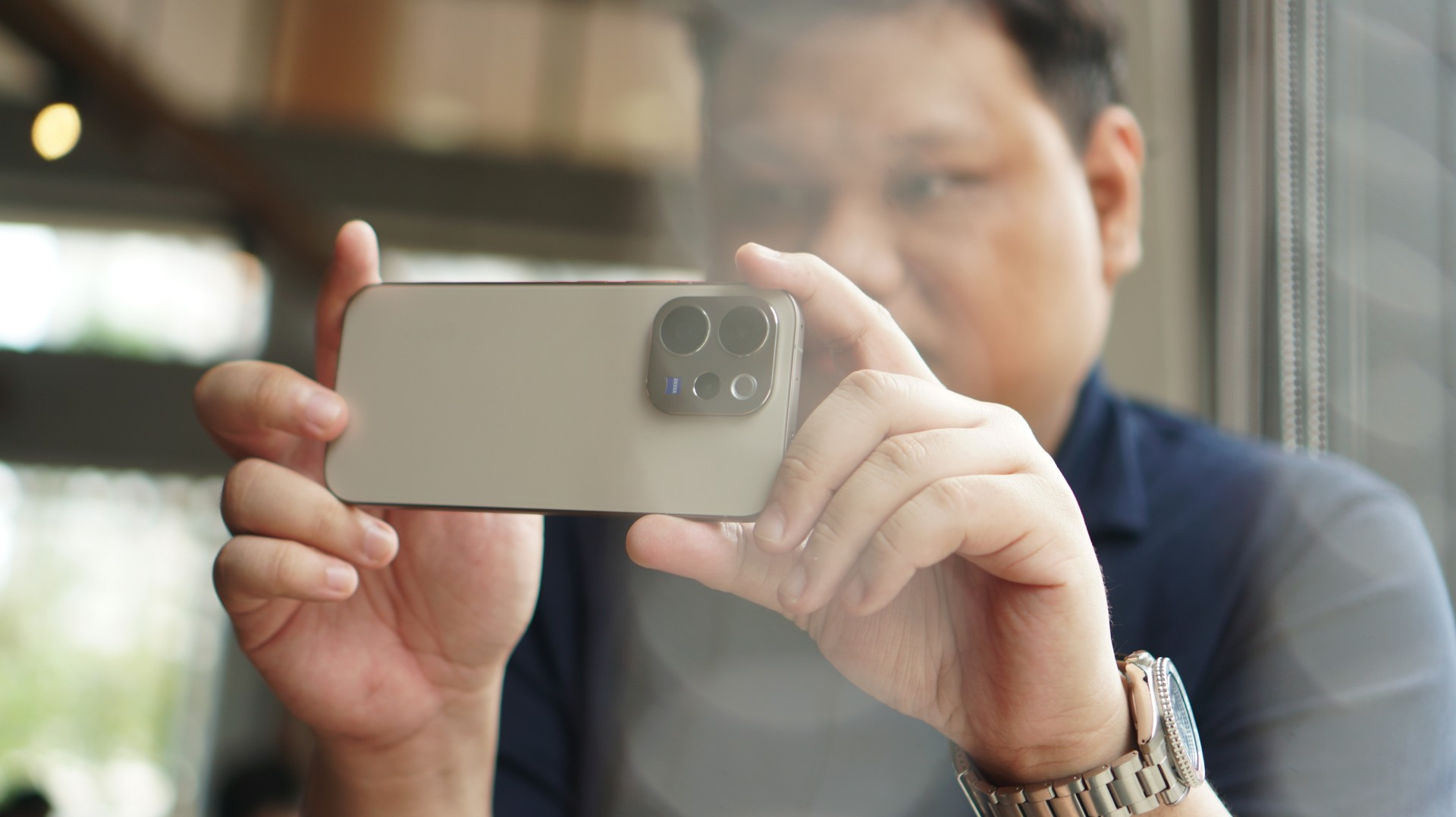
Away from the stage, the V70 still delivers solid portrait shots.
I took a few quick photos of a friend during dinner, and focal lengths like 35mm and 50mm felt the most natural. There’s a nice balance between subject and background, and the results lean more toward night out vibes than overly processed smartphone shots.


The absence of Aura Light is noticeable—but not necessarily a dealbreaker.
It would’ve been a nice touch, especially given how popular flash-style portrait photography has become. But if you’re used to phones without it, you won’t feel like you’re missing something essential.
Daily use
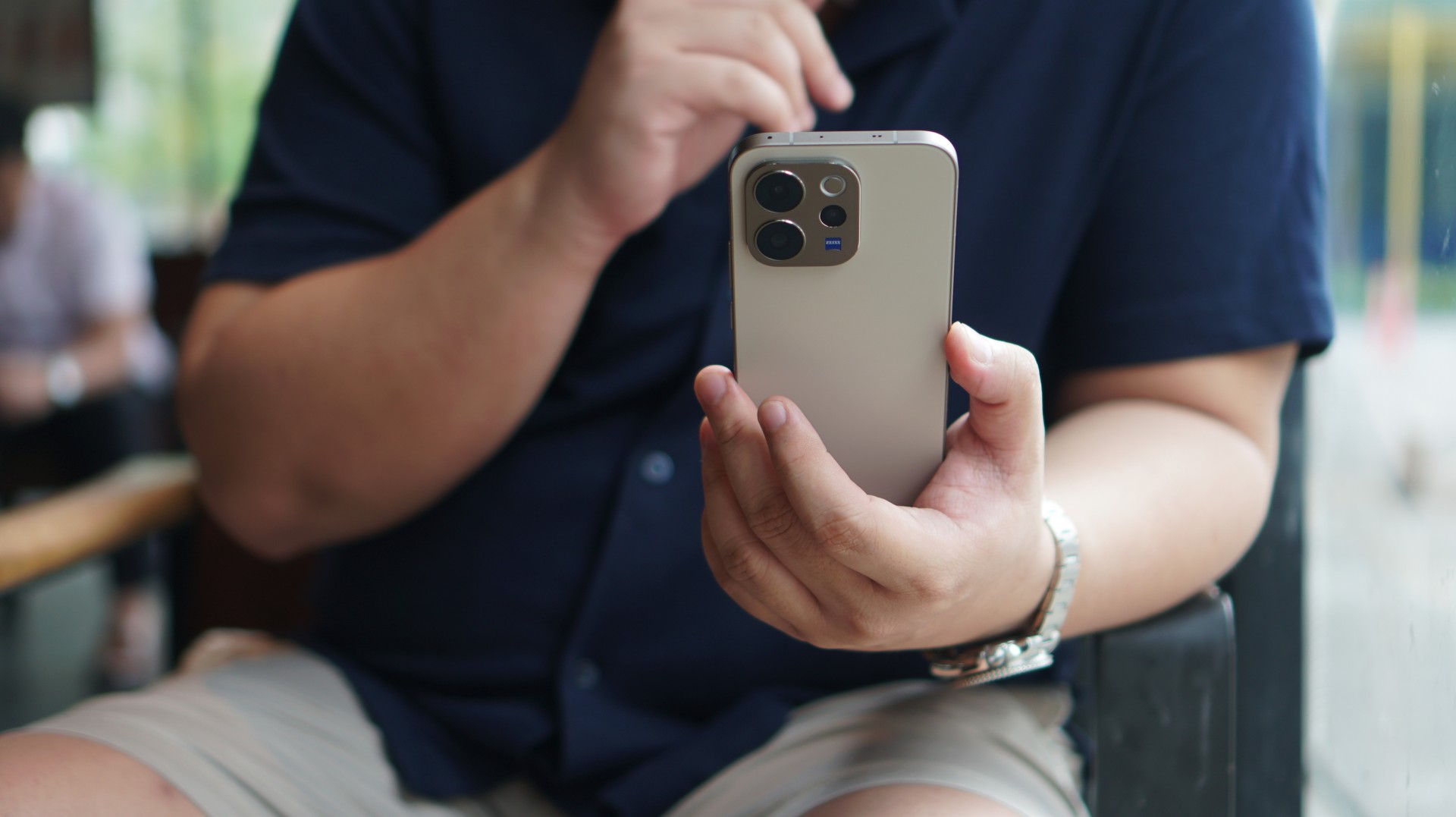
Outside of the camera, the V70 behaves exactly how you’d expect a modern midrange phone to.
Performance is smooth. Not blazing fast, but consistent enough for everyday use.
The display looks really good—made even better with tripleS’ Sohyun on screen. It’s sharp, bright, and easy on the eyes, especially when reviewing photos and videos.
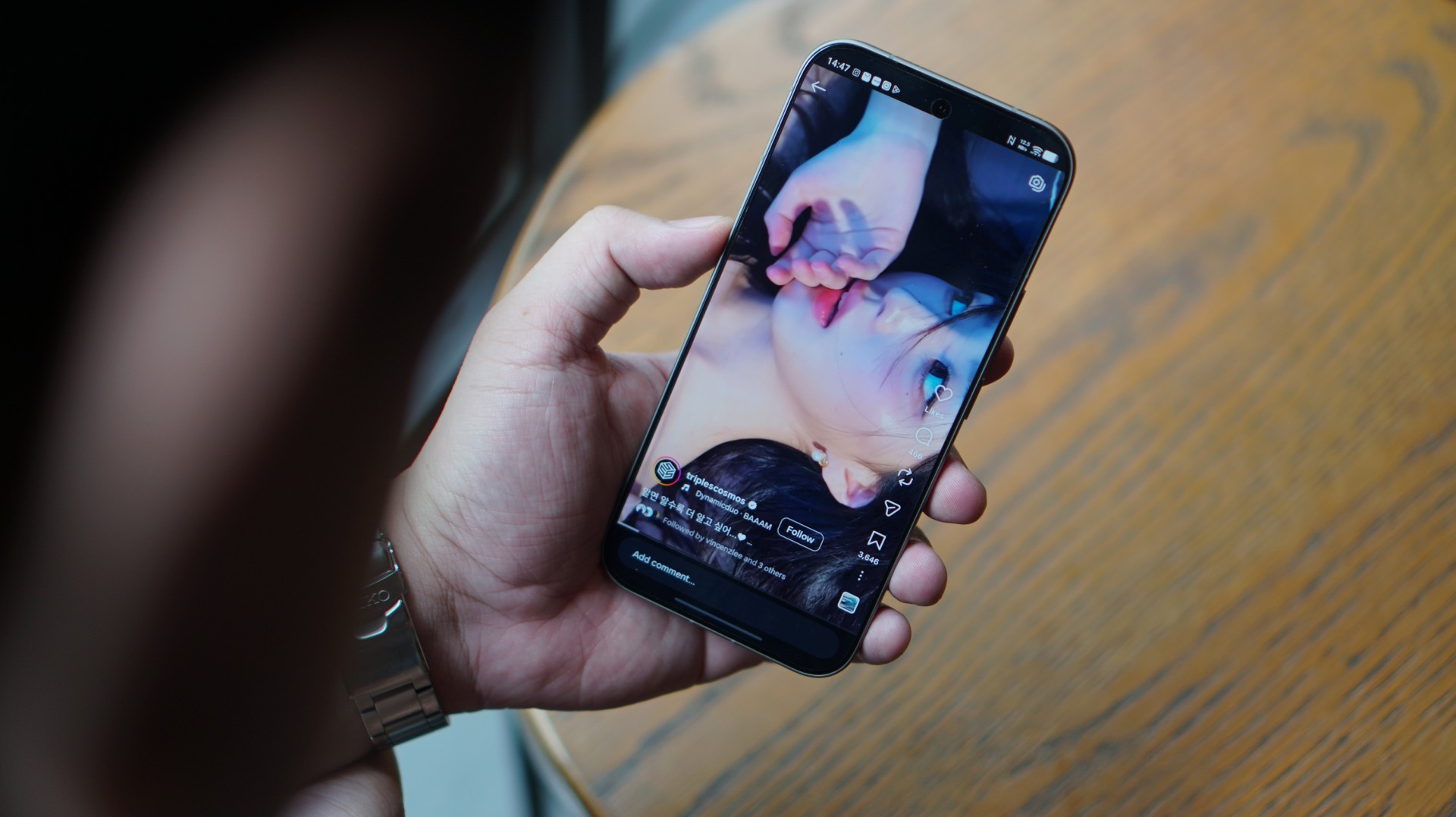
Editing on-device was surprisingly good too. There were a couple of hiccups with apps needing a restart, but overall it was smooth sailing.
Battery life holds up through a night out, but just barely. After a session of heavy shooting, I ended the night at around 20 percent. You’ll want to charge once you get home.

Charging itself isn’t something you think about much. Plug it in, and it’s handled.
In hand, the phone strikes a nice balance. Not too big, not too small. Easy to grip, easy to use one-handed.
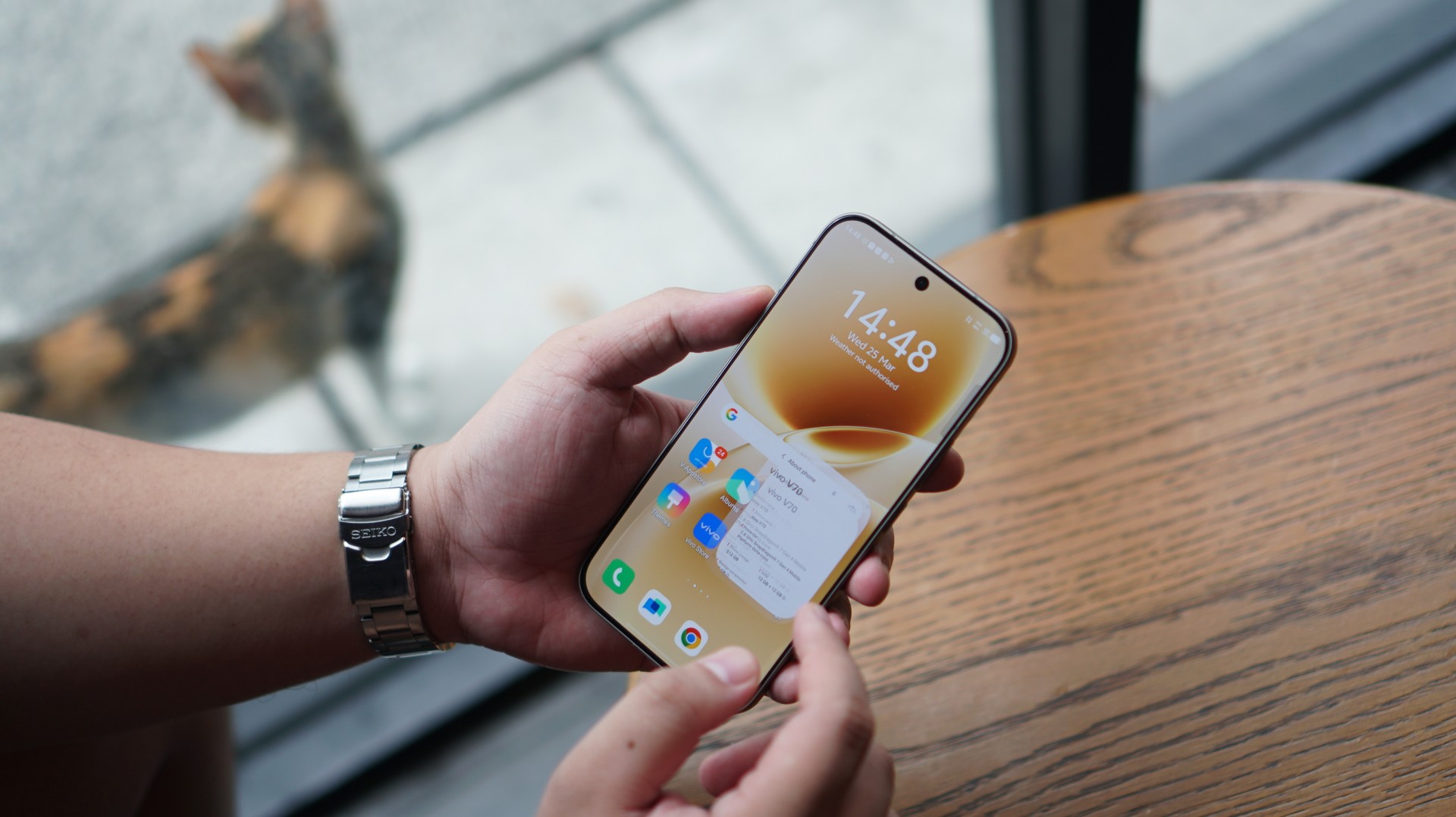
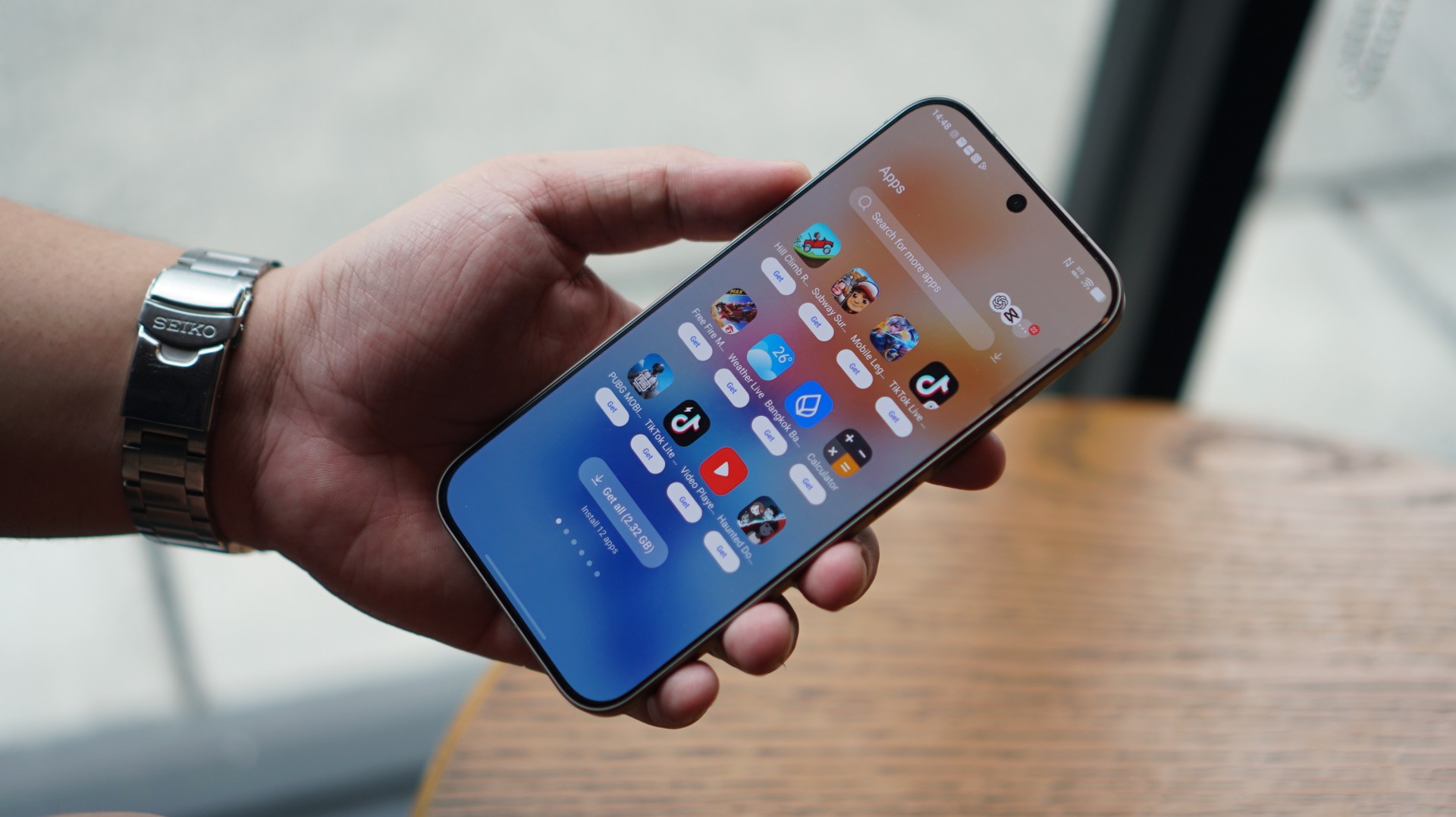
There are still some usual annoyances out of the box—suggested apps, extra notifications pushing new installs—but these can all be turned off. You just wish they weren’t there to begin with.
Is the vivo V70 your GadgetMatch?
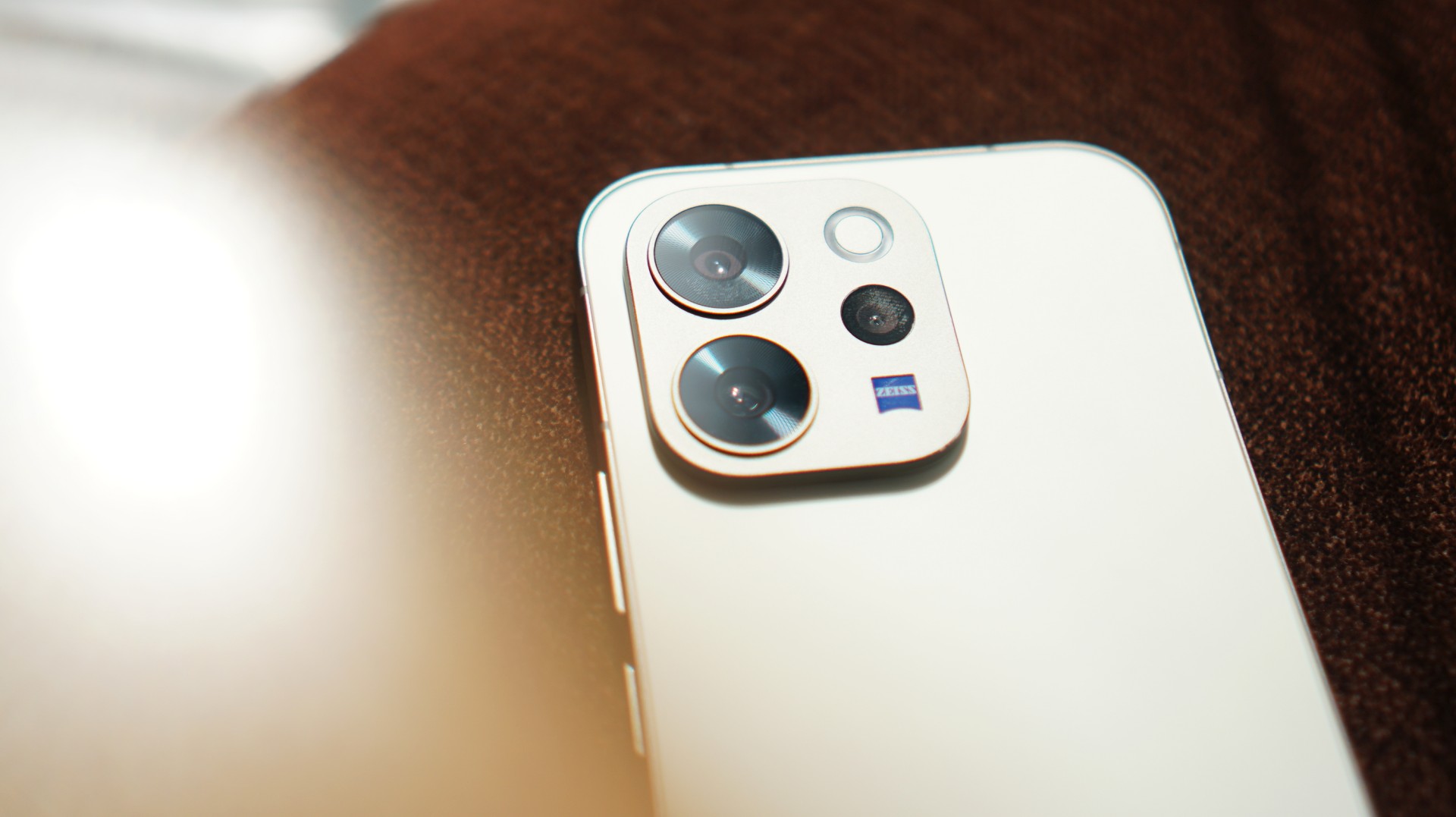
This is where things get interesting.
If you’re serious about shooting concerts, you’re still better off with something like the vivo X300 Pro. That’s still the safer recommendation. But not everyone needs that.
Not everyone is going to arena shows regularly. Not everyone wants to spend flagship money just to capture a few nights out.
That’s where the V70 makes sense. It’s for the in-between.



The spontaneous gigs. The lowkey bar nights. The moments where you didn’t plan to shoot—but end up wanting to anyway.
There are even people who rent flagship phones for big events. But you’re not always going to do that. Sometimes, you just want something reliable in your pocket. And for that, the vivo V70 works.
It’s not excellent. But it’s pretty darn good where it counts.
If your nights look anything like this—music, movement, unpredictable light—the vivo V70 is a soft Swipe Right.
Drones
DJI Avata 360 review: Capture now, decide later
Shifting the focus from technical precision to pure immersion!


I have never been particularly fond of heights, yet I always find myself pulled to stand on a mountain ridge. The world feels vast and slightly intimidating from that vantage point.
When I put on the DJI Goggles 3 and enable head tracking, that physical boundary disappears. I’m no longer standing on a ridge holding a controller. I’m inside the flight, soaring at an altitude that makes my stomach drop in a way that feels visceral and real.
This is the core of the DJI Avata 360 experience: It’s about piloting a machine while inhabiting a new perspective.
Seamless transition into flight
The first time you take the DJI Avata 360 up, it meets you where you are. Using the standard RC controller feels familiar right away because the system behaves exactly how a pilot expects it to.
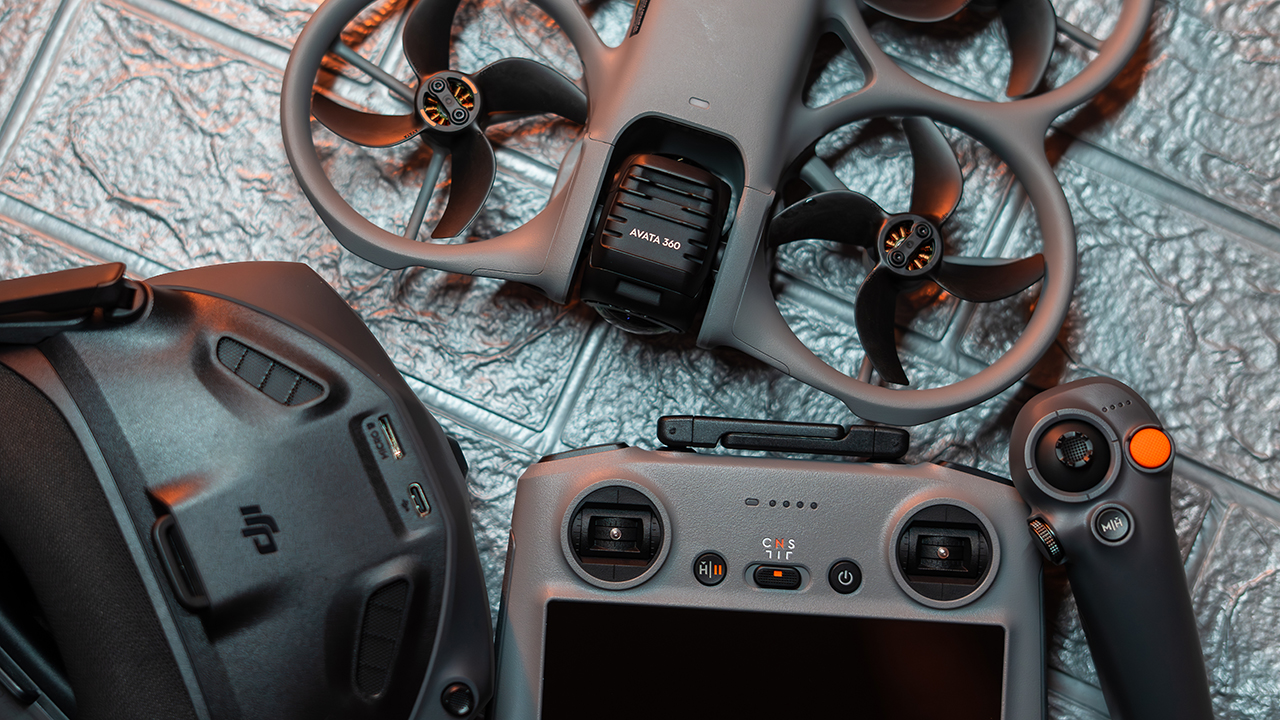
The flight remains stable and predictable, which allows for a high level of trust during the initial minutes in the air. Getting started follows a familiar routine of firmware updates and device pairing.
While the process is not instant, the interface is intuitive enough that most users will reach a comfortable flying state quickly.
Finding creative safety in the open sky
The experience shifts when you enable head tracking and unlock the full 360-degree view. You are no longer just watching the drone fly, but instead, you feel as though you are part of the movement.
This immersion is especially powerful at higher altitudes. This drone fundamentally changes the creative workflow because it allows you to capture the moment first and decide on the framing later.
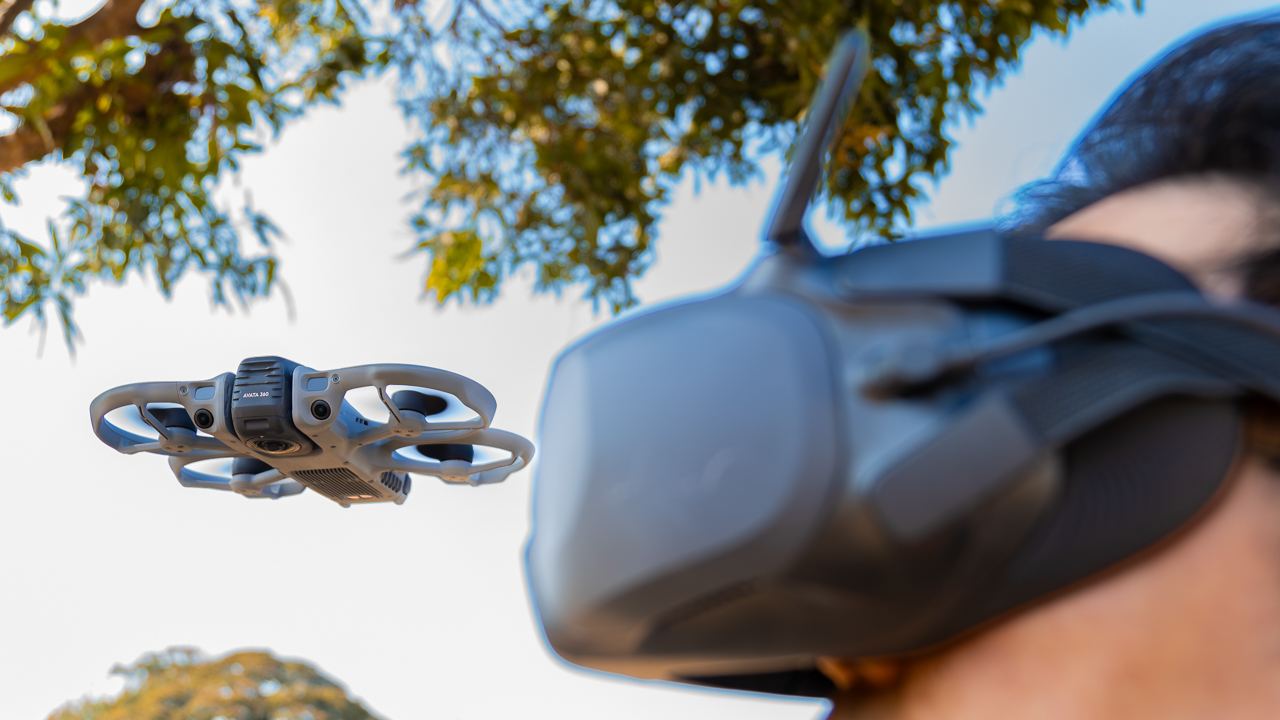
Traditional shooting requires careful planning and repeated takes to ensure you nailed the angle. With the Avata 360, that pressure is reduced.
Because the sensor captures everything, you can focus on the movement of the drone rather than the boundaries of the frame.
Each battery provides around 15 minutes of flight time, which sounds limiting on paper but proves to be manageable in practice.

Because the shooting style is so efficient, I often capture exactly what I need within a single flight. This drone is a partner for those who document fast-moving situations like races or extreme sports where moments happen only once.
View this post on Instagram
Refining the story in post-production
The visual output feels polished and gives the editor plenty of room to work. Colors are clean and balanced straight out of the camera, which provides flexibility during the grading process.
While the sharpness can lean slightly artificial, dialing it down creates a much more organic look. The inclusion of D-Log and 8K resolution at 60fps provides enough detail to build slow-motion edits without sacrificing quality.
Tracking remains reliable in good lighting, though the system requires more manual awareness once the sun goes down and the obstacle avoidance sensors lose their effectiveness.
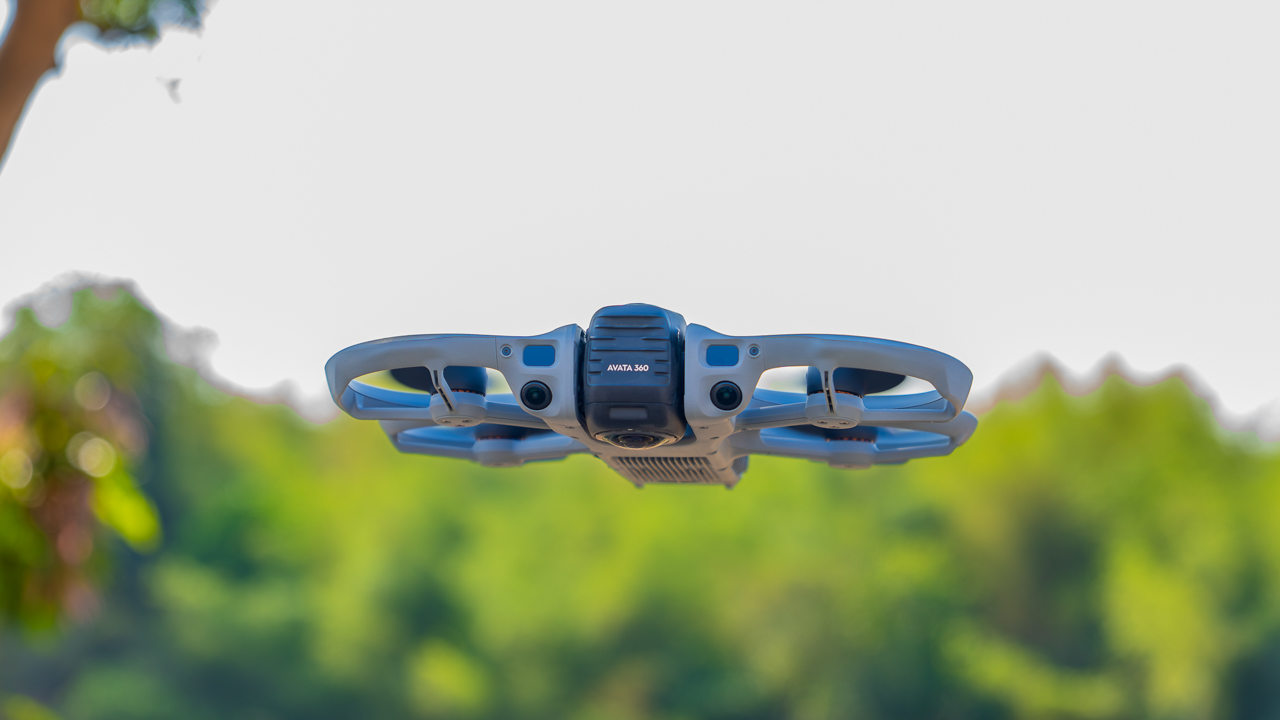
Though, the flight experience is strong, but the editing workflow currently introduces some friction. Editing relies heavily on DJI Studio, and the lack of seamless integration with professional tools like Adobe Premiere Pro on Windows creates extra steps.
You often need to pre-render angles before you can bring clips into a main timeline. When compared to the Antigravity A1, the DJI ecosystem still feels more polished and easier to integrate into a working setup, yet the software gap remains a point of frustration.
Is this your GadgetMatch?
The DJI Avata 360 offers a different way to tell a story by shifting the focus from technical precision to complete immersion. It allows the creator to stop worrying about missing the shot and start thinking about how to feel it.
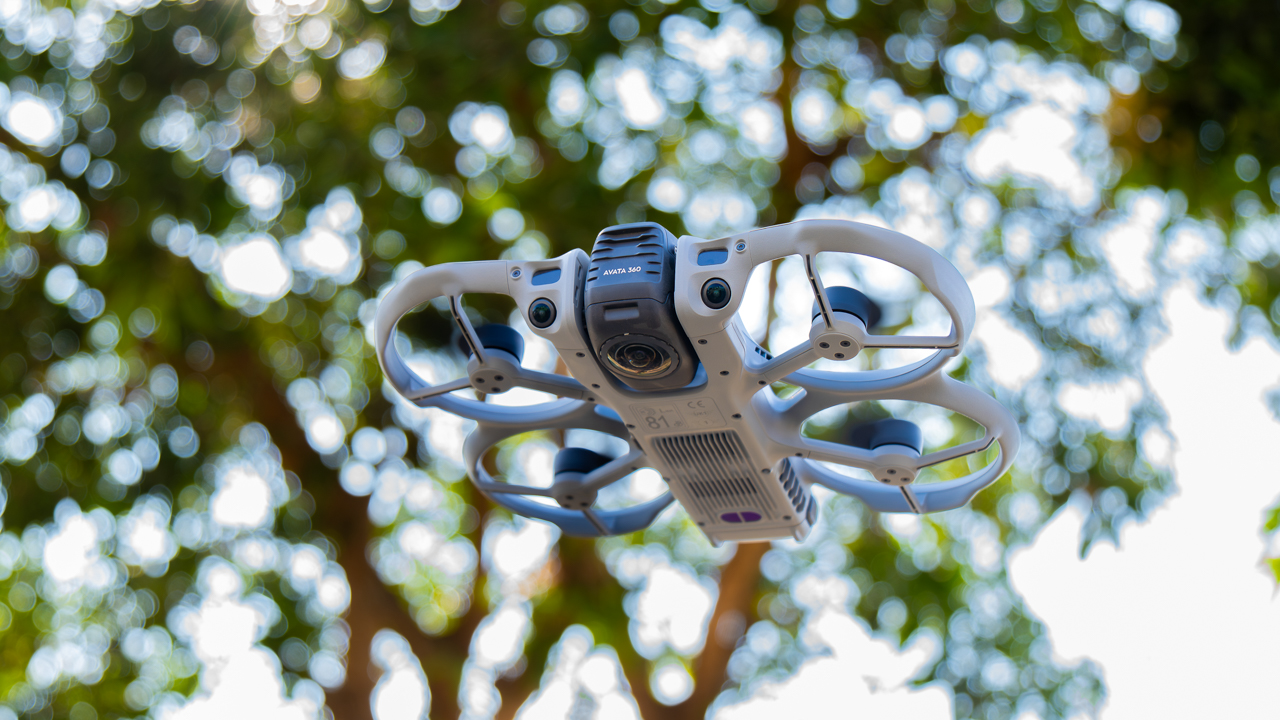
Swipe Right if your life involves fast-paced environments like extreme sports or travel where moments only happen once.
This is for the person who wants to feel like they are flying rather than just operating a camera. It fits the routine of a creator who values creative safety nets and the ability to reframe a story in post-production.
Swipe left if your workflow requires a fast, seamless turnaround on Windows without extra processing steps. It’s not the ideal choice for those who primarily shoot in low-light conditions or urban areas with high interference.
If you prefer the traditional control of a specification-heavy technical breakdown, the reflective nature of this system may feel less efficient.
Price, availability
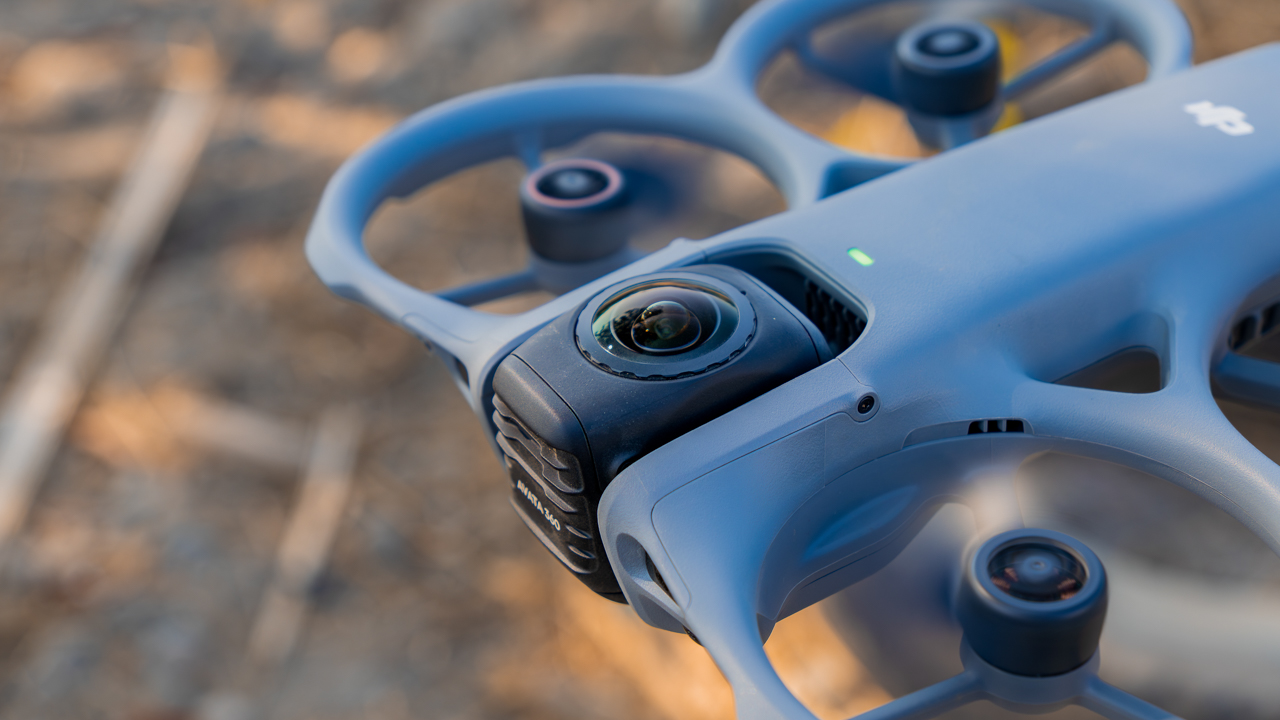
The DJI Avata 360 starts at PhP 38,290. With the Fly More Combo (DJI RC 2) or the Motion Fly More Combo (DJI Goggles N3), it retails for PhP 47,890.
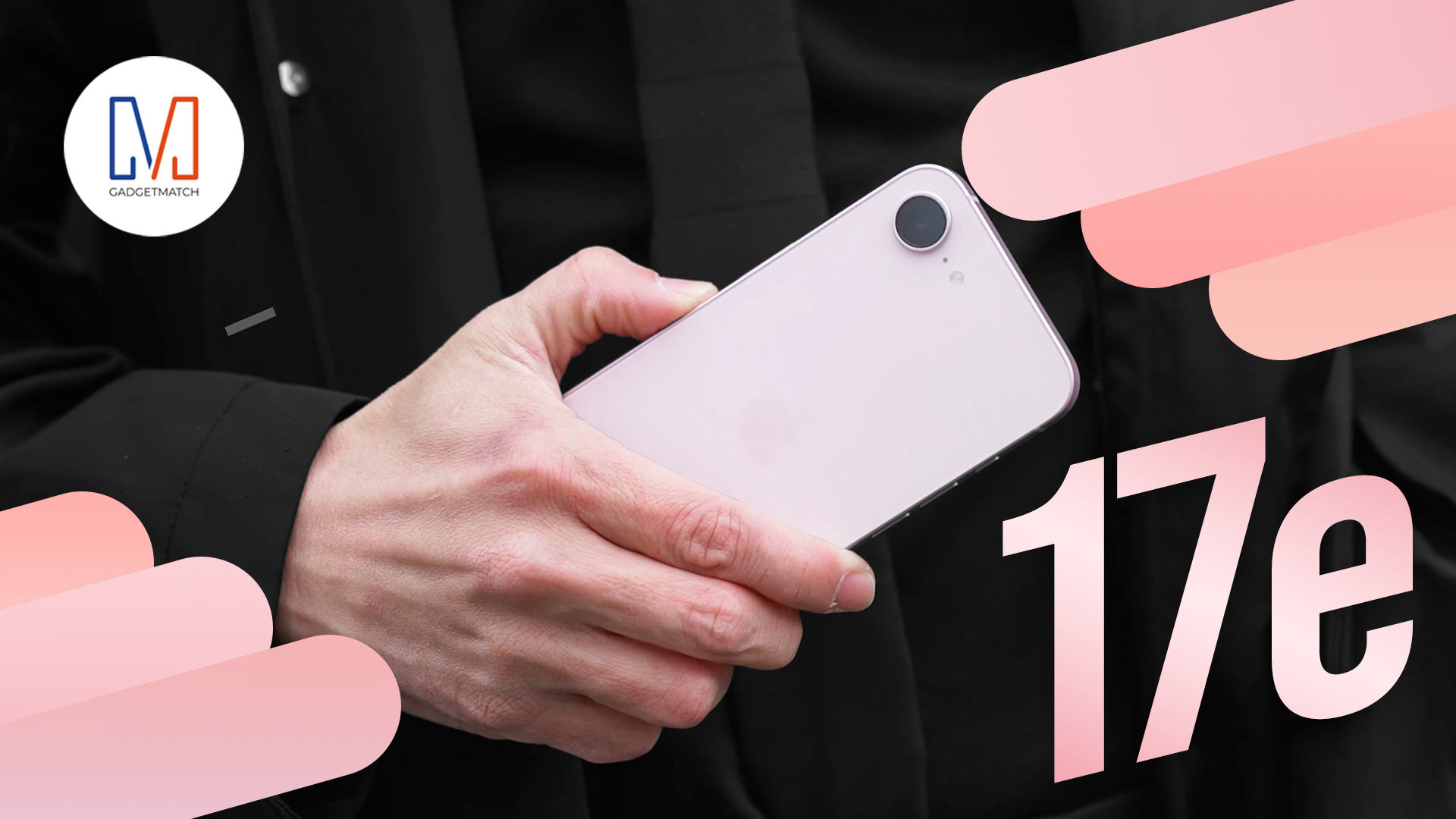
Apple has never made it easier to get into their fruit ecosystem.
At US$ 599, the iPhone 17e sits right beside the M4 iPad Air and the all-new MacBook Neo.
There’s a lot to love about it. It’s got everything you need, and nothing you don’t.
What’s the justification? Head over to our in-depth review of the latest Apple iPhone 17e to know more.



Bloodborne is getting an R-rated animated film adaptation

Honkai: Star Rail 4.2 launching next week

realme 16 Series 5G previewed ahead of PH launch

These Samsung TVs and sound devices are perfect for summer

Honor of Kings: World opens sign-ups for PC Alpha Test

POCO X8 Pro Max review: A New Beast from the Far East

POCO X8 Pro Series: Price, availability in the Philippines

VinFast extends free unlimited charging in 3 markets amid rising fuel prices

nubia Neo 5 series launches in the PH, starts below PhP 12K

POCO X8 Pro Series launches in Singapore with early bird prices


-
 Reviews2 weeks ago
Infinix NOTE 60 Ultra: Not bad for a flagship push
-
 Lifestyle2 weeks ago
JBL Sense Pro review
-
 First Look2 weeks ago
Match Pulse: TECNO SPARK 50 5G
-
 Accessories1 week ago
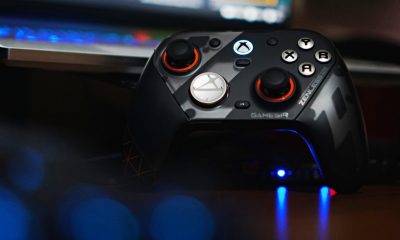
GameSir G7 Pro ZZZ Edition: My default PC controller
-

 Gaming2 weeks ago
Dunk City Dynasty update adds new NBA stars, cosmetics
-

 Reviews7 days ago
Apple iPhone 17e review
-

 Gaming6 days ago
PlayStation can now scan you and put you inside a game
-

 Entertainment4 days ago
BINI, KATSEYE among top worldwide Google Searches ahead of Coachella