
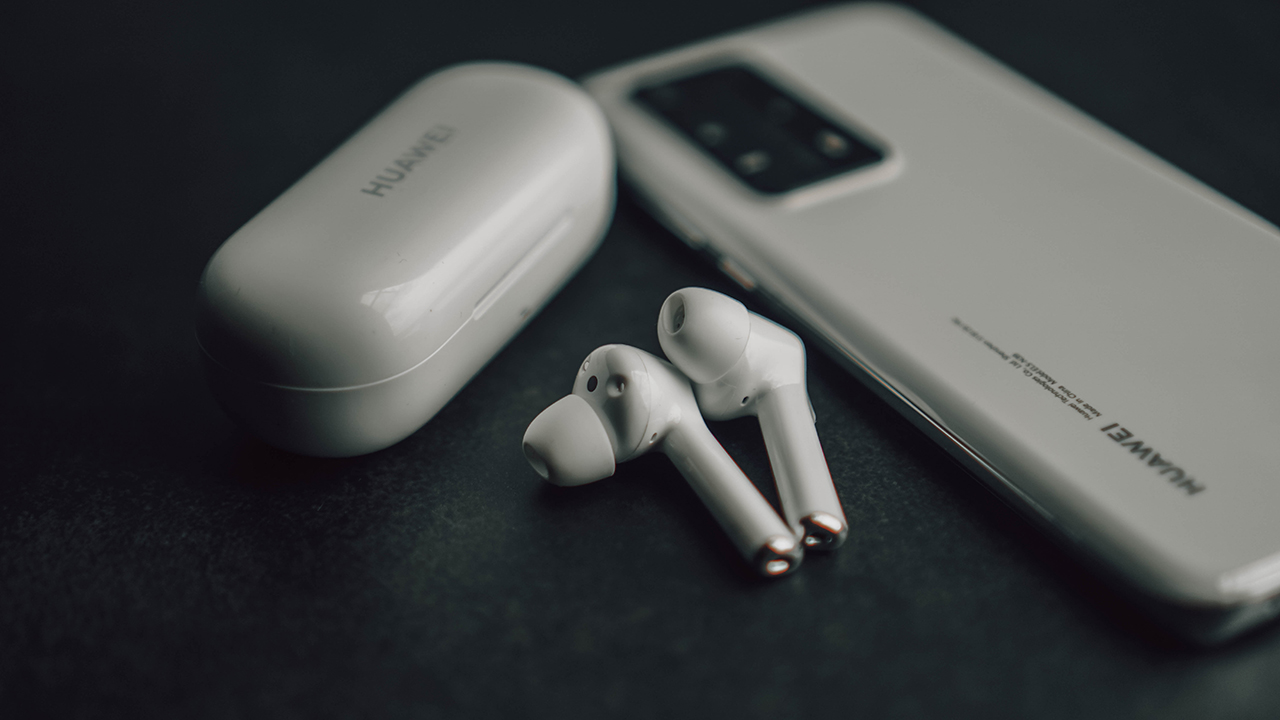

Taking these TWS earphones from smartphone manufacturers for a spin sometimes feels like a chore. Especially so when most of them look like the AirPods. Such is the case for me with the Huawei Freebuds 3i. However, using it for about a week, and I can say it’s such a pleasant surprise.
That stem design
Now, don’t get me wrong. While I have warmed up to it and it’s more common to see people with these earphones sticking out their ears, I still, personally, am not a fan of this look.
But if it’s there for a reason, then I can’t complain much. Such is the case for the last TWS pair I reviewed. That used the stem as the primary touch area for the controls. In the Freebuds 3i, it’s different.

The stem on the Freebuds 3i lets the mic be closer to the user’s mouth. This is perfect for picking up your voice when you’re in calls — be it voice or video.
Naturally, I tried it on a few calls and asked the people on the other line how I sounded. They said I came off loud and clear. The only problem was my speaking voice, but that had nothing to do with the Freebuds 3i and more with just me being me.
A truly active noise cancellation
This is the feature that truly surprised me the most. The moment I put the earphones on, I immediately felt the effects of the active noise cancellation.
I didn’t even know it had the feature when I first took it out of the box. I just knew it did right when I had both earphones on. That’s how good it is.
Huawei says they used a triple-microphone system to achieve noise cancellation of up to 32db. That along with the in-ear design helps drowning out the noise.
This is in contrast to its elder sibling the Freebuds 3 which handles noise cancellation using the Kirin A1 chip. The Freebuds 3 also uses an open-fit or open-ear design which is why its noise cancellation relies more on the chip.
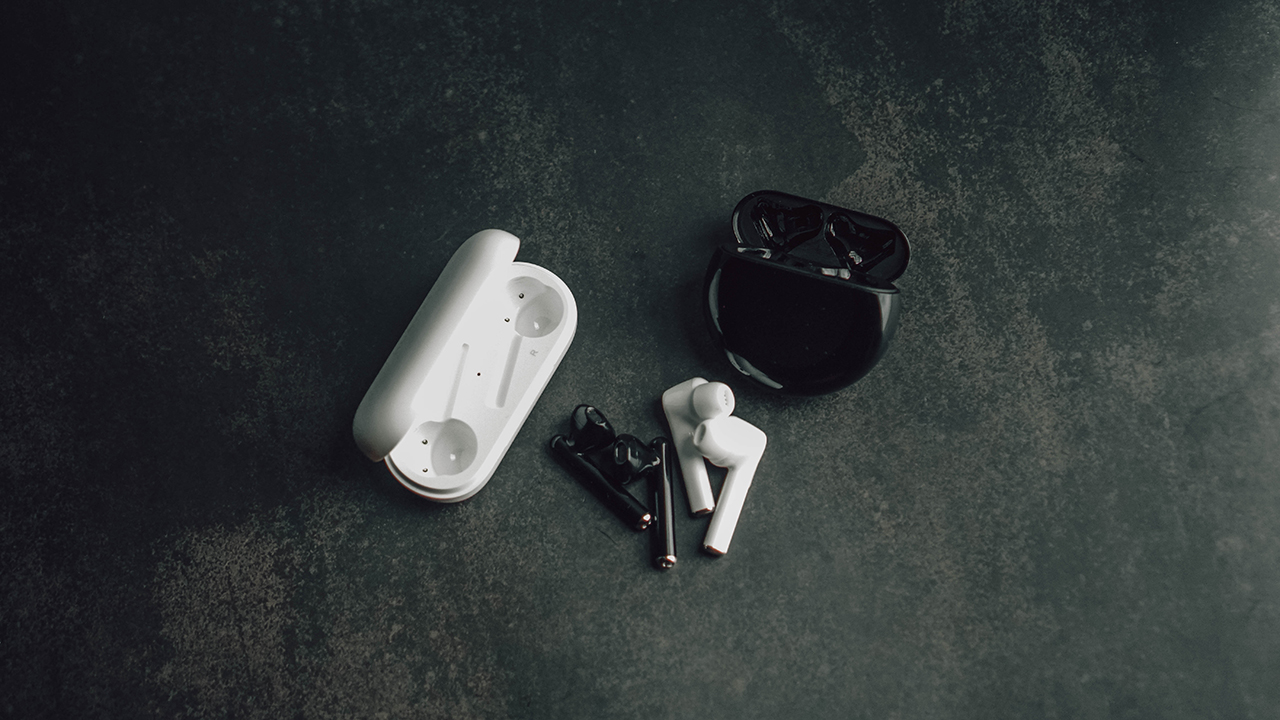
Huawei also shared a review guide showing how the Freebuds 3i can cancel more noise than the Sony WH-1000XM3 and the AirPods Pro in certain situations. Based on what I can recall from my time with the Sony WH-1000XM3, that thing is on a league of its own when it comes to noise cancellation. But the Freebuds 3i, I’m surprised to say, isn’t too far behind.
Neither the Freebuds 3 nor the Freebuds 3i is necessarily better than the other, although we might see the dual-mic plus in-ear approach in future TWS earphones from Huawei given that their partner TSMC (Taiwan Semiconductor Manufacturing Company) will no longer be allowed to source tech and equipment from the US.
Bass-biased
Not sure if this is a coincidence or not, but the Freebuds 3i is now the second TWS earphone I’ve tested who’s tuning appears to be leaning more towards bass. Another common denominator is that they’re priced below PhP 7,000 (around US$ 143).
It’s great if you prefer bass but compared to the Freebuds 3, it just doesn’t feel like you’re getting the same sound quality. Which is understandable considering the price difference.
The Freebuds 3 sound clearer, brighter, and warmer and you can clearly hear all the sounds. This is in contrast to the Freebuds 3i which seem to favor low-tones more.

Don’t get me wrong, I’m not saying the Freebuds 3i sounds bad. They just don’t sound as good as higher tier TWS earphones, which is fine. The Freebuds 3i is perfectly enjoyable and is certainly better than its more affordable counterparts.
I listened to everything from the pop track “Fanfare” by TWICE to the heavy rock sound of “Mighty Long Fall” by One OK Rock and was very pleased with how these tracks sounded.
Easy to pair, easy to use
Like with many other first-party TWS earphones, the Freebuds 3i will be automatically detected by the phone nearest to it as soon as you flip the lid open. This means pairing is instant and easy.
Naturally, you’ll have to go the usual pairing route if you’re using this with a phone from another brand. This means long-pressing on the button next to the USB-C port to enter pairing mode, and then going into the connectivity settings of your phone to complete the pairing. Not as straightforward, but works just as well.
There are two ways to control the earbuds. First is to double tap on either earbud. Second, is to touch and hold. Touching and holding turn noise cancellation on and off for either earbud.
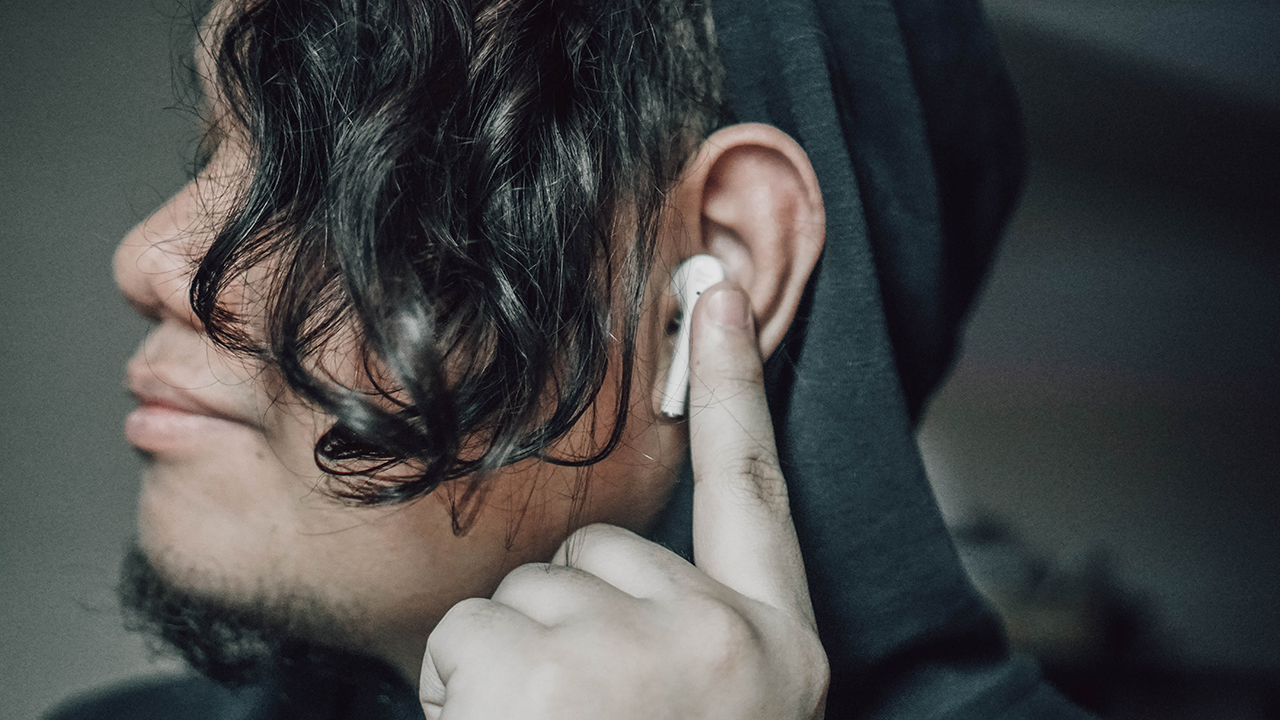
Double tapping the left bud is set to “Play/Pause” by default while the right bud is set to “Next Song.” You can change this on the Huawei AI Life app with the action options being as follows:
- Play/Pause
- Next Song
- Previous Song
- Wake Voice Assistant
Curiously, there’s no action set for a single tap. Adding that would have given users the option to set all actions above a set motion for control. Instead, you can only choose to at a time. It’s a puzzling choice.
Like any TWS earphone worth its salt, it also has wear detection. This means the music is automatically paused when you take them off and resumes when you put them back on.
Is this your GadgetMatch?
At PhP 5,990 /SG$ 168 (US$ 123), the Huawei Freebuds 3i is a pleasant surprise. Price-wise, it’s in direct competition with the Galaxy Buds+, and those buds have absolutely nothing on the Freebuds 3i’s noise cancellation.

If you’re looking for TWS earphones with near top-tier noise cancellation but don’t want to spend north of PhP 7,000, then this is easily one of the better options. There’s room for improvement but you’re getting quality earbuds for what you’re shelling out.
It has a solid build, a bass-leaning tuning, and pretty darn good noise cancellation. It’s not bad. Not bad at all.
SEE ALSO:
Huawei Freebuds 3 review: Best value wireless earbuds
AirPods 2 vs Galaxy Buds+ vs Freebuds 3: A TWS earphones battle!
6 reasons why you should switch to wireless earbuds




Accessories
New AGON gaming monitor features up to 1000Hz refresh rate
New level of speed, flexibility for competitive gaming


AGON by AOC has released the new AGON Pro AGP277QK dual-mode gaming monitor for the competitive segment.
This new offering features up to 1000Hz refresh rate at HD and 540Hz at QHD so gamers have the flexibility to prioritize either clarity or speed.
The 27-inch IPS gaming monitor comes with NVIDIA G-SYNC, synchronizing the monitor’s refresh rate with the GPU to help minimize screen tearing, stuttering, and input lag.
This is combined with 0.3ms MPRT and 1ms GtG response times for fast-moving action that is sharp and responsive, giving competitive players a clear visual advantage.
Moreover, the AGON Pro AGP277QK features VESA DisplayHDR 400 certification for enhanced contrast and more vivid, lifelike visuals.
Delta E < 1 color accuracy also provides precise color reproduction not just for gaming but even other scenarios like content creation.
For even smoother high frame-rate gameplay, MBR Sync combines motion blur reduction with variable refresh rate (VRR) technology. This helps maintain clarity during rapid movements.
The monitor also includes Low Input Lag, customizable Light FX ambient RGB lighting, Gaming Mode presets, and Shadow Control.
The display comes with HDMI 2.1 and DisplayPort 2.1 connectivity, along with a height-adjustable stand and G-Menu support.
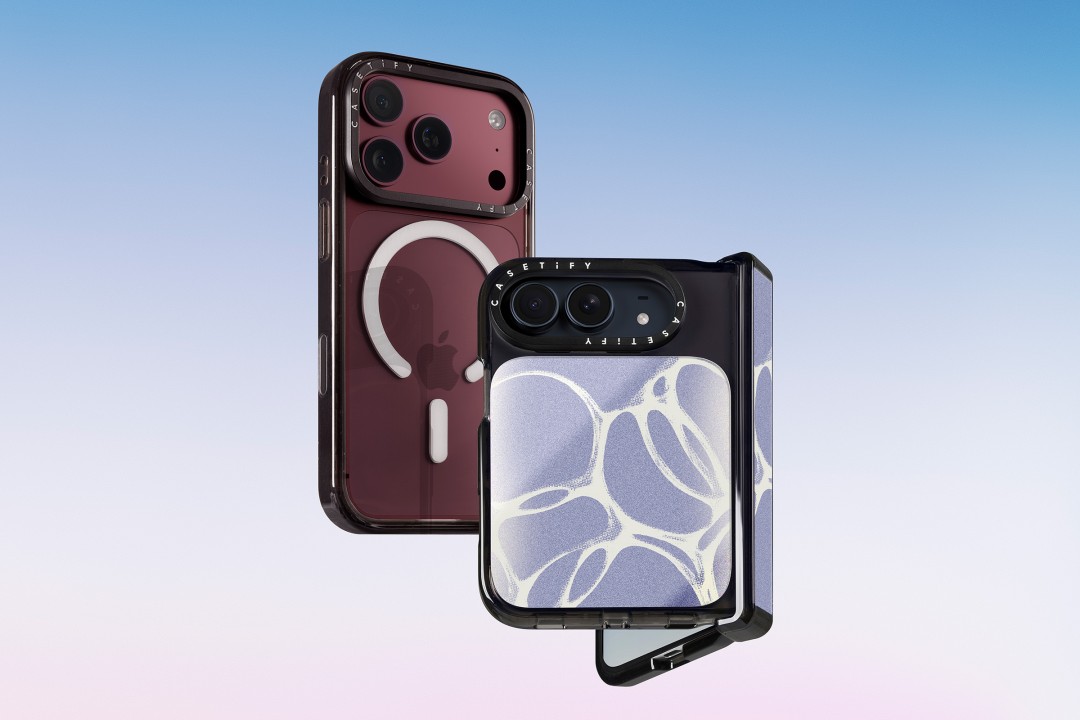
CASETiFY is launching a new collection of cases and accessories for the iPhone 18 series, updating some of its most popular designs with refined finishes, new protection features, and expanded customization options.
Impact Case
The collection is led by the Impact Case, CASETiFY’s best-selling case with more than 19 million units sold worldwide. It uses an internal EcoShock™ design and Duo-Lock by CASETiFY™ bonding for impact absorption and dispersion. The case is tested for drops of up to 8.2 feet and 4x Military Standard 810G. It also features a scratch-resistant Glaze finish, raised bezel, precision-engineered camera control button, and MagSafe and wireless charging compatibility.
The Ultra Impact Case builds on the same family with redesigned, more rounded corners and reinforced structures with internal air cells. It is tested for drops of up to 11.5 feet and 6x Military Standard 810G. It also has a slimmer profile, multiple design options, and MagSafe compatibility.
Both cases are available in Ring Stand variants. These feature a built-in metal camera ring stand that adjusts up to 150 degrees, with a screwless hinge designed for durability and stable hands-free viewing. Select models are also available with Glitter and Mirror finishes.
Ripple Case
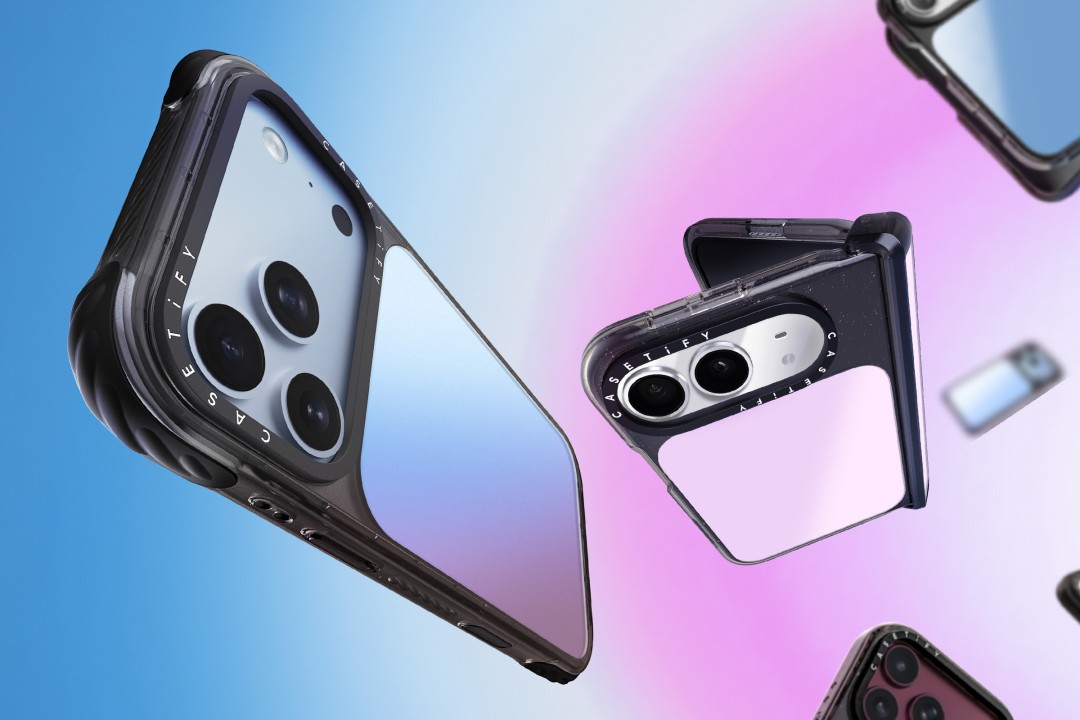
CASETiFY is also bringing its Ripple Case to the iPhone 18 lineup. The soft-touch silicone case features rippled edges and puffed corners, with protection tested for drops of up to 6.6 feet and 3x Military Standard 810G. New colorways include Banana, Dusty Blue, Blush Pink, and Fig, alongside Black and White.
For users who want more protection, the Bounce Case offers CASETiFY’s highest level of drop protection in the collection. Its Expanded Bounce Corners, TesseLock™ design, and enhanced Duo-Lock bonding support drop protection of up to 21.3 feet and 7x Military Standard 810G.
Alloy Ripple Case
The lineup also includes the Alloy Ripple Case, which reworks the Ripple’s sculptural design in aluminum with an EcoShock™ design and Duo-Lock bonding. It is tested for drops of up to 8.2 feet and 4x Military Standard 810G. The Cloud Case uses a quilted soft-touch design with pillowy bumpers and up to 6.6 feet of drop protection.
Beyond cases, CASETiFY is expanding its accessories with the Ripple Wallet, Grip Stands, Loop Grips, Jelly Wristlets, Bow Charm Wristlets, and other charm-compatible straps. The iPhone 18 cases range from USD 50 to USD 90 , while accessories range from USD 25 to $USD 45.
The collection is available beginning September 10 through CASETiFY. The company is also preparing a case lineup for the upcoming iPhone Duo, with its waitlist already live.


Right after the iPhone 18 Pro and Pro Max series, Apple dropped another bombshell for fans. Complementing the latest iPhone generation, the new AirPods 5 features a bunch of the most impressive improvements for the wearable.
Most importantly, the AirPods 5 will boast 50 percent better noise cancellation than the AirPods 4 with Active Noise Cancellation. With Adaptive Audio, the wearable can sense your surroundings and adapt accordingly so you don’t miss the important bits happening around you.
It also features Live Translation for talking with others speaking in a different language. Plus, Conversation Awareness automatically lowers the volume if the wearable detects that you’re talking.
For sound quality, the new wearable has a new acoustic architecture and an adaptive equalizer. It promises more detailed sound coming from the entry-level AirPods.
The new AirPods 5 will start at US$ 129. Preorders are already open, but the wearable will ship out on September 18.
Meanwhile, if you’re hankering for a bit more from your wearable, another variant, which starts at US$ 149, adds a Wireless Charging Case, on-stem swipe controls, and longer battery life. This model can reportedly last five more hours with active noise cancellation enable.
SEE ALSO: The iPhone Duo is real!


Marvel’s Wolverine review: When the claws come out
A brutal, cinematic superhero adventure

Setting your bedsheets ablaze with the Lovense Solace Pro
The closest proxy I could find where I'm guilty as sin


Now Playing: Elden Ring Tarnished Edition
Is the Switch 2 port worth the price?

Apple iPhone 18 Pro Series Hands-on

Spotlight: Hisense UR8 + RGB MiniLED Explained

First Look: Apple iPhone Duo

Xbox saves Kojima’s PHYSINT after PlayStation drops support
Marvel’s Wolverine review: When the claws come out

TECNO MEGAPAD 2 review: Eyes on the size

realme 16T 5G with 8000mAh battery, IP69 Pro rating launches in PH

HUAWEI Pura X View is 2026’s first WIDE slab-type smartphone

REDMI reveals the refreshed Note 17 and Note 17 Pro series

REDMI Note 17 Series focuses on long-term reliability


-
 News7 days ago
HUAWEI Pura X View is 2026’s first WIDE slab-type smartphone
-

 News7 days ago
The CAMON Slim 5G is TECNO’s latest ultra-slim smartphone
-
 Cameras2 weeks ago
DJI Osmo 360 II review: Going all-in on the ecosystem
-
 IFA 20261 week ago
TECNO MEGABOOK T15 360 unveiled at IFA 2026
-

 Gaming1 week ago
NBA 2K27 review: A two-way All-Star
-
 Reviews2 weeks ago
Samsung Galaxy Z Fold8 Ultra review: It’s time to get a foldable
-
 News4 days ago
iPhone 18 Pro series: Price, availability in the Philippines
-

 IFA 20261 week ago
TECNO’s POVA 8 Pro gets a stealthy makeover