


Her GadgetMatch
Why Instagram is doing the right thing by removing the like count
We need to change this ugly culture we created

Instagram used to be a space where you can get inspiration to nourish your creativity. It was also a place to connect with people through disappearing photos and videos called Stories. However, the platform took a different turn throughout the years and became an arena — a battlefield where people show off who has the most perfect life.
People started curating their feeds to make them stand out. The age of curation dawned upon Instagrammers, bearing unto the world themes and grids to reflect the user’s personality and aesthetics. Instagram fuelled perfectionism, too.
What used to be a space to share mundane moments of your everyday life became a place where you show your glamorous life which, frankly, only happens every once in a while for most users. Admittedly, I also succumbed to the perfectionism and the pressure. I would post only the photos where I looked like I was having the time of my life. I mean, there’s nothing wrong with putting your best foot forward, right?
Increasing cases of depression and anxiety
Apparently, not everyone thinks the way I do. In a study published in 2017 by the Royal Society for Public Health in the United Kingdom, social media — particularly Instagram — is a major contributor to the increasing cases of depression and anxiety among the youth today. The rise of influencers and other people with seemingly perfect lives made a lot of users feel inadequate.
“What used to be a space to share mundane moments in your everyday life became a place where you show your glamorous life which, frankly, only happens every once in a while for most users.”
RSPH Chief Executive Shirley Cramer said, “it’s interesting to see Instagram and Snapchat ranking as the worst for mental health and wellbeing – both platforms are very image-focused and it appears they may be driving feelings of inadequacy and anxiety in young people.”
Technology companies’ response
With this worrisome situation on the youth’s mental health, companies made an effort to help through technology. There’s Android’s Digital Wellbeing feature which tracks the amount of time you spend on social media, although it still requires a conscious effort to break your social media addiction.
In the crusade against depression and anxiety caused by social media, Instagram recently made a daunting move. The social media giant has started testing the removal of like counts in some countries, removing the user’s ability to see how many likes have been racked up by a certain person in their feeds.
People in dire need of too much validation, fret not. The feature will let you still see who liked your posts. Think of it as your usual form of public affirmation, but you get it in private.

Just like our stories, only we can see who viewed and reacted. In this scenario, only we can see who liked our posts. While this recent move can put a dent on someone’s ego especially when they crave external validation, this can have real benefits for some users’ mental health.
In a country like the Philippines, where social media consumes a chunk of Filipino’s time, Instagram is a big contributor in rising cases of mental illnesses plaguing today’s youth like the common cold.
The social media age has created a culture where people value their smartphones, social media accounts, and the content they create rather than socializing offline and establishing real-life connections. The youth measure their self-worth through likes and other forms of metrics that it’s taking a toll on their mental health.
If this is the ugly culture we developed, Instagram is doing the right thing of removing the like count. At the very least, they can stop other people from comparing their worth and relying on external validation to feel better.
“I personally don’t mind if the feature comes here or not, but I’m sure a few of my friends would care.” — Patricia Medina, a medical practitioner in the Philippines
However, some people won’t be able to accept the upcoming feature should it arrive in the Philippines, similar to how we all panicked when Instagram removed our ability to see the viewers of our stories after 24 hours. Despite the outcry, we adapted and got used to it.
Likes are not the only measure of influence
It may be hard to believe, but Instagram is on the right track. Aside from tackling mental health and fixing the problem their app posed in our society, they’re reshaping the marketing and advertising industry. Some influencers might be affected by the like count removal, particularly those who buy fake likes and followers, as well as those who became walking billboards for brands and agencies.
But for content creators like Ceej Tantengco, removing the like count won’t have much of an impact, rather it will reinforce her influence among her audience. “The brand partnerships I tend to get are with sustainable fashion and brands running women empowerment campaigns. These brands are less about pure numbers and more about connecting with brand ambassadors who truly share their cause and can speak about it with sincerity,” Tantengco said.

“The chase for likes has led to a sort of cookie-cutter templating of content based on what the algorithm rewards or what is easiest to generate likes. We live in a world where a selfie gets 800+ likes and a photo of what book the person is reading gets only 50. But like-bait content isn’t always the most thoughtful, and we need to be careful to not equate the number of likes to whether the brand message was communicated effectively,” Tantengco added.
On the other hand, Castro Communications PR Director Janlee Dungca is unbothered by the like count removal. Dungca, who works primarily with content creators and influencers, will still approach a campaign based on a brand’s goals and objectives. Likes aren’t the only form of visible metrics available since comments still count as a way to measure engagement rate.
Macro-influencers — accounts with more than 100,000 followers — tend to have higher reach but lower engagement, thus she opts for micro-influencers whose accounts range from 10,000 to 50,000 followers to get higher engagement for the brand.
“We live in a world where a selfie gets 800+ likes and a photo of what book the person is reading gets only 50.” — Ceej Tantengco
With this sudden change in the marketing landscape, people — not just influencers — might be more keen on engaging with other people through comments. People might start to make an effort to share their thoughts and interact, rather than just dropping an emoji of fire, heart, or a star-eyed face.
Additionally, people might not be as conscious of what they post anymore. Tantengco affirmed, “this move is great for people with advocacies because we can speak about them without worrying so much about ‘how do I package this to get the maximum number of likes’ and just say what we want to say. This feels very freeing.”
Moving forward, we might start to see posts of what people really care about again should Instagram proceed with removing the like count forever. There will be people though who will try to game the algorithm by leaving comments on each other’s posts and uploading video clips instead of still photos for validation as Instagram has not said anything about removing the view count.
Nonetheless, the future is bright for Instagram. I can’t wait to see moments where people embrace their natural selves and flaunt the things they’re passionate about again.







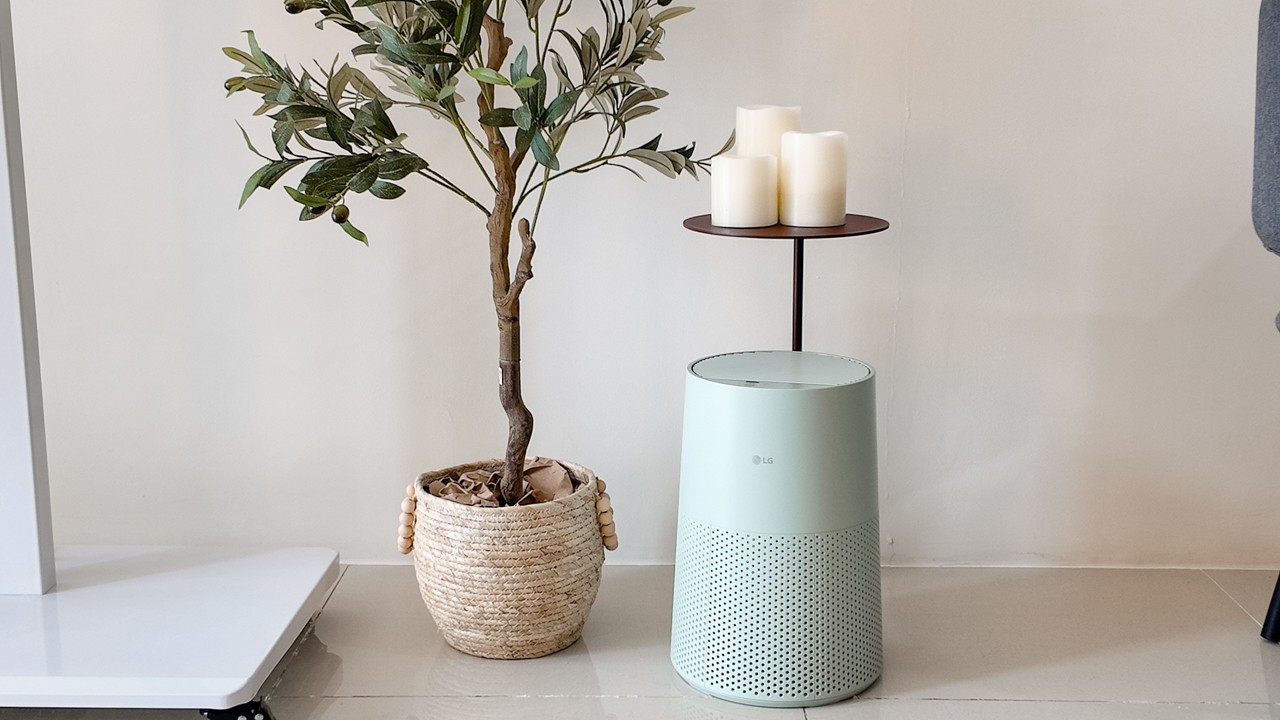
Moving into a new space comes with a long list of things to figure out, and lately, I’ve been paying more attention to something that’s easy to overlook: air quality.
After using the LG AeroMini for about a month, it has become a subtle but welcome addition to my space. It helps make the room feel fresher, while its compact and stylish design fits naturally into my setup. Here are the things that stood out to me most after living with it for a month.
360° purification for a fresher space
One of the things I appreciate about the AeroMini is its 360° air purification, designed to bring purified air in every direction.
For me, this is particularly useful in a new space where I’m spending a lot of time working, relaxing, and just settling in.
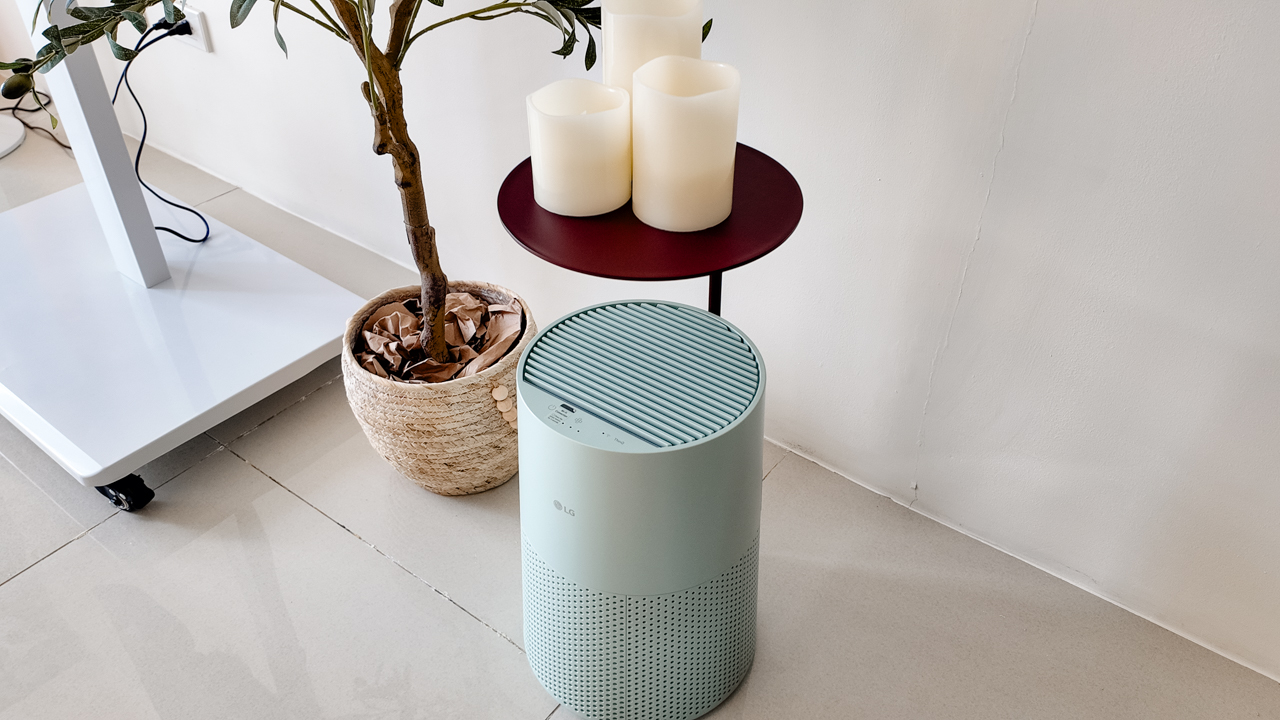
Combined with its True HEPA filter, which is designed to remove 99.999% of 0.01μm fine dust and allergens, it gives me added peace of mind about the air I’m breathing every day.
After a month, I can genuinely say that the space feels fresher with it running.
Surprisingly quiet
This is probably my favorite feature.
The LG AeroMini operates at just 26dB, and after using it for a month, what stands out is how easy it is to forget that it’s even running.

I can have it running while I’m working or sleeping without the noise becoming a distraction. For an appliance that’s designed to continuously improve the air around you, I think that’s a big deal.
Sometimes, the best feature is the one you barely notice.
Design that fits my space
Since I recently moved, I’ve been pretty conscious about what I bring into the space. I want things to be functional, but I also don’t want appliances that feel like they’re taking over the room.
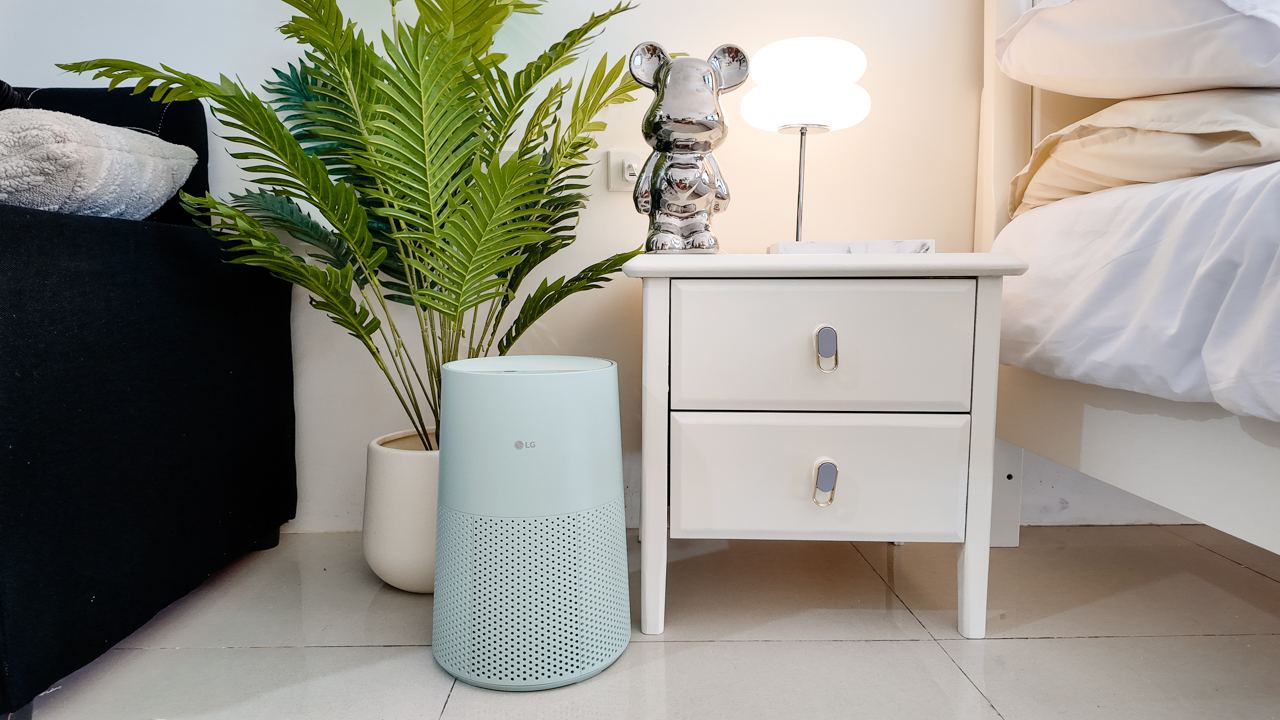
The AeroMini’s slim and compact design makes it easy to incorporate into my setup. It doesn’t feel bulky or industrial, and I like that I can leave it out without feeling like I need to hide it away.
For me, that balance between functionality and aesthetics makes it feel more like part of the space rather than just another appliance.
Air quality at a glance
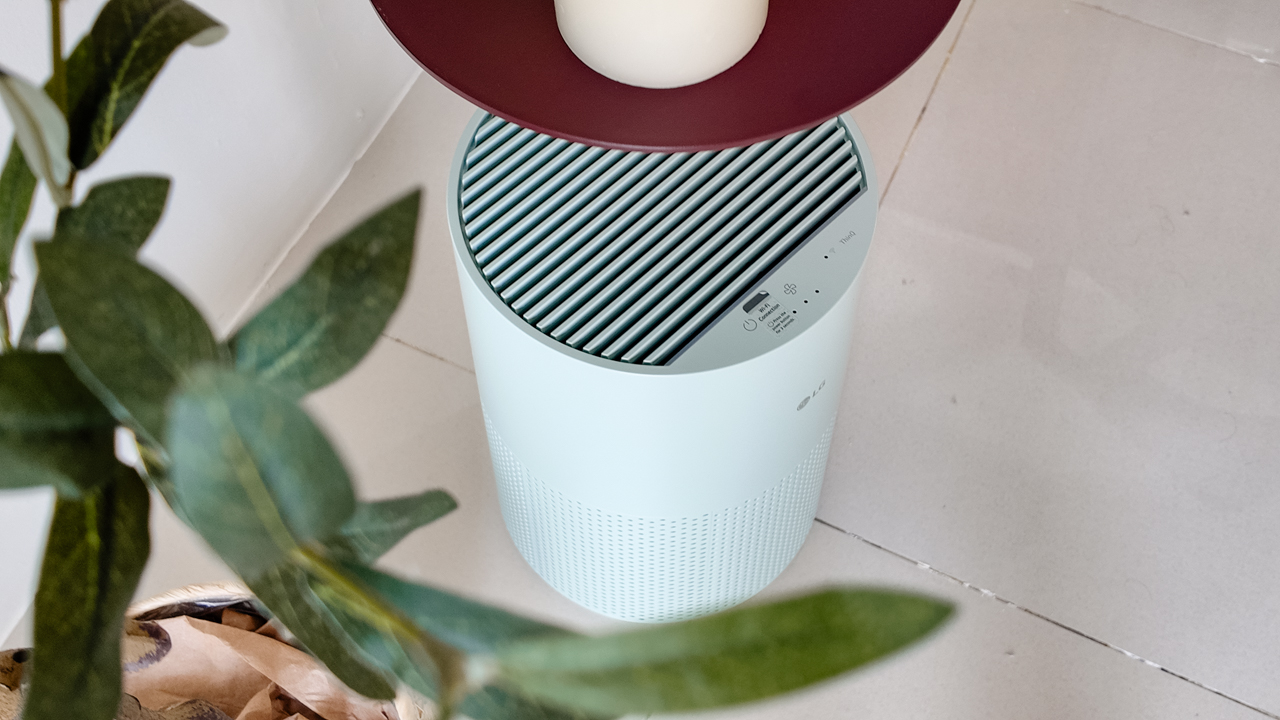
Another feature I’ve found convenient is its Smart Control. Through the app, I can monitor and control the AeroMini while getting real-time updates on the indoor air quality.
It’s a small convenience, but being able to check the air quality without having to interact with the purifier directly makes it easier to keep track of what’s happening in the room.

Easy to maintain
I also appreciate that the AeroMini is designed with an all-in-one dust and deodorization filter that makes replacement and maintenance easier.
That matters to me because the best home gadgets are the ones that don’t create another complicated chore. I want something I can set up, use regularly, and maintain without too much fuss.

After a month, would I keep it?
Yes, and mainly because it quietly fits into my everyday routine.
The LG AeroMini has helped make my new space feel fresher and more comfortable, while its compact design means it doesn’t compromise the look of the room. But if I had to pick just one thing I appreciate most, it’s still how incredibly quiet it is.

It’s one of those upgrades that doesn’t demand your attention. It simply works in the background.
If you’re also looking to make your home a fresher and more comfortable space for yourself and your family, visit https://www.lg.com/ph/ to learn more about the LG AeroMini and how it can fit into your everyday life.
Her GadgetMatch
TECNO and Angélica Dass visit the Philippines next for its grand portrait project
100 Faces, 100 Stories


A portrait can show what someone looks like, but what about the story behind the face?
TECNO and visual artist Angélica Dass are exploring that question through “100 Portraits of Becoming,” a two-year global portrait project featuring 100 people across Kenya, the Philippines, Saudi Arabia, Türkiye, and Brazil.

The project begins with 20 portraits from Kenya, each paired with a personal story about identity, choices, change, and growth. Rather than having participants represent an entire culture or generation, the project focuses on their individual experiences.
Beyond inclusive imaging
The project builds on TECNO’s work with Universal Tone, its imaging technology designed to represent diverse skin tones more naturally and accurately.

But “100 Portraits of Becoming” takes that idea further. With AI increasingly involved in capturing, recognizing, and generating images of people, TECNO and Dass want to explore how technology can better represent the individual behind the image.
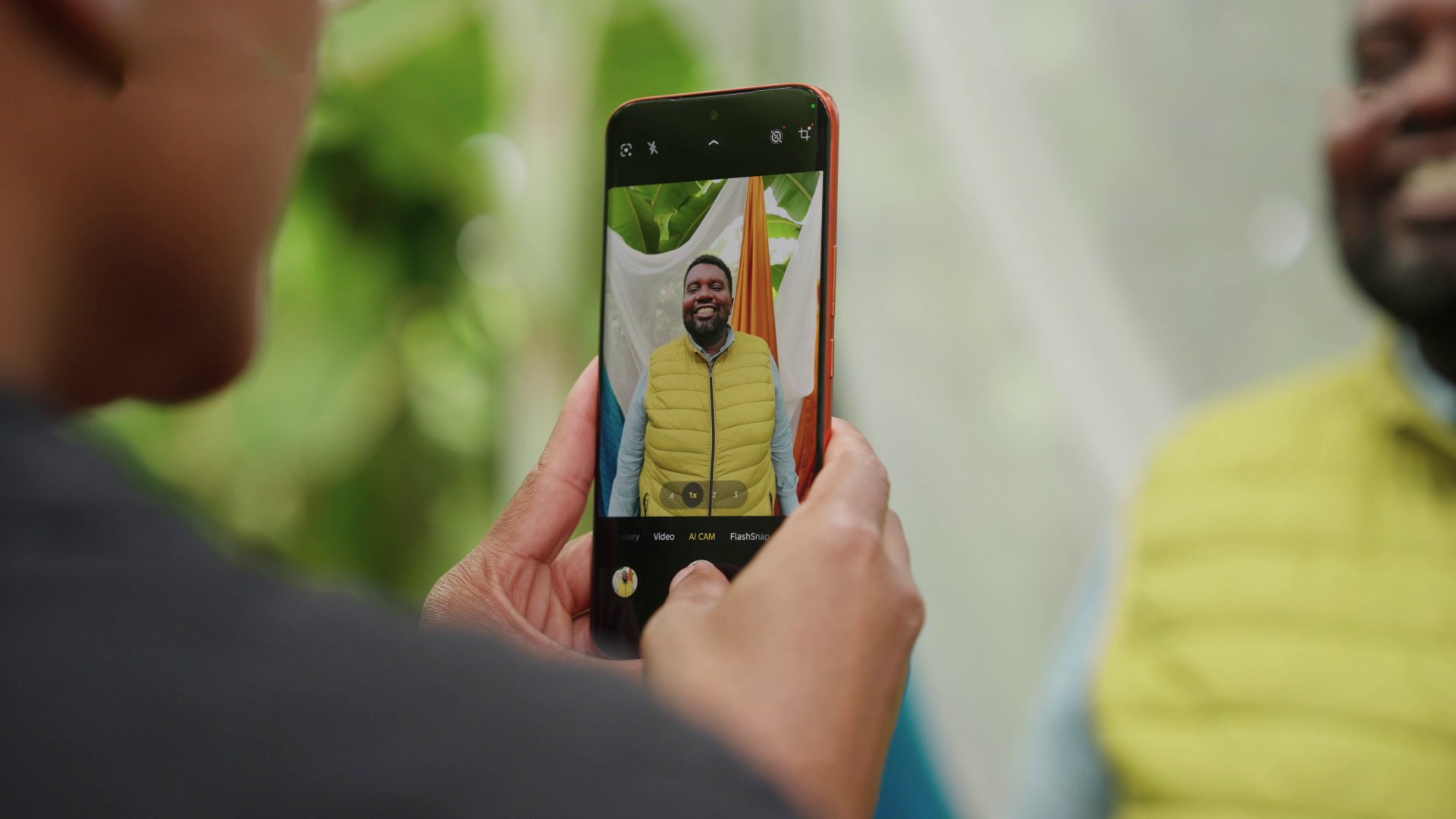
For Dass, meaningful portraiture starts with human connection.
“Meaningful portraits are never created by technology alone.”
She says her experience in Kenya reinforced the importance of trust, listening, and the willingness of people to share their stories.
The Philippines is next
Following Kenya, the project heads to the Philippines for a chapter called “Beyond Many Labels.”
It will feature 20 individuals, including working solo mothers and people whose lives are closely connected to solo parenthood.
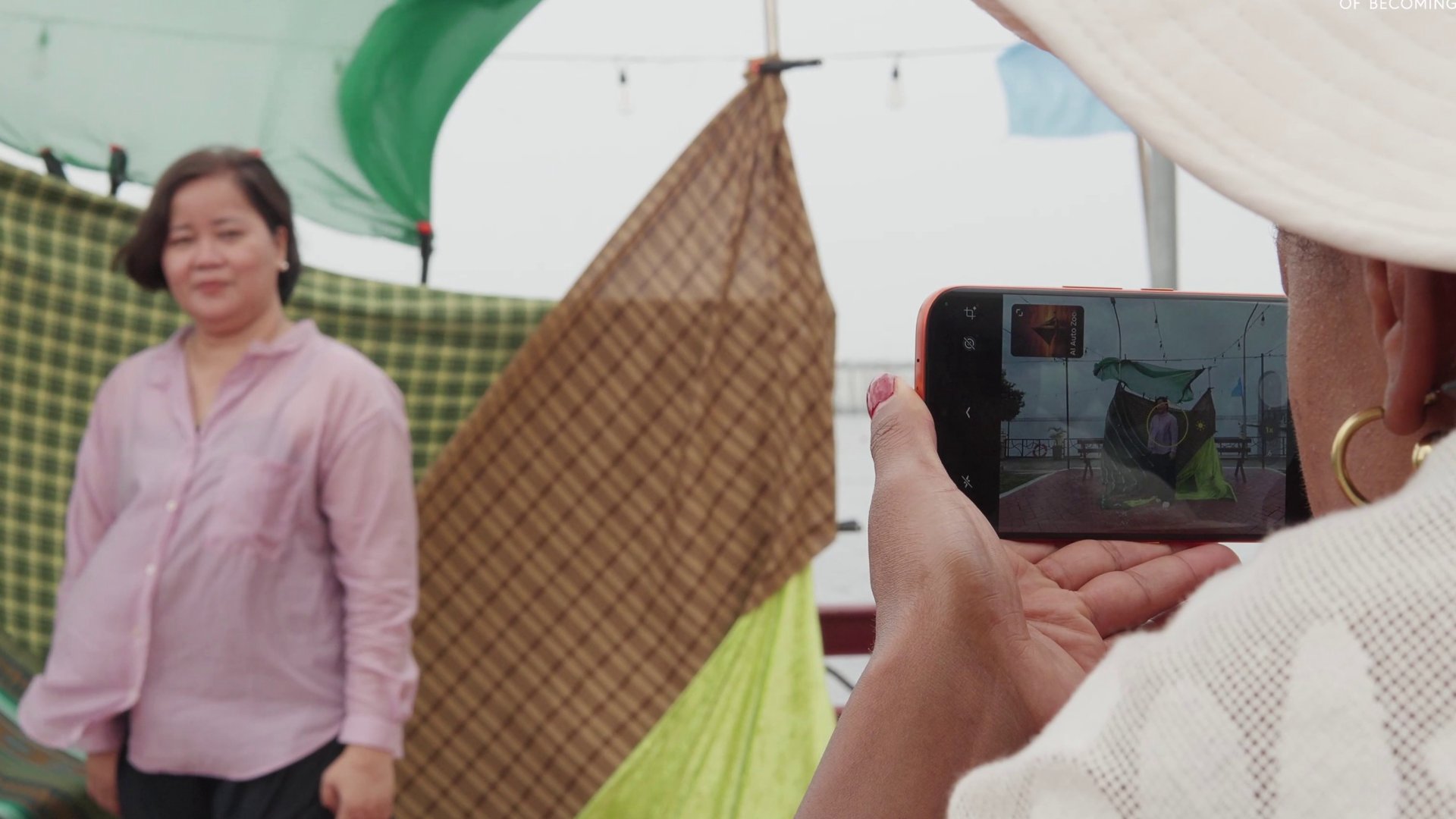
Their stories will look beyond labels such as “single mother,” “breadwinner,” and “strong woman,” while exploring their ambitions, relationships, and personal growth.
The chapter will also explore “diskarte” — the ways Filipinos adapt, make choices, and find practical ways forward in everyday life.
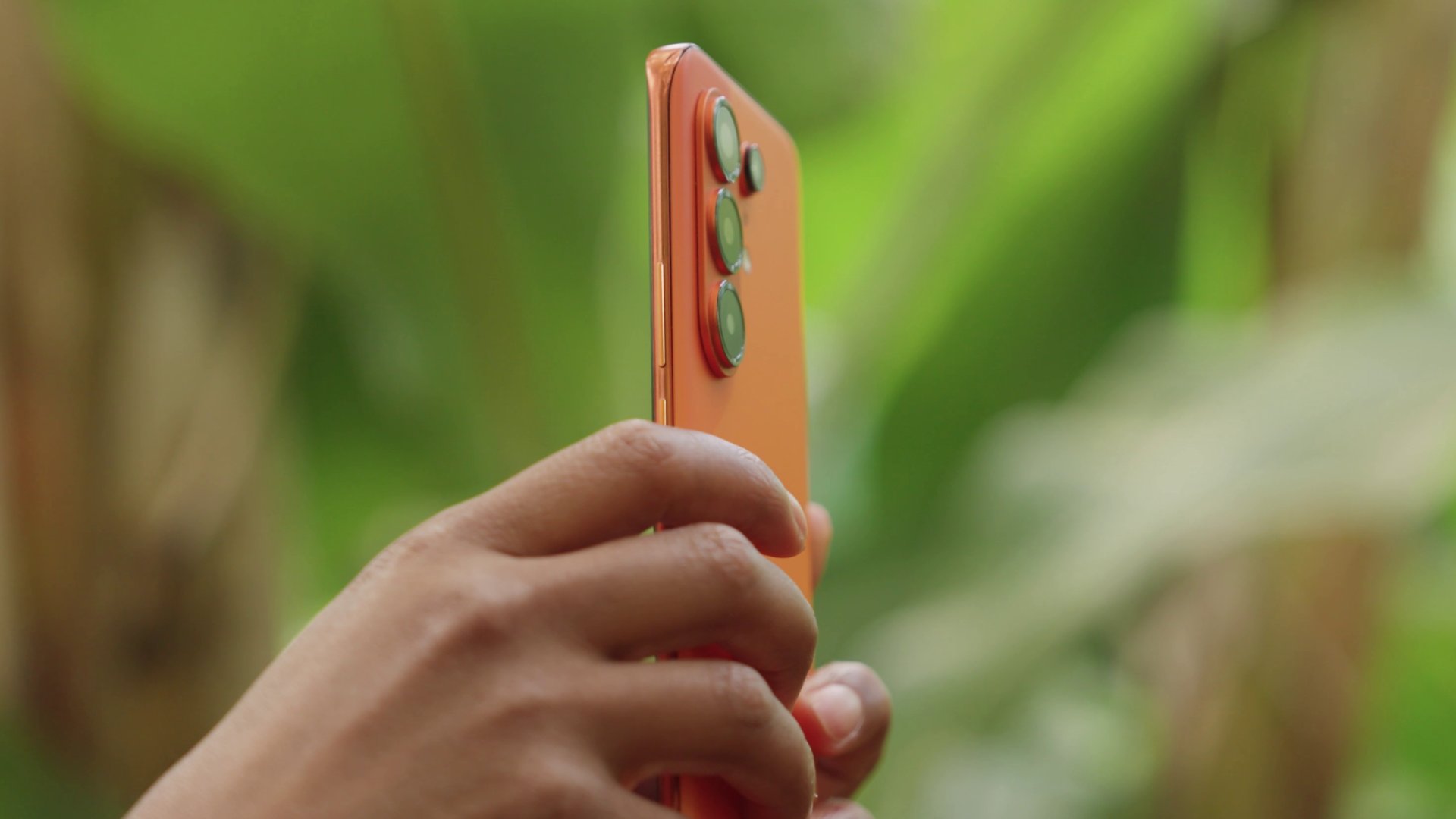
After the Philippines, “100 Portraits of Becoming” will continue to Saudi Arabia, Türkiye, and Brazil.
By the end of the project, TECNO and Dass hope the 100 portraits will offer exactly what the title suggests: 100 different ways of seeing humanity.
Her GadgetMatch
What your smartphone color choice reveals about you
Eight colors, eight personalities. Here’s how to pick.
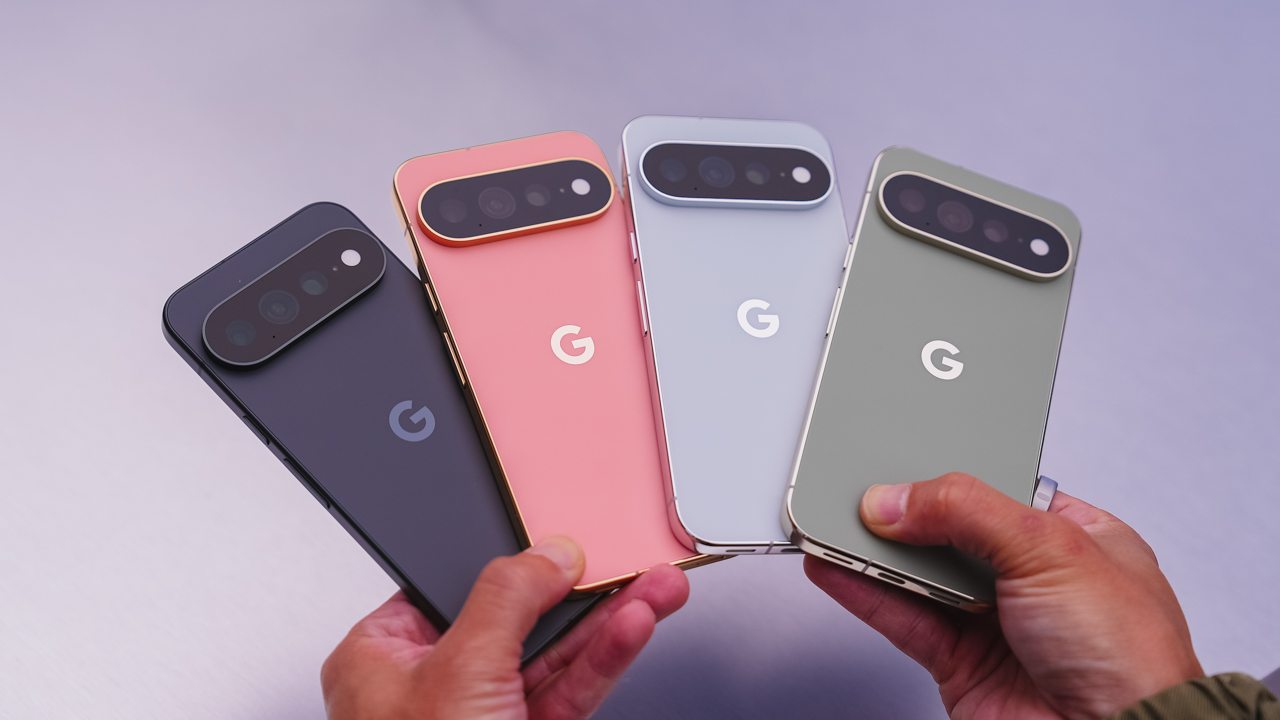
Your phone color says more than you think. With the Pixel 11 series, Google’s giving you eight ways to make that statement, and there’s genuinely one for every kind of person.
Hibiscus
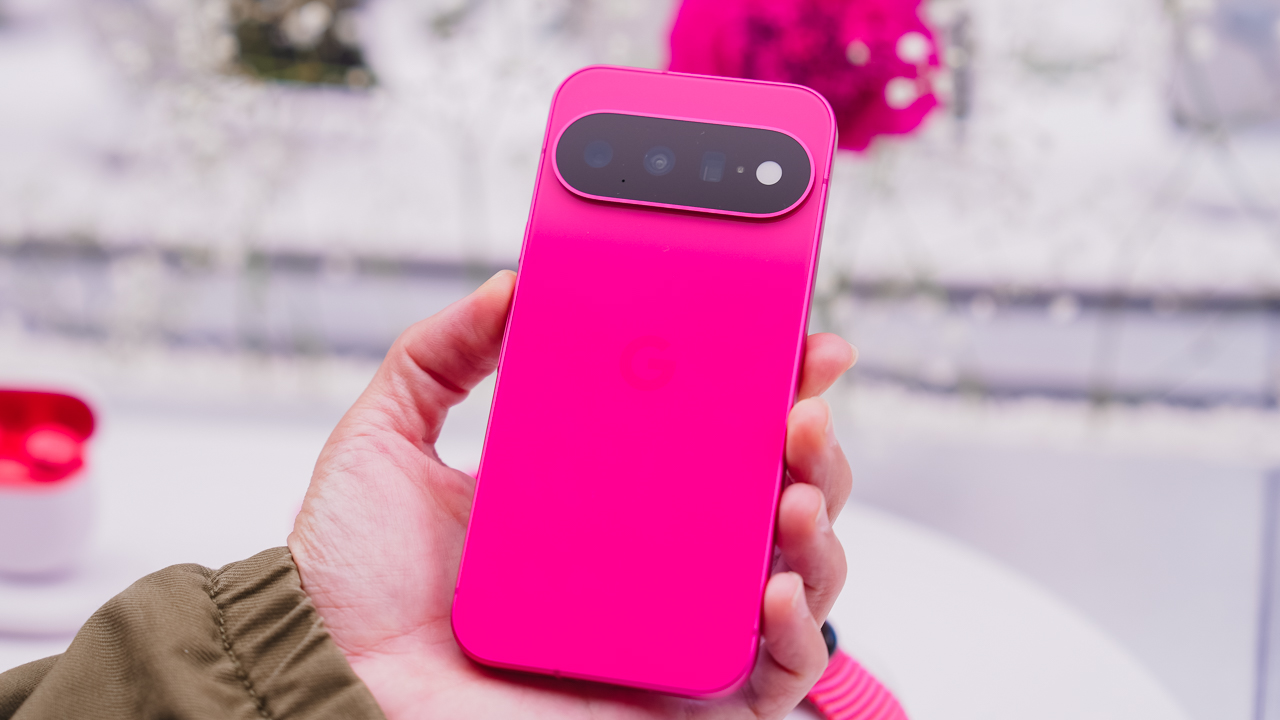
You’re never the quiet one in the room. Hibiscus doesn’t ask for attention; it just takes it, and if that sounds like you, you’re probably not planning to start hiding now. This is the pick for anyone who’d rather stand out than blend in.
Pistachio
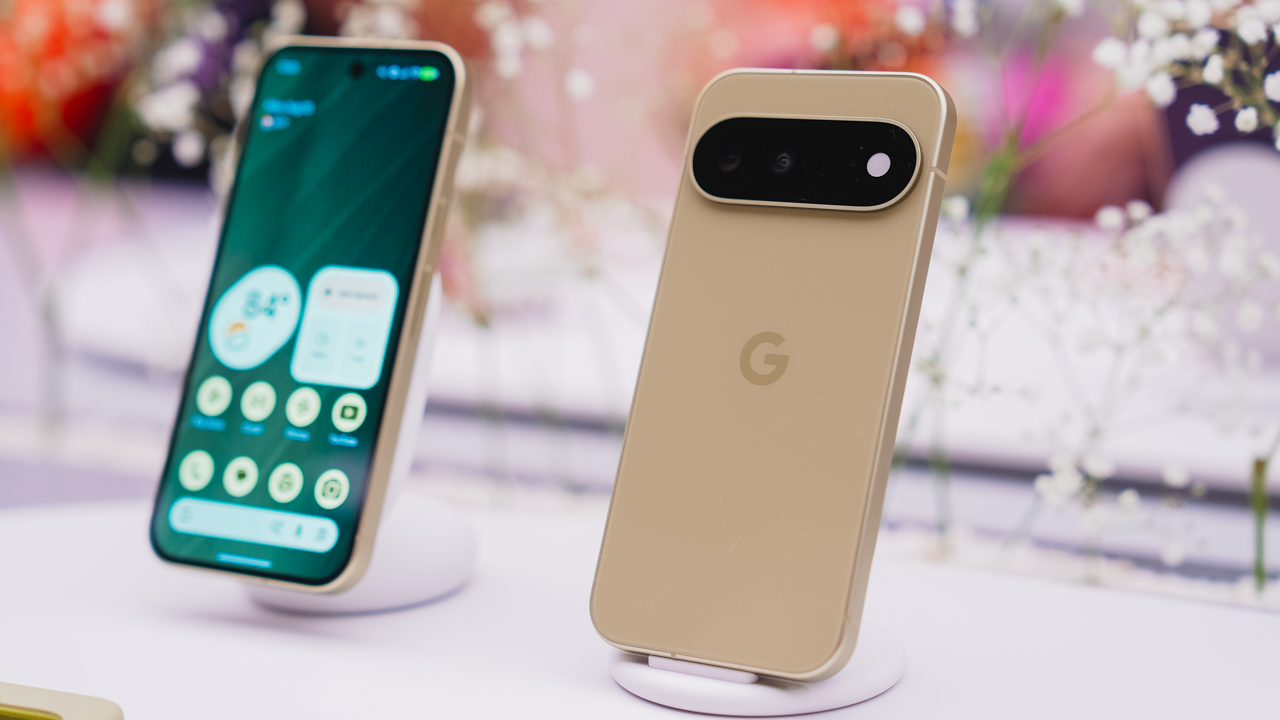
You’re the one who remembers everyone’s coffee order. Pistachio is soft and easy; the one whom people gravitate toward without quite knowing why. It doesn’t try hard to be liked. It just is.
Frost
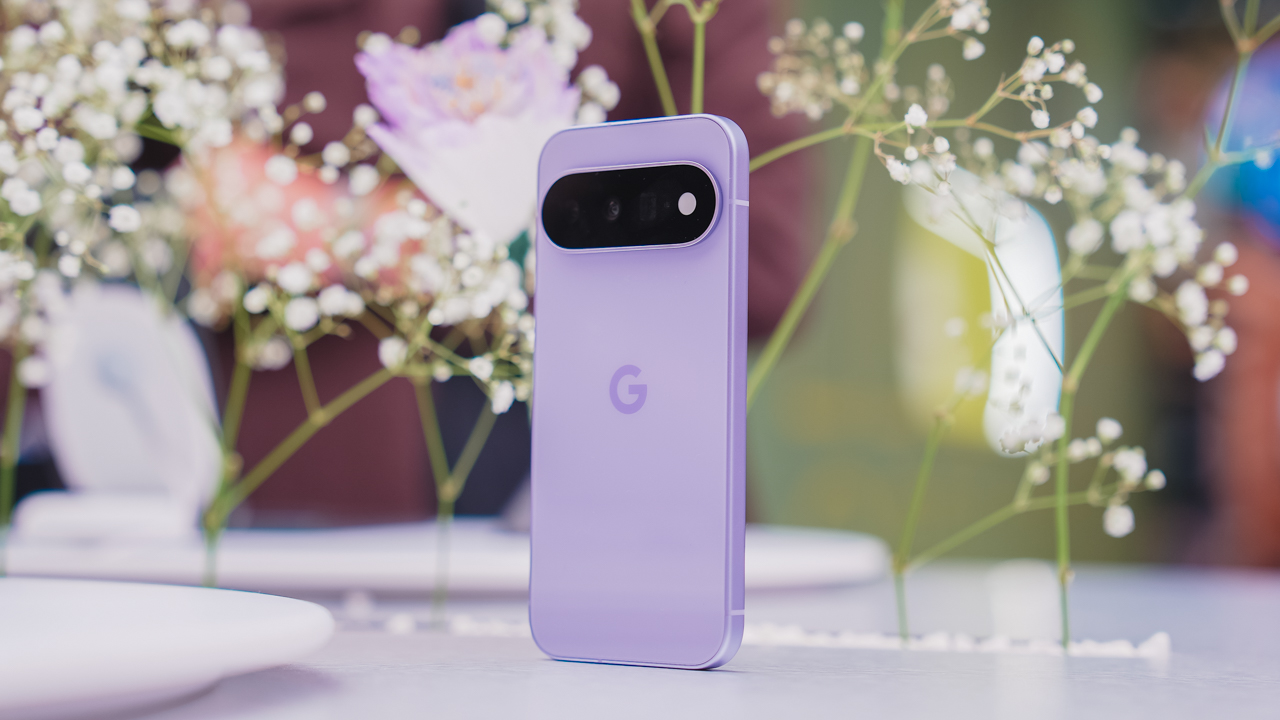
You like things a little too organized. Frost means clean lines and a clear head, the color equivalent of a camera roll with zero mess in it. If your notes app has color-coded folders, this one’s calling your name.
Obsidian
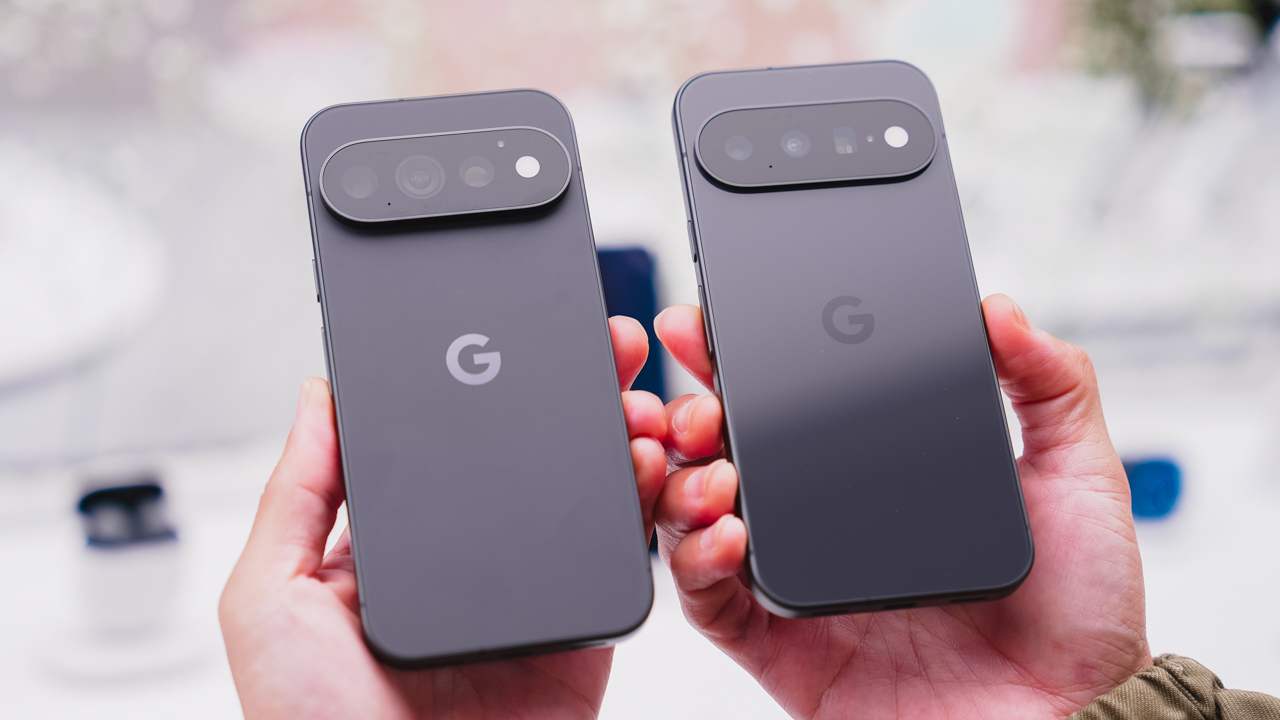
You let the work speak for itself. No flash needed, because when you show up, the room adjusts anyway. Obsidian is the classic choice, the one that’s never trying too hard because it doesn’t have to.
Canyon
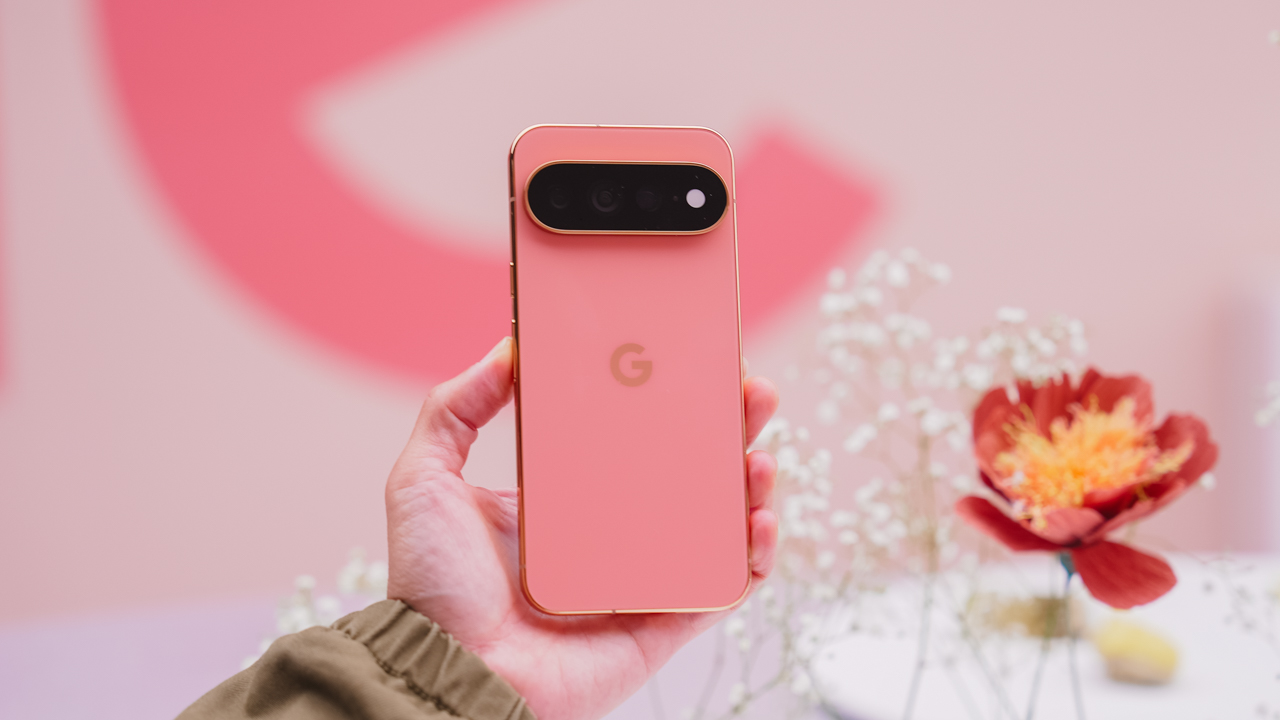
You’re the one who suggests the sunset drive. Canyon is warm and a little restless, always chasing golden hour whether or not anyone else is up for it. Available on the Pro and Pro XL, it’s built for people who treat every evening like it might be a good one.
Olive
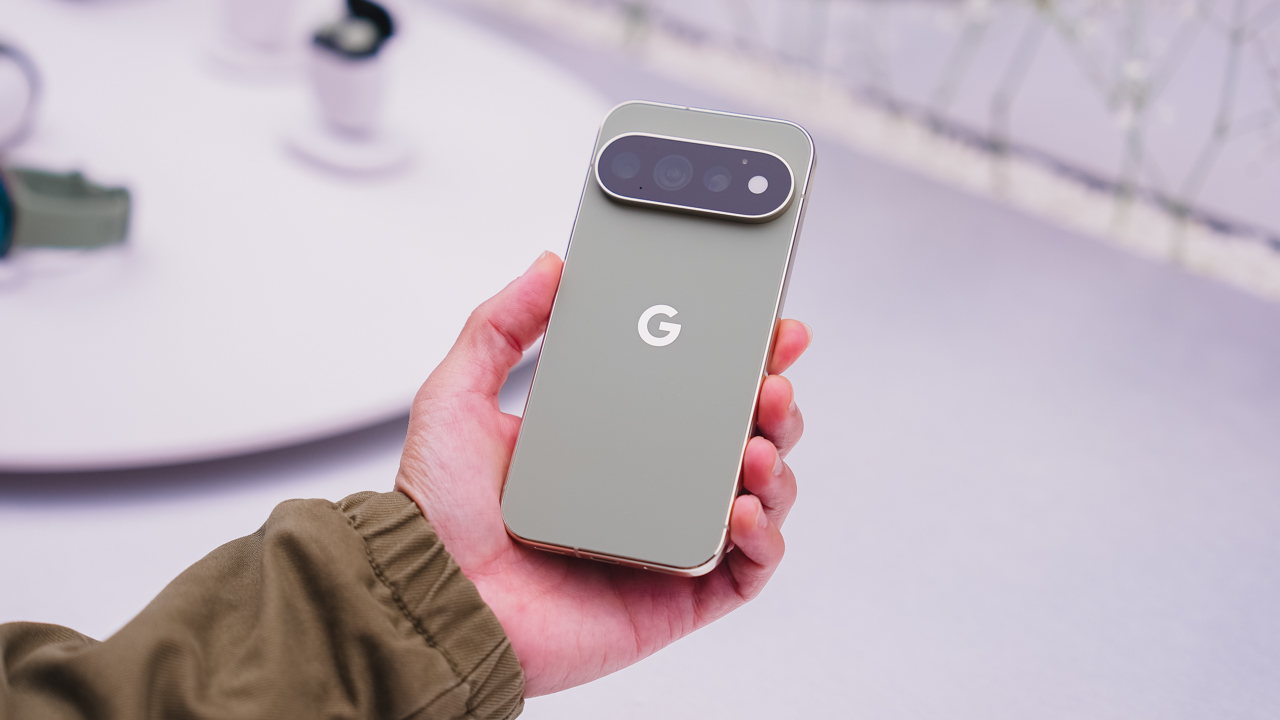
You’re outdoorsy, but you’ll still show up looking put together. Olive is low-key and grounded, the one who doesn’t try too hard because it’s already comfortable in its own skin. Another Pro and Pro XL exclusive.
Fog
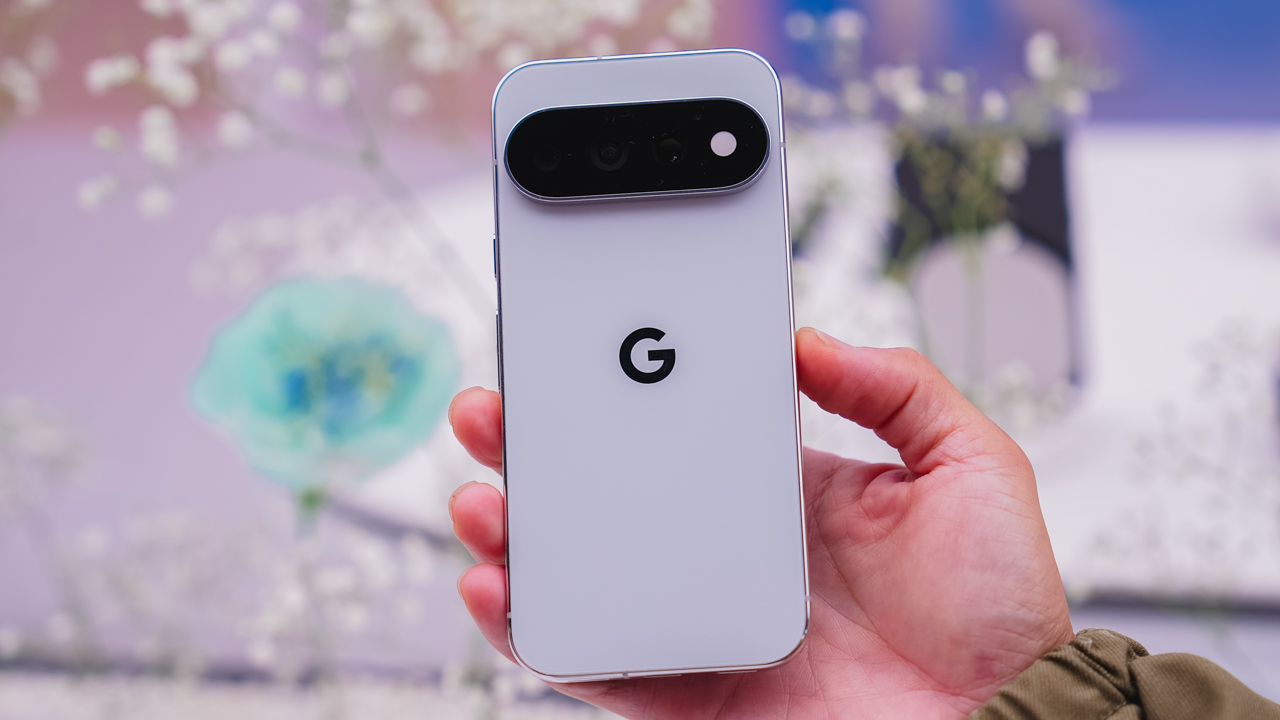
You’re hard to read, and you like it that way. Fog is understated on purpose, a Pro and Pro XL colorway for anyone who’d rather keep people guessing.
So, which one’s you?
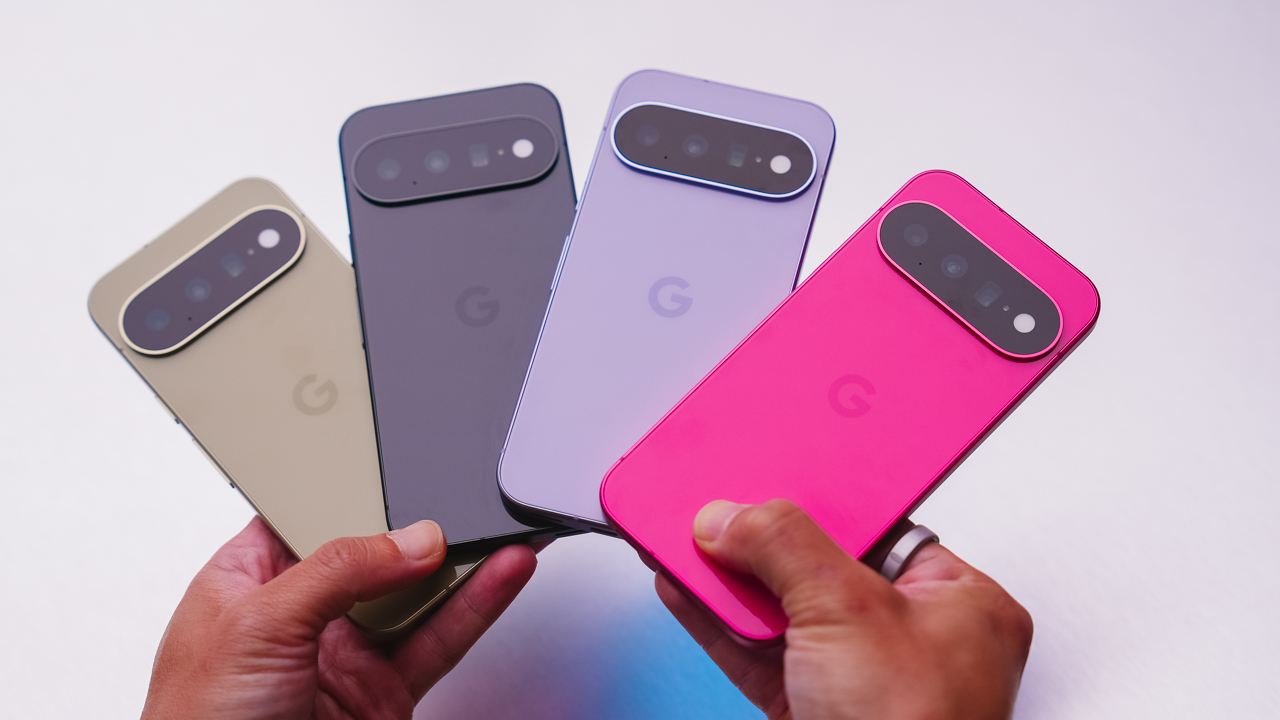
Eight colors, three phones, one very personal decision. Pixel 11, Pixel 11 Pro, and Pixel 11 Pro XL goes on sale starting August 20 — with Pistachio, Hibiscus, Frost, and Obsidian on the base model; and Canyon, Fog, Olive, and Obsidian on the Pro line.
Which one’s calling your name?


ROG G700 review: The best prebuilt PC you can get off the shelf
This PC will make you stop worrying about specs.


HP OMEN Max 16 review: Gamer-maxxing in deep black
Peripherals deemed necessary to max this out


vivo V80 review: Good phone, tough sell
A capable travel companion

This pop-up sauna brings the steam room experience into your home

Sticker season is back, and so is the planner your ~friends~ might fill in for you

FromSoftware’s The Duskbloods delayed to 2027

Yes, you can turn off the MacBook Pro’s touchscreen display

Demon Slayer: The Hinokami Chronicles 2 launches on Switch 2


-
Reviews2 weeks ago
vivo V80 review: Good phone, tough sell
-

 News2 weeks ago
OPPO Find X10 Series: Price, availability in the Philippines
-

 Cameras2 weeks ago
DJI Osmo Pocket 4P Pearl White now available globally
-

 News1 week ago
OPPO Find X10 Series: Price, availability
-

 Entertainment2 weeks ago
Cyberpunk: Edgerunners 2 now streaming, Cyberpunk 2077 update coming
-
Gaming1 week ago
HP OMEN Max 16 review: Gamer-maxxing in deep black
-

 Laptops2 weeks ago
Lenovo expands Yoga lineup with new AI PCs and tablets
-

 Laptops2 weeks ago
ASUS ProArt P14, P16 laptops with NVIDIA RTX Spark now available