
Entertainment
Joker: Folie à Deux: A take on life’s unfair, paradoxical reality
Joker: Folie à Deux slaps your face with the truth that sometimes, there are no choices and escapes

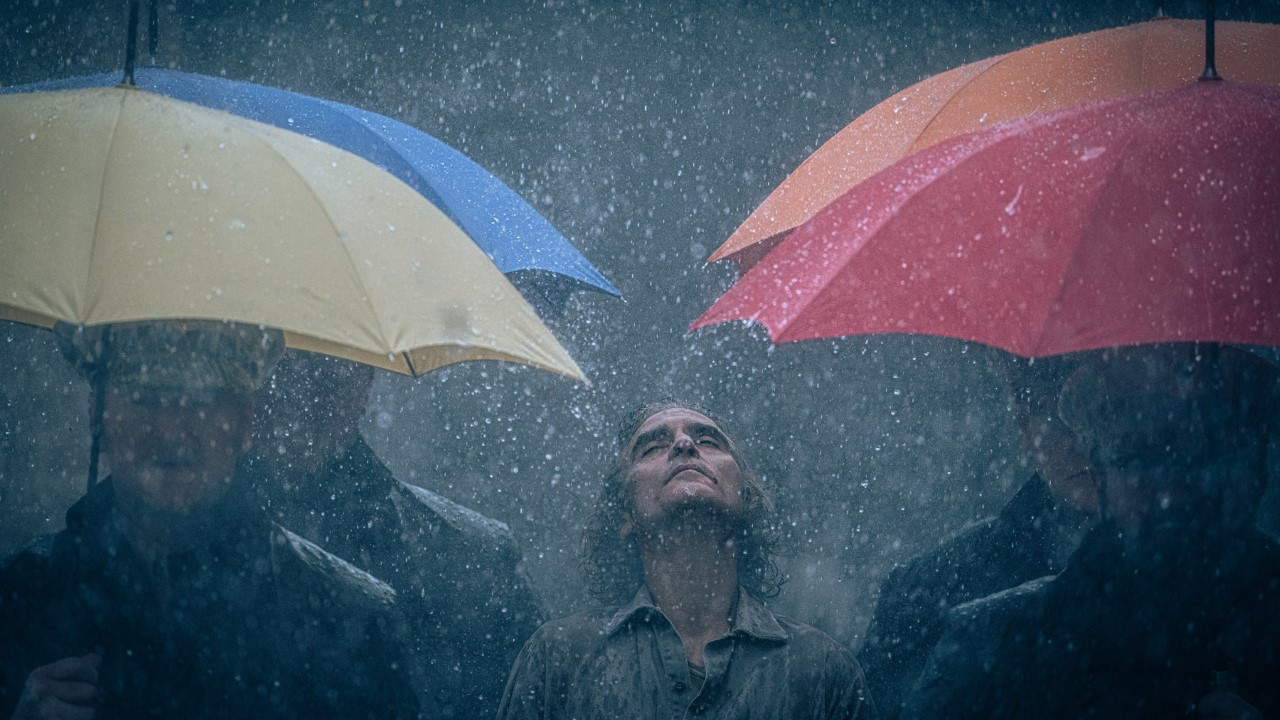
⚠️Warning: Some spoilers ahead⚠️
As if my general thoughts about life had needed further provoking, Todd Phillips’ Joker: Folie à Deux just validated them even more. I never thought I’d go full-blown philosophical with this take, but that’s where this is headed. I’ll leave other angles to those with more expertise than me.
Let’s just put it this way: no matter what lens you put on to dissect it, the new musical psychological thriller isn’t “bad” as a standalone film (and sequel to the supposedly standalone Joker film of 2019).
There’s so much to unpack regarding how the film dives again into the complexities of human emotions and mental illness. That’s still through the titular protagonist Joker, or Arthur Fleck, of course. Not only that, this movie makes you rethink your reality and life in general. And I’m focusing on these aspects, if I haven’t been clear yet.
For the most part, Joker: Folie à Deux is relatable again. Fleck’s experiences growing up contributed in shaping who he became. The whole nature-nurture thing can be a good thing. But it can also be the exact opposite — like what happened to Fleck, which was highlighted further in Joker: Folie à Deux.
To backtrack a bit, one need not be an expert to logically see why Joker did what he did. Fleck’s unfortunate backstory led to his current state, as well as the brutal actions he had done as result of triggers that might have flashed his trauma in front of him.
Beautifully set up
And three-fourths through Joker: Folie à Deux, we were convinced that he did suffer from dissociative identity disorder (DID). In other words, the Joker persona was separate from Fleck. It was the former who murdered late night TV show host Murray Franklin, the three subway bullies, and more. Fleck, meanwhile, was the abandoned yet loving and caring individual who could do no harm.
The second film’s plot covers Fleck’s trial for such brutal actions. And throughout, we thought he made a strong case to establish that he wasn’t guilty, since he wasn’t even sane enough to begin with.
Everything was beautifully set up, so much so that you could already predict a not-guilty verdict. His defense had solid arguments to back everything up. A resounding final statement would have left a lasting impression on the jury that handled the case.

And yet, in a red pill moment, Fleck admitted there is no Joker persona and that everything was done by just him. He was handed the guilty verdict, and chaos ensues again, albeit in a different light.
To say the least, it’s incredible what Fleck did. It’s confusing at first, yet it also makes sense. We’ll get to that in a bit.
Even Lady Gaga’s Lee Quinzel wound up questioning Fleck in the end why he quit the Joker masquerade, when he was doing so well with it. Ironically, it was also Lee who told Fleck (as shown on the trailer) she wanted “to see the real” him.
What if the “real” him was indeed one without the Joker personality we all thought was separate from him? How paradoxical. And the film’s open-endedness all the more makes it such a compelling work of art.
No other choice?
Perhaps, for Fleck, it was the only way. He chose to stop delaying the inevitable. He thought of stopping the charades and finally waking up to what was real. Besides, what other choice did he have? It’s not as if everything else still mattered.
Naturally, it’s much more complex in real life. As for mental health problems, there are no magic bullets. Scientifically speaking, there’s therapy, medication, support circles, and developing healthy habits to improve your overall well-being. But “healing” and getting to a “better place” takes a continuous process. It can even go an entire lifetime sometimes.
And sometimes, suffering from such illnesses also hurt those around us. It can push those around us away. We may or may not realize that right away. It’s not that it’s our fault. But at the same time, those who suffer from mental illnesses themselves also come to realize that they will have to play an integral role if they want progress.
In the same logic to a certain extent, Fleck seeing those rallying behind him committing acts of violence, or even Lee getting influenced by his Joker facade, it was a realization that he needed to stop and finally be responsible for all of his actions. That’s even with his upbringing and the trauma it caused him.
Unfortunately for him, there was no escaping his situation anymore after everything that had already transpired, as he was ultimately killed inside the Arkham Asylum. It’s unadulteratedly sad. Harsh, even. And yet, it’s also the reality for most of us.

Unfair, paradoxical life
Beneath Fleck’s transcendence, one may think: if only he had a level playing field to begin with. Truth be told, most of us do not have the same luxury either. Furthermore, most — if not all — suffering from mental health illnesses do not have it too.
Fleck came to comprehend reality. I wouldn’t even say “embrace” or “accept” because both sound forced in this context. That’s no matter how unfair it had been to him, and knowing he was already in a no-win situation.
And for most of us, it takes a while before comprehending how unfair this world is and realizing how paradoxical it can get. For some, it can get really tough like Fleck’s case where there is no getting out. Just imagine how many real-life Arthur Flecks there are.
It doesn’t mean one cannot win in life anymore, or live a reality that’s more ideal. It also doesn’t mean those who have mental health problems can never “completely” heal from them or overcome them.
But it’s no guarantee either. And Joker: Folie à Deux slaps us with this truth. By strict definition, it’s hardly even a musical nor a comic book/superhero story. It’s a take on the reality of life: one that’s unfair and paradoxical; one that sometimes can be without choices and escapes.
How do we even come to terms with life if that’s the case? I probably shouldn’t have watched this movie.
But what choice do I have?
See? Makes you think.




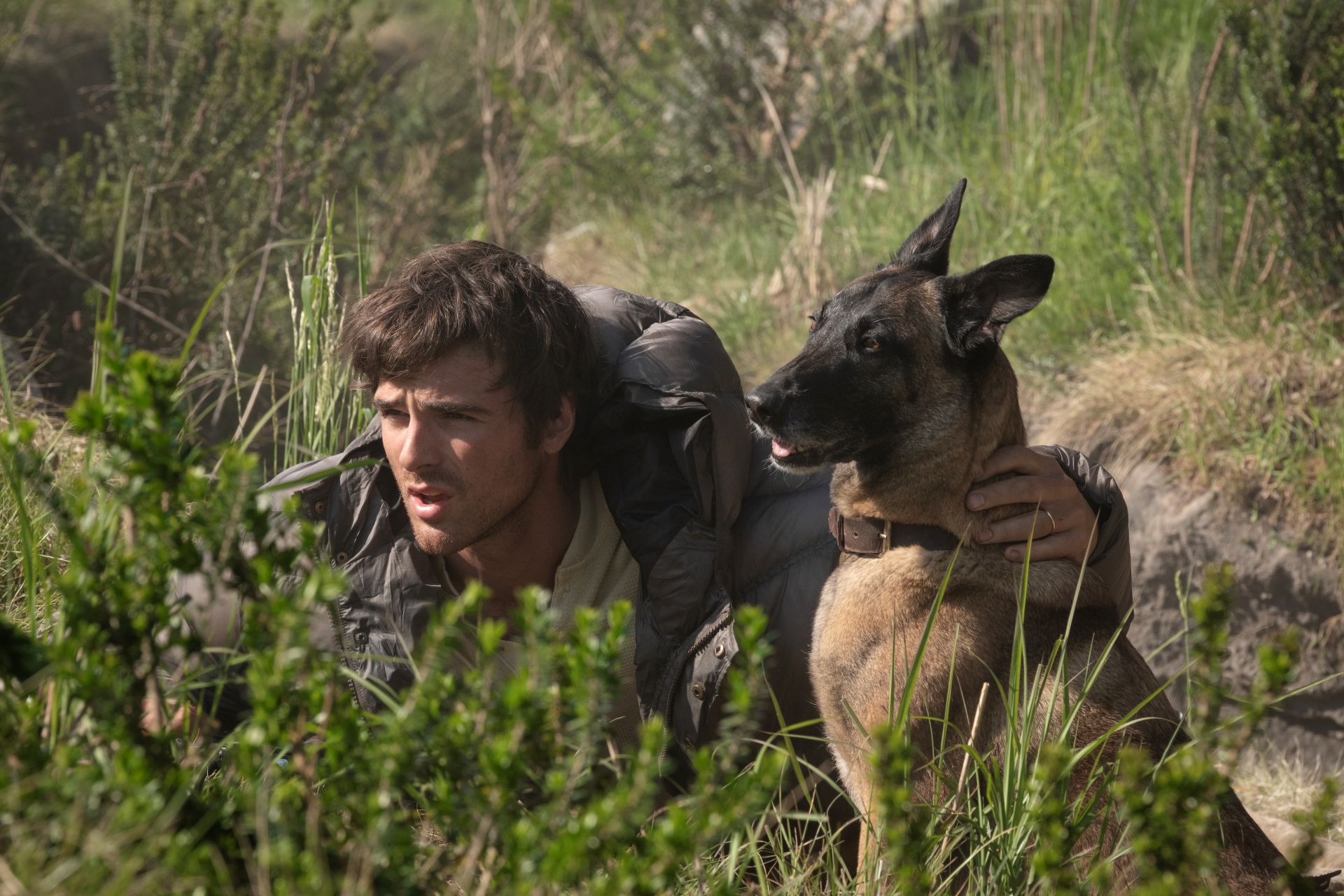
It’s easy to mistake The Dog Stars for a canine-centric survival tale if you aren’t familiar with the source material.
Peter Heller’s 2012 novel uses the title as a double meaning — referencing both the star Sirius within the Canis Major constellation (hence, “the Dog Star”) and the very real bond between a man and his dog.
In Ridley Scott’s cinematic adaptation, the premise delivers a grounded, post-pandemic world devastated by a global flu. The narrative is driven by a mysterious radio transmission intercepted by Jacob Elordi’s Hig, a quiet pilot pushed by grief and an irrepressible human curiosity to see what’s left of the world beyond his refuge.
With a stacked cast, a legendary director, and rich thematic material, general moviegoers and book fans alike have plenty of reason to expect a post-apocalyptic thriller.
Sadly, as an adaptation, The Dog Stars underwhelms. What promises to be an edge-of-your-seat survival ride settles into a surprisingly dull story that lacks the punch of a post-apocalyptic thriller.
It isn’t a bad film, but it struggles to balance its atmospheric build-up with a rushed, squandered third act.
⚠️ Warning: Some spoilers ahead! ⚠️
Ridley Scott’s signature touch
For what it’s worth, Scott doesn’t take long to make his visual presence felt. The director fills the screen with sweeping tracking shots of Hig’s Cessna plane gliding over vast mountain ranges.
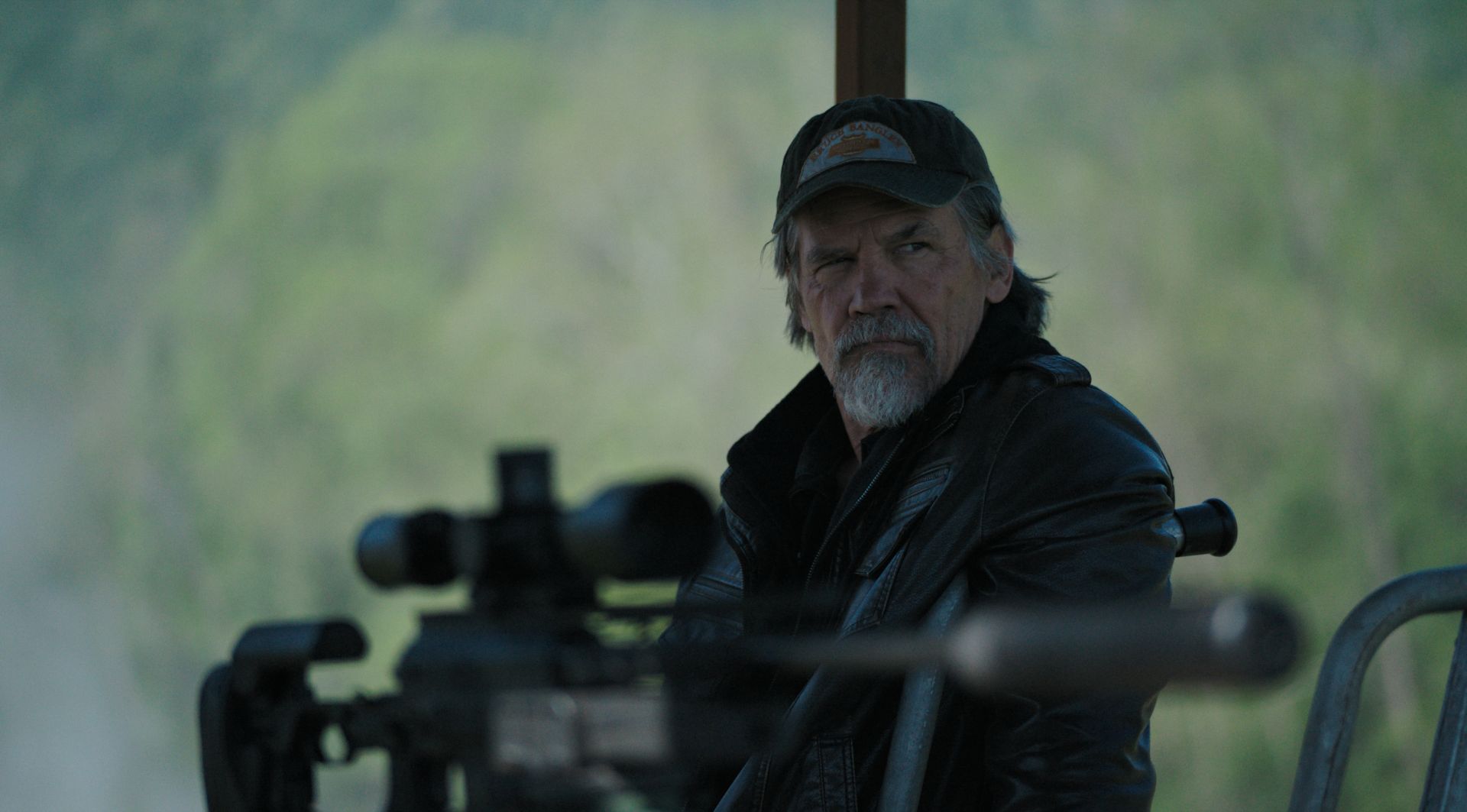
This is juxtaposed with melancholic, muted sequences of his daily survival routine with Josh Brolin’s Bangley.
There is a sense of desolation; unaddressed grief for Hig’s late wife and the sheer fatigue of scavenging alongside his loyal Belgian Malinois, Jasper.
The quiet routine switches gears dramatically during action sequences. Scott brings dynamic flair to the screen. Notably, when Bangley holds off a horde of Reapers, the cinematography turns into a video game-esque, FPS-style night-vision POV shot.
Ditto with the high-stakes chase at Margaret Qualley’s Cima’s place, and during the final act in the trap that is Grand Junction.
Brolin and Pearce anchor the wasteland
What’s problematic here is that the lead supports, Josh Brolin and Guy Pearce, give the film its most grounded and reliable energy.
Fresh off playing a father searching for answers in Weapons, Brolin again slips effortless into his role of Bangley.
This badass survivalist with ex-Marine credentials complement Hig with a contrasting manner, making defending their abandoned airstrip look routine.
The initial friction between Hig and Bangley also drives the film’s early momentum. Bangley is perfectly content just chilling at the airstrip, while Hig is consumed by a curiosity to see what’s left on the other side of the horizon given the tools he has.

Bangley eventually concedes to Hig’s urge to chase the radio signal, but gets an earned “I told you so” moment near the end. This is fittingly a chef’s kiss to his character’s consistent demeanor.
Yet you don’t mistake Bangley’s isolation for passivity as well. He is practically itching for a reason to unleash a barnyard full of weapons (pun not intended) he’s been hoarding. It’s as if treating the invading Reapers like the ultimate survival battle he’s eagerly been waiting for in the post-pandemic world.
Complementing this heavy-duty presence is Guy Pearce’s Pops. His fiercely overprotective father persona to Cima steals the spotlight given how everyone is cherishing what’s (or who’s) left.

There are sharp one-liners aimed at keeping Hig at arm’s length, as he’s understandably paranoid after surviving the apocalypse.
Together, these are two highly enjoyable flavors of post-apocalyptic fatherhood. Eventually, Bangley warms up as the entire protagonist group relocates to integrate with the Mennonites in the end.
Pacing turbulence, squandered climax
The film’s momentum begins to stall in the second half. Once Hig crash-lands and meets Cima nad Pops, the narrative slows down considerably.
Sure, it’s a way to establish the emotional foundation and romantic spark between the couple for audiences unfamiliar with Heller’s novel. Perhaps, an attempt to balance the quiet character work with the surrounding chaos.
However, the scales still tip heavily toward sluggish pacing, with the film losing much of the earned tension. This turns what should have been a tense journey into a noticeably dull movie experience.
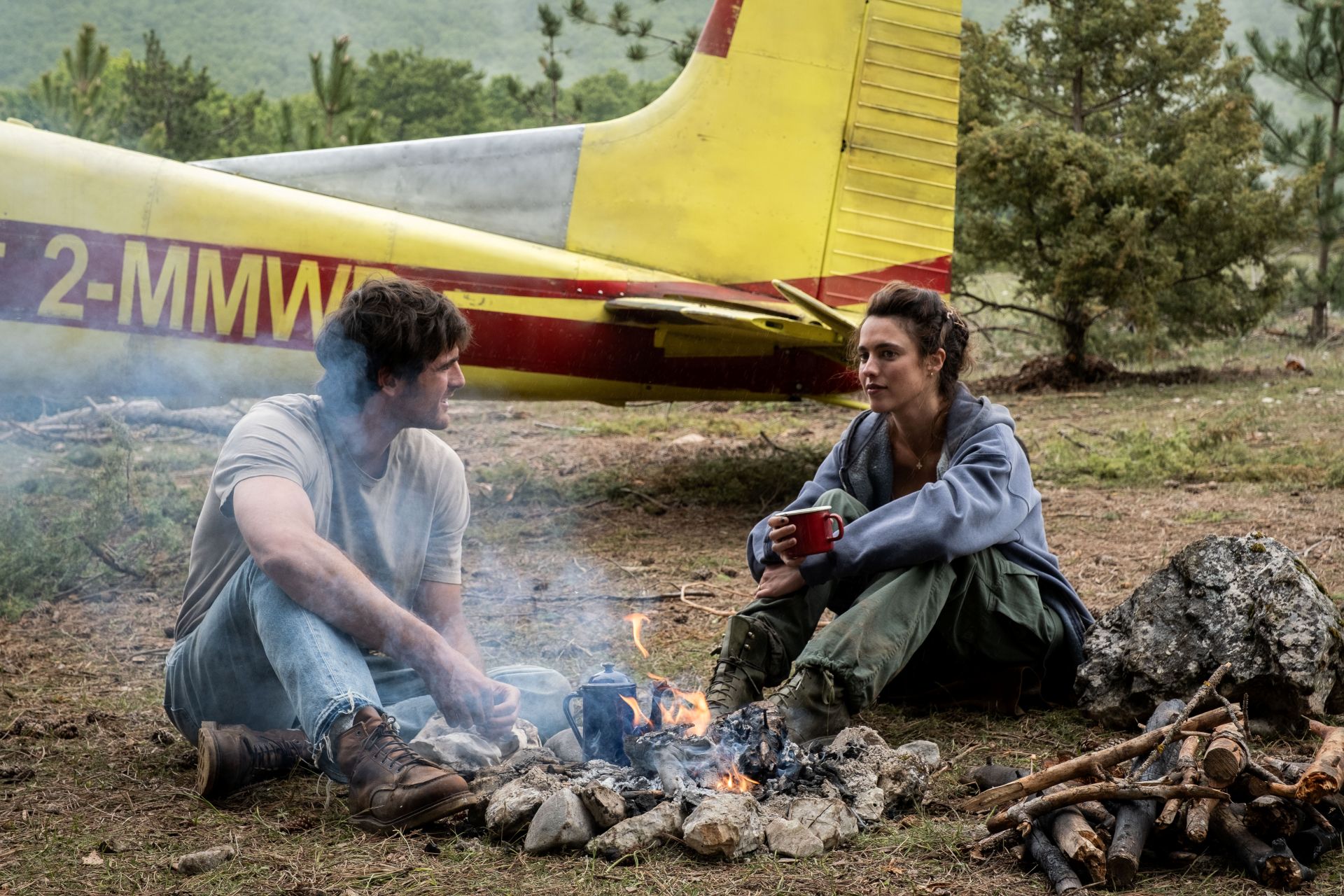
Quite ironically, this is where Elordi and Qualley’s acting shines the most. It doesn’t help that there is an exposition-heavy writing as you just wait for a climactic finale to unfold, yet it never quite materializes.
By the time the story finally moves to Grand Junction, what should have been a defining act feels like a rushed afterthought.
Given the creative independence, Grand Junction could have been executed like a harrowing, inescapable maze. More frustratingly, the film completely drops the ball on its most disturbing revelation.

When the group stumbles upon roomfuls of discarded passports and piles of dead bodies, it should have been a heart-stopping, horror-thriller pivot. It’s the ultimate “we are completely fucked” moment, exposing the radio signal as a trap rather than a beacon of hope.
Had the film leaned into this nightmare, it would have rolled out the red carpet for Scott to flash his brilliance even further, recalling the tight, claustrophobic dread he mastered in Alien.
Instead, the movie glances past it in a split second. The protagonists overpower the opposition far too easily, robbing the climax of any real danger or lingering tension.
Should you watch it?

Undeniably, The Dog Stars movie succeeds in grounding itself on the human side of post-pandemic survival.
This isn’t a high-octane, “suspend-your-disbelief” blockbuster stuffed with outrageous sci-fi gimmicks; it is a thoroughly logical, realistic look at how real people would handle isolation, grief, and the instinct to rebuild community after everything crumbles.
The film’s core ideas are sound, and its emotional logic is intact. Still, it simply lacks the sharp execution and narrative punch needed to elevate it into a masterpiece.
On our Watch Scale, it falls under Wait on streaming. There’s plenty of technical flair and solid performances from grizzled veterans, but the rushed finale and missed horror-thriller pivot leaves you wishing Scott had been allowed to unleash the full extent of his cinematic powers.
Entertainment
UNDERTALE: The Determination Symphony gets two more shows
Both shows will be held on the next day.

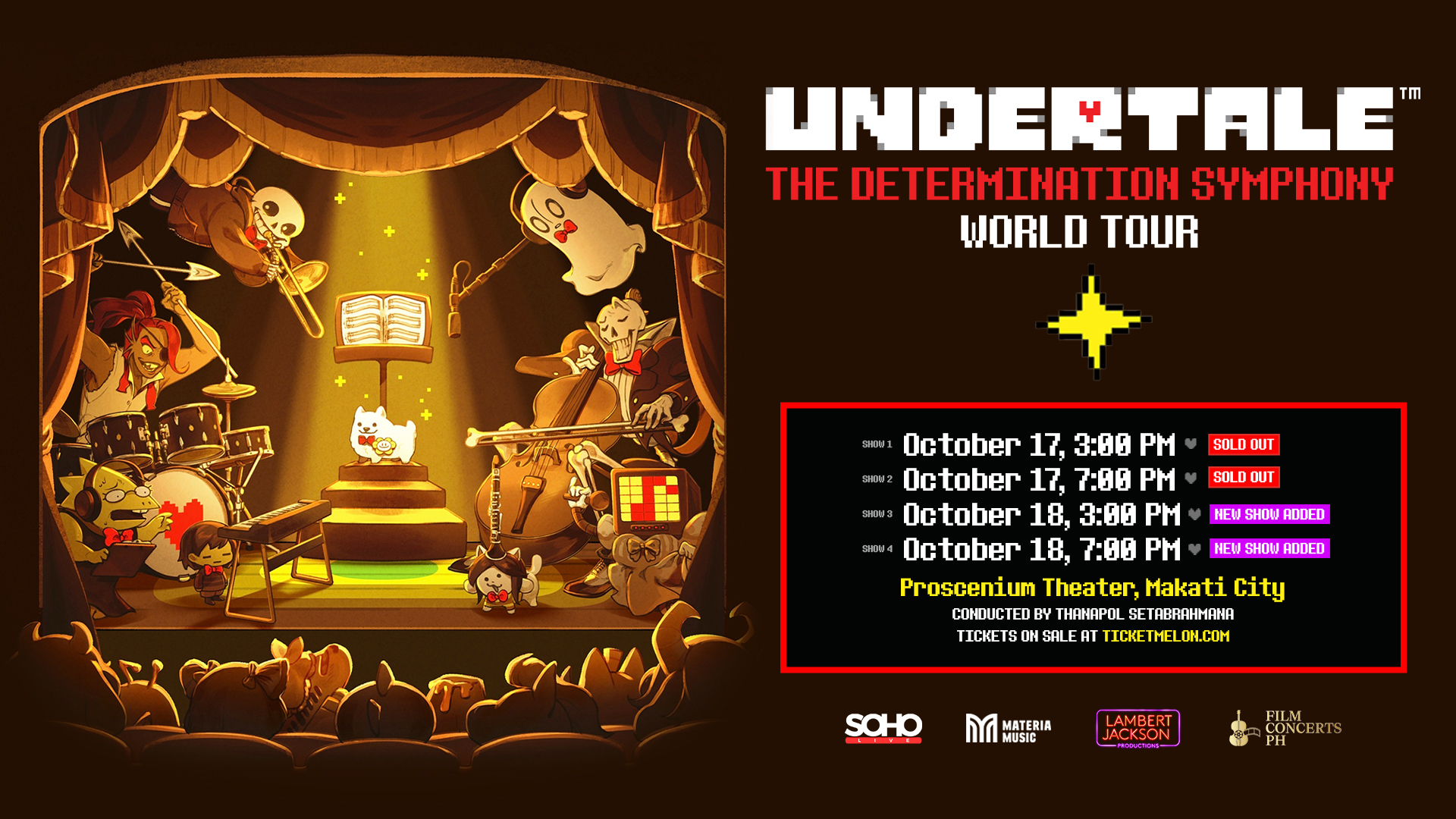
The Philippines has an unquenchable love for game-based concerts (so *wink wink* please bring more of them). Though these concerts do generate a lot of hype, the drawback is that they often sell out way before most fans can grab tickets. If you’re an UNDERTALE fan, that experience might be rocking you right now, as both shows have already sold out. But fear not: UNDERTALE: The Determination Symphony has just opened two more shows.
Late last month, Film Concerts PH, in partnership with SOHO Live, announced UNDERTALE: The Determination Symphony happening on October 17. As expected, both shows, at 3pm and at 7pm, sold out very quickly after sales opened.
Today, the concert experience is opening two more shows on the next day, October 18. Like the original date, the two shows will happen at 3pm and at 7pm, allowing more fans to experience the concert.
The concert will be performed by the Filharmonika Orchestra and conducted by Thanapol Setabrahmana. Personally curated by creator Toby Fox and developed by Lambert Jackson with Materia Music, the concert experience showcases the game’s most recognizable tunes laid over gameplay footage playing simultaneously. Plus, for the world tour, the experience will have expanded scoring.
Tickets are available through Ticketmelon. Both dates will be held at The Proscenium Theater in Makati.
SEE ALSO: UNDERTALE: The Determination Symphony hits Makati in October
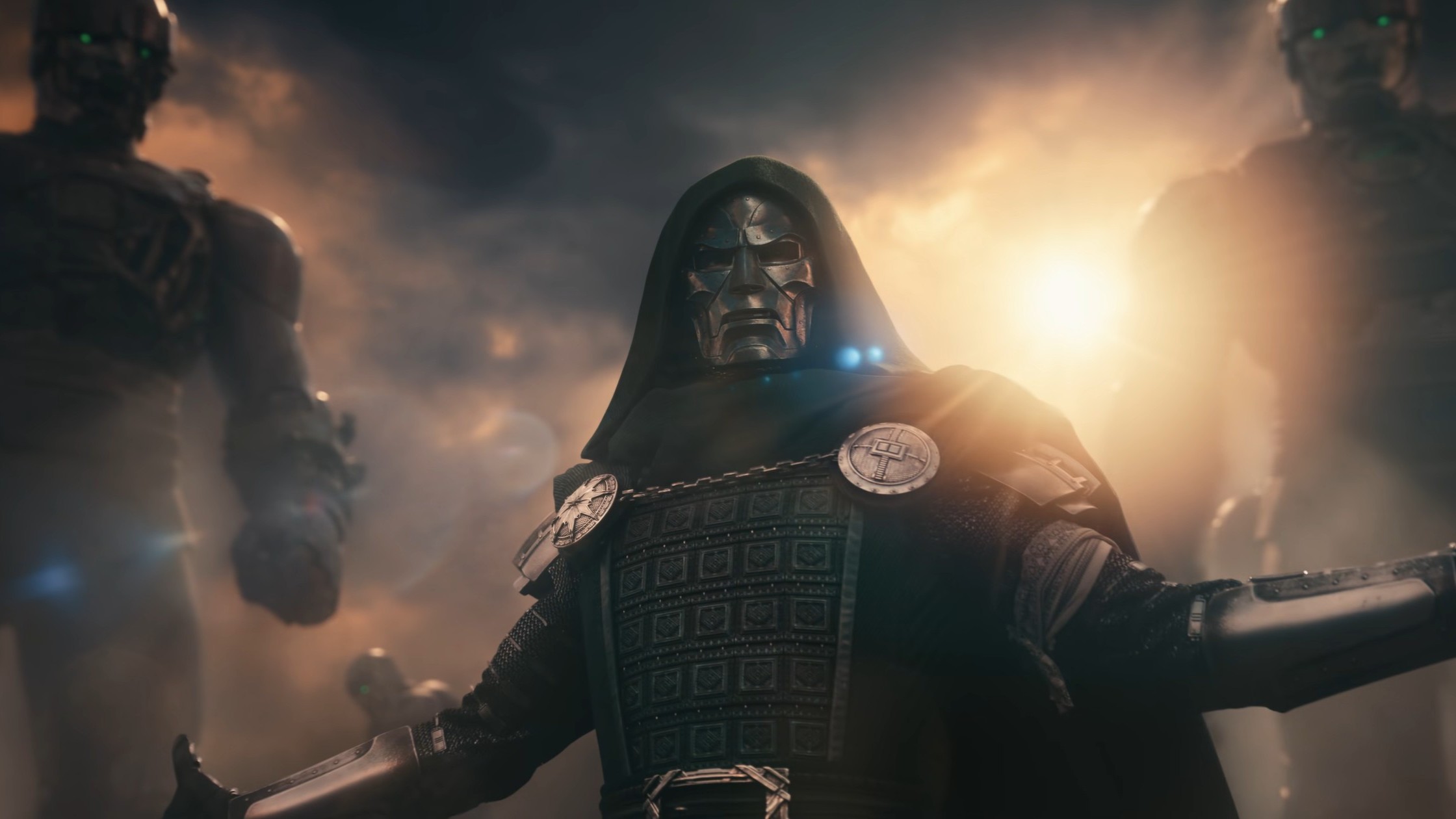
As of today, the entirety of the Marvel Cinematic Universe will take around 650 hours to watch. So, if you wanted to catch up with everything before this December’s Avengers: Doomsday, you would need to allot around 5 hours per day to watch content from Marvel. For a lot of us, that sort of commitment is completely untenable. Thankfully, Marvel has released an official watchlist, paring the list down to something much more manageable.
Before the MCU got as big as it is today, it was fun to do a movie marathon heading into a major Marvel release. For example, when Avengers: Endgame came out, some theaters held continuous marathons lasting a few days. Take note that this was before Marvel officially included every TV show and legacy movie (like the X-Men universe).
Now, heading into Avengers: Doomsday, Marvel will not ask you to devote the rest of your year just for homework. Instead, here’s an official list you can use to catch up:
- X-Men
- X2
- Captain America: The First Avenger
- The Avengers
- Avengers: Infinity War
- Avengers: Endgame
- Loki
- Shang-Chi and the Legend of the Ten Rings
- Spider-Man: No Way Home
- Black Panther: Wakanda Forever
- Captain America: Brave New World
- Deadpool & Wolverine
- Doctor Strange in the Multiverse of Madness
- Thunderbolts
- The Fantastic Four: First Steps
Compared to the extensive list of everything Marvel, this official list is much more manageable, especially since there’s only one show (Loki). It’s also a veritable who’s who of the MCU, so it’s hard to get bored.

The official list as seen on Disney+
There are, however, a few surprises and spoilers. For one, if you’ve been avoiding the teasers and trailers, the X-Men films might be a shock to you. Likewise, the inclusion of the critically panned Brave New World is interesting.
The exclusions are just as noteworthy, too. Though the two earliest X-Men films are included, the list doesn’t add Days of Future Past, one of the first Marvel films to use time travel. Thor: Love and Thunder isn’t on here, despite Love, Thor’s adopted daughter, appearing in the trailers. Brand New Day is also missing, but that’s likely because the movie isn’t on Disney+ yet.
Avengers: Doomsday premieres in cinemas on December 18. Four months should be enough time to catch up on these titles.


Setting your bedsheets ablaze with the Lovense Solace Pro
The closest proxy I could find where I'm guilty as sin

Now Playing: Elden Ring Tarnished Edition
Is the Switch 2 port worth the price?


NBA 2K27 review: A two-way All-Star
Better ball game, same 2K?

ACMobility launches EV safety program to help drivers make the switch

Sony introduces its 1st Fisheye Zoom G Lens

vivo introduces refurbished versions of X300 FE, X300 Ultra for less

GadgetMatch Awards: Best of IFA 2026

CODE VEIN II launches Mask of Idris DLC with free Version 2.0 update

TECNO MEGAPAD 2 review: Eyes on the size

realme 16T 5G with 8000mAh battery, IP69 Pro rating launches in PH

REDMI Note 17 Series focuses on long-term reliability

HUAWEI Pura X View is 2026’s first WIDE slab-type smartphone

realme 16T to come with 8,000mAh battery, 7-year battery health guarantee


-
 News2 weeks ago
realme 16T 5G with 8000mAh battery, IP69 Pro rating launches in PH
-
 News2 days ago
HUAWEI Pura X View is 2026’s first WIDE slab-type smartphone
-

 News2 weeks ago
REDMI reveals the refreshed Note 17 and Note 17 Pro series
-

 Singapore2 weeks ago
REDMI Note 17 Series: Price, availability in Singapore
-

 Reviews2 weeks ago
REDMI Note 17 Pro review: What a rollercoaster ride!
-

 Features1 week ago
The designated photographer’s new favorite phone: OPPO Reno16 Series 5G
-
 Cameras1 week ago
DJI Osmo 360 II review: Going all-in on the ecosystem
-

 IFA 20266 days ago
TECNO MEGABOOK T15 360 unveiled at IFA 2026