
Gaming
Kunitsu-Gami: Path of the Goddess is a dance of its own
Action, strategy, fighting, tower defense all rolled into one

Early feedback for Kunitsu-Gami: Path of the Goddess spoke highly of the game’s uniqueness in terms of its gameplay system, 18th century Japan-inspired character art, and a lot more in between. Even its ratings on Steam proved to be impressively high in the first month or so.
Indeed, Capcom’s 3D action-strategy-fighting hybrid piqued my interest. Many noted its “tower defense” element. I’ve had my fair share of tower defense games on tablets to kill boredom during my college days. They typically involved fending off hordes of zombies or placing missile-firing towers to destroy heavy artillery.
I always saw tower defense titles as a means to challenge my thinking while also providing an entertainment factor. That’s what really pushed me to try Kunitsu-Gami: Path of the Goddess. This, along with the game’s straightforward story of purging Mt. Kafuku’s defilements from evil spirits through 17 stages of sword-dance combat, made up for an absolute adrenaline rush.
Reviving a stained land

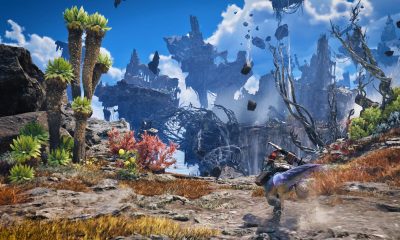
For the unacquainted, the game is set in the once lush Mt. Kafuku that serves as the home of the Goddess. However, an ominous black substance has since engulfed the mountain and turned it into a shadow of its former self.
This evil has defiled the Torii gates spread across the mountainside. Worse, it has also stolen the 12 masks containing the Goddess’ power. This event has likewise thrown villagers in turmoil — a sad, pestilent state called Amatsutsumi.
To stop the havoc, players must step in to command villagers, assign them roles, purge the defilement, and bring everything back to normal.
This is the game’s simple premise. For game completion, there are 17 stages and 10 boss fights, with Mt. Kafuku being the last stage.
Simple mechanics

Players play Soh, a bad-ass, samurai-wielding protagonist who does the heavy lifting while protecting the Maiden (who purifies the paths) each step of the way. In defeating the Seethe, they restore the mountain back to its lush and lively form.
The in-battle mechanics are quite simple. On a Legion Go, the combinations are just X-Y, X-X-Y, and X-X-X-Y. These combos allow Soh to hack and slash incoming Seethe, all while twisting and turning in the air (hence, the flying sword dance).
It takes anywhere from three to five rounds of Seethe to finish the stage, before moving on to the stage’s boss. Players get rewards for completing each stage, in the form of musubis which can strengthen villagers through upping their overall HP, durability, and attacking capabilities.
In a way, that straightforwardness is why some who’ve tried this game say it has tower defense elements. That kind of no BS progression where you just finish the round, earn rewards, and move on to the next one does remind me of the usual tower defense or zombie survival titles I’ve tried on a tablet before.
Night and day

Furthermore, gameplay is divided into night and day. The actual battles happen at night. During daytime, Soh explores the surroundings where he purifies defilements and collect more credits to assign roles to villagers. Roles include Woodcutter (melee), Archer (ranged), and Ascetic, to name a few.
After completing each stage, players also enter a screen wherein the areas in Mt. Kafuku covered by that stage gets repaired. Again, Soh will assign villagers to finish the repairs to gain points. There is also a tent there which serves as the hub where Soh can view the game progress or equip Mazo Talismans which gives him a power-up in battle.
Awesome art
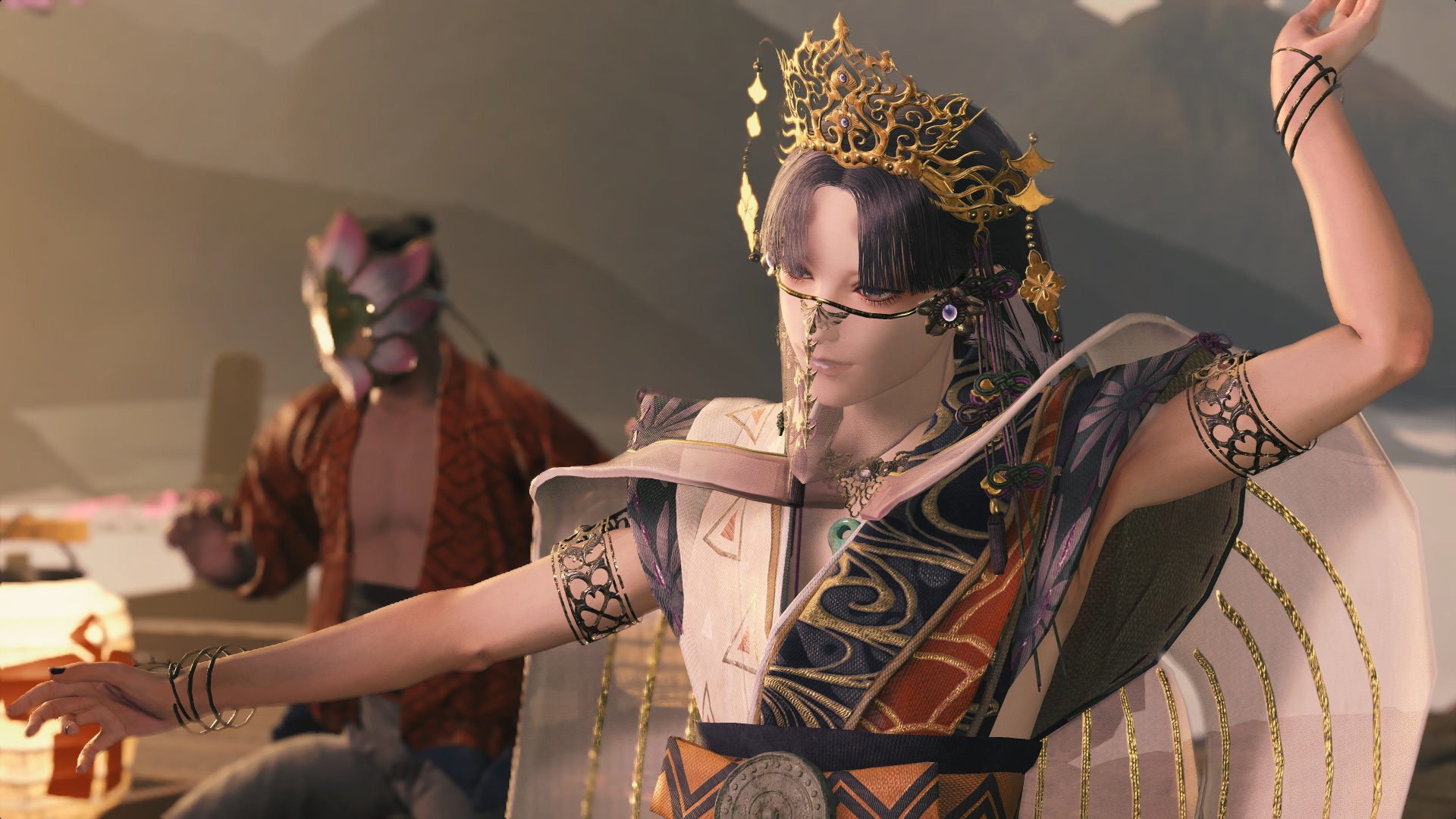
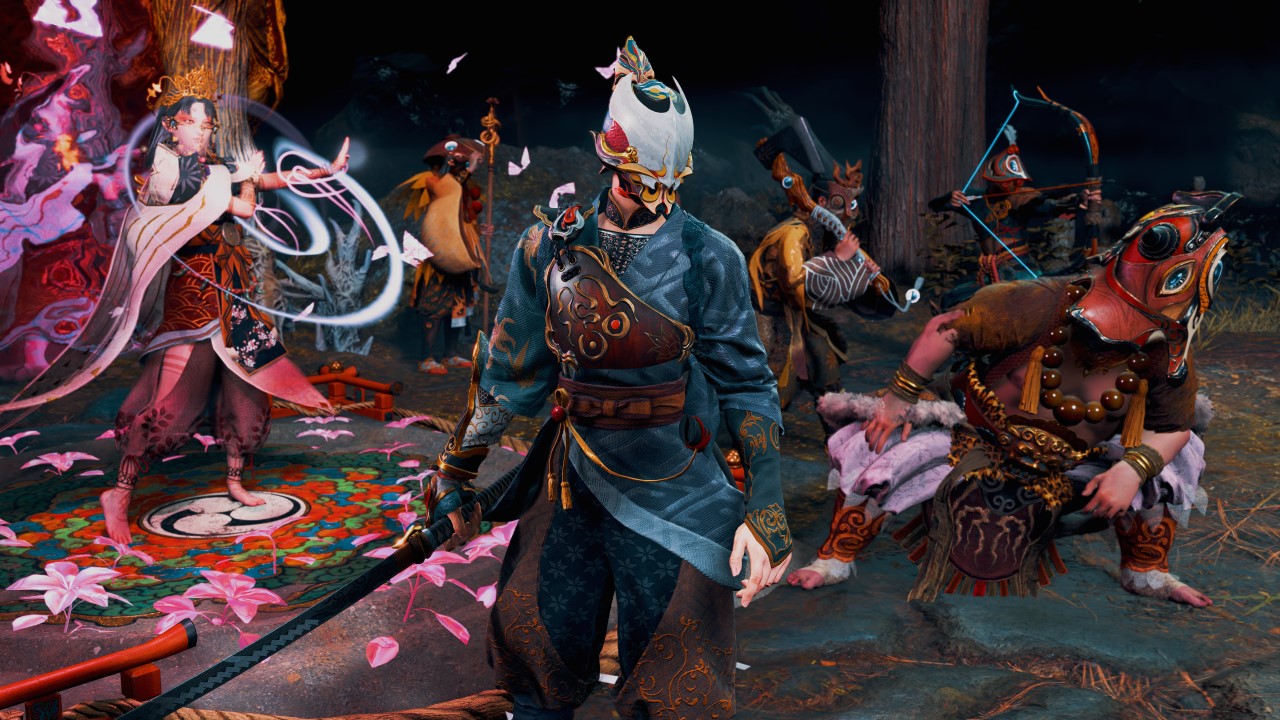
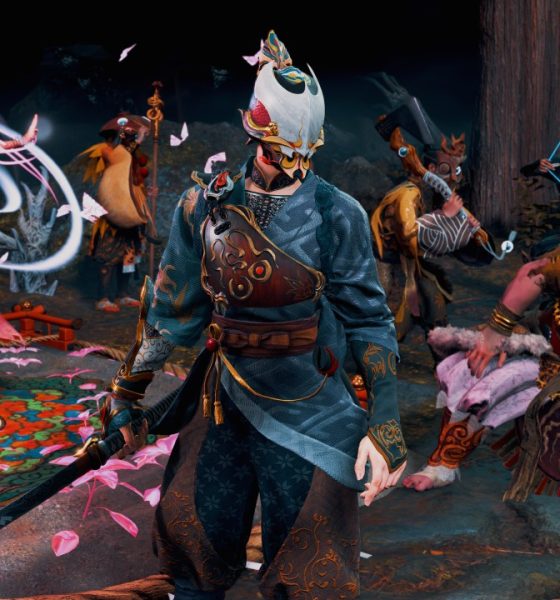
What else can we say? The 18th century Japan-inspired character art was absolutely stunning. The Seethe came out really disgusting and filthy-looking. The outfits of the villagers were simple yet all the details were appropriate for the theme, like their hats, tops, and bottoms. The overall color palette of the game’s surroundings also proved to be art gallery-worthy to the eyes.
I’m no hiking enthusiast either but Mt. Kafuku reminds me of my college days where I stayed at a dorm located well into a forestry area on the foot of a real-world mountain. The surroundings have a vibrant and lively vibes, and the colors make up for an appealing and picturesque look.
Challenging bosses, maldistributed difficulty?

I found the progression during the first couple of stages quite doable. You’d spend a few “days” in the game per level to advance the path.
Where I got stuck was in Stage 3, where the boss, Gakinyudo, is an annoying giant caterpillar who simply refused to die. I tried beating this level for about 50 times (no exaggeration). I tried to follow all tips and tricks I found online and also tried my own approach.
Fittingly, I did read that some players pointed out how the difficulty level of each boss in Kunitsu-Gami sort of felt randomly distributed, instead of the usual progression you’d expect where it would get a lot harder in the latter stages.
Curiously, on Steam, this level was only accomplished by 60% of players, meaning as early as Stage 3, it proved to be challenging for almost half of those who tried — myself included.
Final thoughts
Kunitsu-Gami: Path of the Goddess is a challenging puzzle that involves a lot of action and fighting, minus the exploration from action-adventure genres. It’s a unique action-strategy blend of its own with a linear story progression that will serve you your dose of adrenaline-pumping, brain-puzzling gaming sessions.
If you have what it takes to star in the tale of the Kami, this is a title worth trying. As for me, I’ll stick to actual strategy games that involves more thinking rather than action. That’s on me.






Capcom is celebrating the arrival of Yasmine, the first-ever Filipina character in the Street Fighter series, with an official community event in the Philippines this August.
The Official Street Fighter 6 ‘Yasmine’ Community Event takes place on August 9, 2026 at Salud! by Primera Bar & Restaurant in Palanan, Makati. Doors open at 2:00 PM, with tournament matches, community activities, giveaways, and free play sessions scheduled throughout the day.
Meet Yasmine, Street Fighter 6’s first Filipina fighter
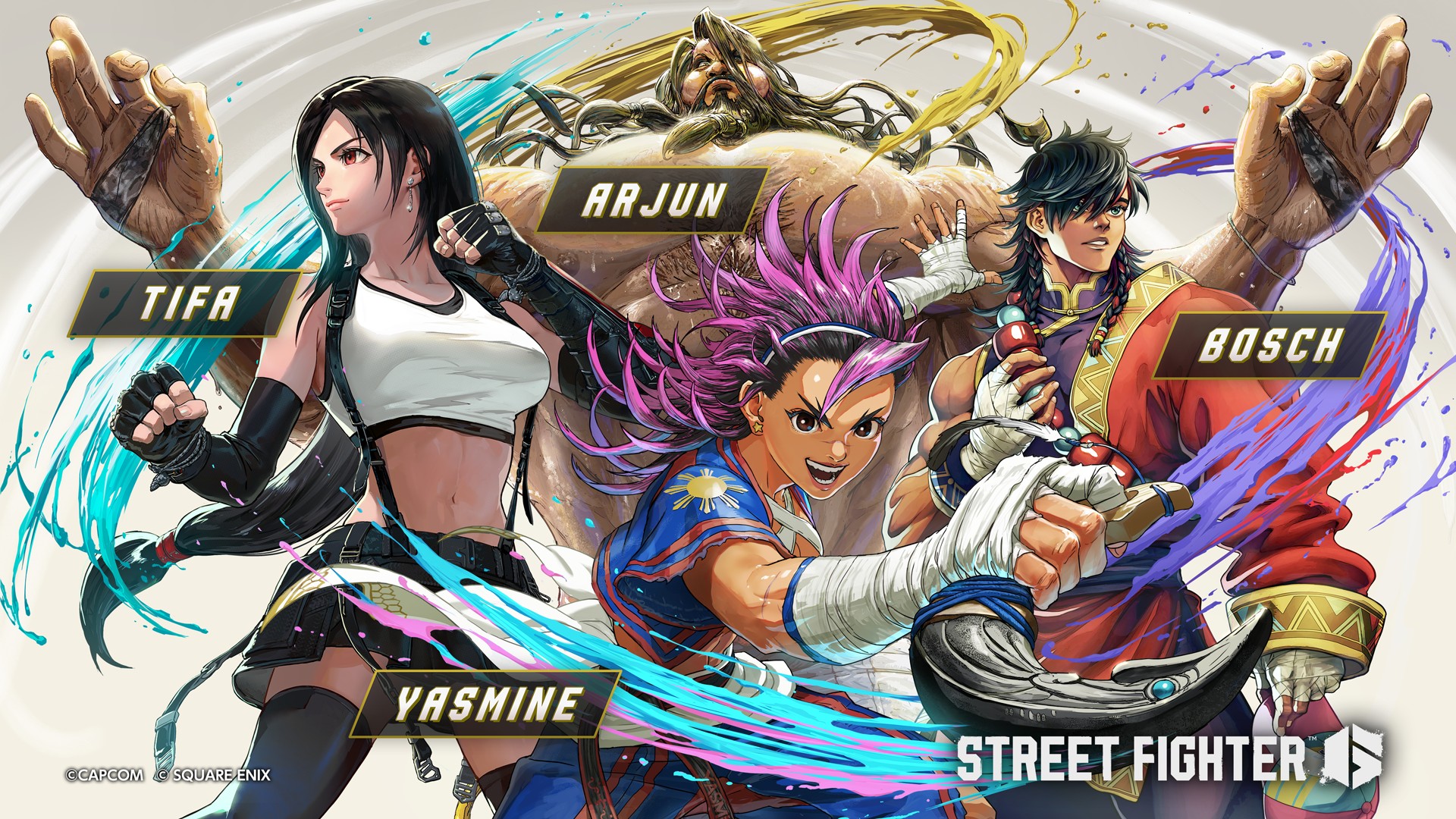
Yasmine joins Street Fighter 6 as the first playable character in the game’s Year 4 roster.
According to Capcom, she learned to fight alongside her older brother under the guidance of her grandfather. After her brother’s disappearance, she returns to combat using high-speed Eskrima techniques while wielding a Karambit knife.
She is joined in the Year 4 lineup by Arjun, Tifa from the Final Fantasy VII Remake series, and Bosch. Her release also coincides with balance updates for the entire Street Fighter 6 roster.
Yasmine becomes available on August 3, 2026 for players who own the Year 4 Character Pass or Year 4 Ultimate Pass.
Community tournament and exclusive merchandise
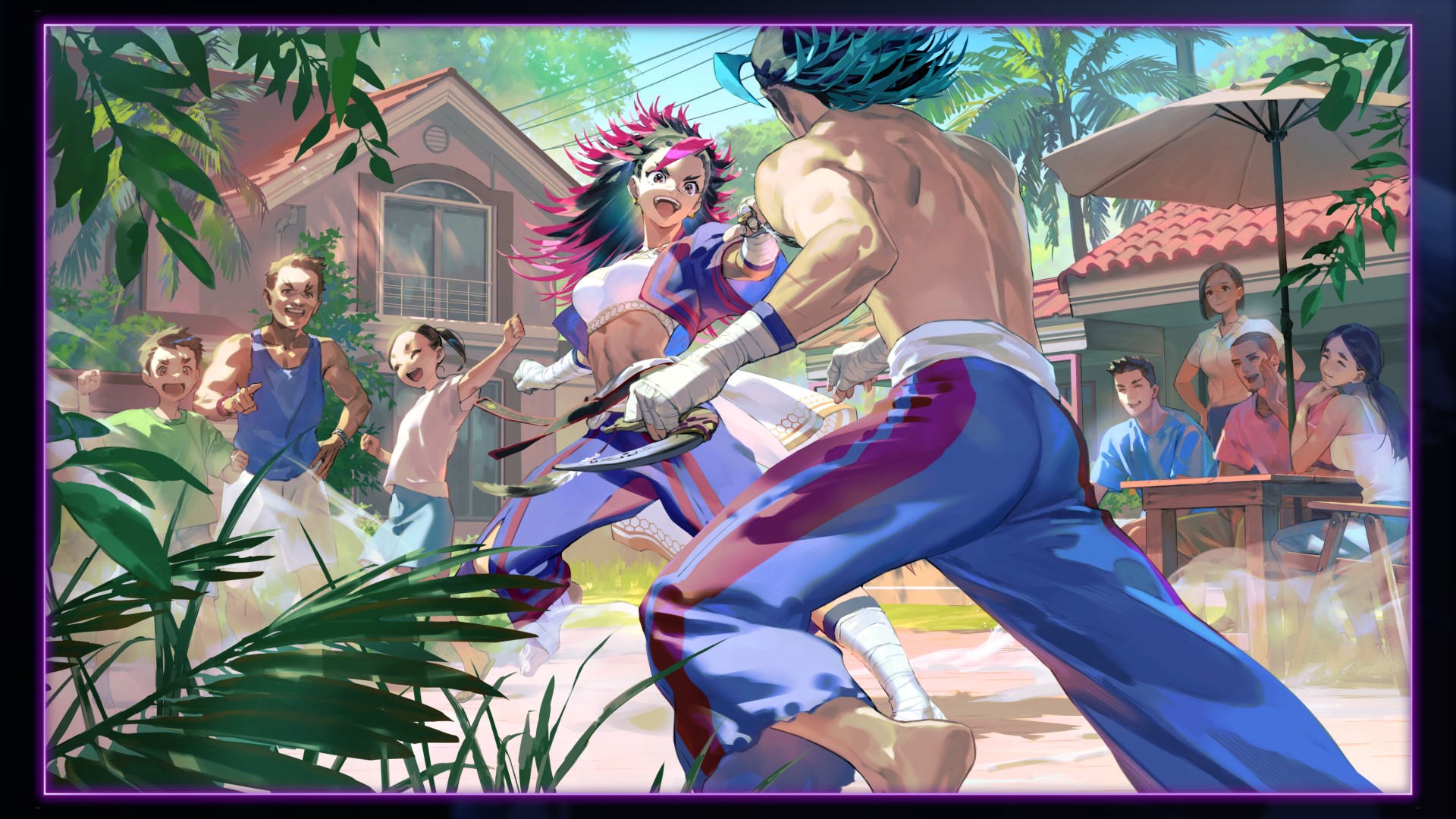
The Makati event will feature a double-elimination tournament, beginning with Best-of-3 matches before switching to Best-of-5 during the Top 8 Finals.
The schedule includes:
- 2:00 PM: Doors Open, Player Check-in, Controller Button Checks, and Free Play Warmups
- 3:00 PM – 3:15 PM: Welcome Speech & Official Street Fighter 6 Yasmine Gameplay Showcase
- 3:15 PM – 5:00 PM: Tournament Pools
- 5:00 PM – 6:30 PM: Top 8 Finals (Main Stage Broadcast) & Prize Presentation Ceremony for Champion, 2nd and 3rd Placements.
- 6:30 PM – 7:00 PM: Premium Community Giveaways, Group Photo Ops, and Closing Remarks
- 7:00 PM – 9:00 PM: Free Play and Community Networking
Attendees can also receive exclusive event merchandise while supplies last, including a Yasmine-themed T-shirt, lanyard, keychains, and themed food and refreshments.
Capcom says admission is subject to venue capacity and will be handled on a first-come, first-served basis.
Watch the event online
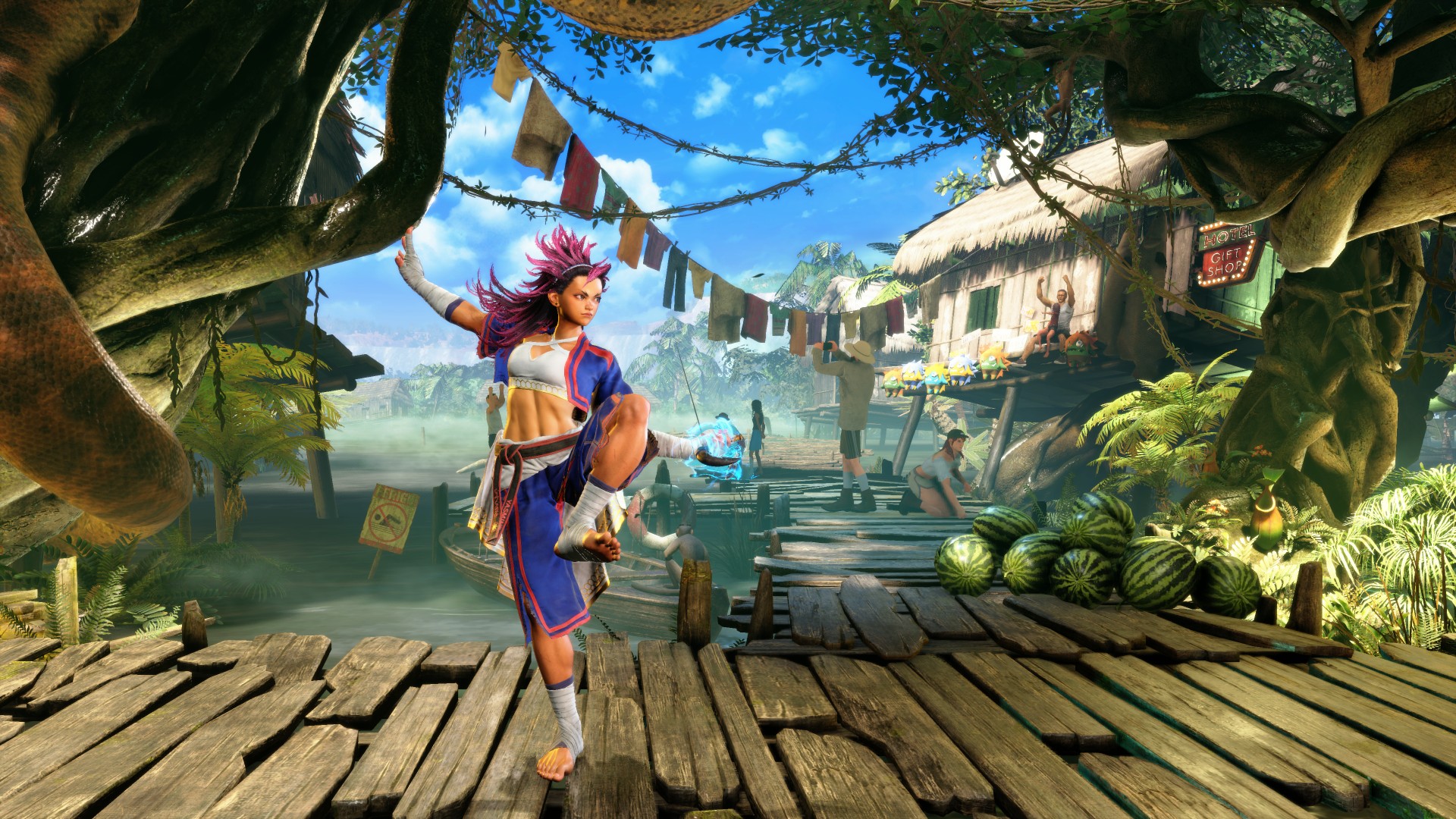
Fans who cannot attend in person can watch the tournament live through the Capcom Asia Official YouTube Channeland the Enduins Games Official YouTube Channel.
Capcom also teased additional announcements, including appearances from cosplay personalities, fighting game veterans, and content creators, which will be revealed closer to the event.
Street Fighter 6 Yasmine community event details
- Date: August 9, 2026
- Time: 2:00 PM – 9:00 PM
- Venue: Salud! by Primera Bar & Restaurant, Palanan, Makati City
- Tournament: Double-elimination (FT2, Top 8 FT3)
- Livestream: Capcom Asia Official YouTube Channel and Enduins Games Official YouTube Channel
Gaming
Most of the world’s PlayStations will be officially useless by 2028
PlayStation’s disastrous no-disc policy is now a lot worse than you thought.


Last week, we lamented the loss of the PlayStation disc. As we described, the loss isn’t just a major blow to nostalgia for aging gamers, but it also puts a huge question mark on game ownership. Well, there’s another wrinkle that the world is slowly realizing. By deleting physical discs, PlayStation has effectively blockaded their entire service from countries without an official online store.
If you haven’t heard, PlayStation is ceasing the production of physical discs for new games starting 2028. The console will become an all-digital platform. Now, we can blather on and on about how this sucks for ownership, but all gamers will still have access to games online at the very least. Right?
Wrong.
Not every country has an official PlayStation Store or the ability to create a PSN account. In fact, a staggering amount don’t; 121 countries (or 62 percent of the entire world) don’t have official access to the online storefront.
If you live in any of these countries, you’re likely familiar with some unofficial solutions: that is, setting your country elsewhere where the store exists. But, because it’s an unofficial solution, doing this is technically against PlayStation’s policies and can result in bans.
That being said, as noted by users on Reddit, this means that, on a very technical and legal level, these 121 countries will no longer be able to buy physical or digital games starting 2028. Because of a clarified policy, you can still play older games, but if you want to play the latest Call of Duty or NBA 2K, you are out of luck.
There’s no official list of affected countries, other than those collated by others manually. But if you’ve never been able to set your own country on the PlayStation Network, you’re a part of it.
Gaming
Assassin’s Creed Black Flag Resynced comes to life at Skypark Macau
Themed event lets fans experience the game in real life from July 17 to 26


Assassin’s Creed fans are invited to celebrate the launch of Black Flag Resynced through a limited-time themed experience at the Skypark Macau Tower.
The experience will run from July 17 to 26, and will feature elements from the title brought into a real-world setting. There’s themed installations, photo opportunities, and exclusive event rewards.
Aside from that, there is a concept art gallery and replica props inspired by the action-adventure.
The experience opens to the public from 11:00 A.M. on Friday, and will remain available until the last Sunday of the month.
It will be more fulfilling to come on the first day, as there will be exclusive merchandise sold only on July 17.
Guests who purchase the game on-site, or present proof of purchase of the game at the event will be eligible to redeem an exclusive item, available only until supplies last.
Moreover, those who complete an eligible activity during the Assassin’s Creed event period at Skypark Macau will receive a paper scroll replica of the “Letter for Duncan Walpole”, while supplies last.
Assassin’s Creed Black Flag Resynced is a faithful remake of 2013’s Assassin’s Creed IV Black Flag. Rebuilt from the ground up and powered by the latest Anvil engine, the game features updated visuals, enriched gameplay, and new narrative content.
Set during the Golden Age of Piracy, the game invites players to sail the Caribbean as Edward Kenway. The rebellious pirate captain is drawn into the centuries-old conflict between Assassins and Templars.
As the protagonist pursues glory and fortune, he crosses paths with legendary figures such as Blackbeard, Anne Bonny, and Calico Jack. All this while the fate of everything the pirates have built hangs in the balance.
The game is available on PlayStation 5, Xbox Series X|S, and PC.


realme C100: Enduring and durable in spite of entry-level realities
Enough power but needs more agility


The ASUS ExpertBook Ultra wins you over
The laptop sneaks up on you

Nexal Watch Sport review: A rugged watch for small budgets
I couldn't believe that watches this good could come for this cheap.

Lionel Messi’s face just unveiled the Galaxy Z Fold 8 Ultra early

Mercedes-Benz celebrates 140th anniversary at the Presidential Car Museum

Street Fighter 6’s first Filipina fighter arrives August 3

Samsung releases teaser with Spider-Man: Brand New Day Easter eggs

iOS 27 public beta gives us our first taste of Siri AI

New York becomes first state to ban smart glasses

vivo X300 Ultra review: A “Whole Different Animal”

DJI Osmo Pocket 4P launches with dual lenses and a 1-inch sensor

Lenovo says RAM prices are not coming back down again

Camera Shootout: HONOR 600 Pro vs OPPO Reno15 Pro


-
 News1 week ago
New York becomes first state to ban smart glasses
-

 Singapore1 week ago
Sony launches IER-M500 in-ear monitors
-

 Gaming1 week ago
Microsoft dictates that a new Fallout game is coming
-

 Computers2 weeks ago
GIGABYTE releases new AORUS RTX 5080 INFINITY graphics cards
-

 Gaming2 weeks ago
HoYo FEST 2026 details announced; tickets on sale from July 16
-
Reviews1 week ago
realme C100: Enduring and durable in spite of entry-level realities
-

 Gaming2 weeks ago
Assassin’s Creed Black Flag Resynced available worldwide now
-
 News4 days ago
Samsung releases teaser with Spider-Man: Brand New Day Easter eggs