
Smart Home
The Nanoleaf Lines introduces modularity to smart lighting
Configured any way you want it

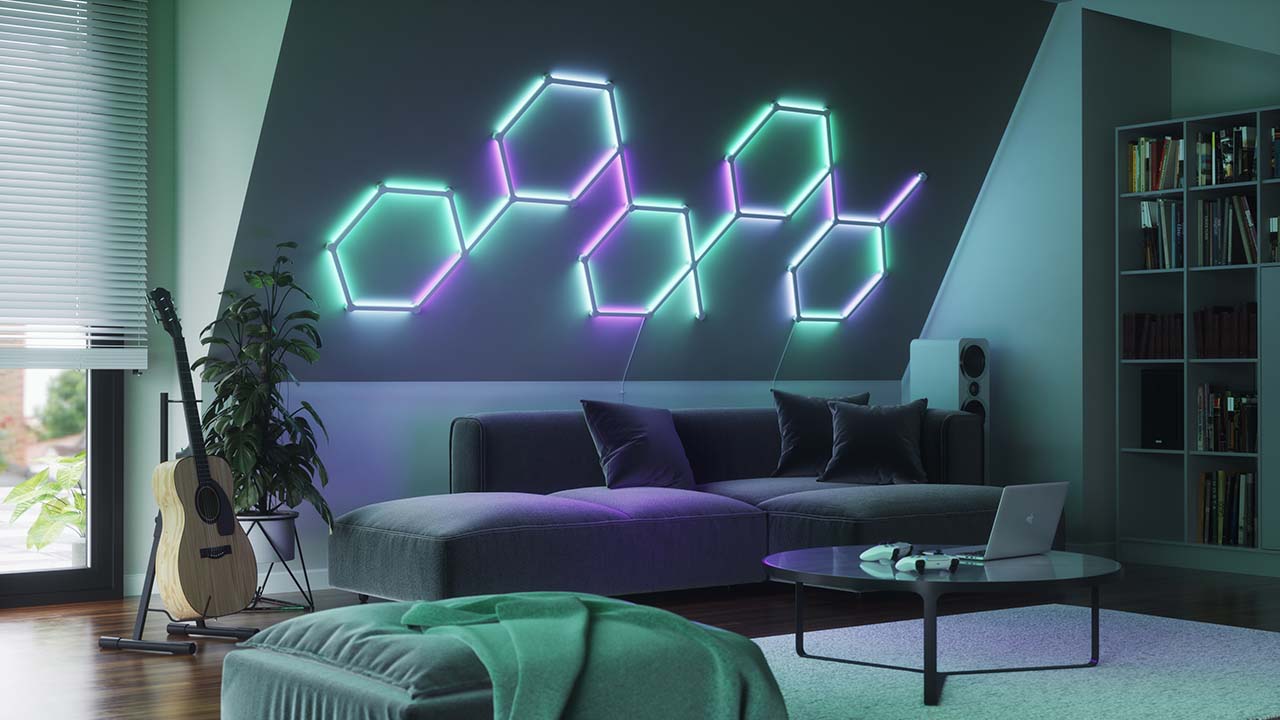
Smart lighting has always been an important part of smart home technologies. Since the introduction of the first wirelessly controllable bulb, the smart home world has always tried to make lighting more efficient for the modern, everyday home. Now, contemporary smart lighting companies want you to play around with more than just efficiency. The new Nanoleaf Lines encourages homeowners to experiment with how playful they want their homes to look.
The Nanoleaf Lines’ premise is simple: modularity. With a configurable line and connector setup, users can create their own shapes or mount their setups anywhere. Each line can display two colors simultaneously, and users can choose from over 16 million color options.
Further, the lighting’s app can create different dynamic configurations for the setup including modes like Kaleidoscope and Neon Dreams. A built-in Rhythm function can also adjust the dynamic lighting like a music visualizer that can adapt to different genres. The Nanoleaf Lines can also mirror a PC or TV screen, creating another level of immersion for users.
For those struggling to create their own layouts, Nanoleaf also offers a Layout Assistant which uses AR technology to help users manually design their own setups from their smartphones. The app also has a Discover feature which showcases how other users configured their Lines.
The starting kit, which comes with nine Lines, will retail for US$ 199.99. An expansion pack with three additional Lines will retail for US$ 69.99. Starting December, Nanoleaf will also release black/pink skins and flex connectors for getting around corners and objects.
SEE ALSO: Nanoleaf launches Learning Series for smarter home lighting








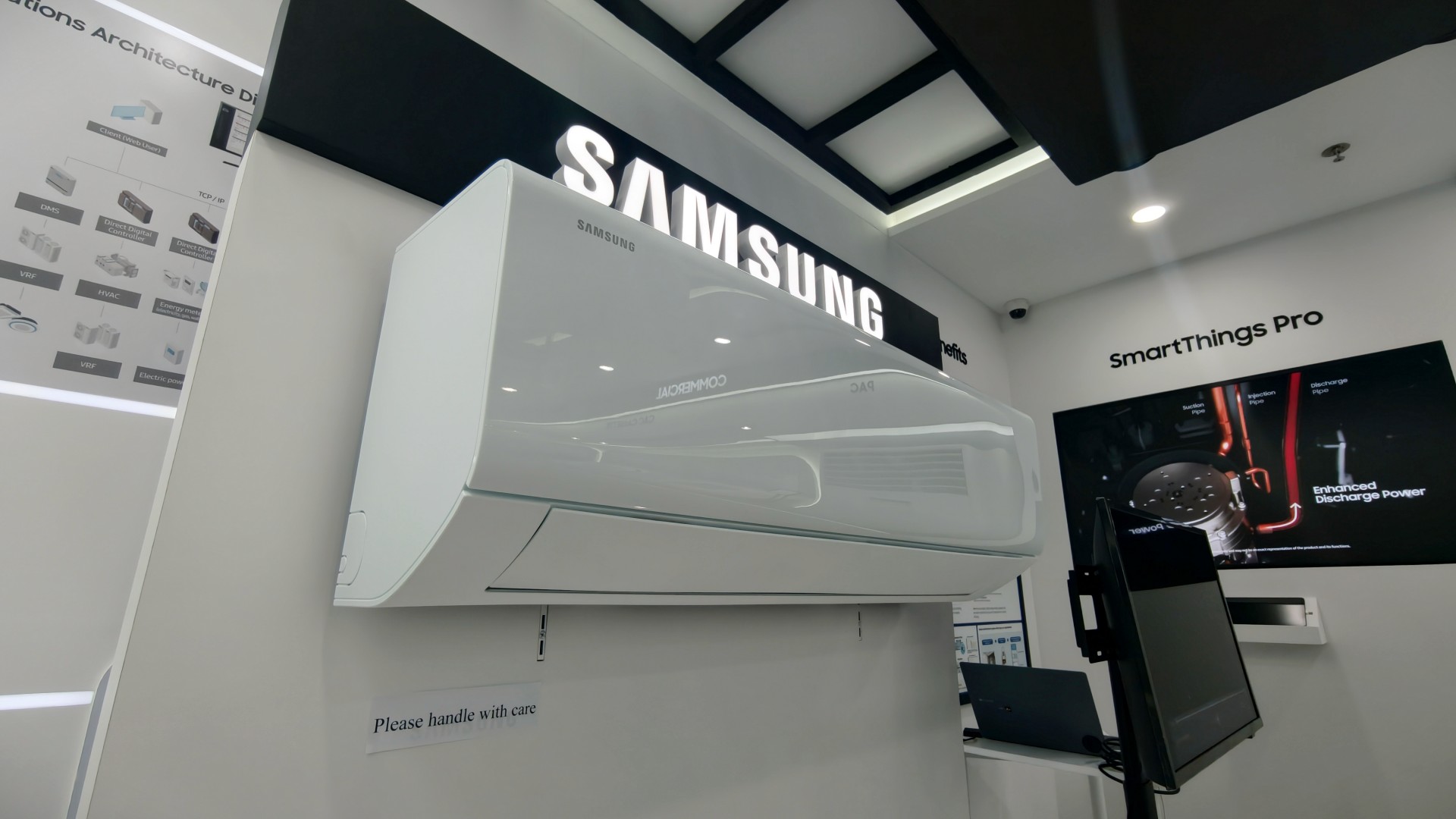
Replacing an entire building to improve its efficiency isn’t practical. Hotels, offices, and shopping centers can instead upgrade existing systems to improve comfort and manage operating costs.
Samsung is targeting this opportunity with its heating, ventilation, and air-conditioning (HVAC) solutions. The company combines AI-powered cooling systems with connected building management tools to help businesses modernize existing properties.
Cooling more spaces with fewer outdoor units
Samsung’s DVM S2 Variable Refrigerant Flow (VRF) system sits at the center of its commercial cooling lineup.
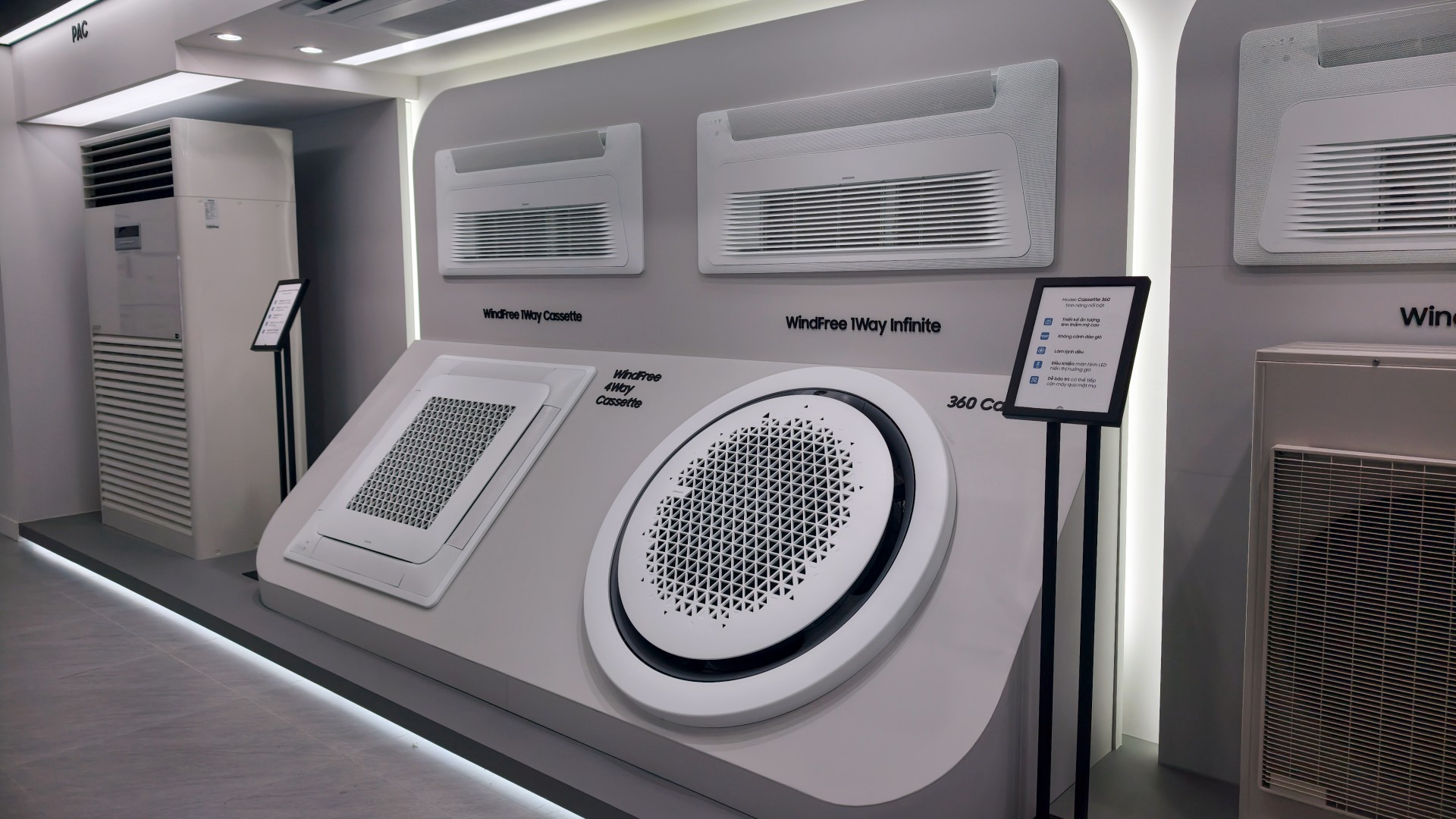
A single outdoor unit can connect to as many as 64 indoor units, allowing one system to cool multiple rooms or areas. Samsung says this setup can reduce the need for additional piping and structural work when businesses upgrade existing buildings.
The system also supports more than 10 types of indoor units, giving building operators flexibility when choosing equipment for different spaces.
This flexibility can benefit older properties in particular. Hotels, for example, need to keep rooms and shared spaces comfortable while minimizing disruptions to guests during upgrades.
AI helps manage energy use
Cooling systems can account for a substantial share of a commercial building’s energy consumption. Samsung combines the DVM S2 with SmartThings Pro, its connected management platform for businesses, to help operators monitor and manage their systems.
The DVM S2 uses AI to adjust cooling performance based on operating conditions. SmartThings Pro adds remote monitoring, automated scheduling, energy analytics, and centralized management across multiple sites.
Samsung says the DVM S2 can reduce compressor energy usage by up to 15% under specified internal test conditions. Actual savings depend on installation, building conditions, and usage patterns.
Together, these technologies aim to help businesses maintain comfortable indoor temperatures while avoiding unnecessary energy use.

Modernizing existing buildings
Samsung points to Bali Beach Hotel Sanur as an example of how its cooling solutions can support upgrades to existing properties.
The hotel adopted Samsung’s DVM system to cool areas such as its lobbies, spa rooms, and fitness centers. The installation aimed to improve comfort while preserving the property’s heritage character.
Samsung also sees opportunities for connected cooling systems in offices, shopping centers, and mixed-use developments.
As building operators look for ways to manage energy consumption and operating costs, upgrading existing HVAC systems offers an alternative to major renovations.
Samsung combines flexible cooling hardware with AI-driven controls and connected management tools to help businesses modernize their properties. For operators across Southeast Asia and Oceania, these solutions offer another way to improve building efficiency while keeping indoor spaces comfortable.
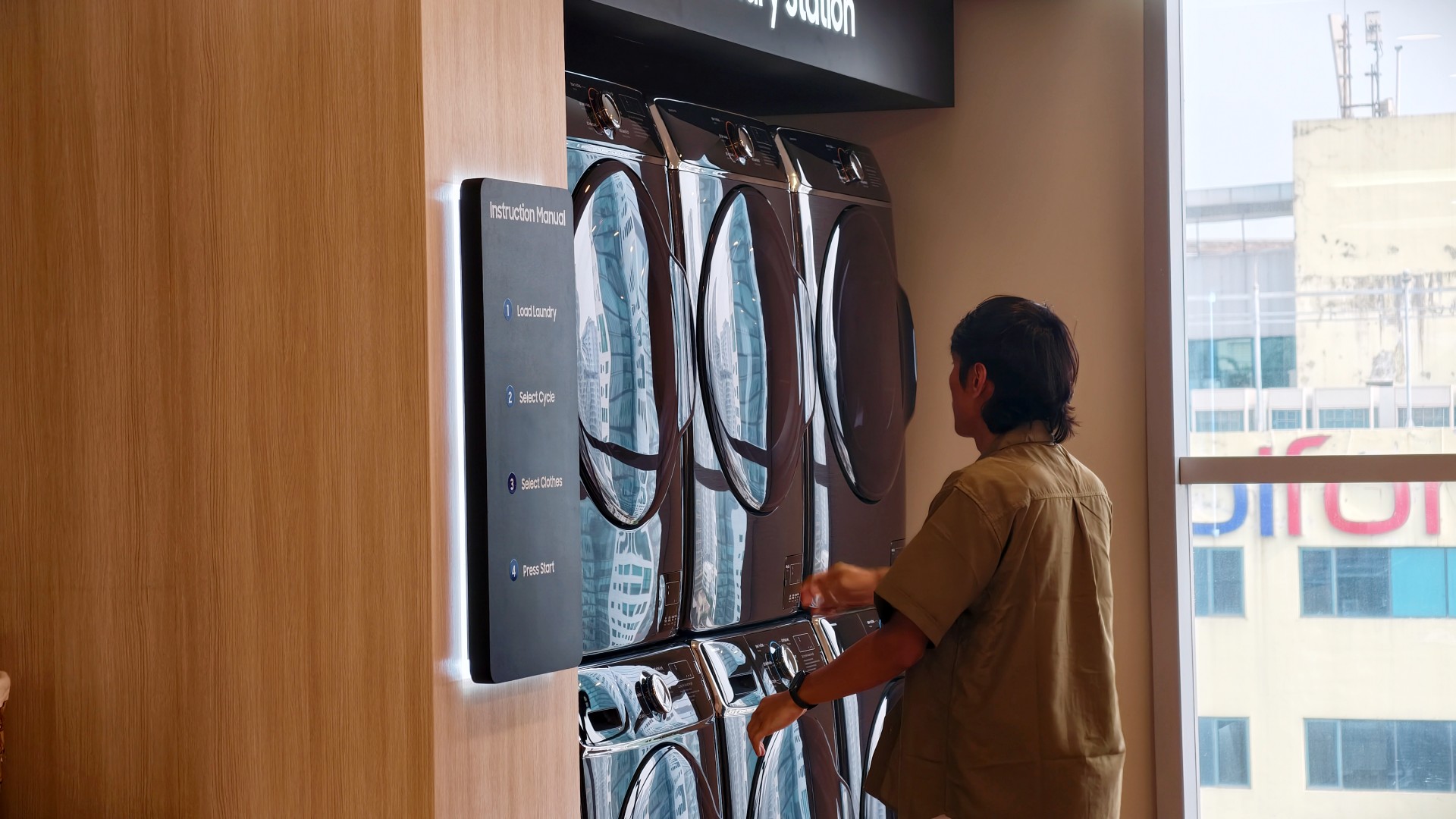
Laundry isn’t exactly everyone’s favorite chore. For businesses that handle piles of it every day, however, getting it done quickly and reliably is part of the job.
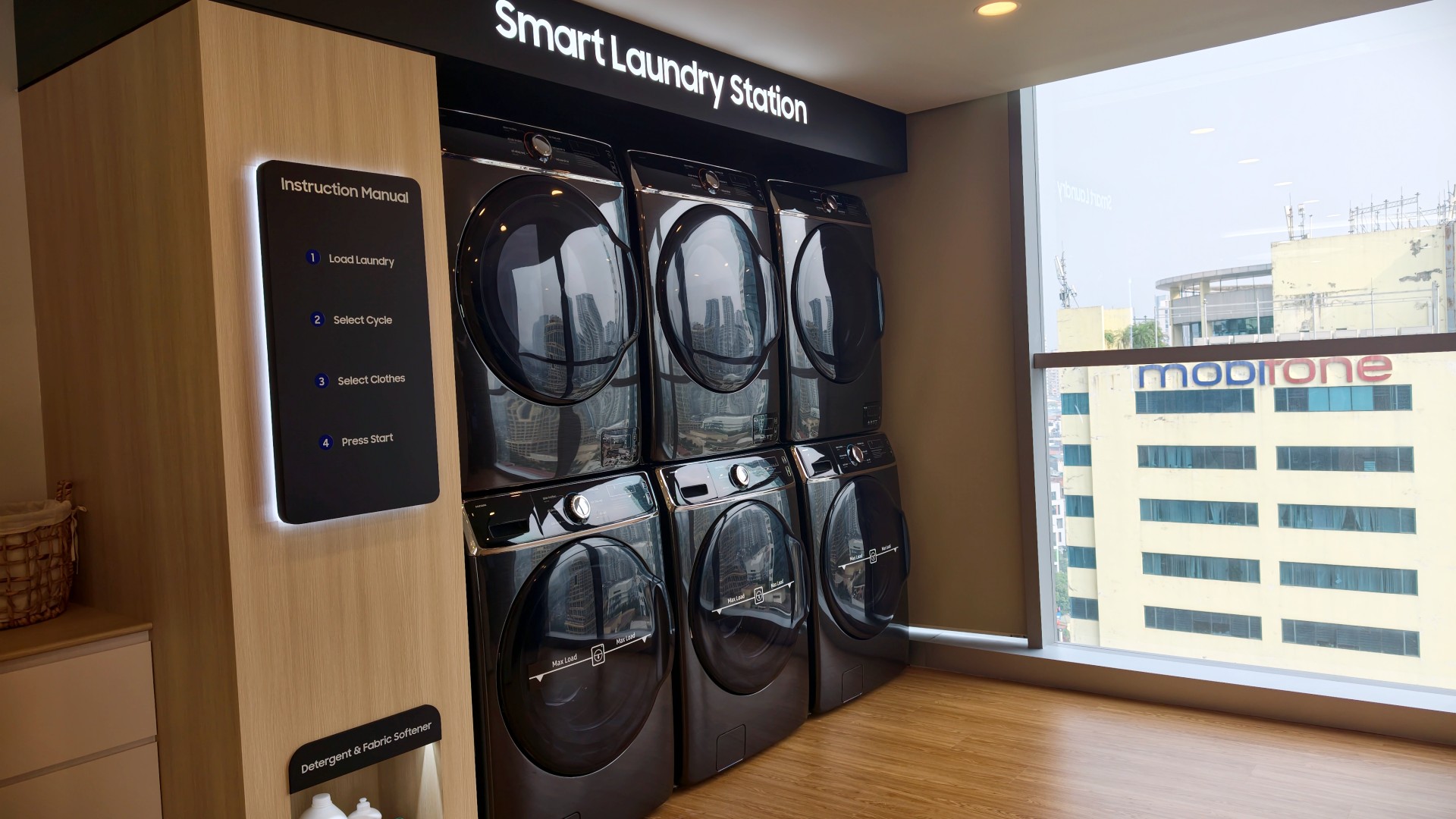
Samsung is expanding its commercial laundry lineup in Southeast Asia and Oceania with two new machines. These are the WF9100F washer with an 18kg capacity. And the DV9100F dryer, which can handle up to 14kg per load.
The machines are designed for businesses such as laundromats, hotels, hospitals, and salons. These establishments need to process large volumes of laundry while making efficient use of their available space.
Bigger loads, faster cycles
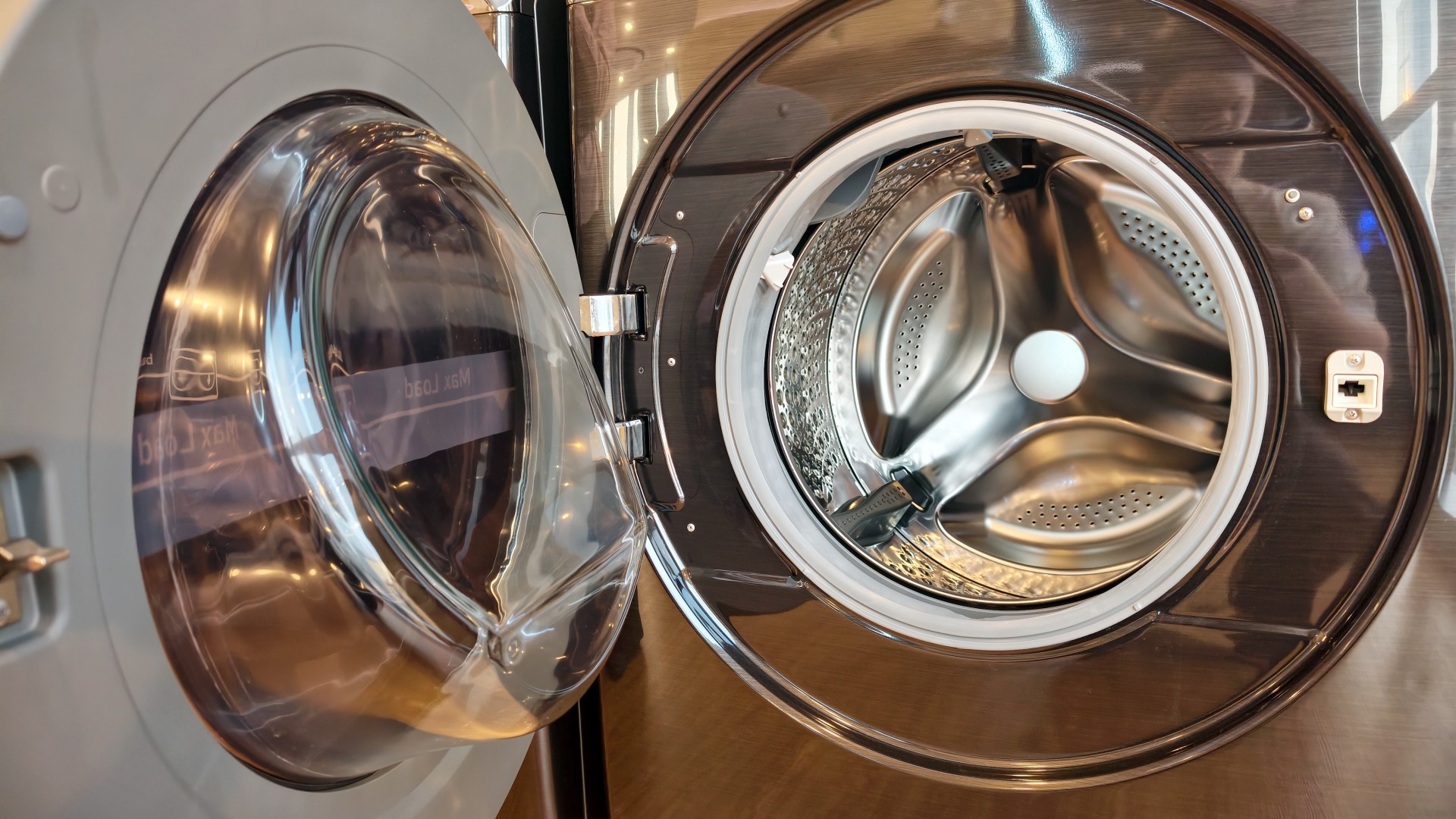
The 18kg washer supports six cycles, including Normal, Heavy Duty, Synthetics, Delicates, Clean Wash, and Rinse+Spin. It also features Bubble Wash technology, which dissolves detergent to help it penetrate fabrics, followed by a strong water jet to rinse away dirt and detergent residue.
Samsung says a Normal wash cycle can finish in 36 minutes under its specified internal test conditions. It uses an 8-pound load of cotton and polyester fabric.
The 14kg dryer uses a vented drying system and offers Normal, Heavy Duty, Synthetics, and Delicates cycles. It also has 10- and 20-minute timed drying options.
Built for daily business operations
Both machines are designed for frequent use. The washer has a Direct Drive motor with Inverter technology and VRT+ vibration reduction. Meanwhile, the dryer features a stainless-steel drum designed for durability.
Businesses can also stack the dryer on top of the washer using the required installation kits. This helps maximize floor space, particularly in smaller laundromats and other facilities with limited room.
For maintenance, the washer has a Drum Clean cycle, while the dryer uses a vent sensor to notify users when its air duct needs cleaning.
Expanding Samsung’s commercial laundry lineup
Samsung’s new machines are intended to serve businesses across Indonesia, Malaysia, the Philippines, Singapore, Thailand, and Vietnam.
The company is also working with businesses in the region to expand commercial laundry services. In Vietnam, its partnership with TiTi Laundry supports a 24-hour self-service laundromat in Ho Chi Minh City. In the Philippines, Samsung laundry equipment is used by Washwell to handle uniforms and guest laundry for hotel brands including Ibis, Ascott, and Citadines.
With the new washer and dryer, Samsung is expanding its options for businesses that need to process large amounts of laundry reliably, without sacrificing valuable floor space.
Deciding what to eat can be surprisingly difficult. Sometimes, you have a fridge full of ingredients but no idea what to make. Other times, you’re at the supermarket trying to remember whether you still have eggs at home.
Samsung thinks a little technology can help.
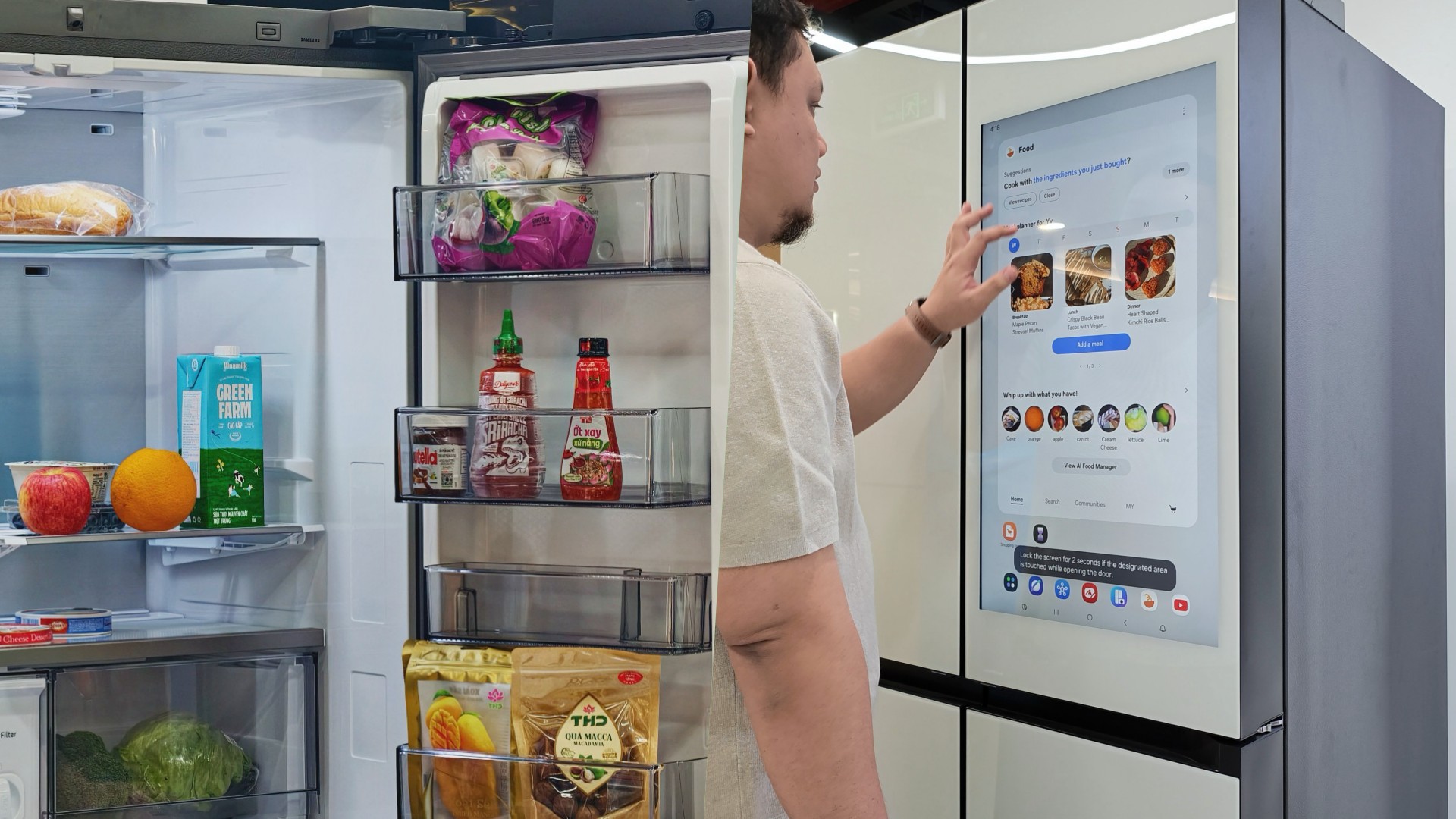
During my recent visit to Samsung’s showcase in Hanoi, Vietnam, its smart refrigerator stood out as one of the more interesting appliances on display. Its built-in screen offered plenty of opportunities for interaction, hinting at how a refrigerator can do more than simply keep food cold.
On supported Samsung models, AI-powered features can help users keep track of ingredients, discover recipes, and manage compatible smart appliances.
And honestly, anything that makes the daily routine a little less tedious deserves a closer look.
A little help deciding what’s for dinner
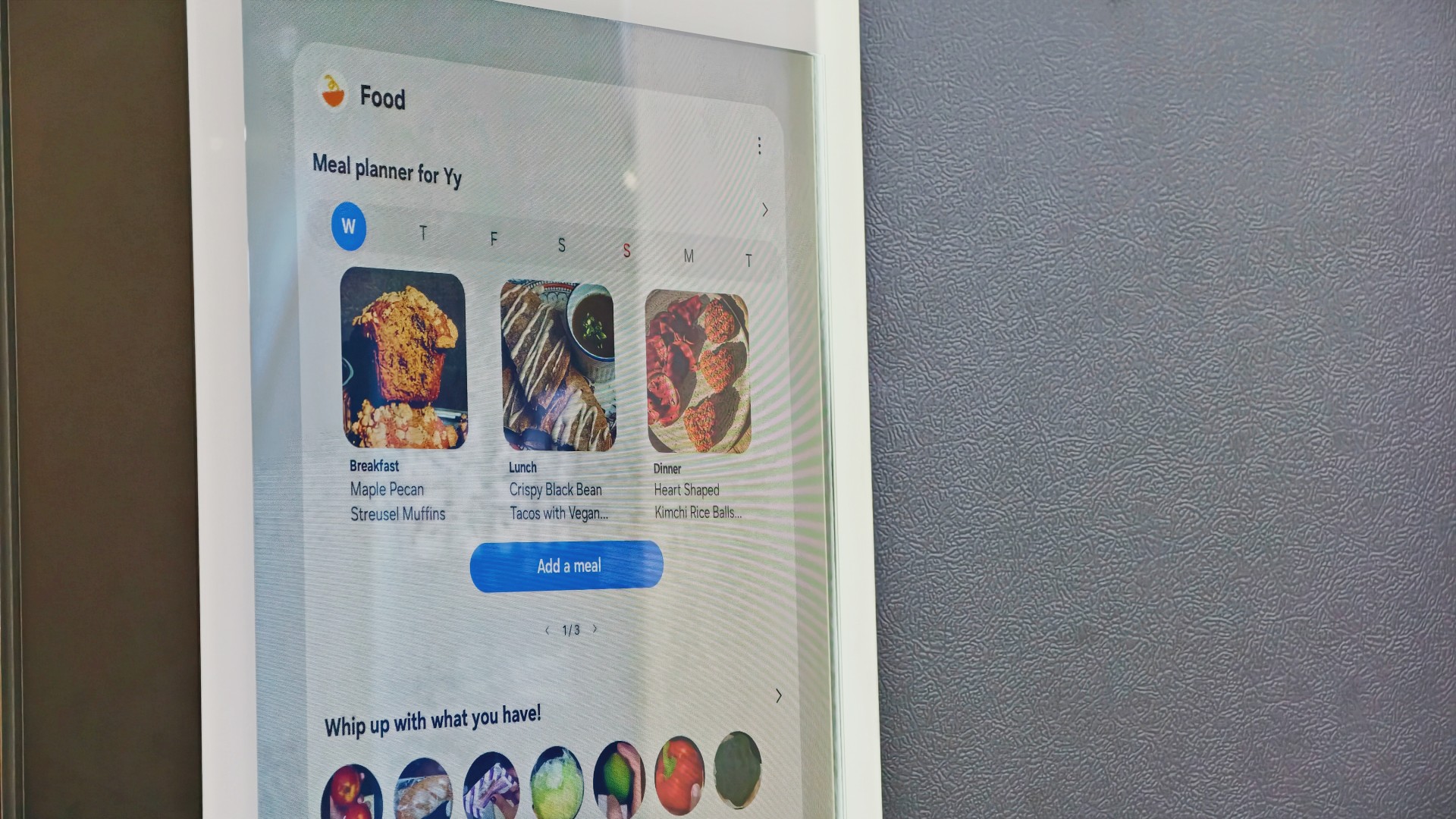
Samsung’s AI Food Manager helps users manage ingredients and discover what they can cook with what’s already available.
On supported Bespoke AI Refrigerator Family Hub models, an internal camera can recognize selected food items as they enter or leave the refrigerator. Users can check their food list through the SmartThings app, making it easier to remember what they have when planning their next grocery run.
The system isn’t infallible. Some items may not be recognized correctly, and users may need to review and adjust the list. Still, it’s a useful starting point for avoiding unnecessary purchases and making better use of ingredients already at home.
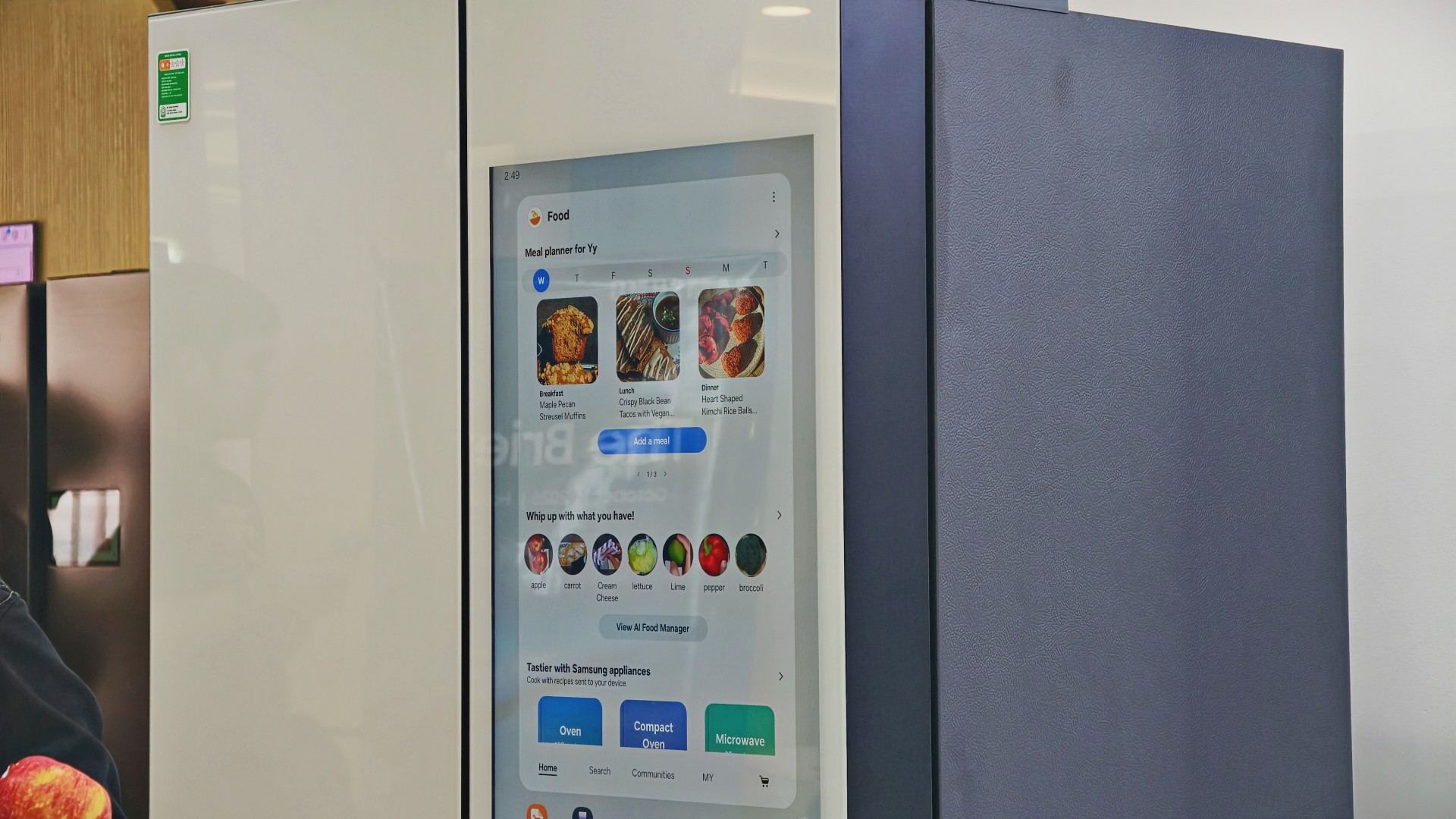
AI Food Manager can also recommend recipes based on available ingredients. Meanwhile, What’s for Today, available on select models, suggests menus based on the user’s chosen options, including available refrigerator contents.
Neither feature will magically turn anyone into a chef. But if you’ve ever stared into your fridge hoping dinner ideas would materialize, a little inspiration might help.
More than a refrigerator with a screen

The display has another practical purpose: controlling compatible connected appliances.
On supported Samsung side-by-side refrigerators with the 9-inch Family Hub display, users can access compatible Samsung smart appliances and supported third-party devices through SmartThings. Bixby also provides voice interaction for supported functions, offering another way to access controls while cooking or preparing meals.
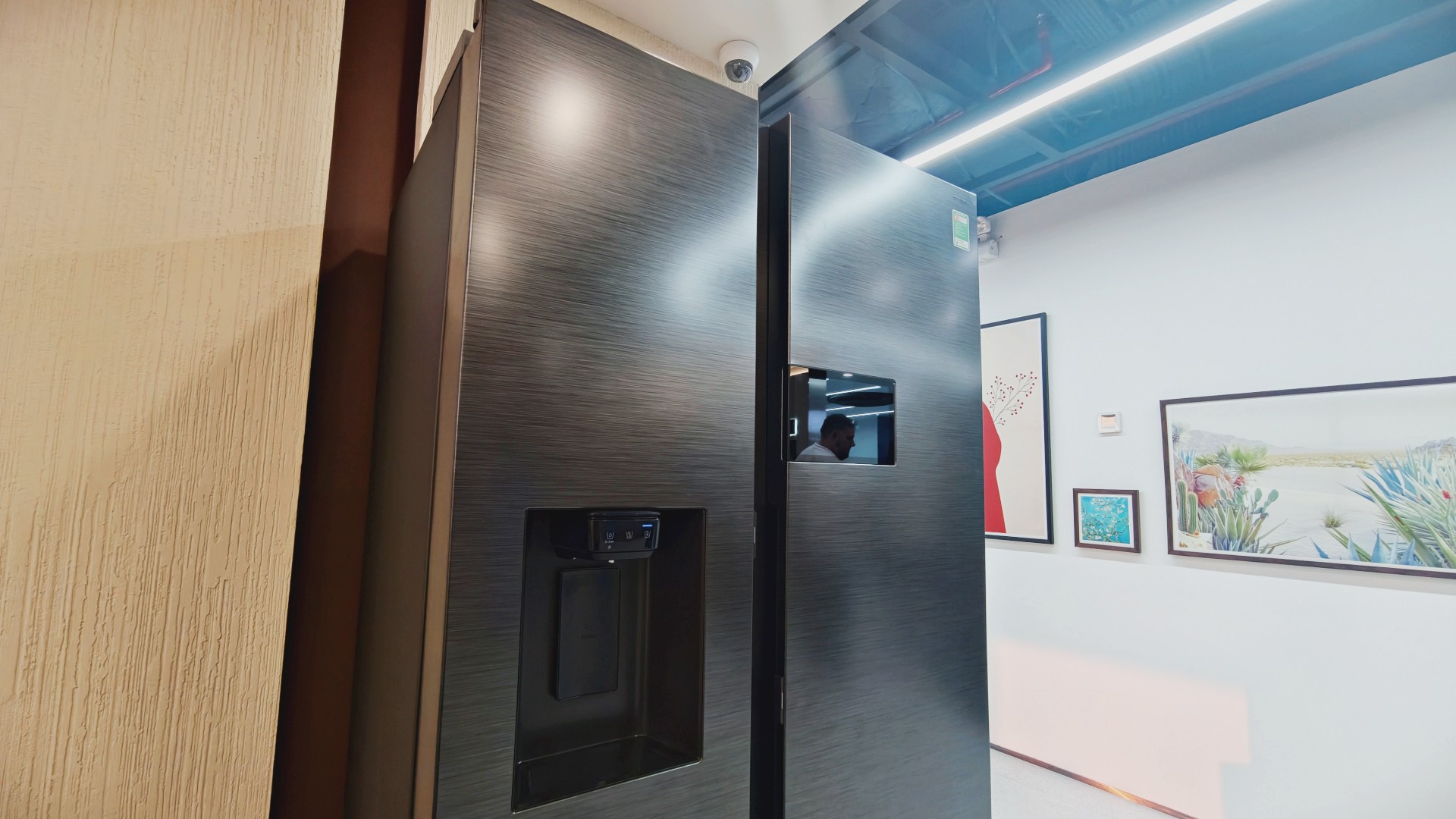
It’s part of Samsung’s broader connected-home approach, where compatible devices work together to simplify everyday routines.
Of course, not everyone needs every appliance in their home connected to one another. A refrigerator that keeps food fresh is already doing its most important job.
But for households that use smart appliances, having ingredient information, recipe ideas, and device controls accessible from one place could be convenient.
And speaking of that screen…
You know me. If there’s a screen, best believe I’ll find a way to put a STAYC Isa fancam on it.
Anyway, back to the bigger question.
Can a smarter fridge help you live better?
Healthier living involves more than diet and exercise. Everyday routines matter, too, including planning meals, keeping track of groceries, and figuring out what to cook.
Samsung’s AI-powered refrigerator features won’t automatically make anyone eat healthier. What they can do is make information easier to access and some everyday decisions less tedious.
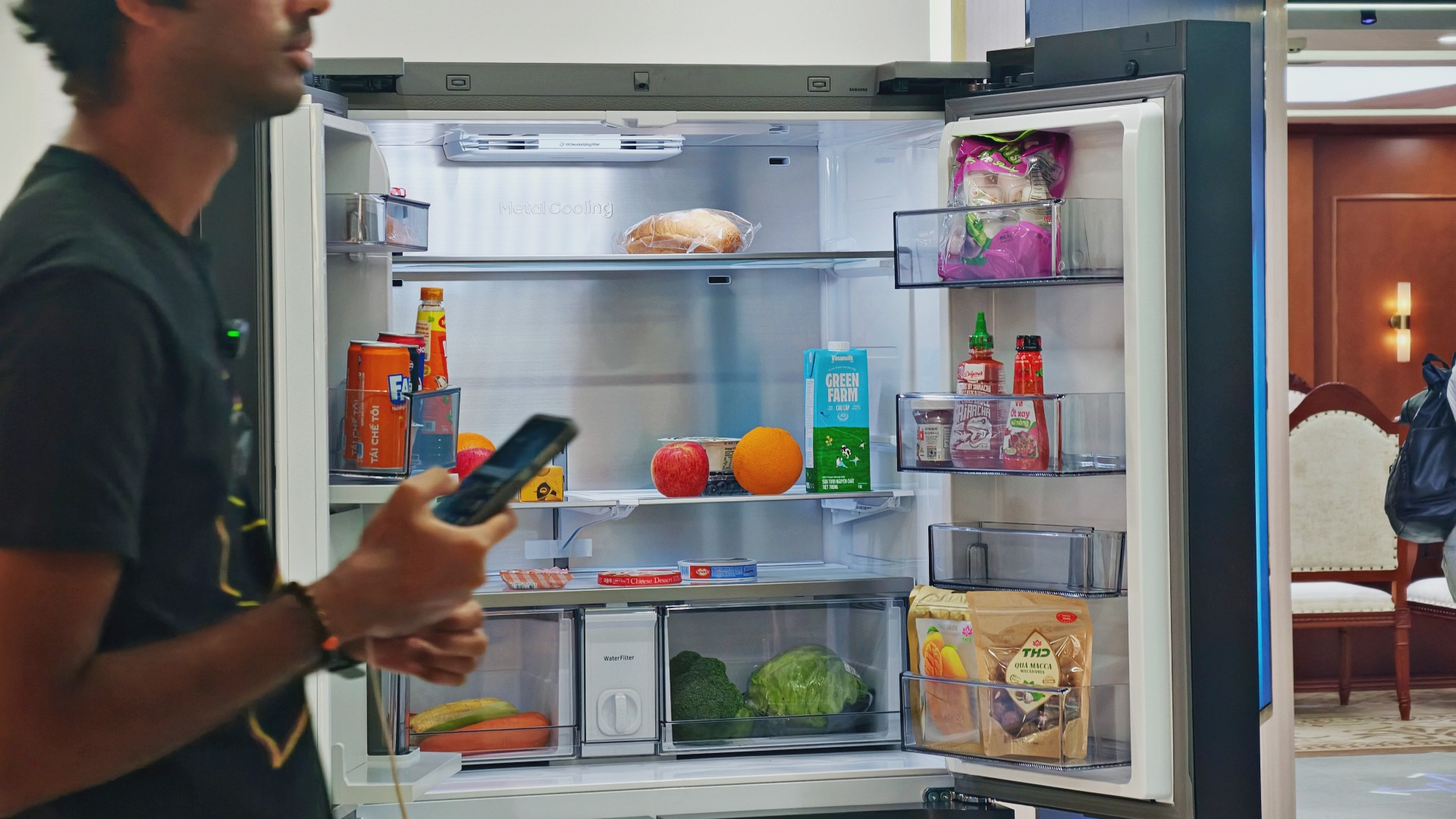
For someone who regularly cooks at home, that could mean making better use of ingredients already in the fridge. For a busy household, it might mean spending less time planning meals or remembering what to buy.
These features remain tools, not guarantees. Their usefulness depends on how accurately they work, which features a particular model supports, and whether they fit into your routine.
Still, I like the idea of technology that takes a little friction out of everyday life. A refrigerator doesn’t need to reinvent cooking to be useful. Sometimes, helping you remember what you bought last weekend or suggesting what to make with it is already a good start.
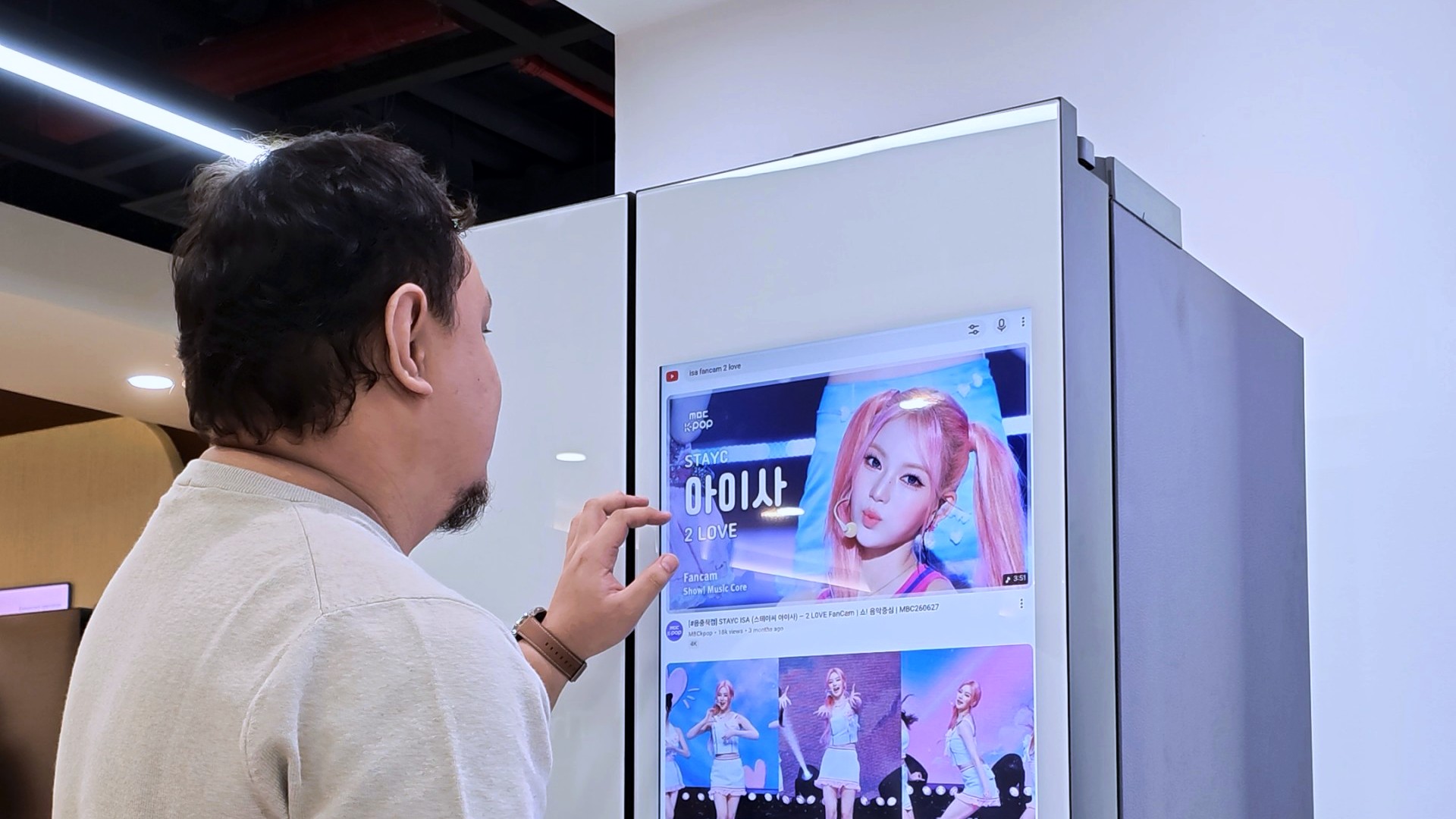
And if it happens to have a screen where you can watch a STAYC fancam while deciding what’s for dinner? Well, I’m certainly not going to complain.

HP OMEN Max 16 review: Gamer-maxxing in deep black
Peripherals deemed necessary to max this out

vivo V80 review: Good phone, tough sell
A capable travel companion


Ghost of Yōtei Complete Edition review: More of a great thing
Picking up where Atsu left off

Visa: 79% of Filipinos want to learn about stablecoins

CASETiFY Match: Finding the right case for your Galaxy Z8 Series phone
HP OMEN Max 16 review: Gamer-maxxing in deep black

Google illegally destroys 250,000 trees for a single AI data center

FINAL FANTASY RESONANCE now available across major platforms

TECNO CAMON Slim 5G review: Slim on size, big on surprise

TECNO CAMON Slim 5G: Price, availability in the Philippines

HONOR Magic9 Pro Max launches in China with ARRI-powered imaging

BYD says that way better EV batteries are coming next year

TECNO CAMON Slim 5G teases an ultra-slim design ahead of launch


-

 Wearables2 weeks ago
Garmin Enduro 4 promises up to 320 hours of battery life
-

 Gaming2 weeks ago
Dragon’s Dogma 2: Dark Arisen launches with new Official Pawns
-
 News1 week ago
vivo V80 debuts with ZEISS cameras
-
 Deals2 weeks ago
Score PhP 22,000 in guaranteed freebies when you pre-order the iPhone 18 Pro at Beyond the Box
-
 Philippines1 week ago
TECNO CAMON Slim 5G gets launch discounts, free MagBadge
-

 Wearables2 weeks ago
Garmin Approach S72 brings swing metrics, green reading to your wrist
-
 News1 week ago
Samsung: Galaxy Z Fold8 demand rose because of iPhone Duo
-
 Features1 week ago
I don’t want a phone that unfolds — the Galaxy Z Fold8 gets why