


Put everyone on notice. The OnePlus Buds Pro 2 might just be the best true wireless earbuds that OnePlus has to offer. And it has a legitimate claim to being one of the best at its price point.
To put things into perspective, the OnePlus Buds Pro 2 currently retails for PhP 9,990 / US$ 179. That’s a fraction of the price of more mainstream options like the AirPods Pro and Sony WF-1000XM4. The aforementioned devices both hover around US$ 200.
At a lower price you’re getting Active Noise Cancellation (ANC), Dual Drivers, a promise of up to 39 hours of playback, Hi-Res audio, fast charging, and something rarely found at this price point – Spatial Audio.
But we’re getting ahead of ourselves, let’s take a quick look at the packaging and design first.
“Dim the Headlights” (Unboxing and Design)
It starts with a stare. We’re both well aware. You’re pulling closer. Pulling me in.
View this post on Instagram
Quick notes from the unboxing:
The box still has OnePlus’ signature red. The OnePlus Buds Pro 2 opens like a clamshell. Most other earbuds have a vertical orientation that opens from the top with the stems magnetically sliding into a couple of slots. Only real advantage is that it’s easier to put down on a table or on your palm without it feeling wobbly. That’s great for not losing your earbuds or its case.
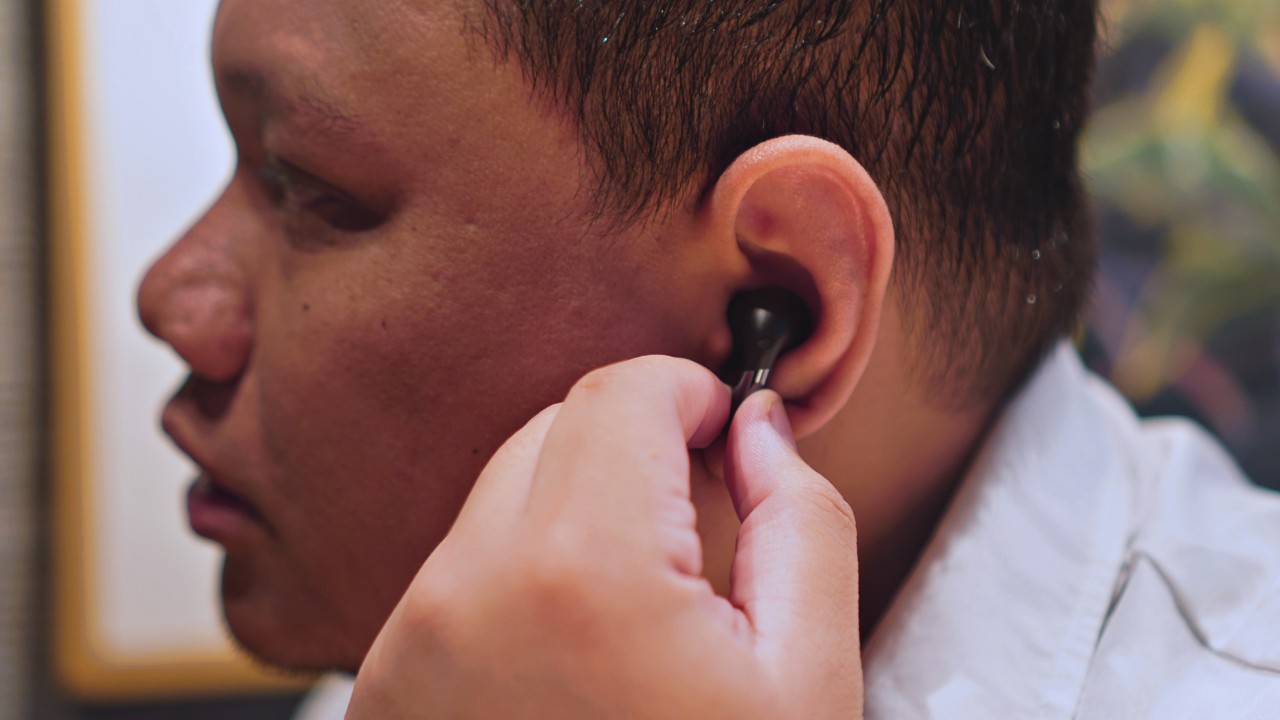
Controlling the device is also pretty straightforward. You only need to pinch the stem. Once to play/pause, twice to play the next track, thrice to go back to the start of the current track or go back to the last track.
If you pinch and hold, you cycle through the ANC settings. That’s ANC to shut everyone out, Ambient, to hear what’s going on in your surroundings, and Zen to play relaxing audio that’s stored on the earbuds itself.
Nope, there are no volume controls. Perhaps that’s the biggest bummer on this pair of earbuds.
“A Method to Chaos” (Audio Features)
Voices aren’t loud enough. You’re tuning your ears, while waiting for something to hear.”
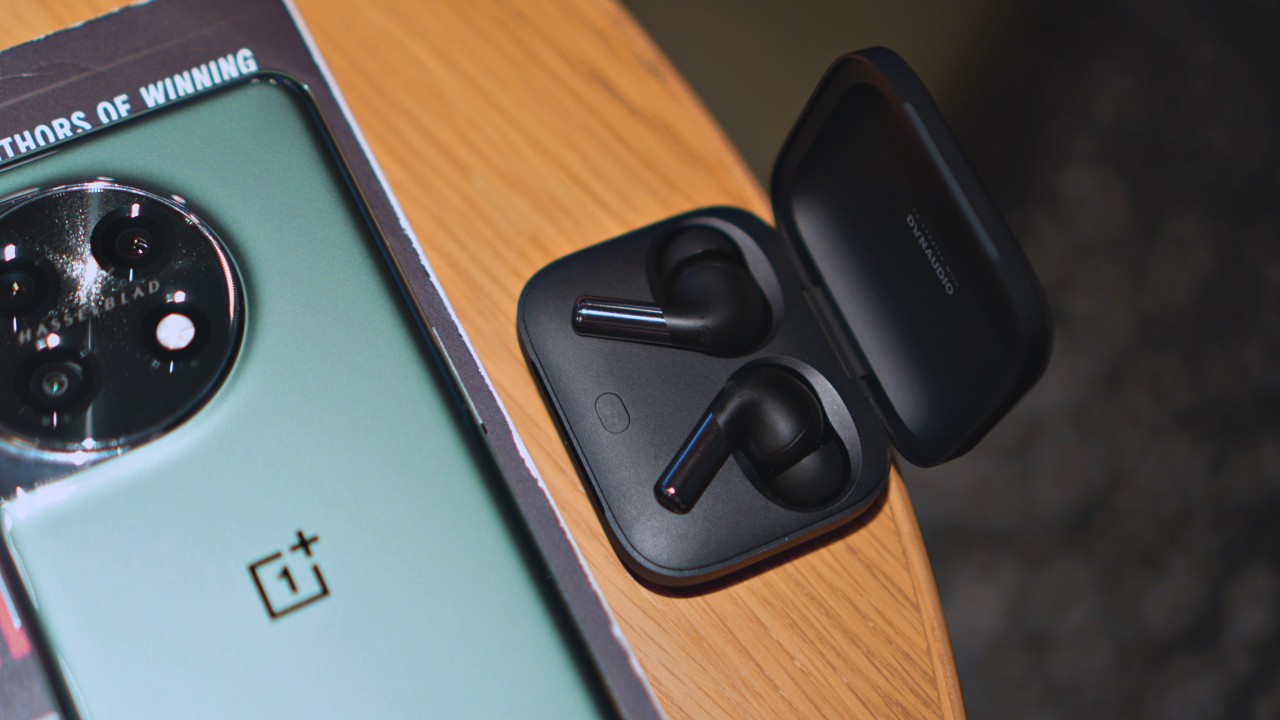
Perhaps the primary reason anyone splurges at all for earbuds is the Active Noise Cancellation (ANC) feature. ANC is implemented a little differently by each manufacturer and has varying degrees of success depending on the price point.
The best ones use both hardware and software to achieve a credible ANC. The OnePlus Buds Pro 2 does something similar. It promises to shut out up to 48dB of noise, provided you do the whole ear scan thing they have going on.
The ear scanning thing isn’t new at all. If you’ve owned any pair of smart earbuds, many manufacturers do this to help tune the device optimally for your pair of ears. If the more premium earbuds are a 9-10/10 on ANC, I’d say the OnePlus Buds Pro 2 are a solid 7-8/10. Not the best, but not a pushover either. It does enough to drown out sounds, especially when music is blasting. It just doesn’t achieve the same level of quiet when no music is playing. But that’s to be expected for something that’s relatively cheaper.

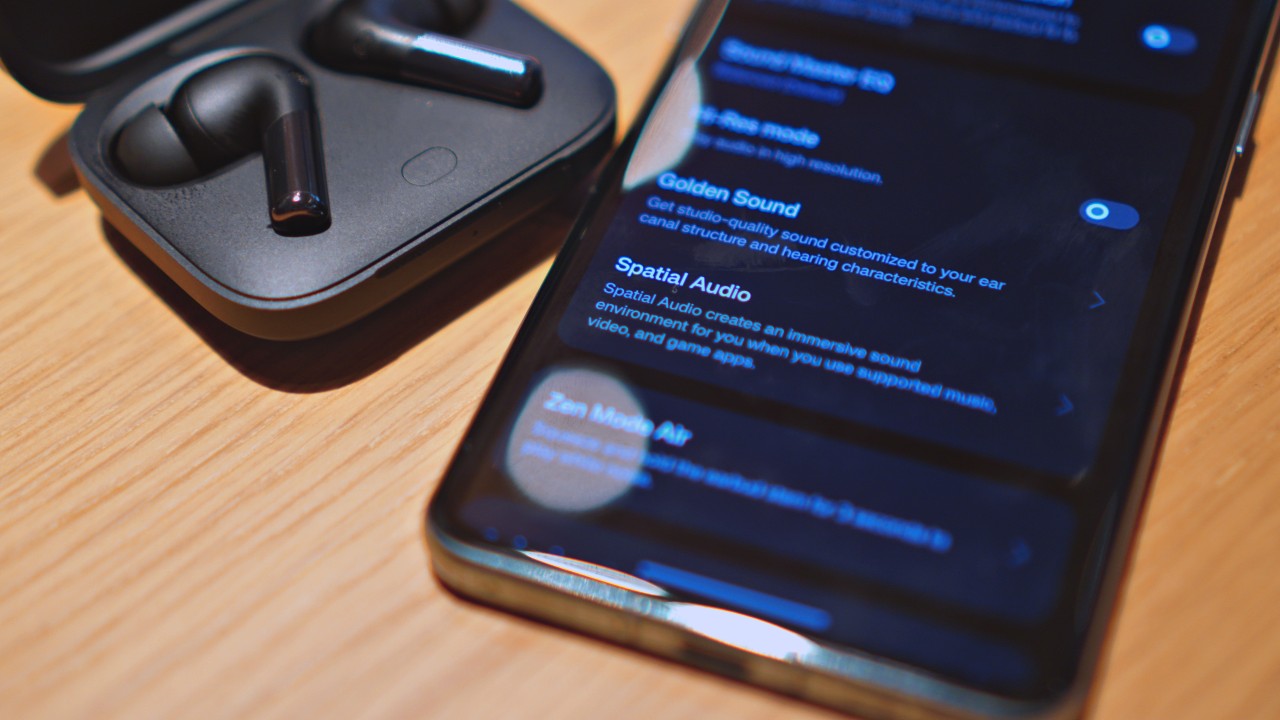
Spatial Audio is a nice little addition. But the feature on the OnePlus Buds Pro 2 specifically only works on Android 13 phones on YouTube and Disney+. Might seem limited but it’s there and offers a different audio experience. Spatial Audio still feels a little gimmick but it tickles your ears just enough to make it interesting.
My favorite feature, however, is the support for Hi-Res audio. Specifically, the LHDC 4.05 codec which is the best you can get when streaming via Bluetooth. OnePlus also promised an update to support LHDC 5.0.
But I have a rather peculiar experience with Hi-Res audio.
“Evidence” (Pairing on OnePlus vs iPhone)
Caught you in the arms of another. I’ve been dying everyday since then.

I used the OnePlus Buds Pro 2 on both the OnePlus 11 and the iPhone 14 Pro Max. For some reason, the audio comes out better when paired on the iPhone 14 Pro Max. And this is across many apps: Spotify, YouTube, Apple Music, Netflix, and more.
I personally can’t give an explanation why. But this happened even after I did the whole audio personalization thing by OnePlus.
But I’m skipping ahead again. Pairing is naturally faster between OnePlus devices. You get the fast pair option that shows up without diving into the settings. And when the OnePlus devices are paired, you don’t need a separate app to access the more granular settings. That includes EQ, Game Mode, Dual Connection, and more.
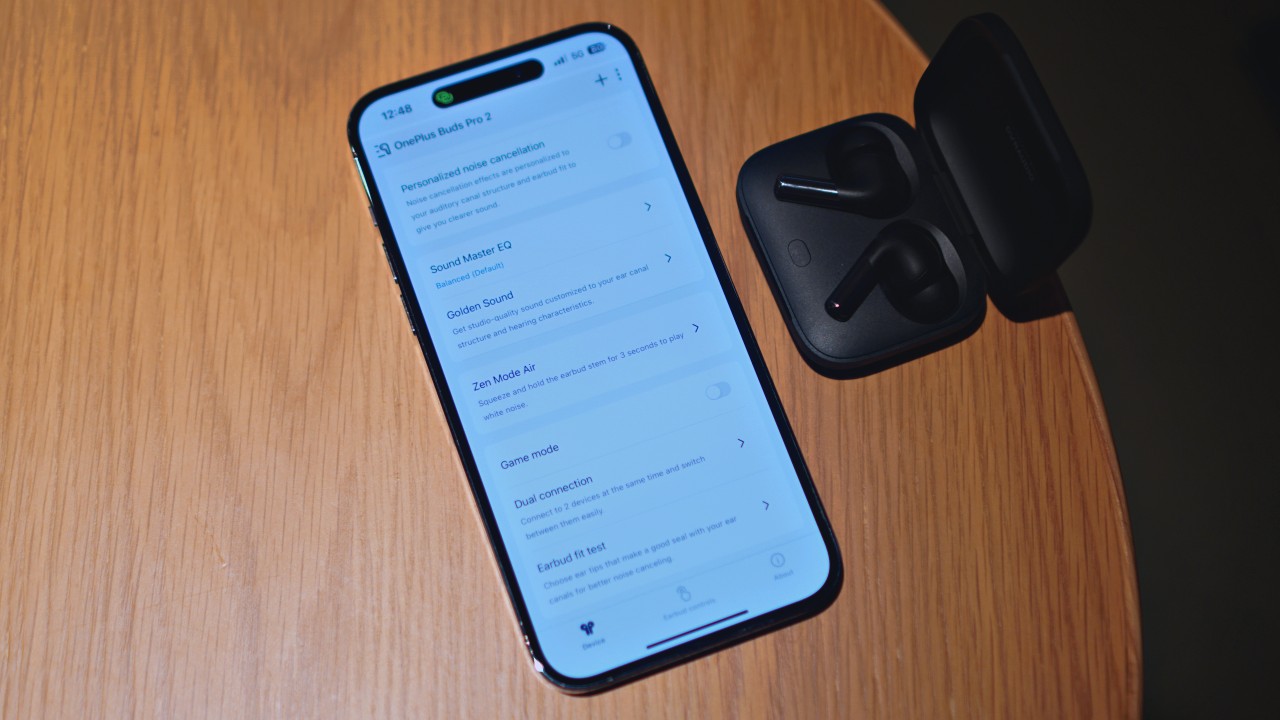
When pairing with an iPhone 14 Pro Max, you have to go into the device’s settings first. And to access EQ, Game Mode, and other settings, you need to download the HeyMelody app.

Seems odd but that’s how it is. Also, with the iPhone 14 Pro Max, you don’t have access to the Spatial Audio settings.
But like mentioned earlier, Spatial is a nifty trick but one that I don’t think is made for more daily listening. For that purpose, I value the support for Hi-Res audio more. Which, in this case works so well on Apple Music played with an iPhone paired with the OnePlus Buds Pro 2.
It’s an unlikely combo but it works and one that I’ve been rocking with for the most part of my time with OnePlus’ earbuds.
Is this your GadgetMatch?
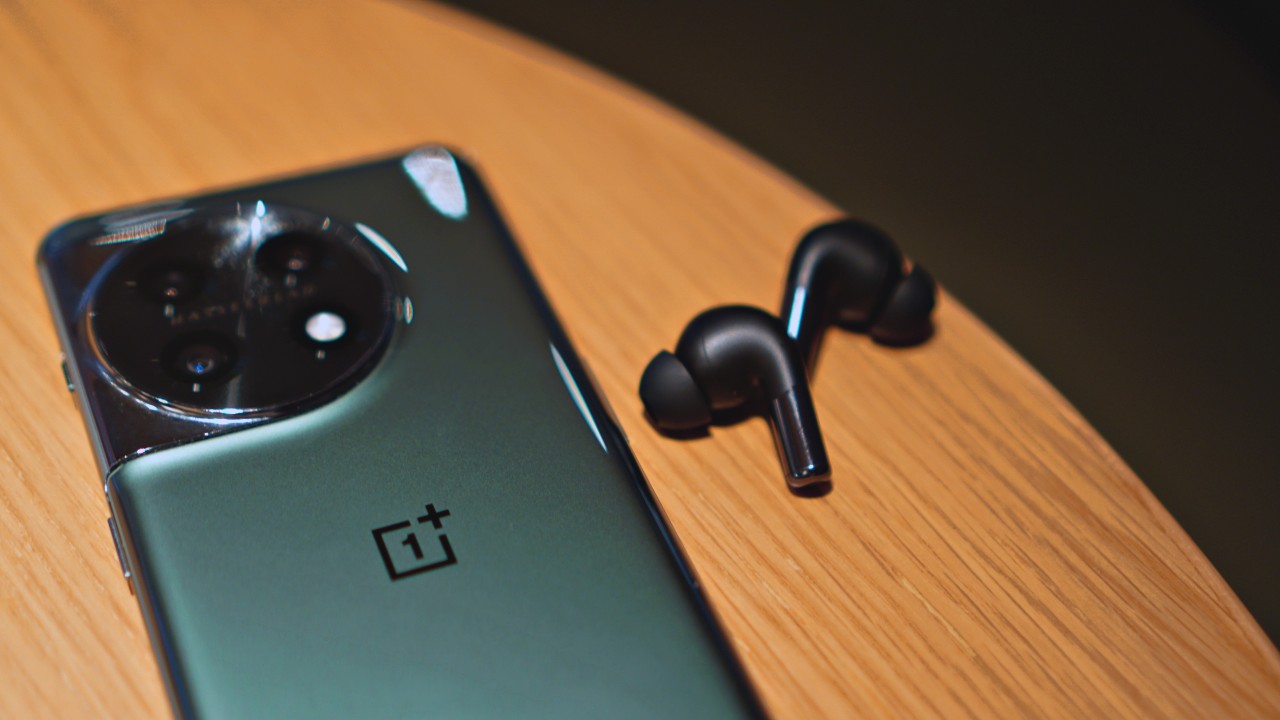
The OnePlus Buds Pro 2 has cemented its place as my primary in-ear earbuds, relegating my Freebuds Pro 2 as backup (Sorry, Huawei). Personally, it’s the Hi-Res audio that really does it for me. Listening to my favorite tracks, whether that’s rocking out to UrbanDub, dancing to TWICE, or just chilling to my favorite K-RnB titles, it felt like experiencing the music again.
As for the other features, they’re what you can expect from earbuds at this price point. The ANC isn’t perfect but it’s more than good enough. The battery life hovers around the 39-hours advertised. Naturally, it’ll vary depending on your usage. Personally, I only charge once a week on moderate usage.
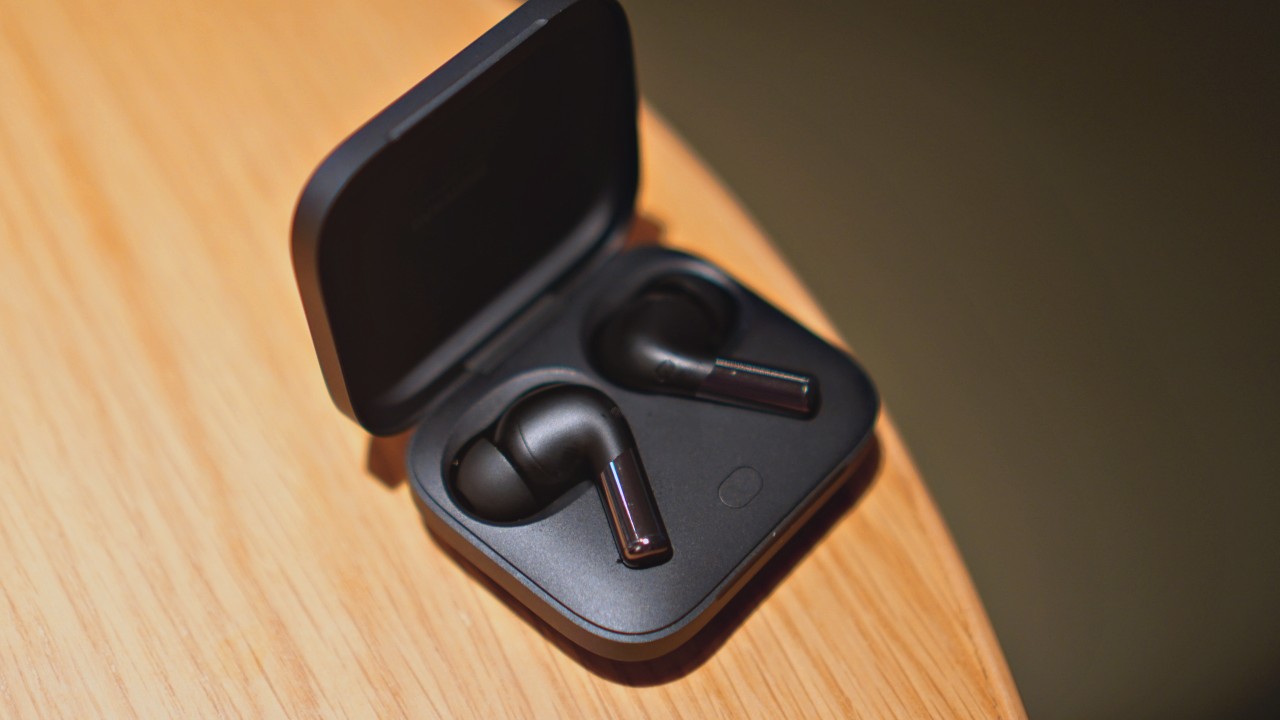
The OnePlus Buds Pro 2 is a good pick-up if you can’t splurge for the mainstream choices but want a feel of their premium audio features. The no volume control is a bummer if you plan on using this while working. But that’s a minor gripe on an otherwise excellent value device.






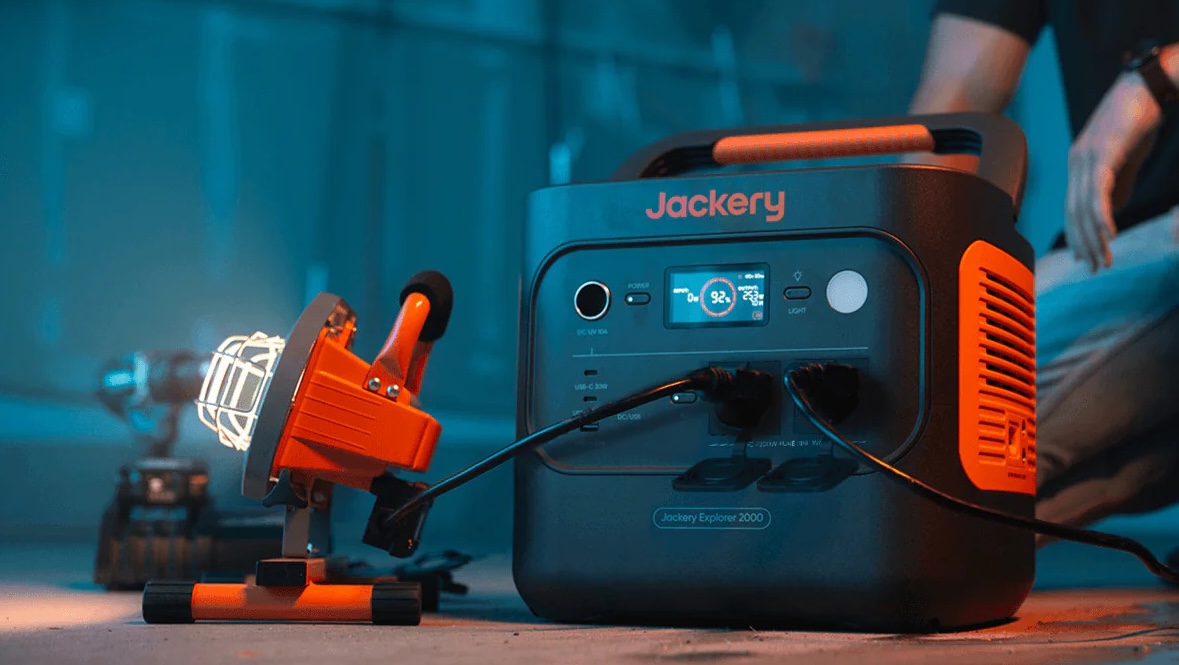
Jackery has expanded its Explorer Series, introducing three new models: the Explorer 300D, Explorer 500 V2, and Explorer 2000 V2.
These new portable power station models join the earlier Explorer 100 Plus, 300 Plus, and 1000 V2 releases earlier in the year.
Each is built for different needs, from brief power interruptions to outdoor adventures and prolonged outages.
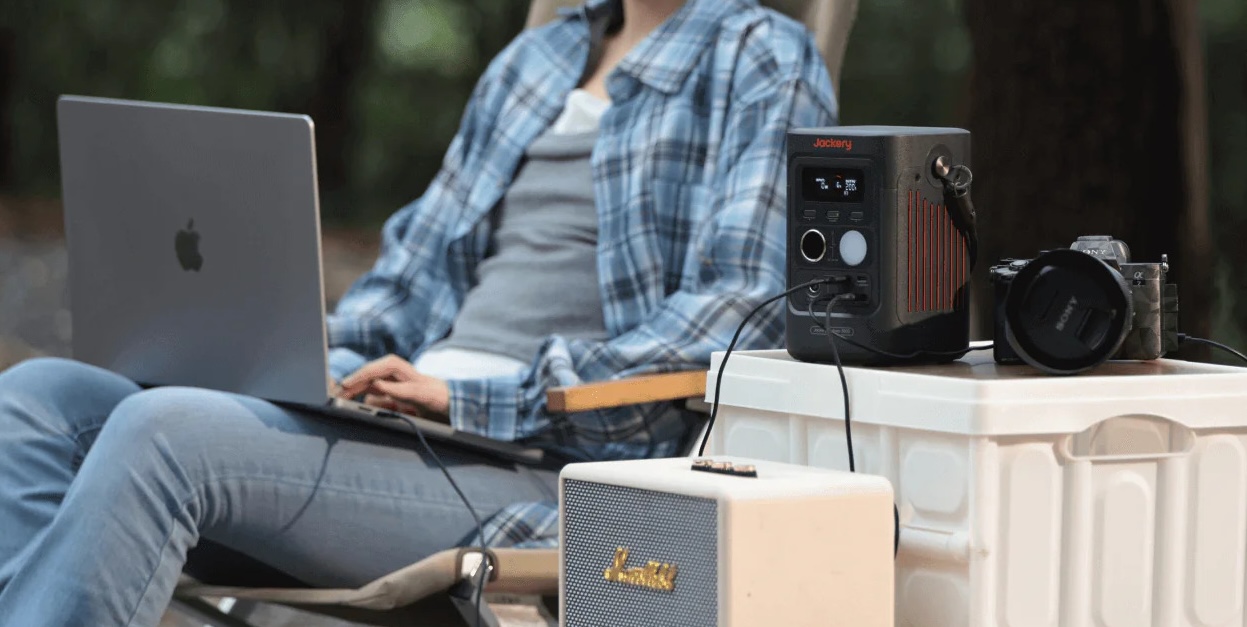
The Jackery Explorer 300D is a grab-and-go variant for unexpected power cuts. It is a compact power station weighing just about 2.5 kilograms and is 64% smaller than standard 300Wh units.
With a speaker-like form factor, 288Wh capacity, and 300W total DC output, it is the ideal power station for content creators, remote workers, and outdoor enthusiasts who live life on the move.
It can juice up a fast-charging Type-C laptop three to four times, smartphones up to 22 times, and drone batteries four to five times.
The Explorer 300D comes with unique DC-only design to eliminate idle power loss. It also has a 2-in-1 shoulder strap that unclips to double as a heavy-duty 140W USB-C charging cable.
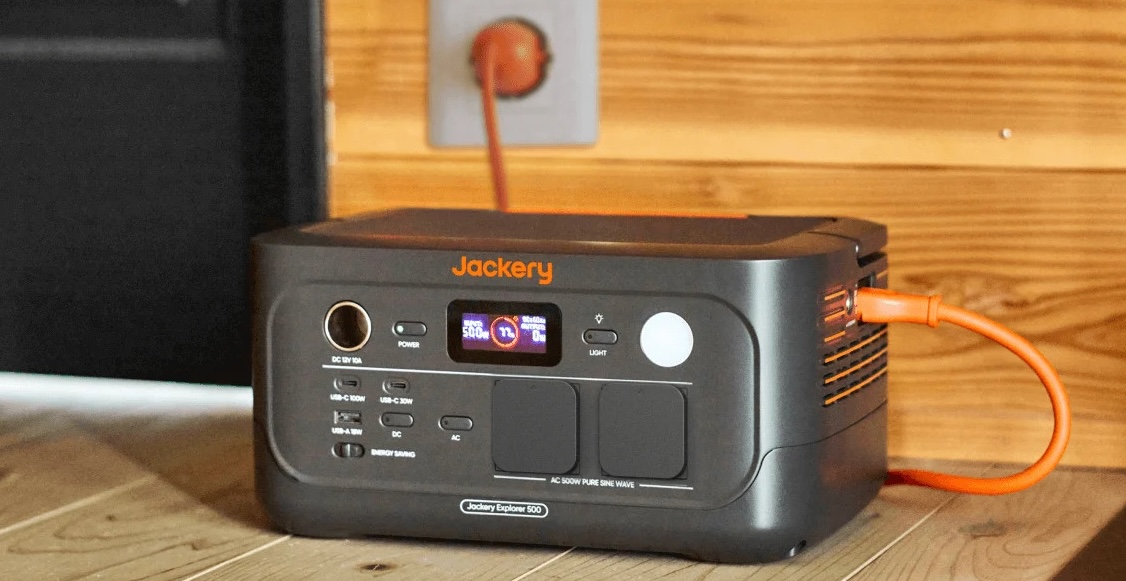
Meanwhile, the Jackery Explorer 500 V2 packs a 512Wh capacity and 500W max output into a sleek frame.
It has an Uninterruptible Power Supply switchover time of under 10 milliseconds, ensuring devices such as Wi-Fi routers or laptops will not drop connection. It can also power up a desk fan for about 8.5 hours.
For easy storage, it has a fold-down handle. This makes the power station also portable to carry with you wherever you need it.
Lastly, the heavy-duty Jackery Explorer 2000 V2 features a massive 2,042Wh capacity and 2,200W inverter.
Weighing just 17.9 kilograms, it is about 41% lighter and 34% smaller than standard generators in the 2kWh category.
It can power a standard inverter refrigerator for up to 14 hours, run a 1.0 HP air conditioner for up to 3.5 hours, or power multiple electric fans for up to 28 hours.
It can also power kitchen essentials like rice cookers, small water heaters or coffee makers, and microwaves, in case hunger strikes amidst a power interruption.
The Explorer 2000 V2 also features an EV-grade LiFePO4 battery engineered for over 10 years of daily use.
The entire Jackery lineup is available on Lazada, Shopee, the Jackery kiosk at SM Fairview, and other partner stores.
Accessories
Pulse Elevate wireless speakers come to Southeast Asia this November
Pre-orders open September 2
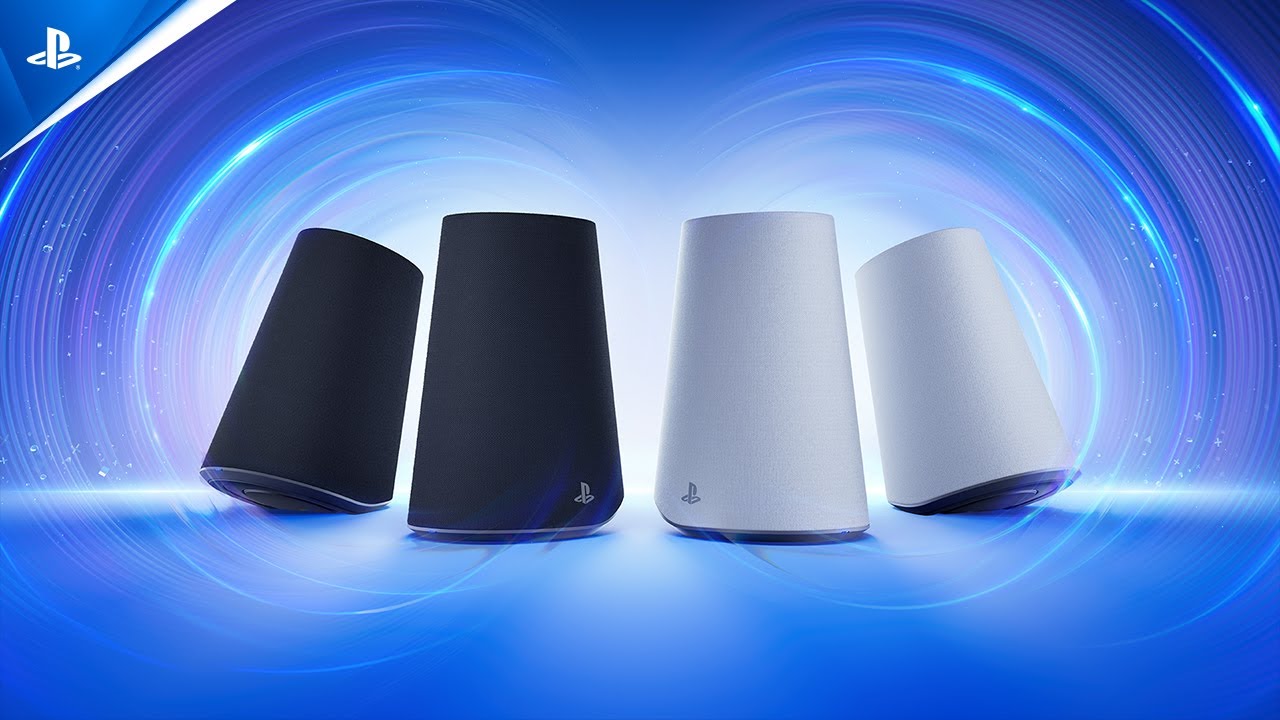
PlayStation is expanding its audio lineup with the Pulse Elevate wireless speakers, its first wireless speakers developed by Sony Interactive Entertainment. The speakers will launch in Southeast Asia starting November 12, 2026, with pre-orders opening September 2.
The Pulse Elevate speakers are designed for desktop gaming on PS5, PC, and Mac, while also supporting portable use with the PlayStation Portal remote player and smartphones. They combine planar magnetic drivers, built-in woofers, and PlayStation Link wireless connectivity for low-latency, lossless audio.
Each speaker uses a studio-inspired planar magnetic driver to deliver sound across the audible spectrum. Built-in woofers add richer bass, while the speakers can enhance positional audio in PS5 games that support Tempest 3D AudioTech.
The right speaker also has a built-in microphone with AI-enhanced noise rejection. This allows users to handle voice chat without wearing a headset while helping filter out unwanted background noise.
Designed for gaming and beyond
Pulse Elevate uses PlayStation Link for ultra-low-latency wireless audio with compatible devices, including the PS5, PC, Mac, and PlayStation Portal. The speakers also support Bluetooth, allowing users to listen to audio from a Bluetooth device while using PlayStation Link for another connected device.
A PlayStation Link USB adapter is included and works with USB-C ports. The speakers also feature built-in rechargeable batteries, letting users take them on the go. Charging docks are included for returning to a desktop setup.
Users can adjust the speakers’ volume directly and position them horizontally or vertically. PS5 and PC users can also customize EQ, sidetone, volume, and microphone mute settings through system menus.
Pulse Elevate will be available in Midnight Black and White.
Price and availability
Pulse Elevate wireless speakers will launch starting November 12, 2026. Pre-orders begin September 2 at local retailers. Availability may vary by market and retailer.
The recommended retail prices are:
- Singapore: SGD 319
- Malaysia: MYR 1,099
- Thailand: THB 8,499
- Philippines: PHP 14,709
- Vietnam: VND 6,999,000
The Pulse Elevate marks Sony Interactive Entertainment’s first entry into wireless speakers, extending the PlayStation audio ecosystem beyond the Pulse Elite headset and Pulse Explore earbuds.
Accessories
Apple is working on AirPods with built-in cameras
References to the wearable were spotted inside a new macOS beta.

The launch of operating system betas is a cause of celebration for those digging into what’s next for a brand. No other company does that better than Apple. Today, Apple released a new release candidate for macOS Tahoe 26.7. As expected, the release has a treasure trove of references to unreleased devices, including a new type of AirPods with built-in cameras.
Let’s get the obvious out of the way first. The references include a slew of unreleased iPads, Macs, and HomePods. Since these devices are already expected to come out, they’re hardly worth nothing. This includes the iPhone 18 series. If anything, the references confirm the iPhone Ultra, the rumored entry into the foldable market, but that’s it.
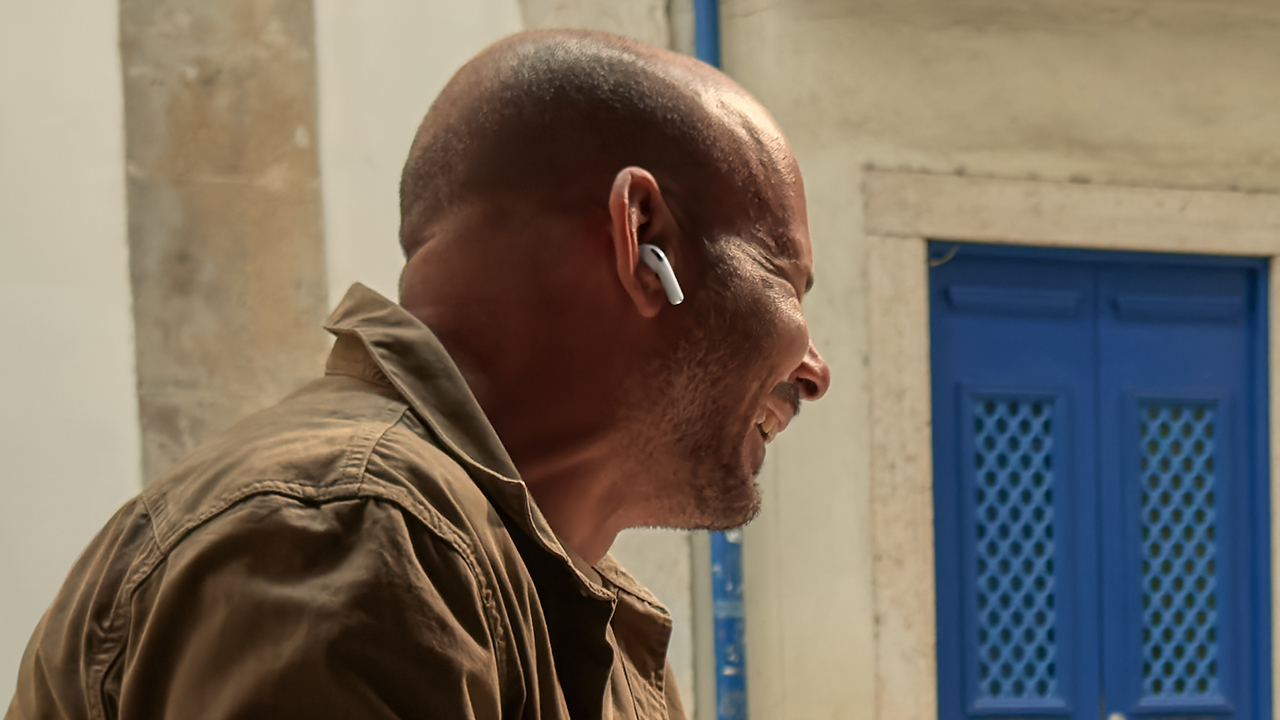
Now, the more interesting inclusion is a pair of AirPods with cameras. Despite the controversies surrounding cameras on smart glasses, Apple is reportedly building audio-based wearables with cameras themselves.
In a short demo video (also obtained from the macOS beta via MacRumors), the AirPods can apparently “save” things that it sees, including a book you might want to search for later. In that way, the built-in camera acts more like a voice assistant, rather than a recording device.
Though the references don’t confirm a launch date, it’s likely that the camera-based AirPods will come out sometime soon. After all, why would a blatant reference be inside a publicly available beta?
SEE ALSO: The iPhone 18 might sell out for an unexpected reason

REDMI Note 17 Pro review: What a rollercoaster ride!
The serious series of ups and downs are NOTEworthy of your attention

Insta360 Luna Ultra review: My new solo coverage camera
Changed my workflow

TECNO MEGAPAD 2 review: Eyes on the size
The MEGA pad for two base users

Marvel’s Wolverine details combat, abilities, and features

The designated photographer’s new favorite phone: OPPO Reno16 Series 5G

NBA, Salmon team up for multi-year partnership

realme 16T 5G with 8000mAh battery, IP69 Pro rating launches in PH

Dune: Awakening gets new PS5 gameplay, movie DLC
TECNO MEGAPAD 2 review: Eyes on the size

VinFast debuts two-wheeler models, opens 21 e-motorcycle showrooms

REDMI Note 17 Series focuses on long-term reliability

realme 16T to come with 8,000mAh battery, 7-year battery health guarantee

OnePlus officially leaves the United States and Canada


-
Reviews1 week ago
TECNO MEGAPAD 2 review: Eyes on the size
-
 Singapore2 weeks ago
REDMI Note 17 Series focuses on long-term reliability
-
 News2 weeks ago
realme 16T to come with 8,000mAh battery, 7-year battery health guarantee
-
 News1 week ago
HUAWEI Pura X View is 2026’s first WIDE slab-type smartphone
-

 Accessories2 weeks ago
Jackery expands Explorer Series portable power stations
-
 Cameras1 week ago
30 days with the DJI Osmo Pocket 4P
-

 Gaming2 weeks ago
NBA 2K27 expands MyCAREER, MyPLAYER, MyNBA, more
-

 Gaming2 weeks ago
Now Playing: Assassin’s Creed Black Flag Resynced