
Camera Shootouts
OPPO F5 vs Vivo V7+: Side-by-side comparison

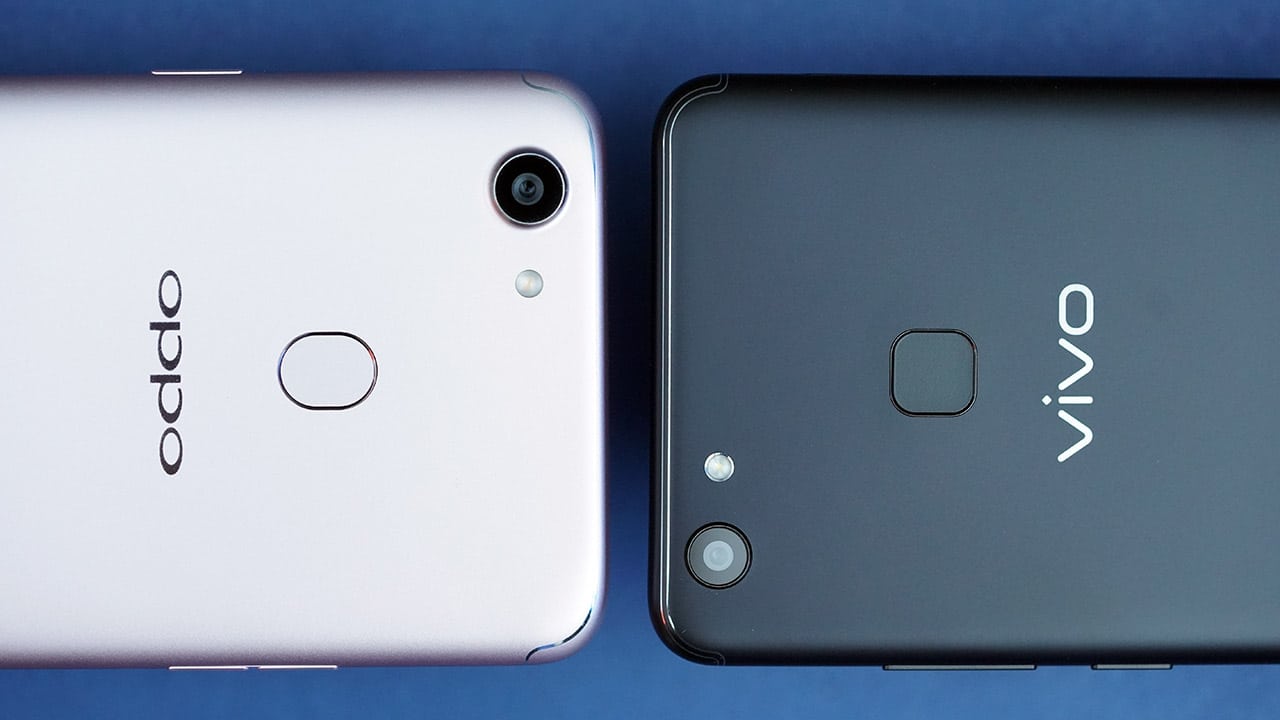
These days, in the smartphone world, it’s all about the displays and bezels — or the lack thereof. Two nearly borderless contenders are from brands which are known for their selfie capabilities.

The OPPO F5 and Vivo V7+, though still tagged as selfie smartphones, are marketed as “borderless” devices which cost only a fraction of those bezel-less flagships. These recent releases look pretty similar, so we decided to see where the phones differ.
Side-by-side
The OPPO F5 and Vivo V7+ have taller displays with a 18:9 ratio. Both phones are the respective brands’ first attempt at near-borderless displays.
The OPPO F5 has a 6-inch screen while the Vivo V7+’s display is 5.99 inches — not much of a difference. However, the V7+ has a resolution of 720 x 1440 pixels which pales in comparison to the F5’s 1080 x 2160 pixels.

OPPO F5 (left) and Vivo V7+ (right)
Both phones have relocated the fingerprint scanner to the back with identical placements, the only difference being the actual shape of the scanner.
These phones have plastic backs, but they feel far from cheap. Both have a nice matte finish that makes them look premium.
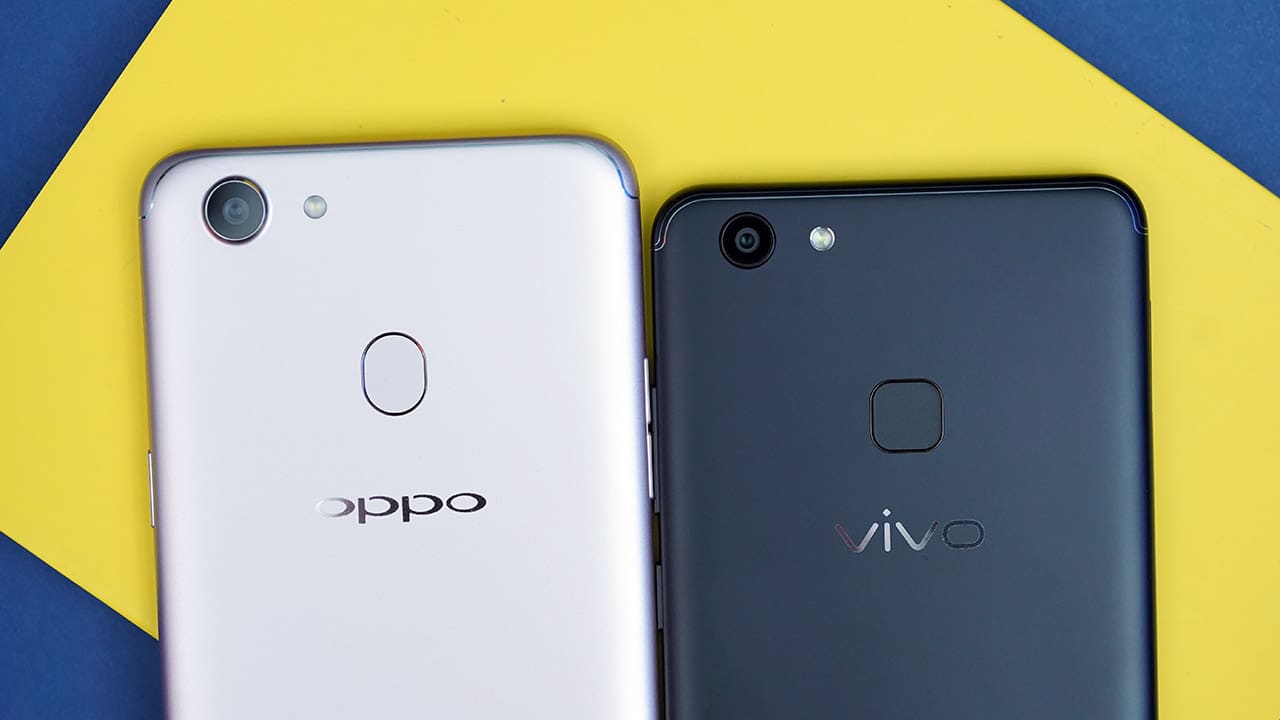
On the upper-right, the OPPO F5 has the SIM card slot and power button; the Vivo V7+ has the volume rocker and power button.
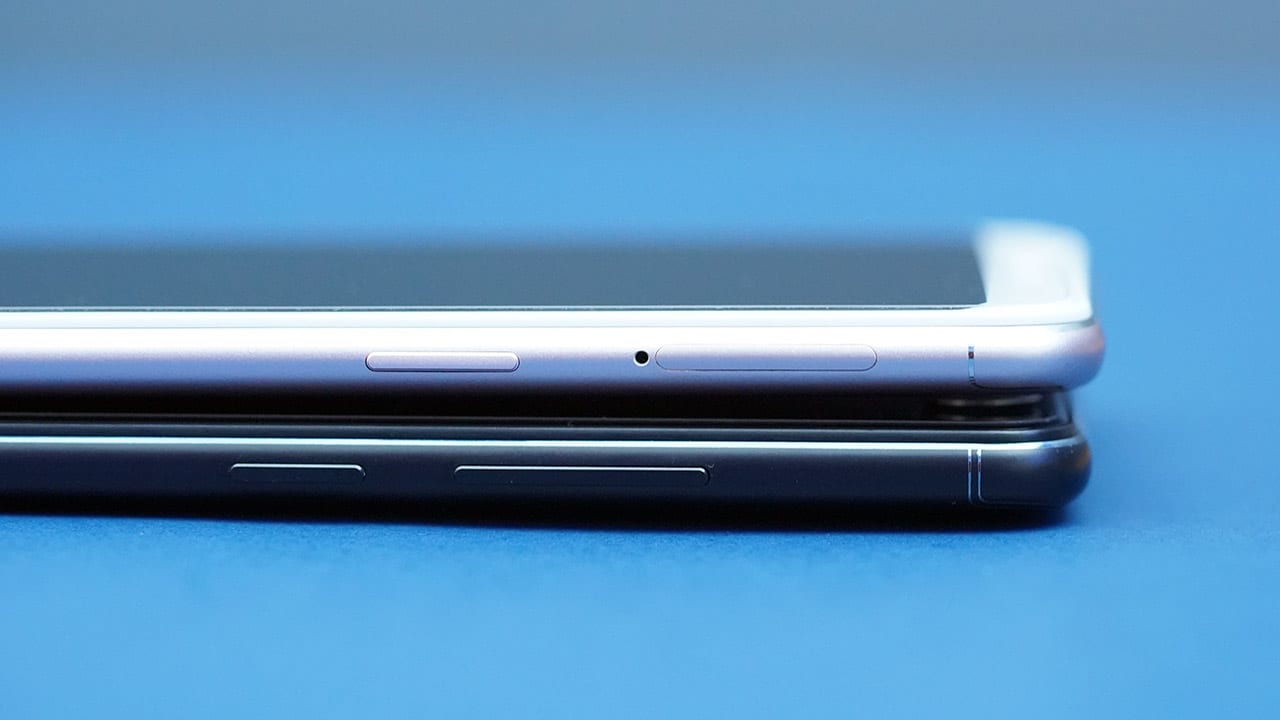
On the other side, the F5 houses the volume rocker while the V7+ has only the SIM slot on there. Both phones have space for two nano-SIMs and a microSD card.

The speaker grilles, micro-USB port, and audio jack are all found at the bottom of the phones.
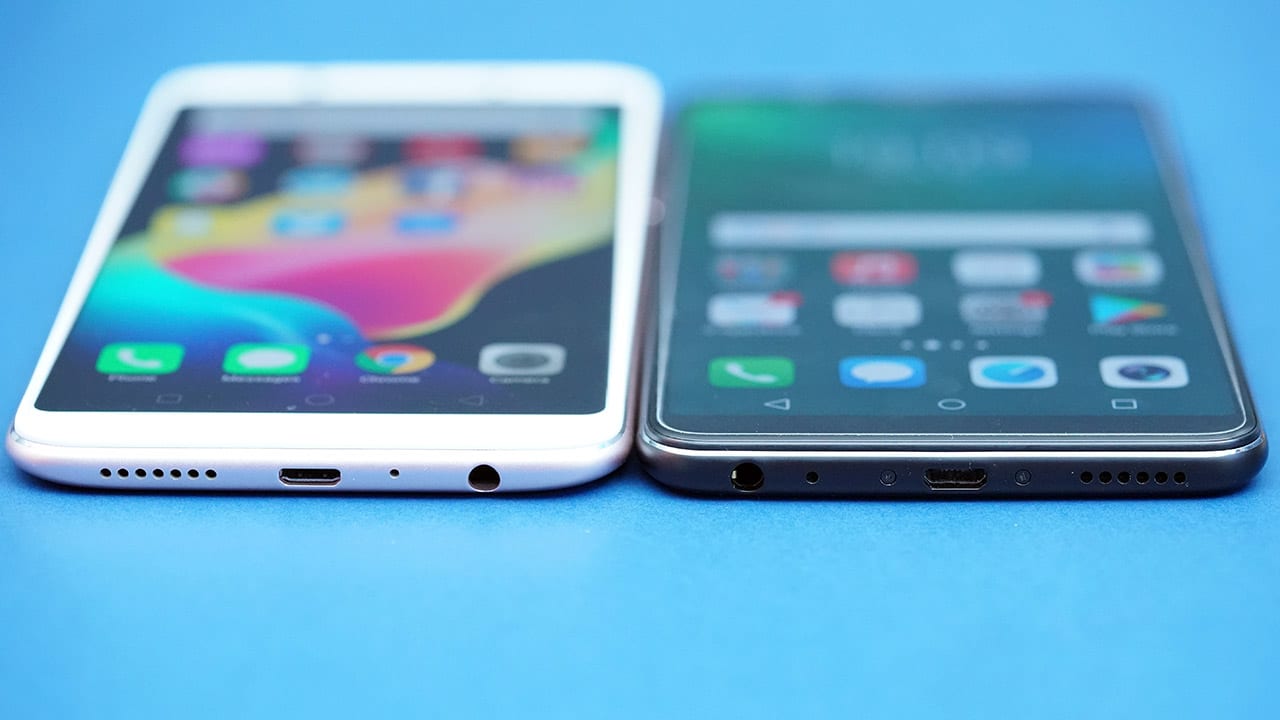
Admittedly, the only reason I could tell these two phones apart, face up, is the fact that our units came in different colors. I don’t think that will be the case had they been both black. ?
Camera performance
Now, on to the selfies!
To accommodate smaller bezels, the phones have done away with the dual-cam selfie setup. The OPPO F5 has a 20-megapixel front-facing camera while the Vivo V7+ has a 24-megapixel selfie camera and front-facing LED fill light (no need for these ridiculous light cases).
Both have their respective beauty and bokeh modes, though the F5 gets props for a standalone bokeh mode. On the V7+, the bokeh mode can only be done while on beauty mode, but you can always just toggle the beauty filter to zero.
[sciba leftsrc=”http://www.gadgetmatch.com/wp-content/uploads/2017/10/GadgetMatch-OPPO-F5-SAMPLE-20171031-2.jpg” leftlabel=”OPPO F5″ rightsrc=”http://www.gadgetmatch.com/wp-content/uploads/2017/10/GadgetMatch-Vivo-V7-SAMPLE-20171031-2.jpg” rightlabel=”Vivo V7+” mode=”horizontal” width=””]
Selfies come out great on both phones, with Vivo’s photos coming out noticeably brighter and more saturated — something most selfie-loving folks seem to prefer. Software bokeh cut-outs are looking pretty good on both, too.
A notable add-on would be the OPPO F5’s built-in artificial intelligence on its front-facing camera. OPPO claims that this feature allows for a beauty mode that’s more natural, even going as far as recognizing the selfie subject’s age, sex, and race for optimum selfie results.
Naturally, a group selfie was in order to test it.
[sciba leftsrc=”http://www.gadgetmatch.com/wp-content/uploads/2017/10/GadgetMatch-OPPO-F5-SAMPLE-20171031-6.jpg” leftlabel=”OPPO F5″ rightsrc=”http://www.gadgetmatch.com/wp-content/uploads/2017/10/GadgetMatch-Vivo-V7-SAMPLE-20171031-6.jpg” rightlabel=”Vivo V7+” mode=”horizontal” width=””]
With one tap (auto mode), better and more natural selfies were shot with the OPPO F5, especially compared to previous OPPO releases. The filter did not blur out features and our faces didn’t look washed out!
A comparable selfie is achievable with the V7+ after experimenting with the beauty mode; you have to find just the right settings. A quick zoom on the photos, though, will show you the slight but very important detail on photos from the F5: That are your pores are still visible, making for a more realistic beauty filter.
[sciba leftsrc=”http://www.gadgetmatch.com/wp-content/uploads/2017/10/GadgetMatch-OPPO-F5-SAMPLE-20171031-3.jpg” leftlabel=”OPPO F5″ rightsrc=”http://www.gadgetmatch.com/wp-content/uploads/2017/10/GadgetMatch-Vivo-V7-SAMPLE-20171031-3.jpg” rightlabel=”Vivo V7+” mode=”horizontal” width=””]
Both phones are equipped with 20-megapixel rear cameras with an LED flash. Beauty mode is available on the rear cameras for both handsets, though neither have a bokeh feature on this camera.
[sciba leftsrc=”http://www.gadgetmatch.com/wp-content/uploads/2017/10/GadgetMatch-OPPO-F5-SAMPLE-20171031-7.jpg” leftlabel=”OPPO F5″ rightsrc=”http://www.gadgetmatch.com/wp-content/uploads/2017/10/GadgetMatch-Vivo-V7-SAMPLE-20171031-7.jpg” rightlabel=”Vivo V7+” mode=”horizontal” width=””]
The shooters are very capable, even under low-light scenarios — without even activating the manual mode, which of course, both phones have. The photo above, however, shows the phones’ varying treatments for the same difficult shot.
The two devices have built-in beauty modes for video, but the V7+ only allows for this feature while on video calls for certain apps, and the OPPO F5 only has the function on its integrated camera app.
What’s inside
The OPPO F5 runs on a MediaTek MT6763T processor with Android 7.1 and ColorOS 3.2. The Vivo V7+ is powered by a Snapdragon 450 processor (a processor comparable to the older Snapdragon 625 as Dan had explained on his Vivo V7+ review) on Android 7.1 with FunTouch OS.
Both have 4GB of memory, but the V7+ has a higher storage capacity at 64GB compared to the F5’s 32GB. The V7+ also has a slightly bigger battery capacity of 3225mAh as opposed to the F5’s 3200mAh capacity.
Which is your GadgetMatch?
These phones deliver the bezel-less experience without having to cough up money for a flagship. At the end of the day, this led to certain sacrifices specs-wise — though that certainly doesn’t mean these aren’t capable devices, because they are.
It just depends where your priorities lie: The OPPO F5 for the more capable beauty mode, or the Vivo V7+ for more vivid photos and the more capable processor.

The main point is: If a bigger screen is your priority, one of these two phones — depending on what type of user you are — may just be your GadgetMatch. Priced at PhP 15,990 (around US$ 305) for the OPPO F5 and PhP 17,990 (close to US$ 355) for the Vivo V7+, these two are definite contenders for the more affordable bezel-less smartphone category.
SEE ALSO: OPPO F5 hands-on: A nearly borderless selfie phone
[irp posts=”20856″ name=”Vivo V7+ Unboxing and Review”]







Camera Shootouts
Camera Shootout: HONOR 400 Pro vs TECNO CAMON 40 Premier
Camera battle of two midranger wonders

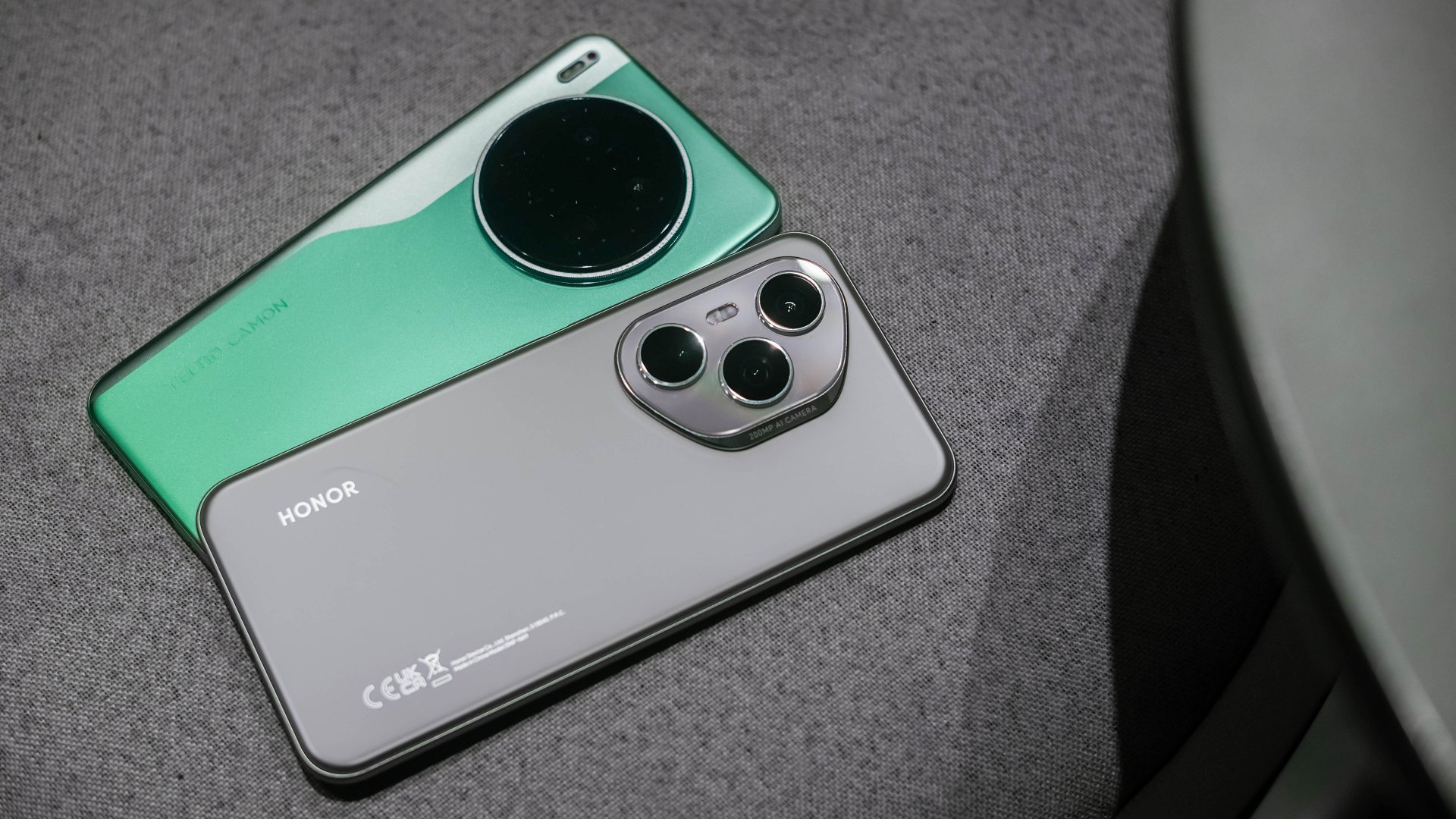
In my previous camera smackdown, I clearly stated that we don’t have the HONOR 400 Pro to try out.
Months have passed, the odds were (finally) in my favor as I was able to test it against another midranger wonder, the TECNO CAMON 40 Premier.
Oh CAMON, your HONOR
I’ve decided to clash the HONOR 400 Pro and TECNO CAMON 40 Premier primarily because both phones offer the quintessential triple rear camera system.
HONOR 400 Pro |
TECNO CAMON 40 Premier |
|
Wide |
200MP f/1.9
|
50MP f/1.88
|
Ultra-Wide |
12MP f/2.2 |
50MP f/2.2 |
Telephoto / Periscope |
50MP f/2.4
|
50MP f/2.2
|
Selfie |
50MP f/2.0 |
50MP f/2.5 |
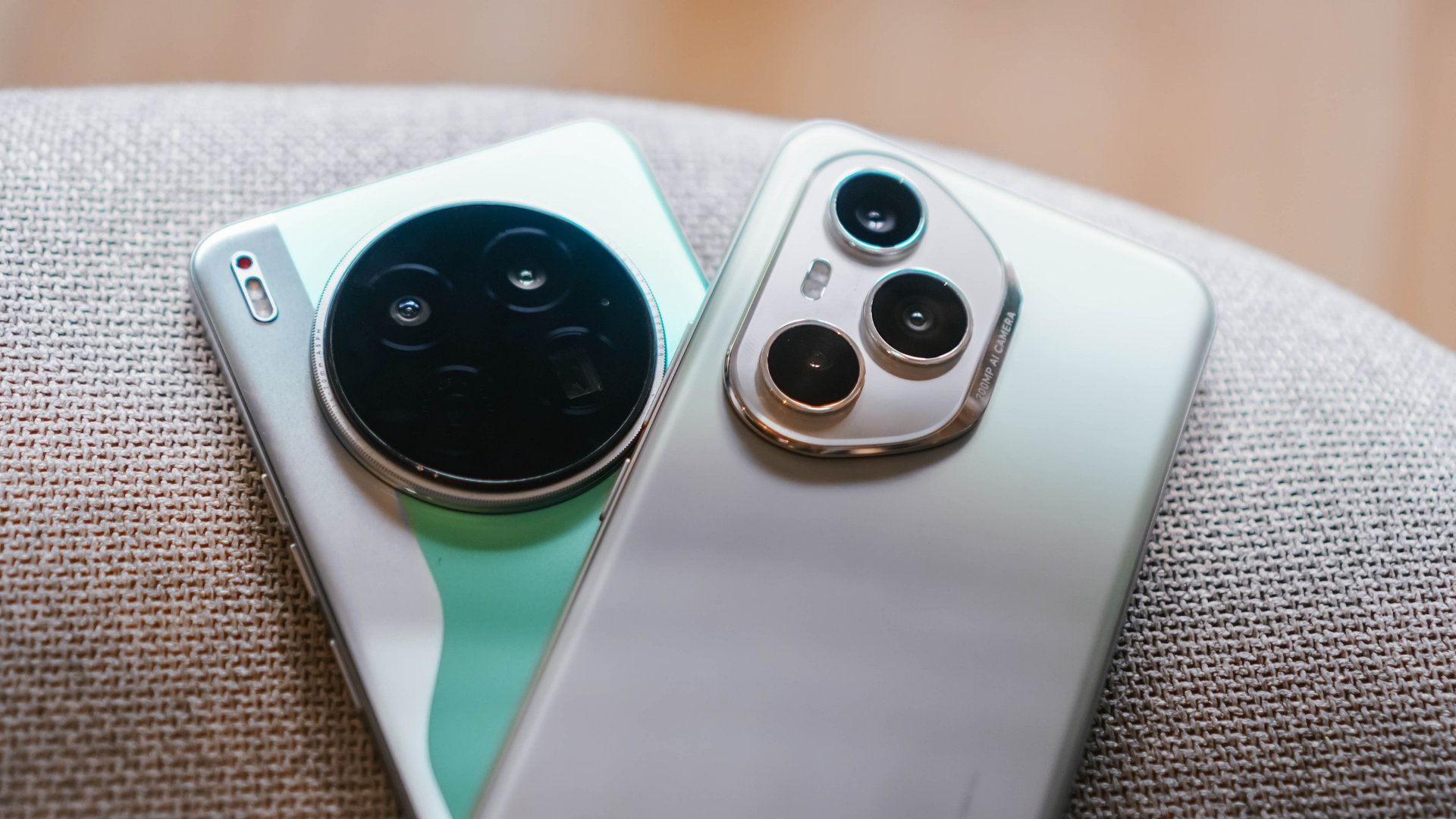
Hardware-wise, disparities are quite evident. The TECNO CAMON 40 Premier rocks quad 50MP cameras (including the selfie camera), whereas the HONOR 400 Pro has variations in its overall camera system.
It highlights its 200MP Samsung ISOCELL HP3 main camera while TECNO begs to differ as it packs a sensor made by the Korean giant’s Japanese rival — the newcomer Sony LYT-701C sensor that’s only used in two phones so far (2024’s realme 13 Pro+ being the other).
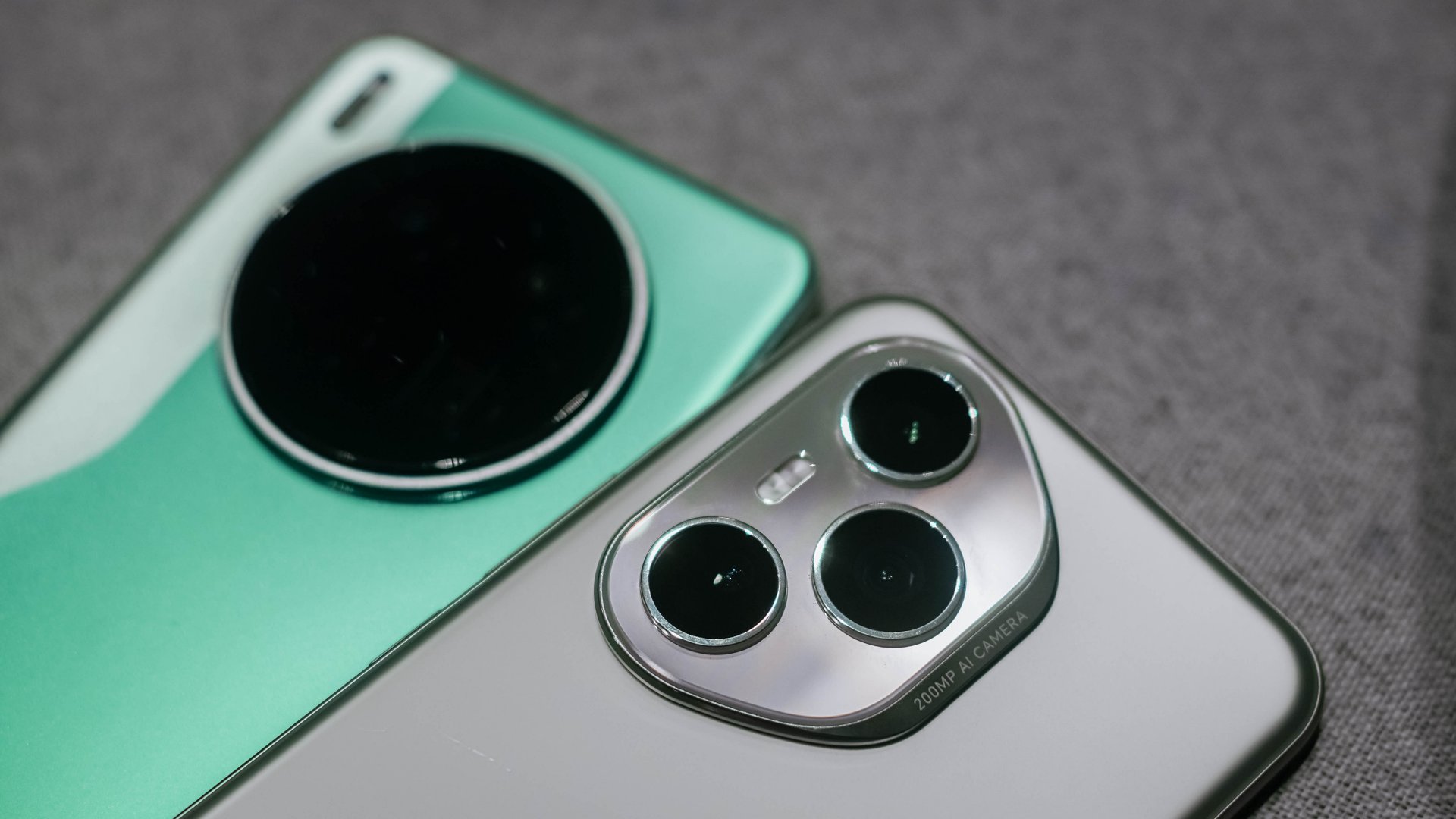
The opposite happens in HONOR 400 Pro’s ultra-wide lens as it features the smaller 12MP camera.
But, the biggest dealbreaker has got to be the existence of 3x zoom shooters that their base models lack.

Although both acquire the same megapixel count, the HONOR 400 Pro is equipped with a traditional telephoto lens structure while the TECNO CAMON 40 Premier boasts a periscope lens that utilizes a prism design / mirror system for capturing long-range subjects and objects.
Lastly, both phones have 50MP front-facing cameras with slight differences in aperture value.
Sticking with the Standard
Much like any other shootouts, I’ve opted to stick with the standard shooting profiles that both phones have right after setting ’em up: Standard for TECNO, Natural for HONOR.

Disclaimer: Photos were all taken using Auto Mode with AI scene detection turned on. These images were collaged, resized, and labeled for faster loading and better preview. No color correction, zoomed-in cropping, nor any other type of photo manipulation were applied.
Ultra-Wide Angle (UWA)
Similar lens diaphragm, totally different megapixel count.
Does that alone make a far cry?
U1
U2

U3
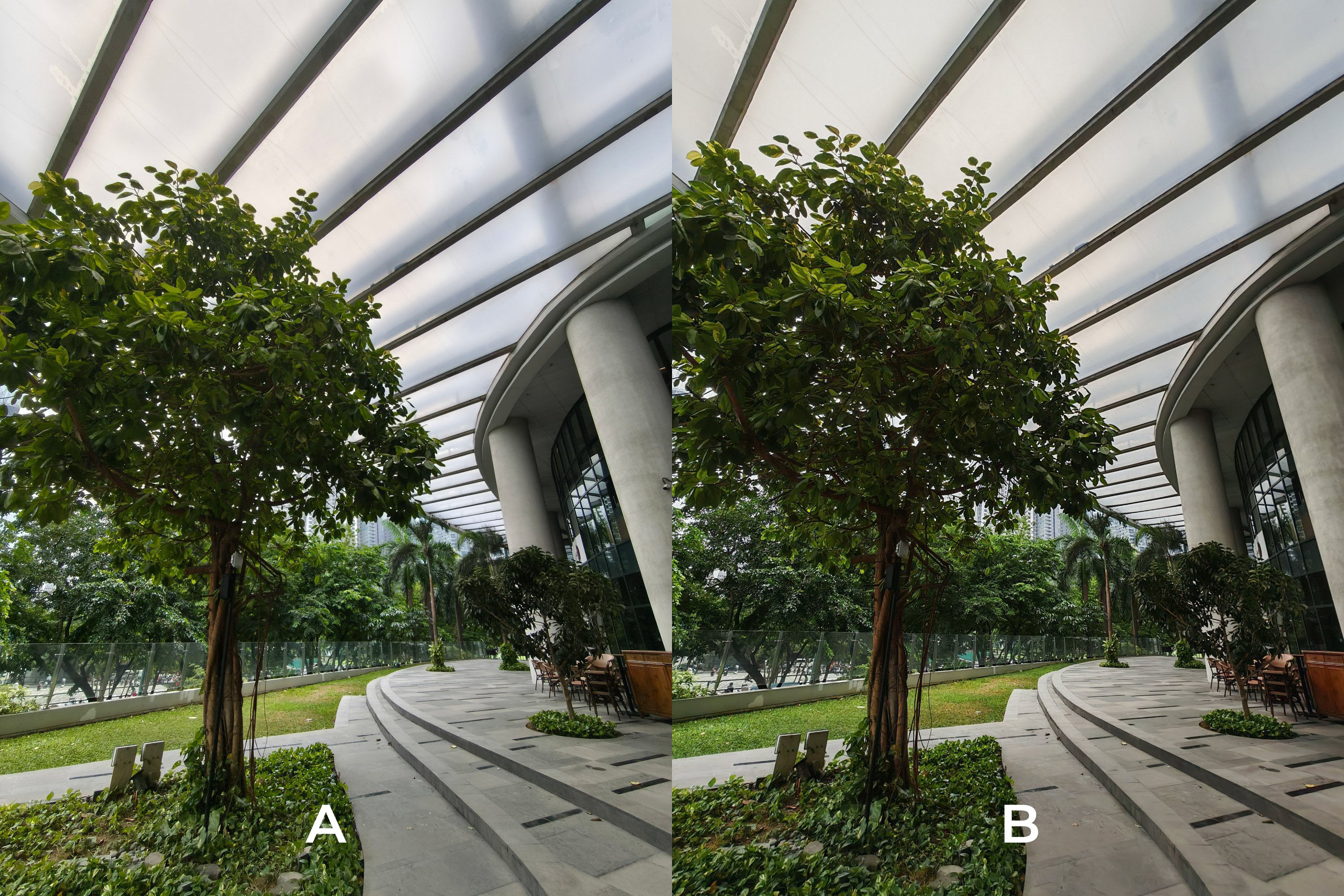
U4
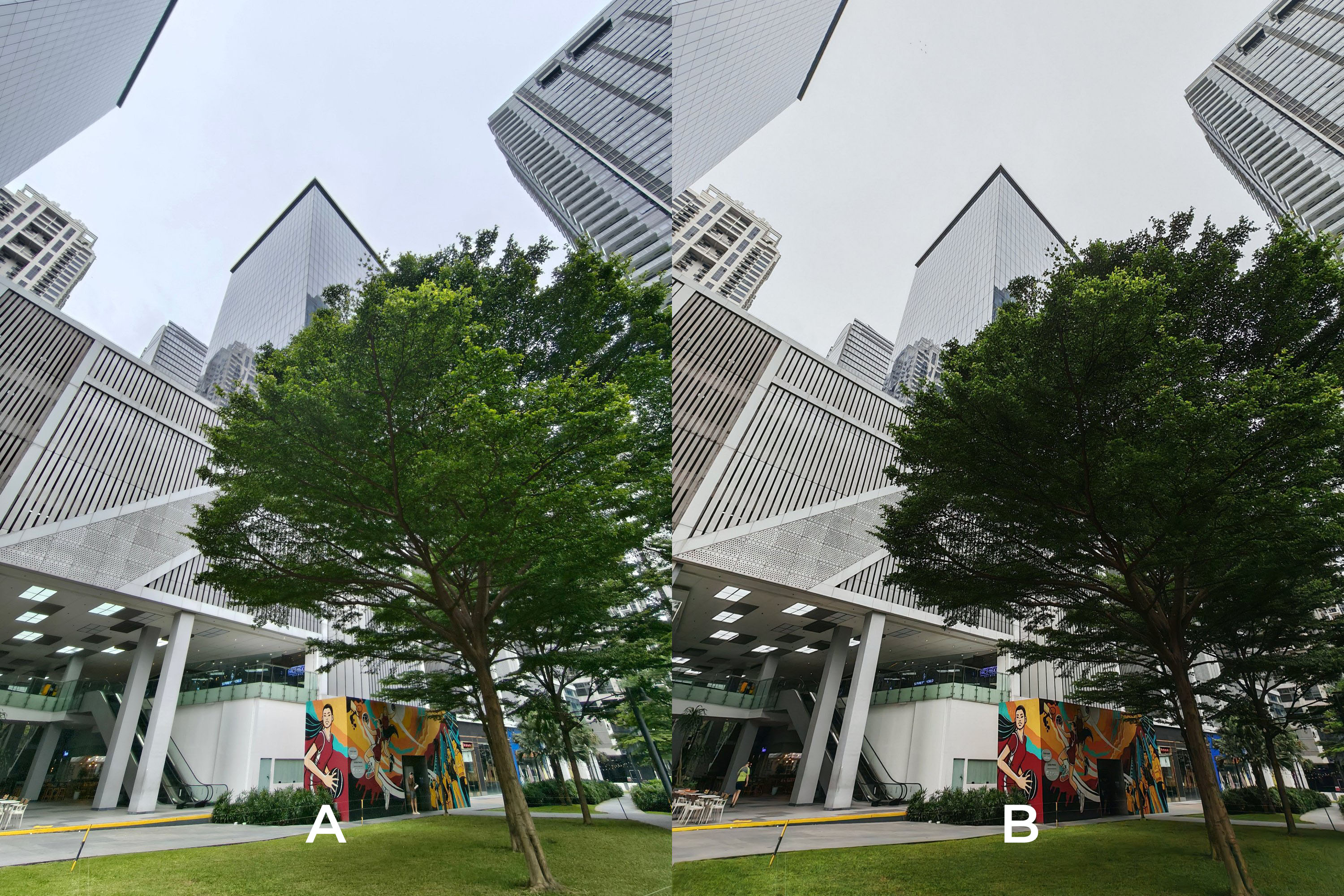
U5
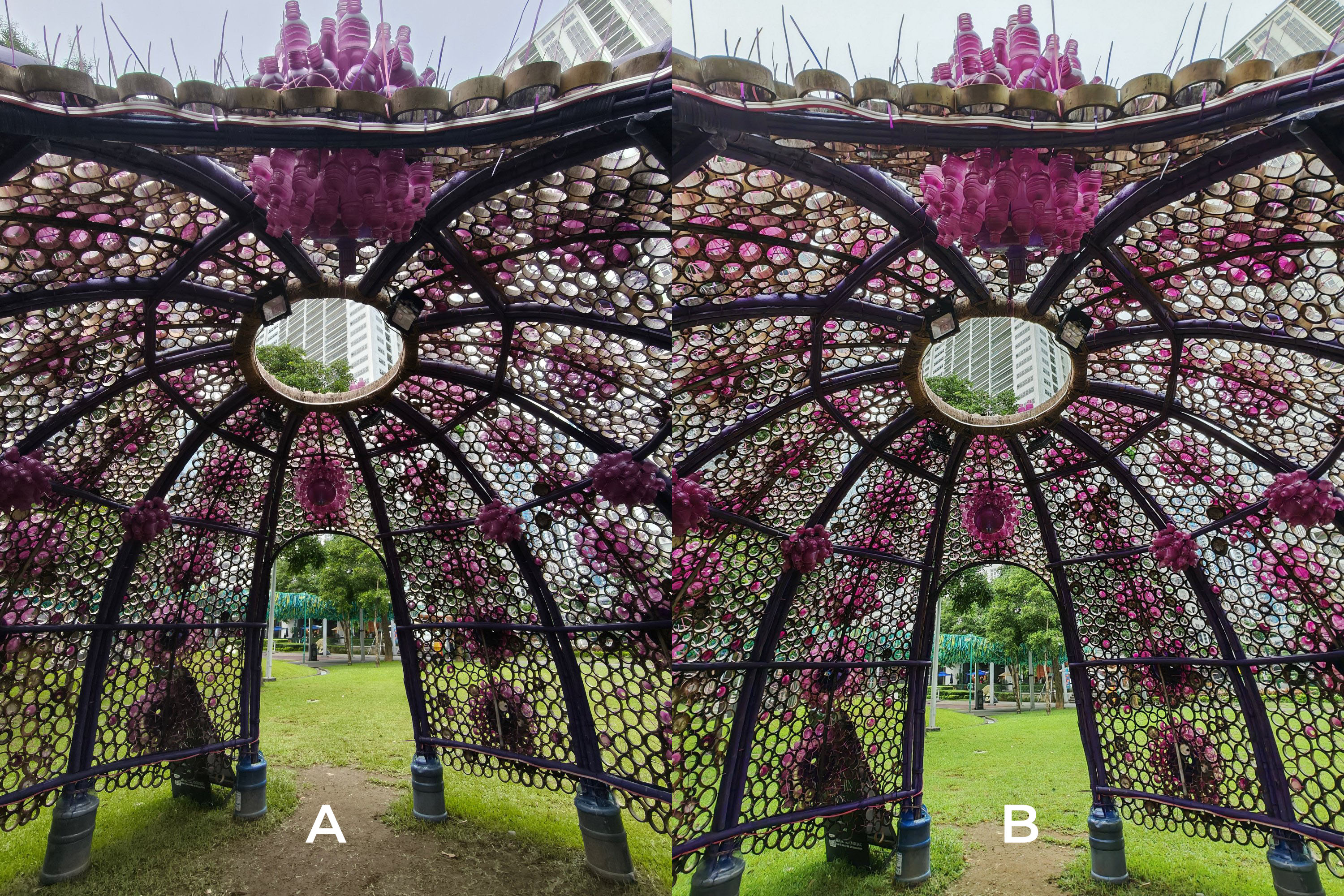
U6
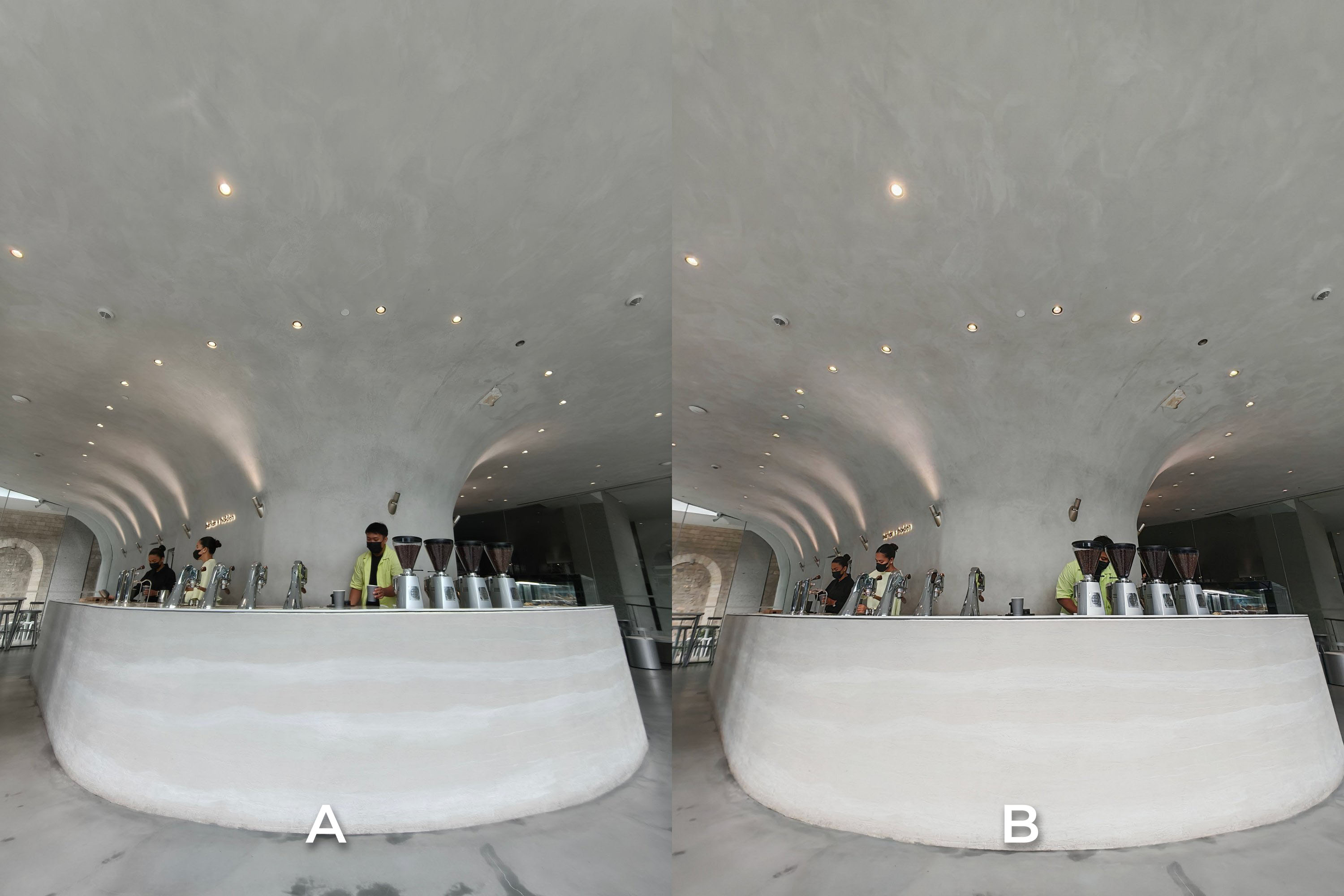
U7
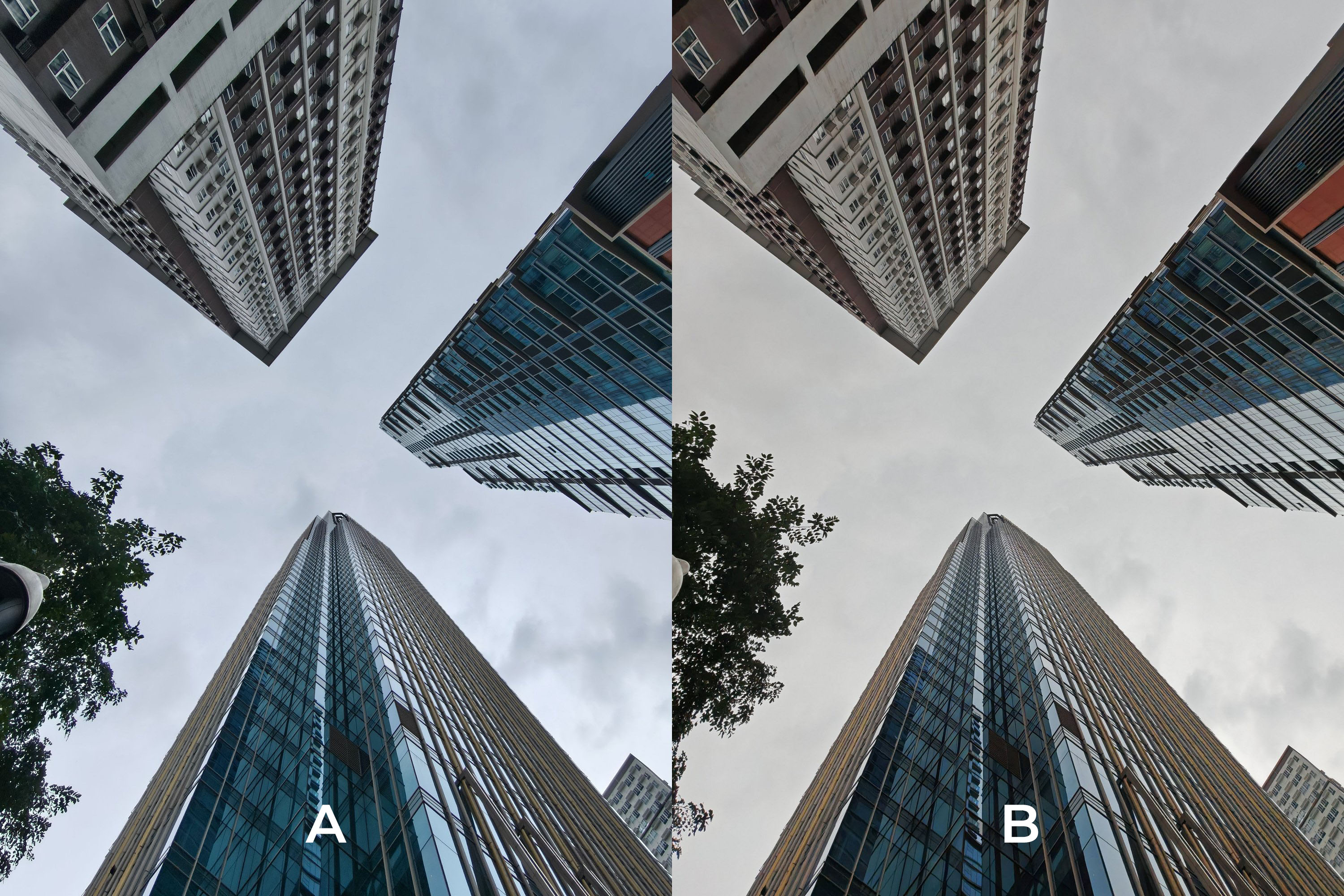
Main (1x + 2x)
The massive 200-megapixel main camera of the HONOR 400 Pro is four times larger compared to TECNO CAMON 40 Premier’s already capable 50MP Sony sensor. Obviously, that comes in very handy when taking zoomed shots via in-sensor cropping.
However, can you even tell which sample belongs to which smartphone?
M1

M2
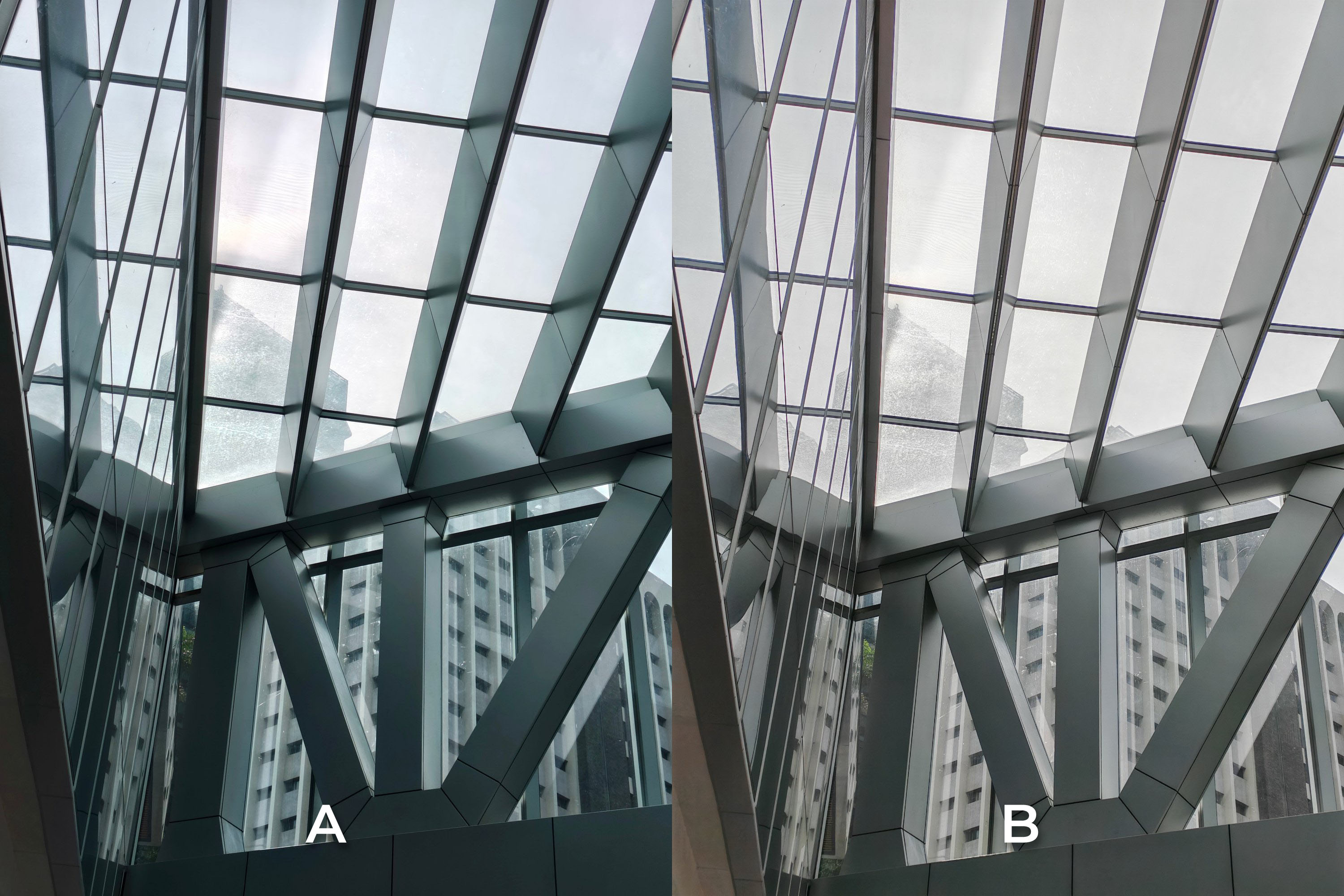
M3
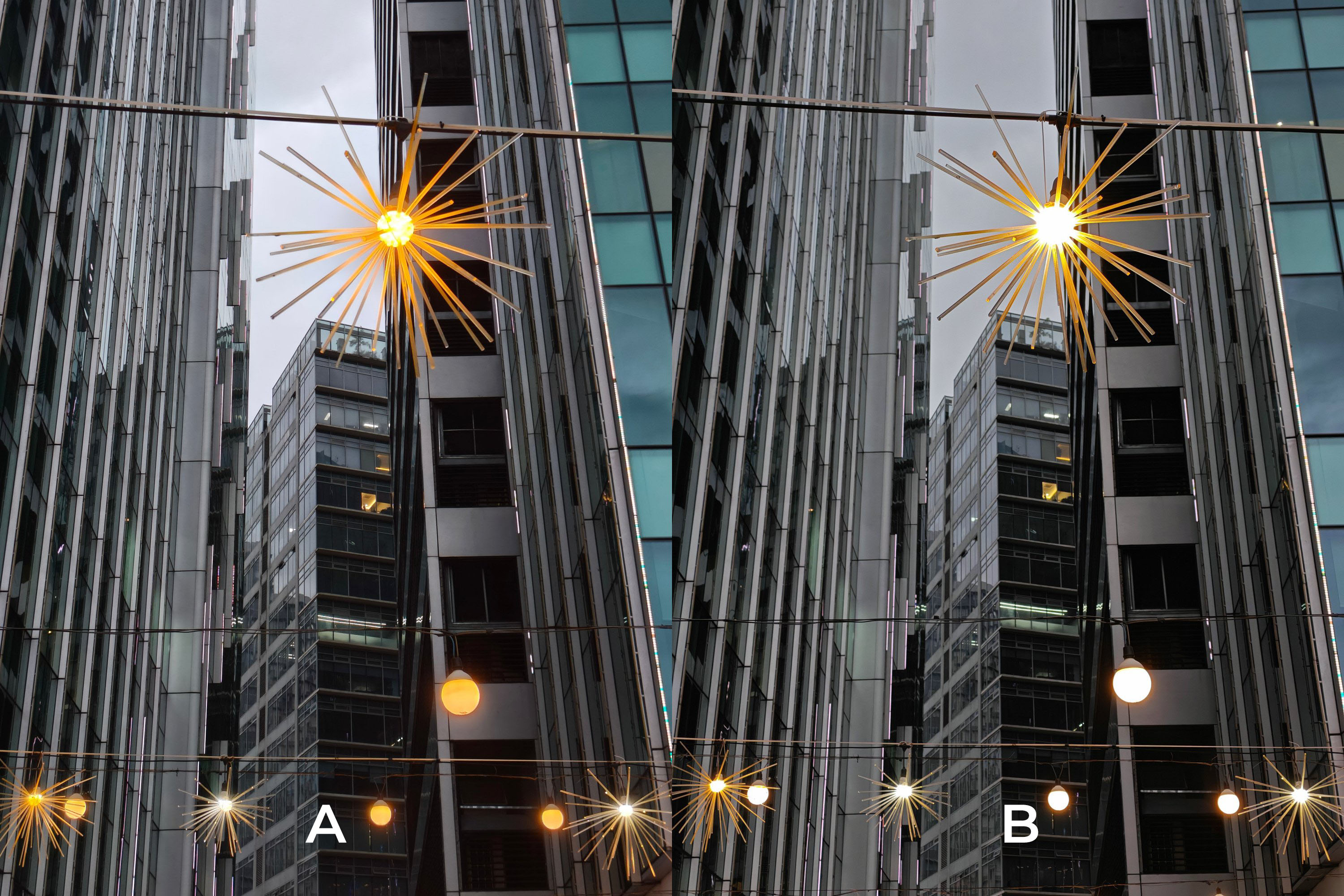
M4

M5
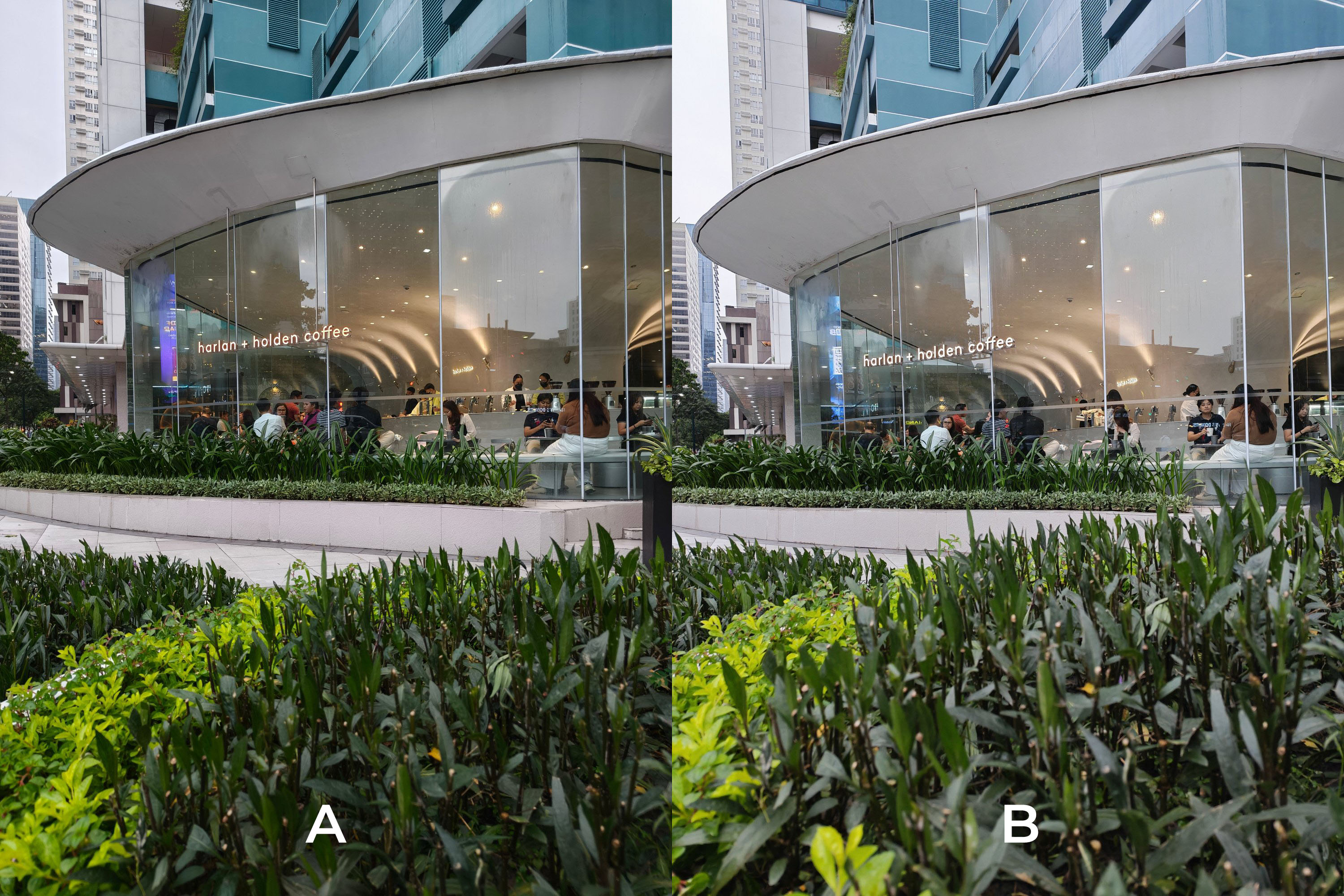
M6
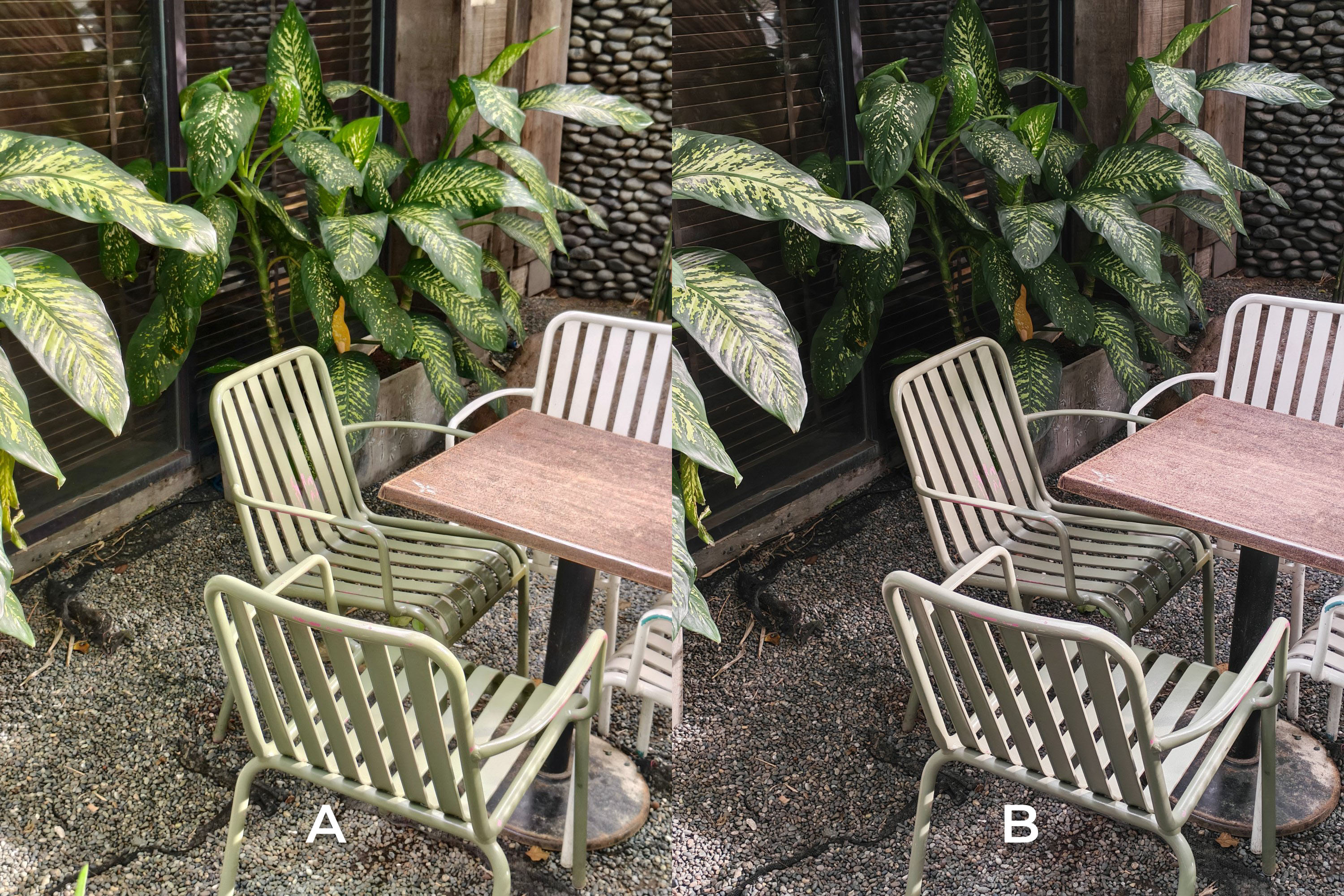
M7

M8
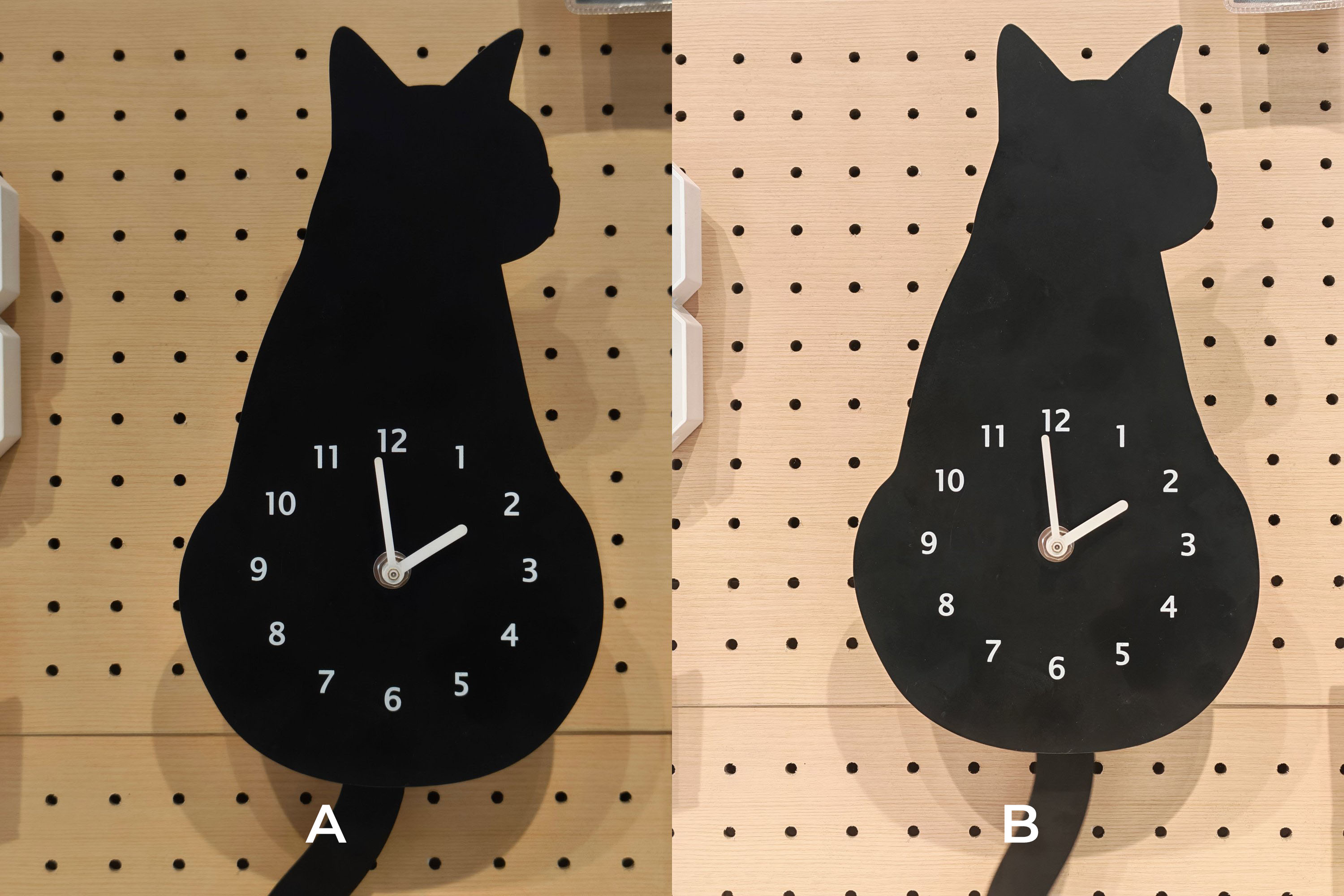
M9
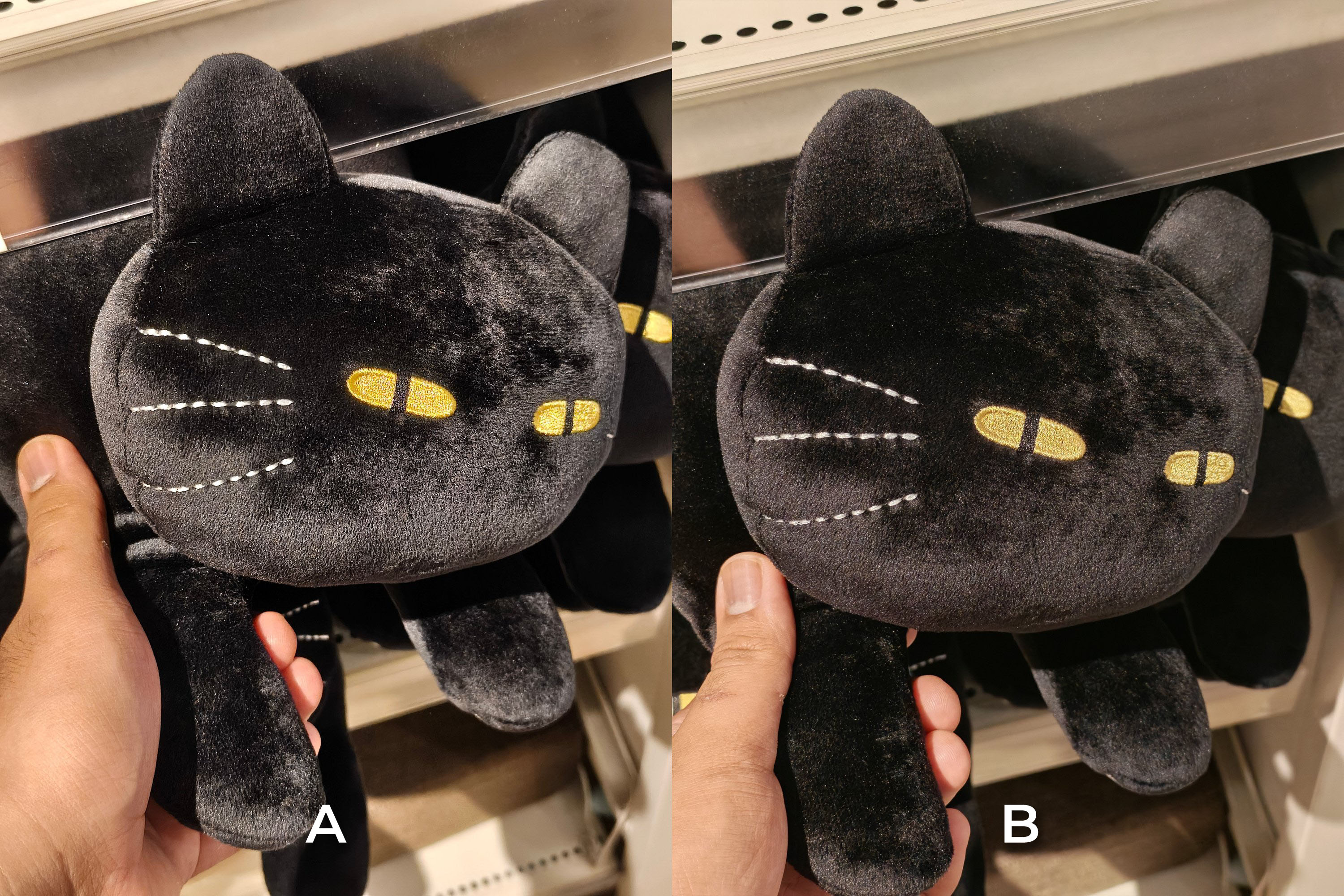
3x Optical Zoom
The crème de la crème of these two phones are their zoom shooters.
While lens structure are different (again, telephoto for HONOR while periscope for TECNO), which one gives THE better optically-zoomed shots?
ZO1
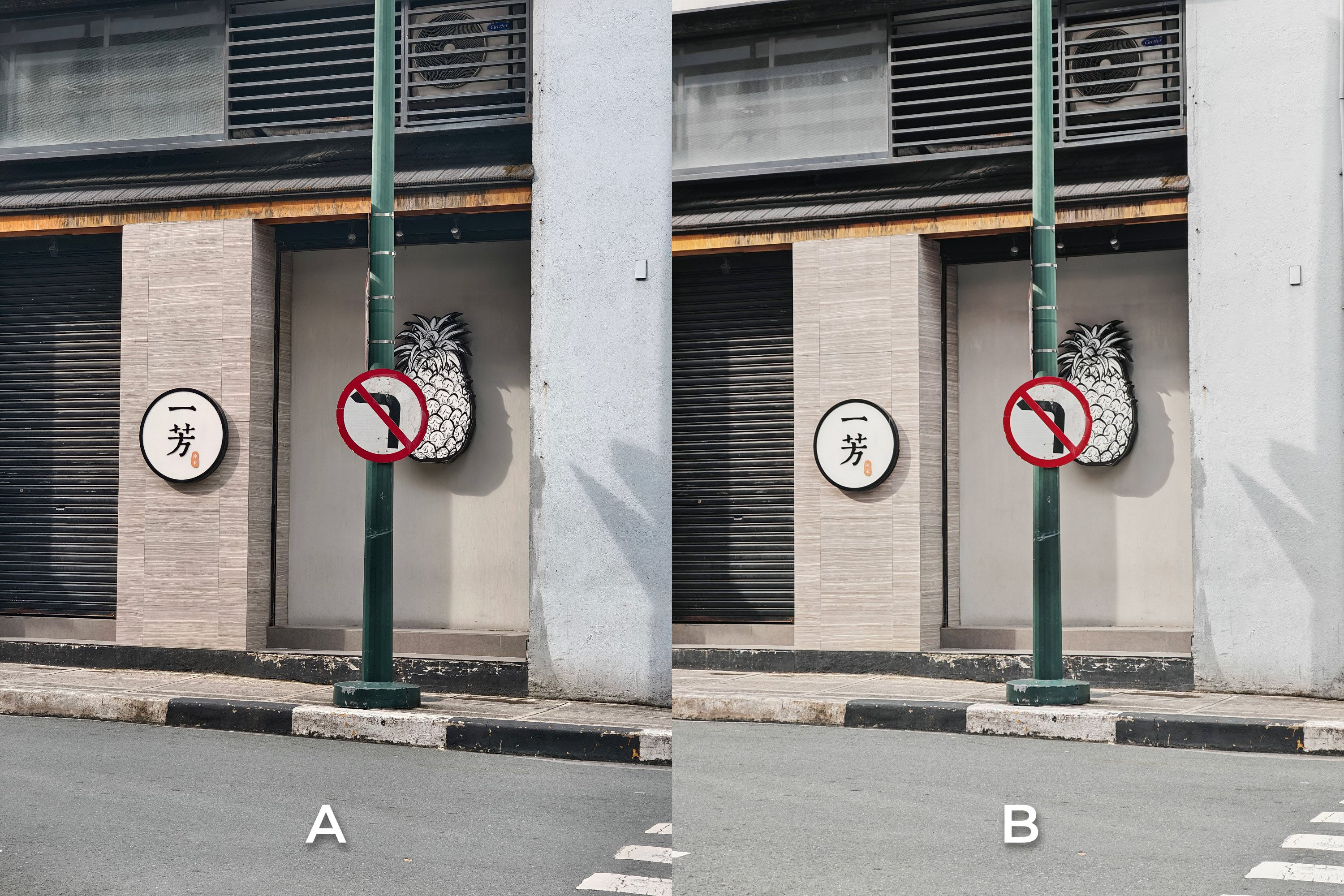
ZO2
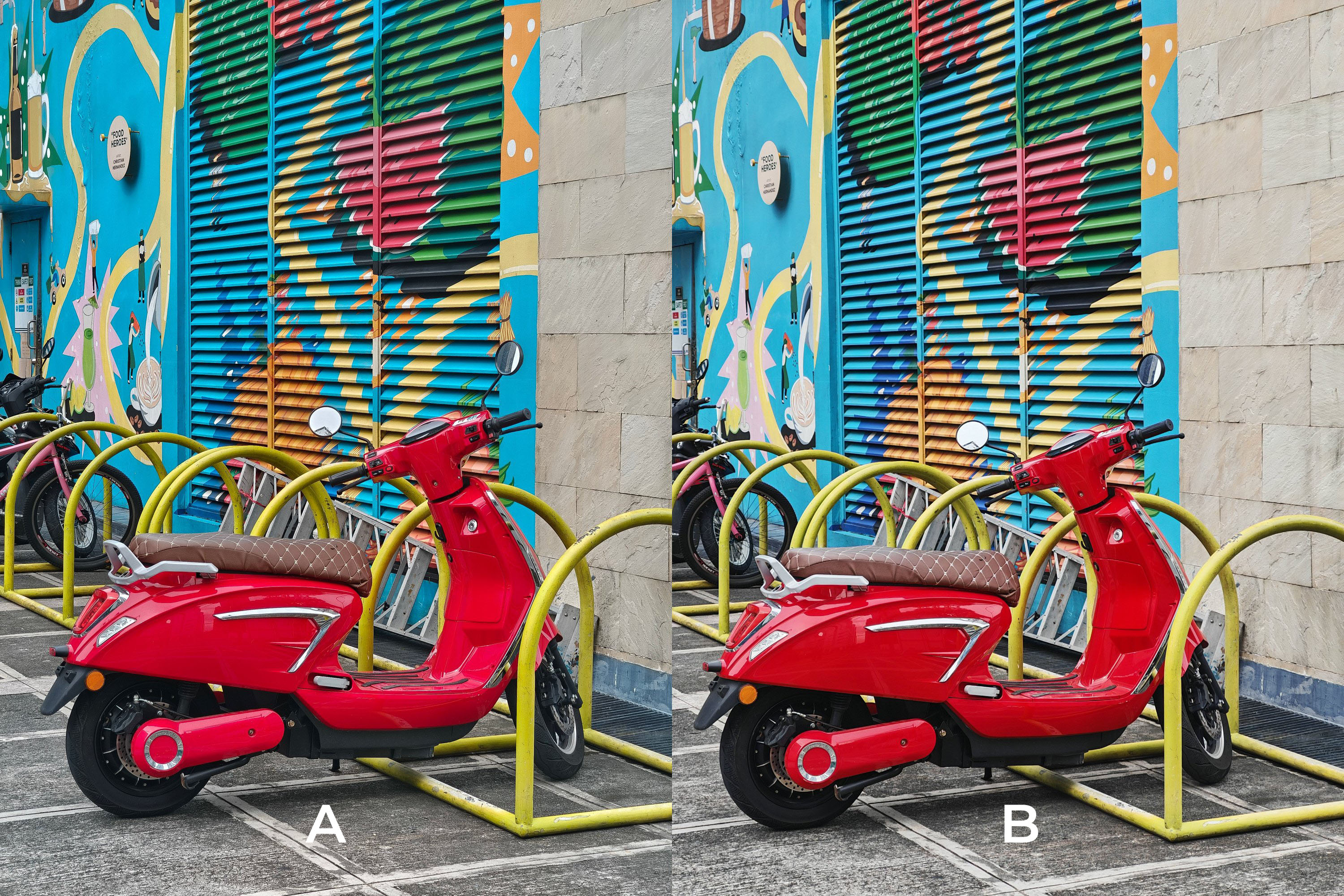
ZO3
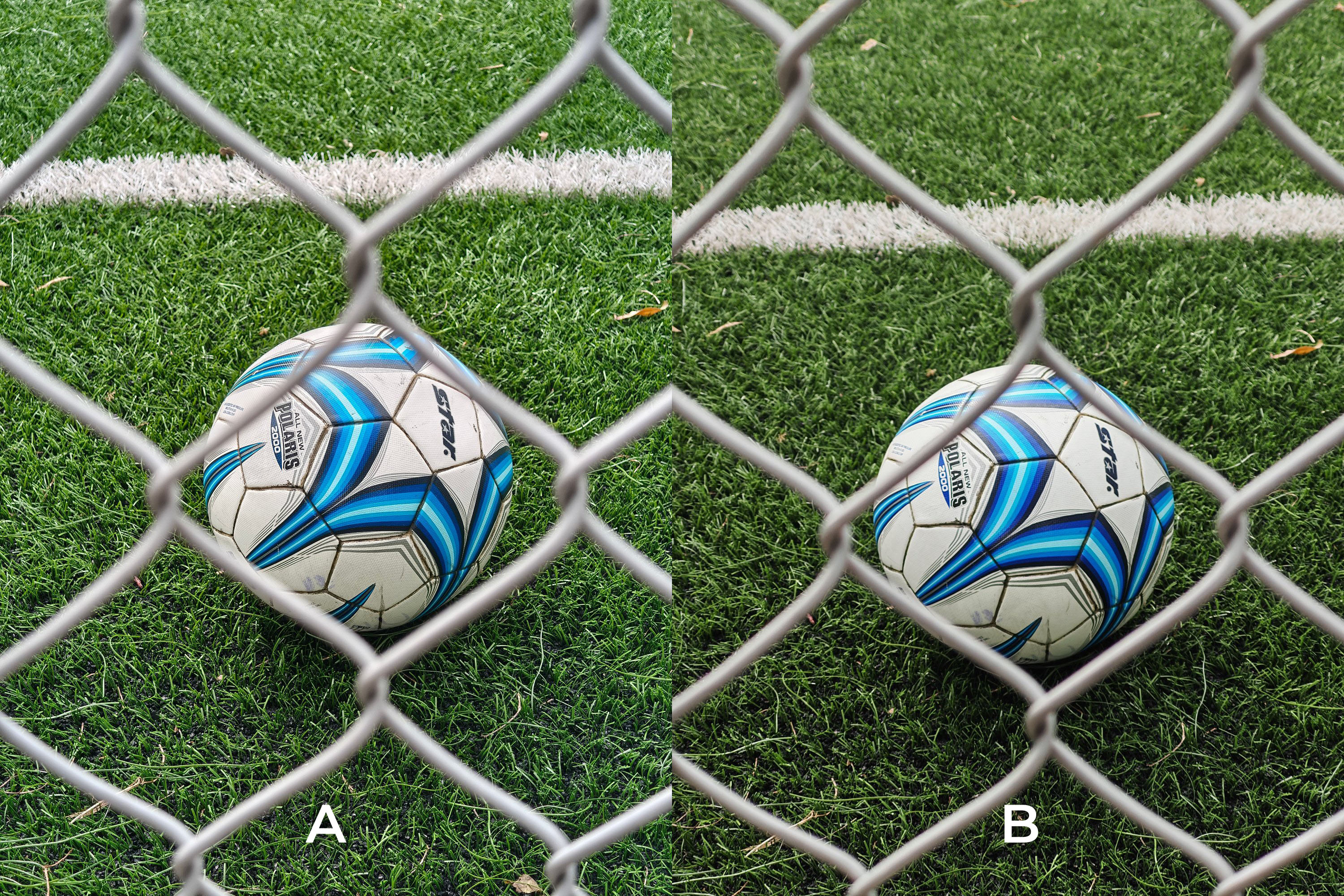
ZO4

ZO5

ZO6

ZO7

ZO8
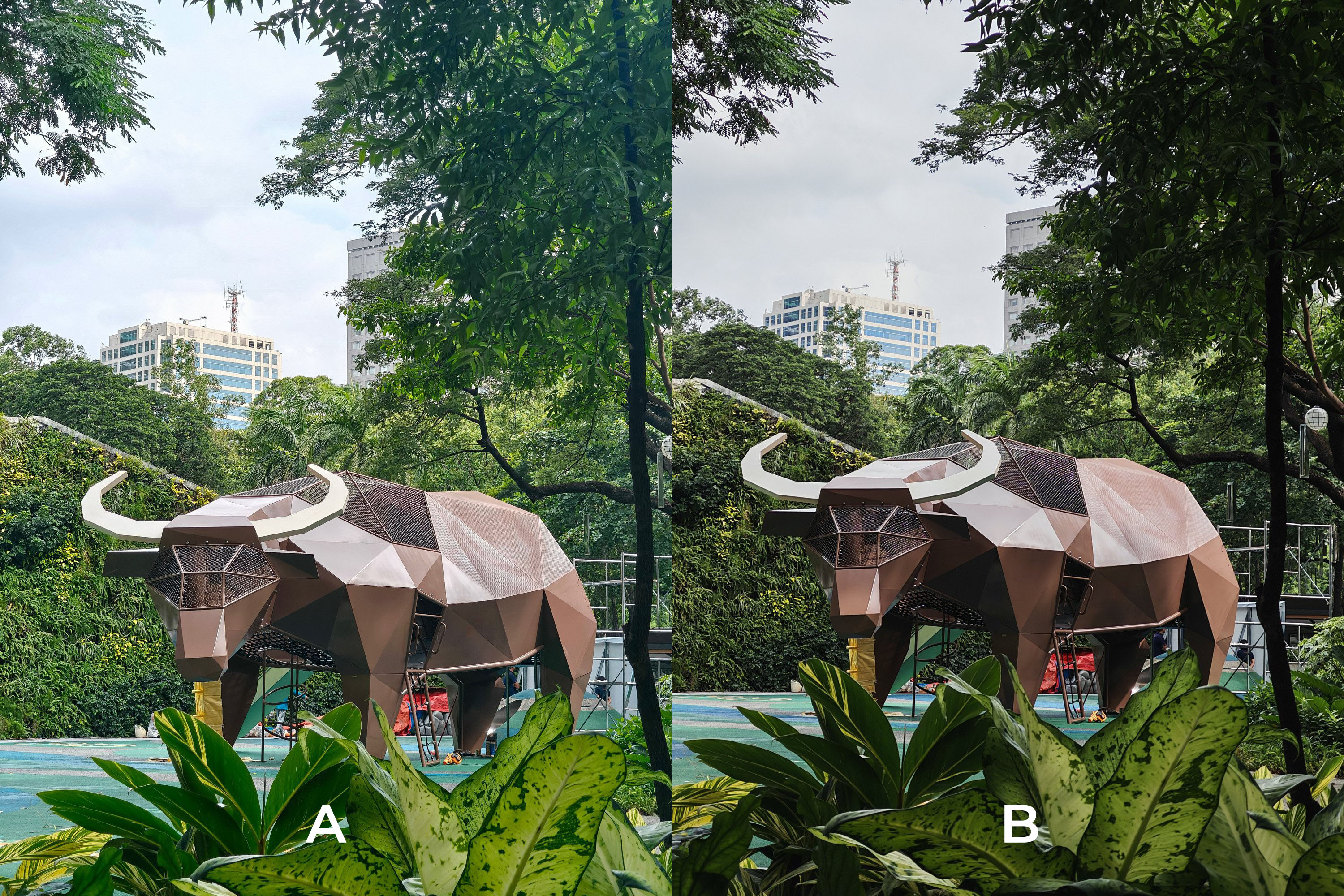
ZO9

ZO10
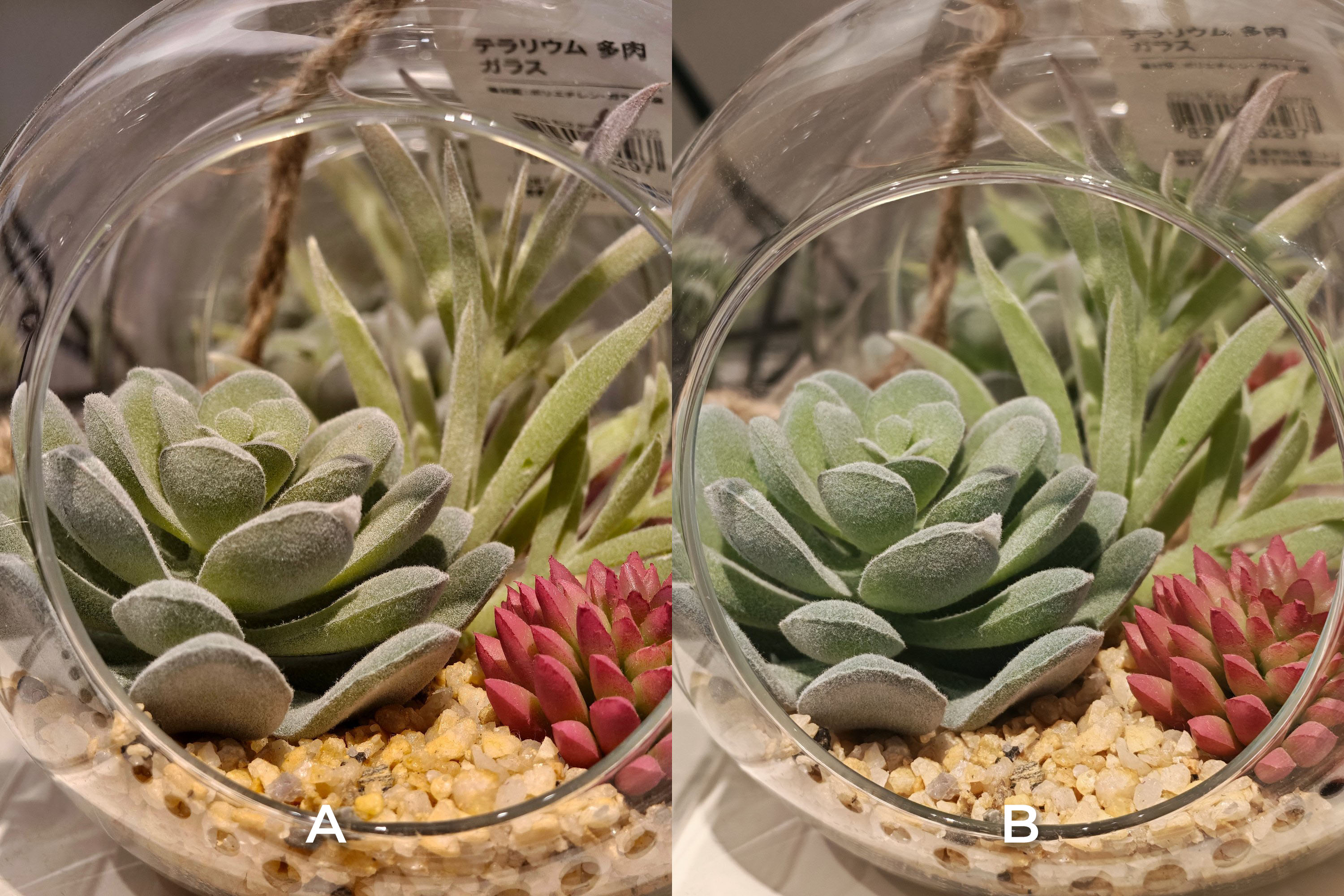
ZO11

ZO12

ZO13

Beyond 5x Zoom
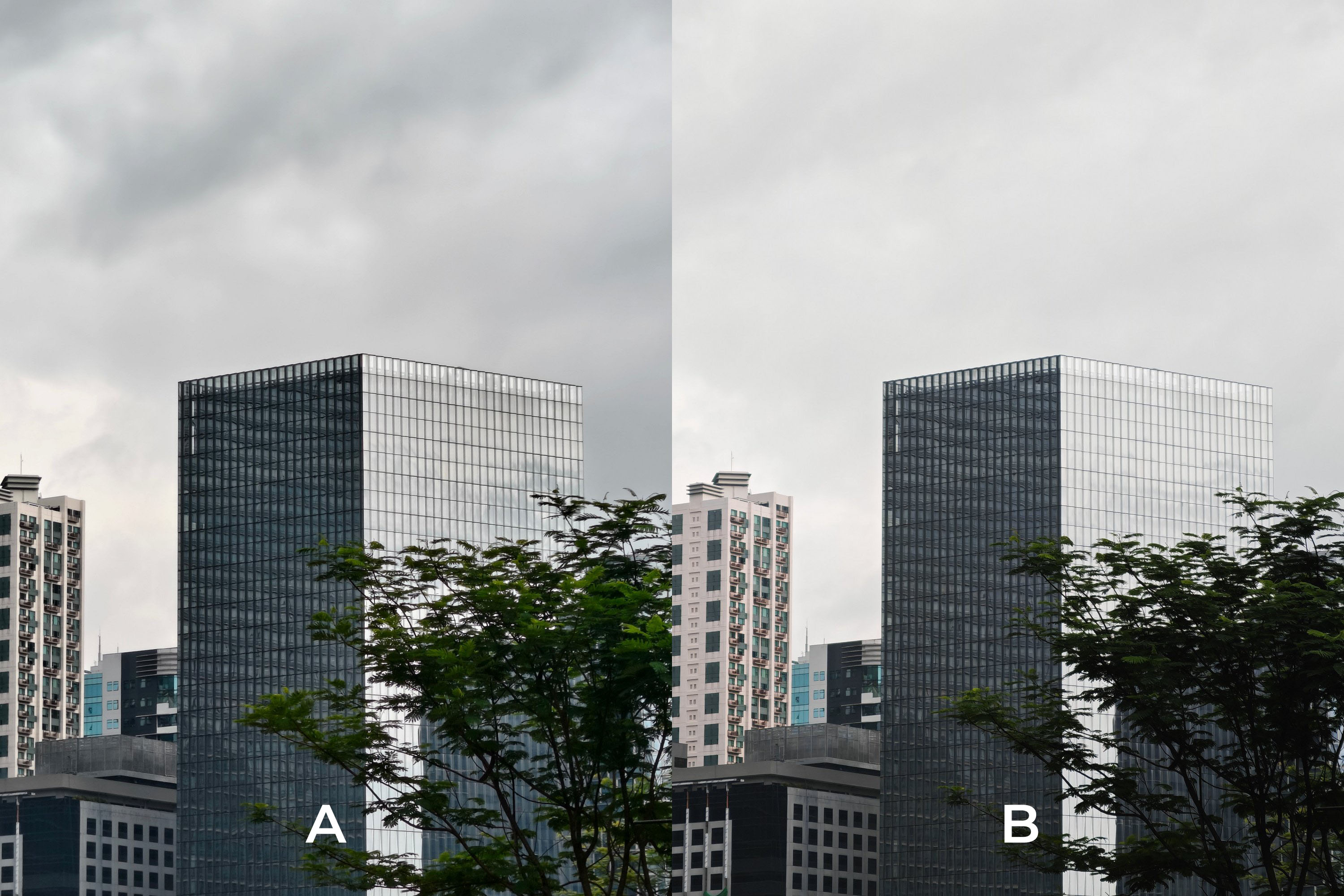
Given that both phones are capable of shooting optically up to 3x, how can each phone go beyond 5x zoom?
ZB1

ZB2

ZB3

ZB4

ZB5

ZB6

ZB7
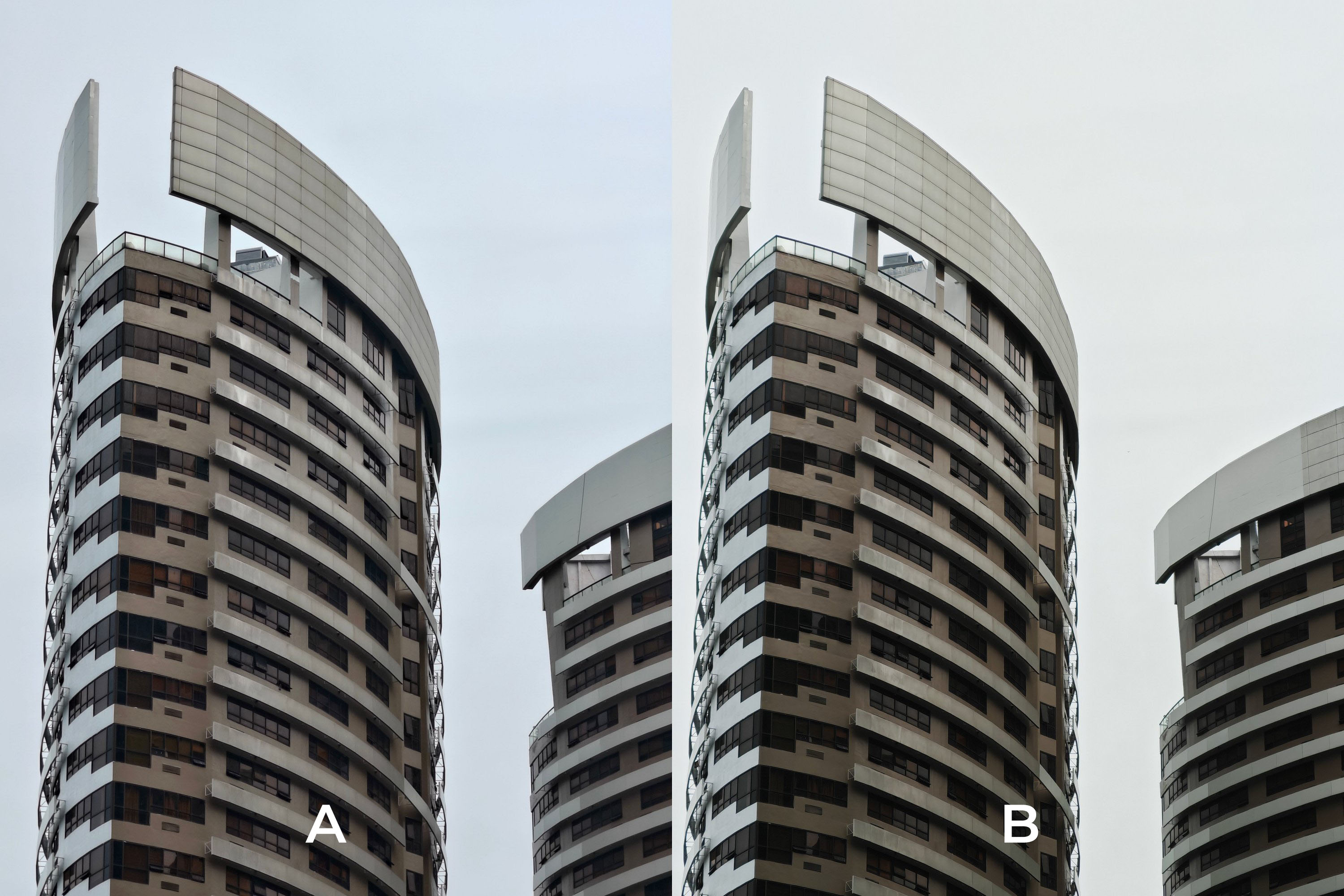
ZB8

ZB9
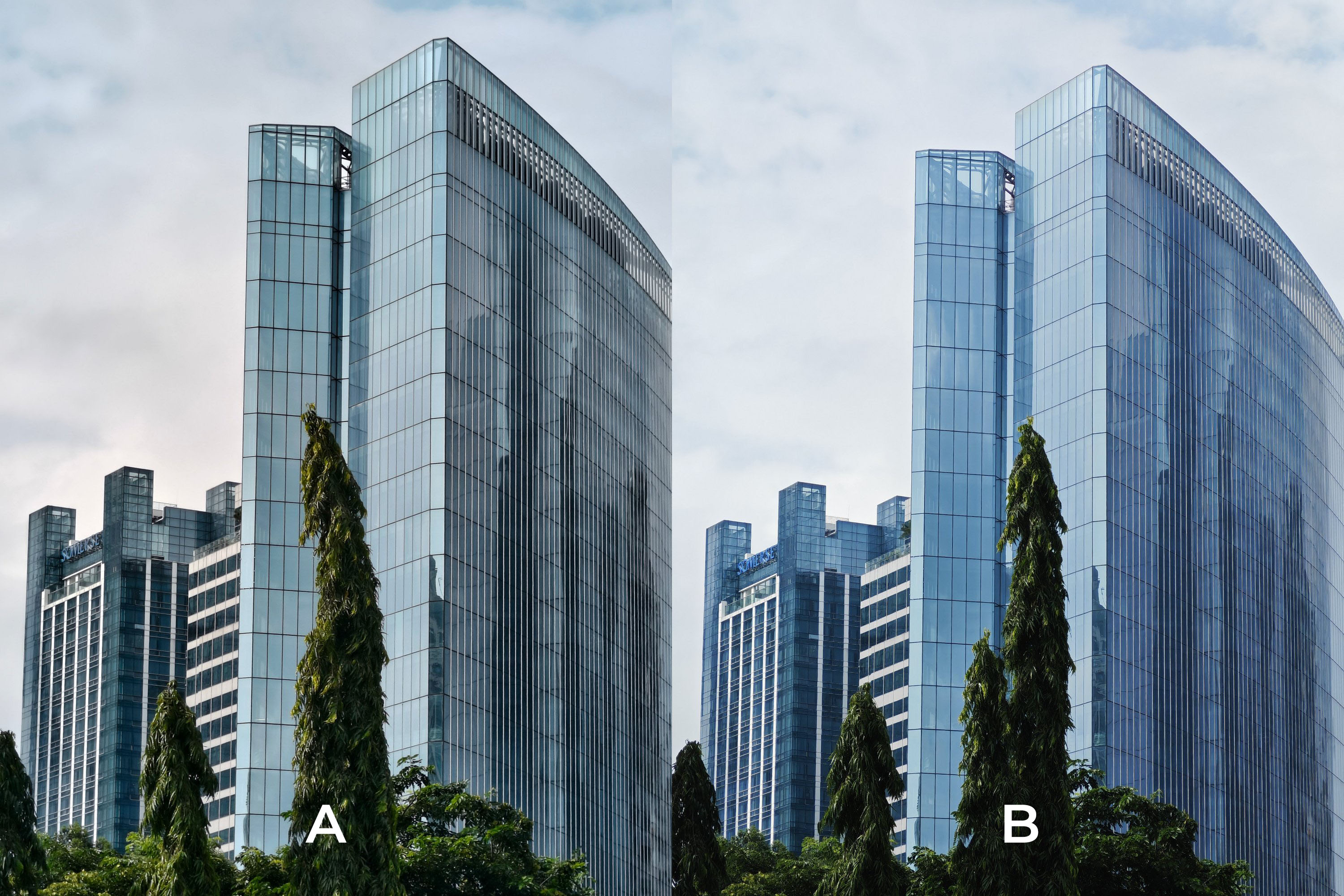
ZB10
Food
Hardware is one. Software is for another.
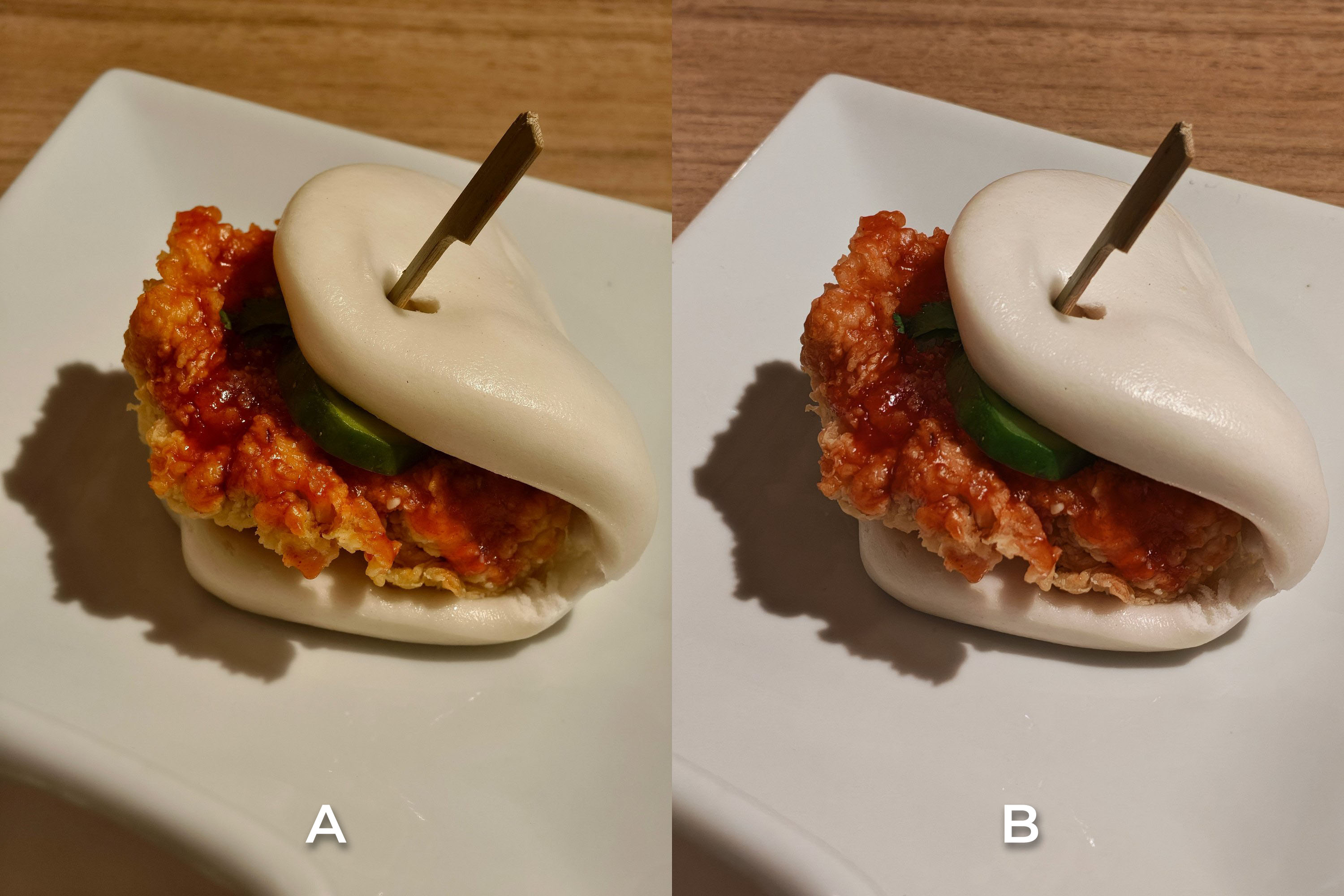
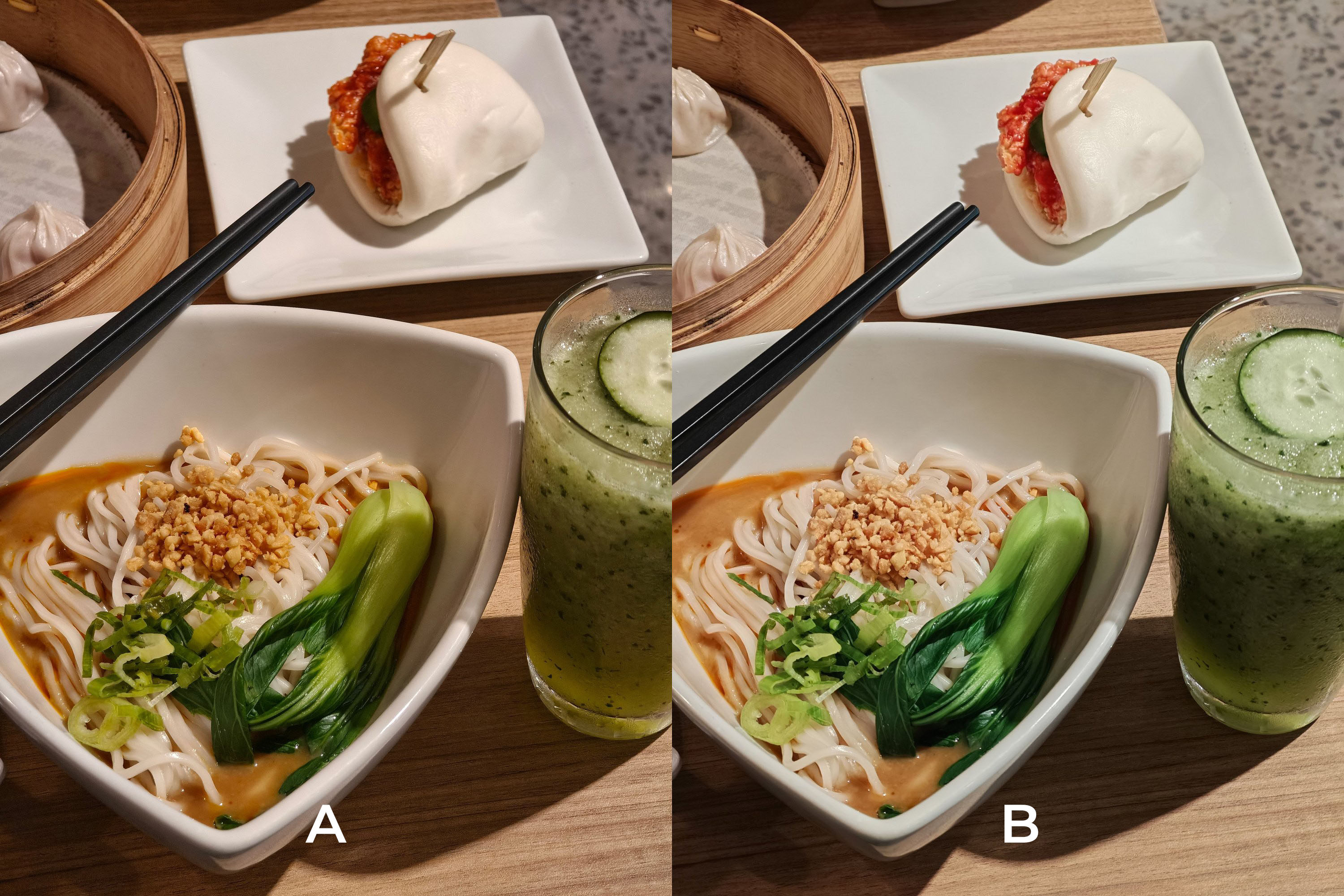
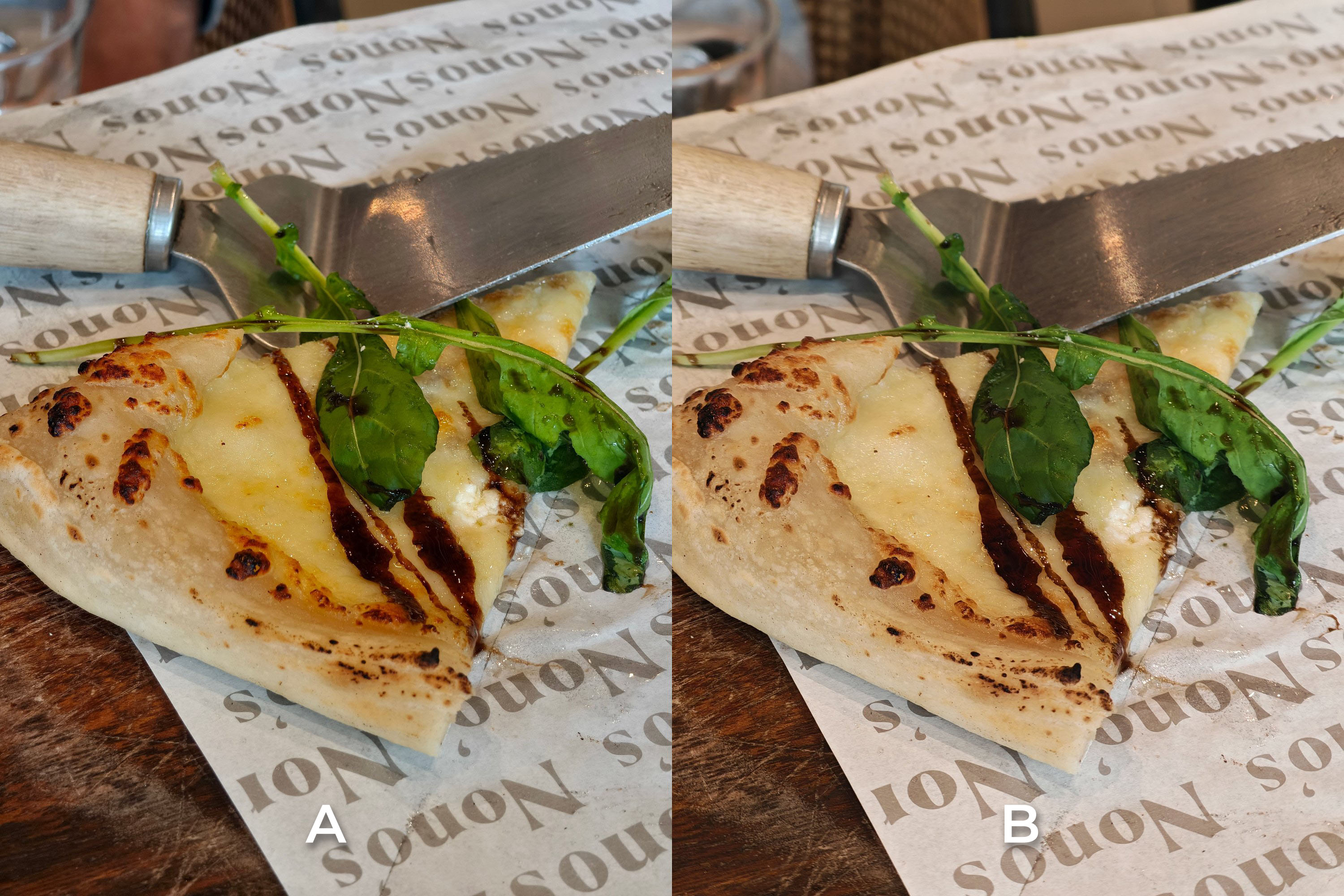
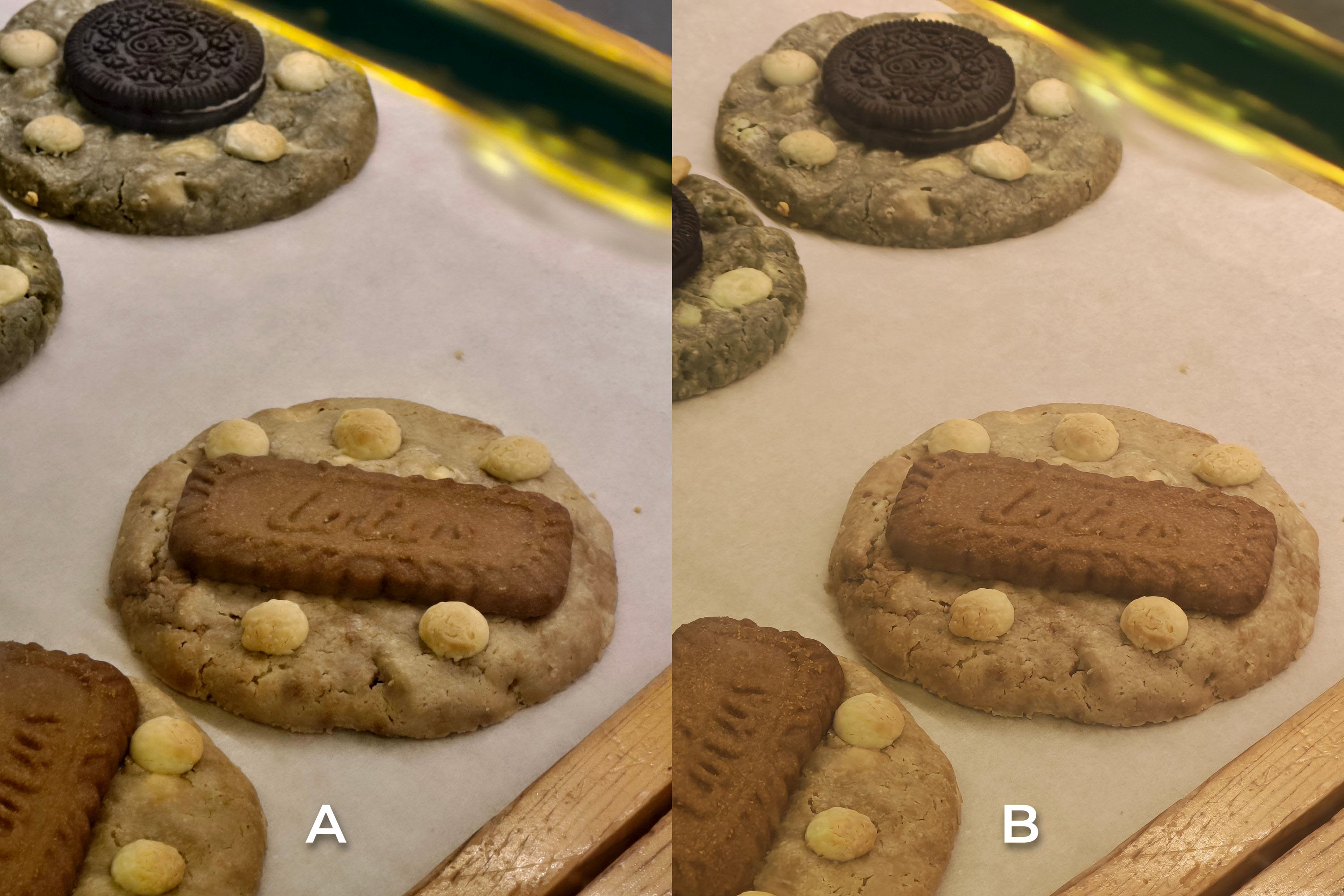
Food shots are one of the best ways to know how good (or bad) a phone is when it comes to photo quality and color accuracy.
F1

F2A

F2B
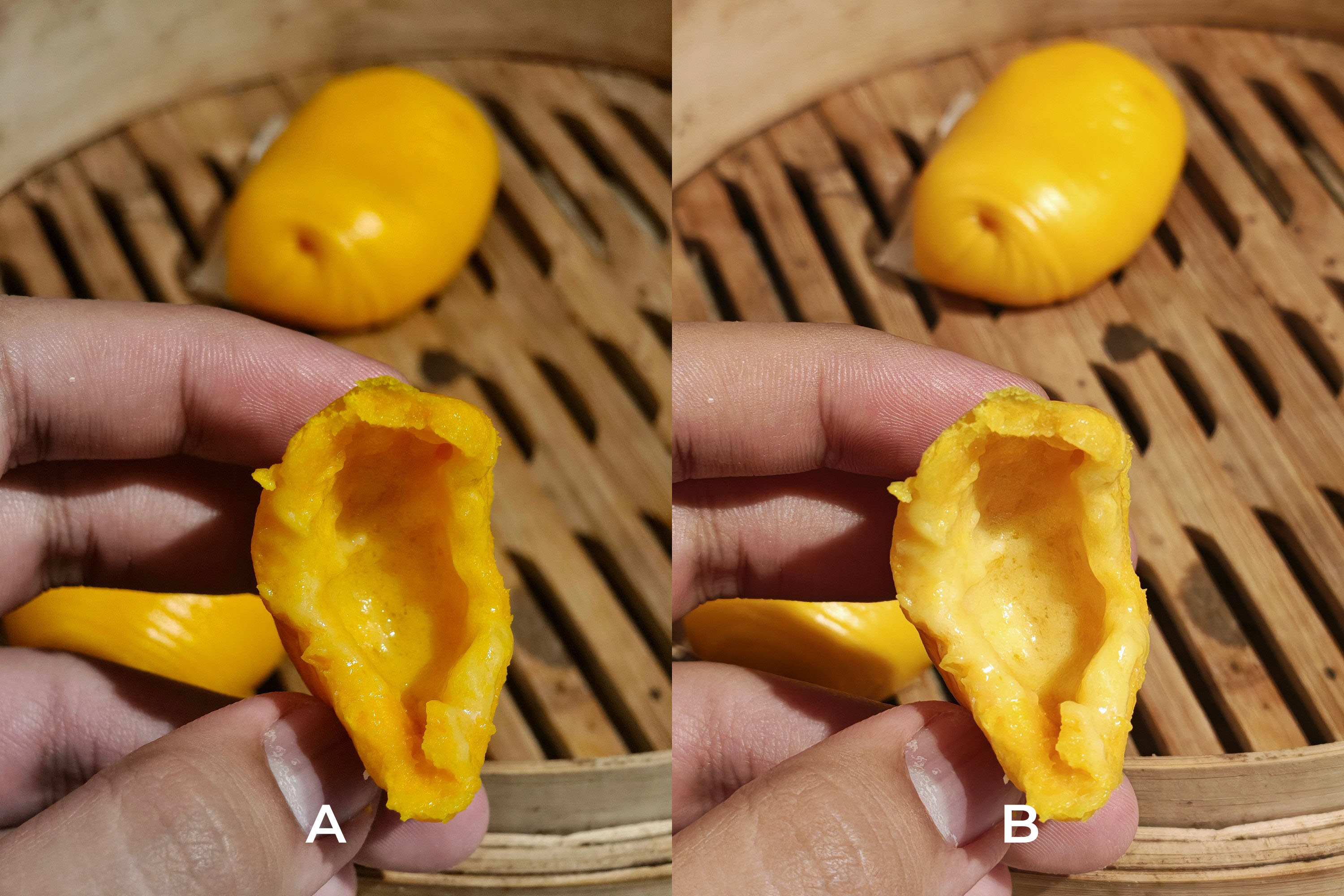
F3A
F3B
F4
F5
Portrait Mode
Taking creamy~licious portraits shouldn’t be a rare feat among modern-day midrangers.
But can TECNO’s standard Portrait Mode compete with HONOR’s Harcourt prowess?
PM1
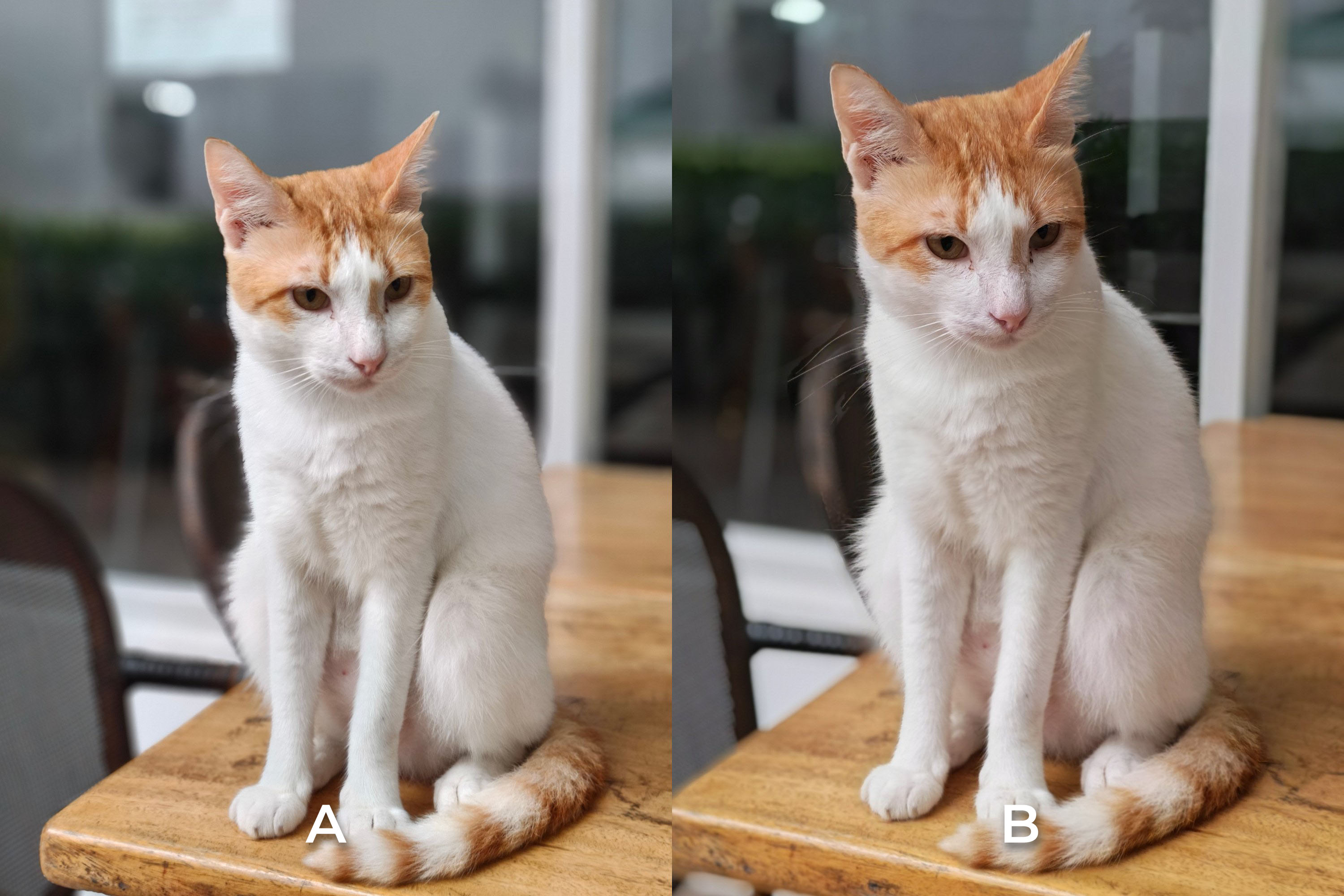
PM2

PM3

PM4

PM5

Low-Light
I said it before and I’ll say it again.
Taking shots in low-light is what makes or breaks a phone’s photography performance.
LL1

LL2
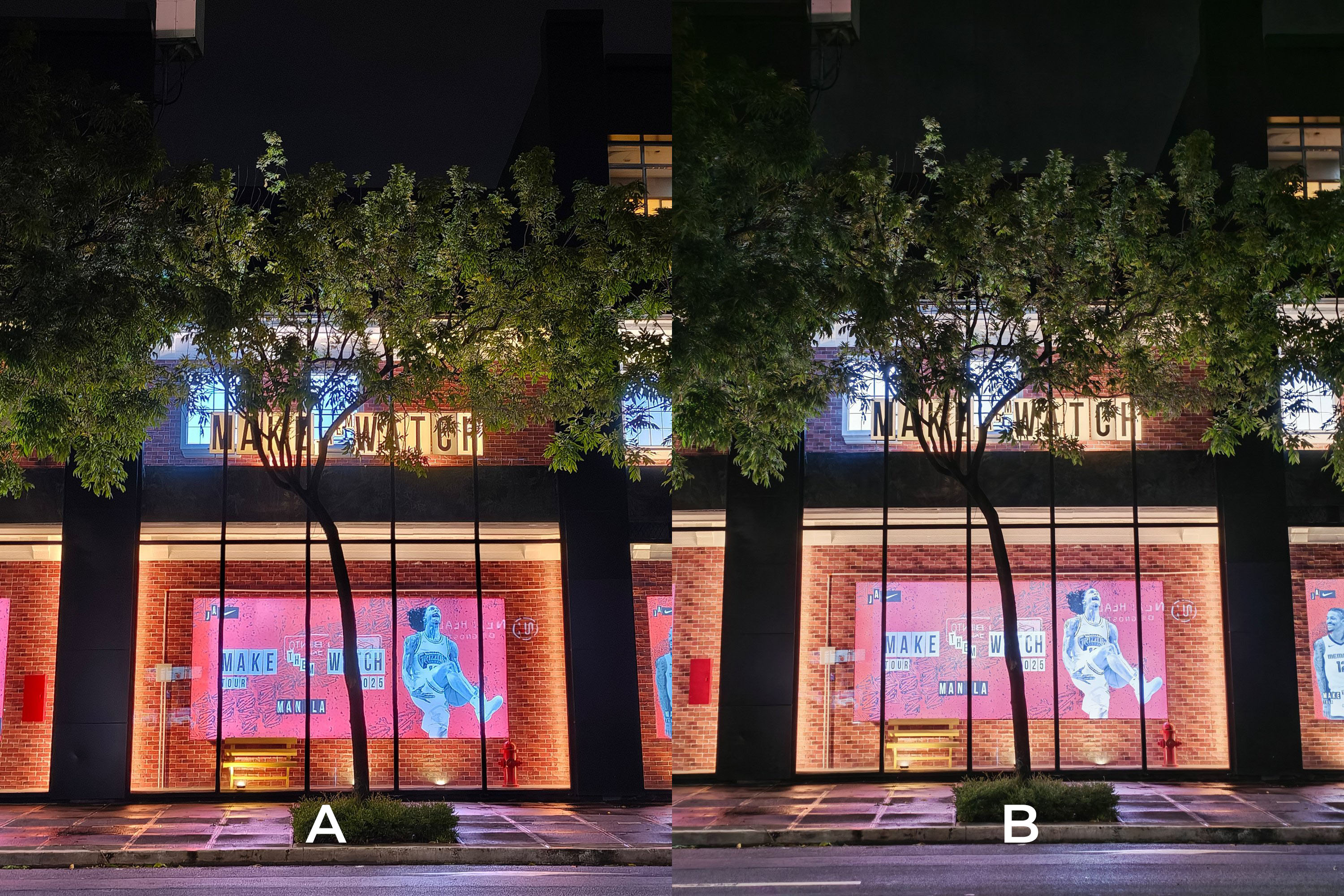
LL3
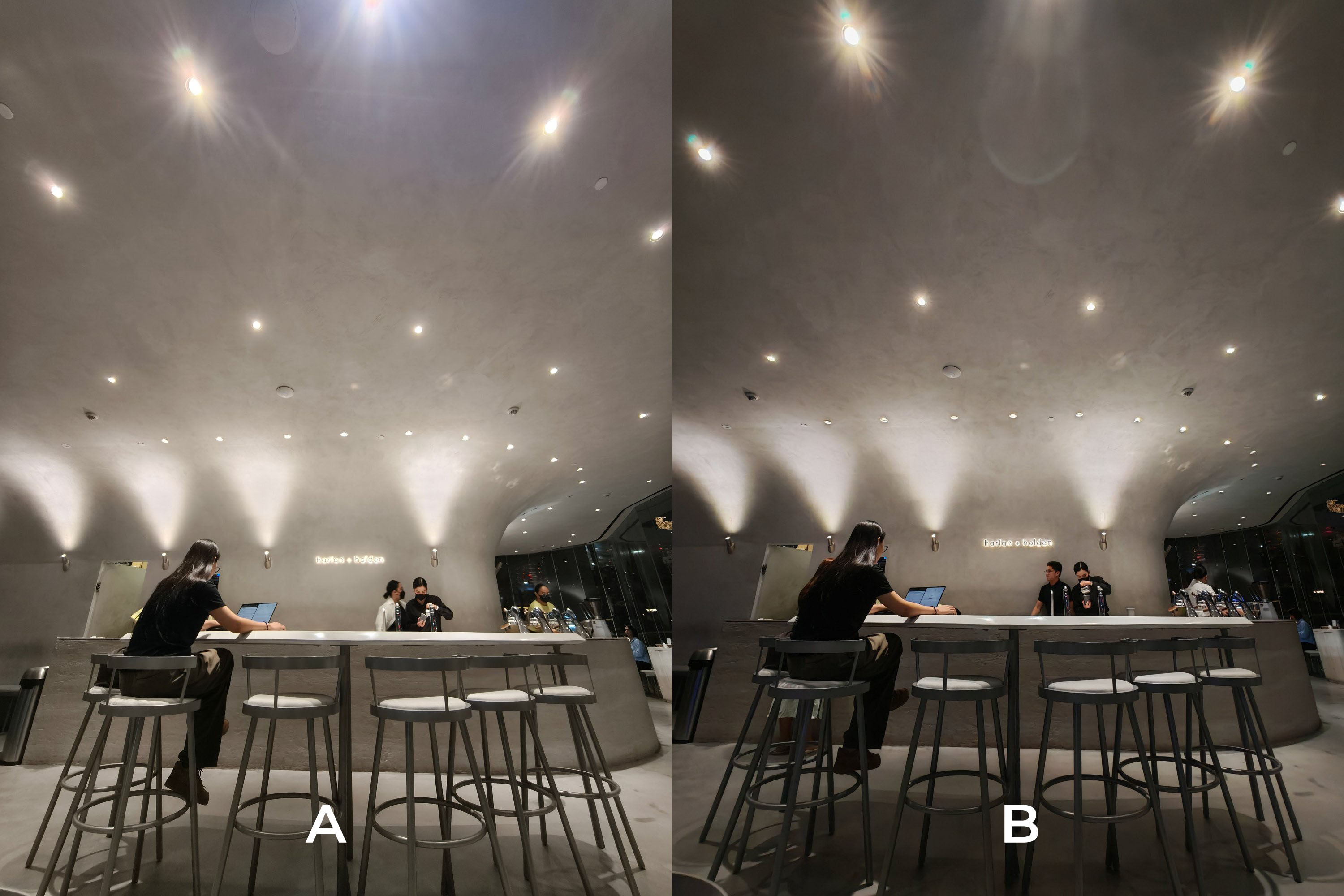
LL4

LL5
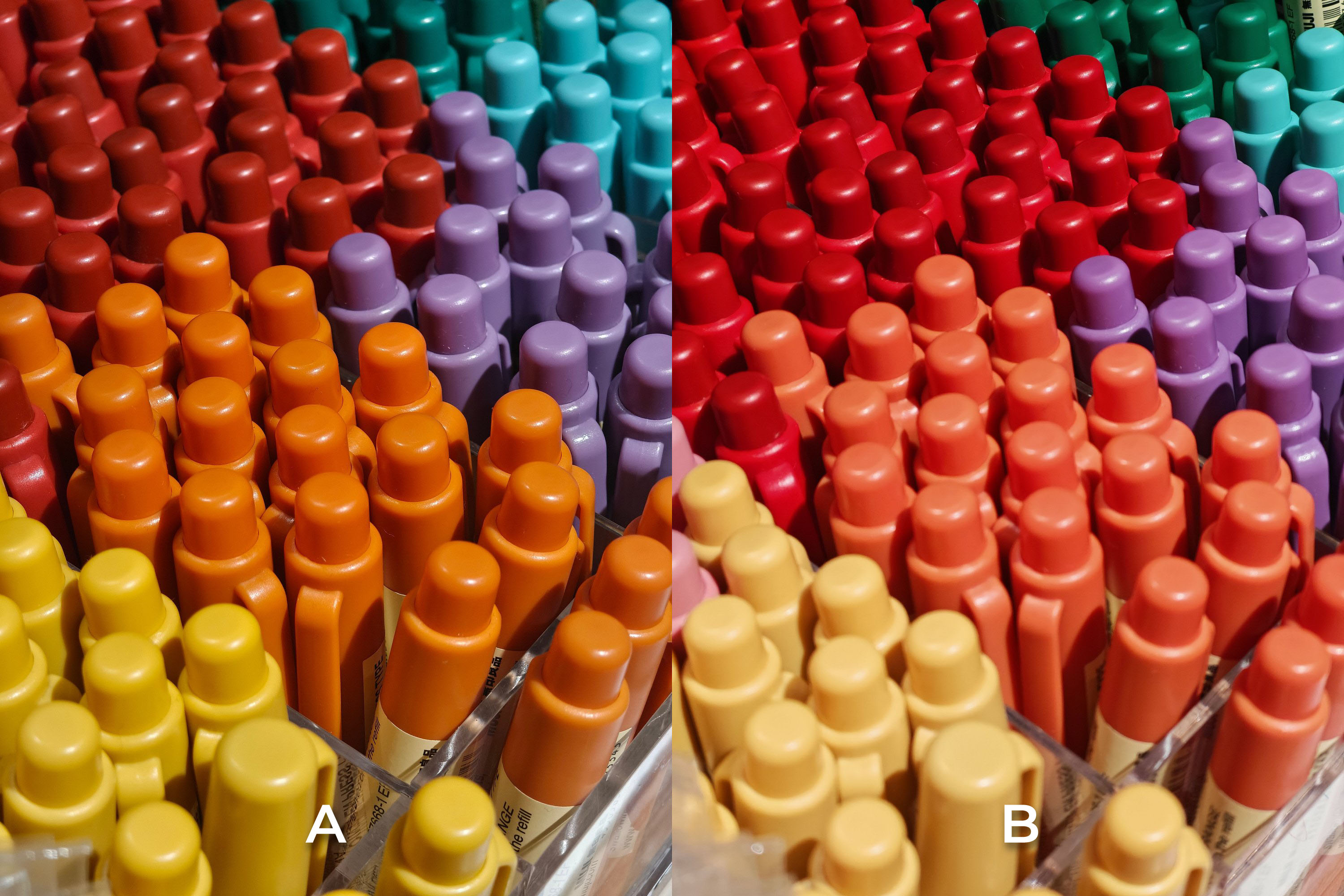
BONUS: Selfie
B1A | Ultra-Wide Portrait ON

B1B | 1x Wide Portrait ON

B2A | 1x Wide Portrait OFF

B2B | Ultra-Wide Portrait OFF

Results
Notice a pattern? Or lack thereof?
Well, the results are definitely consistent.
Conclusion
At first, it’s kind of hard to distinguish which phone is which.
For instance, the ultra-wide, 1x wide, and 2x photos of the TECNO CAMON 40 Premier leaned more onto the cooler side. However, the contrary happens in Sample Sets M5 / M8 / M9 where the shots are warmer than its HONOR counterpart.

If you zoom in further, HONOR 400 Pro’s 200MP main sensor doesn’t have a huge advantage — delivering somewhat the same amount of detail compared to the CAMON 40 Premier.
Except for Photos ZO6 / ZO8 / ZO9 / ZB7 / ZB8, consistency in warmness continues among photos taken in the CAMON 40 Premier’s 3x periscope zoom lens.
How natural is “Natural”?
Despite choosing the “Natural” Color Mode in the HONOR 400 Pro, Sets M4 / ZO12 / ZO13 / LL5 truly showed lack of saturation with its washed out photos. That same look is even evident in 5 out of 7 food shots.
It also struggles to capture a balanced dynamic range. Making Set M3 as an example, look at how blown-out the highlights of the night lights have turned out in HONOR versus TECNO.
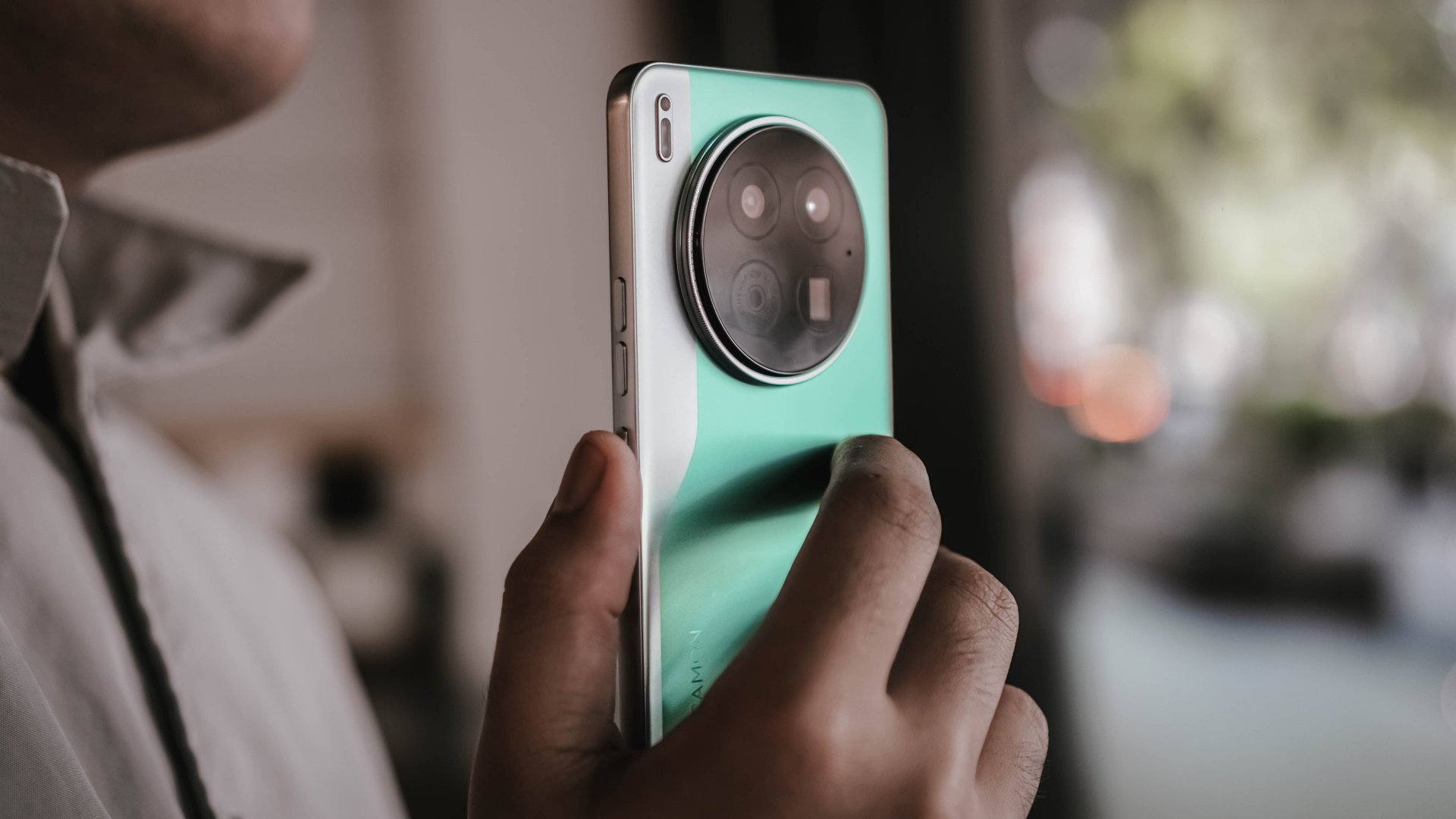
There were times when HONOR takes brighter photos but at the expense of amping up shadows and losing contrast (M4 / M8 / ZB2 / ZB3). Inconsistently, the results turned out the other way around in Sets U1 / U2 / U4 with lower exposure and darker shadows.
Photos taken at night also looked dimmer versus TECNO’s post-ready low-light takes.
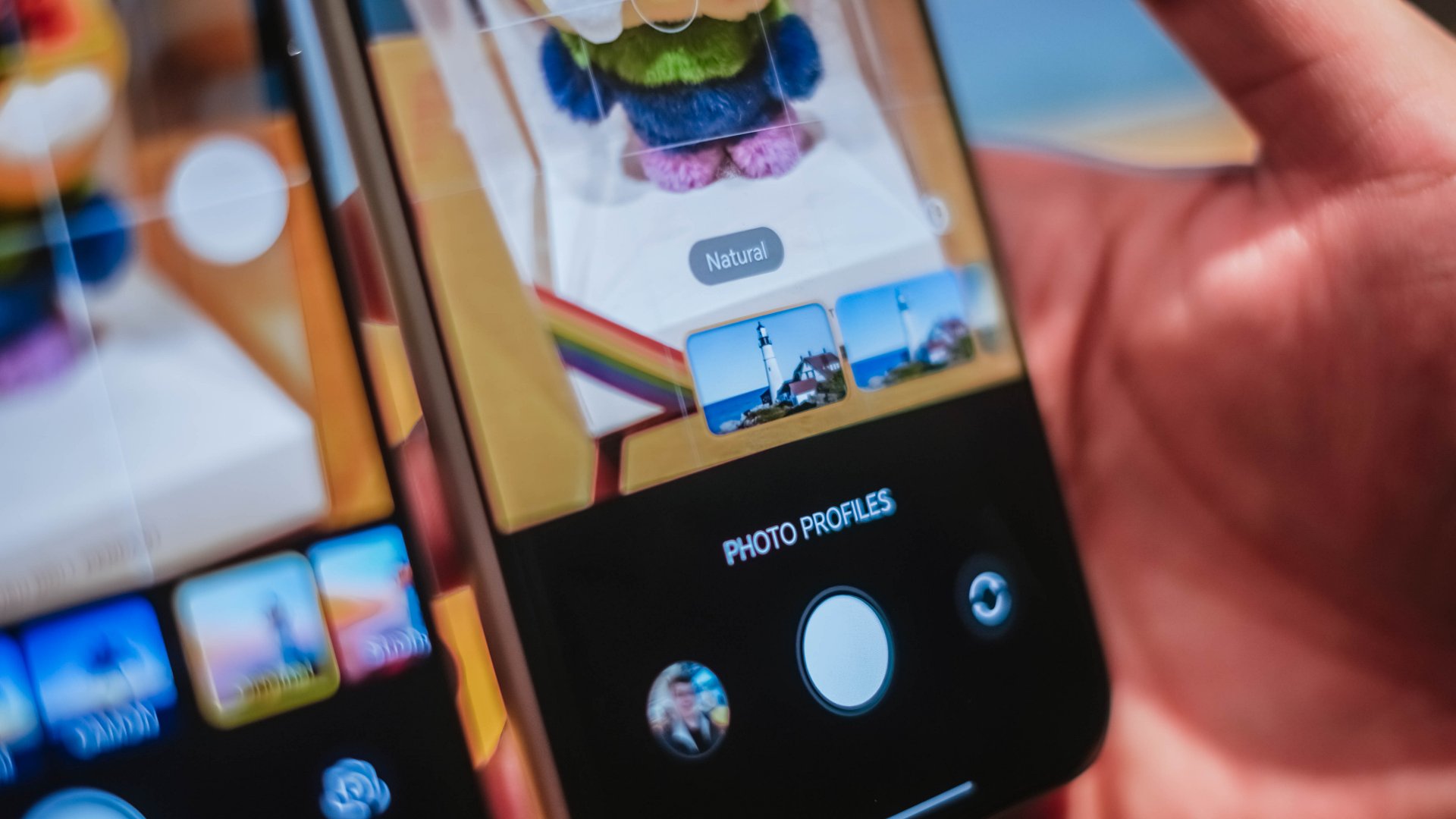
HONOR’s “Natural” color profile doesn’t look natural at all with its inaccuracy and inconsistencies compared to how I / we perceive the actual subjects in real life.
That’s not to say the HONOR 400 Pro produces bad photos. Honestly, there are times where I preferred the HONOR more — Samples ZO6 / ZB7 / ZB8 / ZB9 are living proof to that.

If there’s a category where I think HONOR has nailed, it’s definitely the Portrait Mode with better shots and depth segmentation, properly showcasing its Harcourt specialty. Additionally, selfies looked better no matter where and how you look at it
Higher price ≠ Higher performance
Reiterating what I’ve said in my HONOR 400 vs vivo V50 camera showdown, the HONOR 400 Pro and TECNO CAMON 40 Premier are also two midrangers positioned in different levels of the same sailing ship.
Price-wise, the HONOR 400 Pro costs more at PhP 32,999. Meanwhile, TECNO’s CAMON 40 Premier is heaps cheaper at just PhP 21,999. That makes it a very contending smartphone in the upper-midrange space.
For the same price, you’ll only get the HONOR 400 at PhP 22,999 along its absence of a dedicated telephoto lens.
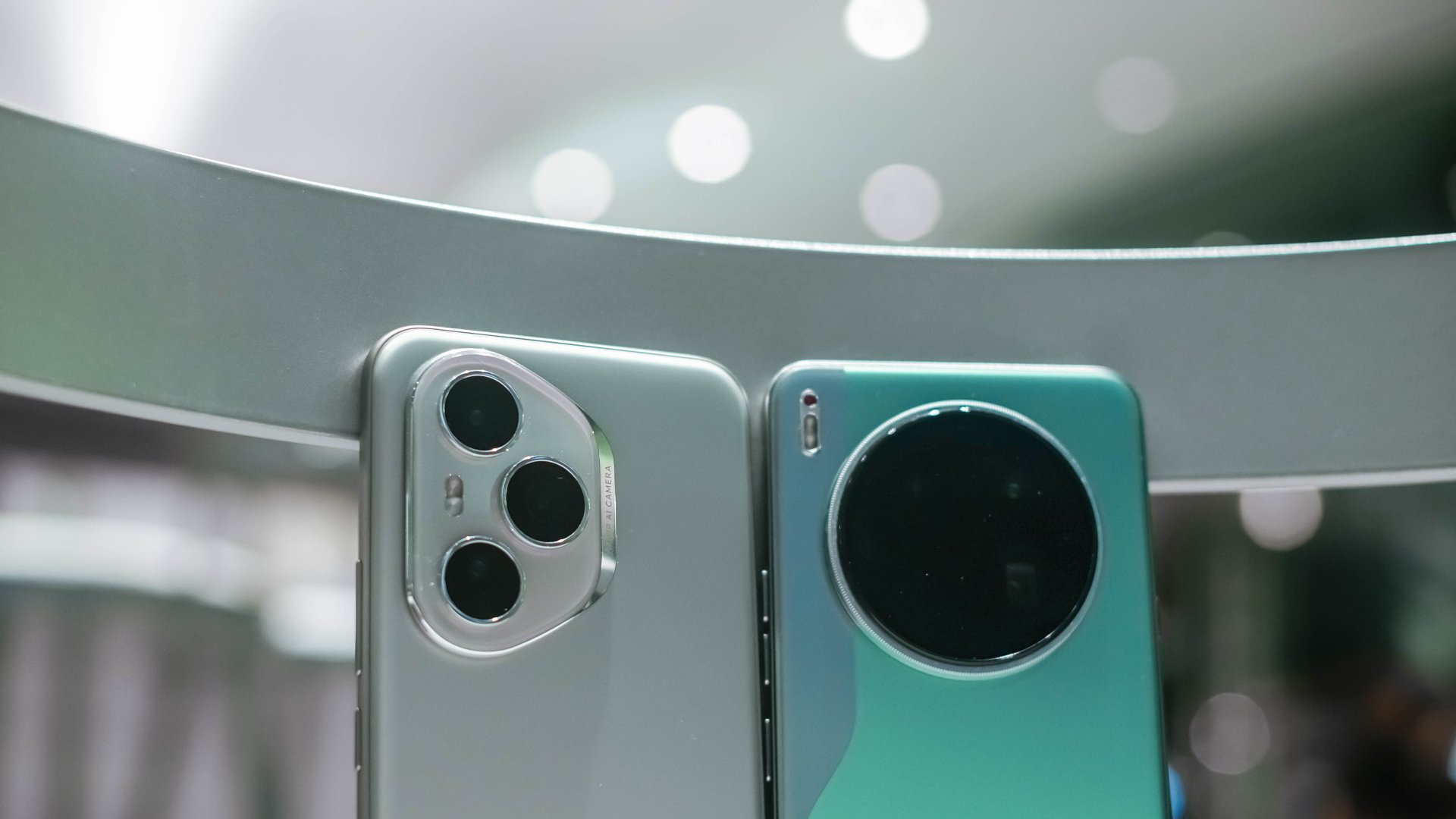
While there are more factors to consider in this huge price gap such as a faster chipset, bigger battery capacity, larger internal storage, and several other hardware nuances, it’s safe to say that a higher price tag isn’t always synonymous to having the best cameras. This camera shootout alone is just one among many testaments to that.
READ: It’s the little things that make the HONOR 400 Pro 5G a daily wonder
At the end of the day, it’s your choice as a consumer which smartphone camera (both in image quality and overall look) dominates your priorities and overall purchasing power.
Now, if you’d ask me, the TECNO CAMON 40 Premier ultimately bags that “bang for the buck” title for offering the better camera flexibility despite its more affordable price tag.

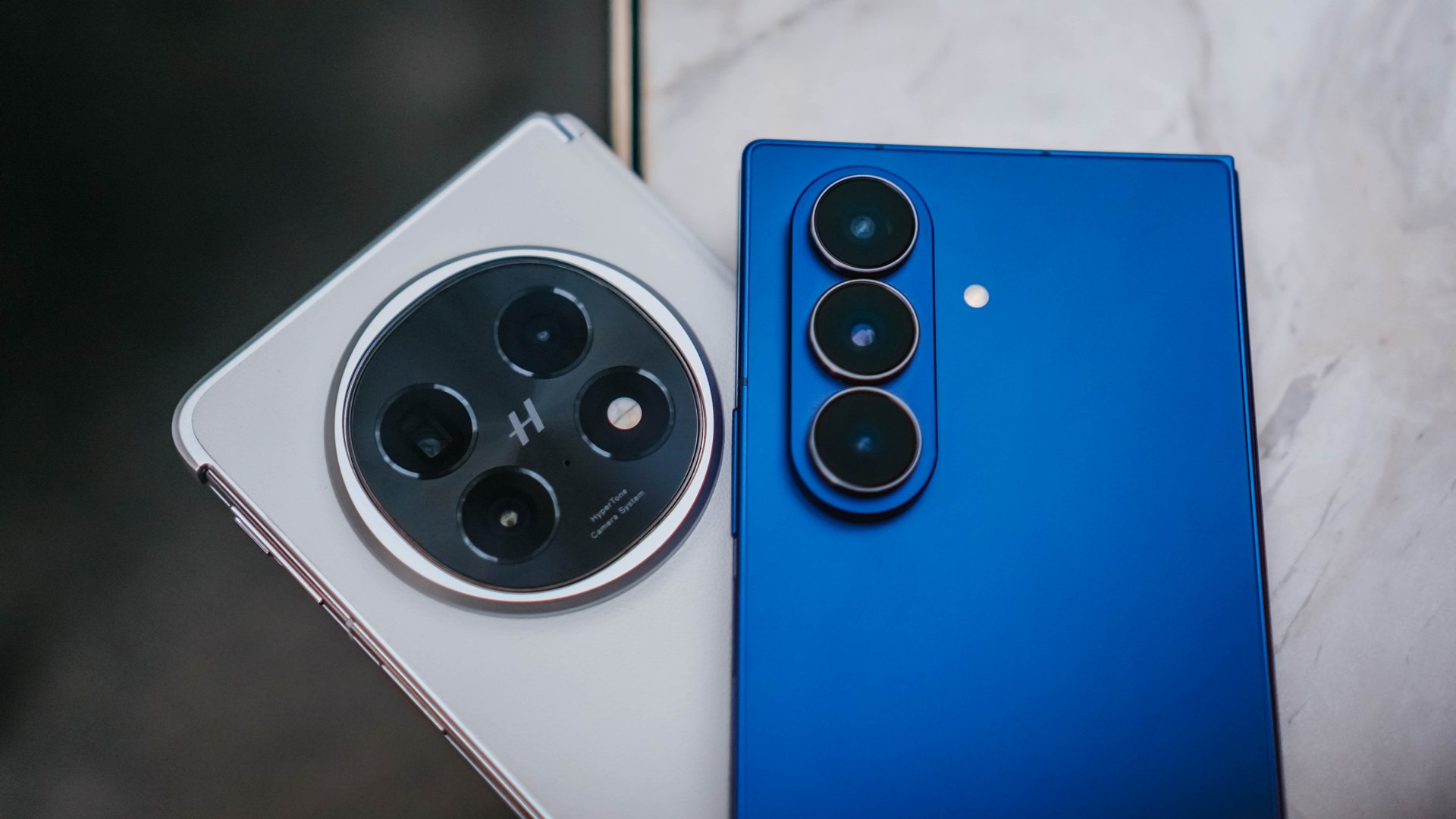
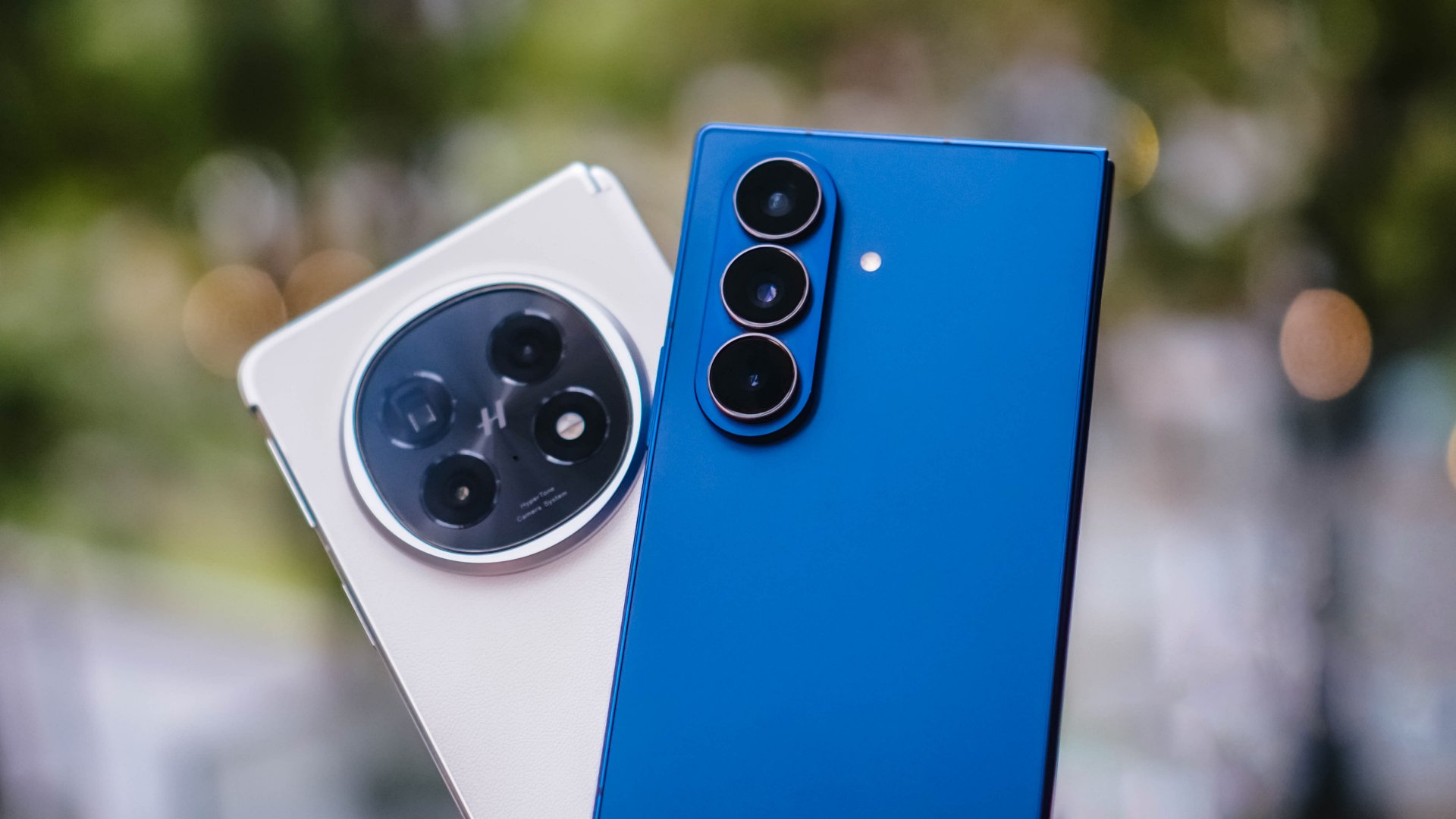
It feels like just yesterday we were comparing three foldables in one big camera shootout. In reality, it’s been a full year — and a lot has changed. This time, it’s down to two powerhouses: the Samsung Galaxy Z Fold7 and the OPPO Find N5.
Both are book-style foldables launched globally in 2025 — Samsung in July, OPPO earlier in February. Both also come with major physical changes: they’re slimmer, taller, and in the Fold7’s case, slightly wider too. But the real battle lies inside: the cameras.
Samsung brought over the 200MP main shooter from the Galaxy S25 Ultra to the Fold7. The rest of the system, however, didn’t see major changes. Meanwhile, OPPO gave the Find N5 a full-on imaging overhaul.
On paper
| Samsung Galaxy Z Fold7 | OPPO Find N5 | |
| Main Camera | 200 MP, f/1.7, 24 mm (wide), 1/1.3″, PDAF, OIS | 50 MP, f/1.89, 1/1.56″, OIS (HyperTone wide-angle) |
| Ultrawide | 12 MP, f/2.2, 120°, 1.4 µm, PDAF | (Not specified in source – likely none or under 50 MP) |
| Telephoto / Periscope | 10 MP, f/2.4, 67 mm, PDAF, OIS, 3× optical zoom | 50 MP periscope telephoto with macro (~10 cm macro) |
| Video Recording | 8K@30 fps, 4K@60 fps, 1080p@60/120/240 fps, 720p@960 fps, gyro-EIS, 10-bit HDR10+ | LivePhoto with enhanced EIS; video specs not detailed |
| Selfie Cameras | Dual 10 MP front cams (cover + inner display) | Not detailed in provided source |
Specs tell part of the story, but photos reveal the truth. As always, the only edits applied were for cropping and resizing to fit our format.
So how do they compare in real-world shooting?
W (1x)
w1

w2
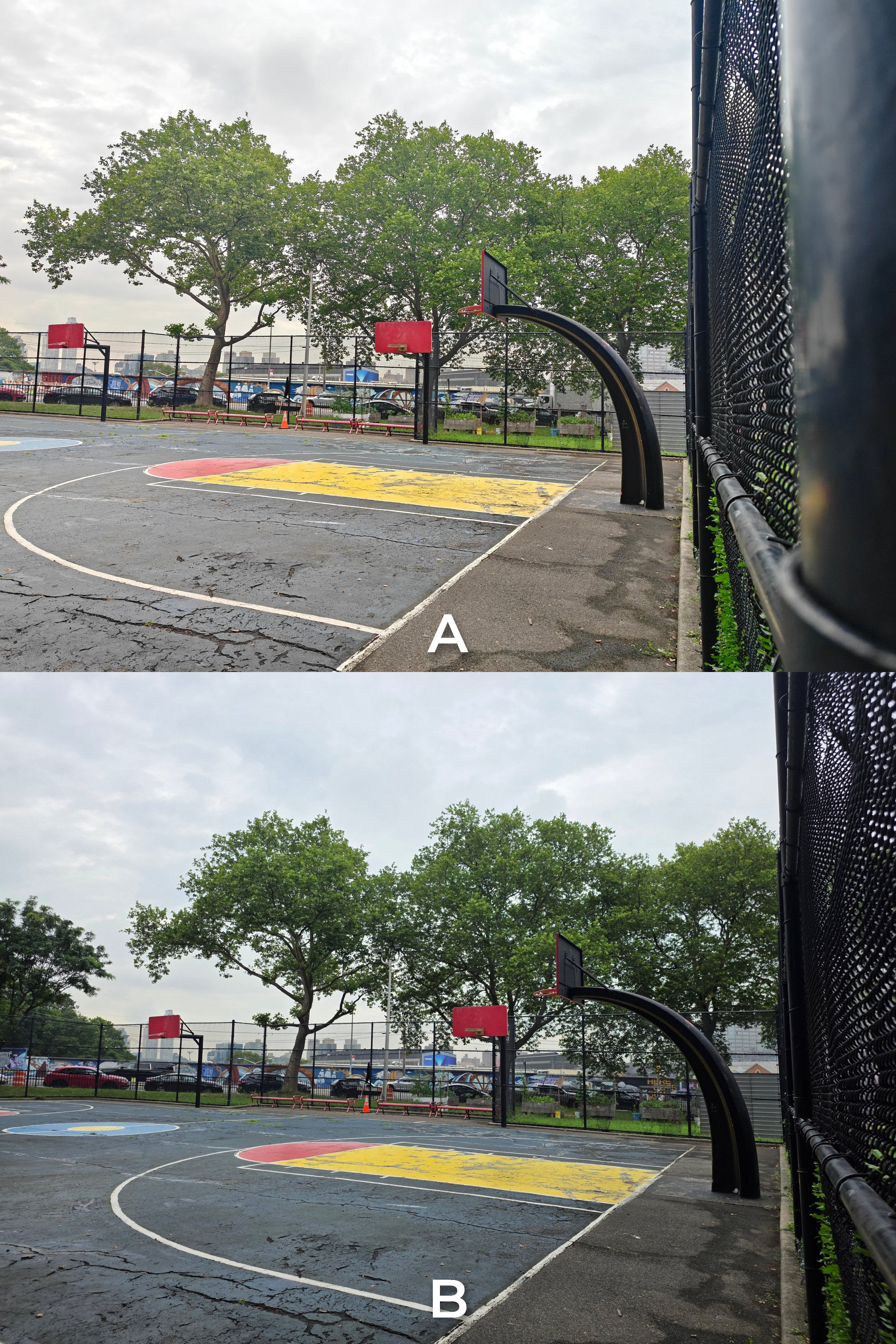
W3
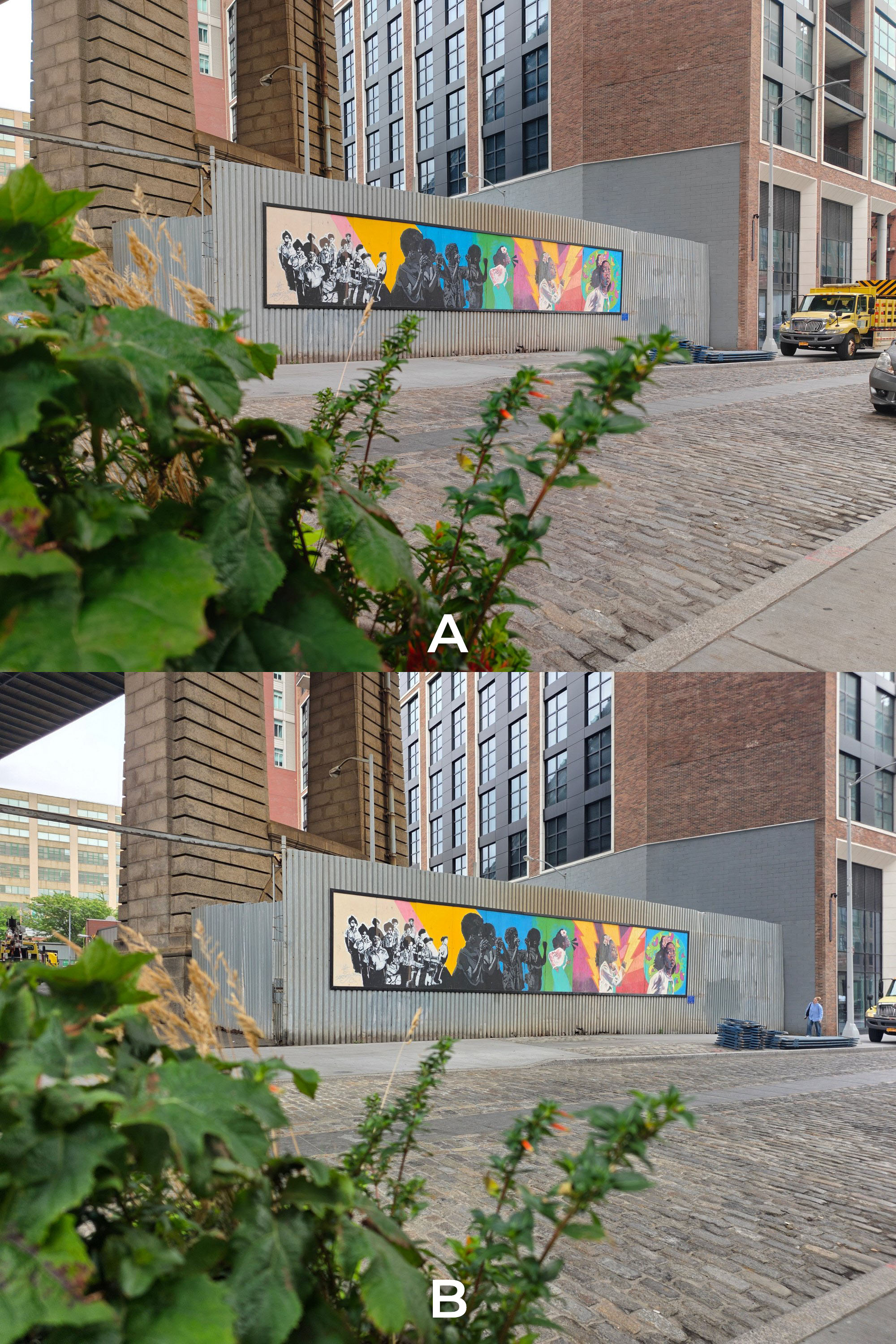
W4

W5

W6

W7
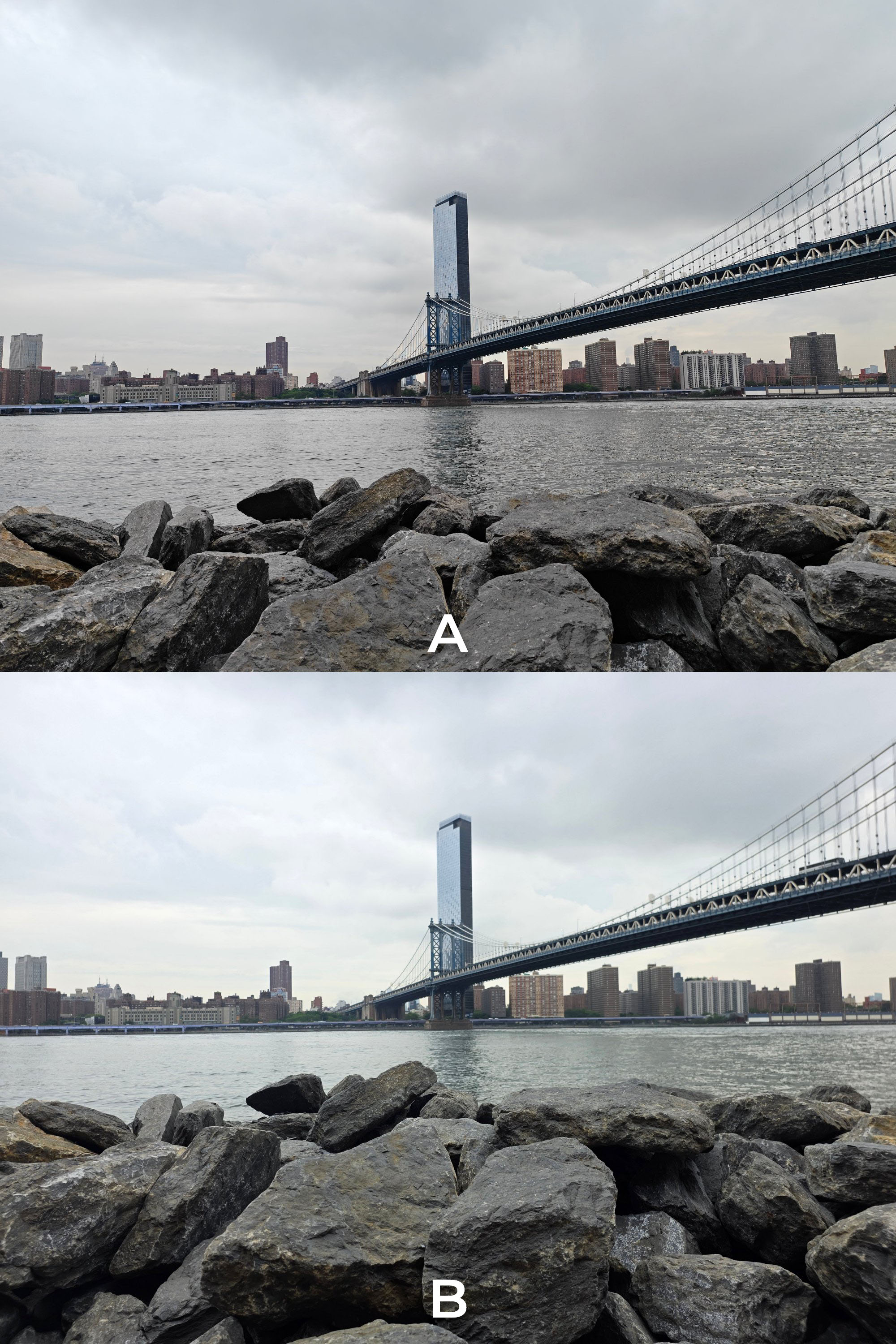
W8
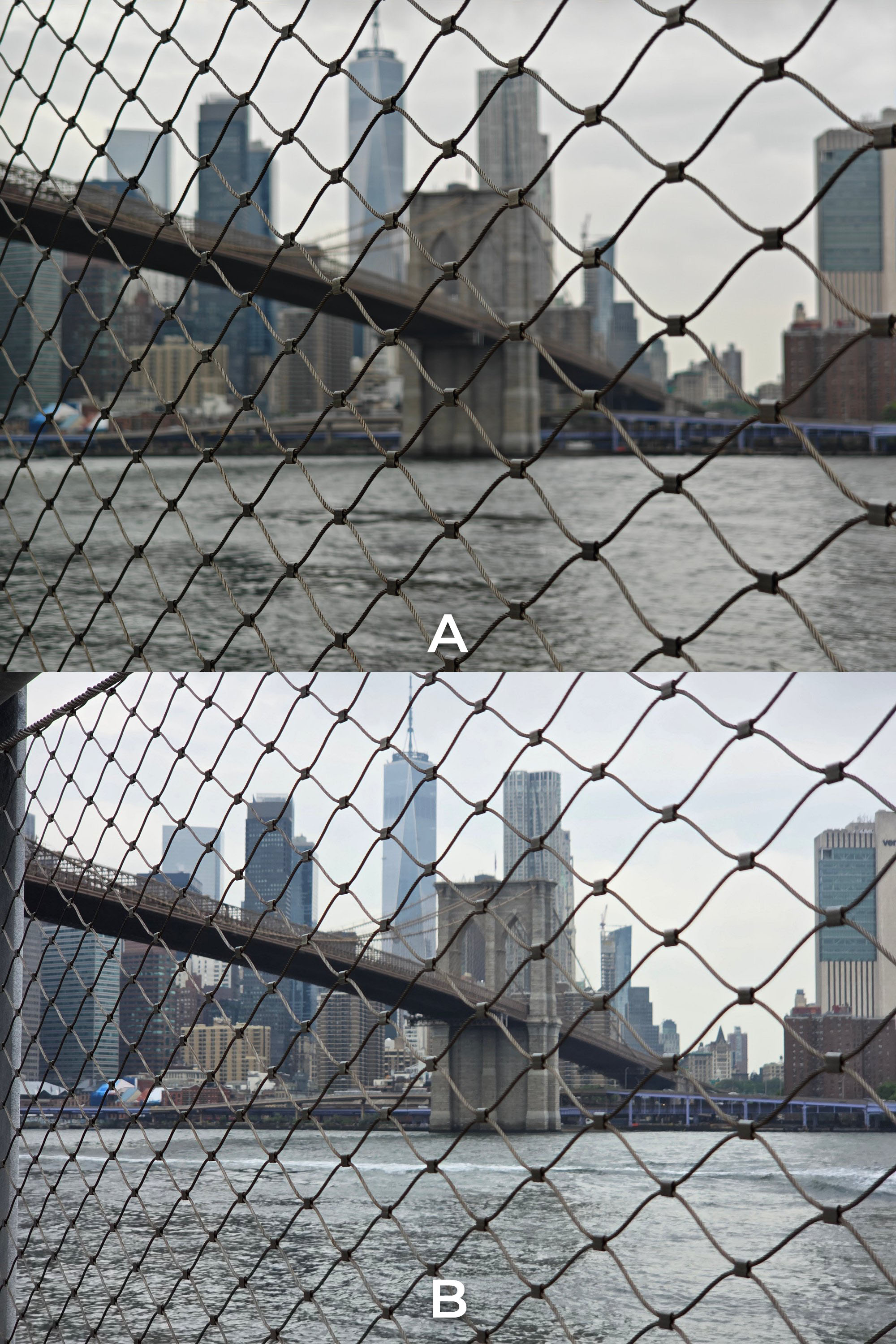
W9

W10
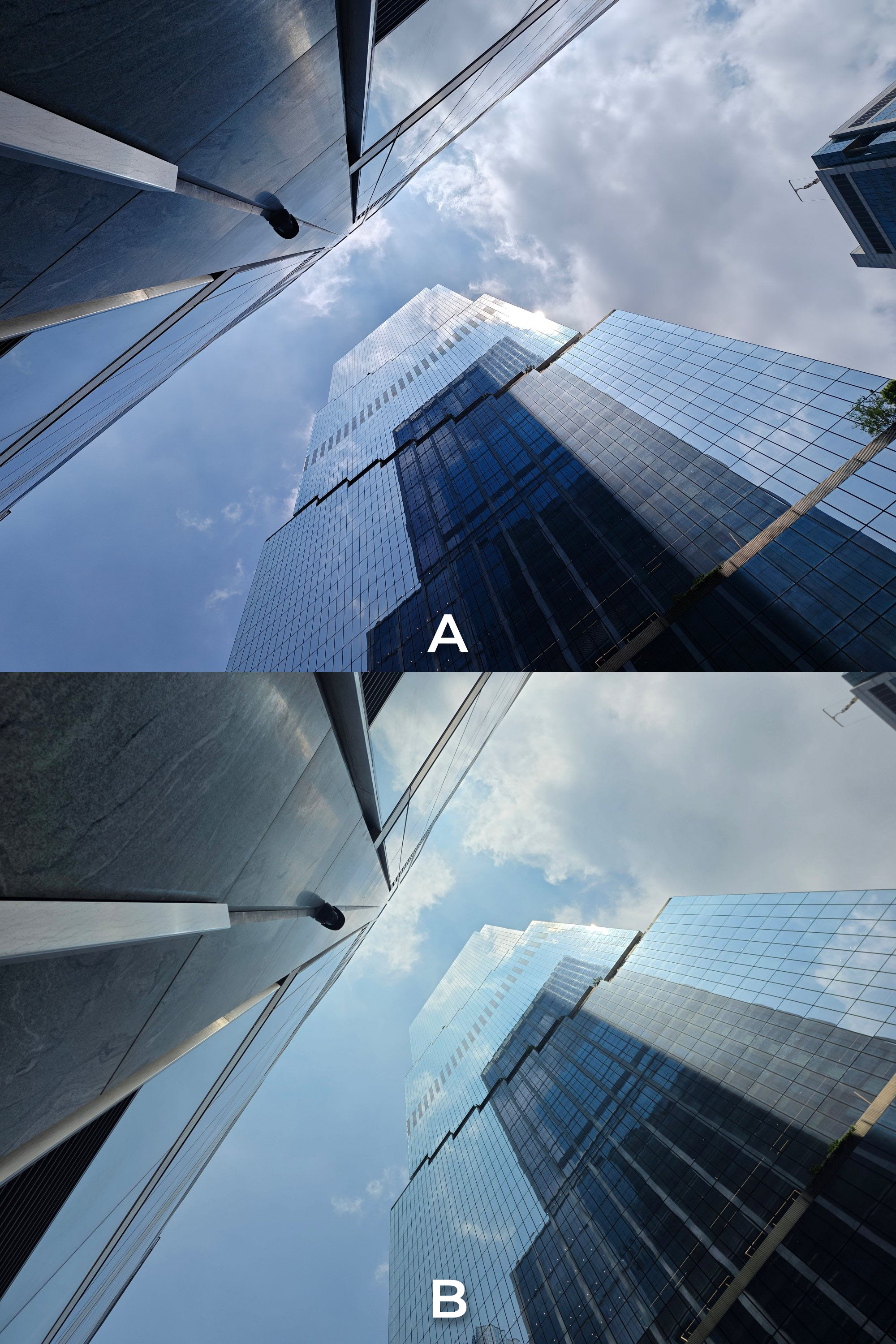
W11
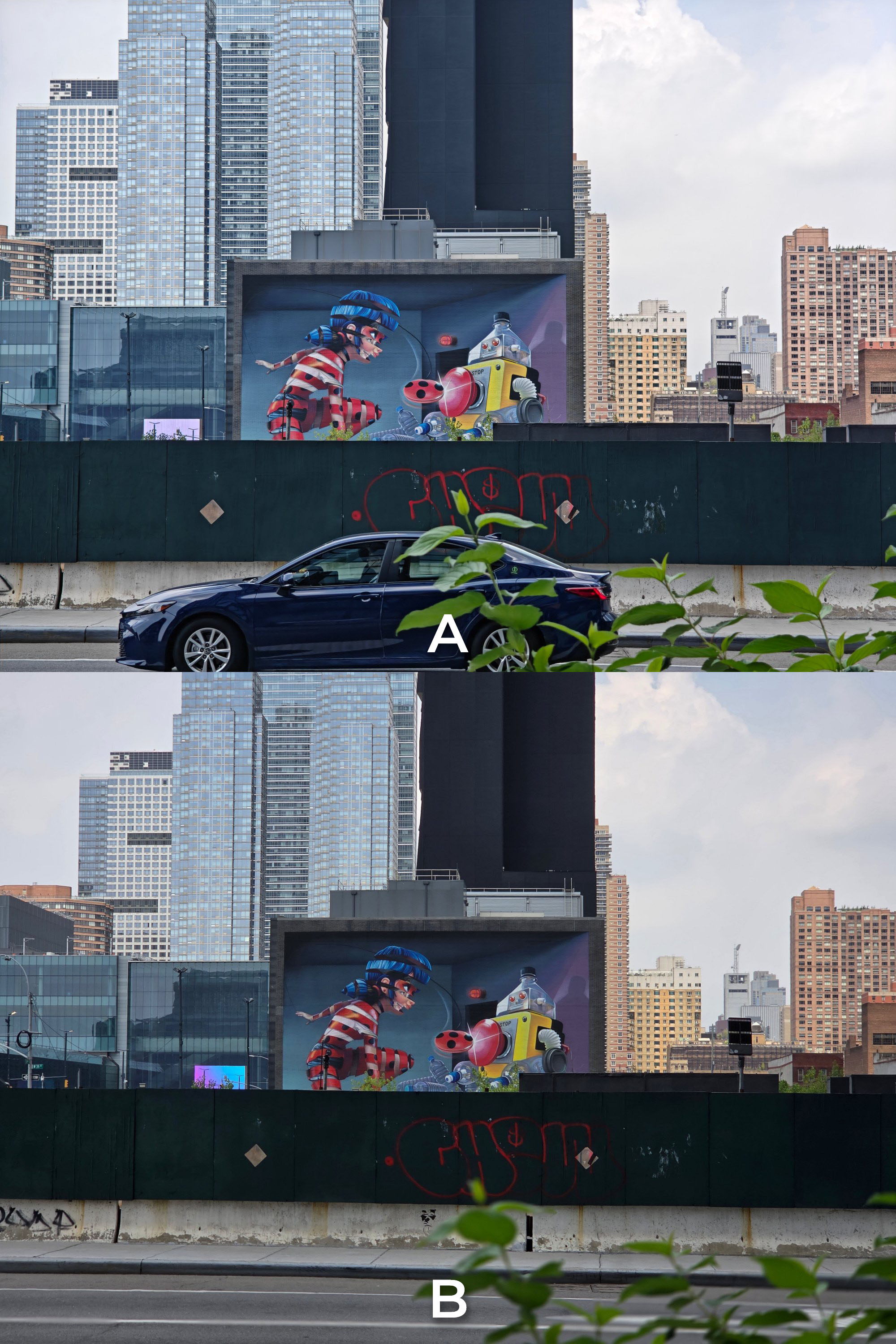
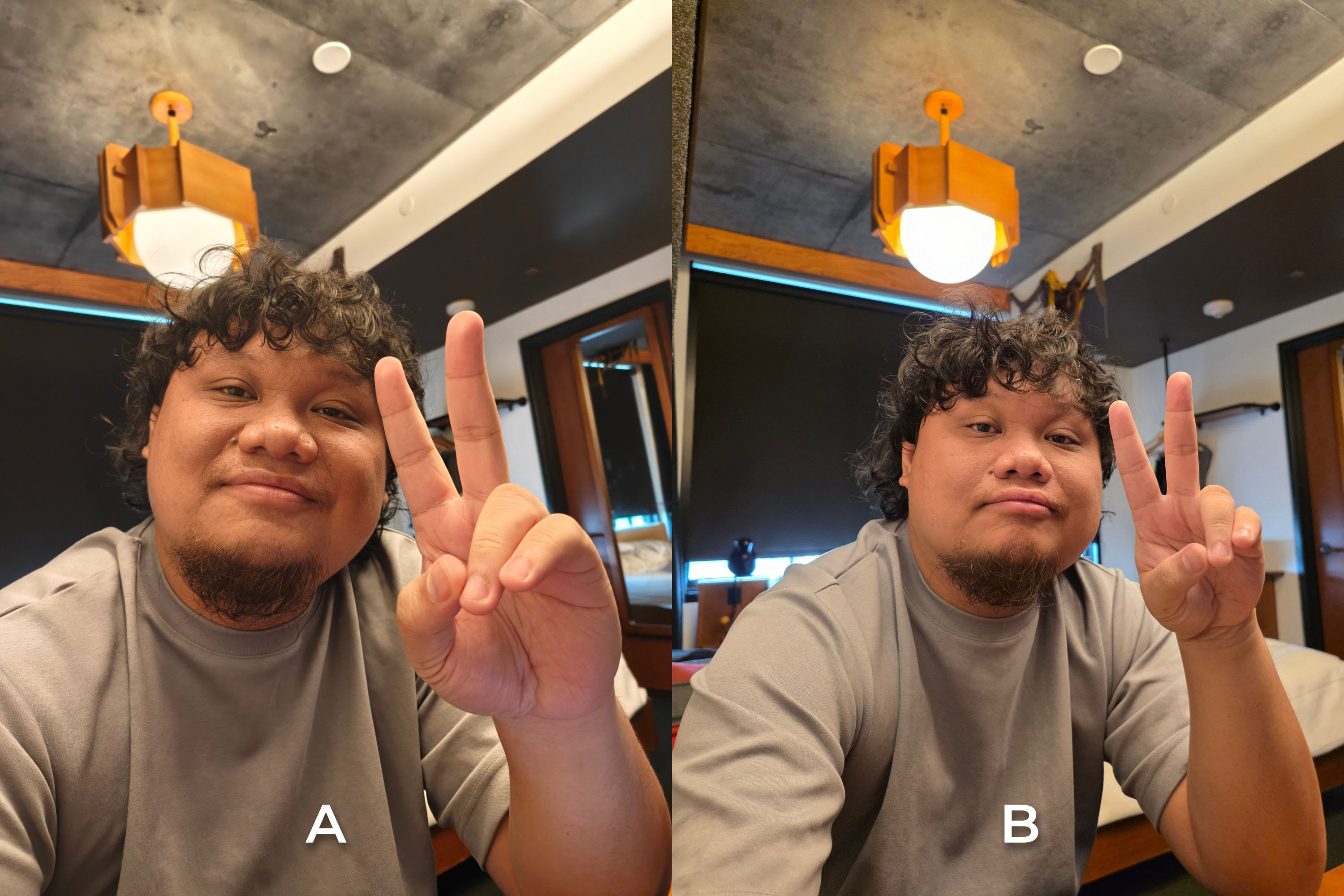
W12
Zoom A (2x-3x)
ZA1

ZA2
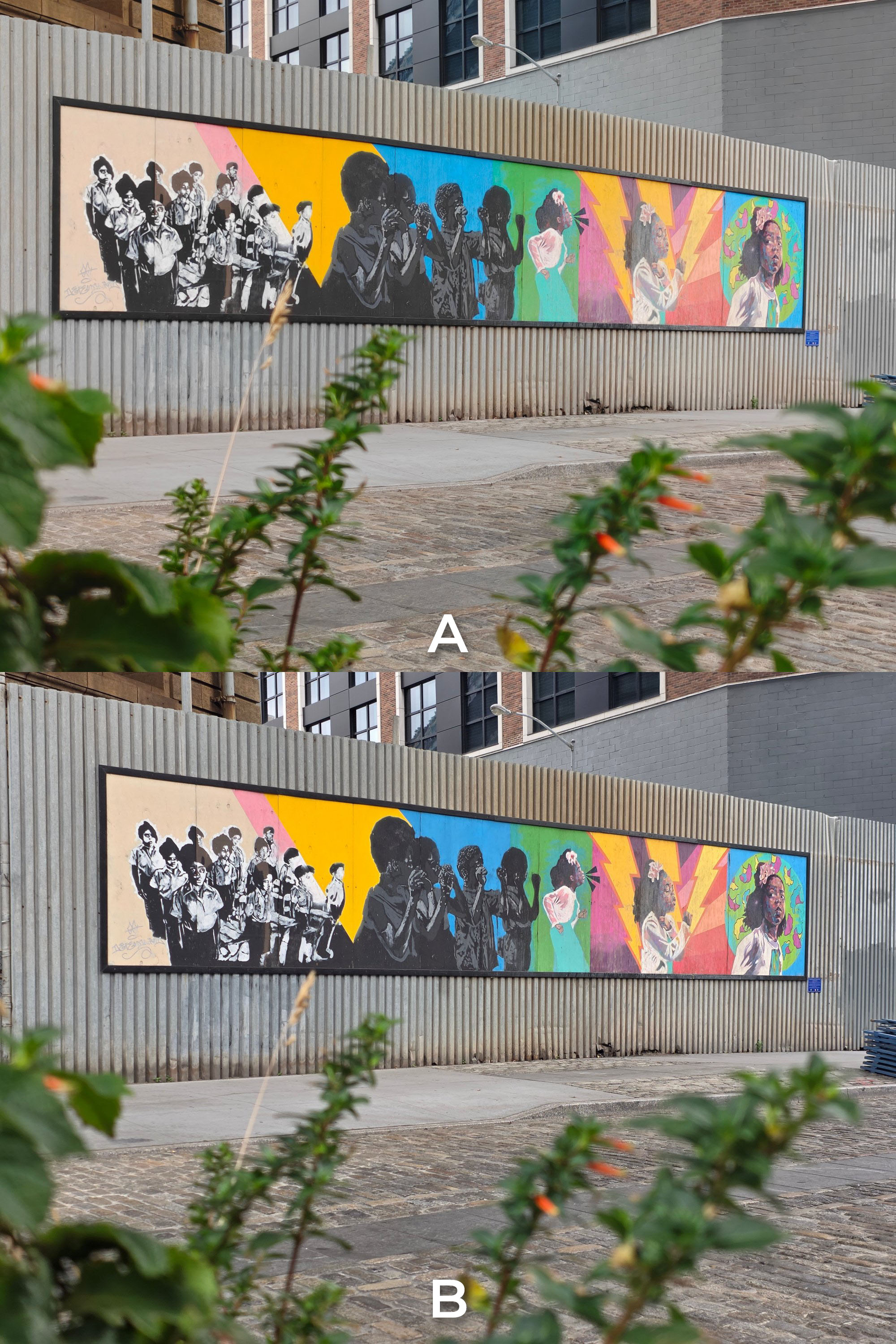
ZA3

ZA4
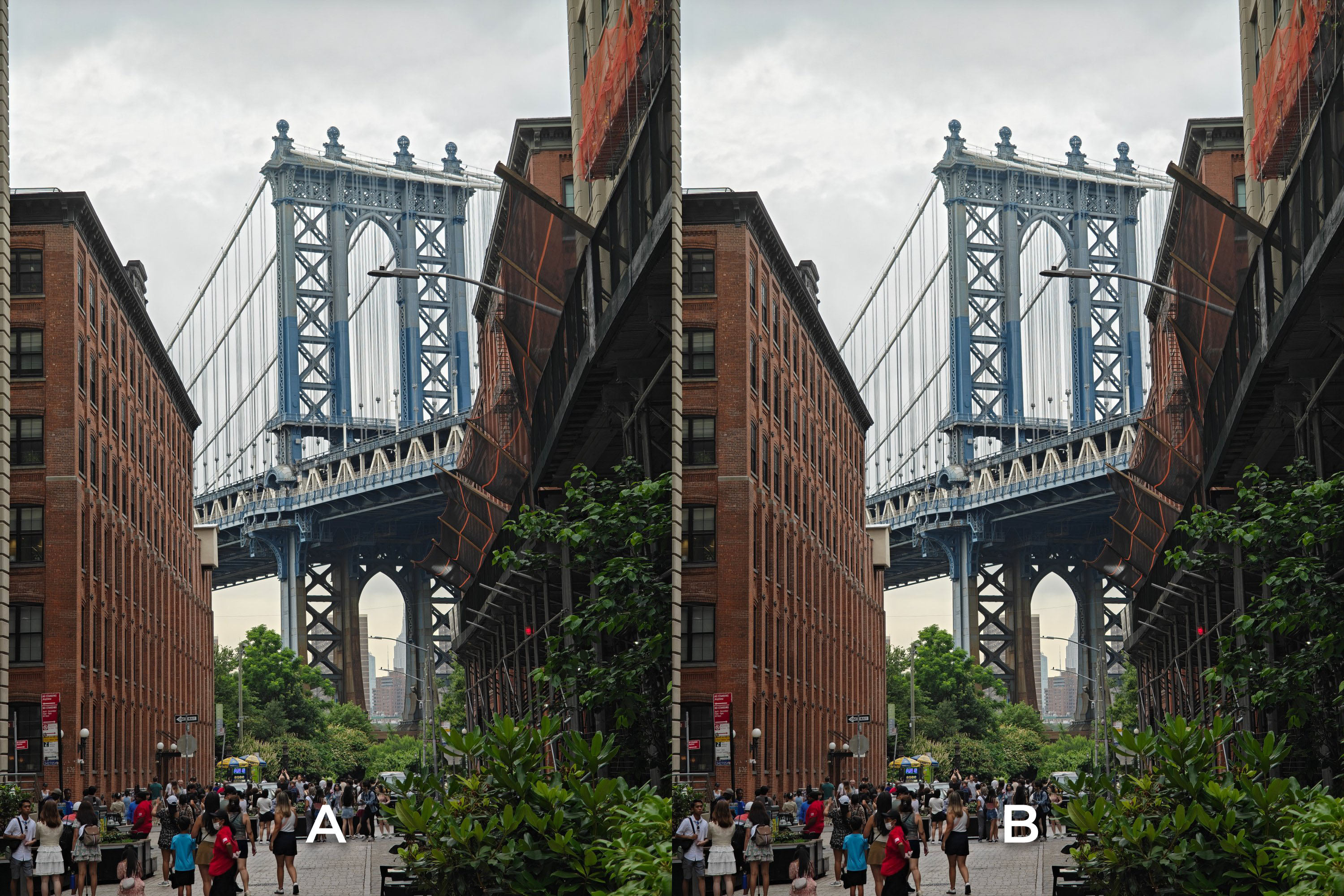
ZA5
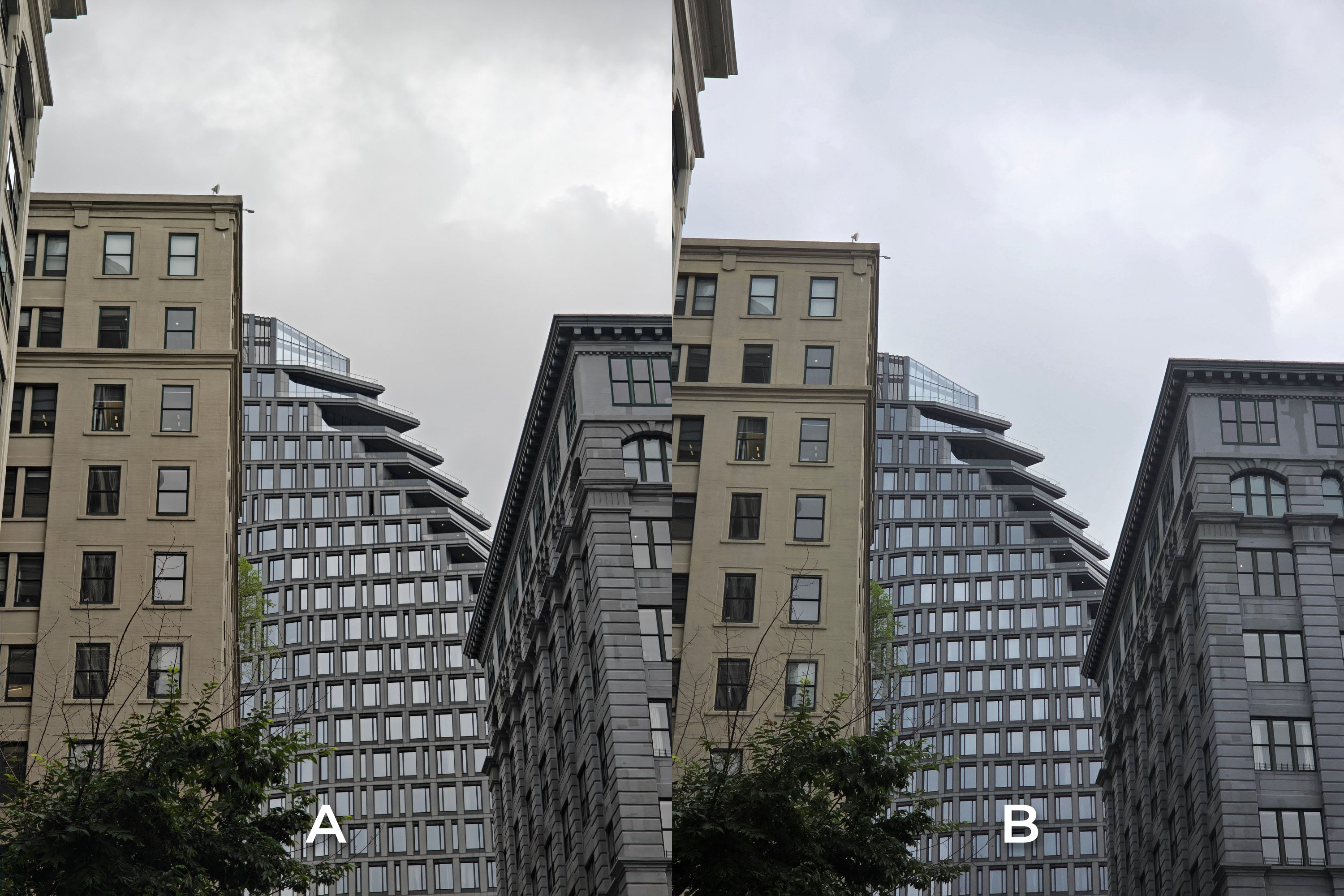
ZA6
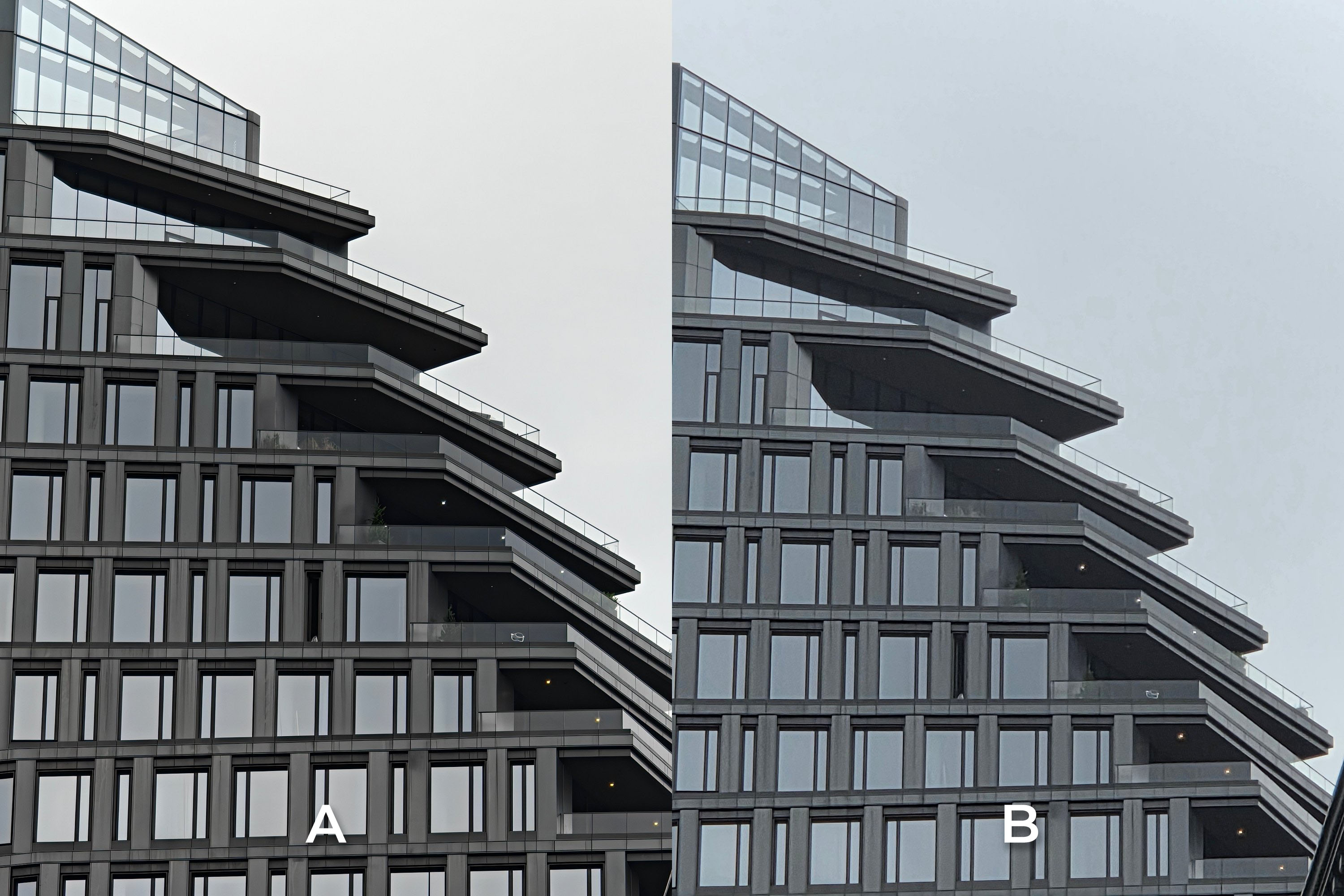
ZA7
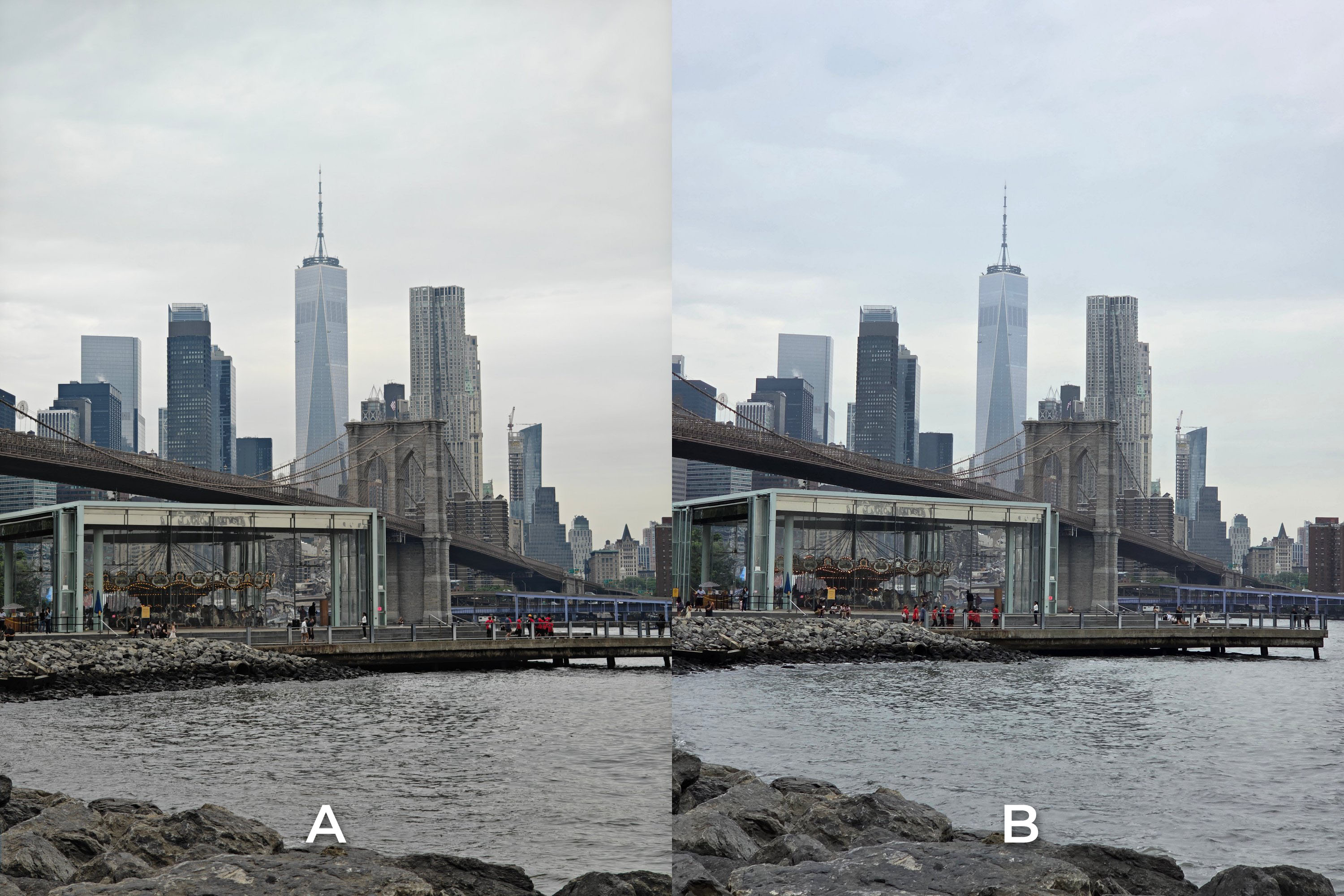
ZA8

ZA9

ZA10
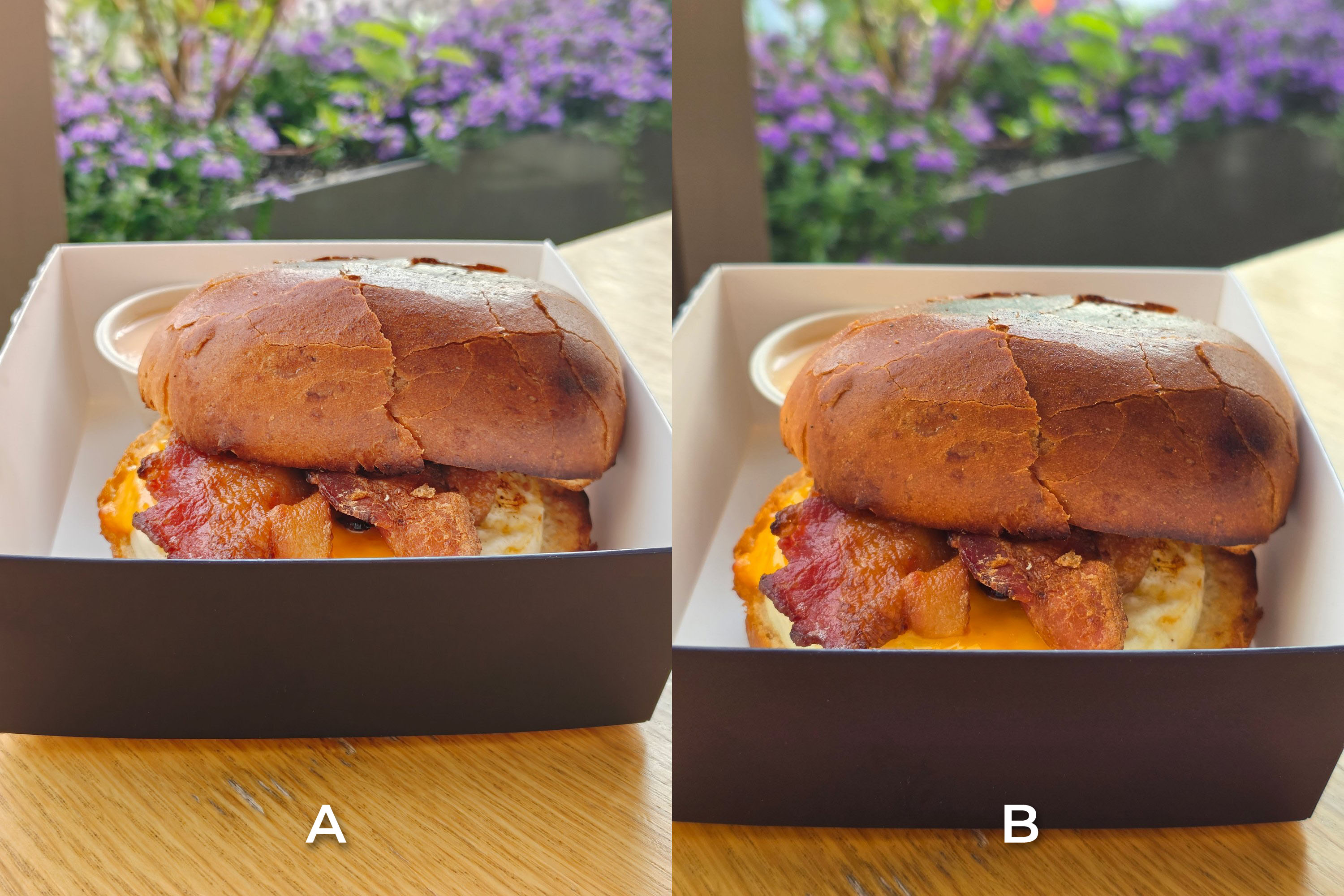
ZA11

ZOOM B (6x and up)
ZB1
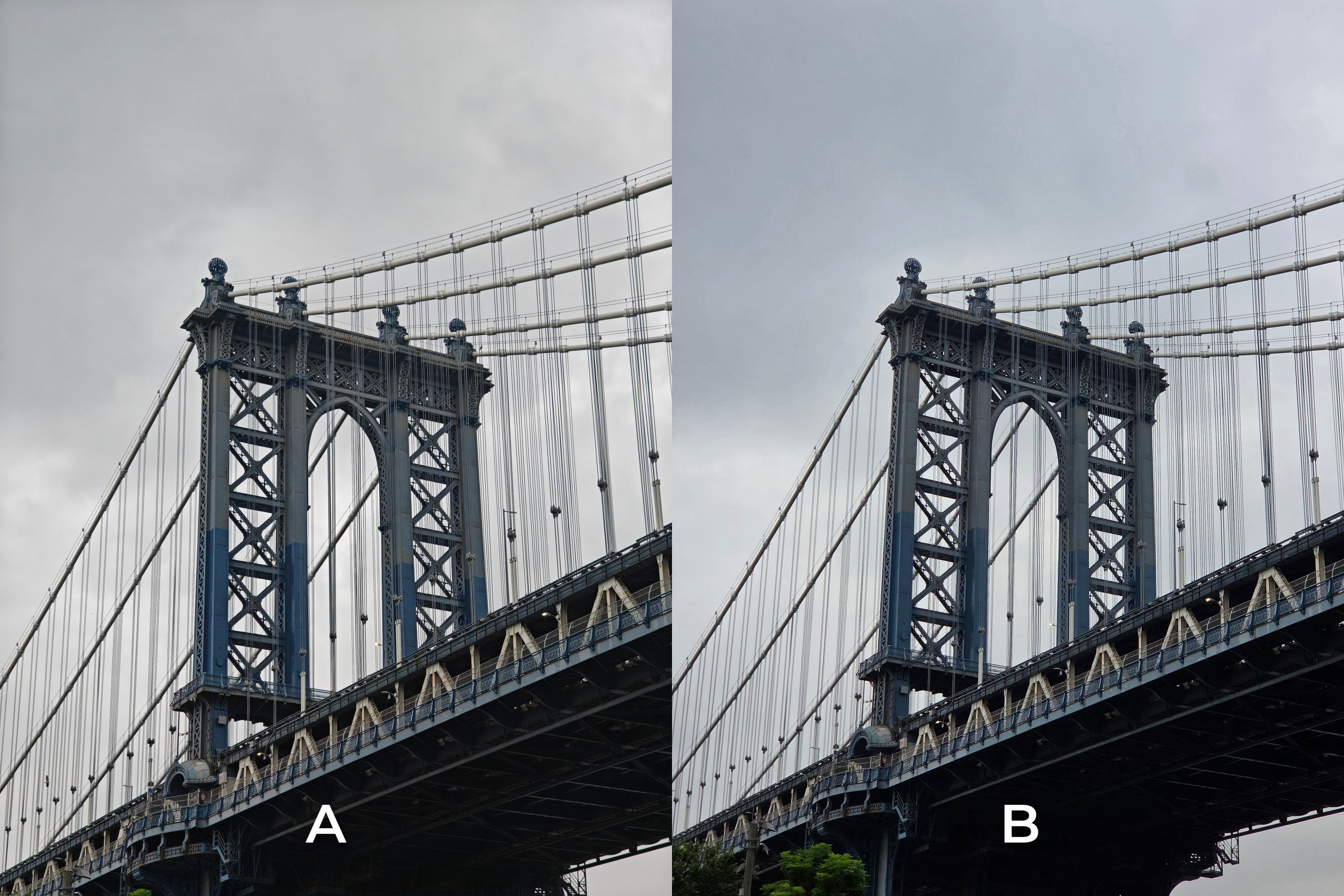
ZB2

ZB3
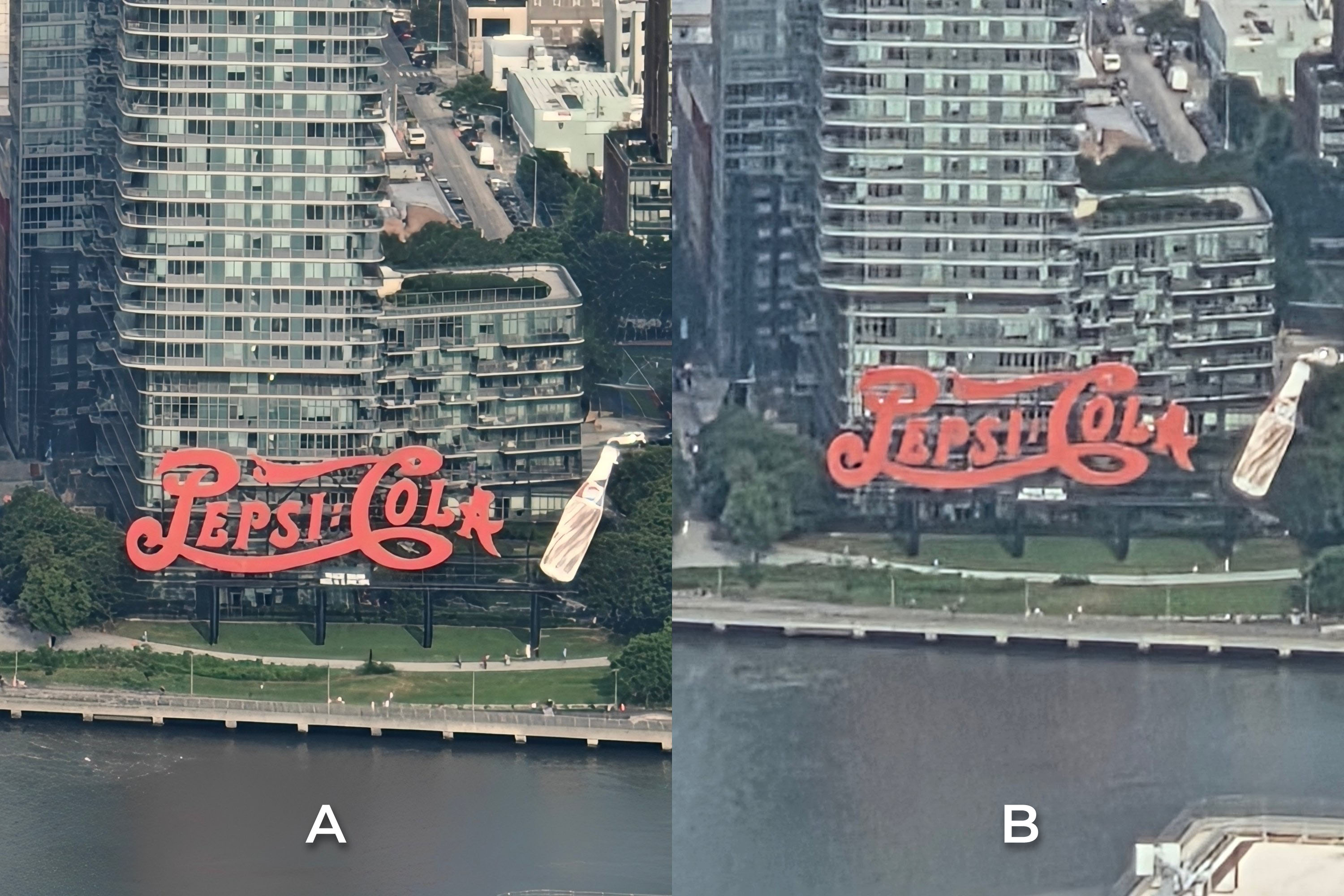
ZB4
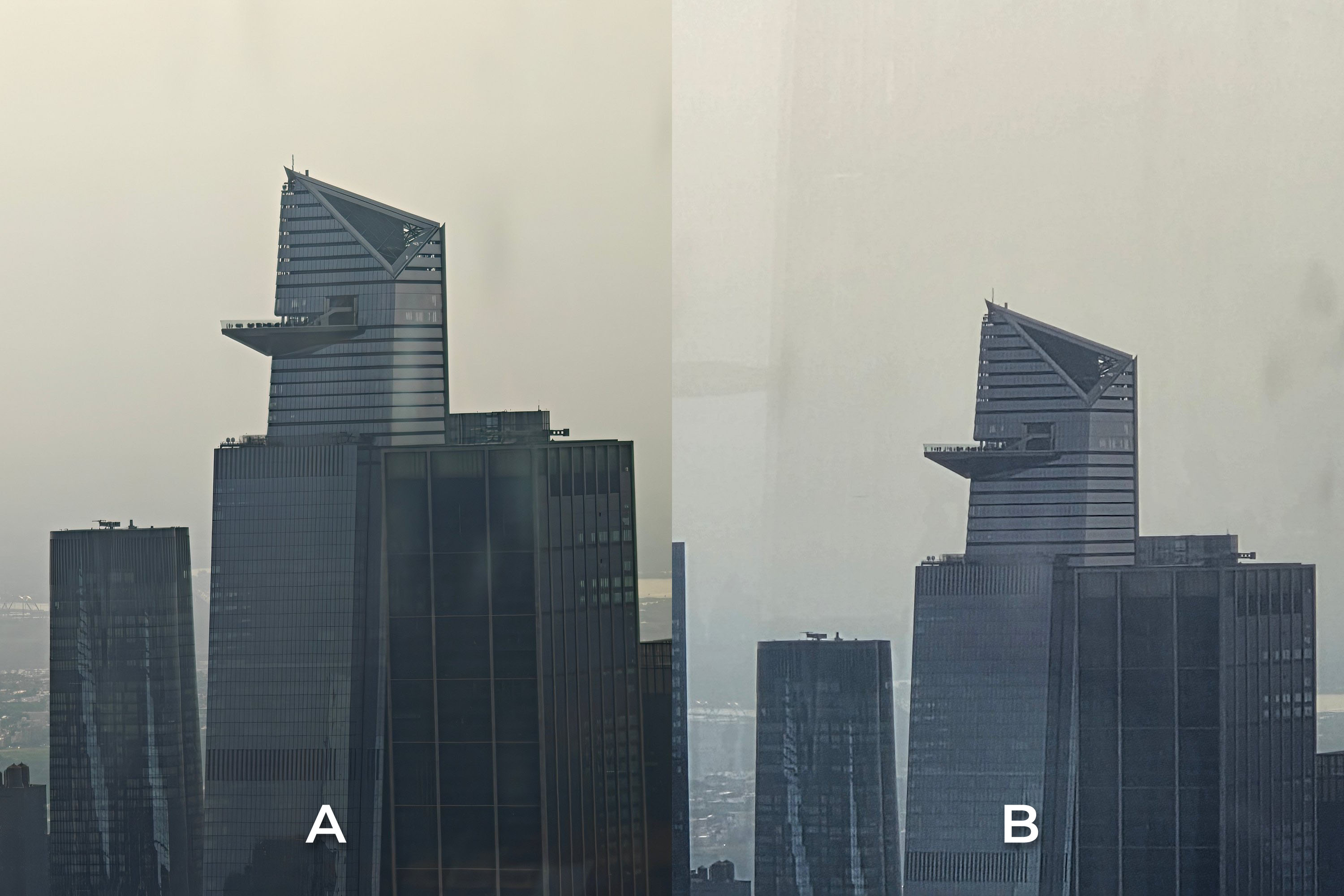
ZB5

ZB6
Selfie (Outer Camera)
S1

S2

S3

S4

Low light
L1
L2
Blind test reveal & first impressions
Did you guess which was which?
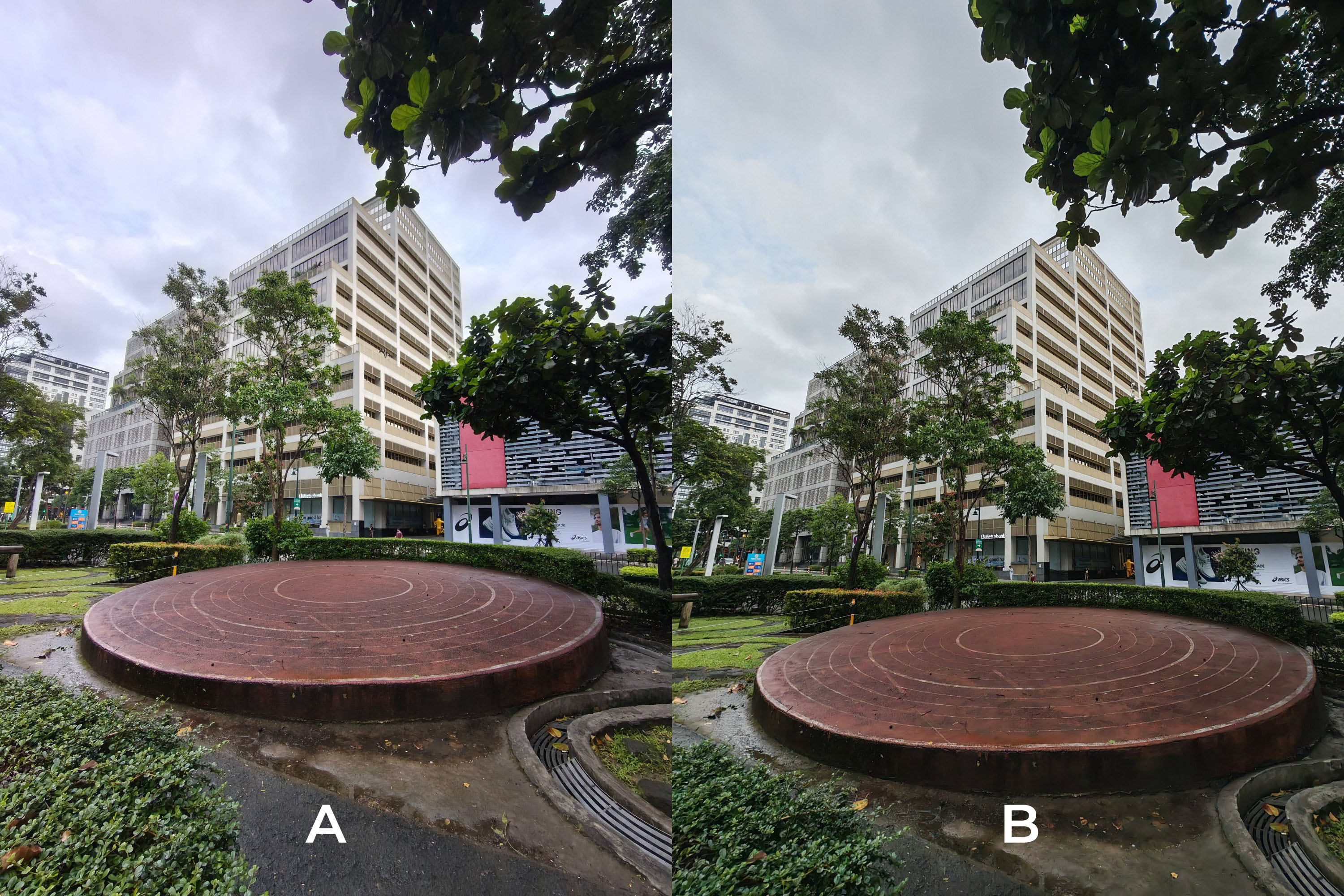
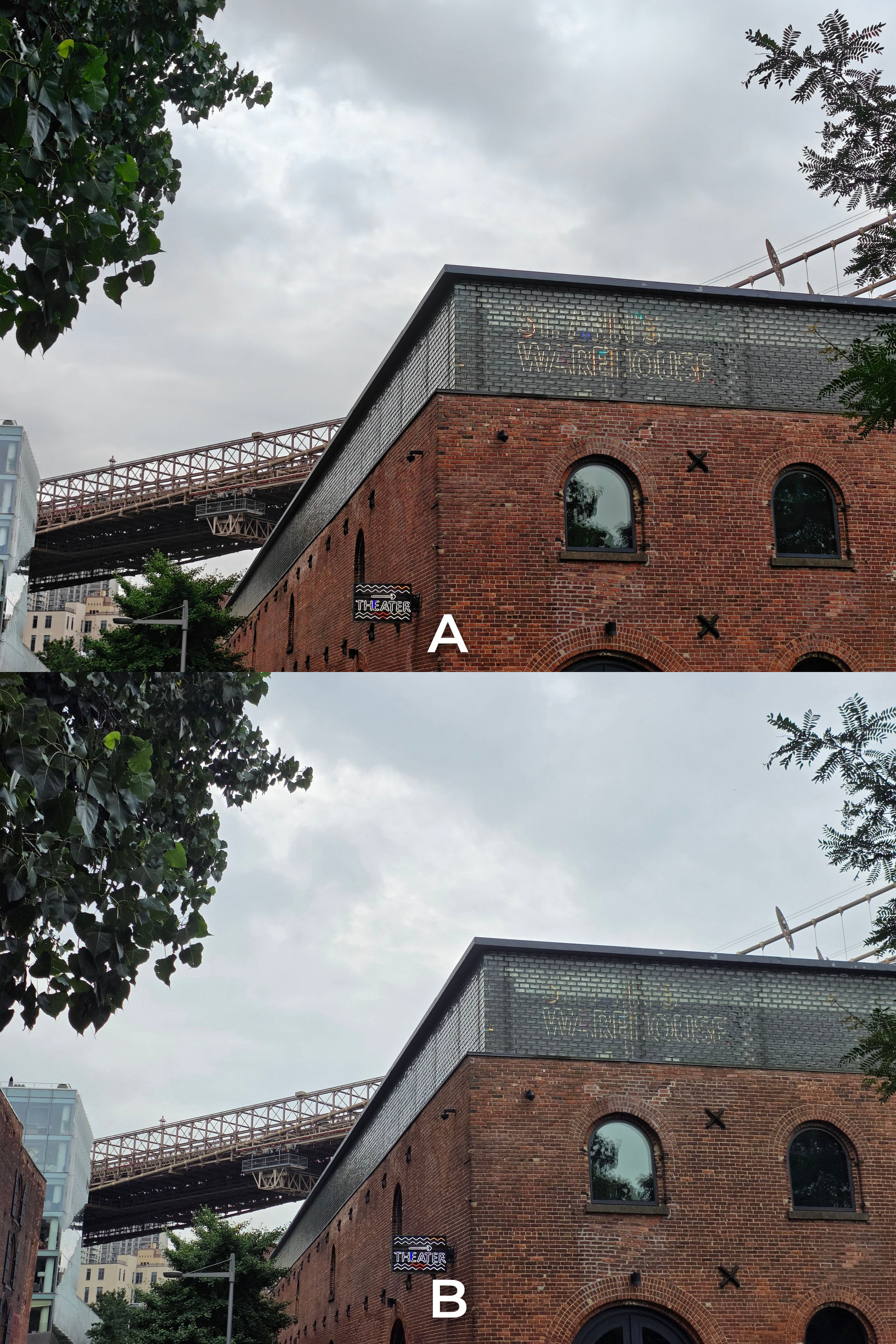
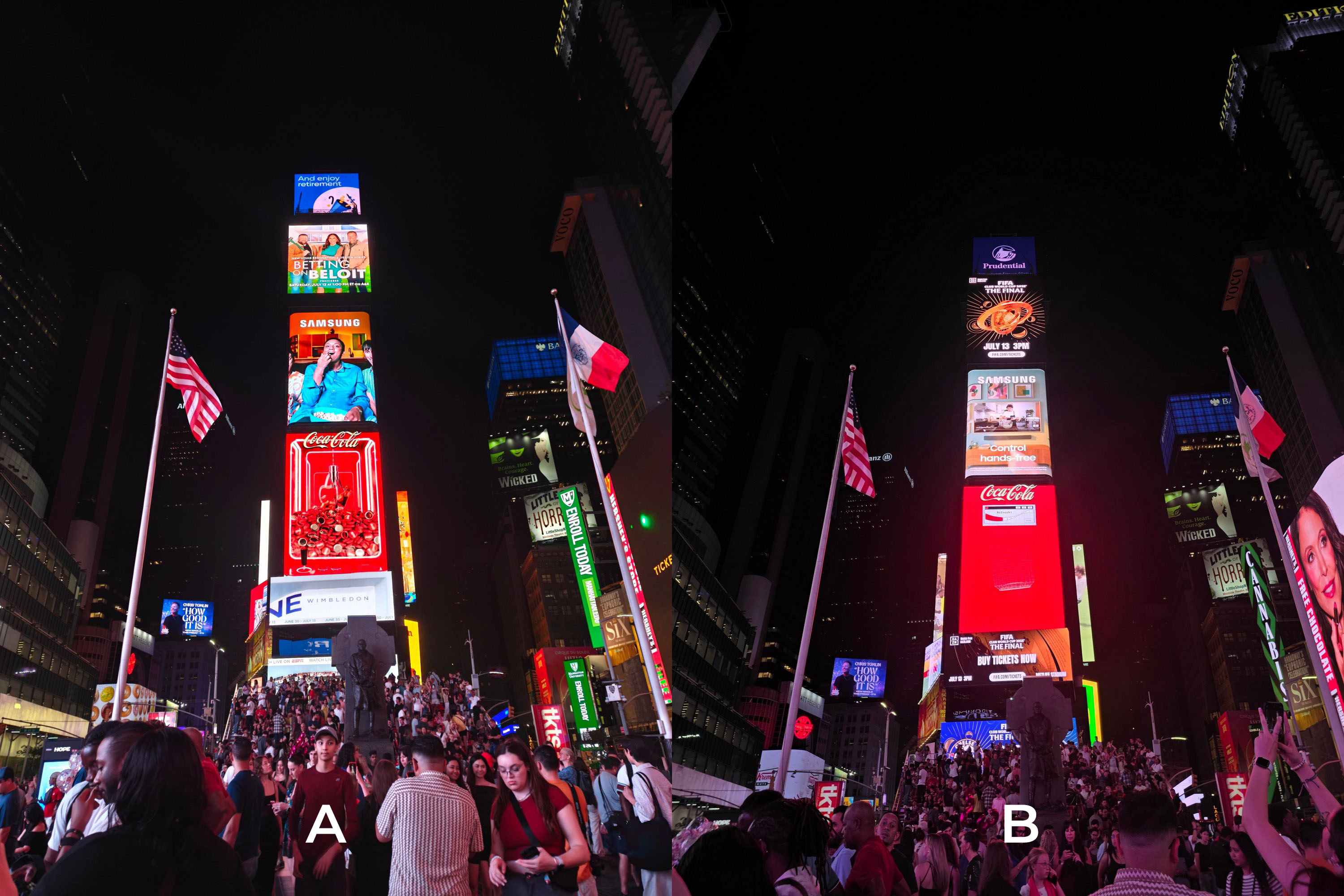
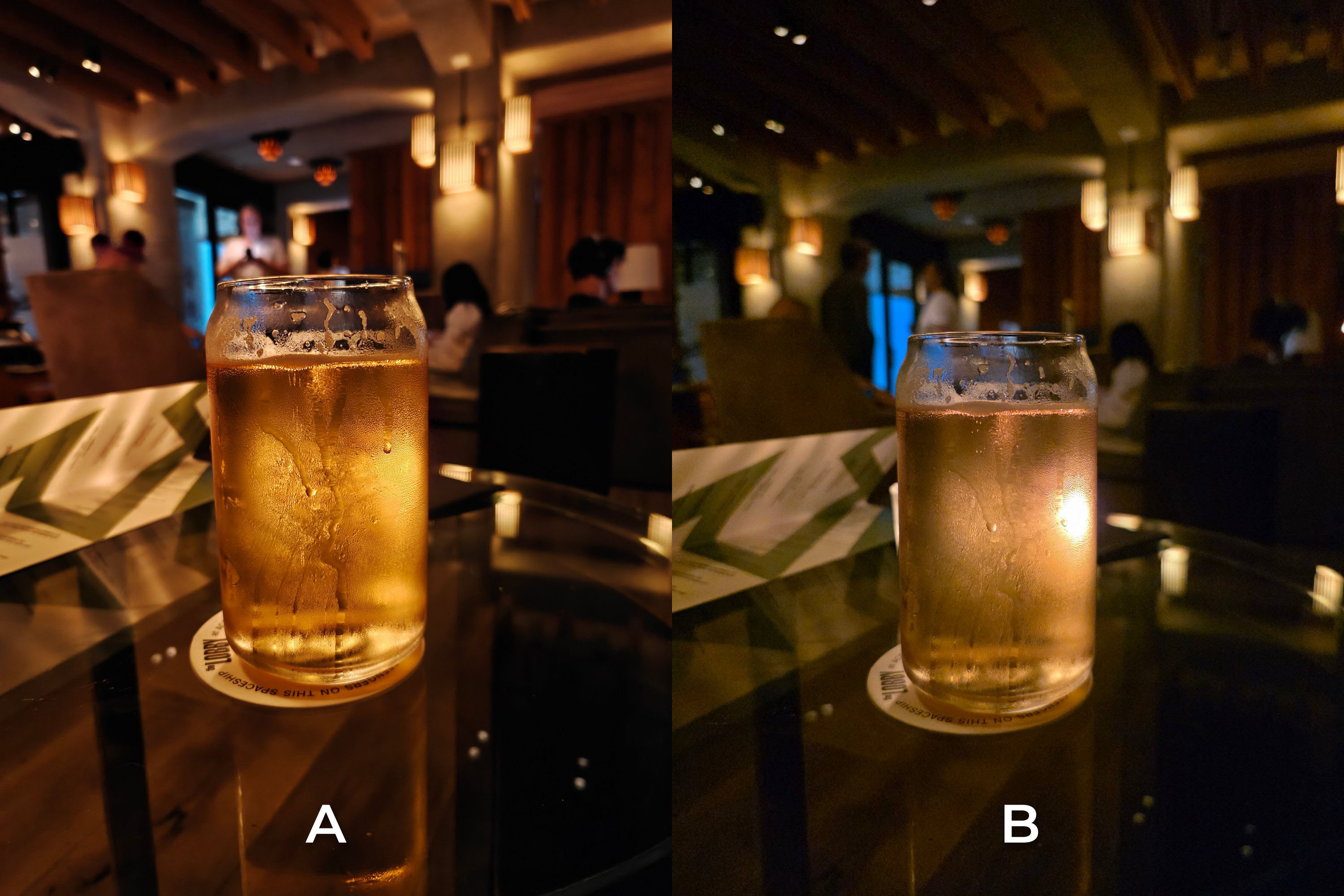
A is the OPPO Find N5. B is the Samsung Galaxy Z Fold7.
Now that you know, a few things stand out:
- The Find N5 consistently produced brighter images, especially in low light. OPPO’s post-processing really flexes here.
- The Galaxy Z Fold7 leaned toward a more natural, life-like output, a noticeable shift from Samsung’s traditionally saturated look.
That said, using the Fold7’s main camera at 1x felt… off. The focal length feels awkward — too wide for most shots but just right for taking main-camera selfies. I found myself constantly switching to 2x or 3x, which makes up a big chunk of the samples here.
Flat or flavorful?
One of the biggest differences is in how the two phones handle processing and depth.
Take the Brooklyn Bridge photo through cyclone wire (W8):
- The Find N5 nailed it with more pronounced depth and contrast.
- The Fold7 came off a little flat in comparison.
But this wasn’t always the case. In the shot of the yellow vehicle (w5) and in main-camera selfies (W12), the Fold7 delivered bokeh that looked more organic.
Overall, the Find N5 clearly does more processing after you hit the shutter, while the Fold7 gives you what it sees, almost instantly. Your preference between a more “finished” photo and a natural one will really show here.
Zoom zoom
Let’s be real — this wasn’t even close.
At 6x and beyond, the OPPO Find N5 easily outclassed the Fold7. Detail, sharpness, and clarity all went to OPPO’s corner. Samsung’s telephoto performance just didn’t keep up.
Final thoughts
If we’re talking eye-catching, the OPPO Find N5 wins out of the gate. Brighter shots, better zoom, more punch overall.
But the Galaxy Z Fold7 holds its own. At 1x to 3x — and especially in low light — it sometimes captures a mood the Find N5 over-brightens. The beer glass in a dimly lit bar is a perfect example: OPPO lit it up; Samsung kept the vibe.
At the end of the day, this comes down to what you value.
- Want bright, punchy, more dramatic photos? Go OPPO.
- Prefer subtler, moodier, more natural output? Samsung’s your bet.
That said — if we’re choosing a winner in camera versatility and polish, the OPPO Find N5 edges ahead.
Camera Shootouts
HONOR 400 vs vivo V50: Camera Shootout
Comeback camera showdown of the two Chinese mids
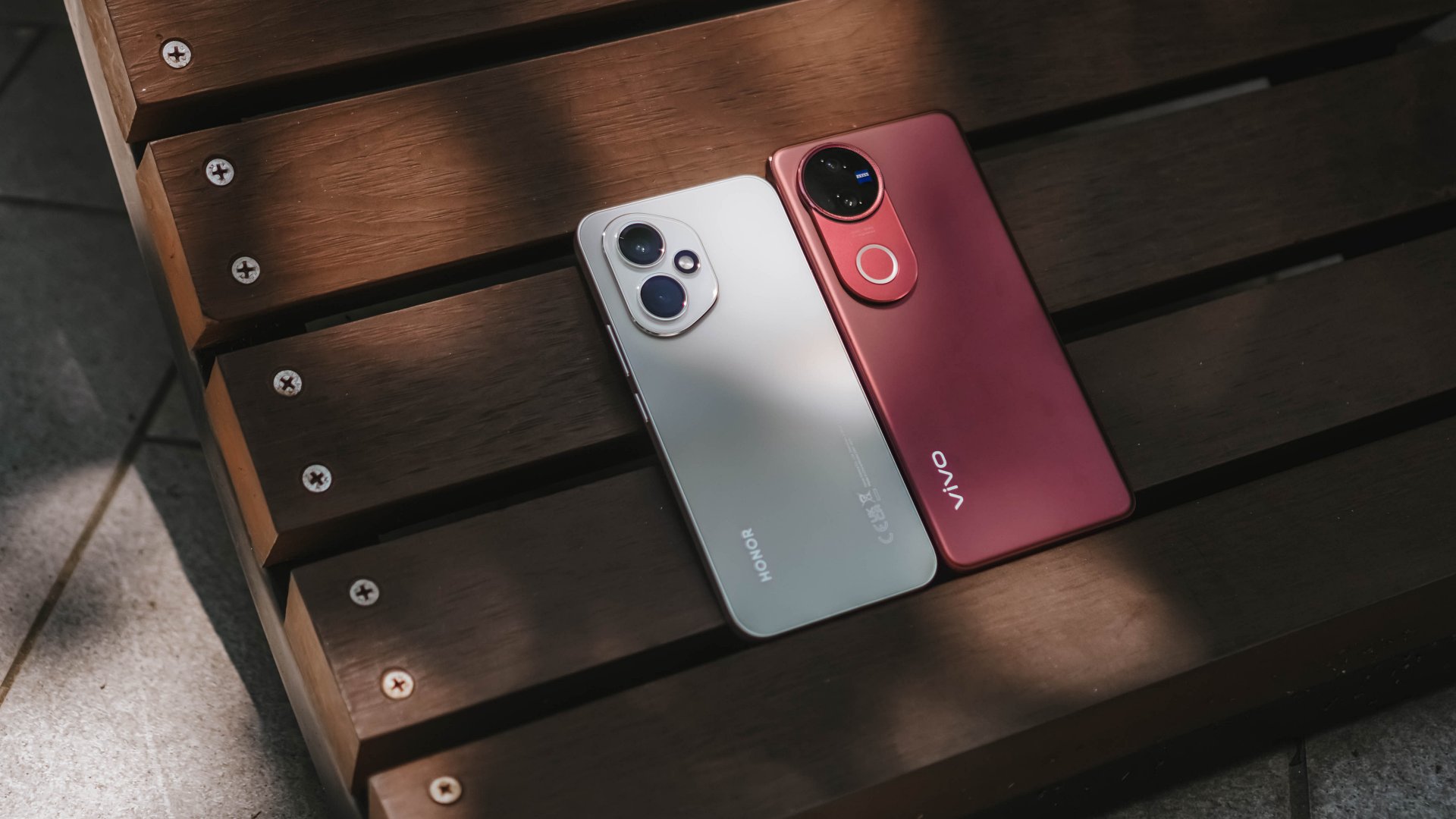
Just like a year ago, HONOR and vivo both step on the arena again for a head-on midrange camera showdown.
Although the HONOR 400 Pro exists, we clearly don’t have it. This just means we have to compare it to the next ideal candidate, the base HONOR 400.
This is up against vivo’s one and lonely V50. After all, the “vivo V50 Pro” simply doesn’t exist in vivo’s 2025 glossary.
HONOR thy vivo
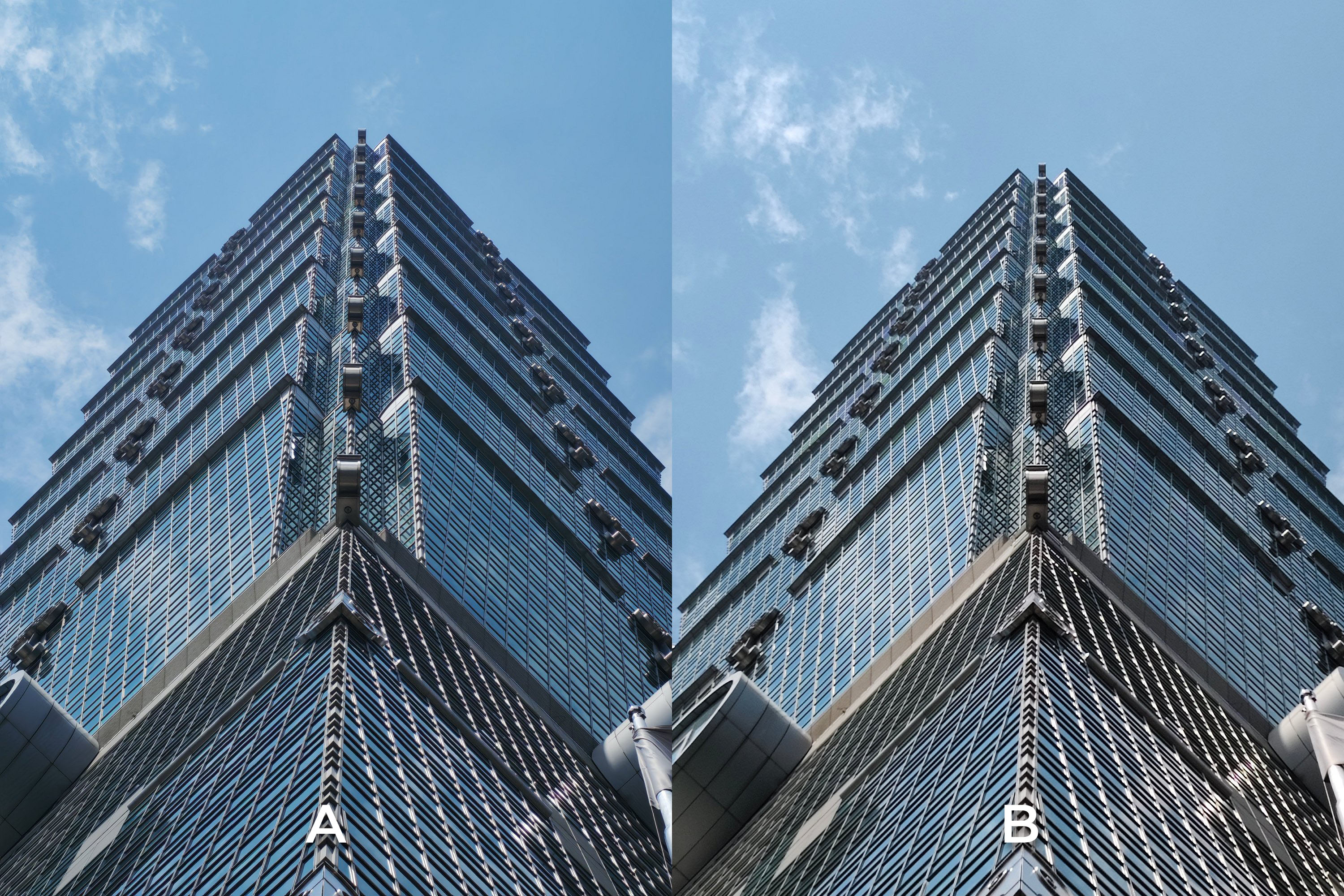
The best reason to compare these two are none other than their similar 1x wide + UWA camera combo.
HONOR 400 |
vivo V50 |
|
Wide |
200MP f/1.9
|
50MP f/1.88
|
Ultra-Wide |
12MP f/2.2 |
50MP f/1.9 |
Selfie |
50MP f/2.0 |
50MP f/2.0 |
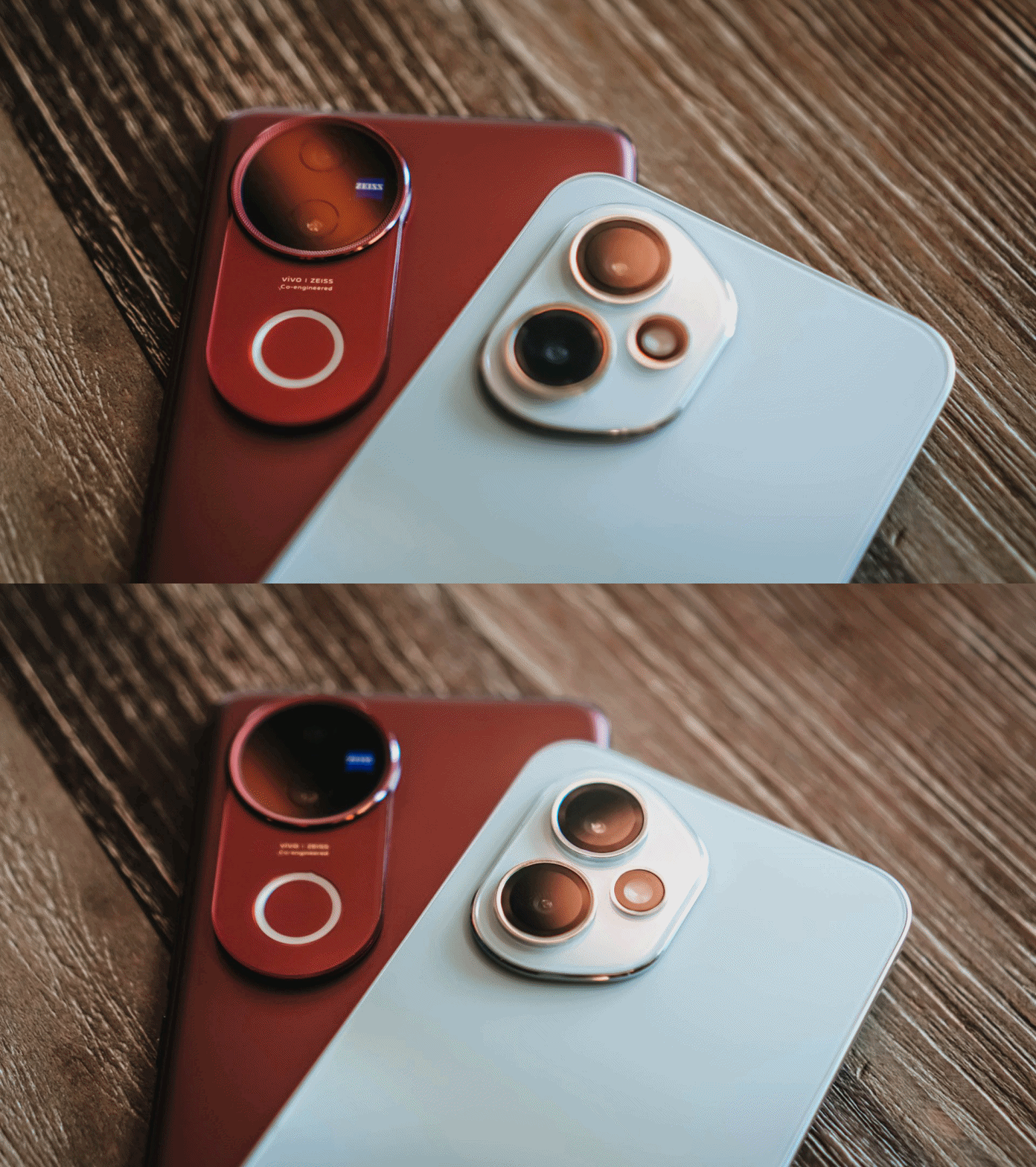
Both phones possess a main shooter with a wide aperture closing to f/1.9. But, numbers-wise, HONOR 400 offers four times the megapixel count offered by the vivo V50 (200MP vs 50MP).
The equipped Samsung sensor is also a tad bit larger compared to its OmniVision counterpart.
The opposite happens in their ultra-wide modules. The vivo V50 has the upper-hand with its wider and bigger 50MP f/1.9 unit. Meanwhile, the HONOR 400 has a 12MP f/2.2 shooter.
One thing they obviously met head-to-head is none other than their 50MP f/2.0 selfie cameras.
All Natural
Both the HONOR 400 and vivo V50 feature a trio of color profile options when shooting photos in the default camera mode: Natural, Vibrant, and Authentic for the HONOR 400.
On the other hand, ZEISS Natural, Vivid, and Textured for the vivo V50.
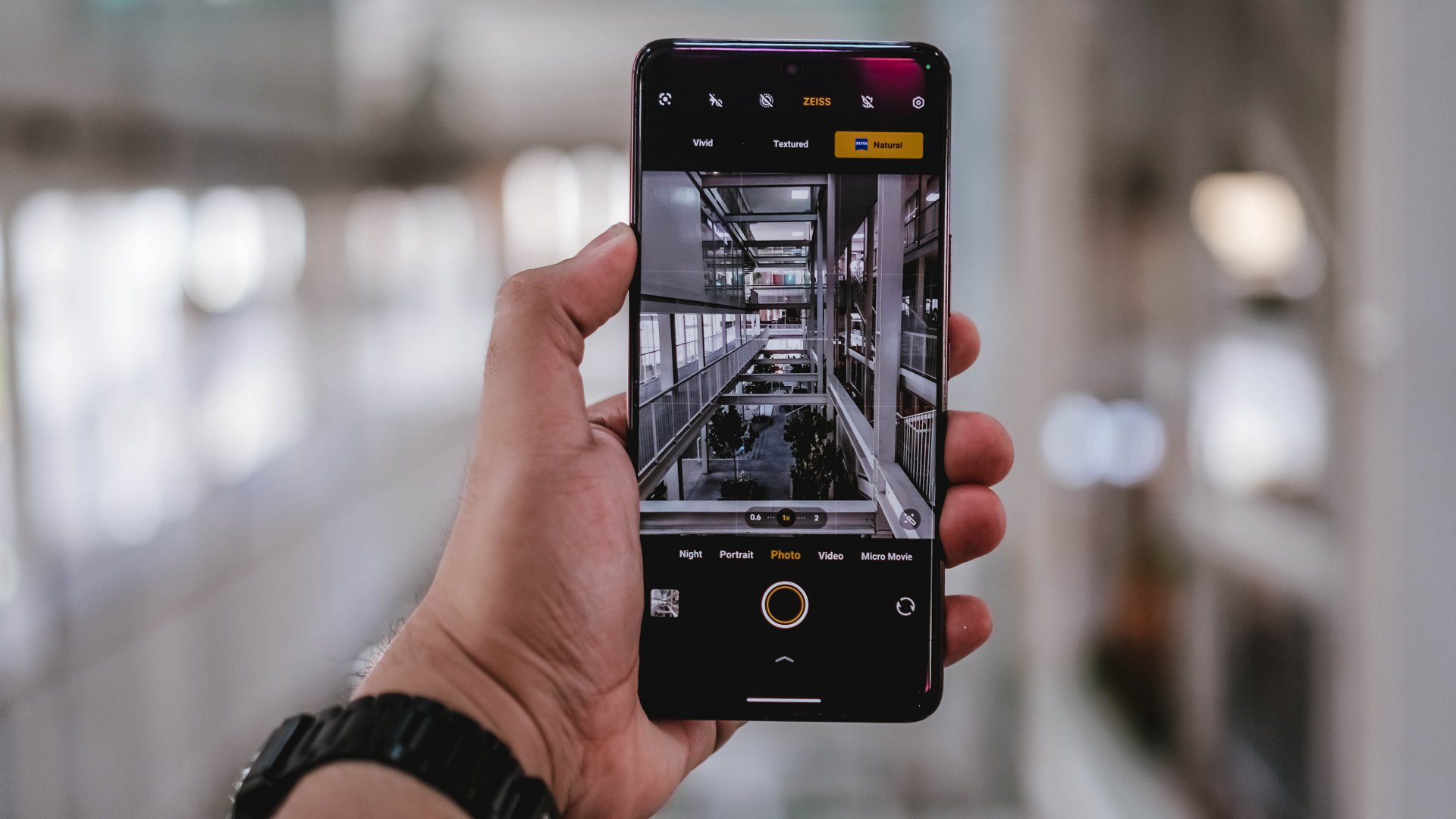
vivo V50 | 2025
For the second midrange camera shootout of the year, we’re going to stick with the “Natural” mode of both phones. They’re both set by default anyway.
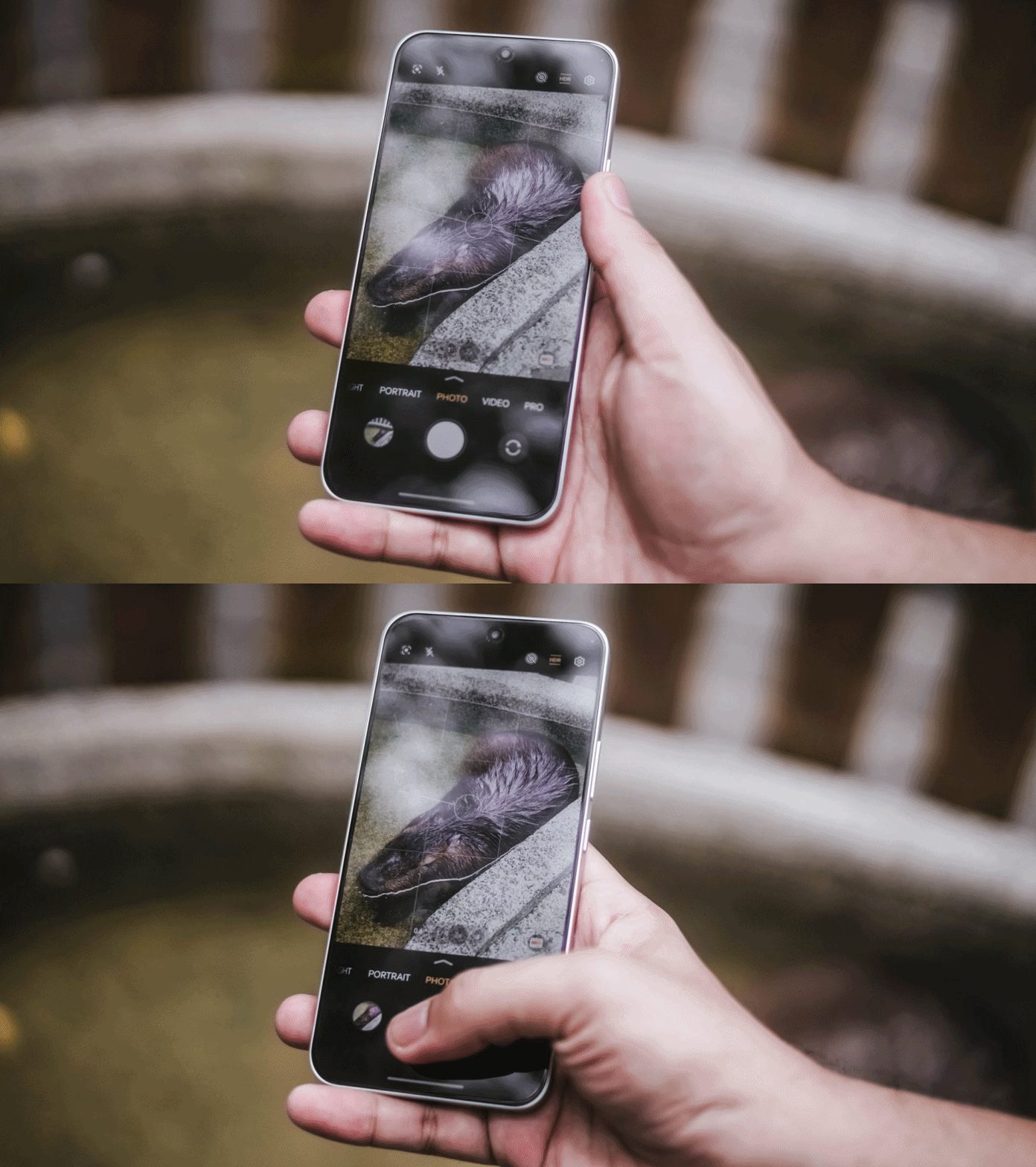
HONOR 400 | 2025
Disclaimer: Photos were all taken using Auto Mode with AI scene detection turned on. These images were collaged, resized, and labeled for faster loading and better preview. No color correction, zoomed-in cropping, nor any other type of photo manipulation were applied.
Ultra-Wide (UWA)
How does a smaller or bigger megapixel count affect the overall quality of the phone’s UWA output?
U1
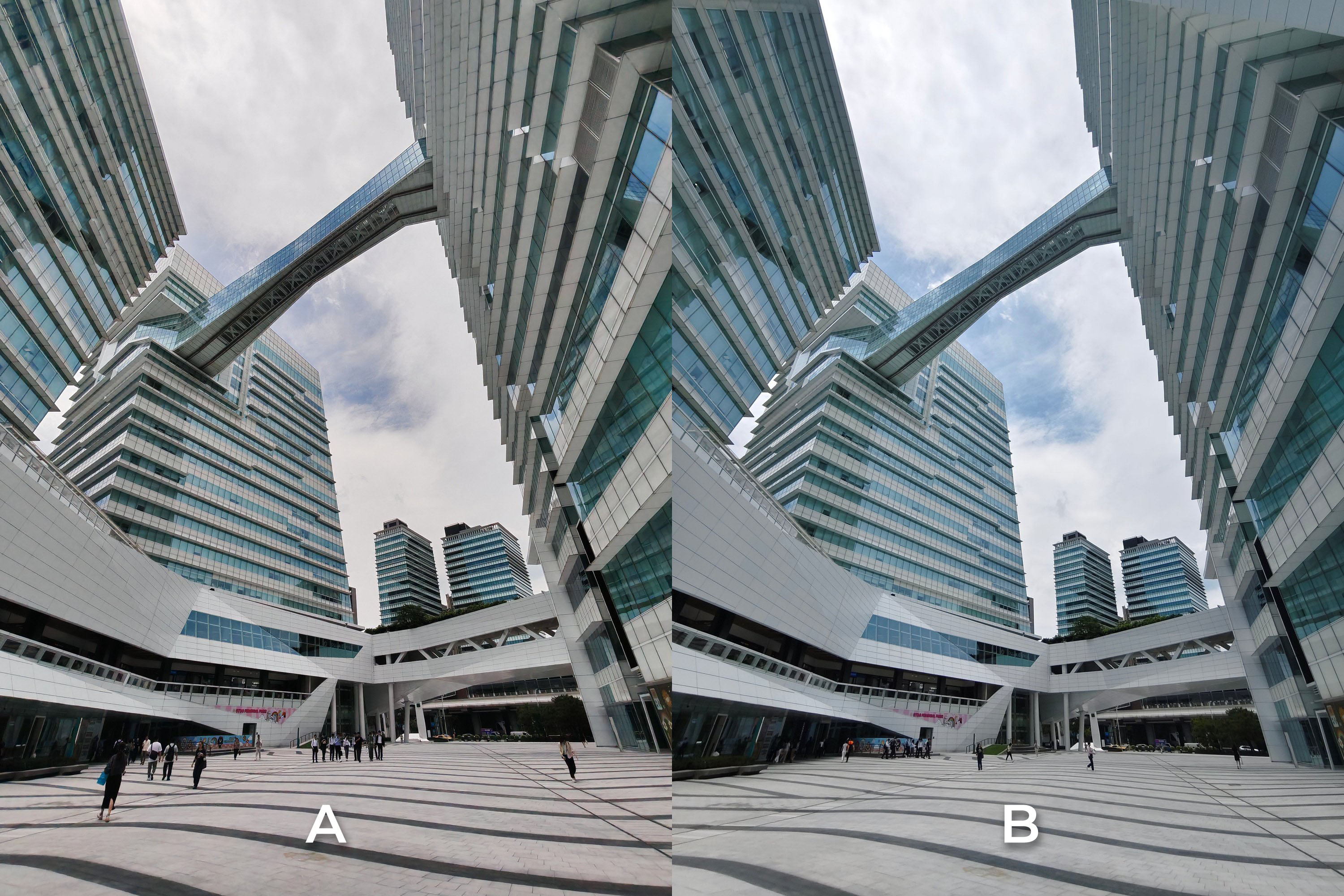
U2
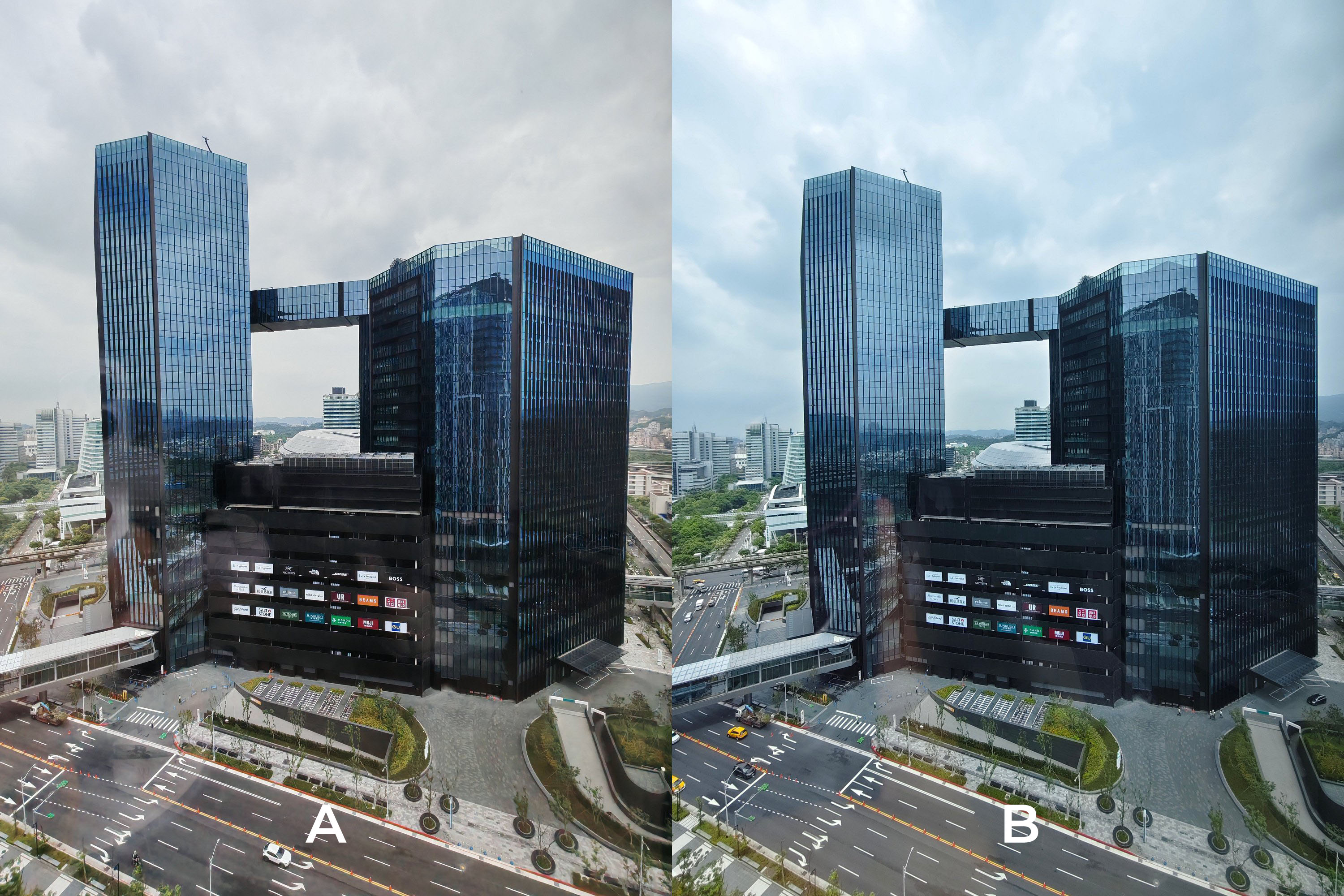
U3
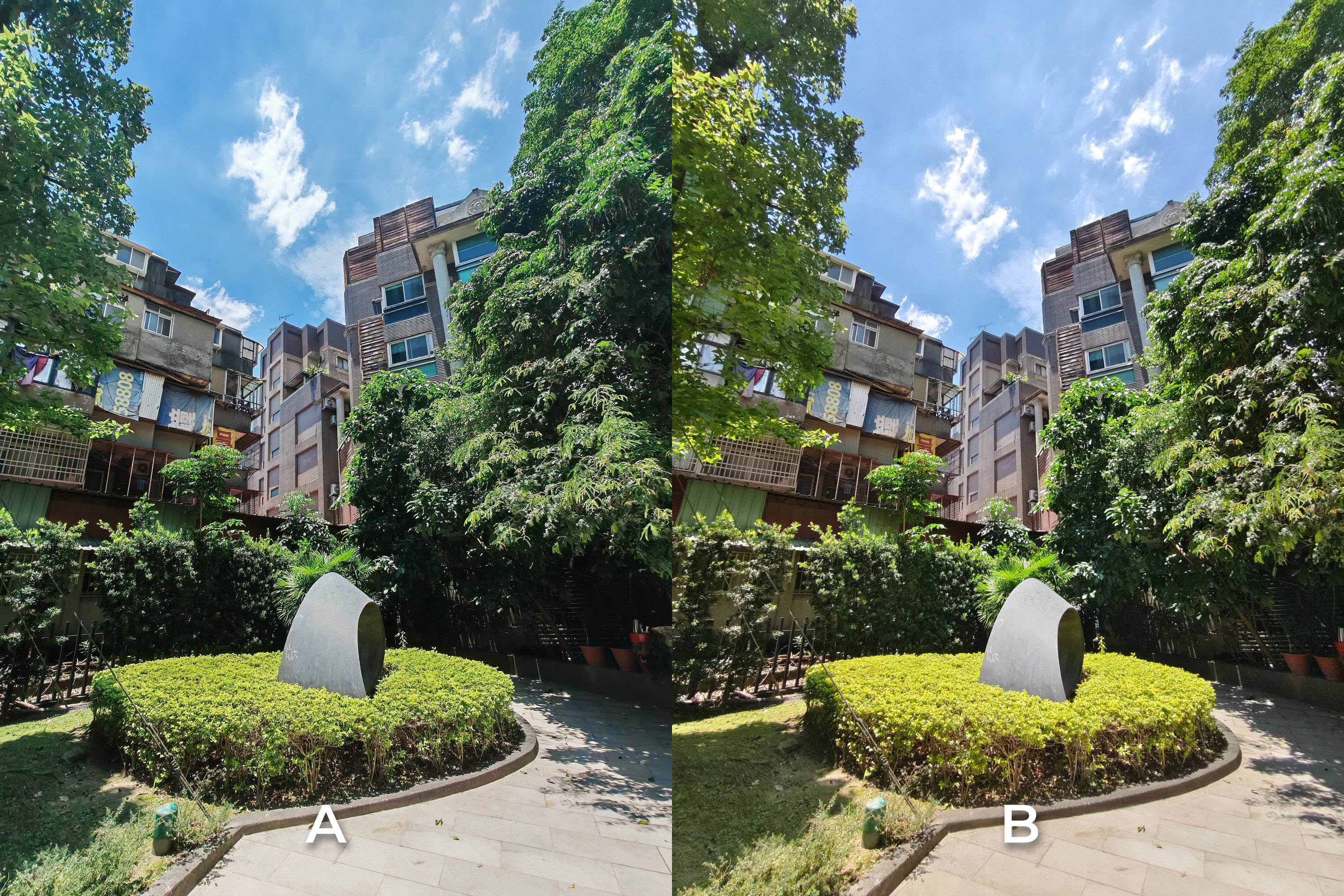
U4
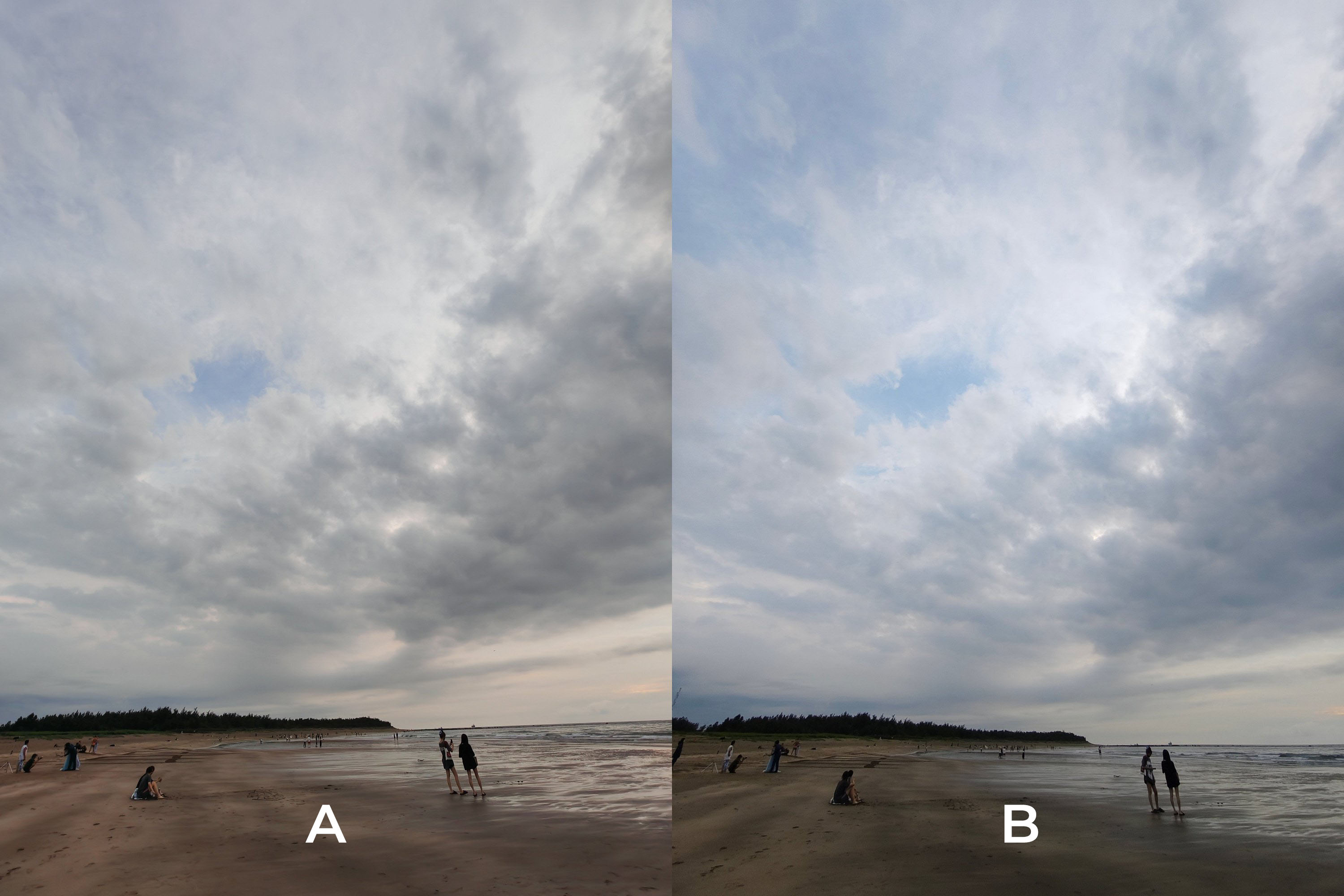
U5
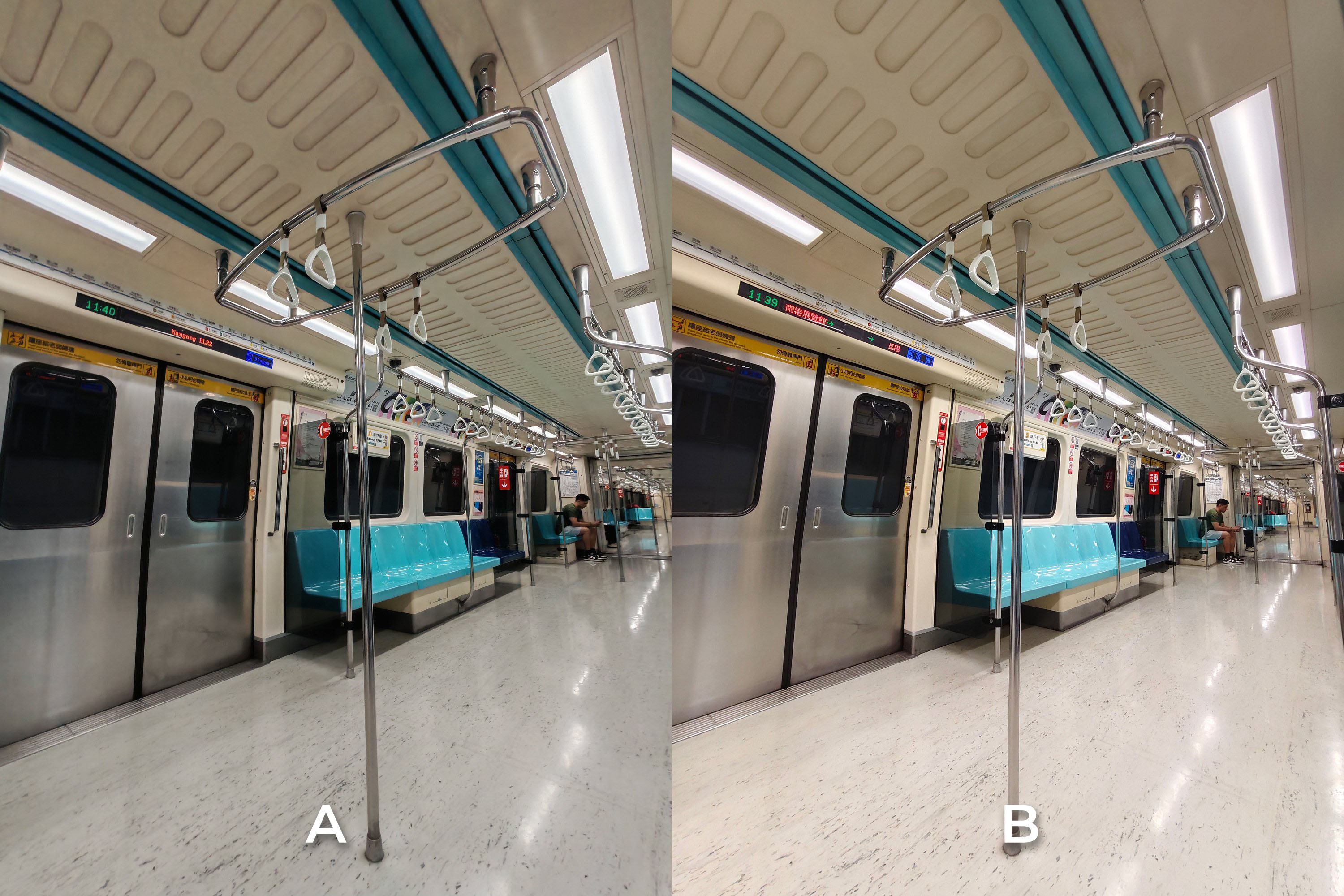
U6
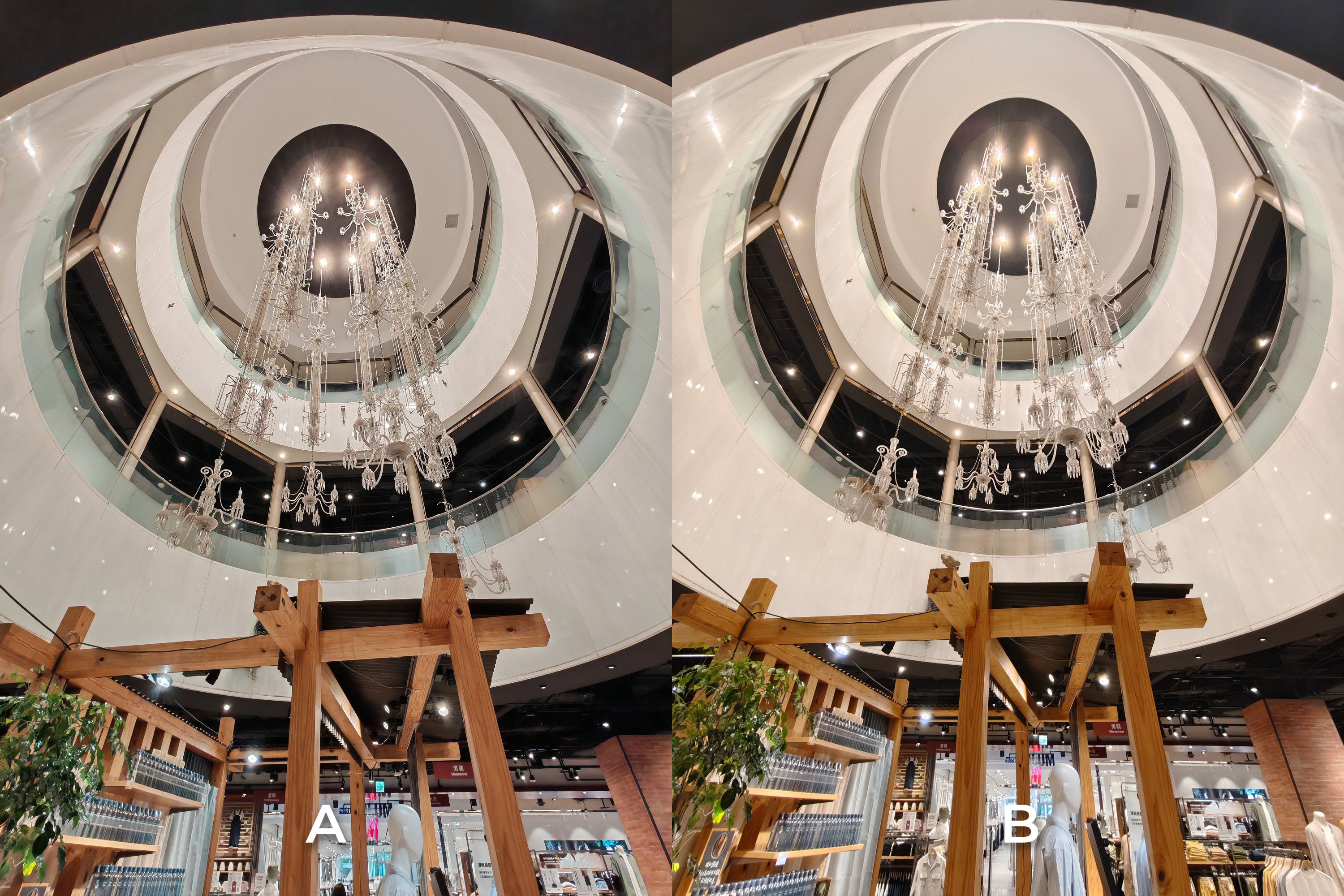
Wide (1x)
Now onto the main filling: 200MP vs 50MP — does megapixel count really matter?
W1
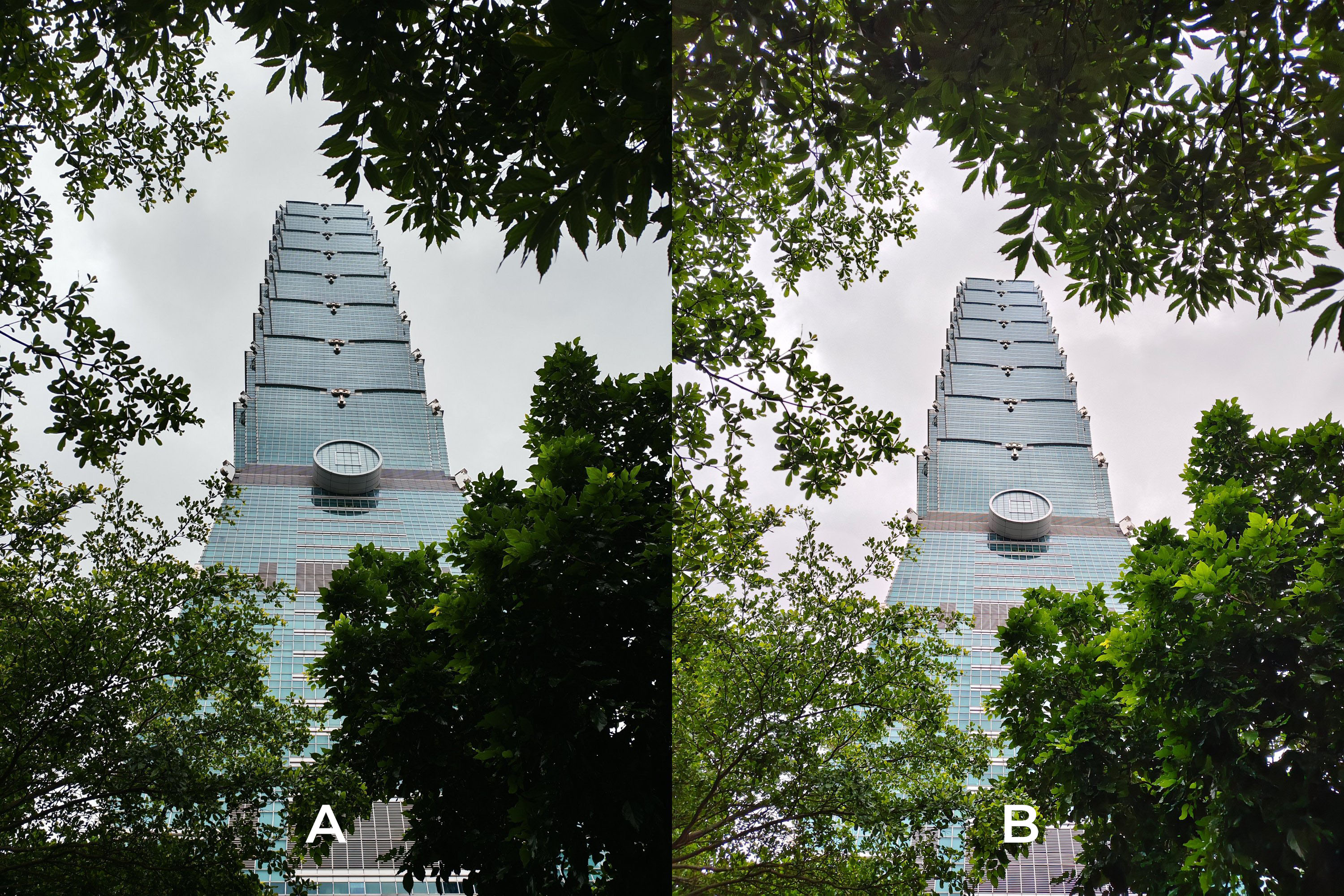
W2

W3
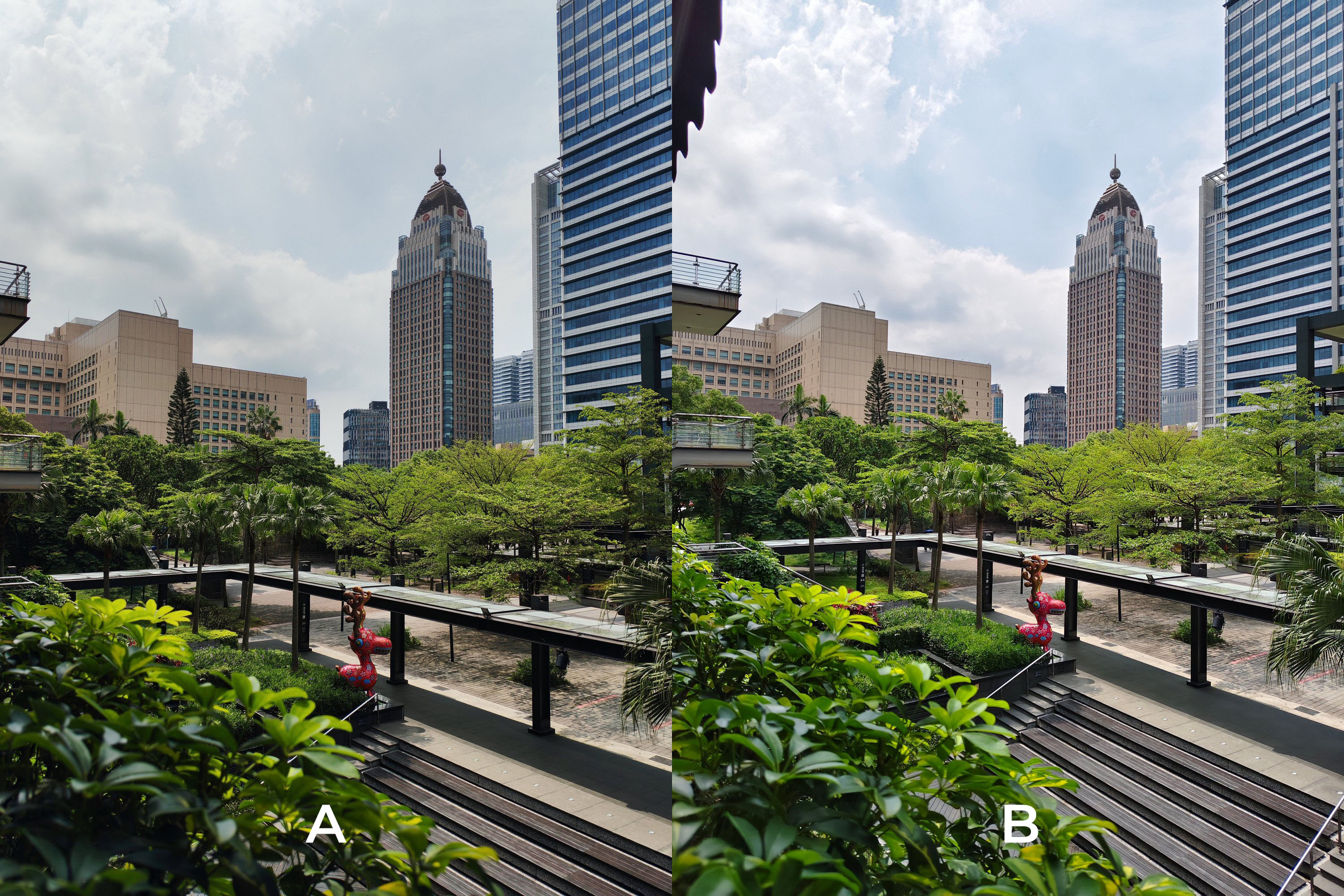
W4
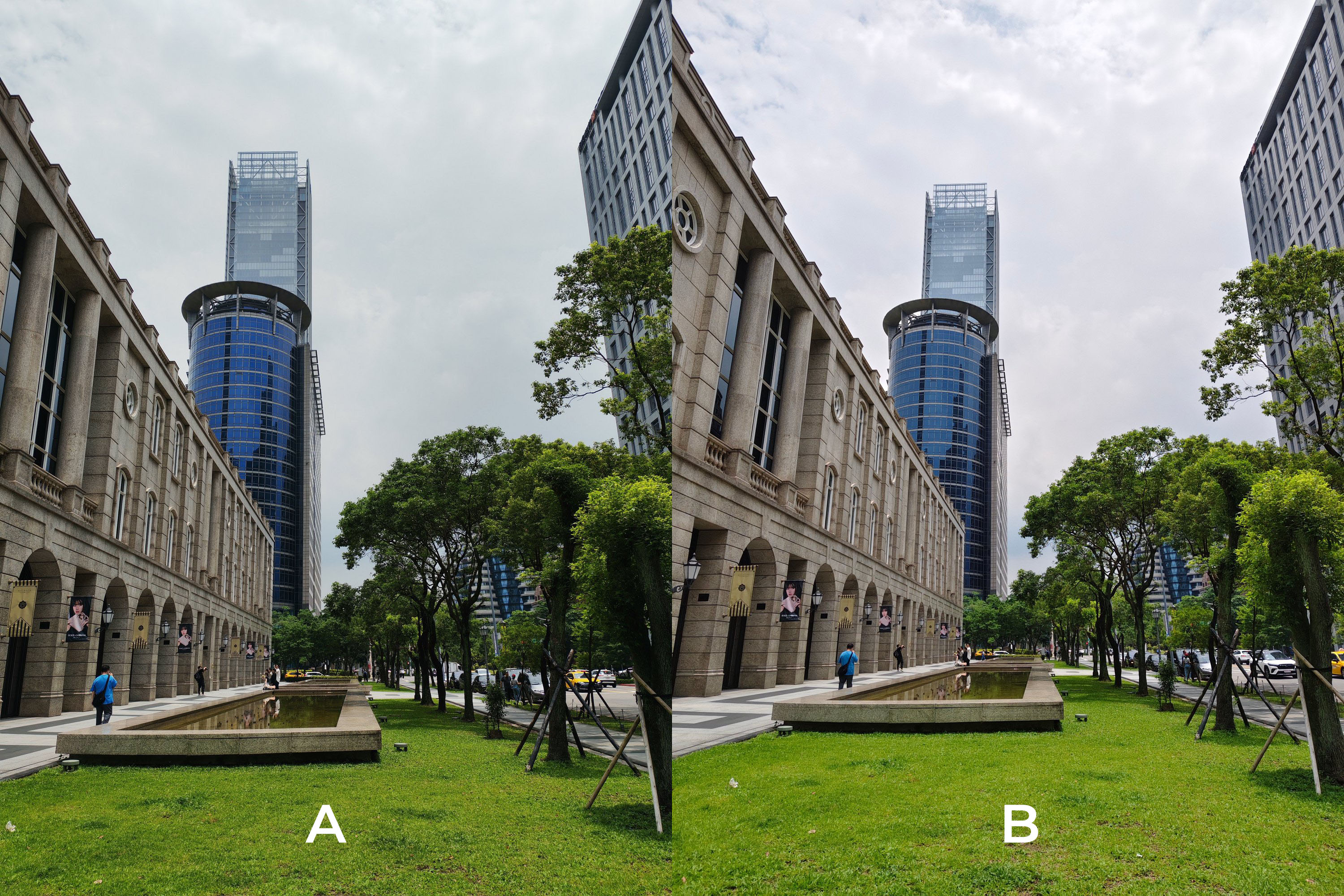
W5

W6
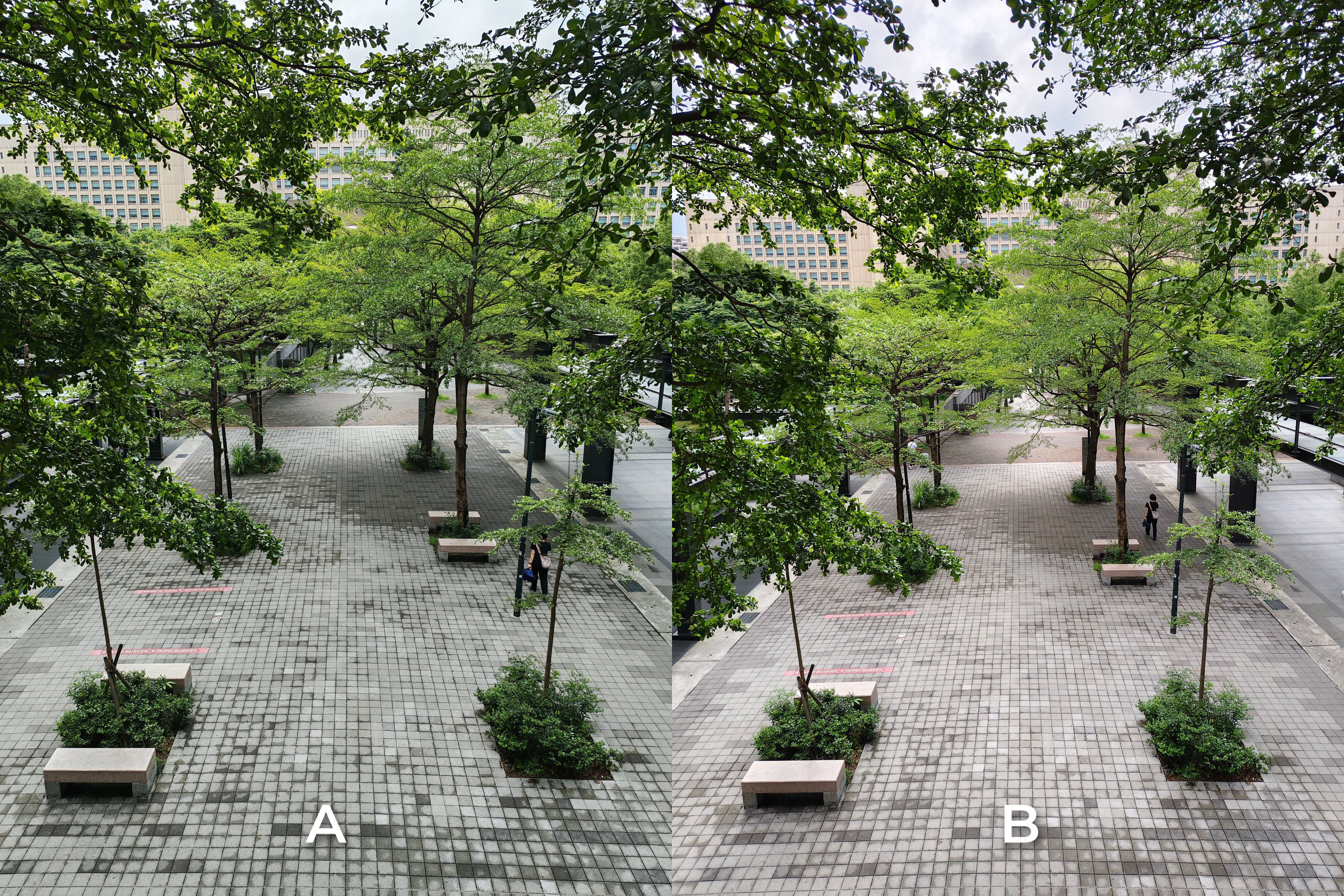
W7

W8
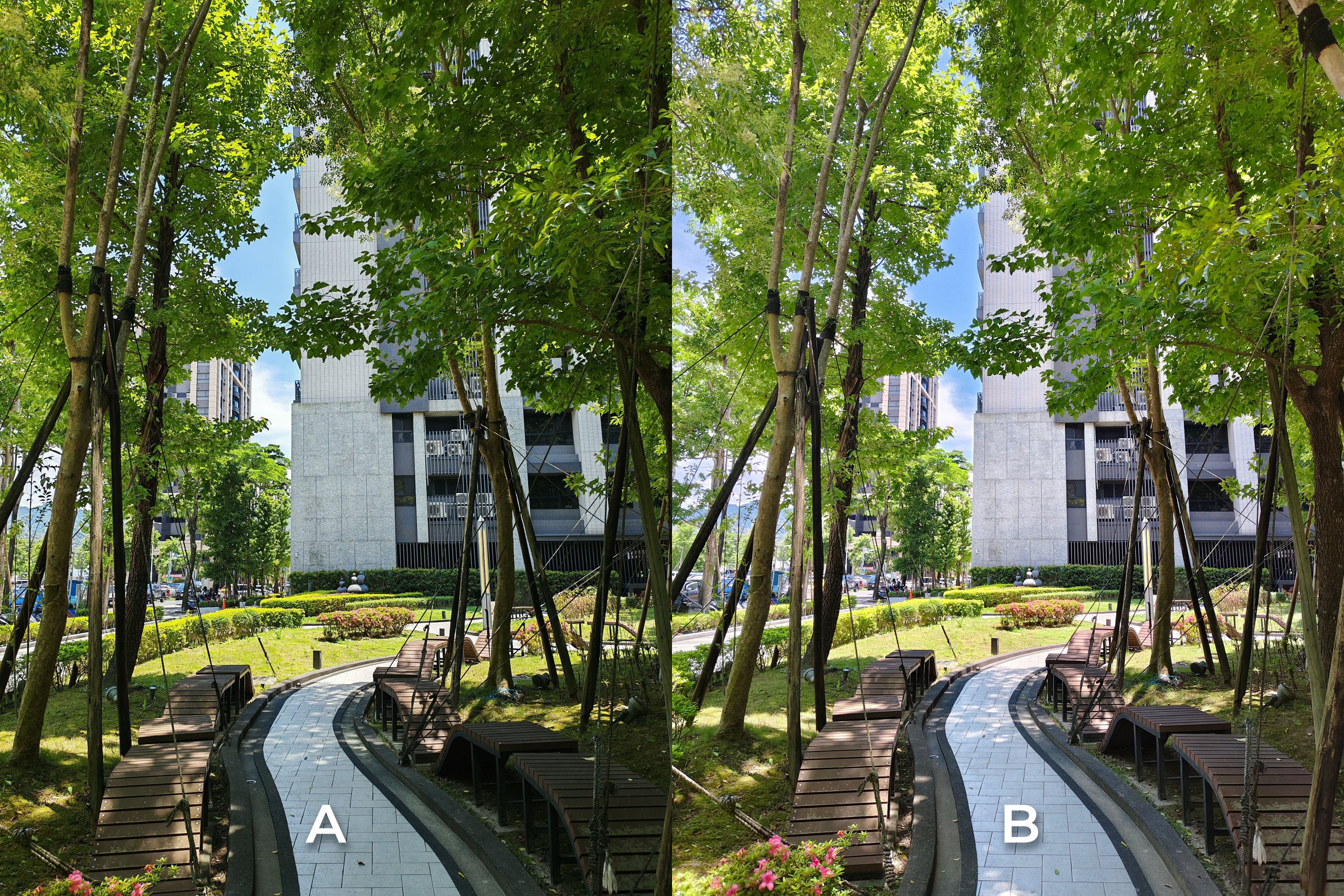
W9
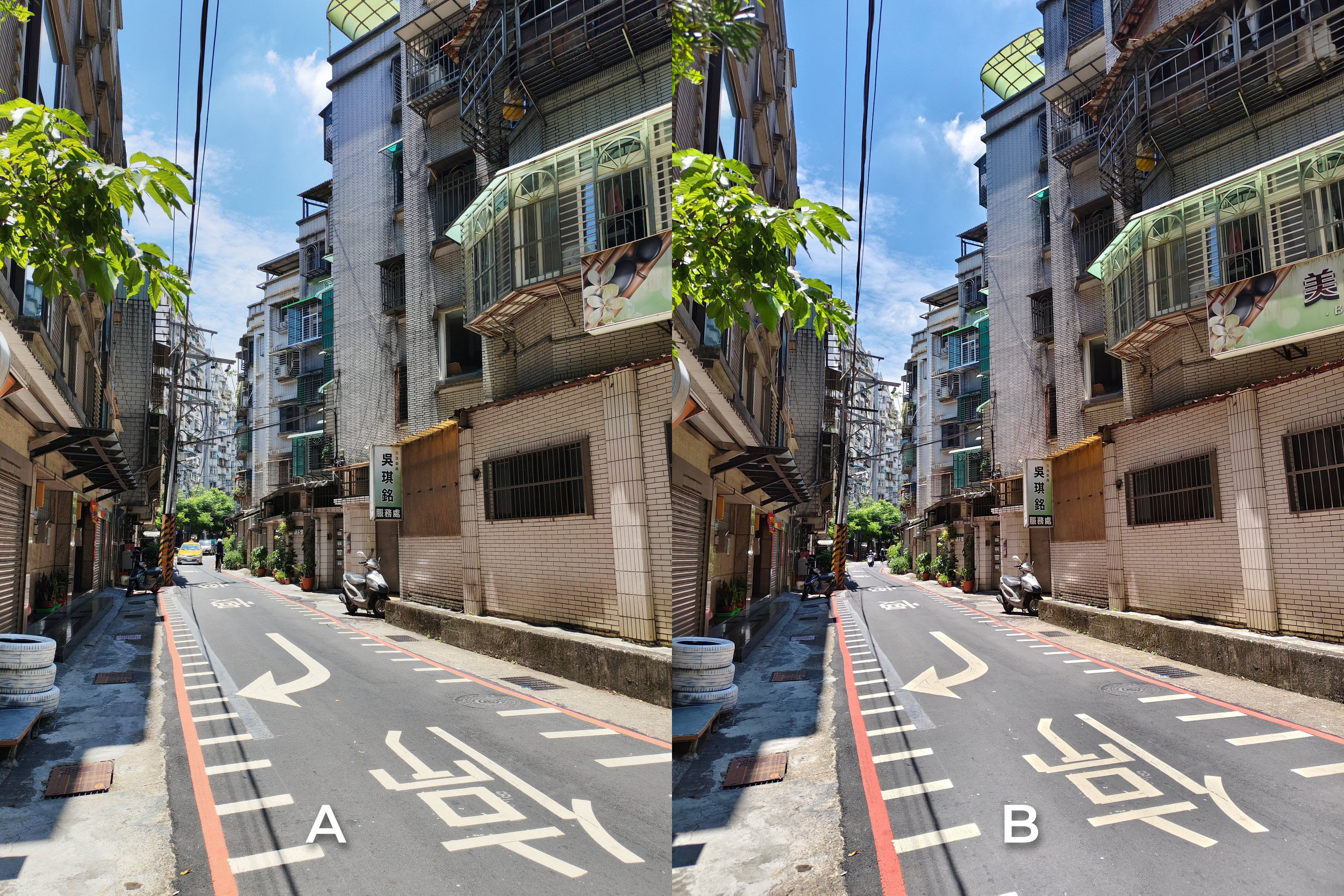
W10
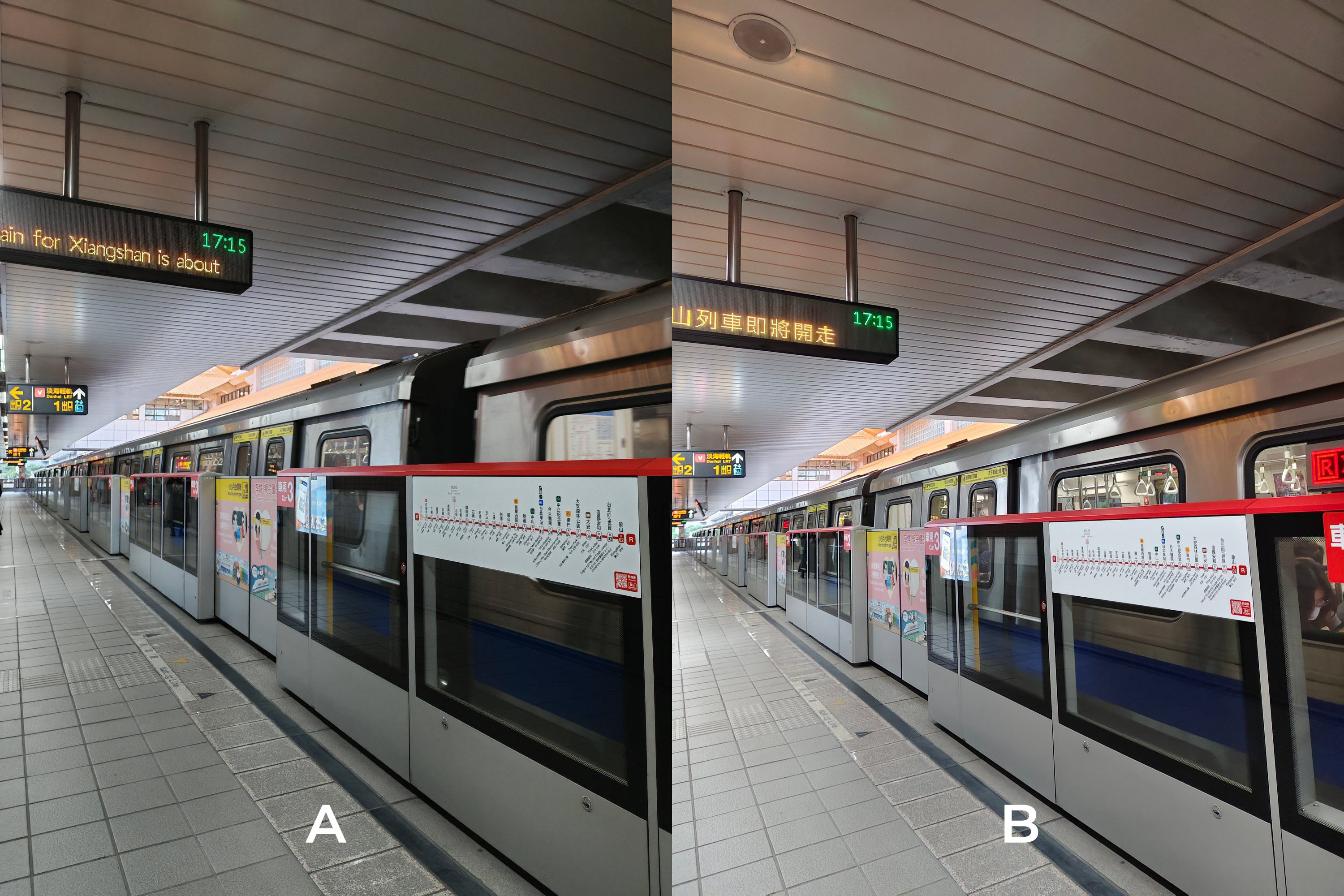
2x Lossless Zoom
Just because we don’t have a dedicated zoom unit, it doesn’t mean we cannot take photos past 1x.
LZ1
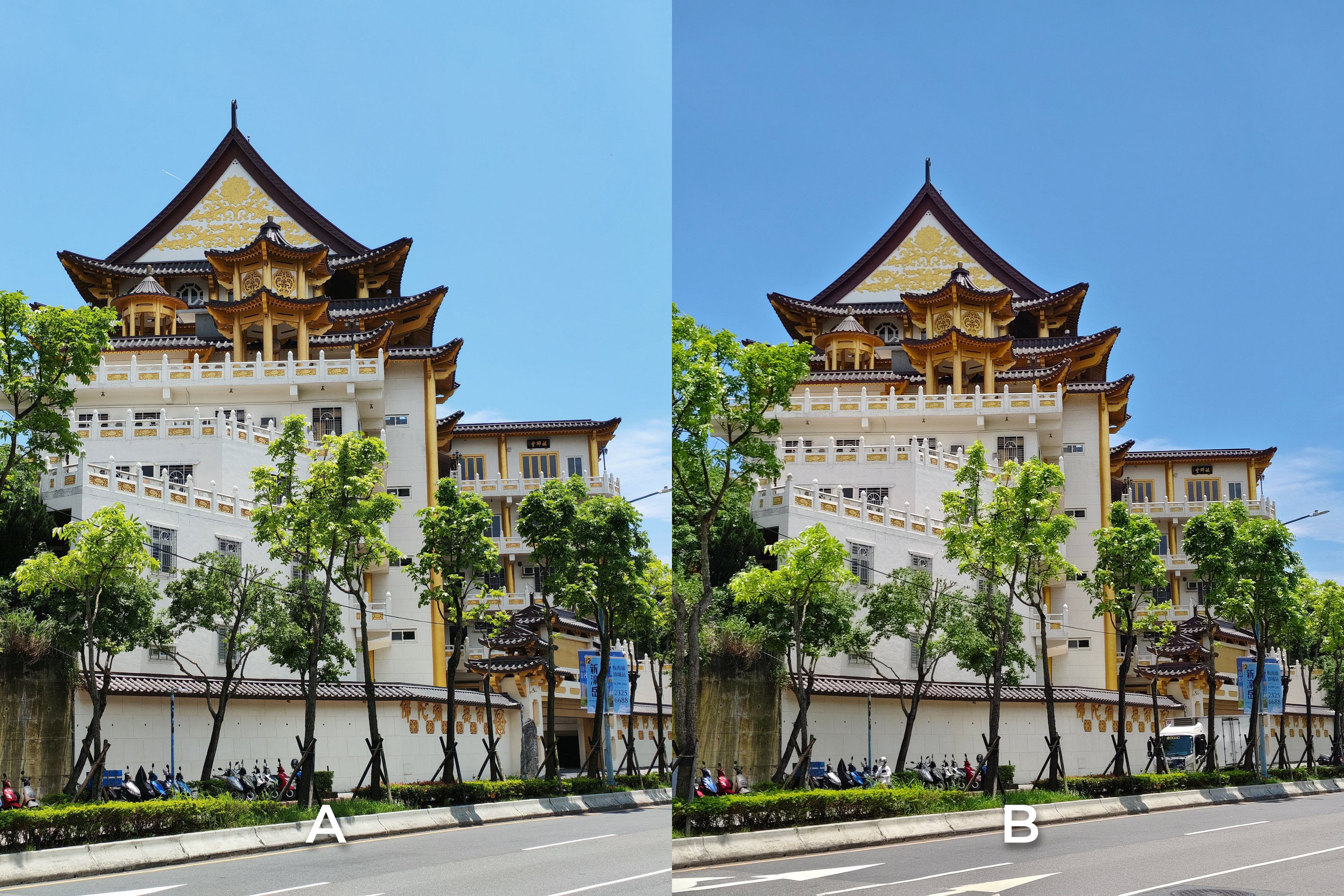
LZ2

LZ3
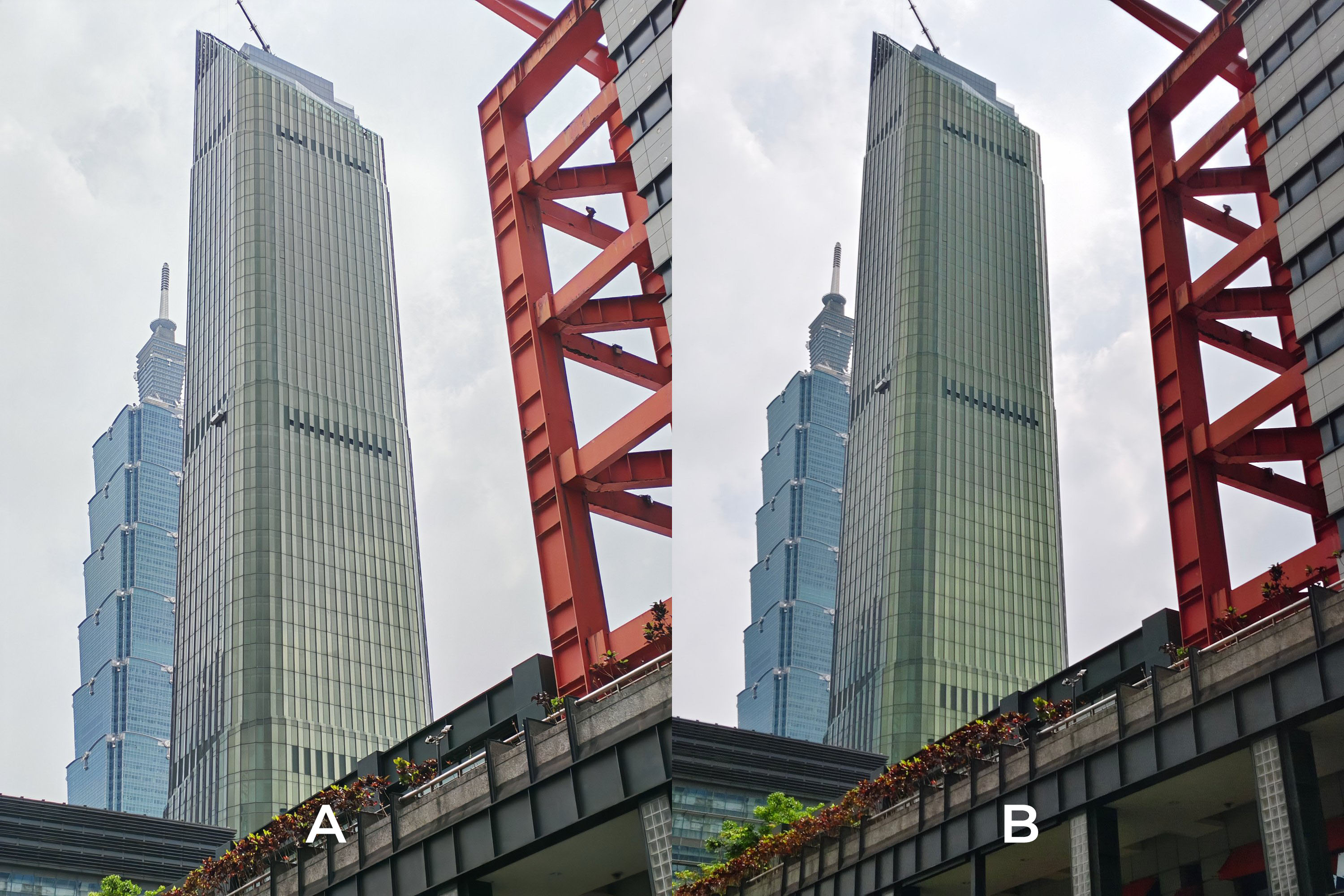
LZ4
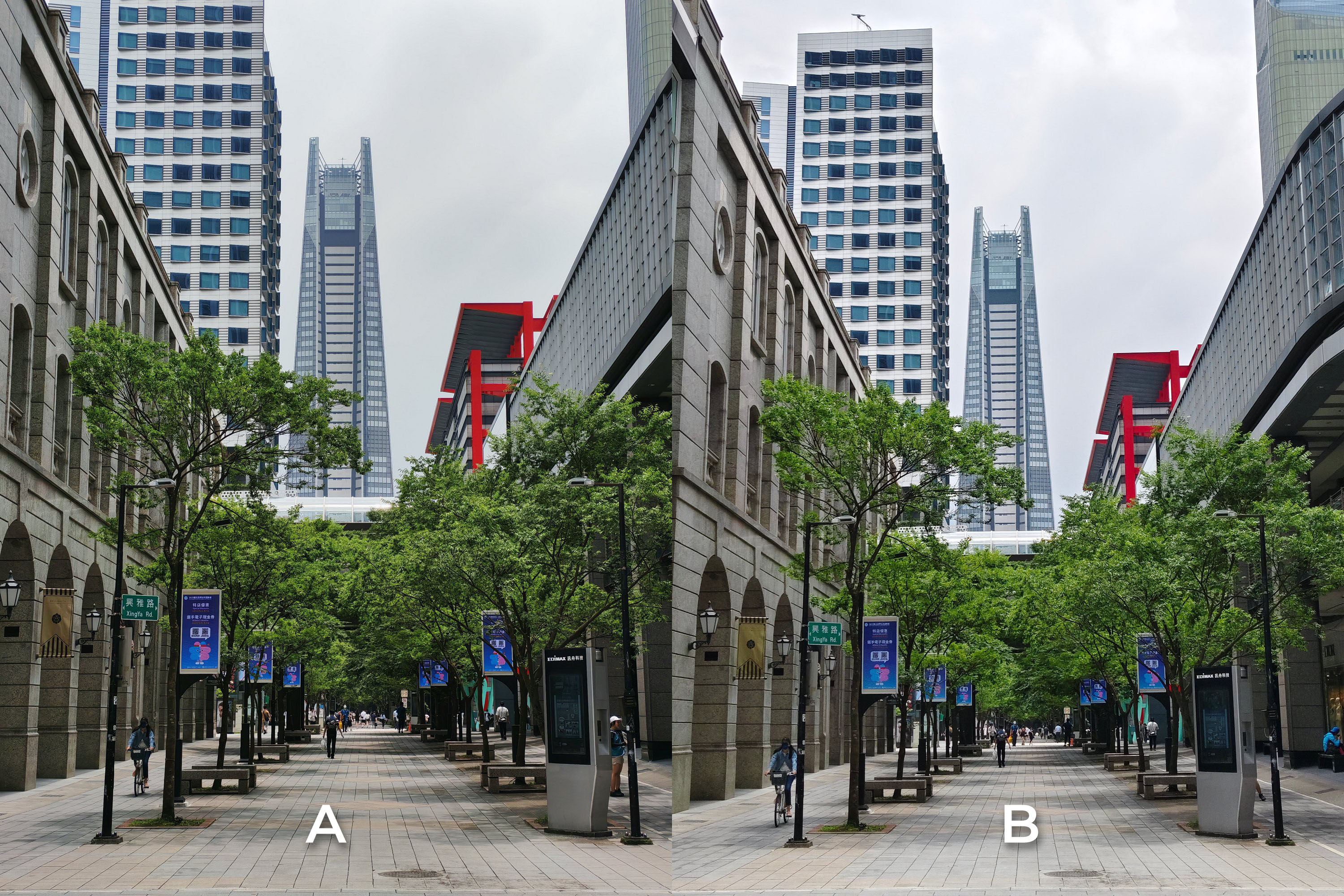
LZ5
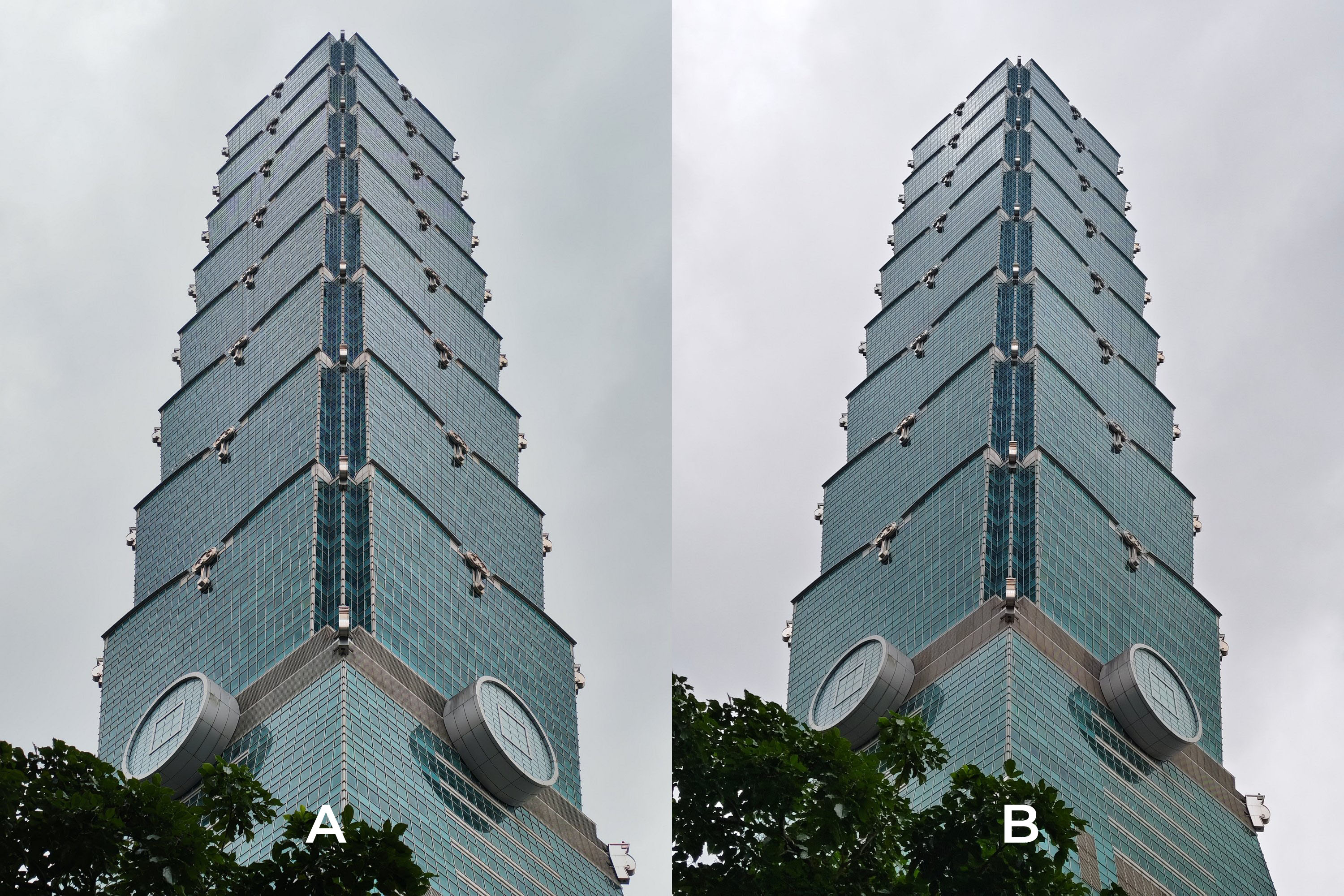
LZ6
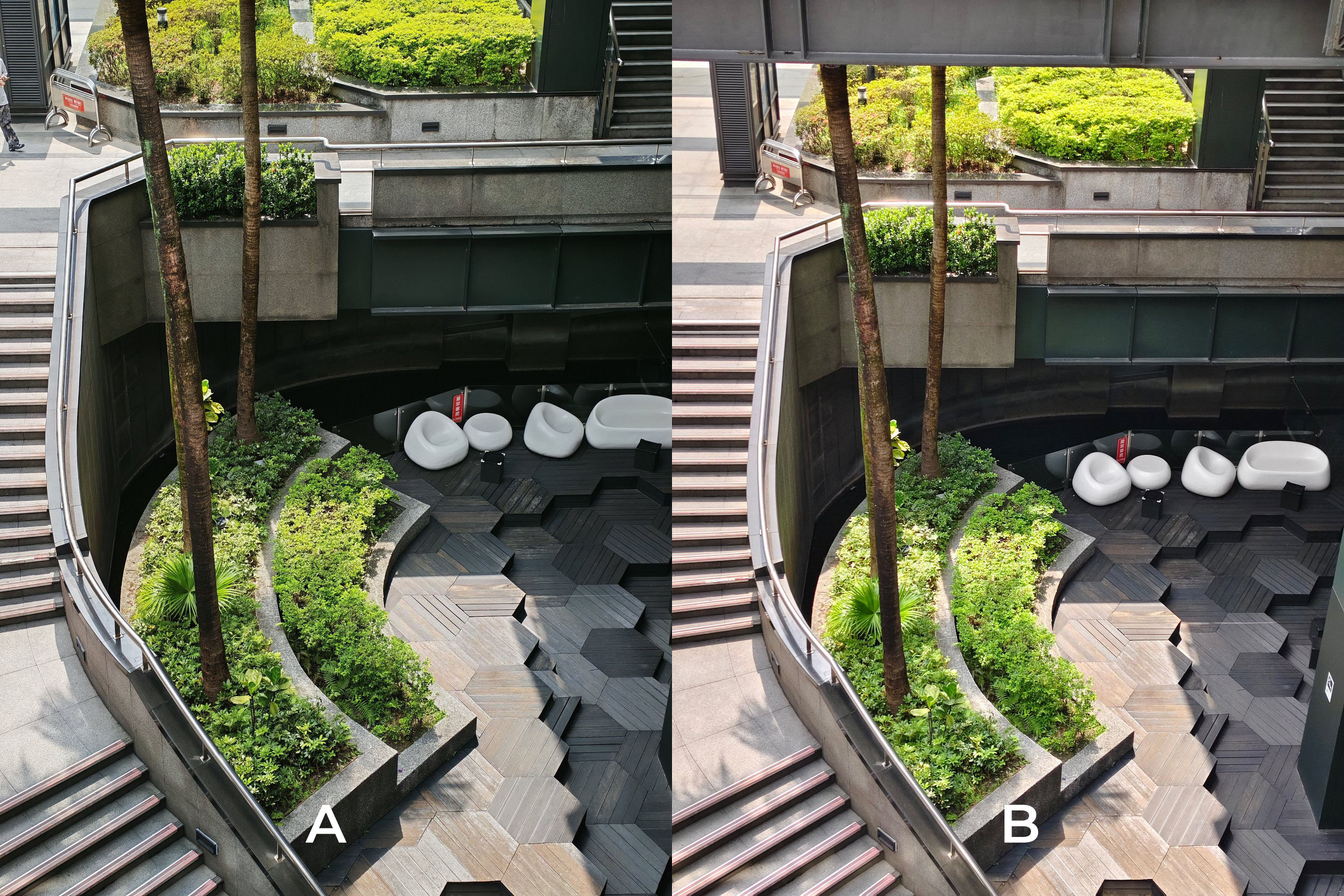
LZ7
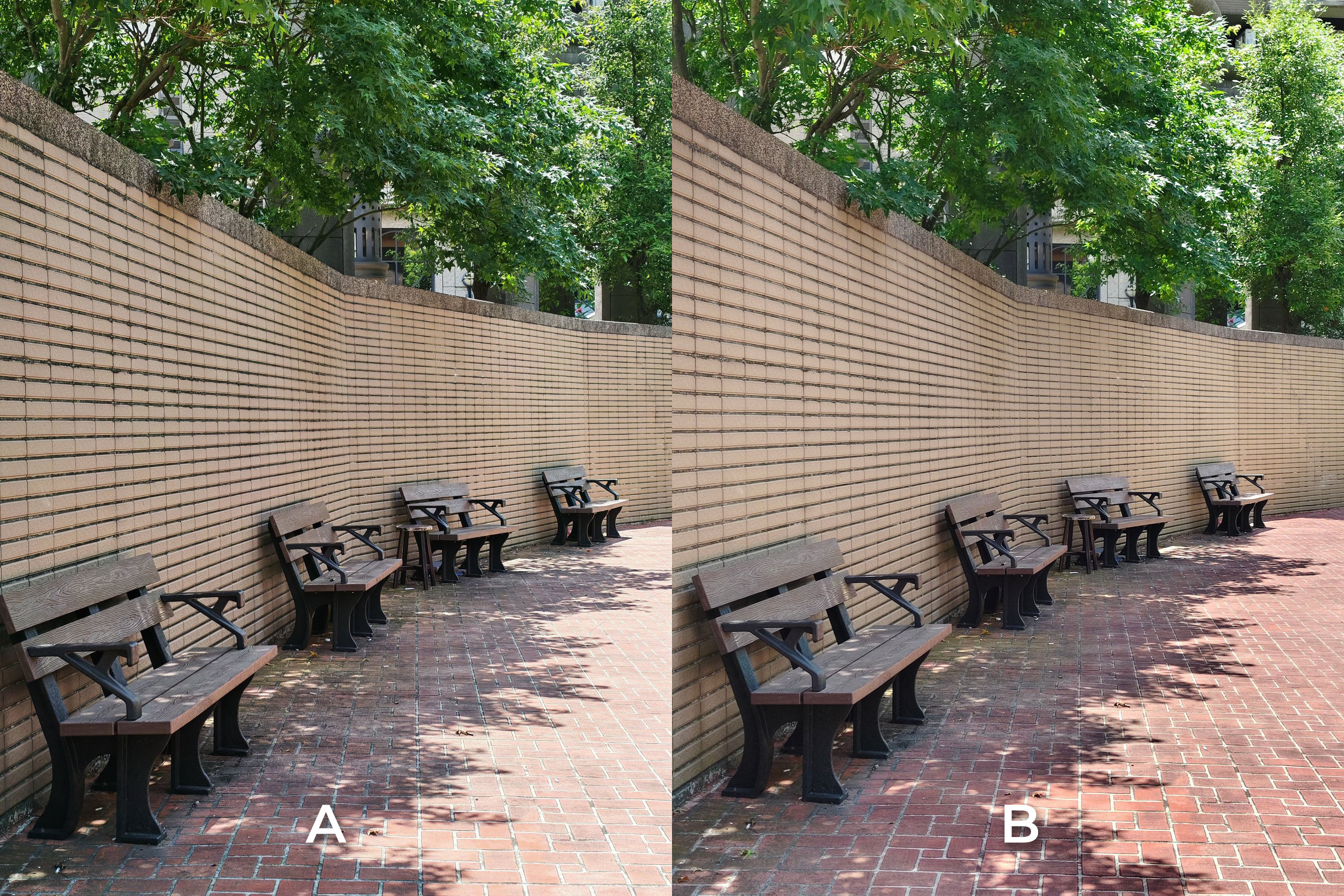
LZ8A
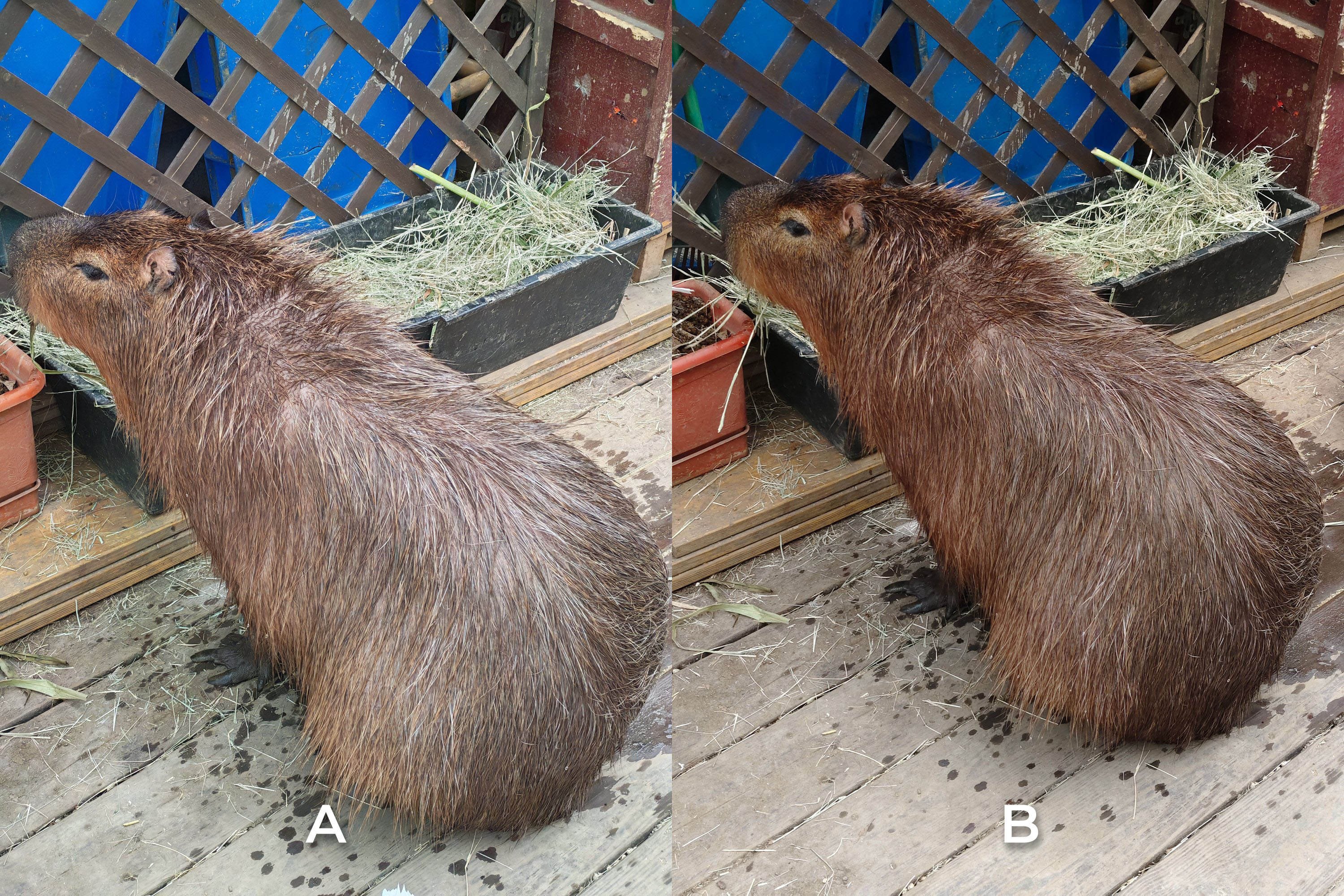
LZ8B

LZ9A

LZ9B
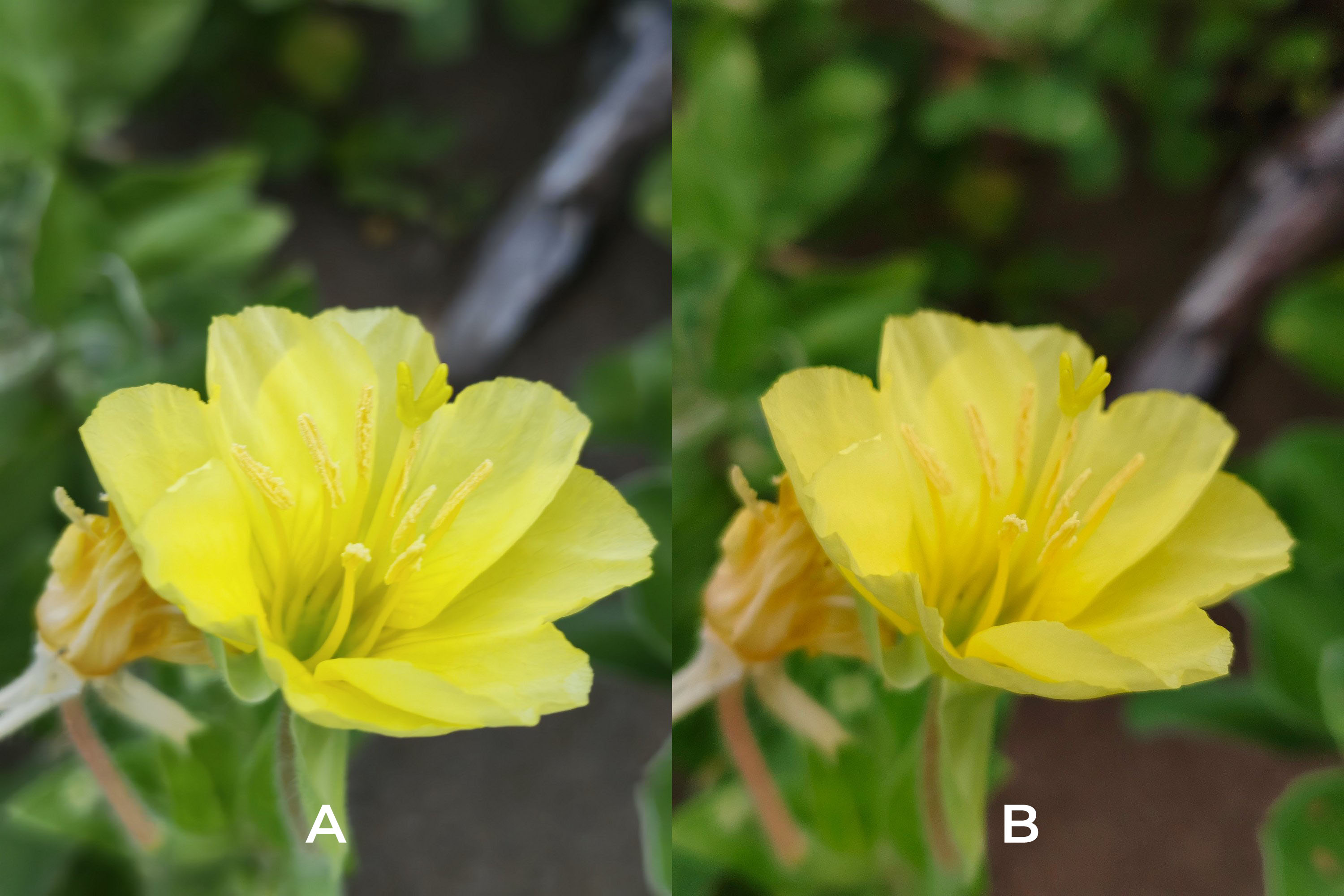
LZ10
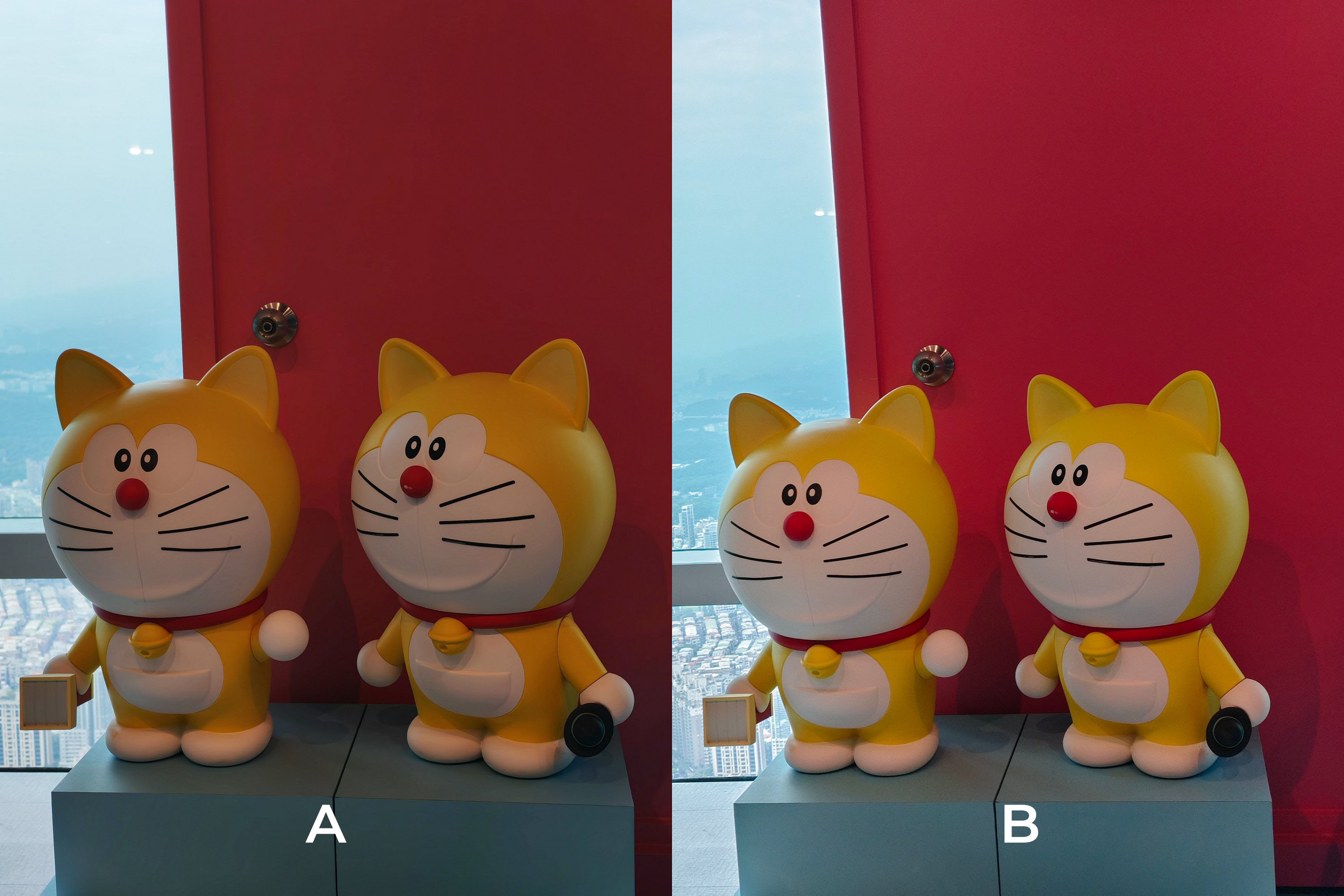
Beyond Zoom
Going beyond the lossless zoom limits just to see how far can these two phones take the cake in digital zoom imagery.
BZ1
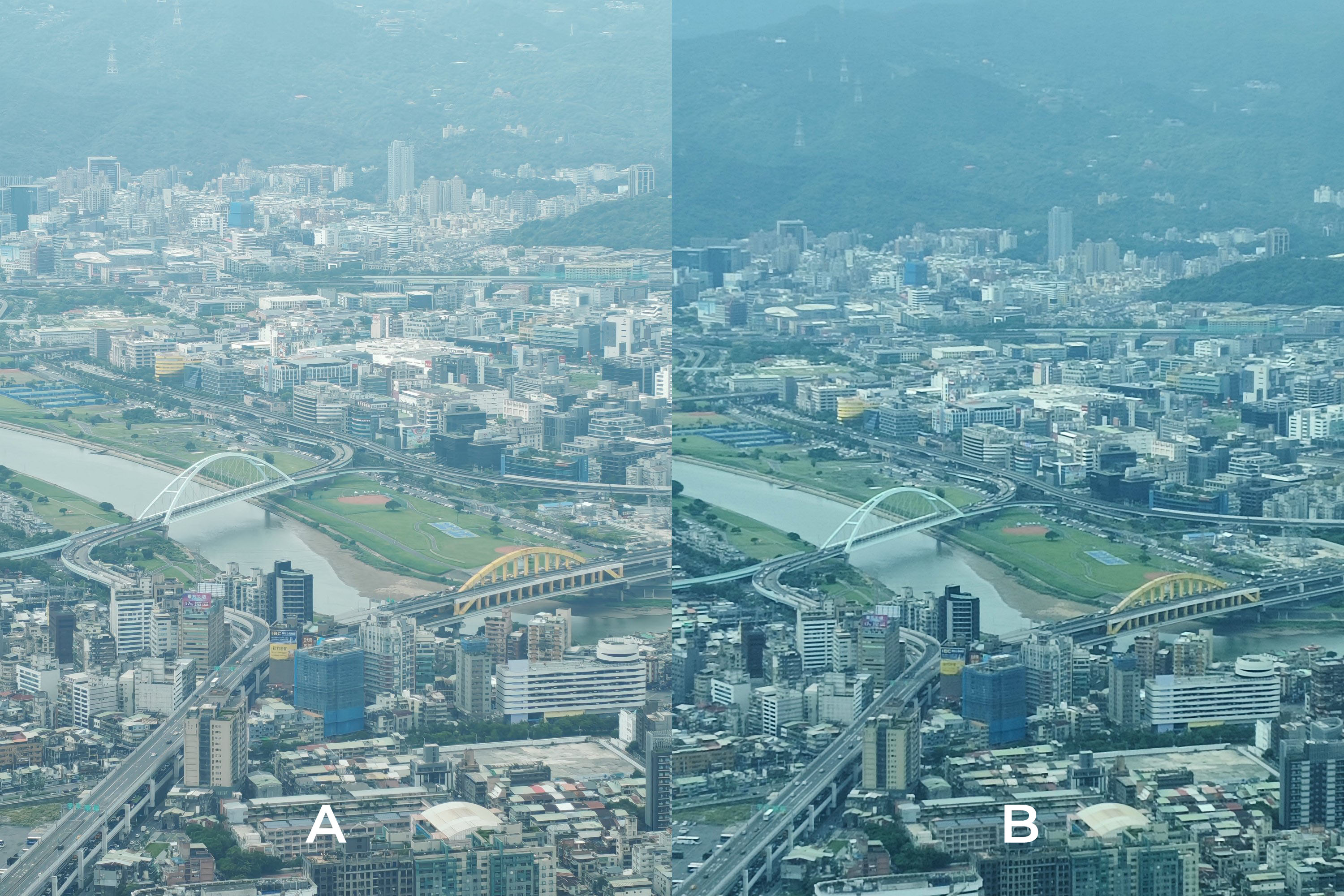
BZ2

BZ3

BZ4

BZ5
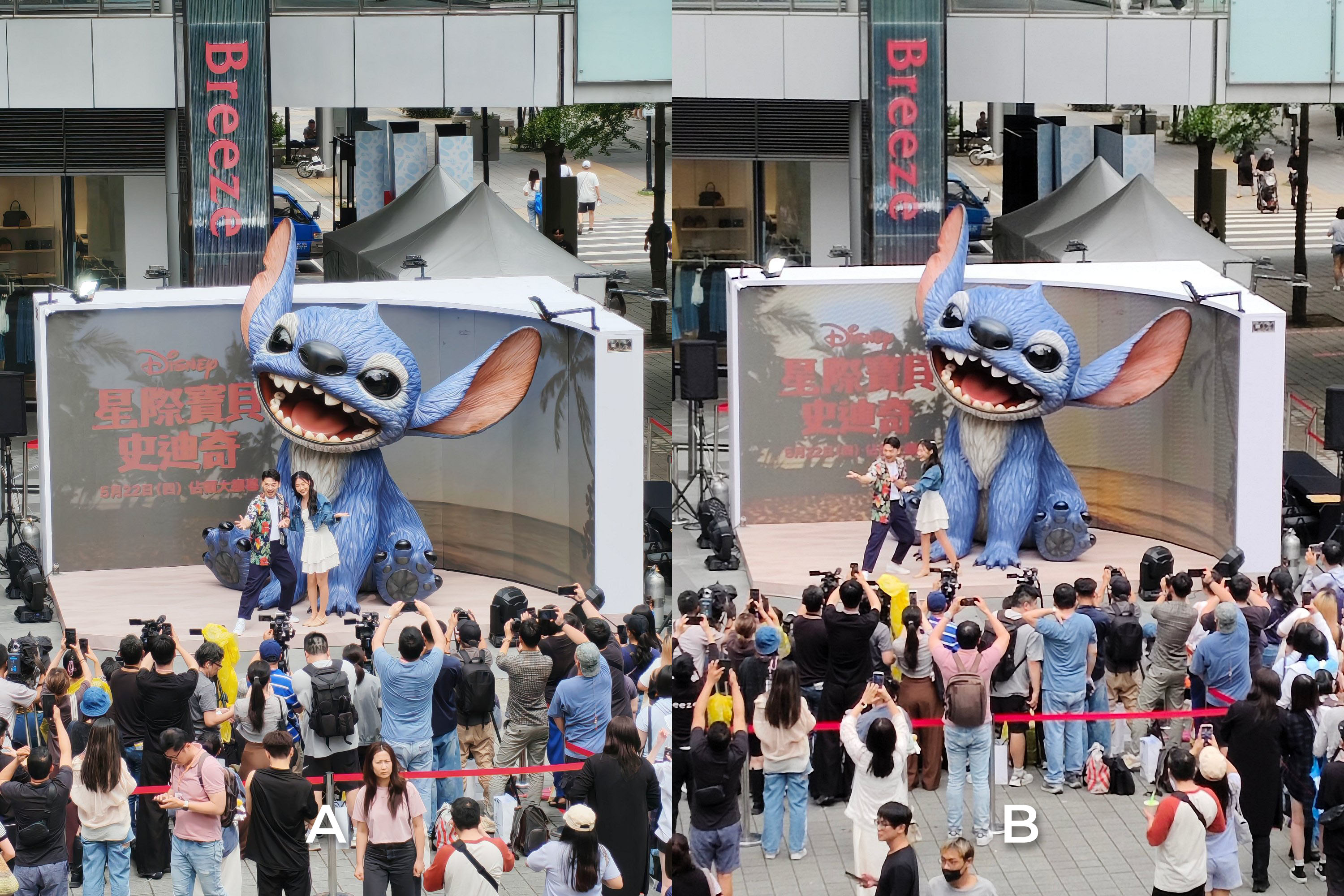
BZ6

BZ7

BZ8
Good Mood for Food
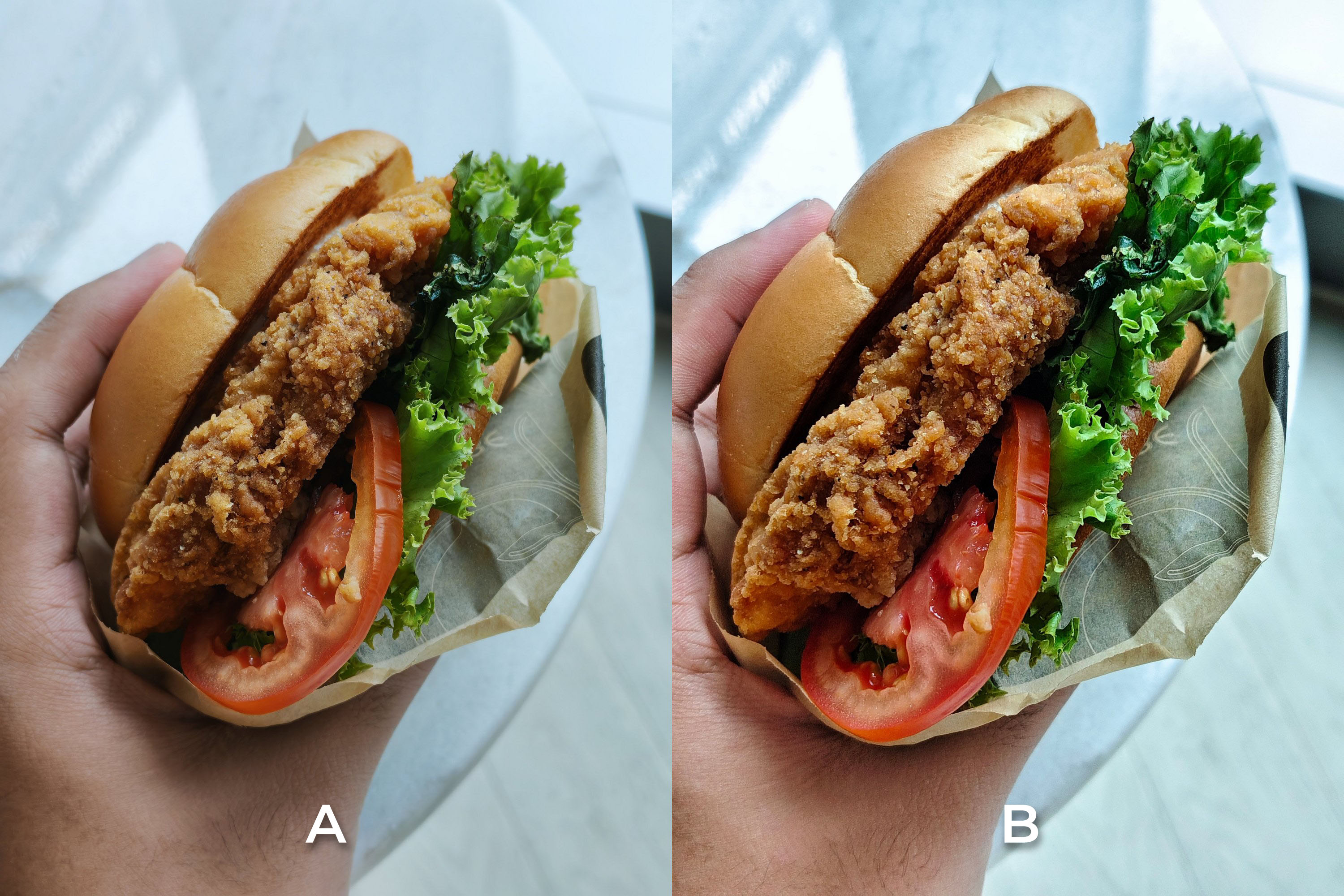
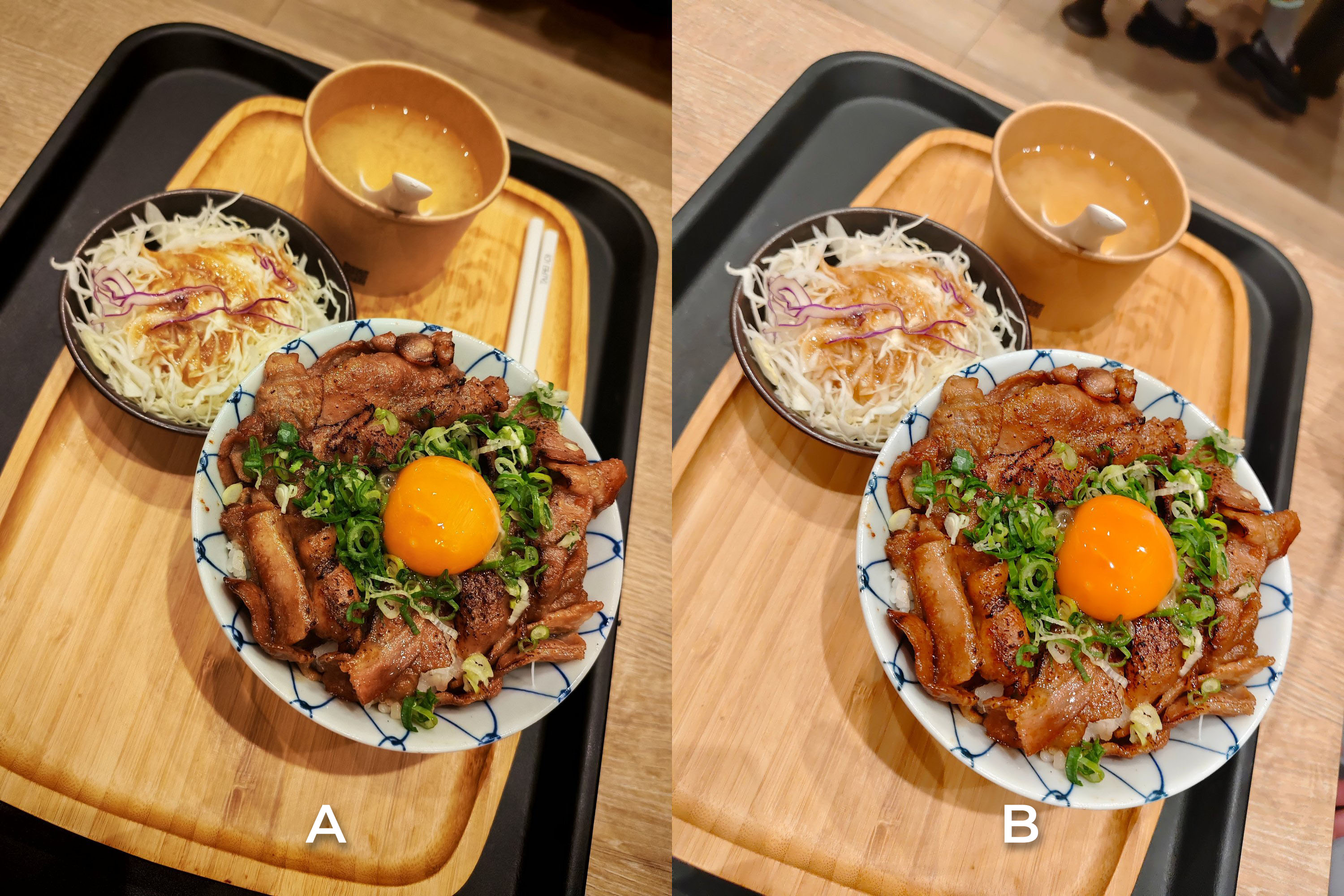
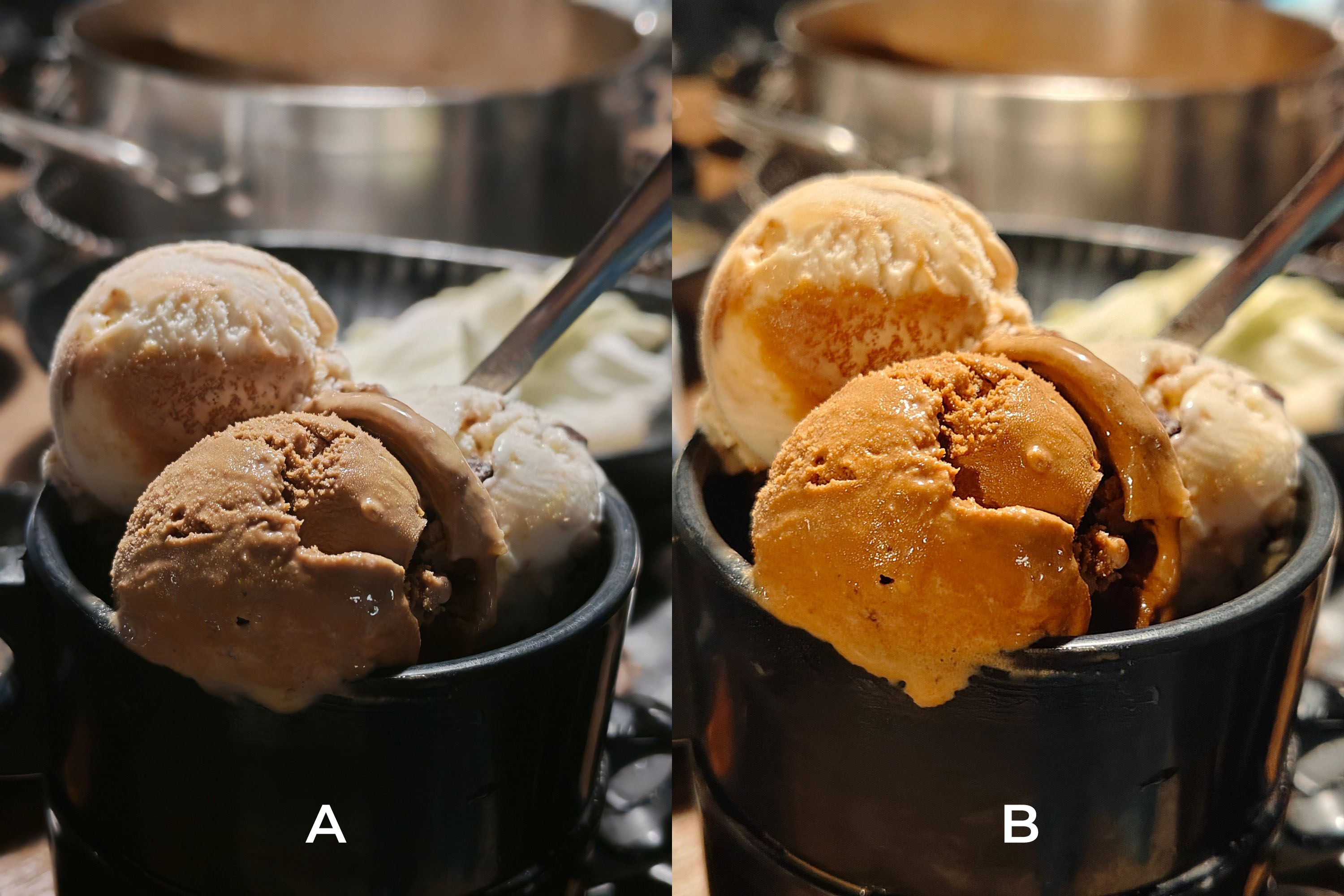
It won’t be a complete camera chow down without a food-dedicated section.
F1

F2
F3

F4
F5A

F5B
Right at Night
Night Mode algorithms make or break a phone’s camera performance.
In this case, which phone is the best when there’s already an absence of natural light?
N1A | 1x Wide

N1B | 2x Zoom
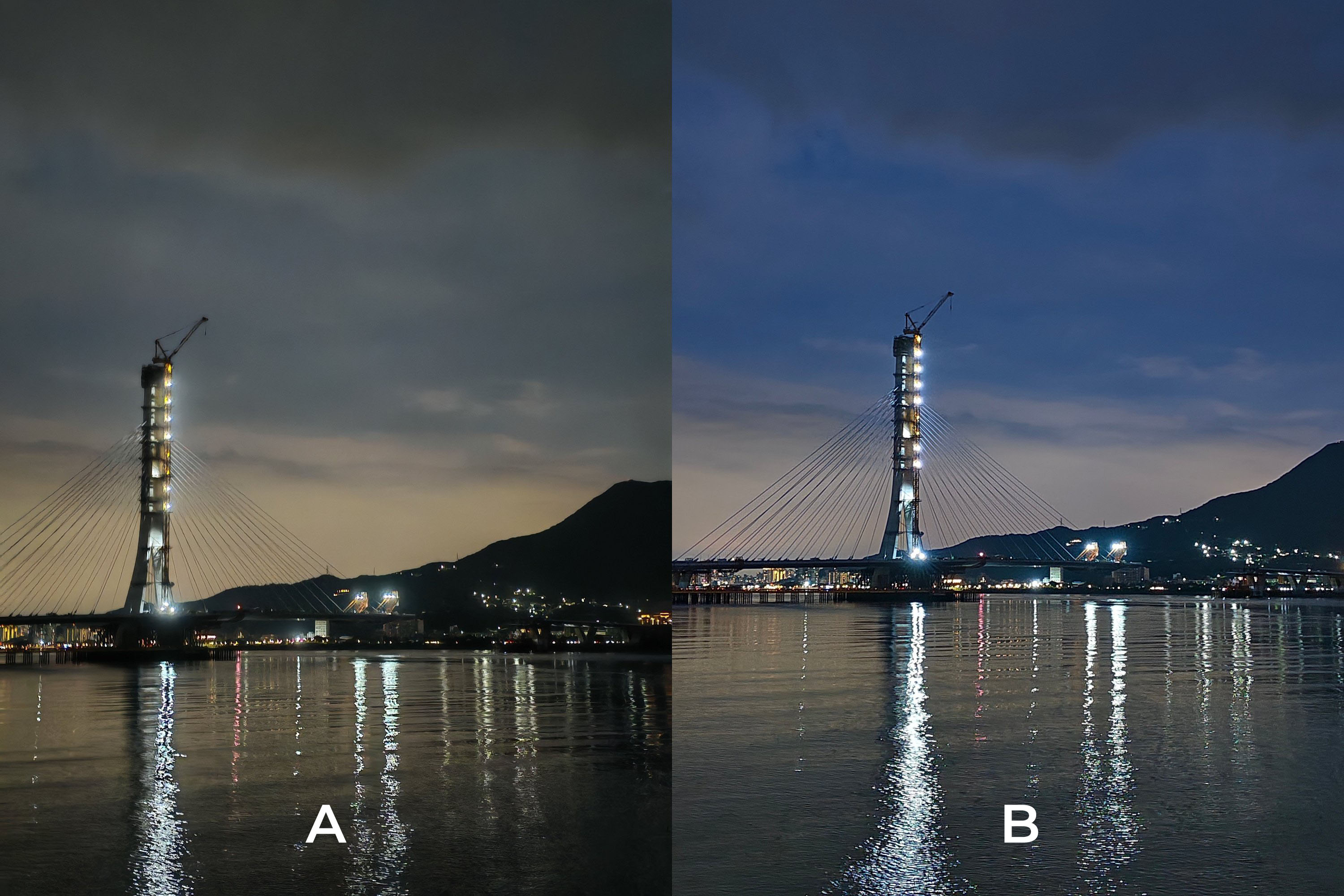
N2A | 1x Wide

N2B | 2z Zoom

N3A | 1x -Wide
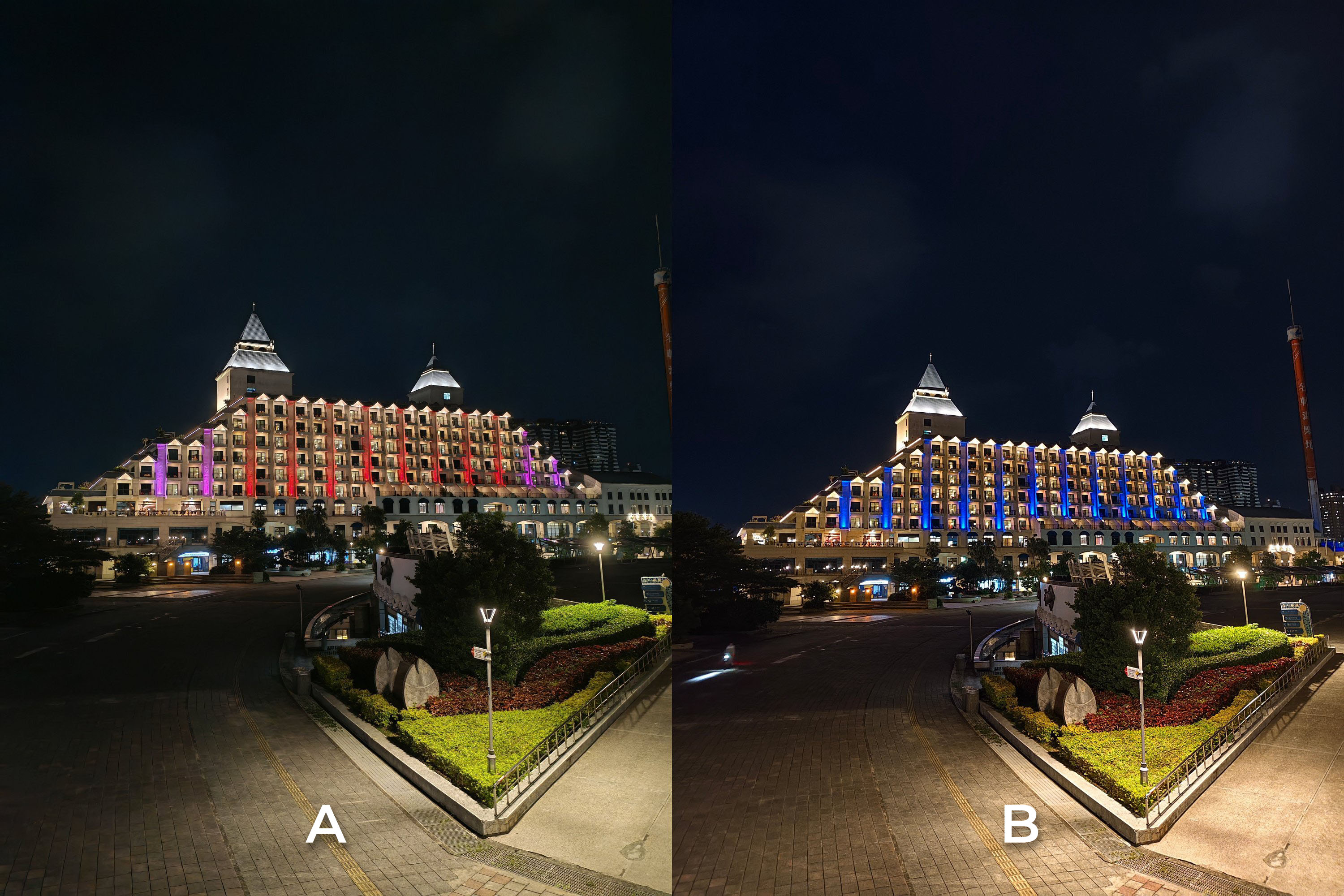
N3B | 2x Zoom
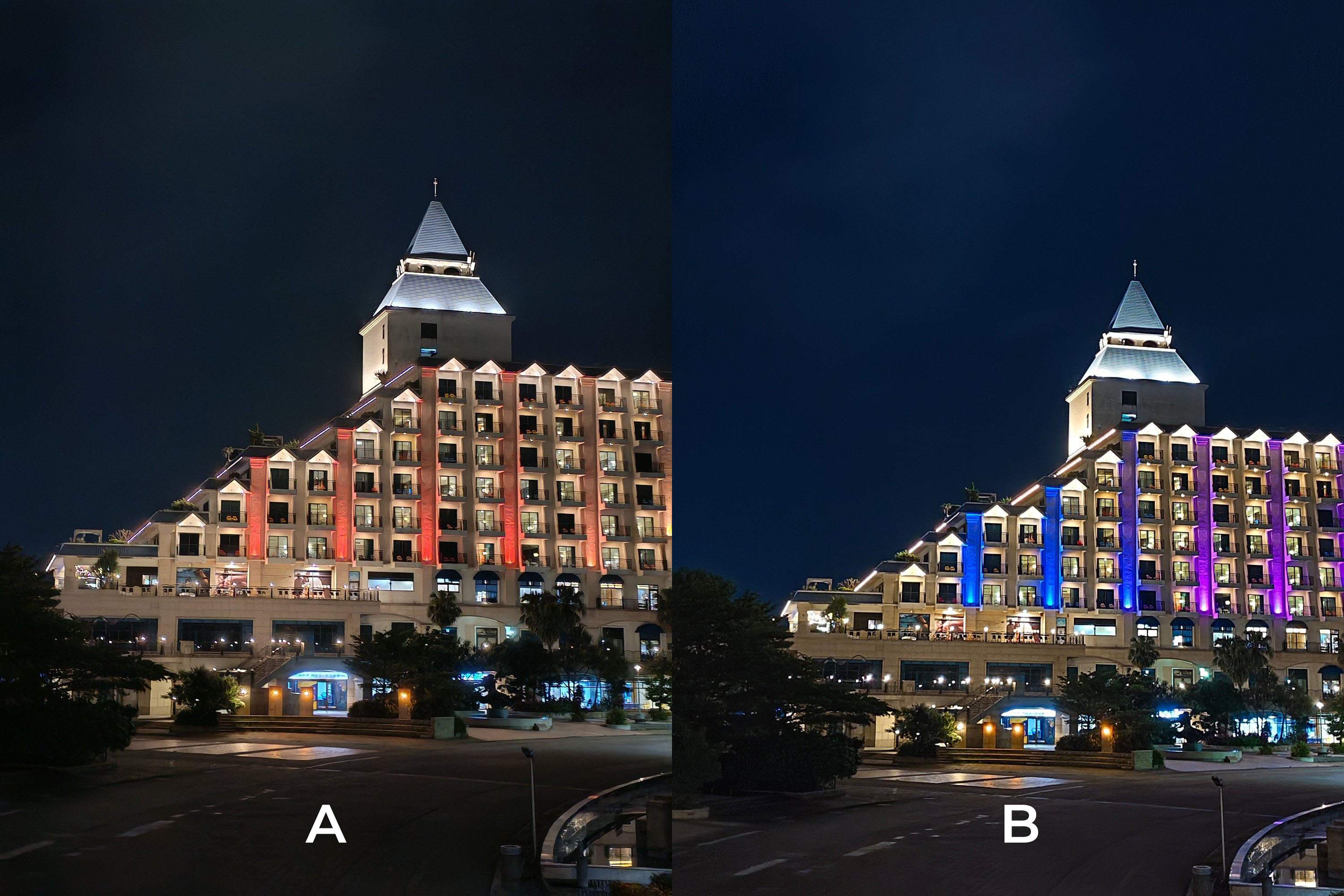
N4
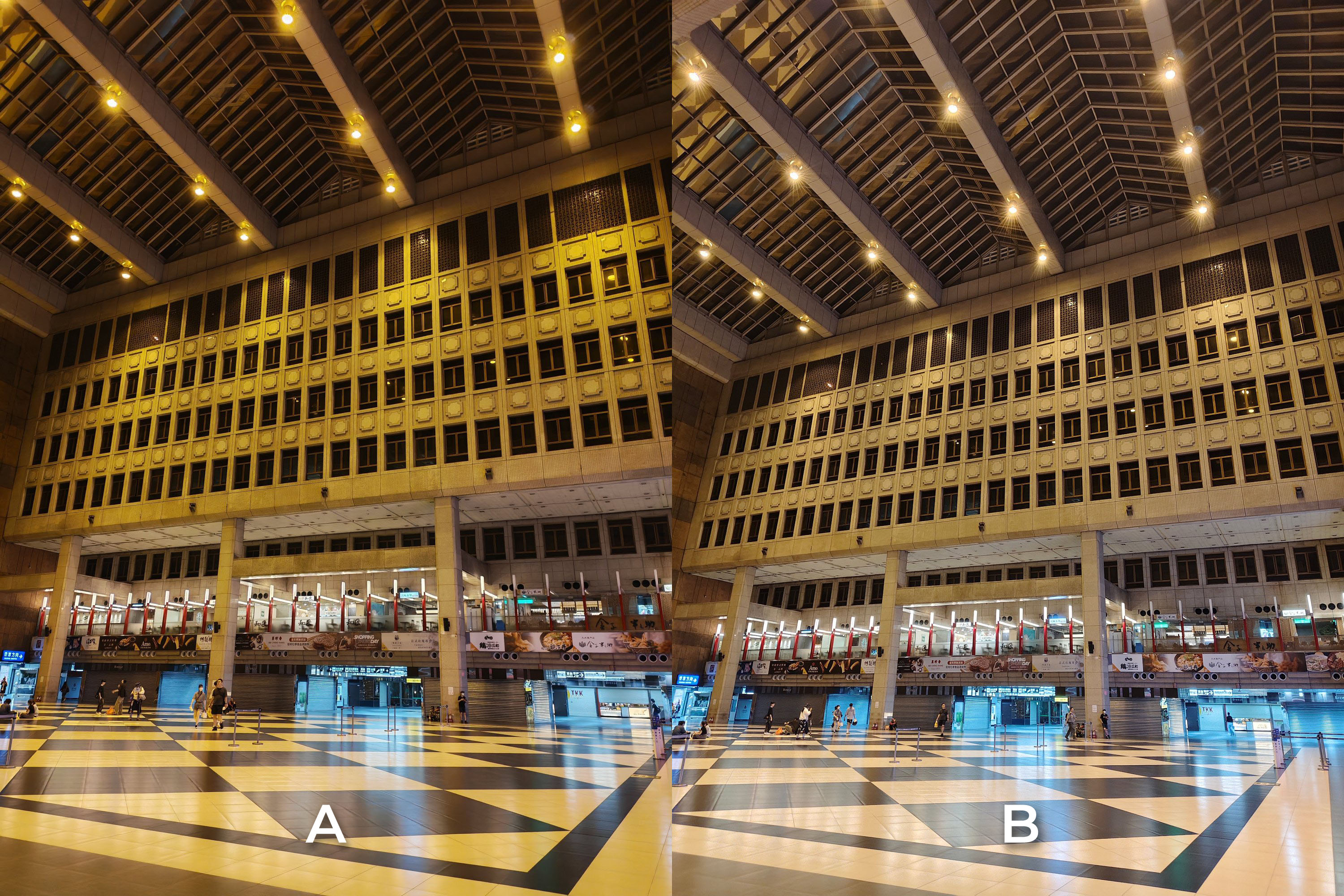
N5

N6

N7
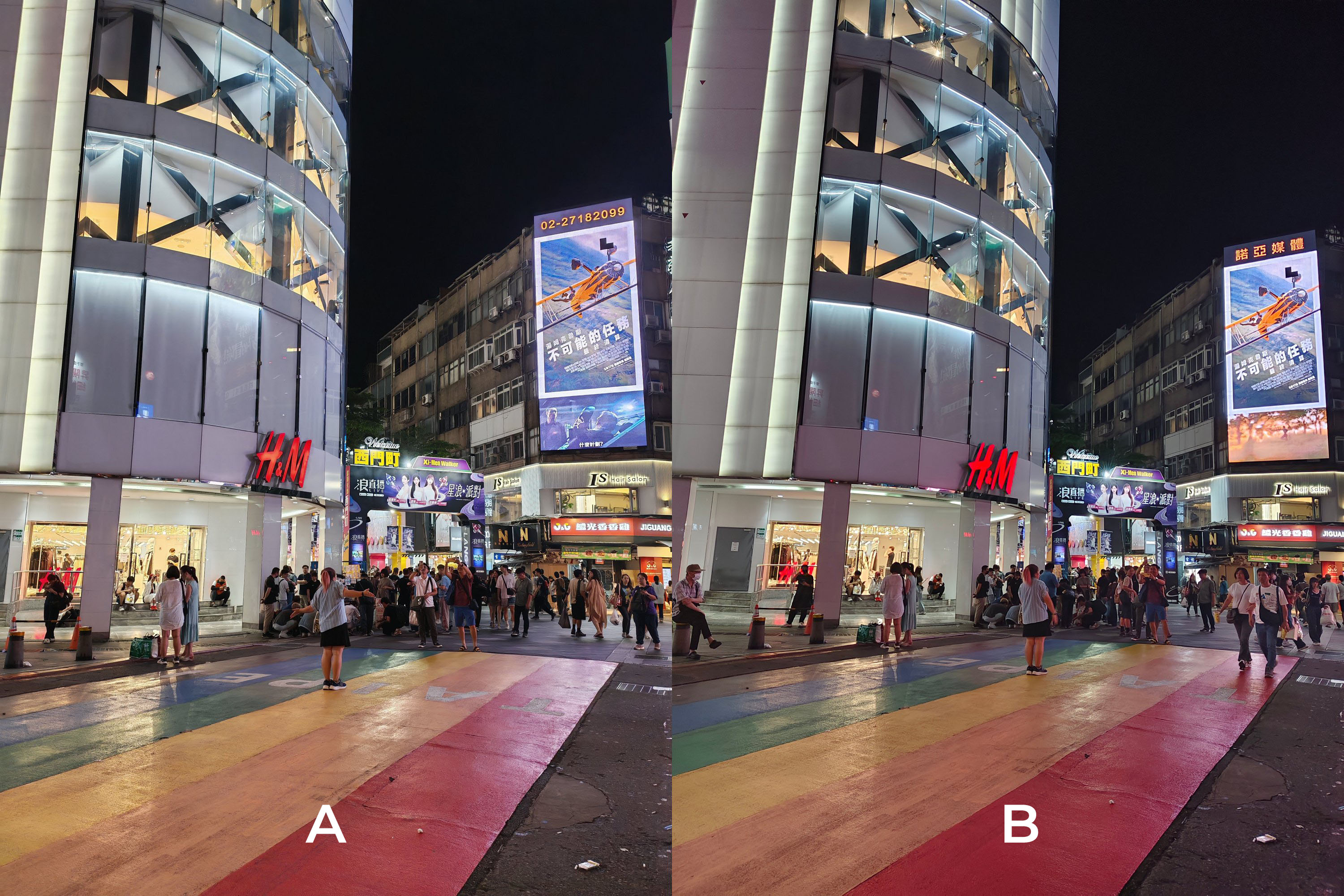
BONUS: Portraits and Selfies
Harcourt or ZEISS?
Also, which is the selfie expert among these two midrangers?
P1

P2

S1

S2

S3

S4A | Regular Selfie
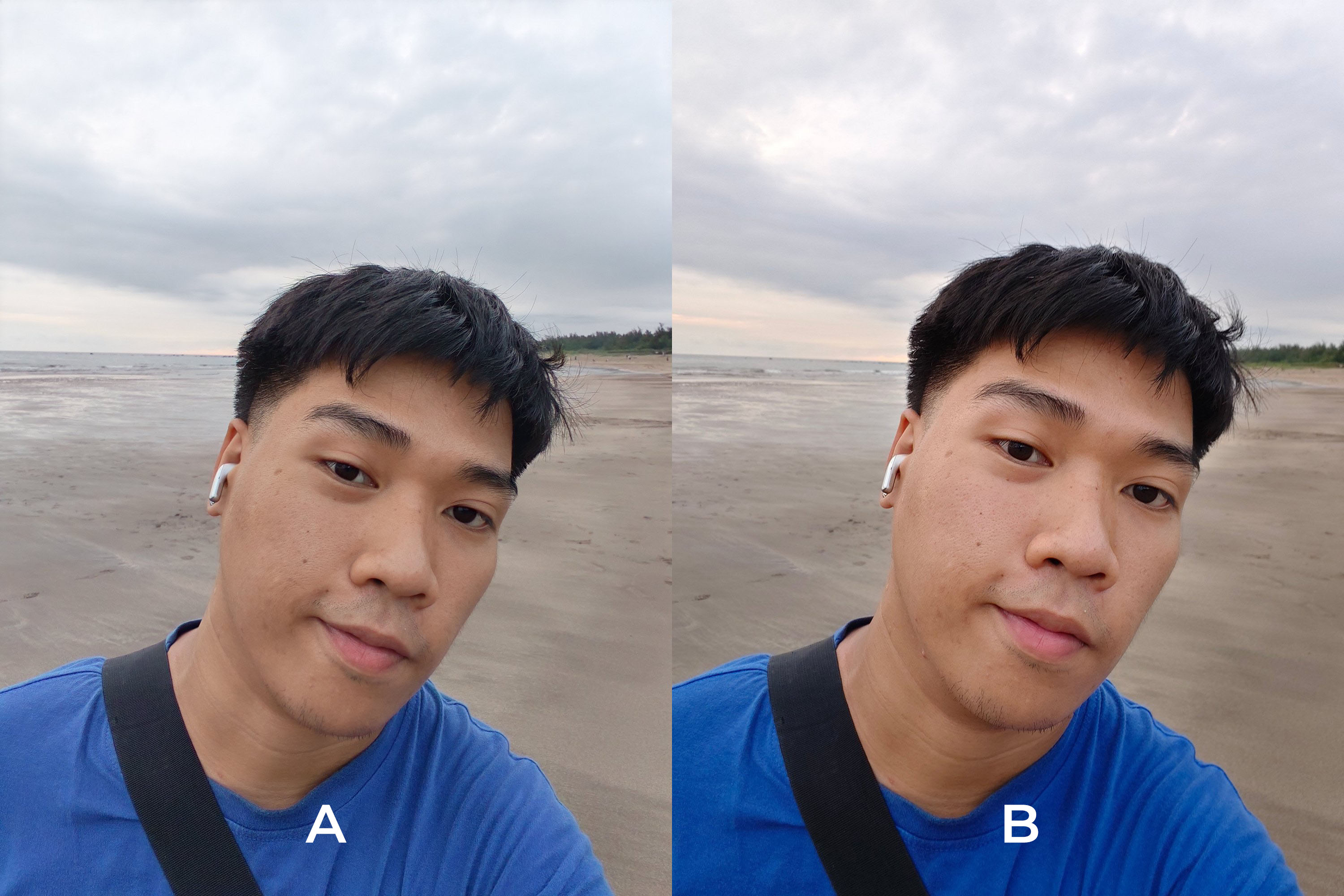
S4B | Ultra-Wide Selfie

S5A | Regular Selfie

S5B | Ultra-Wide Selfie

Results
It’s honestly hard to discern which is which, even if you’re familiar with how both phones process photos.
Nevertheless, here are the consistent results:
Truthful Thoughts
After spending a Taipei-filled photo session with these two, I can truthfully say no one is a solid final winner as the results were pretty much a mixed bag.
Sometimes, vivo is victorious over its HONOR counterpart — and vice versa.

Starting with their ultra-wide shooters. Sets U1 / U2 / U4 both showed how the V50’s output leans more into the cooler side. However, the opposite happens in its other shots. Honestly, this can be fixed in post if it’s not your cup of tea.
That said, the vivo V50 still has the overall upper-hand with its larger megapixel count and wider aperture. Such configuration creates UWA images that are clearer and less noisy when zoomed in.
Quite an Oddity
Now, when it comes to their main cameras, you’ll notice right away how the HONOR 400 always captures the tighter shot.
That’s due to the fact that it uses an odd focal length of 27mm versus the 23mm found on the V50 — and pretty much any normal smartphone camera would.
Again, something that’s user-preferential as others like it wider. While some like it tighter than ever 👀

Personally, I prefer the wider focal length for overall flexibility — whether preserving the negative space of a photograph or completely cropping it to fit in the perfect aspect ratio when posting on socials.
In the 1x wide category alone, the vivo V50 is my overall pick over the HONOR 400.
HDR and rightful exposure is just one. The color accuracy and consistency is for another.
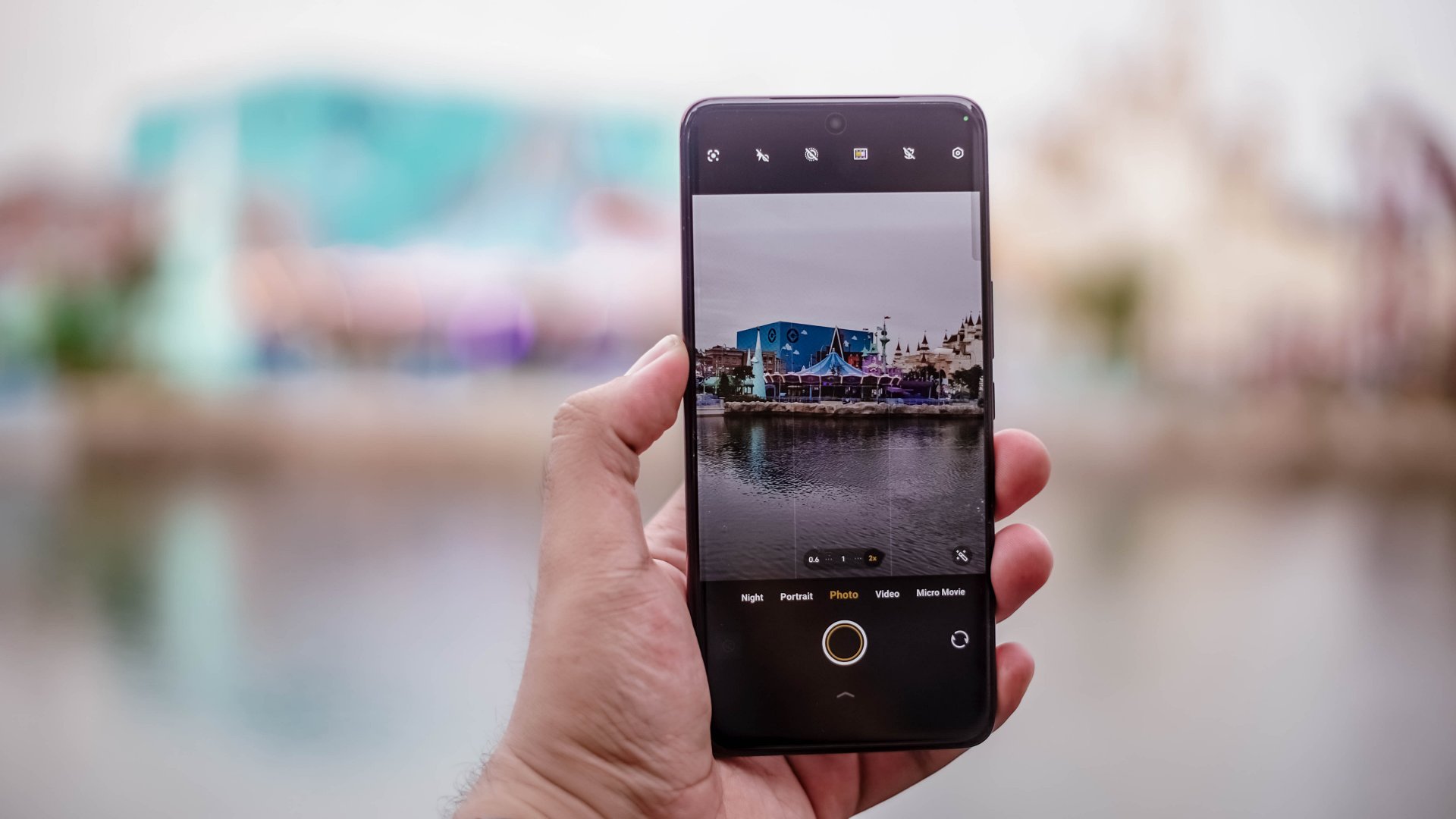
HONOR 400’s lackluster shots in some parts just proves my unending point that having a larger megapixel count doesn’t necessarily equate to better-looking images.
While the HONOR 400 admittedly has an extra 0.15-inch in its sensor size, vivo still lives with its better color calibration and software algorithms. A true testament to their long-lasting partnership with ZEISS.
Speaking of, ZEISS Style Portraits are just way ahead of the game compared to HONOR’s Harcourt partnership meant for Portraits (P1 / P2).
Some confusion in the conclusion
The 200MP Samsung shooter of the HONOR 400 comes at an obvious advantage when it comes to taking photos in 2x zoom with its heavy reliance on in-sensor cropping.
If you’ll click in one of the shots above and zoom in, the details are clearer compared to what the V50 shows. The latter looks smudged in favor of a noise-free result.

Weirdly enough, the HONOR 400 tends to produce brighter shots when taking past 2x in most zoomed shots (LZ1 / LZ2 / LZ3 / LZ8A / LZ9A / LZ9B / BZ1 / BZ5 / BZ6). That’s despite having photos with lower exposure and highlights in the 1x category.
Now when it comes to food, the HONOR 400 delivered unexpected results with its muted colors that made food barely appetizing (F1 / F3 / F5A). Surprisingly, the contrary happened in Sets F4 and F5B as the HONOR 400 had the more scrumptious shots.
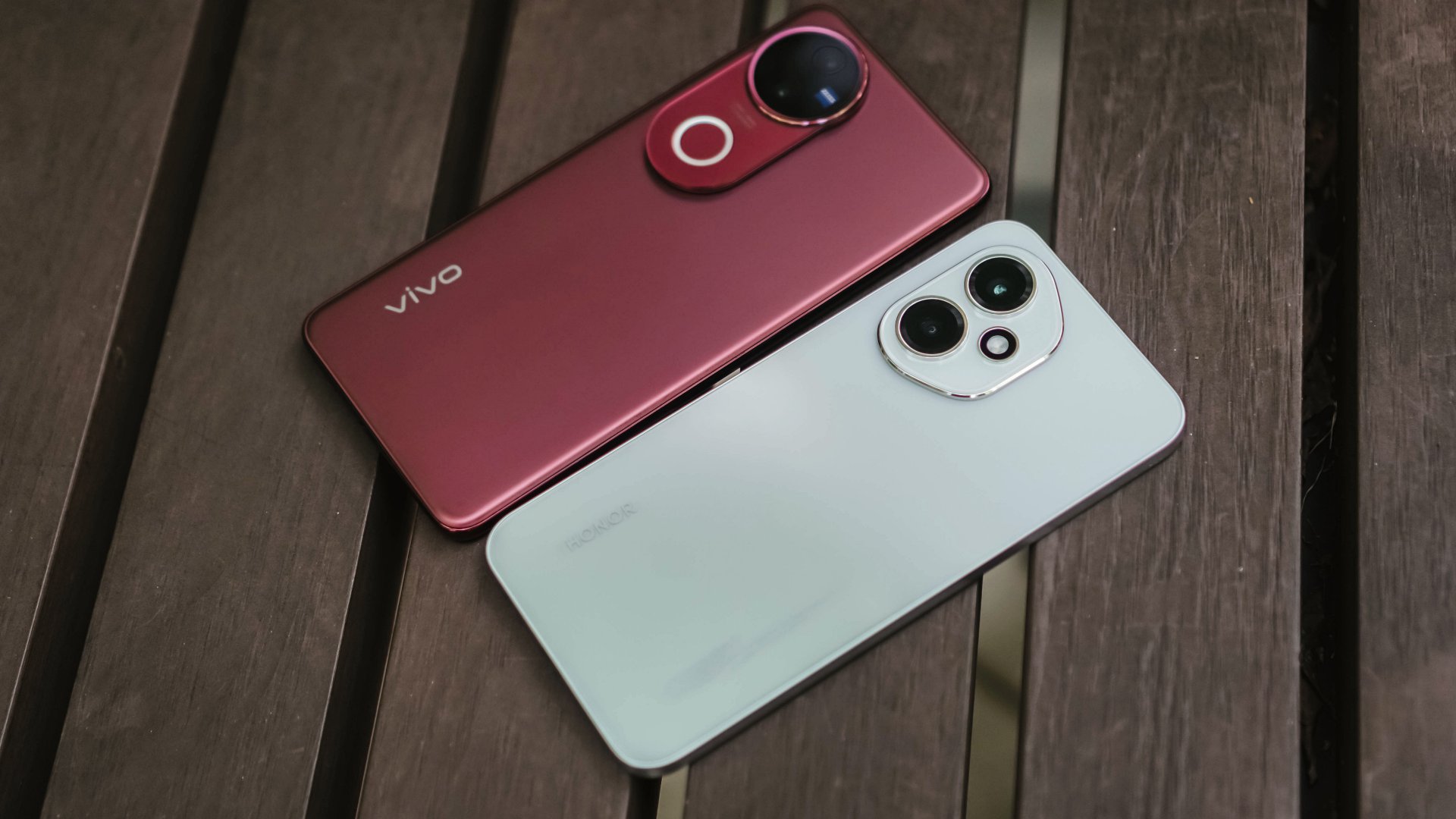
Once the sunlight goes out and moonlight fades in, each of the phones’ Night Mode algorithm both kick in.
Honestly, both took equally acceptable photos that are also quite alike in overall exposure, contrast, sharpness, and saturation. Then again, the HONOR 400 always had the tighter shot between shots in 1x and 2x (or beyond).

Last but definitely not the least, selfies.
While I’m never the selfie type of guy, my eyes are crystal clear and aren’t deceitful.
Even if the HONOR 400 brought the “natural-looking” selfies outdoors, it failed big time when used indoors (S1 / S2 / S3). Again, the color inaccuracy and inconcistency is ever-present in this category.
No one would simply use that as their profile photo (or even as their featured portrait in the matchmaking app of their choice).
Kudos though for bringing ultra-wide angle selfies that other flagships fail to bring.
Just A Little Bit Caught in the Middle 🎵🎶
Deciding which of these two midrangers is the true marvel when it comes to photo-taking is simply something you’d be stuck in the middle.
Both phones and their camera systems had some fair share of pros and cons that might make you pick one over another.

Other notable hardware specs such as display tech and size, overall battery capacity and charging standards, plus the familiarity, user-friendliness, and overall software experience are the factors that will make you stay or sway.
One thing’s for sure. both the HONOR 400 and vivo V50 run Qualcomm’s Snapdragon 7 Gen 3 SoC with the 512GB configuration being offered around the same price range: HONOR 400 at EUR 549 while less 39 Euros for the vivo V50 at around EUR 510
It’s just a matter of which phone you’re willing to spend on, which phone is closer to what your heart desires.


Galaxy Buds4 Pro review: I thought I was done with in-ears
This Buds4 you


WWE 2K26 lets you live out all the fantasy matches you could want
But you have to play for hours and hours to unlock everyone.

The HONOR X8d is serviceable
Steady but slow?

Life is Strange: Reunion now available on consoles and PC

Why this AI-powered eye health exam is the only reading you need this season

DJI officially launches the Avata 360 with 8K immersive imaging

The Changan Eado Plus officially lands in the Philippines

PLDT Home, Samsung team up for exclusive entertainment deals


-
 Reviews1 week ago
POCO X8 Pro Max review: A new beast from the far east
-

 News1 week ago
POCO X8 Pro Series: Price, availability in the Philippines
-

 Reviews1 week ago
POCO X8 Pro Iron Man Edition review: Midrange phone in superhero armor
-

 Automotive1 week ago
VinFast extends free unlimited charging in 3 markets amid rising fuel prices
-
 Reviews2 weeks ago
Samsung Galaxy S26 Ultra review: A phone you live with
-

 News1 week ago
POCO introduces X8 Pro Series with Dimensity 9500s
-

 Gaming1 week ago
NVIDIA’s DLSS 5 can turn your favorite AAA game into AI slop
-
Philippines1 week ago
The HONOR X8d is serviceable