

Health
Quarantine fitness diary: Forming better habits with Peloton
It’s going to take a while before things really go back to normal and even beyond that, I’m happy having my personal trainers “with me” right here at home.

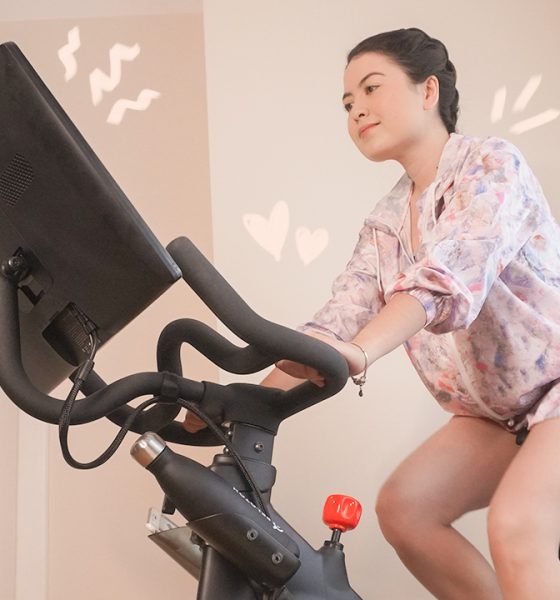
I don’t think I can thank my Peloton bike enough for what it’s been doing for me during this pandemic. A few days before the German government called for social distancing, we’ve already decided to stay home and minimise contact with other people so as not to be unwilling helpers in spreading the virus. One of our concerns, of course, was to stay healthy and keep our mental health in check. My husband and I keep to these goals by making sure we use the Peloton bike or the app daily.
With the amount of baking we’ve been doing during this time, it’s rather imperative that I build a solid fitness routine, but it’s not as easy as fitness influencers make it out to be.
What’s a Peloton anyway?
In case you’ve been living under a rock and don’t know what I’m talking about, I’ll do a quick run-through. Peloton is — first and foremost — a fitness company. They’re about 7 years old now and have been producing exercise equipment you can use at home.
Their most popular product is their indoor exercise bike. The bike comes with a screen where you can stream spin classes and other exercise videos. They also have an app which makes working out when you’re away from your bike possible. Aside from spin classes, they also have strength training videos, yoga, meditation, and other cardio workouts.
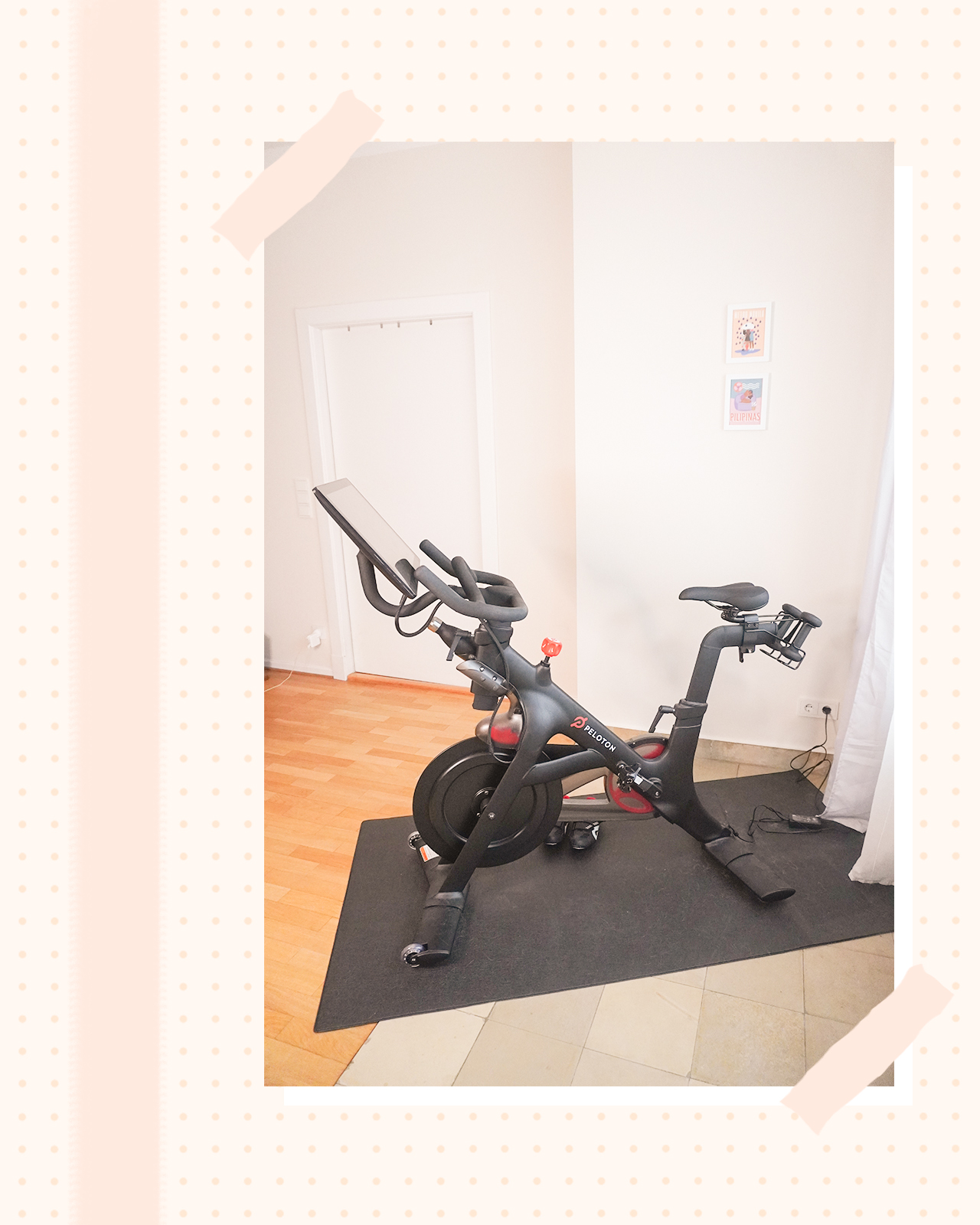
The past few years, Peloton has evolved from being one of those fad-dependent fitness companies into a lifestyle for its members. It got so popular that the company went public last year.
Simply put — it’s having everything you loved about spin classes and having a personal trainer right at the comfort of your own home and without having to deal with other people. No more shouty classmates, no more sharing equipment. An introvert’s dream come true — or even an extrovert who doesn’t appreciate sweaty surroundings.
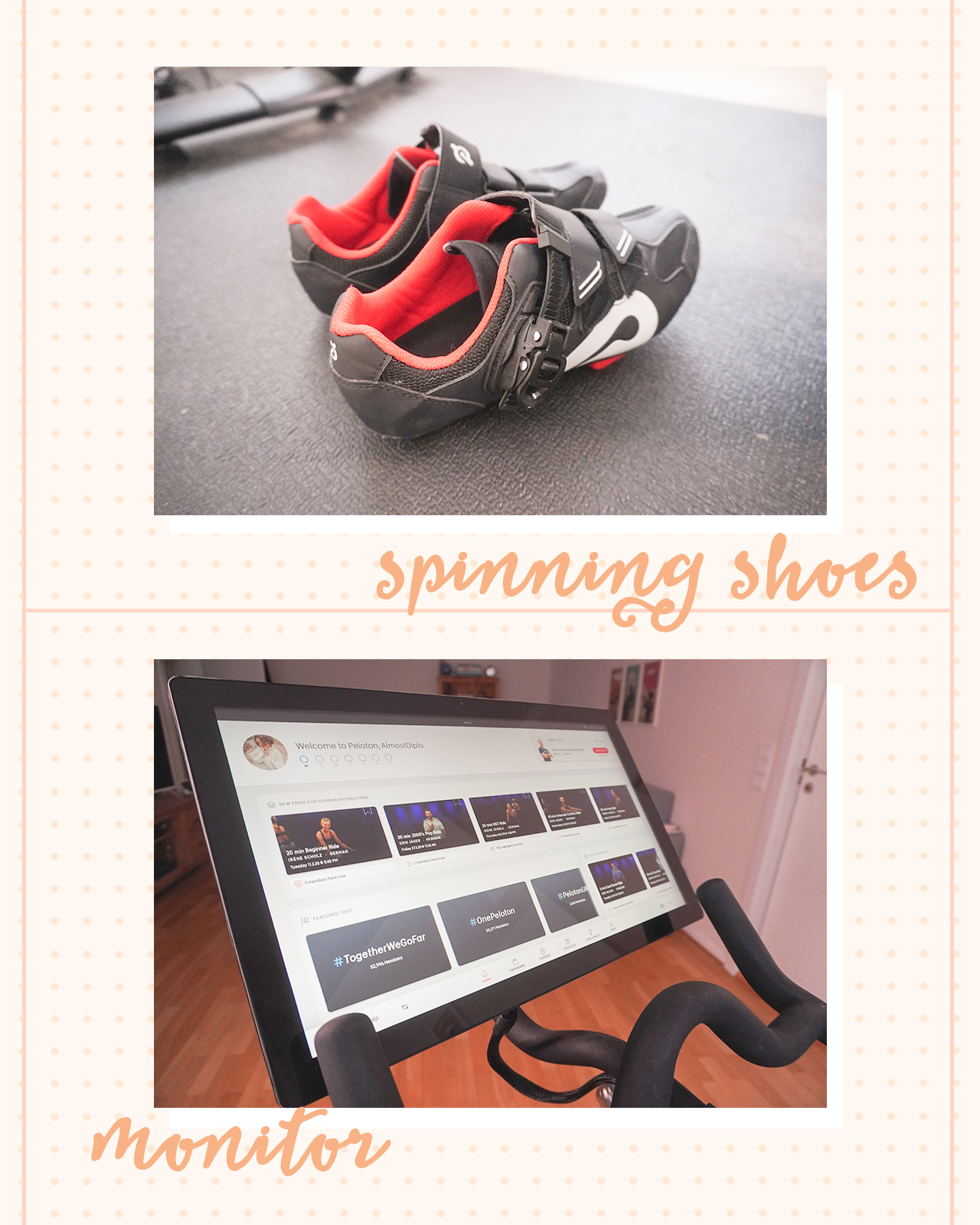
Getting the bike is easy, you just order it online as well as the accessories you might need. From the spinning shoes to even a heart rate monitor that can help track your progress if you don’t have a fitness band yet. The bike connects to a FitBit or Strava.
You get the bike delivered, sign up for the monthly subscription to have access to the workout videos, which are either live-streamed or on demand. These workouts can be accessed via the monitor with the built-in interface that your bike comes with or through the Peloton app. Sadly, the app isn’t available in Germany but reps tell us it’s already in the works. You can still access the workouts on your phone or laptop via your browser, though.
You create your profile on the Peloton network, follow your friends, and take classes with instructors who are literally fitness goals. There’s quite a lot of them that there’s one for every type of rider.
The interface is pretty straightforward and easy to use. Each spin class is ruled by three numbers you see on your screen as you pedal for your life. Your Resistance number indicates how gritty the ride will be, while Cadence is your speed. Put those two together and you have your Output score. I’m usually more concerned about my cadence and would normally complain when the instructor asks for higher resistance.
With all this information out of the way, let me go ahead and tell you how my four weeks in quarantine went with my new fitness BFF.
Week 1
I’ve had the Peloton since the second week of February. I don’t have lofty fitness goals, to be honest. I just want to get into a routine and lose a bit of the flabs I developed thanks to writing about food and having more excuses than usual to eat. I also want to gain just a bit more strength and produce more endorphins to keep me happy.
The first week of social distancing had me eating more than the usual but I tried my best to commit to working out every day to stop myself from gaining more weight. It’s already sad enough that I can’t go and meet my friends, so let me hold on to my Pop Tart habit.

Peloton offers various fitness classes that run for as little as 5 minutes up to an hour. This week, I’ve been doing lots of 15 and 20-minute spinning classes to ease myself into working out more. I do this in between work and spending time with my husband and our dog.
Since there’s no strict quarantine in Berlin, we still get to go out but we’ve limited it to walking our dog and just buying the essentials. I’m happy that I still get to add some steps into my daily routine while increasing my heart rate with the bike.
The anxiety over what’s going on and how it’s already affecting thousands of people everywhere is enough to dampen one’s mood. I find myself having to put more effort into peeling myself from my computer and getting on the bike.
“I need this,” is something I keep telling myself. Once I’m on the bike, however, I focus on the task at hand — meeting what’s required of me cadence and resistance wise — and forget about what’s happening even just for 20 minutes.
The first week, I just did the minimum when it comes to numbers as actually getting on the bike already felt like an achievement.
Week 2
A member of our extended family died after displaying symptoms of Covid-19. As someone who suffers from crippling anxiety, this was a huge blow to my mood.
After a mini breakdown, I forced myself to get on the bike and take a 45 minute class with Cody since he’s the instructor who really gets me smiling — sometimes even laughing out loud — during the ride. It was a great distraction and I was in a much better mood after.
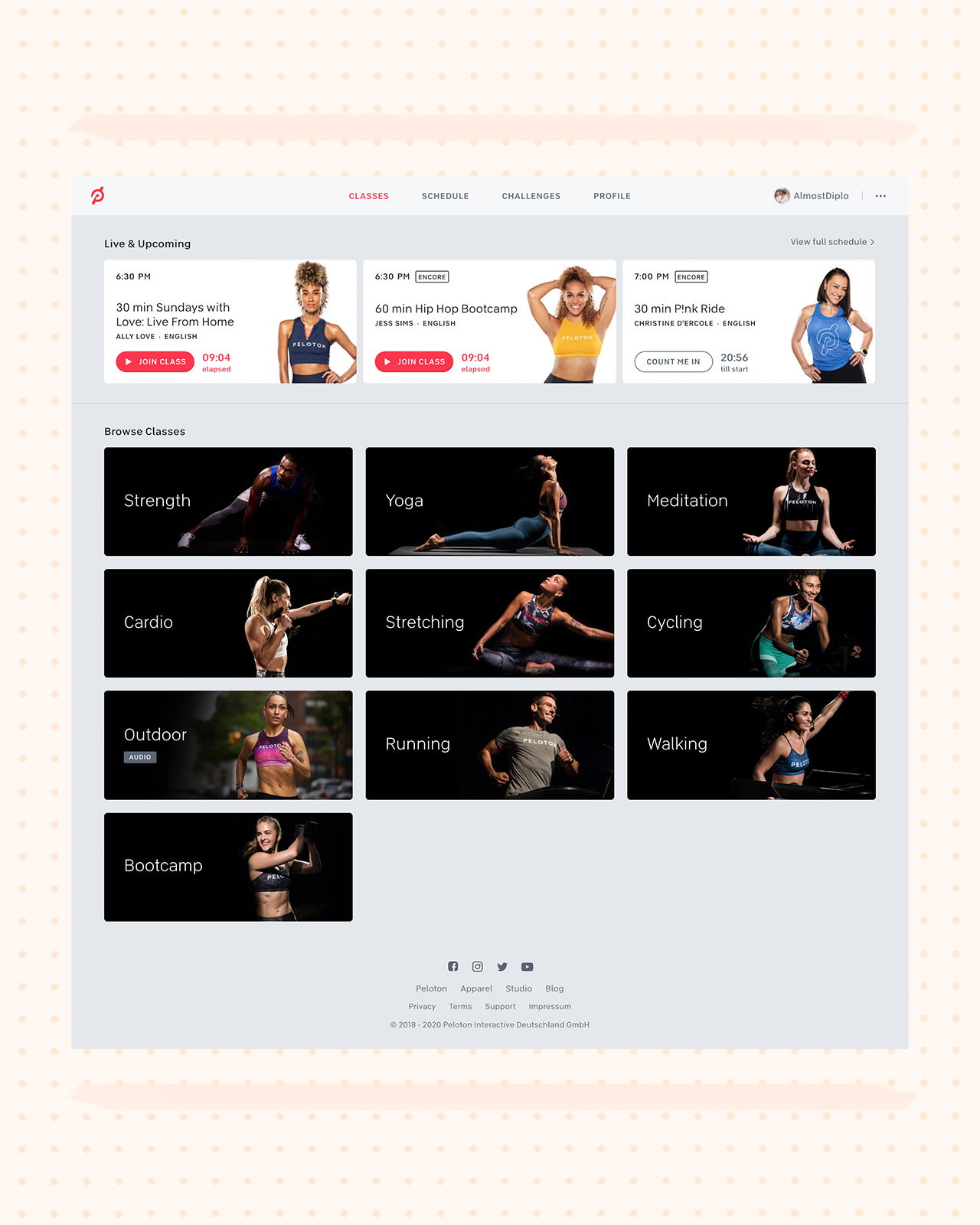
I also had a quick chat with Pete who manages the Berlin store and he advised me to try out the meditation classes. These can be accessed on the bike, on the app, or via a browser. They have different kinds – from energizing, healing, and even those that help you to be more empathic or kinder. I find it hard to shut my mind and with a dog running around the apartment, I always thought that meditation wasn’t for me but the classes dedicated to sleep were a huge help.
I also threw in some strength training — 10 minute arm or core exercises — especially on days when I end up taking a spin class that didn’t use weights. Sometimes, I forget to stretch and find that my feet and knees tend to ache if I don’t do this. So I made a reminder on my phone to remind me to stretch everyday.
For the classes on the bike, I tried going a little over the required resistance — maybe one to two points — passable output but nothing to write home about.
I also tried a couple more instructors and I really enjoyed German instructor Irene Scholz’ classes this week. I’m glad she’s got English classes! She’s one of the two Peloton instructors who conduct classes in German. She’s tough but her classes are also really enjoyable.
I feel a lot more energized these days and I love doing my workout right before going to bed. Showering after a good workout and going straight to bed also helped a lot in getting deeper sleep.

I tried a live class with my friend Nicole and we got to try the camera function. It was a little weird at first even though it’s basically just Facetiming but on the bike’s screen. It totally scared my dog but it was great seeing my friend sweating as much as me.
I used to go to spin studios a lot and while I wasn’t a fan of all the actual high fiving, the sweat flying around, and interacting with strangers while I’m dying on a bike, I must admit that I missed the feeling of seeing someone is sweating it out because the ride was difficult. It was an Alex Toussaint spin class. He’s known for being one of the toughest instructors and someone you’d go for a ride with if you want to beat your last personal record for your output.
At one point, I decided to just let go of the numbers and enjoy. I got into the habit of hiding the leaderboard since the beginning of this week and I find that I have more fun this way.
Week 3
I tried dance cardio for the first time, another type of class you do off the bike. In these classes, you get two of the instructors teaching you dance moves.
This, however, is not your mom’s 80s-style dance workout. The steps are more modern and vary in difficulty. You also sweat a lot through the whole thing even if it seems rather easy.
I’m not a good dancer and I probably looked like a total loser but I had a ton of fun. It was just 20 minutes but it felt like such a good workout. Instead of low impact rides to recover from a tough ride the night before, I could probably stick to these instead.
Speaking of cardio, I want to give the running classes a try as well. I always found running boring so it was never my thing. However, their classes which you can do outdoors or on a treadmill might help in easing the boredom as it can feel like I have someone there with me, talking me through the whole thing.
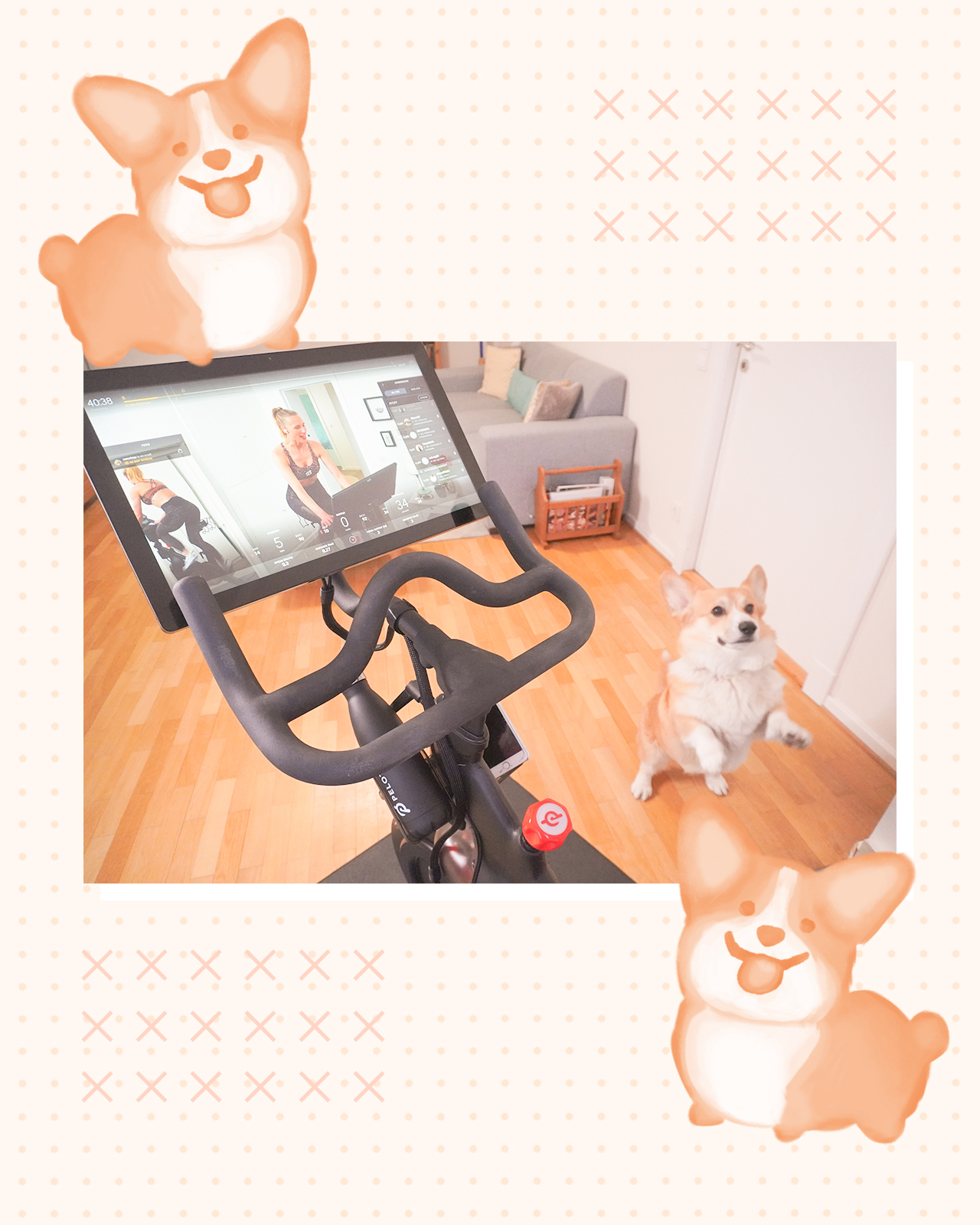
I’m still wondering how people can have such high output scores. Are they pushing their legs much harder than I am? It’s so tough. A 30 minute Pop Ride leaves me so sweaty but at least I burn those Pop Tarts and baked goods, right?
I tried playing with the resistance knob by going much higher than expected on some rides. Still quite hard to sustain it but I noticed that I can now go for over 5 minutes without stopping to heave and wheeze. I smoked for a decade so I’m just happy I don’t need to completely stop to recover nowadays.
I gave more instructors a try and I’m really enjoying Hannah Marie Corbin’s classes lately. She’s the right amount of fun and positivity without being too perky — just a personal preference.
I’ve been wondering whether I should do multiple, shorter rides per day instead of one long ride. It feels like it’s taking forever for me to reach 100 rides. It’s a milestone that can earn you a shoutout from the instructor if you do a live spin class in time for it.
Next week, I’ll challenge myself to do more than one workout per day so hopefully, my schedule cooperates.
Week 4
The problem with working from home is that you technically never leave your “office”. So I must admit it’s been pretty difficult to squeeze one more workout in every single day. I have been trying, though – believe me.
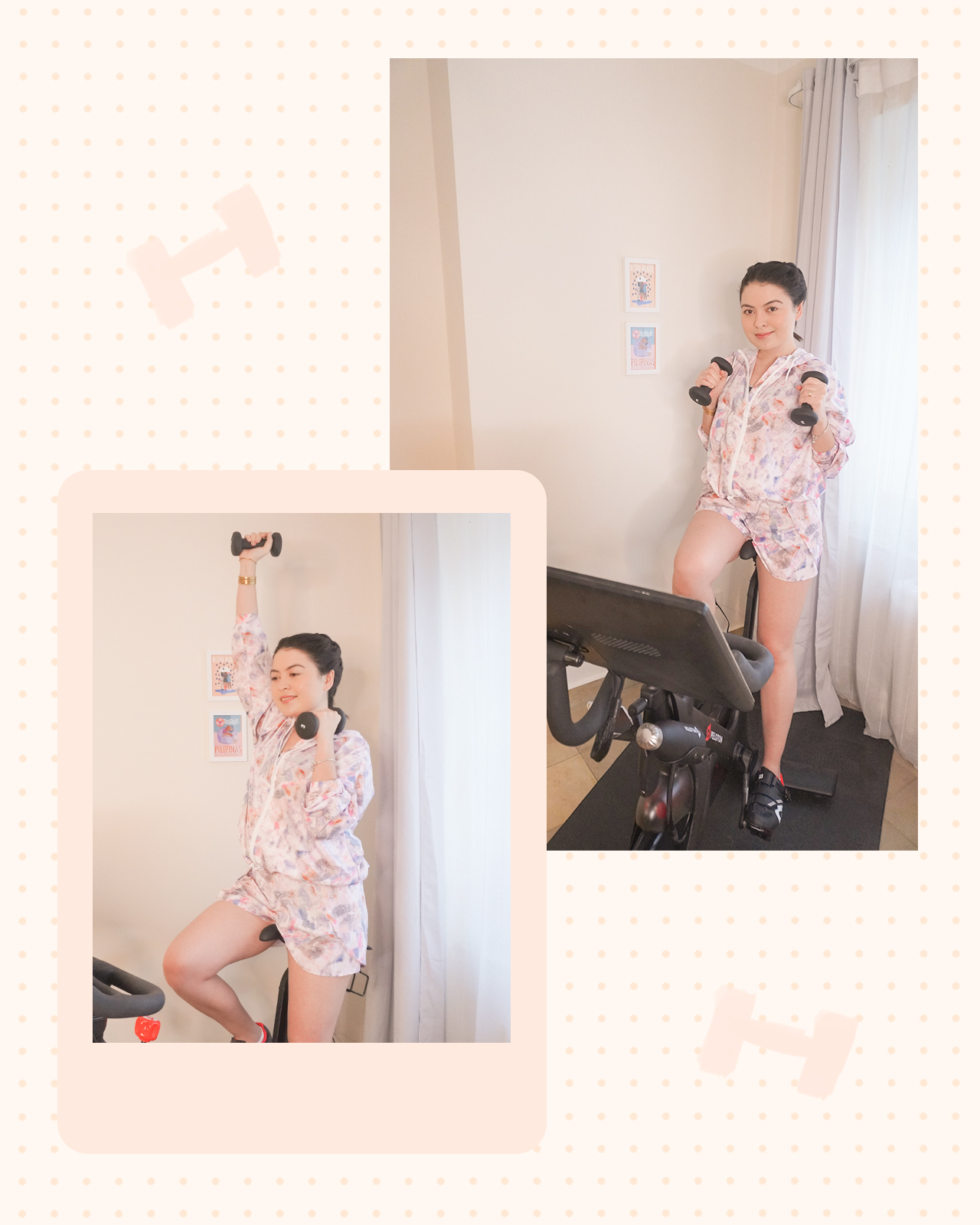
I’d normally add a five-minute arm toning session or core workout after a ride if I have the time and energy left. Normally, I’d select the class I want from the Peloton bike’s monitor and choose the option to cast it to our smart TV in the living room. You can also follow along on your phone but it’s a lot easier from a bigger screen, of course.
Funny enough, I’ve been successful in getting a bit of my abs back but got a bit delayed in losing all of my bits that turn into what is popularly called a ‘muffin top’. I did not lose a lot of weight but somehow, my clothes fit better and there’s been some significant space in my jeans. I also feel like I have more energy throughout the day.
At this point, I’ve realised who my favourite instructors are and tend to stick to them — Cody, Irene, Denis, Ally, and Hannah Marie. I’m not that technical nor looking into a huge increase in my output during my rides. I ride for a lot of fun, positive energy, and a really sweaty cardio session. This doesn’t mean they’re easy instructors, though. I feel like dying after most rides.
I personally like how Denis builds up the difficulty of his rides, starting high on the cadence with a manageable resistance to warm you up before things get much tougher.
By this time, I was feeling a little confident and at the request of my friend Nicole, I took the Alex Toussaint class again which we did on week 2. Not gonna lie – it was still extremely tough. However, I find that I was wheezing less and I was actually able to set a new personal record – 6 points higher than the last time I took this class.
With Covid-19 and the lockdown in New York, new content and live rides have been pretty slow. At this point, Peloton has started letting their instructors do live rides from their homes. It feels different without the studio setup but with the same level of fun and energy.
I signed up for the annual challenge that requires taking a total of 2000 minutes on the bike. I also went for some of this month’s challenges.
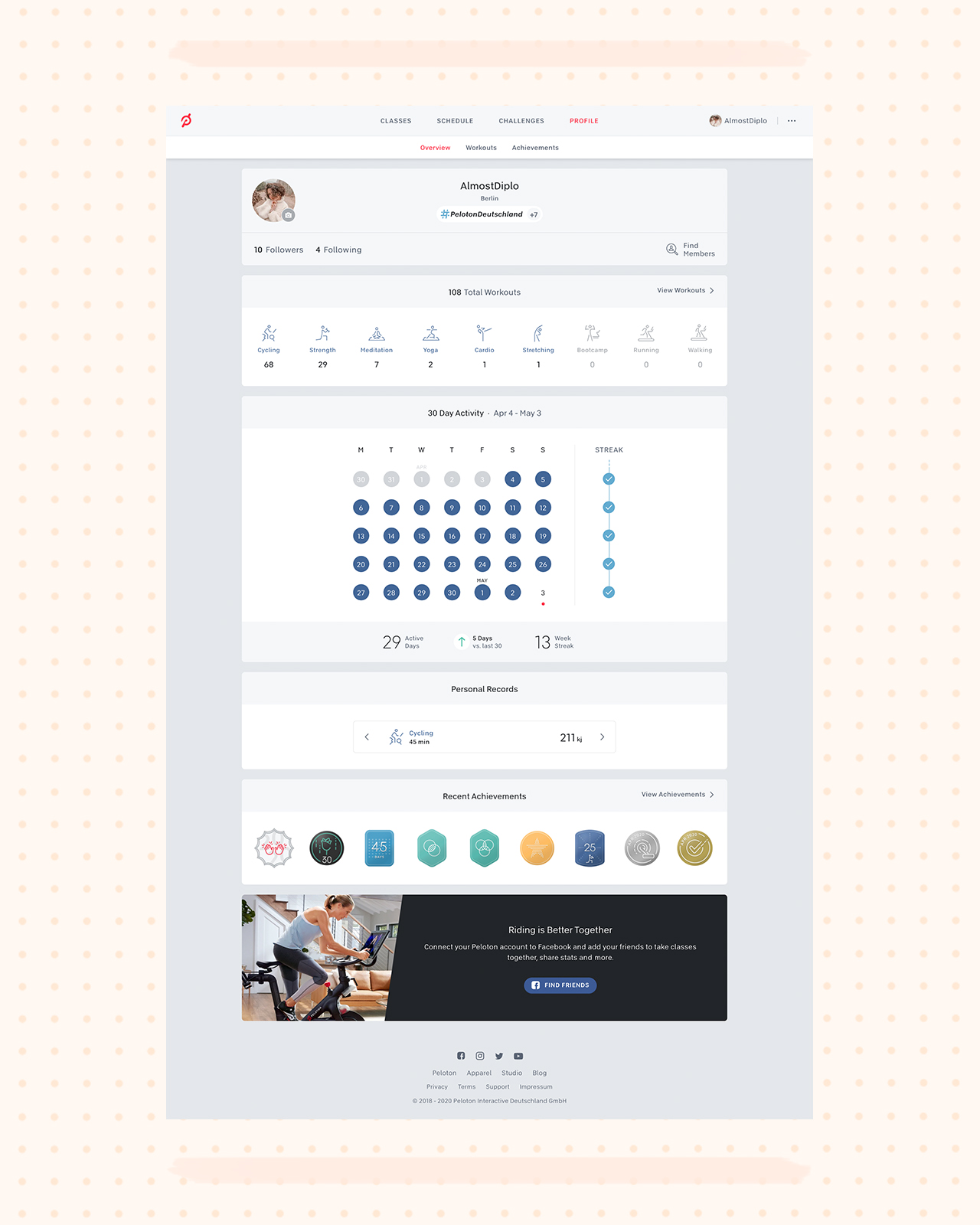
For April, there’s a Spring challenge that asks you to stay active for 30 days by doing any type of class. There’s also the usual challenge of the month that requires 5 days of being active and a cycling challenge that asks members to ride for at least 80.5 kilometers.
I find that they’re such a good way to keep you coming back on the bike and for the other classes as well. Not that I need any more convincing at this point — I’m practically addicted both to the spinning workouts and trying out the other classes on Peloton website. Once the app is available in Germany, gaining access to the other workouts would be a lot easier compared to going through the browser.
I’m progressing pretty well when it comes to the challenges, taking things at my own pace. My main focus is to make sure I don’t lose my 30-day (and counting) streak.
I have to say that in this time of restrictions, I feel like I gained a new type of freedom when it comes to dealing with my body issues and forming better habits for my fitness. I have the bike at home and seeing it everyday reminds me of goals I have set for my fitness. This has helped a lot in maintaining my streak.
Will I give this achievement up after quarantine? Is it even worth keeping my Peleton bike after this pandemic?
I personally think it is. It’s an investment in one’s physical health and because of the convenience it offers. It’s still going to take a while before things really go back to normal and even beyond that, I’m happy having my personal trainers “with me” right here at home.
This article is also available in German over at Mobile Geeks.


Features
The Death of BMI: Why the world’s most popular health metric is lying to you
Muscle mass, body fat percentage, and visceral fat tell you more about your health than BMI ever could, and your watch can finally measure them.

Step on a scale at a doctor’s office and your health usually gets summed up in one number. Weight divided by height squared. That’s your BMI, and it’s been the default health metric for almost 200 years.
It was never built for that job. BMI was invented in the 1830s as a statistical shortcut for studying populations, not for telling an individual person anything meaningful about their body. It can’t tell the difference between a muscular athlete and someone who’s out of shape but happens to weigh the same. It ignores bone density, body water, and where fat actually sits in the body, which matters more than most people realize.
The metrics that actually matter are the ones BMI was never designed to catch: how much of your body is muscle, how much is fat, and where that fat is sitting.
The muscle question BMI can’t answer
Skeletal muscle is the body’s metabolic engine. It’s what keeps your resting metabolic rate up, what protects your joints, and what determines how well you move as you get older. Losing it quietly, without knowing, is one of the bigger blind spots in how people track their own health.
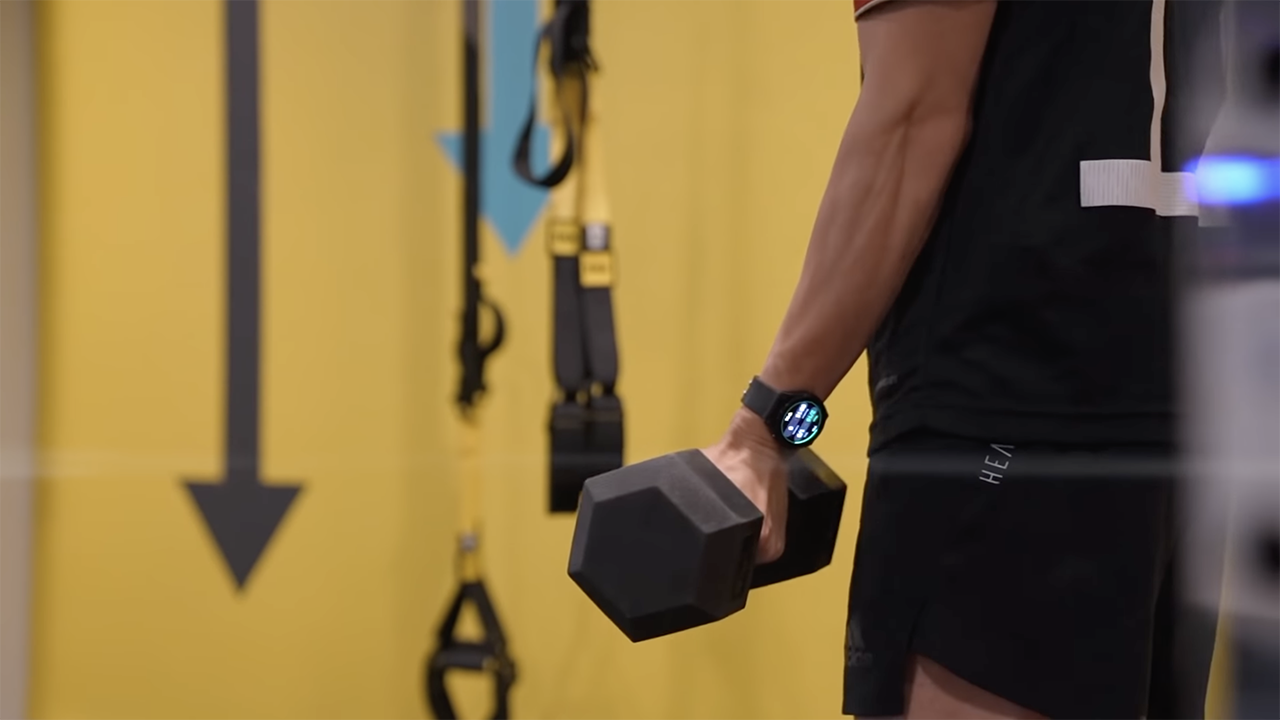
Fat isn’t one thing either. Subcutaneous fat, the kind just under the skin, carries far less risk than visceral fat, which wraps around internal organs and is directly linked to cardiovascular problems. A person can lose weight and still be carrying dangerous levels of visceral fat. BMI has no way of showing that.
This is also why short-term weight drops can be misleading. A lot of what shows up on the scale in the first week or two of any diet is water loss, not real change in body composition. The number moves, but it doesn’t mean much yet.
Why this is showing up in headlines right now?
Part of why this conversation is happening now, rather than five years ago, comes down to the rise of GLP-1 weight-loss drugs like Ozempic, Wegovy, and Zepbound.
GLP-1, or glucagon-like peptide-1, is a natural gut hormone that signals fullness to the brain. These medications mimic it, slowing digestion and dulling appetite, which lets people eat significantly less and lose weight fast.
That speed is exactly what exposed the problem. Rapid weight loss burns fat and muscle together, not just fat. Lose 20 pounds on a GLP-1 drug, and both the scale and a BMI calculator will call it a clean win.
If a meaningful chunk of that was skeletal muscle, metabolic rate drops, joint support weakens, and the risk of physical frailty goes up, none of which shows up in that one number.
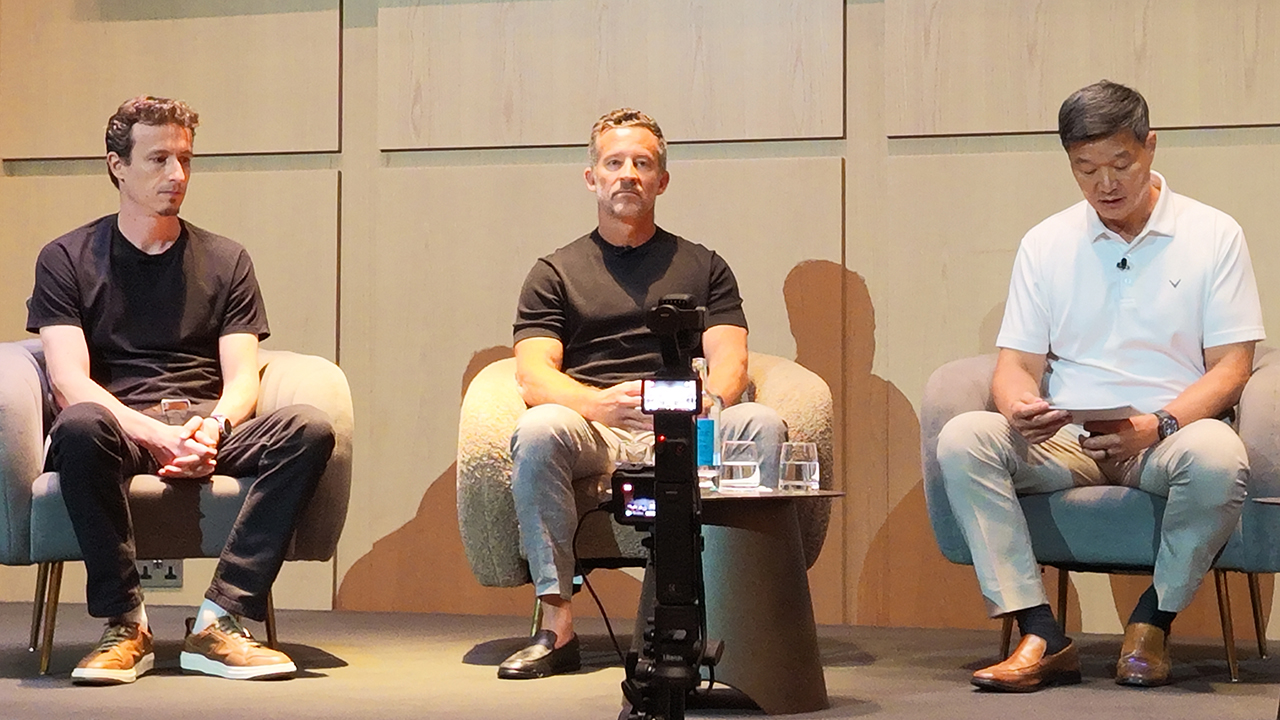
Dr. Hon Pak, Head of Digital Health Globally at Samsung Electronics, has pointed out that with GLP-1 therapies in the picture, raw weight lost can’t be the metric that defines success anymore. The focus has to shift to what kind of weight is being lost.
Kevin Duffy, CEO of iFit, has made a similar point: BMI stuck around because it’s easy to calculate from just height and weight, not because it’s the right thing to track. Muscle mass and body fat percentage matter far more, they’ve just historically been hard to measure outside a lab.
What your watch can measure now
Getting real numbers on muscle mass and visceral fat used to mean an expensive clinical scan. That’s the part that’s changed.
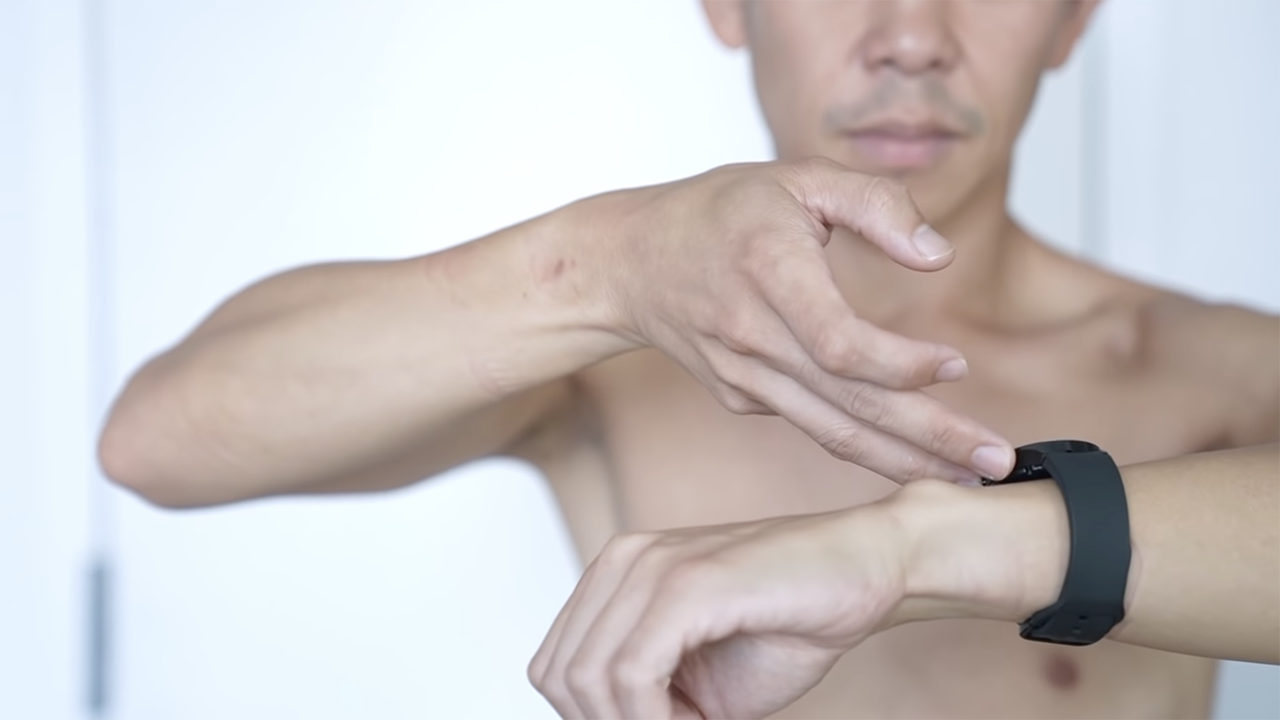
Samsung has built Bioelectrical Impedance Analysis sensors into the Galaxy Watch, sending a low-level microcurrent through the body to estimate skeletal muscle mass, body fat percentage, body water, and basal metabolic rate, all from your wrist.
For anyone losing weight, whether through a GLP-1 medication or a more traditional route, that gives real visibility into whether the weight coming off is fat or muscle.
It’s the kind of feedback that lets someone actually adjust, adding resistance training or upping protein intake, instead of finding out the hard way months later.
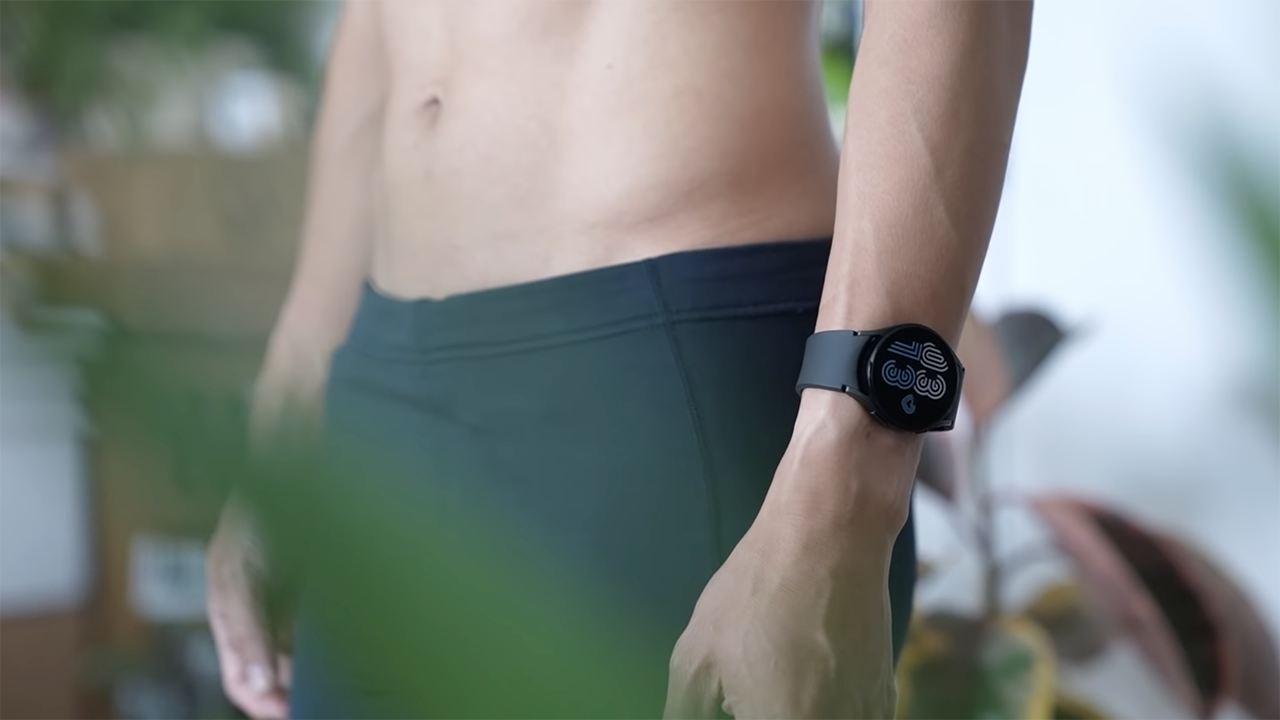
Samsung pairs this with Samsung Food, which uses AI to look at what’s actually in someone’s kitchen and suggest protein-forward meals that support muscle retention.
Karthik Poriya, Head of Product at Samsung Food, has noted that people tend to fixate on small day-to-day food decisions when what actually moves the needle is the trend over weeks and months. AI is what makes it possible to zoom out and see that trend instead of getting lost in it.
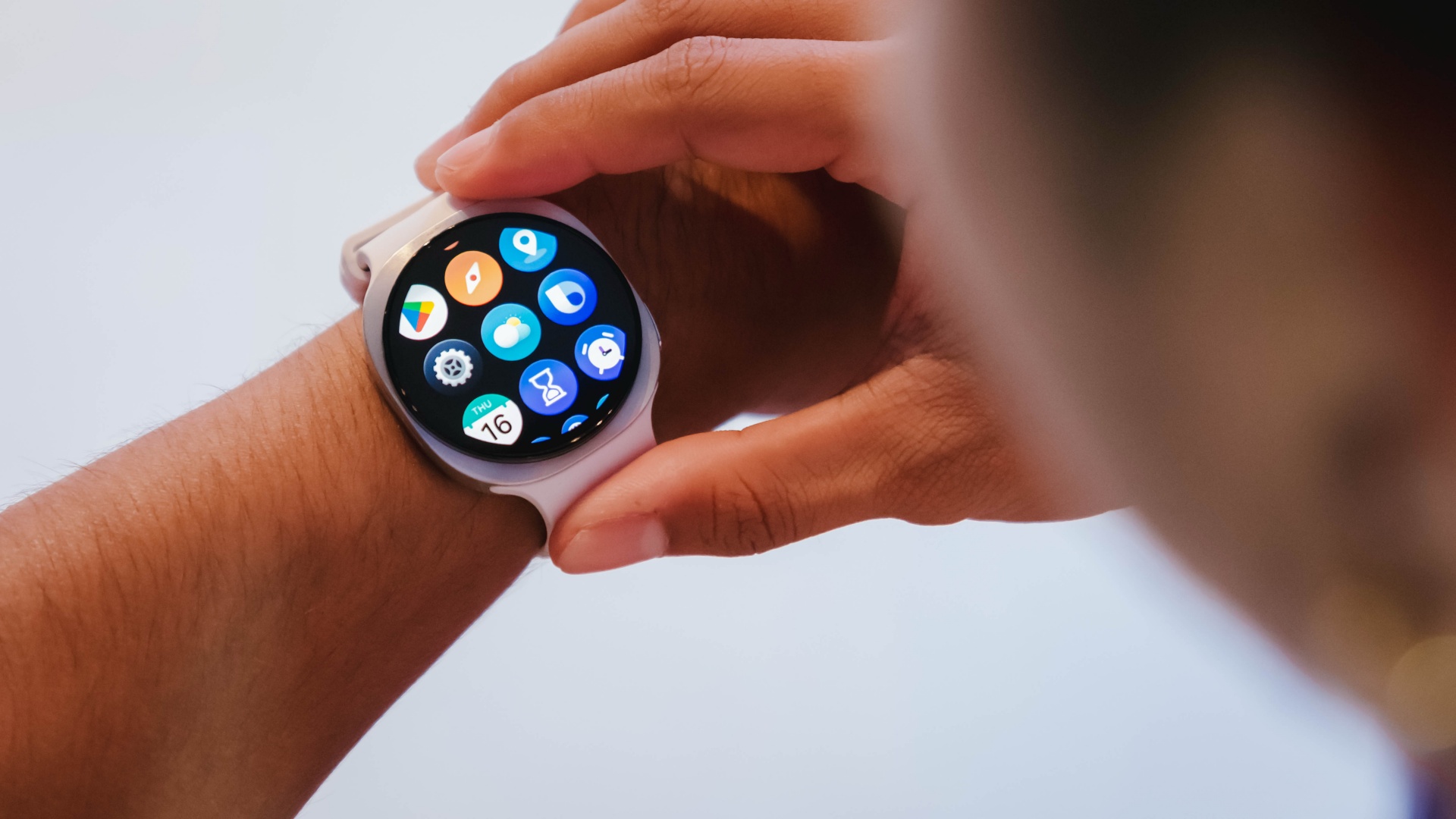
Combine body composition data with sleep tracking, activity monitoring, and a broader Energy Score, and the whole framework shifts. It’s no longer about getting lighter.
It’s about getting stronger, protecting muscle, and extending healthspan rather than chasing a number that was never built to measure any of that in the first place.
Features
Your wearable could warn you about illness before you feel a thing
The next big AI breakthrough isn’t a chatbot. It’s your heartbeat.
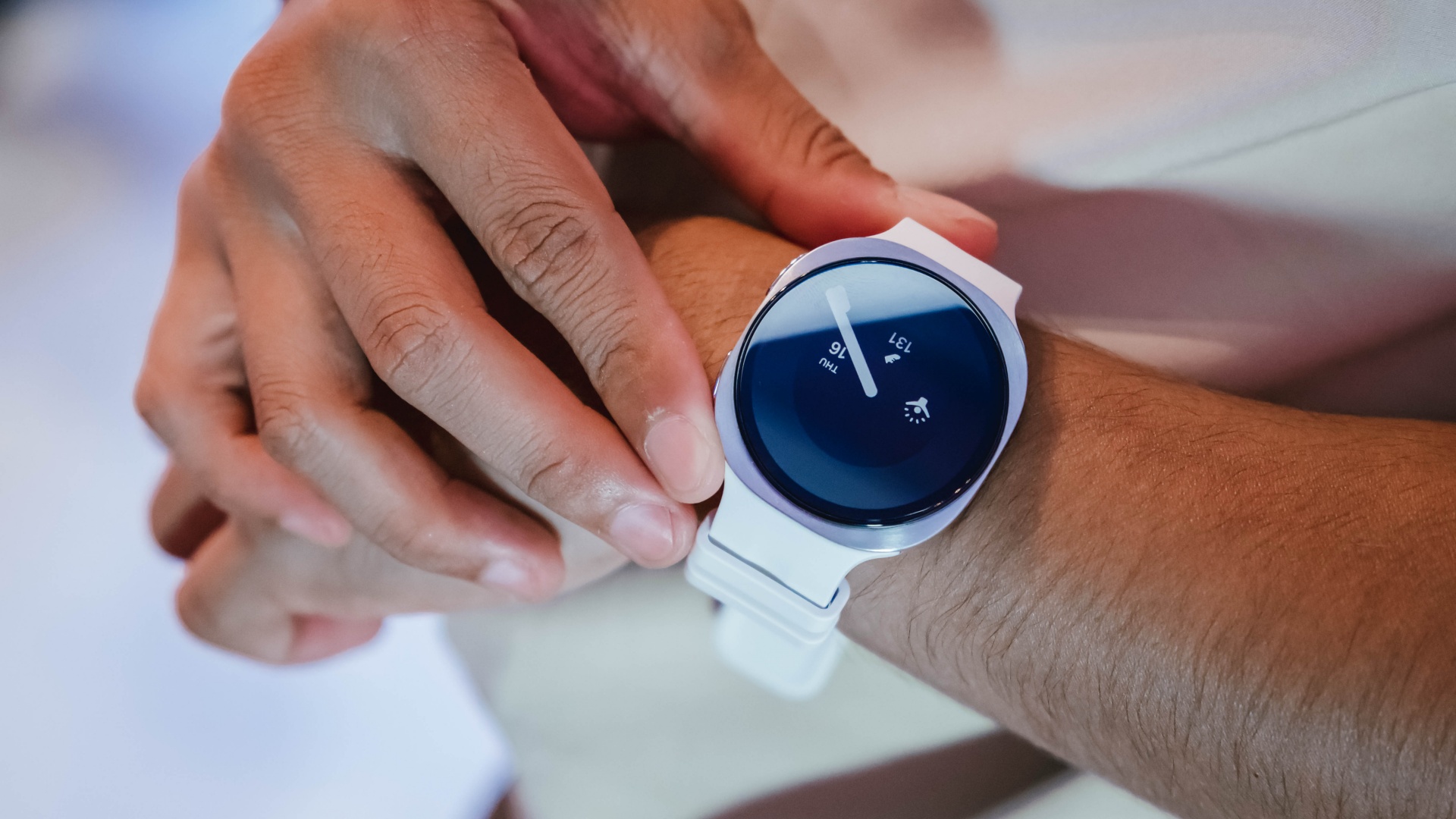
Most of the conversation around artificial intelligence right now revolves around chatbots. Tools that write your emails, summarize long PDFs, or spit out blocks of code in seconds. That is the AI most people interact with daily.
Behind the scenes in health research labs, however, a profound shift is taking place that has nothing to do with words.
Scientists are training AI models to read raw human biology instead: optical heart rate signals, ECG readings, movement patterns, and sleep data. The goal is teaching AI to understand what is happening inside your body long before you ever feel sick.
During Samsung’s panel discussion on the future of Connected Health at the Pan Pacific London, Otavio Penatti, Samsung’s Head of Health AI R&D, captured this vision simply: “Your body speaks, Samsung Health translates.”
So what makes this different from your average fitness app?
Most health apps you already use run on basic rules. Your heart rate crosses a certain number while you’re resting, so the app sends an alert. That’s about as sophisticated as it gets.
These new models work on a different level entirely. Researchers feed them massive amounts of raw biometric data without labeling any of it first.
No doctor has to sit there and tag every second of heart rate or movement data by hand. The AI figures out the patterns on its own, essentially learning the basic language of how a human body functions.
Once a model has been trained on millions of hours of this kind of data, it can then be fine-tuned for a long list of specific medical uses.
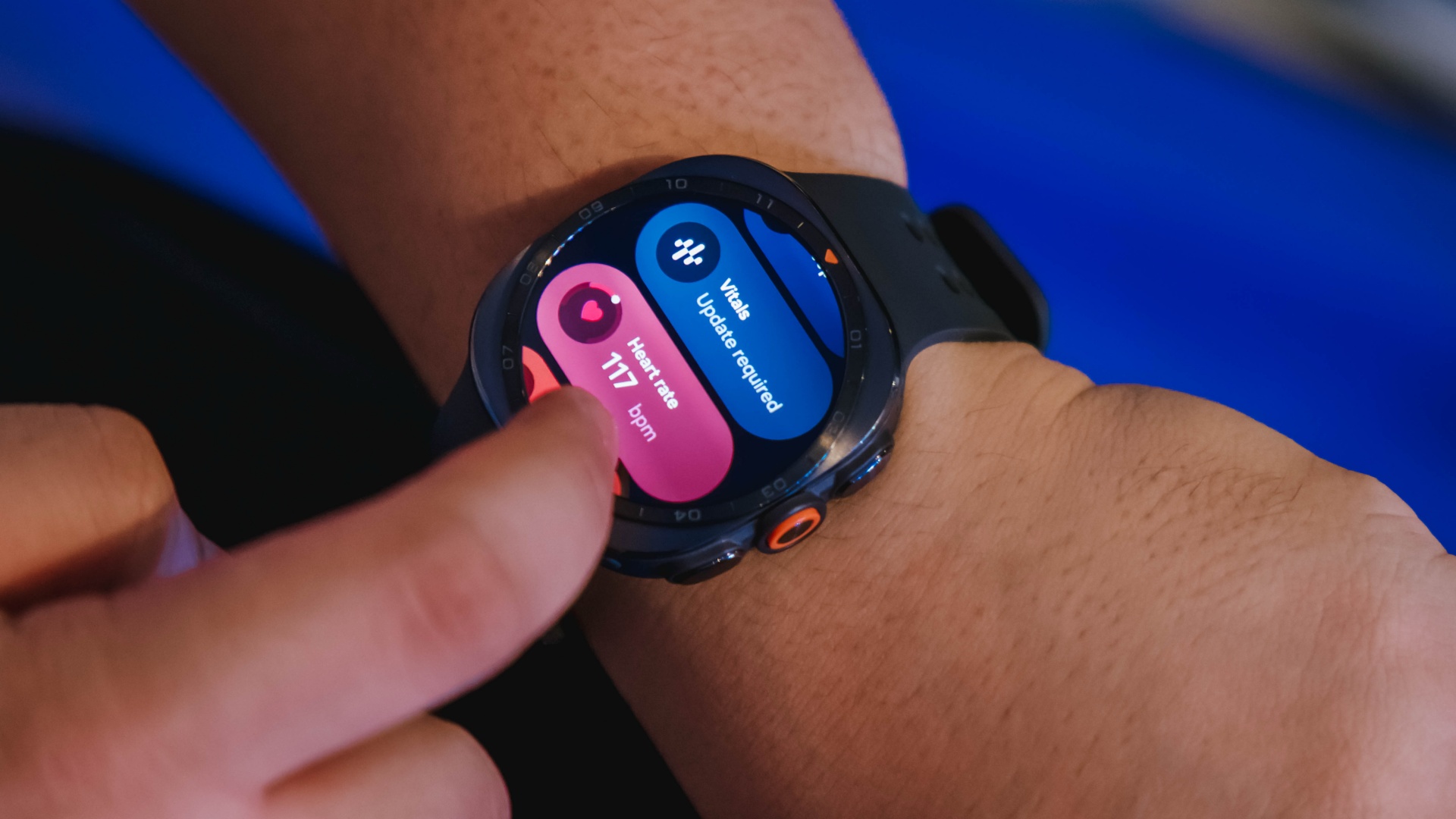
And it’s not just watching for one odd spike in your heart rate. It’s cross-referencing your heart rate variability, skin temperature, movement, and sleep patterns all at once to build a detailed picture of what’s normal for you specifically.
One night of sleep data, over 130 diseases
Here’s where it gets interesting. Researchers at Stanford built a foundation model trained specifically on sleep data, using both raw polysomnography (the kind of detailed sleep study done in a lab) and data from wearables.
When they compared just 24 hours of sleep data against years of longitudinal health records, the model was able to flag onset risk for more than 130 different diseases. From one night of sleep.
Dr. Hon Pak, who leads Digital Health globally at Samsung, described where this is headed: “We are collecting data right now in which we have clear signals of things to come. We just don’t know what it is right now. But through the work that we’re doing, we’ll be able to share these insights early and in the right, meaningful way.”
The missing link: your wearable talking to your medical chart
Right now, your Apple Watch or Galaxy Watch has no idea what your last blood test looked like. Your wearable data and your actual medical records live in two completely separate worlds.
That’s the real opportunity here. If continuous biosignal data from your wearable gets linked with your actual health records, prescription history, and lab results, AI could start catching subtle shifts in your body that even your doctor might miss during a routine checkup.
Not because your doctor isn’t paying attention, but because a once-a-year appointment simply can’t compete with data collected every single day.
Instead of catching a heart attack or a metabolic crisis after it’s already happened, the idea is to catch the early warning signs years before that. It’s a shift from reacting to illness to catching it early enough that it might never become a crisis at all.
It’s worth noting that most of this is still in research stages. How it eventually shows up in the health apps on your phone will depend a lot on how these companies handle the data, and how accurate these predictions actually turn out to be in practice.
But the direction is clear enough: the next major leap in AI might not be about how well it writes. It might be about how well it listens to you.
Apps
Samsung’s bet on the future of connected health: Less data, more action
Inside Samsung’s plan to close the gap between your wearable and your doctor
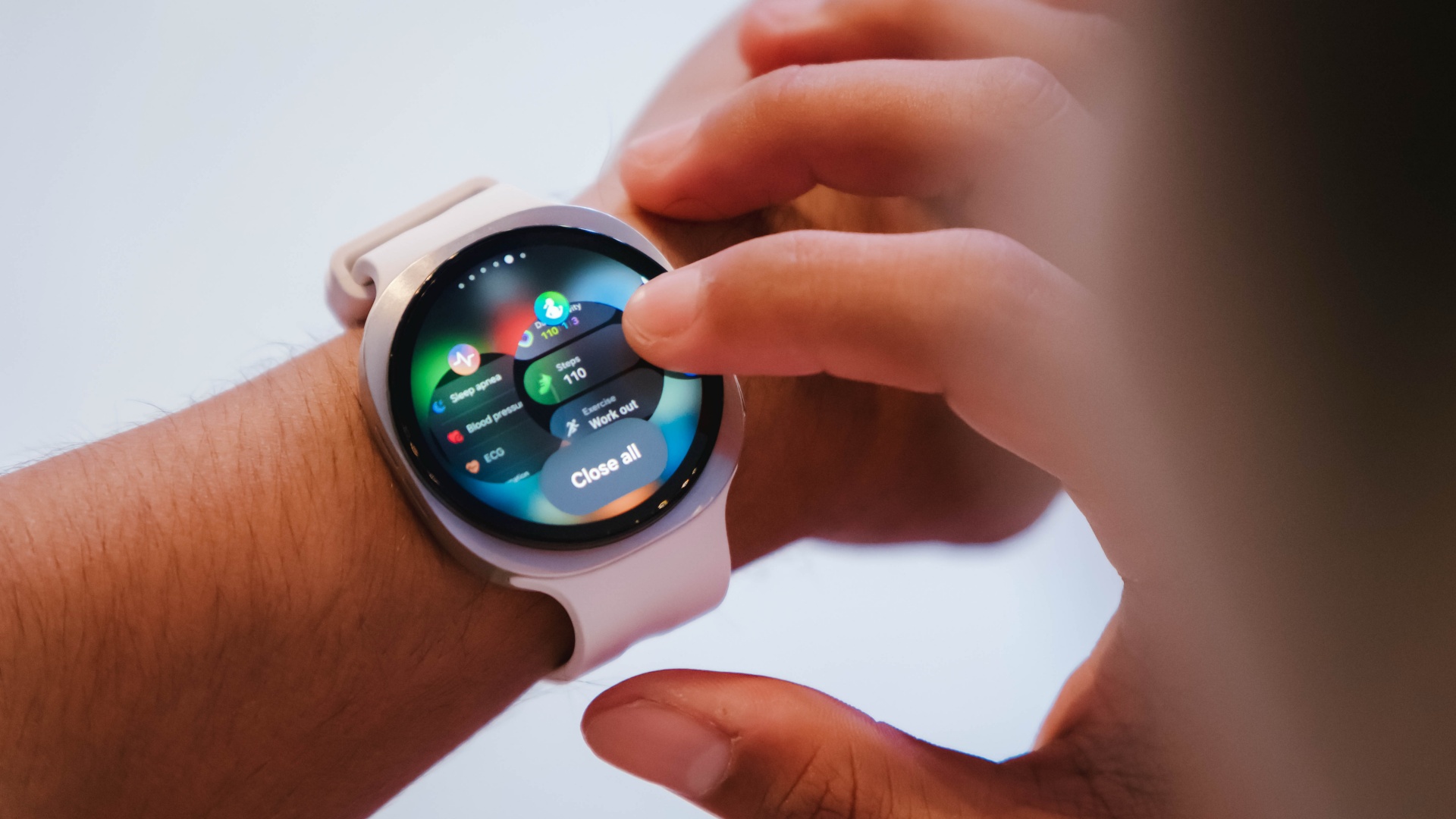
Here’s a paradox worth sitting with: Wearable adoption keeps climbing. A lot of people now walk around with a sensor on their wrist, tracking heart rate, sleep, steps, sometimes ECG. And yet chronic disease rates haven’t moved.
That’s the problem Dr. Hon Pak, Samsung’s Head of Digital Health globally, opened with at a recent panel on the future of connected care. More data hasn’t meant better healthcare. His diagnosis: a first-mile, last-mile issue.
The first mile is that all this wearable data rarely makes it to a doctor in any usable form. The last mile is that even when a doctor says “lose weight, eat better, move more,” that advice tends to dissolve the moment real life takes over.
Picking up kids, caring for parents, getting through a Tuesday, it’s not that people don’t know what to do. It’s that knowing and doing are two different problems.
Samsung’s answer involves three things it says connected care needs to mature: meeting people where they actually are, building enough trust that people rely on the data, and using AI to turn that data into something a person can act on rather than just look at.
The Tuesday evening problem
Karthik Poriya, Head of Product at Samsung Food, framed the everyday failure point clearly. Picture it: long day, you’re tired, staring into the fridge. You’re not reaching for the healthiest option in that moment, you’re reaching for whatever’s fastest and most satisfying.
For years, nutrition tracking has focused on logging what already happened. Poriya’s team wants to intervene right at that decision point instead, pairing Samsung Health’s underlying data (BMI, antioxidant index, glycation markers) with Samsung Food’s recipe index of roughly 40,000 dishes mapped across 34 nutrients, so a health number turns into an actual dinner suggestion rather than another stat to check later.
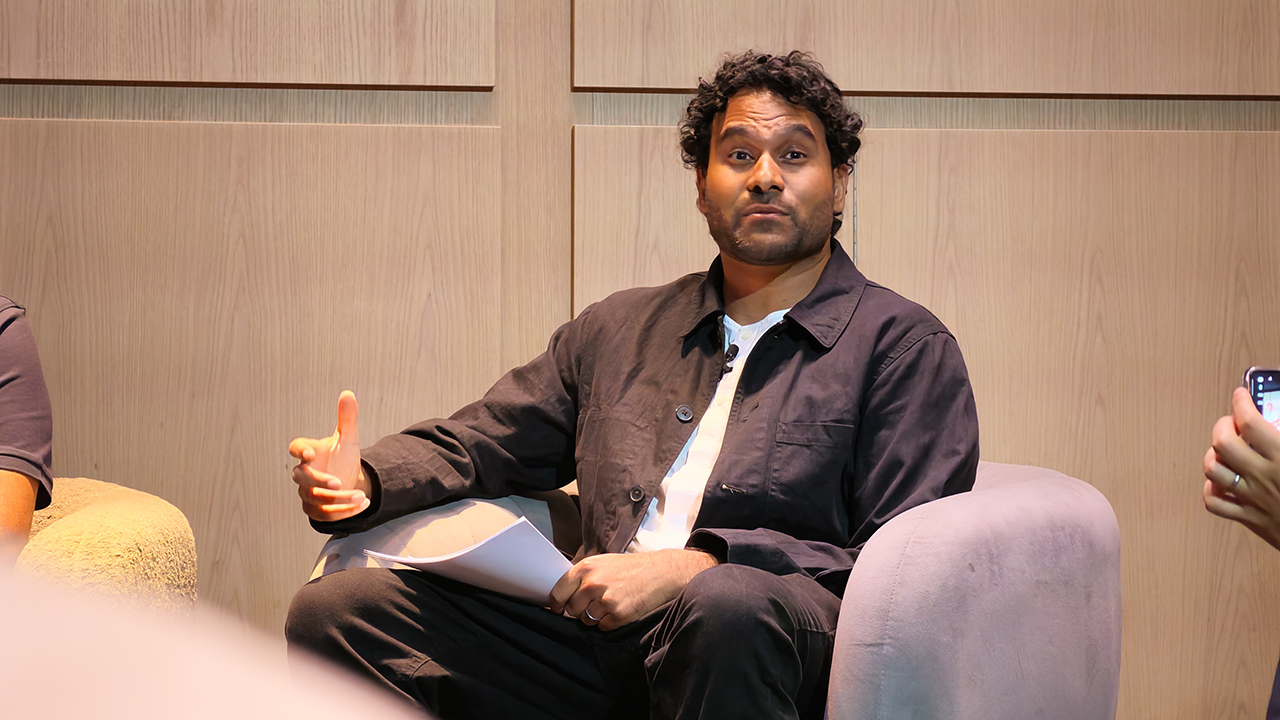
Dr. Pak backed this with a small, concrete example from his own family: moving leftover cheesecake out of eye-level in the fridge and putting washed, sliced carrots there instead.
Kevin Duffy, CEO of connected fitness company iFit, made a similar point about exercise. The most effective tool for sticking to a fitness plan is a personal trainer, he said, citing roughly 80% higher adherence compared to going it alone.
The problem is cost: US$100 an hour or more in a major city puts that out of reach for most people. iFit’s bet is that AI can deliver something closer to a personal trainer’s precision and motivation at a price that isn’t elitist.
Duffy pointed to three reasons his company partners with Samsung specifically: reach (Samsung hardware is already in people’s homes, on their wrists and TVs), access to the biomarker data needed to build an accurate plan, and the fact that fitness goals don’t exist in isolation from sleep and nutrition data.
Trust has to come before any of this works
None of the behavior-change ambitions matter if people don’t trust the data or the company holding it. Rohit R. L., who heads Samsung’s Technology Innovation Lab in the UK, laid out how his team approaches that.
Privacy comes first: Samsung, he said, treats itself as a custodian of user data rather than an owner of it. On top of that sits clinical validation, meaning published, peer-reviewed evidence that a feature actually works in the real world, not just in a lab.
He gave a specific example: Samsung’s ECG and irregular heart rhythm notifications have been clinically validated and cleared by regulators to detect signs of atrial fibrillation. He was careful with the wording there, detect signs of, not diagnose, since that distinction matters both medically and legally.
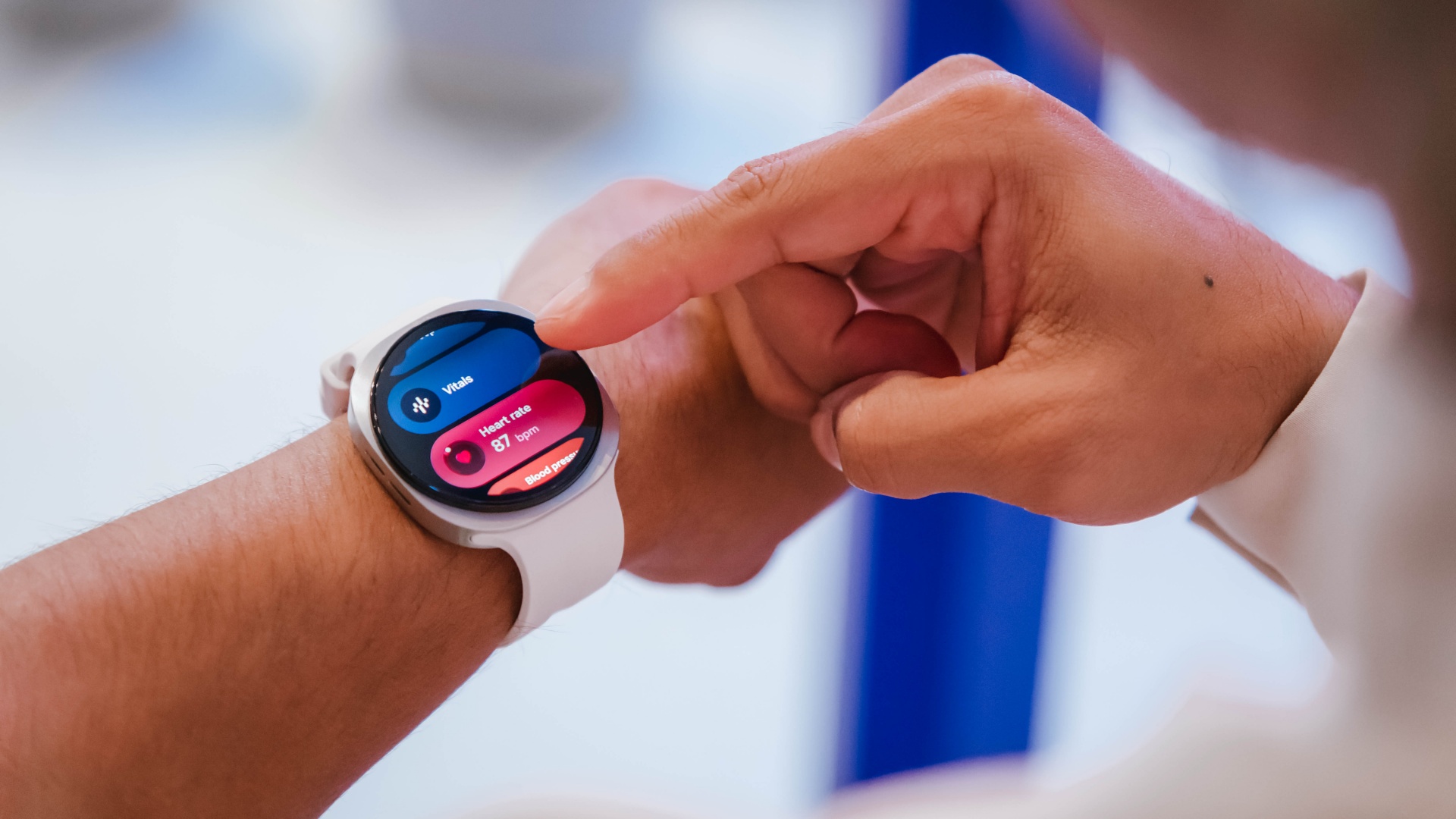
A separate study on fall detection for elderly users turned up a more human finding. The detection algorithm worked well in testing, but in real life people don’t wear their watches around the clock, and falls don’t happen on a schedule.
Dr. Pak drew a useful comparison: nobody tells their MRI technician they’re going to fidget through the scan, but with a wearable, you don’t get to control how or when someone wears it. Real-world validation has to account for that.
On the infrastructure side, Rohit described a three-layer privacy approach: on-device protection through Samsung’s Knox security framework, GDPR-compliant data handling, and alignment with the European Health Data Space, including a decentralized clinical trial system where patient identity stays with the hospital rather than moving to Samsung’s side.
Where AI actually comes in
The most technically dense part of the discussion came from Otavio Penatti, who leads Samsung’s Health AI R&D team in Brazil.
His team works on foundation models, the same category of large-scale AI models trained on unlabeled data that underpin most of today’s popular AI systems. Trained once on a huge amount of sensor data, these models can then be fine-tuned for many specific health applications, which tends to make them more accurate than models built for a single narrow task.
Penatti’s team is training these models on wearable sensor data (PPG, ECG, accelerometer) with the goal of getting the model to, as he put it, understand the body’s own signals well enough to translate them into something useful. Longer term, he sees potential in correlating that sensor data with clinical records to flag disease risk before symptoms show up.
Dr. Pak added a striking data point from Stanford research: a foundation model trained on sleep study data was able to look at just a 24-hour window of sleep and predict risk across more than 130 different diseases.
His takeaway was that the signals for a lot of future health problems are already sitting in the data being collected today, we just don’t yet know how to read all of them.
He closed this part with a number worth sitting with. A recent American Medical Association survey found that 97% of physicians have looked at wearable data at some point. Only 15 to 16% actually use it in day-to-day practice.
The top reason cited wasn’t distrust of the data, it was that the data doesn’t plug into existing clinical workflows. That’s part of why Samsung acquired health data platform Xealth, to build a pipeline that gets wellness data into the systems doctors already use.
Five years out
Asked to look five years ahead, each panelist’s answer tracked closely to their own corner of the problem. Poriya described a proactive dietitian in your pocket, one that doesn’t wait to be asked.

Rohit pointed to connected care that clinicians actually trust and patients fully control. Penatti envisioned AI that continuously links everyday behavior to clinical outcomes, catching problems before they start. Duffy’s version was a constant personal wellness coach, sifting through the data noise to tell you exactly what to do next.
The throughline across all four answers is the same: less raw data, more action. Samsung’s panel made the case that the wearable industry has spent the last decade solving for collection, more sensors, more metrics, more dashboards, while the harder problem, turning that information into something a tired person actually does on a Tuesday night, has barely been touched.
Whether foundation models and better clinical integration actually close that gap is still an open question. But it’s clearly the one Samsung is choosing to spend its next five years on.


DJI Lito X1 review: Is this the best lightweight drone for creators?
Making a strong case as a travel companion and a capable B-cam!


REDMI Note 17 Pro Max review: A new breed born from AI greed
Welcome to the new normal


Marvel’s Wolverine review: When the claws come out
A brutal, cinematic superhero adventure

Epson Lifestudio Grand Plus EH-LS970B with 4K projection, more launches

Jackery Explorer 300D: Power and portability in one

Nike’s Alphafly 4 is built for the part of the marathon ~that actually hurts~

SEGA, Netflix announce Crazy Taxi film adaptation

Smart launches LiveSmart App for exclusive deals

TECNO MEGAPAD 2 review: Eyes on the size

realme 16T 5G with 8000mAh battery, IP69 Pro rating launches in PH

HUAWEI Pura X View is 2026’s first WIDE slab-type smartphone

REDMI reveals the refreshed Note 17 and Note 17 Pro series

REDMI Note 17 Series: Price, availability in Singapore


-
 News2 weeks ago
HUAWEI Pura X View is 2026’s first WIDE slab-type smartphone
-

 News2 weeks ago
The CAMON Slim 5G is TECNO’s latest ultra-slim smartphone
-

 News2 weeks ago
iPhone 18 Pro series: Price, availability in the Philippines
-
 Singapore2 weeks ago
iPhone 18 Pro series: Price, availability in Singapore
-

 News2 weeks ago
iPhone Duo: Price, availability in the Philippines
-
 News2 weeks ago
HUAWEI Mate XT 2 tri-fold launches with Kirin 9050 Pro
-
 News2 weeks ago
vivo introduces refurbished versions of X300 FE, X300 Ultra for less
-
 News2 weeks ago
iPhone Duo: Price, availability in Singapore