


Accessories
Redmi Buds 6 Pro review: Fancy that ANC
Pocket-friendly ANC earbuds, literally and figuratively

I fondly remember saving up my first paycheck as a full-fledged GadgetMatch team member in 2019 just to buy the first-gen AirPods.
It wasn’t about the hype — I just wanted earphones that wouldn’t tangle in my bag during my grueling commutes. Also, with smartphone brands steadily ditching the 3.5mm audio jack, it felt like the right time to go wireless.
Fast forward nearly six years, and the industry has evolved. What’s more surprising? Brands like Redmi (or Xiaomi) now offer ANC-equipped TWS earbuds for less than half the price of an AirPods Pro.
Enter the new Redmi Buds 6 Pro — and I’m here to put them to the test.
Non-existent heft
Upon unboxing the Redmi Buds 6 Pro, its heft (or lack thereof) totally surprised me.
It’s so light that I barely felt it right after holding the whole wearable (yes, even when the buds are already inside the case).

Putting it in all sorts of pockets gave me nothing but featherweight lightness.
To be specific, the whole combo only weighs at just 46.5 grams.

I am neither sure if this is a good thing or a bad thing. Obviously, the huge downside is when someone loses either the buds or the case (or both).
This also means one should stay vigilant at all times when using them out and about.
Double the purple
The Redmi Buds 6 Pro I have comes in this flashy Lavender Purple colorway.

Although purple isn’t in my list of color faves, it’s still a compelling change as most of the earbuds I receive are either in the AirPods-like white or a striking yet more scratch-attracting black coating.
And by that, the other colors of the Redmi Buds 6 Pro come in the usual bland offerings aforementioned: Glacier White and Space Black.

Aside for that shiny silver trimming on the buds’ sides, there are no other contrasting elements when you decide to get this device.
From the case all the way to the buds’ rubber tips, they are all in the same hue.
If there’s one thing I love about its overall aesthetics, it’s none other than the light strip on its case — and it isn’t there just for show.

It was a smart move of Redmi to include this as it serves as the primary battery level indicator of the case. And it’s not just a single light bar. It actually decreases based on the case’s battery percentage.
This is a very handy-dandy feature for someone like me. Now, I don’t always have to check the app just to see if the case has enough charge to juice up my depleted buds.
Fair with ‘Fast Pair’
Right upon powering on the Redmi Buds 6 Pro, most of my Android devices were able to detect it.

Funny enough, my colleague Luigi, complained how the device continuously pops-up on his Pixel phone when I tried pairing the buds to one of my devices. This just means how effective its Google Fast Pair feature is.

Upon detection, it has prompted me to install the Xiaomi Earbuds app — dedicated to all TWS earbuds under the Xiaomi and Redmi brand.
And just like the Xiaomi Buds 5 I’ve held and reviewed a while back, pairing the new Redmi Buds 6 Pro was a breeze.
Feelin’ the familiarity
As this wasn’t the first earbuds I got under Xiaomi’s ecosystem, breezing everything in the app wasn’t an issue.

I still get to see all the EQ presets, with the freedom to manually adjust each and every level and bandwidth.
More so, the ability to toggle between three different ANC modes — which I’ll talk about in a separate section shortly.
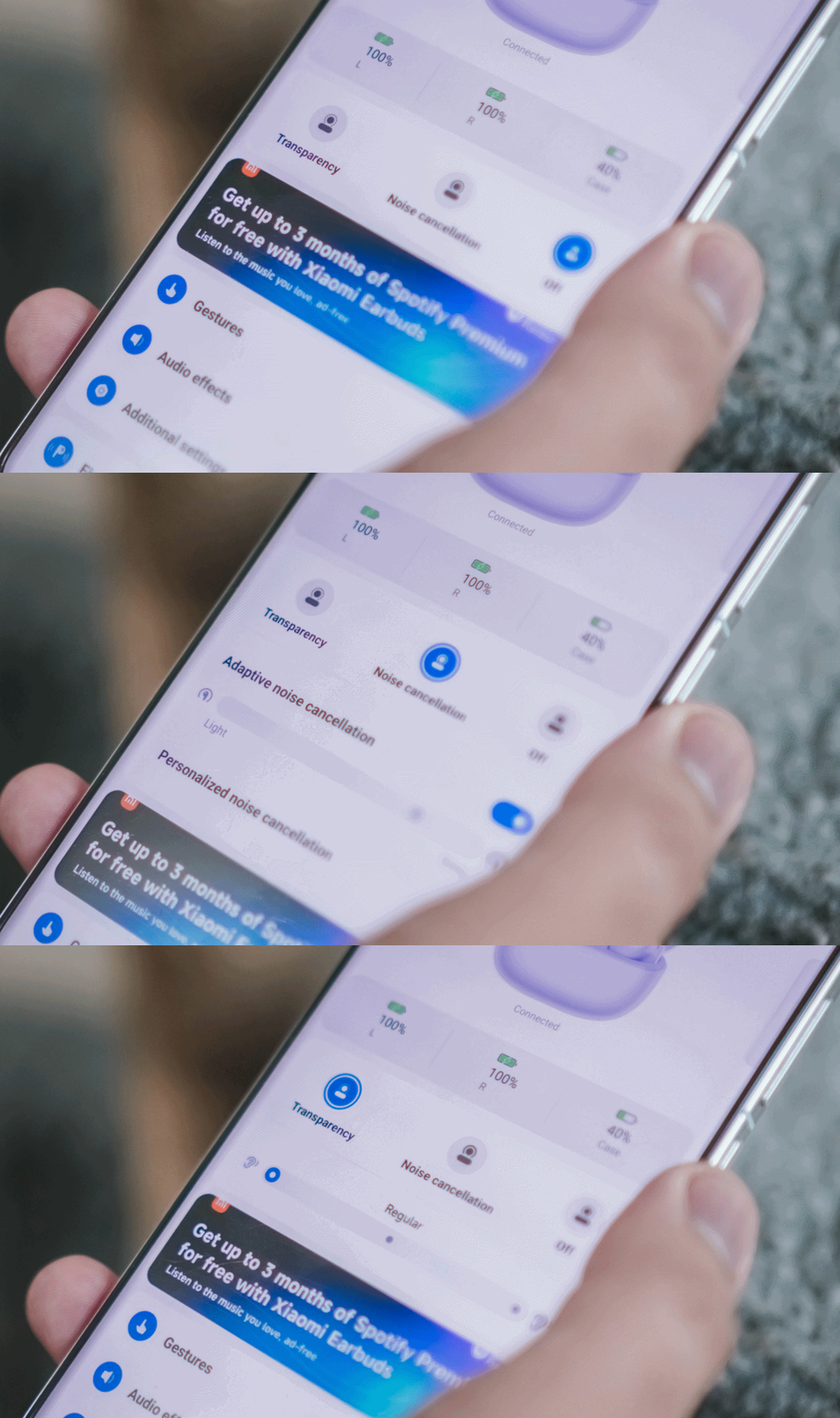
Gestures are also customizable for each bud without affecting one another.

Although unlike other “Pro” buds that rely on stem squeezes through its Force Touch sensors, the Redmi Buds 6 Pro has the generic touch-inclined stem taps.
Fortunately, the up and down gestures I found valuable on the Xiaomi Buds 5 (meant for volume adjustments) remain here.

Sufficing Sound
On paper, the Redmi Buds 6 Pro has a promising set of custom coaxial triple drivers: dual 6.7mm Piezoelectric ceramic drivers, single 11mm Dynamic driver with Titanium diaphragm.

It also promises Hi-Res Wireless Audio with LDAC. And upon inspecting the Redmi Buds 6 Pro via System Settings (not Xiaomi’s app), it was true to its words.
Even more, I double-checked my Xiaomi Buds 5 and the latter offers Qualcomm’s aptX out of the box.
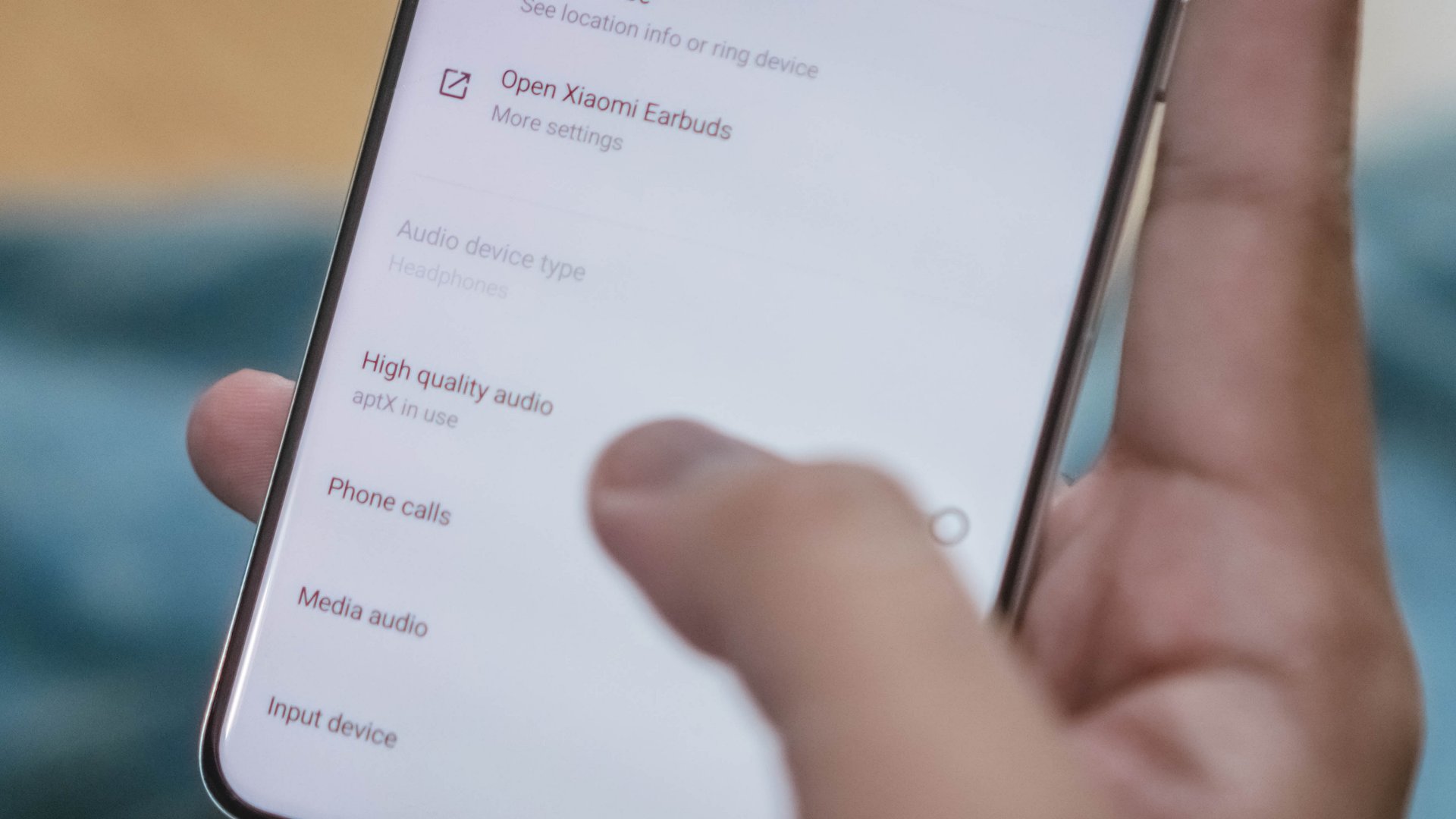
Xiaomi Buds 5 | aptX Codec
As much as possible, we need to stay away from the very basic SBC. Redmi offering LDAC in such price range is already a blessing.
But, I’m not here to make your world even more confusing. These audio terms are just too much to digest for an ordinary user.

Xiaomi Buds 5 | 2024
Despite the hardware the Redmi Buds 6 Pro offers, my ears could still pinpoint the audio weaknesses it has compared to its closest Xiaomi rival.
The Xiaomi Buds 5 still delivers the better audio experience with enriched highs and mids, alongside a fuller, deeper bass.
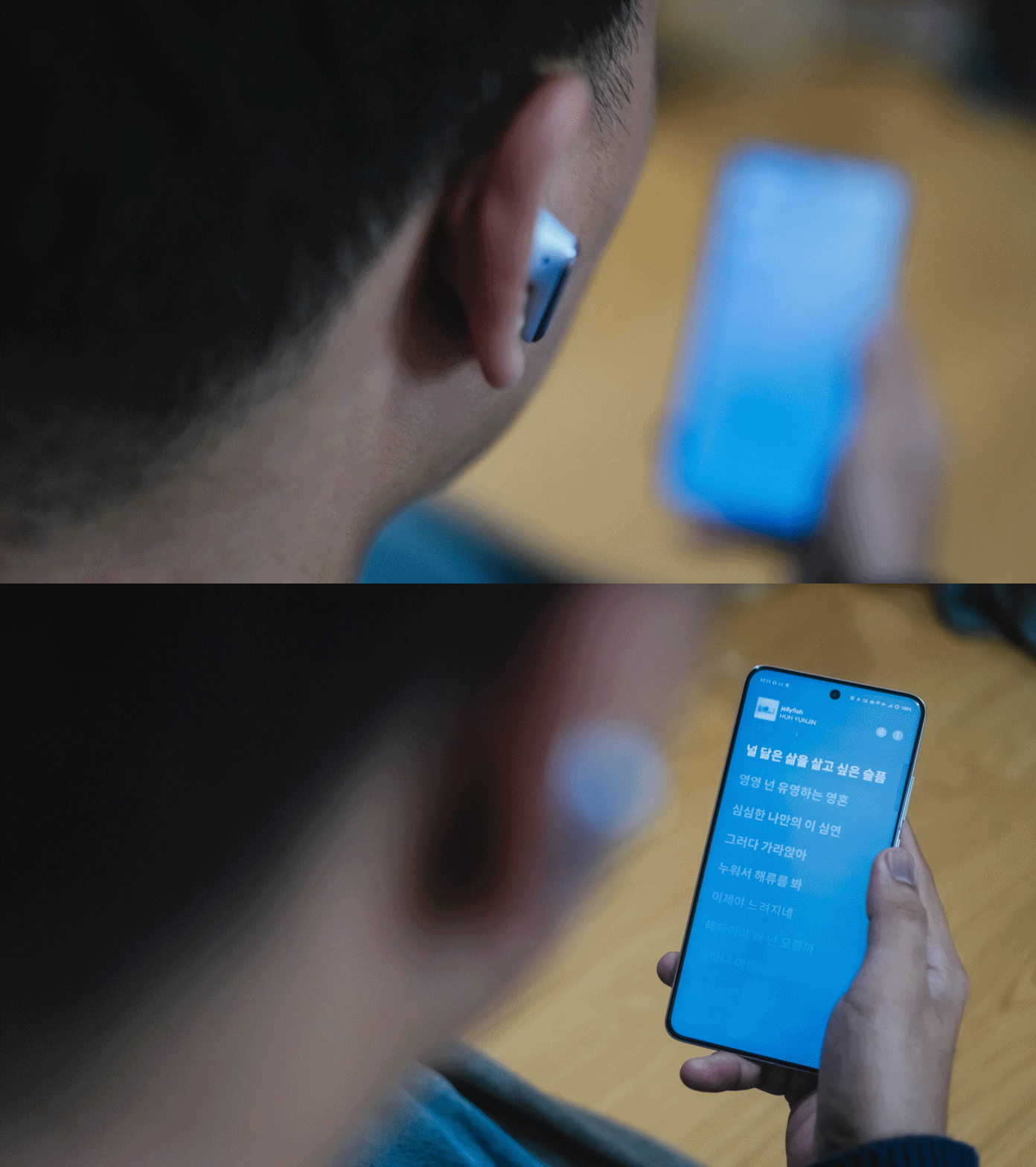
I tried each and every preset for the fairest comparison possible. Let alone, playing lossless audio tracks in Apple Music.
My custom EQ preset is even synced across the board so there’s no setting to miss.

Safe to say, the Redmi Buds 6 Pro produces adequate audio quality for its price — but not totally surpassing what the Xiaomi Buds 5 offers from the get-go.
Seeking for ANC
As an introvert who wants to block as much noise as he could from the world around him, having ANC in such device and price is a true gift from the gods.
And what makes the Redmi Buds 6 Pro different from the base Redmi Buds 6 (and also the Xiaomi Buds 5 I’ve repeatedly mentioned) are the inclusion of rubber tips.

Upon first fit, the attached rubber tips were not holding up quite well in both of my ear canal. Thankfully, there are two more supplied tips in the box ranging between small and large.
@gadgetmatch
But then, I can’t help myself but to further compare the ANC feature of the two earbuds.
As surprising as it sounds, there’s barely any stark difference — even with the right type of rubber tips already in my ears.

There’s also nothing grand when switching between “Light” and “Deep” levels of ANC.
We were given the notion that ANC should perform “better” when you wear it with silicone ear tips. However, that’s not the case here.

Redmi’s inclusion of rubber ear tips in the Buds 6 Pro doesn’t make it the better ANC performer.
Even with an open-ear design, Xiaomi’s Buds 5 was able to shut off as much as background noise as it could.

I could go beyond the recommended volume level just to shush all those noise but I’d rather not have a hearing impairment.
Also, wearing buds with rubber tips get discomforting over longer periods of time. Thus, my personal preference of picking open-ear buds any time of the day.
Long-Lasting
If there’s one thing I can truly brag about the Redmi Buds 6 Pro, it’s none other than its overall endurance.
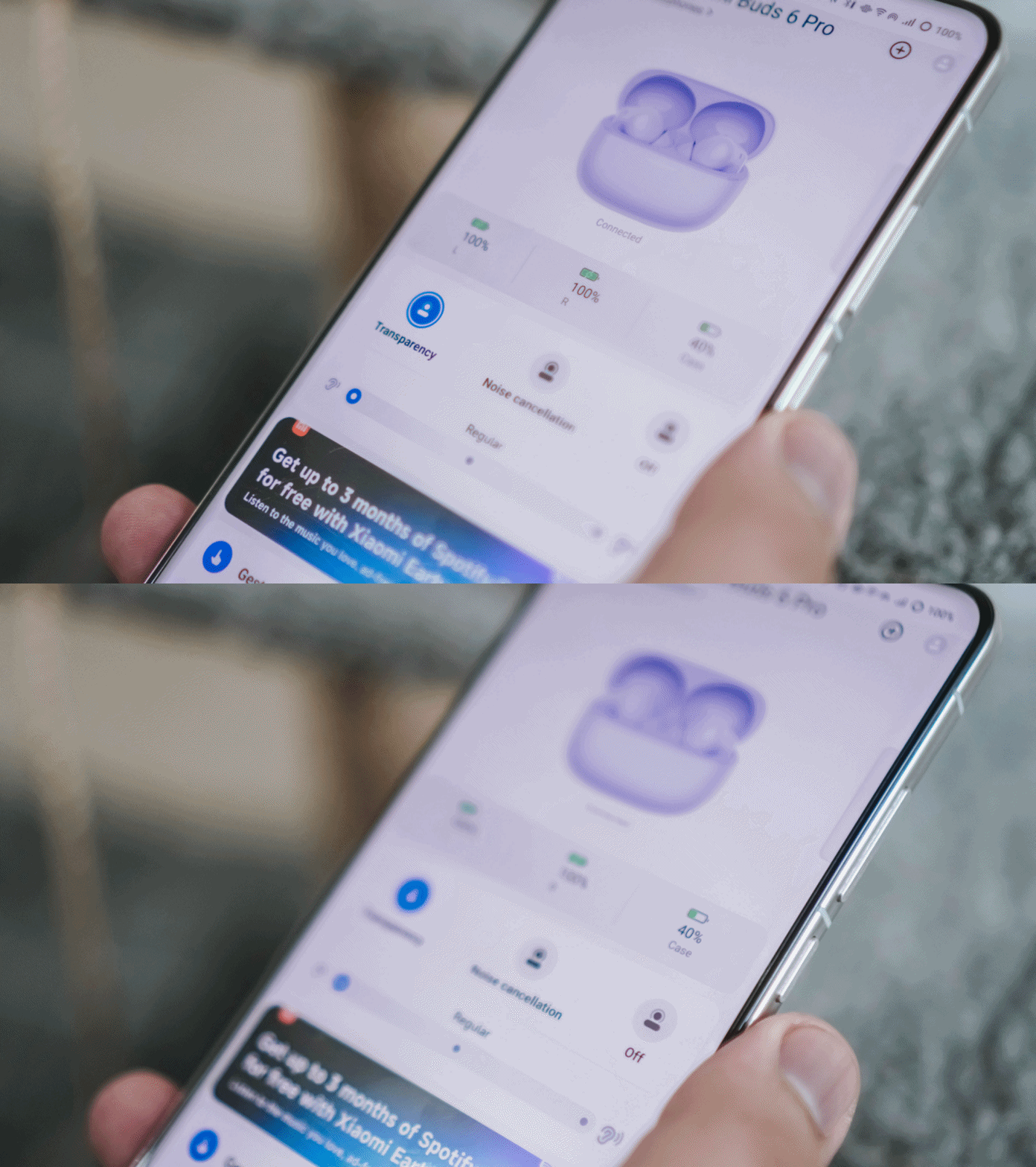
During my long 2 hours of travel going to the Metro, the Redmi Buds 6 Pro was still able to save around 60% of charge.
Even when doing this write-up, I was able to play 5-hours worth of my K-Pop album playlist nonstop. Mind you, with ANC turned on.

I started using it from around 1:30PM with a full-charge and ended around 6PM. Result? There’s still 20% battery charge left.
The Xiaomi Buds 5 I have only lasts between 2.5 to 3 hours max.

This is also one reason why it’s so hard to kill its case just to show the gradience of its light strip battery bar — mentioned a while back.
Is the Redmi Buds 6 Pro your GadgetMatch?
With an SRP of just EUR 74.99 / PhP 3599 / SG$ 95 (around US$ 78), the Redmi Buds 6 Pro is shockingly cheap for what it offers.

I would Swipe Right if the Redmi Buds 6 Pro offered the better ANC experience. Unfortunately, the ANC it delivers is as much as you can only get on the Xiaomi Buds 5.
Having to experience the better sound offered wholly by its Xiaomi counterpart, I would still pick that as the better value. Not to mention, their price differences aren’t that huge to begin with.

If we were to compare, the Xiaomi Buds 5 in Italy has a discounted price of EUR 79.99 — which is just 5 Euros more than Redmi Buds 6 Pro’s EUR 74.99 price tag. In Singapore, there’s a SG$ 17 gap with its SG$ 112 SRP.
Meanwhile in the Philippines, it’s sold for PhP 4599. That PhP 1000 gap might look little or too much depending on who’s going to buy it but personally, that extra price is justifiable with THE better audio quality and all in all aesthetics. Also, the bonus built-in recorder.
SEE ALSO: Xiaomi Buds 5 review: Way greater than the AirPods 4?





Accessories
Manila turns up the volume at COVE
Sony Philippines launched its ULT TOWER lineup at Beyond the Beat, with SB19 joining the ULT Squad.


Sound and style shared the floor at COVE Manila in Okada Manila. Sony Philippines opened its doors for Beyond the Beat: The Next-Level ULT POWER SOUND Experience.
The event marked the company’s biggest ULT POWER SOUND launch in the country, and Sony paced the program like an exclusive night out.
Stacked ULT Towers filled the space. Guests styled themselves with designer pieces from Alser Lumawag, and SB19 closed the evening as the newest Sony ULT Squad members.

MySony members from every tier joined industry guests while the new ULT TOWER lineup set the tempo.
The towers take center stage
Shuhei Sugihara, Sony Philippines’ President and Managing Director, opened the program.

Product Marketing Specialist Keira Ambubuyog then introduced the newest additions to the lineup.

Arbie Bandiling of Personal Audio Systems unveiled the latest ULT Squad video. The clip introduced the artists and personalities fronting the campaign.
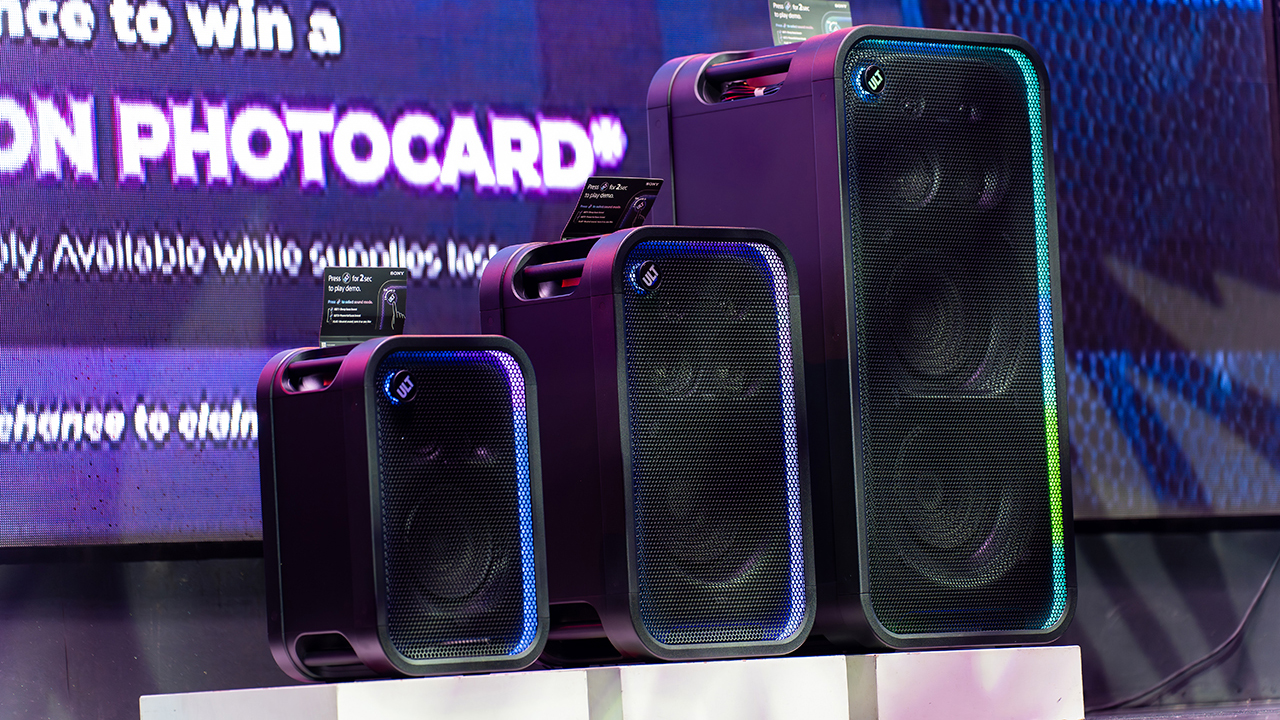
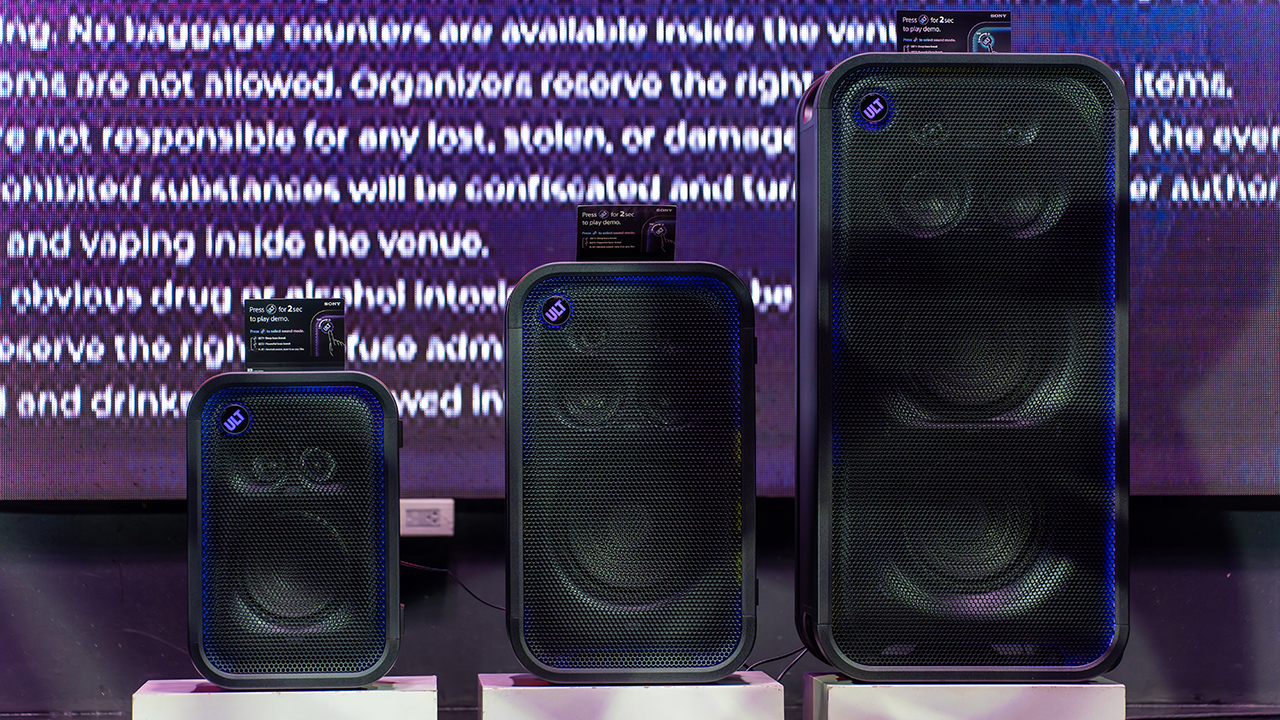
The lineup features the ULT TOWER 5, ULT TOWER 7, and ULT TOWER MAX. The new series pairs large circular woofers and high-capacity cabinets with ULT DUCT technology.
This design delivers stronger low-frequency bass than earlier models. The ULT TOWER MAX leads the series, described as Sony’s most powerful bass speaker yet.
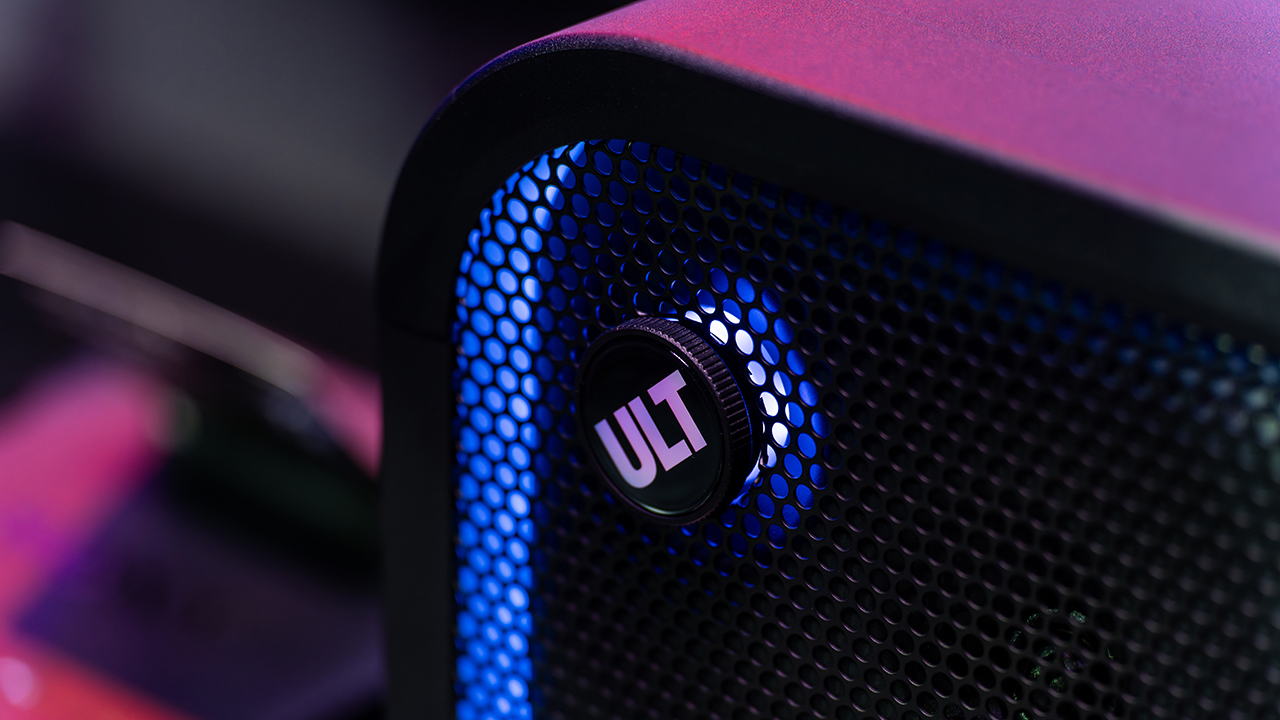
On another note, Sony pitches the ULT TOWER 7 as stage-worthy sound in a portable frame. Meanwhile, the compact ULT TOWER 5 targets smaller gatherings and features karaoke and DJ capabilities.
Experiential zones bring the sound to life
Guests explored the lineup across several interactive event zones. Step into the Beat paired an arcade-inspired setup with stacked ULT Towers and a dance pad. ULT Selfie Club handled photo ops.
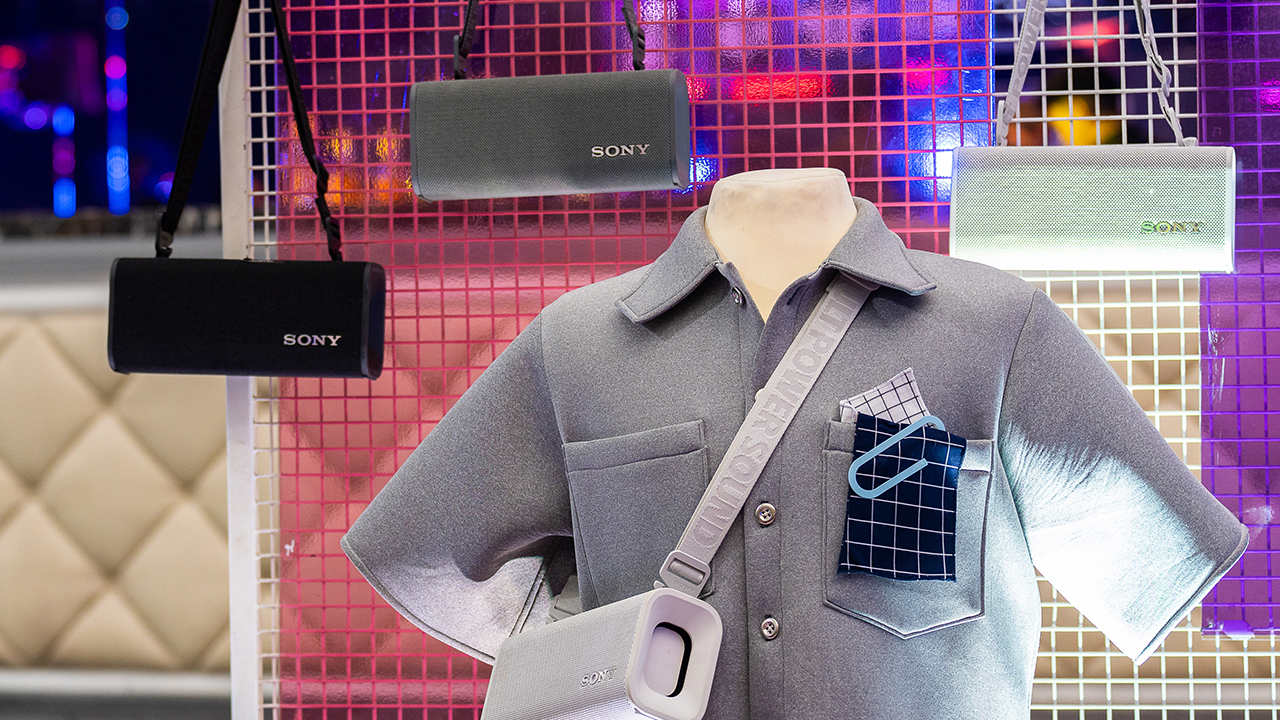
Nearby, ULT Cover Star let guests style ULT Field speakers alongside designer pieces from Alser Lumawag. Here, the speakers served as chic fashion accessories.

The Bass District gave VIPs and influencers a private, nightlife-inspired lounge. Karaoke Lounges invited everyone else to grab a mic and test the party-ready towers firsthand.
The ULT Squad shows up


Fashion influencer and ULT Squad member Angelique Manto-Guison hosted the night.
A-Team opened the show with a high-energy routine before Carlos Serrano III took the stage. David Guison and Jacqueline Jala walked the stage with ULT Models in elevated fashion, and Jeremy G followed with a dynamic musical performance.



KAIA brought a youthful pop sound, while Maki delivered a set in his signature style.
SB19 closed the night, making their debut as the newest Sony ULT Squad members. Sony pairs its sound technology with the group’s influence in Filipino music. This collaboration positions the Squad as a platform for artists shaping contemporary music culture.
The ULT TOWER MAX, ULT TOWER 7, and ULT TOWER 5 are now available at Sony Centres and authorized dealers nationwide.
Accessories
Jackery Explorer 300D: Power and portability in one
Uninterrupted workflows for digital nomads, freelance creatives, more


For digital nomads, freelance creatives, and even work-from-home professionals, staying productive on the move means carrying around multiple gadgets, cords, adapters, and power banks to survive the day.
Having to carry such weight, quite literally, is vital for maintaining workflow continuity.
For a more seamless experience and to have just one extra portable device to power all working parts, there’s the Jackery Explorer 300D.
Launched just last month, this grab-and-go offering from Jackery is designed for the modern lifestyle.
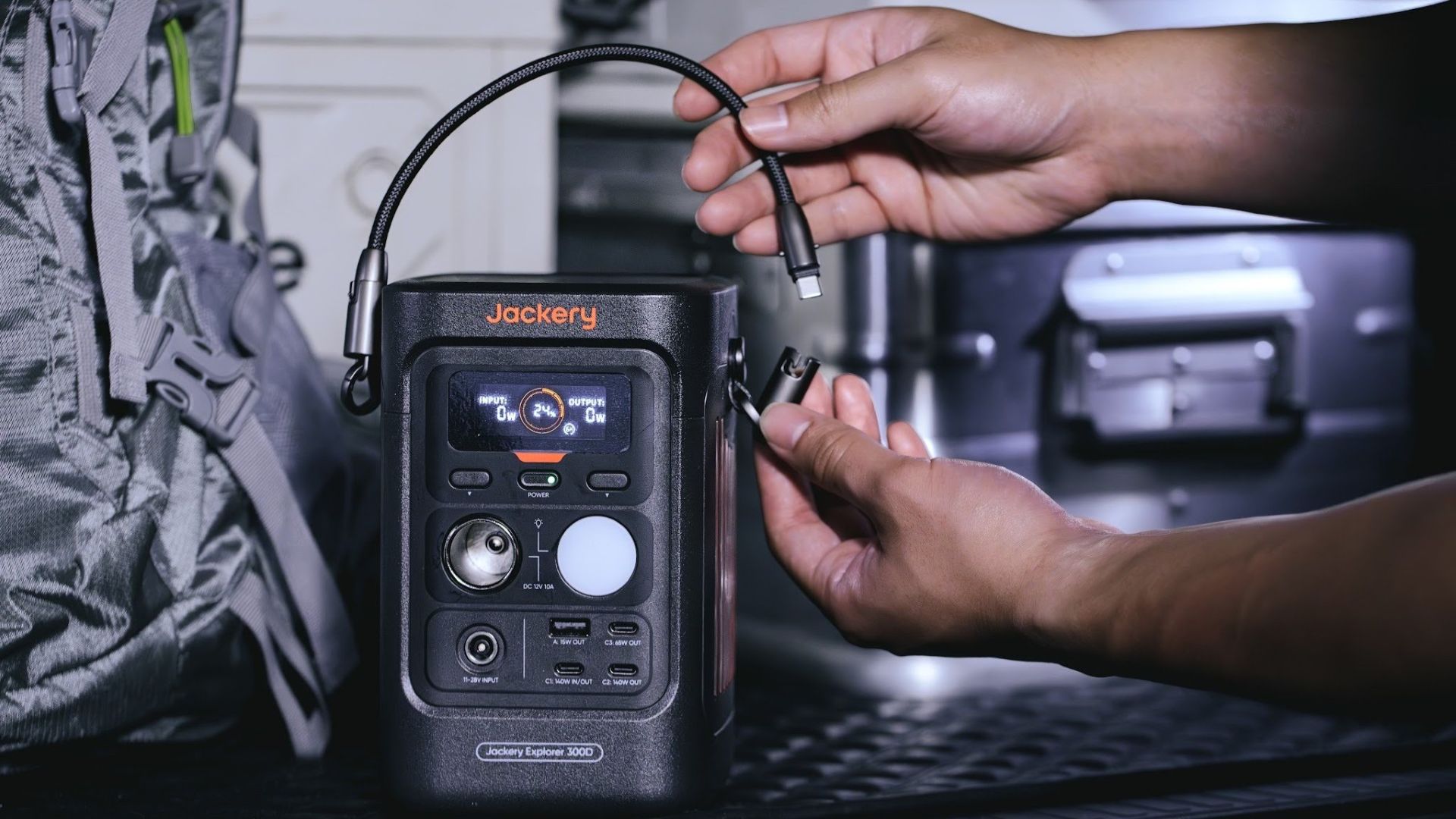
It moves away from Jackery’s traditional aesthetic with a sleek, speaker-like form factor. It weighs just 2.5 kilograms and is 64% smaller than standard 300W units in the market.
This ultra-compact size was made possible by a smart engineering choice of swapping bulky traditional AC wall outlets for highly efficient DC-only and USB-C ports — which also helps eliminate idle power loss.
With a 288Wh capacity, the Jackery Explorer 300D holds enough juice for up to nine power banks.
It can keep a Type-C fast-charging laptop for up to three to four full cycles, a Wi-Fi router alive for hours, and recharge cameras or drone batteries up to five times for a lengthy production day.
For smaller gadgets like smartphones and portable fans, the power station can juice them up for up to 22 times.

It can even charge five devices simultaneously with a total of three USB-C ports, a USB-A port, and a DC 12V car charger port.
All these ensure users are never disconnected, wherever they may set up their mobile office.
Another brilliant touch is the two-in-one shoulder strap that easily unclips to double as a heavy-duty 140W USB-C charging cable.
The everyday carry is available via Lazada and Shopee, and at the official Jackery kiosk in SM Fairview, as well as other partner stores.
Accessories
Apple is reportedly working on its own gaming controllers
It might launch under the Beats brand.

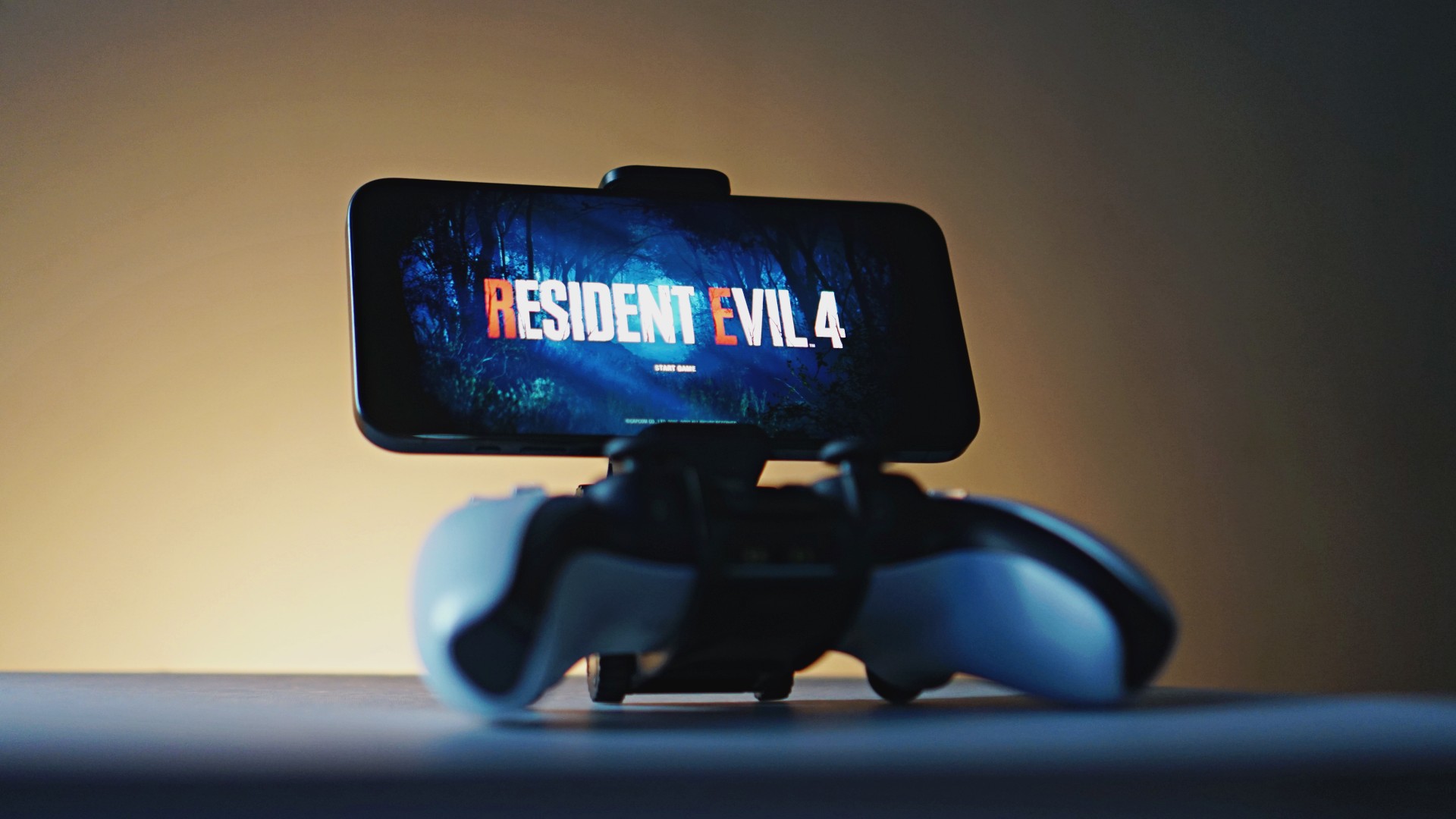
Last week, the iPhone Duo changed how you look at the ubiquitous smartphone. Foldables are in, and Apple is right there with it. But the company isn’t stopping with the foldable segment. Apple is reportedly working on its own branded game controllers.
According to Bloomberg, Apple has been working on a controller since last year. Further, a piece of code linked to macOS 27.4, spotted by MacRumors, includes references to two unknown gaming controllers.
Because Apple just concluded its huge event this month, it will likely be a while before we see confirmation of this controller. And it could be anything. Of course, because the Duo is fresh on our minds, the easiest answer is a mobile controller than can maximize the foldable’s ability to stand by itself. It could also use Apple’s larger screens like the iPad, the MacBook, or the Mac. Some even speculate that this could be Apple’s stronger push into the gaming market.
Outside of the actual hardware, the reports are also claiming that the controller will arrive by way of Beats, rather than from Apple itself. At first, the branding comes off as a surprise, but then again, Beats hasn’t really evolved past an audio brand in a long, long time. Is it time to revitalize Beats as something more than just a peddler of headphones?
SEE ALSO: First Look: Apple iPhone Duo


DJI Lito X1 review: Is this the best lightweight drone for creators?
Making a strong case as a travel companion and a capable B-cam!


REDMI Note 17 Pro Max review: A new breed born from AI greed
Welcome to the new normal


Marvel’s Wolverine review: When the claws come out
A brutal, cinematic superhero adventure

vivo introduces OriginOS 7 with smarter multitasking and AI features

vivo X500 Series launches with major imaging upgrades

Manila turns up the volume at COVE

Epson Lifestudio Grand Plus EH-LS970B with 4K projection, more launches

Jackery Explorer 300D: Power and portability in one

realme 16T 5G with 8000mAh battery, IP69 Pro rating launches in PH

HUAWEI Pura X View is 2026’s first WIDE slab-type smartphone

REDMI reveals the refreshed Note 17 and Note 17 Pro series

REDMI Note 17 Series: Price, availability in Singapore

The CAMON Slim 5G is TECNO’s latest ultra-slim smartphone


-

 News2 weeks ago
iPhone 18 Pro series: Price, availability in the Philippines
-
 Singapore2 weeks ago
iPhone 18 Pro series: Price, availability in Singapore
-

 News2 weeks ago
iPhone Duo: Price, availability in the Philippines
-

 News2 weeks ago
vivo introduces refurbished versions of X300 FE, X300 Ultra for less
-

 News2 weeks ago
iPhone Duo: Price, availability in Singapore
-

 Accessories2 weeks ago
CASETiFY upgrades iPhone 18 cases, teases iPhone Duo lineup
-

 News2 weeks ago
HONOR teases Magic9 Pro Max at Venice
-

 Editors' Choice2 weeks ago
GadgetMatch Awards: Best of IFA 2026