
News
The Redmi K90 Pro Max is the first smartphone with Bose-powered speakers
Flagship internals, midrange pricing

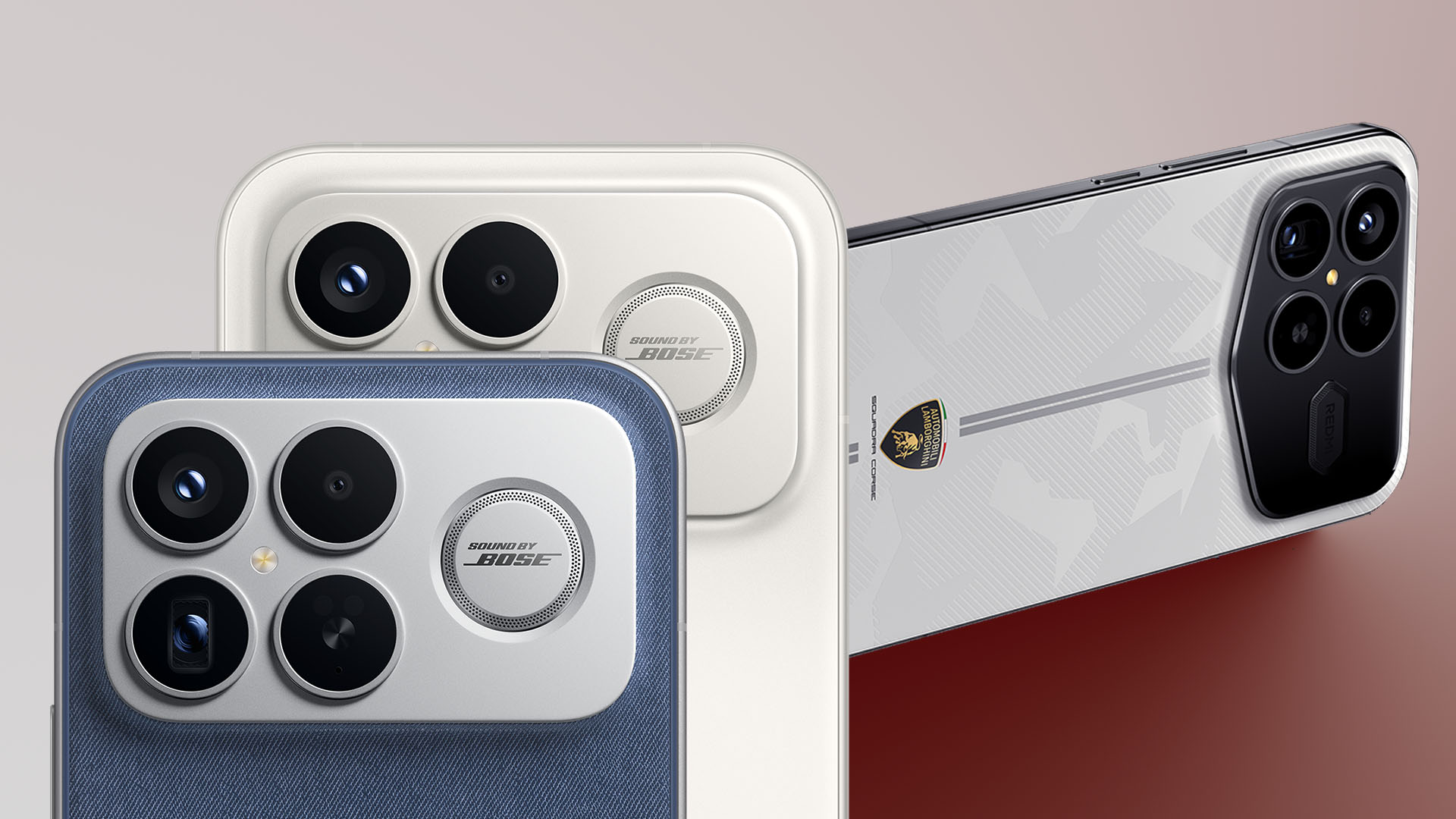
In the latest episode of Chinese-Exclusive Smartphone Launch: Season 10/25, Redmi (or Xiaomi) unsurprisingly launches their latest and greatest flagship killer, the K90 Pro Max.
First “Pro Max” Midranger
Much like the its flagship Pro Max cousin from Xiaomi, this also marks Redmi’s first-ever “Pro Max” offering.
Redmi’s past handsets only had “Pro” and “Ultra” superlatives within. Although it seems like this branding isn’t just here for naming’s sake.
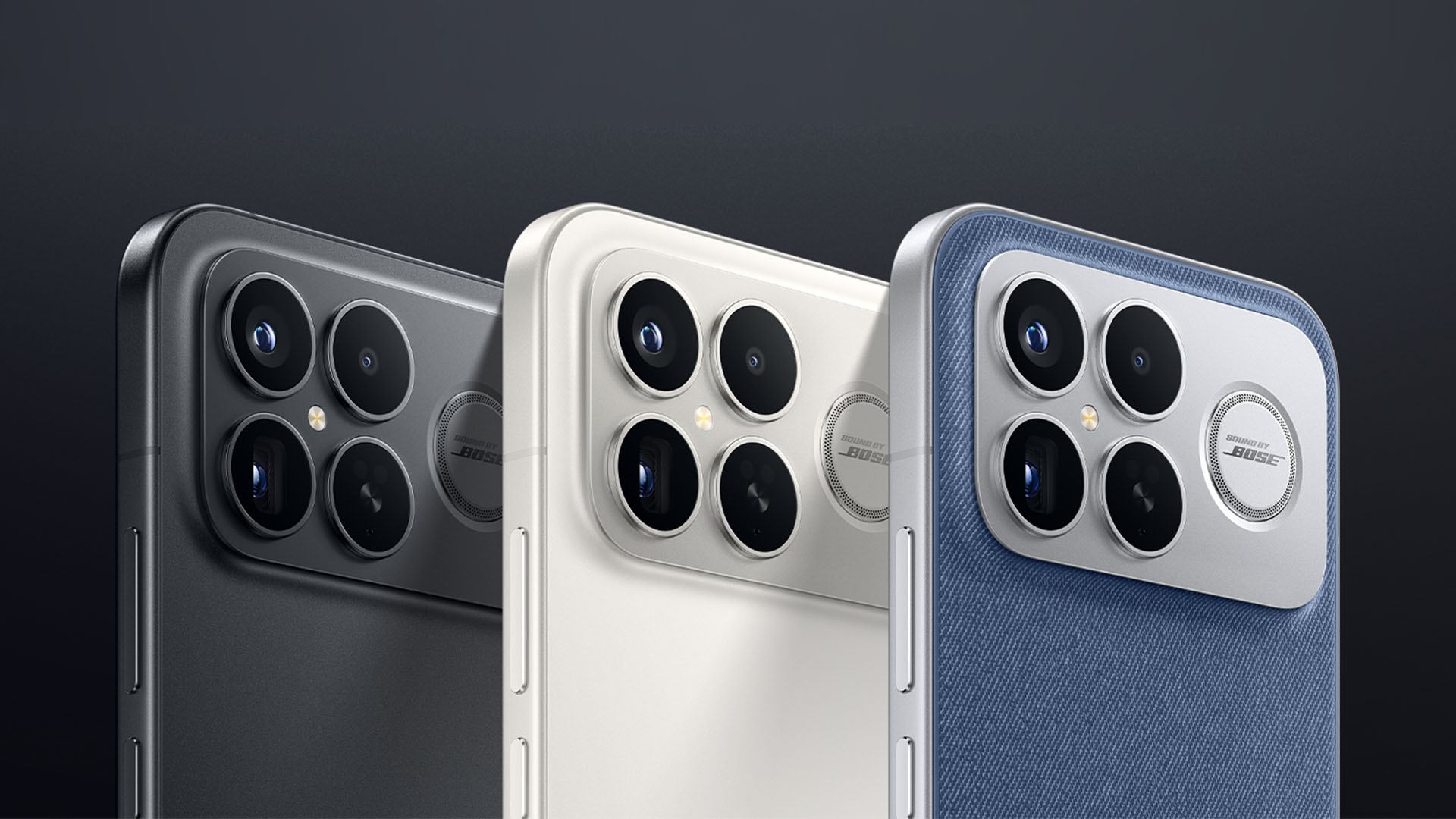
Ultimately, the Redmi K90 Pro Max is also the company’s first ever smartphone with a massive 6.9-inch 1.5K OLED 120Hz display.
Much like any high-end phone nowadays, it’s capable of displaying HDR10+ content, 100% DCI-P3 Wide Color Gamut, as well as with Dolby Vision certification. However, its 12-bit color depth is a far cry, supporting up to 68.7 Billion Colors (versus 1.07B).
Brightness levels even go as low as 1 nit all the way to 3500 nits. Beneath it lies a faster ultrasonic in-display fingerprint sensor.

That’s then covered by Xiaomi’s Longjing Glass for utmost durability and protection in the long run.
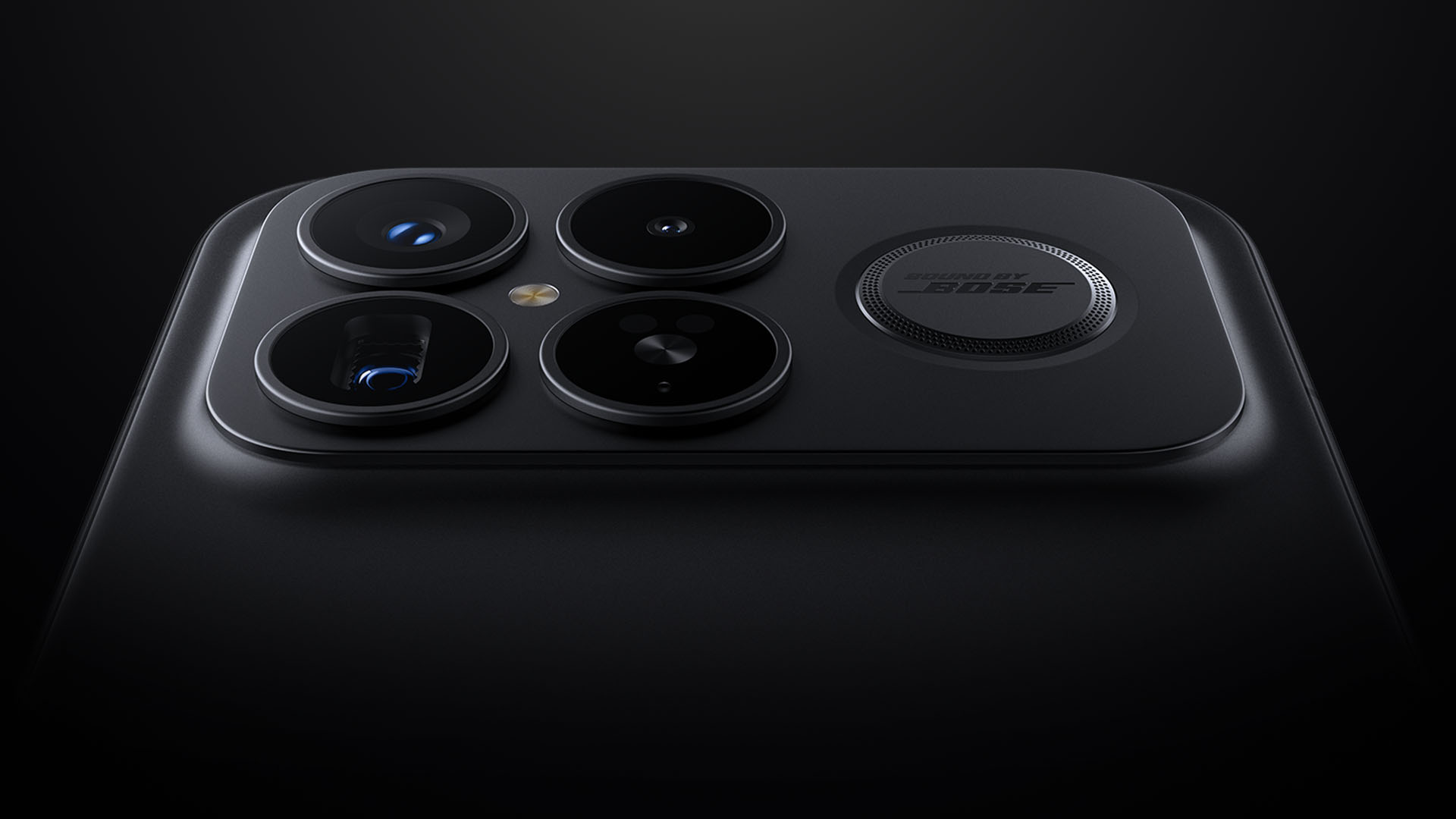
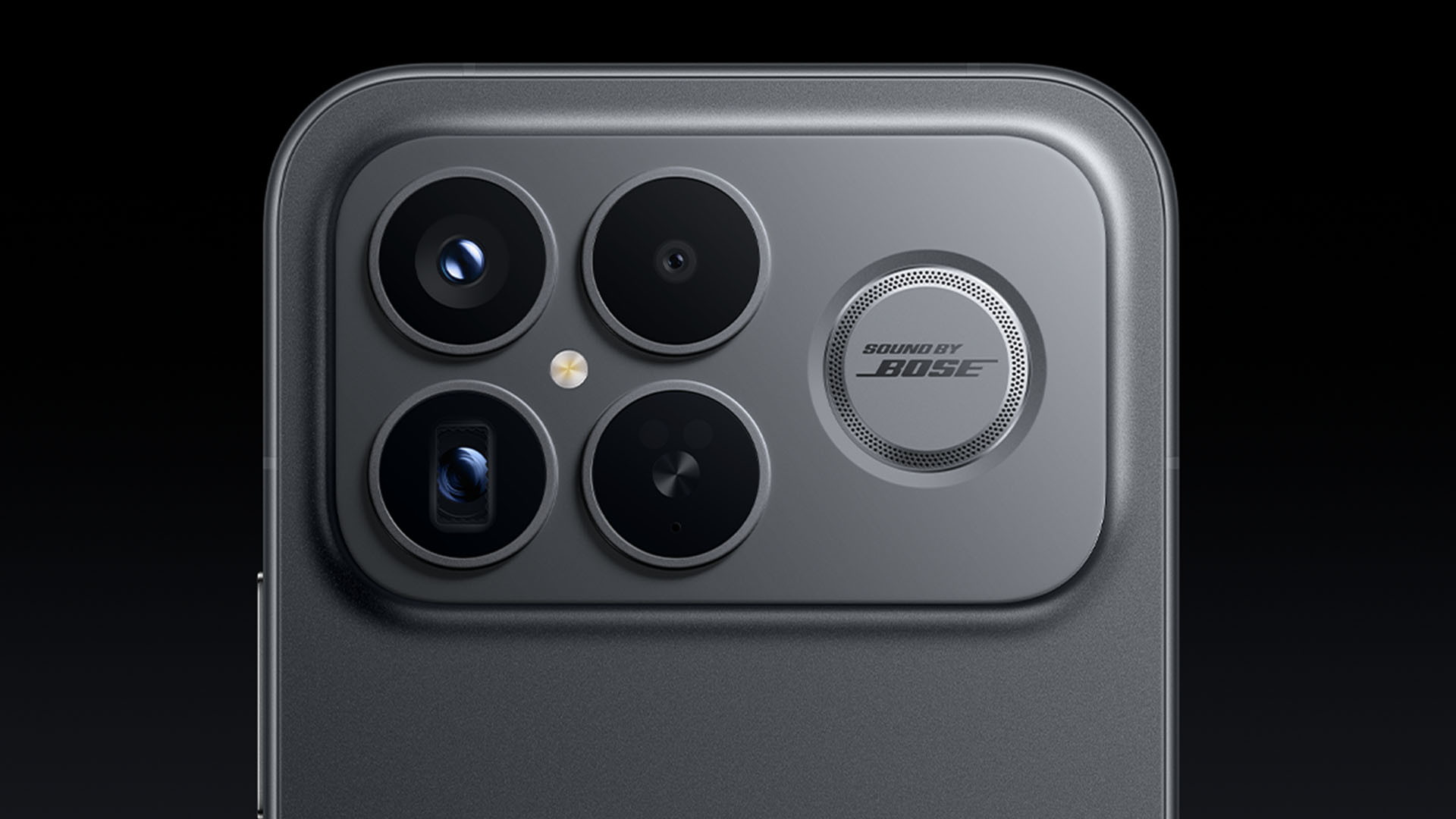
That familiar “Pro Max” camera island isn’t just there for aesthetics though. Enclosed within is a powerful triple 50MP system.
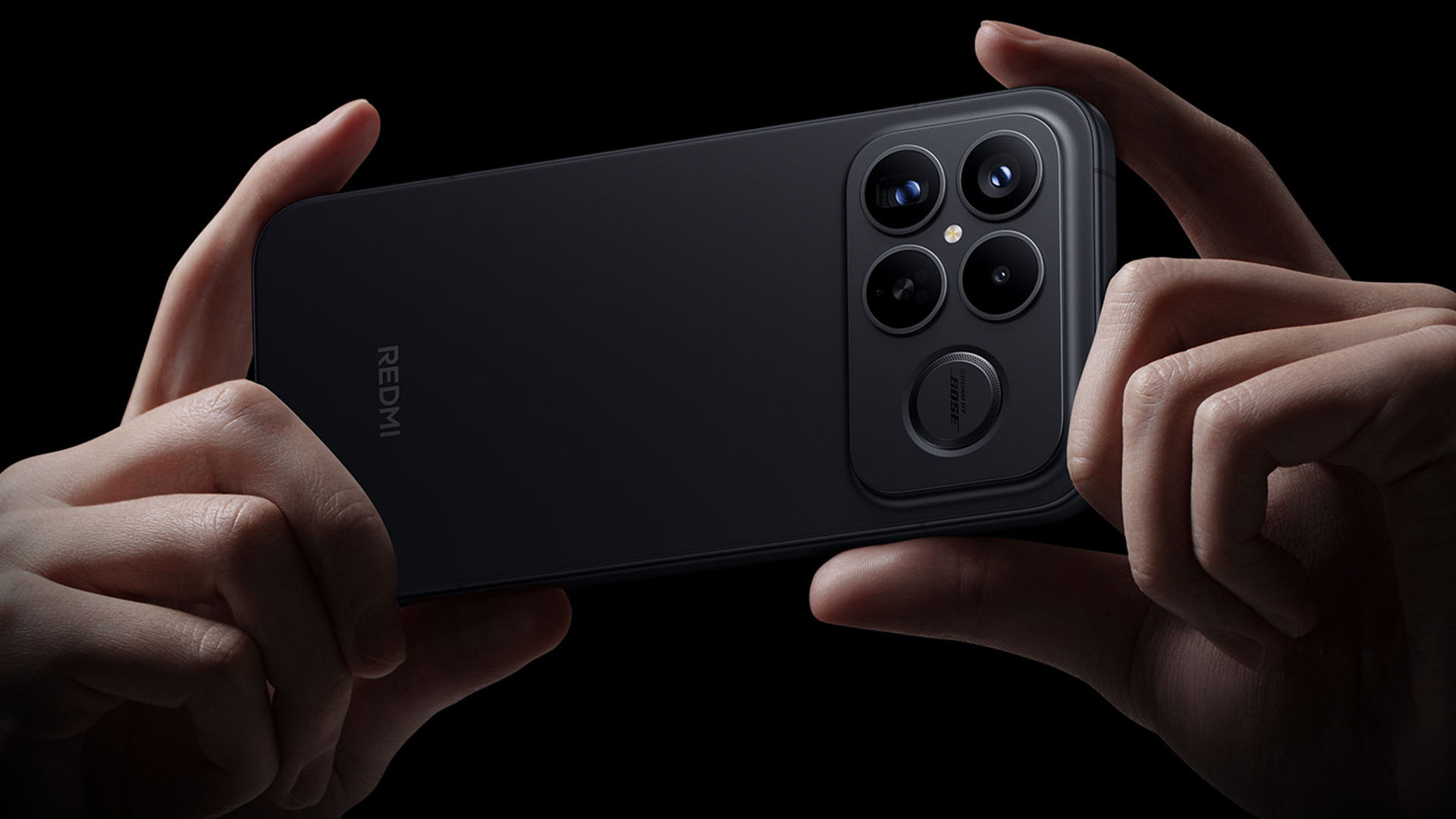
First, there’s the 50MP f/1.88 main camera based on LightHunter 950 large 1/1.31-inch sensor with a flexible 13.5EV High Dynamic Range. ICYMI, that new sensor is also the same one found in the base Xiaomi 17.
Surprisingly, last year’s Pro telephoto module was replaced by a 50MP f/3.0 periscope telephoto unit based on Samsung’s ISOCELL JN5 image sensor.
From a 2.5x optical zoom, it now doubles to 5x optically (and 10x lossless) thanks to that upgraded lens structure. It can also take macro shots with a minimum focusing distance of 30cm.
Lastly, there’s the 50MP f/2.4 102-degree ultra-wide module based on the OmniVision OV50M sensor. A rare 1G+6P glass-plastic hybrid lens setup was used as well.
Xiaomi AISP 2.0 further refines what the imaging hardware captures by blending in various AI algorithms for a more desirable image output.
Rear cam video recording is capped at 8K/30fps or 4K/60fps.
First smartphone powered by Bose
Aside from acquiring the first ever “Pro Max” Redmi phone, the company also brings another first on the table — and it’s actually the first ever Android smartphone to do so.
Redmi dares to battle those JBL-quipped phones by bringing in the power of Bose sound onto K90 Pro Max’s speakers.
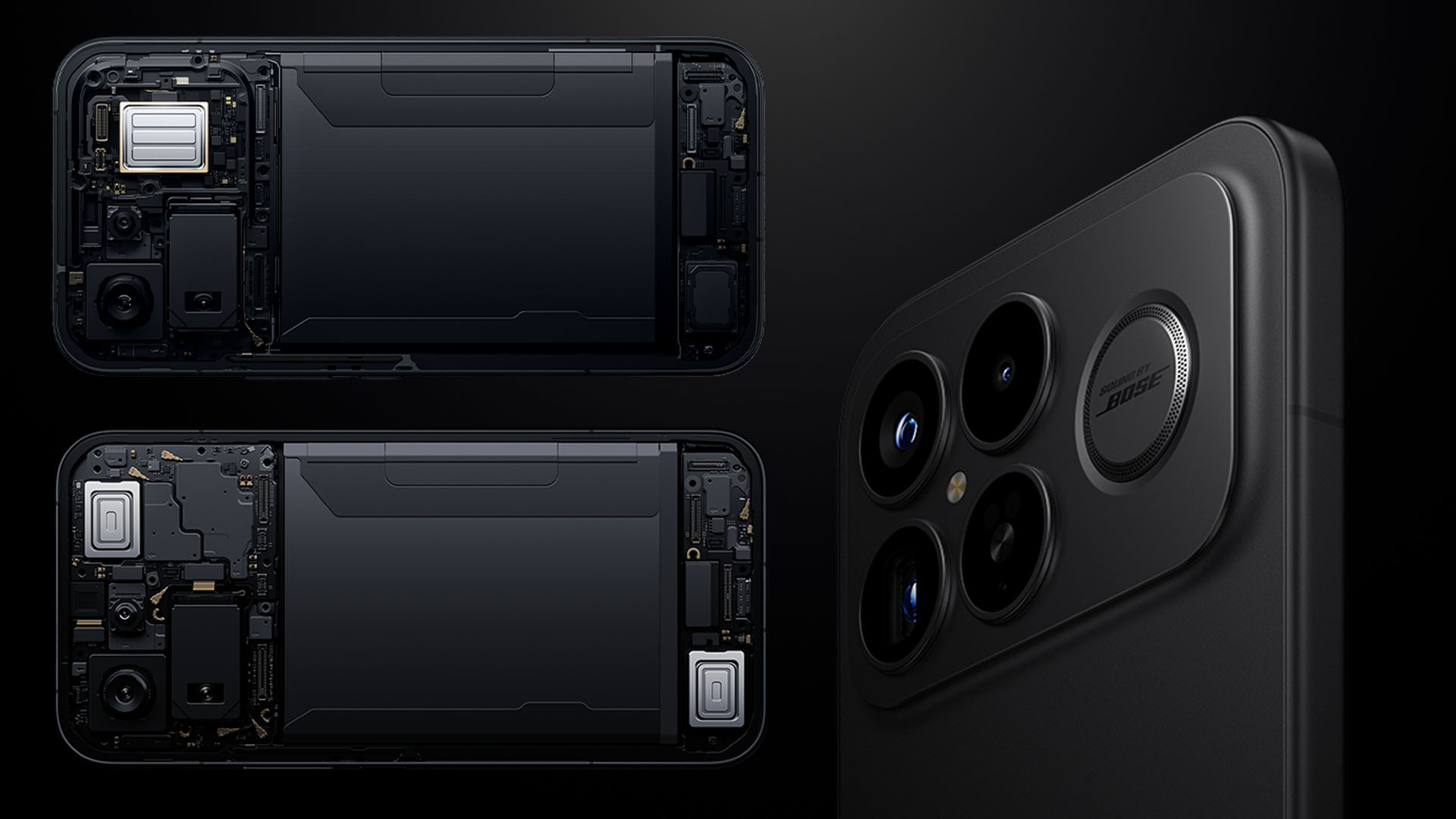
Graphics by Vincenz Lee | GadgetMatch
It’s not just there for blatant branding.
Aside from the two stereo speakers placed on both ends, there’s an independent subwoofer that’s placed beside the cameras on that back island.

Harmonized together, it brings a 2.1 stereo sound field that makes bass fuller, more detailed, and overall immersive.
This goes to show how Redmi tries to ace not just its performance, but in the acoustics department as well.
Another flagship killer was born
Redmi, at least in China, has always been THE “flagship killer” — and it continues to do so.
Equipped with the latest Snapdragon 8 Elite Gen 5 3nm SoC plus choices of 12/16GB of LPDDR5x memory and up to 1TB of UFS 4.1 storage, rest assured that Redmi’s latest smartphone brings unrivaled power at an unbeatable price tag.
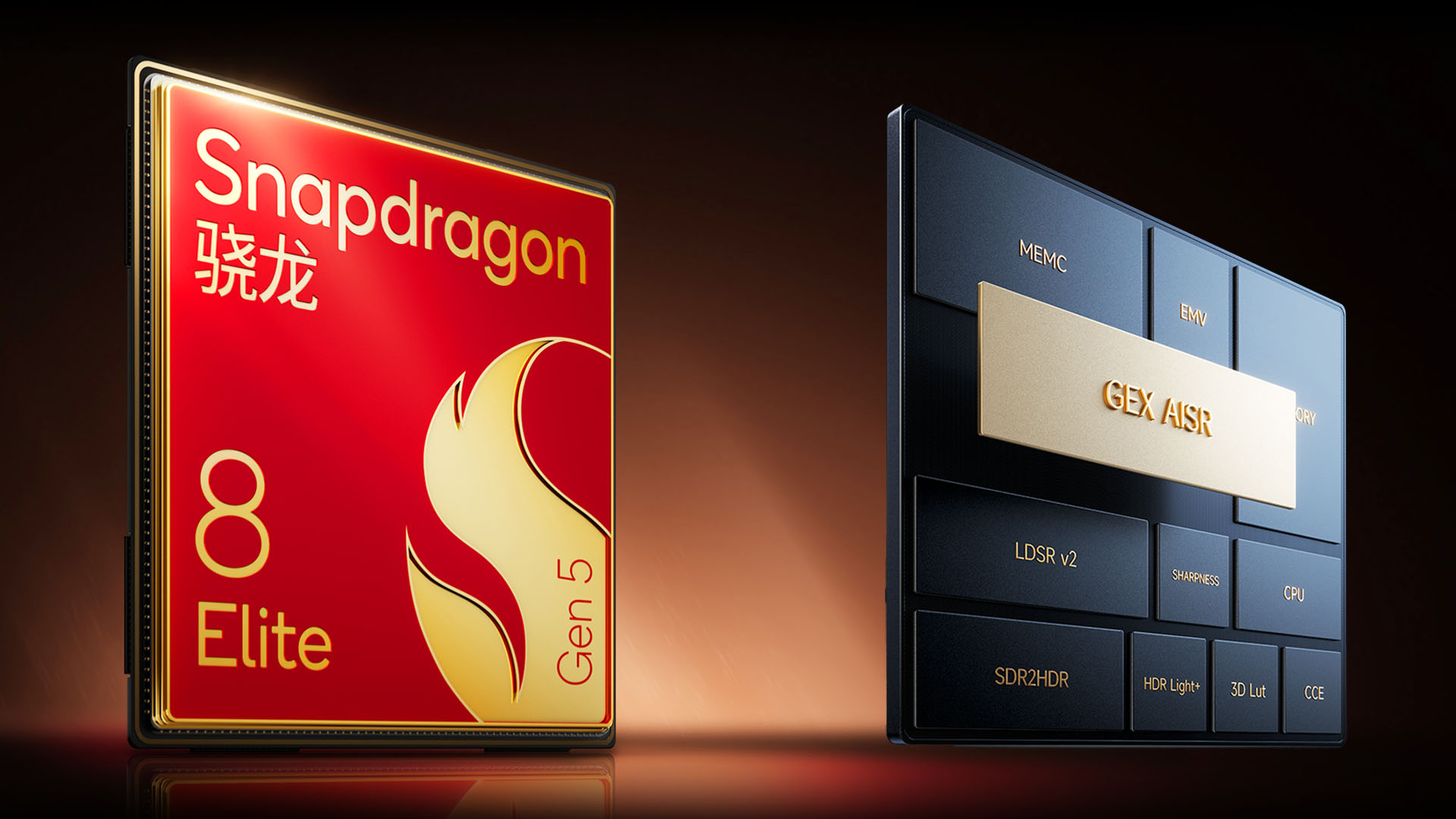
Graphics by Vincenz Lee | GadgetMatch
There’s even the dedicated and AI independent D2 Display Chip with GEX Module. It’s responsible for bringing in image quality comparable to PC-level hardware.
For full-on gaming experience, the K90 Pro Max has a 6700mm² 3D ice-covered circulating cold pump that alleviates heat dissipation for prolonged periods of usage.

Ultimately, it has a gigantic 7560mAh battery that can be charged through 100W wired or 50W wireless — USB-C PD chargers also supported.
It can also serve as your other devices’ power bank with its 22.5W reverse wired/wireless charging capabilities.
Speaking of, it has a USB 3.2 Gen1 port that supports up to 5Gbps of fast data transfer speeds.
Lastly, it also has a durability rating of IP68.
Another reborn
Aside from the black glass slate, flowy gold and white mix, plus an all-new Tech Denim-infused K90 Pro Max, another first in Redmi’s partnership history is by collaborating with Automobili Lamborghini in bringing in this special Champion Edition colorway.

It’s then based from the Italian brand’s prototype Squadra Corse sports car, the Lamborghini SC63.
As seen in its design, it evokes the race car’s lines and grooves. All while still incorporating the outstanding visual elements of the K90 Pro Max.
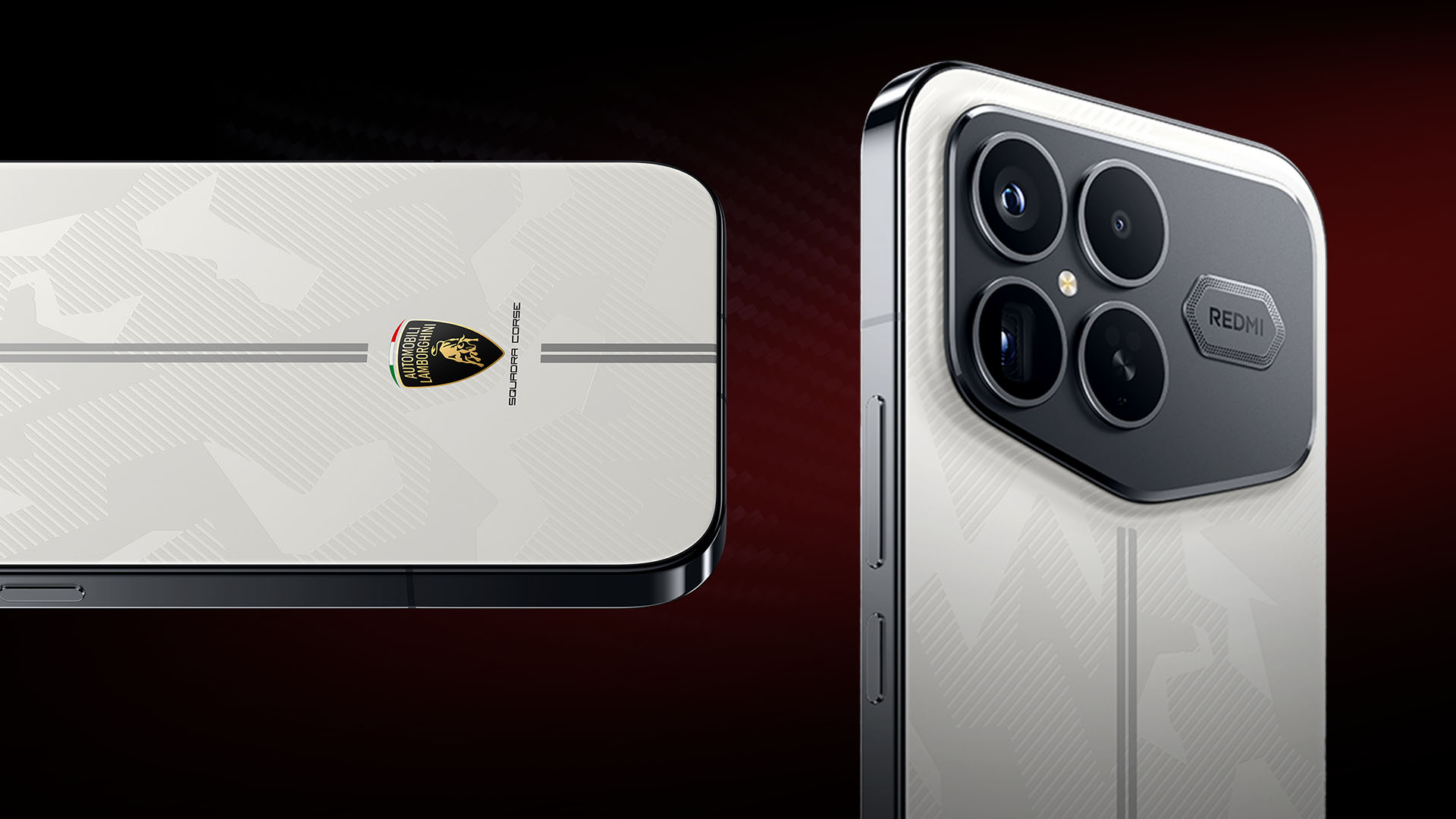
Graphics by Vincenz Lee | GadgetMatch
And much like any other phone collab, this phone also comes in a very special packaging.
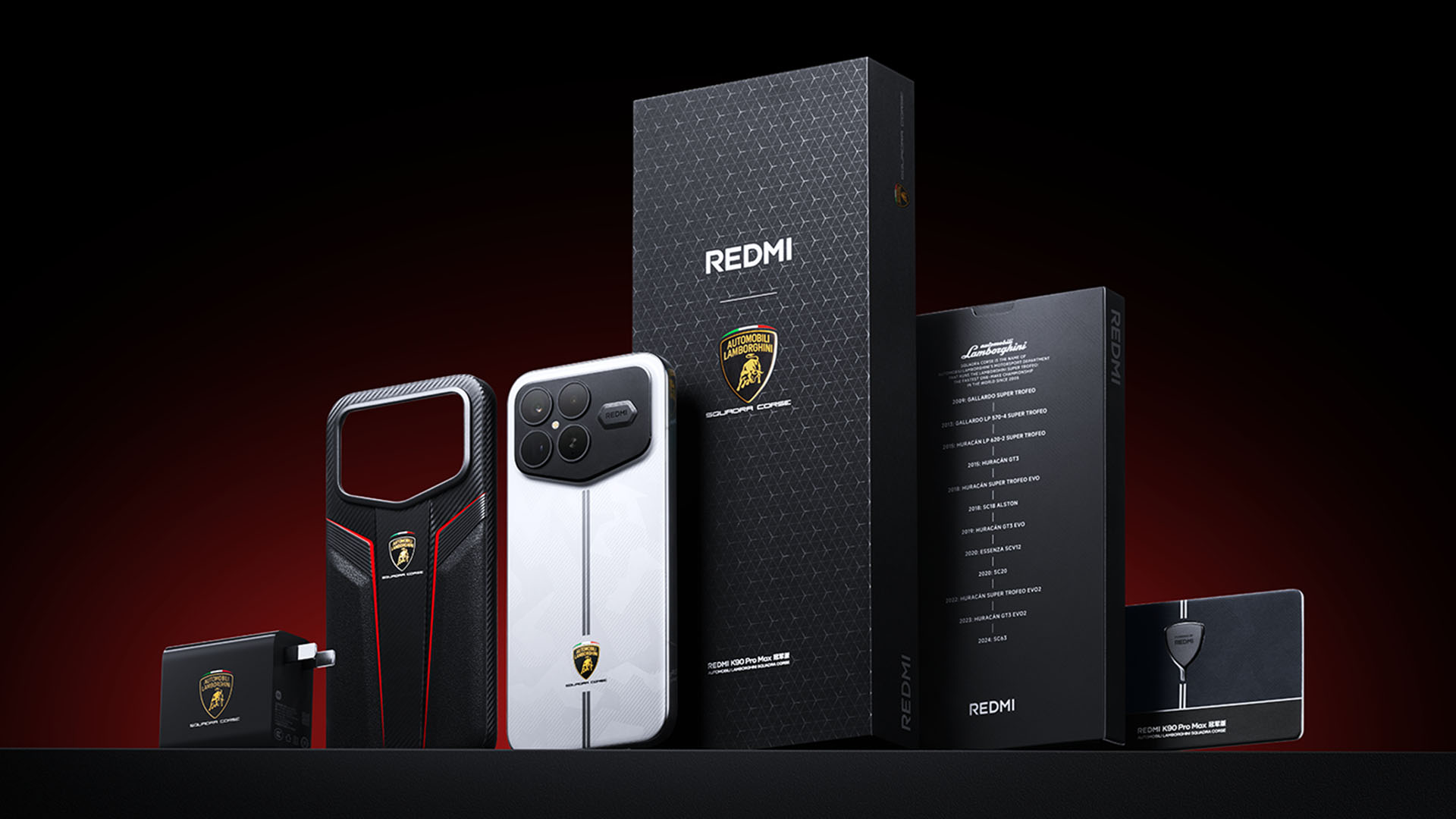
As well as Lamborghini-themed Xiaomi HyperOS 3 when you purchase one.

Just a refresher, the Redmi K90 Pro Max is only the fourth Android smartphone to have this luxe Lambo-skin. Historically, there was the Special Edition for OPPO Find X2 Pro way back in 2020 preceded by the Alpha-One in 2017 and Tonino Tauri 88 more than a decade ago.
Pricing and Availability
The Redmi K90 Pro Max (at least in Mainland China) is available in various configurations:
- 12+256GB = CNY 3999 (US$ 565 / EUR 485 / GBP 420 / SG$ 730 / MYR 2365 / PhP 32,680 / INR 49,615)
- 12+512GB = CNY 4499 (US$ 630 / EUR 545 / GBP 475 / SG$ 820 / MYR 2660 / PhP 36,765 / INR 55,815)
- 16+512GB = CNY 4799 (US$ 670 / EUR 570 / GBP 500 / SG$ 870 / MYR 2840 / PhP 38,700 / INR 59,730)
- 16+1TB = CNY 5299 (US$ 745 / EUR 635 / GBP 560 / SG$ 960 / MYR 3130 / PhP 42,730 / INR 65,950)
- Champion Edition = CNY 5499 (US$ 770 / EUR 660 / GBP 570 / SG$ 985 / PhP 43,700 / INR 66,720)
* These are just estimated conversions for pricing reference
It’s a very direct competition to the realme GT 8 Pro launched just a day ahead.
Only time will tell when will this arrive for global markets.
If you’ll look at the pattern though, high-end Chinese Redmi models is always being transitioned by Xiaomi to POCO phones slated for global release.
We’ll just have to wait and see if this is the upcoming POCO F8 Ultra — or not.





News
Nothing adds color to its wearables with the Headphone (a)
The Pink and Yellow colors look great!


Last year, the Nothing Headphone (1) added a sense of fashion to the drab headphone market. Today, Nothing is adding a splash of color to its stylish lineup of headphones through the newly launched Headphone (a).
As with the (a) series of phones, the Headphone (a) melds fashion with affordability and performance. For quality, the wearable will have intelligent noise cancellation and sharper voice pick-ups with a 3-microphone Environmental Noise Cancellation system. It will also deliver rich immersive sound through Static Spatial Audio.
It’s only 310g light for easy use throughout the day.
For convenience, the Headphone (a) will have tactile gestures, such as a Button, Roller, and Paddle, to easily control the device without need of a phone. Users can integrate features like Channel Hop and Camera Shutter mode straight into the controls.
The headphones are designed for up to five days of battery life. Plus, a five-minute charge time can already provide five hours of playback. Finally, for durability, it is rated for IP52 resistance.
The Headphone (a) is available for preorders now. Starting March 13, it will be available in White, Black, and Pink. It will sell for EUR 159. Meanwhile, a limited-edition Yellow pair will be available starting April 6.
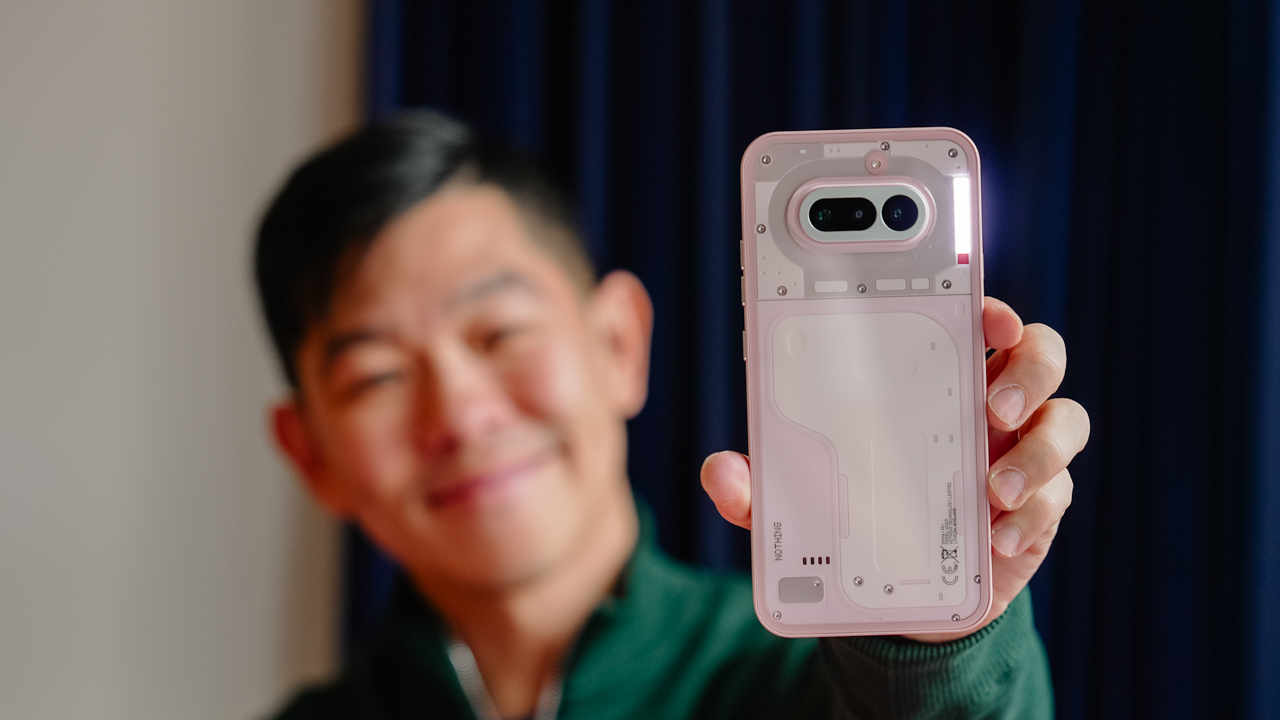
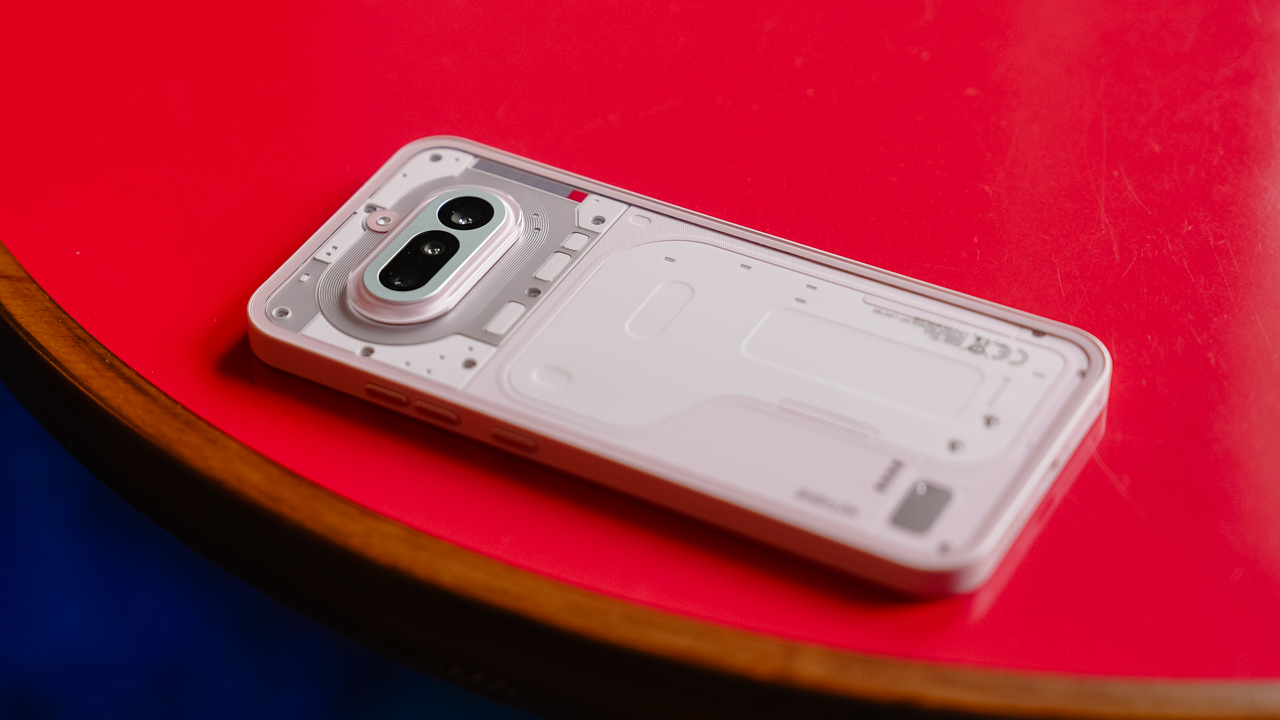
Nothing is not launching the Phone (4) this year. Though the lack of a flagship is certainly disappointing, the brand is still launching the Phone (4a) series, and now that it’s official, there really is no reason to feel like we’re missing out.
Nothing Phone (4a)
The base Nothing Phone (4a) carries over the circular camera island design of the previous Phone (3a). However, this generation will feature the new Glyph Bar, a subtler and more functional take on the brand’s iconic lighting system. It has 63 mini-LEDs in seven square light zones. It provides 3500 nits of brightness, which is 40 percent brighter than the Phone (3a)’s Glyph Interface.
The 6.78-inch AMOLED screen delivers images at 1.5K resolution,120Hz refresh rate, and 440 pixels per inch.
Inside, the Phone (4a) is powered by the Snapdragon 7s Gen 4. This is paired with up to 12GB of RAM and 256GB of internal storage. It can reportedly play Call of Duty: Mobile at up to 90fps.
For cameras, the model carries a Samsung GN9 50-megapixel main camera. It can take in more light and offer a wider field of view. Plus, the camera can zoom by up to 3.5 times using an optical zoom. There’s also 7x lossless zoom and 70x ultra zoom.
Using Qualcomm’s triple Image Signal Processor, the camera can shoot 4K video at 30 frames per second. It can also shoot Full HD videos at 120 frames per second.
Finally, the Phone (4a) has a large 5080mAh battery, capable of charging up to 60 percent in just 30 minutes.
Nothing Phone (4a) Pro
Meanwhile, the Nothing Phone (4a) Pro takes the best parts of the Phone (3) and brings it to life in the (a) series.
For one, the bolder camera island revives the Glyph Matrix of the flagship series and packs in more shooters inside. The three-camera system consists of a Sony LYT-700C 50-megapixel main shooter, a Samsung J5 50-megapixel periscope lens, and a Sony IMX355 ultrawide camera.

The 6.83-inch LTPS AMOLED screen is protected by Gorilla Glass 7i. It can deliver images at 1.5K resolution, 144Hz refresh rate, and 5,000nits peak brightness.
Inside, the Pro model sports the Snapdragon 7 Gen 4. Plus, the RAM Booster can increase the up to 12GB of RAM to 20GB. It will also have 256GB of internal storage.
It still has the large 5080mAh battery of its regular sibling and all the power that promises.
Price, availability
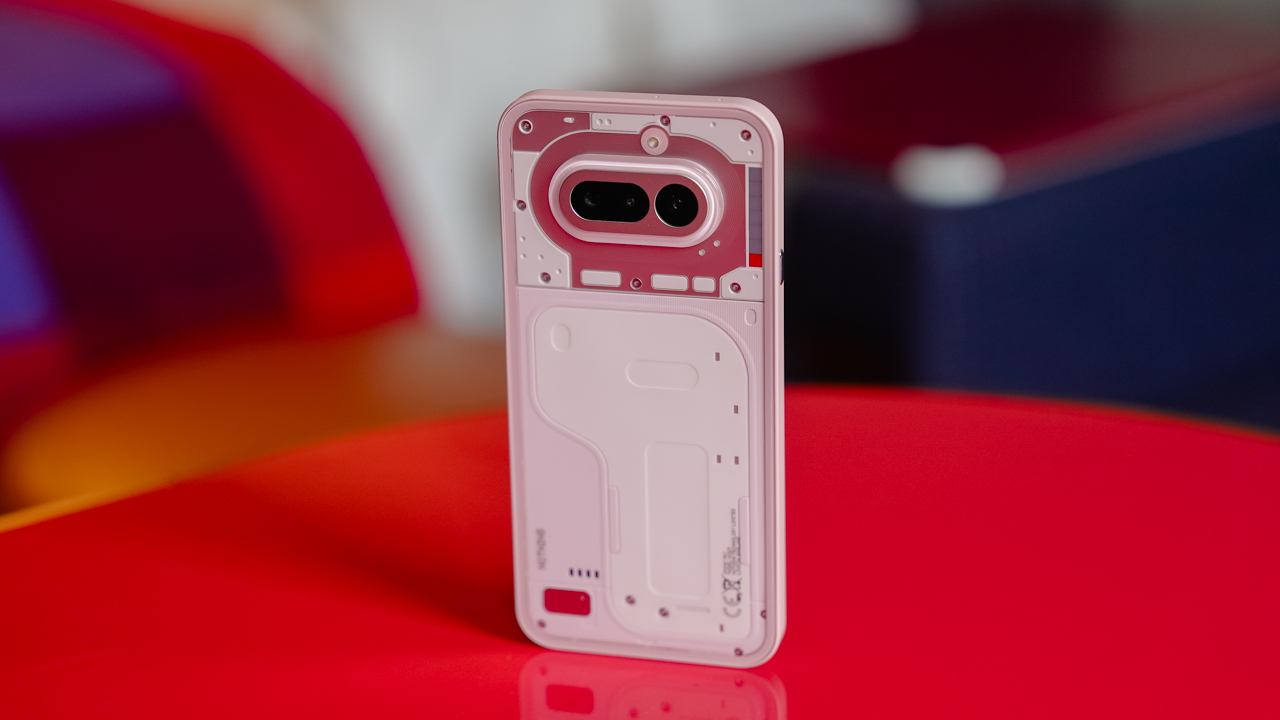
The Nothing Phone (4a) will be available in black, white, blue, and pink. It starts at EUR 349 for the 8+128GB configuration, topping off at EUR 429 for the 12+256GB model.
The Nothing Phone (4a) Pro will be available in black, silver, and pink. It starts at EUR 479 for the 8+128GB model, with the 12+256GB version selling for EUR 549.
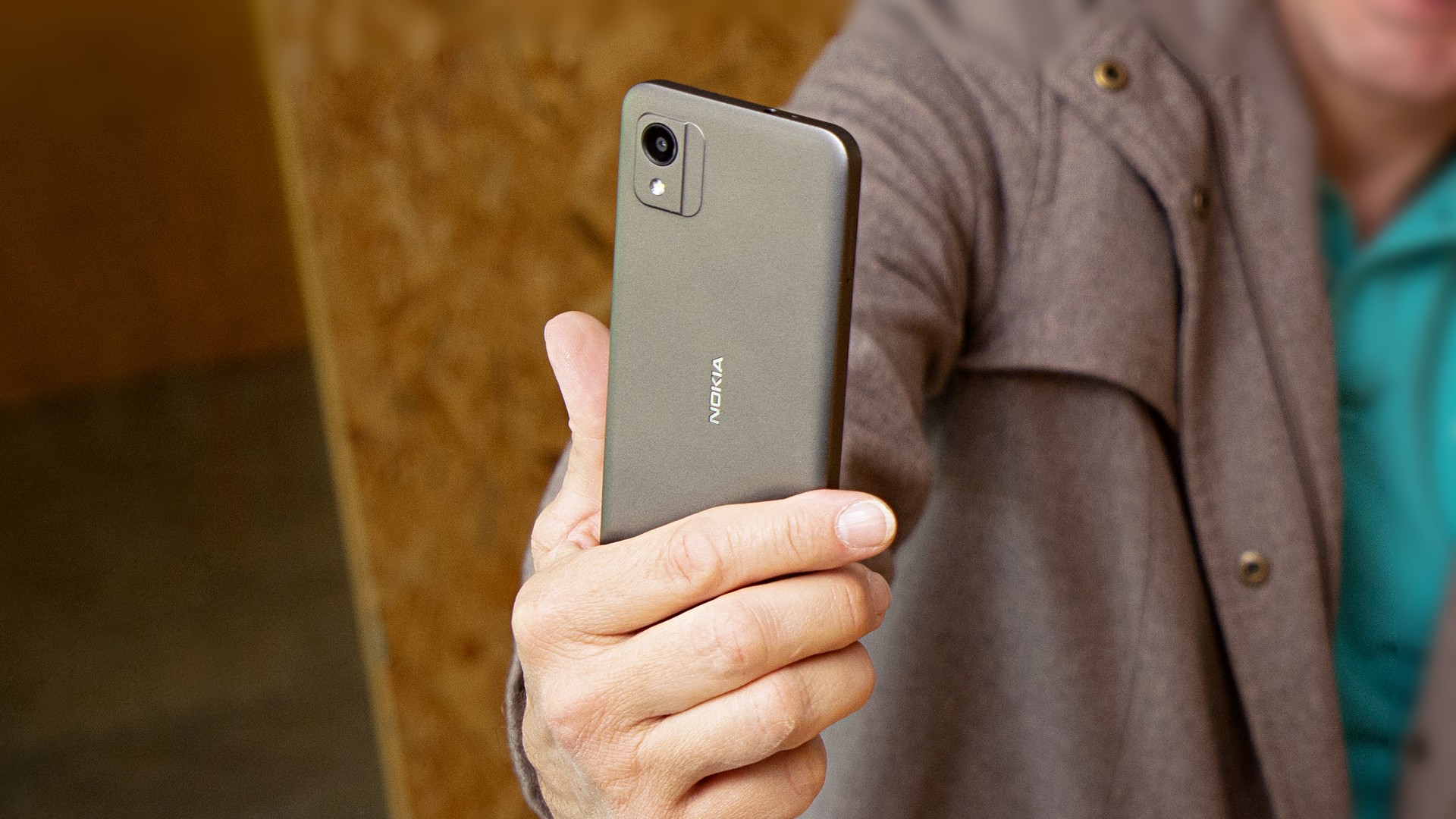
In the past, the only way to escape the constant influx of technology is to purposely go for older or “dumber” phones. For example, if you wanted to prevent your elder loved ones from fussing over features they’d never use, you’d give them feature phones. Now, there’s no escape. HMD, one of the biggest names in the feature phone segment, is bringing AI to its devices.
For years, HMD, especially through Nokia, has provided low-tech phones for everyone’s grandma. From merely keeping the Nokia brand of phones alive, the company has now embraced its reputation as the feature phone king, building its own branded phones.
Now, announced during MWC 2026 (via Tom’s Guide), HMD will start infusing its phones with AI, video calling, and a digital wallet.
Of these, video calling is the easiest to digest. Rather than just being simple front-facing selfie shooters, HMD’s phones can also use the camera for video calls.
Secondly, the company is also packing in its own digital wallet into its phones. As with other wallets, HMD’s version can receive, store, and send funds to other users. It’s set to launch in India first.
Now, the AI assistant is the more controversial one among the three. The first rollout is India’s Sarvam AI, which will do the basic tasks you’d expect from an AI assistant. Naturally, this rolls out in India first.
However, HMD is also developing its own AI assistant alongside InTouch. The feature will supposedly provide companionship for elder users. The company will test the assistant in Europe first but aims to launch it globally.




Nothing adds color to its wearables with the Headphone (a)

Nothing launches the Phone (4a) series

HMD is developing an AI assistant for the elderly

OPPO is finally getting AirDrop support

Ubisoft confirms Assassin’s Creed: Black Flag remake

Xiaomi 17 Ultra is now available outside China

TECNO will showcase the CAMON 50 and POVA 8 series at MWC 2026

The art of being in and behind the frame

HUAWEI MatePad 11.5 S 2026: The better-than-ever 4-in-1 productivity tablet

TECNO MEGABOOK K16s 13th review: No-frills beneath those grills


-
 News5 days ago
Xiaomi 17 Ultra is now available outside China
-

 Camera Walkthrough2 weeks ago
OPPO Reno15 Pro: Camera Review
-

 MWC 20261 week ago
TECNO resurrects modular phones with this new concept
-

 News2 weeks ago
HUAWEI launches Mate X7, MatePad 11.5 S 2026, FreeClip 2
-

 Events2 weeks ago
Capcom to hold Resident Evil Requiem launch event in Jakarta
-

 Reviews5 days ago
Xiaomi Pad 8 review: Slab that slaps!
-
 Gaming2 weeks ago
Pokémon FireRed and LeafGreen are coming to the Switch
-
 MWC 20263 days ago
TECNO showcases cool concepts at MWC 2026