
News
Smart announces Samsung Galaxy Z7 Series preorder deals
Preorder period until July 31 for Postpaid, Infinity, and Prepaid

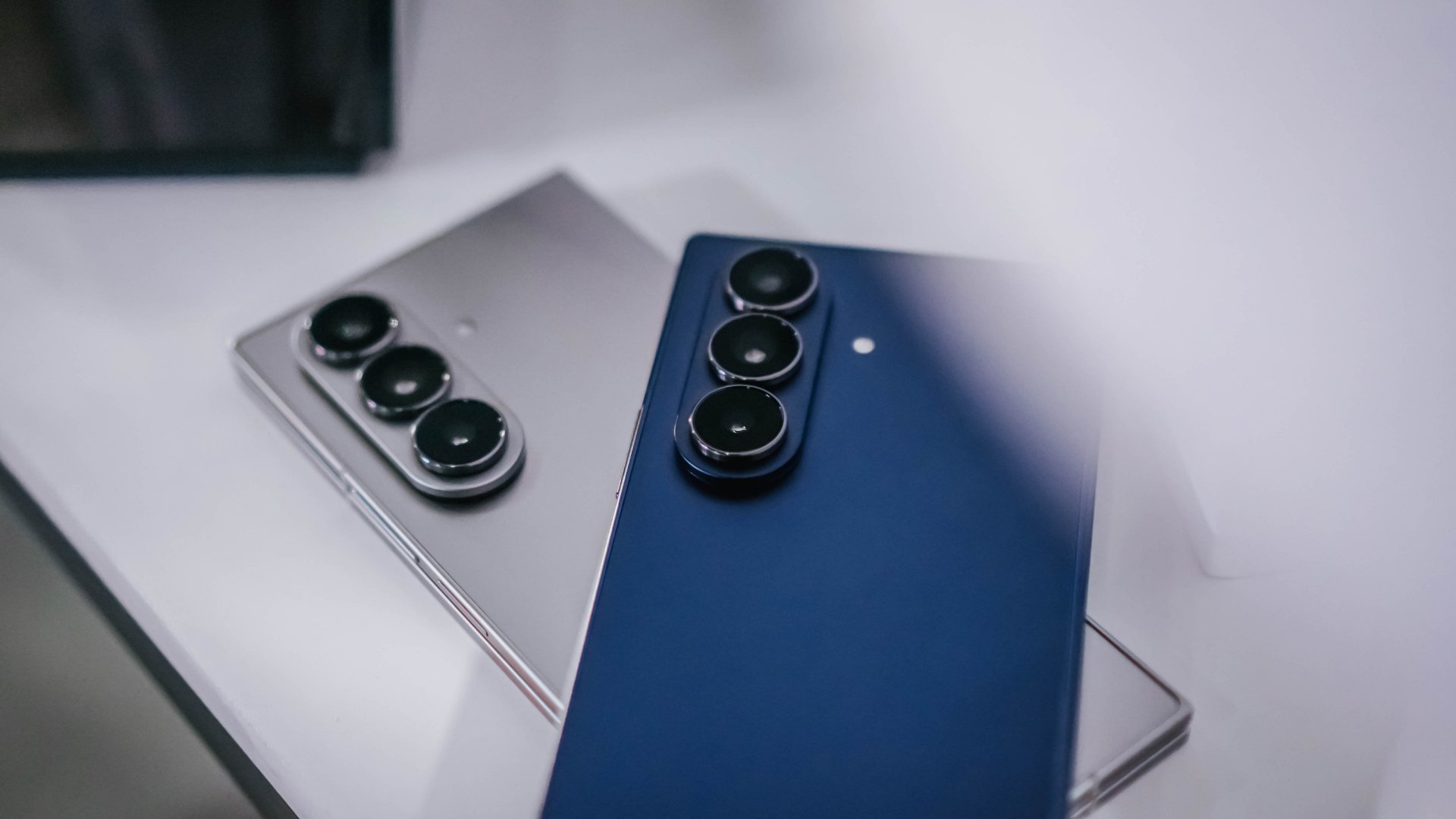
Smart is offering subscribers preorder deals for the newly-released Samsung Galaxy Z Fold7, Z Flip7, and Z Flip7 FE from July 9 to 31.
Subscribers who preorder via Smart Postpaid, Prepaid, or Infinity within the period can enjoy freebies.
These include 50% off on Samsung Care+ subscription and a 30% discount on the Samsung Galaxy Buds.
Samsung Galaxy Z7 Series preorders placed within the period will also entitle customers to a free storage upgrade.
That means those who order the 256GB variant will automatically get the 512GB variant. That’s of course for the Z Fold7 and Z Flip7. The Z Flip7 FE only comes with a 256GB configuration.
Here’s a quick breakdown of how much customers will be spending for Postpaid Plans+ 1999:
- Samsung Galaxy Z Fold7 (512GB): PhP 71,200 down payment; PhP 1,200 per month
- Samsung Galaxy Z Flip7 (512GB): PhP 43,000 down payment; PhP 700 per month
- Samsung Galaxy Z Flip7 FE (256GB): PhP 36,400 down payment; PhP 500 per month
Customers can likewise take advantage of flexible payment options, including credit card payments with 0% interest, loans, and carrier bill financing on Smart Postpaid.
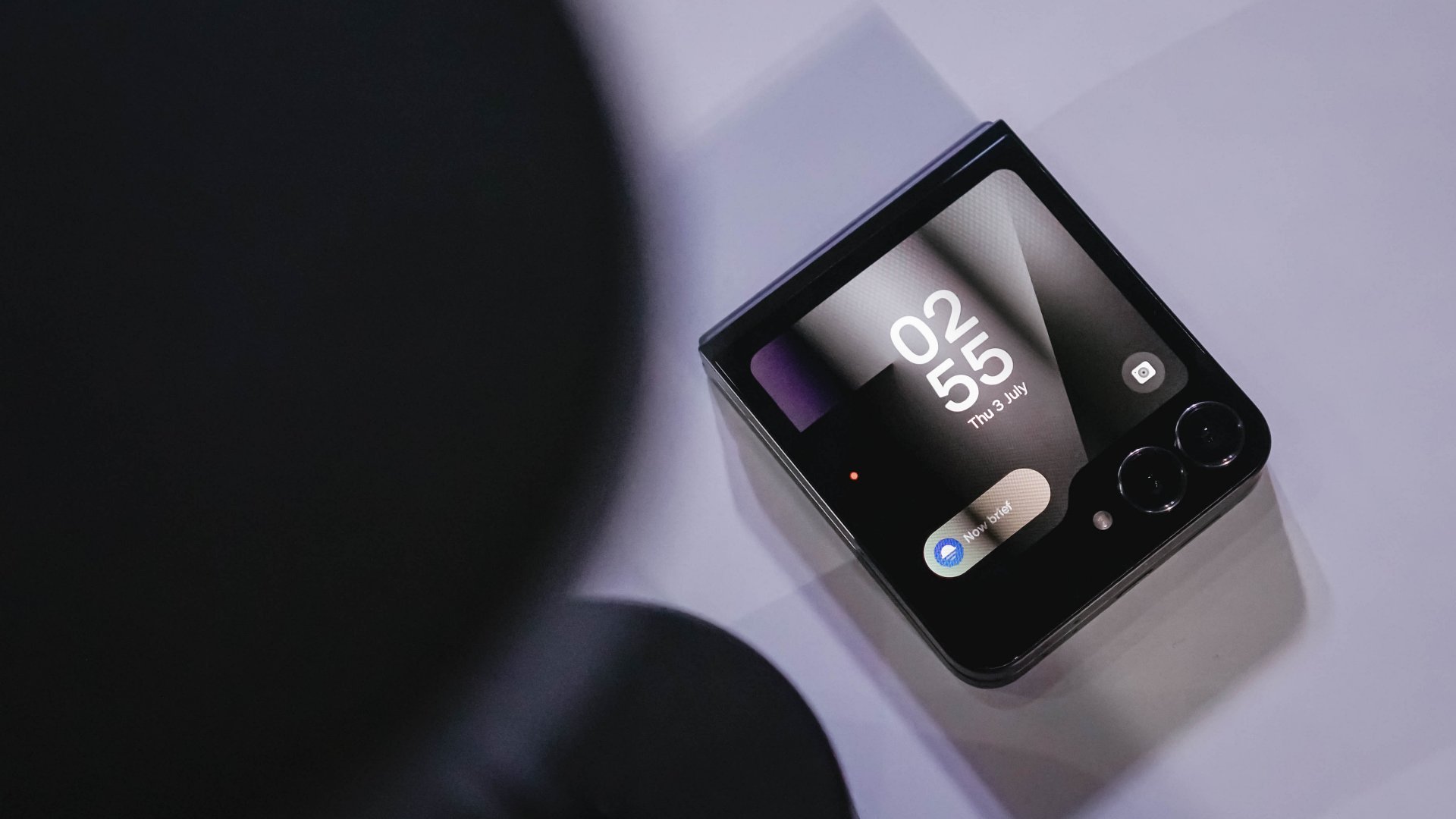
Interested customers may now head to Smart Stores or visit the Galaxy Z7 Series microsite. They can choose their preferred device, as well as corresponding Smart Postpaid Plans+, Infinity Plans, or Prepaid bundle.
Those who get Postpaid Plans+ 1999 and up will enjoy exclusive perks. There’s up to three times more data for six months when paired with a device.
Those who avail of the latest Samsung Galaxy Z7 Series via Postpaid Plans+ can also get a free Smart Tag.
The Samsung Galaxy Z7 Series was officially unveiled last week at Galaxy Unpacked in Brooklyn, New York.
The latest flagship devices push the boundaries of mobile technology and innovation to take productivity, creativity, and style to the next level.




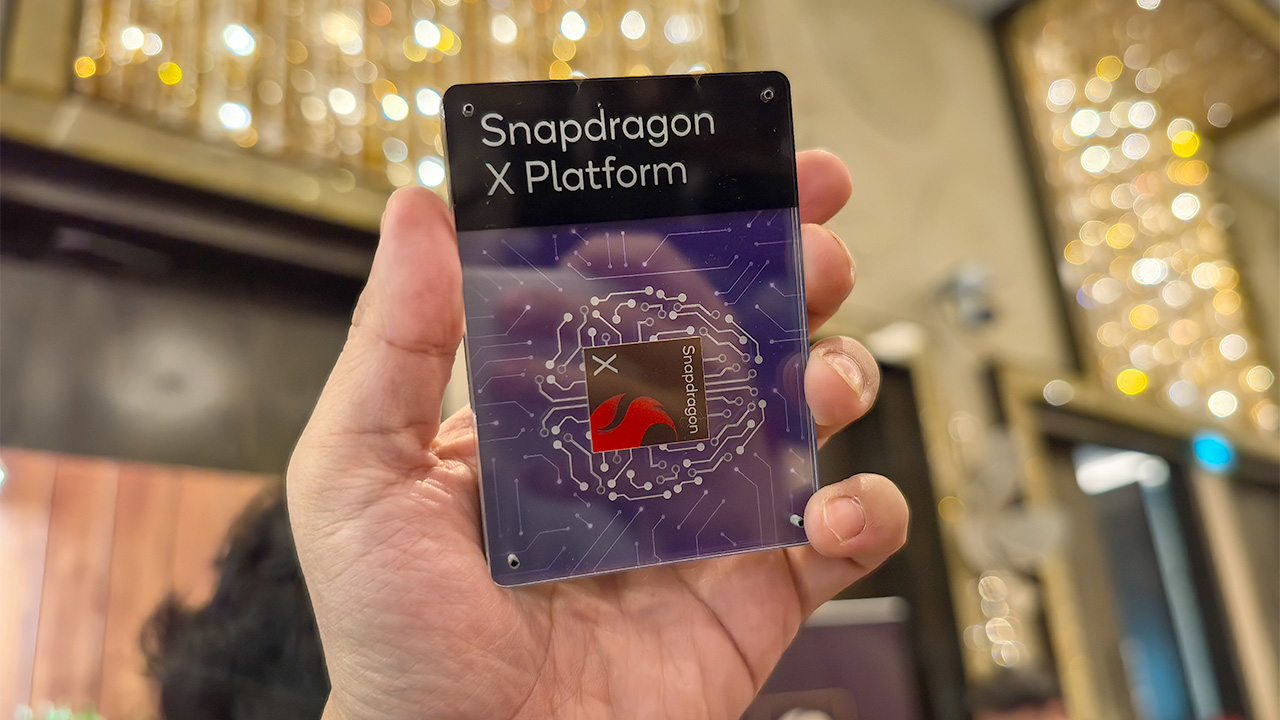
The price of technology isn’t fun these days. Because of the ongoing RAM shortage wrought by AI, companies across the industry are raising the prices of their products. Some, however, are still willing to shoulder the burden for their customers. Unfortunately, Qualcomm is soon leaving that list.
As reported by Bloomberg, Qualcomm will raise the prices of its products starting in September. Though the exact figure is unknown, the company did confirm that it’s in the double digits, percentage-wise. According to them, they can no longer shoulder the costs for its customers.
If you’re just a regular user, Qualcomm’s prices might not mean much for you. After all, the chipmaker doesn’t make phones of its own.
That said, Qualcomm is still one of the biggest suppliers for smartphone chipsets, including those that Samsung uses. Pushing the burden from chipsets to phone manufacturers reduces one more buffer against costs being ultimately pushed to consumers.
All things considered, Samsung managed to keep its prices hikes relatively low with the latest batch of foldables. However, with chips getting more price increases, it’s still within the realm of possibility that Samsung will also increase the price of its smartphones. The same can be said for any Qualcomm-powered smartphone available today.
News
Apple is reportedly delaying its smart glasses due to privacy concerns
The brand wants to squash malicious recording.


Smart glasses are in a weird place right now. While early adopters are celebrating the ability to record everything, a growing group of critics are decrying the loss of privacy. Formerly at full throttle, Apple, in response to these controversies, will reportedly delay its version of smart glasses to next year.
According to Bloomberg, Apple is heading back to the drawing board to further emphasize the unreleased wearable’s privacy protections, which includes “hardware and software-related privacy features not available on current products.” The report, however, doesn’t enumerate what these features are.
If anything, these features will likely prevent malicious recording. Most smart glasses today have a light that tells passersby that the device is actively recording video. However, users have discovered ways to tamper and disable this light, so their devices can start recording without alerting others. Apple will likely introduce better measure to prevent such tampering.
Additionally, it’s also possible that Apple introduces a version of the smart glasses without a camera attached.
Because of these new initiatives, the brand will delay the launch of the wearable to sometime next year. Previously, there was heavy speculation that the smart glasses will launch later this year.
On the bright side, there’s still substantial reason to believe that Apple is launching its first ever foldable device later this year.
Gaming
God of War Laufey finally confirms its highly anticipated launch date
Set your calendars next year.

It’s about time we get excited for God of War Laufey. The upcoming entry into the acclaimed franchise takes off on a tangent as it follows Faye, Kratos’s late wife, as she traverses an afterlife filled with similarly deceased gods. It’s a different perspective but with still the same action we’ve come to expect from the series. Now, we know when to expect it: February 16.
In the ongoing Norse saga, Faye’s death is everything. Her passing pushes Kratos and Atreus towards a path that eventually led to Ragnarok. In Laufey, a deceased Faye wakes up in Everywhen, an afterlife where gods from different mythologies converge. She then discovers that the carefully laid plans she made to help her husband and her son are unravelling, so she has to find a way to save the living world from past the veil.
Laufey will still have the iconic battles that the God of War series is known for. However, because Faye is nimbler than the burly Kratos, fighting is more fast-paced with a mix of grounded and air-based fighting. All in all, there’s a lot to be excited about for Laufey, despite its different take on the series.
Over the weekend, during San Diego Comic Con, PlayStation confirmed when the title is launching. Thankfully, it’s not a long wait. God of War Laufey is launching for the PlayStation 5 on February 16 next year.
Additionally, Santa Monica Studio has also confirmed that Kratos will lead another entry after Laufey.


realme C100: Enduring and durable in spite of entry-level realities
Enough power but needs more agility


The ASUS ExpertBook Ultra wins you over
The laptop sneaks up on you


Nexal Watch Sport review: A rugged watch for small budgets
I couldn't believe that watches this good could come for this cheap.

Inside London’s biggest Samsung experience space

Qualcomm is raising its prices this year

Apple is reportedly delaying its smart glasses due to privacy concerns

God of War Laufey finally confirms its highly anticipated launch date

Marvel Studios announces Ghost Rider, Black Panther 3 at SDCC


-

 News2 weeks ago
Samsung releases teaser with Spider-Man: Brand New Day Easter eggs
-

 Wearables6 days ago
Garmin launches its first screenless fitness band
-

 Gaming2 weeks ago
Most of the world’s PlayStations will be officially useless by 2028
-

 Apps2 weeks ago
Plot twist: Starbucks PH is letting you actually pick your reward now
-

 Features2 weeks ago
Spotlight: HUAWEI WATCH GT Runner 2 Racing Legend Edition
-

 Automotive2 weeks ago
Mercedes-Benz celebrates 140th anniversary at the Presidential Car Museum
-

 Hands-On5 days ago
Hands-on: Samsung Galaxy Z Fold8, Flip8, Ultra
-

 Apps2 weeks ago
iOS 27 public beta gives us our first taste of Siri AI