
Cameras
The Snapchat Pixy is the drone for social media creators
Light and easy to use

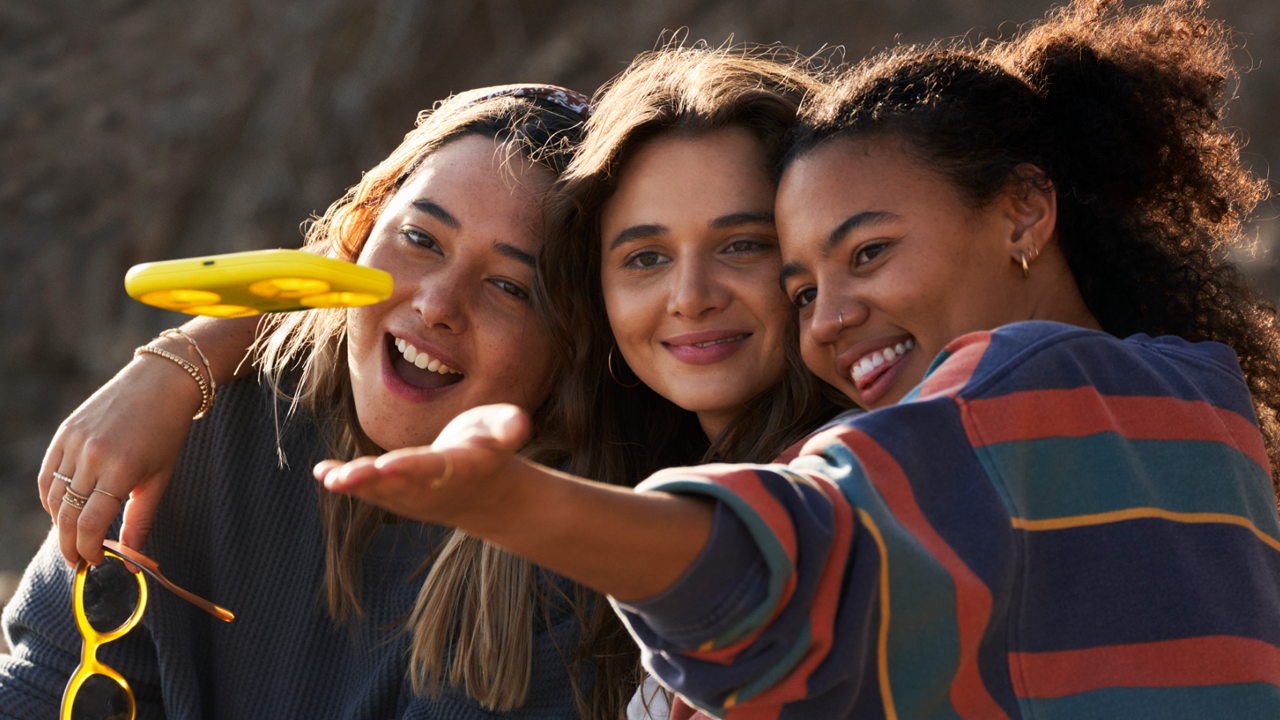
Amid efforts to make them easier to use, drones still haven’t evolved into must-own devices. However, the market’s plateaued demand doesn’t stop others from trying their hand at making drones more popular. Today, Snapchat is joining the market with its own drone.
Called the Pixy, the Snapchat drone touts ease of use as its biggest advantage from its rivals. Weighing at just 101 grams, the tiny drone can capture capable photos with its 12-megapixel camera, which can also shoot 2.7K video at up to 30 fps.

If you don’t know how to fly a drone, the Pixy can fly without a controller. It has four main modes of flying. Standard with most drones, it can follow to user from two to three meters behind. A Hover mode freezes the Pixy’s flight in place for up to 60 seconds. The Orbit mode takes the drone to a circular path around your hand. Finally, the Reveal mode takes the drone back to you from a distance away.
All four modes are part of the usual palette of flight paths for drone content today. It’s definitely a creator-friendly device. Adding to this ease, the drone can easily send videos back to your phone using the Snapchat app.
Under the hood, the Pixy can store up to 16GB of data in its internal storage. The drone’s battery is reportedly enough for five to eight flights. Additionally, charging the battery to 80 percent can take as little as 20 minutes.
The Pixy is currently available only in the United States and in France. The drone will set you back by US$ 229.






Cameras
Canon EOS C50 cinema camera price in the Philippines
Smallest, lightest cinema camera made for today’s filmmakers, creators

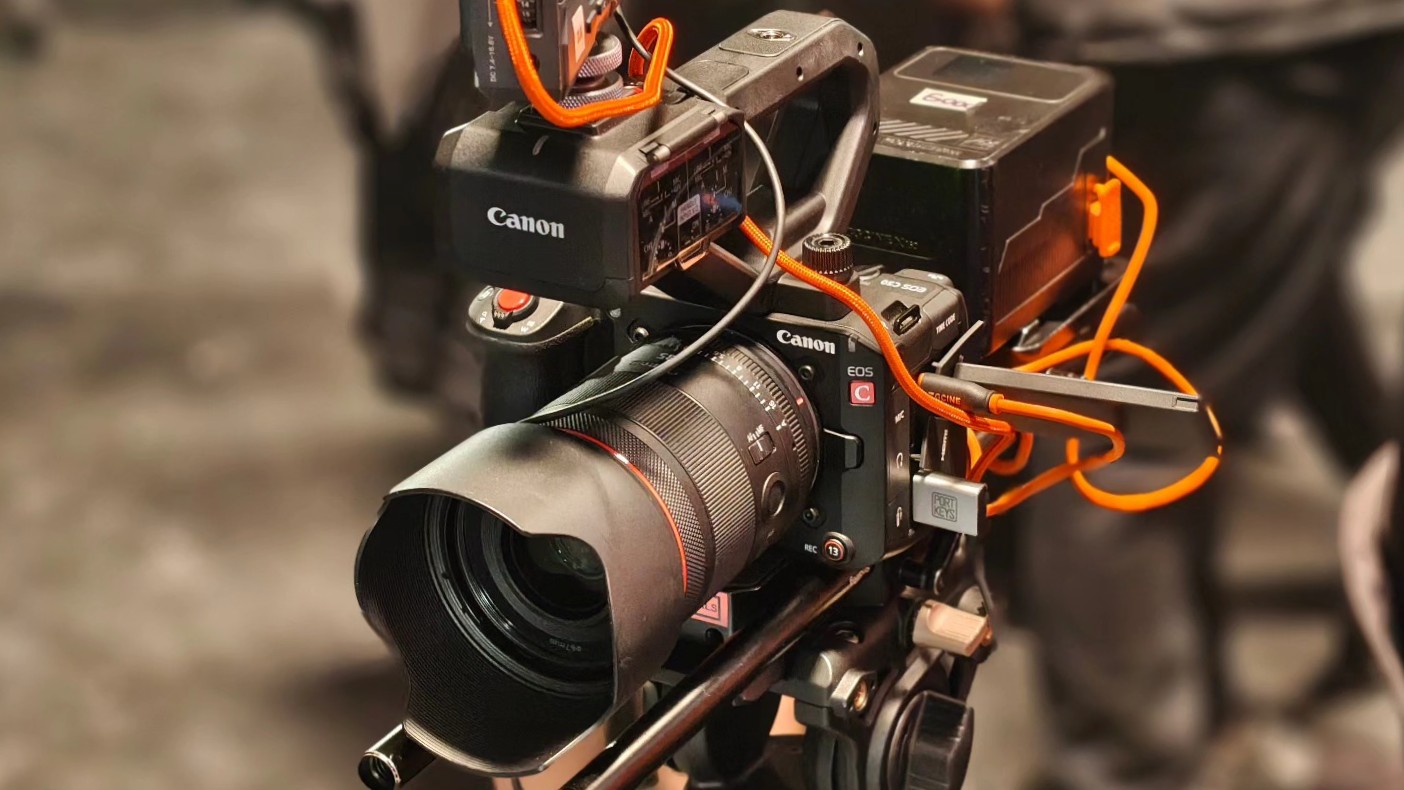
Canon Philippines is capping the year strong with the release of the Canon EOS C50 in the market. The cinema camera is priced at PhP 189,998 for the body along with an XLR handle.
The Canon EOS C50 is designed for both filmmakers and creators who need mobility and professional-grade quality.
It has the same 3:2 Open Gate recording feature also on the EOS R6 Mark III, which gives users flexibility for post-production.
Creators can extract full 4K footage along with cropped 2K vertical or square versions from the same capture with the Simultaneous Crop Recording feature.
This is ideal for producing multi-platform content, like 16:9 landscape videos for YouTube then vertical shortform videos for social media.
Also, an added edge is the up to 7K 60p RAW recording capability on the C50, compared to just 7K 30p for the Mark III.
Filmmakers can also record at up to 4K 120fps should they need high frame rate captures. Recording in 4:2:2 10-bit is also available for rich color and flexibility in post-production.
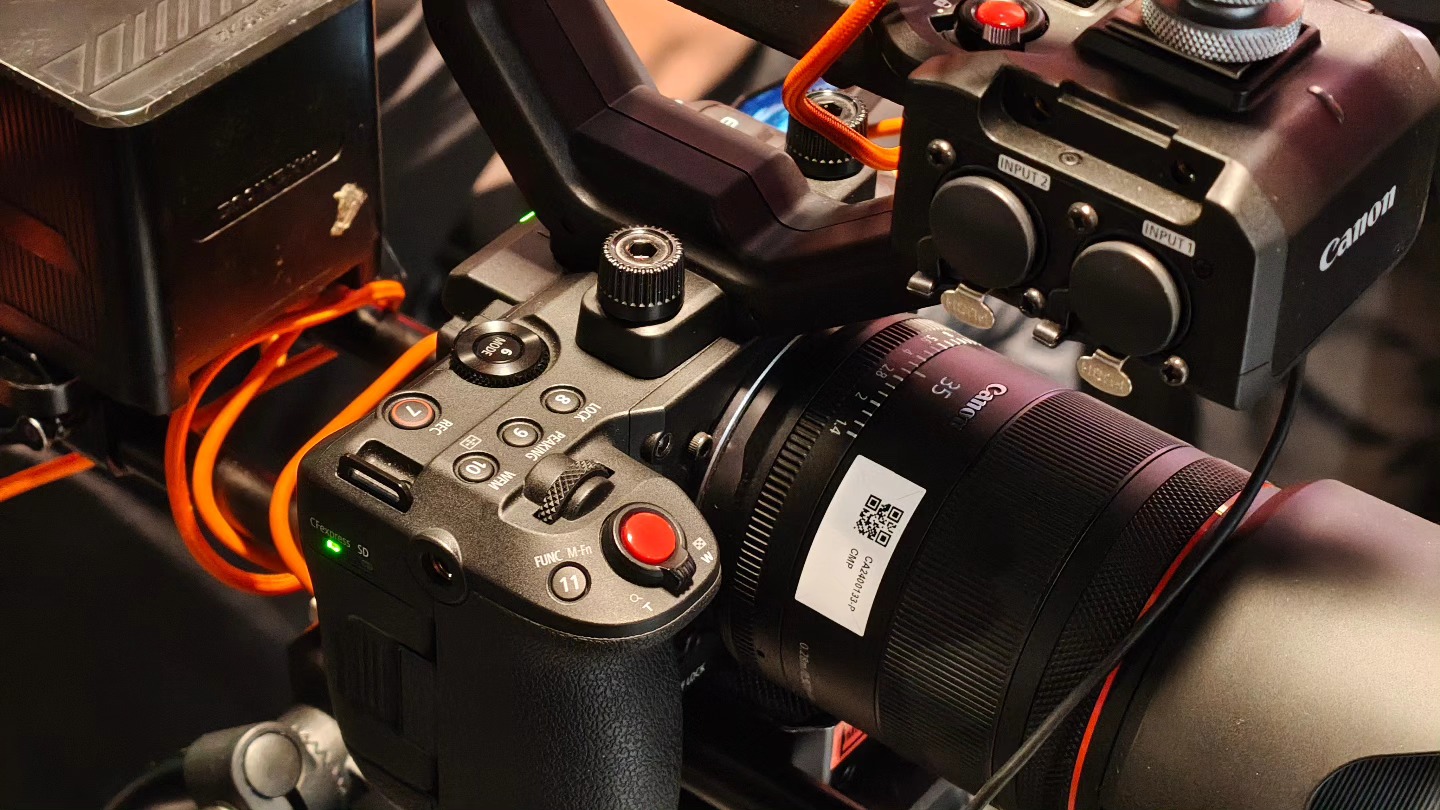
In addition, the EOS C50 features dual CFexpress and SD card slots. 7K RAW can be saved to CFexpress while other formats can be saved to the SD card.
Different format, resolutions, and color sampling can be assigned for backup, distribution, or quicker edit-ready files.
Photo performance
For stills, users can take advantage of the 32MP CMOS sensor for capturing up to 40 shots per second (with electronic shutter).
The camera also supports pre-continuous shooting and AF performance improvements with its Dual Pixel CMOS AF II.
Enhancements include Auto setting, animals, vehicle priority, and eye AF, as well as the new left/right priority.
Moreover, the camera features Dual-Base ISO with Auto Selection, automatically switching between ISO 400 and ISO 3200 depending on the scene.
This ensures the highest signal-to-noise ratio while maintaining a wide dynamic range. Users can also manual select the ISO to match lighting conditions.
Professional interface
Onto its controls, the EOS C50 has a TIME CODE terminal, which is perfect for seamless multi-camera setups. It also features two XLR terminals and a handy control dial for professional audio input.
There are 14 assignable buttons, each thoughtfully positioned for quick, instinctive access while filming. There are about 100 customizable functions available so the camera can match a user’s workflow.
During the launch event, Canon Philippines demonstrated a wide range of scenarios for the EOS C50, including multi-angle live broadcasts with just one camera.
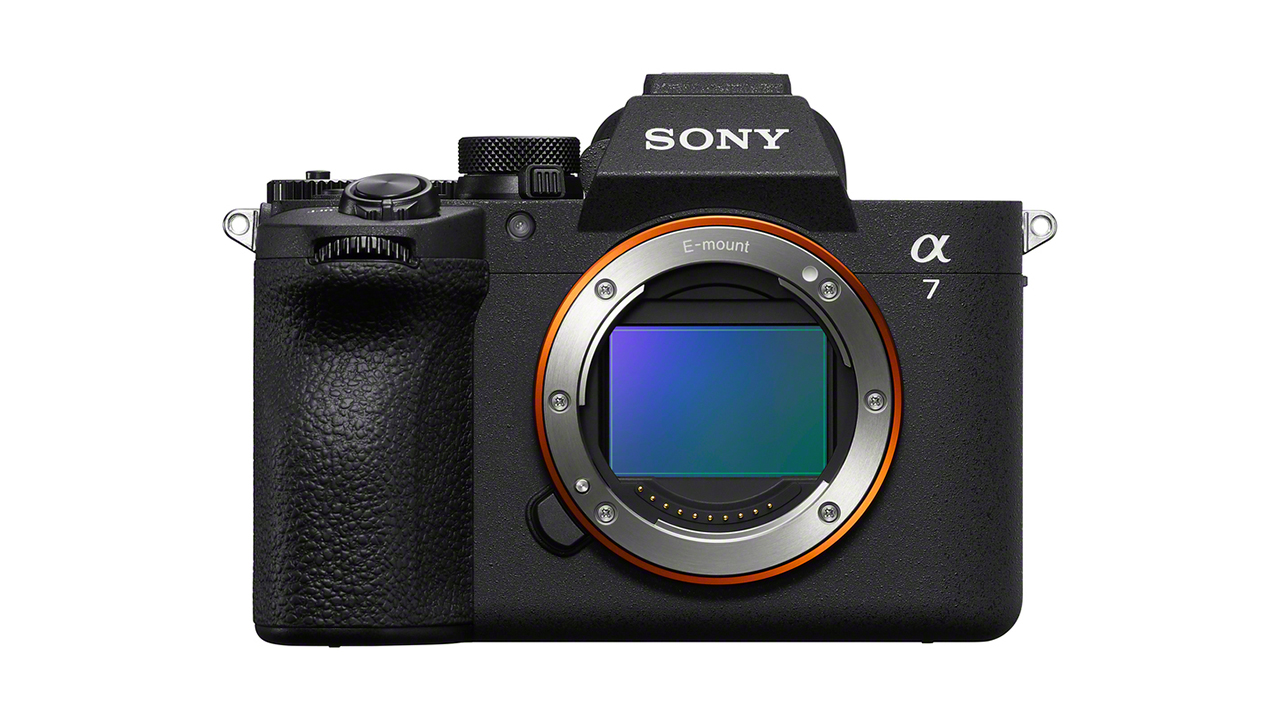
Are you still wondering what to get yourself for Christmas? If you have a good amount of leftover money after shopping for everyone else, Sony has a new camera just for you. Right on the cusp of the holiday season, the Sony Alpha 7 V is here.
The Sony Alpha 7 V is the fifth generation of the aforementioned series. The full-frame mirrorless camera uses a partially stacked Exmor RS CMOS image sensor to take photos with 33.0 effective megapixels.
Further, the new BIONZ XR2 image processing engine uses the Alpha series’ AI technology to deliver better imaging, Real-time Recognition Auto-Focus, and Real-time Tracking. To add to this, Sony is also launching the FE 28-70mm F3.5-5.6 OSS II full-frame zoom lens to support the camera.
For connectivity, the camera supports Wi-Fi 6E GHZ for data transfers. It also supports USB-C connections for wired transfers.
To ease usage no matter the scenario, the Alpha 7 V comes with vertical format support and an adjustable electronic shutter sound. It also has a 4-axis multi-angle monitor for shooting in various angles. Finally, it has a better grip for stability.
For those long shoots, the camera has better power management. It also has a Monitor Low Bright mode to preserve the battery.
The Sony Alpha 7 V body is available from the end of December. Meanwhile, the kit and the lens will be available on February 2026. The body costs SGD 3,699. From now until December 31, customers will get a free 240GB CEA-G Series CFexpress Type A memory card.
SEE ALSO: Sony’s mobile motion capture system, mocopi, is coming to Singapore
Cameras
DJI Osmo Action 6 review: An adventurer’s best friend
This might be the best action camera yet?

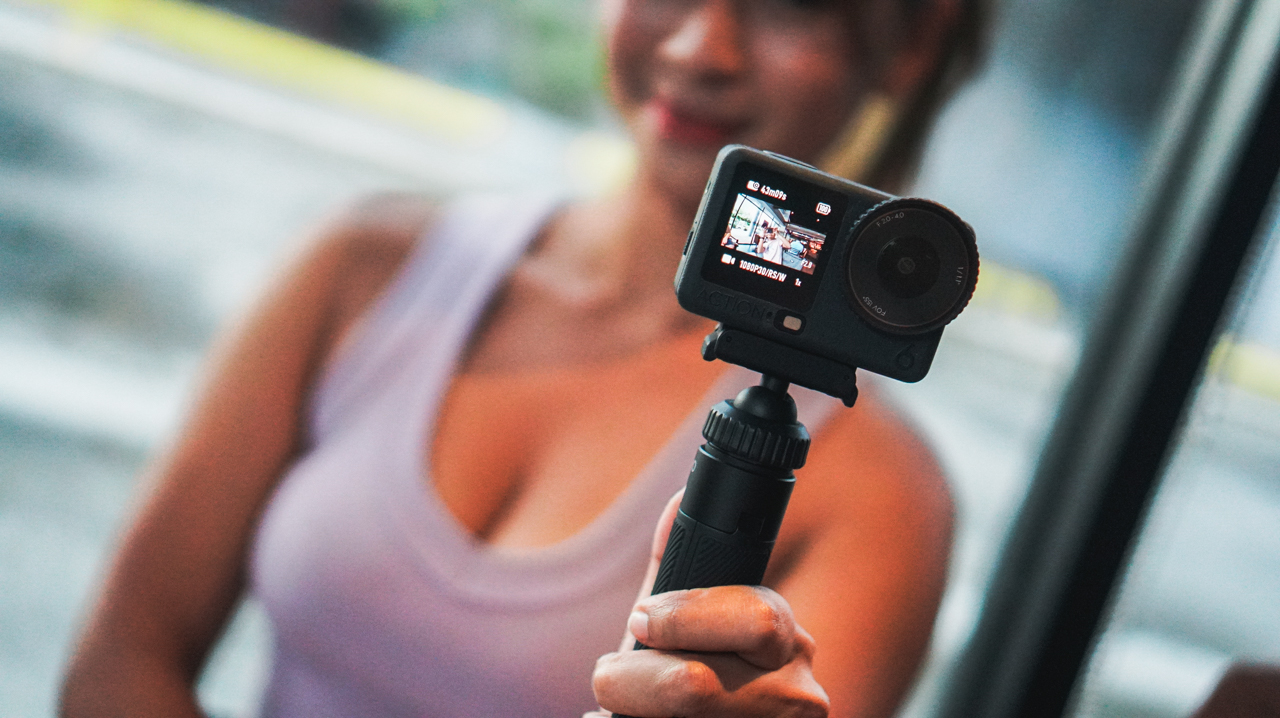
My life as an athlete with a love for adventure often throws me into days that move faster than I can track.
One moment I am at the gym before sunrise, convincing myself that today I will stretch properly. Next, I am sprinting through airports or packing for a weekend race that I definitely did not plan for (but signed up for anyway because that is who I am).
When the DJI Osmo Action 6 entered my life, it felt like finding a piece of gear that immediately understood the mess I willingly put myself through.
I have always wanted a camera that could move with me (and survive me), preferably without making me feel guilty every time I jump off something or run through something.
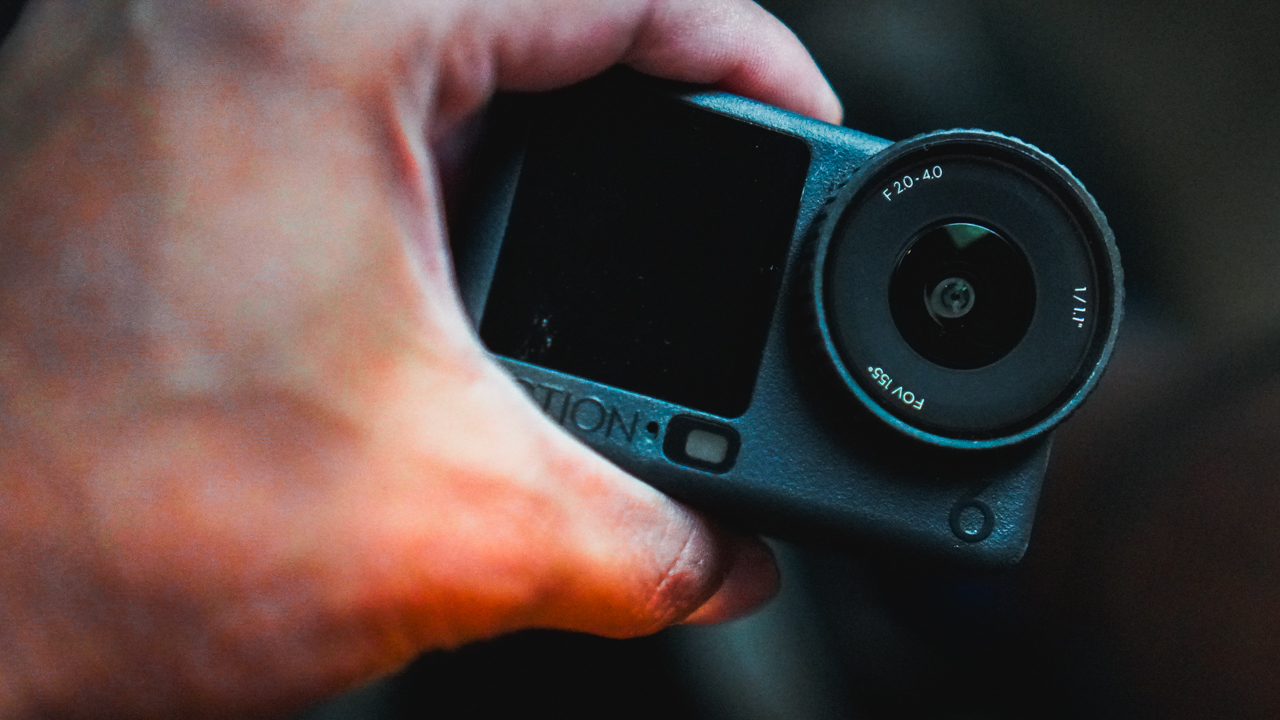
I wanted a camera that did not need pampering. Something that would not make me pause my life so I could “protect the gear.”
Then suddenly, there it was. I had an entire month with the Osmo Action 6, and it almost felt like the universe handed me something that finally matched my pace. It followed me through unexpected moments that felt too good not to capture.
Made for those who ~really~ move
The first thing I noticed was how easy it was to hold the Osmo Action 6. It felt secure even when my hands were wet or drenched in sweat from training, as if it wasn’t bothered at all that I was already exhausted at 7 a.m.
Most of its controls are placed so intuitively that it felt like the camera was gently guiding me, saying, “Don’t overthink it. Just press this. Go live your life.”
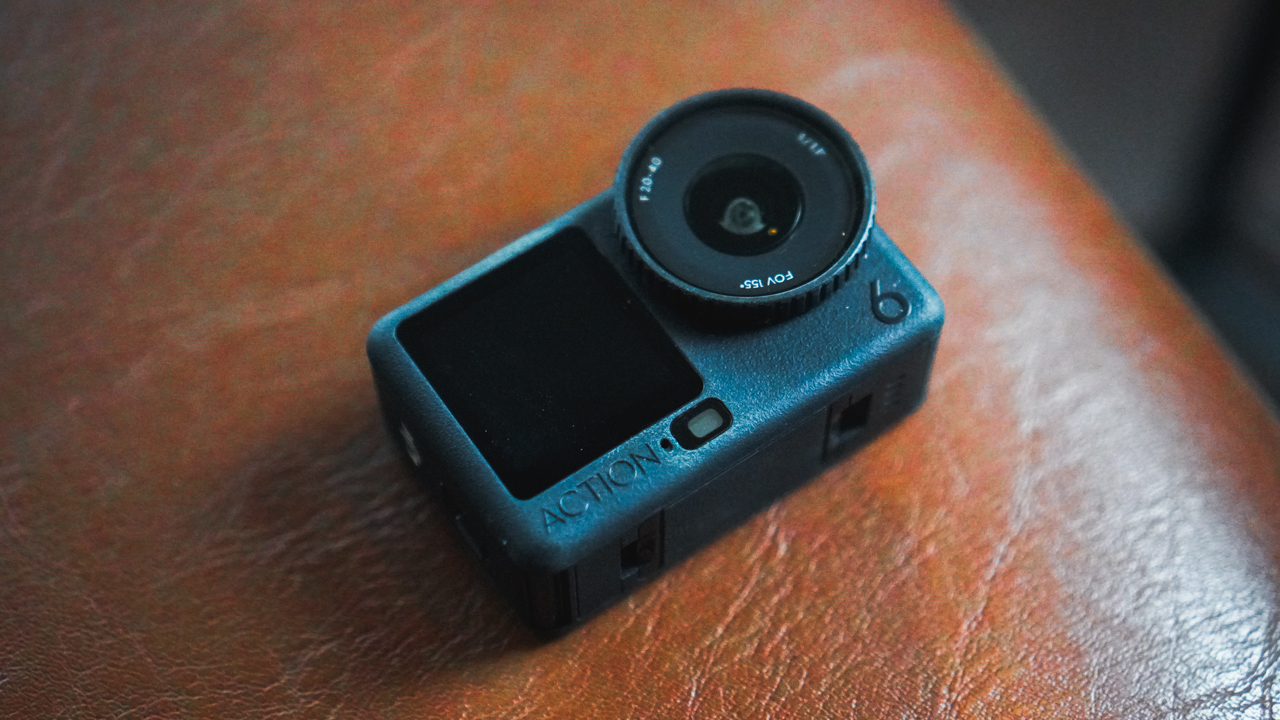
The user interface was so straightforward that even people who have never touched an action camera would know what to do.
The screen reacts quickly and the settings are easy to reach. Its layout feels like it was made for people who move first and think later.
It removes every excuse to miss a moment because you were too busy trying to understand how the device works.
View this post on Instagram
Out of the box, the Osmo Action 6 gives you everything you need: a 1.5m extension rod, three Extreme Battery Plus units inside a multifunctional battery case, two locking screws, a curved adhesive base, a USB-C 3.1 cable, and two Dual-Direction Quick Release Adapter Mounts.
Depending on your lifestyle, accessories like the floating handle, the dual direction mini extension rod (which doubles as a tripod), the 360-degree wrist strap, and the hanging neck mount all serve one purpose: keep you hands-free so you can focus on living your story.
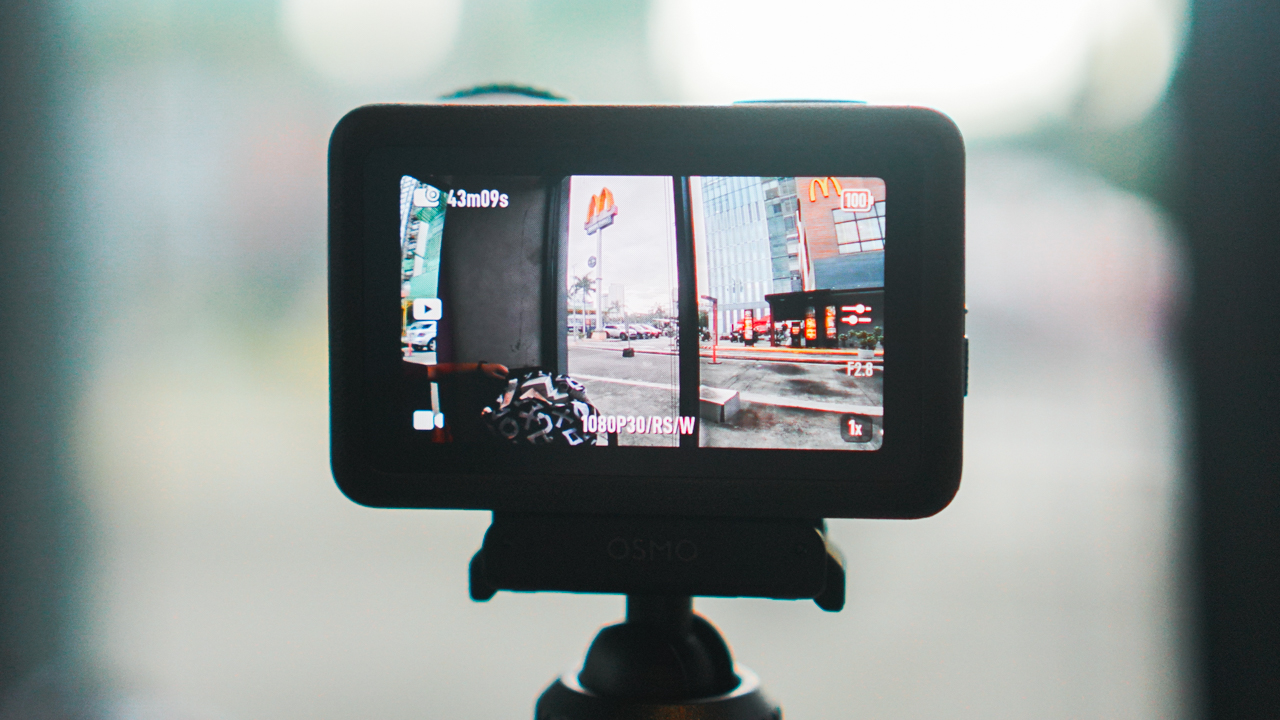
Inside a race course
During the Spartan Race’s Asia-Pacific Championship in Alviera, Porac, Pampanga, I joined the open category simply because I wanted to film my moments inside the course.
I could never join the Age Group Championship wearing a red band only to slow down for content. My competitive self would revolt.
I have always raced in the front pack with elite athletes and seasoned racers. Content creation is a blessing until you’re in a race and your pride says absolutely not.
View this post on Instagram
So my friend (also an elite athlete) and I became last-minute racers thanks to Mang Inasal Philippines. We joined the Sprint Category, which covers 5 kilometers with 20 obstacles (plus three extra because championship vibes).
Armed with only the Osmo Action 6 on a dual direction mini extension rod, I climbed walls and nets, carried sandbags, passed through hanging obstacles, and ran under an open trail where the sun genuinely felt personal.
Alviera is hot. We call it Hellviera for a reason. Yet the camera kept going despite direct sunlight and constant movements.
I dialed the resolution down to 2.7K because long 4K recording will always test thermal limits. Even then, it stayed reliable.
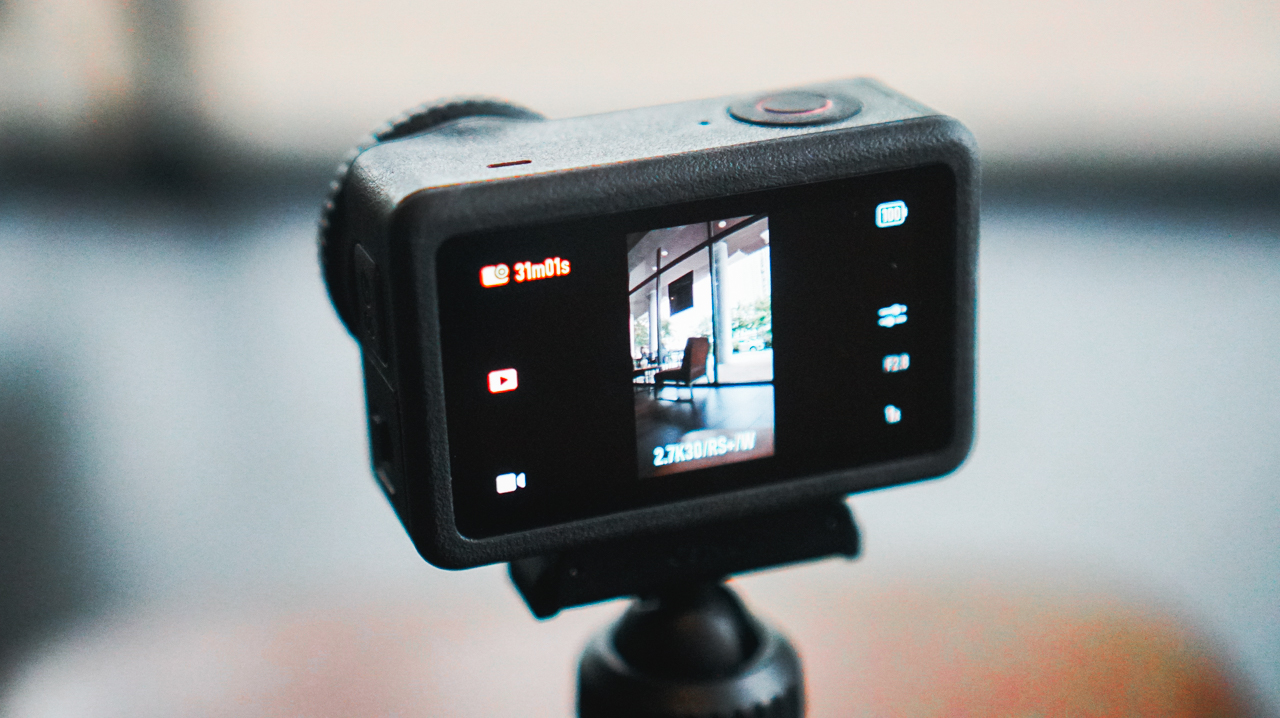
Like a scene straight out of an adventure documentary
The stabilization was genuinely magical. The frame stayed clean and level even when my hands were doing a million different things, like swinging my arms, gripping nets, adjusting grip, and bracing for impact.
Whether you choose RockSteady or HorizonSteady, your running sequences will look cinematic and documentary-level.
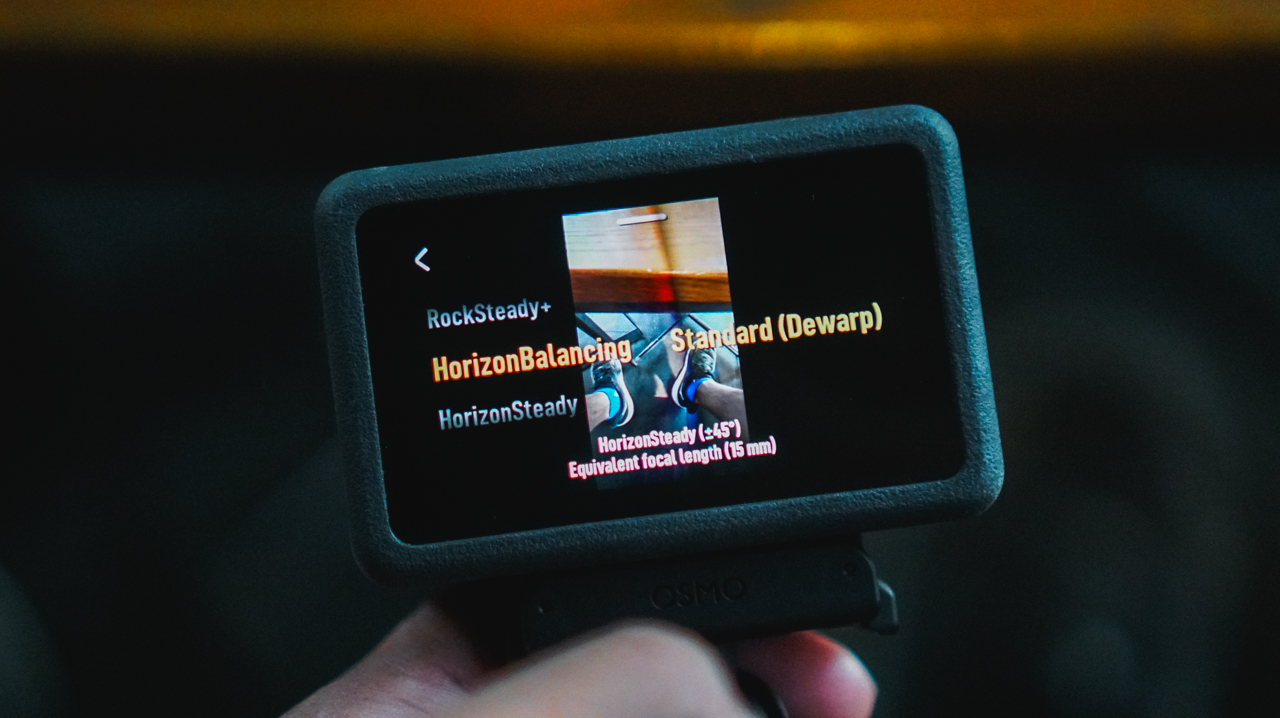
When we climbed or jumped, the shots had that adventure-film energy. There were no jitter or weird warping. No “Sorry, can you do that again?” moments.
We did not need retakes, and we did not need to check footage mid-race. The Osmo Action 6 kept up with the pace of an endurance athlete.
The built-in microphones even picked up our voices clearly. Pair it with DJI’s wireless mic and you get clean commentary that feels like the behind-the-scenes of your own sports film.
View this post on Instagram
Calm moment underwater
One of the most meaningful moments came when I lent the Osmo Action 6 to GadgetMatch’s Account Manager and Resident Host, Noela Amparo-Oro, for her birthday.
She wanted to celebrate by freediving, which honestly feels like the most poetic thing you can do for yourself. So I handed her the camera and said, “Go live your birthday moment. Capture it.”
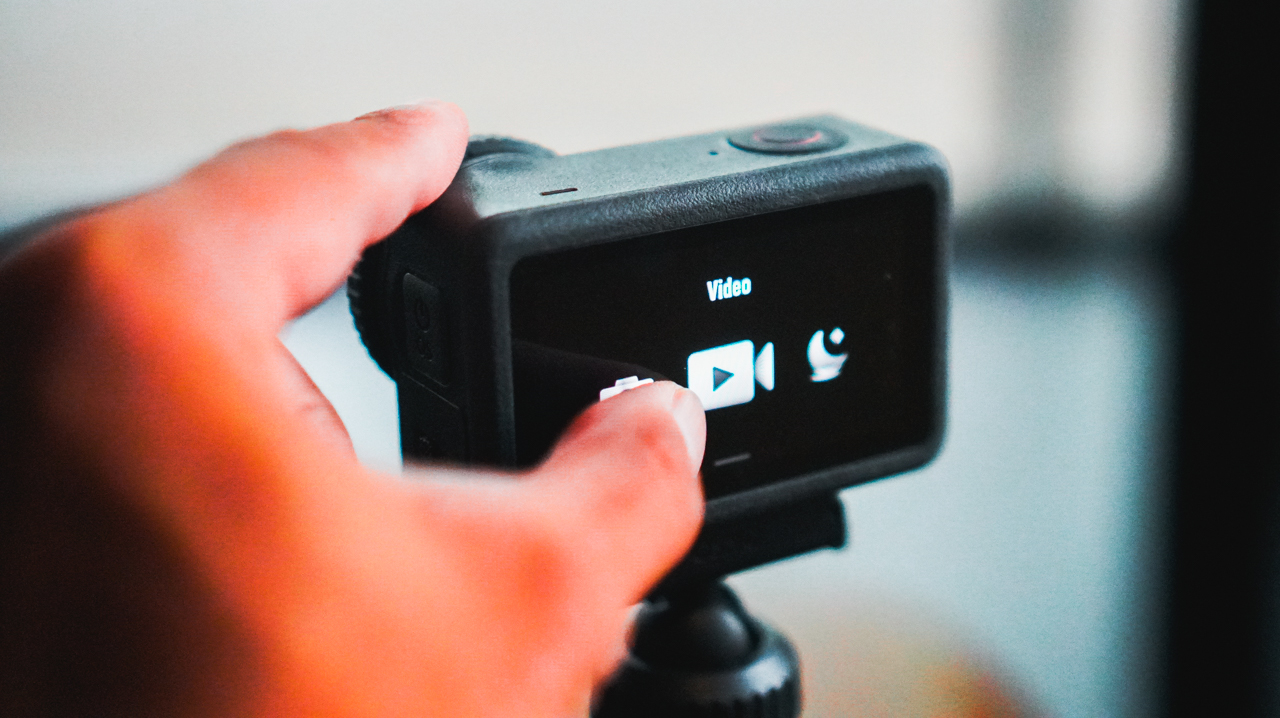
Action cameras deserve to see actual action, not city sidewalks pretending to be adventures.
Noela had fun descending into the clear blue water. The footage she brought back made my heart stop for a moment. It was surreal. Like she had slipped into another world and returned with proof that it existed.
View this post on Instagram
I have seen plenty of underwater clips from action cameras that turned murky or desaturated, requiring heavy color adjustments. The Osmo Action 6 did not do that. Underwater, it preserved colors beautifully.
The details of her movements; the subtle shimmer of light across her skin; and the calm flow of bubbles. Everything was captured with clarity that felt emotional.
The Osmo Action 6 handled depth and shifting light with ease. Watching the clips felt like I had been there beside her, suspended underwater.
Even Noela could not believe the footage. And the fact that the camera does not need an underwater case up to 20 meters makes the experience feel even more freeing.
A picture quality to love
The Osmo Action 6 uses a large 1/1.1-inch square CMOS sensor that lets in more light, allowing underwater clips to remain balanced and detailed even in low-light environments.
With 10-bit color support, gradients in the water and sky looked vivid. The variable aperture paired with the sensor gives you the flexibility to shoot under harsh sunlight or underwater without losing depth or mood.
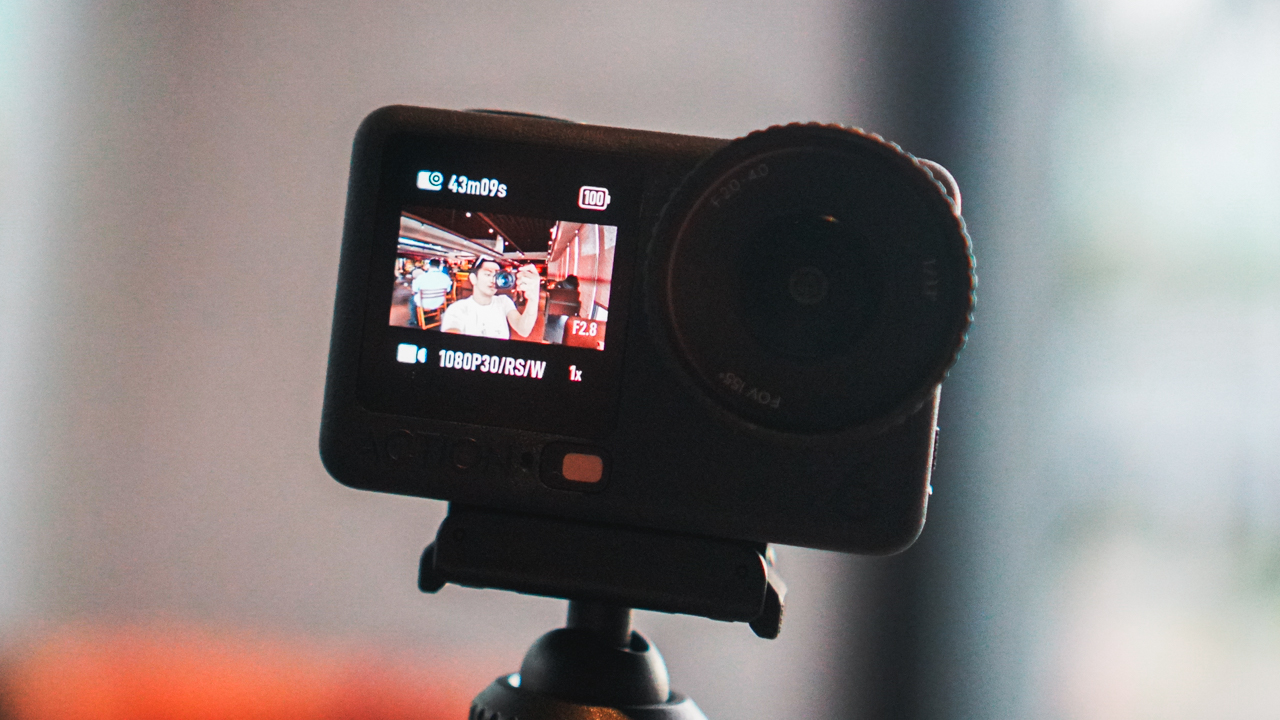
Exposure transitions also felt natural, and the highlights stayed controlled while the shadows held detail. The Osmo Action 6 preserved the emotional tone of each scene without flattening the story.
As James Rusameekae from Physical: Asia said, it is simply “Wow!”
Is the DJI Osmo Action 6 your GadgetMatch?
The DJI Osmo Action 6 excelled in every environment I threw it into. Water, low light, heat, fast movement, and unpredictable conditions? It handled everything with ease.
I collected footage filled with emotion and energy, and everything remained steady and sharp.
The clips felt complete even before editing, like they were already telling a story. (I uploaded some of them straight to my Instagram Story!)
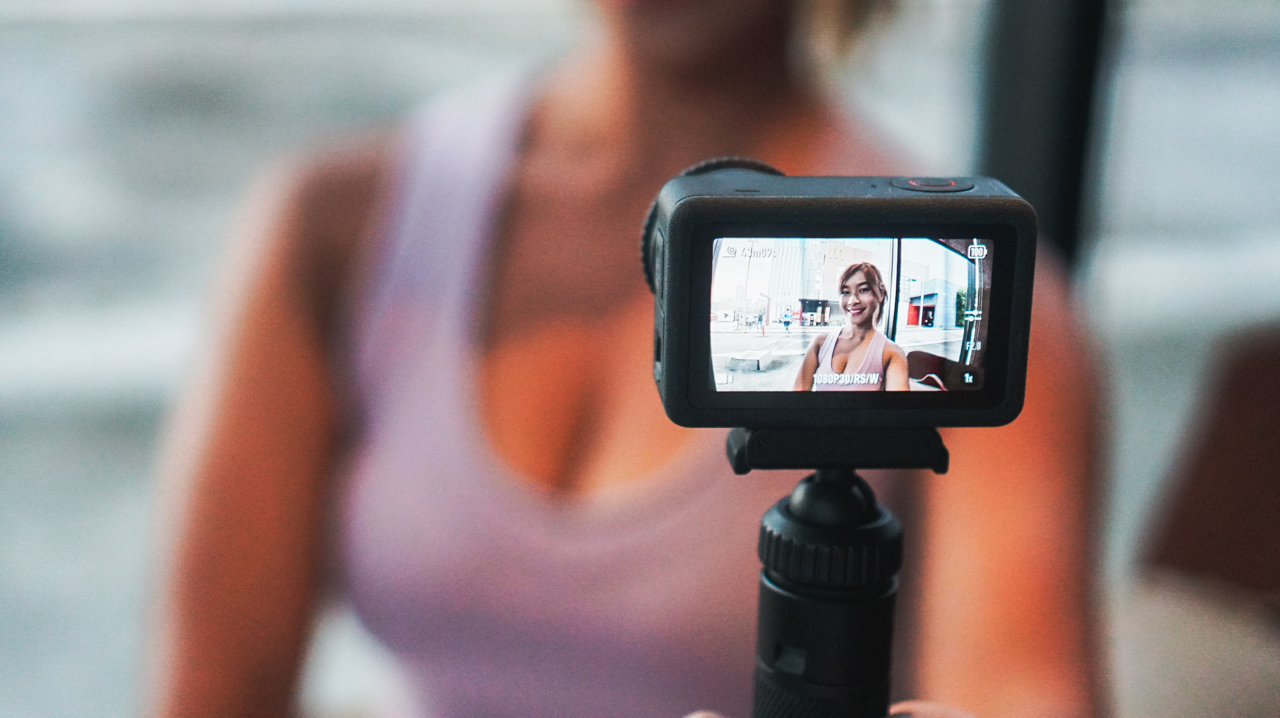
If you live an active life and thrive outdoors, the Osmo Action 6 will meet your needs. You will appreciate how quick it is to use, and you will love the size, durability, and picture quality.
It feels like the kind of gadget you bond with, which makes it a Swipe Right!
Anyone who wants a companion for adventures will find comfort in the Osmo Action 6. For me, it is a Super Swipe.
With the experience I had, and the ease it brings to my life whenever I am out and about, PhP 24,390 for the Standard Combo feels like an investment in moments that matter.
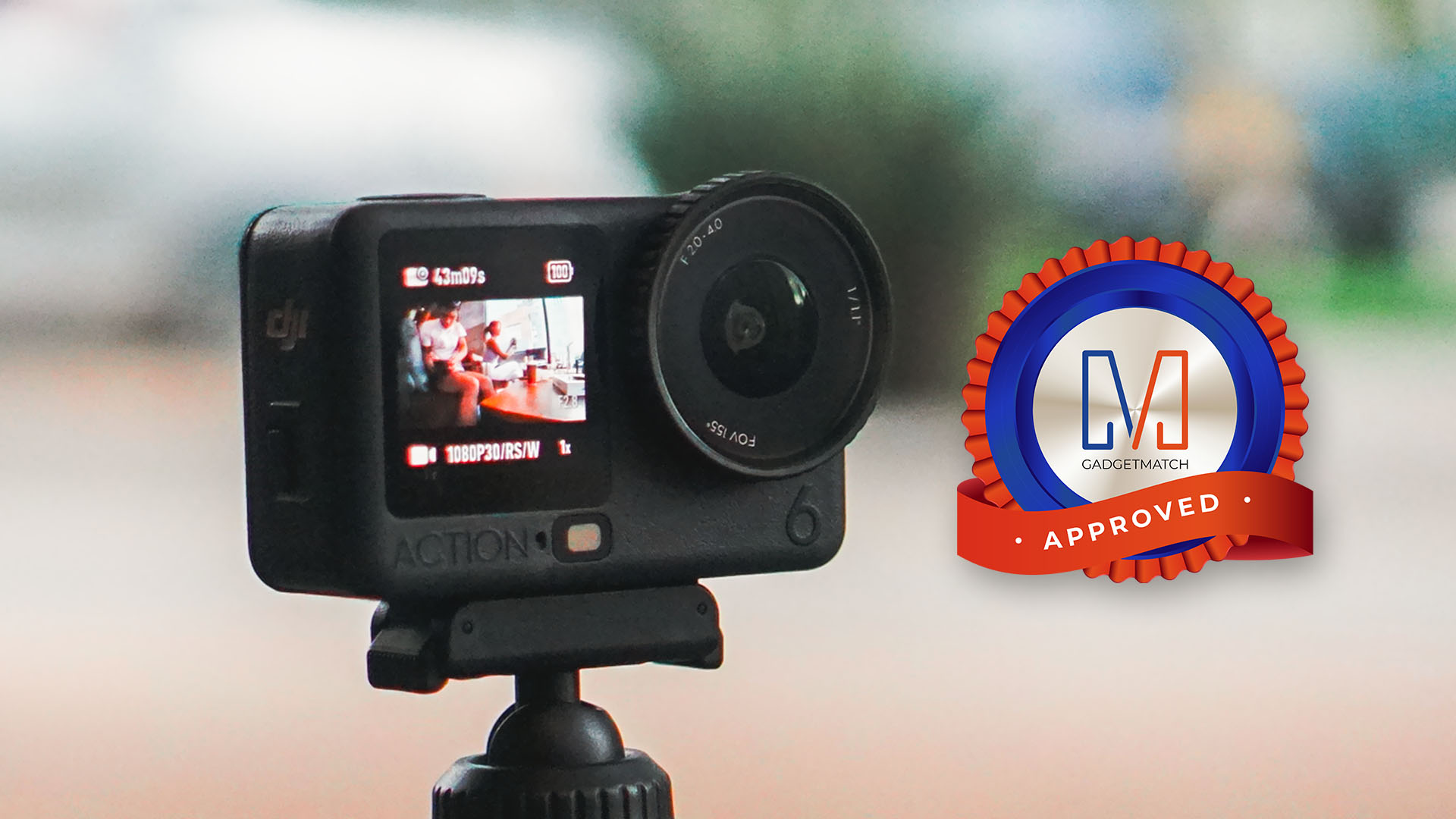
The DJI Osmo Action 6 deserves the GadgetMatch Seal of Approval.
If you do not live an active lifestyle, the Osmo Pocket Series or Osmo Nano might suit you better since it is built for city travelers. But if you want to look adventurous — and you have the budget — who am I to stop you?
The DJI Osmo Action 6 retails for PhP 29,990 for the Adventure Combo, giving you all the accessories you may or may not need.


Mijia Smart Audio Glasses review: Immerse yourself in the music
Here's a unique way to listen to music.

POCO M8 Pro review: Goin’ loco over this POCO
POCO starts 2026 with some bang
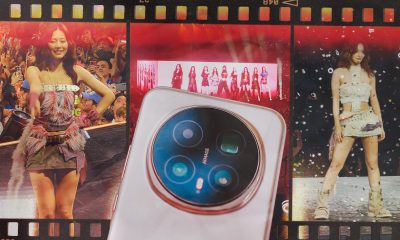

HONOR Magic8 Pro Stage Mode at a TWICE concert
Good… with room to grow

Two new Xiaomi audio wearables join REDMI Note 15 Series

REDMI Note 15 Series unveiled: Price, availability in the Philippines
Mijia Smart Audio Glasses review: Immerse yourself in the music
POCO M8 Pro review: Goin’ loco over this POCO

Spotlight: ASUS Zenbook at CES 2026

Razer teams up with BLACKPINK for limited-edition gear

The Razer BlackShark V3 Pro might be the comfiest headphones I’ve tried

OPPO Find X9 review: Super Swipe material!

2025 GadgetMatch Approved Devices

HONOR WIN headlines the first 10,000mAh smartphone with built-in fan


-

 News6 days ago
HONOR X9d 5G launches in the Philippines: Price, preorder, availability
-

 Reviews2 weeks ago
OPPO A6 Pro: Adequate tool, no definitive punch
-

 Reviews7 days ago
HONOR Magic8 Pro review: What sorcery is this?
-
Camera Walkthrough7 days ago
HONOR Magic8 Pro Stage Mode at a TWICE concert
-

 CES 20261 week ago
The ROG Flow Z13-KJP brings your Death Stranding dreams to life
-

 CES 20261 week ago
First Look: Samsung Galaxy Z TriFold
-

 CES 20261 week ago
Lenovo Legion Pro Rollable Concept was possible thanks to TCL
-

 CES 20261 week ago
Samsung thinks AI works best together