



It’s been a rather good year for BANDAI Namco and its single-player animé-style games. In mid 2021 they launched the all-new, all-original Scarlet Nexus. A couple of months later, they released the latest in a long-running franchise, Tales of Arise. If you’re on the fence about which one to play first (let’s face it, if you’re a fan of this type of game you likely want to play both), hopefully this will help you decide.
Before everything else, let’s get a few disclaimers out of the way. I’ve yet to fully complete both games. Well, in Scarlet Nexus I’ve finished my first playthrough with Kasane and I’m currently in the very early stages of my Yuito playthrough. Meanwhile in Tales of Arise, I’m about 20+ hours deep and have a 6-member party. I feel like I’ve played enough to give my thoughts on both games.
This exercise is specifically aimed at those who can’t outright buy both games. Also, if you’re a long-time Tales of fan, you’ve likely made your decision already so this may not be for you. Lastly, this is in no way a definitive assessment of either game. I’m just a dude who wants to share his thoughts on two games he enjoyed (enjoys?) playing. And I genuinely can’t decide which one to recommend first, thus, this exercise.
Point system
Here’s how we’ll do this. We’ll score each game on the following pillars:
- Visual presentation
- Music and soundtrack
- Combat
- Story
- Fun Factor
I’ll discuss my thoughts on both games for each pillar and give a score from 1-10, 1 being the lowest and 10 being the highest. Towards the end, we’ll tally scores and highest total wins. Sounds simple enough, yeah?
Let’s dive in!
Visual presentation
The general art style for both games is very similar. At this point, BANDAI Namco and their partner developers have pretty much mastered cel-shading graphics for the plethora of animé titles under their belt. There are a few differences though.
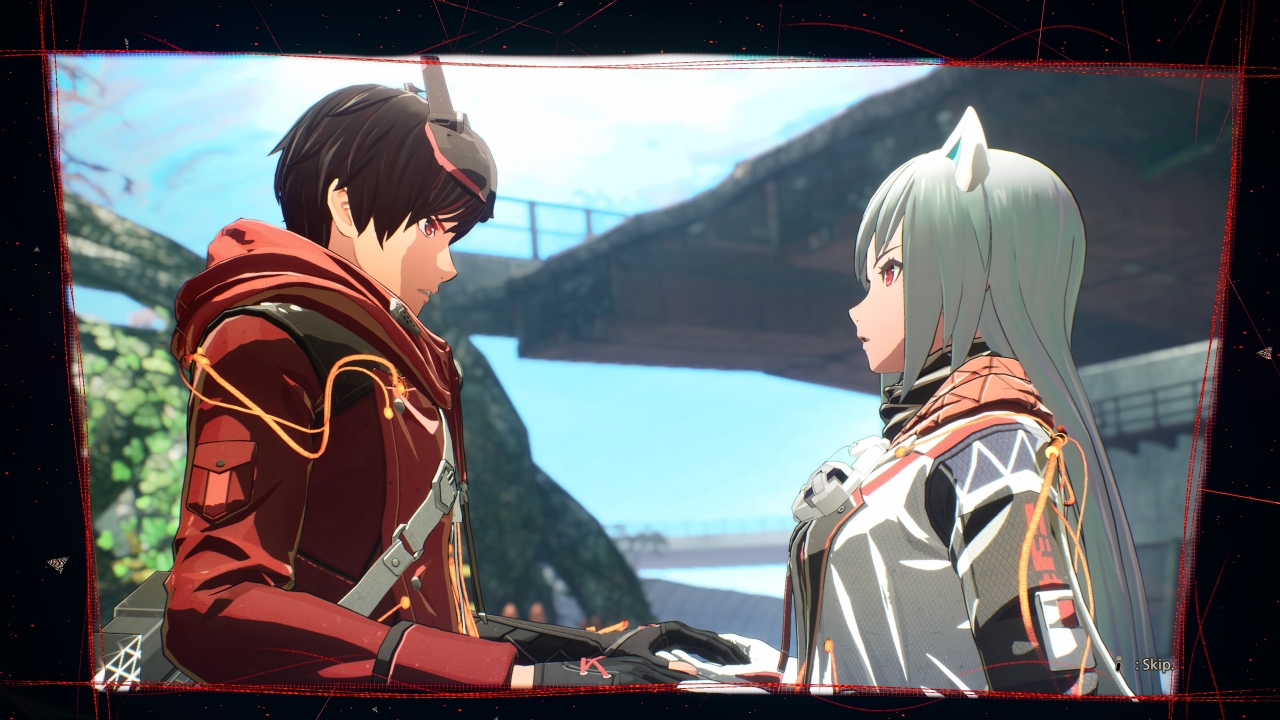
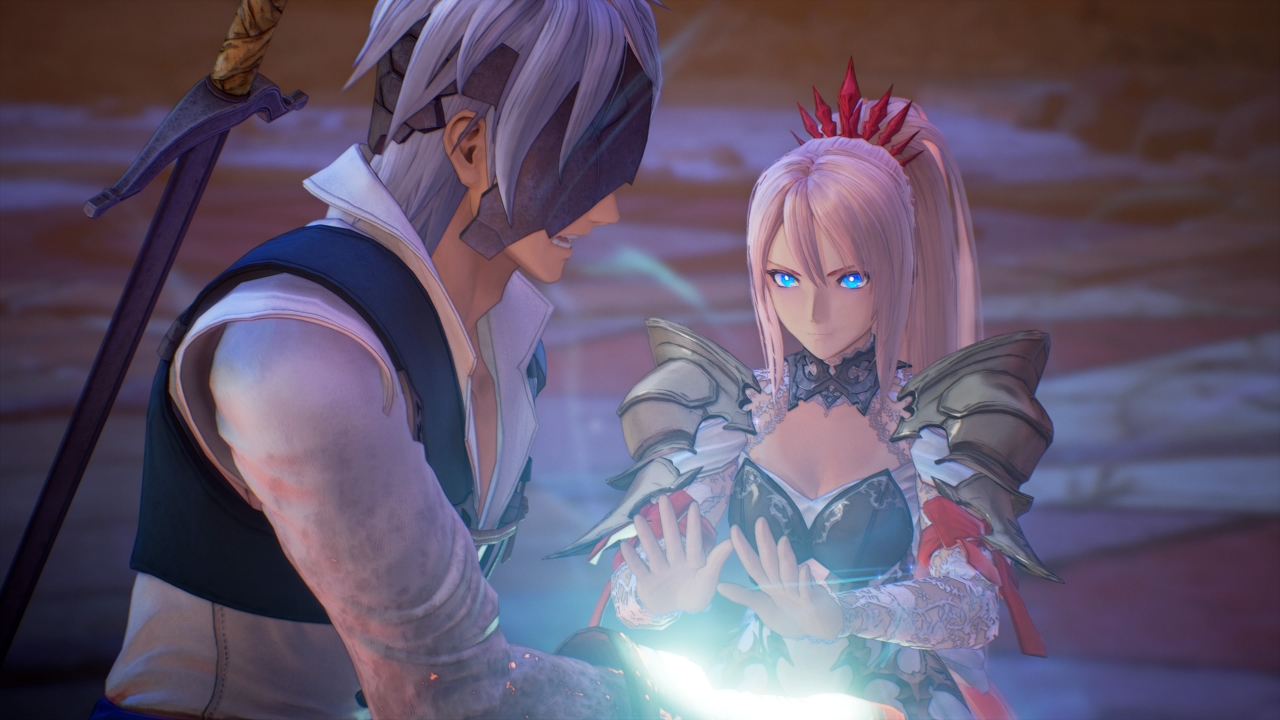
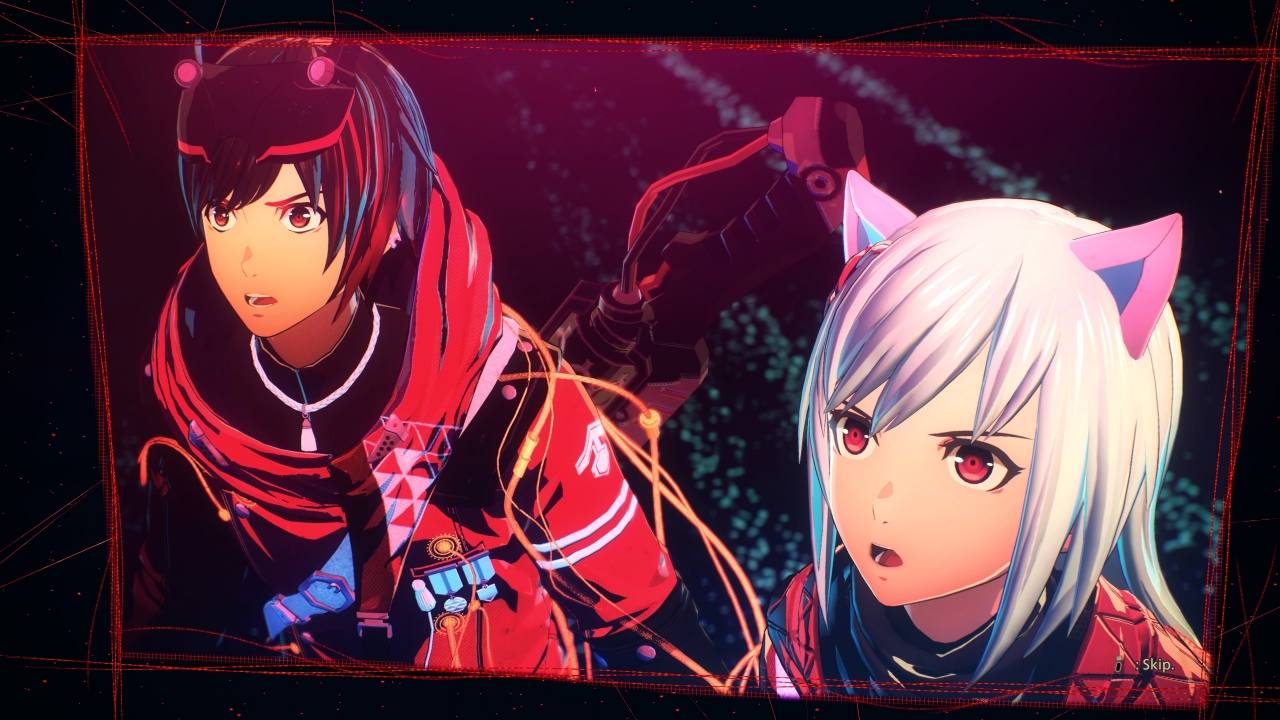
For instance, both games have this comic-book style cut-scene where the characters exchange dialogue to mostly add to character development. Another cool thing about this style is that it carries over whatever cosmetic equipment your characters have on. It’s a nice cool execution that visual enthusiasts will definitely appreciate.
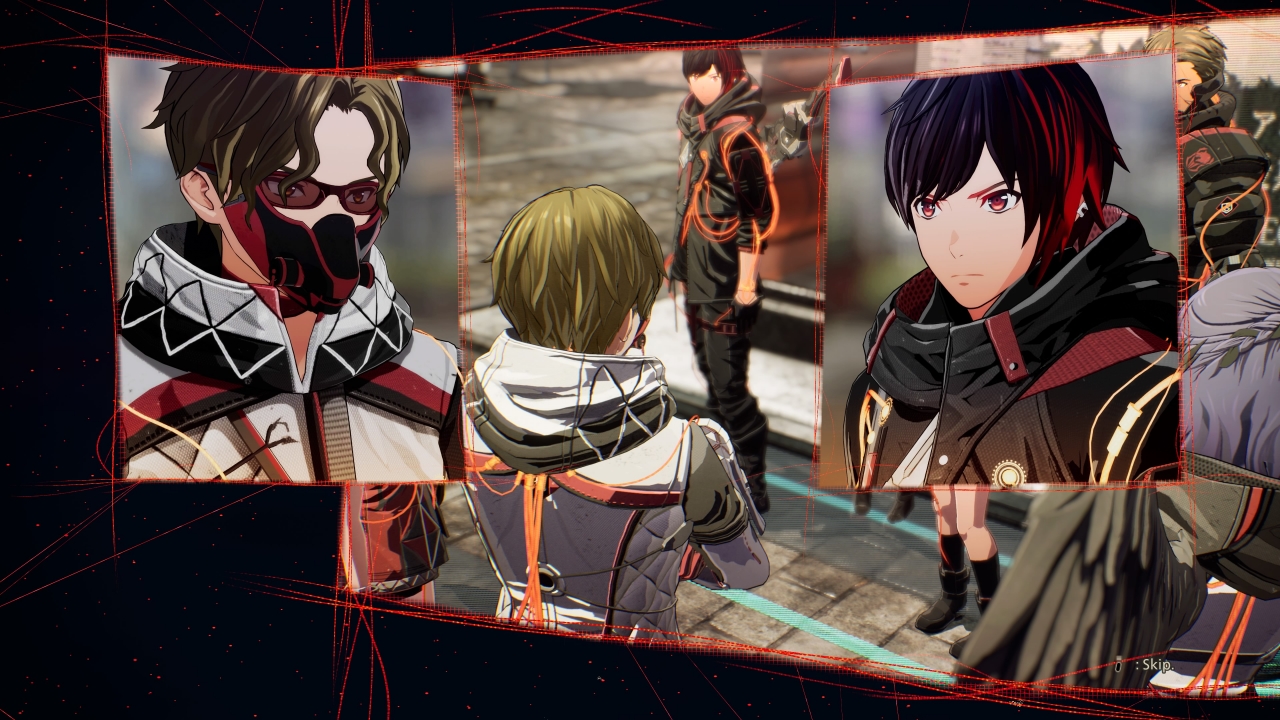
While at first glance, they look the same, there’s actually a slight difference. In Scarlet Nexus, the images in the panel are mostly still. Only a handful of scenes are really animated. Meanwhile, in Tales of Arise, the panels are actually animated. There’s minimal but noticeable movement making each panel feel more alive.

Next is the overall look and feel of the visuals. I think both games do a good job of showcasing their respective worlds. Scarlet Nexus is this post-apocalyptic, cyberpunk-ish world that feels rather empty, but that’s because of the story and the setting. Tales of Arise, on the other hand, feels more alive and is generally bright and charming like most high fantasy titles.

When it comes to the menus, I’m partial to Tales of Arise because there are enough spaces left to let elements on the screen breathe. In contrast, I felt Scarlet Nexus had a really busy-looking menu that can be a lot to take in even after having spent hours on the game.

This design looks busy to me
Verdict:
- Tales of Arise — 9 points
- Scarlet Nexus — 8 points
I think both games look great and have a definitive visual identity. There are just little factors here and there that, for me, Tales of Arise does better.
Music and soundtrack
Unlike the visual presentation section, I don’t think I can say as much about the music and soundtrack. Unless it’s extremely good or bad, music and soundtrack is generally something I notice last.
For instance, the sound design in Returnal is something I absolutely gave praises to. Persona 5’s “Last Surprise” still rings in my ear to this day. And of course you have iconic and memorable soundtracks like Utada Hikaru’s “Simple and Clean”, and Faye Wong’s “Eyes on Me.”

For me, there’s nothing of this sort on either Scarlet Nexus or Tales of Arise. Don’t get me wrong, I think the soundtrack and music are good. Just nothing immediately memorable.
Scarlet Nexus blasts a variety of genres throughout your playthrough. There’s a mish-mash of electronic, pop, punk, and even EDM (electronic dance music) in there. Meanwhile, Tales of Arise has this more traditional mix of animé pop-rock intro and fantastical soundtrack. Its opening song, in particular, is an absolute banger.
Verdict:
- Tales of Arise — 7 points
- Scarlet Nexus — 7 points
Evenly matched because they’re good for different reasons but don’t exactly stand out in the greater scheme of things.
Combat
The combat of both games are fun and have interesting levels of depth in different ways.
In Scarlet Nexus, you play as either of the lead characters Kasane or Yuito in a single campaign. Each one will have a party of characters but they are mostly supporting casts in battle. They attack independently and you can use their unique abilities for a limited one at a time or all at once to aid you in combat. The level of depth comes in the multiple abilities you can combine to take down enemies and a variety of ways. Most of which are pretty satisfying.
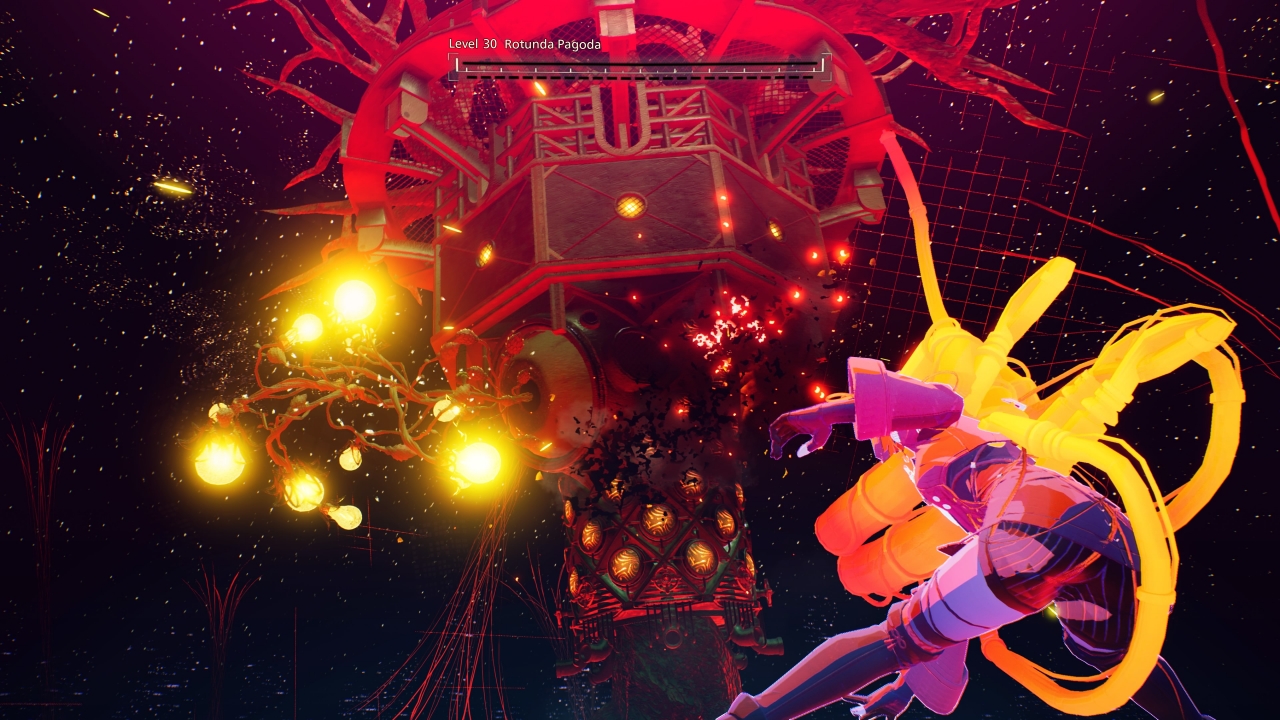
Going to Brain Drive mode in Scarlet Nexus is pretty satisfying
Tales of Arise gives you a little bit more or a variety in a single campaign. All party members are playable and have very distinct fighting styles and abilities. Naturally, you’ll spend more time with leads Alphen and Shionne, but the rest of the crew: Rinwell, Law, BEST GIRL Kisara, and Dohalim offer new dynamics to combat that help keep the gameplay feel fresh.
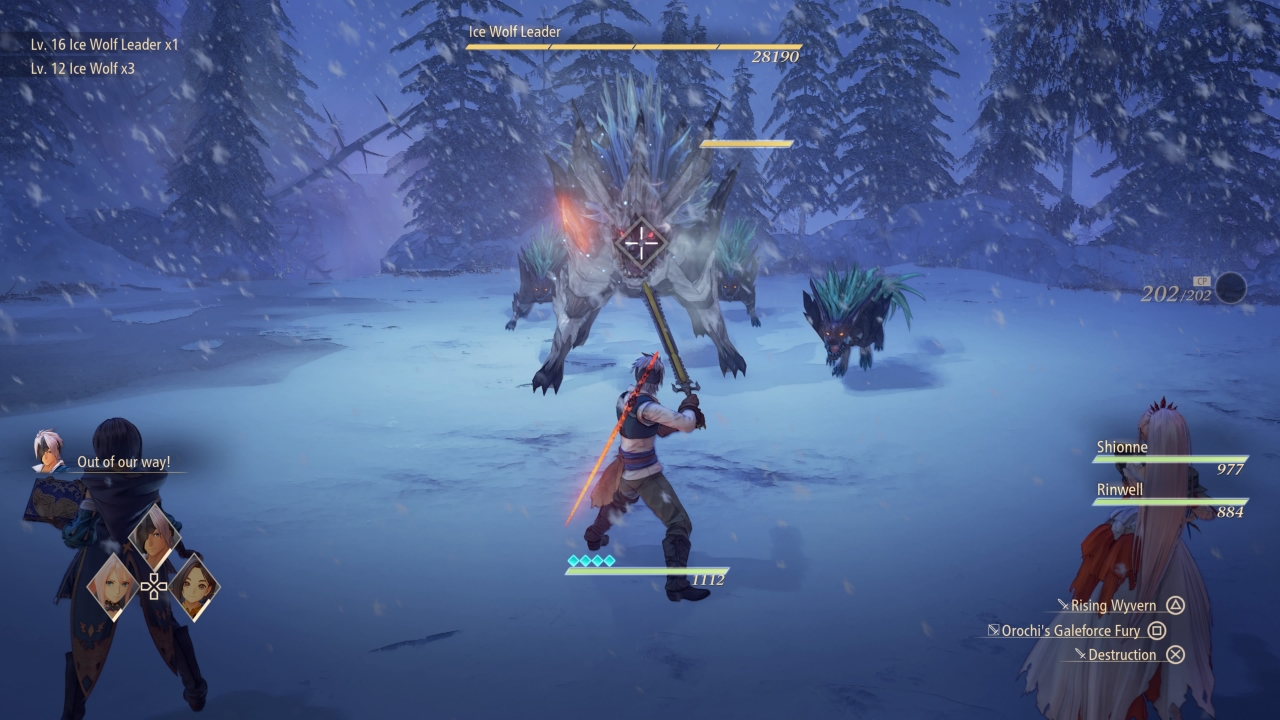
Combat encounters are also a little different. Scarlet Nexus feels more like an actual action-JRPG with how you can jump at an enemy as you’re traversing an area. Meanwhile, in Tales of Arise you encounter an enemy in an area and get transported into somewhat of a battle arena section to go into combat. The controls itself still feel action RPG-like once you’re in combat but the difference is how you get there.
I think Scarlet Nexus offers a little more precision when it comes to combat. From my experience, I feel more in control during fights with who I’m targeting despite the busy screen with everyone in the party fighting.
Maybe it’s because I just haven’t spent as much time with Tales of Arise yet that I haven’t completely figured out every nook and cranny of its combat. Around my 10th to 12th hour playing, the visuals and gameplay still feel like, in the words of Girlfriend Reviews, “diarrhea Christmas lights.” There’s a hefty amount of splash and color going in that it’s easy to get lost in it. That said, the finishing moves here are especially entertaining and never get old despite the repetition.

“Diarrhea Christmas Lights”
Verdict:
- Tales of Arise — 8 points
- Scarlet Nexus — 8.5 points
Both have their strengths but I like having the feeling of a little more control that’s why Scarlet Nexus gets half a point more than Tales of Arise.
Story
Personally, this is what makes or breaks a game for me. I put a lot of weight in a game’s story and overall narrative. I don’t look for anything too unpredictable or too out there. Just something that’s engaging and satisfying.
As I’ve mentioned, I haven’t completed the story for both games. With Scarlet Nexus, you have to go through both campaigns to get a full picture and I haven’t done that yet. Meanwhile in Tales of Arise, I’ve only just completed the 6-member party.
So far, I’m enjoying both for different reasons. Scarlet Nexus gives a “Yo, what the hell is happening right now” vibes. It’s filled with twists and mysteries and a pretty way out there revelation despite its setting.
Tales of Arise tackles a heavy topic of what it feels like to actually be free and so far, in my gameplay, has seemed like a more traditional and linear story. It can get predictable especially if you’ve consumed plenty of stories like I have but it’s still exciting nonetheless.
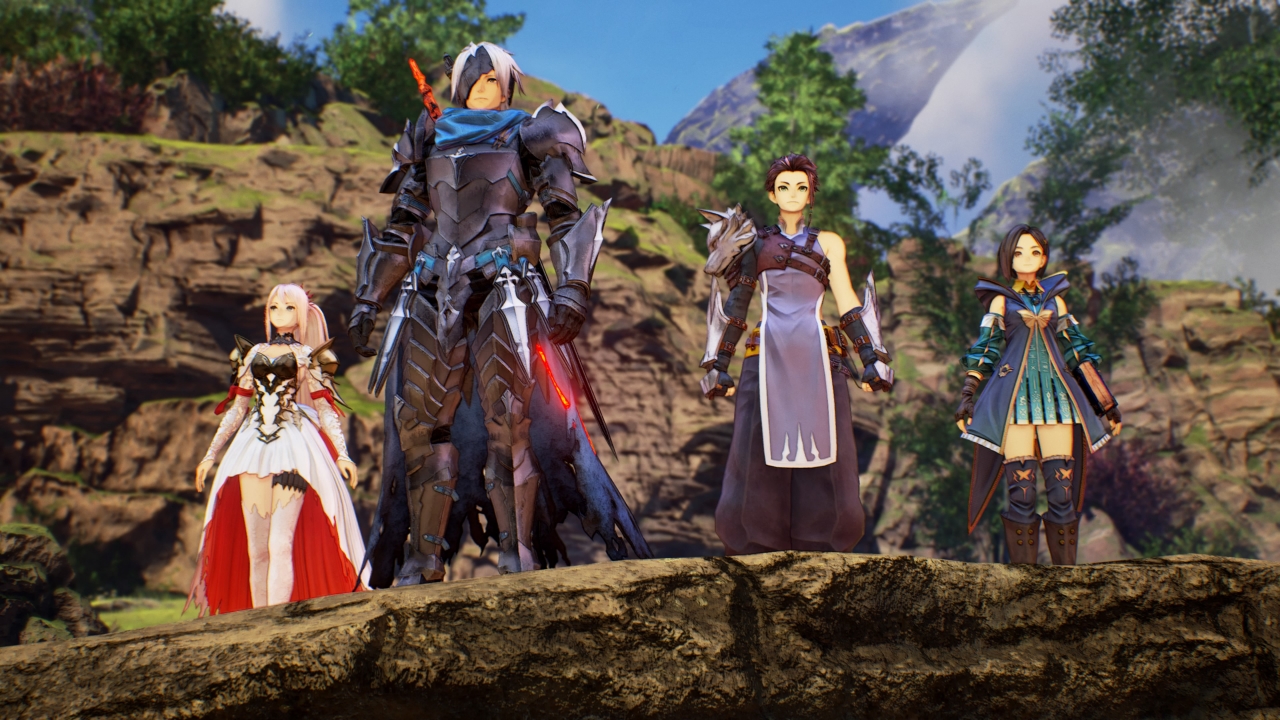
To give you a better overview idea, I asked Chris Garcia of One More Game to describe the story. Here’s what he said:
“Tales of Arise is bolstered by a strong cast of characters that undergo a journey of realization that sees the typical JRPG narrative formula with stakes that get grander at every arc.”
Meanwhile, our very own Gab Orlina describes the story of Scarlet Nexus as “Twisting and turning, but not overwhelming. [You’re] in search of the truth about stopping a world-ending event that shapes the future of the nation.”
Verdict:
- Tales of Arise — 7 points
- Scarlet Nexus — 8 points
I really had to pause and grit my teeth over this one. I’m personally enjoying Tales of Arise more but that may just be recency bias since it’s what I’m currently playing. But looking back, there are more “WTF” moments in Scarlet Nexus that’s why I gave it a slight edge.
Fun factor
While this whole thing has been an exercise of subjectivity, it doesn’t get any more subjective than this. What each of us consider fun is different. So, I’m just gonna hang my hat on that as I point out what I really thought was fun for both games.
I really enjoyed the combat and the WTF moments in Scarlet Nexus. If anything’s gonna want you to keep playing, it’s wanting to find out exactly why the world is the way it is. And the revelations get really outrageous but with still missing story threads with just one playthrough. This makes going through the second campaign with a different character enticing because you want to be able to paint a full picture of what happened.

This was a heartbreaking scene.
However, getting through the story sometimes felt like a chore because of how you move around areas. Honest Game Trailers described it as like going through one long hallway and it was so on point. Some parts of the game, while they aren’t bad, just didn’t feel as polished.
When it comes to Tales of Arise, I’m all the way in. There isn’t a story beat so far that I haven’t been able to predict. Despite that, it remains enjoyable every step of the way. And I’ve always really liked this kind of high fantasy setting. It also helps that overall, this game just feels more polished than Scarlet Nexus. But I guess that’s what you get with a long-running franchise versus one that just started.
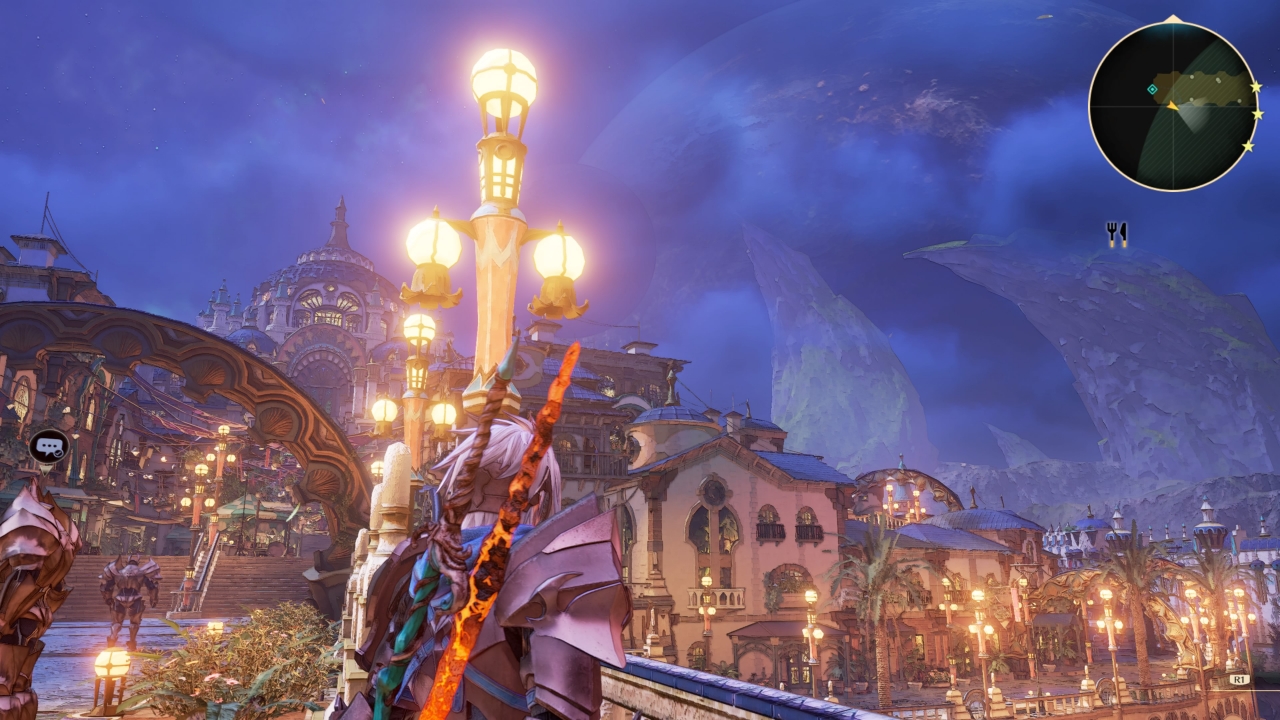
This high fantasy look is totally my jam.
Verdict:
- Tales of Arise — 9 points
- Scarlet Nexus — 7 points
Tally
|
Tales of Arise |
Scarlet Nexus |
|
| Visual presentation |
9 |
8 |
| Music and soundtrack |
7 |
7 |
| Combat |
8 |
8.5 |
| Story |
7 |
8 |
| Fun factor |
9 |
7 |
|
Total |
40 |
38.5 |
There you have it, that’s my completely subjective and unscientific showdown between Tales of Arise and Scarlet Nexus. I think the scores really reflect how I feel about each game as of writing.
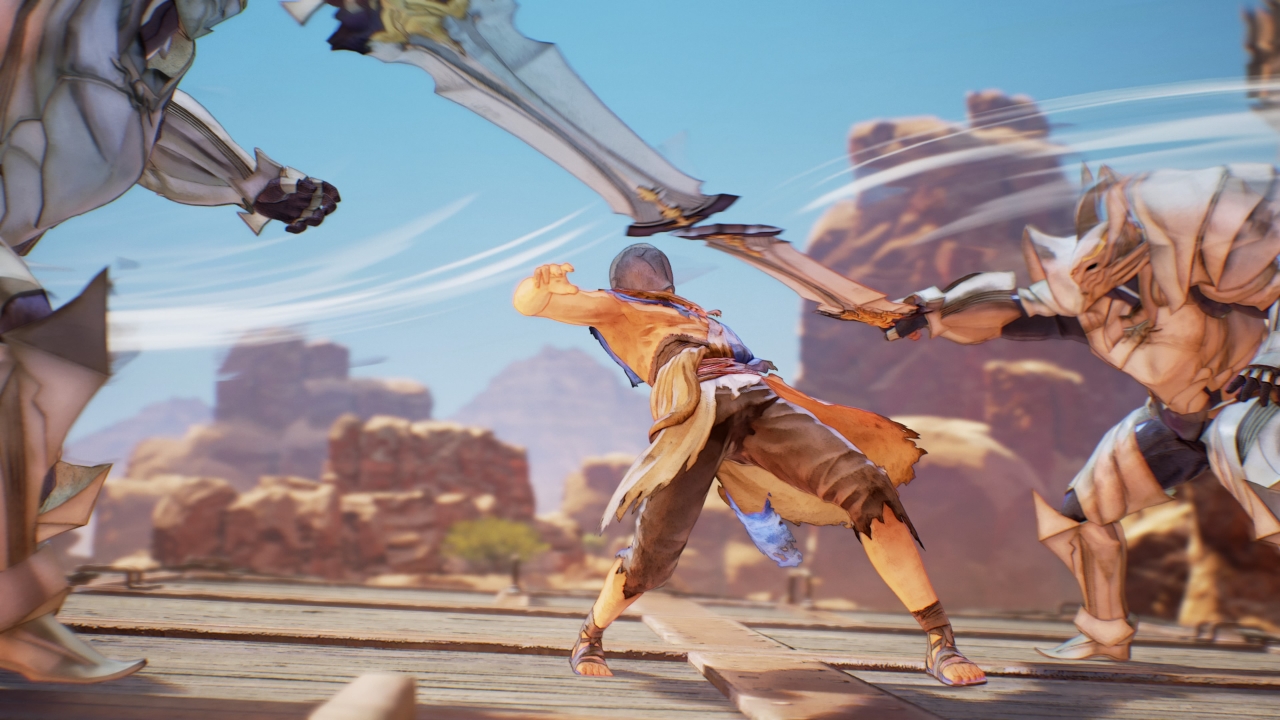
Nobody asked but this is how I dodge awkward conversations.
There’s plenty of enjoyment to be had on both games, but the overall more polished vibe I get from Tales of Arise makes it my pick if you only had to pick just one to play or which one to play first.
In the end, the decision is yours, but I hope this helped even just a little.






Gaming
Dune: Awakening makes it way to the PS5 and Xbox Series X
Surviving the harsh land of Arrakis one sandstorm and bloodlust at a time

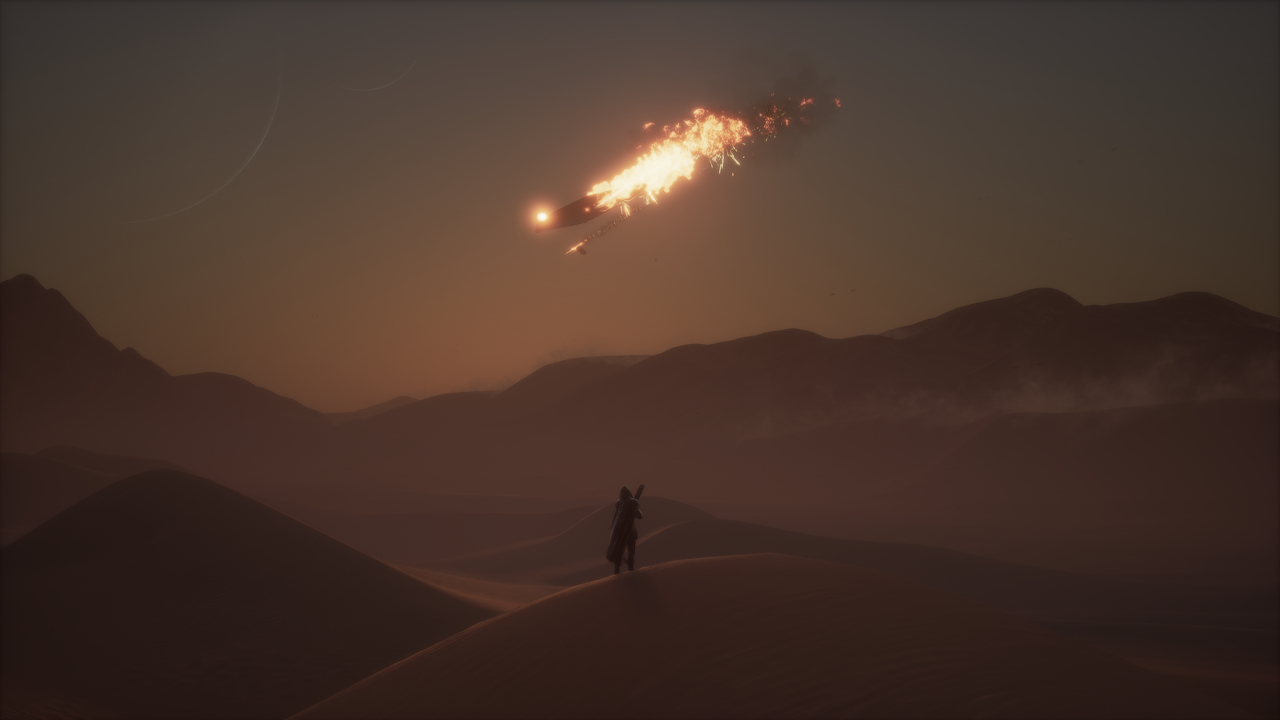
Back in June of 2025, Funcom released its multi-nominated open world survival game, Dune: Awakening. Inspired by the renowned movie franchise, the game takes place within the deserts of Arrakis as players survive and thrive through intense combat and strategic decision making. Now, in the big 2026, Funcom is finally bringing that experience to PlayStation 5 and Xbox Series X|S players as Dune: Awakening officially launches on console!
For the newbies finally getting it on console, here’s all you need to know:
Take the lead or do it together
Dune: Awakening takes you into the desolate land of Arrakis, and gives you the option to do it on Single Player or Multiplayer upfront. Through your own bidding in strategy, combat, and resource management, your goals are simple: survive the terrain, make more allies than enemies, and conquer the land through your affiliation to the powers that be.
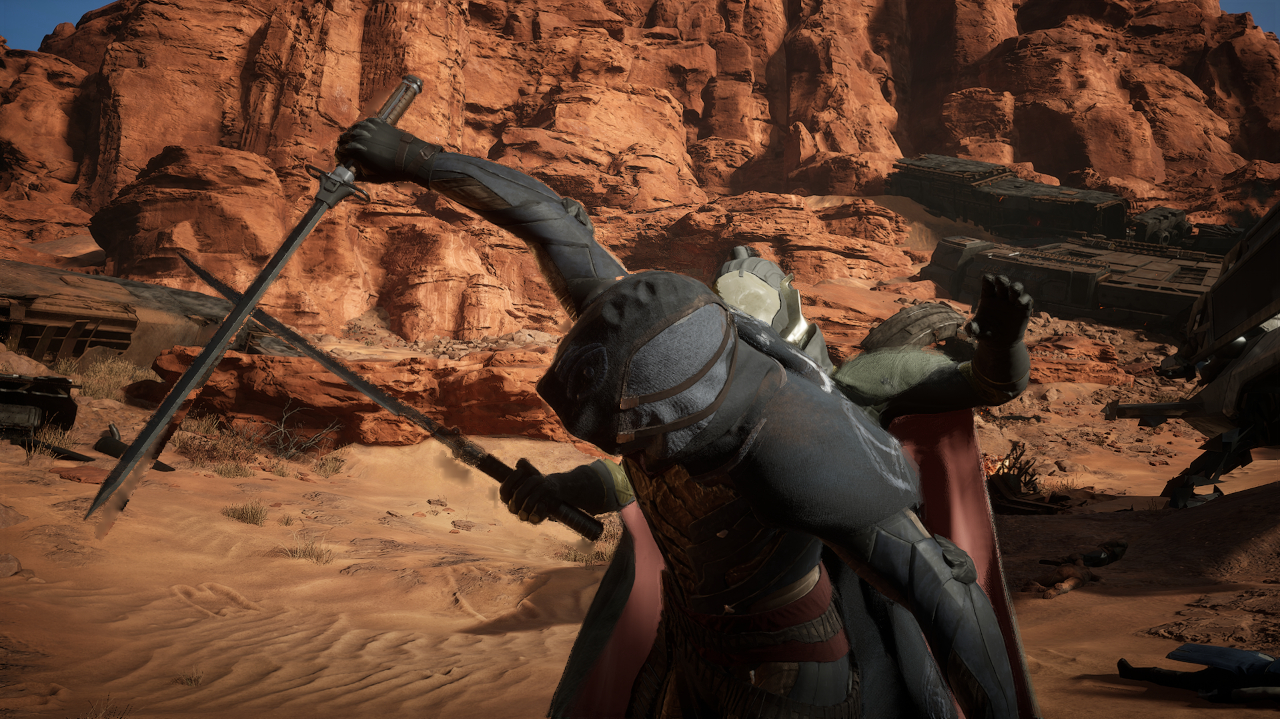
This version of the game is as exact and as one-to-one as it possibly could with the PC version released last year, down to the story arcs, quests, and PvE/PvP areas you take on. Since launch, Funcom has introduced new weapons, areas, and cosmetics through DLCs that will be available to console players, as well. Also, several key features in story and mission progression that have changed on the PC version will take into effect.
If you want to engage with multiplayer, it is still a viable option when you want to gather more resources and reinforce your bases against other players and the natural elements. However, you still won’t be able to host your own server on a console just yet, as it is more stable to do so on the PC version.
Become whoever and whatever to survive
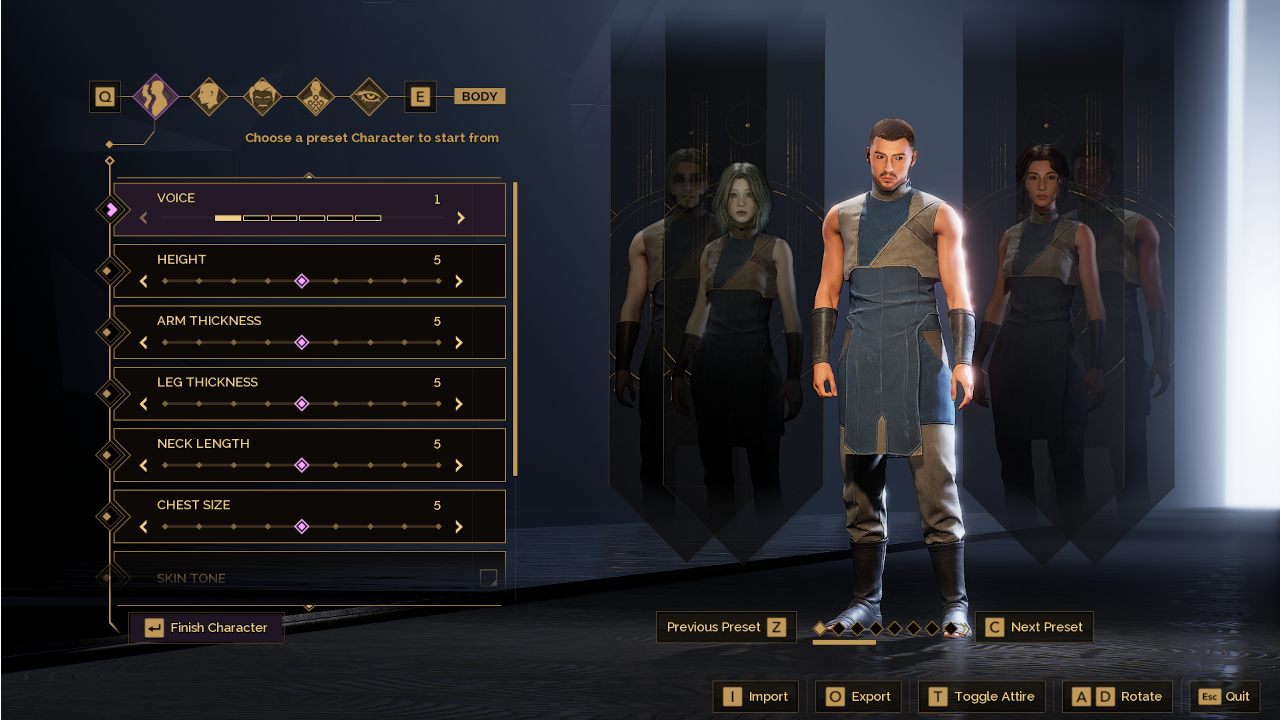
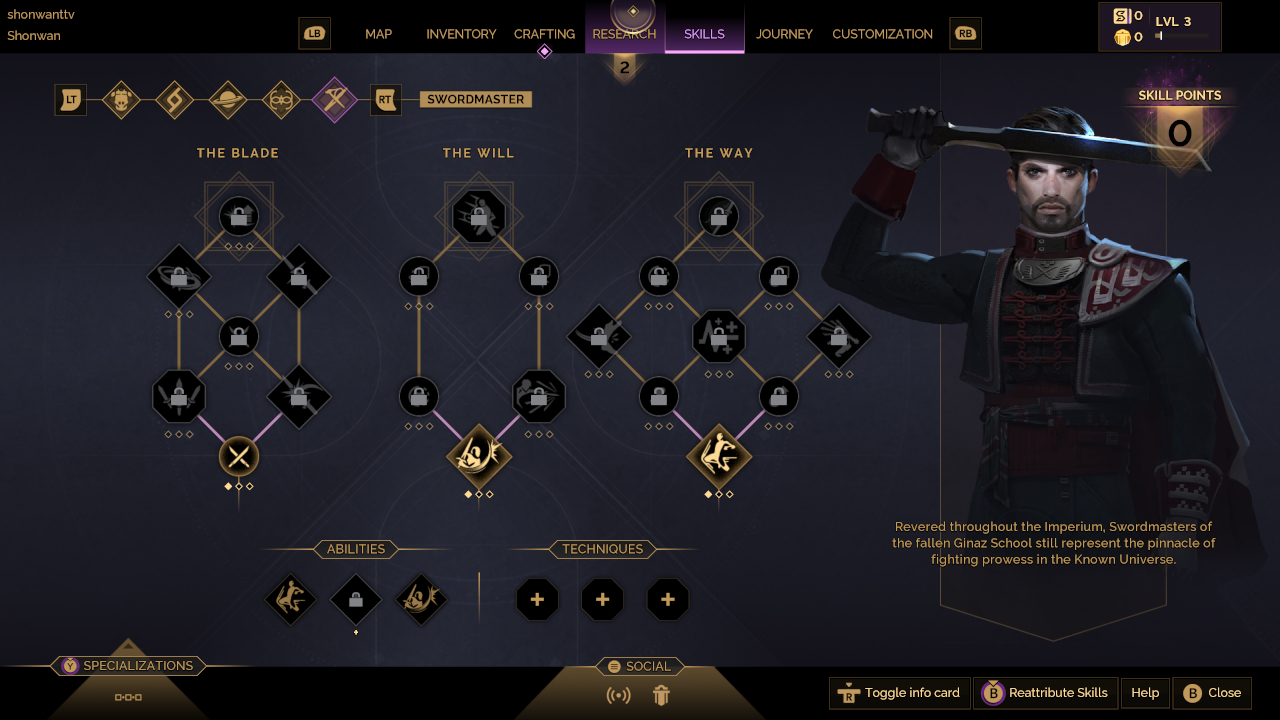
Character customization became the game’s bread and butter through its extensively library of features and unique take on story progression. As you begin your journey, Lady Jessica welcomes you in and asks you on your origin story, mentorship, and initial skill set — all of which are to your choosing based on your play style. Honestly, none of these completely influence the difficulty in progressing the story too much but it will give you full control of the experience.
As you progress further into the game, you will unlock more skills and abilities to aid you in your quest for power and survival. These will help you earn XP, along with accomplishing tasks, gathering resources and researching newer technologies, plus engaging in combat both within the PvE and PvP areas. Ultimately, you and, potentially, other players must build enough rapport and influence to shape the world of Arrakis to your liking.
Consistent visual expectations
For most players on the PC version, graphical fidelity relied heavily on the hardware of choice. When transitioning the game into a console-friendly environment, Funcom worked out the details seamlessly by adding a Performance and Quality mode. In this fashion, you can opt for crystal-clear graphics at a decent 30 FPS or go for a constant 60 FPS to keep up with the action.
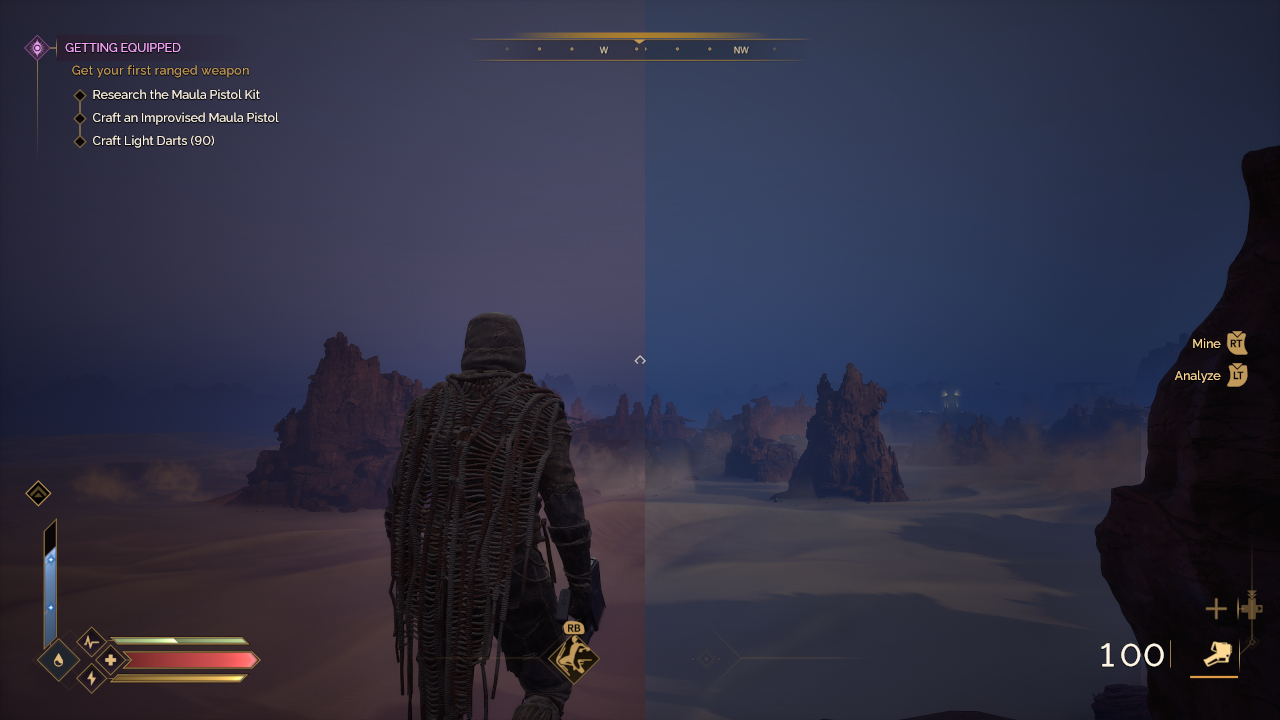
Left: Performance | Right: Quality
No matter which mode you choose, the overall visual identity of the game doesn’t change drastically. Environments look rich and vibrant, while the tiniest of details within character models are preserved. Although, given frame rate differences, rendering of background elements also reflects that but it won’t ruin the gaming experience.
Dune: Awakening will be available on the PlayStation 5 and Xbox Series X|S on September 22. For Xbox Game Pass owners, this will also be a Day One release with Play Anywhere support and cross-play within Xbox and PC players upon launch.
Funcom has also planned an exciting map update later this year plus potential DLC tie-ins to the upcoming Dune: Part Three theatrical release in December.


The trifecta is complete. Almost a year after announcing their new hardware, Valve has finally unveiled the price tag of the Steam Frame, complementing the Steam Machine and Steam Controller revealed a few months ago.
Whereas the Steam Machine is a console of its own, the Steam Frame is a traditional VR headset with a pair of controllers for both hands. Unfortunately, despite being in a different segment, the headset is not immune to the rising prices of technology. The Steam Frame will start at US$ 1,059 for a 256GB model and can go up to US$ 1,299 for the 1TB model. On the plus side, each box will come Half-Life: Alyx packaged along with the headset.
Here’s a more detailed rundown of what you’re getting. The Steam Frame will ship with the Snapdragon 8 Gen 3 chipset, paired with 16GB of RAM. Each eye comes with a 2160 x 2160 LCD screen, putting out images at up t0 a 144Hz experimental refresh rate. As mentioned above, the headset will start with 256GB of storage but can go up to 2TB. It will come packaged with SteamOS 3 and a rechargeable 21.6Wh battery.
This might be a hard buy for some. The industry currently has more affordable options, for one. Also, virtual reality isn’t the most thriving segment of gaming today.
If you’re still decided on buying one, however, Valve is using its lottery system. Interested customers can sign up from now until September 17. The company will then randomize the purchasing order. Those who draw the first ones in the lottery can get a purchase email as soon as September 18. Meanwhile, anyone who registers after September 17 will automatically be put at the back of the queue.
SEE ALSO: Valve announces its own console called the Steam Machine
Gaming
BlizzCon 2026 announces World of Warcraft: Forever and Diablo V
StarCraft, Overwatch, Hearthstone, and more also get news

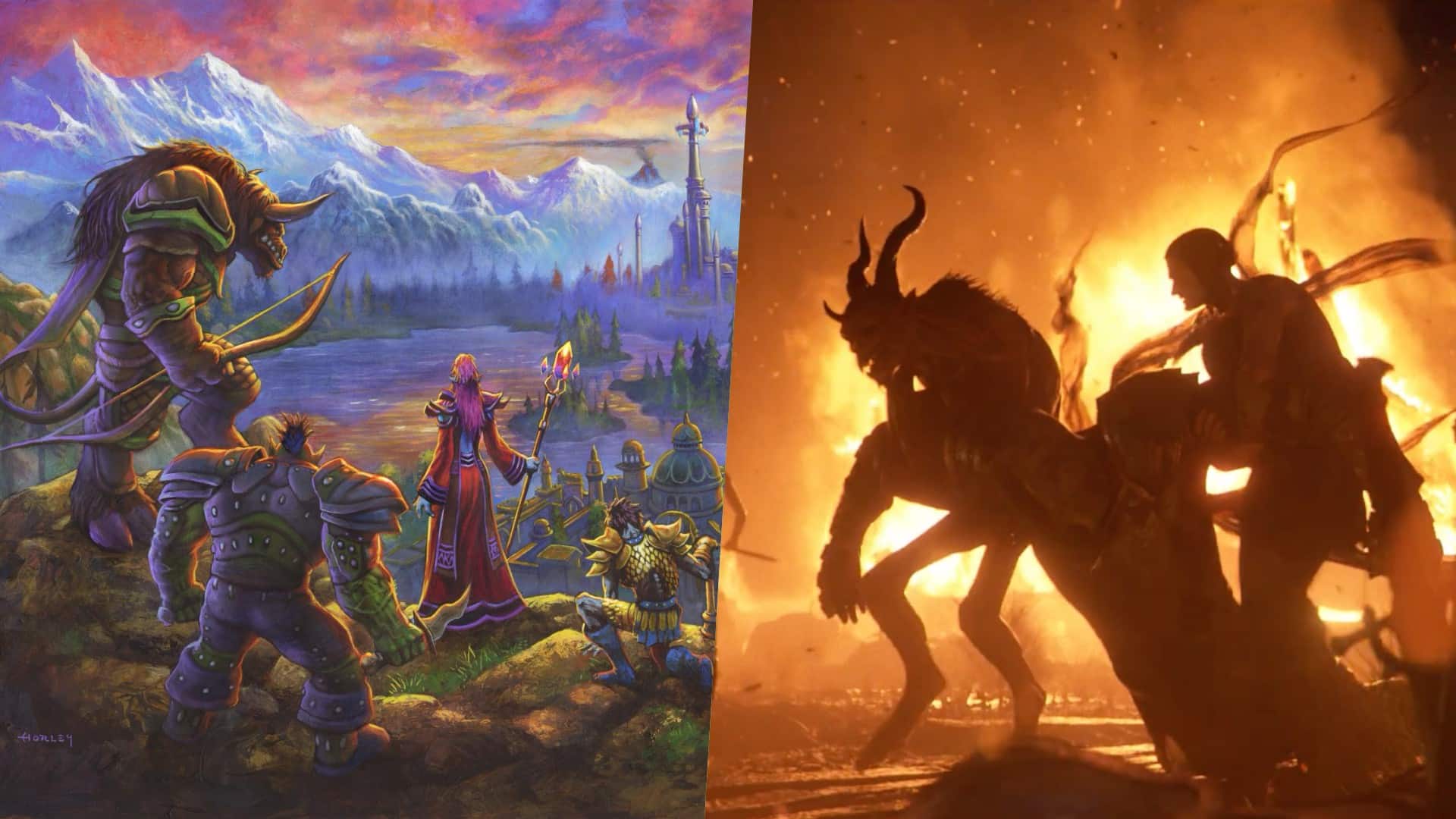
Blizzard Entertainment kicked off BlizzCon 2026 with a packed Opening Ceremony featuring new games, major expansions, updates, and other announcements across its biggest franchises.
Blizzard Entertainment President Johanna Faries opened the event at the Anaheim Convention Center, celebrating the community behind the company’s games and the teams that bring its worlds to life.
World of Warcraft: Forever and Diablo V
The biggest announcement was World of Warcraft: Forever, a new World of Warcraft experience launching November 5 AEDT, with its beta beginning September 18 AEST. The new experience will feature three zones, more than 1,000 quests, nine dungeons, two raids, and a new Skyborne race.
Blizzard also officially announced Diablo V, marking the next era of the franchise. The game is set to launch in North America in Spring 2029, with Sanctuary having fallen and Diablo having won.
StarCraft is also returning with a new story-driven, open-world shooter. The game is currently planned for a Spring 2030 release in North America.
Beyond games, Blizzard revealed that an animated series set in the Diablo universe is in development with Netflix. The company says this is only the beginning of its plans to expand its universes beyond gaming.
For Warcraft III Reforged, the new Forsaken Kingdom campaign is available today. It marks the Warcraft RTS series’ first new storyline in more than 23 years and explores the fall of Lordaeron and the origins of the Undercity. The accompanying 3.0 update also brings graphical improvements and a revamped World Editor.
Heroes of the Storm is adding Xal’atath as its newest Hero. She arrives in the Nexus on September 29 AEST, with her PTR release scheduled for September 15 AEST.
Existing games updates
Meanwhile, Diablo IV is preparing for its next major content drop. Season of Hell’s Legacy begins September 16 AEST and celebrates the franchise’s 30-year history with the return of the Prime Evils and Deckard Cain, alongside themed rewards and gear.
The legendary Amazon class will also arrive in the first half of 2027 as part of Diablo IV’s first class pack. The Diablo IV: Age of Hatred Collection is additionally coming to Nintendo Switch 2 on September 16 AEST with cross-platform play and cross-progression.
For World of Warcraft, Blizzard teased the next major update for Midnight. Eclipse (12.2) will see Xal’atath move closer to her goal of claiming Azeroth’s Worldsoul. Blizzard also offered another look at The Last Titan, the next expansion in the Worldsoul Saga and a major culmination of more than two decades of Warcraft storytelling. More information is coming early next year.
Overwatch is getting a major update with Season 5. The season introduces new Support Hero Doctrine, reworks for Sombra and Roadhog, and the new Watchpoint: Grimsvötn map. It will also conclude The Reign of Talon, Overwatch’s first year-long narrative arc.
LE SSERAFIM & YOASABI
BlizzCon also featured performances from YOASOBI and LE SSERAFIM. YOASOBI will perform during the first-ever esports halftime show at BlizzCon, while LE SSERAFIM will return to the Main Stage to close the weekend. A new LE SSERAFIM in-game collaboration is available now, with another Overwatch Spotlight scheduled for February 2027.
Finally, Hearthstone is getting its first new class in more than six years. The Monk arrives in 2027, while the upcoming Reign of the Black Empire expansion takes players back to the earliest age of Azeroth. It introduces the Assemble keyword, which combines two cards into a new one. Battlegrounds is also adding Aberrations as a new minion type.
BlizzCon 2026 is now underway, with Blizzard promising more announcements and details throughout the weekend.


DJI Lito X1 review: Is this the best lightweight drone for creators?
Making a strong case as a travel companion and a capable B-cam!


REDMI Note 17 Pro Max review: A new breed born from AI greed
Welcome to the new normal


Marvel’s Wolverine review: When the claws come out
A brutal, cinematic superhero adventure

70mai launches the A900 series with 4K front, rear recording

Dune: Awakening makes it way to the PS5 and Xbox Series X

The Kia EV3 brings gallery-worthy design in a compact electric form

vivo introduces OriginOS 7 with smarter multitasking and AI features

vivo X500 Series launches with major imaging upgrades

realme 16T 5G with 8000mAh battery, IP69 Pro rating launches in PH

HUAWEI Pura X View is 2026’s first WIDE slab-type smartphone

REDMI reveals the refreshed Note 17 and Note 17 Pro series

REDMI Note 17 Series: Price, availability in Singapore

The CAMON Slim 5G is TECNO’s latest ultra-slim smartphone


-

 News2 weeks ago
iPhone 18 Pro series: Price, availability in the Philippines
-

 Singapore2 weeks ago
iPhone 18 Pro series: Price, availability in Singapore
-

 News2 weeks ago
iPhone Duo: Price, availability in the Philippines
-

 News2 weeks ago
iPhone Duo: Price, availability in Singapore
-

 News2 weeks ago
vivo introduces refurbished versions of X300 FE, X300 Ultra for less
-

 Accessories2 weeks ago
CASETiFY upgrades iPhone 18 cases, teases iPhone Duo lineup
-

 News2 weeks ago
HONOR teases Magic9 Pro Max at Venice
-

 Editors' Choice2 weeks ago
GadgetMatch Awards: Best of IFA 2026